“Rick and Morty” Writer Mike McMahan Visits New York Film Academy Los Angeles

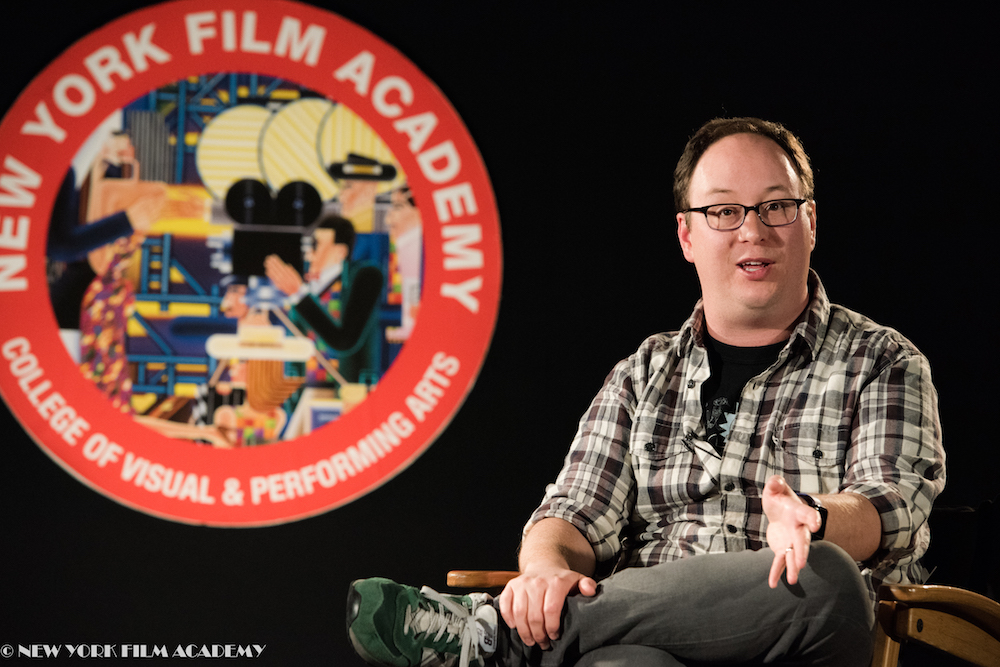
The New York Film Academy (NYFA) was excited to welcome one of the hottest writers on the animation scene, Mike McMahan. McMahan is currently one of the lead writers for “Rick and Morty” on Adult Swim. A funny kid from Chicago, he originally made the pilgrimage to Los Angeles to become a feature film comedy writer. Luckily, he fell into the world of animation, and television may never be the same. He spoke with NYFA Instructor, Eric Conner, about how to become a Writer’s Assistant, the secrets of the Rick and Morty writer’s room, and his journey from Chicago to Hollywood.

Like the vast majority of comic writers and performers from Chicago, McMahan began his career at the Second City. While still in college studying drama, he would do basic things for the Second City Theater like help set up the stage before a show. From that experience, he was able to get a P.A. job at Scott Rubin Productions, which led to him being hired on Comedy Central’s “Drawn Together.” When the plug was pulled on the show one of his superiors was able to recommend him for “South Park.” From there he went to Fox Animation where he met Justin Roiland.
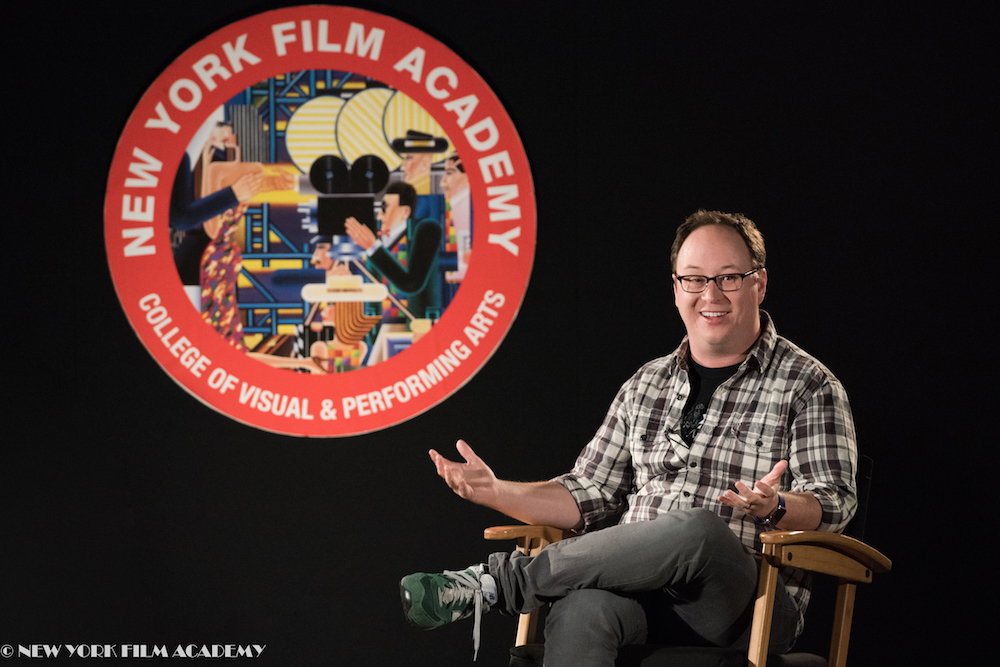
"Rick and Morty" writer Mike McMahan answers questions from students at the New York Film Academy

Roiland is now known as the voice of both Rick and Morty, but back then he was pitching pilots. “They were just as good as Rick and Morty,” McMahan said. He knew right away he wanted to work with Roiland in a professional capacity. “I know you’re going to have a hit show one day, like, you’re brilliant. ” he told Roiland, “Can I, please, just work on it in some capacity when you do?” A couple of years later, when Adult Swim picked up two scripts to prove it should be a series, Roiland asked him to come on as a writer’s assistant. The rest, as they say, is history.

McMahan gave the students the skinny on working as an assistant in a writer’s room. “It’s kind of different depending on what room you’re in. It’s an insanely amazing job to get, particularly if you want to be a comedy writer.” A day breaks down like this: the assistant arrives about thirty minutes early. All day they sit on their laptop and take notes as the writers pitch ideas. The assistant is the keeper of all knowledge.

In the “Rick and Morty” writer’s room, they use a program called Pear Notes, which records all the dialogue in the room. The recording is then sent to the writer assigned to that particular episode. This recording is vital because it doesn’t just serve as a reference for the writer. In a show that uses improvisation heavily, it captures those magic moments, like Dan rapping a song off the top of his head. The writer can add those lyrics verbatim to the script, but it might not capture the cadence or expression of a word. Luckily, the audio can also be played in the recording booth when an actor is doing their voiceover, too.

At the end of the day, the assistant throws out all of the trash in the room and gets it ready for the next day. “You’re kind of like their babysitter. You’re going to spend the entire next day in that room.” The assistant then organizes all the notes and pulls clips from films and television that were referenced during the meeting. Traditionally, writer’s assistants work for a year and then they’re given an episode to write. “On an Adult Swim show, this is a chance to prove your voice as a writer.”
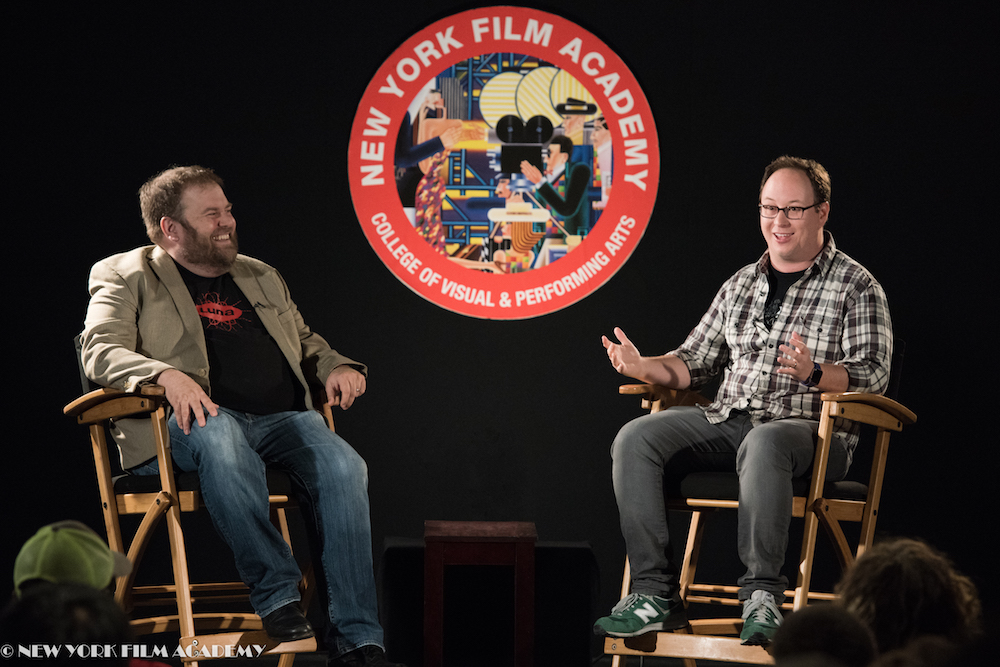
Mike McMahan answers students questions about screenwriting

McMahan got his first chance to write for Rick and Morty with season one episode nine, “Something Ricked This Way Comes.” This now iconic episode featured an ending where Summer and Rick get buff and beat up cruel people like a man who strangles his dog, and a Nazi. It earned him a new title in the show’s second season, Story Editor. By the third season, he had earned the position of Story Producer and written a total of four episodes for the show: “Rickshank Redemption,” “The ABC’s of Beth,” and “Total Rickall.”

McMahan warned students that as incredible as these jobs are they are also difficult to come by. “They usually go to the assistants of the lit agents because they know the job exists in the first place. If the creator doesn’t have someone they’re already interested in usually the answer is yes because the agent’s assistant tends to be responsible. They set up meetings and manage the calendar so they should be able to handle the responsibility.” Another way to get in is to be the writer’s PA.

Connor asked McMahan, “What do you think you learned as a Writer’s Assistant that you couldn’t have learned in a classroom?” McMahan responded, “I think you learn that every room is going to be different. There’s no manual you can read that is going to teach you how to be chill and do a good job.”

He goes on to explain that nobody remembers the job that was done; they remember the person who did the job. “A lot of advice I give to first time writers who are moving out here is, it doesn’t matter what job you get, it matters that you’re the best at doing the job.” A writer’s room is like a family. Integrating one’s self into that family is how people stick around.
One student, Nigel Robinson, asked, “What are some of the techniques you use to reverse audience expectations to make the show re-watchable.” McMahan contributed a large part of the show’s success in this area to Reddit. “If somebody guesses something we were planning to do on Reddit, we all get together and say ‘We’re not doing that anymore.’” If somebody tweets ideas at McMahan, he lets them know that they won’t use it.

“If a thousand people guess an ending then that means a thousand people will watch and think that’s’ just an okay episode.” So they stretch themselves to come up with something completely different. “When I tell other writers how many weeks we spend on these shows they’re in awe.”

The New York Film Academy would like to thank Mr. Mike McMahan for taking time to speak with our students. There’s no word yet on whether the show has been picked up for a fourth season, but keep watching Adult Swim for more information.
New York Film Academy Students Attend Cinema Italian Style

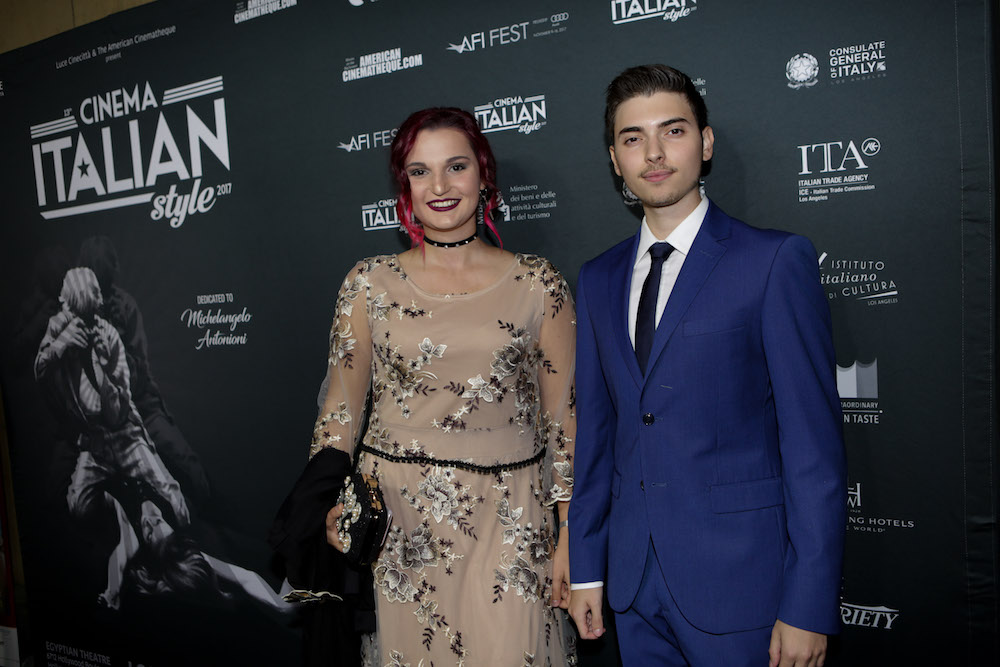
On Thursday, November 16, 2017, two students from the New York Film Academy’s Los Angeles campus, Alice Nicolini and Nicolo Azzaro, were invited to attend the opening night of the 13th Annual Cinema Italian Style at the Egyptian Theater. Italy’s oldest film studio, Luce Cinecittà, and the American Cinematheque presented the night, which featured a screening of “A Ciambra,” Italy’s selection for Best Foreign Language Film at next year’s Academy Awards.

The night also served as a celebration of the 80th anniversary of Luce Cinecittà under the auspices of the Italian Ministry of Cultural Heritage and Activities and Tourism, in collaboration with the Consulate General of Italy in Los Angeles, the Italian Trade Agency and the Italian Cultural Institute. Needless to say, this was quite an extravagant affair.

NYFA Students Alice Nicolini and Nicolo Azzaro attend 13th Annual Cinema Italian Style

The director of the film, Jonas Carpignano, has a youthful and unconventional approach to his filmmaking style, which can best be described as a scripted docudrama. All of the characters in the film are real people and their real names are the same as the characters they play. Likewise, their actual home is the set, and the script is inspired by the lives they lead.

The level of intimacy the director has built with his cast is immediately tangible. From the opening to the closing shot, the camera is an active component of the film, whipping around at an incredible pace. (Some audience members found it dizzying, but anyone familiar with music videos would recognize the cinematic language.) Carpignano’s fresh take on Gypsy culture in Southern Italy was warmly received.


One of the attending NYFA students, Nicolo Azzaro, had this to say about the film: “‘A Ciambra’ is a fantastic movie that perfectly showcases the strengths of Italian cinema at its finest. It digs deep into a current reality in Southern Italy, blending the almost documentary approach with a deep and emotional coming of age story.”

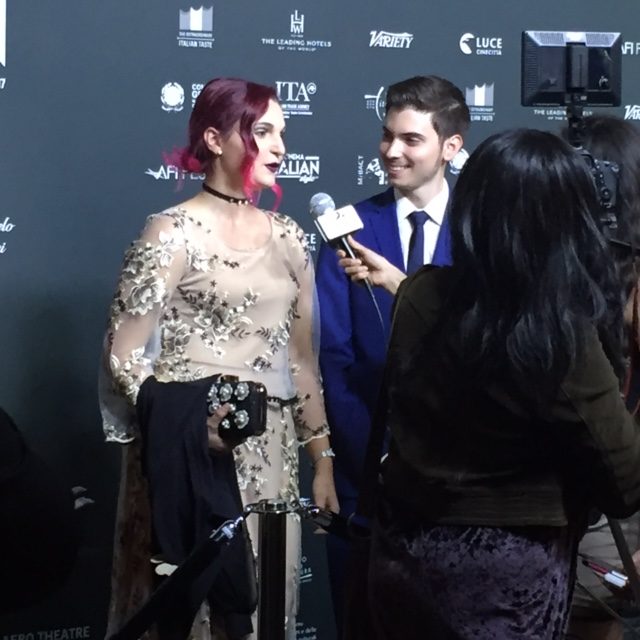
Alice Nicolini, the other New York Film Academy student invited to the event, added, “My favorite part of the evening was hands down the red carpet. It was all new to me. Walking down the carpet was kind of surreal. I mean, we also got our pictures taken and an Italian television station even interviewed us. That is definitely not an everyday thing.”

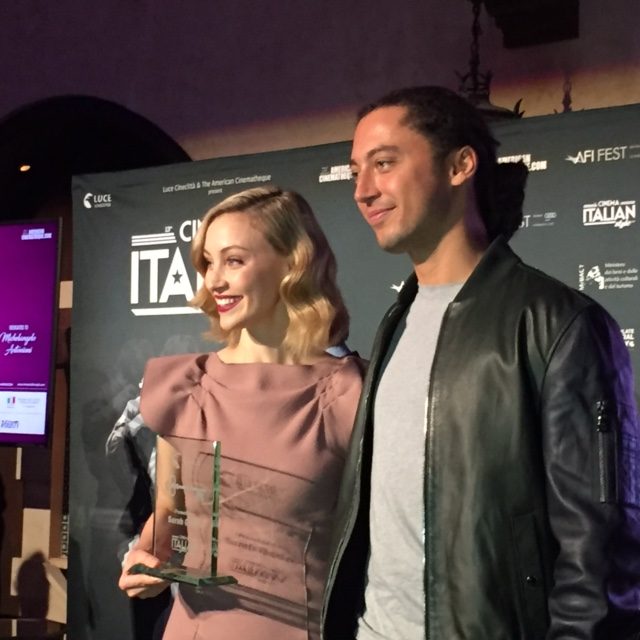
After the screening, the students were invited to a gala dinner at Mr. C’s in Beverly Hills. Celebrity attendees included Billy Zane, Ron Pearlman, and “Alias Grace” star Sarah Gadon, who was honored with the inaugural Cinecittà Key the day prior to the event. Students mingled with the stars and creators as they overlooked the Los Angeles skyline and enjoyed a meal curated by Michelin Star Chef Leandro Luppi.

When asked what he’d learned from the experience, Azzaro responded, “Cinema is a universal art, and no matter what language is spoken in a film, it is capable of connecting people from all around the world. Diversity is truly one of the greatest aspects of the entertainment industry.”

The New York Film Academy would like to thank Luce Cinecittà and the American Cinematheque for extending an invitation to this once-in-a-lifetime opportunity.

New York Film Academy Attends Cinema Italian Style Press Conference

New York Film Academy (NYFA) alum Sebastiano Caccetta (Oct ’13 MA, Film and Media Production) scanned the ballroom of the Hollywood Roosevelt Hotel where a press conference launching the Cinema Italian Style festival was taking place. Onstage stood “Alias Grace” star Sarah Gadon, Italian directors Jonas Carpignano and Francesco Bruni, and other major players in the contemporary Italian film industry. Sebastiano was at the press conference in his role promoting cinema and music for the Italian Trade Agency, one of the festival’s sponsors.

Earlier this month, Sebastiano had reached out to his alma mater, New York Film Academy in Los Angeles, to invite students to this year’s events. Celebrating its 13th year, Cinema Italian Style annually presents Italy’s official submission to the Oscars as well as other recent Italian films.

All NYFA students, faculty, staff, and alumni were invited to take advantage of free tickets to festival screenings at the Aero Theater from November 17-21. In addition, New York Film Academy students Alice Nicolini and Nicolo Azzaro were selected to attend Opening Night festivities, which included a red carpet event, a screening of Italy’s Oscar nomination, “A Ciambra,” and a gala dinner at Mr. C’s in Beverly Hills.

Sarah Gadon and Jonas Carpignano pose for a photo

At the press conference, Sarah Gadon, star of Netflix’s “Alias Grace” and a citizen of both Canada and Italy, was presented the key to historic Cinecitta’ studios in honor of their 80th anniversary. A production, distribution, and film archives entity, Luce Cinecitta’ has been the home of iconic filmmakers such as Federico Fellini, Sergio Leone, and Marcello Mastroianni. When Sarah noted that the key was not actually a key but a heavy glass award, an Italian official quipped, “You will just have to come to Rome to get the real one.”

Jonas Carpignano was introduced as the writer-director of Italy’s Oscar nomination “A Ciambra,” which was executive produced by famed Italian-American filmmaker Martin Scorsese. Raised in Rome and New York City, Jonas started making films when he was an undergraduate in the US. His first feature, “Mediterranea,” debuted at the Cannes Film Festival, and his second (“A Ciambra”) won the Europa Cinema Label prize for best European film at Cannes, both impressive accomplishments.

Speaking of his festival experience, Jonas said, “It’s always an accomplishment to get into a festival. There are different approaches to getting into them. You ask the question where can the film play? What kind of credibility and momentum can this festival give us?”

When asked if he had any advice for filmmakers on how to navigate the film festival circuit, Jonas was at first reluctant to give an answer because he has made only two features. “I feel I have an infinite amount to learn,” he said. After a moment of thought, though, he came back with this: “Don’t wait for someone to say it’s okay to make your film. If you believe in your ideas and the people you’re making the film with, go do something. Shoot some scenes. Make a trailer. Just don’t wait for someone to say it’s okay.”

Meanwhile, alum Sebastiano Caccetta reflected on how he got where he is today. “I was 28 when I moved to LA to attend NYFA. The school taught me the American way of working and gave me a very strong work ethic. The teachers were so supportive, and the environment pushes you to do your best. Pitching my film ideas in front of my classmates gave me confidence. I learned about teamwork, how to network, how to build my schedule. Today my ability to work with Cinema Italian Style, it’s because of NYFA. I’m working promoting Italian cinema for the government thanks to NYFA. I’m so grateful.”   

New York Film Academy Screenwriting Instructor Paul Brown Teaches Master Class at GAFA

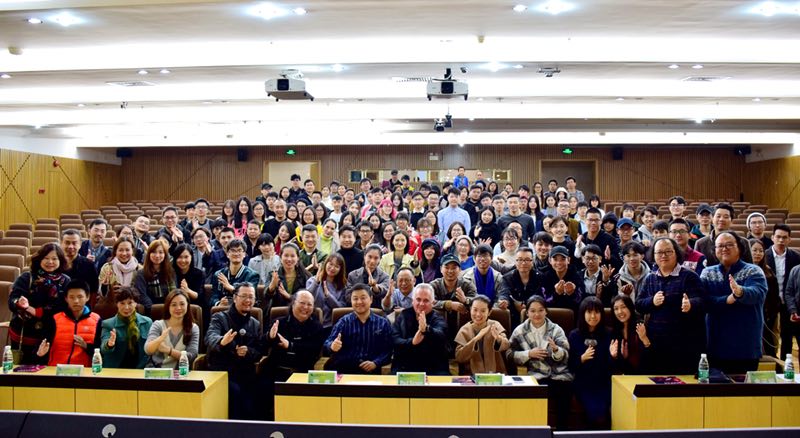
On the morning of November 26, 2017, Paul Brown, a notable Hollywood writer, director, producer, as well as a screenwriting instructor at the New York Film Academy, arrived in Guangzhou, China. Just a few hours later, Brown hosted a Master Class at the Guangzhou Academy of Fine Arts (GAFA), where students and faculty from the GAFA animation department and others packed the house.

Brown has taught several screenwriting workshops at the New York Film Academy, and has a distinguished career in the film & television industry. Starting over twenty-five years ago, Brown has produced more than one hundred television dramas and movies, working on illustrious series as “The X-Files,” “Quantum Leap,” “Star Trek: Voyager,” and “Star Trek: Enterprise.” Brown has won the Edgar Award from the Mystery Writers of America for Best TV Drama, and has been nominated for three Emmy Awards and three Golden Globes.

[su_carousel source=”media: 23529,23530,23532,23518″ link=”lightbox” width=”780″ height=”360″ title=”no” autoplay=”0″]

In the Master Class “The Secrets of Great Stories,” Brown used “Wall-E” as an example of a film that truly brings its characters come to life in an emotionally powerful way. Brown elaborated on how mystery is at the heart of all great stories, following up with a discussion about the hidden ways that makes the audience can care about and connect with memorable characters whose desires, flaws, and need for change awaken secret wishes for a transformation in our own lives.

After the class, Brown engaged with many students in a Q&A session and gave notes on students’ scripts until the end of the session. Overall, the afternoon was very well received and the audience from the Guangzhou Academy of Fine Arts had many words of appreciation and gratitude for Paul Brown and the Master Class.

New York Film Academy Alum Wins Big With “Dancing Wheels”

Credit: PRLog

Lucia Barata wanted to support the Dancing Wheels Company & School, an organization dedicated to teaching and showcasing dancers both with and without disabilities. Lucia decided to put the filmmaking skills she had learned over the years toward this goal to bring more exposure to Dancing Wheels and help them find more support and sponsors. Her efforts are paying off as her documentary, “Dancing Wheels,” is quickly collecting both awards and acclaim, including Best Film at the International Student, Newcomer, and Woman Movie Awards (ISENMA) 2017.

Since 1980, Dancing Wheels has dedicated itself to providing “a unifying expression of movement for all,” exhibiting dance as an essential illustration of the human spirit, including from people of all abilities. Since adding a school to its company in 1990, Dancing Wheels has become one of the foremost arts and disabilities organizations in the country.

By using the medium of film to showcase both the incredible dancing of the company’s members, as well as the passion and heart behind these beautiful physical movements, Lucia Barata was able to bring Dancing Wheels’s mission statement to a larger audience, including those outside the United States.

The International Student, Newcomer, and Woman Movie Awards are held in Indonesia and were founded in 2015, collaborating with the Film Festivals Alliance. Creating a platform and opportunities for both Indonesian and International filmmakers, the festival accepts narrative and documentary submissions from film students, newcomers (non-student, professional, recreational, or amateur filmmakers) and female filmmakers from around the world.

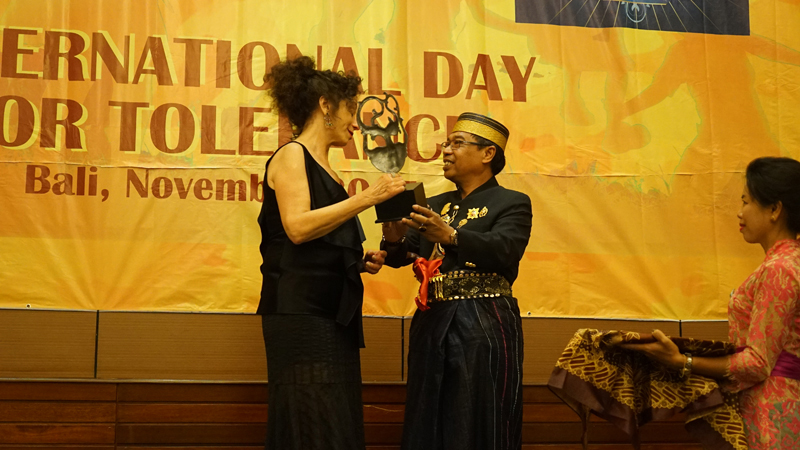
Out of a selection of 350 films, “Dancing Wheels,” was nominated for Best Film alongside three other films. Despite the competition, the documentary was an audience favorite and took home the big prize. The award ceremony was held in Bali and attended by an illustrious crowd, including Indonesian royals. Barata accepted the Best Film award from His Majesty the King of Bonea Selayar, H. Andi Mahyuddin.

While ISENMA presented “Dancing Wheels” with its first Best Film award, the documentary has already picked up several other accolades, including the Diamond Award in Short Documentary and Platinum Award for Editor of the Year at the Directors Awards, the Medal of the Year and Platinum Award for Director of the Year from the Filmmakers of the Year Film Festival, and the Royal High Achievement Award from Royal World Prize & Records.

“This film is the one I’m very proud of,” remarked Barata, adding, “there are no boundaries to dance.” Barata was born in Brazil and already had an impressive education in art and architecture before enrolling at the New York Film Academy in 2012. Taking the 1-Year Filmmaking program in New York City, Barata learned the skills necessary to telling a story—fictional or nonfictional—through a visual medium.

The New York Film Academy congratulates alumna Lucia Barata on “Dancing Wheels” and its awards, and looks forward to seeing what further accolades her career will bring!

NYFA South Beach to Host Panel at Spectrum Art Show

Spectrum Miami

New York Film Academy South Beach is honored to host an event during Discover Spectrum Miami on Friday, December 8 at 5pm. The event will take place during Miami’s annual, sprawling Art Basel festival, which draws a wide variety of art fans from all over the world to Florida’s southeast coast. The juried, contemporary art show takes place in Miami’s Arts & Entertainment District from December 6th until the 10th and features a diverse array of internationally renowned artists and galleries.

Art Talk is one of a number of different events taking place during the five-day fine art event. Representing NYFA will be David Mager, Chair of Photography for NYFA NY, LA, and South Beach, Naomi White, Associate Chair of Photography NYFA LA, Angelika Rinnhofer, Photographer and NYFA Instructor, and Jon Henry, Photographer and NYFA alum.

Inspiring Creativity
Where does the inspiration come from?  What drives us as artists to pursue a thread of interest?  How do we know when we are onto something? How can we work toward finding the next project?

Join New York Film Academy Faculty and Alumni in discussing how to inspire creativity, choose projects that are worth pursuing, and keep that creative inspiration alive.

Panelists
David Mager, Moderator
Photographer
Chair of Photography, NYFA NYC, LA, and SoBe
David Mager is currently the Chair of the Photography Department at the New York Film Academy for the New York, Los Angeles, and South Beach campuses, where he has been providing a focused, hands on approach to students of photography. David is an award-winning photographer with over 20 years of experience in the publishing, editorial, and advertising industries.  Clients have included Disney, DK, Scholastic, Der Speigel, McGraw Hill, Penguin, Time Out NY, Parents Magazine, Paper, Flair, American Baby, and Park Place Magazine and many more. David received a Masters of Professional Studies in Digital Photography from The School of Visual Arts, as well as a Bachelor of Fine Arts in Photography from New York University. He is also an Adobe Certified Expert in Photoshop Lightroom.

Naomi White, Panelist
Associate Chair of Photography, NYFA LA campus
Naomi White is a feminist, visual artist, and educator, working in Los Angeles. She is the winner of PDN’s Objects of Desire award and has exhibited throughout North America and Europe, including bG gallery Bergamot Station, Tobey Fine Arts, Christopher Henry Gallery, Lower Manhattan Cultural Council, GE World Headquarters, Saatchi Art Gallery, NAA Festival Novas Artes Associadas in Portugal, Scope Art Basel, Miami, and Photo LA. Her work has been published in PDN, The Brooklyn Rail, Uncertain States in the UK, and On Art & Aesthetics.

White holds an MFA in Photography and Related Media from SVA in New York, and a BA in English Literature from San Francisco State. White investigates themes of consumerism and identity construction in our camera-bound world, focusing on the transformative power of photography to affect desire and change.

Angelika Rinnhofer’s “a priori”

Angelika Rinnhofer, Panelist
Photographer
NYFA Instructor South Beach campus
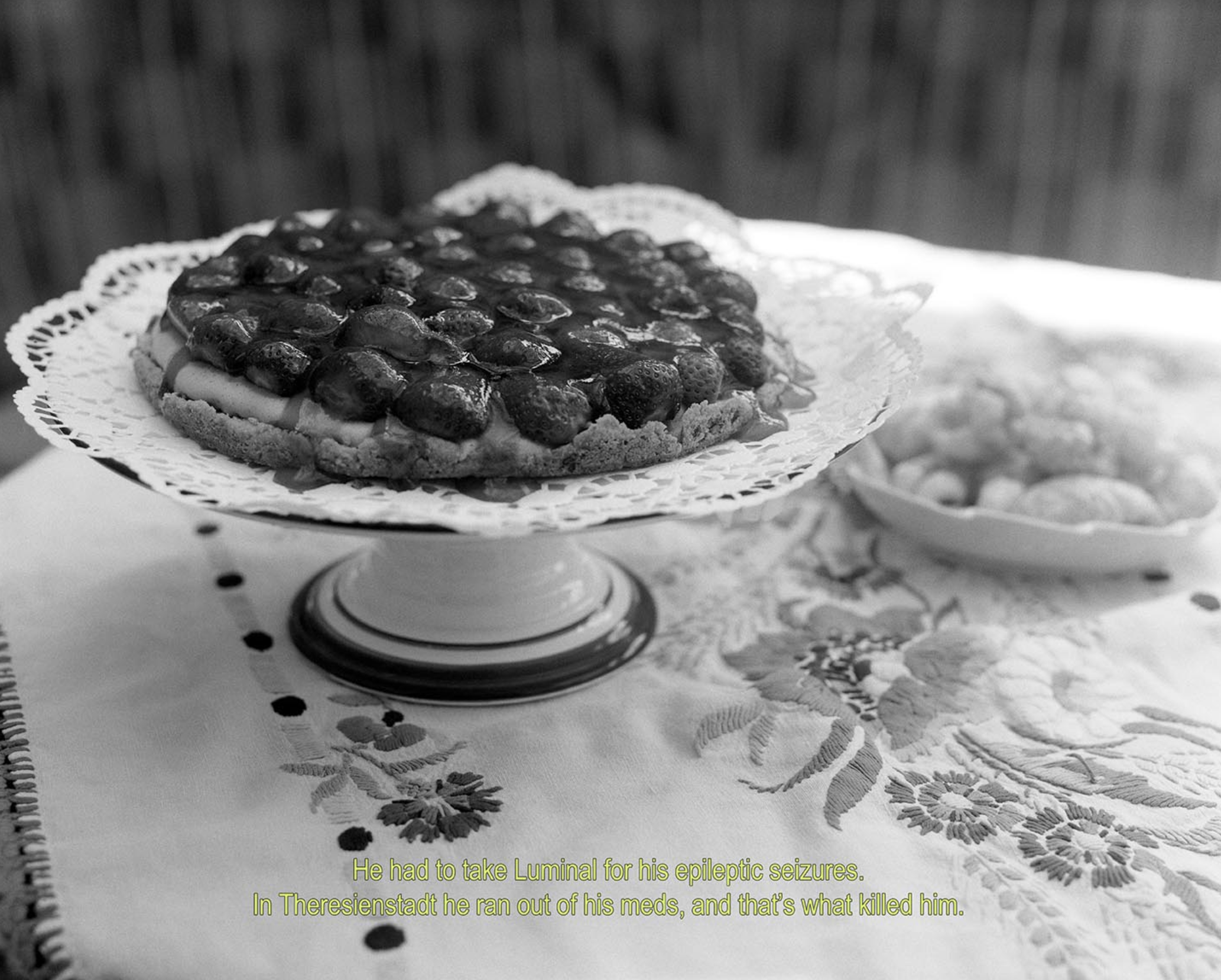
Angelika Rinnhofer is an artist and an art educator. She works primarily in photography, video, dance and performance, but sometimes adopts non-traditional art media in her practice such as baking, gaming, and trace making. In her work, Rinnhofer reflects on the feeling of belonging and the effect of memory on her sense of affinity. For her current project “a priori”, Rinnhofer examines the impact that the discovery of a family secret may carry on a person’s sense of identity.

Rinnhofer is the recipient of several grants and two fellowships, and the New York Foundation for the Arts/ARTSPIRE granted fiscal sponsorship to “a priori”. She has had a number of national and international exhibitions and her images have been featured in various professional publications. Her art has been shown in solo exhibitions at Miami Beach Urban Studios, the Jewish Community Center in Dresden, Germany, the New Britain Museum of Art in New Britain, CT, at Light Work in Syracuse, NY, at the Bernice Steinbaum Gallery in Miami, and the Paul Kopeikin Gallery in Los Angeles.

In 2010 Rinnhofer received her Master’s degree in Fine Arts in New Media from Transart Institute in Berlin.

Jon Henry, Panelist
Photographer
NYFA Photography Alumni
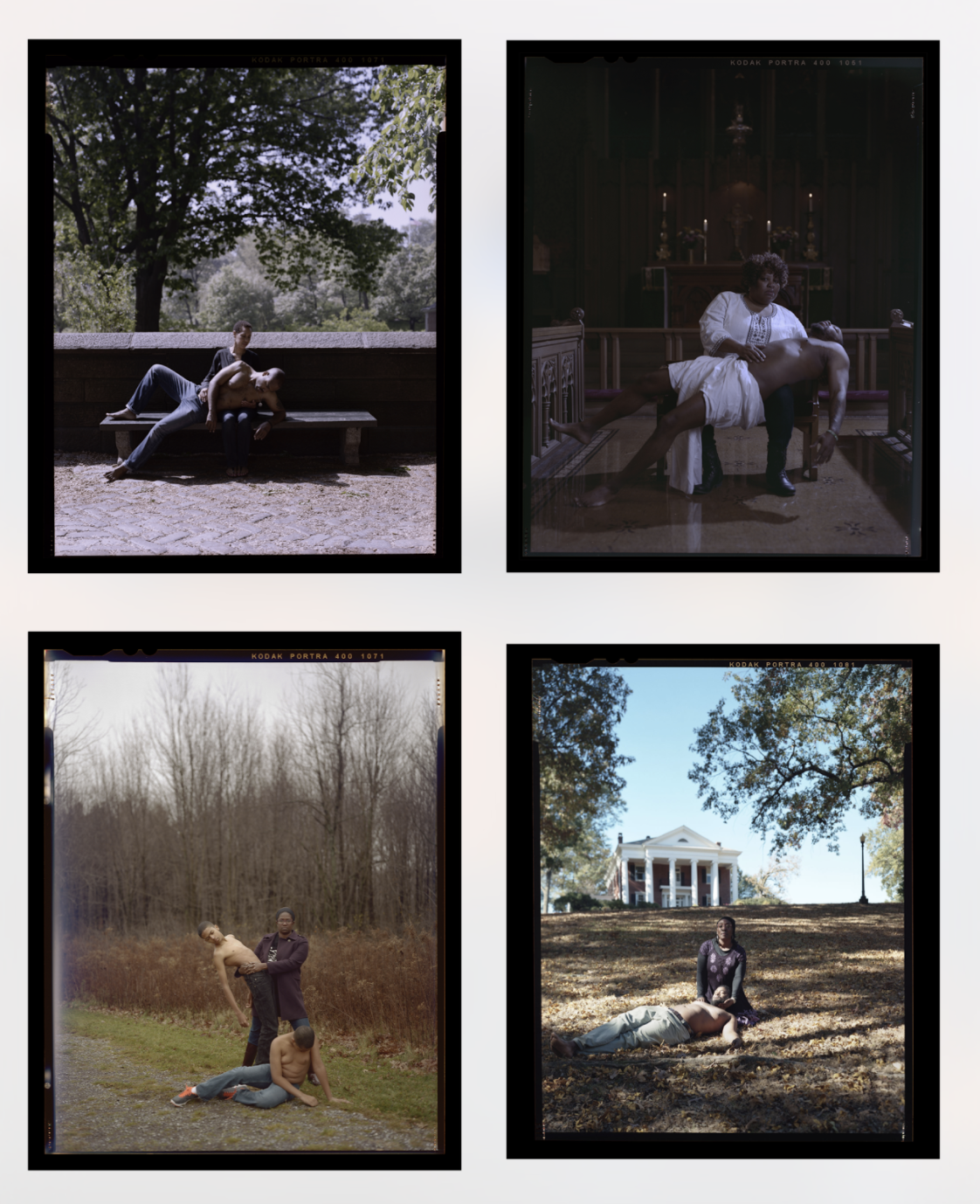
Jon Henry is an artist who was born and raised in Queens, NY. He studied at CUNY Queens College and New York Film Academy.  He is a visual artist who primarily works with photography. His practice focuses on two main areas: the black family, his own and the community at large. In specifically, looking at the mother/son relationship in the wake of the murders of African American men due to police violence.  His work also focuses on athletes and their representation in a fine art context. Stranger Fruit was recently selected by Smack Mellon for Hot Picks 2017 and the project was also on the short list for the Lucie Foundation grant.

NYFA alum Jon Henry
NYFA alum Jon Henry

NYFA Broadcast Journalism Program Updates Nov. 27

Last Thursday, here in the United States, we celebrated Thanksgiving. If you aren’t familiar with this public holiday, at its core it is about “giving thanks” for what we have.
Most of you know that I have worked extensively in China over the course of my career. In fact, I was there twice this year working on documentary projects. And I could not have accomplished anything without the help of translators, location coordinators, reporters, co-producers and other local people. I am extremely thankful to have worked with them, and appreciate all their help.
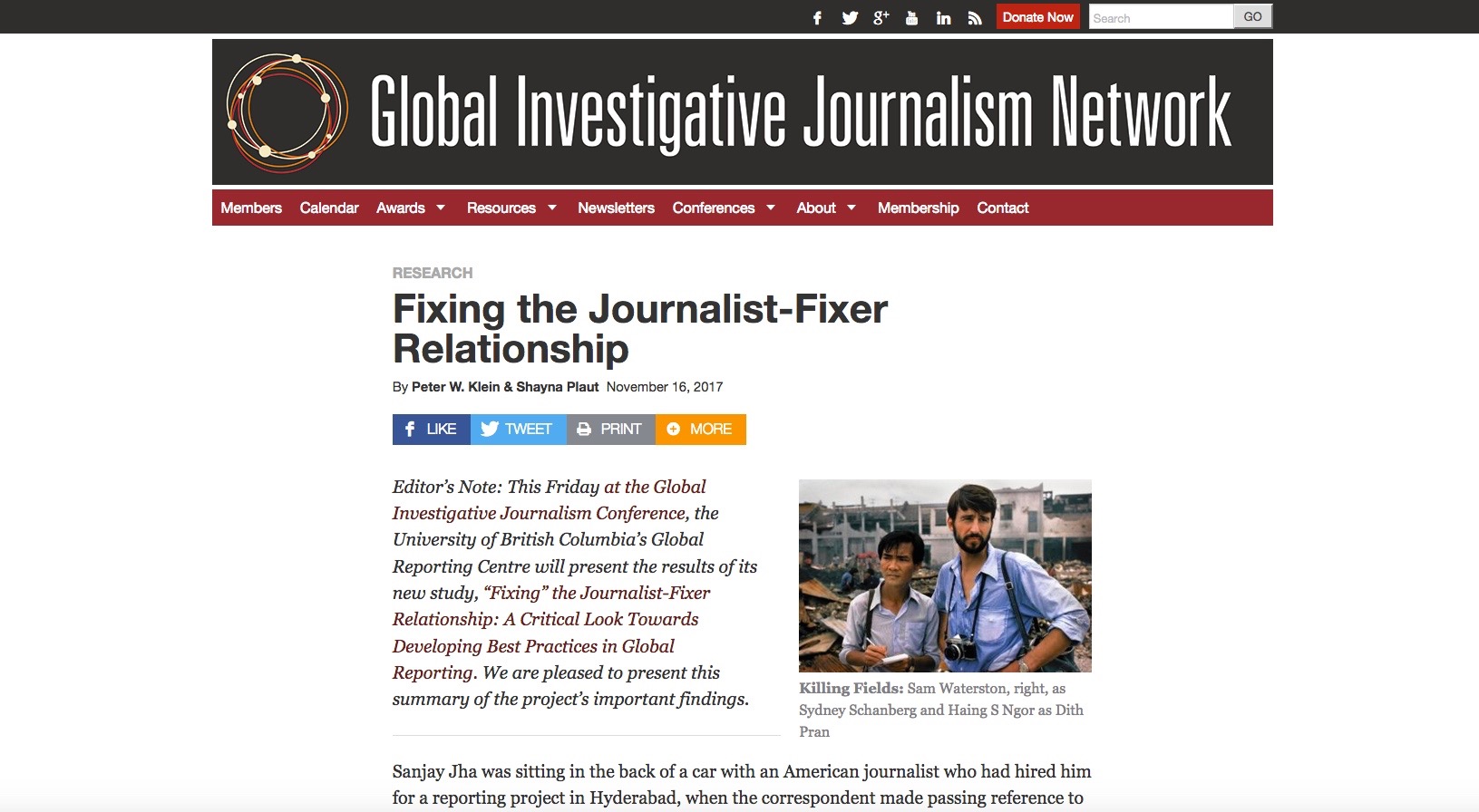
Unfortunately, many international journalists refer to their local associates as “fixers.” The belief underlying that term is that these folks bribe and cajole the “powers that be” so that we (foreigners) can work without the bother of confronting greedy, obstructionist and generally ill-mannered locals. The Global Investigative Journalism Network posted a wonderful story earlier this month about this racist attitude.
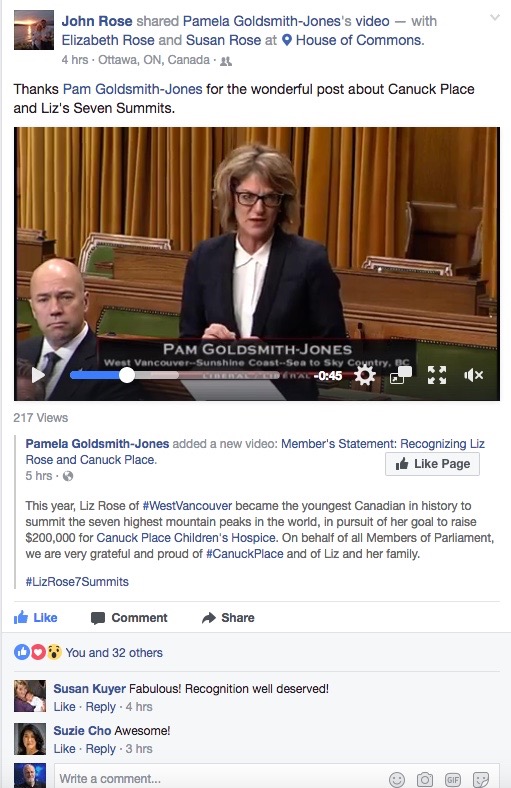
I am also thankful for some of the wonderful people who have studied in the NYFA Broadcast Journalism program. One of them is Liz Rose, from British Columbia — “BC” as we “in the know” say — in Canada. Liz was a member of my first class of 1-year conservatory students. Since then, she has been on a mission to climb the seven major mountains in the world, including Mount Everest. In the process, she has raised money for deserving community organizations. Recently she was honored on the floor of the Canadian Parliament for her achievements. I encourage you to listen to an excerpt of what MP Pam Goldsmith-Jones had to say about Liz. 
We at NYFA believe journalists play a special role in society. It may sound old-fashioned, but we think journalists have a responsibility to act in society’s best interests, to “do good.” Liz is certainly doing this in her life. Thank you, Liz.
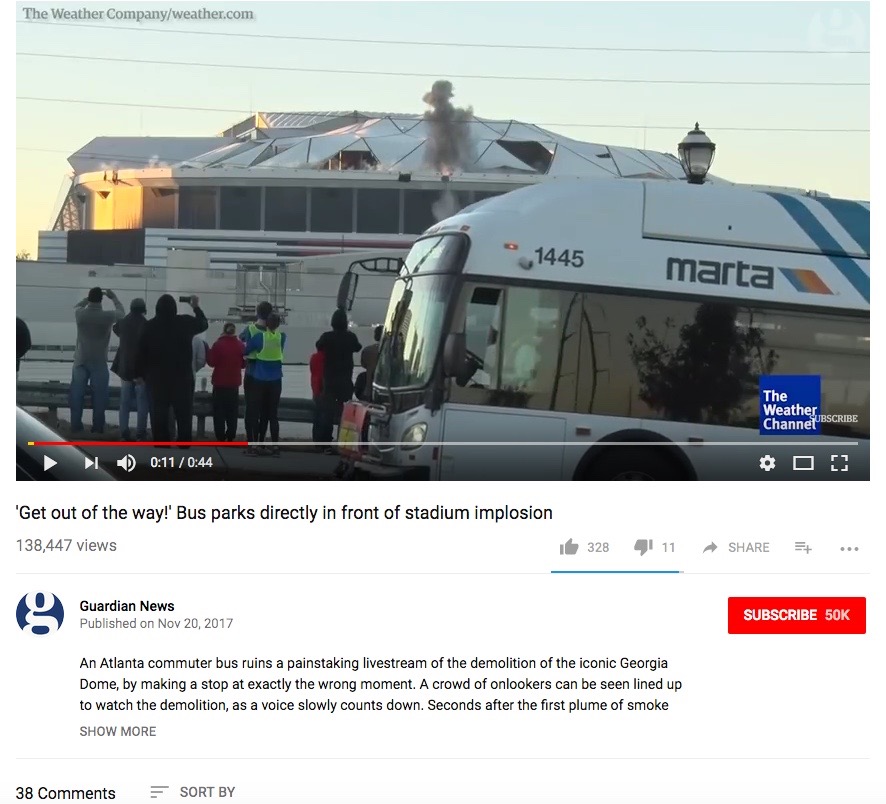
Finally, given that the news business can be pretty difficult at times, a sense of humor is essential. Last week, a former colleague and long-time friend, camera operator Mark DiPietro of “News12 New Jersey,” shared with me an absolutely wonderful video clip. Imagine that your boss has sent you out to cover a big local event — the implosion of an old sports stadium. You have been set up for a couple of hours, positioned to capture the entire scene. Then, at the most critical moment, BOOM … and your shot is blocked.
Thanks, Mark!

NYFA Acting for Film Alumna Elena Wang Takes “Allegiance” From Broadway to LA

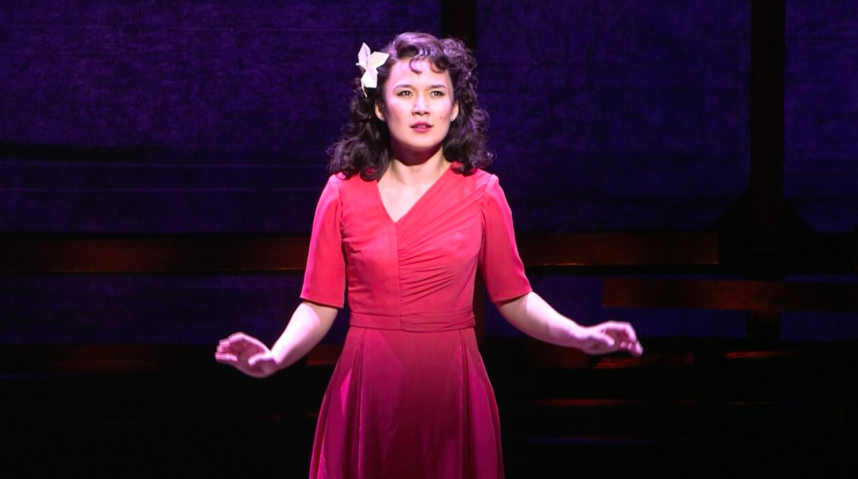
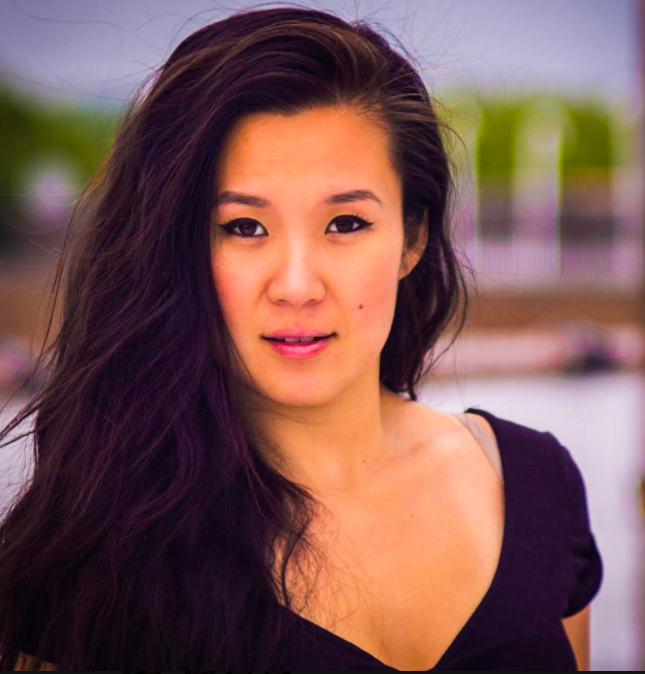
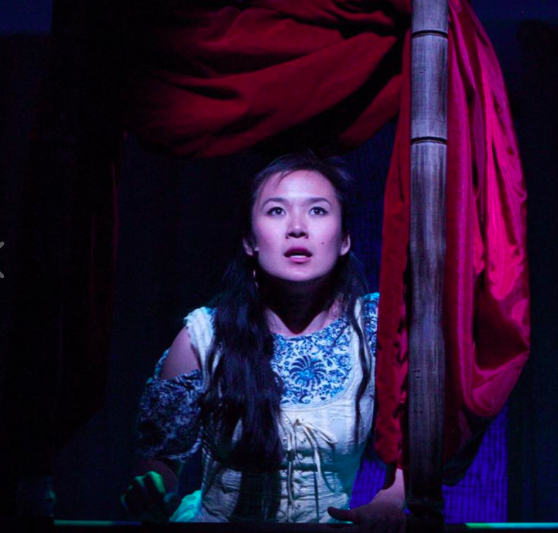
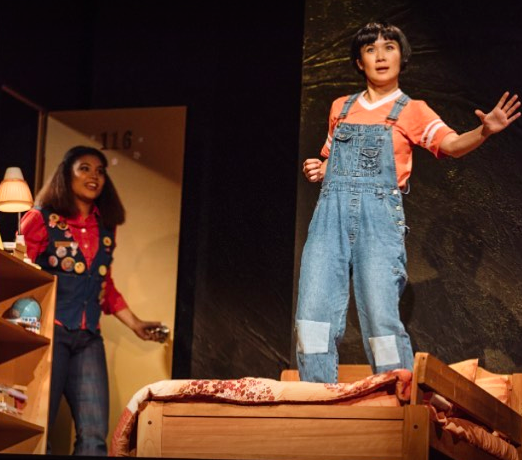
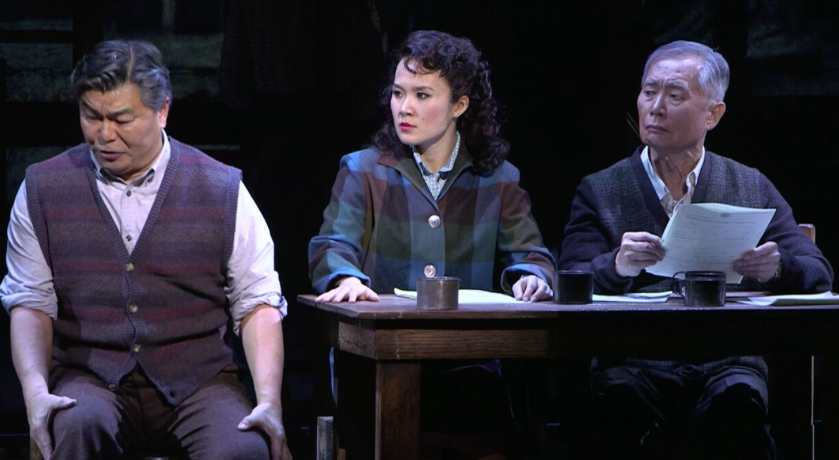
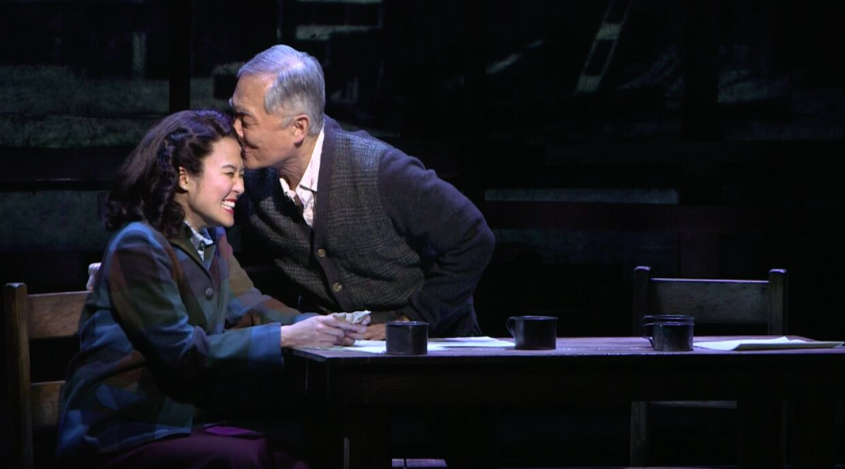
New York Film Academy (NYFA) alumna Elena Wang is seeing her name in Broadway lights. Wang is no stranger to the stage. She has performed at London’s Royal Albert Hall with Daniel Dae Kim in “The King and I.” She worked alongside Tori Kelly in “Oz” and has also worked with Shaquille O’Neal through NYFA and Taylor Swift through Sony. Having performed in Australia, Singapore, and England Wang will make her LA stage debut in “Allegiance,” a new musical inspired by the true story of writer George Takei’s time spent in an internment camp on American soil.

NYFA: When did you realize you wanted to be an actress?

Wang: I was born in Singapore but I was raised in Australia. I was blessed to have attended a school (St. Hilda’s Anglican School for Girls) that’s very strong in the arts.  When I was 12, they put on the production of “The Wizard of Oz.” I was cast as Dorothy.  I realize now how big of a leap they took to cast a little Asian girl for that role, but it was also an eye-opening experience for me. Acting and singing was something I really loved and it was a thrill to bring a character to life regardless of my race. That process was the very first spark of understanding that this could be something I could do for the rest of my life.

NYFA: What was your first acting gig?

Wang: I had to move back to Singapore for my family after high school. As luck would have it, I was able to get into a theater program I had had my eye on. During my graduation show of “Once on this Island,” where I played Asaka, a leading theatre company discovered me. Wild Rice is known for their large-scale production of “Beauty World.” They needed a leading lady and they entrusted me with the role. It was the role that got me ELLE’s ‘Breakout star of the year award’ and opened several doors for me. I was incredibly blessed that it was my first.

NYFA: What brought you to NYFA?

Wang: I grew up loving film. A year after my big break in Singapore, I landed a role in “The King and I” that was to be staged at the prestigious Royal Albert Hall in London starring Daniel Dae Kim (“Lost,” “Hawaii Five-O”). After performing for 5000 people every night, I realized that film was still something I wanted to try. So I took the leap, left London, and started fresh in Los Angeles at NYFA. I read that NYFA was hands-on and more practical-based, which was something I wanted.

NYFA: Do you have a favorite class or moment from your history at NYFA?

Wang: Singing has been a huge part of my career. I am an actor first and foremost. I would have to say my favorite class was Meisner class. We really got to dig deep. The class allowed us to be in front of the camera and experience what it was really like to be on set. In the two years that I attended NYFA, there were plenty of similar opportunities for which I am grateful.

NYFA: What did you learn at NYFA that helped you most in your career?

Wang: That’s a big question because we covered so many things. I would have to say learning how to be in an audition room, how to cold read, how to break scripts down and how to do it in a short amount of time. They were able to teach me what it is like in the “real world,” so even if it was daunting post-graduation, I still felt confident and prepared.

NYFA: What was the audition process for “Allegiance” like?

Wang: I didn’t have to audition for the cast that will be coming to LA in 2018. I made my Broadway debut in 2015 with “Allegiance.” However, for the Broadway audition, it was intimidating, to say the least. I stumbled upon the open call auditions via a friend whom I haven’t seen in years. This was just two years after graduating from NYFA. At the time, I was mainly focused on my VISA applications to be able to stay and continue working.  

Professionally, I’d already performed in music videos, commercials and a pilot. But, I had not sung for four years. I had to wait six hours among hundreds of other hopeful actors because I was not Equity. It felt alien to include singing with my acting audition, but I guess something clicked that day. I got through the first three rounds of auditions, which required me to sing and dance for the panel.  

They then gave me two days to learn some material for the lead role. Lea Salonga had set dates off for other commitments, and they needed someone to take over when she was away for those dates. The rest of the cast flew into LA from New York. There is a video online that shows the last round of the audition process, “Trek to Broadway – Episode 2 – ‘All We Need is the Girl.'” It is George Takei’s documentary on their road to Broadway with Allegiance. I’m lucky that I get to look back on the moment they offered me the position. Till this day it still feels like a dream, but now I get to say that it’s my life.

NYFA: Have you had an opportunity to meet George Takei? What was that like?

Wang: I love George and we have known each other for two years now. He was so wonderful, and nominated me for the Paul Green Award 2016 for the most promising young actor. I received the award in front of artistic directors and founders of theaters across the nation. George won the Person of the Year Award in 2016.  I have also played the role of Kei several times on Broadway and acted alongside him every day and night across 2015/2016.

It has been nothing but an absolute dream. He is the grandfather I never had and the most loving and sincere person I have ever known. If I were to say something to him, now, it would be “I love you very much.” Five days after I return from Singapore I will be doing a press/promo tour in Hawaii and Japan with George and our producer/writer Lorenzo Thione. It also coincides with my birthday and I can’t think of anyone else better to spend it with!

NYFA: What, if anything, does this play mean to you on a personal level?

Wang: On a broad level, this show is about how Japanese Americans were captured and placed in internment camps after Pearl Harbor. As long as you looked like the enemy, you were considered the enemy. It is also loosely based on George Takei’s life, as he was interned as a child.  

This story is important for all to see. Generalization of race is still an ongoing issue today.  Having grown up in western countries, being the minority has always been a part of my life. I absolutely relate to the themes within the show of family and endurance.  

The character Kei whom I’ll be playing in LA in 2018 finds herself through turmoil and stands up for what she believes. Together with her family and her community, they find strength in faith and love. So much of this within my own life has been true. Through my travels, I’ve had to find a deep inner belief that I do belong, regardless of my race. I intend to fight for my dreams. Breaking convention and showing the world that I belong in this industry has been an ongoing theme in my career so I am so happy to be able to continue to find myself within this show.

NYFA: Tell us a little about the character you play.

Wang: I believe through our troubles and failure, we find ourselves on a level we never knew before. [My character] Kei Kimura had to grow up without a mother. She drowns in her responsibilities, which includes looking after her younger brother, Sammy. But after facing turmoil, she finally finds her vulnerability, falls in love, and gains the strength to fight for her rights. She becomes a new person and a renewed daughter and sister.

NYFA: What has the rehearsal process for “Allegiance” been like?

Wang: For the Broadway show, it was an entirely new experience. I had never been to New York City. The moment I moved, it was press events and rehearsals for both the lead and my feature role as Nan Goto. Lea Salonga was not available until the second week.  The show had been in the works for eight years prior but it was all new to me.

After four days of rehearsals, taking on a double track immediately felt like boot camp.  The rest was amazing. During previews, we would make changes in the day and perform it to a paying crowd that night. It was hard work but also a dream come true.

NYFA: What’s up next for you?

Wang: There are lots of exciting new projects coming up within the Broadway community. We just had the world premiere of “Bastard Jones” Off-Broadway, and due to amazing reviews, I am looking forward to the next exciting phase of the show. It is the one show that the writers Marc Acito (“Allegiance”) and Amy Engelhardt (“The Bobs”) entrusted me to play what was originally an English comedic ingénue. They wanted the casting to represent “real” America. I love being a part of “colorblind” casting.

We also just went through the first industry showing of “Tiananmen.” It follows the journey of Xirui (whom I play), a young college girl who leads the hunger strike during the Tiananmen Square protests of 1989. I adore this show so I am excited about its next steps.  

I am enjoying the flow of my Broadway dreams but I am still very much in love with film. Any support, however, NYFA can give (even this blog) is the support I am grateful of.

The New York Film Academy would like to congratulate Wang on all of her success. Be sure to check out “Allegiance” when it comes to the East West Players beginning February 22. Tickets are available here.

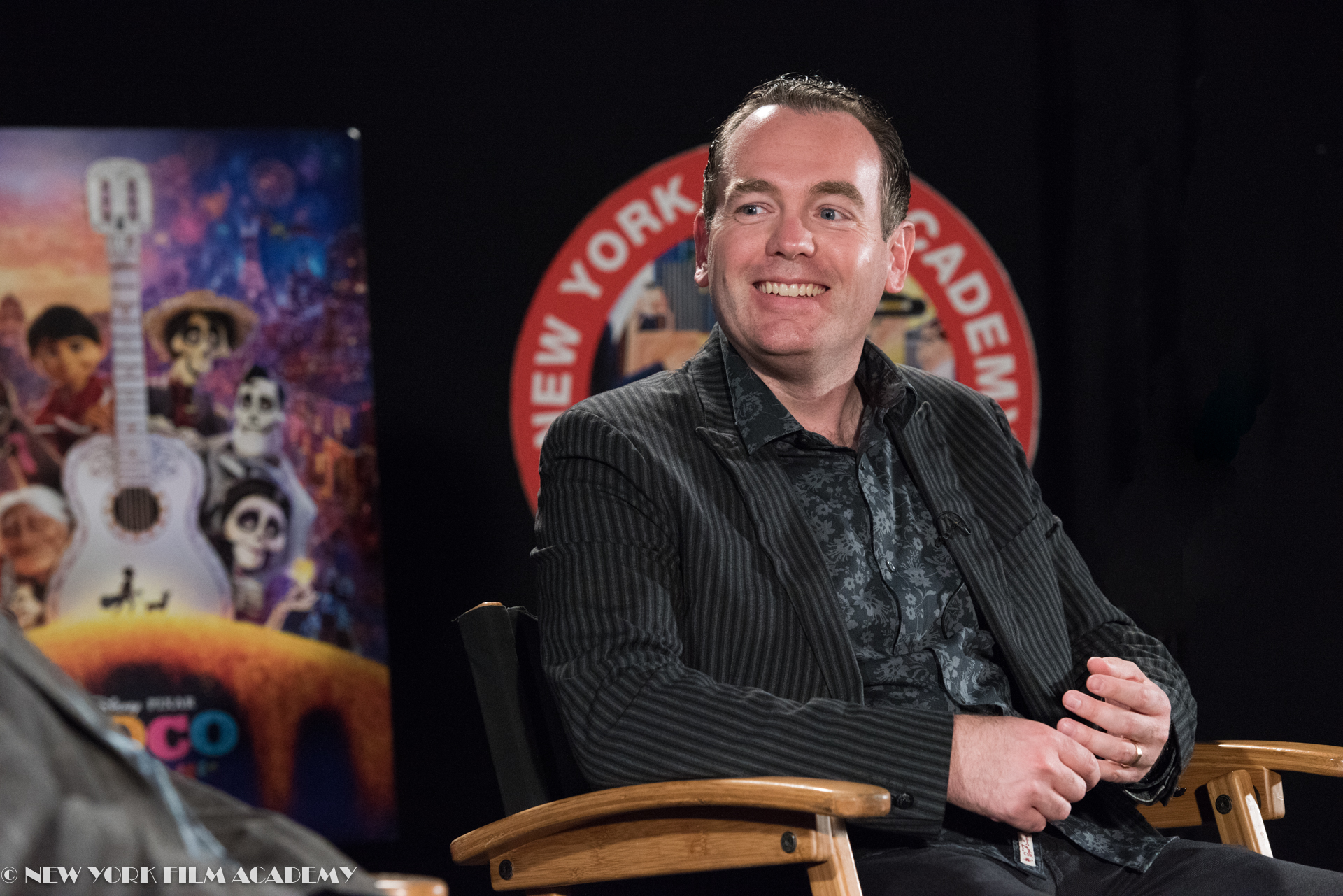
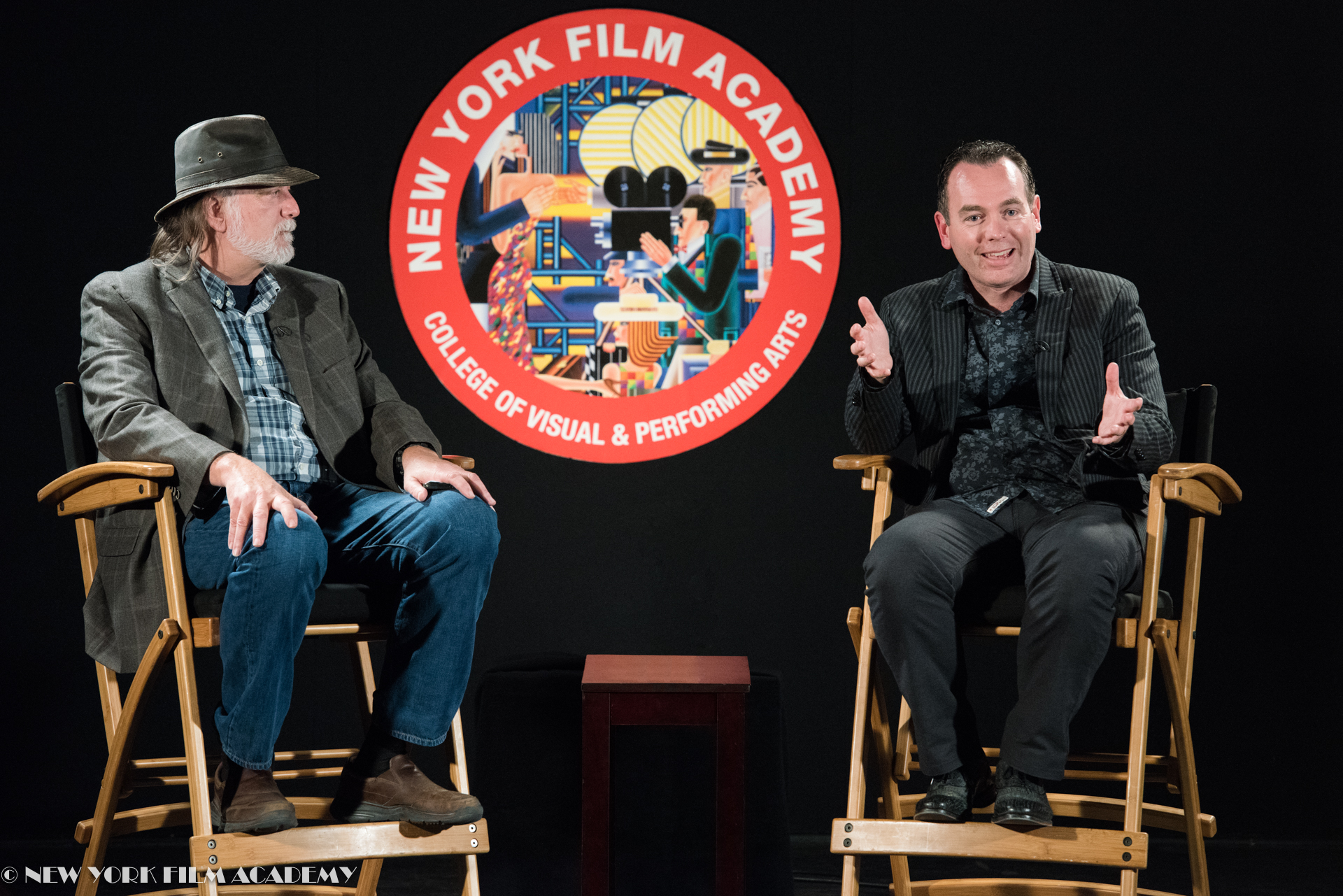
NYFA LA Holds Q&A with Byron Bashforth, Character Shading Lead of Disney’s “Coco”

On Wednesday, November 15th, students at the Los Angeles campus of the New York Film Academy were invited to a special animation presentation of “Coco” led by Character Shading Lead, Byron Bashforth. Chair of Animation, Craig Caton-Largent, played host for the evening.

Bashforth brought several clips from the film. Crowd favorites included an inspiring musical number and an overconfident child fighting with their family. Students were also able to view the stages of animation.

Byron Bashforth answers questions about Disney's Coco at NYFA LA

One of the main challenges of making “Coco” was how to make a convincing skeleton that wouldn’t scare the children in the audience. Creators went back and forth making a lot of little decisions such as should the skulls have eyes, what’s the best way to give a skull mouth shapes, and how to distinguish personalities out of the basic bone structure. All of these decisions added up to make for some pretty creative solutions.

The choice to add cloth to bone was one such challenge. The skeletal system is attached to ligaments and muscle tissue. Without them, there are large spaces between the bones. When the characters in “Coco” would walk around, their clothes would get caught in these notches. The animators were tasked with finding a way to keep the integrity of the look of the skeleton, but get the clothes to fit like they were on a flesh and blood body. The answer was to digitally sew cloth around the joints. It can’t be seen in the movie, but it works incredibly well.

From this idea, sprung another. Without any body fat, clothes just drape over the body. Belts, shoulder pads, and heavy fabrics were implemented to give shape to all of the exposed-bone characters.

Craig Caton hosts an evening with Byron Bashforth at NYFA LA

The walking-test of the characters showed the way in which personalities are given to each person. The sway of their hips, how much their bones jiggle, and a pronounced and defined brow ridge truly helped distinguish one skeleton from another.

Bashforth seemed most excited about discovering a way to make authentic non-scary bones. Disney Studios is a treasure trove of the exotic. So he put the call out to everyone in the office that might have a piece of real animal bone. The best response was a whale vertebra, but they also received cow bones and other animals of varying shapes and sizes.

After each piece of bone was scanned into the computer they experimented with layering the different textures over one another until finding something that looked like bone, but not too much. Then, they created a program where they could control how fresh or deteriorated the bones looked. This ended up being massively helpful because the city of the dead has a lot of skeletons. It also has a lot of lights, “Some of the shots had well over a million lights,” Bashforth said.

Guest Speaker Byron Bashforth discusses Disney's Coco at NYFA LA

One student asked, “How much of the animation is based on the performance the actors give and how much is based on the artist’s own imagination?”

Bashforth answered, “The voice recordings are done first and then the animators animate them as much as possible. The animation performances are really centered around the actors.” The animators would set up cameras in the recording booths and study the performances.

The New York Film Academy would like to thank Disney and Byron Bashforth for taking the time to speak with our students. Go see “Coco,” now in theaters nationwide.