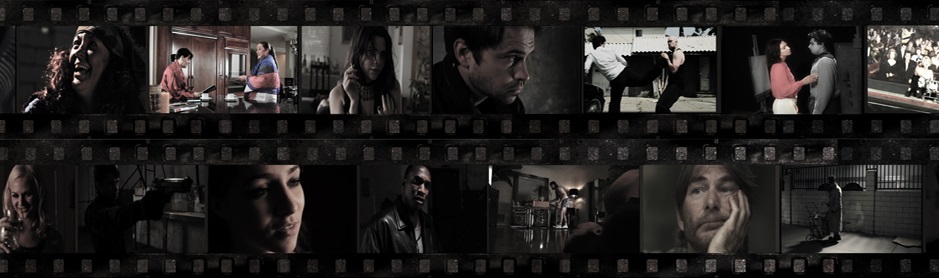
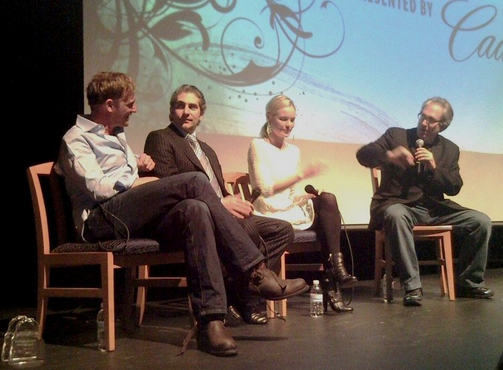
The Vail Film Festival, held annually in the small ski resort town of Vail, Colorado, fosters independent film and filmmakers through film screenings, panels, workshops, networking events, and educational projects.
Filmmakers who submit will have their films viewed and selected by VFF’s Programming Committee.
The Official Selection films will screen in Vail, CO, March 26 – 29, 2015. Filmmakers are invited to attend all screenings, festival parties and award ceremony.
Prizes will be given to the winners of the following categories:
Best Feature Film
Best Documentary Film
Audience Award
Best Short Film
Best Student Film
Best Environmental Film
Best Feature Screenplay
Best Short Screenplay
If you’re interested in submitting or would like to know more about the Vail Film Festival, CLICK HERE.
NYFA: Would you mind sharing with us a little bit about your background and what drew you to producing initially?
Diego Foyo: The initial factor that sparked my interest in filmmaking was the urge to change society for the better through the most efficient method, telling stories. I approached my father at a young age to inform him of this discovery, which I appropriately labeled “vocation,” and he had a very reasonable response “What do you plan to say?” It clearly caught me by surprise; my explanation only covered issues that my friends and I were going through. And so I left to see the world and learn about philosophy and the different cultures to become a qualified preacher to the masses, or so my ignorant-self proclaimed. I lived in the northwest of England for a year, one in France, two in Spain, another in the Caribbean, three in NYC and now four in LA. After 12 years of traveling it was clear I did not leave to learn about the world, I traveled to find myself and form a personal view of society, a view that became the cornerstone of my work. There is one rule that screenwriting guru, Robert McKee, has apart from his many principals, “Always tell the truth.” This can only be achieved after answering the question ”What do I want to say?” or at least that is what I believe.
NYFA: What in particular was it about NYFA’s curriculum that you found attractive? What lesson learned at NYFA have you continued to apply throughout your many endeavors?
DF: There is one thing that made me choose NYFA over the many options available to learn about filmmaking, and that is the hands-on method. Gladwell’s book Outliers came out around the time I started and he argued that 10,000 hours of practice will make anyone reach mastery in any field, even though I also agree with Epstein’s counter-argument regarding genetics, I think Gladwell has a point. I asked the few people I knew, in the entertainment industry, and they all repeated the same thing, practice makes perfect.
Obviously, there are many lessons I learned at NYFA that I still use today, but by far the most important one is teamwork. The importance of this is very clear for producers, directors, actors and anybody that works on set, but it’s not only for them. Screenwriters tend to believe they have the luxury of being anti-social since they write alone, but they still have to pitch the story, work with producers, directors, and sometimes actors. Making a quality film or TV show takes so much time that you’ll inevitably be stuck with others in an office at one point or another, and nobody wants to work with a person they don’t like. I can’t tell you how many shows we have rejected because the producers lack simple manners and we can foresee the pain of working with them. Unless you have a last name worthy of attention, the lack or abundance of manners will be noted from the moment you pick up that phone or you enter that building.
NYFA: You currently work as a programmer for Azteca America, in which you help select the shows that will air on the network. How did your producing education at NYFA help prepare you for your current role as a programmer?
DF: What is a producer selling if not a dream that only exists in the mind of its participants? There is no tangible product, and if produced, there is no way of knowing if it will be a success; the producer sells the idea of a program and claims to be certain that the audience will love it, and/or that it will be finished on time. Studying production helped with one critical aspect, cutting through the bullshit.
NYFA: Following up, in what ways do you still explicitly apply your producing skills and in what instances do you serve as an associate producer?
DF: Producing skills come in handy during many different scenarios yet it’s almost never a recurrent one. Since we are part of a corporation that is the largest supplier of Spanish language content in the world, there are many variations to each specific show or special. Credits are quite bureaucratic when working for a large corporation, never unfair, but always subject to the circumstances at the time. There is a show called Fabrica de Huevos where I have an Associate Producer credit, I had the privilege of working with the Huevocartoon Company through the creative process and functioned as a link between them and Azteca. This doesn’t happen too often.
NYFA: Did NYFA help you to develop additional filmmaking skills through our producing program? In what ways do you find your writing and directing abilities informing your position and goals as a producer?
DF: The producing program at NYFA is complete because they include classes on acting, directing and screenwriting. Whichever field you decide to focus on, learning about the other aspects of filmmaking will make a huge difference in your professional development. I must clarify that my personal goal is to work as a screenwriter for general market feature films and both general market and Hispanic TV series. To express the obvious, knowing about producing, directing, and acting (more than anything) will increase the quality of your screenplays dramatically.
NYFA: What are the criteria you and your boss employ to determine which show deserves to air on Azteca America? Is it purely the quality of the show, its potential appeal to a mass audience, or a little bit of both? What other factors are at work in seeing a show make it to TV?
DF: Remember those annoying moments when you want a specific answer and the teacher keeps responding, “It varies”? This is a very similar case. There are many variations which cause a show to make it or not, I’ll try to mention the basic ones, but be aware that this knowledge comes from my limited experience (3 years) with a Hispanic TV Network.
First of all, it has to be something the network is looking for. You may have a spectacular TV series, but if the network already has something similar and is not looking for more, there’s no chance for your spectacular and original series. Unless it is so good that it surpasses all the expectations, which almost never happens. Research the network you want to approach, look at their programming history and target audience. If the programmer is interested and a good space and date are available in the annual planning grids, the departments of Marketing, Research, and Legal Affairs will be involved to make sure the network can market the show, hit the target audience at the desired time and frequency, actually sell the spots, and get exactly the deal they’re looking for with the available budget. If everything is in order, a focus group will be organized to get the opinion of the audience.
The best advice I can give to somebody who wants to submit a TV show, of any kind, is to research the networks. Quality of screenplay and production are quite obvious, but the reality of the situation is that networks plan ahead to reach the sales goal of each quarter and they know exactly (in a sense) what they’re looking for. If you can’t sell your awesome series to Comedy Central or FX, it doesn’t matter; there are many networks in this country and many countries with more networks. Visit the markets, don’t limit yourself, go to MIPCOM, NATPE, LA Screenings, MIPTV, among may others.
NYFA: How has your career developed since leaving NYFA? Was programming something you saw an opportunity or was it something that came about naturally?
DF: NYFA has been extremely good to me, after studying in NYC, I came to LA looking for work and NYFA took me in. I worked for the LA campus during almost a year. At nights and weekends I was working in production and screenwriting with a fellow co-worker, the wonderfully energetic, Ana Menendez. The programming position at Azteca came to me by pure luck. I was applying for work in the production department and they needed somebody in programming, met with the boss and the rest is history. This was a crucial move in my career since it gives me a steady paycheck, a work visa, plus the nights and weekends free to work on my screenplays while still learning about TV business every day. Next step is to sell a couple of my screenplays, get the artist visa, and focus only on screenwriting for as long as possible.
NYFA: As a programmer, you wield significant power in terms of the fact that you shape what people watch on television. What kind of balance do you look for in the shows you program to provide the most well-rounded and absorbing TV viewing experience?
DF: There’s a couple of factors that dictate what could be called a “well rounded and absorbing TV viewing experience,” the science behind the schedule and the psychology of the target audience.
Depending on who your audience is and who you want it to be, at what time you choose to air a specific show, and the frequency, has (again) many variables to be considered. We’re not going to air a show that targets F18-24 at 11:00 am during weekdays, but we would show a program which targets F18-49 in order to reach the housewife. We won’t air a 1-hour comedy on primetime unless it tackles many subgenres, we would probably ask for a half hour version or consider it for the weekend. These guidelines are normally constructed by experience and research by the networks with the help of organizations like Nielsen.
The sad part is that most people want to see trash TV. I used to hate the fact that networks would insist on showing extremely stupid programs and wondered if they were doing it on purpose. Does The Learning Channel even care about their audience with a show like Honey Boo Boo on the air? Why on earth is the Kardashians a show with more than one episode? Don’t the networks have any sense of responsibility for molding the minds of tomorrow? The answer is they have no choice, the viewer already decided. If network A airs a show that stimulates the mind and entertains at the same time, while network B airs a show that is pure entertainment and demands not a single thought from the viewer, network B gets an award while A has to fire staff, cancel distribution deals and lose millions. What would you do?
NYFA: What do you wish you knew when you started your career? Do you have any pieces of advice to give to the next generation of producers and filmmakers?
DF: There is only one thing that I would tell my younger self and anybody who wants to break into the industry: Never waste a second, always be working towards your goal! This seems like a very obvious advice, something that everybody knows and doesn’t really help much to hear it again, but if you only knew the importance of a single hour, a night, or a weekend, every second makes a difference. It is intimidating to think that millions of young and talented students want to do the exact same thing as you, they want to be producers, screenwriters, directors, actors and they come from every corner of the world, but if you pay close attention you will realize that most are quite dumb, lazy, with horrible work ethic, and lack of discipline, having said that, never underestimate the real competition. The way to shine is to fall in love with the process, it is not about the happiness part, it is about the pursuit. It is a common misconception to link creativity to dreamers, this industry is full of dreamers, if you really want to do this for the rest of your life you must ground your feet and work non-stop. Don’t listen to music during traffic, use audio-books, don’t watch a movie to relax, analyze it with pen and paper, if you spend too much time on Facebook, Snap Chat, or Instagram, not networking, delete the accounts. Limit your fun-time to once a week; be healthy to be able to work more, be smart about it. This is the moment to give 100%, most of the competition might be worthless to employers but they still take up time and space. You are hoping for a very privileged job that pays way more than a regular job with the same work hours, to get it you must deserve it. Dress the part, make eye contact, speak loud and clear, develop friendships with the security guard, the receptionist, the assistant, and most important of all be humble.
At fifty years old and with three decades of acting history behind him, Johnny Depp’s career has been unparalleled in terms of its breadth and variance. Having run the gamut between low-key biopics with an indie aesthetic to some of the most expensive blockbusters ever produced, Depp is one of the few actors who can truly say he’s done it all and his finer works will be the study of top acting schools for years to come.
The road to super stardom hasn’t always been rosy, however. In just ten of his movies, we explore the highs and lows of Depp’s enigmatic career to date.
Where It All Began
(Nightmare on Elm Street, 1984)
While trying to make a career in music – arguably his first love – Depp tried his hand at acting (at the behest of none other than Nicholas Cage) and was blown away by how much it paid.
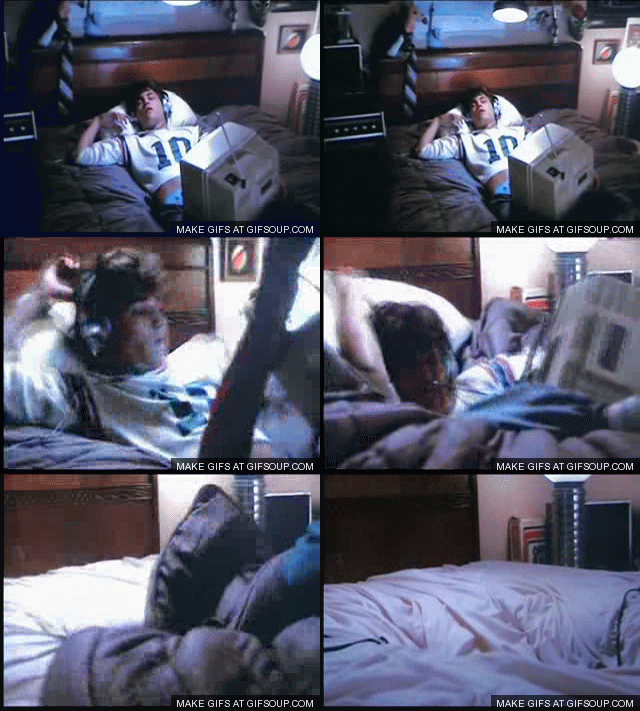
When the world was first introduced to Depp, he was wearing a painfully 80s outfit for a small part in the first Nightmare on Elm Street movie. He only had a few minutes of screen time as Nancy’s boyfriend before suffering a surreally brutal death, being sucked into his own bed and spat out again in liquified form. It was brilliant.
He followed on with another small part in the critical smash Platoon, giving him the opportunity to show off some serious acting chops. The success of both Platoon and Nightmare on Elm Street lead him to act on another street, this time in TV form…
The Television Years
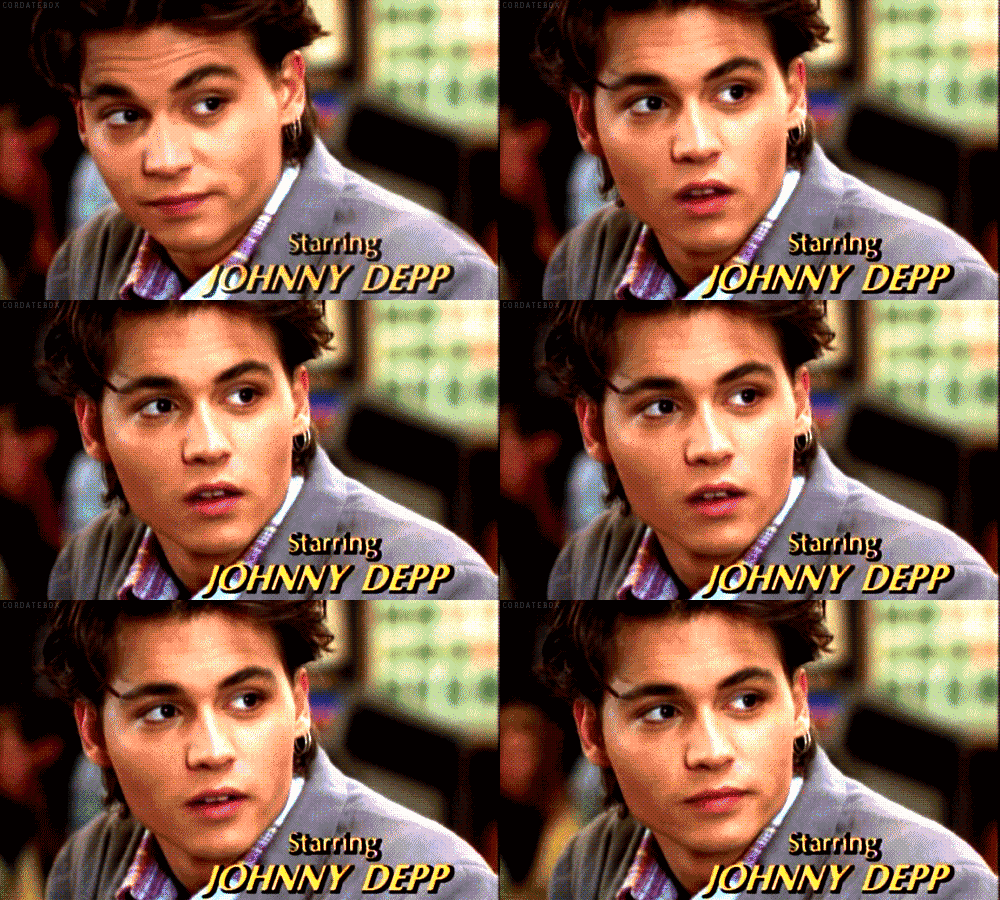
(21 Jump Street, 1987 – 1991)
Over the course of four seasons, 21 Jump Street transformed Depp from a bit-part actor to a national sex symbol. While the show earned him a cool $45k per episode and a legion of teenage fans, Depp himself hated the ‘pretty boy’ image he was becoming known for and felt forced into the role. After being released from his contract, Depp reached out to one director who he felt could help him break into the more artistic side of Hollywood…
The Tim Burton Years
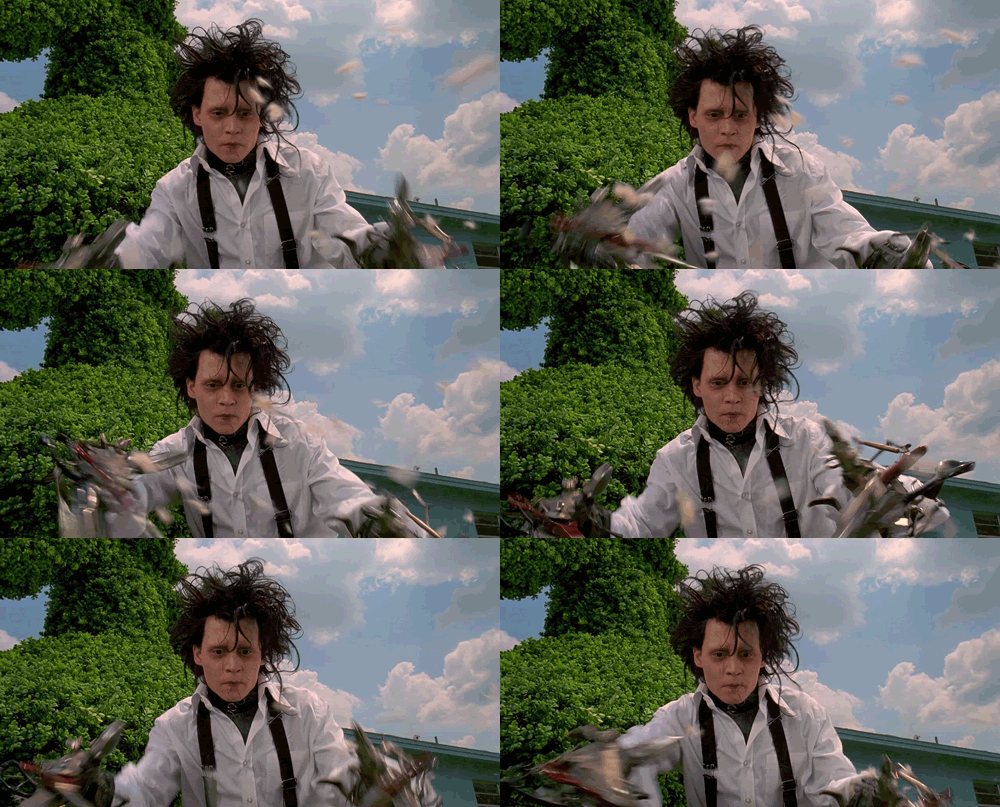
(Edward Scissorhands, 1990)
An almost clinically perfect movie, Edward Scissorhands demonstrated to the world what can happen if you let a visionary director and an extraordinary actor exercise their creativity without limits. Depp brought his A-game to the table in portraying the puppy-like Scissorhands – it was unconventional at best and downright risky at worst – but it was a move that paid off big time at both the box office and for Depp’s long game.
The Biopic Years
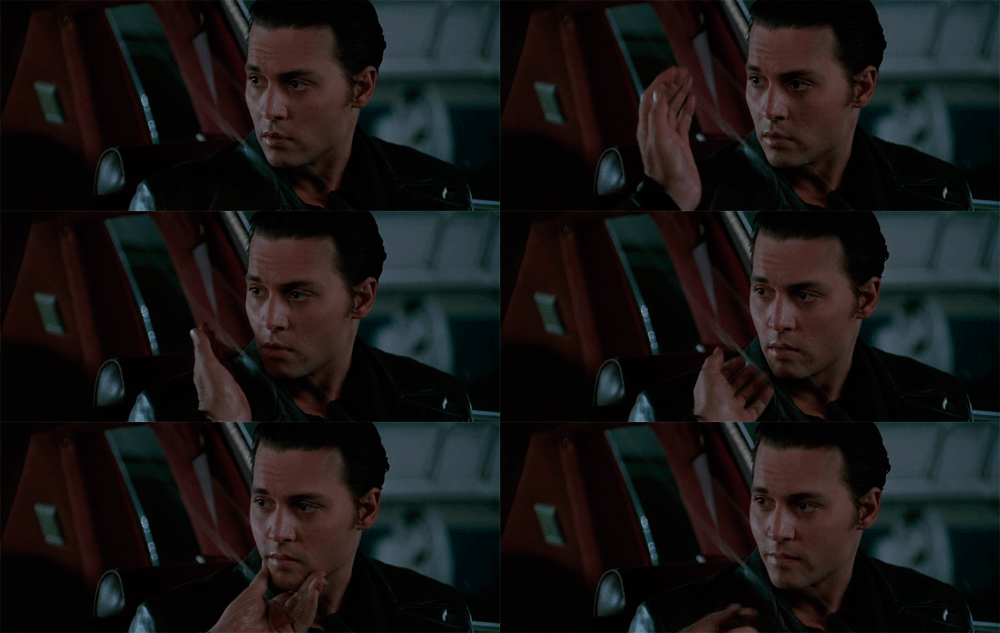
(Donnie Brasco, 1997)
In what can also be considered his first set of Golden Years, Depp went from strength to strength with a series of biopics involving fascinating subjects. Donnie Brasco and Ed Wood were among the finest biopic movies he has ever been involved in, and were surrounded by a number of other stellar releases which garnered both critical and commercial acclaim; Who’s Eating Gilbert Grape, Don Juan, the grungy Dead Man and the uncharacteristically comedic Betty and Joon were also released during this 90s era.
The Mediocre Years
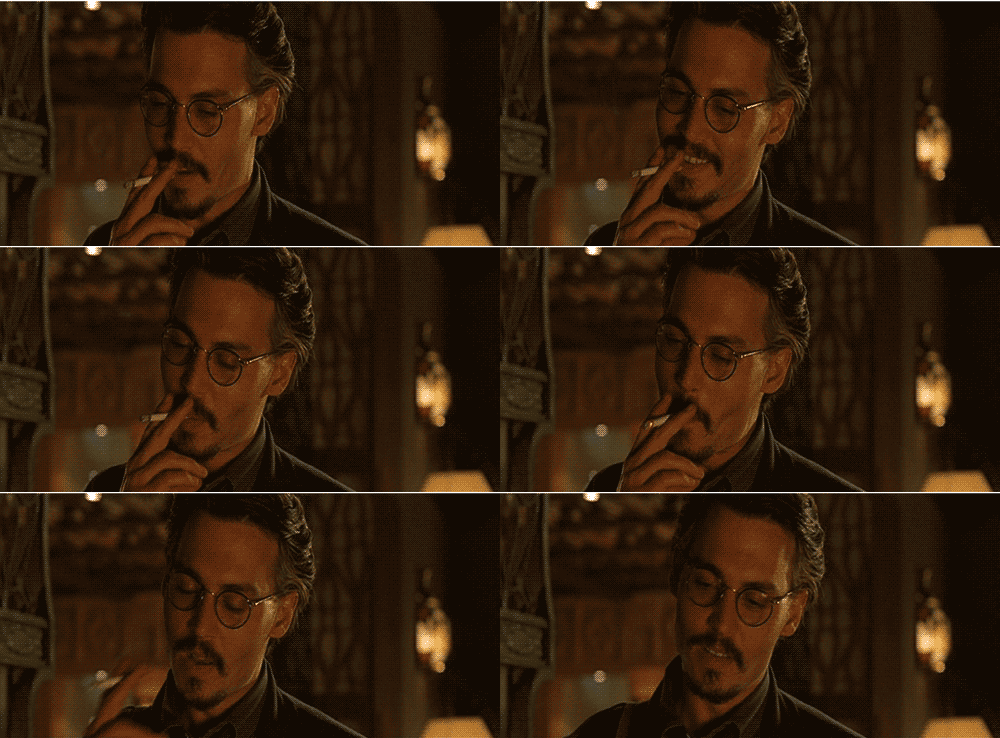
(Ninth Gate, 1999)
After the innovative cult flick Fear and Loathing in Las Vegas (which received a middling reception from the mainstream) and a decent attempt at horror with Sleepy Hollow, Johnny Depp entered into somewhat of a slump and churned out a series of ‘spooky’ throwaways between 1999 to 2001. Ninth Gate, From Hell, The Man Who Cried and the awful Rosemary’s Baby rip-off The Astronaut’s Wife nearly typecast Depp beyond recovery, and the only saving grace during this period was his role opposite Juliette Binoche in Chocolat.
Things got markedly better after that, however…
The Hollywood Years
(Pirates of the Caribbean: Curse of the Black Pearl, 2003)
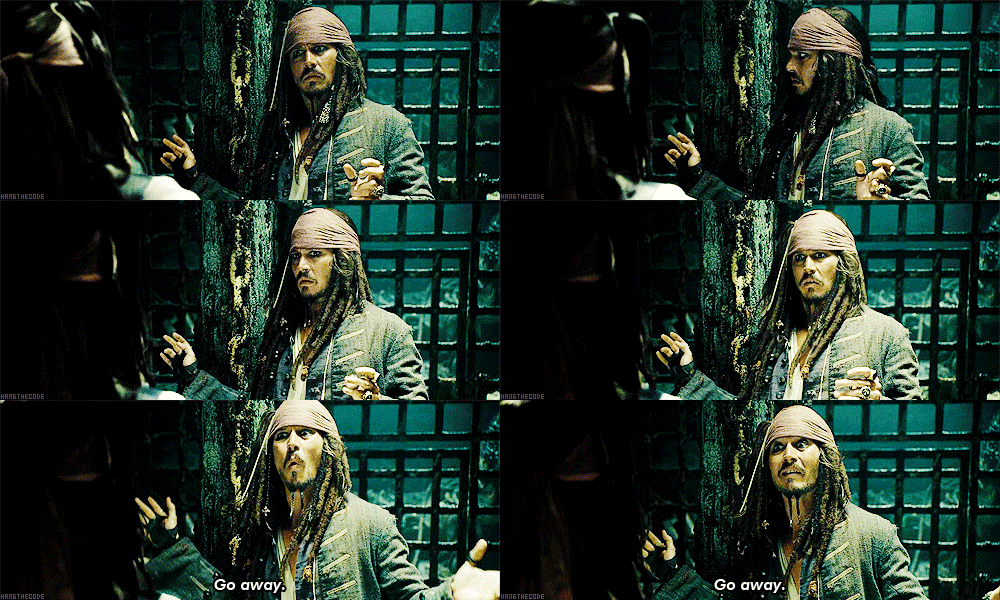
Excluding the mediocre Blow and Secret Window, the early 2000s was the era that Johnny Depp really hit the mainstream. Once Upon a Time in Mexico kicked off the Hollywood blockbuster stretch, but it was his first appearance as Captain Jack Sparrow that really turned him into the most sought-after actor in Tinseltown.
This was followed by a string of non-Pirate hits including the brilliant Finding Neverland, Sweeny Todd, Public Enemies and the satisfyingly strange Imaginarium of Doctor Parnassus. Unfortunately, some shaky Pirate sequels were also thrown into the mix, and things started to turn sour…
The (Second) Mediocre Years
(2009 to Present)
The Tourist was unanimously agreed to be a dreadful mess of a movie, but it was just one in the latest string of poor movie choices for Depp. The last couple of Pirates of the Caribbean sequels were bad enough, but the mediocre Alice in Wonderland adaptation followed by such turkeys as Dark Shadows, The Rum Diary, Lone Ranger and the recent Transcendence are making us all wonder if he’s lost the creative spark that made him successful in the first place.
With retirement having been hinted at, it remains to be seen what the next few years holds for the industry stalwart.
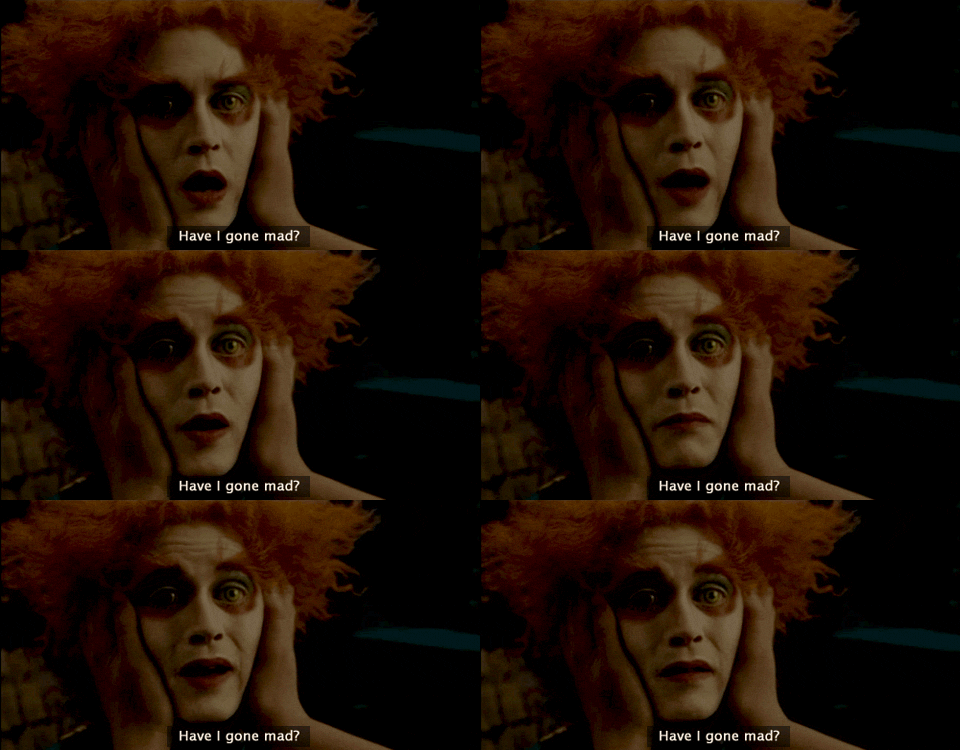
Let’s just hope it doesn’t involve white face paint and overly crazy acting.
NYFA: What is your personal background and how did you get your start in filmmaking?
Cheryl Bedford: My mother took me to see my first Broadway play, A Little Night Music, when I was a kid. I fell in love with the arts and knew that was how I was going to spend the rest of my life. I didn’t know which aspect of the arts, but to me, there was no other way to live.
NYFA: Is there a particular film or filmmaker who inspired you to pursue an education and career in film?
CB: Actually no. Just my mother, who encouraged me to follow my dreams.
NYFA: You’ve produced and worked on a large number of films. Which ones are you particularly proud of and what are some of your fondest memories working in film?
CB: Two of my favorite films are The Mannsfield 12 and Dark Girls. M12 was the best time I have ever had on set. I prepped it well, had a great crew, worked with my one of my favorite directors, Craig Ross, Jr (who is like a brother to me and now teaches at NYFA as well), worked with one of my favorite DP’s, Carl Bartels (who now teaches at NYFA). It was just easy and everyone got along so incredibly well.
Dark Girls is special to me for a host of reasons. First, the subject matter is close to my heart. It was a passion project. It was nominated for a NAACP Image Award (as was I). I come from a family who fought in the Civil Rights Movement. The Image Award Nomination means that I worked on a project that the NAACP recognizes and as a black person in the Entertainment Industry, that is HUGE!
NYFA: What do you consider the role of a producer to be? Obviously there are many different types of producers—be they line producers, assistant producers, executive producers, etc.—but do you feel there is a commonality that applies across the different types of producers?
CB: For a “true” producer, one who produces a movie from inception through post, I tell my students this…”Nothing should be a mystery.” We should know every line item in a budget, how much everything from a ribbon to a nail to a card reader costs.
NYFA: What advice would you give to aspiring producers in developing both the creative and business skills to produce a film?
CB: Learn everything and never think you know everything. The process never stops. I learn something on every movie, short, project on which I work. And work on as many projects as you can to learn how sets are run, protocols, hierarchy, etc.
NYFA: As the founder of your own production company, what entrepreneurial advice would you give new producers looking to start their own companies?
CB: Get a really GOOD Entertainment Attorney and a GREAT Accountant!!!
NYFA: As Chair of Diversity Development at NYFA, what do you feel both film schools and the film industry as a whole can do to increase diversity and equality in Hollywood?
CB: How long do you have? I will give you a story about another college, Princeton. This was years and years ago, but one day Princeton, located in NJ, looked around and realized that they had more international students than local students. They went out and actively recruited. When you are systematically kept out of anything, it is up to that institution, workplace, etc. to go recruit. I am not saying that NYFA has kept anyone out of anything. I mean the industry as a whole. The other thing is to acknowledge that racism, sexism, etc. exist in the industry. If you want to try to eradicate the “isms”, you have to actively do something about it. I want to let our minority students here in the US know that you can follow your dreams. We have a wonderful place to get a great education and we are here waiting for you, to give you all of our advice. This is how we give back.
NYFA: What advice would you give to NYFA students to get the most out of their time at the Academy?
CB: Work on as many films as you can. Take advantage of every program, competition, group and activity. Network, network, network with fellow students and the town in which you reside.
NYFA: If you could go back in time and talk to yourself at the beginning of your career, what would you have suggested you do differently? Or do you believe learning through mistakes is the best way a filmmaker can grow?
CB: Hang in there; it always gets better. I won’t do anything differently, I like my mistakes; they make me who I am.
NYFA: Having studied film at both NYU and AFI, what sets NYFA’s filmmaking program apart?
CB: NYFA Students own their films. That’s AWESOME! NYU and AFI own my school films.
NYFA: Do you have any parting words of advice for NYFA students and aspiring filmmakers?
CB: In LA, CA, shop the 99 cent Store; it will save you a ton of money. Ramen noodles, the kind you get packaged, can be stretched by adding potatoes to it…lol.
But seriously, work on your craft everyday. You have no ego; you haven’t been doing this long enough to have an ego. Be nice to everyone and every time you get to work on a project, be thankful, be humble and remember you are one of the lucky ones.
NYFA: Could you tell us about your background and what drew you to documentary filmmaking?
Franck Onouviet: First I would like to thank you for the opportunity to be part of this Q&A. My background is in graphic design & fine arts. After completing a master degree in Paris and working in advertising I had to go back home (Gabon) due to visa issues. There I was working as a freelance graphic designer. Meanwhile web design was growing and I was getting a lot of specific demand to do some web design I wasn’t really interested in and therefore I was declining all of them. Then came a point where I felt like I had to trade this non skill for another one.
It was quite interesting because our thesis project was done with a photographer from Louis Vuitton (Jean Lariviere). He came to the school to do an animated project as part of a future exhibit about traveling into space at the LV showroom in Paris. Since we were part of the visual communication curriculum, our tasks ranged from designing a DVD box set and visuals such as a poster to doing a behind-the-scenes of the entire project.
Since I was the movie freak of the class, they designated me to do the making-of video. I had no idea of what I was supposed to do. The entire weekend was spent watching something like 10 making-of movies I liked and trying to mimic them. So it went from shooting the people doing the whole animation character design to the meetings about art direction and challenges.
Now thinking about it I probably would do it differently. But hey, we all start somewhere. Long story short, it was my first experience and while I was in Gabon since I wasn’t about to get into the next big thing which was web design, I had to choose something, so I gave a shot to filmmaking. My cousin just completed the screenwriting program at NYFA and as I was too scared of writing I traded screenwriting for documentary filmmaking, which was the first year of the program. And it all started that summer.
NYFA: You define yourself as Afropean. Could you explain what this means and how has this self-identification has shaped your work? How do you see French and African culture influencing your work?
FO: I run my mouth too much sometimes (fake smile ahahah). Well, I was born, raised and lived in Libreville (Gabon). Then I headed to Paris to do a masters in Visual Communication and Fine Arts. Then it was New York. Meanwhile I was fortunate enough to go to many countries in Europe for work. I had the opportunity to really understand cultures and build a keen sense to adapt to a wide array of cultures. It started with France; as a necessity I had no choice, I was there to study and not for the fun part. So since you are put in a box most of the times regardless of how you think of yourself, let’s just say I wasn’t feeling like any boxes were fitting the description. And as I saw it as a strength I made it clear for people to understand in one word that there was more to me than the place we would meet. Hope it makes sense. It influenced my work a great deal, probably not on a conscious level all the time, but it allowed me to never accept one way of doing things but mainly searching for the right way for the project. I hope it doesn’t sound cliché, but for instance depending if I was working in Europe, Africa, or the US I would tap in, I guess without really thinking about it, to a different culture than where I was, just to allow the project to be treated with a different flavor, when needed of course.
I wouldn’t say French but European culture and it gave me the will to find an African voice that is up to the level of established European filmmakers I guess. I’m not there and it’s a constant work in progress. As for the African culture, well it is just who i am and at the same time I’m fighting to make sure people see and feel Africa as a continent and not a country.
NYFA: Your short film The Rhythm of My Life looks at the hip-hop industry in your home country of Gabon. For me, as a rabid music fan, I had no idea Gabon had such a vibrant hip-hop scene. Where did the idea for the film come from and what was your objective in putting the film together?
FO: Hope you will still enjoy the short after the truth behind it… Well, my cousin and fellow director Marco A. Tchicot, called me one day telling me about a recording artist being in town and meeting with local beatmakers. The idea was to make some kind of 5 minute promo to help them raise awareness about their music project. So since I was the one who did documentary at NYFA he felt I could help on the project. Well when I arrived we talked about the promo video to shoot, then we listened to the work they have been doing all along. And from that moment I looked at Marco and told him: “Forget about it man, we doing a documentary.” Since we were not here when they actually met, we agreed based on how they met and other events to use some fictional parts in the doc to open it and close it. It was kind of a metaphor about how they could have met in Gabon.
As for the objective let’s just say we were focusing on the music and how people from different backgrounds can relate and connect through music.
NYFA: How did your time in the documentary program at NYFA shape your approach to filmmaking and what lessons from the program do you find yourself still applying to your current work?
FO: Well this one will be shorter yet relevant; it just made me and shaped my approach by allowing us to be us. With my background in graphic design I always wanted my work to have a certain visual esthetic, and it was clear from the get go I would do anything to make it that way. And Andrea [Swift] supported me in this direction and help me build on that. So up to today I’m trying to apply a strong work ethic on story I go after and give them the visual they need. My approach is organic in a way and I need to trust my guts to craft. It’s not yet ideal but it’s a lifetime commitment.
NYFA: Your creative output also includes rather striking portrait photographs. What is your philosophical and technical approaches to photography and how does it differ from your documentary film work?
FO: Is it the part where the myth goes away…? Okay so I’m not sure which [aspect of my] photography we are talking about. So depending on it I would say this, some of it is solely me, and others are a collaboration with a friend and photographer Cheick Touré.
Photography is like a blink, I don’t really like a long set up, unless I have a very strong concept and usually I share it with my friend (Cheick T) but it’s like taking as little as much time to snap it, searching for the right amount of time needed to capture what my eyes caught in a glimpse, and sometimes I can’t even snap anything, here comes the weird part. It’s like out of the whole eye line and vision I see or envision something interesting, but I have to move around the light to catch something I think my eyes saw. The only difference I see is that it takes less time so I take advantage of it. I don’t really like to spend hours behind a computer…it takes me away from the outside. And shooting a doc keeps me out there for longer but out there…ahaha.
NYFA: You go by the pseudonym of “ofa” as well? What meaning does this word have for you and your work?
FO: I guess at that time it was like I needed an alias as I was in graphic design and it was a cool thing. While I was mimicking, it had to be me. So ofa is just me (my initials, I’ll let you guess what the ‘a’ stands for ahahaha). Overall it keeps me grounded and reminds me where I started my creative journey.
NYFA: Music seems to play a central part in your documentary work. What is it about music that draws you to incorporate it—either as the soundtrack or as your subject matter—in your films?
FO: It’s very simple, our parents made sure we all learned music in the family and at that time my brother and sisters were all playing piano, it was kind of mandatory. I have to admit I couldn’t care less about music. I wanted to do sports and martial arts…period. Since there was no way to escape it I made my case about having at least the opportunity to choose the instrument i will learn…it was also a getaway as I was sure there was no saxophone teacher at the conservatory.WROOONG there was one guy. And this is how I ended up doing 6 years of saxophone and 2 [years] of piano. And I guess it never left me, I can’t edit until I find the right track or it will be a lot harder for me to come up with something I’m sure works, and also I always find my start and end point, I struggle a lot with the middle part of my edit. But everything is driven by music, sounds, even images are flowing like music to me. I actually regret I stopped practicing and learning music.
NYFA: Do you have any advice for aspiring documentary filmmakers and artists looking to make a living off their art? Do you think this is even a possibility for the vast majority of visual artists?
FO: I couldn’t speak for the vast majority, depending on where you live and what it is that you do as a filmmaker, but yes it is possible. It requires 2 things among a lot others. You have to do something you love and be focused on it. As there is no one certain way to make it in this industry you have to be open and get out your comfort zone. Know the rules then practice your own voice…your way is the best way to make it.
NYFA: What current projects are you working on and are there any particular themes you find yourself particularly drawn to at the moment?
FO: I’m working with other filmmakers from Gabon to organize independent filmmakers, so we can start building strong and valid relationships with filmmakers from around the globe. The goal is to build up workshops and masterclasses to train people in all of the filmmaking departments.
Developing different projects both documentary and fiction. It takes a long time as writing isn’t my medium of expression by heart. And choosing to become better at something I pick cinematography over writing anytime…ahahah.
Themes wise I don’t know: human, consciousness, relationships, taboo, forgiveness….
NYFA: Any parting words of advice you have for NYFA students and aspiring documentary filmmakers?
FO: It might not happen when you decide it but it will eventually, be patient, be you, be bold. And by all means feed the kid you were he is the only reason we are creative folks. And no need to run after industry top dogs, they already coming doing masterclasses at NYFA, so focus on your craft to be up to their level when they show up.
NYFA: Tell us a little bit about your background and what drew you into film production?
Julie Pacino: I’ve always had a passion for filmmaking. As a child I was always making little shorts with my friends and writing stories to act out. I remember visiting film sets as a kid and always being incredibly intrigued by the alternate reality that I was stepping in to. Making movies and watching movies was always very therapeutic for me. I liked being sucked into a story, falling in love with the different characters and ultimately learning something about my own desires and myself. I feel very fortunate that I knew from an early age that I wanted to work in the film business.
I met my producing partner, Jennifer DeLia, in Austin in 2009. After sharing some of my writing with her, we decided to collaborate on a short film that I directed called Abracadabra. Jen produced it and acted in it. She was such a solid creative producer and my experience on set was invaluable. After working so well together on Abracadabra, we decided to start our company Poverty Row Entertainment. Jen had just started shooting her directorial debut feature Billy Bates and when she shared some of the footage with me I was blown away by her style of storytelling. It was, and is, unlike anything I’ve seen before; so unique, visceral and expressive. There was still work to be done on BB. Footage to be shot, money to be raised and all of post-production left. So, Jen and I finished producing the film together, screened it at some festivals, and secured U.S. distribution. The movie is set to come out in theaters this November and I could not be more proud of how it turned out.
We’re currently in development on a feature about the life of Mary Pickford entitled, The First, starring Lily Rabe, Michael Pitt and Julia Stiles. As a production company, we have produced music videos and commercials as well. The short format work we do is so much fun. It’s great to be able to work on something from start to finish and have that on-set experience. I learn something new every time.
NYFA: What drew you to NYFA as an aspiring filmmaker and producer?
JP: I grew up in New York and always knew about NYFA. I love how NYFA attracts people from all across the world. I also remember reading on the NYFA website that students get to make their short films on an Arriflex 8mm camera and I was like, “Okay sign me up.” The idea of learning how to shoot on a film camera seemed like such a great opportunity to me since seemingly everything is digital now. I love the silent b&w shorts I made at NYFA. I met some close friends there as well!
NYFA: What lesson in particular did you learn while at NYFA that you continue to apply to your professional career?
JP: I learned a lot at NYFA but I would say the most important thing was something they told us on the first day of classes—“The more sleep you lose during pre-production, the smoother your shoot will go.” Preparation is so important if you want to have a successful shoot. As a producer, making sure that you’ve got all your bases covered and anticipating any potential problems is really the key. Of course, there are some things that you just can’t plan for and then it’s all about how you deal with the stress, how you troubleshoot and how you come up with a solution. That’s the challenging part, but who doesn’t like a good challenge?
NYFA: Some of the projects that your production company Poverty Row has produced actively tackle issues of gender, sexuality, identity, and how these universal issues relate to art, such as Billy Bates and the upcoming film about Mary Pickford. What draws you and your producing partner Jennifer DeLia to these themes?
JP: We love to explore the psychology behind our characters. Billy Bates is the portrait of a tortured artist who’s in the thick of reconciling his past and dealing with his inner demons. He’s able to channel those feelings into his art and create something tangible. Similarly, The First is also a portrait of an artist. Mary Pickford is experiencing the beginning of film as a creative medium as well as what it means to be the first celebrity of all time. It’s about how she processes the world around her and how she uses her inner turmoil to fuel her creativity. We all deal with insecurities and struggles when it comes to any type of identity so these themes are very relatable. It’s an opportunity for us as filmmakers to offer our perspective on the creative process and what it means to overcome adversity and initiate change in oneself.
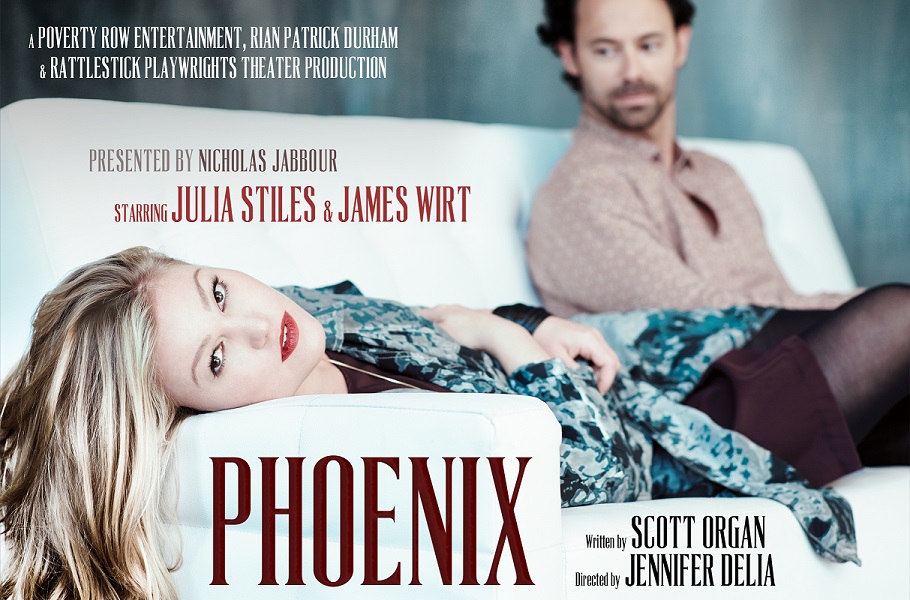
NYFA: Poverty Row’s upcoming production of Scott Organ’s play Phoenix is a story centered around a one-night stand that evokes a compulsion in the male lead, Bruce, to re-connect with his one-off paramour Sue who states that they never can repeat the experience. What themes in Organ’s play attracted you to bringing it back to the stage?
JP: We read a lot of great plays before making our decision this summer. Phoenix ultimately presented the most opportunity for character exploration, and felt the most open to interpretation and development. Scott Organ is such a talented writer. His material is subtle, but with really fascinating nuances for Jennifer DeLia (director), Julia Stiles (Sue) and James Wirt (Bruce) to sink their teeth into.
The play explores sexual identity and the journey of these two people discovering what it means to get to know one another. There’s a lot of projecting that goes on in relationships and Phoenix is a nice reminder that connecting with someone and truly knowing who they are shouldn’t be taken for granted. There are also some really interesting themes about the nature of the universe and how fate affects our lives.
The fact that it’s a two-hander is exciting because the audience gets to spend time getting inside these character’s heads. It’s dark and deep but at the same time, very funny.
NYFA: You’ve worked with James Wirt, who plays the male leads in both Billy Bates and Phoenix. What about him as an actor has drawn you to casting him?
JP: Jimmy is so fun to watch because you never know what he’s going to do. He brings an element of surprise to all of his roles and that makes him electric, especially on stage. He’s able to translate his character’s internal conflict into something that the audience can relate to. He’s got something special and is a rare talent. One of the best out there right now!
NYFA: On a similar note, Julia Stiles stars opposite James in Phoenix. What do you feel she is able to bring to this production that other actresses might not?
Julia is a true professional and so collaborative. She started in theatre, she’s done Shakespeare, she’s done Mamet, and so her experience really shows. Her presence on stage is astounding. The way she uses her body to express, as well as her ability to bring the words in the script to life, is unique and exciting to watch. On top of all that, her and Jimmy have great chemistry so it’s a perfect fit for the show!
NYFA: Do you have any parting words of advice for NYFA students hoping to form their own production company?
JP: Filmmaking is a long process. Patience and communication are very important skills to work on. As filmmakers we are responsible for the images that we put out into the world, so make sure to tell stories that are meaningful to you… Oh, and don’t forget to have fun.
Nicholas Jabbour presents PHOENIX Off-Broadway, starring Julia Stiles and James Wirt.
Phoenix promotional poster provided by Julie Pacino.
Producers: Poverty Row Entertainment, Rian Patrick Durham and Rattlestick Playwrights Theater
PHOENIX will be at the CHERRY LANE THEATRE, in the West Village. Performances begin July 28th, and it has a limited run through August 23rd. PHOENIX is written by Scott Organ and directed by Jennifer DeLia.
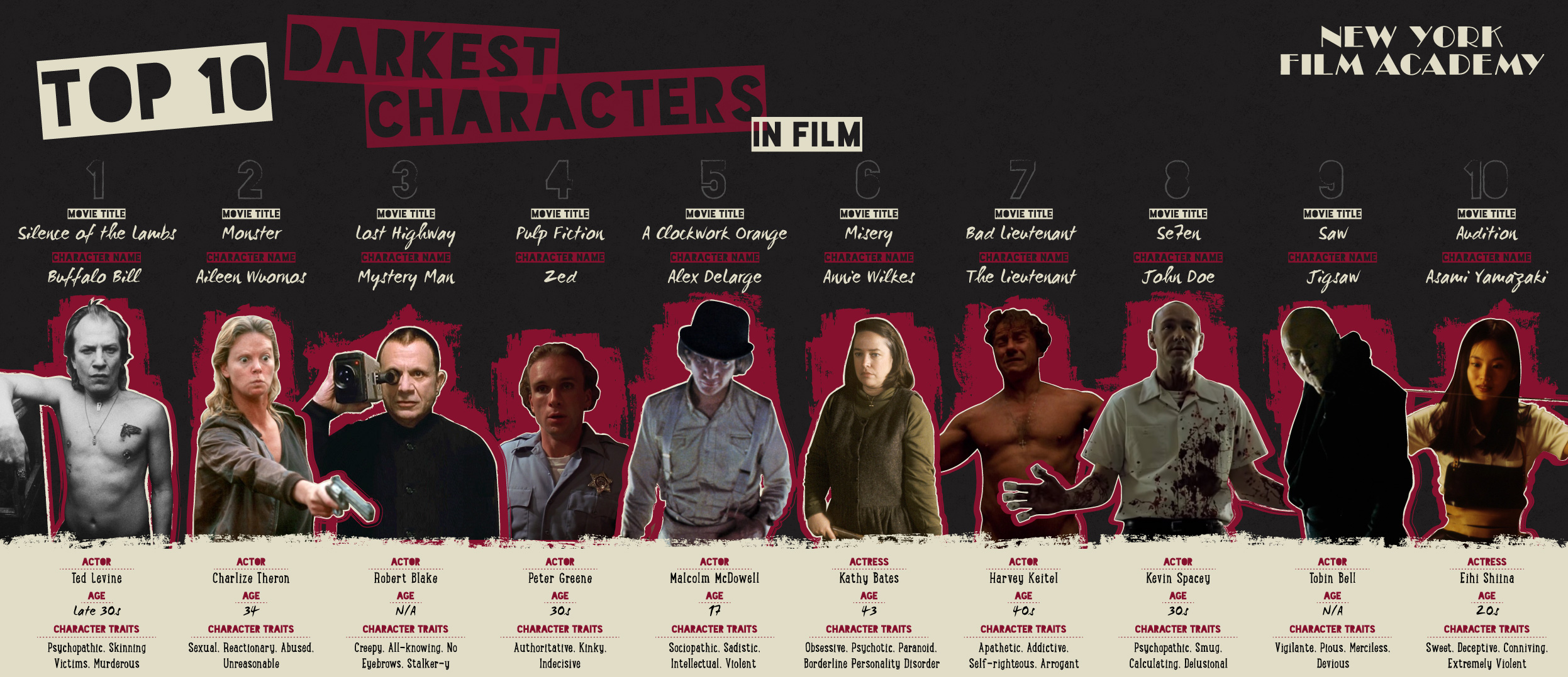
Although movie audiences are taught to root for the good guy, everyone loves those characters who indulge in the darker end of human impulses and desires. Whether it’s a villain, anti-hero, or just a plain weirdo, we often remember the more unsavory characters from a film over their morally upstanding counterparts.
To celebrate the freaks and foes that have graced the silver screen over the years, the New York Film Academy has put together this awesome infographic of the Top Ten Darkest Characters in Film that continue to haunt us years after they first debuted.
Please note that this list is in no particular order and if you feel like we’ve left out one of your favorite dark characters, let us know in the comments below.
1. Buffalo Bill
Movie Title: Silence of the Lambs Actor: Ted Levine Age: Late 30s Character Traits: Psychopathic, Skinning Victims, Murderous
A monster of a man created by “years of systematic abuse,” Bill’s inability to qualify for gender reassignment surgery is the catalyst for his murderous goal to create a “woman’s suit” out of actual women.
2. Aileen Wuornos
Movie Title: Monster Actress: Charlize Theron Age: 34 Character Traits: Sexual, Reactionary, Abused, Unreasonable
A perfect example of a horrifying real story writ large, there is nary a soul who can forget Charlize Theron’s disturbingly harrowing performance as real life serial killer Aileen Wuornos. And perhaps most importantly, the film leaves the audience wondering if Wuornos is truly the monster she appears to be.
3. Mystery Man
Movie: Lost Highway Actor: Robert Blake Age: N/A Character Traits: Creepy, All-knowing, No Eyebrows, Stalker-y
Hand it to David Lynch to make Robert Blake’s brief, but unforgettable role in Lost Highway one of Blake’s career highlights. Coming across as a more menacing Nosferatu with his pancake make-up and shaved eyebrows, Blake’s presence is as cryptic and unsettling as the movie itself.
4. Zed
Movie Title: Pulp Fiction Actor: Peter Greene Age: 30s Character Traits: Authoritative, Kinky, Indecisive
In a movie with no shortage of memorable scenes, Peter Greene’s turn as the shadowy and sadistic Zed—a motorcycle-driving police officer and white supremacist with a taste for the kinky—is one that is still impossible to forget twenty years on.
5. Alex DeLarge
Movie Title: A Clockwork Orange Actor: Malcolm McDowell Age: 17 Character Traits: Sociopathic, Sadistic, Intellectual, Violent
Malcolm McDowell’s turn as Alex DeLarge is still to this day’s every parent’s nightmare: an intelligent sociopathic teenager with a penchant for anarchy and ultraviolence whose inability to feel remorse or empathy makes him all the more chilling.
6. Annie Wilkes
Movie Name: Misery Actress: Kathy Bates Age: 43 Character Traits: Obsessive, Psychotic, Paranoid, Borderline Personality Disorder
Already an iconic character on paper, Kathy Bates was the perfect choice to play the seemingly sweet Annie Wilkes whose smile hides a murderous psychosis and a virtual rogue’s gallery of mental disorders, which she cruelly takes out on those unlucky enough to cross paths with her.
7. The Lieutenant
Movie Name: Bad Lieutenant Actor: Harvey Keitel Age: 40s Character Traits: Apathetic, Addictive, Self-righteous, Arrogant
Giving the term “downward spiral” a whole new meaning, Harvey Keitel’s turn as The Lieutenant is essentially an exercise in human depravity as Keitel drinks and uses drugs excessively while only ever seeming to do his job when it serves his own ends. Oh, and let’s not forget the two rapists he not only lets go, but gives $30,000 to. Class act all the way.
8. John Doe
Movie Name: Se7en Actor: Kevin Spacey Age: 30s Character Traits: Psychopathic, Smug, Calculating, Delusional
It’s a mad, mad world and Spacey’s turn as John Doe served to cruelly remind the audience of that we are all destined to sin, calmly committing a series of macabre murders based around the seven deadly sins that only escalate in their manic inventiveness, which culminate in a package no one would be eager to receive anytime soon.
9. Jigsaw
Movie Name: Saw Actor: Tobin Bell Age: N/A Character Traits: Vigilante, Pious, Merciless, Devious
While the horror genre is more than replete with a whole gauntlet of vicious fiends, Jigsaw from the Saw franchise took the ‘torture porn’ aesthetic to a whole new extreme as a self-righteous cancer victim who aims to punish those who take their lives for granted through an increasingly elaborate series of scenarios that usually leave his victims broken or dead.
10. Asami Yamazaki
Movie Name: Audition Actress: Eihi Shiina Age: 20s Character Traits: Sweet, Deceptive, Conniving, Extremely Violent
Even with Jigsaw’s inclusion, as far as unnecessarily brutal torture scenes go, Shiina’s turn as the seemingly harmless Asami Yamazaki is shocking not only for the sheer cruelty of the movie’s final third, but also in that this jaw-dropping section follows what had seemed to be a rather uplifting film.
If you liked this infographic please feel free to share in on your blog or website using the embed code below.
Get Your Independent Movie on Streaming Services like Netflix, Hulu, and Amazon: What You Need to Know
Netflix is seen as the golden goose of film distribution these days, and many hold the opinion that if your movie isn’t on Netflix, it’s barely released at all.
This, of course, isn’t strictly true: for one, Netflix isn’t the be all and end all of streaming (iTunes, Hulu, Amazon and even YouTube are equally viable alternatives). Secondly, it’s still entirely possible to eschew video streaming on the major platforms and get your movie to your audience on your terms, but filmmakers choosing this road have a tough uphill battle ahead of them.
While recognizing that getting an independent movie on Netflix isn’t the only goal you should focus on when emerging from your producing MFA with film in hand, it can be a massive factor in your project’s success.
Here are the steps to getting your independent movie on Netflix, and some pitfalls you should be mindful of in the process:
Get your film in the Netflix database
Work with an independent film distribution company
Ask people to request your film in their Netflix queue
Get press coverage of your film
Step 1: It’s All About the Database
It probably won’t come as a surprise to hear you can’t just email someone at Netflix and ask them to pop your work on the homepage. Getting your independent movie on Netflix starts with one key step, and unfortunately it’s a step you have very little control of: get on the Netflix database.
The Netflix database can be considered a long list of movies they’re considering for inclusion. How do you get on the Netflix database?
You don’t. They decide.
Step 2: Work with an independent film distributor
Unless you have some serious contacts in and around the Netflix arena, your odds are against you but some third party distributors have inroads. Getting one of these distributors on board, however, presents its own challenges and, somewhat ironically, video streaming itself is killing your chance of getting on Netflix—with DVD sales through the floor, distributors are reluctant to take on independent movies in this market since the returns from Netflix are so low.
Now, that’s the depressing news out of the way. There is an indie distribution company (owned by IndieGoGo) that can help get your independent movie on Netflix and all of the other major streaming services: Distribber.
Distribber does charge a fee of up to $1,600, but you keep all rights to your movie as well as 100% of the revenue it goes on to make.
Step 3: Raise an Army
Assuming you’ve made it onto the Netflix database (congratulations), you’ll need to prove there’s demand for your independent movie. In order to demonstrate this, people will have to request the movie in their Netflix queue (known as the ‘queue demand’).
It’ll behoove you to do a big marketing push and ask literally everyone you know to do this; not only will it improve your chances of getting your independent movie on Netflix, but it’ll also increase the amount you’ll get for it if and when they make you an offer.
How Does the Money Work, Anyway?
Unlike most of the other platforms, Netflix doesn’t pay you per view since it isn’t contingent on ad revenue. Instead, it pays you a one-off fee for a license (usually lasting one or two years) to stream your movie to an unlimited audience.
How much will this be? This is anyone’s guess, since it depends hugely on the demand (see above), but it’s usually less that you’d hoped for. Expect a four figure deal, and praise the stars if you get five figures.
Step 4: Increase Your Chances
While the queue demand appears to be the biggest factor for success in Netflix’s nebulous decision process, there is some evidence to suggest other considerations are made. A legitimate IMDB listing, a great score on Rotten Tomatoes, and wide press coverage may help get your independent movie on Netflix, and should be on your to-do list regardless.
The Bigger Picture
A wise approach to film distribution is to remove any and every barrier to entry between your movie and a potential viewer as possible, and you need a very good reason not to do this.
Don’t focus solely on one streaming service—hit them all.
Author: Annie Coutu, Filmmaker at Aisha Productions & Author of Dans 10…9…Devenir acteur
Do you need an actor demo? Well if you are an actor or want to be, that’s a good way to start in the business and stay in touch. Who will take a look at it? The very first people should be your friends and family, then casting directors, directors, producers and – of course – your agent.
FACT : I receive demos everyday. Do I look at everything? No! I check for what I’m looking for and for a good look; so your picture is still the first key to get my attention. Unless your name is Brad Pitt or Julia Roberts, you should think about making a demo.
Do you need to go with a professional editor or should you do it by yourself? Both ways work but the TRUTH is your demo needs to be great..
Whatever you decide, the best way to start is to make a list of all the parts you’ve had. First, look at your filmography. Did you work in any film that everybody knows? Yes. Well then, start by taking the best scene where you appear and take a note. If the answer is no, don’t worry: just make the list of everything you did that was good. Second step is to sort all the sequences in 4 sections drama-comedy-suspense-action. If you wonder why, well that’s the only way for us to make sure you have a good range of acting. Are you good at something but don’t have anything to show for it? For example, you know how to ride on a horse like in Secretaria or you sing like in Les Miserables? Then record it! Wait a minute, all the people who will watch your demo know you don’t have the camera and the budget of the film; so forget about wardrobe, makeup, scenery… it’s an ACTOR DEMO that I want to see and a really good one.
Okay… so you decided on the sequences and now it’s time to edit. First part, your introduction : pictures with your name and email. Second part, take really short scenes and do a fast pasting. At the end put the names of all the films you put in your demo. Then start the magic of editing. If you need music, take royalty free soundtracks. FACT : Nobody really watches more than 3 minutes, so make them worth it. One trick, watch other demos Second trick watch your demo : at first with only the sound (no images) and then a second time with the images (but no sound). Is it still good? You are done! Absolutely sure about your work? Show it to people around you (don’t place it on any social media at this time). If everybody just says it’s good then you should ask somebody else. At this point it could always be better. Then make some adjustments on your masterpiece.
You have your final version, now spread the news and send it out. Now is the time to show your skill in the social media world. Don’t forget to start collecting new clips for your next demo. Make a new one at least every year, that will give you an opportunity to make contact with the industry.
One last note before I let you go, always ask the production before using a film clip – especially if you want to put that on Facebook or YouTube. Good luck and I hope one of your demos will attract my attention.
If you’d like more information about Annie Coutu and her production company Aisha Productions, please visit here.
Manage Cookie Consent
This website uses cookies to improve user experience. By using our website, you consent to all cookies in accordance with our Cookie Policy.
Functional
Always active
The technical storage or access is strictly necessary for the legitimate purpose of enabling the use of a specific service explicitly requested by the subscriber or user, or for the sole purpose of carrying out the transmission of a communication over an electronic communications network.
Preferences
The technical storage or access is necessary for the legitimate purpose of storing preferences that are not requested by the subscriber or user.
Statistics
The technical storage or access that is used exclusively for statistical purposes.The technical storage or access that is used exclusively for anonymous statistical purposes. Without a subpoena, voluntary compliance on the part of your Internet Service Provider, or additional records from a third party, information stored or retrieved for this purpose alone cannot usually be used to identify you.
Marketing
The technical storage or access is required to create user profiles to send advertising, or to track the user on a website or across several websites for similar marketing purposes.
To provide the best experiences, we use technologies like cookies to store and/or access device information. Consenting to these technologies will allow us to process data such as browsing behavior or unique IDs on this site. Not consenting or withdrawing consent, may adversely affect certain features and functions.
Functional
Always active
The technical storage or access is strictly necessary for the legitimate purpose of enabling the use of a specific service explicitly requested by the subscriber or user, or for the sole purpose of carrying out the transmission of a communication over an electronic communications network.
Preferences
The technical storage or access is necessary for the legitimate purpose of storing preferences that are not requested by the subscriber or user.
Statistics
The technical storage or access that is used exclusively for statistical purposes.The technical storage or access that is used exclusively for anonymous statistical purposes. Without a subpoena, voluntary compliance on the part of your Internet Service Provider, or additional records from a third party, information stored or retrieved for this purpose alone cannot usually be used to identify you.
Marketing
The technical storage or access is required to create user profiles to send advertising, or to track the user on a website or across several websites for similar marketing purposes.
 The Vail Film Festival, held annually in the small ski resort town of Vail, Colorado, fosters independent film and filmmakers through film screenings, panels, workshops, networking events, and educational projects.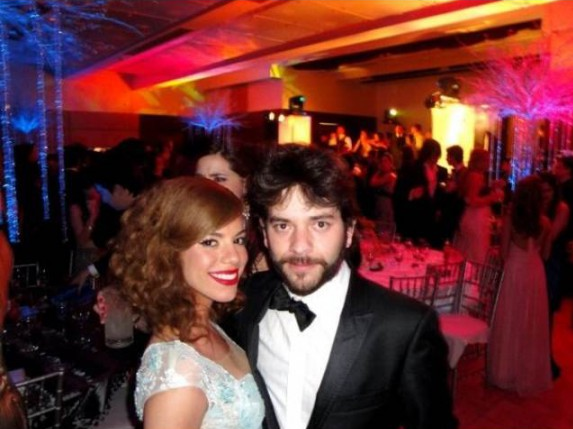

![Top 10 Darkest Characters In Film [Infographic]](https://www.nyfa.edu/wp-content/uploads/2022/11/Top-10-Darkest-Characters-in-Film-Info-graphic.jpg)