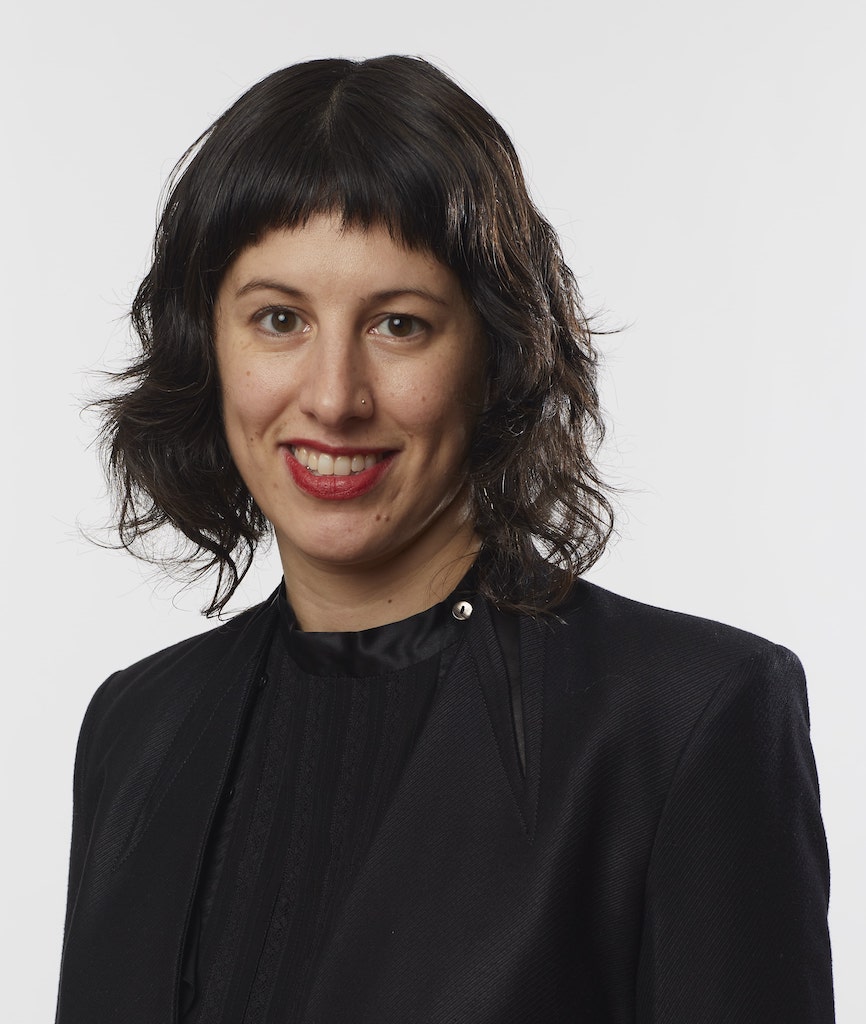
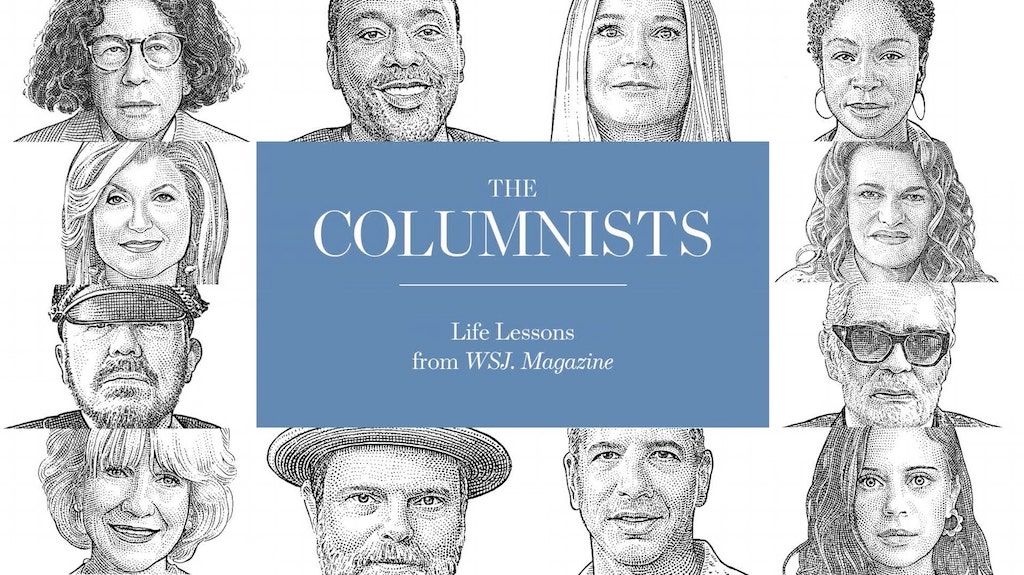
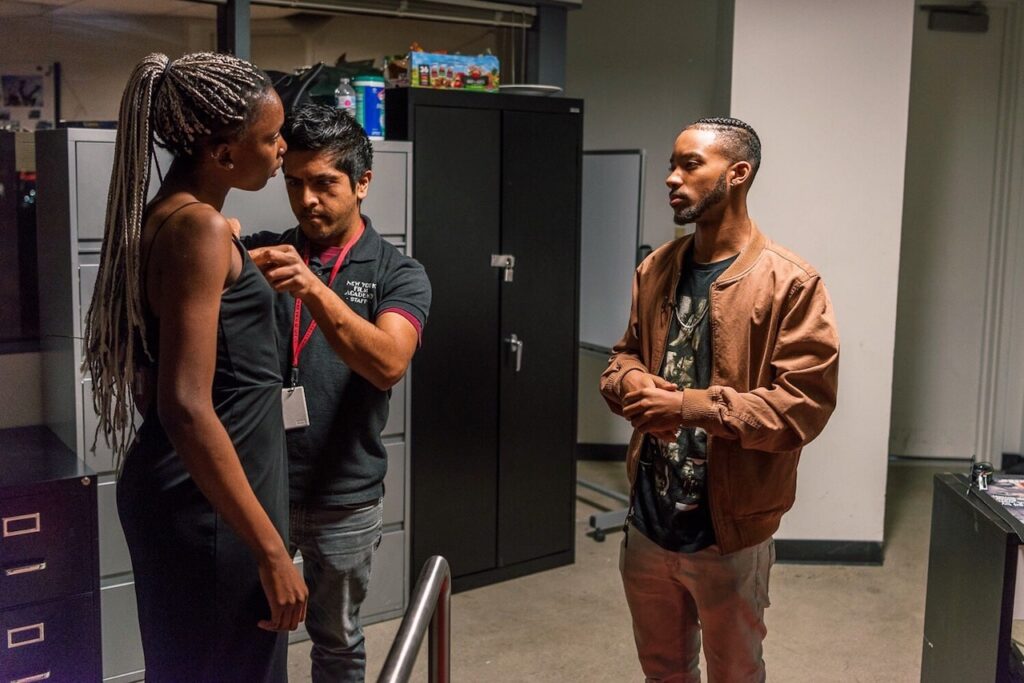
New York Film Academy (NYFA) Documentary Filmmaking Instructor Jessica Wolfson produced and directed The Columnists for WSJ. Magazine, a video series of intimate conversations with renowned figures reflecting on various themes that have guided their careers.
The project has its roots in On Point, a coffee table book from WSJ. Magazine, a glossy news and lifestyle monthly magazine by the publishers of The Wall Street Journal. The book, released September of last year, included interviews from the publication’s renowned column The Columnists. The new series has six parts and a 20-minute short film, directed and produced by Wolfson.
This is the second project Wolfson has made for The Wall Street Journal. Her earlier project was Drawing the Future, a video tech series. Wolfson is a photographer and documentary filmmaker who has directed shorts including Night People, IowaMixtape, and Play a Round with Me, as well as films Radio Unnameable and Hot Grease. Additionally, she teaches for the Documentary Filmmaking department at New York Film Academy’s New York City campus.
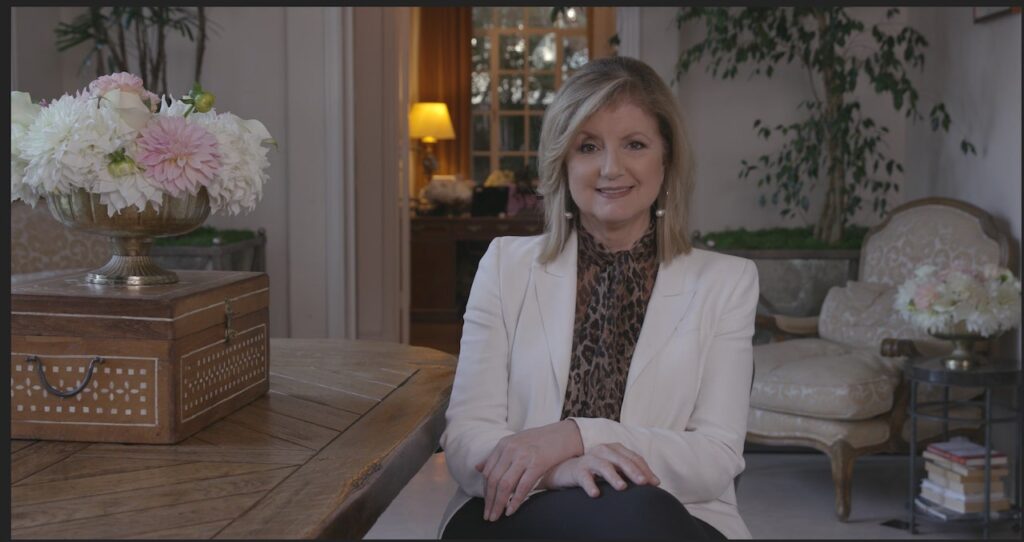
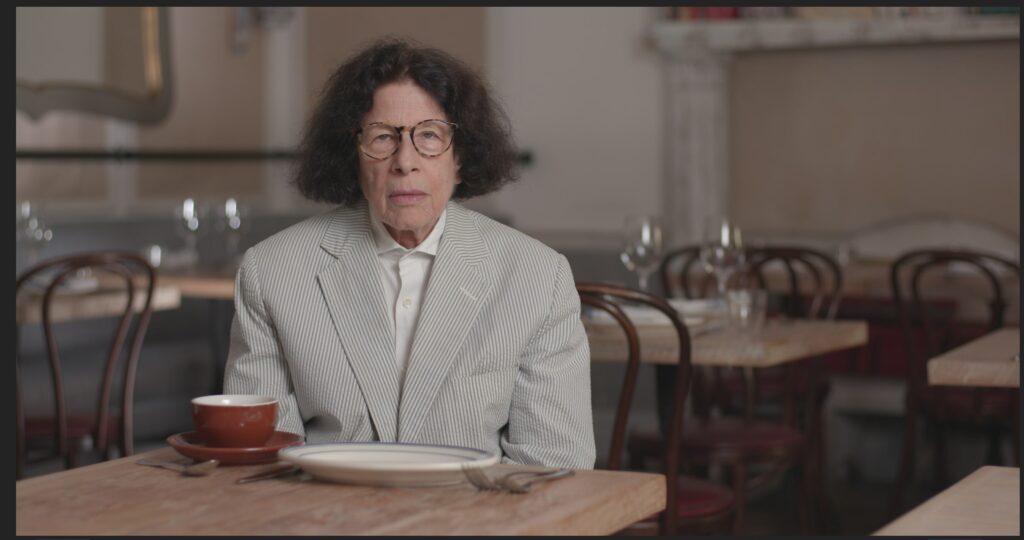
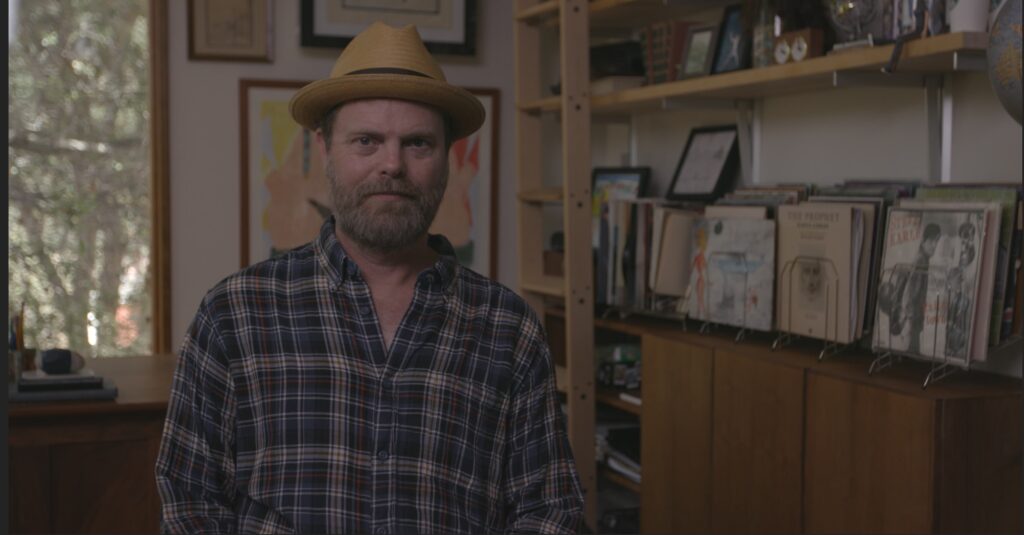
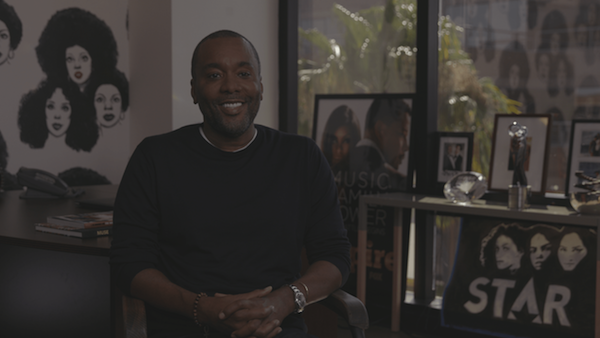
Episodes of The Columnists are based on a particular theme, including Luck, Risk, Mistakes, and Willpower. Notable subjects speaking on these topics include, author Fran Lebowitz, director Lee Daniels, Huffington Post co-founder Arianna Huffington, television star Rainn Wilson, and the late Chanel designer Karl Lagerfeld.
Photo Credit: WSJ Magazine
Photo Credit: WSJ Magazine
Photo Credit: WSJ Magazine
Photo Credit: WSJ Magazine
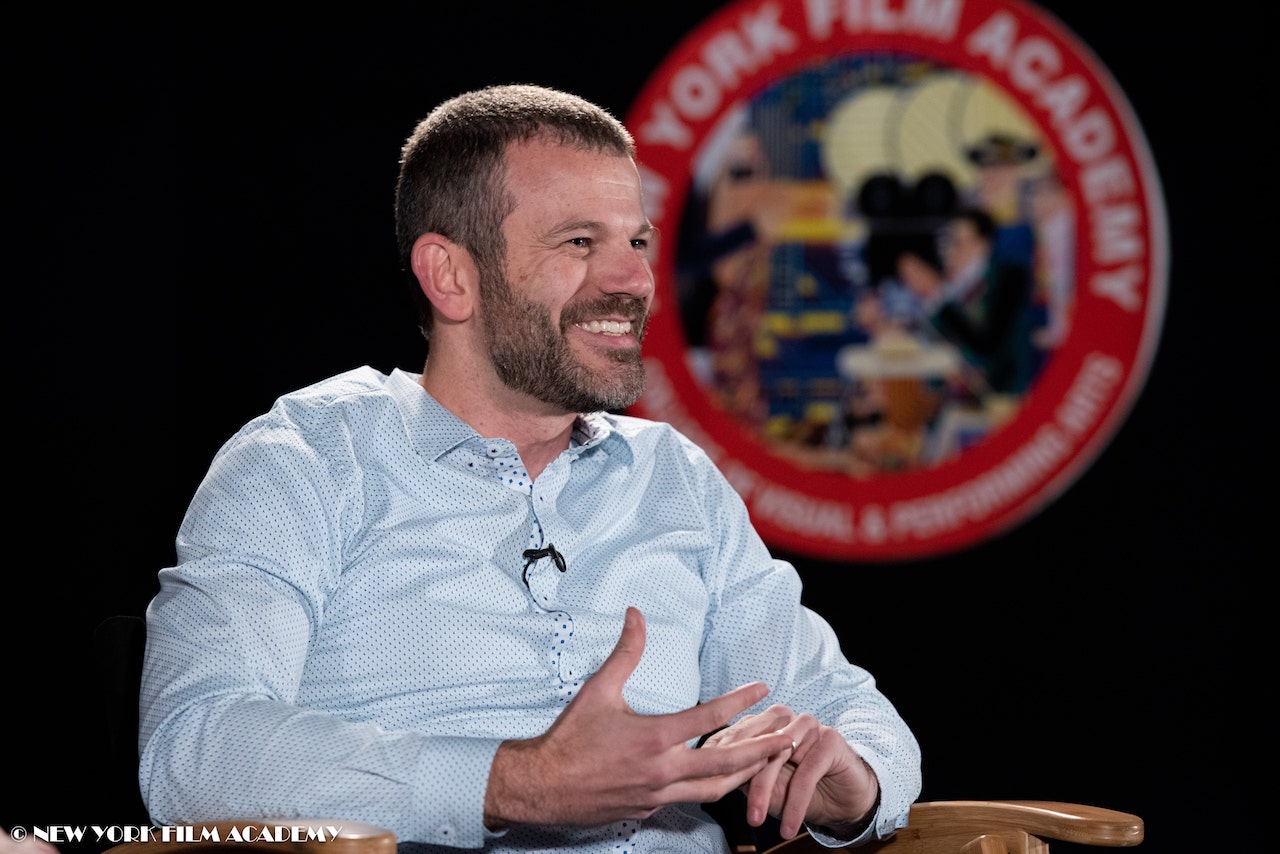
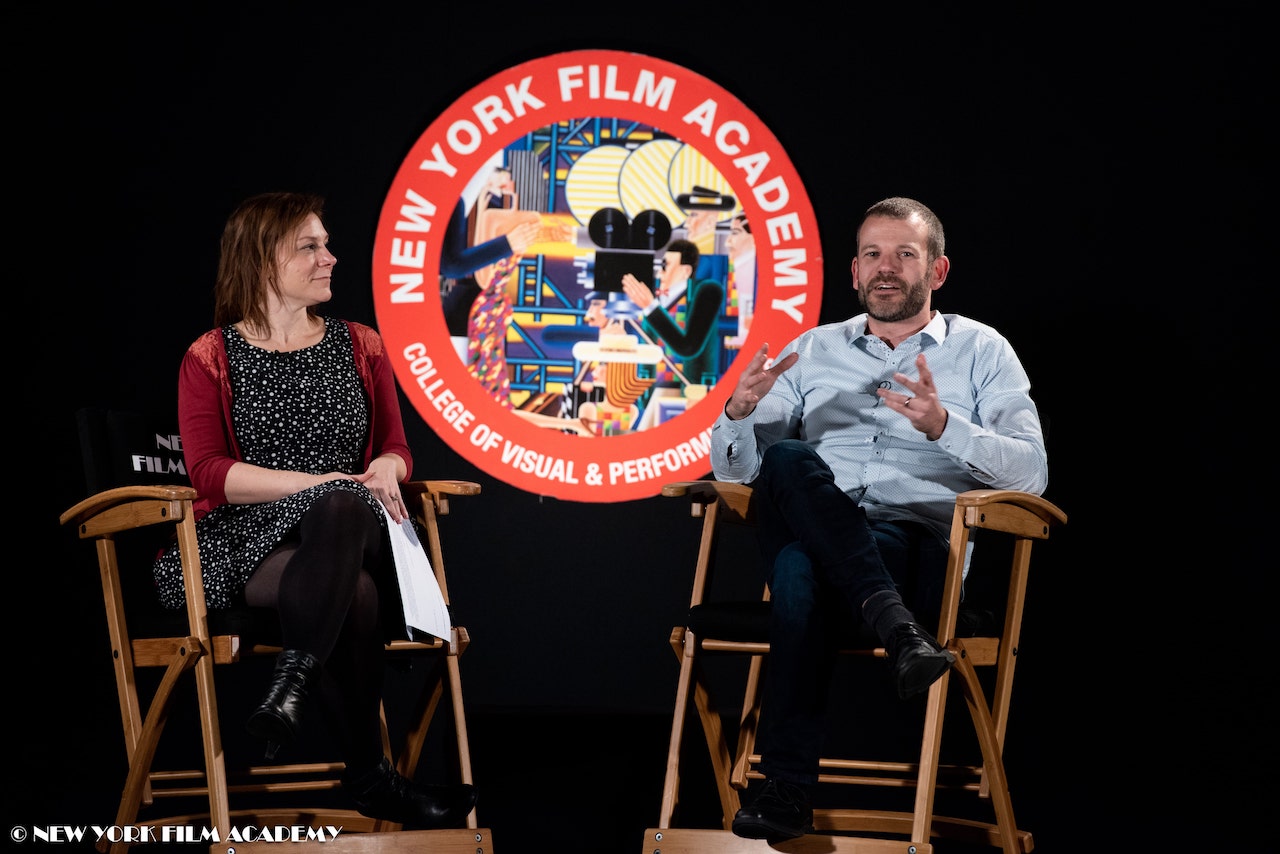
“What I really loved most about making this series was having conversations with the subjects about emotional and philosophical topics such as willpower, advice, envy—rather than the typical career questions they are normally asked,” Wolfson tells NYFA. “This made for a very interesting dialogue.”
Wolfson also worked with Associate Producer and graduate of NYFA’s Documentary Filmmaking program Nancy Dionne. Dionne researched crew and shooting locations in Canada, Paris, London, and New York for the series. “It was the kind of call where you hang up and jump up and down smiling saying, ‘Yes!’” Dionne tells NYFA. She was also more than happy to work with Wolfson, who she met at NYFA.
“I don’t think I had ever been so excited to see her in action,” Dionne says of Wolfson. “What struck me first was how calm Jessica and her crew were, not that they were not feeling stress, but how they handled it and how they communicated with me and each other—just so professional and smart with no effort wasted.”
Photo Credit: WSJ Magazine
Currently, The Columnists is a limited series, but Wolfson is eager to shoot additional seasons in the future.
The New York Film Academy congratulates Documentary Filmmaking instructor Jessica Wolfson and alum Nancy Dionne on The Columnists, and thanks them for taking the time to speak to NYFA about their experience!
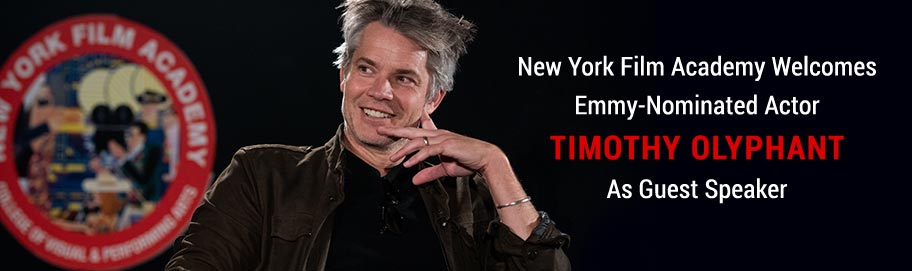
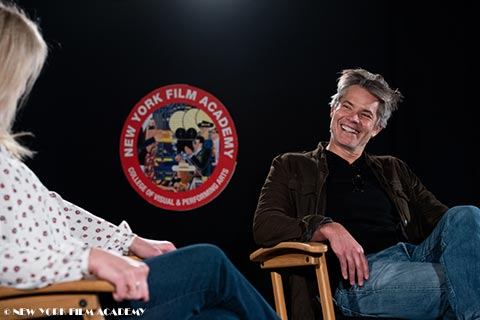
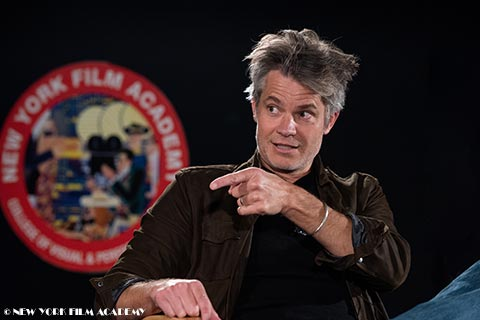
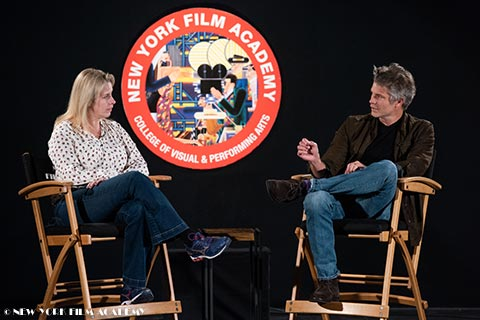
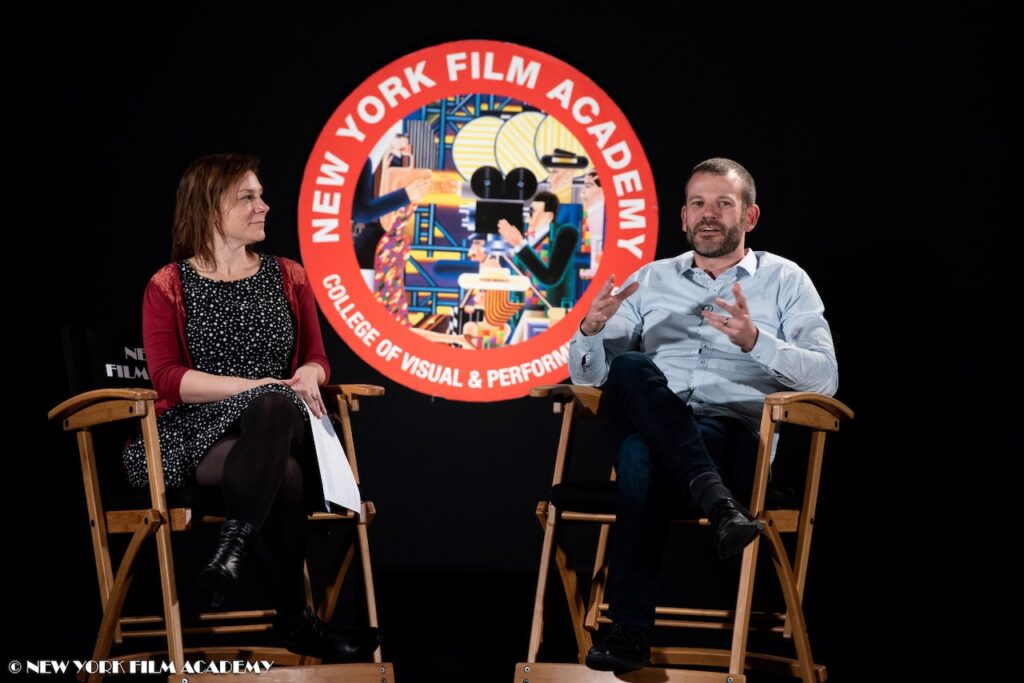
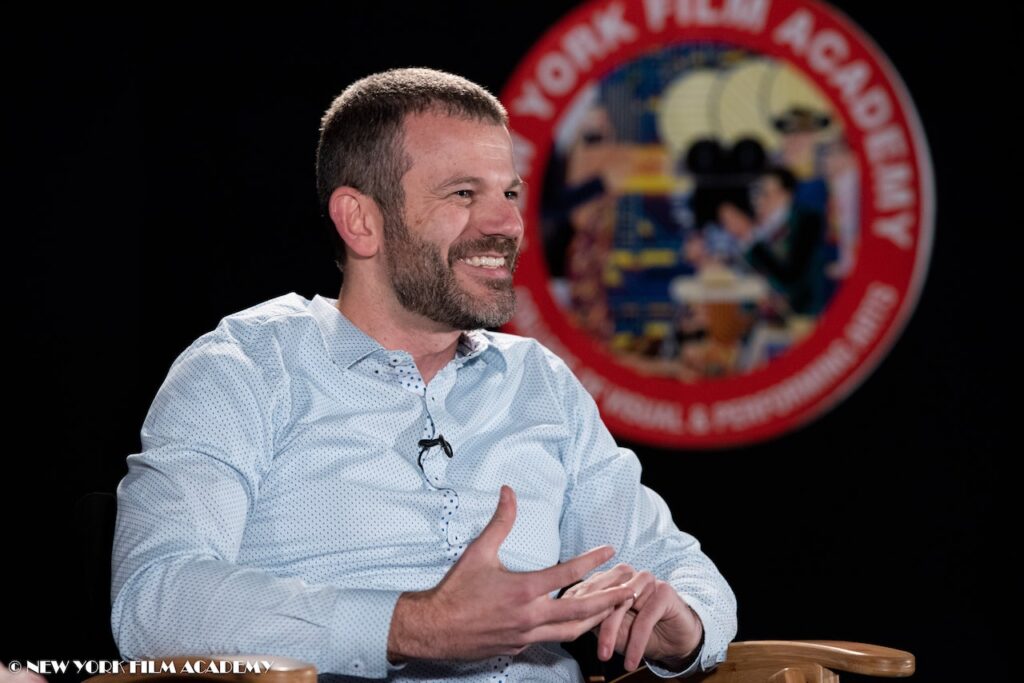
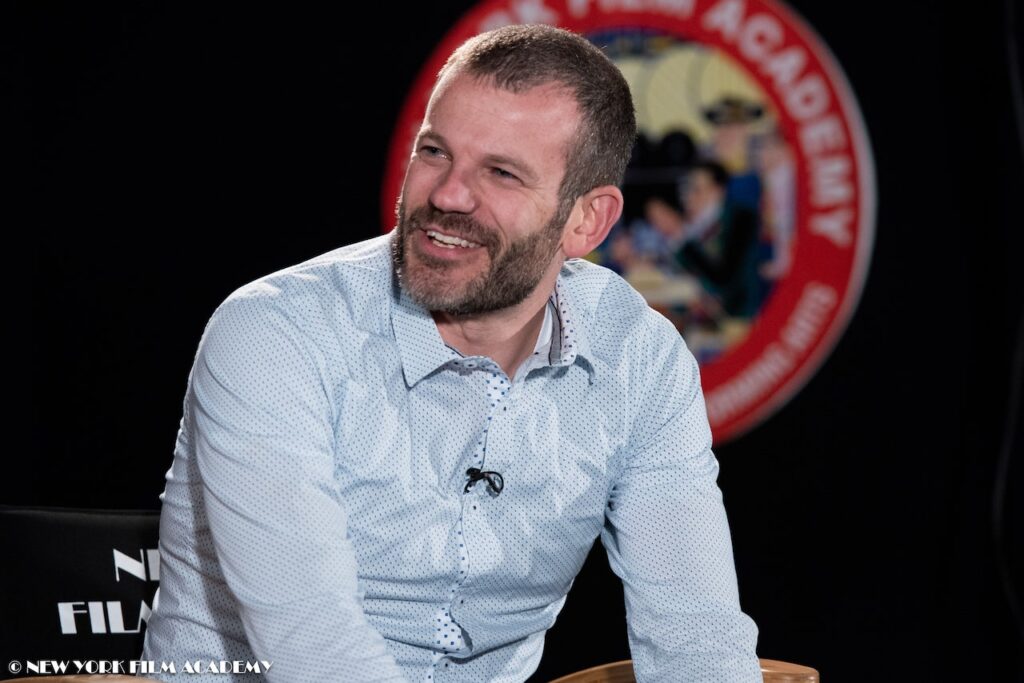
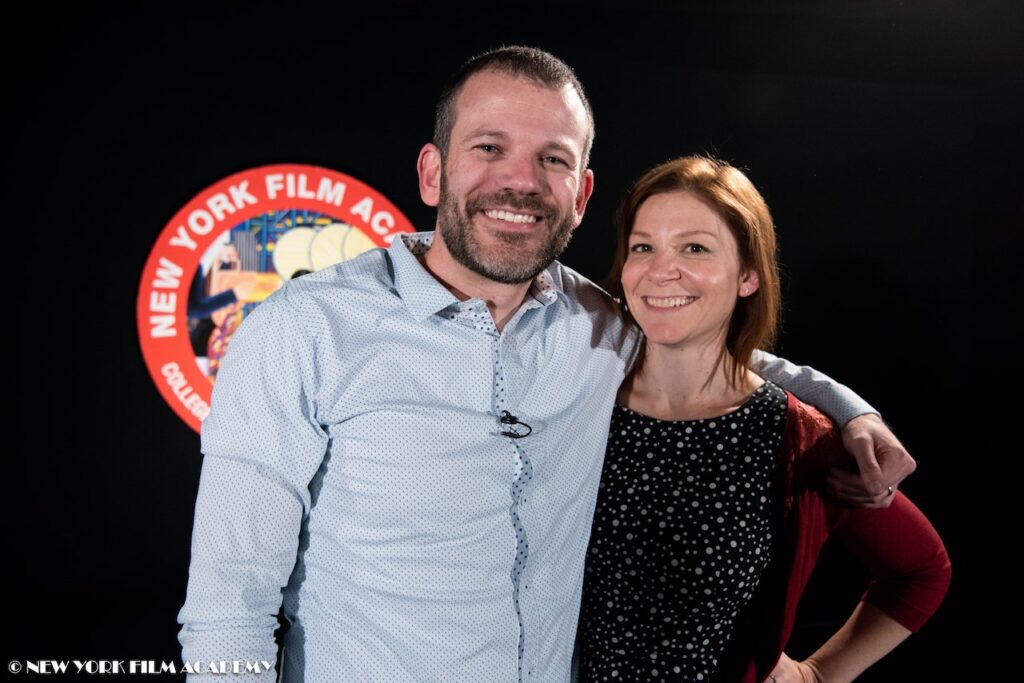
On Wednesday, February 6, New York Film Academy (NYFA) Los Angeles campus hosted a Q&A with Emmy-nominated film and television star Timothy Olyphant, moderated by NYFA Acting for Film Department Associate Chair, Anne Moore.
Olyphant made his acting debut on Off-Broadway in 1995 in The Monogamist and later branched out to film. In the early years of his career, he was often cast in supporting villain roles, most notably in Scream 2 (1997), Go (1999), A Man Apart (2003) and The Girl Next Door (2004). He came to the attention of a wider audience in HBO’s epic western series Deadwood (2004–2006). Olyphant starred in a number of films including Catch and Release (2006), Hitman (2007), A Perfect Getaway (2009), The Crazies (2010) and Live Free or Die Hard (2007).
Olyphant then starred as Deputy US Marshal Raylan Givens in FX’s modern-day Kentucky western, Justified (2010–2015), for which he was nominated for a Primetime Emmy Award for Outstanding Lead Actor in a Drama Series. Olyphant has appeared in numerous television sitcoms including The Office (2010), The Mindy Project (2013), and The Grinder (2015–2016). He currently stars in the Netflix series Santa Clarita Diet with Drew Barrymore.
Moore opened up the Q&A by discussing Olyphant’s early career studying the Meisner acting technique in New York. (The main goal of the Meisner acting technique is to push actors to be present in the moment rather than “in their heads.”) Moore then asked Olyphant about his apparent transition from dramatic roles like his roles in Deadwood and Justified to a role that is more comedic with Santa Clarita Diet. “I don’t think of comedy versus drama; I see really very little difference between the two,” said Olyphant.
Moore agreed, replying, “It’s humanity.” She then asked Olyphant about working with Quentin Tarantino on his most recent film, Once Upon a Time in Hollywood. Olyphant shared that it was a very unique experience because—in the age of smartphones and in an industry with a reputation for breeding self-importance—Tarantino did not allow anyone to have mobile phones on set.
This demonstrated to Olyphant that Tarantino wanted to focus strictly on the art of filmmaking and the present and Olyphant was deeply impressed by this. “He’s doing it in a way that you just didn’t know was possible,” he told the audience. “He’s conducting his business and his work and his set like no other set you’ve ever been on… he’s worked really hard to be able to do it his way and it’s just beautiful.”
Later in the Q&A, one member of the audience inquired about Olyphant’s technique for understanding his character’s motivations in a scene. Olyphant replied that he gleans most of what he needs to know about the character by their actions in the scene because actions give a lot of insight into how a character thinks and operates. “I’m not even interested [in] what he was like when he was seven years old or 15 years old or 18 years old,” said Olyphant. “You’re just playing the scene; you’re just literally playing what’s in front of you.”
When asked how he is able to focus on “playing the scene” (à la Meisner), Olyphant said he memorizes the lines very thoroughly so that he’s not worrying about remembering them when it’s time to shoot the scene. He also studies the actor opposite him, paying attention to their technique and learning from them to build his knowledge for future roles.
The New York Film Academy would like to thank film and television star Timothy Olyphant for sharing his acting techniques and industry advice with our students!
These guests are not faculty and do not teach at NYFA, but they have appeared to share their stories and experience with our students. As guest speakers are scheduled based on their availability, NYFA cannot guarantee whether a guest speaker will visit during a student’s attendance or who that guest speaker may be. This guest speaker forum is not part of any NYFA curriculum and attendance at guest speaker events is purely voluntary. Students should be aware that guest speaker events do not represent a job opportunity nor are they intended to provide industry connections.
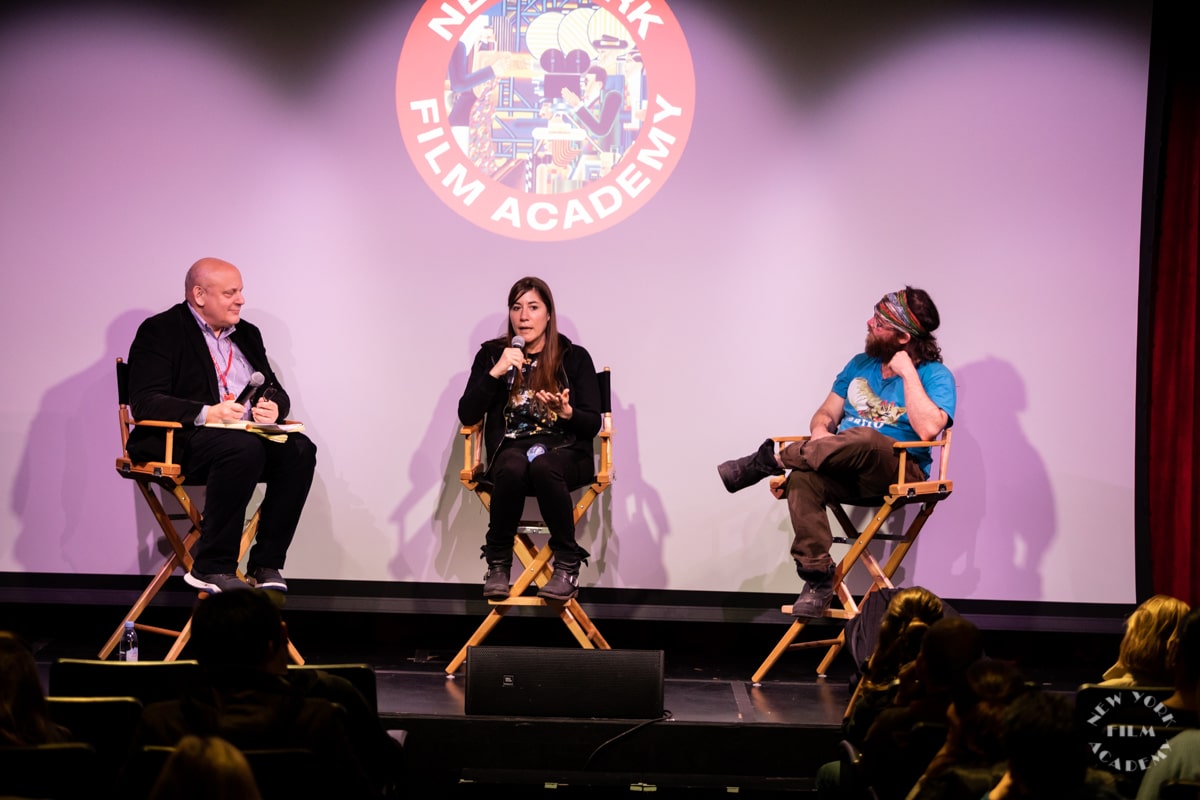
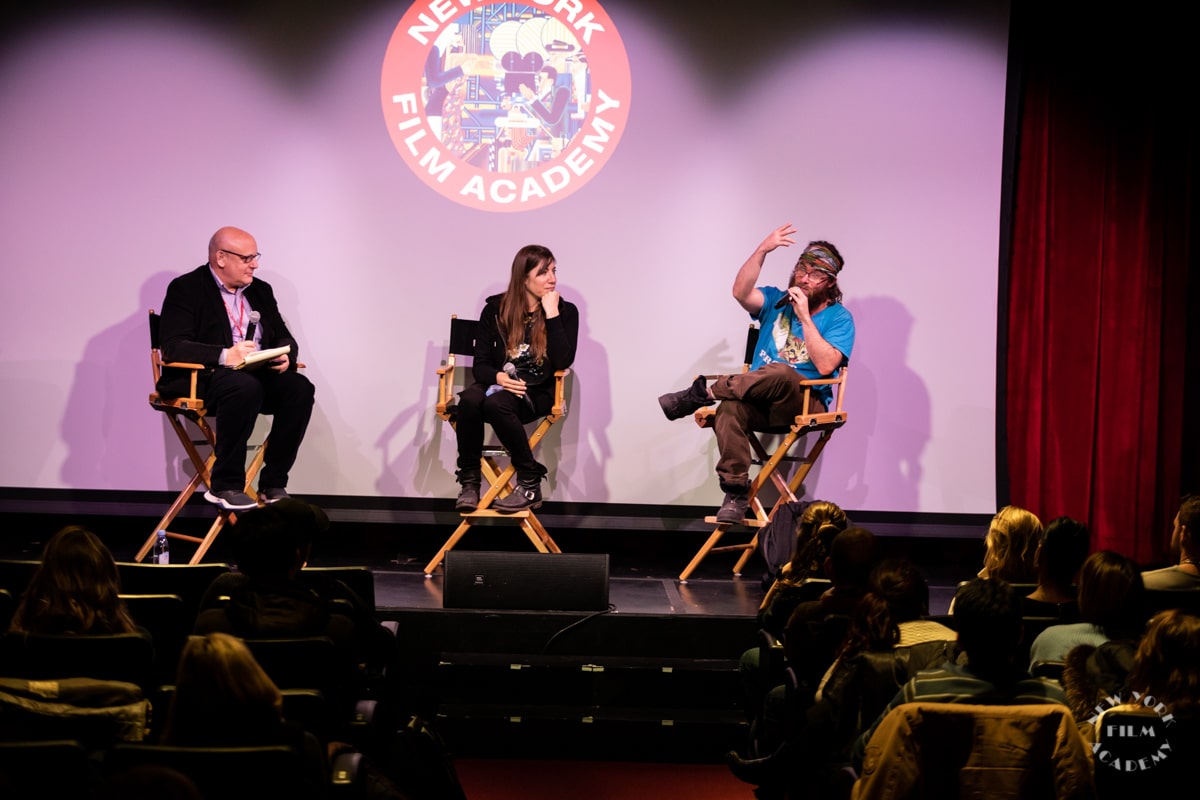
On Monday, February 11, the Producing Department Industry Speaker Series welcomed producer Mollye Asher to the New York Film Academy (NYFA) for a “Conversation with” and Q&A session moderated by NYFA Producing Chair Neal Weisman, following a screening of Chloé Zhou’s The Rider. Also participating in the session was sound recordist on the film, Mike Wolf Snyder. Zhou is in post-production on Nomadland starring Academy Award winner Frances MacDormand, and is currently directing Marvel Cinematic Universe film Eternals, starring Angelina Jolie, Richard Madden, Salma Hayek, and Kit Harington.
This is the second Chloé Zhou film produced by Mollye Asher. The Rider was shot over five weeks, with non-actors playing roles very much based on themselves. Writer-director Zhou spent close to two years researching the story and developing the film before the shoot. The story follows a young rodeo star recovering from a serious head injury suffered when thrown by a horse in the midst of the rodeo.
A good amount of the time Zhou spent researching the story was an investment in gaining the trust of the non-actor cast. The film was made mostly by a six-to-eight person crew, who also needed to gain the trust of the cast. Snyder, the sound recordist, does not like to use wireless, lavaliere microphones that can be hidden underneath an actor’s shirt. He uses a boom microphone for every shot. However, he says, he was very sensitive to not wanting to come off as intrusive towards the actors.
(from L to R): NYFA Producing Chair Neal Weisman, Producer Mollye Asher, Sound Recordist Mike Wolf Snyder
The Rider premiered at the Directors Fortnight at the Cannes Film Festival, where it was acquired for North American distribution by Sony Classics. At Cannes, Zhou also won the C.I.C.A.E. Award.
The film has won numerous other awards, including Best Feature from the National Society of Film Critics Award, Best Picture at the Athens International Film Festival, and Best Feature at the Gotham Awards. It was also named one of the National Board of Review’s Top Ten Independent Films of 2018, and received multiple nominations at the Independent Spirit Awards, including Best Feature and Best Director.
The team recently wrapped production on a 50-day shoot on a “below the radar” project to be announced very soon.
New York Film Academy thanks producer Mollye Asher and sound recordist Mike Wolf Snyder for sitting down with students as part of the Producing Department Industry Speaker Series!
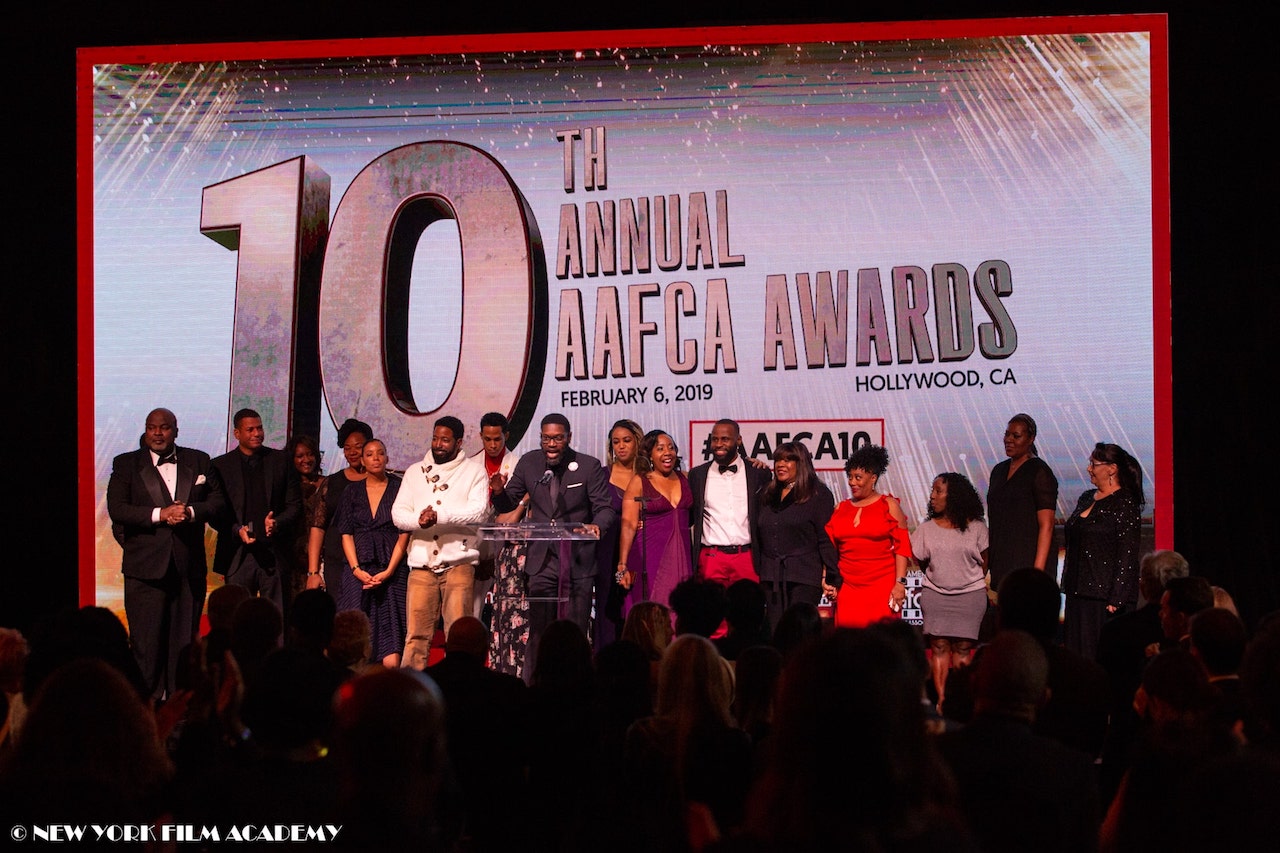
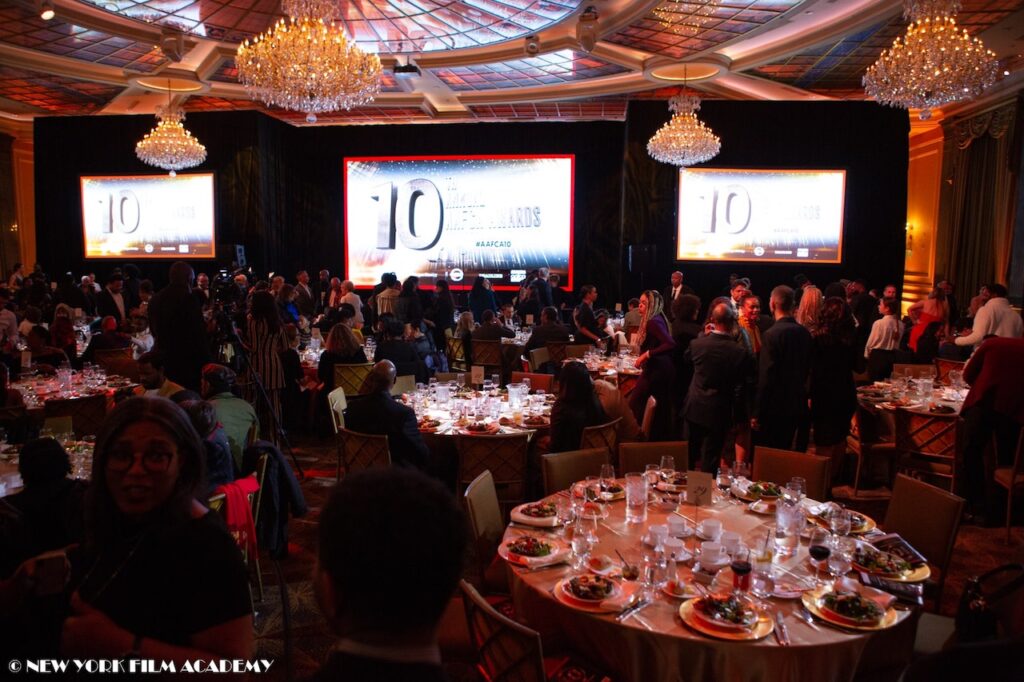
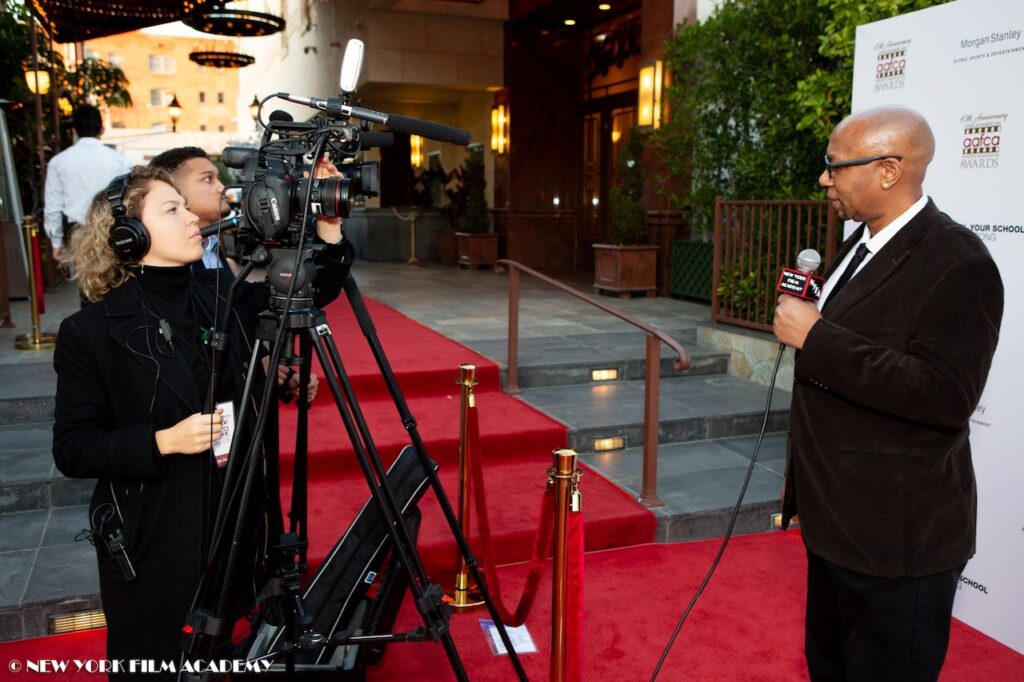
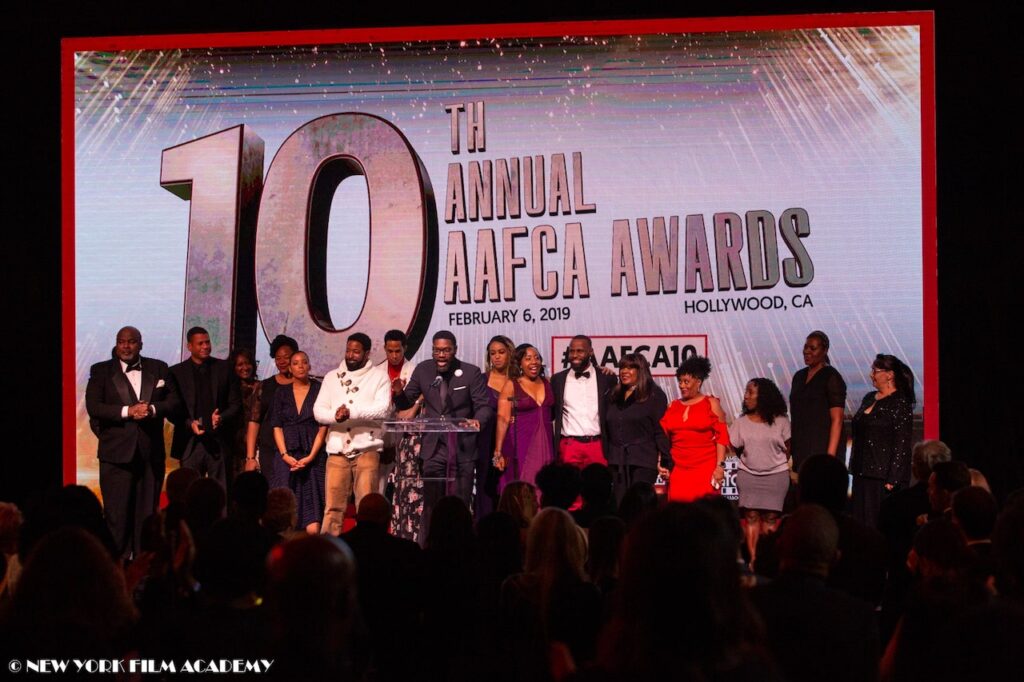
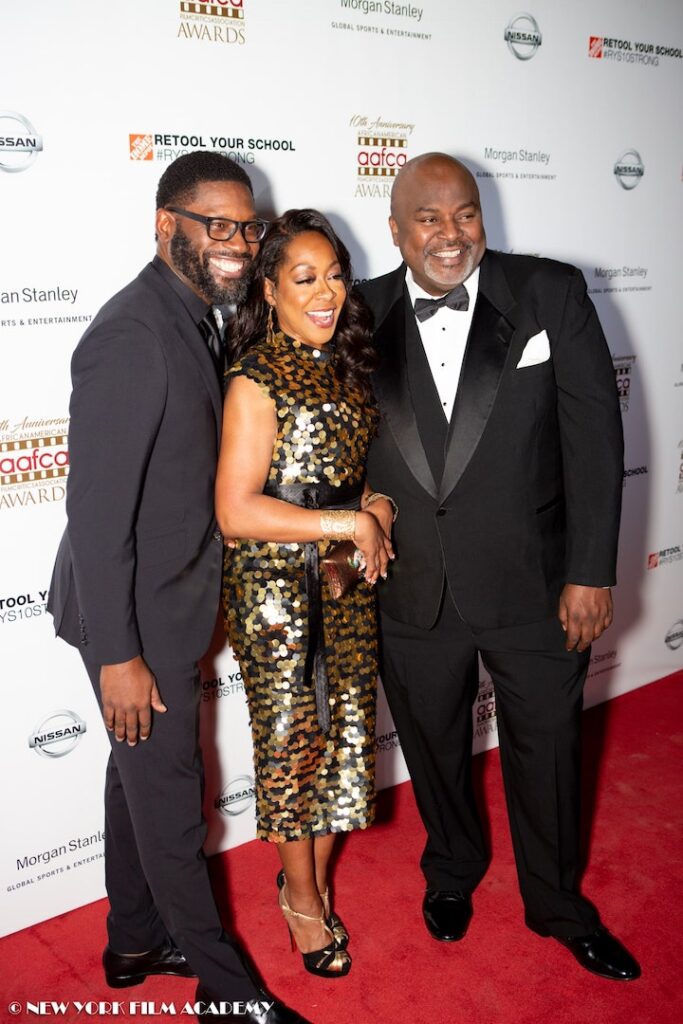
On February 6, the New York Film Academy (NYFA) provided volunteers and a crew to film the 10th Annual AAFCA Awards at the Taglyan Center Complex in Hollywood.
The African-American Film Critics Association (AAFCA) is a group of African-American film critics and was founded in 2003 by Gil L. Robertson IV and Shawn Edwards. The AAFCA body consists of a geographically diverse range of journalists who cover all genres of film and represent television, radio broadcast, digital media, and print. Each year it presents a variety of awards in addition to its Top Ten Films of the Year list.
“I have attended this celebration for many years and the AAFCA continues to excel far beyond the boundaries of mainstream television and film,” states Kimberly Ogletree, Chair of NYFA Industry Lab and Consulting Producer for the awards. “The recognitions they give to the underrepresented voice will be a testament to the longevity of this organization.”
The Marvel blockbuster and cultural phenomenon Black Panther, directed by Ryan Coogler, was named by the AAFCA as Best Film of the Year, as well as being awarded Best Director (Coogler) and Best Song (“All The Stars”).
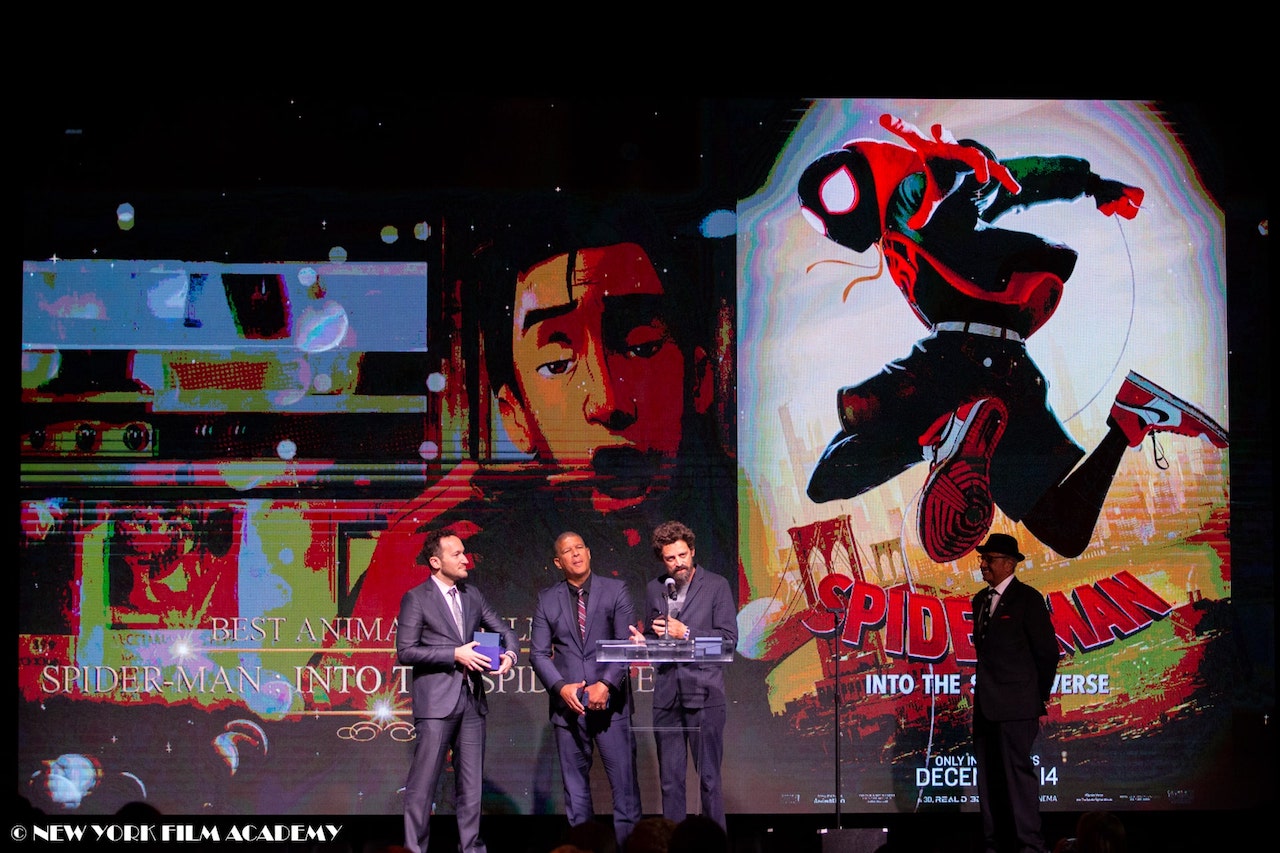
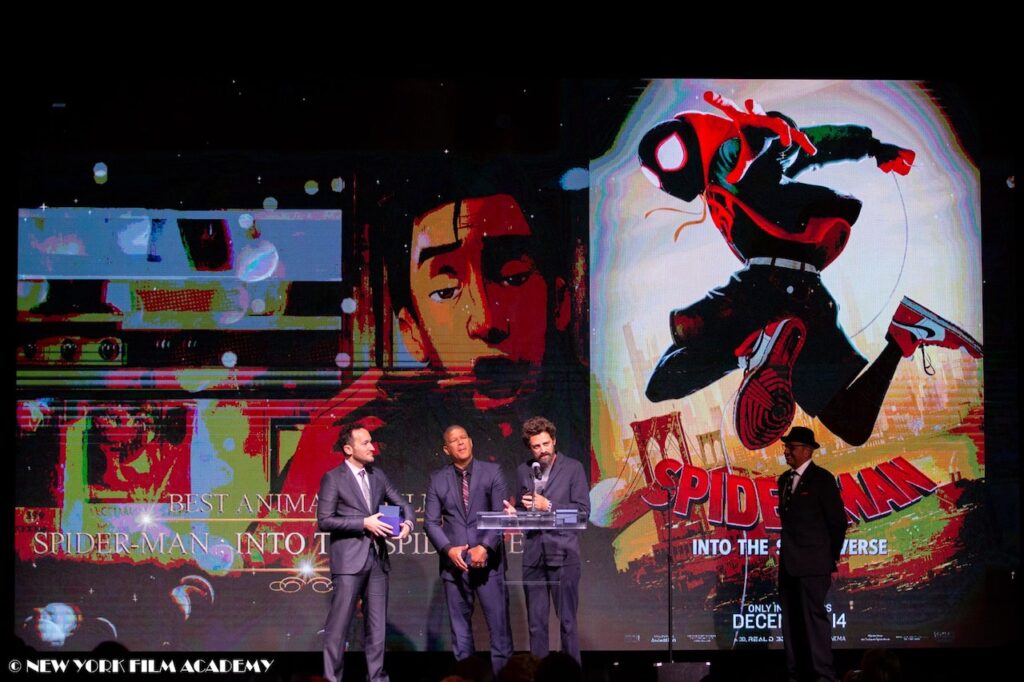
Additional awards include Best Actor for John David Washington (BlacKkKlansman), Best Actress for Regina Hall (Support the Girls), Best Animated Film for Spider-Man: Into the Spider-Verse, and Best TV Comedy for Insecure, the HBO series developed by and starring New York Film Academy alum Issa Rae.
The AAFCA has also announced its annual Top Ten List of best films:
1 Black Panther (Walt Disney Studios) 2 If Beale Street Could Talk (Annapurna Pictures) 3 The Hate U Give (20th Century Fox) 4 A Star is Born (Warner Bros. Studios) 5 Quincy (Netflix) 6 Roma (Netflix) 7 Blindspotting (Lionsgate) 8 The Favourite (Fox Searchlight Pictures) 9 Sorry to Bother You (Annapurna Pictures) 10 Widows (20th Century Fox)
“It’s been a breakthrough year in cinema on a number of fronts,” says AAFCA co-president Gil Robertson. “Most significantly, the tremendous success of Black Panther and Crazy Rich Asians clearly demonstrates that films populated by people of color can perform well overseas.
The New York Film Academy provided filming assistance and volunteers for the ceremony through its Industry Lab. The NYFA Industry Lab, founded in 2014, offers students real world experience through working on major productions for professional clients. A recent success of the NYFA Industry Lab was the internationally acclaimed short film, The Counter: 1960, which had seven Industry Lab members contribute to its production.
Later this month, the AAFCA and NYFA Industry Lab will partner together to present a special discussion exploring the present, past, and future of Black creative excellence in Hollywood through the AAFCA’s inaugural learning lab, Celebrating Black Excellence in Cinema. The event promises to inspire fruitful dialogue and creative exchange and will feature Alana Mayo (Outlier Society).
“The collaboration of AAFCA with NYFA will forge a path for students and alumni to take advantage of the multitude of opportunities that AAFCA can bring to NYFA,” adds NYFA Industry Lab Chair Kimberly Ogletree. “By aligning ourselves with a proven organization such as AAFCA, we can benefit from their expertise and knowledge of servicing the community and the entertainment industry.”
On Tuesday, January 15, New York Film Academy (NYFA) hosted a screening of the pilot episode of Project Blue Book, a new original series from HISTORY (formerly The History Channel) that adapts the real-life US Air Force investigations of UFOs in the 1950s. The screening was followed by a Q&A with creator and former NYFA screenwriting and producing instructor, David O’Leary, moderated by NYFA Producing instructor, Ashley Bank.
O’Leary is a former development executive who has worked for Bellevue Productions, Valhalla Entertainment, Kopelson Entertainment, Rogue Pictures, Warner Bros., and Industry Entertainment. He is also a producer on two features set for release this year, Parallel for Bron Studios and Eli for Netflix. Additionally, O’Leary is adapting a sci-fi book series for A+E Studios.
Bank opened up the Q&A by asking about how O’Leary became a writer. He shared that he started his career as an intern at New Line Cinema and decided he was interested in development, so he moved to Los Angeles where he worked with a friend at Village Roadshow Pictures. From there, O’Leary worked his way up from the mailroom to assistant jobs and became a development executive, himself, at the age of 28. He realized, however, that his true dream was to be a screenwriter. “I pivoted and I’m a big believer in pivoting,” said O’Leary.
O’Leary shared that even though he knew he was passionate about becoming a professional writer, that wasn’t enough. “Honestly, I had to get good at being a writer; I was not a very good writer when I made that choice.” He continued, “I think the way that you get better at being a writer is you have to keep writing, but you can’t keep writing in a vacuum; you have to keep showing your work to people and you have to keep getting feedback… you need people you trust to tell you ‘Here’s what works, here’s what doesn’t, and here’s why.’”
O’Leary added that working as a screenwriting instructor at NYFA required him to be extra knowledgeable about professional screenwriting. “It really forced me to practice what I was preaching,” he said. O’Leary then shared that something that helped him stay positive while he worked toward becoming a successful professional screenwriter was “celebrating small victories” because trying to be successful in the entertainment industry is a long and arduous process and one needs to have stamina to make it all the way to their end goal.
O’Leary made it clear to the audience that hard work is important but sometimes luck also plays a role in success; with Project Blue Book, “It was sort of the right idea at the right time at a network that was looking to grow and move into scripted series.” The simplest way that O’Leary could sum up the show to pitch it to producers was “X-Files meets Mad Men,” which was a concept that had not really been explored before.
One of the members of the audience inquired about navigating a narrative based on real events. “Every week we look at a real-life case… so it has that kind of ‘based on true events’ cache,” said O’Leary. “[Lead character] Hynek was a real-life guy; we ended up recruiting both [of] his sons as consultants on the project… I really want the show to be entertaining, but I also want to educate people on this phenomenon.”
The New York Film Academy would like to thank former instructor David O’Leary for sharing his experiences and advice for writers as well as details about the development and production of Project Blue Book.
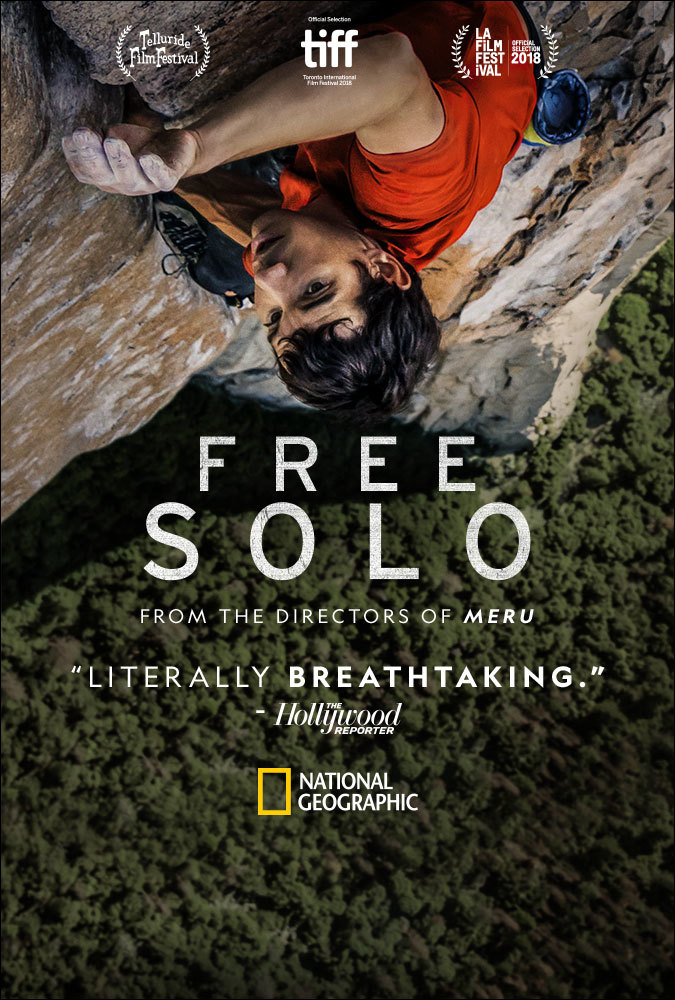
UPDATE: The winners were announced last night, February 11. The list includes Free Solo, which won Best Documentary, and which was edited by New York Film Academy (NYFA) instructor Bob Eisenhardt.
The full list of winners for this year’s BAFTA Film Awards are named below.
–February 12, 2019
Nominations for the 2019 BAFTA Film Awards were announced earlier today, as this year’s awards season continues towards its crescendo.
The BAFTA Awards are given out by the British Academy of Film and Television Arts, and celebrates cinematic achievements by both British artists and those around the world. The Academy was formed from the combination of the Guild of Television Producers and Directors, founded in 1953, and the British Film Academy, started in 1947. The first BAFTA Award went to silent film star and filmmaking legend Charlie Chaplin.
Many of this year’s BAFTA nominees should seem familiar, as they have already been recognized by various industry guilds as well as this year’s Golden Globes. Historical comedy The Favourite dominated the nominations with a total of 12 following star Olivia Colman’s win for Best Actress at the Globes.
Spike Lee picked up his first BAFTA nom for directing Best Film nominee BlackKklansman. Bradley Cooper broke BAFTA records by earning five nominations from five different disciplines for his film A Star is Born, which received seven total, including Best Film.
Two previous guest speakers of New York Film Academy (NYFA) also received BAFTA nominations. Adam Driver, who spoke with NYFA students at our New York campus last year, received a nod for Best Supporting Actor for his work in BlackKklansman. Glenn Close, who also spoke with NYFA students, picked up a Best Actress nomination for her starring role in The Wife. Close won earlier this week at the Golden Globe Awards for the same performance.
Three films that were worked on by New York Film Academy faculty and alumni also received BAFTA nominations. Avengers: Infinity War received a nod for Best Special Visual Effects. NYFA 3D Animation and VFX alum Francesco Panzieri worked on the visual effects team for the epic blockbuster.
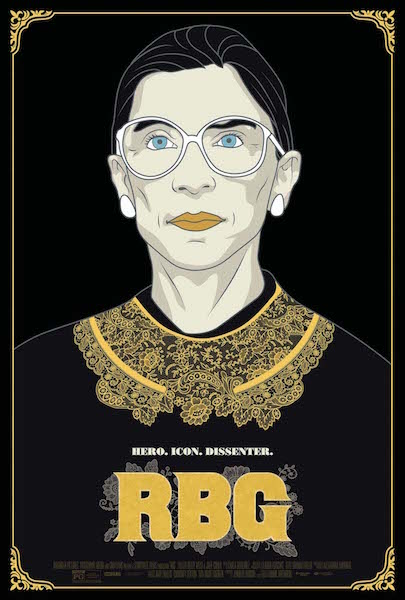
RBG
Additionally, two of this year’s Best Documentary nominees feature work by faculty members of the NYFA Documentary school. RBG, the hit documentary about Supreme Court Justice Ruth Bader Ginsberg, was shot by director of photography and cinematography instructor Claudia Raschke. Free Solo, the critically-acclaimed film about Alex Honnold as he attempts to free climb El Capitan, was edited by instructor Bob Eisenhardt.
Both films are also shortlisted for the Academy Awards, whose nominations will be announced later this month. New York Film Academy wishes them the best of luck!
Here is a full list of this year’s BAFTA nominees. The WINNERS are listed in bold.
Best Film BlacKkKlansman The Favourite Green Book Roma A Star Is Born
Outstanding British Film Beast Bohemian Rhapsody The Favourite McQueen Stan & Ollie You Were Never Really Here
Outstanding Debut by a British Writer, Director or Producer Apostasy — Daniel Kokotajlo Beast — Michael Pearce, Lauren Dark A Cambodian Spring — Chris Kelly Pili — Leanne Welham, Sophie Harman Ray & Liz — Richard Billingham, Jacqui Davies
Film Not in the English Language Capernaum Cold War Dogman Roma Shoplifters
Documentary Free Solo McQueen RBG They Shall Not Grow Old Three Identical Strangers
Animated Film Incredibles 2 Isle of Dogs Spider-man: Into the Spider-verse
Director BlacKkKlansman — Spike Lee Cold War — Paweł Pawlikowski The Favourite — Yorgos Lanthimos Roma — Alfonso Cuarón A Star Is Born — Bradley Cooper
Original Screenplay Cold War The Favourite Green Book Roma Vice
Adapted Screenplay BlacKkKlansman Can You Ever Forgive Me? First Man If Beale Street Could Talk A Star Is Born
LeadingActress Glenn Close — The Wife Lady Gaga — A Star Is Born Melissa McCarthy — Can You Ever Forgive Me? Olivia Colman — The Favourite Viola Davis — Widows
Leading Actor Bradley Cooper — A Star Is Born Christian Bale — Vice Rami Malek — Bohemian Rhapsody Steve Coogan — Stan & Ollie Viggo Mortensen — Green Book
Supporting Actress Amy Adams — Vice Claire Foy — First Man Emma Stone — The Favourite Margot Robbie — Mary Queen of Scots Rachel Weisz — The Favourite
Supporting Actor Adam Driver — BlacKkKlansman Mahershala Ali — Green Book Richard E. Grant — Can You Ever Forgive Me? Sam Rockwell — Vice Timothée Chalamet — Beautiful Boy
Original Music BlacKkKlansman If Beale Street Could Talk Isle of Dogs Mary Poppins Returns A Star Is Born
Cinematography Bohemian Rhapsody Cold War The Favourite First Man Roma
Editing Bohemian Rhapsody The Favourite First Man Roma Vice
Production Design Fantastic Beasts: The Crimes of Grindelwald The Favourite First Man Mary Poppins Returns Roma
Costume Design The Ballad of Buster Scruggs Bohemian Rhapsody The Favourite Mary Poppins Returns Mary Queen of Scots
Makeup & Hair Bohemian Rhapsody The Favourite Mary Queen of Scots Stan & Ollie Vice
Sound Bohemian Rhapsody First Man Mission: Impossible — Fallout A Quiet Place A Star Is Born
Special Visual Effects Avengers: Infinity War Black Panther Fantastic Beasts: The Crimes of Grindelwald First Man Ready Player One
British Short Animation I’m OK Marfa Roughhouse
British Short Film 73 Cows Bachelor, 38 The Blue Door The Field Wale
EE Rising Star Award Barry Keoghan Cynthia Erivo Jessie Buckley Lakeith Stanfield Letitia Wright
New York Film Academy (NYFA) alum Furaha Bayibsa has kept herself very busy since graduating the Fall 2015 1-year Filmmaking program—not just as a writer and director, but as a producer as well.
Bayibsa is very passionate about her craft after growing up with a love of film and television. She seeks out artists who share that passion, and strives to work with those who truly care about what they’re putting on the screen.
With that in mind, Bayibsa produced a feature film called Landfill, directed by MFA Filmmaking student Yesser Laham, as well as produced a few short films together with other NYFA alumni. In between producing projects, Bayibsa continues to write screenplays that she plans to either sell or direct herself.
New York Film Academy recently spoke with Furaha Bayibsa about some of her work, what drives her as a filmmaker, and her love for all things Shonda Rhimes:
New York Film Academy (NYFA): First, can you tell us a bit about yourself, where you’re from, and what brought you to New York Film Academy?
Furaha Bayibsa (FB): I was born and raised in Stockholm, Sweden, but originally from Congo. I’ve always been kind of obsessed with TV and movies. It’s kind of cliche because every filmmaker says that (haha) but really… It was cringe. Movies and TV was the only thing I was talking about. At work people told me to shut up. My friends got upset because every Friday night were occupied for “Shonda Rhimes TGIT.”
It wasn’t until my mom was like “Okay Furaha, it’s time to choose school because you can’t be home watching movies all the time,” and I was like “Okay, I’m going to film school in LA then.” It was an awkward silence at first, but then she said “okay” and four months later I got my acceptance letter.
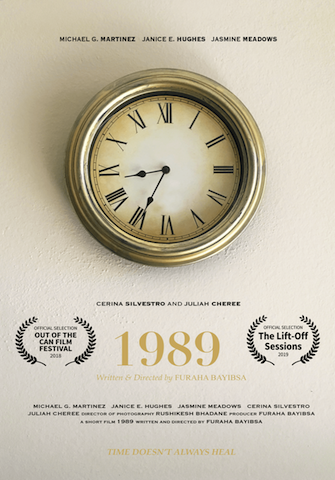
NYFA: Can you tell us about your film 1989 and what inspired you to make it?
FB: My older sister is a politician in Sweden for the Social Democratic party, a party running Sweden as we speak. The party basically stands for equality and giving back to the less fortunate. She’s my biggest role model, and I’ve always wanted to be like her. Do something meaningful, so my entire life hasn’t just been movies. It’s been movies, demonstrations, manifestations, voting parties, lectures, and a lot of political engagement.
Discovering Shonda Rhimes, I realized I could use a film as a tool to speak about really intense stuff, and not make it too much of a lecture. So I decided to make a film about rape, and make it as a ten-minute real-time moment in a couple’s life where they are discussing the topic casually, like couples do all the time (or in Sweden at least).
I remembered a guy telling me this story of how he was sexually harassed by another man one night, and he never told anyone because he was embarrassed, but it really affected him. It pissed me off, because—hello—this happens all the time, so why should he feel embarrassed? So in the film I have the couple watching a news broadcast about a rape victim who killed their attacker, and then got convicted. After the broadcast we’ll find out that the man is enraged, and his fiancee doesn’t understand why. So they go back and forth until… you need to watch the movie, haha.
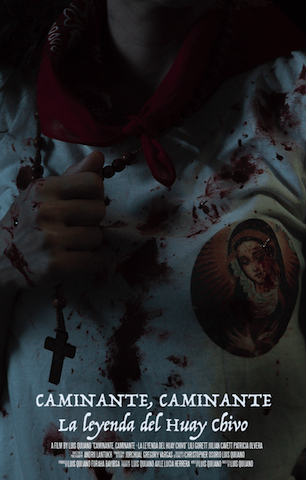
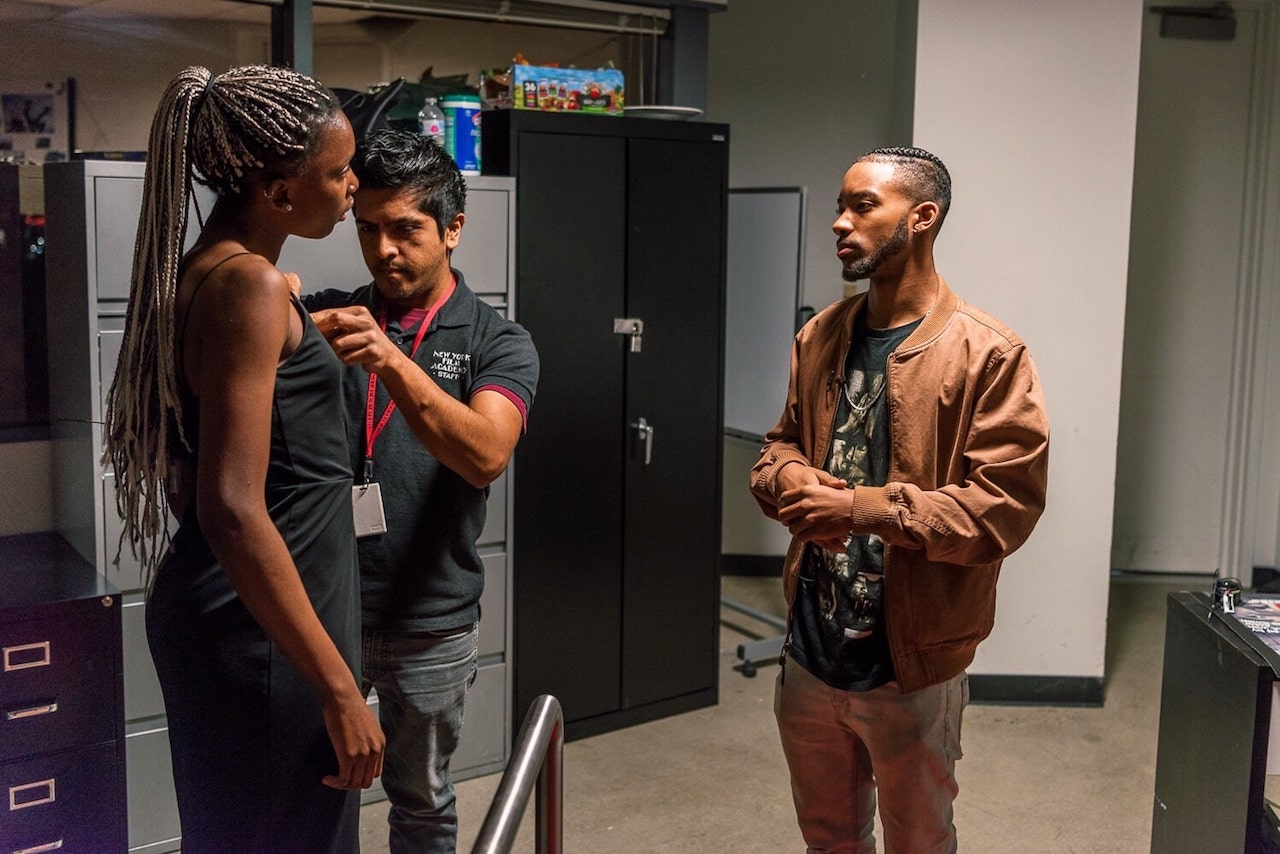
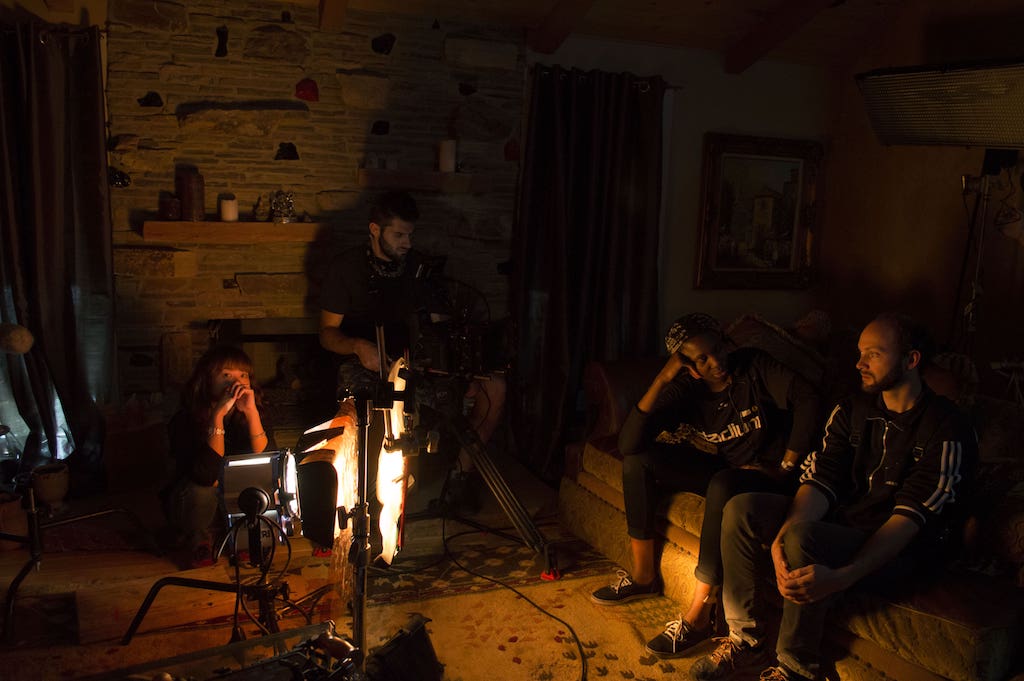
FB: One of my closest friends, Luis Quijano—we met in film school. He pitched the idea to me 18 months ago. He’s obsessed with horror movies, and he’s from Mexico, so he wanted to make it in Spanish. When he was younger, he worked as a missionary in Mexico, and he grew up hearing a lot of folk tales about monsters in the woods.
The “Huay Chivo” is a Mayan beast—half-human and half beast with really creepy eyes. He can turn himself into a goat, a disguise he uses to eat livestock (at least that’s what I understood from it). Luis really wanted it to be as authentic as possible, so together with our friend and cinematographer Andrii Lantukh, we literally went in with our hearts and souls and we made the legend come to life.
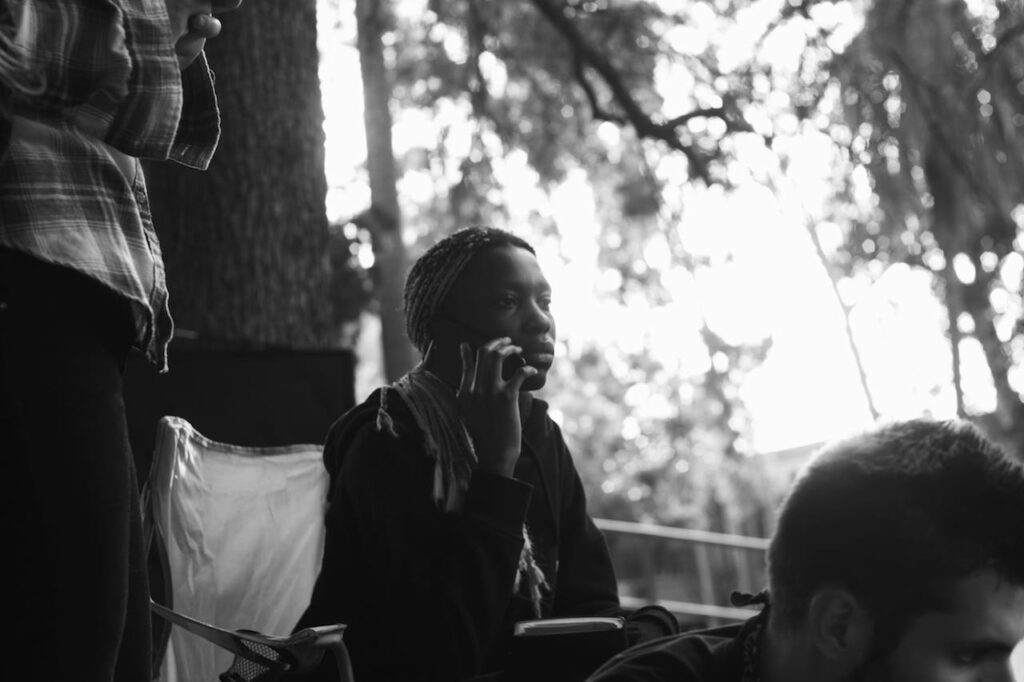
I produced it together with Luis and it was the realest experience I’ve ever had as a filmmaker. I knew it would be. Luis is amazing at what he does, Andrii too. We’re turning it into a feature film as well. So much fun.
NYFA: How do you decide which films to produce? What draws you to them?
FB: In the beginning, I’d get a text saying “Hey Furaha, I have a friend who needs help… are you free?” And that’s literally how it’s been. Just me being nice, saying “yes” to almost everyone. Then I guess the word got out that “Hello everyone, Furaha produces movies and she can raise money too!” And I realized that okay maybe I should find a strategy because I’m only one woman.
I’ve tried to produce several short films at the same time, and line produce them too with directors I didn’t connect with. So I had to step back one day and think, “Okay Furaha, why are you here? Because you love storytelling right, not producing.” So now I ask for three things before even agreeing to a meeting. “Script, crew list so far, and budget.” Script to see if I need to help them develop it a little more, budget meaning what they want for the film, and how much money they have on their own so far.
Then I read the script, break it down in my head, check the budget, google search the crew. I take my notes, then I meet with them. Even if the material is flat I meet with them because sometimes they have no idea what they’re talking about but they’re just so adorable in person and I kinda love them instantly.
So I decide to work with them anyways and help them with literally everything – hold their hand through every step until they don’t need me anymore. Because what draws me in is the director’s passion. The story is more important to me than the script, so I always ask them “tell me about the story” and if I can sense that they love filmmaking as much as me in that meeting, and I can laugh with them (super important), then let’s go. The process sounds strict, but the ones I’ve worked with have appreciated my straightforwardness and work ethic, so there must be something I’m doing right (right?)
NYFA: You have produced, written, and directed—do you have a particular preference for one of these roles?
FB: Writing and directing goes hand-in-hand for me, and they are my favorites. But producing is so much fun when I work with directors who know the craft, as well as respect the craft. So I don’t know really.
NYFA: What other projects are you working on or do you plan to work on?
FB: Right now? Like, right this second? Right this second I’m only working on one project. I’ve written two feature films that I’ll direct, or sell, or do something with in the future. But now I’m writing a Swedish feature film called Silver Wedding; I want it to be the first feature I direct. The goal is to shoot it in Sweden together with my two favorite filmmaking friends from LA when the time has come.
Then there’s another feature film I’m line producing for a friend of mine. A romantic comedy, but it’s standing still right now because our investor is still waiting on the final draft. So that’s gonna be fun too. But it’s the filmmaking industry, so you never know, maybe Shonda Rhimes will call me tomorrow wanting to add me to HTGAWM writer’s room, who knows really?
NYFA: What did you learn at NYFA that you applied directly to your filmmaking?
FB: Nothing… Just kidding! Too much to tell you about right now. But there were some things that I remember from my education that I will always keep with me. The class Film Art and the class Critical Film mainly. We had to read all the history from the beginning of cinema until the present.
I was one of those students who actually read all the chapters, took notes, watched all films, prepared study questions, etc. No I’m not embarrassed, yes my classmates thought I was extra. But now I know so much of the little things people don’t talk about anymore. Those books tell us how past filmmakers thought and experimented with cinema, struggles they faced and how they overcame it. How much they hustled and thought outside the box to achieve their goals.
I was also one of the fortunate ones to have Gil McDonald as my screenwriting teacher, and he taught me everything I know about writing. The most important part was that we should show and not tell, and most importantly not to write what the character is thinking or feeling, but instead only write their actions. That’s been my life savior really.
My directing instructors (Joe Burke, Nick Sivakumaran, and David Armstrong) all taught me everything else I know about filmmaking. All of these classes have really taught me that we’re all artists painting on a blank canvas, so we should just let our imagination run free. They taught me that cinema is the place where the impossible is done, where there’s no limitations, we just have to put in the work. Maybe that’s why I am the way I am today, because I never let anything stop my creativity. My instructors taught me that. Now I’m teaching you that. You’re welcome!
NYFA: What advice would you give to students just starting out at NYFA?
FB: First things first, read the answer to my previous question and if you’re at the LA Campus, find these instructors and befriend them. They’ll change your life I promise. Secondly, and please take this to heart: we’re all different, so don’t compare yourself to another artist. It’s easier said than done I know, but I promise you everyone is going through their own struggles and just because someone might seem to be better than you or have it better than you, please don’t put yourself down because you really have no idea what they had to go through to get there.
So what if there’s someone in your class you think is a better writer than you? Go and read more scripts of films you like to learn more about the craft of screenwriting and become as good as them. So someone in class directed a great film and you’re jealous? Go and talk to that person. Ask them about the stuff you admired in the film, how they thought of it, the process. Go online and read trivia from directors from movies you like. Break down movies you like to understand them better.
Anyone can watch three movies a day, but you need to put in the behind-the-scenes work to actually grow. And don’t rush please, because we all grow at our own speed, okay? Also, be nice. Not just to your classmates, instructors too. They’re people just like you with feelings. Just trust me on this one—always be nice.
NYFA: Anything else you’d like to speak on?
FB: First day of class, ask for the club brochures and join a club! If there’s no club you like at NYFA, create one yourself. No, it’s not as time consuming as you think, or as lame. NYFA has the resources to make your stay at school more than amazing with their student led clubs, and as a founder and former president to one of NYFA’s coolest and I want to say all-time best (?) clubs, I know what I’m talking about. Join a club! I’d recommend the African Black American (ABA) Film Society at the LA Campus if you’re there. I’ve heard some great things about them.
The New York Film Academy thanks Filmmaking alum Furaha Bayibsa for taking the time to answer our questions and wishes her the best of luck as her career moves forward!
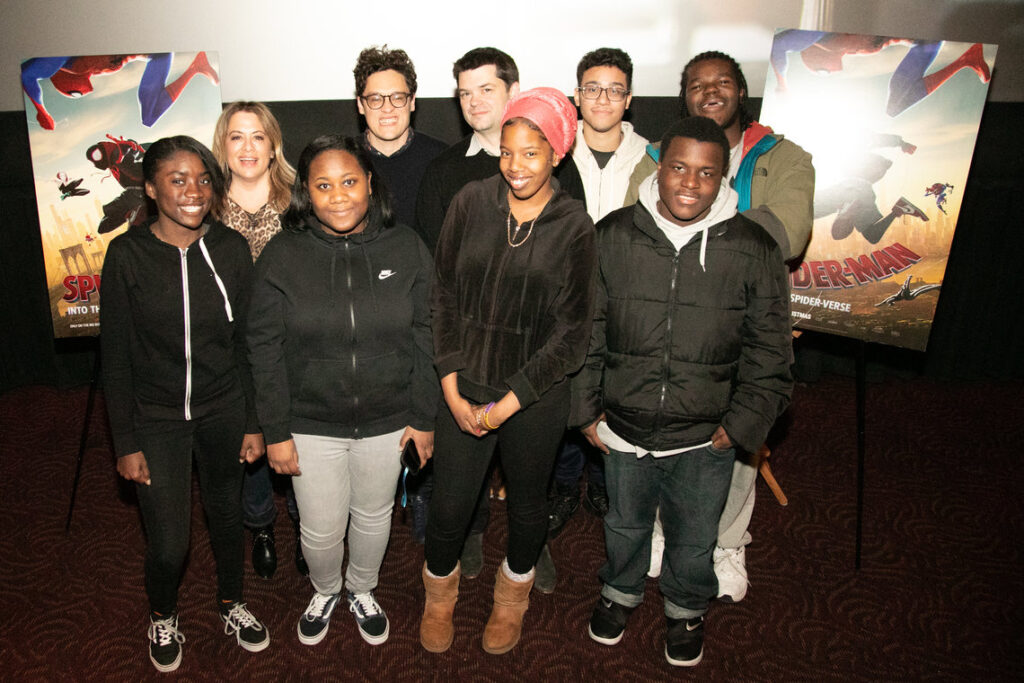
The BAFTA New York / New York Film Academy (NYFA) / DeWitt Clinton High School Digital Storytelling Program recently held its first graduation ceremony, screening the students’ newly completed short films. Over the course of eight weeks, ten eager and enthusiastic students made their way each Saturday from the Bronx to the NYFA’s Battery Park campus to learn the fundamentals of filmmaking.
Classes in screenwriting, directing, cinematography, and editing educated the students in telling stories in a medium for which they all have a great passion. Members of the BAFTA Outreach Committee as well as faculty and administrators from both schools joined with the students’ family and friends in the celebration. Aside from newly acquired filmmaking skills, students gained from the experience a boost in confidence, self-awareness, and expression. The program continues the partnership between New York Film Academy (NYFA) and the British Academy of Film and Television Arts (BAFTA) that has previously brought filmmaking workshops to young aspiring artists.
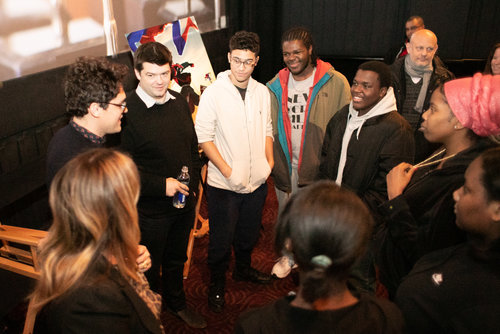
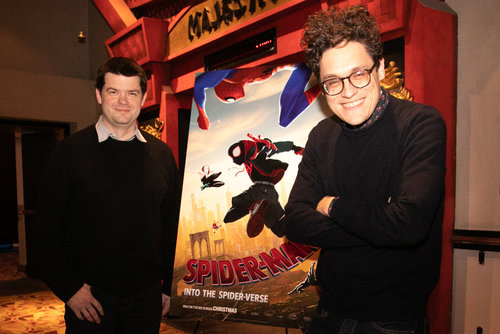
As an added treat, the DeWitt Clinton students attended an exclusive pre-opening BAFTA screening of Spider-Man: Into the Spider-Verse. After a lively Q&A, the students spent a generous amount of time speaking with the film’s celebrated writer-producers Phil Lord and Chris Miller. Needless to say, the movie’s creators were mightily impressed when they learned that Stan Lee, founder of Marvel Comics and creator of Spider-Man, is amongst DeWitt Clinton High School’s illustrious alumni!
As they continue to find their voices, BAFTA New York, DeWitt Clinton High School, and New York Film Academy look forward to seeing more cinematic stories from the recent grads of their Digital Storytelling Program!
One of the truisms in our field is that you never know where you will find yourself, and what you will be doing there. When planning my career, the idea that I would become a specialist in producing programs about China was never a consideration. Yet Shanghai 1937, the documentary that Evgenia Vlasova and I produced last year, has now been broadcast more than 154 times by public television stations across the United States. It’s been sold to broadcasters in France and Germany too…
Another example is digital journalist Gillian Kemmerer. She used the skills she learned at NYFA to build a new career. She was an on-air anchor/presenter and director of US programming for the financial news service Asset TV. She then received a fellowship to study Russian, in Russia. She has been reporting from Moscow for several months now. She says:
“I interviewed Olympic/Stanley Cup champion Alex Kovalev for Sport Express, and it made the front cover! We chatted for nearly two hours on everything from how video games almost stalled his career to a near-return to the ice last month at age 45. The piece has sparked responses from Darius Kasparaitis and many others. Check out the English language story here.”
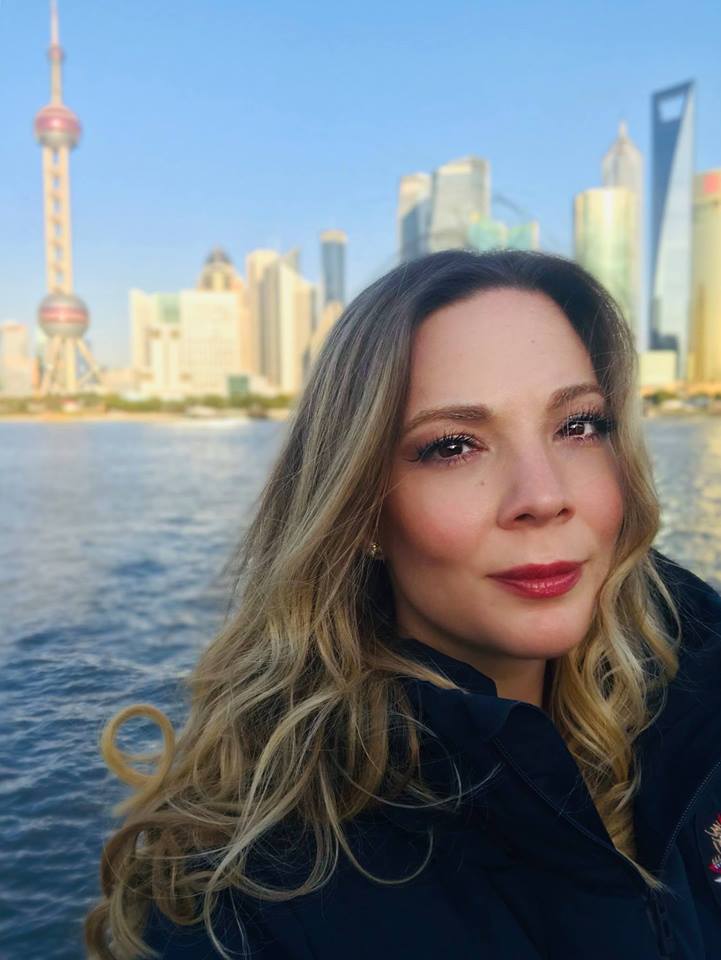
Next stop on Gillian’s 2019 world tour is Shanghai. (That’s the Oriental Pearl Radio & Television Tower behind her in the picture below.) I recommended one of my favorite restaurants…
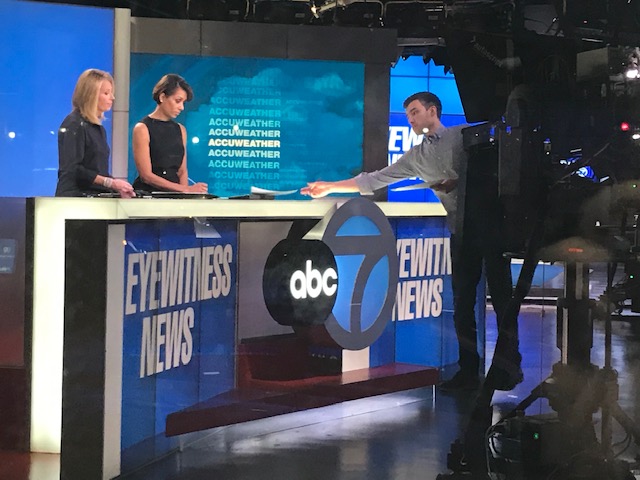
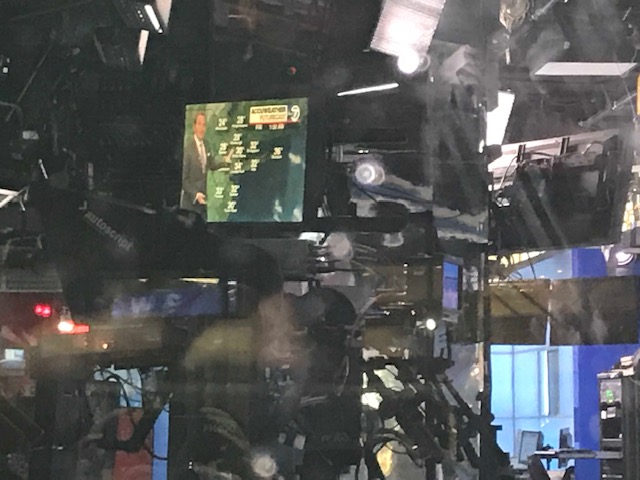
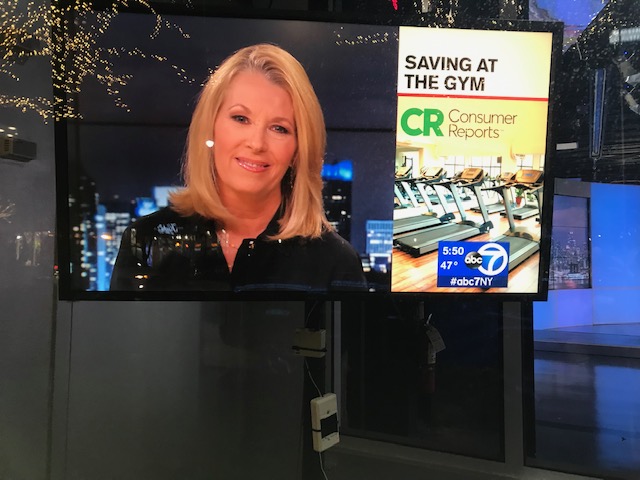
One of the nice things about learning digital broadcast journalism in New York is that the city is one of the media capitals of the world. In fact, you can be walking down the street and discover the six o’clock news being shot at one of the local TV stations. No secrets here… an associate producer hands the anchors some last minute copy, while the weather correspondent is in another part of the studio. He then materializes on the main set, just in time for a little back and forth with the anchors, who then lead into a story about saving money on gym memberships.
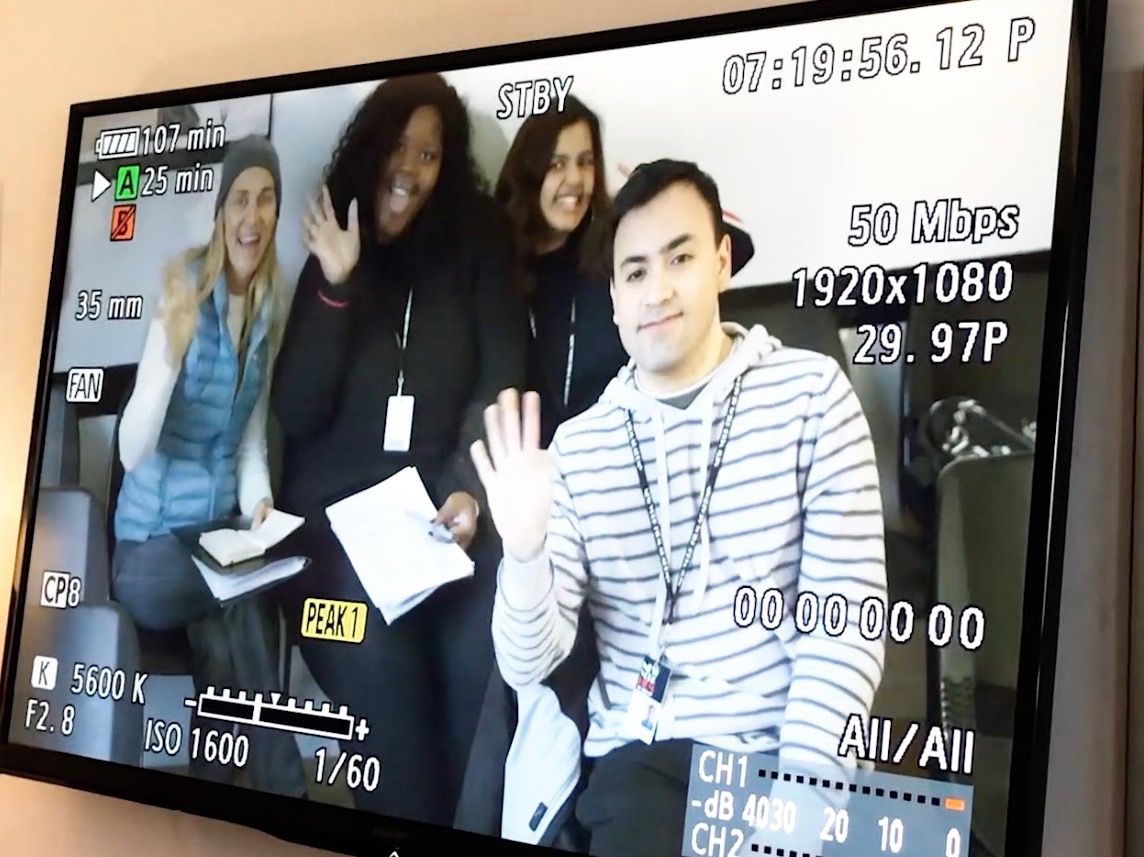
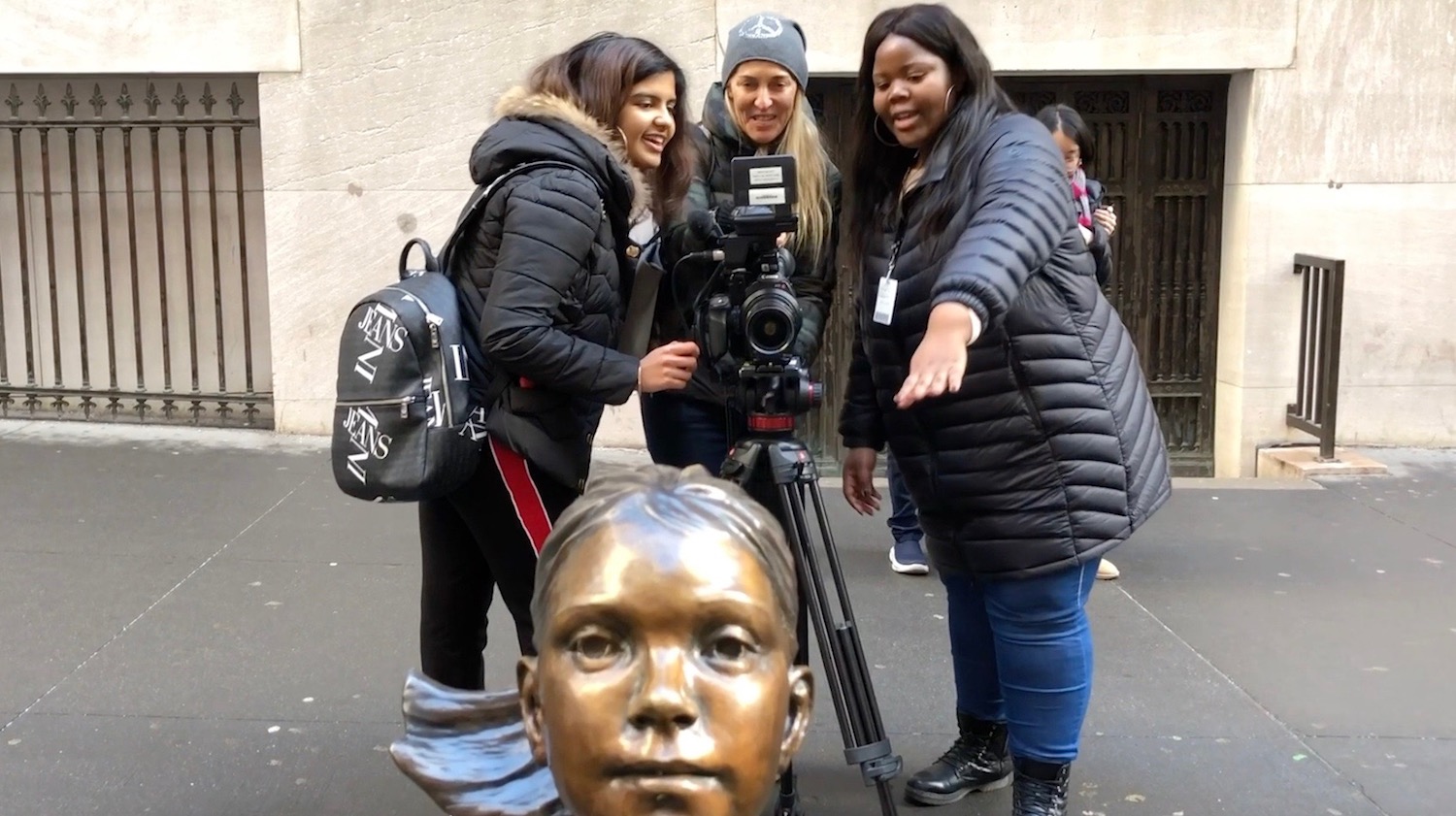
Finally, our January short-term students arrived at New York Film Academy (NYFA) last week. Which means this week they are producing their first story. After classroom exercises with camera instructor Daniel Hernandez and TA Fabiola Torres — where they learned what all those numbers on the screen mean — they were off to meet one of downtown New York’s favorite celebrities, the Fearless Girl…
Manage Cookie Consent
This website uses cookies to improve user experience. By using our website, you consent to all cookies in accordance with our Cookie Policy.
Functional
Always active
The technical storage or access is strictly necessary for the legitimate purpose of enabling the use of a specific service explicitly requested by the subscriber or user, or for the sole purpose of carrying out the transmission of a communication over an electronic communications network.
Preferences
The technical storage or access is necessary for the legitimate purpose of storing preferences that are not requested by the subscriber or user.
Statistics
The technical storage or access that is used exclusively for statistical purposes.The technical storage or access that is used exclusively for anonymous statistical purposes. Without a subpoena, voluntary compliance on the part of your Internet Service Provider, or additional records from a third party, information stored or retrieved for this purpose alone cannot usually be used to identify you.
Marketing
The technical storage or access is required to create user profiles to send advertising, or to track the user on a website or across several websites for similar marketing purposes.
To provide the best experiences, we use technologies like cookies to store and/or access device information. Consenting to these technologies will allow us to process data such as browsing behavior or unique IDs on this site. Not consenting or withdrawing consent, may adversely affect certain features and functions.
Functional
Always active
The technical storage or access is strictly necessary for the legitimate purpose of enabling the use of a specific service explicitly requested by the subscriber or user, or for the sole purpose of carrying out the transmission of a communication over an electronic communications network.
Preferences
The technical storage or access is necessary for the legitimate purpose of storing preferences that are not requested by the subscriber or user.
Statistics
The technical storage or access that is used exclusively for statistical purposes.The technical storage or access that is used exclusively for anonymous statistical purposes. Without a subpoena, voluntary compliance on the part of your Internet Service Provider, or additional records from a third party, information stored or retrieved for this purpose alone cannot usually be used to identify you.
Marketing
The technical storage or access is required to create user profiles to send advertising, or to track the user on a website or across several websites for similar marketing purposes.