Five Steps To Take Toward A Career In Game Writing

Although the role of ‘game designer’ is one of the most sought after careers in the industry, it’s safe to say that “game writer” is up there as well. Of course, a development company can have several game designers working on their projects but only one writer, making it a rarer position in the industry.

As David Gaider from BioWare put it, “[…]there isn’t a lot of call for dedicated writers in the game industry. There are only a handful of companies that actually have such a beast, and BioWare no doubt has the greatest chunk of them.”

Even so, you’re determined to land a gig that allows you to write characters, stories, and worlds that are as memorable and engaging as the ones that made you a gamer in the first place.

You Should Probably Be Good at Writing

This is, of course, the most obvious tip we can provide, but important nonetheless, mostly because there are tons of writers that think they’re good when they actually aren’t. If you think that sounds harsh, here’s what Stephen King has to say about writers in his book On Writing:

“While it is impossible to make a competent writer out of a bad writer, and while it is equally impossible to make a great writer out of a good one, it is possible, with lots of hard work, dedication, and timely help, to make a good writer out of a merely competent one.”

In other words, not everyone is born with the talent of great writing, and those that are must work hard to make sure they make good use of it.

Do people actually enjoy your short stories, or do they think they’re merely OK? Since ‘game writer’ is such a sought-after and rare role, you better be a darn good storyteller if you hope to make a living writing for games.

Get a Writing Degree from Somewhere, Anywhere

Although someone can definitely become a tremendous writer without ever setting foot in an a college classroom, it doesn’t hurt to get a college degree to prove you’re serious about the craft.

The ability to put together an engaging, coherent story is a skill that can be trained. And the best place to do it is where other writers are striving to improve their talent as well.

Worth mentioning is that most developers won’t even consider looking at an application for any of their roles (except maybe testers and concept artists) unless they have a college degree, and this is likely the case for writers as well.

Are there writers currently working at a game studio that never went to college? Probably. But getting a creative writing degree will no doubt set you apart from those that don’t have one when going after the same gigs.

Play Lots of Games

It’s surprising how many writers say they want to write for games, but can’t even name five story-driven titles they’ve recently played.

Although there are some similarities with movies and novels, games often tell a story in very unique ways. This makes playing them all the more important. If you want to learn how to write for interactive media, you better spend a good deal of time playing them.

For instance, it’s impossible to get good at writing branching dialogue trees and choice-driven storylines by watching Hollywood films that feature no interactivity whatsoever. Instead, play games like the Mass Effect and Dragon Age series to get a better feel for interactive dialogue where your choices can affect the game.

Get Involved in Games

We’re currently experiencing an amazing period in the industry where hundreds of indie developers are creating games without the restrictions of publishers. This means that there are tons of games being developed right now that probably have a programmer or two, an artist, a game designer, but no dedicated storyteller.

If you really want to get involved in these projects, start shooting these developers emails inquiring as to whether they are in need of a freelance writer.

This is especially effective if they have released videos or early builds of their games and their dialogue or story line is mediocre, giving you the chance to explain how you’d improve what they currently have and encourage them to let you join.

Write Other Stuff

Developers like to hire writers that have demonstrated success in other fields.

In fact, most of the well-known writers and developers started out doing film and other media before hopping into games.

Ken Levine, co-founder of Irrational Games and creator of the acclaimed Bioshock games, started out in Hollywood writing screenplays before joining Looking Glass Studios. Marc Laidlaw started out writing science fiction and horror novels before joining Valve where he would serve as the sole writer for Half-Life and Half-Life 2.

If you can’t break into the game industry, try building your list of experience somewhere else; film, journalism, television, anywhere that allows you to sharpen your writing skills and prove that you’ve got what it takes to create captivating characters and worlds in interactive media.

Image Source

Feminism and Film Festivals: A Change In The Right Direction?

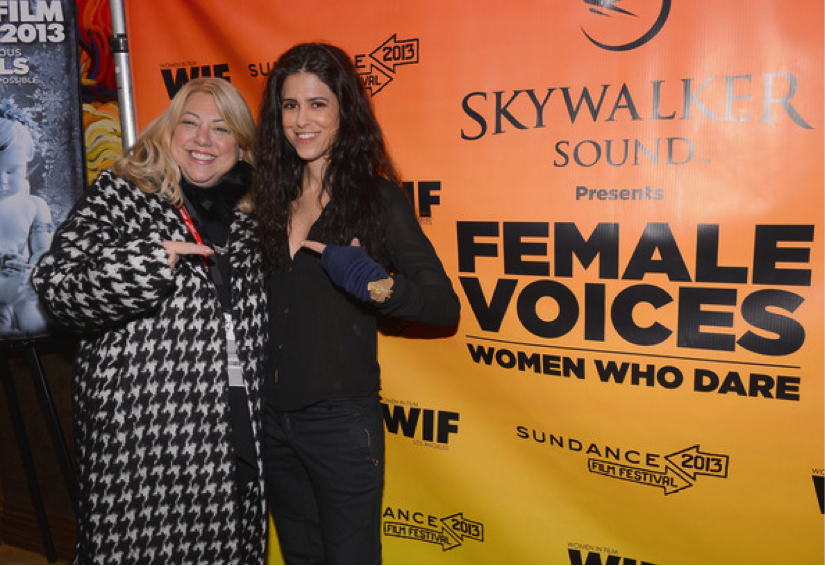
Last year was something of a breakthrough for women in cinematography in that female directors have made up precisely half of the entries in last year’s Sundance Film Festival dramatic film competition.

The news is inspiring, but also illustrates the massive disparity between the indie scene and Hollywood when it comes to gender equality. It also doesn’t necessarily mean that this isolated statistic is indicative of long term change—indeed, Stacy Smith (of the University of Southern California who carried out the Sundance survey) concluded that “There has been no sustained or meaningful change across the last 11 years in the percentage of [female] directors or producers at the Sundance film festival.”

feminism film festivals

In total, over the last 11 years of Sundance less than one third of the professional staff who worked on films appearing at the festival were women. But if recent statistics mark a positive upswing in gender equality in film, how best can we sustain and build upon the trend?

A Focus on the Figures

To better understand the issue, more consistent analysis is needed; statistics on the gender divide in the industry are rarely current and surveys aren’t usually carried out on a large scale by professional bodies. While the numbers from 2013’s Sundance festival are both accurate and current, they weren’t drawn from a particularly large sample pool (the 50% figure relates to just the 16 films in the Dramatic Competition) and tell us nothing about the industry outside of the festival, as popular as it is.

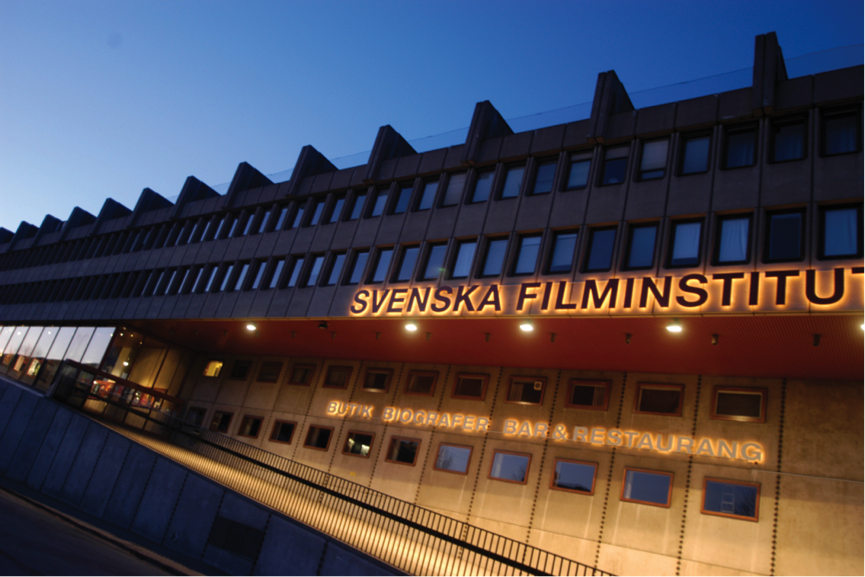
Perhaps we should look towards Sweden, a country with a proud film heritage that is committed to analyzing and addressing the balance. The Swedish Film Institute, a semi-state funded body based in Stockholm, has worked hard over the last few years to make sure funding is awarded equally between men and women.

Swedish women in film

The Institute has determined that currently around 29% of feature films which are awarded funding are directed by women (who also account for 40% of the producers and writers). Not quite equal yet, but also a lot better than the loosely estimated national statistics for the US.

What’s more, the Swedish Film Institute has constructed an action plan based on its findings to achieve total equality in film funding by as soon as 2015 through regular dialogue, constructive action and mentorship programs. They’ve already cracked that nut when it comes to shorts and documentaries; it’s only the feature films that need raising from 29% to 50% in the director’s chair.

At the time of writing, no such research or action plan has been commissioned by the American Film Institute.

Raising Consciousness Through Film Festivals

That all said, the Sundance survey (commissioned by the festival itself in part with Women in Film) should be applauded as a step in the right direction. More studies of this kind should be carried out by hosting festivals, not only to get a more accurate handle on the issue but also to avoid the shambles that was Cannes 2012 (in which the Palme d’Or competition was dominated exclusively by males).

In addition, there’s a somewhat cyclical effect to surveys such as these. The numbers are of great interest to film writers and bloggers, who disseminate the information to the public at large.

In turn, this fosters an awareness where one might not have previously existed and creates a desire to see more female-directed or produced works. It also inspires more women to take up a career in the industry, helping the diversity some of the best cinematography schools in the country are already keen to foster.

And that gives rise to festivals dedicated to the works of women. This year sees an impressive line-up of such events, including last month’s return of SIFF’s Women in Cinema which returned to Seattle after a ten-year hiatus.

The Wellywood Woman blog has recently updated its handy list of female-centric film festivals which are appearing globally around the world; be sure to check out the full list here.

Pushing Forward

Feminism in Film

Of course, it’s not all about the numbers and blindly working towards a 50% gender split in films shown at festivals is not the only goal. As projects helmed by women—either as a director or producer—are in no way less likely to be profitable than those made by their male counterparts, it’s important that we promote a greater number of works by females at film festivals purely because it gives us as viewers more variance.

Variety is, after all, the spice of life; let’s demand more from our film festival organizers.

—–

Enjoy this? You might also want to check out our Gender Inequality in Film infographic to dig into the numbers a little deeper.

Painting With Light

H Matthew Howarth
Photo by H Matthew Howarth

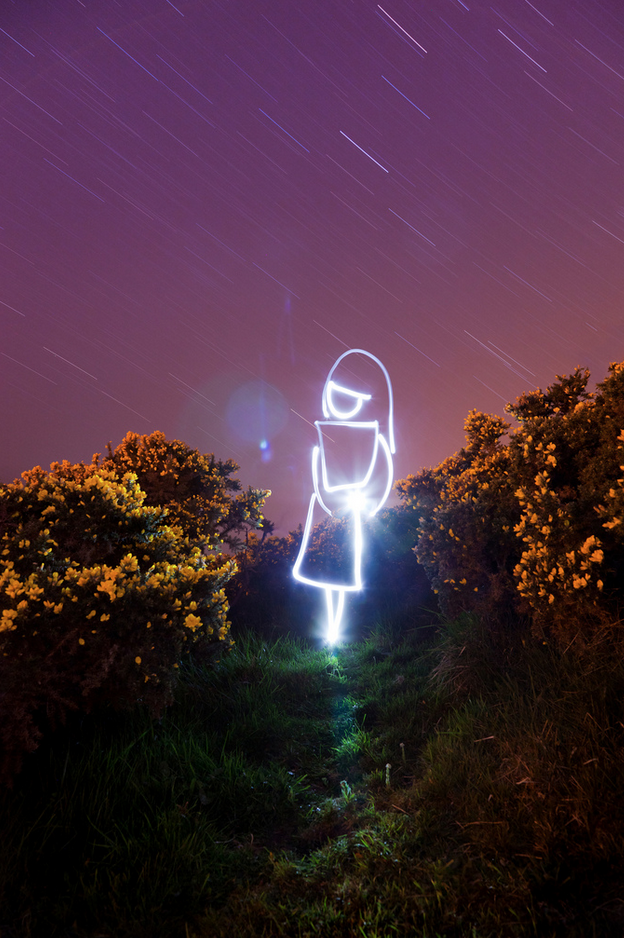
Have you ever seen an image such as the one above and thought, “how on earth did someone create this?” If you have, you’re not alone. Luckily for you, this technique, painting with light, is not very hard to master, and just takes a bit of practice to reach the point where you can start drawing figures out of light as well. If you have an open mind and a bit of an imagination, this is the perfect technique to try out!

Camera Equipment Needed

Although not all of the equipment listed is completely necessary, having all of this equipment will make light painting significantly easier. The one thing that is truly necessary is a camera with a ‘bulb’ setting.

  • A DSLR camera with a ‘bulb’ setting
  • A tripod
  • A remote shutter release with timer
  • A source of light – smaller flashlights work best, but you can play around with pen lights or portable flashes (although you won’t be able to draw figures with a portable flash)
  • Colored gels (optional)

Camera Settings

  • RAW or JPEG? Taking photographs at night can sometimes be a bit difficult, as the source of light you’re using may make your photograph too blue or too orange. If you’re someone who doesn’t always get your white balance completely correct, you should consider shooting in RAW. While RAW images take up more memory than JPEGs, they make post-processing much, much easier. If your exposure or white balance is off, you can fix it in post in about two seconds.
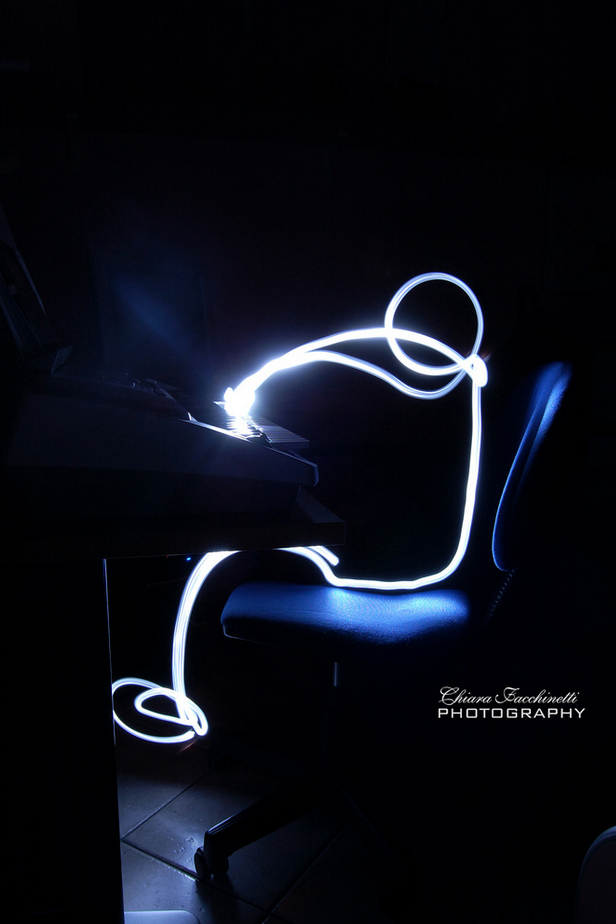
  • White balance: If you’re shooting in RAW format, this one doesn’t matter too much. While you’re always welcome to shoot in ‘automatic’, generally shooting in ‘tungsten’ at night will give you better results – the images will be cooler toned. Keeping your white balance set at automatic will typically give you warmer tones at night. The photographs below show the difference between a cooler toned image and a warmer:
Photo by Chiara Facchinetti
Photo by Michael Sutton
  • How to focus: Focusing in the dark can be very difficult, especially if your subject is going to be moving light! To make things easier on yourself, try shining a light on the area that you’re going to be light painting, and focus on the closest solid object on the same plane. Once you’ve focused, make sure your focus ring is set to manual.
  • ISO: As always, try to keep your ISO as low as possible. Since much of your image will be dark, grain will be even more noticeable in your blacks. A lower ISO (100/200) = less grainy images (unless that’s what you’re going for)!
  • Shutter Speed: Your shutter speed will vary depending on how much you’re planning on “painting” in your images. Most DSLR cameras can take exposures up to 30 seconds long; any longer than that, and you’re going to need a camera with ‘bulb’ setting and a remote shutter release. Plenty of beautiful light painted images can be taken in 30 seconds or less! Play around with different shutter speeds until you find one that gives you enough time to paint your image.
  • Aperture: Try opening your lens to f/5.6 to begin with. Any wider and you may let in too much ambient light; any smaller and you may not capture enough light. If your images are coming out too dark, try opening up your lens even more.

Finding a Location

Before deciding on a location, ask yourself this question: are you planning on creating a subject purely out of light, or are you planning on lighting an existing subject? Regardless of the answer to this question, your best bet is to get as far away from city lights as possible. Too much light can distract from your light painting, so you should choose a very dark location (needless to say, this should be done at night).

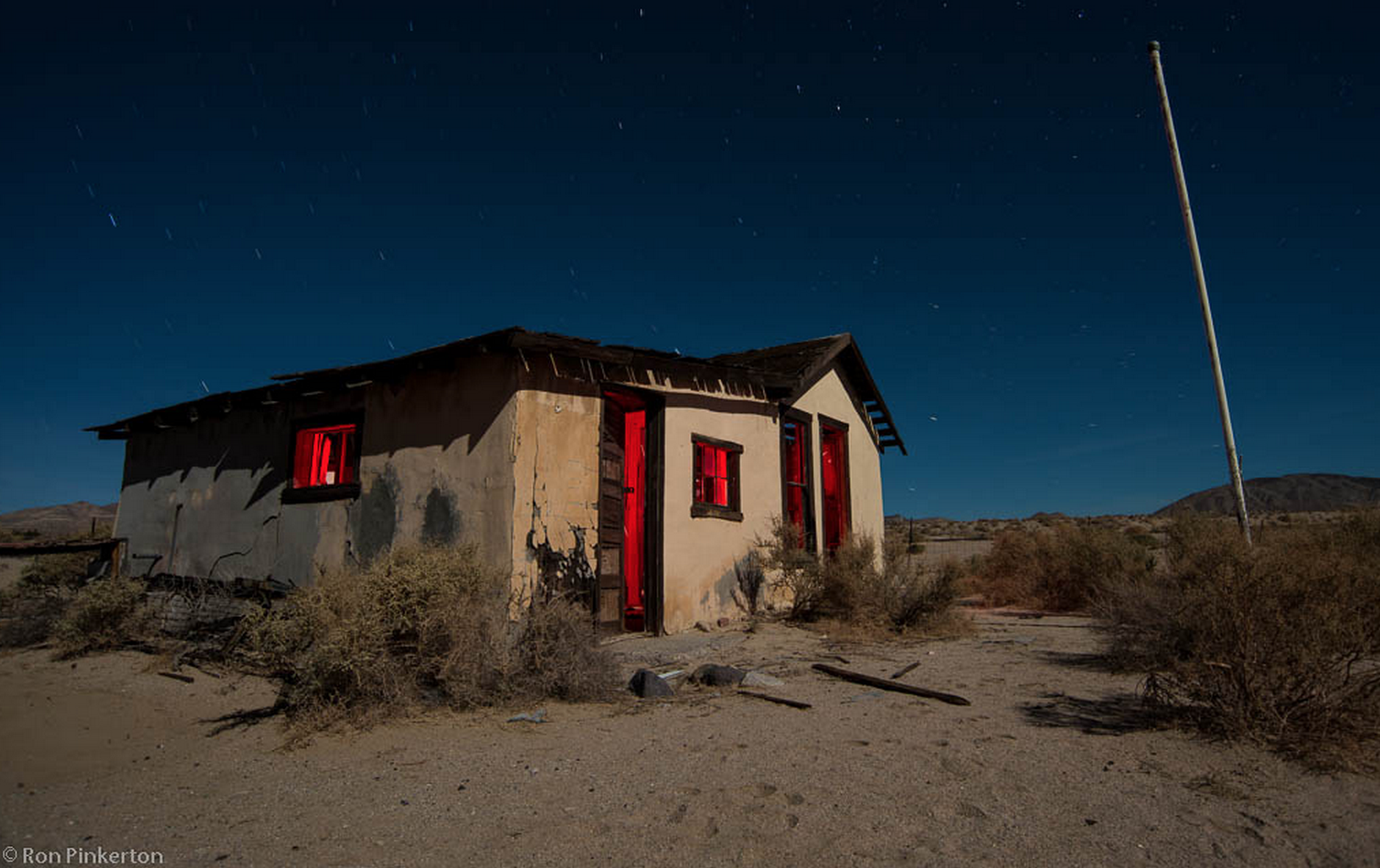
Abandoned houses, old vehicles, and even forests full of trees can all be interesting subjects once lit up with light. If you want to create your own subjects, try finding an empty bench, field, or playground.

Taking the Images

This is the fun part!

  1. Make sure your camera is set up properly on a tripod and the area you’re going to be lighting / creating a subject in is in focus.
  2. Set your camera to 30 seconds (or bulb and have your remote shutter handy), and then walk into the scene. If you’re using your camera’s timer, you’ll have to open the shutter before you walk into the scene. If you’re using your remote shutter, you can wait until you get there.
  3. Turn on your flashlight and begin drawing your subject (or play around with swirls, etc), by shining the flashlight directly at the camera lens. The cool thing about light painting is that you won’t show up in the image at all, unless you shine the flashlight at yourself!!
  4. If you’re lighting a subject instead of creating one, make sure you point the flashlight directly at the subject, not the camera.

Creating Subjects

Photo by Mohammed J (M.A.J Photography)

It’s easiest to create subjects with a very small flashlight, one that will make thin, crisp lines. Remember that your camera is going to pick up on all light, so if you don’t want your image to turn out like a contour line drawing you’re going to have to turn off your light before moving on to a different section. This can get complicated, so start out simple and then move up from there.

Lighting Subjects

Photo by Ron Pinkerton

Lighting subjects is especially fun when you have colored gels to play around with – these gels can be placed either over your flashlight or over your external flash. You can use an external flash or larger flashlight to cover larger areas at once, or a smaller flashlight or pen light to create more precise lines. Make sure you are only pointing the light source at the subject instead of the camera, unless you want to add in your own created subjects as well. Keep the light moving during the entire exposure – if you keep your light source on one area for too long, that area will be overexposed in the final image.

** If you’re using the bulb setting, make sure you remember to close your shutter after painting your scene!

With light painting, the possibilities are truly endless! Don’t stop shooting!

If you’d like to learn more about painting with light sign up for one of the many photography workshop offered at the New York Film Academy today!

The White Background

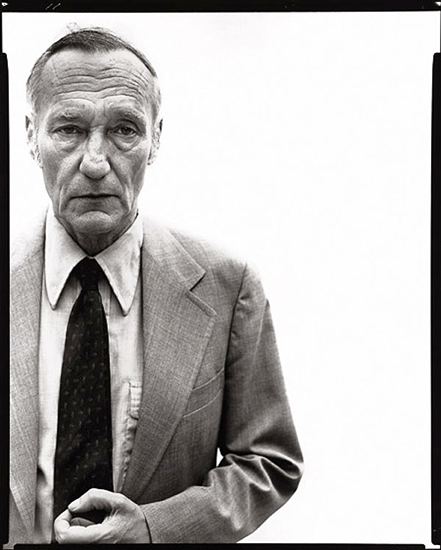
The white background is something that should be talked about in relation to photography, since so many different types of photographers (from fashion photography to art photography to commercial photography) use it in so many different ways. Two notable photographers – Richard Avedon and Terry Richardson – are both known for their use of stark white backgrounds and portraits of celebrities, but in vastly different ways. It just goes to show what creative minds can do with a very simple space.

Richard Avedon

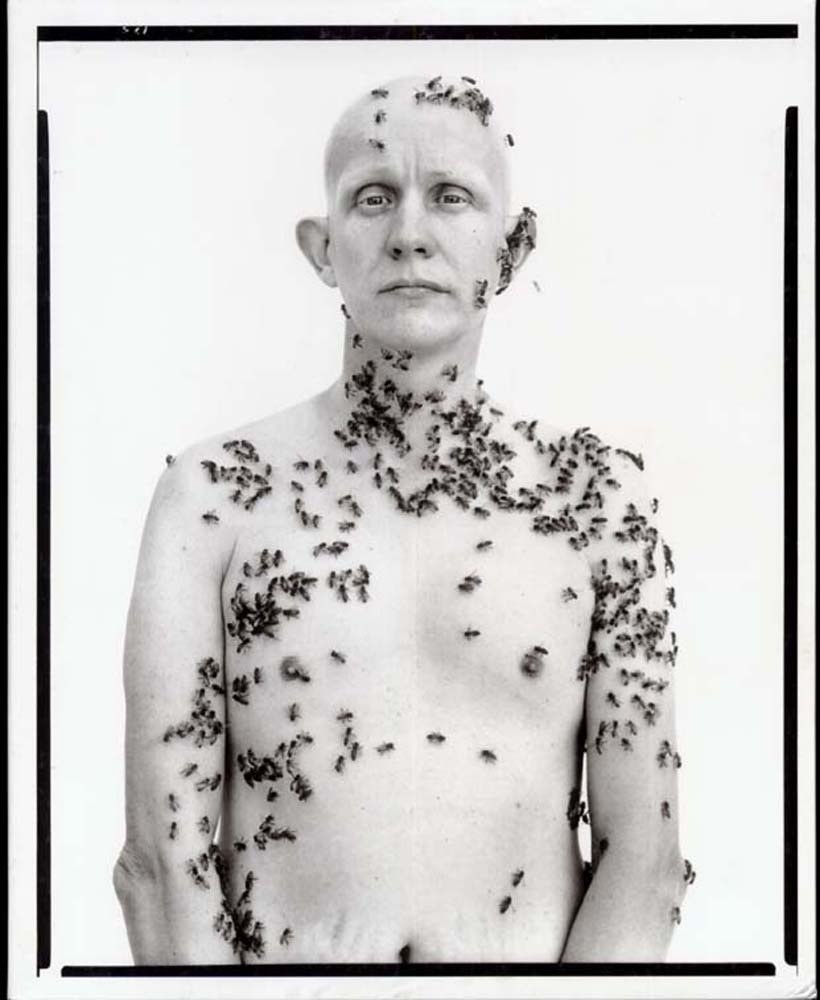
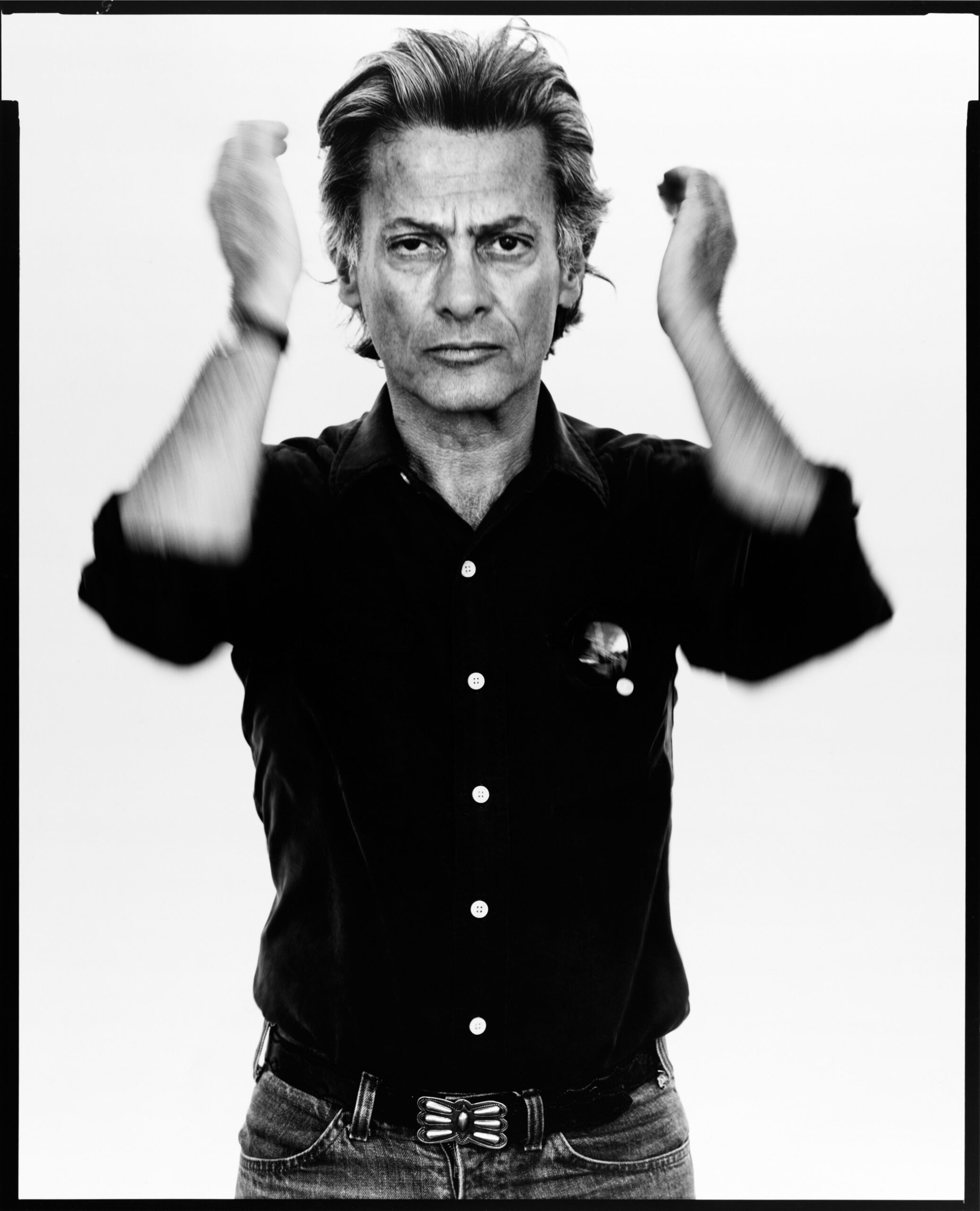
Richard Avedon is arguably the most influential ‘white background’ photographer of all time. It’s almost impossible to enter a photography classroom and find students who have never heard his name. He was primarily an American fashion and portrait photographer, and is well known for his images of celebrities (as well as others) who helped define America’s style and culture. He worked for a handful of fashion magazines, breaking out of the norm of fashion photography of the day to ensure that his models showed emotion in his images – something that many fashion photographers had not done before. Instead of focusing merely on the ‘fashion’ of the time, Avedon used the stark white background to almost force viewers into looking deeper into the emotions of those he used as models.

Richard Avedon
Richard Avedon, self-portrait, Photographer

Richard Avedon

Terry Richardson

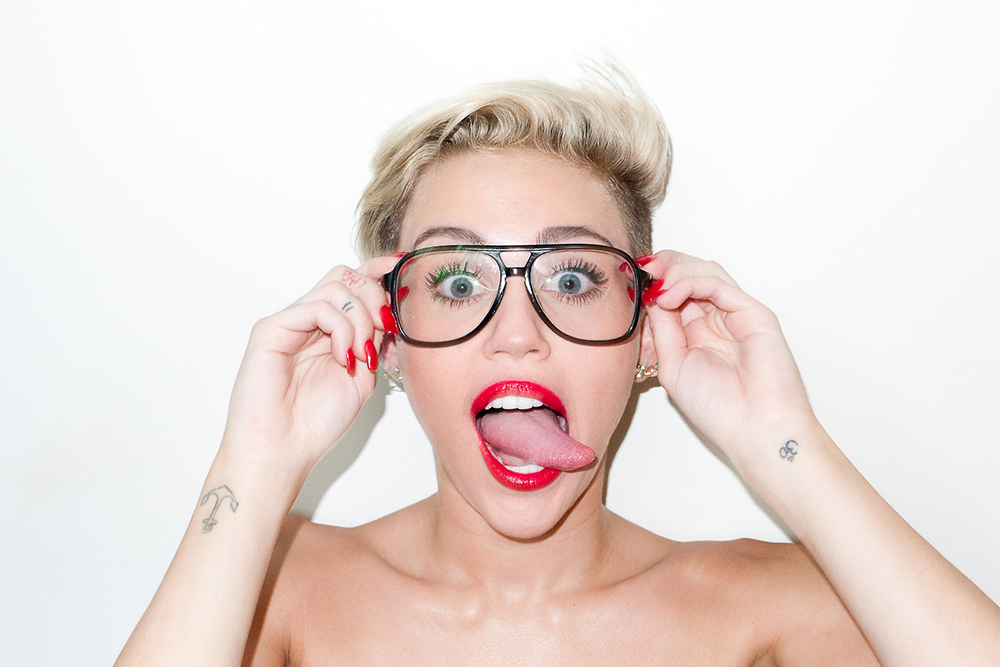
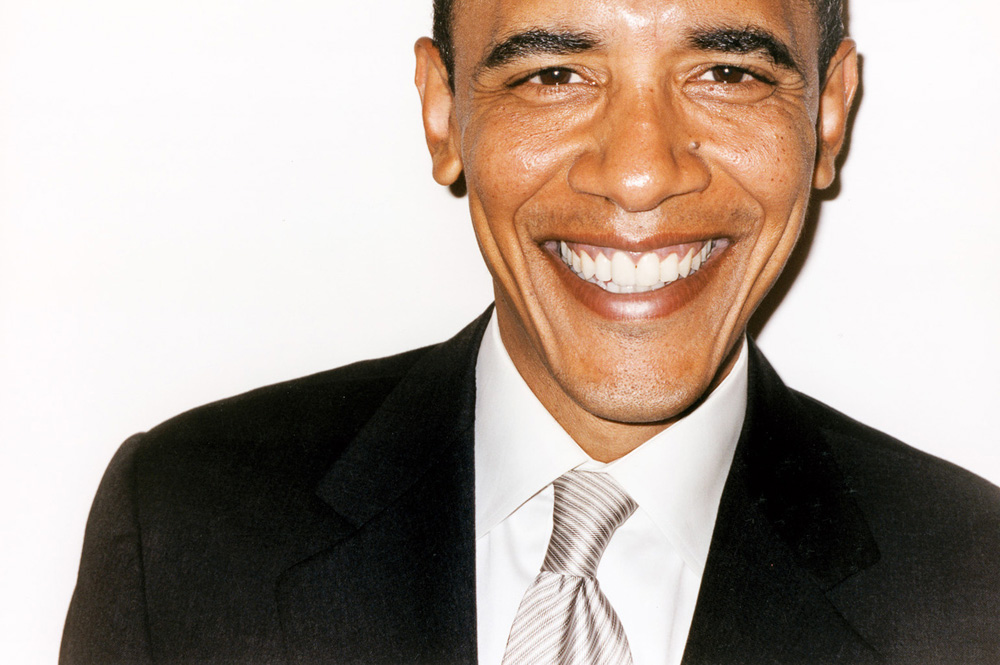
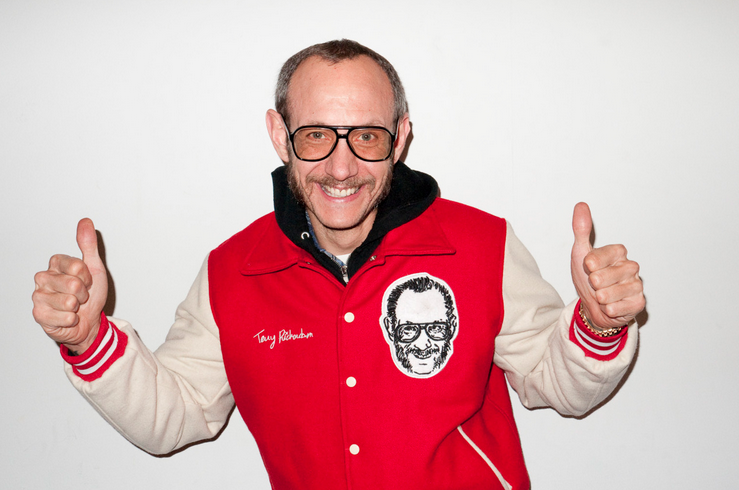
Terry Richardson, on the other hand, is arguably the most controversial photographer of this day (although I hardly want to give him the credit of even having that title). While articles of his mistreatment of young women and models litter the Internet, somehow he still has managed to photograph celebrities such as Miley Cyrus, Lena Dunham, and even Obama. In many of his images, he gets his models to pose as Terry himself, giving them his glasses and posing in the traditional creepy way he usually does (see photographs below). While Avedon shot beautiful large-format portraits on a stark white background, Richardson often uses the white wall of an apartment and any camera he can get his hands on. You can tell when you’re looking at a Terry Richardson image when the models are on a stark white background and a flash has been fired directly at them. He focuses less on the technical aspect of photography and more on his ‘minimalist’ style.

Terry Richardson

Terry Richardson
Terry Richardson Photography
Terry Richardson
^ This is Richardson himself

Morten Koldby

Perhaps a lesser-known name in the photographic world, Danish photographer Morten Koldby also uses the stark white background in his aesthetic – though in a different way than those above. He is most well known for his minimalist animal portraits, all shot on a white background and slightly de-saturated in color. He treats the animals almost as if they are human models, with many of them looking straight at the camera. While he uses human subjects in his work as well, his animal portraits set him apart from the rest.

Morten Koldby

Morten Koldby

Morten Koldby

Andrew Zuckerman

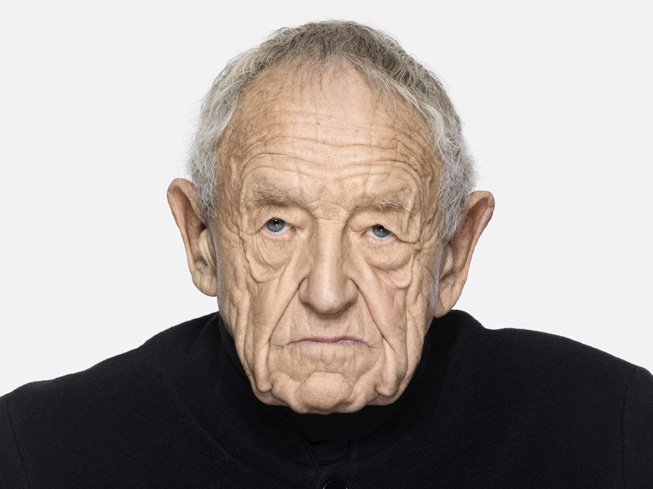
Andrew Zuckerman is best known for his high-definition, hyper-realistic photographs set on, what else, a stark white background. Yet, even he finds a way to make the white background his own – focusing on subjects ranging from humans to birds to flowers. Looking at a Zuckerman photograph, you can almost feel yourself right next to the real subject he has photographed. His images are so sharp and so clean that it’s almost impossible to tell what is an image and what is real. The only thing keeping you from jumping away from an image of a huge bird with its wings outstretched is the fact that it – luckily – is only 2D.

Andrew Zuckerman

Andrew Zuckerman

Andrew Zuckerman

Commercial Advertisements

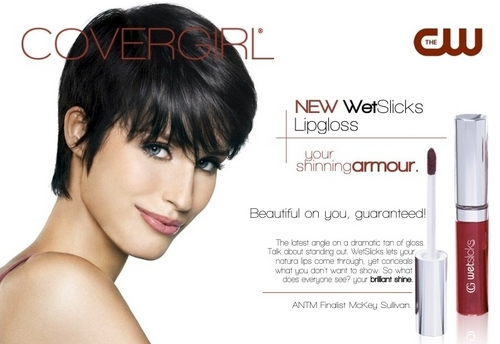
When speaking about white backgrounds in photography, it’s almost impossible to overlook that fact that many commercial photographs (often used in advertisements) are taken on a white background as well. Take a look at the CoverGirl advertisement below:

Cover Girl

There’s a beautiful lady on a perfectly white background, yet how does she differ from the models that Avedon or Richardson use in their photographs? Since this photograph has been transformed into the ad it is supposed to be, it’s easy to determine the fact that this photograph is used to sell a product. Oftentimes, commercial photographers use white backgrounds and negative space to give companies a clean slate on which to write their copy. But would this photograph still be considered “commercial photography” if the completed ad was not placed on top of it? While it can certainly be argued that Avedon, Koldby, and Zuckerman’s photographs are all more emotive and thought-out than the CoverGirl ad, are Richardson’s? Where does one draw the line between commercial and art – especially when the subjects and background are seemingly the same?

While some photographers feel too confined and limited within a studio space, the white background offers almost limitless possibilities. Since photographers cannot rely on context to create an interesting photograph, they are forced to think outside the box and create an image that is full of emotion and power. What would you do if all you had was a white background?

LET IT GO: Who will play Elsa on Broadway?

Disney has announced that Frozen will be coming to Broadway sometime in the near future, creating quite a buzz. While Idina Menzel can obviously command a stage, she may be too old to pull off Elsa live, which leaves one big question: Who will play Elsa? Here are a few suggestions of actresses that would be capable of pulling off the iconic role.

LEIGH ANN LARKIN

Leigh Ann hasn’t been seen on Broadway since 2011, and it’s time to get her back. Best known for her portrayal of June in Gypsy with Patti LuPone, she is a tiny girl with a huge voice. She’s more than capable of pulling off difficult music, and handled “The Miller’s Son” in A Little Night Music perfectly. She still looks young enough to play the princess, and even has Elsa’s blonde hair.

MACKENZIE MAUZY

MacKenzie may not be well known yet, but she will be blowing up after her time as Rapunzel in the Into the Woods movie. She has only technically been on Broadway in the cast of A Tale of Two Cities and in a brief time as standby for the role of Natalie in Next to Normal. Regardless of her lack of Broadway credits, Mauzy has a huge voice with an incredible range. She has spent most of her time on television, but may have the perfect look for Elsa with the added bonus of being a Disney name after the release of Into the Woods.

LAURA BELL BUNDY

Laura has been in many of the biggest Broadway musicals, most notably starring as Elle Woods in Legally Blonde. Bell Bundy also spent some time in Wicked as standby for both Kristin Chenoweth and Jennifer Laura Thompson in the role of Glinda. While she has taken a break from Broadway for more roles in television and a career in country music, her talent would be welcomed back with open arms. Elle Woods gave her material of similar difficulty, and she was able to handle carrying the show on her shoulders.

ANNELIESE VAN DER POL

Anneliese may not be a familiar name, but most of the millennial generation would know her better as Chelsea Daniels in Disney’s That’s So Raven. She is no stranger to Disney musicals, and took on the role of Belle in the closing cast of Beauty and the Beast. Her connection to Disney is almost as strong as her incredible voice, more than capable of handling the music in Frozen with ease. She has taken her time away from Broadway doing projects she is passionate about, but her talent deserves to be seen again by a larger audience. She has just the right amount of attitude to pull off the icy queen.

PHILLIPA SOO

Arguably the most unknown actress on this list, Phillipa is a newcomer to the New York theatre scene. She is most well known for her role as Natasha in the hit off-Broadway show Natasha, Pierre & the Great Comet of 1812. The actress was a hit with all of the major New York critics, and praised for her ability to give such a raw and emotional performance in the small venue created for the show. She is a graduate of Julliard’s school of Drama. At only 23 years old, Soo’s career is ready to take off, and Elsa may be the perfect role to bring her to a Broadway stage.

LEA MICHELE

The obvious choice in looks and talent to follow Idina Menzel, Lea Michele will be singing Let It Go in the opening episode of the next season of Glee. Idina even plays Lea’s mother on the show, and the two actresses have been compared countless times. Lea has been on Broadway here entire life, and has shown her talent in many successful shows. She has a name that is known by almost everyone in the younger generations, and would create even more of a draw to a show that can easily stand on name alone. If Lea is cast in the role, the real question is who could possibly stand up to her as Anna?

These six actresses are just a few of the possible options for the role. Who do you think would be best suited to carry the next Disney hit musical on their shoulders?

The Best Websites For Filmmakers: Directing, Cinematography, VFX, Screenwriting, And Much More!

The best websites for filmmakers

Note: Since we first published this list of 37 websites over a year ago, we’ve been inundated with numerous suggestions about sites, podcasts, and other resources we should have included in the list. Below, find the updated version with over 90 suggestions from our readers, students, and esteemed faculty and please let us know what we missed as we will continue to update this list.

There are thousands of websites out there for filmmakers. Some of them are a waste of your time, others offer awesome services and resources. So we asked our film school students to share with us their favorite filmmaking websites. Here is our list, in alphabetical order, of the 37 best websites for filmmakers.

Action-Cut-Print Peter Marshall’s four decades of film and TV experience, distilled into this ultra-comprehensive treasure trove of filmmaking advice.

Adorama – Adorama publishes fresh and informative articles about photography, technology, music, and other trends.

The American Society of Cinematographers – The professional guild for American Cinematographers, this site is also home to the online version of American Cinematographer, one of the most trusted cinematography magazines out there, along with providing useful professional information for younger cinematographers.

Anatomy of a Scene – A wonderful feature hosted on the New York Times website, this series of videos showcases directors walking audiences through a particular scene from their films.

Association of Film Commissioners International  With over 300 Film Commissions on six continents, there’s almost always an AFCI member office nearby to help you navigate local laws, customs and procedures.

Art of the Guillotine  Online film community for film editors. Connect editors and future editors with ideas and techniques that make films great as well as connect them with each other.

Awardeo – While the vast majority of influential film festivals still occur IRL, online film festivals are a great and easy way to earn recognition and increased visibility for your work, with this site highlighting the best filmmakers on Vimeo.

AWN – If you’re involved with animation, 3D, VFX, or simply want to learn more, there aren’t many better places online where you can start your journey as AWN is literally the largest animation-related publishing group on the web..

B&H Photo, Video, and Pro Audio  Your one-stop-shop for any equipment you may need throughout the filmmaking process.

BAFTA’s Soundcloud – The British Academy of Film and Television Arts has a massive backlog of interviews and their Soundcloud is dedicated to opening their archives to the public, with hundreds of recorded interviews with many of the most important names in film and television.

Baseline Intelligence  This service provides a variety of pre-packaged reports on popular topics for movie producers, independent filmmakers, corporate financiers, and other entertainment entities.

The Beat Hosted by Premium Beat, this is a blog every filmmaker will want to bookmark. As well as instructional articles covering a wide range of pre- and post-production issues, The Beat regularly posts fascinating thought pieces that will change the way you think about filmmaking.

The Black and the Blue – Whether you are looking for advice on how to navigate your first day on set or learn about more advanced skills espoused by other professionals, if you are a camera assistant, this is the site for you.

The Business Hosted by Kim Manners, editor-at large at The Hollywood Reporter, this is a great podcast covering the business side of filmmaking where she and another guest break down a certain aspect of the film business.

Casting Networks – Are you looking to cast a project or are looking for casting listings? This is a great resource to find audition opportunities or actors and best of all, it’s free!

CheesyCam While there is no shortage of online camera review sites, Cheesy Cam is a unique one in that its editor comes from a still photography background, but writes actively on new DSLR cameras, tools, and techniques. A fantastic resource for photographers and cinematographers alike.

Cinema5D – Like the above CheesyCam, Cinema5D is another fantastic resource for keeping up on the latest news and reviews surrounding filmmaking technology that stands out from other tech sites.

Cinephilia and Beyond  A fantastic collection of resources on all things cinema: screenplays, interviews, videos grouped around themes, films or directors.

CorridorDigital Many of you will be aware of this insanely slick YouTube channel which mashes together viral short ideas with exceptional special effects, but it’s the “how it was made” channel that filmmakers will want to check out for a regular dose of inspiration.

Creative Cow  An excellent source of info on video production, with a lot of professionals and production experts hanging out in the comments and ready to answer any question you may have.

D4Darious A dedicated YouTube channel by an emerging filmmaker who relays his personal filmmaking experience through a series of filmmaking and screenwriting tips for beginners and experts alike.

Done Deal Professional – A crucial tool for screenwriters, producers, and filmmakers alike, Done Deal Pro tracks the various script, book, treatment, and pitch sales and options made in Hollywood and abroad, helping those who want to keep track of what material is being set up and the latest trends. The site is also a great resource for getting production forms.

Drop.io  Use drop.io to privately share your files and collaborate on screenplays, film productions and animations in real time by web, email, phone, mobile, and more.

Detonation Films  Detonation Films is dedicated to putting the fun back in filmmaking by establishing a new paradigm between digital media and online entertainment. And also by blowing stuff up.

DVcreators  Advocates for digital video since the early 1990s, this site provides excellent training and resources for digital video makers.

DVXuser  An online community for filmmaking where you can network and chat with thousands of other filmmakers while also providing plenty of tutorials.

Earth Protect  With over 2,000 videos online about the environment and environmental issues and solutions, this site will help you to be a more eco-minded filmmaker and show you how to get involved.

ExploreTalent  Auditions and job listing board for productions and casting calls across the country. The site also contains advice from established actors and celebrities.

Film & TV Pro – Looking for a bit of paying film work on the side while you craft your own magnum opus? This is the site you’ll want to keep an eye on.

Film School Rejects – While most of the sites on this list are resources for filmmakers, Film School Rejects combines film and TV reviews with broader cultural analysis and fantastically-curated video playlists that will simply help to expand your film vocabulary and knowledge.

Film Riot – Ryan Connolly’s critically acclaimed tutorial site which provides a fresh and funny take on filmmaking how-to’s.

Filmmaker IQ  As well as technical tutorials and guides on the process of filmmaking, Filmmaker IQ explores the ‘whys’ of filmmaking just as much as the ‘hows’.

Filmmaker Magazine – A must-read for indie filmmakers since 1992, this print magazine not only has all of its past issues digitized for you to access online,

Filmmakers Alliance  Since 1993, this nonprofit organization has utilized community action to help advance independent film and filmmakers while providing mentoring from other users.

Filmspotting  A podcast hosted by writers Adam Kempenaar and Josh Larsen, each episode they tackle a new top five list that reveal the cinematic precedents for certain themes, genres, and aesthetic conventions.

Freesound – A collaborative database of Creative Commons licensed sounds and music that can be used for a wide range of genres and projects.

FX Guide – Hosting articles and a large library of podcast episodes of various FX topics, FX Guide is a great site for filmmakers andVFX artists alike to better understand the craft.

Go Into the Story – A highly acclaimed screenwriting blog by Scott Myers (and the official blog of The Black List), dive in for superb writing advice, reader Q&As as well as regular challenges and articles which get right to the heart of the craft.

Google Art Project – Looking for visual inspiration for your script or a project that you are filming? Google’s Art Project offers endless visual inspiration from around the world and throughout time.

Greenlight My Movie – If you have a short film, web series, movie pitch, idea for a TV show, or more and do not have representation or a buyer, use Greenlight My Movie to submit and/or pitch your material directly to Hollywood production companies, studios, agencies, and management companies. Also contains solid pieces on screenwriting and where to find funding for your project.

The Hurl Blog The Hurlbut Visuals blog is one which filmmakers around the world have come to rely on. The scope of the blog is huge, so be sure to select your area of interest via the dropdown category menu.

Hollywood OmniBook – From agents to extras to screenplays for sale, the Hollywood OmniBook is your one stop source for connecting with Hollywood.

Incompetech A huge database of exceedingly well-produced, free to use music which many indie filmmakers have come to rely on (and fully searchable by genre, instrumentation and even “feel.”) Maintained by Kevin MacLeod, who we previously declared the nicest guy in the music industry.

Independent Filmmaker Project Representing a network of 10,000 storytellers from around the world, the online hub for the Project provides a number of helpful articles and information about filmmaker meet-ups that will help you to network and make the right connections.

Indie Film Hustle – Home to the top-ranked filmmaking podcast on iTunes, Indie Film Hustle is a wonderful resource of online tutorials, interviews, and informative articles that will help supplement anything you learn in class at film school, allowing you to continue your studies on your own time.

indieProducer – A social networking site for Hollywood filmmakers that includes useful videos, news about film festivals, and other helpful information to help filmmakers achieve their goals.

IndieTalk – An excellent platform for indie producers to chat shop and share tips, tricks and tales from the field

IndieWire – Geared towards both indie fans as well as indie filmmakers, this hub for independent film articles is also home to the phenomenal Shadow & Act and Women and Hollywood blogs, which track entertainment news as it relates to African Americans and women, respectively.

IDA – The International Documentary Association is the ultimate authority on all things related to documentary filmmaking.

IMDb – The “Internet Movie Datebase” is the go-to source for information on films, actors, producers, and other professionals in the film and television industries. If you are in the industry and don’t have a profile on IMDB, create one!

InkTip – Find good screenplays and professional writers. Access is free to qualified producers, directors, agents, managers, and name actors.

International Cinematographers Guild Magazine – While the print version of ICG Magazine has always been a go-to resource for cinematographers, the online version not only includes content from the magazine but also hosts plenty of web-only articles, interviews, and videos covering the various facets of cinematography.

John August – The accomplished screenwriter behind such modern classics as Go and Big Fish, August uses his site to provide useful information about screenwriting, from how to deal with slumps to useful product reviews. Also the home of the Scriptnotes Podcast with over 200 episodes covering about every screenwriting topic imaginable.

John Brawley Incisive musings direct from the mind of a professional director of photography, Brawley’s blog hasn’t been updated in a while but if you’re yet to discover it, there’s a wealth of material in the back catalog to work through (and you’ll be glad you did.)

Learning Video – Formerly Learning DSLR Video, the LV blog is a gift to tech-heads and camera enthusiasts the world over. Dave’s video tutorials and camera kit demos are a great way to get to grip with the many facets of cinematography, particularly when it comes to digital shooting.

Making Of – A great YouTube channel featuring interviews with both accomplished and up-and-coming actors and filmmakers covering countless topics.

Maltin on Movies – Leonard Maltin, the legendary film critic and writer of his famous annual movie guide, which recently went out of print, takes to the internet to offer up a podcast that broadcasts his decades of insight and experience to a whole new generation.

Mandy.com – International TV and film production resources that helps you to find crew members, actors, and more for your production, no matter where you are.

MovieMaker Magazine – The nation’s leading magazine on the art and business of making movies and the world’s most widely read independent movie magazine.

Noam Kroll Kroll’s excellent blog on filmmaking and post-production has grown in to something of a beast since it was launched, and now stands as one of the most recommended weekly reads on the topic currently active.

NoFilmSchool – Regardless of its name, many of our students and faculty champion this website as a great supplement to their film school education while providing fantastic tutorials for beginners.

Philip Bloom The BAFTA-winning filmmaker’s blog is a great port of call for those who have blockbuster ideas but an indie budget.

The Post Lab Advice on post-production issues written by independent filmmakers, for independent filmmakers. Even if you think you’ve got it all figured out, The Post Lab frequently reveals brand new ways to address a production or editing problem.

Post Magazine – The online outlet for this esteemed print magazine, for three decades Post has been the trusted authority on all topics relating to post-production and is a great resource for VFX artists, digital editors, and anyone looking to learn more about post-production.

Pro Video Coalition – A collection of industry specialists’ blogs, Pro Video Coalition is a great resource for video professionals with articles and tutorials covering every aspect of pre-production, production, and post-production.

ProductionHub  The community search site for film, television, video, live event and digital media production, whether you are looking for work or trying to find crew for a production.

The Production Booth – Everyone has a favorite cult movie and this podcast celebrates as many of them as its hosts can. But these aren’t ironic takedowns of “bad” movies, but rather attempts to cast these cult films in a whole new life. Definitely worth a listen.

Red Giant The visual effects specialists’ blog and tutorials sections form a great starting point in your journey towards better post-production SFX, featuring a nice and easy learning curve along the way.

REDUser – A large and extremely helpful forum community of RED users and experts, sharing the latest tips, news, and products from RED Digital Camera.

Roger Deakins One of the world’s premier cinematographers, Deakin’s website is a must-visit for all aspiring cinematographers. One especially cool feature is that he answers users questions personally.

reTooled – Ever needed tutorial-style advice on Premiere Pro or After Effects, or wanted to streamline your production workflow? reTooled is the place for you.

Script Mag  One of the largest online communities for writers and filmmakers alike that hosts a large number of how-to articles, interviews, tutorials, and IRL meet-ups for screenwriters to network with their peers.

Shanks FX A YouTube channel devoted to attaining great special effects in a practical manner. Not only will you learn a few new tricks, but it also serves as inspiration for thinking outside the box.

Shooting People A great community of passionate filmmakers and a place where many a fine partnership has been forged. The SP blog is also well worth checking out.

Staff Me Up In need of a sound engineer or DP in your area? Head on over to Staff Me Up and post a gig for free (you can also browse production jobs within your area of expertise, too.)

Stage 32 – A social network for film, television, and theater professionals to connect with one another and gain access to Stage 32’s impressive back catalog of educational materials.

Student Filmmakers  Searchable community of filmmakers—including both new-and-emerging and professional—talents in the film world while also containing many helpful reviews of new technology, techniques, and workflows.

StudioDaily – Consisting of useful videos, rich media tutorials, and daily news items, StudioDaily is focused on keeping readers up-to-date on the latest workflow developments, product releases, and emerging products.

The Film Collaborative  If you’ve completed your film or you’re getting close to it, check out the Film Collaborative for help on how to best distribute your film and find an audience.

Tom Cruise’s Blog  That’s right, Tom Cruise has put out a surprisingly brilliant list of resources over on his personal blog (or, at least, his team has). Although the list is mainly geared towards actors, there’s plenty of crossover here for filmmakers and producers alike.

The Treatment Hosted by the highly esteemed film critic and scholar Elvis Mitchell, each episode of The Treatment features an interview with a different filmmaker, screenwriter, actor, or other creative, though Mitchell himself often steals the spotlight through his own incisive insight.

Twitch  Unrelated to the livestreaming service of the same name, Twitch is a depository for indie films and the discussion thereof, with an especially strong focus on global cinema.

VFX Soldier – Written by a professional (and anonymous) VFX artist, this blog offers an unflinching look into the realities of the VFX industry, for better or worse.

Video Copilot Want to take your After Effects knowledge to the next level? Video Copilot is the site for you, with plenty of easy-to-follow tutorials and free plug-ins on offer.

Videomaker  One of the earliest filmmaking magazines still going strong after nearly 30 years, now fully digitized so that you can spend hours pouring through three decades of helpful articles.

Videvo – With so many stock footage and motion graphics sites out there, Videvo stands out as its massive library is 100% free to users, providing both budding filmmakers and established filmmakers with a fantastic repository.

Vincent Laforet Given that LaForet is a Pulitzer Prize-winning fine art photographer, it’s of little surprise that he also treats filmmaking with the same clinical eye. Even better for us, he’s not shy about sharing his methods with the filmmaking and photography crowd looking to soak up some of his knowledge.

Visual Effects Society – The premier organization of VFX professionals, the site offers great opportunities to network and members get access to their prolific library of videos and articles.

Wired Design FX – Designed for both novice and expert VFX artists, Wired’s series of VFX-focused videos helps to demystify and explain many of the tricks and tools used by professionals, as illustrated using popular movies.

ZapSplat – Don’t have a gaffer artist on retainer to create your film’s sound effects? ZapSplat is a free library containing thousands of common sound effects that must might save your production a considerable amount of time and money.

[su_note]Learn more about the Film School at the New York Film Academy by clicking here.[/su_note]

16 Australian Actors In Hollywood You Should Know About

Let’s face it: Australian actors are a hot commodity in Hollywood. Australian actors are all the buzz from Broadway stage icon Hugh Jackman to headliner talent Nicole Kidman. New York Film Academy has a campus on the Gold Coast. This has me wondering what bewitching talent will apply to any of our new programs in the Land Down Under? Check out our ranking of some of the notable Australians in Hollywood:

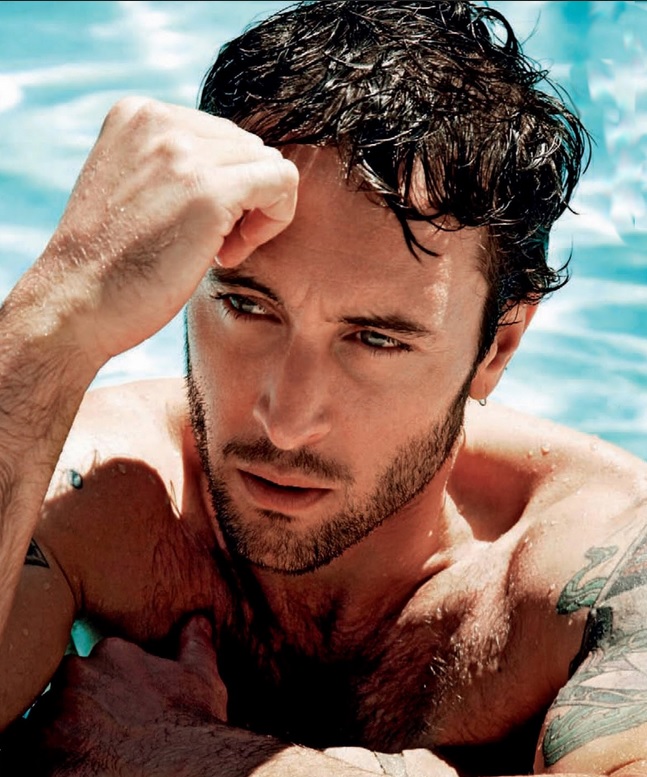
1) Alex O’Loughlin

Alex O’Loughlin

OK, so maybe his IMDB doesn’t have the same prestige as Leonardo (DiCaprio – keep up) or Ben Affleck, but he played opposite Jennifer Lopez in The Back-Up Plan and had me swooning. Vampire fans out there should check out his Moonlight character while those who have a soft-spot for nostalgic police procedurals will have much to enjoy watching him in Hawaii Five-O

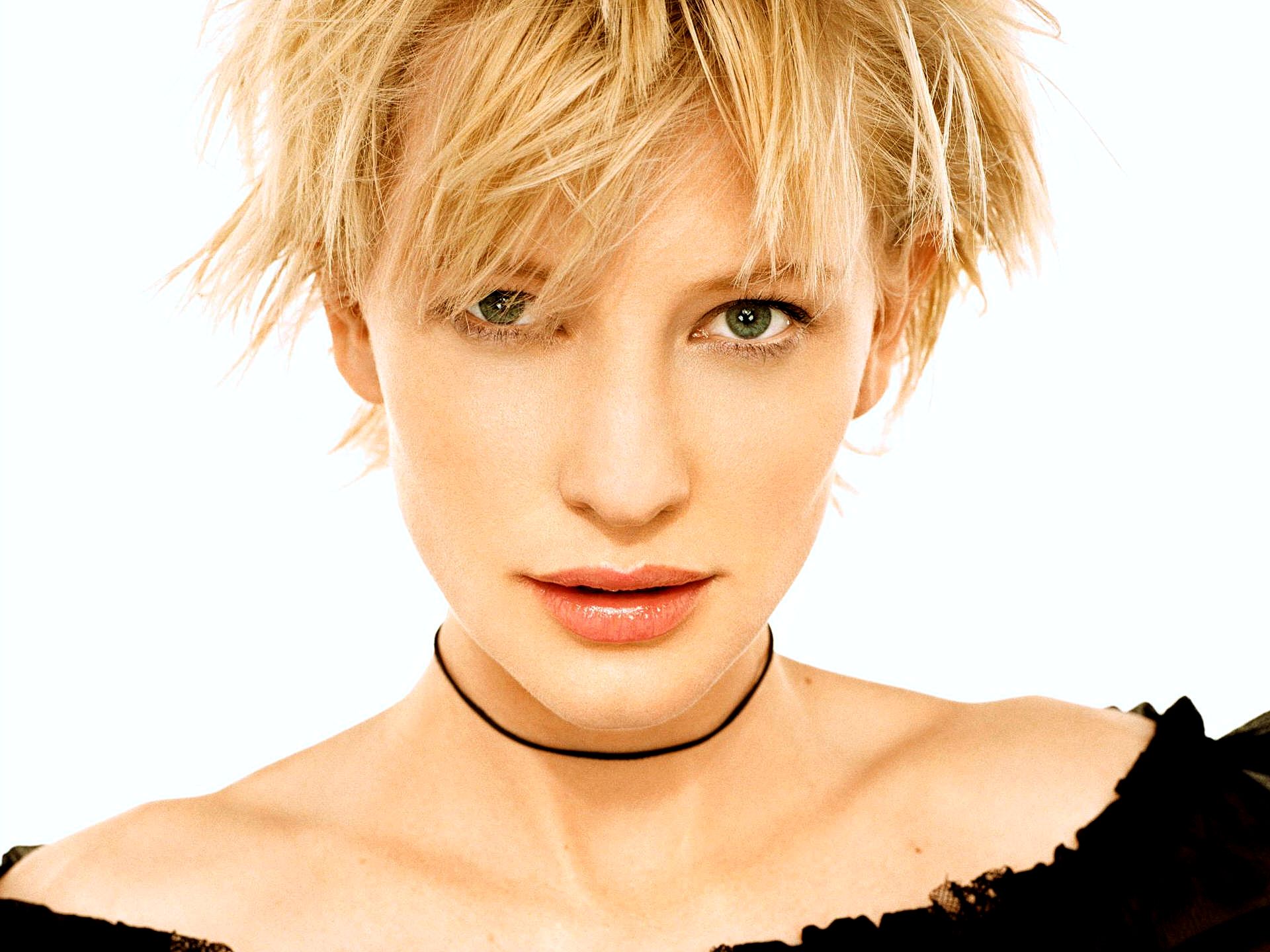
2) Cate Blanchett

Cate Blanchett

I don’t know many other actresses who can make a KGB agent (Indiana Jones and the Kingdom of the Crystal Skull), the Queen (Elizabeth: The Golden Age), and musician Bob Dylan (I’m Not There) all alluring characters. Half the time I don’t even realize I am watching Blanchett because she is so good at taking on different roles. Another memorable role was her character Daisy in The Curious Case of Benjamin Button, as she starred alongside Brad Pitt.

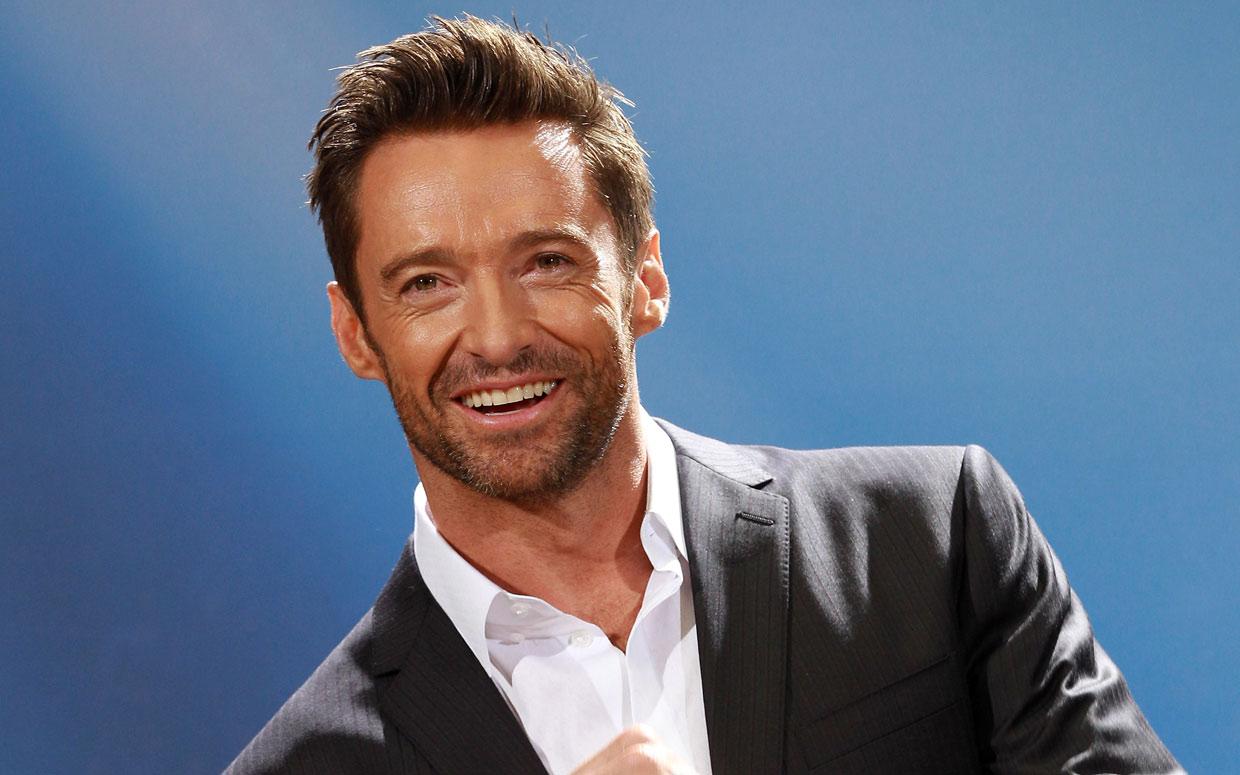
3) Hugh Jackman

Hugh Jackman

The man is versatile, ribbed, and oh yeah, he sings. From playing Wolverine in X-Men to his Tony Award-winning stint in Broadway’s The Boy From Oz, Jackman has charisma, charm, and talent. The three-time Tony Awards host and 2009 Oscar host is on my Valentine’s Day shortlist.

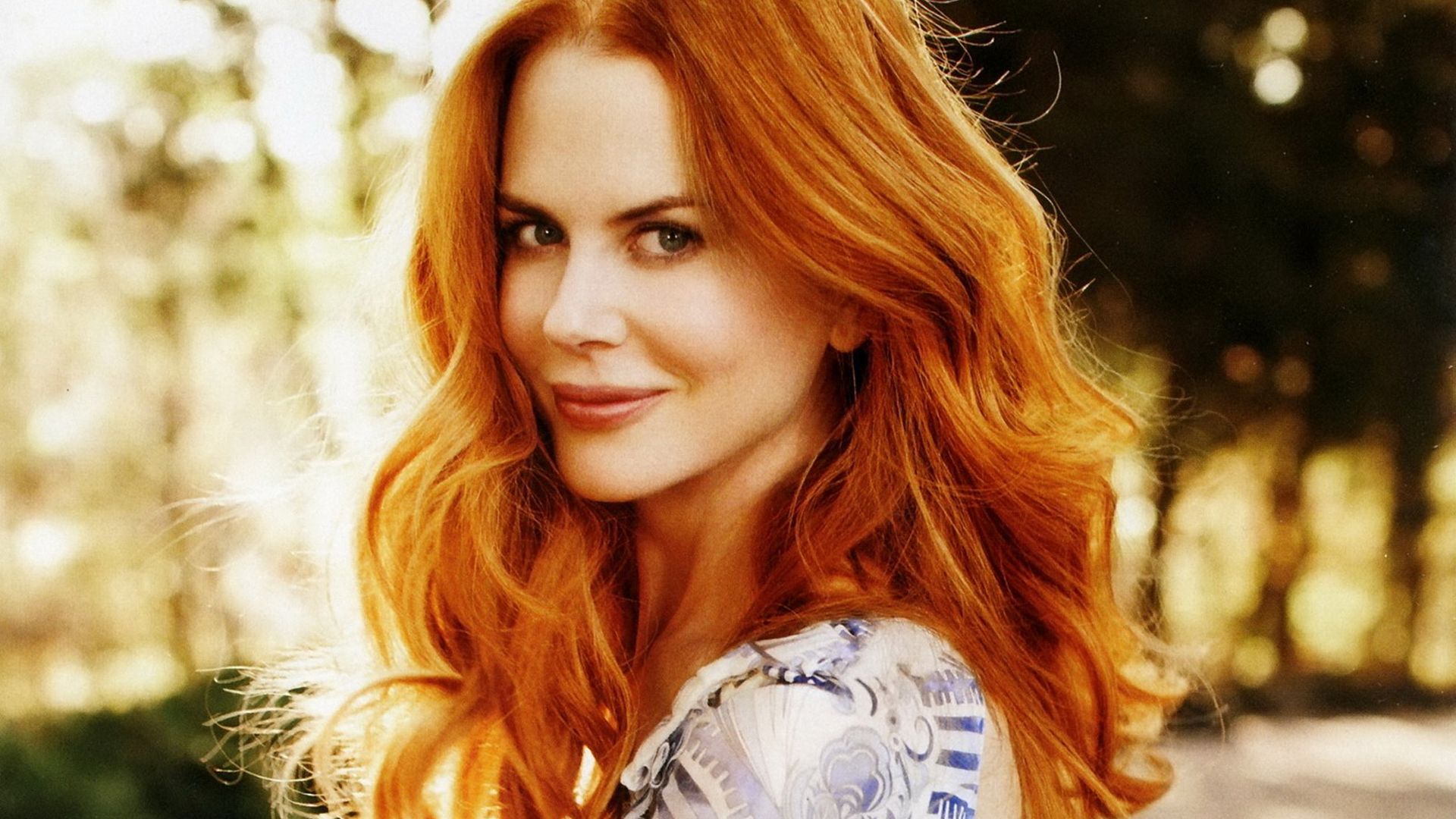
4) Nicole Kidman

Nicole Kidman

You can’t take your eyes off her, Kidman will upstage any other actor with her. Check out Kidman as a singing, dancing courtesan in Moulin Rouge! The movie is filled with colors, costume, and choreography, and yet Kidman is the only thing I can watch the minute she enters the frame.

5) Simon Baker

Simon Baker

OK, New York Film Academy actors: your mission is to steal my heart in the same way Baker did in The Devil Wears Prada. With his talents and charming good looks, The Mentalist actor has my heart.

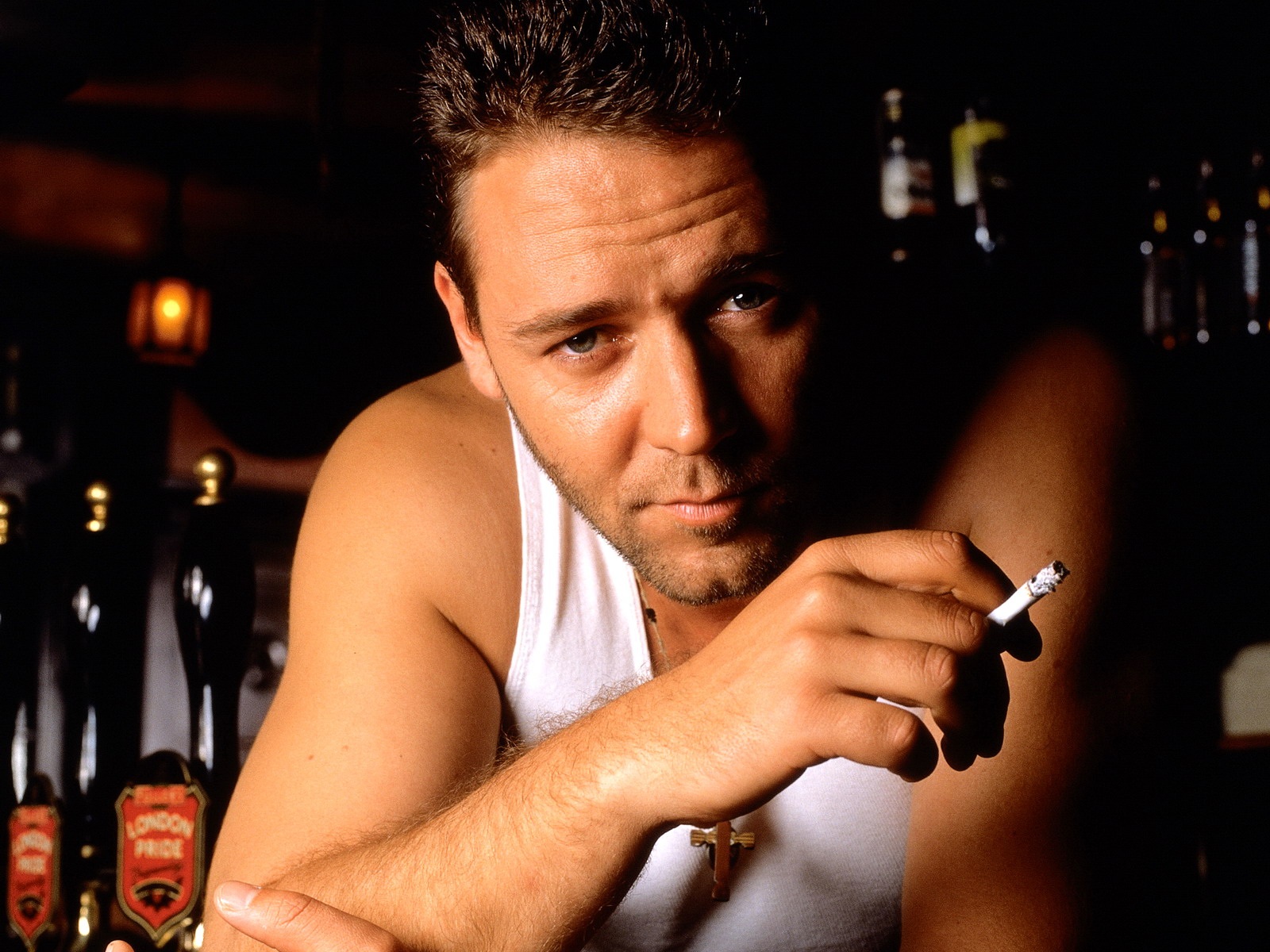
6) Russell Crowe

Russell Crowe

His intelligence and depth came through in A Beautiful Mind while his rocking arms were the subject of Gladiator. And recently his turn as Inspector Javert in the celebrity-infused film adaptation of Les Miserables showed yet another side to this incessantly versatile actor.

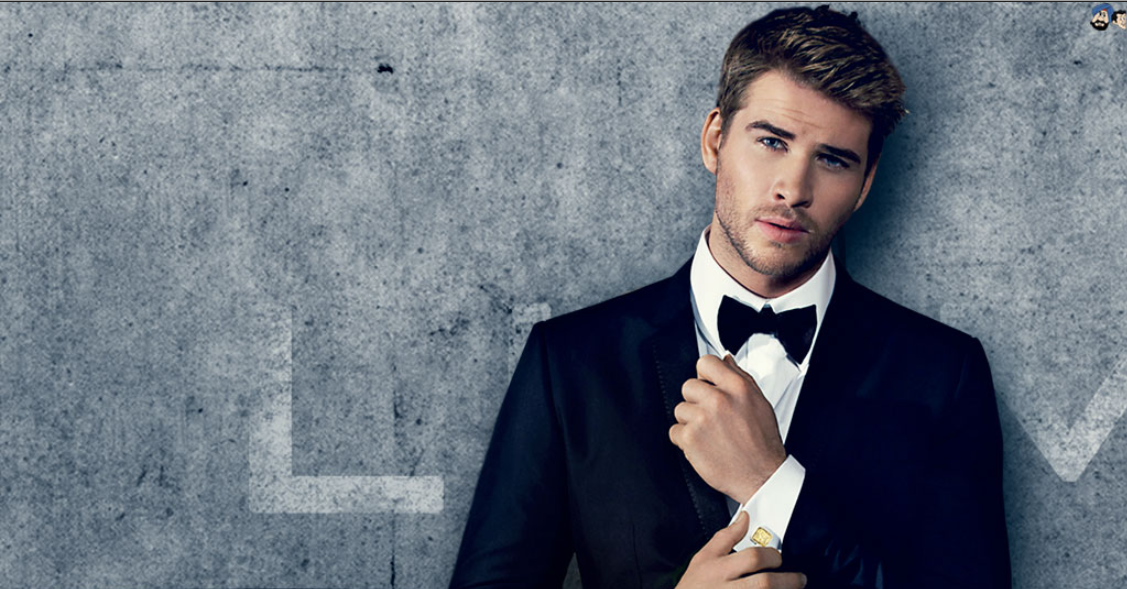
7) Liam Hemsworth

Liam Hemsworth

Not that Miley Cyrus should be an authority on men, but in this case she picked well for the time they were together in real life. At least Hemsworth made sitting through The Last Song almost bearable. Almost.

8) Chris Hemsworth

Chris Hemsworth

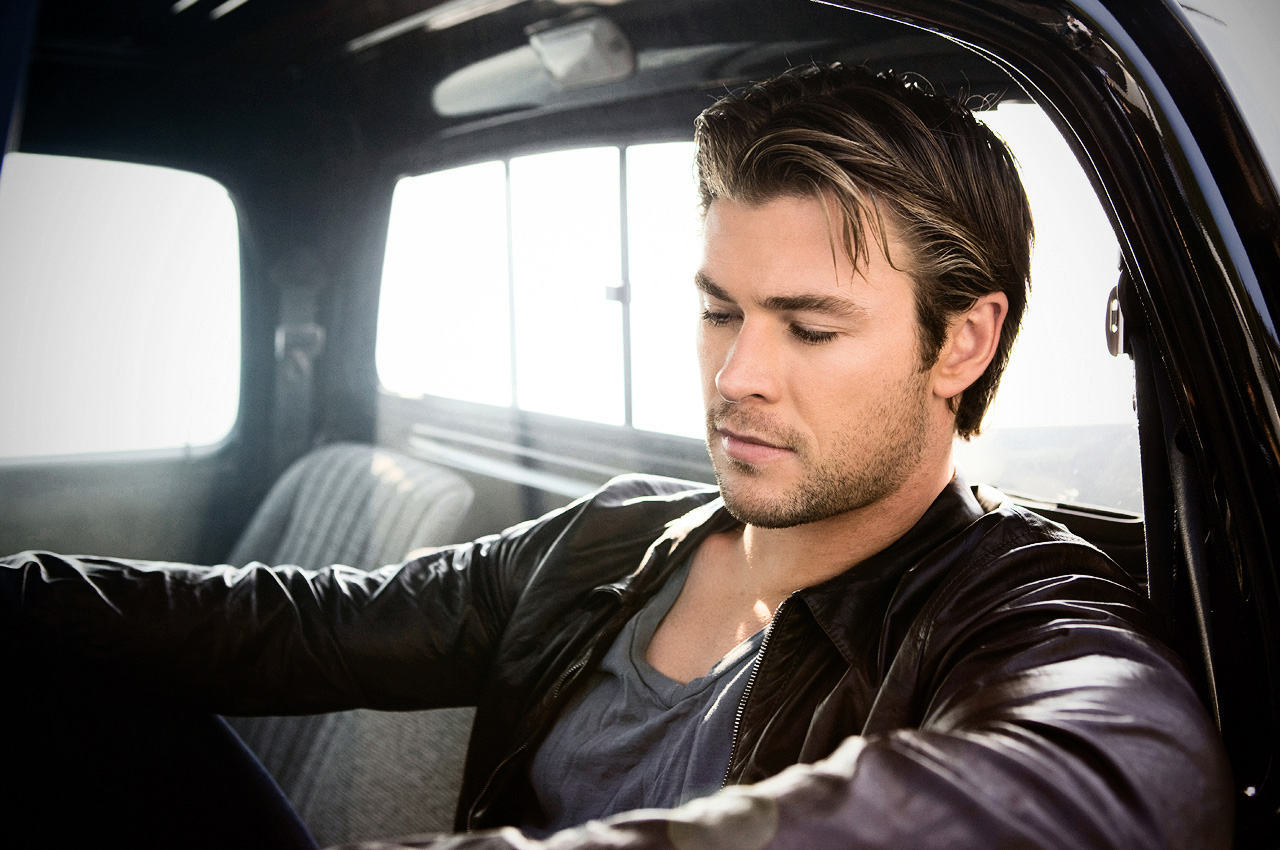
Once he grew those blond locks out, it became pretty clear that no matter what Liam’s older brother does in his career, he will likely be most remembered for his turns as Thor in both the solo movies and Avengers films. But as he recently proved in Ron Howard’s Formula-One Racing film Rush, his muscly good looks are only a small part of the equation as to why he’s blowing up and we can expect to see him in more nuanced roles as his career progresses.

9) Naomi Watts

Naomi Watts

Besides Nicole Kidman, Watts is arguably the most well-known Australian actressthough she was actually  born in the UK, having moved Down Under at the age of fourteen. So it should come as no surprise that the two actresses came up together, with Watts actually living with Kidman and then-husband Tom Cruise when she first moved to the US. Though earning steady work throughout the 90s, it wasn’t until David Lynch’s Muholland Drive that Watts established herself as a blockbuster artist whose acting chops allow her to take roles most other actresses would shy away from.

10) Eric Bana

Eric Bana

First gaining international critical attention for his demented turn in the 2000 cult classic Chopper, Bana broke into Hollywood with his role in 2001’s Black Hawk Down. This led to some major blockbuster roles in films such as The Incredible Hulk, Troy, and Munich before Bana embarked on his current career path, which consists of a major Hollywood film separated by a series of indie roles, a path he appears quite comfortable with.

11) Heath Ledger

Heath Ledger

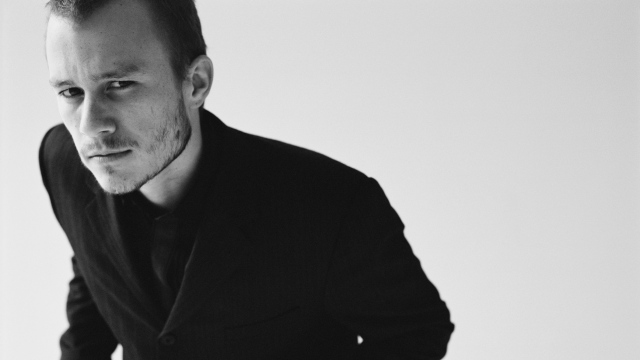
While it is nearly impossible to talk about this immensely talented actor without lamenting how he passed away far too soon, Ledger’s career is a fantastic case study in how a genuinely gifted performer can make the transition from teen heartthrob to respected actor, which is just what he did in such Oscar fare as Monster’s Ball, Brokeback Mountain, and his jaw-dropping posthumous turn as The Joker in The Dark Knight, which made it clear to audiences around the globe that his brightest days were very likely still ahead of him.

12) Rose Byrne

Rose Byrne

With her classical good looks and enviable range as an actress, it never seemed a question of “if” Byrne would find success as an actress, but more likely, “when.” It’s little surprise that she was cast in her first film at the age of thirteen, but it’s been in the past ten years that Byrne has truly moved from the periphery to the center stage is such successful films and television shows as Damages, Bridesmaids, Insidious, and this year’s Neighbors.

13) Margot Robbie

Margot Robbie

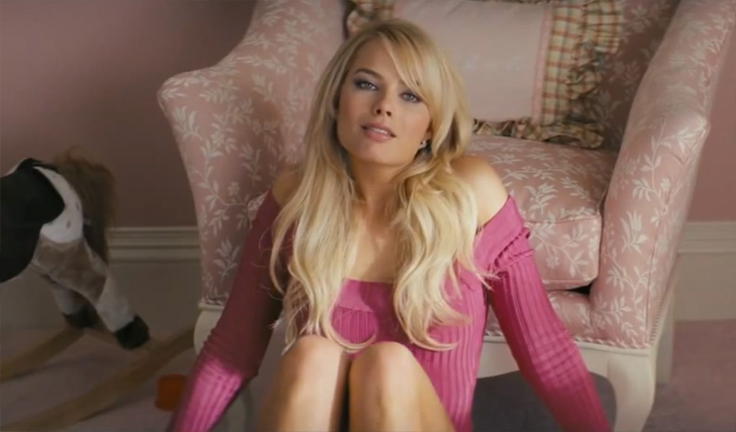
Though she has been a successful actress since the age of seventeen and scored a recurring role on the hit show Aussie show Neighbours, it wasn’t until 2013’s The Wolf of Wall Street where Robbie nearly stole the scenes right under Leonardo DiCaprio’s feet as his embattled wife. The role has seemingly opened all of Hollywood to Robbie, with a number of high-profile films in the works, including a starring turn as Jane in the new Tarzan reboot.

14) Sam Worthington

Sam Worthington

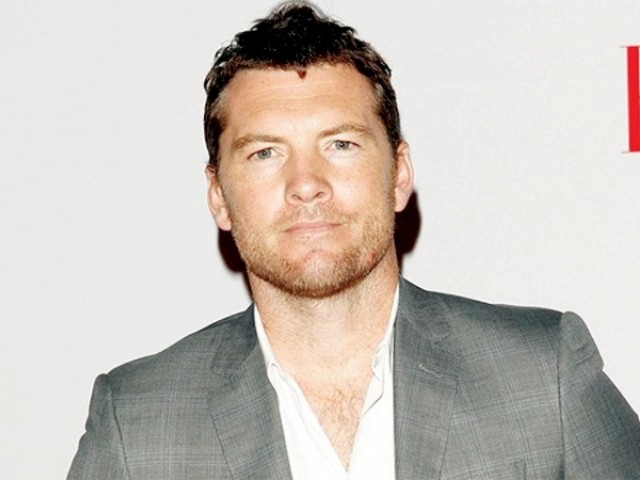
Having won an AACTA Award in 2004, Worthington’s first chance for a Hollywood breakthrough came with the disappointing Terminator Salvation. However, shortly after, a little film called Avatar, with Worthington in the lead role, conquered all and made Worthington’s face one the whole world soon recognized. While Worthington has continued to establish himself as a versatile actor across many genres, he has been best recognized for his action roles, which include Clash of the Titans and the upcoming Avatar sequels.

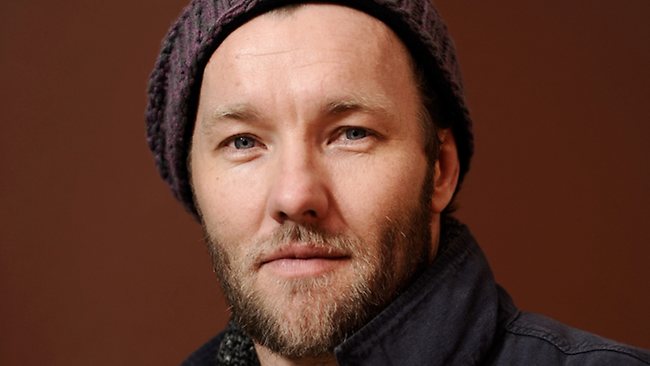
15) Joel Edgerton

Joel Edgerton

A multi-hyphenate actor-writer-producer, Edgerton starred in a large number of film and television productions before hitting pay-dirt playing the role of Owen Lars in Episodes II and III in the Star Wars prequels. Since then, he has remained a constant presence on screen in such films as The Thing, Zero Dark Thirty, and The Great Gatsby.

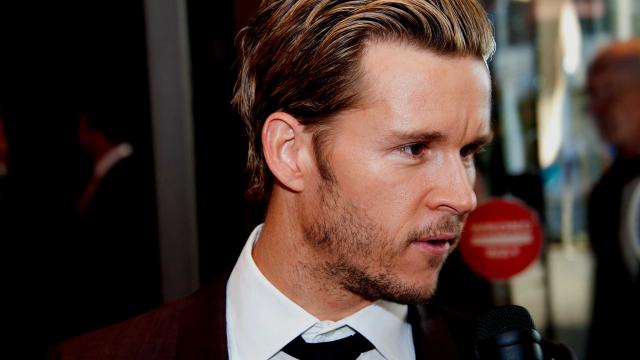
16) Ryan Kwanten

Ryan Kwanten

Poor Ryan Kwanten. While this successful and extremely well-rounded actor has been in the game since 1991, it was his seven seasons playing the extremely likable dumb hunk Jason Stackhouse on HBO’s True Blood that gave him the role that he will likely be associated with for years to come. That said, in the meantime, he has absolutely dominated such films as Griff the Invisible and Red Hill.

What Is The Actors’ Equity Association?

For over a century, the Actors’ Equity Association (frequently referred to as simply Equity) has been one of the most prevalent labor unions in the entertainment industry.

With an active membership of over 49,000 stage actors and managers, if you work in theatre and haven’t already joined, you may want to consider signing up. The list of benefits offered by AEA are numerous, and many auditions are closed to non-equity members; however, there are a few factors to consider before becoming a member.

Here’s the low-down on how it all works.

What the Actors’ Equity Association Is

Formed in 1913 by a collective of 112 famous actors, Equity went on to become a defining force in the theatre industry and shaped US production into what it is today.

Notably, the Association has the distinction of being one of the few organizations to oppose the infamous Hollywood Blacklist in the 40s and 50s, and in the spirit of inclusiveness, has never barred anyone from membership based on their political leanings. It was also instrumental in channeling public funding into the arts, despite fierce opposition from Ronald Reagan, the American Family Association and others.

Prior to the formation of the Actors’ Equity Association, there were very few rules governing stage actors’ pay – in fact, very few could expect compensation for rehearsal time or any money should the show get cancelled prior to (or even during) its run. Contracts were even rarer still; according to AEA itself, when Francis Wilson, Equity’s first President, asked a manager when he would start to use the contract, the producer’s reply was very simple: “When you make me.”

Modern Times

These days, the Actors’ Equity Association primarily concerns itself with stipulating basic pay guidelines and establishing a standard work environment for both actors and managers alike.

In addition, AEA strives to improve equal opportunities, particularly in casting, and to greater promote the work of females, seniors, people of color and those with disabilities.

Equity Member Benefits

The number of benefits afforded to members by the Actors’ Equity Association are numerous; so much so, we couldn’t begin to cover them all here. However, a summary of such benefits include:

• Equitable Payment Standards: The primary focus of Equity’s work for 100 years: the fundamental right of fair treatment in terms of minimum salary, compensation for additional duties, overtime, and extra performances.

• Work Rules: With ever-evolving stage technology, Equity monitors and addresses safety issues like raked stages, smoke and haze exposure and sanitary rules, as well as limits on rehearsal hours, media promotion and publicity.

• Guaranteed Paycheck: Equity requires most producers to post a bond to ensure payments. This means that even if a show closes or a producer defaults, you still get paid and you still get home.

• Audition Access: Equity has negotiated required auditions for principal and chorus performers. Audition notices are posted on Equity’s website and on Casting Hotlines in various Liaison cities. Annually, over 1,300 audition calls are held in New York, Chicago, and Los Angeles, while hundreds more are held in other cities.

• Pension and Health Plans: Since 1960, Equity has required producers to contribute to pension and health trust funds.

 Obligations From Members

As with any union, there are some obligations which active members will need to fulfill, though for the most part these are standard practices that any stage actor will want to adhere to, regardless of AEA membership status:

• Agreement to never rehearse or perform without a signed Equity contract.

• Timely payment of dues

• Maintenance of up-to-date contact information

• Endeavor to always give your best performance

• File a copy of your contract with Equity no later than first rehearsal

• Make no unauthorized changes in performance, costume, make-up or hairstyle

• Be on time for rehearsals and the scheduled half-hour

• Notify the Stage Manager before half-hour if you are ill or unable to reach the theater in time

In addition, members are encouraged to engage with the Actors’ Equity Association whenever able; as a democratic union, input and participation is highly appreciated, as is committee membership and activity.

How to Join the Actors’ Equity Association

If all of the above sounds agreeable and you feel you could benefit from membership with Equity, the best thing to do is to head on over to AEA’s official website. There you’ll find additional info on what you can expect from membership, including initiation fees and expected dues once you begin working Equity contracts.

Additional contact information:

Eastern Region

NEW YORK CITY – National Headquarters
165 West 46th Street
New York, NY 10036
212-869-8530
Fax: 212-719-9815
Rehearsal/performance-related emergencies:
866-270-4232
NYC Audition Hotline:
877-232-1913, ext. 831

ORLANDO
10319 Orangewood Boulevard
Orlando, Florida 32821
407-345-8600
Fax: 407-345-1522
Orlando Audition Hotline:
877-232-1913, ext. 821


Central Region

CHICAGO
557 West Randolph Street
Chicago, IL 60661
312-641-0393
Fax: 312-641-6365
Rehearsal/performance-related emergencies:
312-307-2781
Chicago Audition Hotline:
877-232-1913, ext. 815


Western Region

LOS ANGELES
5636 Tujunga Avenue
North Hollywood, CA 91601
(323) 978-8080
Fax: (323) 978-8081
Rehearsal/performance-related emergencies:
213-399-5757
Los Angeles Audition Hotline:
877-232-1913, ext. 826

Ubisoft’s #PS4NoParity Backfires Spectacularly

If marketing history has taught us anything, it’s that the gaming community is a mighty and fickle beast that shouldn’t be rubbed up the wrong way.

But if you think the PR nightmare that EA (repeatedly) caused with the disastrous Sim City launch was bad, you’ve probably not seen the #PS4NoParity hashtag that has just begun trending in response to Ubisoft’s Assasin’s Creed: Unity console releases.

What follows is a classic lesson in how not to do game development.

Assassin’s Creed: Parity?

For the uninitiated, the idea of console parity is to downplay the performance specs of a game on one platform so that it matches the upper capabilities of the game on another. In other words, we’re talking about making a game look exactly the same on both the Xbox One and the Playstation 4.

Ubisoft have been slammed for doing this with Assassin’s Creed: Unity, a title which previously got them into hot water when it was revealed at E3 that there’d be no playable female characters. The spectacular backlash currently in full swing was sparked by senior producer Vincent Pontbriand stating:

“We decided to lock them at the same specs to avoid all the debates and stuff.”

In translation, the PS4 port of Assassin’s Creed: Unity would be locked at 900p and 30fps, despite suggestions that it could run a lot faster and at a higher resolution than Unity’s Xbox One counterpart.

The #PS4NoParity Rage Begins

Naturally, this revelation exploded in Ubisoft’s face like a pipe bomb almost instantly across Reddit and Twitter. Assassin’s Creed is a much-anticipated, flagship title

It is fairly mystifying for a development team to put in additional time and effort to place limitations on their own game for one platform. One of the more outrageous claims put forward by some tweeting to the #PS4NoParity is that a logical conclusion—and one which would have massive, terrible implications if true—is that money may have changed hands between Microsoft and Ubisoft in order to prevent comparison showing the PS4 as coming across as graphically superior.

There’s no evidence to show that this is the case, though Ubisoft have practiced parity once before with an apparent graphics downgrade for its PC port of Watch Dogs (which was eventually patched up with player-made mods).

It’s also notable that Watch Dogs ran at 900p on the Playstation 4 but only at 792p on the Xbox One, so it isn’t outside of the realms of possibility that Unity could have the graphical edge on PS4 if Ubisoft wanted it to.

Ubisoft Official Statement

It seems we’ll never know what could have been. Despite the #PS4NoParity furor, Unity looks set to remain locked at 900p for both consoles. However, according to an official statement from Ubisoft, the decision is not intentional:

“We understand how Senior Producer Vincent Pontbriand’s quotes have been misinterpreted. To set the record straight, we did not lower the specs for Assassin’s Creed Unity to account for any one system over the other.

Assassin’s Creed Unity has been engineered from the ground up for next-generation consoles. Over the past 4 years, we have created Assassin’s Creed Unity to attain the tremendous level of quality we have now achieved on Xbox One, PlayStation 4 and PC. It’s a process of building up toward our goals, not scaling down, and we’re proud to say that we have reached those goals on all SKUs.

At no point did we decide to reduce the ambitions of any SKU. All benefited from the full dedication of all of our available optimization resources to help them reach the level of quality we have today with the core Assassin’s Creed Unity experience.”

Make of that what you will.

Regardless of what happens from here, the bottom line is that developers have an obligation to make their game look and perform as well as possible. What’s bad for the consumer is usually bad for the developer, as the very heart of #PS4NoParity and similar backlashes goes to prove time and time again.