New York Film Academy Welcomes “Rocky” Director John G. Avildsen

Oscar-winning director John G. Avildsen joined students at New York Film Academy for a Q&A following a screening of his film, Rocky. The excited students filled the theater to capacity, and cheered when the opening credits started rolling.

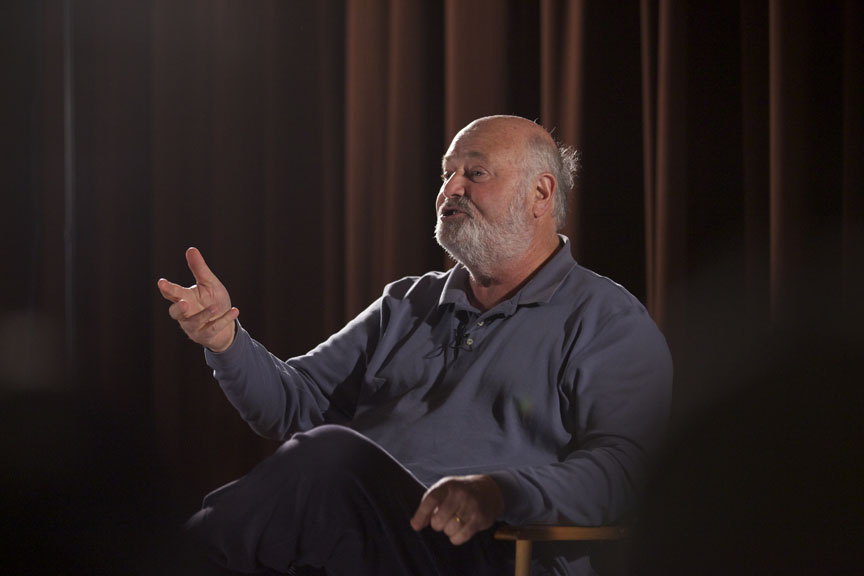
john avildsenDuring his on-stage interview, Avildsen spoke about the film, saying, “When I first heard about it, I said, ‘Boxing is really dumb.’ But it’s a beautiful love story – a great character study. He’s a very engaging guy. The boxing is the background. It’s about a guy and a girl, and it’s a delightful story…. You have to have a great story.”

He talked to students about his long career, and his films that helped launch the careers of Sylvester Stallone, Peter Boyle, and Susan Sarandon. He also gushed about working with Jack Lemmon on 1973’s Save the Tiger, for which Lemmon won the Academy Award.

The energetic director offered up advice to his gathering of young filmmakers, saying, “The audience is very smart and they have nothing else to do but sit there an judge [your film]. Make sure you have your bases covered and make sure they believe it. When you do, they get their money’s worth.”

When asked why he chose to become a filmmaker, Avildsen responded, “It’s not work. I’ve worked. I’ve been behind a desk and punched clocks. It’s make believe with all of these creative people. They hang lights up, and try to find strange little props. They’ll find you a great jacket, better than anything you could have thought of. People laugh, they cry, and respond to things, and it’s amazing.”

Avildsen was extremely generous with his time, and stuck around after the event to sign autographs, pose for pictures, and give advice to eager students.


The Power of Pitchfest

Pitchfest are events at New York Film Academy are held shortly after graduation for MFA and AFA students in Screenwriting and Producing. A culmination of their studies, graduates pitch their thesis projects, usually a TV pilot or feature screenplay, to television and film professionals. It’s a great opportunity for students to start developing relationships in the industry. About 15 producing students held their event on campus in March, pitching their projects to industry professionals including guests from HBO and Network Television, and even George Gallo, writer of Midnight RunBad Boys, and The Whole Ten Yards. Twelve screenwriting students held their event at West Hollywood’s luxurious Andaz Hotel. By the end of the evening, each student had pitched to about 20 companies.

Since the event, a number of students from both departments have gotten interest from companies. Congratulations to our recent Screenwriting and Producing graduates!

NYFA PitchFest

New York Film Academy’s Alumni Spotlight: Jesse Bernal

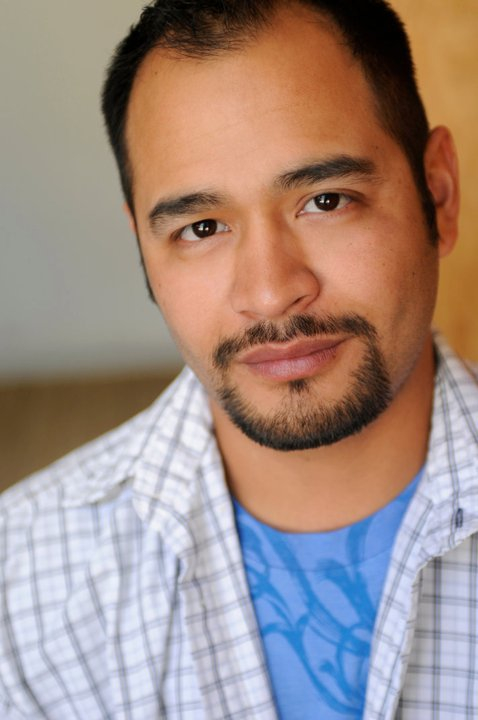
Jesse Bernal

Acting for Film graduate Jesse Bernal is one of many military veterans who chose to attend New York Film Academy after leaving the military. The San Antonio native followed in the footsteps of his father and other brother who both served their country. Jesse spent 7 years in the US Air Force, working as a calibration technician and electronics specialist. His service took him to New Mexico, South Korea, and South Carolina.

Though Jesse had started taking some acting classes while serving in the military, and booked some television roles (including Lifetime’s Army Wives, and the film The New Daughter with Kevin Costner), he decided to attend New York Film Academy at Universal Studios to further develop his talent.

“The GI Bill paid my full tuition and living expenses. Without having to worry about [the money], I was able to put my best foot forward,” he explained. “The military gave me structure and helped me with time management. When we were doing scenes, I would think that it’s not just working, but working with my team.”

Jesse landed a manager after participating in an actors’ showcase put on by New York Film Academy. Soon after his graduation in June 2011, he booked a role in a promo for HBO’s Real Time With Bill Maher. He also joined the staff of the New York Film Academy to stay busy between auditions and performances. “Everyone on the staff believes in me and my talent,” says Jesse. He adds, “It’s amazing to see new students as they come in. I get to see their passion. It’s uplifting.” He also thanks his family for their support and inspiration.

You can catch Jesse in a starring role in A Few Good Men at the Sky Lounge in the North Hollywood Arts District. The play was written by Aaron Sorkin, who later adapted the script for the film. The production with Rise Above Theatre Movement has just been extended and runs through April 22. In between work and evening performances, Jesse also squeezed in a modeling job for a national print advertising campaign. He is also producing a short film called The Secretary, a slapstick comedy about a couple and their infidelities. He is gearing up to direct a stage production of Reasons to be Pretty at the end of the summer.

New York Film Academy’s Student Spotlight: Paris Bauldwin on Cannes and Eric Roberts

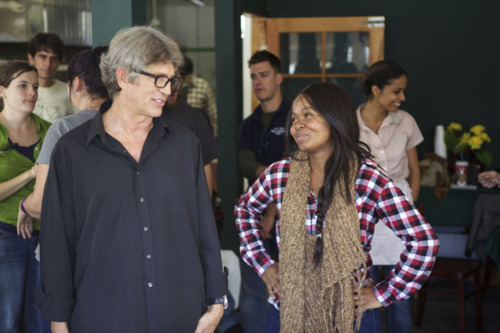
Paris Bauldwin and Eric Roberts

MFA Film student Paris Bauldwin recently finished her thesis film, Chrysalis. The film centers on Abigail Hunter, a struggling waitress with little direction in her life, aside from drugs. Her aimless drift is disrupted when a young runaway shows up, claiming to be her daughter. The girl’s search for family and affection interrupts Abigail’s free fall, and the two decide to define family on their own terms. It features veteran actor Eric Roberts.

“He’d had issues with addiction in the past and was really honest about it. I wrote a letter and sent it to his team. He and his wife made [the process] really easy. They invited me to their home. He is one of the coolest people I’ve ever met.”

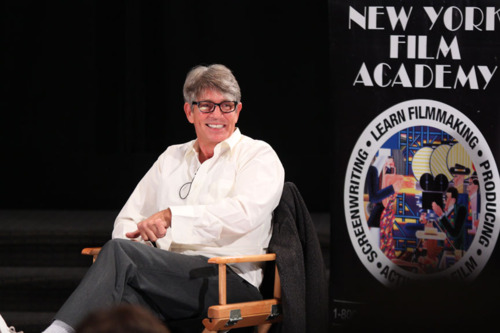
On a recent visit to New York Film Academy at Universal Studios, Roberts spoke glowingly about working with Bauldwin, saying “Paris is a real director, guys. Really.” He joked, “She is also very… kind in her manipulation.”

Paris recently published her first book, Fragments of Addiction, co-written with her father. “It’s always been something I’ve been passionate about — helping people with addiction” she says. “I grew up around addiction. I knew all the characters really well. They were my sisters and brothers.”

Paris also recently completed a short film called Looking for Liana that was accepted to the Cannes Short Film Corner. She is excited to visit Europe first time, and participate in her first major festival. She credits New York Film Academy for giving her the education she needs for her film to succeed, saying, “To have support from people who have already done it was really amazing. Ultimately, I don’t think I would be able to complete this project anywhere else.”

Paris has plans to take Chrysalis on the film festival circuit, as well as fundraising for the next feature film she is producing. Of her hectic schedule, Paris says, “Sleep is secondary. I’m on the right track.”

Eric Roberts at NYFA

Paris Bauldwin at NYFA

One Graduate’s Journey to the Cannes Film Festival

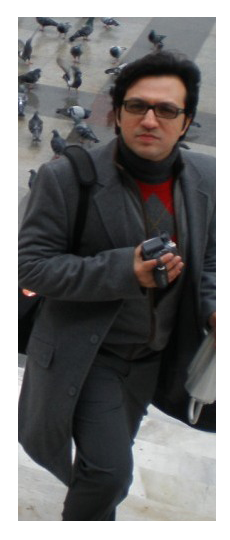
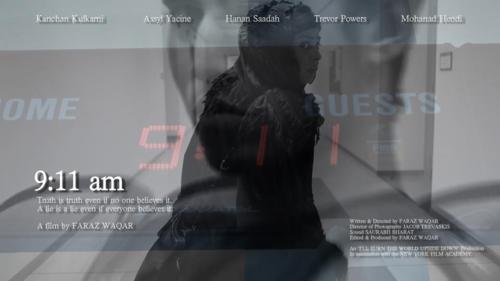
Faraz WaqarNew York Film Academy Abu Dhabi grad Faraz Waqar’s graduation thesis film 9:11 AM was selected for its world premiere at the Festival de Cannes 2012 Short Films Corner. The Short Films Corner hands you an annual tailor-made program of industry meets, workshops and conferences that deal with strategic issues. Faraz will benefit from all the advantages of being an accredited attendee of the festival. He can access the Marché du Film exhibitors or those in the Village International. Faraz will also be able to network with all the biggest industry players, whether they are institutions, financiers and the most important international reps in the film business. Talk about opening some doors. What more can a film graduate ask for?

Tell us where your passion started?

Studying film and working in film was always my dream. Reviving the film industry in my own country through films has always been my goal. However, the pressure for financial success and lack of support from my family forced me to study Business Management instead of filmmaking. I spent 12 years working in the corporate world as a banker in the Middle East but never let my dream of becoming a filmmaker die. After achieving a fair degree of success in my business career and achieving financial independence, I was in a position to finally pursue my dream and passion.

What drives you as an artist?

The Middle East has played a very important role in the of human civilization. In recent years, however, this region has been in the media for all the wrong reasons. Cinema is the most powerful tool to make or break the image of a person, culture or country. Becoming a film director puts you in a position of immense power. You can influence the hearts and minds of people of the world. This is the best way to contribute something which will benefit your own culture. You also enjoy the immense opportunity to be creative. You’re having fun too.

How was your NYFA experience?

I joined the 1-year Filmmaking program in Abu Dhabi last February. The institution brought to my doorstep the facilities and instruction that has trained so many prominent filmmakers in the United States. I graduated from NYFA two months ago. It was perhaps the most memorable year of my life. I truly lived my dream. The best part about studying at NYFA was learning from professors who had a wealth of experiences working as directors and cinematographers on world renowned film projects both in Hollywood and in the Middle East. The student body in Abu Dhabi is extremely diverse. We have classmates from Australia, India, Africa, Iran, Saudi Arabia, South Africa, Eastern Europe, Pakistan, Lebenon, Switzerland, Iraq, UAE, Nigeria and Denmark. It was superb because you got to make some wonderful friends from different cultures and benefit from their vastly different perspectives. I formed some very close friendships and enjoyed working with this diverse international group. Film school always ends up attracting the most creative and passionate people. The network I’ve established will benefit me in any project I pursue.

NYFA’s program is intensive and comprehensive. Film projects start from idea conception to script finalization, and ranges from casting, editing, production and post-production. I wrote, directed and edited 8 complete films during my one year at the school. In addition I was also involved in the production of 39 films in various capacities as part of the crew (short films, documentaries and music videos) for other directors. I got full freedom to experiment, shoot and work on different ideas and scripts for my projects.

We had access to some of the best film cameras in the world. We shot from digital to 16mm, 35mm and even on the Red Epic. It was amazing.

What is your perspective on screening at film festivals? Advice on the process?

Recognition at quality film festivals do add a lot of credibility to a new filmmaker’s profile. It gives one confidence as a professional to people. Recognition at a major festival immediately bring you into the spotlight, especially in a market where filmmaking is still in a nascent stage and the people in the industry all know each other. It helps bring your name into notice amongst all in the film making circle. Never make your film with the intention of getting into any particular festival. That is not the way I would do it. Be selective about the festivals you apply to once your film is complete. I believe that whatever comes naturally from your heart will represent you and what you are most passionate about. It will turn out to be your best work. It is also very important to present their films professionally. Films submitted should be properly branded. DVDs must be labelled, craft themed posters meticulously, and make sure to select originally composed or royalty-free music. This improves the chances of selection too. Every small detail helps.

What kind of advice would you give to the aspiring filmmaker and NYFA student dreaming to succeed?

Be yourself. Let your work be original. Let it be your best creative effort on a subject you are passionate about. It will naturally bring out the best in you. Believe in your work but never shy away from feedback and criticism from a trusted source. The audience is your consumer, and you must communicate a certain point of view. Being too abstract for the sake of being artistic may cause the message of your film to be lost. Be intelligent. Do not focus on controversial topics for the sake of controversy. Base your film on a controversial topic if you truly believe in it. Your script is everything. Make sure it’s perfect. Make sure it’s engaging and interesting.

Actors matter the most. Their performance can make or break your film. Select them wisely, prepare them well and value their time and effort. You cannot make a film alone. It’s a team effort. Your crew is contributing in a major way to give shape to your vision. Value them and treat them with respect. Build your team with the next project in mind. Don’t use and discard others. Selfishness and a bad attitude will take you nowhere in a very team-dependent industry.

To learn more about NYFA in Abu Dhabi please click here.

9:11AM

Five Viral Videos That Changed the World

Andrea Swift is the department chair of Documentary Filmmaking at the New York Film Academy’s New York City campus. She has written, directed, and produced many projects, having been awarded the Scriptapalooza TV Award, Silver at the Chicago International Film Festival, a DGA award, and many others. Her PBS Documentary “In the Life” was nominated for an Emmy three times.

Has a viral video ever really changed the world? Even a little bit? How?

As the latest crew of NYFA Docsters begin their first cyber film, I am once again updating my list of must-see viral videos for them to consider. It’s always a tricky list to compile, and even trickier to narrow down. YouTube’s greatest hits make a good starting point. In at least one key respect, they clearly “worked.” Hundreds of millions of people have watched and shared Charlie Bit My Finger and The Evolution of Dance. There’s something to learn there, and something to learn from Waka, Waka (This Time for Africa) and other uber viral music videos.

Perhaps virally successful corporate advertisements have even more to teach. Somehow the makers of The Force, for example, got well over 50 million of us to willingly watch a Volkswagen commercial without the pay off of “real programming” around it. And then they got us to “share” it with to our friends. That’s an even higher bar to clear. Yet they did it.

However, the real Holy Grail for us social documentary types is the movie that changes the world – at least a little bit. Not an easy feat. If it was, everyone would do it. Still, I propose that there are several viral videos, mostly micro-docs that have managed to pull it off.

5.)  Crush on Obama: This one’s been on the cultural radar for four years now. In their combined incarnations, Obama Girl videos have scored over 120 million views.  And while it seems silly, many in the mainstream media have identified Crush on Obama as a key influencer in the 2008 elections, and beyond. Perhaps the greatest take-away for aspiring viral game-changers is its success as a “meme.”[1]  In fact, in 2010 Newsweek named the video the #3 biggest meme of the decade.

Elaborating, The New York Times wrote, “That video probably had more to do with shaping Obama’s complicated public image — young and exciting but maybe a bit shallow — than any Internet appeal devised by the candidate’s own aides.”

I have to admit it’s especially warm in my mind because its director is upstairs teaching a Viral Video class for the Doc students right now. On the other hand, he’s there because it was already warm in my mind.

4.)  Susan Boyle – Britain’s Got Talent: This micro-doc pulled from a television show, tells a great, authentic story that makes the cyber world laugh, cry and share again and again. For the viral doc-maker, I´d say the major take-away here is story. As the old adage goes, “a great story, well told” is pure gold in any medium. And a great, well-told, cyber-sized, underdog fable hits our biological “share” button like one of those little rubber reflex hammers.

Granted the first chapter of this particular viral video-making story is luck.  Well-produced luck, I would argue, but still, luck. Even so, her performance would have been a tree that fell in the woods had the producers not met that lucky occurrence with the skill to recognize it, shoot the story beats as they happened, and then carefully recreate them so their audience could experience the moment as if we were in the room the moment it’s going down. Even with all that, however, it would have been a tree that only fell on British TV if someone hadn’t excised the exact arc of that perfect cyber-sized story, uploaded it and set it free to spread itself through our socially networked cyber psyche.

But what game did it change? It certainly didn’t help elect a president. Someone who’d been marginalized was laughed at and then became an international star. Her game certainly changed, but more to our point, the whole pop culture game changed with it – just a little bit. That story shamed us for the initial pejorative response we probably shared, at least a little. And it opened our hearts and minds to the possibility that a woman who is not young and not so physically attractive could still be worth listening to, could even have a place in the modern Pop Pantheon. It´s hard to measure the exact impact of that change, but by integrating Susan Boyle into our pop iconography, our collective-self image grew just a little more complex, and ever so slightly less scornful.
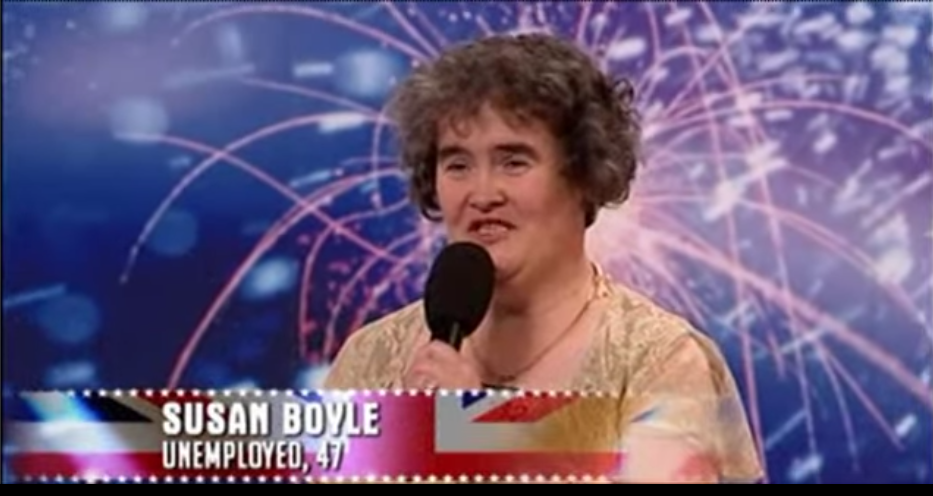
Susan Boyle's viral video


3.)  Playing for change, “Stand by Me: This little documentary is my all time favorite viral share. “But that’s a music video,” you say? It is. It’s also a micro documentary.  I only argue this about the original Playing for Change video, Stand By Me. The others really are just music videos. Good music videos, but still, just music videos. “Stand by Me,” on the other hand, tells the story of the making of itself, and consequently the story of the project and its meaning. That’s what lifts it out of the realm of simple music videos and into the arena of viral micro-documentary.

More importantly for this list, I argue that in rhythmic, gentle ways that are difficult to quantify, that musical documentary changes the world by changing us.  It tells a story that moves us – both emotionally and physically – which helps it work its simple meme deeper and deeper into our consciousness: all our divergent, wonderful cultures can play together and when they do, our global jam session can become transcendent.  We aren’t “others.” We make magnificent music together.

And being a story with a great beat, and a meme we can sing along with, Stand by Me can reinforce that change, and inspire its propagation, over and over again.
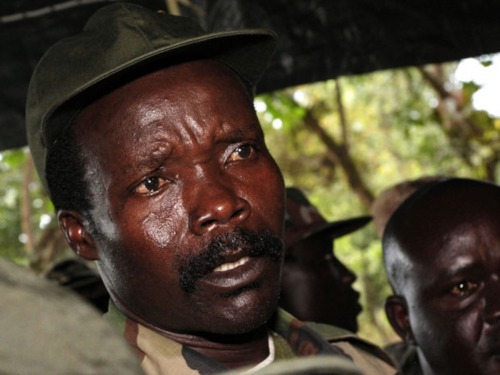
2.)  KONY 2012: Scoring over 100 million views in less than a month and spawning spin-offs and backlash videos which have generated almost as many views themselves, it is easily the viral video story of the year. Like Zietgeist before it, KONY 2012 demonstrates the incredible power of the web to spread ideas and create movements, along with its absolute lack of controls for testing a video’s validity or veracity before allowing its entry into this burgeoning engine of our collective consciousness. On the other hand, it also demonstrates the new, highly democratic forum that, if stimulated, creates a remarkable after-the-fact control for both the validity and veracity of the memes we launch into cyber space.

That video’s career also demonstrates the power of simplicity in this realm, as well as our potentially ruthless response to being initially taken by a video what we then start to feel is a gross oversimplification, propaganda or self-promotion. Personally, I found the later pre-arrest video of Jason Russell almost as heartbreaking the original video. Yet I have to confess to feeling a teeny, tiny wave of schadenfreude as well. But why?

There was an almost classical Greek symmetry to this flash tragedy playing out before our cyber eyes. Here a well-meaning hero sets out to save the world. But his hubris taints his self-told tale with just enough reckless oversimplification and self-aggrandizement that its instant mega-success breeds a near immediate aftershock of denunciation. And the laceration of that backlash wounds him so intensely that it sends our hero out onto the street, naked and beating the ground, seemingly driven mad by the extremity of his near simultaneous fame and mass rejection.

It’s a cautionary tale for would be viral world-savers. However, read carefully, the story of the KONY 2012 video, can also light the way for making cyber media that matters. I rate it an unparalleled success, though perhaps not in the exact form its maker intended. April 20th will not find me graffiti-ing in favor of increased military support for a regime that now kills people for being gay; nor wheat-pasting in support of American military adventurism in Africa.

But it did get us talking about KONY and the Jacobs of the world.  It did get young America interested in the mass kidnapping, rape and forced soldiering of children in central Africa. It did create an atmosphere that led the ratings-driven American media to devote the kind of airtime to the human toll of central African turmoil that it usually reserves for freeze-frames of Lindsey Lohan’s underwear, or purported lack thereof.

So regardless of how many people hit the streets on April 20th, it’s already changed the world – a little bit. It could arguably have changed it more and more lastingly, and caused significantly less pain to its maker, if he had been a little more careful with his facts and little less certain that he knows best for Africa. But the equivalent of one in three Americans listened to Russell’s idea for a full 30 minutes, shared it, and spent an hour or two considering it, arguing about it, telling other people. And as a culture, we decided, at least, that what happens to children in Uganda, matters to us.
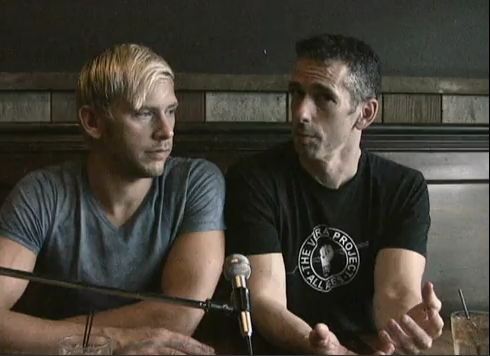
1.) It Gets Better: You may remember that in 2010, American news reported four gay teen suicides in rapid succession. Each boy had clearly acted in response to relentless bullying. Trying to form a response, the nation could only seem to mutter inchoate disapproval.

Meanwhile two men, Dan and Terry, decided that they had to reach out the hundreds (maybe thousands) of other teens who were experiencing similar fates. The men sat on their couch, in front of their home video camera, making a low quality, YouTube message-in-a-bottle for those kids. In it, they just shared the stories of their own terrible, humiliating experiences being bullied as teenagers, and about the thriving lives they have built since. With their stories, they offered the simple hope that “it gets better.”

Well, the rest is history, that video tore around the internet spawning countless replications and morphing from a simple, unassuming offer of hope into a national rallying cry for reform. Hollywood, the Secretary of State, even the President stood up to be counted in their own, It Gets Better videos. And reform we did. State after state and school district after school district has changed its laws and policies. Anti-gay bullying is no longer simply swept under the rug of the collective cultural consciousness, with a “kids will be kids” wave of the hand. Like any other form of violence, it is now a crime.

This one changed the world, in obvious ways – both political and cultural.

And the big take away? For me, there are a few. One is that the law of unintended consequences is turbo-charged in cyber space. Set an idea free in the wilds of that vast neural network and there’s no telling what it will do. But the nature of your initial offering is crucial. It may replicate and morph and go places you never could have guessed but all of that will be defined by the essential nature of your meme. In this case, the voice of that selfless, authentic, first person “true” story carried throughout the entire movement it spawned and moved people to truly change themselves, and thus to change their policies.

So what do you think? Have I convinced you that viral video can change the world – a little bit? Which videos would be on Your Top 5 list?


[1] When Richard Dawkins coined the word meme in his 1976 book The Selfish Gene, he wanted a word like gene that conveyed the way in which ideas and behaviour spread within society by non-genetic means. Since then the word has been picked up to describe a piece of information spread by email or via blogs and social networking sites. A meme can be almost anything—a joke, a video clip, a cartoon, a news story—and can also evolve as it spreads, with users editing the content or adding comments. Common collocates in the Oxford English Corpus are spread, pass, and transmit: as with the Internet sense of viral, meme uses the metaphor of disease and infection.
New York Film Academy’s Alumni Spotlight: Marshall Lewy

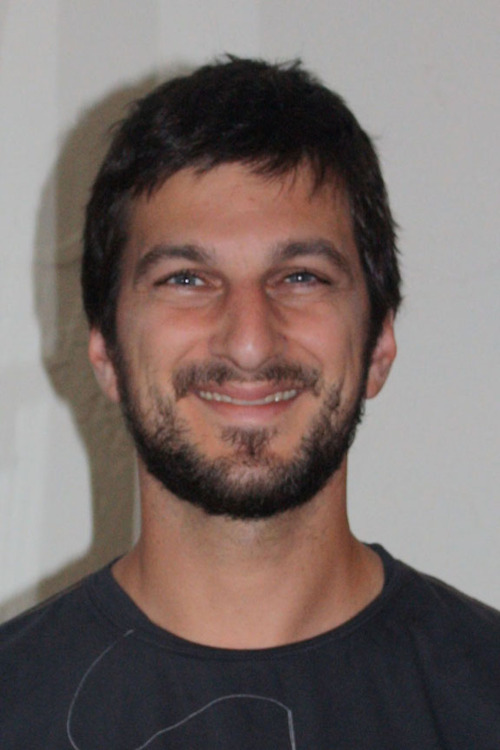
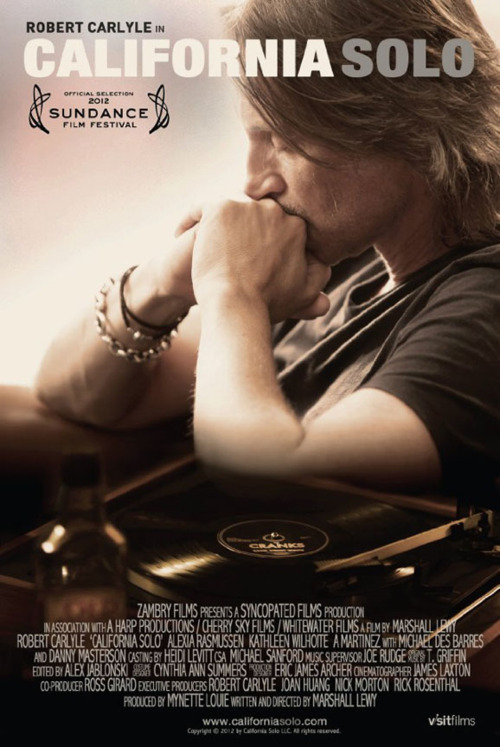
Marshall LewyWriter/director Marshall Lewy is riding the success of his film California Solo that was an Official Selection at this year’s Sundance Film Festival. Writing for the Huffington Post, film critic Marshall Fine described it as “a touching drama… that gives that marvelous actor Robert Carlyle a great character part into which he can sink his teeth.” Total Film said, “An unexpected gem, Solo features a stunning central performance from Carlyle – perhaps his best since Trainspotting’s Begbie – and don’t be surprised if this turns up during the 2013 awards season.”

“It’s about a British ex-rocker living in California who had some immigration trouble,” Marshall explained. “Robert Carlyle has a lot of friends who were like that. He knew a lot of those guys and really connected to the story. It was my dream to have him in it…. He’s a very generous actor…. I relied on him to bring a lot to the character, and he did, and so much more.” The film also features Danny Masterson and Alexia Rasmussen. Marshall, who graduated a short-term filmmaking program at New York Film Academy and now teaches at the Universal Studios campus, also wrote and directed the 2007 romantic comedy Blue State, starring Breckin Meyer and Anna Paquin. California Solo is his follow up film, which premiered earlier this year at the Sundance Film Festival.

“[Sundance] is a pretty amazing place to premiere a film,” says Marshall. “I had been before but never with a movie. It’s fun to hear the reaction of such film-loving crowds.” His wife surprised him, showing up to Sundance with their 1-month-old daughter, Beatrice, who joined him on stage to introduce the film. “I got to introduce my two babies! I like to tell people that I spent 2011 pregnant with two babies,” he joked.

Marshall attended New York Film Academy’s NYC campus in 1998. He recalls, “It was my first time with a film camera…. It was my first immersion in shooting. It was something I always wanted to do and it was a really great experience.”

He went on to get his MFA from Columbia and began teaching at New York Film Academy in 2008. Of his teaching, he says, “Students can be really inspiring. It’s really fun to go into a classroom and talk about ideas and the most basic elements of filmmaking. It reminds me what’s really important about the craft of it.”

In addition to teaching classes in directing, screenwriting, and directing for actors, Marshall is currently working with Peter Sarsgaard on an adaptation of the book Born to Run. He is also starting production on a film he wrote called Exodus, writing the screenplay for a project called Santiago, and pitching a TV show.

California Solo will be playing festivals in Nashville, Cleveland, and Philadelphia in the next couple weeks, and Marshall’s team is in the process of closing a U.S. distribution deal. You can keep up-to-date on the film’s news by visiting the Facebook page.

California Solo

Rob Reiner Visits the New York Film Academy

Legendary director Rob Reiner visited New York Film Academy and shared an advance screening of his upcoming film, The Magic of Belle Isle, a comedy-drama starring Morgan Freeman and Virginia Madsen. He also sat with students to watch the film before spending over 2 hours answering their questions!

rob reiner

Rob found fame as an actor in the landmark television series All In the Family, but went on to become the acclaimed director of influential films, ranging from the pure comedy of This Is Spinal Tap and The Princess Bride to the intense drama of Stand By Me, Misery, A Few Good Men, and Ghosts of Mississippi; from the romantic comedy of When Harry Met Sally, The American President, and Flipped to the poignant comedy-drama, The Bucket List.

Though he was asked questions about many of his films, Rob named Stand By Me as one of his favorite film projects. When asked about working with the film’s young cast, Rob said, “You can teach them craft, but you can’t teach them talent,” and went on to speak glowingly of the film’s young stars. He continued, “It was turned down by all of the studio heads. I thought, ‘I don’t know if anyone will see it, but I like it.’”

Rob told stories about growing up with his talented father, writer/actor/director Carl Reiner, saying, “My father was on television before we owned a television! We bought a television so we could see him on television.” Rob said he learned the art of storytelling on the set of The Dick Van Dyke Show, where his father was the writer. He also said he learned from his films’ stars, praising Kathy Bates, Morgan Freeman, and Jack Nicholson (complete with a spot-on Nicholson impression!).

Rob also thanked the students for their intriguing questions about the art of filmmaking, saying, “Usually I turn up at these events and I just get asked how to get an agent!”

-Joe Hui

Evelyne Binsack: Defeating Mt. Everest and Reaching New Heights

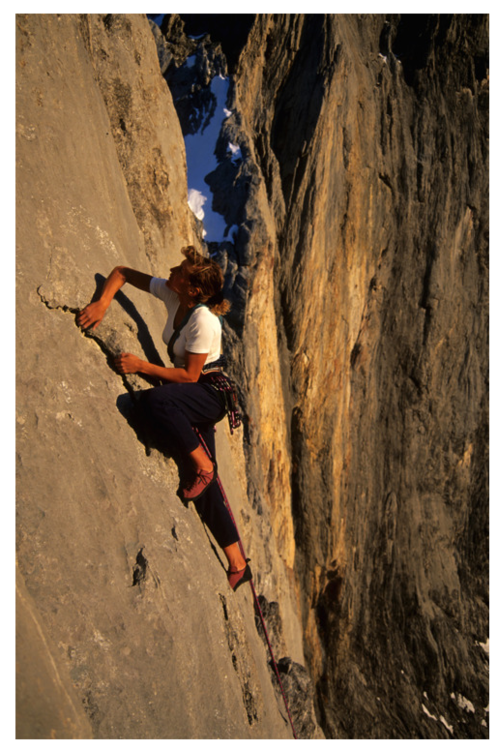
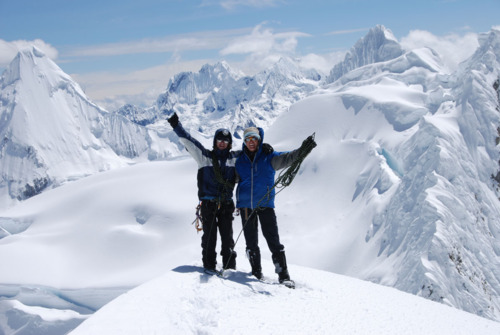
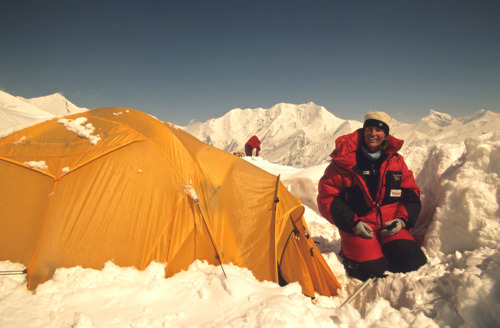
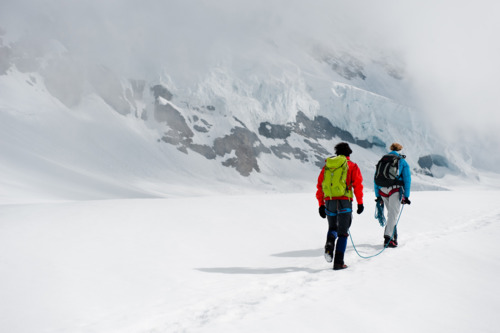
Evelyne Binsack Rock ClimbingDocumentary student Evelyne Binsack was already a celebrity before attending New York Film Academy. In 2001, she became the first Swiss woman to reach the summit of Mount Everest, the highest mountain in the world. She also spent four months crossing Antarctica to reach the South Pole. She is the author of Expedition Antarctica and Steps on the Edge, and has been featured in a number of documentaries about her adventures. She speaks 3 languages and is also a helicopter pilot. Until our interview, she didn’t know that she had been named as Switzerland’s fourth most famous person – not bad, considering the poll included musicians, politicians, and movie stars!

Evelyne said she discovered her love of the outdoors in her native Switzerland. “A friend of mine took me to the mountains near home. I fell in love and thought that’s what I want to do: [be] outdoors having adventures.” At the time, Evelyne was a runner competing in the 800 and 1500-meter dash. “That was something very different — fighting against each other. In mountaineering, you’re fighting together. You can’t fight against each other. That’s something that impressed me, the contrast.”

Evelyne found New York Film Academy’s 1-Year Documentary Filmmaking program years later. “I was Googling in Europe,” she said. “Everything was three years for film programs, or… [very short] crash courses. What can you learn in one week? I decided to come here. I really enjoy the program… but as a country girl, it’s [hard] being in the city. Here, people live for the weekends, and Monday they feel like [crap]. Friends in my country don’t have this attitude. Most of my friends do what they love. They risked things to do what they love and they’re more happy. To see that people are just working for money, it hurts somehow. Take more risks and be passionate for what you do!”

Despite the urban setting, Evelyne says she has already learned a lot in her first few months of school. “[Documentary instructors] Wendy Apple and Reuben Aaronson are great. They’re all fabulous. They have [a lot of] experience and it’s great to listen to them!” she said. She has already been putting her new knowledge to work as well. She explains, “I’ve been giving [lectures] for 10 years, and that’s how I make my income, but I didn’t know why some stories [wouldn’t] work. For my speeches it’s very helpful to know about structure and character arc. It helps me to understand why one story is good and why another story doesn’t work.”

Evelyne admits to missing her adventures, saying, “I don’t like the word addiction, but somehow I’m addicted to the mountains and to climbing. I’m part of nature. If I’m not part of nature, I feel empty. It hurts.”

After finishing the Documentary Filmmaking program at the end of the year, Evelyne will return to Switzerland, where she will plan for her next big adventure. “I want to traverse from Alps, cross the Caucuses, and find out stories about the sacred mountains of the Himalayas.”

Check out a recent feature on Evelyne Binsack that aired on Swiss television, and get a behind-the-scenes look at New York Film Academy’s Los Angeles campus!

Evelyne Binsack Alps

Evelyne Binsack Summit

Evelyne Binsack Swiss Alps