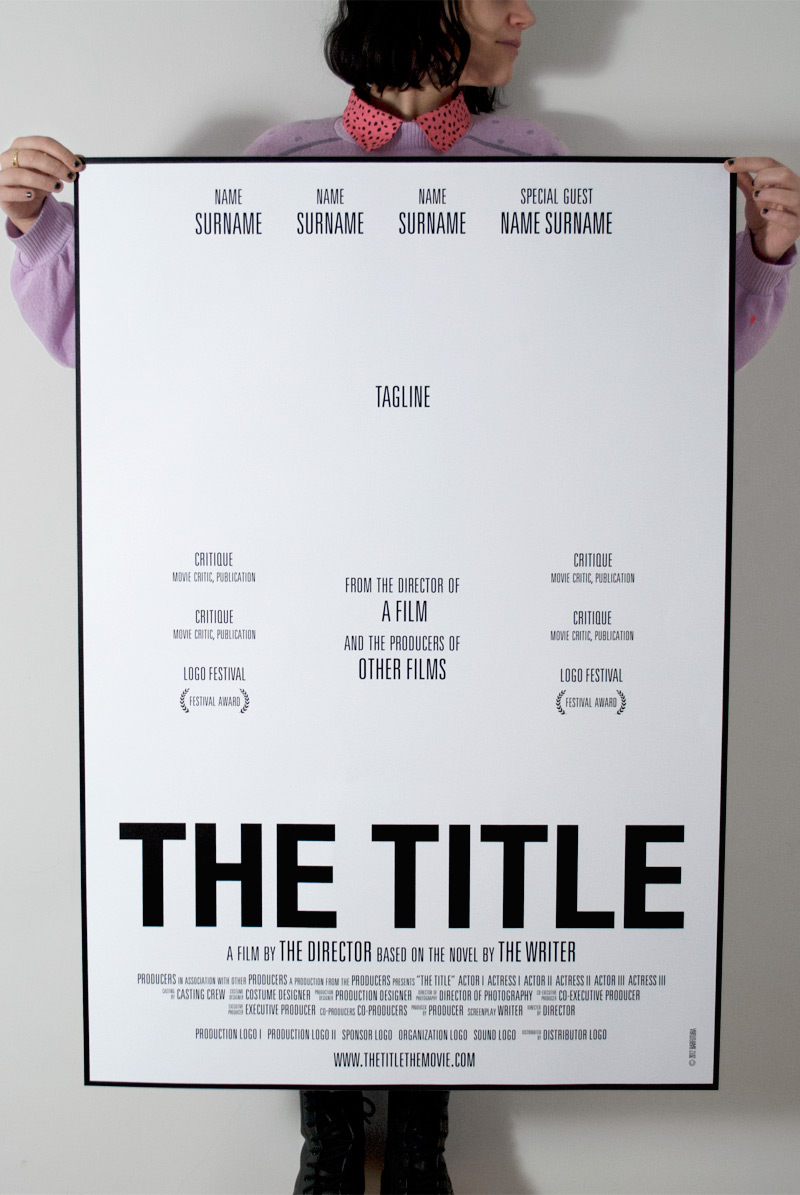
How To Make Movie Posters To Promote Your Film

how to make a movie poster

You’ve managed to give up every social occasion that’s come your way in God knows how long; sacrificed all that income and more sleep than should be allowed for someone trying to maintain their sanity… and it all comes down to this – the masterpiece your inner creative genius had envisioned all along. Your film is brilliant and the only thing left is to share your art with the world. That or you’ve been the lucky one assigned to create the introduction to so-called genius’ masterpiece. Either way, promotion is imperative so first things first – you must make a poster.

Films have been promoting themselves with posters since the age of dawn – well, since around 1900 when French magician Georges Méliès produced the first motion picture, to be precise. Point is, it’s a tradition that lives on for good reason. We’re a visual species we are and a poster can be the best way to captivate an audience and leave them wanting more.

“So how should I go about making one?” I hear you ask. Well, here are a few helpful tips to get you started:

  • If you haven’t already, create a mind-map of your target audience and the message you want to send out
  • With the above in mind, think of some layout designs i.e. fonts, images, colors etc. that make your poster really pop
  • Research, research, research! The Internet is a wonderful thing and can give you an endless amount of information on different color schemes, font sizes or image placement and what they connote in order to send the right message
  • If appropriate with the theme and concept, make sure to get some great photo images of the main actors to include in your poster – audiences like to know who they’ll be seeing on screen
  • Get inspired – social networking platforms like Pinterest are amazing for design inspiration.

Here are a few examples:

> Movie Posters

> Minimalist Movie Posters

> Best Movie Posters

> Classic Movie Posters

> Overly Dramatic Disney Movie Posters

  • Get acquainted with editing software like Adobe Photoshop. I cannot stress enough how useful this tool can be for any task related to design – not to mention the money you’ll save doing it yourself.
  • Useful Tip: Use 300dpi resolution and CMYK color format. Also, every country has a different specification for movie poster sizes but the standard U.S. size is 27 inches in width x 40 inches in height, commonly referred to as “the one sheet”.

Here are some helpful guides on using Photoshop to make your poster:

> 12 Beginner Tutorials For Getting Started With Photoshop

> How To Design A Movie Poster In Photoshop

> Creating A Composite Movie Poster: Photoshop Tutorial

> Movie Poster Style Color Grading – Photoshop Tutorial

And also some handy links to free movie poster templates compatible with Photoshop:

> Film Poster Template

> Movie Poster Template

> Thriller Movie Poster Template

Whether you’re the all-encompassing filmmaker wanting to create your own movie poster or you’ve been assigned the job of creating one for someone else, these tips will ensure you get a good start in doing the film/masterpiece justice. And remember, keep it relevant – the poster is essentially the introduction to what the audience should expect from the movie so stick to a central theme. And lastly, be creative!

Indie Film Fest Winter Film Awards Returns to NYC

Winter Film AwardsThe Winter Film Awards Independent Film Festival (WFA), which takes place in New York City, returns for the third year and New York Film Academy students are welcome to attend! The festival is geared toward the NYC arts community and is a worthy destination on the US film festival circuit for out-of-state and international filmmakers alike. “The WFA Mission is to recognize excellence in cinema and to promote learning and artistic expression for people at all stages of their artistic careers with a focus on nurturing emerging filmmakers from around the world.” This year, WFA will be screening 61 Official Selections, which includes a diverse mixture of documentaries, shorts, narrative features, animation, music videos and horror films, including 8 student films, 17 female directors and representation from over 20 countries.

WFA will kick off on February 26th with a reception and party. The festival weekend of screenings, panels and networking events continues at the Grayline Theater (777 8th Ave New York, NY 10036) from February 27-March 1.

For more information on the Winter Film Awards, please visit www.WinterFilmAwards.com.

6 Important Rivalries In The Video Game Industry

Whether you grew up in the “Genesis does what Nintendon’t” era, or your very first video game console was released in the last 10 years, chances are you’ve found yourself in a heated discussion about which gaming platform is superior. From gamerscores and trophy levels, to who can get the highest kill count in one match, gamers can’t help but get sucked into the spirit of competition. Of course, the real competition starts with companies that will do anything they can to get you to play their games and not someone else’s.

The fact is, our industry has grown considerably thanks to some incredible rivalries between top developers and publishers. Even if you hate the idea of console wars, or reading that inevitable ‘”PC master race” comment everywhere, no one can deny that just like in sports, the desire to win has driven the gaming industry to a level that would have otherwise taken twice as long to reach.

If you don’t believe us, check out the following list of some of the greatest rivalries in the industry. You’ll often see that the biggest winner wasn’t the company that sold more units, but rather it was us gamers, who received better consoles, innovative ways to play, and our favorite games of all time.

Sega vs Nintendo: Playgrounds Divided

What better way to start than with arguably the most classic rivalry of them all?

Considering that today you have deals where Sega games like Sonic Lost Worlds and Sonic Boom release exclusively on Nintendo systems, it’s difficult for newer generations to understand just how heated the competition once was between the two. For many it’s a good thing that Sega and Nintendo are now working together, but even two decades later most older gamers still cringe at the thought of seeing Sonic on a Nintendo system. That’s how hot things were between the two Japanese giants.

The fight for gamers’ hearts back in the 90s even led to some nasty ad campaigns that you’d never see today even between Sony and Microsoft.

Of course, what mattered most was who could deliver the best gaming console with the must-play titles, which resulted in some of the most beloved games ever made. This includes the likes of Super Mario World and Sonic the Hedgehog, which were painstakingly designed to sell their respective console. If that isn’t motivation for creating an amazing game, we don’t know what is.

We all know that Nintendo eventually pulled ahead and has since released several great video games and consoles, all while Sega was forced to go software-only. Even so, who knows if many of the amazing video games from the 90s (and today) would have been as good as they are had it not been for a fierce competition driving both companies to give more than 100%.

Console vs PC: Today’s Great Rivalry

There are plenty of rivalries going on today in the industry, but few can compare to the debate between console and PC gamers. Although many saw it coming, this current clash is still pretty surprising considering that PC gaming has been trailing behind consoles for most of gaming history. This is because the only thing PC had over consoles for a long time was a good collection of adventure, first-person shooters, and real-time strategy games.

Meanwhile, gamers were flocking to dedicated gaming consoles where they could play 3D platformers like Super Mario 64, action-adventure games like God of War, mobile games like Wii Sports, and so on.

This has definitely changed now that amazing games of all genres can be enjoyed on a PC, and some pretty incredible titles are only for PC. Moreover, for games that are released for both console and PC, it’s usually the PC version that has the better graphics, modding capabilities, and other neat features.

It’s also hard not to mention both Valve’s Steam service and the recent renaissance of small-team projects dubbed indie games, both of which have helped PC become all the more attractive.

However, the fact that Sony, Nintendo, and Microsoft are still providing amazing 1st party titles exclusively for their systems is enough to make this fight a draw, for now. PC gamers may have the better graphics and features, but console-only series like Uncharted, The Legend of Zelda, and Halo still make consoles worth having.

EA vs Activision: The Console FPS War

Considering just how successful Call of Duty has become in the last few years, it’s hard to believe that the first game had the codename “Medal of Honor Killer”. That’s right, EA’s Medal of Honor was the dominant console FPS series during the Xbox, PS2, and Gamecube generation, not that long ago. An FPS shooter rivalry between EA and Activision that started more than a decade ago continues today, as Battlefield serves as the only FPS game series that has recently come close to dethroning Call of Duty.

Even though the previous games weren’t bad, it wasn’t until Call of Duty 4: Modern Warfare came out that Activision’s current title reign (if this were wrestling) truly began. This even led to EA releasing their own “Call of Duty killer”, which ended up being the 2010 Medal of Honor. Suffice to say, it was anything but a CoD killer. Realizing that a different FPS series was needed to give Call of Duty a run for their money, EA started promoting Battlefield 4 like it was the new FPS king.

Despite receiving better reviews, even though it released with broken online features, Battlefield 4 didn’t manage to outsell Call of Duty: Ghosts, the lowest-scoring game in the series so far. However, after Ghosts proved to be a letdown, gamers have grown cautious of throwing their money at another Call of Duty game simply for the name alone. This means it’s now a good time for EA, or another developer, to finally give the Call of Duty series some serious competition.

Wii vs Kinect vs Move: The Motion Control Standoff

If there was one console that no one expected to sell as much as it did, it’s probably the Nintendo Wii. Most gamers saw waggling a remote-shaped controller as a gimmick, while many had low expectations after how poorly the Gamecube did in terms of worldwide sales. It placed third against Microsoft’s first console and only sold more than the discontinued Dreamcast. All this while the PlayStation 2 became the highest selling console of all time.

And then there was the Wii’s clear disadvantage in terms of technical ability, which included a lack of support for HD graphics and relatively unrefined online experience. However, the Wii managed to outsell its competitors by offering us a new and unique way to play: motion control. The first time playing Wii Sports was pretty magical for many of us, as we interacted with the game in a way that sounded silly on paper but was enjoyable in person.

This of course urged Sony and Microsoft to whip up their own motion control toys and hopefully grab a piece of the motion control pie before it was too late. The PlayStation Move and Xbox Kinect both sought to also deliver an exciting motion gameplay experience, with the Kinect being far more unique from the Wii in that it didn’t require a controller to be held.

Most gamers are glad this era is over, mostly because terrible motion games were eventually being shoved down our throats by the truckload. Even so, it’s hard not to be impressed by Nintendo and the way they not only outsold the more powerful consoles, but even caused competitors to scramble and pop out their own motion devices.

Nintendo vs Sony vs Smartphone: Gaming On The Go

While their consoles have been mostly an up-and-down affair in terms of sales, Nintendo’s dominance in the handheld console market is undeniable. Ever since the Game Boy hit store shelves, Nintendo has consistently released a mobile gaming device that allows developers to create even better experiences to enjoy while on the go. This includes superb titles like Tetris, Pokemon Red/Blue/Yellow, Brain Age, and Mario Kart 7. These were all best sellers from their respective mobile console.

In 2005 Sony sought to dethrone their fellow Japanese gaming company by releasing the PSP, a portable system that looked like it was going to give Nintendo a run for their money. The PSP had a sleek design, supported multimedia files via their Universal Media Discs, and offered better visuals. But although it managed to double the DS’ launch day sales number, it went on to only sell half the total number of the DS, which is now the second highest selling gaming device of all time.

But then a new and unexpected competitor rose to stake its claim in the mobile war: smartphone games. From Angry Birds and Fruit Ninja to Doodle Jump and Cut the Rope, people everywhere started looking toward iOS titles like these to scratch their video game itch. The fact that a smartphones or tablets can play games as well as do countless other tasks was certainly one of the draws, as was the ability for small developers to whip up amazing titles and launch them on the App Store.

Today, smartphone gaming is still going head-to-head with the PS Vita and 3DS. Although Sony’s latest portable console hasn’t been doing too hot despite being a very powerful (and excellent) device, Nintendo is definitely holding their own thanks to amazing titles like Animal Crossing: New Leaf and Super Smash Bros. releasing on the 3DS.

PS4 vs. Xbox One

There’s no better way to end this list than with a rivalry so hot that flame wars and fanboy comments were already flooding websites and social media long before the two consoles would even release. Since Nintendo didn’t hit the mark with the poor-selling Wii U, most gamers are tied between choosing one of these two eighth-generation consoles, and trying convince everyone else that it’s the better of the two.

It all started in E3 of 2013 when both consoles were revealed, including info such as pricing, release dates, and launch title lineups. Right out of the gates, Sony showed its desire to reclaim the crown it held during the PS2 era but lost after the PS3 struggled for most of the console generation. This involved Sony marketing the PS4 as not only the anti-Xbox One, but rather as the better system in terms of power, affordability, exclusives, and more.

Most importantly, the PS4 was pushed as a ‘for gamers’ console while Microsoft sought to present the Xbox One as an ‘entertainment’ system that not only played games but also had Kinect 2.0, great TV integration, and more. Most gamers didn’t take the emphasis on non-gaming features positively, but it was policies like always-online and the inability to download a game more than once on a system that caused a huge backlash.

Microsoft had no choice but to do a lot of reversals in hopes of getting gamers back on their side, but it proved too-little-too-late as the PS4 went on to sell more at launch. As of February of 2015, the PS4 is still the highest selling console and doesn’t show signs of slowing down, even if the Xbox One did better this past holiday season.

Even though it’s still too early to say which of the two (or three?) will end up being the highest selling console, there’s no denying that gamers will get to enjoy breathtaking gaming experiences this generation thanks to good old fashioned competition.

Image Source 1, 2, 3

Game Design Tips Taken From Influential Games

Most people look back at games from a decade or two ago and shake their head at the outdated visuals and simple gameplay. Of course, who can blame them when you take into consideration just how far we’ve come from pixel graphics and chiptune music.

As a game developer, however, it is always important to check out classic games and analyze what made them stand out above the rest back in their day. You’d be surprised by how much we can learn from influential games of the past and use that knowledge to make better games today. Below are only a few of the many titles from gaming’s yesteryears that delivered memorable experiences by giving players something they didn’t know could be incredibly fun.

Pong

[Tweet “Game Design Tip: Make It Simple But Fun #GameDesign #VideoGames”]

Serving as the first commercially successful video game, 1972’s Pong blew everyone away with its simple take on tennis by consisting of only two lines to serve as paddles and a ball.

Atari’s game became such a hit in arcades that tons of other companies, including Nintendo themselves, delivered their own clones that ended up being the birth of the video game market.

Although it was too early to do anything more complicated, Pong is nonetheless a testament to the power of one key design principle: make something that anyone can pick up and enjoy.

Pac-Man

[Tweet “Game Design Tip: We Still Like High Scores #GameDesign #VideoGames”]

Only if you actually lived in the 1980s could you truly understand how popular Pac-Man became.

While other arcade games died off after the 1983 crash, the iconic yellow ghost-eater went on to transcend popular culture and appear on clothing, mainstream music, and more.

Although the addicting gameplay is why Pac-Man appeared in every arcade and pizza shop, it was the challenge of beating other high scores that brought you back time and time again. It may be all about gamerscore, trophy level, and Steam achievements these days but gamers have proven they still like showing off their high scores, especially in casual and social games.

Wolfenstein 3D

[Tweet “Game Design Tip: Shooting Things Feels Good #GameDesign #VideoGames”]

These days, you can find an FPS game no matter what platform you play on, including smartphones. However, it was id Software’s Wolfenstein 3D that fathered the genre that gamers would go crazy about. More importantly, it introduced new concepts such as a first-person view, holding several weapons, and even health packs.

If you ever find yourself designing a first-person shooter, make sure it offers something other FPS games don’t, while still having that satisfying shooting gameplay we all know and love.

Street Fighter II: The World Warrior

[Tweet “Game Design Tip: Gamers Like Competition #GameDesign #VideoGames”]

Despite being a quiet genre for a long time, there’s no denying the recent resurgence in fighting games lead by amazing game series like Street Fighter, Marvel vs Capcom, Mortal Kombat, and more.

However, it was Street Fighter II that, in 1991, introduced us to special moves, button-demanding combos, and other mechanics that led to the birth of competitive fighting.

Today, we even have huge fighting game events like Evolution Championship Series and Apex that bring in thousands of players, many from other countries.

If you’re ever design a multiplayer game, be it fighting or a different genre, know that players enjoy being rewarded for their skill.

Alone in the Dark

[Tweet “Game Design Tip: Make A Captivating Atmosphere #GameDesign #VideoGames”]

Although most gamers today would say that survival horror started with Capcom’s Resident Evil, it was actually Alone in the Dark that had gamers on the edge of their seats in 1992.

This was the first time we explored a strange 3D mansion in fixed camera perspectives, which only made running away from undead creatures all the more intense.

Before Alone in the Dark, few could have predicted just how effective the idea of “scaring” your player would be in delivering a captivating experience.

Metal Gear Solid

[Tweet “Game Design Tip: Cinematic Storytelling + Addicting Gameplay = Happy gamers #GameDesign #VideoGames”]

Even though the series actually started on the NES, it was the PlayStation title that blew gamers away with an over-the-top story full of government conspiracies, unbelievable villains, and unique weapons. It also helped that the lead character was Solid Snake, a “tough guy” protagonist that became more interesting as we watched him interact with various other allies and foes.

Even though most will argue that gameplay should always come first before the story, it’s not a bad idea to make sure you’re designing a game where both will work together to provide an unforgettable gaming experience.

Super Mario Bros.

[Tweet “Game Design Tip: It Should All Come Together #GameDesign #VideoGames”]

If there’s one thing we can learn from arguably one of the most influential games in the history of this industry, it’s that everything matters.

Super Mario Bros. stood out in 1986 for so many reasons, including having catchy music we still hum today, a colorful art style, and a certain mustachioed Italian who was memorable enough to become the face of Nintendo.

Of course, the fast-paced side-scrolling gameplay is what makes us return to this game even today. So, take a lesson from Super Mario Bros. and design your game so that all the pieces fit together into a perfect package that will have players craving more.

10 Indie Developers To Keep An Eye On In 2015

Even though it’s been growing for a few years now, it’s still amazing to think just how big the indie gaming scene has grown. Gone are the days when making a game and releasing it on a notable platform required interaction with some kind of publisher or big team. Instead, small groups, and even lone wolves, are delivering some of the best games each year has to offer.

Whether you’re an aspiring indie developer, or see yourself working at a large studio, it’s exciting to check out what other small teams are cooking up. Below are only a handful of the many passionate developers putting their heart and soul into creating some of the most anticipated games of 2015…

Fullbright

Made up mostly of devs who worked together on Minerva’s Den, a single-player expansion for Bioshock 2, Fullbright certainly has the talent to deliver games driven by a captivating story. They proved this with Gone Home, a critically acclaimed title that offered plenty of emotion and suspense as you explored a home set in the 1990s.

Fullbright is currently working on a new project titled Tacoma that will no doubt draw us in via unique perspectives and top-quality storytelling.

Thekla, Inc

Thekla is comprised of several experienced developers, including the creator of Braid, a game responsible for helping to jumpstart the indie game renaissance we’ve been enjoying for the last few years. Along with Jonathan Blow, Thekla Inc is hard at work putting the finishing touches on The Witness, a highly anticipated puzzle game that serves as one of the many indie titles Sony has been promoting to showcase their downloadable lineup for the PlayStation 4.

Acid Nerve

Receiving several awards at last year’s E3, including a Joystiq E3 Selection sticker, Acid Nerve‘s Titan Souls is certainly on the radar of many indie game enthusiasts. Originally starting out as a game jam project, Titan Souls has been expanded since then but still holds the same premise: can you defeat several challenging bosses with only a single arrow at your disposal? Titan Souls will be released on PS4 and Vita, as well as Steam for PC, Mac, and Linux in 2015.

Castle Pixel

Castle Pixel are the creators of Rex Rocket, a tough-as-nails platformer that is beloved by almost all who have played it. Aside from porting Rex Rocket to iOS, this small team is hard at work on Blossom Tales, a top-down action-adventure game that draws heavy inspiration from classic Zelda titles. Thanks to funding by FDG Entertainment, Blossom Tales is set for an iOS release sometime in late 2015.

Hello Games

Hello Games will be releasing No Man’s Sky in 2015, a space-themed game with procedurally generated open areas that players can freely explore to upgrade their ship and character. The trailer during Sony’s press event at last year’s E3 blew us all away with the promise of exploring strange planets full of unique environments, strange creatures, and more. No Man’s Sky will be a timed exclusive for PS4 and PC, and is rumored to eventually support VR headsets like Morpheus and Oculus.

Klei Entertainment

Klei has proven they have what it takes to create addicting games with each title they release. From Mark of the Ninja to Don’t Starve, this passionate developer has given us some of the best the indie scene has to offer.They are now working on Invisible, Inc., a turn-based tactics game with rogue-like elements and procedurally-generated levels. Needless to say, Klei’s next title will no doubt be as fun and enticing as the last few.

Ryan Green

After losing his 5 year old son to cancer, Ryan Green took on the difficult but inspiring task of creating a game centered around his tragic loss. Demanding more emotional investment that perhaps any other game we’ve played, Ryan and his team promise to reward us with more than it cost by providing a sad yet relatable and thought-provoking adventure. That Dragon, Cancer is due to release on Ouya, as well as Steam for PC and Mac, sometime this year.

Dennaton Games

Dennaton‘s Jonatan Soderstrom and Dennis Wedin are the duo responsible for the Hotline Miami series, games that have garnered a large fanbase with their satisfyingly violent gameplay. Initially wanting to work on a completely new IP, Wedin and Soderstrom instead decided to create Hotline Miami 2 as the grand finale to their series. Hotline Miami 2: Wrong Number will be available on several platforms, including PS3, PS4, PS Vita, and Steam for PC, Linux, and Mac.

Yacht Club Games

It’s hard not to include Yacht Club in a list such as this one, especially after creating the standout platformer of 2014 that won as many Game of the Year awards as you’d expect from a big-budget AAA title. Shovel Knight combined everything we want from a game, including hilarious dialogue, incredibly polished gameplay, familiar yet fun mechanics, and more. If their next game is anything like Shovel Knight, there’s no reason not to be excited about whatever these talented developers in the process of creating.

Asteroid Base

What first started as a Global Game Jam title in 2012 has turned into one of the most awaited indie titles of 2015. Lovers lets you and one other player explore a vivid galaxy while manning a battleship complete with shields, lasers, thrusters, and more. Demanding plenty of teamwork and customization, players can’t wait to take on this colorful adventure on their Xbox One, PC, or Mac computers.

How To Get The Most Out Of Playtesting

Testing your game may sound as easy as handing someone an early build and asking them to tell you if they hate something or encounter any bugs. Although there is some truth to this, the fact that playtesting is very crucial to a game’s success should inspire you to make sure that you get the most out of the process that you can. The last thing you want is for all that time spent playtesting to be a waste.

The following tips will help make this process more fruitful. Hopefully they help you discover which mechanics aren’t fun, if there’s a game-breaking glitch toward the end of the game, or if the controls aren’t as great as you thought– all problems you should dread discovering after the game is made available to the public.

Always Test The Test Build First

If there’s one way to waste the time of both yourself and a playtester, it’s handing them a build that breaks within a few minutes after they start. To avoid this from happening, have you and a few (if not all) members of your team play through the build themselves to catch any serious bugs before your playtesters arrive.

There is always a chance that they will run into something big pretty early on anyways. After all, that is the whole reason they are there in the first place. However, you should strive to make sure they can play at least an hour or more so you can collect plenty of data and make it all worthwhile. Having the entire team test the game ahead of time also allows everyone to get caught up and know where the game stands at that point.

Make It A Comfortable Experience

Providing a build that breaks within a few minutes is not the only way to screw up a platyesting session. Another way is to fail to create a comfortable environment for the tester. This may sound silly, but why take the chance of affecting your playtester’s comfort and focus while playing your game simply because you didn’t prepare?

Make them feel like an important part of the team (which they are during that session) by being there to greet them and/or have them sign in as soon as they arrive. It also doesn’t hurt to provide some refreshments before, during, or after the playtest, especially if they’re going to be there for a long stretch of time. Lastly, make sure everything works ahead of time by checking if the computer or console turns on, the controller has batteries, the internet is working, the latest plugin needed to run your game is installed, and so on.

Don’t Just Have Anyone Playtest

You should already have a target audience in mind by the time you reach the stage where playtesting is needed. The target audience are the people that your game is most likely to appeal to. It may be because of their age, gender, preferred gaming platform, favorite game genre, or other characteristics. So instead of bringing aboard a good friend, or someone that begged you to let them be a tester, we recommend you find playtesters that fit the description of someone who would be interested in your game.

In fact, you should avoid recruiting friends or loved ones for playtesting entirely. They may be less likely to provide honest feedback since they know you personally and want to like the game, flaws and all, more than they actually would. Also, try to introduce fresh playtesters once in a while to get new feedback, even if you’re still bringing back people that have been testing your game for a long time.

Avoid Pressuring The Playtesters

The thought of playtesting a game while the creators watch your every move is enough to make many gamers a bit nervous, especially if they find themselves dying a lot or are unable to get passed a certain challenge. Thus it’s important that you show patience if they aren’t very good at the game, and even encourage them to discuss why they think they’re having trouble. If they’re relaxed, they’re more likely to be honest and tell you they feel a puzzle or boss is too hard or that they simply don’t have the skill to complete it.

But if they’re nervous, they might be more likely to criticize your game unfairly to justify their inability to do well. Make it clear that you’re simply there as an observer and are expecting some people to have more trouble than others with certain challenges. That is how you will find out which ones need to be tweaked. In other words, let them know you’re there to test the game, not their gaming skills.

Ask Questions And Analyze Results Together

You should definitely come up with a list of questions to ask playtesters after they are done checking out the game. This helps you answer any design choices you may be debating in your head and make sharing the collected data with your team easier. Also, avoid asking vague questions like “Did you like the controls?” Instead, shoot for knowledge-based questions like “what did the blue button do?” or “what were the candy cane collectibles for?”.

After playtesting and asking questions, you should take all the important data and share it with other teammates that weren’t involved in the session. This will make identifying big problems even easier and give the team an idea of what they should do to remedy them. More importantly, it may help you spot a design flaw that you didn’t notice because you were too busy coming up with a solution in your head to an earlier problem.

[su_note]Learn about the entire process of creating a video game at the New York Film Academy Game Design School (campuses in New York and Los Angeles). [/su_note]

Image Source

How To Do Stop Motion Animation

Before the advent of fully-blown CGI animation, traditional animation – in which every single frame is drawn by hand – was the industry standard. If you wanted to create something involving 3D models, stop motion animation was your only option.

But even though there are now many more ways to skin the proverbial cat, stop motion hasn’t waned in popularity. If anything, it’s becoming even more appreciated as an artform as people push the boundaries of what can be achieved with stop motion. Adam Pesapane – more famously known as PES – is a great example, with his work having delighted animation fans for over a decade:

Alongside the numerous accolades and awards PES has picked up over the years, the above animation (titled ‘Fresh Guacamole’) was also the shortest film ever to be nominated for an Oscar.

But how to follow in his footsteps? Join us as we explore…

How To Do Stop Motion Animation

Let’s get the obvious out of the way first: stop motion animation is extremely time consuming work, which is instantly apparent to anyone who has ever seen even a basic film created in the medium. It is something that should only be attempted by those with patience, dedication, and an extreme amount of attention to detail…

… the reward for these is a level of job satisfaction that is simply off the scale.

Assuming you’re already in animation school or ready to embark on your first stop motion animation project, let’s take a look at how to do stop motion animation by first looking at the essential things you’ll need:

Models to Shoot

how to do stop motion animation

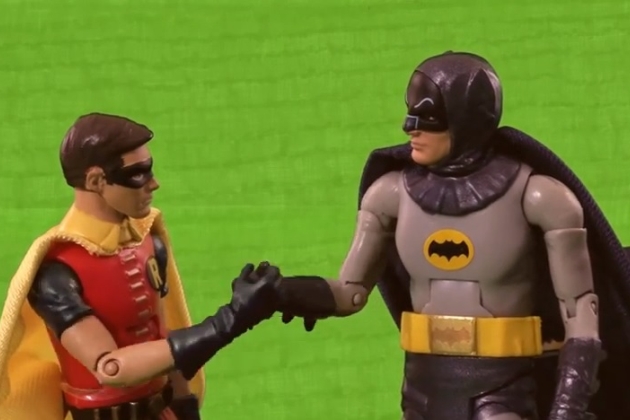
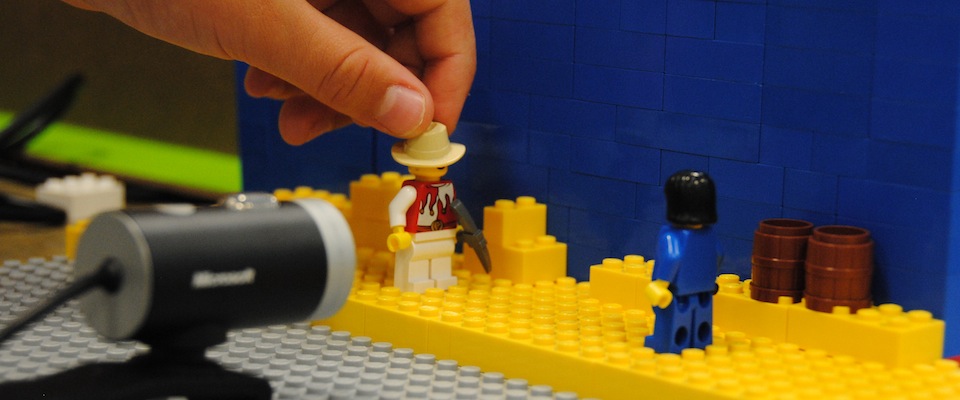
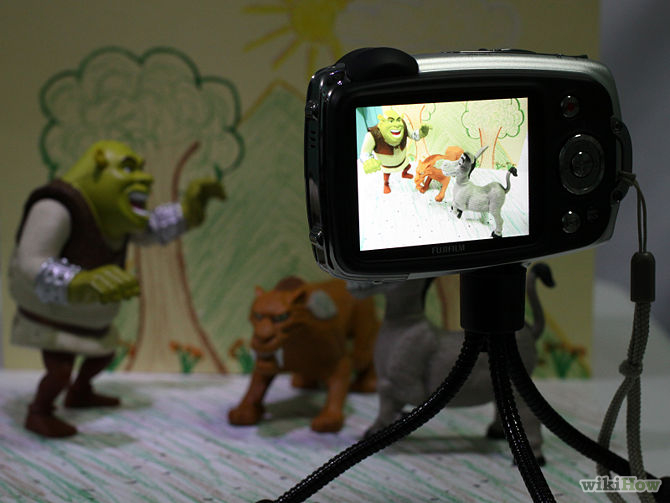
The props and models you’ll need can vary wildly, and depend wholly upon your vision for the animation and what you’re hoping to create. Many people just starting out figuring how to do stop motion animation find a lot of use and versatility in Lego, although the downside is that it can be fairly expensive to buy a large set from scratch.

A Scene in Which to Place Them

stop motion tutorial

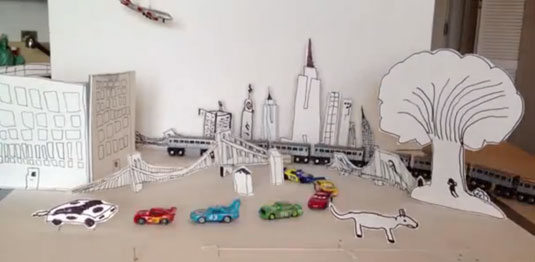
Again, the setting can be just about anything. PES uses a simple kitchen counter and lets his props and models take the main focus . You can also hand draw imagery or use other props to build a backdrop to the scene. A green screen can also be useful if you’d like to experiment with digitally inserting backgrounds in post production.

An HD Camera

stop motion animation camera

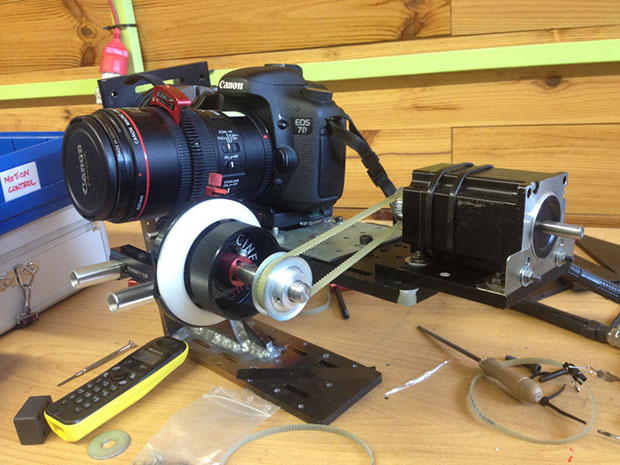
Given that stop motion animation is as much about animating as it is an exercise in photography, you’ll want the best camera you can get your hands on. Using a phone or tablet is also an option. Although the overall image quality may not be as sharp, there are apps out there that can automate the editing process (we’ll come to this a bit later on.) Also make sure that you’ve got a big enough SD card or storage space to store all the images during the shoot.

An Extremely Stable Camera Rig

stop motion animation camera rig

And ‘stable’ is the operative word here. If the tripod isn’t 100% stationary for the duration of the scene (or the slightest knock will move it), you’ll end up with very chaotic footage in the final edit.

A Lighting Set Up

stop motion lighting

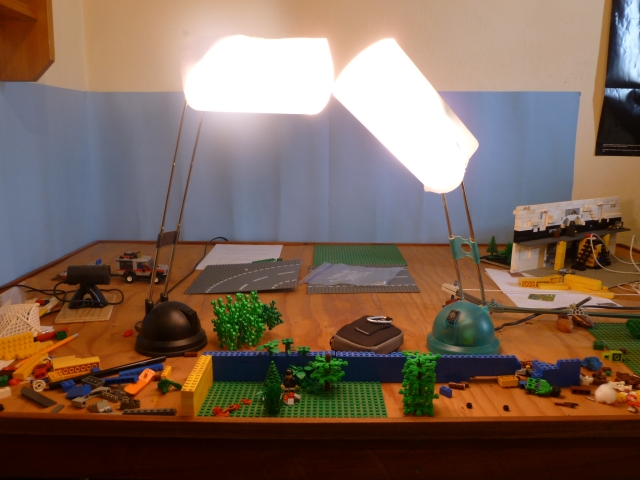
Uniform lighting is also paramount. A simple desk lamp can suffice in many occasions, but make sure you don’t have natural light coming into play which will change over the course of the shoot.

Editing Software

stop motion editing software

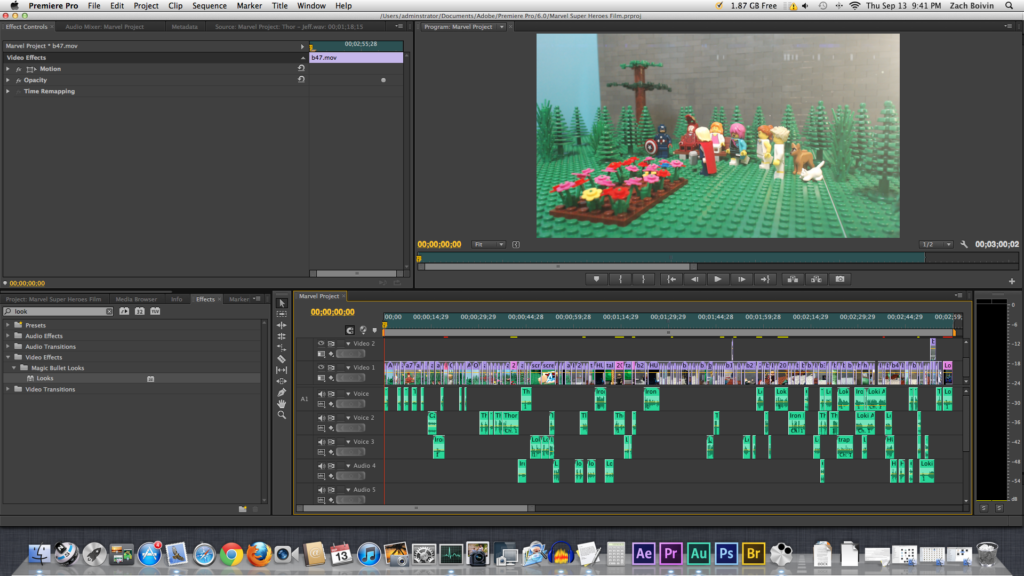
Software developers have become attuned to the needs of stop motion animators in recent years, so there are a number of options that will help make the editing and file management part of the job a lot easier – check out our guide on Stop Motion Animation software here.

Above all, you’ll need a clear idea of what you want to achieve. One of the biggest pitfalls that many people fail to consider when working out how to do stop motion animation is the storyboard. There is no room to work things out on the fly, and any attempts to do so will result in a mish-mash of unworkable stills. Every hour spent planning will pay off dividends in the long run, so be sure to meticulously lay out your storyboard ahead of time.

Once you’ve done that, it’s time to start shooting!

  • Get all set up. Rig up your lighting and camera, and put your models and scenery into place. Bear in mind that you’ll likely be in it for the long haul, so make sure you’ve got enough time to prevent having to deconstruct everything mid-shoot.
  • Take a test shot. This is simply to make sure your lighting and camera settings are optimal before you take hundreds of photos!
  • Begin shooting. Take a photo, move the model by a tiny amount, then repeat. Do make sure your own shadow doesn’t make it into the shot…
  • Ending the Shoot: Hopefully you’ll have allowed for enough storage space to get all the images you need! Once you’re done, export all the files to your main editing suite (you may want to use a batch renaming tool to make the file names logical and in sequence.)
  • Edit the project. How you go about this comes down to which stop motion animation software you’re using, but a good rule of thumb is to make sure the individual stills are all of equal length. You’ll also want to cut in some audio or speech to make the film more dynamic from an audio perspective.

Stop motion animation tutorial

Once you’ve completed your first stop motion animation, you’ll be able to analyze the finished results and identify areas for improvement on your next project.

Golden Rule: Start off small, be patient, and keep on practicing until you create even bigger and better stop motion animations.

Animation is all around us. From opening title sequences to live-action movies to cartoons, animation and VFX are an integral part of a variety of art forms. Check out NYFA’s variety of Animation & VFX programs by visiting our Animation School page to find a program that works for you.

Best Stop Motion Apps for iPad & Desktop

If you’re studying the craft at animation school, you’ll have every professional tool imaginable at your fingertips. But what about when you want to work on the go and experiment away from campus? We’re guessing you don’t want to blow multiple thousands of dollars setting up a home studio, but the good news is you don’t have to.

If you’re looking to get started in stop motion photography, you might want to start with our guide on the basics of the craft. But if you’ve already got all your image stills lined up and just need some free or budget software to process them, then here are…

The Best Stop Motion Animation Software and Apps

Smoovie (Mac & iPad)

best stop motion software

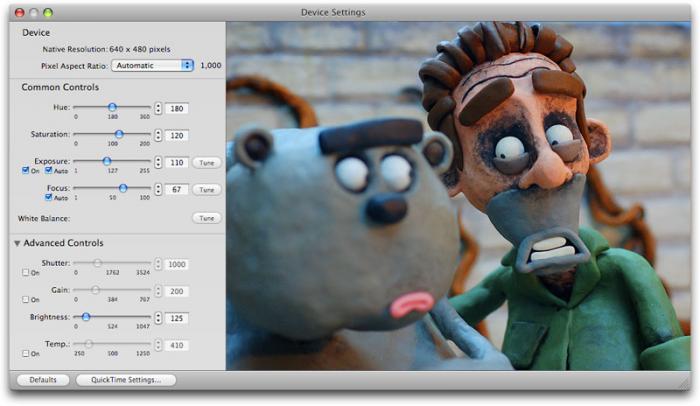
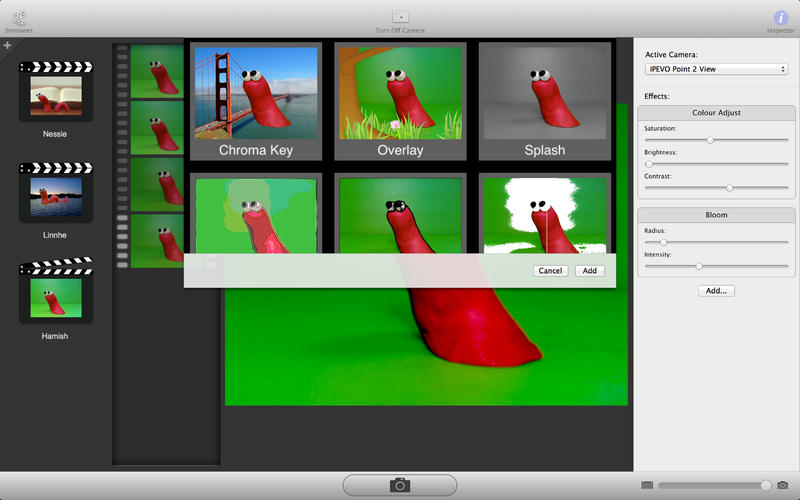
Featuring precision editing, onion skinning, chroma key effects, direct-to-YouTube publishing, and an intuitive interface, Smoovie is specifically designed for stop motion animation. While it’s not the most powerful or beautiful software ever released, it’s ideal for getting to grips with the basics. To boot, the iPad version makes good use of the tablet’s camera, meaning the entire production can be conducted right from within the app.

Smoovie offers a free trial for its desktop version (the full version is priced at a budget level $39.99) while the iPad version is currently $6.99 in the App Store.

iStopMotion 3 (Mac & iPad)

stop motion animation software

iStopMotion by Boinx Studios has long been the go-to software suite for both amateur and professional stop motion animators alike. It’s updated regularly and is already packed full of brilliantly implemented features. It also comes with unparalleled developer support

A trial version is available to use without limits for 5 days, and the full desktop/iPad version is yours for $49.99. A similar app exists for the iPhone by the same studio, albeit under a different name (search for iStopCamera on the App Store.)

Dragonframe (Windows & Mac)

free stop motion software

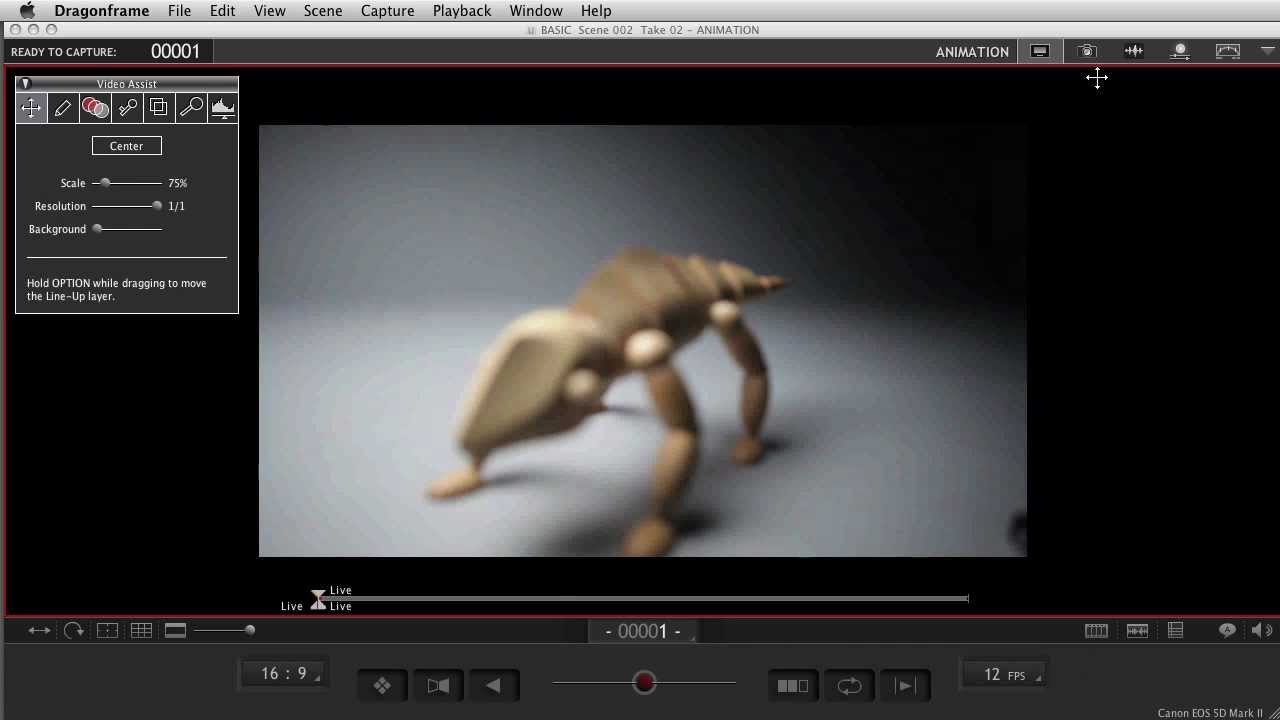
Dragonframe is pretty much the most widely-recognized stop motion animation software in the industry, and has been used to create numerous box-office hits such as Coraline and this year’s Shaun the Sheep.

This is one of the pricier pieces of software on the list at $299 for the full version (which comes with controller hardware), but it deserves a mention here since there is a free trial which is well worth checking out. The full version, although expensive, represents great value for the money for a professional suite.

MonkeyJam (Windows)

Free windows stop motion software

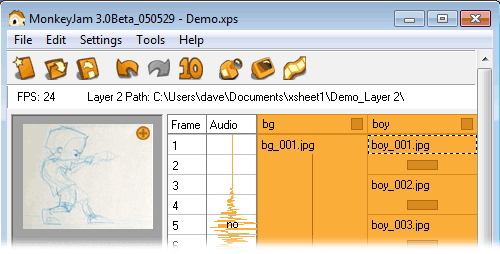
MonkeyJam is the only free stop motion animation software we’ve been able to find that is still operational and worth trying, and by free we mean it isn’t just a free trial with the need to pay for access later on.

MonkeyJam is slightly (and sadly) neglected, having not had an update in four years. This naturally means it looks a little rough around the edges and new features aren’t likely to arrive any time soon, but the ones already in place are still effective at getting the job done and the program is delightfully functional as a whole. If you’re a Windows user and don’t have the budget for Dragonframe or any of the professional-grade suites, MonkeyJam remains the best free stop motion animation software out there.

Stop Motion in iMovie (Mac)

free Mac stop motion software

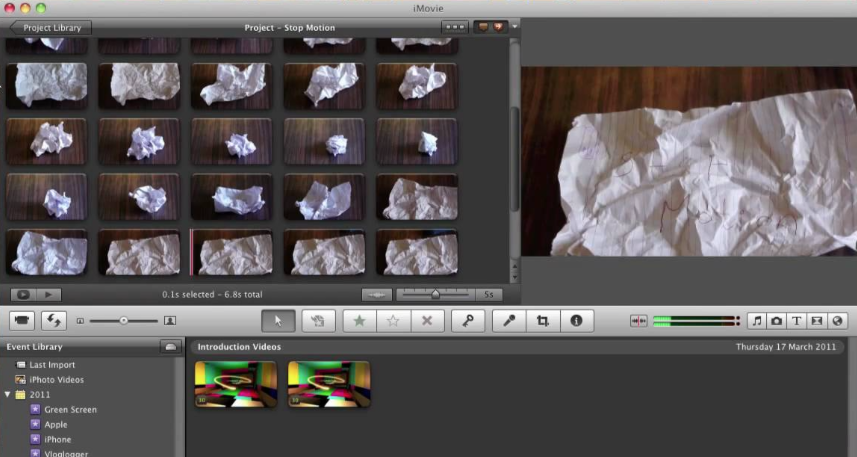
Not looking to pay for a dedicated piece of stop motion animation software? Never fear, because iMovie – packaged for free with all new iMacs as of 2003 – can get the job done quite nicely even if it wasn’t designed specifically for stop motion. All the features are there and great results can be teased out of the software. Although, you’ll probably want to look for the latest tutorial online since the interface can (and does) change dramatically with each update.

You may also like to check out our quick guide to the best apps for photography and other editing duties, since many of them work alongside your stop motion setup to streamline workflow. In the meantime, do let us know which stop motion animation software works best for your needs (and feel free to share your creations) in the comments below!

Five Things That Make Us Nostalgic For The Early Days Of Video Games

It’s hard not to appreciate all the advancements we’ve seen the gaming industry go through over the past twenty or so years. From voice chat and online multiplayer to life-like visuals and consoles that do more than just play games, few of us could have predicted how far we’d go while playing our 16-bit consoles or hanging out at the arcade.

At the same time, many of us like to look back with nostalgia at all the little things we miss about gaming in the 80’s and even 90s. So, whether you remember some of these like they were yesterday, or you’re a younger gamer that missed out, check out our list of what made playing games so awesome back in the day.

No DLC, patches, etc.

We may as well get this one out of the way since it’s one of the more controversial issues today.

Buying a game once meant that you were paying for everything that game would ever offer. There was no downloadable content to receive new map packs or an extra story chapter, nor was there an annoying barrage of day one patches you had to sit through before you could enjoy your game.

Patches are, of course, important, as they give developers an opportunity to fix issues they didn’t catch during development. But as we’ve come to realize in the past few years, some developers are finding it acceptable to release broken games and simply patch them up later.

Since developers didn’t get this chance before, this meant you were paying for games that were (usually) polished and complete.

Cheat codes and unlockables

Going along with the last entry in this list, there was a time when obtaining every character costume, power-up, or other unlockable was possible without paying extra. This required beating the game on a certain difficulty, completing a secret area with a new boss, or some other rewarding feat that made you feel like you actually earned it.

Who could forget discovering yet another flute in Super Mario Bros. 3, when you were so sure there was only one or two in the game?

Just as awesome was the ability to use cheats like the famous Konami code to unlock new features, characters, etc.

Keep in mind that the internet didn’t really become prominent until the mid-90s, so discovering these codes involved checking out game magazines, learning them from friends, or unlocking them in the game. This was arguably more fun than simply Googling for codes like people do today.

Arcades and multiplayer

Although plenty of games support local multiplayer, which is becoming popular again thanks to indie games, there’s no denying that multiplayer is dominated by online.

Services like PlayStation Network and Xbox Live have made playing with others across the globe a breeze, which is great. However, there’s something about playing with people in the same room that we still love.

It’s hard to believe that it was only at an arcade where you were once able to even play games at all. This was, of course, before video game consoles became common in every home, which meant taking a trip to the arcade and shelling out a few quarters. Arcades were the perfect hangout spots for teens as they allowed them to socialize while having fun, which doesn’t really exist today.

As for competitive multiplayer and tournaments, these are conveniently taken care of today by online matchmaking modes. Back then, however, finding out who was the best Street Fighter II player in town meant a room (or arcade) full of guys ready to prove themselves.

The Super Smash Bros. scene and other fighting games have kept this alive via large tournaments, but they don’t compare to the times when every weekend was a chance for video game glory.

Getting help from friends, not the internet

I know we touched on this before, but if there’s one thing we miss about retro games, it’s the excitement that came from discovering a new secret. Even more awesome was the uncontrollable desire to run to school the next day and tell your friends about it, who possibly didn’t know about it yet unless they read it in a Nintendo Power or discovered it themselves.

Even more satisfying was being able to explain to someone how to complete a level or beat a boss. Instead of checking a video walkthrough or website like today, everyone sought advice from friends when they were stuck or had trouble against a certain character in a fighting game.

High Scores > Achievements & Trophies

We won’t argue how satisfying it feels to see an achievement or trophy icon pop up after unlocking it. Gamerscores and trophy levels have definitely made gaming more fun by giving you a sense of accomplishment after completing a level, performing a difficult task, or even doing everything there is to do in the game.

However, bragging about those hardly compare to the days when your initials were at the top of the high score screen at your local arcade.

This meant that you were the king of that cabinet and everyone who tried to beat your score was essentially challenging your throne. In short, it was very satisfying being the guy or girl with the top Donkey Kong or Galaga score.

[su_note]Do more than just learn about video game history, make video game history. Check out the game design school at the New York Film Academy (campuses in New York and Los Angeles). [/su_note]

Image Source