Four Of The Biggest News Stories In Los Angeles Broadcast Journalism History

Every now and then – perhaps a decade, sometimes longer – a news story comes along that grips the entire nation as it breaks live on the airwaves (be it television or radio).

The types of stories we’re talking about are the ones during which everyone can recall exactly where they were, and what they were doing, when the news broke. The JFK assassination, 9/11 attacks, and Apollo moon landings are the most commonly cited examples, but what about the biggest news stories which LA broadcast journalism has ever seen?

Here are four headlines in particular, from recent Los Angeles history, that will go down as the most memorable of our time.

[su_note]Looking to pursue a career in broadcast journalism? Learn more about the School of Broadcast Journalism at the New York Film Academy.[/su_note]

Robert Kennedy’s Assassination

“Senator Kennedy has been shot… is that possible? Oh my god, Senator Kennedy has been shot. I’m right here, Rafer Johnson has a hold of the man who has apparently fired the shot… he still has the gun; the gun is pointed at me at the moment [off mic, yelling] take a hold of his thumb and break it if you have to!” – Unknown Reporter, 1968

And so the broke the news of Robert Francis Kennedy’s assassination in 1968, shortly after addressing a crowd in Los Angeles. As well as being the most shocking murder of a politician in LA’s broadcast news history, it also gave us a first hand glimpse at one of those many occasions in which a broadcast journalist can literally put himself in the line of fire to break the news. On a media scale, Senator Kennedy’s death was eclipsed by the prior assassination of his presidential bother John F. Kennedy, but the media circus which began immediately after the shots were fired were no less frenzied.

Indeed, the speculation surrounding the exact circumstances and motivations behind RFK’s killing are still being examined today with more or less equal fervour.

Magic Johnson’s HIV Press Conference

“Because of the HIV virus that I have attained, I will have to retire from the Lakers. Today.” – Magic Johnson, 1991

Early on the morning of November 7, 1991, broadcast journalists across Los Angeles were telephoned with a curt message. The only details were that the Lakers were hosting a press conference at 2 o’clock in the afternoon, and it involved a major message from none other than Magic Johnson, with his recent weight loss and absence from the sport looming over the situation.

Later that day, the whole world was aware that the basketball superstar had contracted HIV.

While initially explaining away the previous two weeks with a bout of influenza, Magic kept the actual diagnosis quiet from even close family members, making the LA press conference even more of a dramatic shock. At a time in which the HIV virus (and AIDS) was wildly misunderstood and only just becoming known to the general public, Johnson’s sudden announcement was one of the biggest broadcast news events in both Los Angeles and sporting history.

Rodney King

“Now, the story that may never have surfaced if somebody hadn’t picked up his home video camera.” – ABC News, 1991

https://www.youtube.com/watch?v=SW1ZDIXiuS4

In 1991, a man on a balcony shot footage of a construction worker being beaten by members of the LAPD following a car chase. With the footage quickly circulating around Los Angeles, and even national news media, many saw it as a clear case of unwarranted police brutality. A subsequent jury did not, acquitting the officers involved and sparking the 1992 LA riots which saw 53 people killed and over 2,000 more injured. Over $1 billion in financial losses to the city were subsequently reported.

The Rodney King story is, amongst many things, one which demonstrated the power of citizen journalism even before the age of the internet and ubiquitous video recording. With many parallels echoing the more recent Ferguson riots, big questions are raised on how broadcast journalism can affect cultures and communities as news stories are unfolding.

OJ Simpson Car Chase

“… You let the police know, you let them all know, I wasn’t running.” – O.J Simpson, 1994

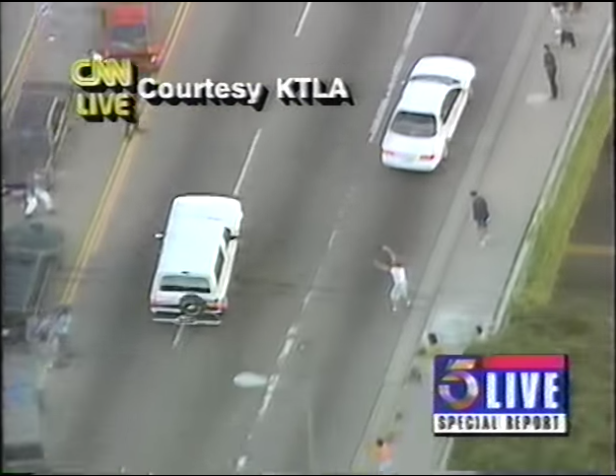
Arguably more so than any other entry above, the O.J. Simpson car chase arrest was the biggest media event in Los Angeles broadcast journalism history (and ranks highly as one of the biggest news stories of the century). With most of the major television news networks broadcasting live footage of the 35mph car chase, 95 million people watched the events as they unfolded in real time with no indication as to how the nail-biting pursuit would end.

Another twist in the broadcast journalism angle of the story is that the KNX radio station managed to broadcast to Simpson himself during the chase, using the opportunity to have USC coach John McKay speak to him from the studio in an attempt to talk him into surrender. To add to the frenzy of the media circus, well over 20 news helicopters joined in the chase and , thanks to the nature of old analogue broadcasts, the crosstalk from all the camera signals caused some footage to appear on incorrect channels (this can be seen and heard at the start of the above footage.)

According to a Neilsen study, the low-speed pursuit and subsequent trial verdict were the most impactful televised news events of the past 50 years behind the 9/11 attacks and coverage of 2005’s Hurricane Katrina disaster. It’s likely that we won’t see another story of this magnitude in LA broadcasting for another 50 years…

Know of any momentous and iconic LA news events that are worthy of mention? Do you have any first-hand memories of the above stories as they broke? Head down to the comments below and let your voice be heard.


5 Reasons Why Hearthstone Is Now The Most Popular CCG

Few could have anticipated the level of success Hearthstone would achieve, even if trading card games like Magic The Gathering are as popular as ever. Who would want to play with digital cards when these kinds of games are best played with actual cards, right? As it turns out, a lot of people would.

What’s interesting is that Hearthstone is far from being the first digital trading card game. Even so, it’s the first to draw in such a huge amount of players and keep them coming back for more. Since Blizzard obviously knows what it takes to make an addicting game, it’s not a bad idea to analyze what exactly sets Hearthstone apart from the rest and makes it one of the most popular games today.

It’s Easy To Pick Up And Play

When you compare Magic the Gathering and Hearthstone, two similar trading card games,  you’ll notice that they are both very fun to play and have plenty of depth. However, if you were to ask which of these is most likely to be played by younger players or people that aren’t familiar with card games, the answer is Hearthstone. Boasting a low entry point, and gameplay that even a five-year old can understand, there are few people who would be overwhelmed by Blizzard’s card game.

On the other hand, Magic the Gathering requires players to know a lot of different rules, mechanics, and so on (not to mention studying which cards are legal in tournaments). There’s nothing wrong with that, but it does raise the entry point, which is why more people stick around after trying Hearthstone their first time.

It’s Free-To-Play

While most free-to-play games these days offer a watered-down version that requires you to pay to get the full experience, Hearthstone can be enjoyed without ever paying a cent. You are more than welcome to spend actual currency to buy new card packs, but rarely (if ever) will you feel at a disadvantage if you don’t.

This is because Hearthstone allows you to buy card packs simply by playing the game. It may take longer to get new cards this way, but there are no special cards you can get only by spending real money.

Games Are Short

Do you happen to have 10 or 15 minutes to kill and want to get a game of Hearthstone in? No problem. Blizzard designed their card game to be fast-paced and easy to get started, which means you can play whenever you have a dozen or so minutes. This is different from most other card games that require long sessions to complete a single game.

Short games are also great because you feel like you got more out of the time you spent playing. By getting three or four games in an hour, you’ll have more fun and earn more in-game currency than if you had played one hour-long game.

Opening Card Packs Is Fun

Blizzard has managed to make the event of opening card packs just as fun as it is with actual cards. With fingers crossed, you open one up hoping to see at least one or more cards that will greatly improve one of your decks. Of course, when you spot that very rare card, you can’t help but jump for joy.

Worth mentioning is that Hearthstone is also well-designed in terms of letting you see your collection of cards and setting up decks. This matches the fun of real card games in that you’re able to spend time simply admiring your awesome collection.

You Can Play It On Your iPad Or Android Tablet

Although most would argue that the best way to play Hearthstone is on your computer, there’s nothing quite like laying in bed and having a few awesome matches. The fact that all you’re doing is tapping cards instead of more demanding control inputs only serves to make this the perfect game while relaxing.

Of course, it’s also great that you can play while on the go, especially if you spend a lot of time outside your home or commuting. Whether you’re hanging out at a coffee shop, or enjoying your lunch break, a game of Hearthstone is only a few taps away.

[su_note]Want a future in games? Learn more about the School of Game Design at the New York Film Academy (campuses in New York and Los Angeles).[/su_note]

Image Source

How To Make A Website For Your Film

How to create a website for your film

It’s no surprise that in an age where everything is accessible through the touch of a screen, your existence is basically void without a website. So when it comes to promoting a film, sure, posters do a great job and have been a quintessential part of the process, but unless you’re identifiable on the Web, your audience reach will seriously suffer. I mean, there are only so many public bathroom doors and telegraph poles you can physically get to with hard-copy ads. Even if you had the funds to go as big as billboards, having a website instantly multiplies your chances of international stardom.

But don’t be discouraged by the technicality that goes into creating a website, because lucky for you, many wonderful tech-whizzes who’ve come before you have taken care of the hard part. Building one from scratch can be done without any HTML coding knowledge or graphic design skills. Here are 4 simple steps on how to get started:

1. Find A Web Host

Put simply, web hosting is when a company provides a location for you to place your website and makes it available to the world. Web hosts generally require a small monthly payment (usually around $3-$4 per month) but most of them also provide a service to register your domain name and easily install popular Content Management Systems (CMS) (we’ll explain what these are in a minute). Choosing a good web hosting service really comes down to your budget and how extensive your website’s requirements are, but your options are endless so a little research will go a long way.

2. Get A Domain Name

Your domain name is basically your identity or address on the Web e.g. thisisyourwebsite.com. It should be as simple, short and straight-forward as possible. Domain names can only be used once so when you register yours, you may have to try a few combinations to get something that hasn’t already been taken. Useful Tip: adding the word “film” or “movie” at the end of your film title is quite common as it’s simple yet still unique e.g. avengersmovie.com.

3. Install WordPress

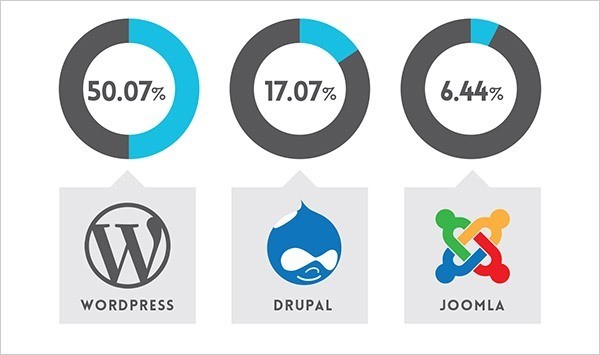
WordPress is a Content Management System (CMS), an application that allows you to build your website by essentially adding and managing content i.e. images, videos etc. The 3 platforms currently dominating the Web are WordPress, Drupal and Joomla but WordPress comes out at top as the most popular:

CMS Systems

And for good reason – it’s not only the easiest to use for non-tech-savvy individuals but it’s also free and offers tons of themes/layouts to choose from, along with great plugins that allow you to add all sorts of functionality (from search engine optimization to contact forms) without having to know any coding.

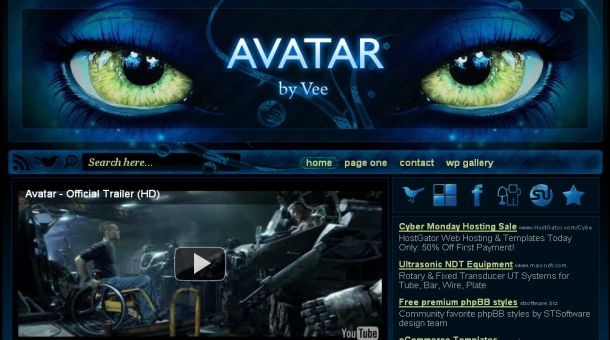
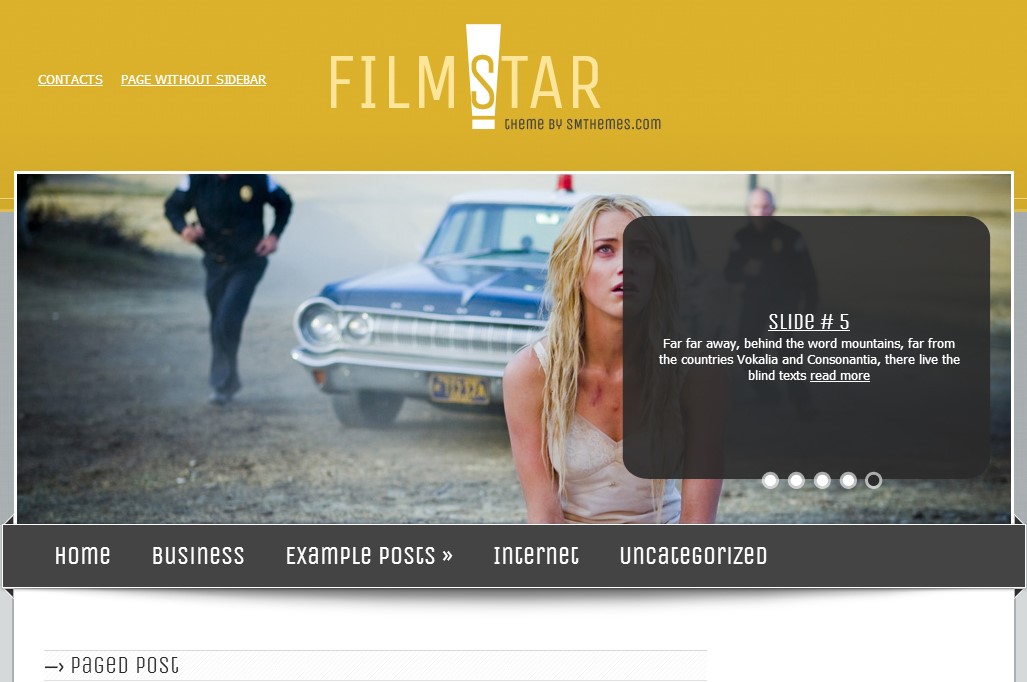
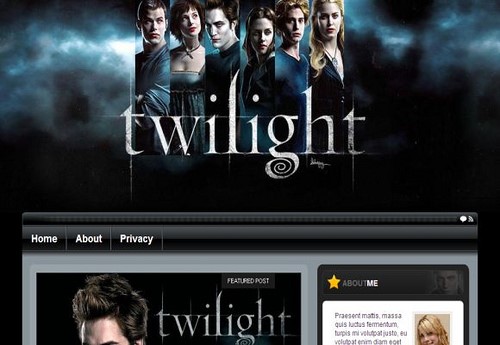
Almost all reliable web hosts have integrated a one-step WordPress installation option so just click away and you should be able to access your new WordPress site right away. The first thing to do after logging into WordPress is to choose a theme/layout to start building your site. WordPress usually has specific themes for specific website topics, including ‘movie website’ themes like so:

Avatar Website

Filmstar website

Twilight website

You can pay for themes that look fancier with greater functionality but don’t dismiss the free ones before checking them out – there are some killer free ones that still look high-grade and professional.

4. Add content & build pages

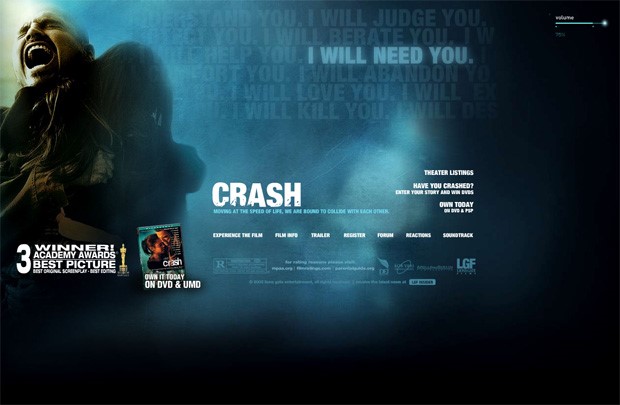
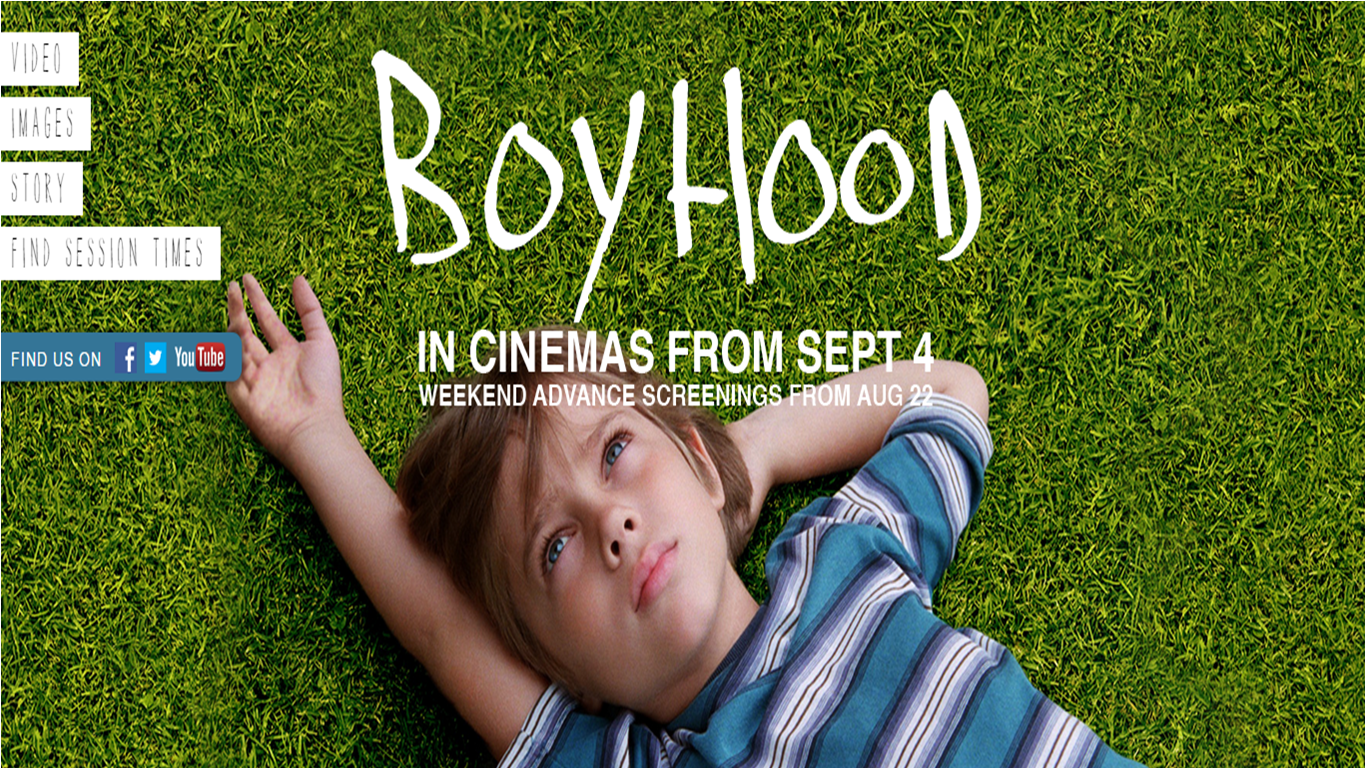
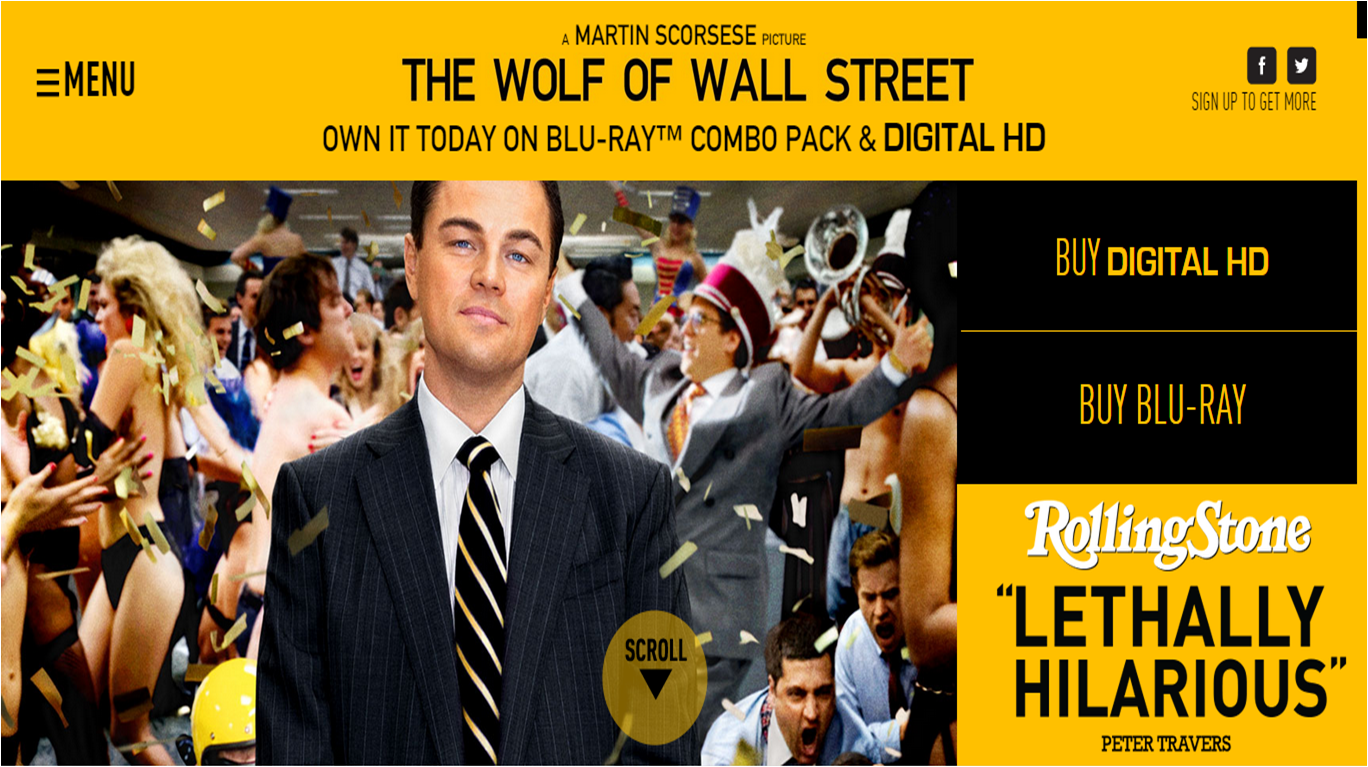
As complicated and high-tech as some big-budget Hollywood film websites may appear, they’re always short and simple when it comes to information and content pages. The standard things they’ll always include, however, are as follows:

  • A trailer
  • Release date information
  • Synopsis/storyline
  • Awards and nominations and/or critics’ ratings
  • Names of cast, crew members and all companies/studios involved
  • Images and videos of the main cast
  • Social media buttons and icons

Crash website

Boyhood website

Wolf of Wall Street website

Generally everything else is optional. It’s really up to you to add things like “About” pages or further information on the making of the film etc. Keep in mind, however, just as you would with a promotional poster, you don’t want to give too much away; focusing on powerful and artistic visuals is the key to instantly grabbing their attention and ultimately making them want to watch the film.

With that in mind, one thing you’ll most definitely want to get well-acquainted with is plugins. Plugins help you optimize the functionality of your site and make it look awesome whilst making life much easier for the user. Here’s a list of the Top 100 WordPress Plugins by Tom Ewer that should come in handy.

So there you have it! You’ll be well on your way to becoming a critically-acclaimed filmmaker in no time with your kick-ass website – with the added bonus of knowing you could always pursue graphic design or web development if that fails.

What To Expect During Your First GDC

As the annual Game Developers Conference comes to an end, it’s never too early to start looking ahead  and planning for the next one. Attending the annual Game Developers Conference in San Francisco is something any game developer should do. As we discussed in an earlier article, it’s one of the few chances you get to be surrounded by thousands of professional developers for almost a week. The price of admission may be taunting, but it’s worth it considering that you’re not only learning from the best but also meeting them as well, resulting in a prime networking opportunity.

Of course, it can also be quite an intimidating experience if it will be your first time attending. Should I try to check out everything I can as fast as possible, or take things slow? Should I hand every person I run into a business card, or instead try to join a group of developers for lunch or dinner? Hopefully the following tips will help answer some of those questions and make your first GDC an enjoyable time, and not a nerve-wrecking one.

Expect To Be Confounded

There’s a reason why GDC is spread across five entire days. From valuable talks and networking at the Career Center events, to checking out the Indie Game Summit and everything on the expo floor, there are tons of things to see and do. That’s not to mention all the social events that are happening throughout the week as well, including night parties, group meals with developers, and more. Suffice to say, you may become overwhelmed by how much there is to do in what feels like such little time.

The fact is, you may not get to do everything you wanted to. If you’re planning on sticking around for the full five days and have the best pass, then certainly you’ll have a better chance. But even if you’ll only be there a day or three, slow down and take things one at a time. If you spend the entire time worrying that you’ll miss X talk if you attend Y event, you won’t get the most out of an event you probably paid a lot of hard-earned cash to attend.

Expect To Feel Left Out

Going to your first GDC is much like being a teenager whose family just moved, and now he or she is attending a brand new high school. All the other kids will be in groups and talking away, while the new kid walks alone simply because they don’t know anyone yet, which will probably change as they make friends and find a group where they fit in.

Keep in mind that most of the people attending GDC have been doing so for years. To them, this event is akin to a family reunion, as they enjoy their time with friends who they don’t get to see very often. If you anticipate feeling left out, it will be easier to accept when you sit at a table and everyone already knows each other. The good news is that 5 days is plenty of time to get to know people who may become that person you look forward to running into during future GDC events.

Expect To Meet People You Didn’t Plan On Meeting

What’s great about our industry is that, deep down inside, we’re all still kids that grow excited at the thought of shaking our favorite dev’s hand. Chances are, you’re headed to GDC with the hope that you’ll casually meet Shigeru Miyamoto, Hideo Kojima, or some big name developer while waiting in line for food. Even if you actually attend their session, most of the time you’d be lucky just get a handshake.

Instead, enjoy the time you spend with other less-established developers. The person you have lunch with may not be a name behind a popular franchise, but that doesn’t mean you can’t have a great conversation with them. GDC is filled with developers working on all kinds of different projects. Do your best to make friends and talk about games with all of them, even if you never get to meet the developer you admire the most.

Expect To Be Physically Exhausted

No matter how much fun you’re having at Disneyland, sooner or later you start feeling the aches and pains that come from standing in line for hours and walking everywhere. It may be hard to believe, but this will probably happen to you, especially if you’re in it for the long haul by attending the entire 5 days.

When you start feeling tired, avoid skipping a much-needed rest or nap just because you’re worried about missing a session. If you’re sleepy and exhausted, listening in won’t do you much good anyways. Instead, take time to relax and regain your energy so you feel refreshed during the important events you want to check out.

So Is GDC Even Worth It, Then?

Definitely. Yes, you may become exhausted from all the walking and talking, and you also may become overwhelmed by trying to check out everything, but at the end of the event you’ll feel like a part of the community and come away with valuable knowledge. Even if your first time at GDC isn’t the best, rest assured that every year after you’ll be looking forward to it more than any other event.

[su_note]Want a career in video games? Learn more about the School of Game Design at the New York Film Academy (campuses in New York and Los Angeles).[/su_note]

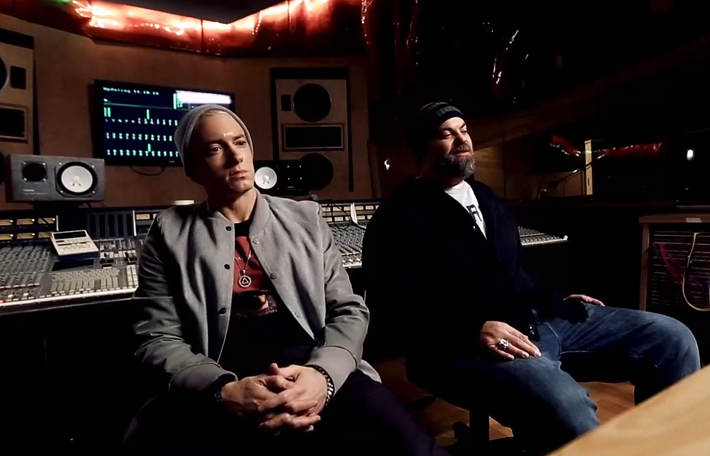
New Eminem Documentary – Watch ‘Not Afraid’ Now

Eminem Not Afraid Documentary

The music documentary industry has never been better or more prominent. From 2012’s flawless Searching for Sugar Man to the DJ essential Scratch ten years before it, we’ve seen some excellent works from the genre coming from both professional filmmakers and documentary school students alike.

With this in mind, we’ve previously covered a list of the most essential music documentaries ever made, but a brand new Eminem documentary has just dropped that may have us revising this list in the coming days.

Not Afraid: The Shady Records Story

Even non-hip hop fans will be aware of Eminem’s divisive music, public image and career. The Detroit-born rapper has never failed to push the envelope since his emergence (primarily through his Slim Shady alter ego) into the mainstream during the late nineties, and it’s tricky to sum up the entirety of his career in one go.

A new documentary, however, has done a pretty good of just that. Click the video to watch the brand new Eminem documentary produced and released by Complex:

Not Afraid: The Shady Records Story is a 30 minute retrospective released in time to commemorate the 15th anniversary of Marshall Mathers’ label Shady Records, which Marshall Mathers founded with renowned hip-hop manager Paul Rosenberg.

The documentary predominantly charts Slim Shady’s rise to prominence and features some behind-the-scenes stories from the Shady Records label, including candid interviews with Dr. Dre, 50 Cent, Rosenberg and other label mates and luminaries of the genre.

The short itself is exceptionally well produced and will shed some light on facets of the label that even hardcore fans aren’t likely to know. There are also some great soundbites that emerge from the footage, including Dre admitting that he had no idea Marshall was white. Other stories from the documentary include 50 Cent’s near-fatal shooting, the background to songs like Lose Yourself and Stan, and the numerous collaborations that have happened so far on the label.

Are you a Shady fan, and have you seen the documentary? Let us know your take on it via the comments below.

10 Iconic Company Logos That Have Drastically Changed

While most people never think about it, graphic design actually plays an important role in branding and company recognition. Consumers begin to associate certain feelings with brands, and often the more iconic the brand, the stronger the feelings.

Even without seeing the company name, consumers can instantly identify the company based on logo alone. Who doesn’t know what to expect when they see the golden arches of McDonald’s, for example?

These iconic brand logos weren’t always what they are today, however. The original McDonald’s logo was a far cry from the golden arches of today. While Apple generally keeps design very minimalist these days, their original logo was anything but.

We take a look at 10 of the most iconic logo designs today, and the original counterpart for each. You will see that companies in all industries – from game design giants like Nintendo to drink producers like Coca Cola – have gone through some phases of evolution to get where they are today: extremely valuable, recognizable brands…

[su_note]Looking forward to a future in the field of graphic design? Learn more about the School of Graphic Design at the New York Film Academy.[/su_note]

Best Websites for Promoting Your Film Online

So you’ve worked your way through film school, studied the craft from every angle and thrown everything you’ve learned at your debut film. Over the course of a few months, you see your creative vision come to life; the pieces slowly fall into place, and when they do, you have a polished film that you’re proud of and ready to show the world.

But that’s only half the battle. An arguably bigger challenge lies before you: actually showing it to the world.

best websites for promoting your film online

But don’t throw in the towel just yet. Scroll on and discover…

The Best Websites for Promoting Your Film Online

Filmmakers go to film school to study filmmaking – of course – and as a result are great at making films. On the other hand, the principles of marketing don’t always come second nature to creative types, but it’s an important side to the business filmmaking that can make or break a project.

Luckily, it’s now easier than ever to give your film the marketing push it needs thanks to these five great film promotion websites.

1. WithoutABox

WithoutABox is a widely renowned service that comes with a number of features, including avenues for self-distribution and a space to upload trailers and promo packages. But the biggest pull for filmmakers is that the site makes it exceptionally easy to submit to over 850 of the main film festivals around the globe, filterable by location, genre and entry fee (with prices ranging between no cost at all and $75.)

Film festival submission list

Signing up for the site itself is totally free, and it’s as useful for those who have finished screenwriting school as it is for filmmakers.

2. Short-Filmz.com

Made a short which you want to get out there? Head on over to Short-Filmz.com, fill out the two-minute submission form and you’ll be one step closer to finding your audience.

Film distribution resources
The site accepts submissions of every genre and displays them prominently on the homepage for prospective viewers, and singles out notable works for further promotion. It is also hosting a short film contest which is voted on by visitors. While the amount of traffic the site garners isn’t off the chart at present, it is noted for its curation quality by human editors and certainly worth the time it takes to list your short.

3. Sonnyboo’s TV Outlet List

Peter Ross, A.K.A Sonnyboo, has long been a champion of independent filmmaking, having been selflessly providing great resources to those out in the field since 1999. His TV Outlet page is a great example – a very comprehensive list of shows and networks that are actively seeking shorts, along with a concise description of what they’re looking for and how to submit.

4. IndieReign

As we’ve covered previously, Netflix is the golden bullet for an indie filmmaker trying to get their work seen, but it’s almost impossible to get listed and the rewards aren’t often as good as you might imagine. That’s where IndieReign comes in.

indie filmmaker promotion

A young start-up company designed to champion indie works and put power back into the hands of creators, IndieReign strikes a fine balance between sites like YouTube and Netflix by allowing indie filmmakers to upload their work directly. Aside from a 30% fee going to the site, all profits from sales and rentals go directly into the filmmaker’s PayPal account – given how intuitive and easy the platform is to work with, it makes for a great place which you can direct potential viewers to (assuming you’re not offering your film for free).

Know of any more killer websites for promoting your film online? Help out the community by leaving your hot tips in the comments below!

**For more tips on promoting your film check out our article on How to Make Movie Posters to Promote Your Film.

Acting Tips: 12 Camera Shots Every Actor Should Know

When asked about the biggest piece of advice he could give to aspiring actors, Edward Norton once famously said, “The more you do your homework, the more you’re free to be intuitive; but you’ve got to put the work in.” That said, understanding film techniques is not simply a way to compliment your acting skills, but to showcase your professionalism and adaptability as an actor – something directors (and all importantly casting agents) love.

If you’re looking to work in film and television, it’s no secret you’ll have to get familiar with the camera and knowing the basic camera angles and types of shots can be hugely propitious for your skills to shine and build your acting resume. So here are 12 of the most popular camera shots all actors should know:

Types of Shots

THE AERIAL SHOT

It’s all in the name – the aerial shot is filmed from the air and is often used to establish a location (usually exotic and/or picturesque).

ICONIC EXAMPLE: The opening of The Sound of Music (1965).

THE ESTABLISHING SHOT

Again, it’s in the name – this shot is at the head of the scene and establishes the location the action is set on, whilst also setting the tone of the scene(s) to come. It usually follows directly after an aerial shot in the opening of films and is beloved by TV directors.

ICONIC EXAMPLE: The infamous New York City diner – Tom’s Restaurant in Seinfeld (1989-1998).

THE CLOSE-UP (CU)

This is perhaps the most crucial component in cinematic storytelling and is arguably an actor’s most important moment on camera. The close-up shot is usually framed from above the shoulders and keeps only the actor’s face in full frame, capturing even the smallest facial variations. As it eliminates any surrounding elements that may be relevant to the scene’s narrative, it’s really up to the actor’s skill and focus to shape the story.

ICONIC EXAMPLE: Opening scene of Alex DeLarge (Malcom McDowell) in A Clockwork Orange (1971).

THE EXTREME CLOSE-UP (XCU)

This shot is traditionally used in films and focuses on a small part of the actor’s face or body, like a twitching eye or the licking of lips in order to convey intense and intimate emotions. This unnaturally close view is used sparingly as the multiplication of the subtlest movements or details need to be justified in the dramatization and boldness of that particular scene.

ICONIC EXAMPLE: Charles Foster Kane’s (Orson Welles) mouth as he utters the famous word “Rosebud” in Citizen Kane (1941).

THE MEDIUM SHOT (MS)

Also referred to as a ‘semi-close shot’ or ‘mid-shot’, the medium shot generally shoots the actor(s) from the waist up and is typically used in dialogue scenes. It aims to capture subtle facial expressions combined with their body language or surrounding environment that may be necessary to provide context.

ICONIC EXAMPLE: When Jack Torrance (Jack Nicholson) and Delbert Grady (Philip Stone) converse in the bathroom in The Shining (1980).

THE DOLLY ZOOM

This shot sees the camera track forward from the actor whilst simultaneously zooming out, or vice-versa. So, the foreground generally stays the same while the background increases or decreases across the frame. First invented by Alfred Hitchcock in Vertigo to create a dizzying, vertiginous effect, it’s become one of the top film techniques among industry leaders in cinematography. However, as it’s a tough shot to get right, actors really need to be on their A-game when filming and a little patience goes a long way.

ICONIC EXAMPLE: The moment Chief Brody (Roy Scheider) realizes his worst fears have come true when first seeing Jaws. Jaws (1975).

THE OVER-THE-SHOULDER SHOT

This is where the camera is positioned behind a subject’s shoulder and is usually used for filming conversations between two actors. This popular method helps the audience to really be drawn into the conversation and helps to focus in on one speaker at a time. Seeing as the non-speaking actor is seen only from behind, it’s common for major production sets to substitute actors with stand-ins or doubles for these shots.

ICONIC EXAMPLE: Conversation between Cinque (Djimon Hounsou) and John Quincy Adams (Anthony Hopkins) about calling up the help of his ancestors in Amistad (1997).

THE LOW ANGLE SHOT

The low angle shot films from a lower point and shoots up at a character or subject, making them appear larger so as to convey them as heroic, dominant or intimidating. It’s also another way of making cities look empty.

ICONIC EXAMPLE: Basically every time a superhero (and villain) first appears in costume in every superhero film. But another noteworthy example, I can’t pass up is the shot of Aldo Raine (Brad Pitt) and Donny Donowitz (Eli Roth) during the trunk scene in Inglourious Basterds (2009).

THE HIGH ANGLE SHOT

In contrast with the low angle shot, the high angle shot films from a higher point and looks down on the character or subject, often isolating them in the frame. Basically the direct opposite of the low angle, it aims to portray the subject as submissive, inferior or weak in some way.

ICONIC EXAMPLE: Matilda walking up to the librarian for the first time in Matilda (1996).

THE TWO-SHOT

This is a medium shot that shows two characters within the frame. It’s pretty straight-forward but can be pivotal in establishing relationships between the characters.

ICONIC EXAMPLE: Jules Winnfield (Samuel L. Jackson) and Vincent Vega (John Travolta) shooting Marvin in Pulp Fiction (1994). Yep, a two-shot of a two shots.

THE WIDE (OR LONG) SHOT

The wide shot normally frames the subject from the top of their head to their feet whilst capturing their environment. It’s typically used to establish the setting of the scene – so its similar to the establishing shot but focused more on characters and actors and the contextual relationship with their surroundings.

ICONIC EXAMPLE: When Jim Stark (James Dean) and Plato (Sal Mineo) first meet in jail and Jim offers Plato his jacket (with Judy — Natalie Wood– strategically in the background). Rebel Without A Cause (1955).

THE MASTER SHOT

Often confused with the establishing shot, this too, identifies key signifiers like who is in the shot and where it’s taking place. However, unlike the establishing shot that has a tendency to focus more on location, the master captures all actors in the scene and runs the entire length of the action taking place. This allows for other smaller shots like the close-ups shot or medium shot to then be interwoven into the master, showcasing different camera angles of the same scene. It’s usually the first scene to be filmed so by choosing a physical action that can be easily repeated throughout multiple takes can ensure the actor gets major brownie points from the director.

ICONIC EXAMPLE: When Travis Bickle joins his fellow taxi drivers Wizard (Peter Boyle), Doughboy (Harry Northup) and Charlie T (Norman Matlock) in the diner. Taxi Driver (1976).

Interested in pursuing Cinematography? Learn Acting tips or Film techniques at the New York Film Academy. Request more information here.

MINIMIAM: Amazing Food Photography With Miniatures

Every now and then, you come across a photography project that serves to both delight and reinvigorate our own creative efforts. Today, it’s an honor to share the works of Pierre Javelle and Akiko Ida – with their kind permission – for the benefit of students of our photography school.

Fun Food Photography With Miniatures

For over a decade, the duo have been conducting a playful photography project that combines the use of miniature figures with enticing culinary treats. Dubbed ‘MINIMIAM’ (a merging of the words minituare and miam, the French for ‘yummy’), Javelle and Ida have struck a fine balance between the best elements of microphotography and food photography.

Along with an expert eye for composition, the resulting shots are incredibly fun:

MINIMIAM food photography

MINIMIAM food photography 2

MINIMIAM food photography 3

MINIMIAM food photography 4

The couple met while studying the craft of photography in Paris, and it probably comes as no surprise that they later went on to work as commercial food photographers.

While all of the shots taken under the MINIMIAM umbrella – which has been running since 2002 – center around miniatures and the ubiquitous food elements, the project has so far been divided into a few different themed categories (namely ‘Fruit and Vegetables’, ‘War’, ‘Sport’, ‘Delicacies’ and ‘Varied’.)

Here are a few selected shots from the ‘War’ subcategory:

MINIMIAM war photography

MINIMIAM war photography 2

MINIMIAM war photography 3

Japanese-born Akiko Ida is a self-confessed food obsessive, having grown up baking and inventing a wide variety of different kinds of bread before photographing them all for a home-made notebook (alongside a journal filled with tiny character sketches.)

Ida has since turned her passion into a globally renowned career, with an extensive biography of over 30 cookbook contributions and numerous international magazine publications.

food photography school

food photography school 2

Hailing from Burgundy in central France, Pierre Javelle started out with a passion for drawing and illustration before turning his artistic eye to the photographic medium.

Along with his wife, Javelle has also seen his work published in a multitude of gastronomic magazines and his still-life work is often used by major corporations.

Amazing food photography

amazing food photography 2

We’d like to thank both Akiko Ida and Pierre Javelle once again for kindly giving us permission to republish their photography here. To check out more from the MINIMIAM project and learn more about the photographers, head on over to their official website.