Enrolling In An MFA Film Degree Program: What To Consider

“What do I do next?” is probably the most asked question posed by hundreds of thousands of undergraduates every year as they face graduation and contemplate what to do next. One perennial option that any graduate has is to go to grad school to further their studies. For many aspiring filmmakers, it is a constant conundrum.
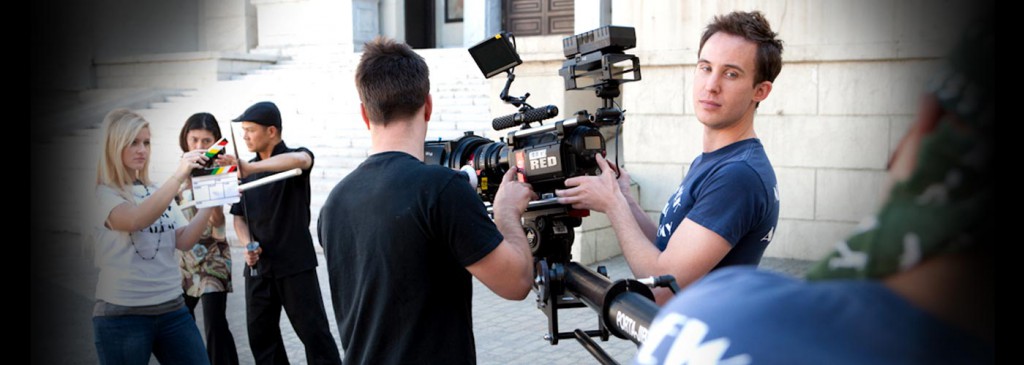
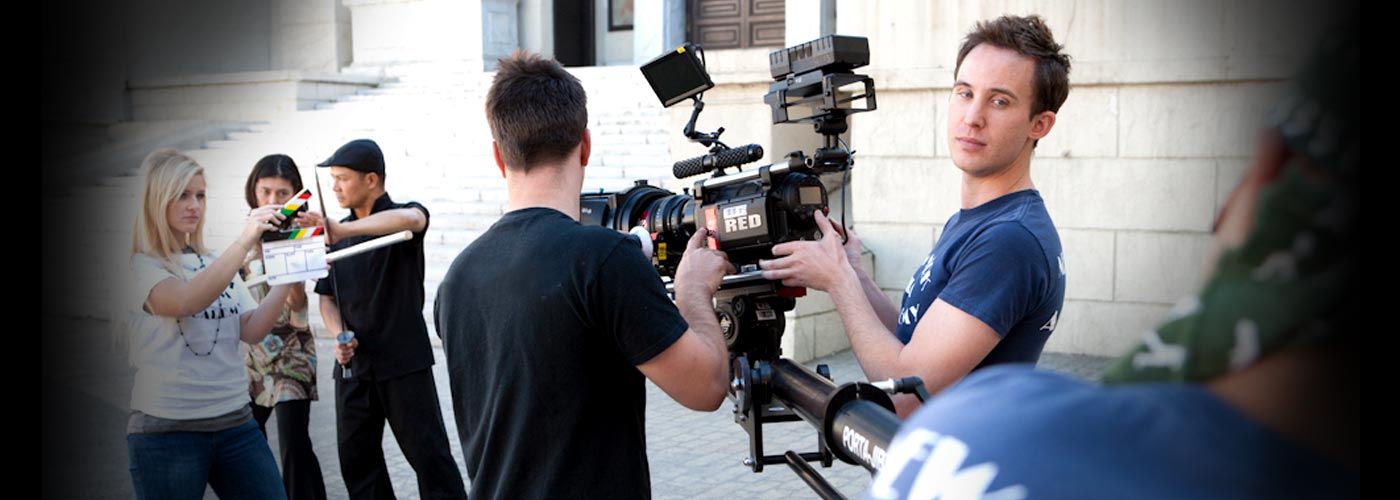
MFA Filmmaking students shooting on set

Enrolling In An MFA Film Degree Program: What To Consider

With many undergraduate film programs focusing primarily on film studies and theory, often film graduates lack the know-how and experience of actually making films, making it hard for them to find work in such a competitive field. MFA Filmmaking programs are focused on students gaining hands-on experience in creating films, allowing burgeoning filmmakers the time and space to not simply learn the intricacies of making a film, but also to develop their voice as a filmmaker. And many notable filmmakers have earned an MFA in Filmmaking, including such luminaries as Martin Scorcese and Ang Lee.

Here are a few ways to determine whether the same choice is right for you.

Determine Your Goals

Grads contemplating enrolling in an MFA Filmmaking program should decide what exactly they wish to gain from the program. Are you aiming to become the next big name in film or, like most filmmakers, carve out a niche for yourself—be it in independent film, commercial directing, or television—and focus on that niche? Or do you aim for something in the middle? Finding the right MFA program requires research to find the school that will best prepare you to realize your goals. While many schools are renowned for nurturing a specific style of filmmaking, others focus on providing students with as well-rounded of an education as possible, giving them the necessary experience in a variety of styles and genres to help them achieve their goals upon graduating.

Consider The Creative Community

Another aspect to consider when looking at MFA Filmmaking programs is the network you create with your fellow students. While one can certainly establish a professional network through doing Production Assistant work in the hopes of rising up the ranks and gaining on-set experience, an MFA program places you alongside a creative network of individuals who can assist in pushing and formulating your creative voice.

Potential for Teaching Opportunities

In addition, by going that extra step in obtaining a degree in MFA Filmmaking, you will be eligible to supplement your professional work with teaching gigs at universities around the world that seek experienced and well-educated filmmakers to help shape the next generation of filmmakers. After all, even established filmmakers like Paul Schrader will often turn to teach in between projects, not just for financial reasons, but because they possess a genuine love of teaching. If education is something you wish to pursue in addition to filmmaking, then an MFA Filmmaking degree is an ideal choice.

Chances to Expand Your Skillset

Finally, if you majored in a different field of study as an undergraduate, but dream of making films, many MFA Filmmaking programs do not require that you major in film while getting your Bachelor’s degree. While there is undoubtedly a steeper learning curve for those who did not study film as an undergraduate, those aspiring filmmakers committed to achieving a career in film often have no problem quickly catching up to their fellow students and learning the practical skills required to excel as a filmmaker.

Finding The Right MFA Film Degree Program

In short, it really depends on the student and what she or he wishes to achieve from enrolling in an MFA Filmmaking program. After all, not only do most programs teach you the essential skills required as a filmmaker, but they also prepare you for the challenges you will face in the competitive film industry.

Thinking about getting your MFA in Filmmaking? Take a closer look at NYFA’s Masters in Filmmaking Program!
Why To Consider Enrolling In An MFA Acting Program

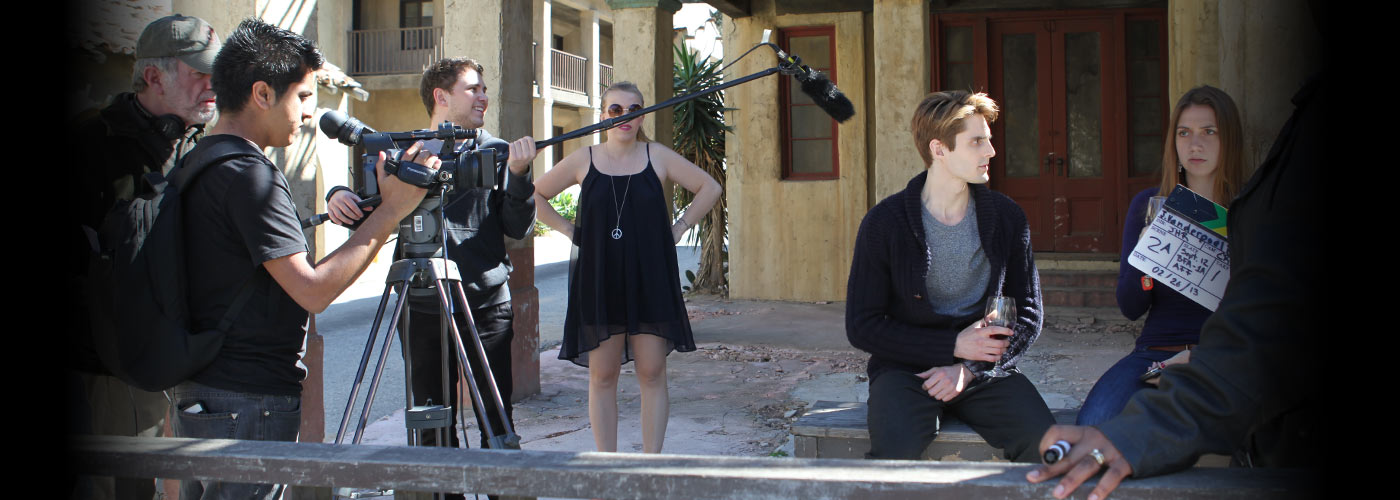
MFA Acting students filming a scene

Let’s not mince words. Going to grad school is a huge investment and for many students already dealing with paying off their loans for their undergraduate program, it can be a little more than daunting. And while pre-law or pre-med students are pretty much predestined for further education, acting students looking to enroll in an  program often question whether they really need to spend two more years studying the craft of acting.

And yet, every year thousands of aspiring actors apply to the many different MFA Acting programs offered around the country. Ultimately, they choose to do so because they are able to achieve myriad goals that they simply cannot in their undergraduate acting program.

Firstly, if a student is interested in a career in the movie and television industry, MFA Acting programs often tend to offer students the opportunity to develop their skills in front of the camera. After all, most acting undergraduate programs focus primarily on acting for the stage and theatre and thus for those students wishing to pursue a career in television and acting as well, learning the skills required to adeptly act in front of a camera is a necessity. Thus, many students enroll in an MFA Acting program to obtain these skills.

In addition, enrolling in a prestigious and comprehensive MFA Acting program often creates an instant degree of credibility for an actor, as those in the industry will take note that an actor has gotten into or completed an MFA program, helping actors to land gigs soon after graduating. Furthermore, as the majority of MFA Acting programs culminate in an industry showcase in New York and/or Los Angeles, students gain attention from key figures in the industry.

More so, for actors looking to make headway in the acting and television industry, programs that place a significant focus on acting for the camera also help students to prepare for the professional realities of the industry, from learning the best audition practices to how to obtain professional representation to compiling a demo reel of their performances, which gives them a considerable competitive edge over other actors.

Finally, MFA Acting programs pair students with other accomplished actors, helping them to form a creative and professional network that will help them long after graduating. In addition, as no two actors are quite the same, being exposed to different approaches and styles only helps to broaden a student’s acting chops. So if you find yourself continually thinking about returning to school to get your MFA in Acting, do your research, define your goals, and find the school that will best help you to achieve your professional goals.

Why is China Investing in LA Movie Production?

LA production companies are struggling to raise capital within their own ecosystem, and have been for some time now. The issue isn’t a lack of financially viable projects; there is plenty of talent still emerging from LA production schools and the infrastructure for making films has never been better.

The main issue is the unpredictability of the market.

The potential ROI of a major Hollywood movie has never been higher—36 of the 50 highest-grossing movies of all time were made in the last ten years, and most of them were within the last five. Unfortunately, the costs of producing such movies have never been higher either, making it an incredibly expensive gamble with less than attractive odds.

The answer to this investment conundrum?

China.


LA Movie Production Hitches Wagon to Chinese Funding

On paper, the model is fairly simple—Chinese investors help fund Hollywood productions, and in exchange they get product placements and a say in how the storyline and casting choices go (in order to make it more appealing to the Chinese box office). This practice has actually been going on for a couple of years now, but it’s only just becoming more blatant.

Easily the best example of this is the latest installment in the Transformers franchise. Western audiences were bemused to see characters using Chinese ATM machines and drinking the Chinese version of Red Bull, Jian Nanchun liquor, and Yili Milk (the latter of which appears during the middle of a battle scene.) That’s just to name a few.

Pretty strange product placements, but doubly so when you consider the setting of the storyline… Texas.

Bafflement of viewers (and critical reception) aside, it was a win for Michael Bay who had to raise a gargantuan $210 million to shoot the movie. But why is it that Chinese investors are happy to make the gambles that their US counterparts fear to?

The situation becomes a lot clearer when we look at how the box office is doing in the East compared to the tempestuous waters on this side of the Pacific.

Enviable, Long-Term Growth

Where many other global box offices seem stuck in the doldrums, China is faring exceedingly well—last year, North America saw only 1% growth.

… China? 27%.

This equates to $3.6bn in box office receipts, roughly 10% of total global sales (for comparison, US and Canada took 30.4% of total global sales, or $10.9 billion.) And China is only going to close the gap according to fairly sound estimates—next year China’s box office takings will almost double to a sizable $5.9 billion.

The main reason for this is twofold; for one, more and more Chinese nationals are getting to enjoy going to movie theatres for the very first time. It was, and still is, a luxury for the middle class, but that middle class is growing—over the next decade, 75% of Chinese households will be deemed “middle-class” (compared to a mere 4% in 2000) and with it comes a middle-class disposable income.

Where American audiences are suffering from movie-going ennui, our friends in the East are embracing a fanatical, new-found love of going to the cinema…. And when they do, they really like to see Western imports.

The second reason for the box office upswing is that foreign imports such as the latest X-Men movie and the aforementioned Transformers 4 are performing astoundingly. Part of it is simply a cultural love affair with the Hollywood aesthetic and Western actors (George Clooney famously stated that he gets paid so much doing overseas adverts, he could do one a year and retire happy).

It’s for these reasons that China are so heavily invested for the long haul, and why Hollywood are more than happy to shake hands in return.

How Much Chinese Money is Invested in the U.S.?

All in all, around $43 billion in Chinese foreign investment has flooded American markets since 2000, and around $2.7 billion of that has been in Hollywood entertainment. This is not an insignificant number by any stretch, and it’s only set to grow. We’re seeing an increasing frequency of stories about Chinese investors targeting the US, and perhaps the biggest one to date hit the headlines last week; Jack Ma, the multi-billionaire CEO behind Alibaba (Asia’s biggest trading platform) has reportedly been courting some of the biggest players in LA production including Lion’s Gate, Disney, Paramount and Time Warner.

As a side, part of the reason investing overseas is attractive, particularly in US movie production, is that it’s deemed far safer to get money out of the country. According to Michael Godin, a real estate tycoon who pairs Chinese investors with brokers in the US: “There is much more trust (felt for) the United States and the U.S. government that those assets will be protected by the government, compared to the assets here in China, which could be taken away tomorrow.”

But let’s get back to the world of movies, and close with a concluding note on:

The Future of Chinese/LA Production Collaborations

One thing is for certain: the money tap is not going to stop flowing from the East. But what still needs to be figured out is how LA production companies are going to best use the investment.

The Chinese product placement seen in Transformers 4 probably isn’t the way forward, given that it did very little for sales of said products according to this consumer survey (article in Chinese) and only served to confuse home audiences.

It’ll take some time before Hollywood finds a viable model and strikes the right balance…

How To Cry On Cue

Bad crying can make or break a career. An actor or actress may be at the top of their field, able to deftly handle comedy and drama, pratfalls and raging tempers. But most actors will have to learn how to cry on cue at some point, and if you look like you just threw some Visine in your pupils and scrunch your face really tight, the audience is going to see right through you.

Here are seven types of crying that will cover most scenes in your career as an actor. Study and master these and there will be no sob story that could ever derail your path to the Oscars.

1. The Single Tear

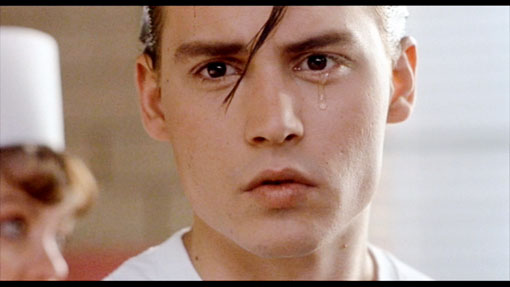
Johnny Depp crying in Crybaby

Sometimes you don’t want to lay it on thick. A single tear is subtle, raw, and economic. Water did indeed come out of your eye, so you’re technically crying on cue, but you won’t have to worry about dehydration or being called melodramatic.

2. The Terrified Cry

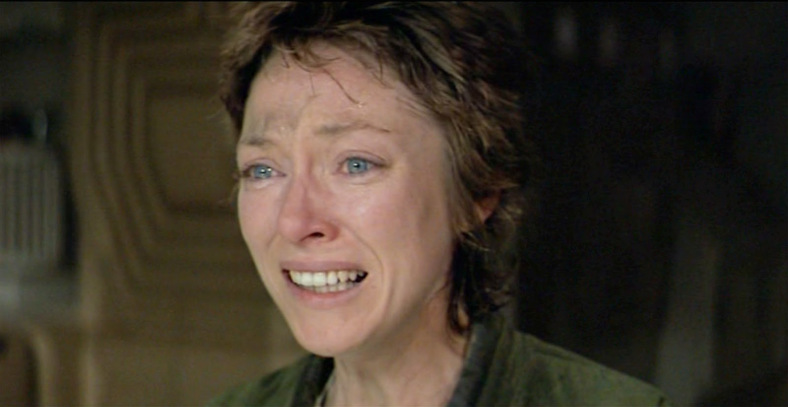
Veronica Cartwright's terrified cry in Alien

Sometimes you’re so scared you pee yourself, and what is crying if not peeing from your eyes? There are various shades of terrified crying, from Natalie Portman’s haunting child’s tears in Leon, to Brad Pitt’s shock-addled sobbing as he wonders aloud what’s in the box in Seven, to Veronica Cartwright’s doomed weeping as she’s about to be eaten by a Xenomorph in Alien. Terrified crying is just as effective as screaming and a lot kinder to an actor’s larynx.

3. The Indecipherable Blubber

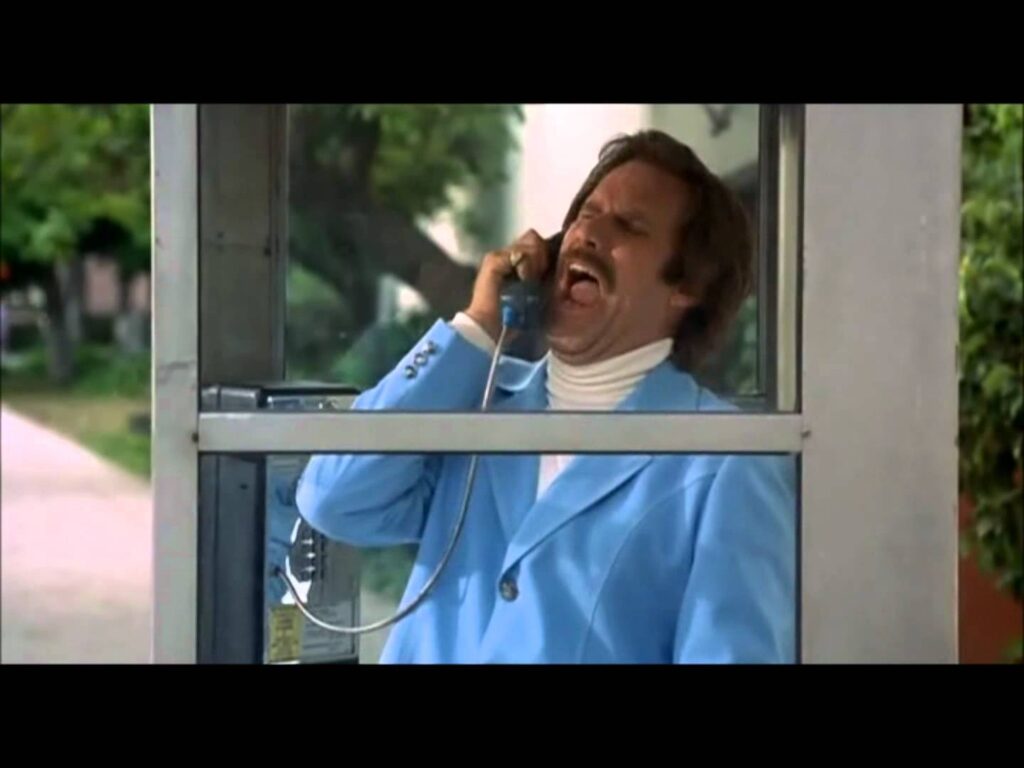
Will Ferrell sobbing in Anchorman

Sometimes an actor is emoting so hard you don’t even understand a word they’re saying. That’s drama. Will Ferrell’s most sentimental scene in Anchorman after all is when he’s lost his dog and best friend Baxter, and lets loose a glass case of emotion into the telephone. Sometimes the indecipherable blubber is a combination of despair and a tricky accent, like Stallone’s most heartbreaking moment in the Rocky series, when he says goodbye for good to his trainer Mickey. Even the subtitles for that scene are just a bunch of question marks.

4. The Happy Cry

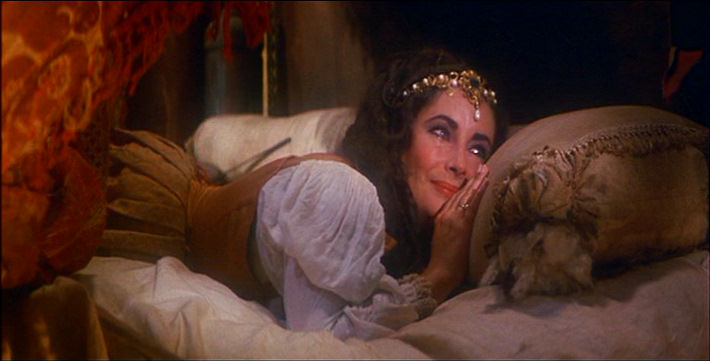
Elizabeth Taylor's happy cry in Taming of the Shrew

Happy tears taste better than sad tears, at least in Arrested Development and the world according to Gob. Happy tears can be found at weddings, or when someone you think was dead turns out to be alive, or when you thought your star-crossed romantic interest already got on the airplane but they’re actually waiting behind you. There are so many reasons to cry when you’re happy, though the key is working in a few spontaneous laughs that themselves could be mistaken for sobs.

4. The Distinct Cry

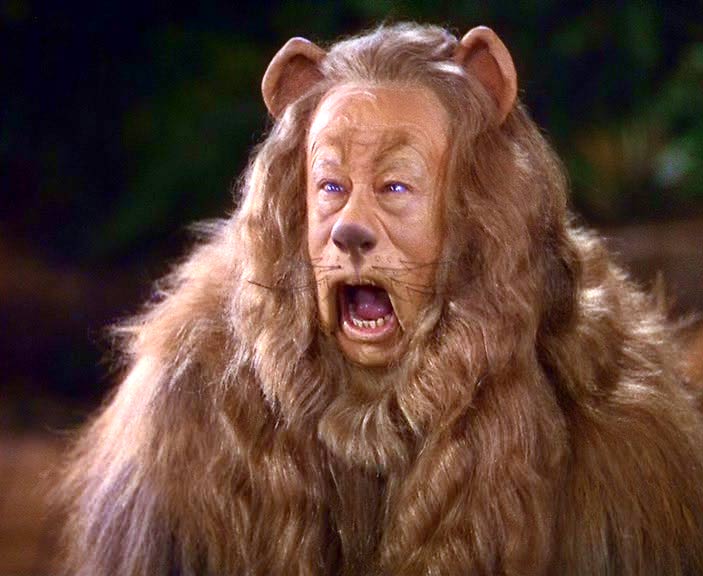
The Cowardly Lion's distinct cry

Some people have a very distinct cry, in the same way that many of us have a very distinct laugh. Making your own unique cry is one way to get yourself noticed and your big emotional scene remembered. Who can forget Zach Galifianakis’s high-pitched squeal in the trailer for The Hangover Part 3, or the King of the Distinct Cry (and the Forest), the Cowardly Lion. He owned that lament and for the decades since actors have strove to match his unparalleled bawl.

6. The Silent Cry

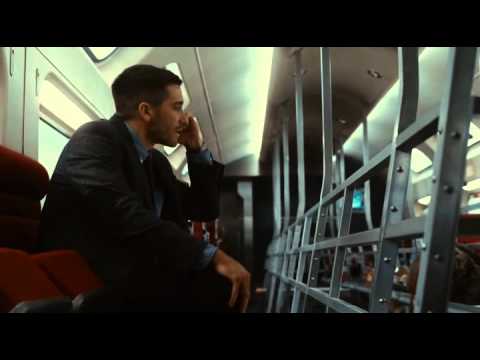
Jake Gyllenhaal's silent cry in Source Code

The silent cry, if done right, can be the most powerful cry of all, the lynchpin of an Oscar-winning performance or unforgettable drama. Silent cries can be a slow trickle of tears, or an unstoppable outpouring of waterworks—but they should sound the same whether your TV is on mute or at full blast. Silent crying can be especially effective as one end of a heartbreaking telephone call, such as Jake Gyllenhaal’s cell conversation with his father in Source Code. The crier does not want the cryee to know just how upset they are, leaving only the audience in on the moment, letting them share and take part in the sorrow of the character. When silent crying, never forget to wipe the tears with the back of your hand and act all cool and like “Pfft… crying? Who’s crying? Not me, I don’t hear any crying.”

7. The Crying in Baseball Cry

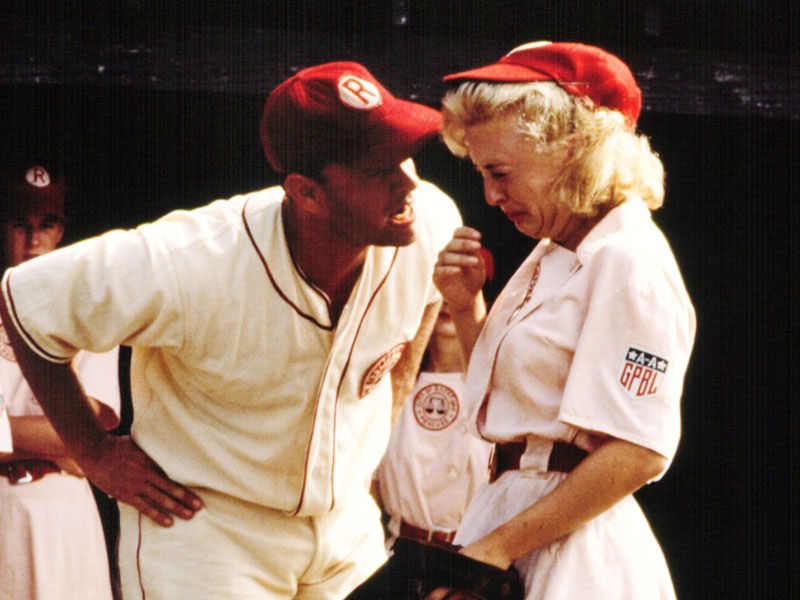
Tom Hanks yeling in A League of Their Own

“There’s no crying in baseball” might be the most famous line from A League of Their Own, but it’s not true. There’s actually crying in baseball in the very same scene! Baseball can be very emotional. If you lose a game you really needed to win, you might be really sad and want to cry, even if lots of people are watching you. Or maybe you tripped while trying to catch the ball, and it really hurts, and crying will make it feel a little better. The key to crying in baseball is to really let loose, and bare your soul, using your vulnerability to reach the cold, black heart of Tom Hanks. And his movie characters.

[su_note]The New York Film Academy’s acting school in Los Angeles offers both an MFA in Acting and BFA in Acting program for students looking to learn more advanced acting techniques.[/su_note]

Los Angeles Amazigh Film Festival

LAAFFIn support of the indigenous people of North Africa, the Tazzla Institute for Cultural Diversity is holding its 6th annual Los Angeles Amazigh Film Festival on Saturday, December 6, from 2:30 pm to 7:30pm at the Wells Fargo Theater.

Tickets are available on their web site www.laaff.org for $15.00 each, and at the door the day of the event for $20.00.

This year’s festival will offer the West Coast premieres of three award-winning documentaries regarding Morocco. Two of the films are directed by well known producer, Izza Genini (Vibrations in the High Atlas and Nuptials in the Middle Atlas). LAAFF will also salute the work of Dounia Benjelloun (Sand Hill Production, Casablanca and New York), who has contributed each year to this festival, by showing her award-winning 2012 documentary Palm Grove School. In addition, the program will feature the very special documentary created by Dr. Wassim Korbi, recipient of several awards, called Azul (Tunisia).

Among the attendees, LAAFF will be honored by the presence of Moroccan producer, Mr. Ahmed Baidou, who will present a short on the city of Agadir, which was devastated by a 1960 earthquake. He will also be screening his latest feature film, Aghrabou (the Boat), which won the Best Film Award at last year’s festival.

“We have selected visual productions of quality to illustrate the Amazigh (Berber) culture of North Africa in its wealth and variety. All presentations are subtitled in English. We hope you will join us for an afternoon of good films, and good cheer.” – LAAFF

This event is primarily sponsored by the BMCE Fondation of Morocco, and by A.C.A.A., Amazigh Cultural Association in America.

Native Advertising Explained: What It Is And What It Isn’t

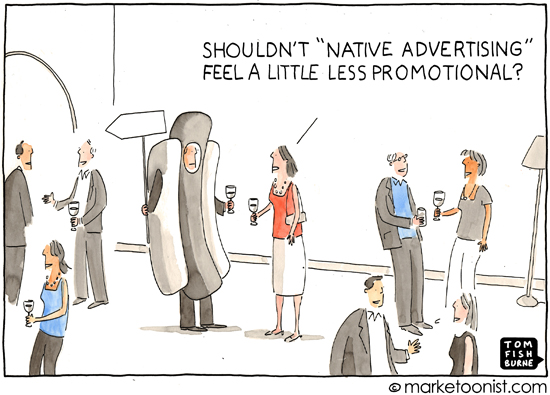
If you’ve ever spent more than ten minutes browsing online, you’ll have seen examples of native advertising even if you didn’t recognize it at the time. Really, that’s the beauty of it.

content advertising

Because of this, native advertising is an extremely hot commodity right now, despite the fact that defining what the term means – much less trying to identify it – can be a very tricky prospect.

In order to do this, let’s take a look at what native advertising isn’t.

Traditional Advertising

The umbrella of ‘traditional advertising’ is a fairly large one, and encompasses over a century of various methods marketers have invented to try and get your attention (and, by extension, sell you stuff).

  • In the very ‘traditional’ sense, this typically comprises print magazine adverts, billboards on the side of the road, physical mailshots and even salesmen going door to door or selling their wares at stalls in public locations (although this is notably anachronistic). Outlandish approaches such as advertising via the Goodyear Blimp can technically be classed as traditional advertising, too.
  • Web advertising has also come in numerous forms over the years – and given that spam and pop-ups can be counted among them, the Internet has arguably also given rise to the most annoying. On the more legitimate end of the spectrum, traditional web advertising mainly incorporates banner ads and email subscription broadcasts.
  • Broadcast advertising, unlike its peers, has remained relatively unchanged over the years and mainly revolves around video ads played in and around other broadcast content. The lines between web and broadcast advertising is blurred, of course, given that the web can be a platform for broadcast journalism (think Youtube pre-roll advertising, for instance).

All of these methods of advertising have one thing in common, and it’s the one thing that distinguishes traditional advertising from native advertising. Problem is, it’s not a good thing.

The Problem With All of the Above

Traditional forms of advertising are the ones we’ve all come to know and… well, avoid.

web advertising

In a world saturated with advertising, consumers are extremely well trained to spot adverts and ignore them. In fact, they’ve become classically conditioned to do so, and it has become a game of diminishing returns for marketers – back in 2000, the clickthrough rate for banner adverts was a respectable 9% of visitors on average.

As of 2012, that rate has plummeted to 0.2%.

If consumers will only read, watch, and click on what they’ve come to see, surely the best approach is to make them want to see an advert? This is where native advertising comes in.

What Native Advertising Is (and Why it Works)

The specific definition varies from person to person, but possibly the most concise description comes from the guy who coined the term. Following on from a talk in 2011 which gave rise to the initial idea, marketing CEO Dan Greenberg ran with the concept and summed it up as “a form of media that’s built into the actual visual design and where the ads are part of the content.”

In a nutshell, native marketing is:

1) An ad that is intrinsic within the design of the content (whatever that content may be)

2) The design of the advert augments the user experience rather than detracts from it

3) Optionally, the advert can be the content itself

This may sound complex in theory and filled with a lot of marketing buzz words, but in practice, it’s fairly straight forward. Think of promoted tweets on Twitter or ‘suggested posts’ on Facebook – they work within the confines of the platform, don’t interrupt the flow of content, and can actually be classed as content themselves.

Want an even more overt example? You’ll have seen these all over the web:

native adverts

These ads are auto generated by the Taboola network – this particular example comes from Mashed, but can be seen pretty much everywhere. Of course, those links are very clearly advertorial in nature (with clinically-designed titles to maximize click-through) but they segue into the main design of the site and, at first glance, just look like more articles to check out after you’ve finished the one you’re on.

If you want to boil the definition down to its bare bones, native advertising is simply “sponsored content that looks good.”

native advertising examplesThe benefits of native advertising are obvious. For the most part, it doesn’t take away from the user experience, and the marketer on the other side of the desk can expect better engagement.


Given this, it’s no surprise that native advertising is a growing field. As discovered in a Copyblogger survey:

  • Three out of four publishers offer some form of native advertising on their sites
  • 90% of publishers either have or plan to launch native advertising campaigns
  • 41% of brands are currently using native advertising as part of wider promotional efforts

But it’s far from a magic bullet. Also revealed in the survey is that half of all consumers have no idea what native advertising is, and half of those that do are highly skeptical of it.

So now that we’ve discussed what native advertising is (and is not), let’s take a look at how it should be done properly. Check out our “Ten Commandments of Native Advertising.” 

The Ten Commandments of Native Advertising For Journalists

We’ve covered what native advertising is and how it can be of benefit to both advertisers and content creators – whether it be a news site, niche blogger, or broadcast journalism project. But given that native advertising can be a double-edged sword, what are the dos and don’ts of this relatively new field of marketing?

If you haven’t read the previous post, it may be best to go back and do that before proceeding. If you already have, let’s waste no time and get straight on with:

The Ten Commandments of Native Advertising

1

Ah, the Golden Rule of native advertising and one which overarches most of the Ten Commandments to follow: make sure you’re transparent about the nature of the content.

You don’t have to slap a flashing neon sign with a picture of the check that changed hands for the advertorial, but you do need to make at least enough effort to ensure that even the least observant reader doesn’t feel deceived. After all, an audience that feels tricked is incredibly hard to win back (and anyway, you’ll never be able to fool them all, as the proverb goes.)

At the same time, just because it’s sponsored content and labeled as such doesn’t mean you should contravene the second rule:

2

As a marketer, your main objective with native advertising is to sell a product or service. As a deliverer of content, it’s to create something that is highly engaging to the audience.

There’s no reason why these objectives should be mutually exclusive, and striking the right balance will create a winning scenario for all parties involved in the native advertising game.

3

For some time now, an inescapable part of creating content is to make sure it performs well from an SEO perspective.

If you’re a publisher who has been given un-optimized, sponsored content to go live, it’ll behoove you to not cut corners in this area. A little bit of time spent doing this can make the difference between an article going viral or languishing in your archives, and naturally you’ll be able to command a higher fee from sponsors if your content regularly flies.

If you’re the one sponsoring and creating the content, make everyone’s life easier by doing this yourself before sending it to the publisher. Given there’s no guarantee they’ll do it for you, don’t slack on the one factor that can single-handedly undo the rest of the campaign’s hard work.

4

It can take years of work before your web or broadcast journalism projects attract an audience and, in turn, begin to pull in some revenue. As such, it can be very tempting to greet anyone wanting to sponsor content with open arms.

Do be selective. If a sponsor tries to twist your arm into publishing sloppy content, or if the sponsor themselves are of questionable repute, the backlash you’ll suffer almost always outweighs the paycheck.

In short, don’t ‘do an Atlantic.’

5

Pretty much as above, but a subset of this Native Advertising Commandment is to avoid publishing things that go directly against the ethos of your enterprise. Run an eco-awareness campaign? Don’t accept glowingly praiseful native advertising from a big oil company, for example.

Your audience will undoubtedly hate you for it, and that’s the worst move you can make.

6

Speaking of audience trust, one thing that can bolster this is if the author of the sponsored content is given. Not the company putting it out; the person who actually wrote it.

Humans like stuff created by humans. You owe it to your human audience to respect this.

7

If you’re planning on hosting sponsored content, you need to recognize that the onus falls squarely on you to make sure it isn’t loaded with false information – not the writer, and certainly not the sponsor (who will, at times, neglect journalistic standards in favor of serving their own ends).

8

As with the above Commandment, it’s important to note that not all sponsored content that’ll be sent your way was written by a professional copywriter. Again, sadly not all sponsors who write their own advertorials understand the principles and benefits of creating good content. And that breed of marketer generally cares even less about your audience. Unfortunately, you’ll have to do the work for them here…

…or refuse to publish it as is and give them a little education.

9

Most publishers are surprised to learn that, in general, audiences don’t begrudge a little commercialism as long as the good content keeps flowing. But if your website and/or video content is absolutely saturated with native advertising – to the point where the audience has no idea where the non-sponsored content is – you’re going to end up with nobody to look at any of it.

Sponsors themselves aren’t immune from the saturation effect either. Choose where you’re placing your native advertising wisely, because over-exposure can cause people to lose faith in your brand (and the shotgun approach doesn’t tend to provide a good return on investment, anyway.)

And lastly, that brings us on to the final Native Advertising Commandment:

10

Native advertising can be a real boon to any marketing campaign and a far better way for publishers to monetize their content, but it isn’t a magic bullet and should certainly be implemented into a long-term plan. In fact, anyone just starting out with native advertising should probably ask themselves a very important question before they begin…

… is native advertising even right for the job?

It’s a relatively new field and with everyone jumping on the bandwagon, it remains to be seen how it all pans out (and how consumers will ultimately start responding to it). But in the mean time, stick by the Ten Commandments of Native Advertising and you’ll be well positioned for success.

Photographing Water Drops

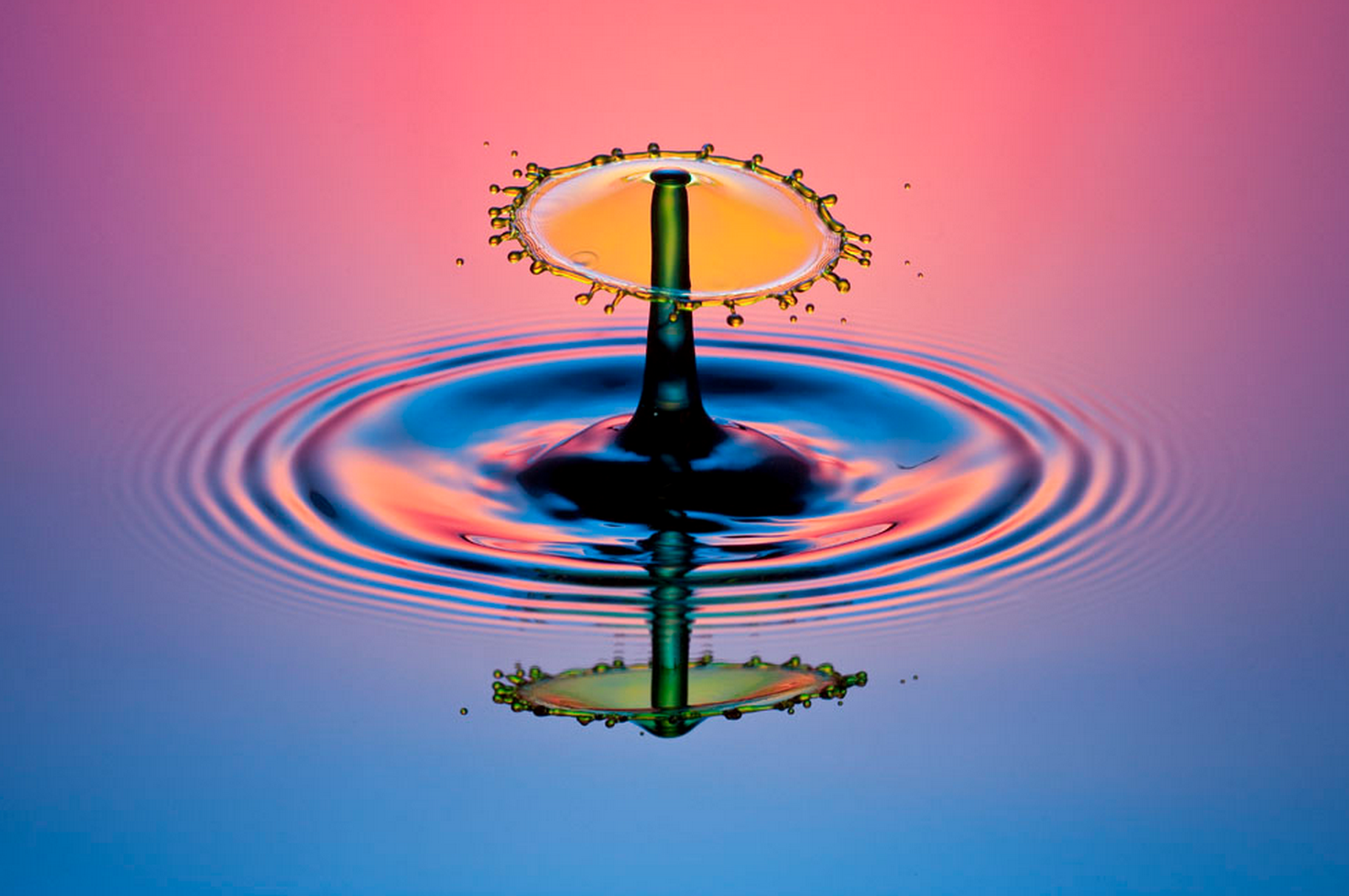
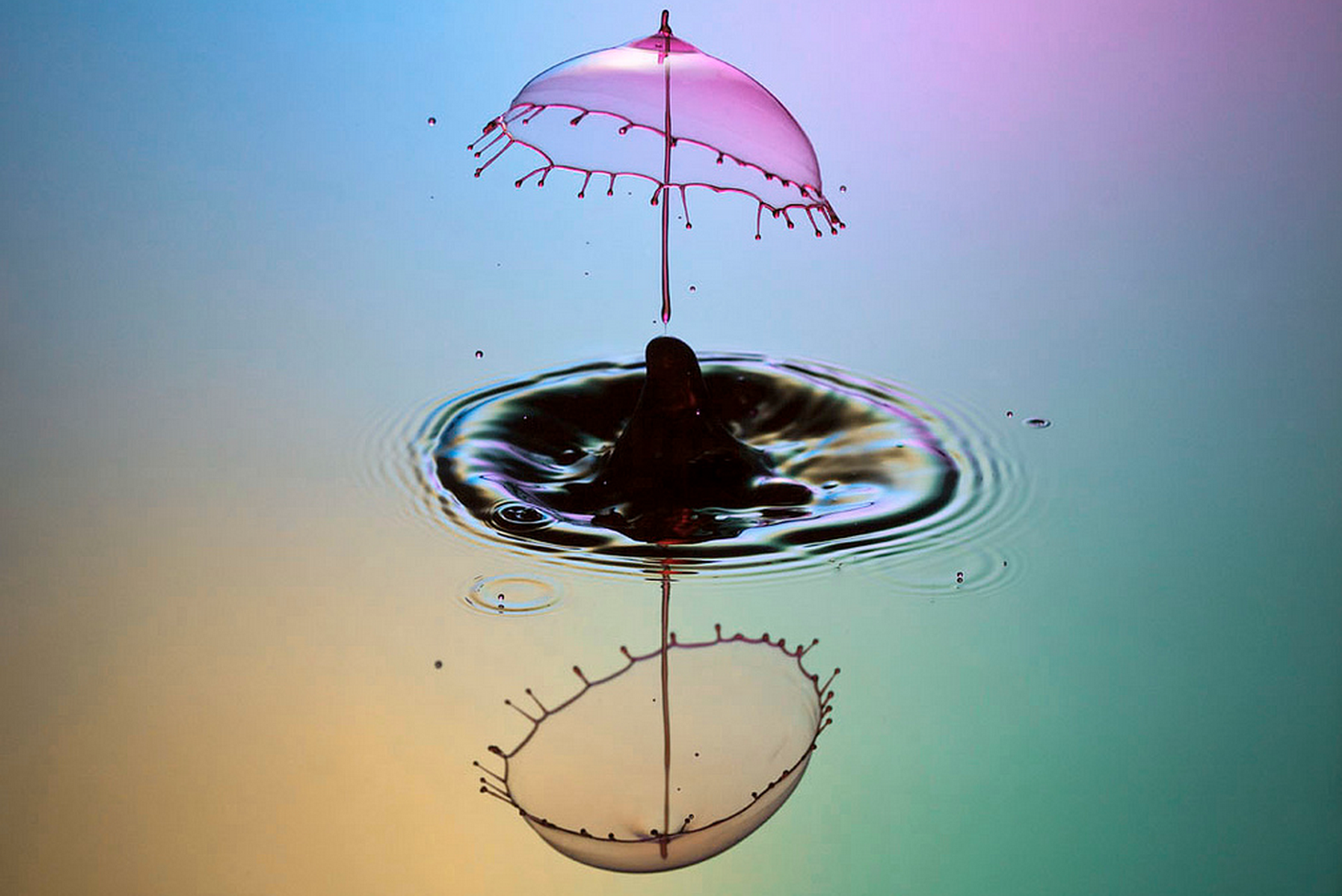
Photo by Predrag Petkovic

You’ve probably come across a photograph of a water droplet suspended in mid-air at one point or another. If so, have you ever sat there in awe, wondering how on earth anyone could capture a moment so beautifully? It seems as though you’d have to painstakingly sit at your sink, watching droplets fall into a pool of water one by one while trying desperately to capture them at the peak moment. Although this doesn’t sound like too much fun, luckily this is not the way to take this type of photograph. There is a true technique behind photographing water drops, and the process is not as difficult as you may imagine. While the list of equipment needed is a little extensive, have no fear! Most materials can be found in your house, and many can be re-used in the future for other fun photographic projects.

Equipment needed

  • A DSLR
  • A tripod
  • A medicine dropper
  • A white plastic tray (one deep enough to hold some water)
  • A ruler (one longer than the width of your plastic tray)
  • Something you can stack easily, like boxes or books
  • A sheet of frosted glass
  • An external flash with remote trigger
  • A macro lens

*optional* glitter, colored gels, food coloring, milk

Setting up the shot

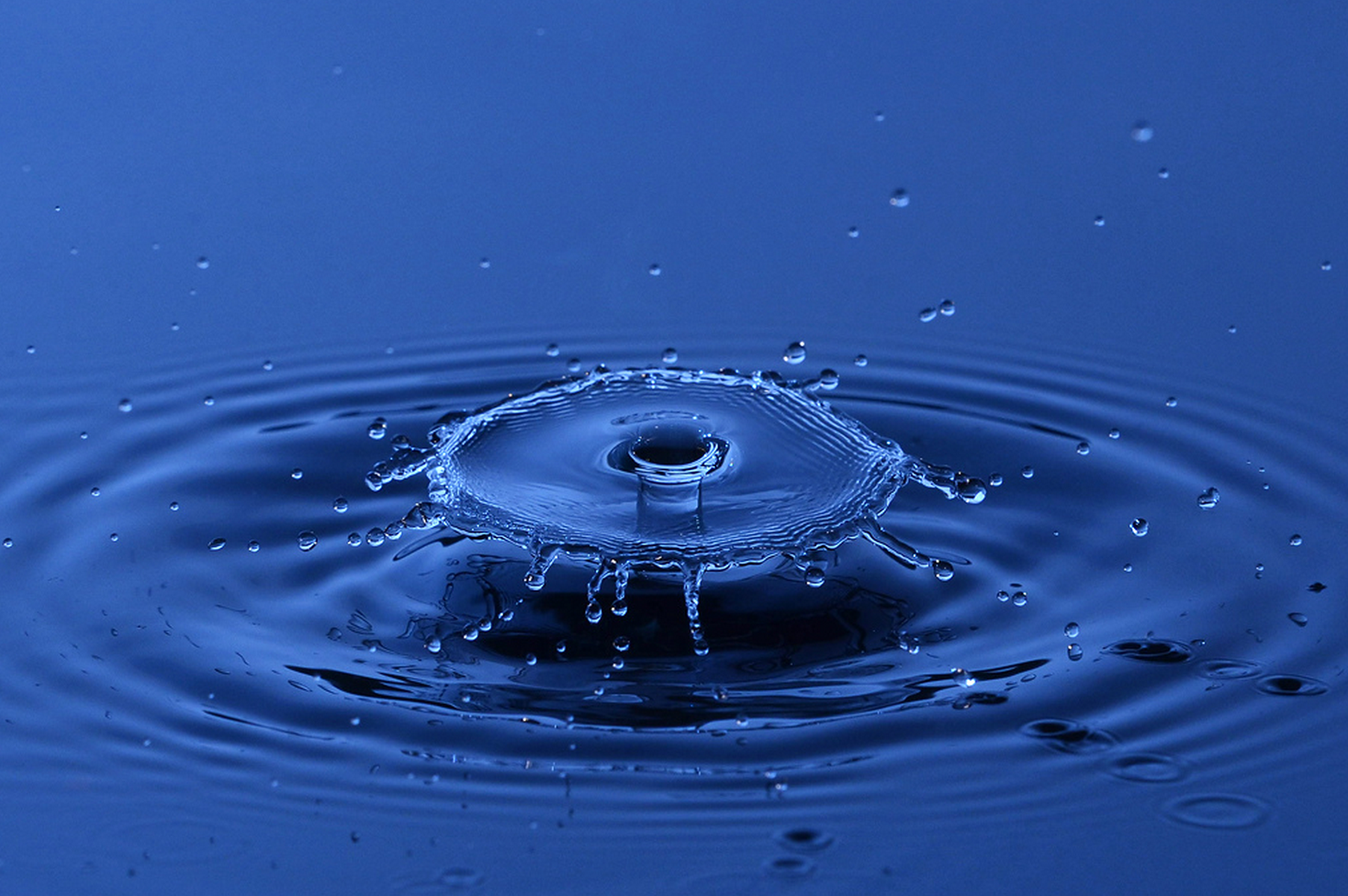
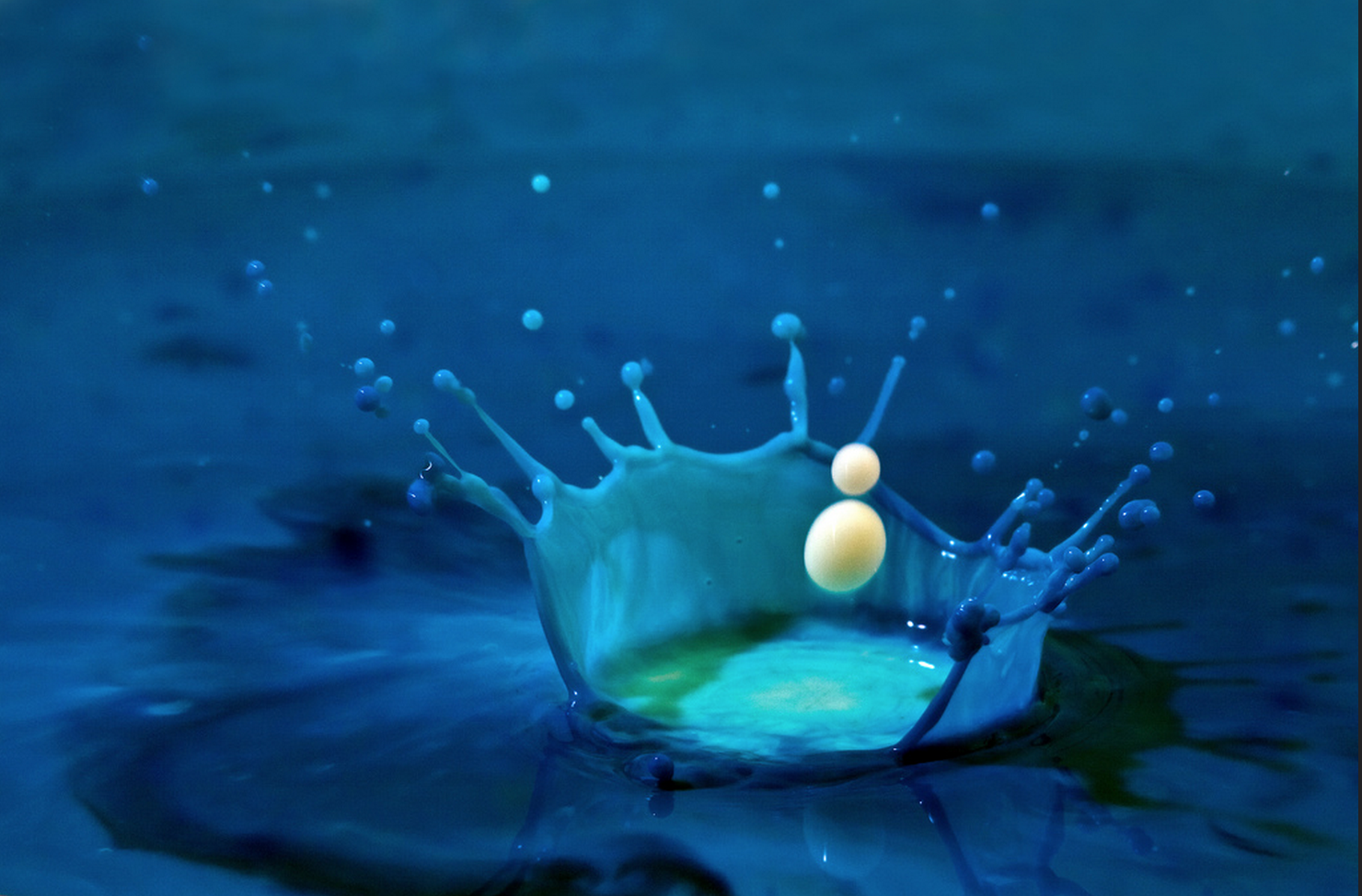
Photo by Corrie White

Start by filling your plastic tray with water.

Place the piece of frosted glass behind the tray – this will act as a diffuser that you will light the droplets through.

Set up your external flash so that it is behind the piece of frosted glass, yet pointed directly at the tray of water (set it up so it is pointing slightly down towards the water). To adjust the height of your flash, use a stack of boxes or books.

You’ll want the medicine dropper to stay in one place so that it drops water in the same spot every time (saving you the trouble of re-composing your image every drop). To do this, make equal stacks of boxes or books on both sides of your tray of water. Place the ruler across both stacks, so that it is above the tray of water. Fill the medicine dropper with water, then tape it to the ruler. The height of the medicine dropper will affect the size, shape and height of the drops, so experiment a bit before beginning to shoot.

Camera settings

Photo by Corrie White

Begin by setting the power of your flash – a power of 1/16 should be good to start out with. Feel free to start with this setting and then adjust the power as you see fit, depending on whether you want the photograph lighter or darker.

Set your aperture to f/8. This will ensure that you get the entire scene in focus, while still allowing an aesthetically pleasing depth of field.

Set your shutter speed to the sync speed of your flash – this is usually 1/200 or 1/250. If you are unsure of your sync speed, check your manual for further instructions. The “sync speed” is the fastest shutter speed your camera can use while still being able to capture the light from the external flash.

As always, you should shoot at an ISO of 100 or 200 to reduce the amount of noise in the final image.

Taking the image

Photo by John Kimbler

Set up your camera on a tripod in front of the tray of water. While you are free to choose whatever camera angle you feel is best, start by using an angle that is slightly higher than the tray of water, looking down at the water droplets. Look through your viewfinder and release one drop from the medicine dropper to determine where your camera needs to be pointed.

Focusing on water droplets can be incredibly frustrating. To avoid the frustration, release a water droplet from the medicine dropper and take note of where it lands. Use a small object – such as a pen or a paperclip – and hold the object at the spot where the droplet lands. You can then focus on that object, then remove it from the composition when you’re ready to take the photographs. Remember to set your focus ring to manual after focusing!

Before releasing any more droplets, take a test shot of the scene. How well-lit is it? Do you like the way the background is lit up? If needed, adjust the power of the flash, your aperture, or the direction of the flash. You can even move the flash further away or closer to the pane of frosted glass for different results.

Once you have found your ideal settings, begin releasing droplets. You can release one at a time or release multiple for different effects, but take as many photographs as you can while you are releasing droplets to ensure that you’re not missing anything.

Creative alternatives

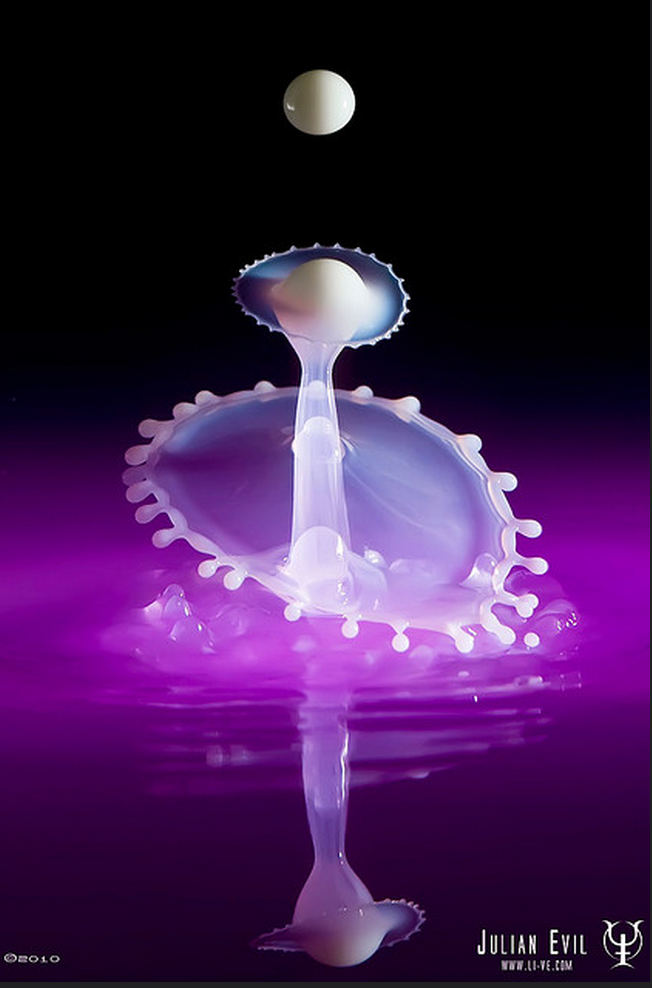
Photo by Julian Evil

This is where the “optional” items come in to play. If you choose to use milk instead of water, the viscosity is completely different and will produce very beautiful results. Feel as though your photograph isn’t colorful enough? Putting a colored gel in front of your flash will add a nice burst of color. You can also mix food coloring into your water (either in the tray or in the droplets), or combine the two for interesting results. If you’re looking for something even more exciting, add glitter into your water, or add some cereal into your milk! The creative possibilities are endless.

While this is one way of setting up the scene to take beautiful water drop photographs, it is certainly not the only way. Feel free to use a different colored tray, a different way of creating droplets, even a different light diffuser! If you have multiple external flashes, you can create even more dynamic photographs. Work with what you have, and you may find that you’ll still create beautiful, high-quality images. Have fun!

The Polaroid

With companies like Fuji Film making the instant image popular again, it’s no surprise that more and more photographers are turning to this type of photography. Those who are especially dedicated to the medium can still get original, working Polaroid film cameras and continue to purchase Polaroid film. With the instant camera becoming increasingly popular in today’s society (seen by many applications and Photoshop actions that can instantly transform any traditional photograph into one that looks as though it is surrounded by a Polaroid-style frame), it’s important to remember where this type of image came from initially. Many famous photographers and artists used the Polaroid as a source of artistic inspiration and expression, from Ansel Adams to Andy Warhol to the more recent Dash Snow.

Ansel Adams

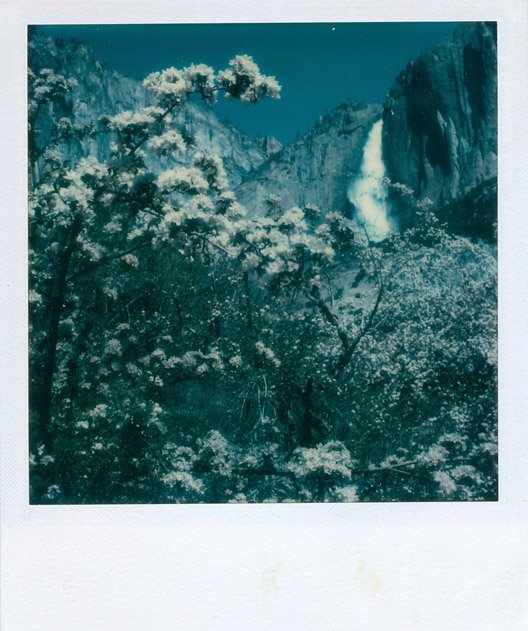
Photo by Ansel Adams

While Ansel Adams is most famously known for his stunning, large-format landscape images, Adams also used the Polaroid SX-70 to create equally stunning (albeit smaller-scale) landscapes. A book of photography by Ansel Adams called Polaroid Land Photography showcases a handful of beautiful Polaroid images that he took during his career. While he typically preferred shooting large-format images, Ansel Adams believed that Polaroids produced tones that were not possible to recreate through other formats.

Andy Warhol

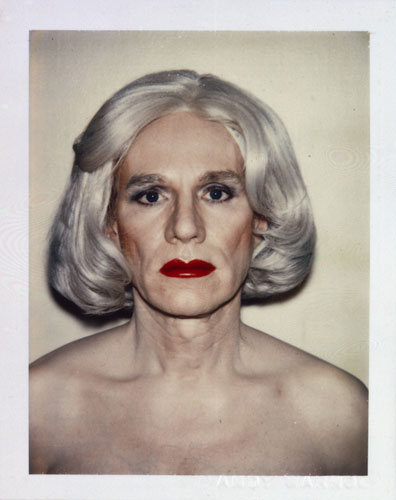
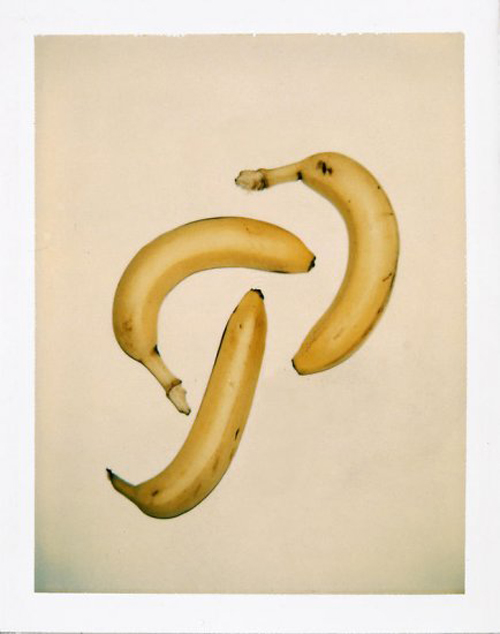
Photography by Andy Warhol
Photo by Andy Warhol

We all know and love (or hate) Andy Warhol for his Pop Art paintings, namely the Campbell’s Soup can and Marilyn Monroe. A bit lesser known is a collection of Polaroid portraits taken by Andy Warhol throughout his career as an artist. While most of these Polaroid images served as a source of inspiration for his painted works, the photographs themselves are a work of art. He photographed famous people such as Dolly Parton, Diana Ross, and Georgia Armani, among many others.

David Hockney

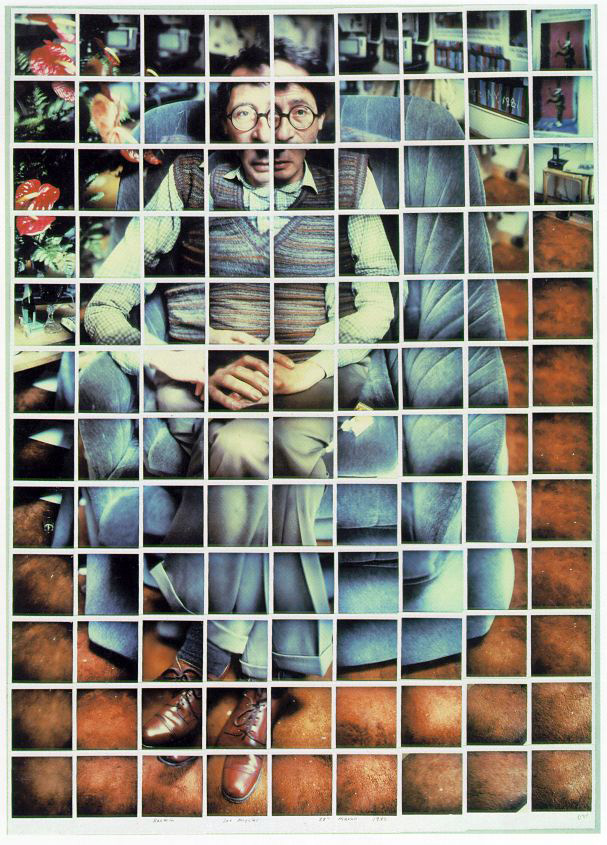
Photo by David Hockney

David Hockney is famous for his ongoing series of photographs that are one big image made up of many, many smaller images. Many of his larger images are made up of a collection of smaller Polaroid photographs, which he connects together to create one cohesive scene. His images made through traditional photographic processes overlap each other to create the final image, while his Polaroid images are simply a collection of squares all lined up together to create the final photograph. His work is often compared to Cubism, due to the varying focal lengths and perspectives with which he photographs the individual images.

Walker Evans

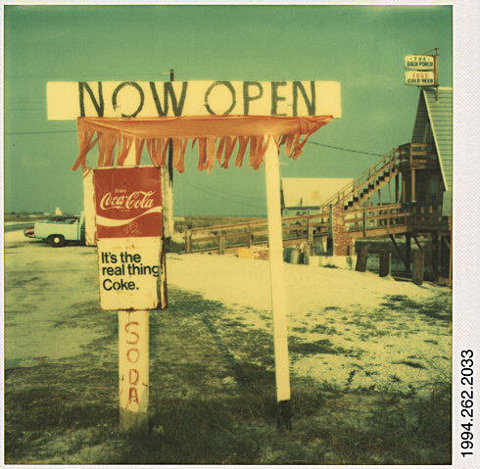
Photo by Walker Evans

As was the case with Ansel Adams, a book of Polaroids by Walker Evans also exists. He too used the Polaroid SX-70 camera to take Polaroids of his desired subjects, although he typically chose to photograph signs and people rather than landscapes. He didn’t pick up a Polaroid camera until much later in his life, and he believed that “nobody should touch a Polaroid until he’s over sixty”.

André Kertész

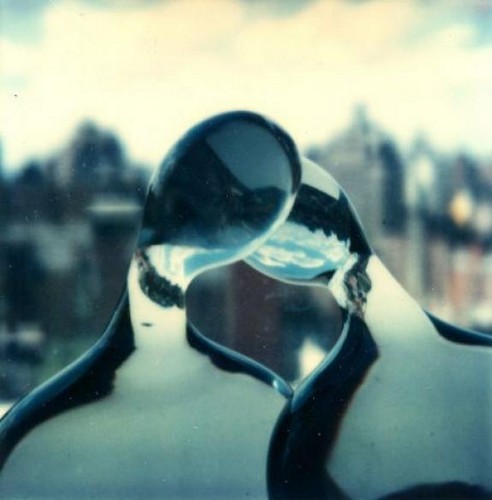
Photo by André Kertész

André Kertész began to photograph with a Polaroid SX-70 camera to console himself after the death of his wife. The resulting photographs are beautiful, colorful compositions of the world around him. One of his most famous Polaroid images is a portrait-esque image of two glass figures which became a tribute to his marriage. Beyond these two glass figures, he photographed many other small objects in front of his window.

Robert Mapplethorpe

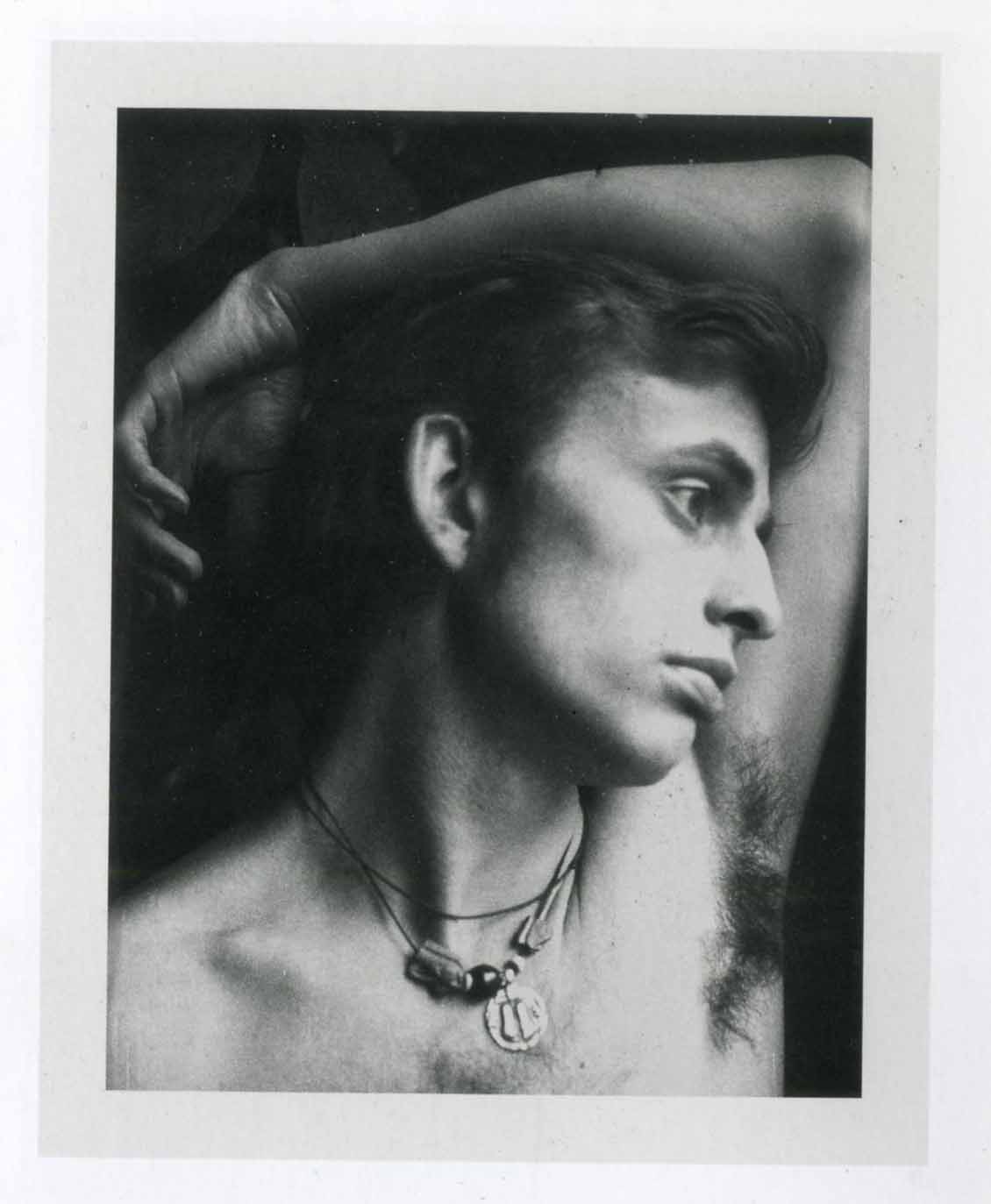
Photo by Robert Mapplethorpe

Robert Mapplethorpe is a well-known photographer, most often associated with his slightly homo-erotic images of himself as well as other men. This subject is seen through his Polaroids, as well as portraits of friends and lovers, figure studies and still lifes. He shot primarily on a Polaroid camera between the years of 1970-1975. Ranging from vulnerable and intimate to tough and violent, these images are not soon forgotten.

Dash Snow

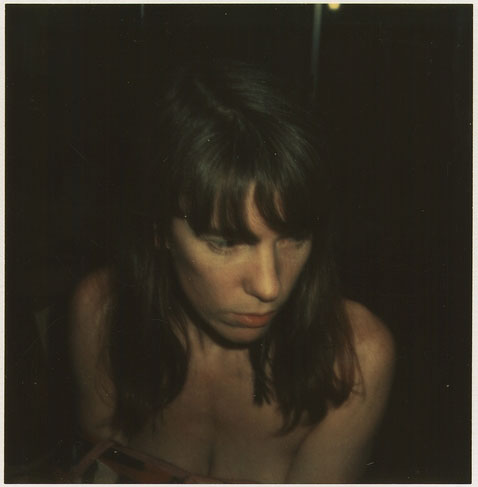
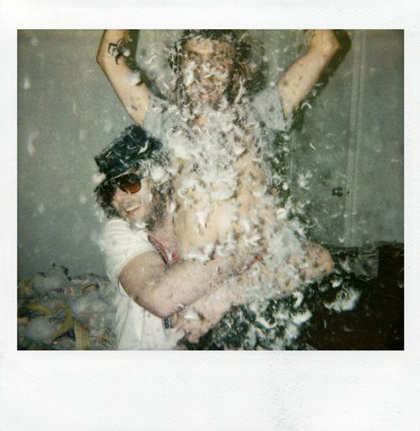
Photo by Dash Snow

Dash Snow began his career as an artist in New York by tagging almost anything he could find. Well known as a graffiti artist, he later became good friends with both photographer Ryan McGinley and artist Dan Colen. Ryan McGinley took him under his wing, and soon Snow was taking Polaroids of the grittier parts of his life, from explicit sex scenes to people doing drugs to drunken escapades. Snow was always living on the edge, a trait that led to his untimely death by heroin overdose in 2009.

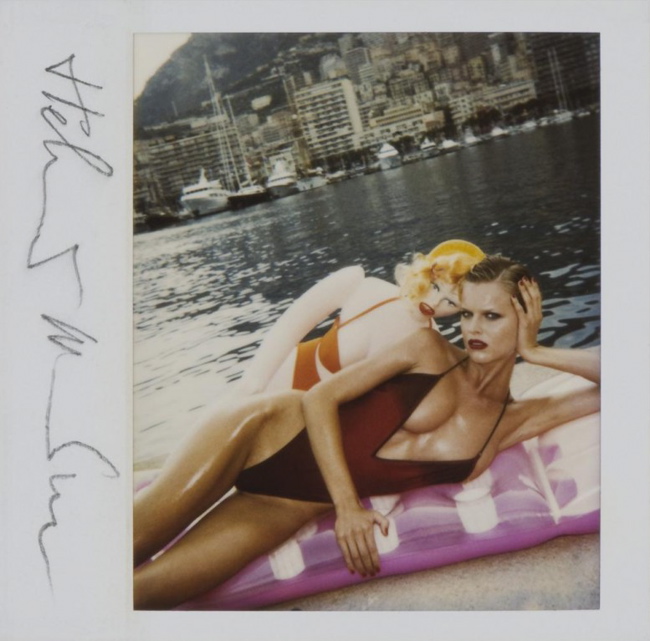
Helmut Newton

Photo by Helmut Newton

Helmut Newton was a famous fashion photographer who worked for French Vogue, and often shot high-contrast, controversial portraits of women. Newton used Polaroid film to test his shots before shooting on a film camera, which was the traditional way to test a shot before digital LCD screens were common. His Polaroid test shots are just as striking as the rest of his images, so much that an entire book of them has been published, Helmut Newton: Polaroids.

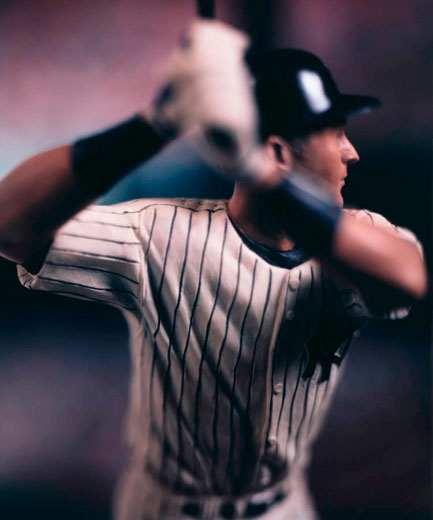
David Levinthal

Photo by David Levinthal

David Levinthal’s work primarily focuses on small figurines in real-life scenarios. He was given small toy figures as a child, and his make-believe play as a child paved the way for his photographic work in the future. From figurines of baseball players to nude figurines of women, he uses large-format Polaroids to create beautiful, large images with a close focus and shallow depth of field. These images blur the line between reality and make-believe.

Have you experimented with instant film? While Polaroid film is getting increasingly more expensive these days, other companies are jumping on the bandwagon and creating more budget-friendly alternatives that still give you the joy of instantly printing a photograph. If all else fails, you can just slap a Polaroid filter on it.