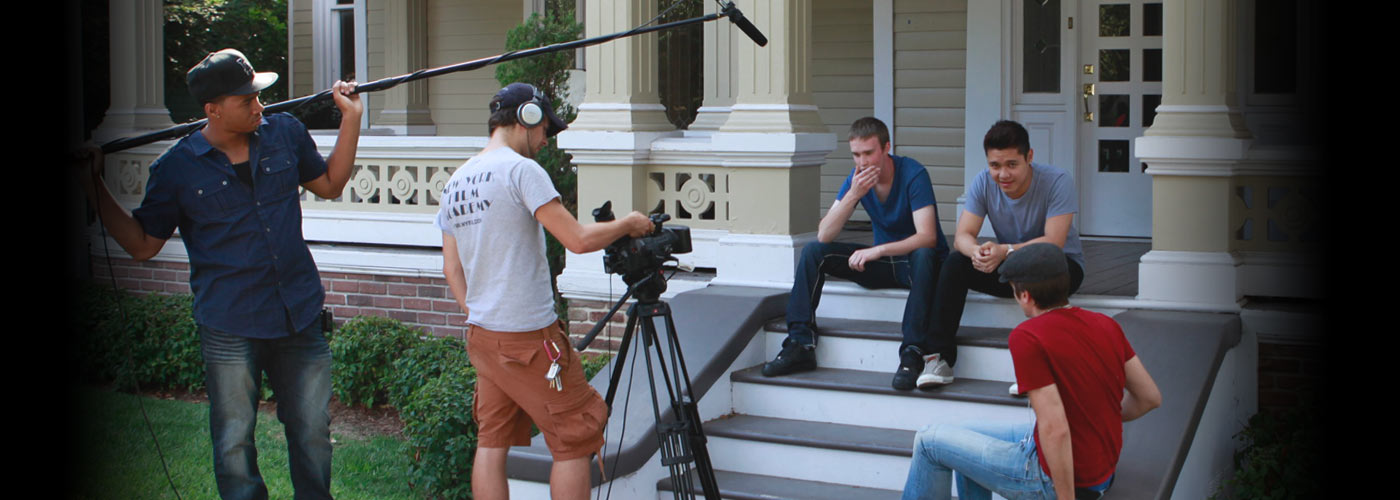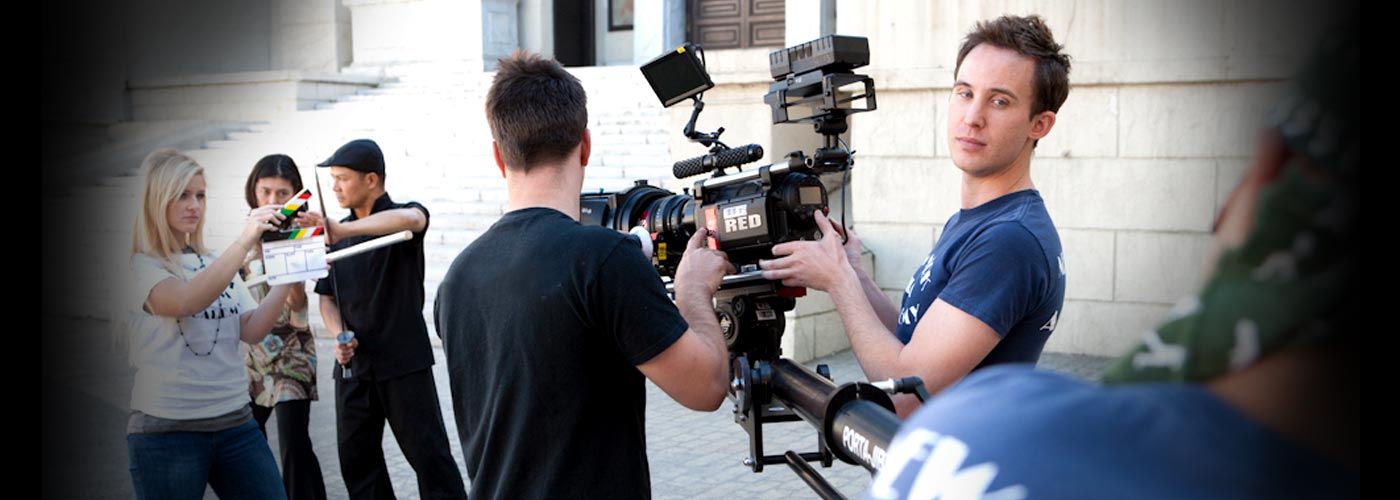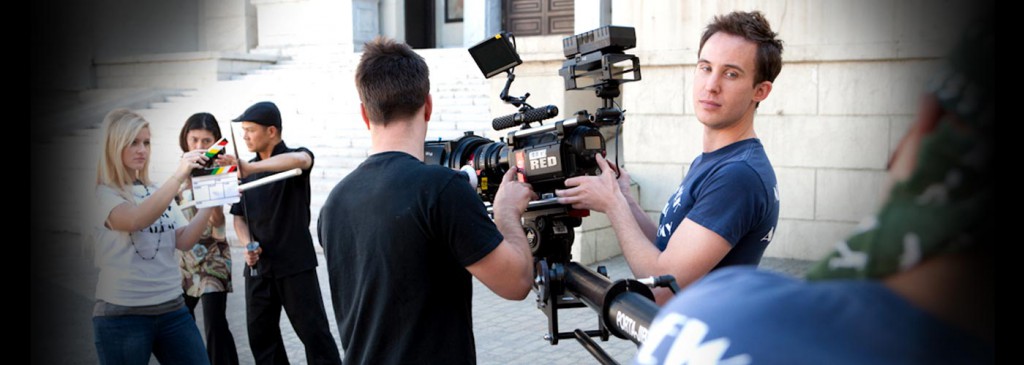

NYFA’s Mike Williamson On Cinematography And How To Find Work After School

Mike WIlliamson Associate Chair of Cinematography at NYFA

NYFA: Would you mind telling us about your background and what drew you to a career in cinematography? What was your film education like?

Mike Williamson:   My love of cinema began in high school, where I was lucky enough to have a humanities class where I got to see many of the classic silent films like Metropolis and The Passion of Joan of Arc. I connected with the incredible images in those films, and that is probably where I realized that a film could be a work of art. I continued by studying film history at the University of Michigan; again I was fortunate enough to be in a good program that required us to make films as well as study them. I was drawn to the camera, and I discovered that I had a talent for telling stories visually. After shooting a number of short films, I moved out to Los Angeles to study cinematography at the American Film Institute. I felt it was important to find a good program in Los Angeles, and I knew that meeting people at school would help me transition to a new city and give me the contacts I’d need when I started working professionally.

NYFA: In addition to learning the technical demands of cameras and lighting and gaining hands-on on-set experience, what else do you feel is essential to one’s cinematography education? Do you think cinematography students benefit from gaining a solid foundation in the different facets of filmmaking, such as directing, writing, editing, etc.?

MW: You want to feel confident in the fundamentals of camera and lighting because that’s the basis for you to be able to say, “I can make this movie.” Once you’re confident in your skills, it’s about your ability to work with everyone else on set and how you handle your relationships. If you have an idea for a great shot, how do you pitch that to the director? If a crew member makes a mistake on set, how do you handle that? The better you understand everyone else’s job, the more successful you’ll be in a major creative position such as cinematographer. Being a cinematographer puts you in a leadership role, and I think you need the experience of managing people on smaller projects before anyone is going to hire you to do it on a larger project. These are the things that you get to learn in film school that give you an advantage over someone who has only worked in entry-level crew positions.

NYFA: Of everything you teach as an instructor of cinematography, is there one essential lesson you try to impart to each aspiring cinematographer?

MW: I tell students that their understanding of the story and their emotional connection to the characters will have a huge impact on how they shoot their films. While it’s important to have a solid plan for how to shoot each scene, you need to be engaged in the scene creatively and emotionally, or the photography will suffer. Spending time understanding the script and thinking about the characters is enormously helpful in creating shots that will engage the audience and pull them into the film.

NYFA: You’ve served in a multitude of positions throughout your career, from electrician to gaffer to director of photography. How important is it for aspiring cinematographers to be well-rounded across numerous departments?

MW: Every day that you’re on set, you will learn something (if you’re paying attention). Working as an electrician, I got to see how different DP’s would light a scene, set up shots, talk with the director, interact with the crew, and so on. As a gaffer, I got a much deeper understanding of lighting and how to execute specific ideas. Sometimes you’ll see a lighting set-up that you want to use in your own work; sometimes, you’ll see someone accidentally insult their director without realizing what they’ve done, so you’re exposed to both good and bad examples. I’ve taken something from each experience, and I’m particularly grateful that I don’t have to make all the mistakes that I’ve seen other DPs make. I’d also add that being able to work in different crew positions was very valuable early in my career because it allowed me to make a living in the film business straight out of film school. Having a good cinematography education prepared me to work as an electrician, dolly grip, gaffer, and so on. Those jobs kept me in the business so that I could be there when the cinematography jobs came up.

NYFA: What has been a highlight for you in your career as a cinematographer?

MW: Anytime that you get to see one of your films playing to an audience in a theater, it’s always exciting, particularly if it’s a premiere. It sounds simple, but I still get a rush out of it. Having a feature film that I shot premiere at Sundance was a big milestone for me. Shooting 30 Days of Night: Dust to Dust was particularly challenging, and I’m proud of the quality of photography that we were able to achieve on a very tough schedule.

NYFA: What advice do you give students in terms of finding work after completing their program or workshop at NYFA? What do you think is the most crucial professional skill one can develop to realize their goals in the industry?

MW: I tell students that their first jobs after school will most likely come from their fellow classmates, so it’s important to be there as a crew member and support them when they’re shooting their projects. We also encourage students to collaborate with directors in the filmmaking program; you need to take advantage of all your opportunities to build your network. As a cinematographer, you need to be meeting directors and producers; the goal is to have a number of people who trust you to shoot their projects and will call you when they get that first big job. You want to be someone that people like to work with, so your attitude on set is critical.

NYFA: How does serving as the DP on a television show—in your case, 30 Days of Night: Dust to Dust—differ from working on a short or feature film?

MW: The challenge with a TV series is that you’re trying to achieve the same photographic quality as a feature, but the schedules are usually much tighter. There are so many great things happening in television these days; aside from great scripts, we’re seeing cinematography that’s much more daring and bold than what would have been acceptable on TV five years ago. So as a DP, it’s an exciting time to be working in TV, but you have to be prepared for a very demanding set of circumstances. To succeed on this kind of schedule, you need a number of skills. You have to be able to pre-visualize your lighting and create lighting diagrams so that your crew can pre-light large sets, you need to plan coverage that incorporates multiple cameras, and you need to manage a large crew (and possibly multiple shooting units). The more complex the shoot, the more it will test your planning skills as well as your photographic abilities.

NYFA: Having worked on a wide range of productions, what is the one constant you’ve found in how one should conduct his or herself on set?

MW: Regardless of what anyone else is doing or the attitude that they bring to the set, you need to do your best work every day. Your level of commitment can’t be dependent on anyone else; you need to be professional and invested in the work no matter what.

NYFA: How do you help students to develop their unique cinematographic voice? How did you develop your own?

MW: Like most people, I started to develop my own voice by studying and imitating the work of cinematographers that I admired. I think it’s important to study different examples of great filmmaking, it helps you to develop your own taste, and it broadens your idea of what’s possible. From there, you try to emulate the work that you admire: you recreate a particular shot, you try to figure out how someone lit a particular scene, you try to capture a certain moment the way that they did. Oddly enough, when you copy something, you end up seeing the differences between your scene and the one you’re emulating. Invariably the two will be different, and you’ll have made the scene your own in some way. As you do this and the tools and techniques become more familiar to you, then they become part of your arsenal, and you can use them in new ways.

NYFA: Do you have any parting words of advice for students and aspiring cinematographers?

Keep shooting! Being a cinematographer is an amazing job, and it takes time to master all the skills that you need to make beautiful images. Be patient with yourself and shoot everything you can!

Mike Williamson is the Associate Chair of Cinematography at the New York Film Academy’s Los Angeles campus.


How to Find a Kick-Ass Acting Agent

No matter whether you’re an amateur trying to break into the industry, newly graduated or still working towards your BFA in acting, you’ll need an agent.

A good one.

Trying to convince yourself that you can make it on your own is a fool’s errand – the necessity of an agent has become an inescapable reality for those looking to acquire paid acting work, and you’re only holding yourself back thinking otherwise.

But while there are plenty of people – often outside of the actual business – willing to offer their two-cents on how to get an acting agent, very few people focus on the better question:

How to Find a Kick-Ass Acting Agent

How to find an acting agent

1. Get Your House In Order

If you want to attract someone who won’t represent just anyone, stop being just anyone.

While you shouldn’t ever pay up-front agency fees for them to sign you on (ever), that doesn’t mean getting your own portfolio won’t require a bit of monetary investment. Don’t get your friend to take your headshot on an iPhone – slip a professional photographer a few bucks and get it done properly. Same goes for your physical portfolio; get it printed properly, and even consider hiring a graphic designer to give it a once-over (same goes for hiring a professional video editor to help compile your showreel).

acting portfolio

They say substance matters much more than style, and this much is true… but if you’ve already got the substance, dressing it up with a little style certainly doesn’t hurt. You’ll never get a good agent with a shabby-looking portfolio.

2. Get Off The Internet

Although it’s natural to turn to the font of all knowledge – i.e Google – to find what you need, if you’re relying solely on the net in your search for a good agent, you’re selling yourself short.

Just because an agency appears in the first two pages of Google doesn’t necessarily mean it’s the best, and it certainly doesn’t mean it’s the best for you. Do yourself a favor and buy a couple of up-to-date books – physical books – which list industry contacts. It’s difficult to recommend a single edition since there are number of niche titles covering the gamut of acting disciplines and genres, but there’s almost certainly one out there for you.

Books on acting

And if you do stick to using the Internet, remember that the perfect agency for you might be hiding out on page 12, 20 or 200.

3. Follow in Giant Footsteps

A lot of people fire out portfolios almost blindly, their only selection criteria being that the agency is in the same state as them (or continent).

An overlooked trick for better way of narrowing down your options to find the agency that is extremely well suited to you: pick an actor who’s work and style most matches your own.

By finding an agency who has brought a similar actor’s career to great heights, you stand a better chance of being able to work well together on shared goals (and the acting agency is more likely to see potential in you in the first place if they represent similar clients.)

4. Don’t Play Down Your References

Contrary to popular belief, your professional references shouldn’t just be a footnote at the end of your resume. As it stands, quality agencies put a lot of stock in recommendations and contacts of people who’ll be happy to give you a good reference, so definitely make sure they’re prominent in your portfolio.

BFA acting degree

If you’re scratching your head as to who to list, think outside the box; you don’t need to have worked with Scorsese. Fellow established actors you’ve worked with, MFA in Acting lecturers who have taught you and even workshop leaders are worth their weight in gold…

… Just let the referee know that you plan on name dropping them if they’re okay with it. You don’t want them to reply with “who?” when the agency calls.

5. Getting a Kick-Ass Acting Agent is Not Your End Goal

As mentioned at the start of this post, acquiring a kick-ass acting agent who ‘gets’ you can be a major contributing factor to a successful acting career. However, it’s not the magical bullet that many expect.

how to get a casting agent

To attract a good acting agent, you need to have vision, motivation and a long game. An agent looks for these qualities and can help put them to use, but doesn’t bestow them. Don’t fall into the trap of seeking an agent at the cost of every other opportunity that comes your way, and certainly don’t assume your job is done once you’re accepted by a kick-ass acting agency.

And in the mean time? Get out there and act!

Unbelievably Good Indie Movies Shot on a Tiny Budget

Any indie filmmaker glancing down a list of cinema screenings at any given point would be forgiven if they felt dismayed. It’s increasingly rare to see mainstream movies that don’t have a staggeringly high budget – in fact, even when adjusted for inflation, nearly all of the most expensive movies ever made were released in the last 5-10 years.

But don’t be disheartened. Not every success in cinematography is contingent on having a budget greater than the GDPs of entire nations, and nor does having to work on a shoestring budget render your MFA degree in filmmaking null and void. If anything, it just means you have to focus harder on what really matters in filmmaking: using innovation to get around obstacles.

And plenty of filmmakers before you have done just that. In the spirit of standing on the shoulders of giants, here we present:

7 Best Indie Movies Shot on a Small Budget

For the purposes of reference, we’ve also listed how much the movie went on to make at the box office (but at the same time recognize that the commercial response is no way indicative of the movie’s quality.)

The Castle (1997)

Budget: $650,000
Box Office Gross: $8.97 million

Taking just five weeks to create – from conception to final cut – by a small Australian team, The Castle is one of the most endearingly brilliant (and utterly eccentric) comedy features ever shot on a low budget. Although it’s looking a little dated from an aesthetic standpoint, it’s take on working class life in Australia is still relevant today and the comedy transcends all borders. Bonus points for being Eric Bana’s first ever movie appearance.

Garden State (2004)

Budget: $2.5 million
Box Office Gross: $35.8 millions

Featuring a remarkably famous cast (Zach Braff, Natalie Portman and Ian Holm to name a few), Garden State looks like it should have had a budget ten times what it actually did. It also could have ended up as a saccharine, self-indulgent vanity project given that the semi-autobiographical plot covers Zach Braff’s ‘woe-is-me’ days as a table waiter, but instead the finished result is a poignant, sweet and heartfelt journey filled with very likeable performances.

Open Water (2003)

Budget: $130,000
Box Office Gross: $55 million

Although Open Water is one of the more polarizing movies in this list, it’s worth a mention regardless due to the incredible innovation husband and wife team Chris Kentis and his wife Laura Lau had to bring to the table to create it. Faced with a minuscule budget, the technical challenges of shooting in real open waters and the insistence on using live sharks displaying realistic behaviors (which greatly benefits the film), Open Water is a triumph.

It did get picked up by Lion’s Gate in the end, hence the huge disparity between budget at eventual takings, but only after the indie scuba diving filmmakers had done all the work.

Moon (2009)

Budget: $5 million
Box Office Gross: $9.7 million

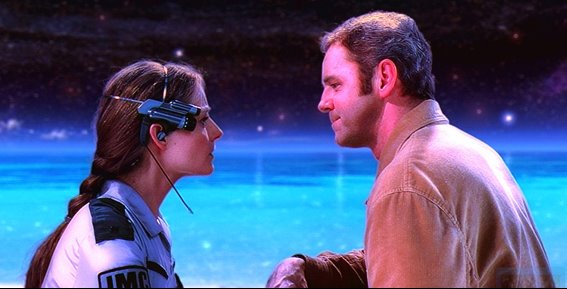
Although a budget of $5 million might sound like a lot, it really isn’t when you consider the scope of the production: a feature film set on a fully-realized lunar landscape, complete with a gigantic moon base and gigantic terraforming vehicles.

The movie was every bit as mesmerizing and engaging as the trailer made it out to be, primarily driven by superb performances by both Sam Rockwell and Kevin Spacey.

Pi (1998)

Budget: $60,000
Box Office Gross: $3.2 million

Displaying all of the hallmarks of an Aronofsky movie, Pi is a carefully crafted psychological thriller which combined an all-in performance from Sean Gullette with clinically perfect cinematography. It also happens to be deeply unsettling, and serves as an amazing example of what can be achieved with such a modest budget.

Dead Man’s Shoes (2004)

Budget: $1.1 million
Box Office Gross: $158,000

Despite not even coming close to making back its small budget, Dead Man’s Shoes is a cult classic that has been listed as one of the finest British independent movies of all time by numerous publications (including Empire, Time Out and Total Film). Primarily a story of revenge set in a rural English community, it’s a movie that will keep you on the edge of your seat as the devastation plays out and features countless lines of incredible dialogue along the way.

Primer (2004)

Budget: $7000
Box Office Gross: $424,760

The lowest budget of any film to win the Sundance’s Grand Jury Prize – and possibly the least costly movie to gain such a level of cult acclaim – Primer is a science fiction movie that is as bold in its premise as it is mind-blowing in its execution. Although not an easy watch by any means thanks to its heavy technical dialogue and experimental nature, it’s a good testament to how low-budget doesn’t need to mean low quality, with Roger Ebert stating “the movie never looks cheap, because every shot looks as it must look.”

Learn How To Take Infrared Photography

Photo by Maarten van den Berg

Infrared photography was initially created for government surveillance use, but it’s only a matter of time before all types of photography are used creatively (as we saw with high-speed photography). While infrared film has since been discontinued – if you’re lucky you may be able to find a roll for $50+ – you can easily recreate the look of infrared photographs in a post processing program such as Adobe Photoshop.

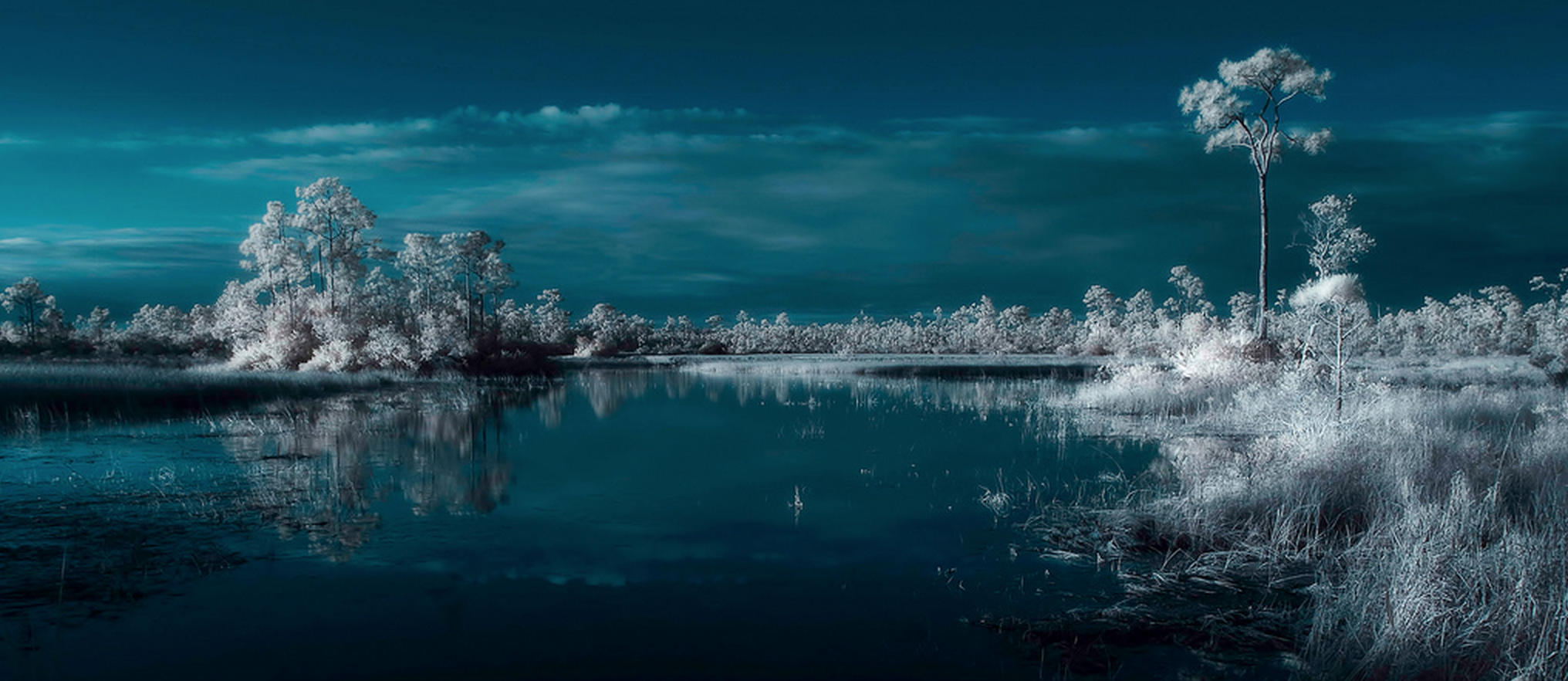
Infrared photography turns traditional landscapes into eerie, otherworldly landscapes filled with bright, bubblegum colors and accentuated skies. Essentially, infrared photography transforms the green tones into strange tones of red, pink, pale pink, or white – depending on the type of film used or the particular way the photograph is post-processed. Why do all of the greens change color, though? This type of photography is supposed to capture a spectrum of light that cannot be seen by, the human eye, hence all of the strange tones. Infrared radiate has a longer wavelength than visible light, and using infrared photography allows people to photograph through haze and fog better than other types of photography (which is why it was originally used for surveillance purposes)!

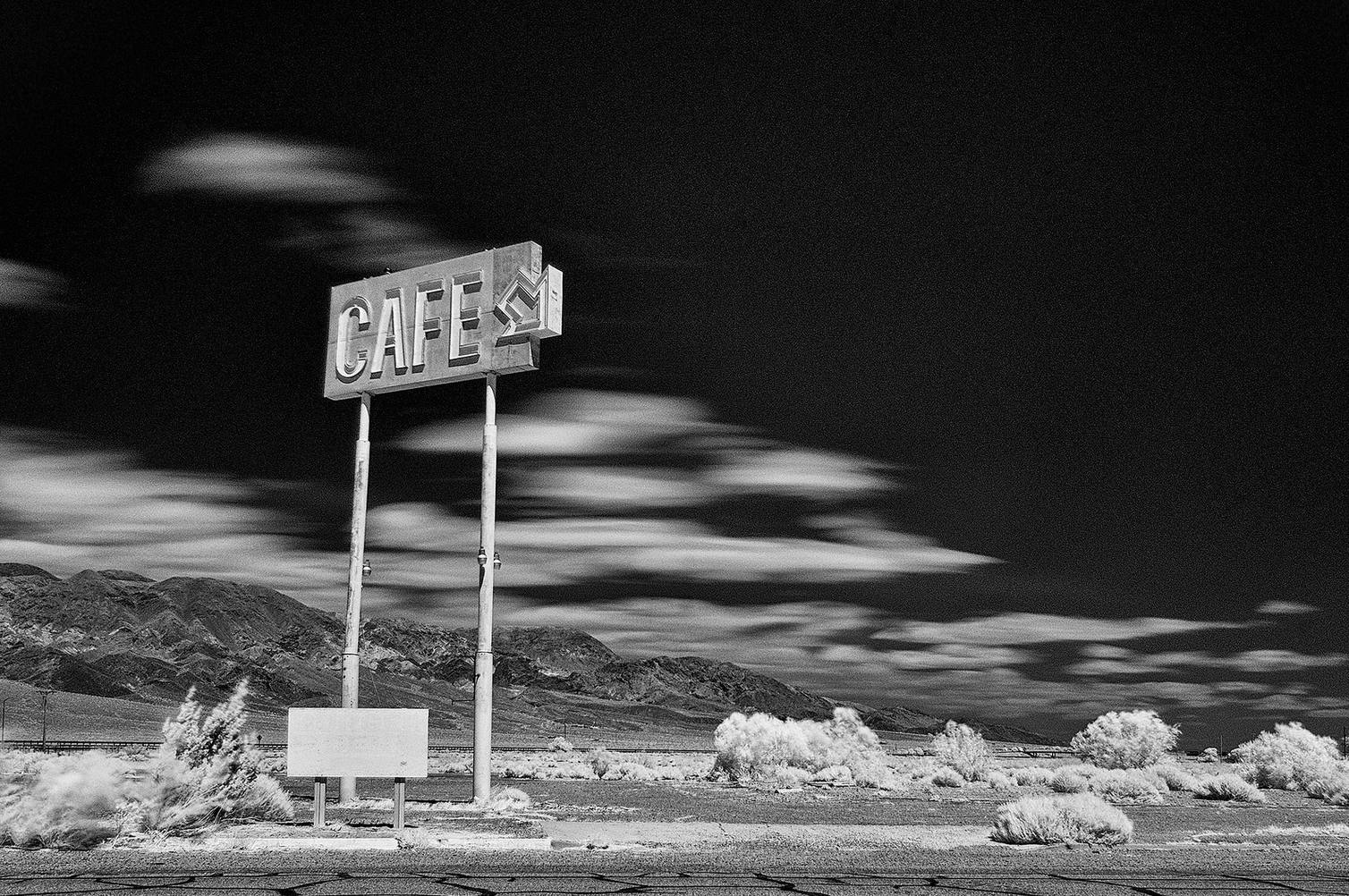
If you are interested in playing around with infrared film, the black and white version can be found for cheaper than the color. Using black and white infrared film will allow you to create clear photographs even on the foggiest of days.

While not the easiest type of photography to reproduce, there is a trick to creating these strange otherworldly landscapes right from the comfort of your own computer.

Equipment Needed

Photo by Michael Steighner

A DSLR

A tripod

An infrared filter

Adobe Photoshop

The Filter

Unfortunately, not everything can be reproduced easily in Photoshop, and you’ll need a special filter to begin the process. Luckily, this filter is inexpensive and easy to find in any specialized camera store. Prices range from $10-$100+, so be sure to do some research on the particular filter you’re interested in before making your purchase.

Choosing a Subject

Photo by Aldo Altamirano

Landscapes are the most common subjects for infrared photography, since they typically involve a lot of green tones. Bright blue skies commonly become deep blue or black, while the green tones will usually become a pale shade of pink. Because infrared photography requires the use of a long shutter speed, photographing living subjects such as humans or animals can be difficult.

Taking the Photographs

Photo by Wendy Rauw
Photo by Wendy Rauw

The tricky thing about infrared photographs is that once you attach the filter, you won’t be able to see anything out of your viewfinder. This is because infrared filters are designed to block all visible light. Because of this, you’ll need to compose and focus your shot before you attach the filter.

  1. Set up your tripod on a stable surface in front of your subject, then attach your camera to the tripod. Set up your composition the way that you’d like. As for focusing the image, set your focus ring to automatic – you’ll focus after you attach your filter.
  2. Your aperture should be set to around f/16, to ensure that the entire scene remains in focus. Your ISO should be set to 100 or 200, to reduce the amount of noise in the final photograph. Your shutter speed will range from 1-30 seconds depending on your subject, so you’ll need to shoot a couple of test shots with the filter on to determine the proper length of time.
  3. Shoot in RAW format! This will make post-processing much, much easier.
  4. Once you have all of your initial settings in place, attach the filter, auto-focus the image, and take your photograph. Once you have determined the proper shutter speed, take as many photographs of your subject (or subjects) as you’d like.

Post-Processing Color

Photo by Flickr user Will G

This is the fun part. Depending on the type of filter used, your resulting image will be almost completely magenta/purple/red-tinted. Don’t get discouraged! This is supposed to happen. These tones are known as “false colors”, which will quickly get changed in Photoshop.

  1. Open your image in Adobe Photoshop. Using a version of Photoshop CS, open your image. Create a new adjustment layer, then select Channel Mixer. You essentially want to swap the red and blue channels. To do so, select the red channel and drag the red to 0% and the blue to 100%. Now select the blue channel, and drag the blue to 0% and the red to 100%.
  2. You can either leave the photograph as-is or continue to make changes to the contrast, saturation, or vibrancy of the image. The subtle color can become bright and vibrant with just a few clicks of your mouse.
  3. By going into each individual channel (red, green blue), you can increase the amount of each color in the final product as well.
  4. Do you want plenty of blue in the image, yet don’t want the pinks to be overly-saturated? Go to Image —> Hue —> Saturation, select Red, and drag down the saturation bar until the reds are a pale pink.

Post-Processing Black and White

Photo by Flickr user eyetwist
  1. Open up your original, unprocessed image in Adobe Photoshop CS.
  2. Take a look at your Layers palette, and switch it over to Channels. Select which channel you want to use to convert your image, you can play around with each of them before deciding.
  3. Click on the channel you want to use, and then choose Image —> Mode —> Grayscale. Your image may be too flat for your liking.
  4. Use Levels or Curves to adjust the contrast of your image until everything is to your liking. Burning and dodging certain areas of your image will further intensify the final product.

While creating infrared images may not be the easiest photographic trick, the results are spectacular once you perfect the techniques. Infrared photography opens up a whole new world of eerie, other-worldly landscapes that cannot be as easily replicated through traditional photography. At NYFA, our evening photography workshop teaches these skills outside of your normal work hours so you can continue to grow as a professional.

Black & White Photography

Black and white photography is something that will never go out of style. While the bright colors of contemporary photographs are eye-catching and visually appealing, there’s something about looking at a black and white photograph that really allows you to feel connected to the image. Perhaps it has something to do with the distinct lack of color; without having an array of bright colors to focus on, viewers are forced to look deeper into a photograph – into the expression of the subject’s face, into the lines and shapes that make up the subject, into the distinct differences between light and shadow. There are plenty of aspects of photographs that go unnoticed when looking at a photograph in color. By reducing it to its black and white state, more is observed.

While all early photographers were forced to shoot in black and white before color film was invented, there are some that were more influential than others. And in a day and age where color photography is everywhere you look, there are still modern-day photographers who appreciate the beauty of a simple black and white photograph and choose to continue its use. Some modern-day photographers are even still photographing with black and white film!

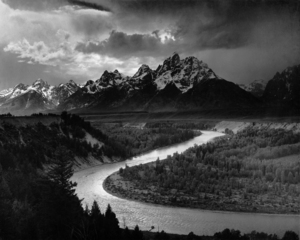
Ansel Adams

Ansel Adams

Perhaps one of the most – if not the most – well-known black and white photographers of all time, Ansel Adams is widely known for his large, beautiful, black and white landscapes taken between the 1920s and the 1960s. By choosing to photograph with a large-format camera, Ansel Adams ensured that no detail was left unnoticed. The sharpness, clarity, and perfect tonal range of each of his images show the painstaking measures that were taken in the darkroom to create such beautiful images.

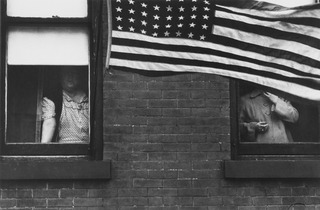
Robert Frank

Robert Frank

Robert Frank, a black and white photographer born in Zurich in 1924, immigrated to America in 1947. He began his work as a photographer shortly before moving to America, and once there was fascinated with the American culture. Traveling across America for two years, he took almost 30,000 photographs. After narrowing this collection down to under 100 images, his famous book The Americans came to be. This work documenting American culture is interesting because it comes from the eyes of an outsider. Since Robert Frank was not an American himself, he chose to document the aspects of America that he found quirky or unusual – aspects that many Americans of that time wouldn’t have thought twice about.

Sally Mann

Sally Mann

Sally Mann, while controversial, is an incredibly talented photographer. She is most well known for her photographs of her children, controversial because she often photographs them naked, running around the yard in which they grew up. While many will say that these photographs are beautiful portrayals of children in their natural state, many others have accused her of child pornography. She has a photograph of one of her daughters, topless, wearing a pearl necklace and earrings that has caused quite a stir within the photographic community. This photograph blurs the line between the innocent and not so innocent within child photography. Whether you believe her photographs are beautiful works of art or not, it’s hard to deny that her tonal range is always perfectly spot on.

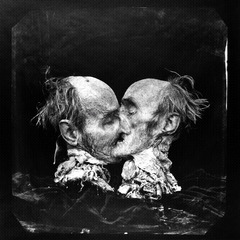
Joel Peter Witkin

Joel Peter Witkin

Not for the faint of heart, Joel Peter Witkin creates work that is controversial in a whole different way. Take one look at his work and you’ll see what appear to be dead bodies. The photograph above, in which two heads of an old man appear to be kissing each other, is actually the real head of one man, cut directly down the middle and positioned this way. Apologies for those who are squeamish. While his work deals with disturbing subjects such as death and decay, and oddities such as hermaphrodites and dwarves, his use of traditional black and white photography is beautiful, if not shocking. He often uses techniques such as toning his prints by hand or scratching the negative or print to create different effects.

Richard Avedon

Richard Avedon

Richard Avedon can be mentioned in regards to many different types of photographythe use of the white background, traditional fashion photography – but overall he is most well known for his exceptional use of black and white. His large-scale portraits are famous due to his attention to detail and ability to bring out an emotion in his subjects that most cannot. The large size and lack of color allow viewers to really gaze into the soul of each and every subject, and see emotions that most photographs these days do not contain.

Have you guys ever experimented with black and white film in the dark room? What about converting digital images to black and white? It can be easy to get wrapped up in the beauty of color images, but it can be interesting to see how the same image changes in mood and meaning by simply removing its color. If you’ve ever wanted to experiment with black and white film in a dark room, explore our 1-Year Photography program at NYFA today.

How to Write Your First Game Design Document

Although there are sure to be exceptions, most games end up having some form of game design document. Whether it is completed before the game starts development or gets fleshed out throughout the process, having an organized document that grows alongside your game is an irreplaceable tool.

The best part is, there really isn’t one true way or template to create a game design document. If we compared the design document of ten different games that all belong to the same genre, you’d most likely see ten unique formats.

In fact, most developers would argue that following a generic outline when planning out your game will reduce the chance of innovation and uniqueness in your project.

So how, then, does one learn to write a game design document?

While we won’t give you an exact format to follow since there isn’t one universally-used template, we will offer you 3 pieces of advice that will make your game design document a useful tool.

More than just a way to keep your ideas organized and available to read, the game design document is what you’ll use to help artists, programmers, and other developers understand what your game should be.

Remember Who The Document Is For

One of the first mistakes often made is writing a design document as if it will be read by gamers and potential customers. This is understandable since getting your awesome game ideas down on paper can be pretty exciting, but it’s a crucial mistake that will only cause frustration.

For example, if your game has a character whose special attack is to summon a dragon, the following line would be appropriate for the back of the game box or trailer: “Players can call upon a mighty dragon to scorch their enemies in flames!”

It may sound cool but the programmers and artists will be left wondering exactly what you mean. After all, everyone can imagine their own dragon breathing fire on enemies.

Instead of being vague, include the important details your team will need to create what’s in your head.

The following would be more appropriate for a game design document: “When the player character has filled his rage bar by defeating enough enemies, they can press the appropriate button to summon a dragon. This dragon will dive down from the sky and shoot a fireball from its mouth that burns all enemies within a certain radius of the player. The player character is not damaged. Once the dragon finishes its attack…”

The clearer and more detailed you are, the smaller the chance that your development team will run into issues. By avoiding ambiguity you’ll even be able to anticipate problems or concerns that may come up later, giving you an opportunity to solve them before they can hinder development.

You may have to come back and revise your design document to fix instances where you weren’t specific, but that’s fine.

Simply keep in mind that you’re not writing the design document for potential buyers or gaming websites. And, with practice, you’ll become better at avoiding colorful prose and marketing-speak.

Identify The Core Of Your Game

If there’s one thing your game design document should embody, it’s what your game is about or why it’s worth making.

This can sometimes be tricky because we get so wrapped up in all the cool ideas we have that it takes some effort to strip away the features and identify the main idea of your game.

The best way to do this is by asking this question: “What will be the main thing that players do to have fun in my game?”

Whether it sounds easy or difficult to answer, it’s always good to use examples of other games.

  • Sonic The Hedgehog is about completing stages as fast as you can.
  • Call of Duty is about surviving war scenarios in story campaigns and competitive multiplayer.
  • Pokemon is about catching fictional creatures and developing them to become the best trainer.
  • Super Smash Bros. is about defeating opponents by knocking them off the stage.

Once you have your game’s core, you must then make sure all the features and systems that follow enhance the core itself.

For Sonic The Hedgehog, having crazy loops and a power-up that doubles your speed are awesome additions that made the game more fun. They didn’t add puzzles to solve or anything that ruins the sense of speed because they would work against the core rather than make it stronger.

Worth mentioning is that the core of a game isn’t impervious to change throughout development. In fact, many games often change during development and so the core has to be revised.

If this happens to you, make sure that all the features still enhance the core and you should end up with a good game even if it wasn’t what you initially envisioned.

Make A List Of Features

Once a solid core is written down, you can then start organizing all the features that will make your game stand out and be worth playing.

This can be a pretty fun process but avoid getting carried away. Instead of listing 50 vague features that will be impossible to all fit into the game, come up with around 5 to 10 main features that you absolutely must have (or would love to have) to make this game awesome.

As an example, let’s look at the ‘Features’ list from a 2014 indie 2D platformer called Rex Rocket. Below are the features listed on the game’s Steam page, which you can also check out here.

  • Classic 2D platforming with shooting, wall-jumping, and more – all combined with innovative gameplay twists like shooting your laser downward for a handy aerial boost with each jump!
  • Amazingly detailed pixel art and animations make up hundreds of unique characters as well as over 100 hand-crafted levels that all connect within the expansive starship!
  • Awesome retro sound effects coupled with an amazing chiptune soundtrack by Saskrotch!
  • Choose the gender of your hero/heroine as you step into the boots of either Rexford or Rexanna ‘Rocket’ Rexington on this epic space adventure!
  • Collect powerful weapons and useful upgrades by defeating bosses and solving clever platforming puzzles!
  • Learn more on the backstory and details of characters, weapons, enemies, and more by collecting Info Nodes throughout the ship!
  • Get lost in an expansive starship as you explore the various routes that may offer a better path to your destination, lead you to a treasure trove of collectibles, or take you on a deadlier course!
  • A captivating narrative with plenty of light-hearted humor and goofy characters to brighten your adventure!
  • Prepare for a tough yet rewarding space adventure where you’ll face giant flame-throwing machines, swarms of Oozling-possessed crew members, and a berserk AI computer that never runs out of clever ways to try and kill you!

Since this list is used to motivate readers into buying the game, it’s written in a marketing speak that you’d want to avoid when writing those same features in your game design document.

Even so, you can get a clear idea of what Castle Pixel added to make this 2D platformer worth playing even though you’ve played a 2D platformer before.

Get Started!

With these three tips you’re ready to get started on your first game design document.

Remember how we mentioned that there isn’t a specific template that everyone can recommend? Although it’s true, that doesn’t mean you shouldn’t look around the internet to study examples of other game design documents.

In fact, it could prove incredibly useful.

Even if you have no plans on making a game any time soon, you should still practice making a design document based on any cool ideas you may have.

If there’s one thing all game designers should know how to do, it’s transferring their ideas to their development team. Your game design document will help you do that in an effective, organized way.

Learn the fundamentals of video game design theory, storytelling studies, game arts education, and video game programming with our intensive 1-Year Game Design certificate program. Visit our 1-Year Program in Game Design page to learn more and apply today.

Milestones in Cinema: 8 Space Movies That Took Us Somewhere New

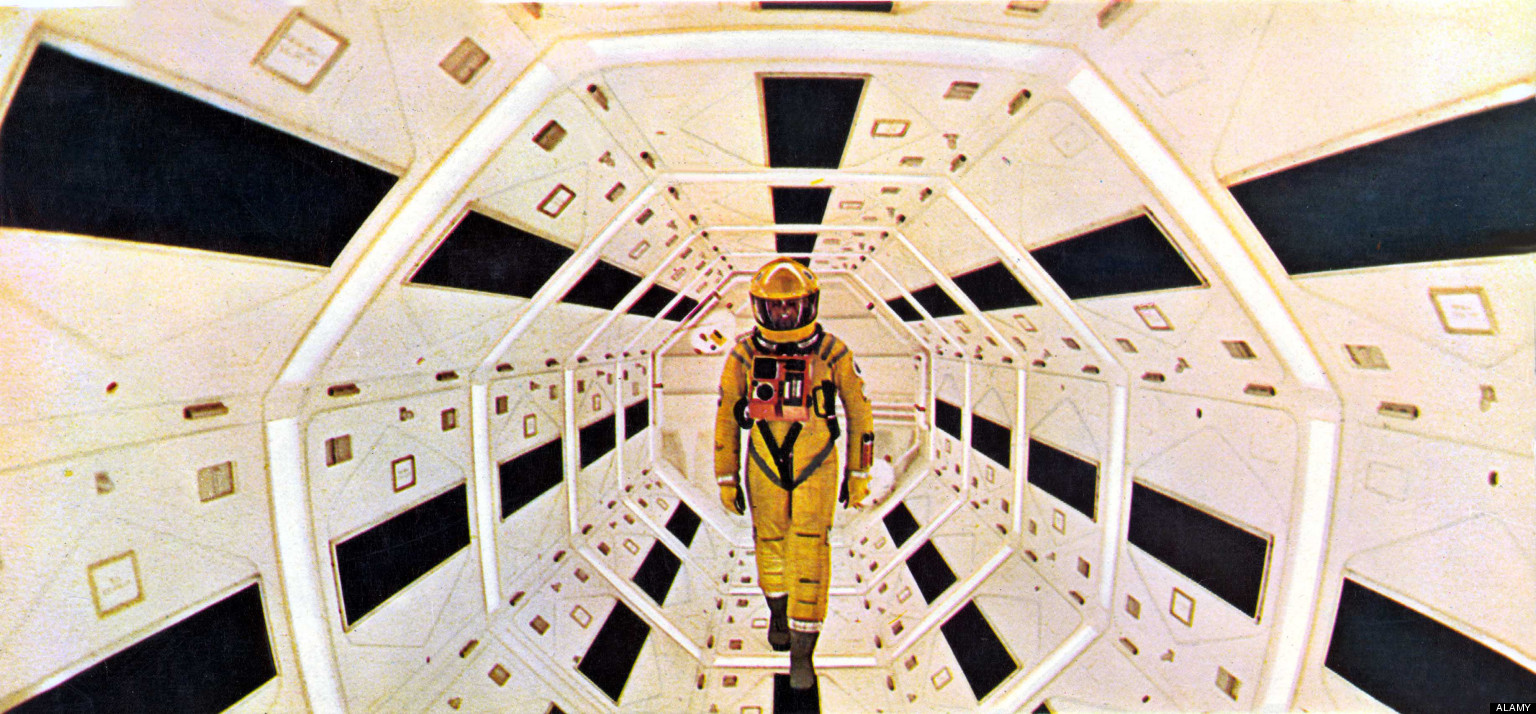
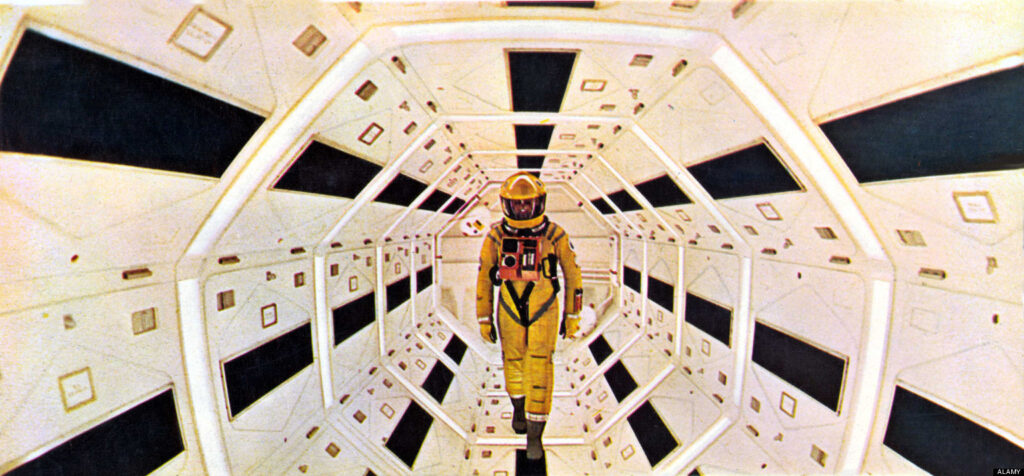
A scene from 2001: A Space Odyssey

Sometimes, when we’re lucky, real life can be more exciting than the movies. Like when Michael Jordon wins a championship while practically dying of the flu or when Nabisco came out with Birthday Cake flavored Oreos. Or more recently, when the European Space Agency landed a probe on Comet 67P this week, a feat akin to threading a needle from three hundred million miles away.

But these moments are unfortunately too far and few between, especially when it comes to amazing milestones in space travel. Luckily, we’ve got Hollywood to fill in the gaps and act out our wildest aspirations for us. Space movies and space flight in particular, one of mankind’s most cherished yet difficult goals, is often portrayed in the movies in a myriad of thrilling, scary, and trippy ways.

The following eight space movies depict space travel firsts in filmmaking—some we’ve already achieved and some we one day hope to achieve. Many of the films actually contain multiple milestones. While in real life, the Mercury and Apollo missions took space exploration one step at a time, movie audiences are a little more impatient and cinematic versions of NASA and its counterparts tend to kill several birds with one stone.

After all, the magic of the movies allows us to do whatever we want, so why aim high when we can aim really, really, really high?

1. The Right Stuff – Leaving the Atmosphere

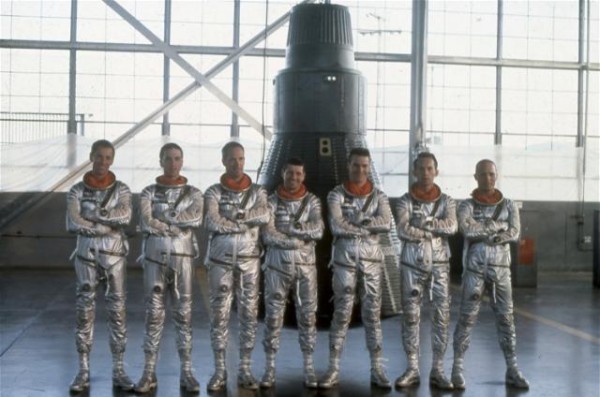
The cast of The Right Stuff

Of all the films on this list, The Right Stuff is the only one to faithfully portray our historic progress in space travel. Based on the book of the same name, The Right Stuff tells the story of Chuck Yeager and the Mercury Seven. Yeager was the first pilot to break the sound barrier while the Mercury Seven took turns leaving the atmosphere and orbiting around the Earth. Technically, the Russians beat the Mercury Seven to it, but because they didn’t make an Oscar-worthy film about it, it doesn’t really count.

2. Transformers 3 – Landing on the Moon

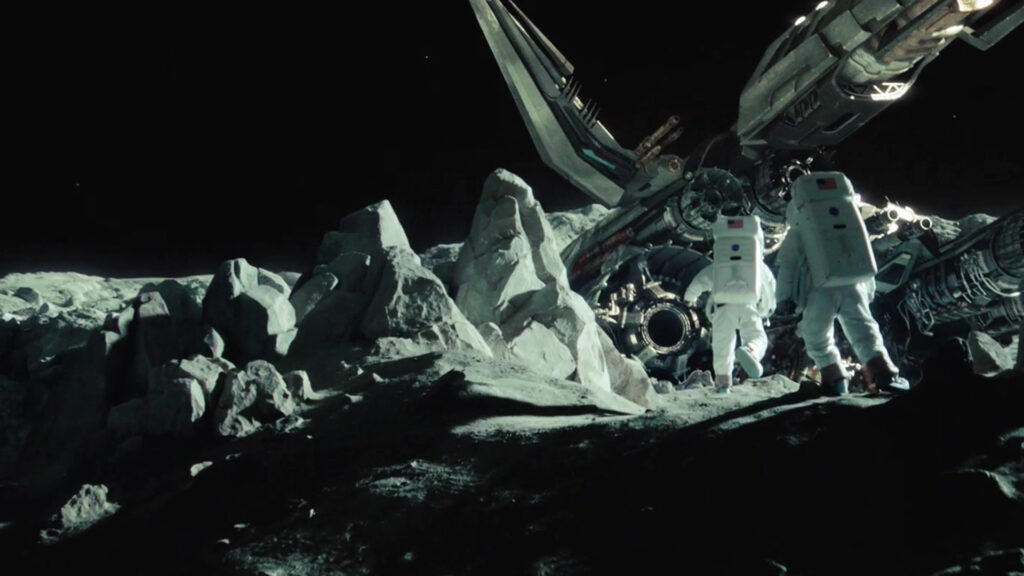
Transformers 3 moon landing

The group of misguided, misinformed people out there that still believe the Moon landing was faked would really bug out if they found out the reason we sent Neil Armstrong and Buzz Aldrin was to investigate a giant crashed alien spaceship. That’s what happened according to realistic drama Transformers 3: Dark of the Moon, directed by naturalist auteur Michael Bay and starring method actors Shia LaBeouf and Bumblebee.

President Kennedy chose to go to the Moon and the other things, not because they were easy, but because a bunch of evil giant robots from Cybertron slammed into the lunar surface and we needed answers. Come to think of it though, that’s a way better reason than just trying to make the Soviets look weak.

3. Gravity – Longest Spacewalk

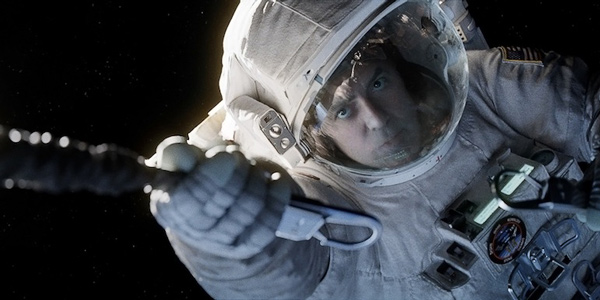
George Clooney in Gravity

In Gravity, George Clooney’s veteran astronaut is on his last mission in orbit, and is just shy of breaking the record for the longest spacewalk, the most time an astronaut has spent outside of their shuttle. Fortunately for Clooney, a satellite is obliterated and the debris violently destroys his ship and crew. Untethered from the sanctuary of his ship (and, disturbingly, the bathroom), he is left free to extend his time in space and break the record. Clooney though, with his famous penchant for excess, decides to float around indefinitely, not just shattering the record but leaving it at an unbeatable “forever.”

4. Mission to Mars – First Manned Mission to Mars

Mission to Mars

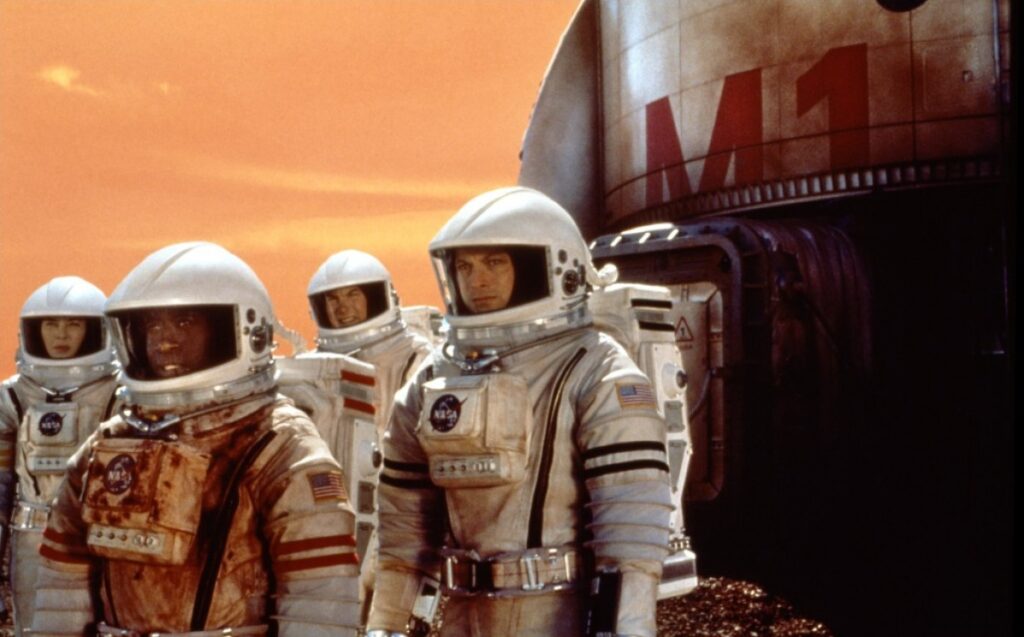
In Mission to Mars, Don Cheadle is one of four astronauts to first land on another planet. However, things go horribly wrong—because watching a bunch of scientists take dirt samples isn’t exactly exciting sci-fi—and Cheadle is left the last man standing on a rust-covered planet of his own. Cheadle does what any of us would do and grows a crazy beard and loses his mind just a little bit. After all, like the suburbs, there really isn’t anything to do on Mars. Cheadle was supposed to be looking for water or signs of life, but in the end, he would’ve been happy just to stumble across a deck of cards.

5. Star Trek: First Contact – Achieving Light Speed

Star Trek: First Contact

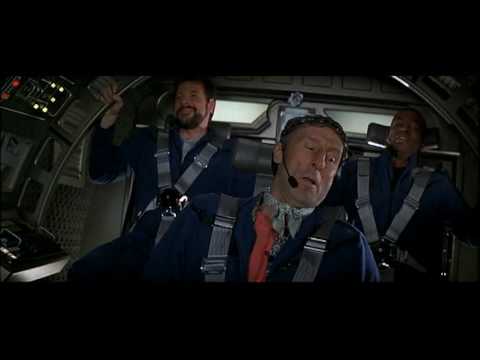
Before we could reach Ridiculous or even Ludicrous speed, humankind must first achieve light speed. In Star Trek: First Contact, alcoholic engineer Zefram Cochrane does just that, reaching Warp Speed in the middle of the twenty-first century. Using the first ever warp drive, Cochrane piloted the Phoenix into the fake-history books the same way most of us drove our first cars—hungover and blasting Steppenwolf. Cochrane’s magic carpet ride gained the attention of nearby aliens, the Vulcans, and instituted to an era of interplanetary peace. Not bad for a day’s work.

6. Interstellar – First Travel By Wormhole

Interstellar wormhole

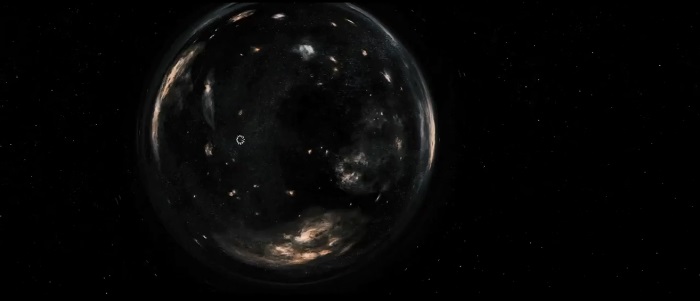
Traveling at the speed of light is pretty amazing… for a beginner. But space is really, really big and if you want to get to any galaxies that are far, far away you’re going to have to do a lot better than 186,000 miles per second. Wormholes are the universe’s shortcuts, if Einstein is right and they actually exist. In Interstellar, Matthew McConaughey and company ride through a wormhole near Saturn, a spherical bend in the fabric of spacetime that bends minds and makes for a great screensaver.

Technically, they’re not the first though—they are preceded by an earlier team of astronauts led by another handsome, charming movie star. By the way, did we mention that only attractive celebrities can travel via wormhole? Einstein specifically made sure to include this in his theory of relativity, being a huge Mary Pickford fan and all.

7. The Black Hole – First Travel Into a Black Hole

Black Hole

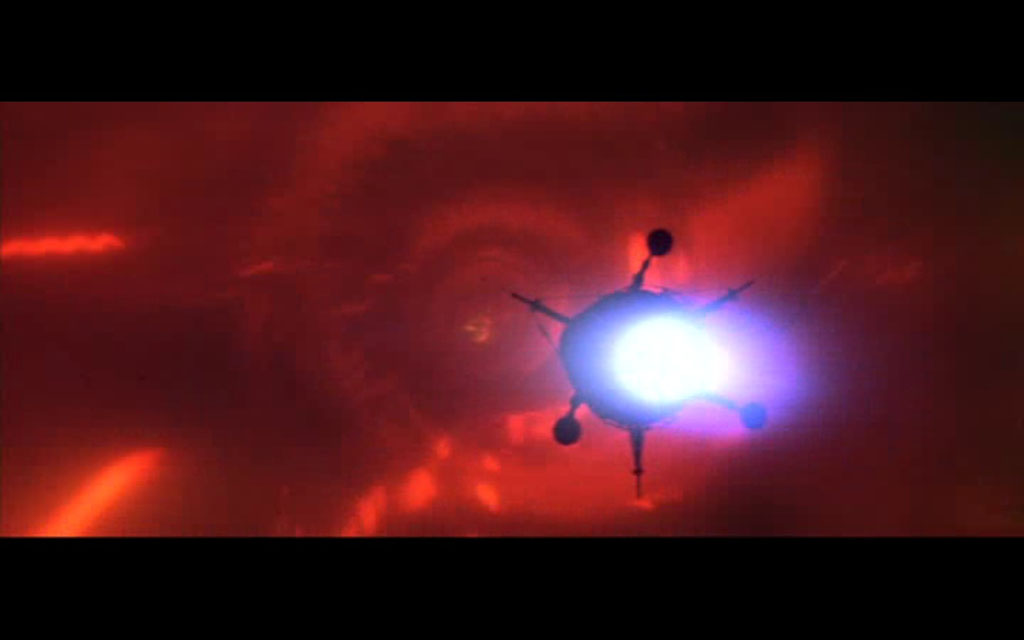
Interstellar’s story also included mankind’s first passage through a black hole, but Christopher Nolan being Christopher Nolan, the sequence is overwrought and emotional, with plotlines intersecting themselves so many times they get caught in a knot. While the scene definitely has its merits, especially when seen in IMAX, it’s no match for 1979’s The Black Hole, a movie whose title betrays its complete lack of subtlety.

The black hole in Black Hole is a glorious product of 60s and 70s psychedelia and chintzy, cosmic special effects, a dreamlike world that contains both Heaven and Hell. Scientists after all have no idea what actually lies inside a black hole, so filmmakers might as well have fun with it and throw in angels and the Devil. The movie also has sassy robots, because all space movies need sassy robots and/or Ed Harris.

8. Contact – First Encounter with Alien Life

Contact first encounter with an alien

The human race is constantly trying to journey out farther and farther. Sure, we need to find a new home before we completely ruin this one, but really, we’re just looking to answer the age old question: Are we alone? Finding another intelligent species is space travel’s Holy Grail, the ultimate result of our ingenuity and hard work. Contact, based on the work of an astrophysicist who wore his heart on his sleeve, Carl Sagan, dramatizes that idea by having the aliens take the form of Jodie Foster’s late father. What better way to cast our yearning for intergalactic companionship and the answers to our cosmic origins then in the form of a lost parent?

Contact doesn’t just thrive in its metaphysical storytelling. The first craft to travel through dimensions in the film is built by a private billionaire, presaging the future of space travel. With real life billionaires like Elon Musk and Richard Branson paving the way forward for the privatization of space exploration, we may only just be entering the golden age of interstellar travel. If we’re lucky, our real life milestones in space flight may soon outnumber—and out-wonder—anything our most creative filmmakers can think of.

How To Decide If A BFA Acting Degree Is Right For You

BFA Acting students act for the camera

Did you know that the BFA degree has only existed as we know it today since 1971? As the traditional degree choice for students wishing to receive education in the performing or visual arts, it was created to allow students to focus much of their studies actively practicing their craft as opposed to a BA degree where the majority of their education is spent in lectures and classroom. In the past, aspiring actors were pretty much confined to drama conservatories and most colleges and universities that offered acting programs mostly focused on acting for the stage. So essentially, students wanting to study acting were limited to a training program without gaining a foundation in the liberal arts and sciences that are a hallmark of bachelor’s programs.

How things have changed. Today, hundreds of schools across the country now offer BFA programs that combine arts training with the general education offered by universities and colleges. However, when it comes to aspiring actors interested in gaining a BFA in Acting degree, there are more choices today than there ever was. While the majority of schools that offer a BFA in Acting program focus primarily on stage acting, aspiring actors that wish to focus primarily on acting for film and television now have more options than ever, with an increasing number of schools offering such a program.

So how do you decide which BFA program is right for you and whether it’s worth investing in three or four years of study? First and foremost, you need to ask yourself what kind of acting career you truly want. If you are enamored with the theatre and wish to concentrate solely on that aspect of acting, then a BFA in Acting is ideal for you. However, if you desire to reach a larger audience, potentially make considerably more money, and perhaps even obtain celebrity status, than a BFA in Acting for Film is the ideal choice.

In addition, as most aspiring actors who are still in high school mostly have experience in theater acting, if you are looking to make the leap to movie and television acting, a BFA in Acting for Film will give you crucial experience in learning how to act in front of a camera. After all, a set is much different from a stage. Not only do you need to know your cues and lines, but you also have to know how to handle dealing with the many cameras, crew members, and other distractions while still giving a compelling performance. This is not something that comes naturally to most actors and thus a BFA in Acting for Film will provide you with extensive experience learning how to act for the camera and control the many subtleties your body conveys that aren’t visible on stage.

Of course, in getting a BFA, you also receive a well-rounded education in the liberal arts and sciences. While many people would argue that gaining insight into a plethora of different disciplines will absolutely help you in your acting career—after all, acting is the continual process of learning about a lot—if fame and success are your primary goals, enrolling in a short-term acting for film workshop or conservatory program might be your best bet. However, as it is extremely rare for BFA Acting graduates to land their dream gig right out of school, possessing a bachelor’s degree is always helpful in finding work that will help pay the bills in between going out on auditions. Plus, BFA students are able to spend considerably more time developing their skills not just as actors, but as career-minded individuals who learn how to navigate the industry and excel in auditions.

But above all, whether you have your sights set on the stage or the screen, Acting BFA programs demand a huge time commitment from students to complete both their general studies while also constantly honing their acting chops. As such, you must be truly dedicated to making the most of your time as an undergraduate. After all, you are making a substantial investment and you will ultimately get back as much as you put in. So if you have the drive, the dream, and the talent, then an Acting BFA is your best bet.

Enrolling In An MFA Film Degree Program: What To Consider

“What do I do next?” is probably the most asked question posed by hundreds of thousands of undergraduates every year as they face graduation and contemplate what to do next. One perennial option that any graduate has is to go to grad school to further their studies. For many aspiring filmmakers, it is a constant conundrum.

MFA Filmmaking students shooting on set

Enrolling In An MFA Film Degree Program: What To Consider

With many undergraduate film programs focusing primarily on film studies and theory, often film graduates lack the know-how and experience of actually making films, making it hard for them to find work in such a competitive field. MFA Filmmaking programs are focused on students gaining hands-on experience in creating films, allowing burgeoning filmmakers the time and space to not simply learn the intricacies of making a film, but also to develop their voice as a filmmaker. And many notable filmmakers have earned an MFA in Filmmaking, including such luminaries as Martin Scorcese and Ang Lee.

Here are a few ways to determine whether the same choice is right for you.

Determine Your Goals

Grads contemplating enrolling in an MFA Filmmaking program should decide what exactly they wish to gain from the program. Are you aiming to become the next big name in film or, like most filmmakers, carve out a niche for yourself—be it in independent film, commercial directing, or television—and focus on that niche? Or do you aim for something in the middle? Finding the right MFA program requires research to find the school that will best prepare you to realize your goals. While many schools are renowned for nurturing a specific style of filmmaking, others focus on providing students with as well-rounded of an education as possible, giving them the necessary experience in a variety of styles and genres to help them achieve their goals upon graduating.

Consider The Creative Community

Another aspect to consider when looking at MFA Filmmaking programs is the network you create with your fellow students. While one can certainly establish a professional network through doing Production Assistant work in the hopes of rising up the ranks and gaining on-set experience, an MFA program places you alongside a creative network of individuals who can assist in pushing and formulating your creative voice.

Potential for Teaching Opportunities

In addition, by going that extra step in obtaining a degree in MFA Filmmaking, you will be eligible to supplement your professional work with teaching gigs at universities around the world that seek experienced and well-educated filmmakers to help shape the next generation of filmmakers. After all, even established filmmakers like Paul Schrader will often turn to teach in between projects, not just for financial reasons, but because they possess a genuine love of teaching. If education is something you wish to pursue in addition to filmmaking, then an MFA Filmmaking degree is an ideal choice.

Chances to Expand Your Skillset

Finally, if you majored in a different field of study as an undergraduate, but dream of making films, many MFA Filmmaking programs do not require that you major in film while getting your Bachelor’s degree. While there is undoubtedly a steeper learning curve for those who did not study film as an undergraduate, those aspiring filmmakers committed to achieving a career in film often have no problem quickly catching up to their fellow students and learning the practical skills required to excel as a filmmaker.

Finding The Right MFA Film Degree Program

In short, it really depends on the student and what she or he wishes to achieve from enrolling in an MFA Filmmaking program. After all, not only do most programs teach you the essential skills required as a filmmaker, but they also prepare you for the challenges you will face in the competitive film industry.

Thinking about getting your MFA in Filmmaking? Take a closer look at NYFA’s Masters in Filmmaking Program!