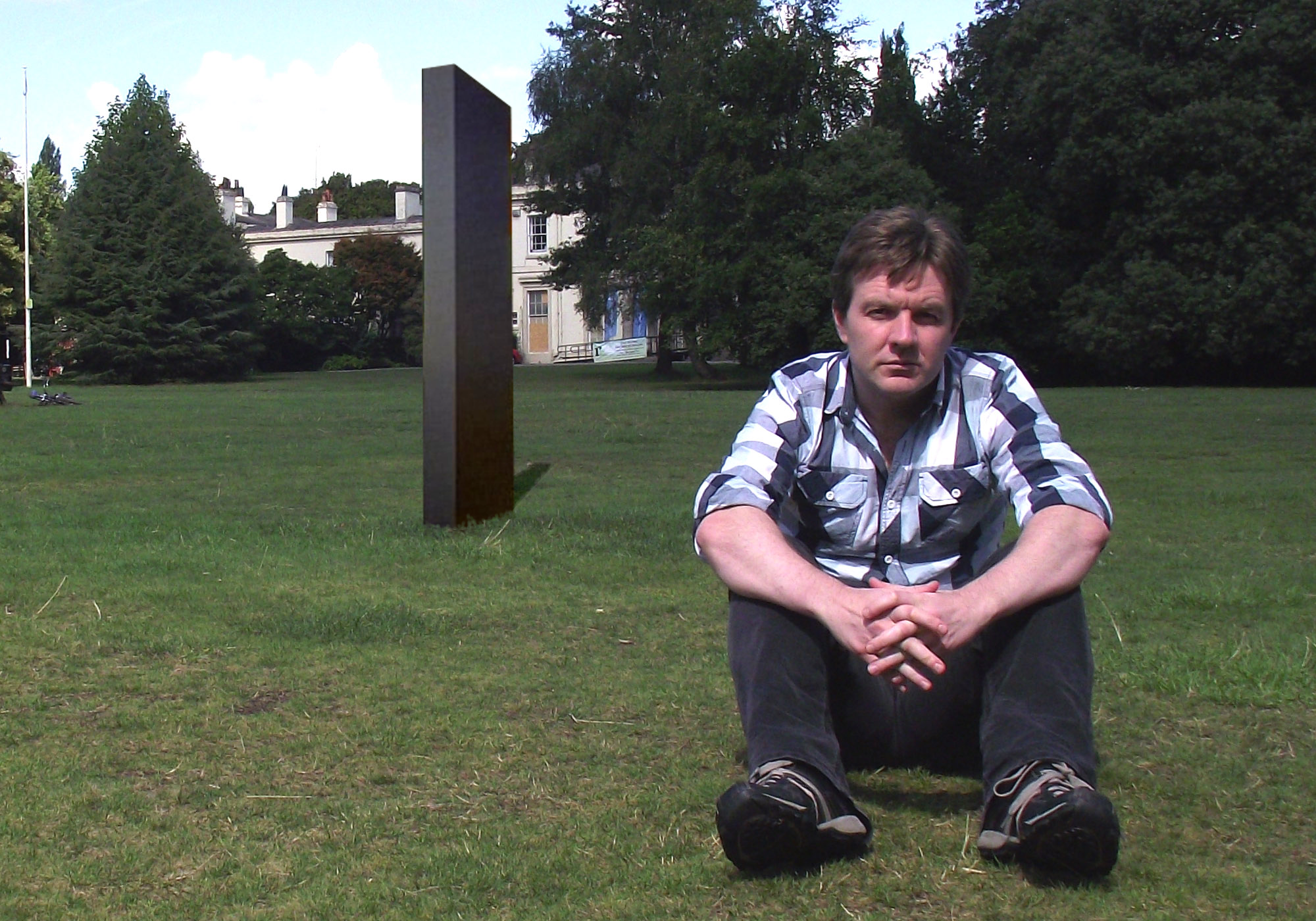
How To Become A Film Critic: An Interview With Rob Ager

Rob Ager
NYFA: Would you mind telling us a bit about your background and what drew you to film criticism?

Rob Ager: As a child I was introduced to a lot of quality films by my father. I was six years old when VHS players had not long come on the market and we were one of the first families in our neighborhood to get one, but VHS owners were limited to just recording things off the TV, commercials and all, for playback. Video stores came along later. The idea of studying a film before that would have been extremely limited because people relied on broadcasts to watch things, not that I was into film analysis that early, but in the following years VHS allowed me to re-watch movies and TV shows and become familiar with subtleties other than mere plot points. My father also allowed me to watch a lot of very adult themed movies from an early age. I was seven when we rented our first two video cassettes Alien and The Shining. Sure I was dreadfully underage, but my father would always watch these movies with me and offer explanations for what would otherwise be beyond my comprehension. It was very educational.

I became interested in short story writing by the time I was about 10 years old, though the inspiration came from movies rather than books. At that age I didn’t even know what a screenplay was, but was always writing from a cinematic position. At around age 13 I saw a documentary on The Making of Aliens. This was the first time I’d ever really paid any attention to what a film director does and it sparked my interest in wanting to be a director, but not being from a privileged background (in fact being caught up in a very down-trodden part of Liverpool with very high unemployment, crime levels, and terribly run state schools) going to university was out of the question.

After leaving high school I struggled for a few years and had to sort of re-educate myself and re-invent my life from scratch. From there I got a job making graphics for video games then moved into the field of social care.

Although film making had never taken off for me as an aspiration, technology suddenly opened the door in the form of digital video and PC video editing software. I was in my late twenties at the time. By then my experience in social care related lines of work, and all the hundreds of psychology books I’d read during that time, had given me enough confidence and organizational skills to get the ball rolling. So I made a few short films (TV episode length shorts rather than 5 minuters) before encountering the creativity-suppressing, politically motivated brick wall that is British film funding. From there I veered into making film analysis videos and articles, which wasn’t so much a conscious choice, but rather a happy accident. In the process of studying the works of my favorite directors I’d noticed a few things that I’d never heard talked about and which I felt ought to be common knowledge.

NYFA: You were one of the first internet-based movie critics and also helped pioneer the video movie critique. When did you first start publishing your own reviews and how has the online critical landscape evolved since you began?

RA: It was around early 2007 that I posted my first couple of film analysis videos—they were about A Clockwork Orange and The Shining. For reasons that baffled me at the time, both of those videos received mainstream coverage, though very negatively, in Wired magazine. The Wired writer considered my first two videos somewhat harmful or dangerous and put himself forward to defend the public against being misinformed by my work. I followed up with videos on Alien, 2001: A Space Odyssey, Cape Fear, Mad Max 2: The Road Warrior, and Scorsese’s remake of Cape Fear, but Wired didn’t bother trying to attack my work again. Meanwhile YouTube subscribers were signing up by the thousand and the videos were generating a ton of online discussion and debate. It was very clear, even after the first two videos, that I’d tapped into something that was controversial and for which there was a largely uncatered audience. A couple of years in my work started getting a lot of positive media coverage, especially when the documentary Room 237 came out, even though I didn’t take part in that film.

As for the evolvement of other online film critics using the video narration format, it seems that a few different niches have been identified and tapped into. Plenty of people do straight reviews of new movies in the traditional sense and reach a lot of people, but the content is little different to what’s already present in reviews found in newspapers and magazines. Red Letter Media put a lot of effort into their stuff and have reached a larger audience than I have, but it often involves attacking bad films rather than praising good ones so doesn’t overlap much with my work. RLM’s sense of humor is very important to their fan base, but my audience seem to be more interested in a sober, almost academic, approach—which is great, but sometimes frustrating because offline I have a bizarre sense of humor too, which I inevitably suppress in my videos (actually I’ve taken to encoding subtle jokes in my videos as a compromise).

There are also a handful of video-based film critics who keep their identities anonymous and some of them reach a lot of people, but I find the anonymity is often understandable because of the poor quality of the critiques, inefficient editing, perceptual bias, and tendency toward over-emotive statements. So far I’ve encountered little from other online critics that I’d consider to be “competition,” so to speak.

NYFA: You spent over fifteen years in social work. How did that experience color the theories and over-arching philosophy you apply when analyzing films and filmmakers?

RA: During those years I met and worked with schizophrenics, the homeless, pedophiles, poverty-hardened teenagers, abused children, ex-cons and so on—thousands of people. Rather than just observing, my job usually involved dealing with these people’s behavior and belief systems—sometimes in violently threatening situations and very often involving lies, manipulation, and pathological denial. You have to keep track of a lot of information in those situations—familiarizing yourself with people’s subconscious habits and environmental triggers, which lends itself quite well to studying human behavior as represented in movies. So a lot of subjects that I talk about in film analysis are things I’ve experienced or observed many times in the real world.

NYFA: What is the guiding theory behind your film criticism? (For example, do you believe that a director, like Stanley Kubrick, is completely intentional in how they compose a scene and thus every element can be analyzed for symbolic value?)

RA: My guiding theory is to gather information first and then form an opinion based on the patterns that emerge from that information. That may seem obvious, but the world is full of people, even in academia, who do it the other way around. Some film makers put incredible depth in their work, but most don’t. Stanley was one of a rare breed in terms of his range of themes and attention to detail. His films are like huge detailed canvases, while a lot of other films are like tiny framed, botched imitations of things already painted better by previous artists. That’s not to say absolutely everything is intentional in a Kubrick film. Even the great master painters made mistakes, but in the same way that every square centimeter on a canvas painting can contain significant detail, there isn’t a single element of the film making process in which metaphors cannot be included. Everything is open to scrutiny.

NYFA: You often focus on what others would consider to be the minutiae of a film to reveal a greater truth. What is it about this method that you believe helps you uncover a greater truth? How do you feel this method fits into the tradition of film criticism?

RA: I don’t think it fits much into the tradition of film criticism because I don’t see a lot of method there. A lot of film reviews and critique are just hasty opinions formed from instinct without any effort in information gathering or even basic note taking during the course of watching a movie. That works well for telling readers whether they might commercially enjoy a particular movie, but it doesn’t work for getting beyond obvious plot lines in any way that is convincing or informative. Basically the issue boils down to the literal verbal (explanatory dialogue, which carries most plot points in movies) versus verbal innuendo (dialogue with hidden or double meaning) and non-verbal communication (visuals and non-dialogue sound). It’s very well known, even to the general public, that most human communication is non-verbal. So naturally, that’s the case in movies as well, even those that have straight, one dimensional narratives. My job as “film analyst” is to put words to those facets of communication that are normally missed or only experienced subconsciously by the audience and often even by the film makers themselves.

NYFA: You also work as an independent filmmaker, having completed a trio of short films and the recent horror feature Turn in Your Grave. How does the film making pursuit differ from the role of the film critic? How does your experience as a film critic inform your decisions as a filmmaker?

RA: Mostly I’d say my experience as a film maker informs my film analysis / critique, rather than the other way around, though in the course of writing film analysis I have learned a few tricks from Lynch, Kubrick, Hitchcock, and other greats which then affected me on set. As a film maker you sort of have to be a critic anyway, attempting to anticipate how your creative decisions will affect the feelings and opinions of the audience. At the same time you have to sometimes go ahead and do something that you know the audience will initially dislike in order to get certain points across or to challenge them in some way. I went all out when shooting Turn In Your Grave to create a film that would challenge the viewer’s assumptions about movies on many levels and which would demand the viewer play detective. As a result I find people have strong reactions to the film ranging from fascination to unease and frustration. Even if it’s the only feature I ever make, I’m happy with it because I can honestly say it’s original and represents a personal vision on film. But making a feature film is expensive and extremely time consuming—at least a hundred times more so than making a film analysis video. So, unless the British film industry is radically altered to facilitate creativity and filmmakers with a personal vision, I’ll be continuing mostly with film analysis as a cheaper, but still wide-reaching alternative…unless I end up leaving the country.

NYFA: What led you to work within a genre like Horror that tends to have a pretty established structure in terms of how a story unfolds? Did you see working in such a codified genre as somehow liberating or were you trying to find a certain freedom within the structures?

RA: A lot of my film analysis videos are about horror films, which can be misleading. Horror isn’t necessarily my film viewing preference, partially because it’s so rarely well done, but it is a genre which, along with sci-fi and fantasy, provides a means through which deeper aspects of the human psyche can emerge and be collectively experienced consciously. Narratives that are bound by the perceived rules of everyday reality can be quite restricting in that the film makers spend an inordinate amount of time trying to create something that is “realistic” rather than interesting and stimulating. Turn In Your Grave isn’t actually a horror film, although it does intentionally wear that mask. It’s more like a potent bad dream in which subconscious thoughts surface and play on you for days after you’ve woken up.

NYFA: When it comes to directing your own films, what role do you see the director playing? As someone who often conducts a symbolic reading of film, do you find working within a genre as a means to exert complete symbolic control over the elements in your films?

RA: The director role varies. It can mean window dressing something in which all the true creativity derives from the script and most of the aesthetics are decided by technicians. Or at the other end if the director has been involved in the script writing and personally gets involved in guiding the technical tasks of all the crew members and the editing process then he becomes the creative driver. I’ve only directed using the latter approach.

As for genres, all of my films have been mixed pieces, as in they initially appear to be of a certain genre, but subtly morph into another genre or two. I have watched some films that attempt to abandon all genre conventions and simply hit the audience with something outside of their normal experience. David Lynch’s more bizarre films Eraserhead and Inland Empire do this, but they’re also, for many viewers, his least accessible films. Many people simply switch off those two films mid-way through because they can’t relate to them, but with Mulholland Drive and Blue Velvet Lynch took the wiser step of giving the audience an initial genre narrative that they could relate to. He then, through the course of those films, eased the audience gradually into unfamiliar realms, primarily involving dream logic. That approach works in most forms of communication. A shrink is able to get more far reaching results by stepping into the world of the patient first, occupying that world with the individual for a while (provided it isn’t too physically dangerous), and then gradually introducing perceptual elements that lead the patient to a more pleasant, truthful, and resourceful place. Good movies do that too.

NYFA: What would you say has been the secret ingredient in gaining a wide audience for your film criticism videos?

RA: Communicating from a truthful place, especially in areas where it’s unfashionable to do so. In a world that is drowning in lies and denial, truth is a powerful and underestimated commodity (in many ways much more powerful even than money).

NYFA: Do you have any parting words of advice for aspiring film critics looking to make a name for themselves online? Any essential writers or critics that you feel every aspiring critic should be familiar with?

RA: Yes, spend some time soaking up the articles and videos at my website www.collativelearning.com (biased recommendation of course). There’s only one other independent online film analyst / critic I recommend at the moment and that’s Darren Foley (known on YouTube as foleyd87). I’ve actually only seen a few of his videos, but they were enough to earn my recommendation.

Advice for aspiring film critics…

1) Keep your language simple and to the point. A great many film critics try to pepper their articles with unnecessary pseudo-intellectual jargon or trendy buzz words, catch phrases, and verbal clichés. If you want to write poetry then write poetry, not film critiques.

2) Be your own harshest critic. After writing or editing something, look for ways to tear it apart conceptually before finalizing and publishing it. If you don’t find the flaws in your arguments, your audience will certainly do it for you.

3) Your real life experiences are as important as your love of films. Get some good, character building life experiences under your belt. Only then will you have something truly personal to say about other people’s movies or to express in movies you write or direct.

4) Work hard!!! Creating a thorough film analysis video or article requires a lot of advance information gathering about your chosen film topic, a strong knowledge of video editing, a lot of writing practice, and a lot of time. Most people, including myself, don’t have a lot of free time so if you’re really serious about it then you’ll have to make some sacrifices in other areas like getting drunk less often with your friends, playing less computer games, or watching less sports.
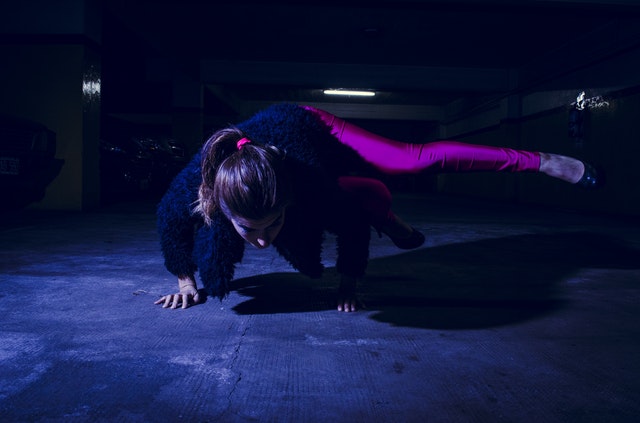

How to Choreograph a Dance When You Are Stuck: Choreography Outside the Box

Setting dance choreography can be a daunting task. Whether you are a new or seasoned choreographer, you may find yourself at a creative block during some part of the process. These are perfect opportunities to be daring and think outside of the box!

Use whatever challenge you are facing to create something new. Choreographing is a work of passion and expression that can be rewarding despite difficulties that may arise.

Often times when people think of dance, they may imagine traditional ballet and jazz dance. In these more traditional forms, the choreography may follow the music exactly and use a structure such as ABA – theme, variation on the theme, and repetition of the theme.

However, if you are choreographing in these genres or another one altogether, breaking this mold can provide satisfying results.

The elements of dance include shape, space, time, and energy. These are important to consider when creating movement for your piece.

Different use of these elements can produce varying results when choreographing. Be conscious and aware of how you use them – they can open up doors and also cause our creative process to come to a standstill. Use them wisely!

Here are some choreographic ideas to get your creative juices flowing:

1. Choreograph in a non-linear fashion.

Instead of starting at the beginning and plowing all the way through, why not start in the middle? Or, begin working with several movement phrases and just see where it takes you.

2. Use improvisation as an impetus for movement, phrases, or overall dances.

You can improvise as the choreographer, or have your dancers improvise for you. Videotaping improvisations can also be very helpful. If you love improvisation or perhaps envision your final work being slightly different each night, you can even integrate improvisation into your piece!

3. Choreograph without music.

If you ever feel stuck choosing music, or you are working with a composer creating an original score, try choreographing without music at first. This will create a dramatically different effect on the relationship between the dance movement and the music. This works particularly well with more ambient, sparse soundscapes.

4. Look at the basic elements of your dance: shape, space, time, and energy.

You can create entire dances based on one element alone, or use these individual elements to create variations on your dance phrases. Step back and brainstorm ideas about each element through writing. Then, explore your ideas through movement.

5. Choose to create a piece outside of the theater, or in a nontraditional space.

You could make a site-specific work in a park, or produce a concert in a black box theater to help break up the frontal monotony of theater dance work. In these nontraditional venues, the audience is often given a new perspective from which to view dance because they are more up close and personal. There is little to no barrier between the dancers and the audience in these settings. The audience may get a 360 degree perspective or simply sit somewhere very close to the dancers.

6. Break your typical movement mold.

If you tend to move a certain way and create dances that all contain similar movement qualities, challenge yourself to create a movement study in ways that oppose your natural habits. You can create an entire piece off of this idea; or, use it as a way to contrast your movement in other choreographic works.

7. Incorporate post-modern dance techniques.

Test your limit of what dance can be. The post-modern dancers of the 1960’s used pedestrian movements such as walking and everyday gestures to make entire pieces. They also incorporated spoken word, video projection, and more.

8. Make your work multi-disciplinary.

If you ever feel stumped for ideas, consider how you can use other art forms or something seemingly completely unrelated to dance to create a new dance work. For example, you could incorporate live music or live painting into the dance. Another idea would be to work with a scientist or anthropologist closely on a topic that interests you to base movement from.

9. Mesh genres.

Have you ever thought about making a hip-hop Nutcracker? You could use modern dance techniques in a musical theater piece, or ballet in a tap number. The possibilities are endless.

10. Use chance methods.

Choreographer Merce Cunningham pioneered this method. There are multiple ways to use chance methods when choreographing. You could roll dice or use the I Ching as he did. Another idea would be to pull ideas, numbers, etc. out of a hat and use that for sequencing, phrasing, or anything else.

11. Consider the end result.

What will the costumes and lighting look like? These are two essential elements that can lend a great deal to the final product. Your movement and ideas may even be inspired by particular costuming and lighting ideas as well, so do not leave them for the very end! They could even be a starting point for an entire dance.

Think of your mind like an open book when you start the choreographic process. Just as a writer may get writer’s block, try to open another door instead of continually trying to open a locked one. This does not mean that you are giving up, but rather trying something new.  When we can free ourselves creatively, the rewards are plentiful that we are creating a work that expresses our deepest potentials.

How To Shoot A Feature Film On An iPhone

It’s no secret that filmmaking can be an expensive pursuit, especially when you’re looking to invest in a full set of shooting equipment. Although the entry-level prices for cameras, lenses, lighting and sound equipment are becoming more affordable, it can still add up to a sizeable sum.

This raises the question: how cheap can you go while maintaining a professional sheen to your film, and is it even possible to shoot an iPhone feature film?

iPhone feature film tips

The short answer is: yes!

The longer answer is: yes, but it’s a bit more complicated than just pointing and shooting.

Today, we’re going to unpack the longer answer and teach you How To Shoot A Feature Film On An iPhone.

Creating an iPhone Feature Film: What’s Achievable

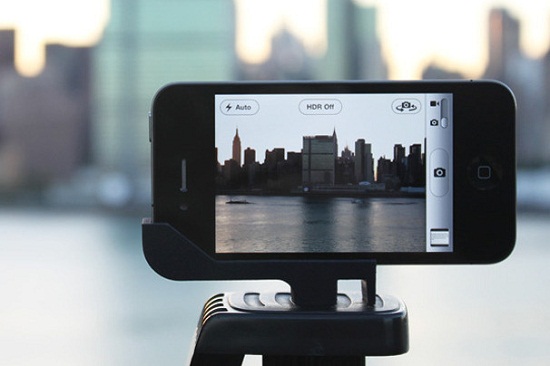
Firstly, it’s important to note that there’s nothing wrong with using an iPhone while working on set (and don’t let anyone tell you otherwise). Whether it be for framing shots, getting quick takes or multiple angles, or simply for back-up purposes, one of the fundamentals taught at cinematography school is to always have a secondary camera on set. For many, a smartphone will suffice and may be the only thing within budget. Even if expensive secondary cameras are readily available, many seasoned professionals will attest to the usefulness of keeping one handy while on set.

Secondly, we know that an iPhone feature film is possible because it’s already been done a few times to great effect:

As can be seen from the above, there are quite a few benefits to shooting with such a compact camera and, in certain scenarios, can outweigh many of the disadvantages. If you’re looking to follow in their footsteps and craft your own iPhone feature film, there are some things to bear in mind:

1. iPhones are not the only camera phones.

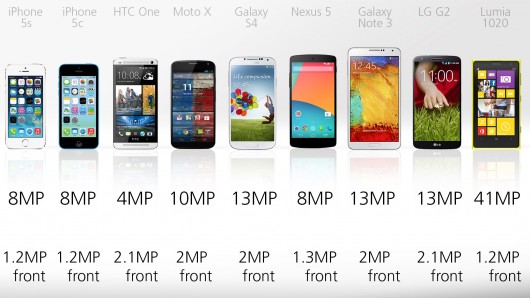
Although we’re guilty of using the ubiquitous term iPhone here to describe any quality phone with a camera, obviously other smart phones are out there and many of them trump the iPhone’s specifications.

iPhone feature film
Courtesy Gizmag.com

As any cinematographer knows, it’s not just about the megapixels so you’ll want to do some research into the final details before making your choice, but it certainly doesn’t have to be an iPhone. Speaking of which…

2. Consider Your Storage Options

While the iPhone does feature 64Gb of storage on the pricier models – which is currently unsurpassed by any other smart phone – it doesn’t have the option to increase this with the use of SD cards, unlike Samsung’s Galaxy line.

Courtesy Gizmag.com
Courtesy Gizmag.com

Depending on the scope of your project, this could be a real kicker; there’s nothing worse than traveling 200 miles to shoot at a remote location, only to run out of space on the phone within an hour of shooting. Of course, this can be remedied by backing up the footage on the fly to a laptop (which is also useful for keeping the phone juiced up), but this may be a clunky solution for some.

3. Get a Lens Kit

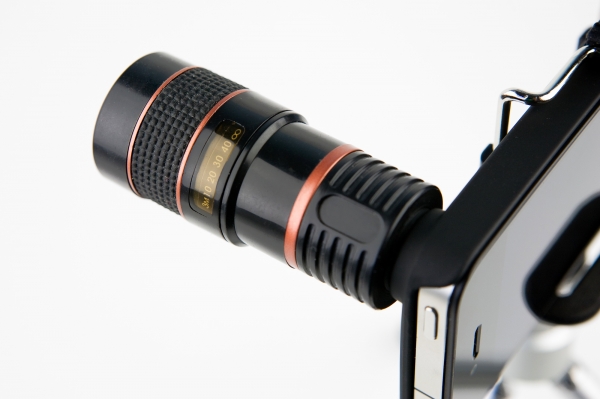
If you’re shooting a full feature-length movie with a phone, getting a lens kit is practically essential for improving the overall look and feel of the footage. Aside from enhancing the quality, it’ll also give you options when you’re out shooting in the field in terms of fish-eye, wide and macro angles. There are even mounts which allow you to hook up your Canon EOS or Nikon SLR lenses right onto the iPhone, emulating a true DSLR experience while shooting.

iphone-telephoto-lens-a36c_600.0000001297643131

A lens kit won’t set you back too much, with many of the quality kits sitting in the $40-$100 range.

4. It’s All in the Render

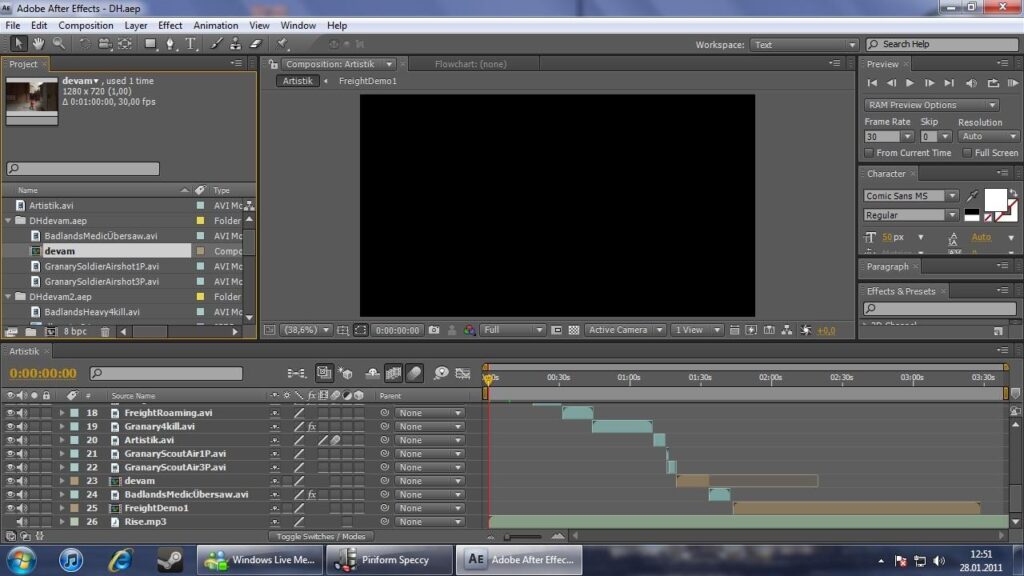
Given that the footage you take on your iPhone isn’t going to come close to anything taken on a 4k studio camera, don’t compound the problem by compressing it in the editing sweet.

aeproblem

Render all of your editing in the highest bit rate available and in a loss-less format, and be wary of how post-processed effects may affect the quality.

5. Don’t Neglect the Sound

Although you can cut many corners when shooting an iPhone feature film and save a considerable amount on the final budget, one area which you should probably avoid scrimping on is the sound.

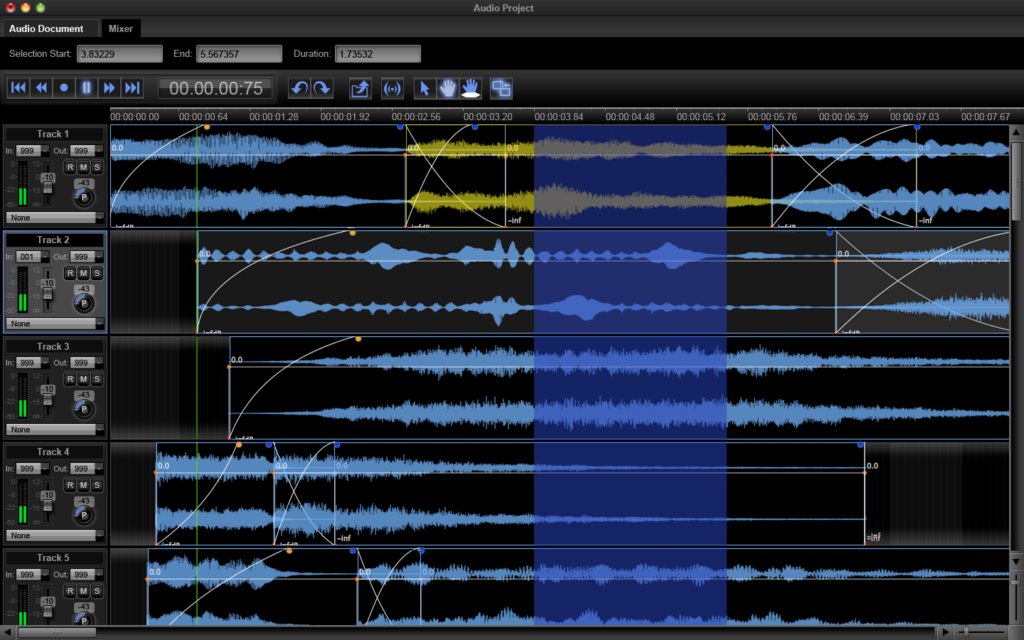
PeakStudioTracks

It isn’t too costly to make sure the soundtrack of your otherwise inexpensive iPhone feature film sounds great, but a poor soundtrack will really detract from the entire product.

Make the sound your number one priority (at least in terms of production), and the rest will follow.

Final Thoughts

Creating an iPhone feature film is already a possibility, and the practise is likely to rise in prevalence as camera phone specifications increase with newer models. It won’t work with every genre – think ‘found footage’ movies and gonzo documentaries rather than space operas – and you may have to use a little ingenuity to get the best results…

… but isn’t that what cinematography is all about?

Interview With New York Film Academy Graduate And Star Of The Brazilian Adaptation Of Mamma Mia – Pati Amoroso

Check out our interview with New York Film Academy Musical Theatre graduate and star of the Brazilian adaptation of Mamma Mia, Pati Amoroso, where she talks about her time at the New York Film Academy and hopes for the musical theatre scene in Sao Paolo.

Transcript

Pati Amoroso: Hi! I’m Pati Amoroso from Sao Paolo, Brazil and I studied musical theatre at the New York Film Academy!

NYFA: What is your background?

PA: Well my background, I suppose, started when I was very little actually. I was 15 days old when I moved to LA and that already got me started in the American culture. Then we moved to New Jersey where we were like only forty, forty-five minutes from New York so every weekend my parents would take me and my brother to see Broadway shows and I just fell in love with everything. I was so little and just listening to the music and the energy just got me hooked.

What drew me to New York Film Academy was the amount of resources that you guys have here. Cameras, lights, and especially your teachers. We didn’t at that time, have that many resources in Brazil so I just knew that if I wanted to pursue this dream, I would have to come to New York Film Academy.

New York Film Academy helped me meet other people from other countries, which was amazing to know that there are so many interesting people that I never met before with different cultures and different ideas and that helped me get settled in this city.

NYFA: Is it common for Brazilians that are interested in storytelling to come to the states to study at places like the New York Film Academy?

PA: Yeah, Brazilians are very drawn to New York. Well, like everybody else in the whole wide world cuz it’s like if you can make it there, you’ll make it anywhere. So, I feel like since the start, every Brazilian wants to have the dream of studying here. So I feel pretty confident that many Brazilians want to come here.

NYFA: Has the arts and entertainment industry in Brazil changed since more people have come to the United States to study?

PA: Yeah, Brazil has changed a lot now. More or less eleven or twelve years ago the musical theatre industry began in Brazil and now it’ become something…I’d say it’s a mini Broadway in a way. Because now we have so much more musical theatre there, everything’s growing. I’d say soon enough that, well, Sao Paolo or Rio could turn into a New York City.

NYFA: What lessons did you learn at New York Film Academy that you still find yourself applying to your career and practice as an artist?

PA: The New York Film Academy has taught me so many things that I take on till day. I like condensing it to one thing is basically confidence, confidence in your craft. All the teachers made me feel confident about myself and they rooted me on to becoming what I am today and that’s what I try to keep on using for my career.

NYFA: Mamma Mia is one of the most influential musicals of the past fifteen yrs. Were you a fan before joining the cast? Has you seen the show before?

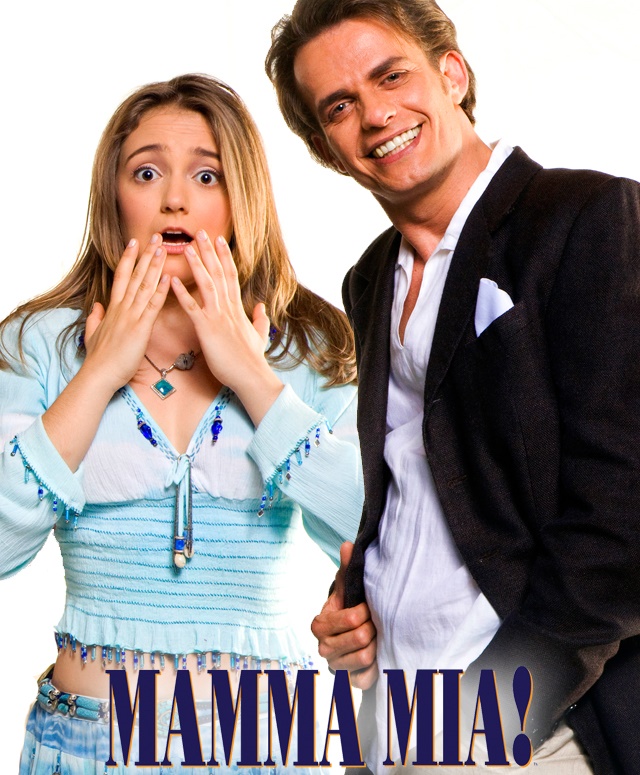
PA: It was a great honor to become a part of Mamma Mia. I was shocked actually. But I had never seen the actual show before. I did watch the movie with Meryl Streep and—she’s my idol—so when I got cast I held myself from going to the Broadway show because I wanted to make Sophie my own, but I did watch the show after we started. Like, we had a week break so I came to New York and I watched the show, but it was amazing.

NYFA: What was it like to join the touring cast?

PA: Being part of the company of Mamma Mia was amazing. The people, everybody involved in the project was so enthusiastic about it, and confident that it was going to turn into something great.

Well, I wanted to make Sophie a type of Brazilian Sophie in a way. You can tell that American acting is very different from Brazilian acting. You can compare soap operas with Law and Order or something. So I wanted to show that. I wanted to show that even though the script is British, you can make the characters different even though they have the same lines.

Now that I did Mamma Mia, people see me as a professional, whereas before they didn’t really know who I was.

NYFA: What’s been the most useful important tool you’ve encountered using and that you would suggest to people starting a career in musical theatre?

PA: I would tell everyone who wants to be in musical theatre to be really nice to people. Because you don’t know who is going to help you out in getting roles or auditions and it’s not worth being mean. So, confidence, like I said before, and focus on your studies and your own talent and don’t be mean. [laughs]

In the next ten years I hope to be working as an actress and respected for my craft and admired. [laughs]

NYFA: Do you have any other dreams? Anything else that you’d like to do?

PA: I would love to build a theatre in Sao Paolo. I want to feed the culture in Brazil. I want to be a part of this growing genre [laughs].

I advise every actor to study, to continue studying and work on your craft. No actor is completely ready. Everybody can learn a little bit more.

Please show Pati some social media love by following her on Youtube.

5 Photographs You Will Never Be Able To Afford

The photography world has never been without its fair share of sensationalism and headline-grabbing news, particularly when it comes to the prices that some fine works fetch on the market. Indeed, the amounts people are willing to pay and the lengths they’re willing to go to attain these highly prized originals is nothing short of astonishing.

It’d be an understatement to say that selling your work for such sums right out of photography school is unrealistic, but it’s fun to dream nonetheless. Here are the current most expensive photographs ever sold, as well as why they commanded such high fees.

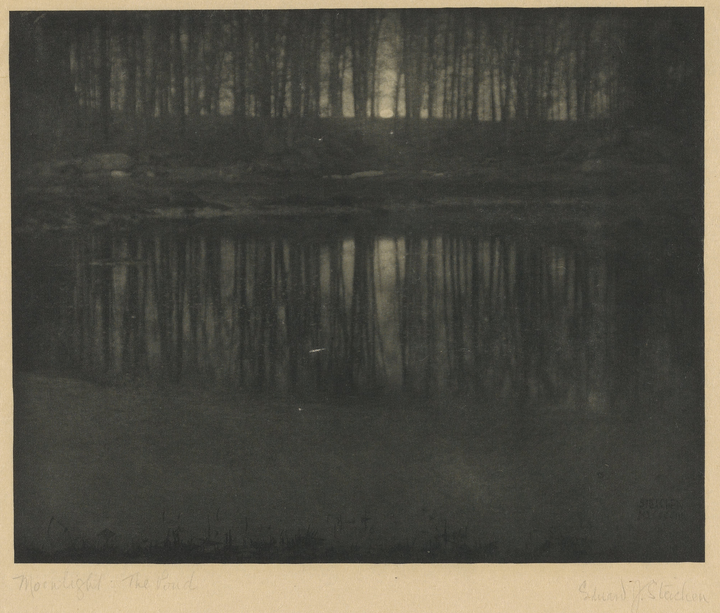
5. Edward Steichen’s The Pond – Moonlight – $2,928,000

Screen Shot 2014-08-05 at 11.08.21

Sold at a Sotheby’s auction in New York in 2006 just over a century after it was taken, the photograph was the highest paid at auction at the time of sale. This is mainly owing to both its haunting beauty and rarity; three very different versions are known to exist, with the other two currently held in photographic museums.

Though many observers would assume it’s a black and white photograph, it’s actually one of the earliest know examples of color photography (the subtle hues were hand-crafted using light-sensitive gums, which in 1904 was a good few years ahead of mainstream color techniques).

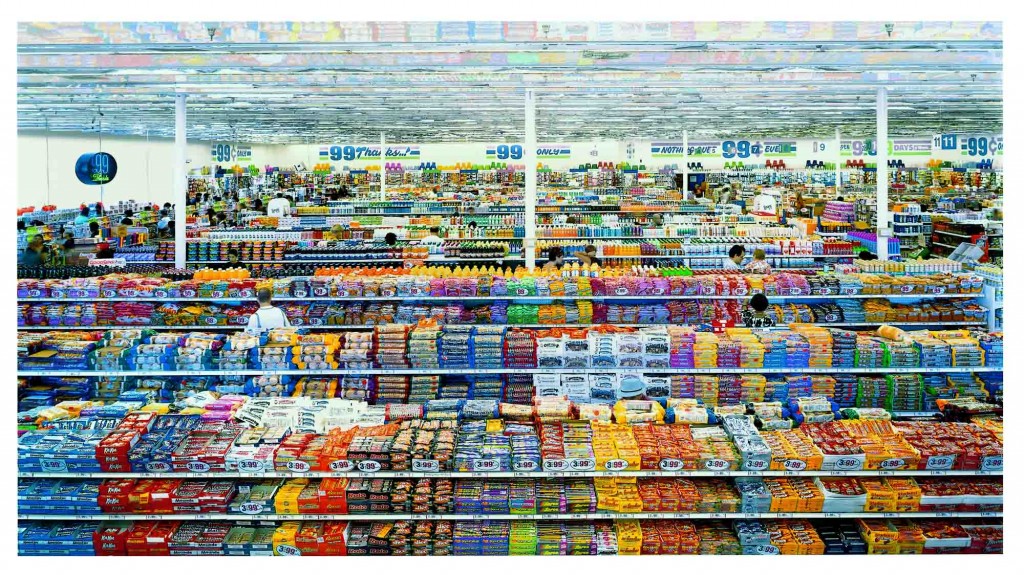
4. Andreas Gursky’s 99 Cent II Diptychon – $3,346,456

99cent

The next example of photographic largesse is brought to us by German visual artist Andreas Gursky and his two-part/diptych piece, a C-print mounted to acrylic glass (207 cm x 337 cm/6.79ft x 11.06ft).

The diptych depicts a product-laden supermarket with numerous aisles, all of vibrant colors and hues, making for a very visually busy piece. Gursky here opted to digitally alter the perspective, reducing it somewhat and resulting in perhaps a busier-than-otherwise-would-be finished article.

As with the Steichen photo above, Gursky’s photograph garnered much attention for setting a new record as the most expensive photo ever sold at the time. Owing to this, it was reprinted twice more, with one print being sold for $2.25 million on May 2006 in New York, and another (making three in total) print being sold for $2.48 million on November 2006, again in Sotheby’s. For some time, all three prints of this were within the prestigious list of Top 10 Most Expensive Photographs Ever Sold.

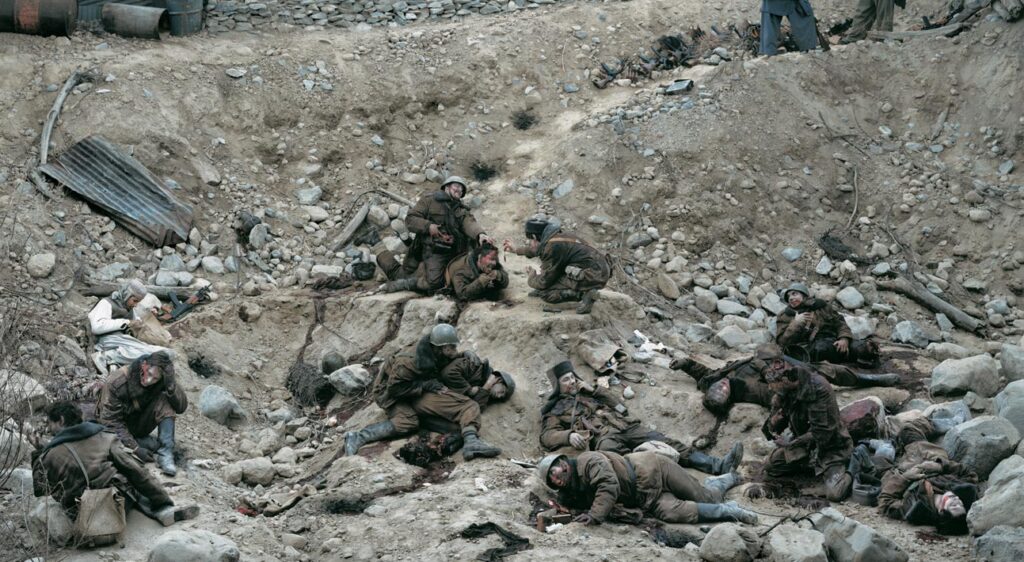
 3. Jeff Wall’s Dead Troops Talk – $3,666,500

deadtroopsm

At 7.5ft tall by 14.5ft, it’s easy to see why this striking and detailed image is best seen in its full size but even scaled down it’s an alarming scene. The full title of Dead Troops Talk includes the detail “A vision after an ambush of a Red Army patrol, near Moqor, Afghanistan, winter 1986″ in parentheses, giving a clearer picture of what the subject matter of the photograph is about.

The Canadian photographer utilized a Hollywood special effects company – The Character Shop – to put recently slain soldiers in a frozen limbo, where they react to their deaths with a mixture of emotions in the still. It’s a jarring (and arguably horrific) commentary on the brutalities of war, and a very impressive example of a fantastical scene brought to life with the photographic medium.

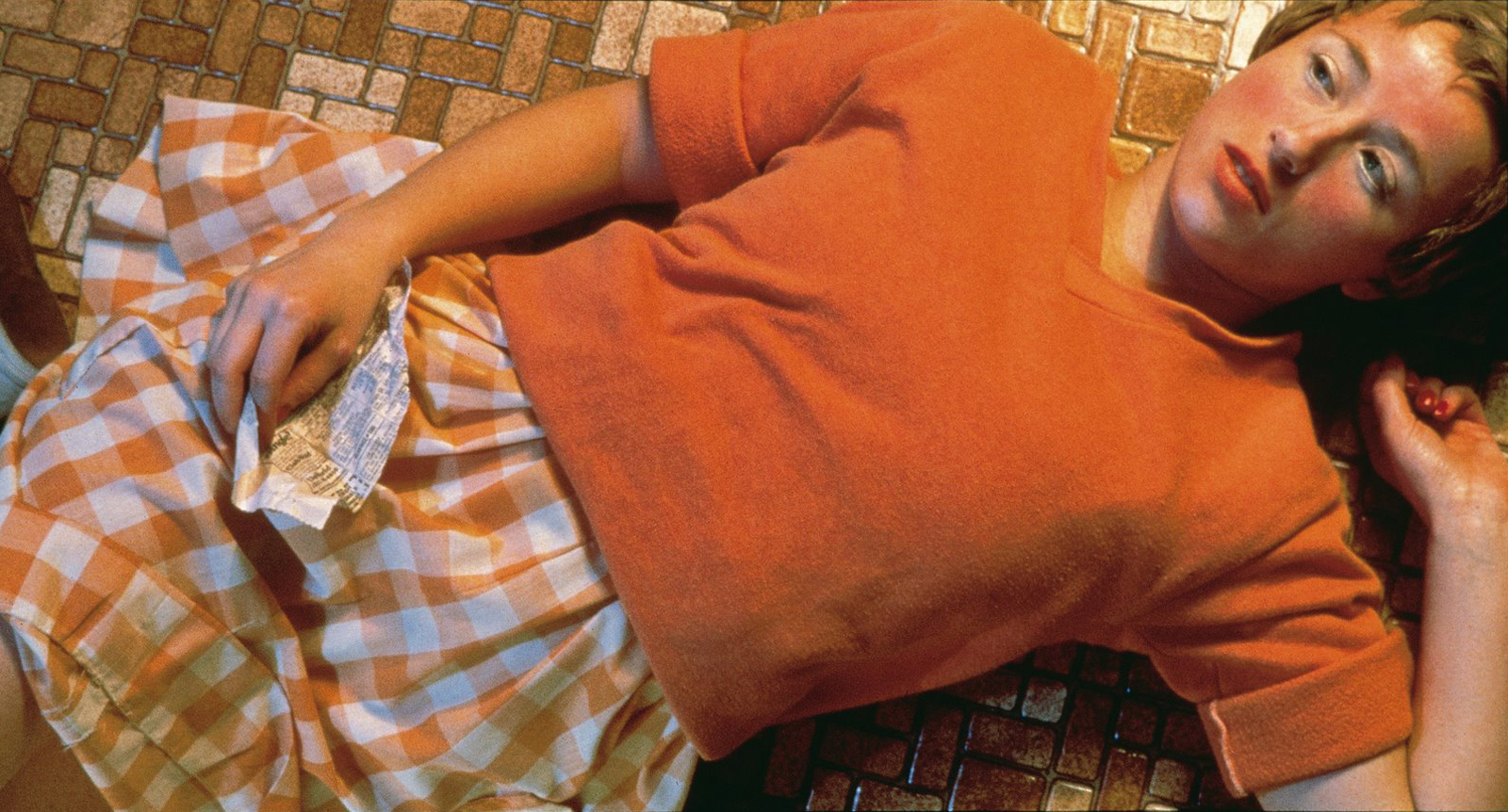
2. Cindy Sherman’s Untitled #96 – $3,890,500

Cindy-Sherman’s-1981-photo-Untitled-96

Auctioned off at Christie’s, this work was sold in May 2011 and was – as with some of the other entries that preceded it – the most expensive photograph ever at the time of sale before being usurped by the photograph below.

A color coupler print (61 cm x 121.9 cm/24 in x 48 in), the photo depicts Sherman herself (an artist widely regarded as seeking to raise questions about the role of women in society) lying on the floor of a kitchen, clutching a page from the newspaper classifieds. The actual personal details of the photograph are for the viewer to discern; however, Christie’s would lay claim that it “exudes shock and confrontation through its scale and the boldness of Sherman’s tight compositional framing” along with the questions raised as to who/what/where/why.

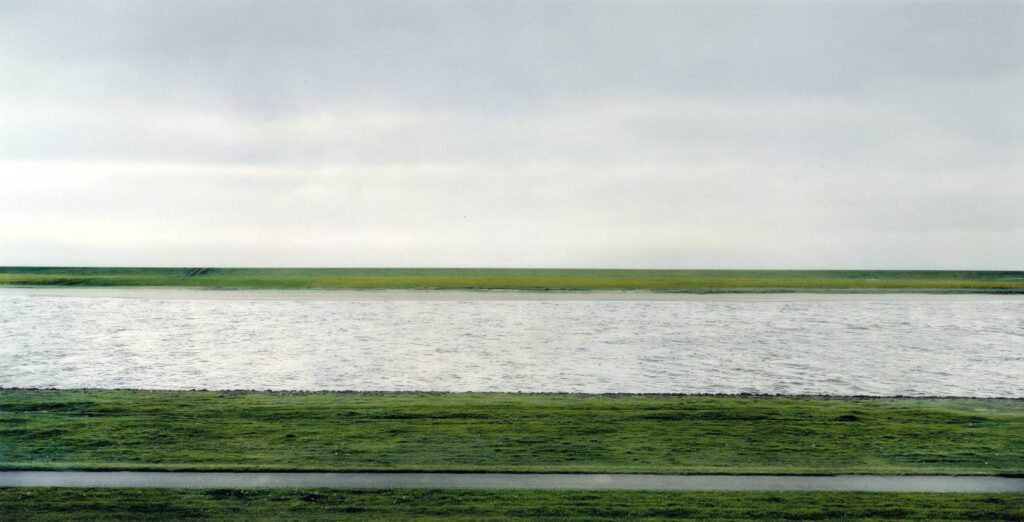
1. Andreas Gursky’s Rhein II – $4,338,500

The Rhine II 1999 by Andreas Gursky born 1955

Another lot at Christie’s (and another Gursky) that was auctioned off in November 2011 to an unknown buyer, Gursky’s photograph is literally the single most expensive photograph to have ever been sold. A C-print mounted on plexiglass (190 cm x 360 cm/73 in x 143 in), the photo details the River Rhine – a vast European river (and one which flows through 6 countries) – as it flows in a horizontal, landscape fashion, occupying the middle section of the photo, between green fields and a grey sky.

A curious edition to standard after-work, the bleak appearance of the photo was achieved by again digitally removing a factory, some people walking, and other extraneous details, which led the artist to comment that the view in the photo “cannot be obtained in situ” and was – in a manner – “a fictitious construction”.

Fictitious or not, the price it fetched was very real indeed.

Sharpening Your Skills And Getting A Job In Broadcast Journalism; Interview With Suzane De Oliveira

International Broadcast Journalism

NYFA: Can you tell us a little bit about yourself, your background, and what made you decide to get into broadcast journalism?

Suzane de Oliveira: I’m a Brazilian journalist and I live in Rio de Janeiro. From a young age I had a natural curiosity for the news and newspapers and what was happening around the globe.

I decided to study journalism some years before going to college. My goal was to work at a huge newspaper in Brazil.

Whilst I was studying I had the opportunity to begin an internship program for the university’s TV channel.

It was here that I fell in love with broadcast journalism, and from that time on I could not imagine myself doing any other thing.

NYFA: As someone who has already seen a level of success in broadcast journalism, what advice would you give to someone just trying to break into the industry?

SO: I would say that you should enter this crazy industry only if you’re really sure that it is what you want to do…because it is not easy!

In Brazil, recruitment for journalists is not advertised the same way other professions are. In my country, unfortunately, it is sometimes a matter of who you know, not what you know.

You need to find out how recruitment works for your particular field in your area. It can be difficult and not as clear a progression path as other professions.

It’s a combination of luck, persistence, perseverance, having a thick skin, confidence, and tenacity.

You need real passion to reach your goal and succeed.

NYFA: You were already working in journalism before you attended NYFA. Why did you decide to attend a workshop while already in the industry?

SO: I already had experience as a TV reporter and anchor, but I think we always need to learn new things and in the broadcast journalism industry, it is almost an obligation.

I have studied a lot and had already undertaken other workshops in Brazil.

It was also a good way to get to know new people with the same interests.

NYFA: What made you choose the NYFA 4-week Broadcast Journalism program?

SO: I always wanted to study in New York and NYFA was the best option when I started looking for a course.

I didn’t have much time and a 4-week program was perfect for me.

It was a good way to have an experience abroad. Brazilian companies place great value and have respect for people who have studied abroad.

NYFA: How would you describe your experience at NYFA and what role did it play in your career?

SO: It was awesome!

I loved the school because everything was so organized and all the staff were kind, patient, and passionate about what they do.

I also loved the fact I got to know people from different countries.

I think NYFA improved my experience greatly. A few weeks after I came back to Brazil I got a new job in Agence France-Presse (AFP).

I’m now a Text Copy and Video Editor and also perform the voice over in Brazilian Portuguese.

I didn’t know how to edit videos before, so I’m sure the NYFA program gave me an advantage to get this career opportunity.

NYFA: Is there anything in particular from your NYFA course that has stuck with you/stood out?

SO: Yes! I hoped I would find good teachers with great experience in the industry.

But I didn’t know that I would find people so intent on ensuring that we were well cared for and had a great experience that was perfectly appropriate for our course.

I was really surprised in my last class when I realized that my teacher, Bill Einrenhofer, still remembered the copy I wrote in the first class! He also told us that we could count on him from that time on for assistance and references. This was very important for me.

NYFA: Do you find there are any major differences between what you learned in New York and the industry in Brazil? Are there opportunities that exist in Brazil that don’t exist in the USA?

SO: I didn’t notice many differences in the industry, but I noticed and felt many cultural differences not associated with broadcast journalism (the snow was memorable).

NYFA: What should current and future students do to get the most out of their program?

SO: I think it is easy to get the most out of the program because it is a hands-on experience.

I think you just need to pay attention to your teachers and try to get good newsworthy people and stories for your projects so you can use this as part of your portfolio.

And use the free time to enjoy the city because it will improve your experience.

NYFA: What’s next for you? What is your ultimate career goal?

SO: My ultimate goal is to work as a TV reporter.

I hope I will have good opportunities in broadcast journalism so I can always learn more and have a successful career. I really love being a journalist and I am very happy working in this field.

NYFA: Any parting advice for current and future broadcast journalism students?

SO: Enjoy your time at NYFA because you will miss it. I graduated in February and already miss it a lot.

I really believe journalism has a very important role in a better future for all of us. So, study hard, dedicate yourself, and do your best.

Just don’t give up and you accomplish your goals

Screenwriting School: Do You Need It?

The Golden Rule cannot be understated: if you want to get better at writing, then write.

If you take nothing away from today’s post than that, so be it. But right from the off, it’s important to note that it doesn’t particularly matter how you go about it—practice your craft, learn from your goofs, find your own voice and growth will inevitably come.

So if we take that as a given, this begs the question…

… is there any point in attending screenwriting school?

Ten Thousand Hours

Malcolm Gladwell, the inspirational and intriguing science journalist, once posited that it takes 10,000 hours of practice in order to attain mastery in any field. While the accuracy of the number has come under academic fire recently, the underlying concept is fairly steady.

And this is where formal tuition in screen writing comes in. You can go those 10,000 alone and become a master screenwriter—many have, many will, and there’s nothing wrong with that route. Alternatively, you could put yourself in an environment that accelerates that process.

And attending screenwriting school helps on pragmatic grounds, too. While it is entirely possible to get your 10,000 hours in during the wee small hours of the morning between your family going to bed and getting up for your day job, it’ll feel like a lot more of a hard slog than if you went at it full time for a few years. And if that sounds like too long a spell to take out of working life, there are plenty of part-time screenwriting programs too, including eight and twelve workshop-based courses.

Don’t go into such a program lightly, however; while screenwriting school may sound like a relaxed walk in the park, they’re usually very intensive and mimic the ‘trial by fire’ nature of the industry out in the real world. This in itself can be instrumental in your growth as a filmmaker, since no artist became great without enduring some constructive criticism and hard knocks.

Art In a Vacuum

As well as getting some space to single-mindedly focus on advancing your career, there’s another tangible benefit. A lot of professions within filmmaking are inherently collaborative, and rely heavily on more than one person working closely together in order to breathe life into a project. Screenwriting, however, is not one of them.

Developing a script (at least for film, TV can be a different ballpark) is a rather solitary pursuit, and until your screenplay is optioned, it can usually feel like working in a vacuum. In fact, you’ll often feel like the outcast of the team all the way up to the final cut.

Since it can be hard to learn and grow without outside interaction (creatively speaking, at least), attending screenwriting school can help pierce that bubble. Not only will you get to mingle with film students of other disciplines – which is infinitely helpful in giving you a more rounded overview of the industry – but you’ll also get to work closely with other writers.

Ever been stuck on a plot point or characterization issue only to have a fellow writer help you crack it in ways you’d never have dreams of? At screenwriting school, you’ll practically have that fresh perspective on tap.

It also provides a good opportunity to observe how other screenwriters apply the fundamentals of the craft to different genres, which can be incredibly useful in expanding the proverbial writing toolbox. A good writer is like a sponge, so it makes sense to be in an environment where there’s a lot to absorb.

In conclusion, it’d be foolish to say that screenwriting school is for everyone, but if you suspect that your career and skill level would be enhanced by formal tuition in the craft, don’t be afraid to take the plunge. 

Comparing Cultures Through Photography

I’ve noticed a bit of a trend on the internet lately. There are many photographers who are choosing to open up the public to differences in cultures—as well as differences within one culture—by focusing on one certain subject, such as groceries, trash, or bedrooms, and photographing these subjects using a wide variety of people from many different backgrounds. The result is a sad and beautiful look into countries and that we may not be as familiar with. While many of these series offer a very limited view of certain countries—we all know that life in the US is not as cut and dry as a photograph of a man in a hunting uniform—they do give an interesting perspective and something to think about.

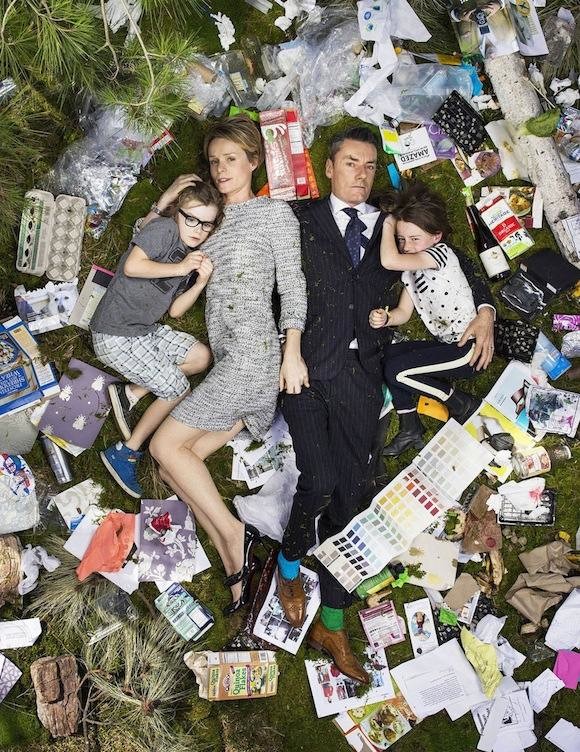
7 Days of Garbage by Gregg Segal

alfie kirsten miles elly
Alfie, Kirsten, Miles, and Elly

While Segal’s series doesn’t compare the trash of other countries, it speaks a lot about the increasing waste problem in the United States. When was the last time you thought about how much waste you produce? Or where all of that waste goes after the trash truck takes it away? Throughout this series, you see couples, roommates, and families all lying in a week’s work of their trash. There are plastic bags, rotting food, and cardboard containers are mixed in together, which brings up another important question: are we all really recycling as much as we should be? Being able to see a week’s worth of trash on the ground really puts the trash problem into perspective.

Hungry Planet: What the World Eats by Peter Menzel & Faith D’Aluisio

Hungry Planet Mali
Mali
Hungry Planet Mexico
Mexico

Understanding the food of different cultures is a beautiful thing. While Americans may go to an Indian restaurant, or a Chinese restaurant, or an Italian restaurant, these places only provide a small glimpse into the true essence of the food and the culture. By photographing different families with a week’s worth of groceries around the world, Menzel and D’Aluisio create a captivating series that show us just how much (and how little) people consume. A family in Chad is shown with simple bags of grains, nuts and fruits, a family in Bhutan is shown with a wide variety of fresh fruits and vegetables, and a family in the United States is shown with take-out pizzas, pre-packaged foods and a Burger King cup.

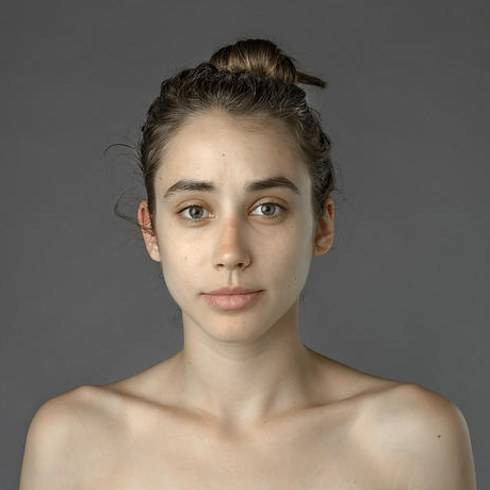
Before & After by Esther Honig

Before

After

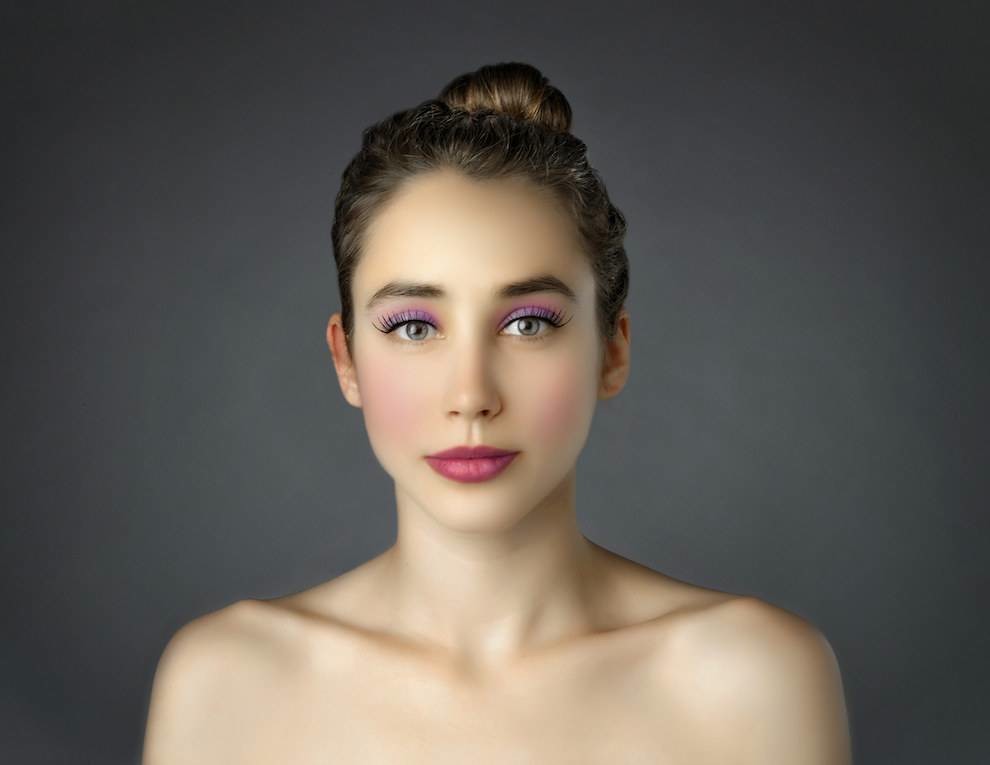
Interested in different cultures’ ideas of beauty, Esther Honig sent an original photograph of herself—without any makeup or retouching—to forty different people around the world who were skilled in Photoshop. She only had one simple instruction: make her beautiful. While, again, it can be argued that if you sent a photograph to forty different people in the United States and asked them to Photoshop you, the results would likely be drastically different, some cultures really shine through. A photoshopped version from Morocco shows Esther completely covered except for her face, a version from Serbia shows her with blue eyes, natural makeup, and a pattern of circles across her chest, while a version from Philippines shows her with much longer hair, dark eye makeup, dark red lips, and flashy jewelry.

Created Equal by Mark Laita

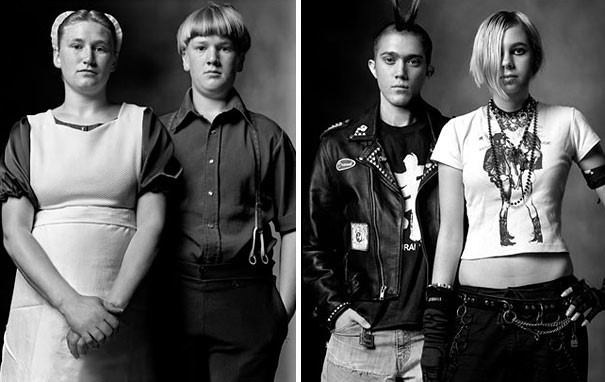
Amish Teenagers / Punk Teenagers

Photographer Mark Laita aims to shine a light on the many different cultures found in America, exploring the many different ways in which people choose to express themselves and the many different life paths people take. These photographs range from young to old and rich to poor. Laita juxtaposes a janitor with the president of a company, a female bodybuilder with a drag queen, and a vegetarian with a butcher. He shows that even in one country, you can find many different people from many different walks of life.

While some of these photographs aim to show the differences between countries, some aim to showcase a problem within a country, and some aim to show that even one country can have a wide range of people, all bring to light parts of life that many of us don’t think of. Each is political in its own way, and each has stirred up a lot of joy and controversy in the age of the internet.

When capturing cultures through photography, we can create perceptions many people would not have the opportunity to see otherwise. At the NYFA, our MFA photography program allows students to explore capturing culture through photography.

Food Photography: How To Take Stunning Photos Of Food

Pan fried potatos and garlic
For the Love of the South

As more and more people are struggling to pay the bills these days, many have begun to return to their roots. That is, many people are realizing that a home cooked meal with vegetables picked from the garden is much cheaper and healthier than a trip to a restaurant. This is great news for aspiring photographers who are looking to start a blog, since food blogs have been drastically increasing in popularity over the past year. While the amount of food blogs will likely continue to increase, the amount of people interested in these blogs will also increase.

So what is it that makes the best food blogs stand out from all the rest? While the perfect combination of good recipes and good photographs is certainly the claim to fame, the photography may be even more important than the actual food. Think about it this way: haven’t you ever judged a book by its cover? Personally, if I’m ever looking for a particular recipe, I judge the website based on its photography. After all, a nicely composed, well-lit sandwich looks far more appetizing than one that was photographed in dreary lighting with a cell phone camera. Capturing the true essence of food is not an incredibly difficult task, but it does require you to have a few tips and tricks under your belt.

Things You Need

  • A window that lets in natural light
  • A 50mm prime lens (an f/1.8 is both inexpensive and versatile)
  • A tripod
  • Attractive plates, bowls, and silverware
  • Optional: External flash, soft box, macro lens

Camera Settings

  • RAW vs. JPEG: Honestly, if you’re wondering which one to use, always shoot RAW. The one downside of this is that RAW takes up more memory than JPEG, so make sure you have a decent sized memory card. If you haven’t shot RAW before and are interested in comparing the two, many cameras offer the ability to shoot both a RAW and JPEG version of the same image. When shooting in RAW, you’ll have a photograph that contains all the information. This means that if your highlights are a little too overexposed or your shadows are a little too underexposed, you’ll be able to fix those problems quickly and easily. With JPEG, any missing information is missing forever.
  • White Balance: Generally, setting your camera to automatic white balance will produce adequate results. And if you’re shooting RAW, you can easily change the white balance in post processing.
  • Aperture: If you chose to go with the 50mm f/1.8 prime lens, shooting wide open (at f/1.8) will provide a beautiful blurred background, allowing you to place all of the focus on the food. Generally, anything wider than f/4 will suffice.
  • Shutter Speed: Since you’ll be shooting on a tripod, shutter speed isn’t much of an issue. Once you have your aperture and ISO set, simply use your light meter to determine the best shutter speed.
  • ISO: The higher the ISO, the more grain. While an extremely cloudy day may require a higher ISO, try shooting with your lens wide open at the lowest ISO you can muster.

Taking the Photographs

1. Try to shoot in natural light whenever possible. When choosing a location, choose one where the light source is either in front of or on the side of your setup. This will light the food beautifully, evenly, and provide natural shadows that make the photograph more interesting. Direct sunlight may cause too many harsh highlights and shadows, so it’s best to shoot on an overcast day or find a shady area.

Rose Water & Orange Blossoms

2. Always choose relevant props. There’s no need to go out and spend hundreds of dollars on tableware when you can head to your local thrift store and find tons of cheap and beautiful props. If you’re photographing an Indian dish, choose Indian inspired tableware. If you’re photographing food with a lot of color and texture, try to choose tableware that doesn’t distract from the dish.

My darling lemon thyme
My Darling Lemon Thyme

3. Dont use on-camera flash!!! It will blow out the photograph and cause the food to look flat and unappetizing. If you need to add in some off-camera flash to supplement the natural light, make sure you filter it through a soft box to make it look more natural.

4. Shoot from different angles. Some food looks best when photographed symmetrically from above, and some looks best when you’re shooting from a lower angle and focusing on one main part of the dish. What may seem like the best composition may not seem as great once viewed on your computer screen, so it’s nice to have options to choose from in the end.

love and lemons
Love and Lemons

5. Consider your entire frame. While shooting a beautiful sandwich on a plain white background may work in some cases, people like to see that the food was created in a real home with real forks, plates, and condiments. Many popular food blogs take inspiration from antiques; shooting on a beautiful old wooden table covered with natural looking tableware is a great way to create a homey feel. Many successful food photographers also include some of the ingredients found in the dish.

Local milk
Local Milk

6. Use complimentary colors. Brown food pairs especially well with dark purple and maroon hues, while a pop of green basil atop a ripe red tomato is a perfect combination of colors. Make sure that none of your props distract from or clash with the food you’re presenting.

My New Roots
My New Roots

One of the most important things to remember is to have fun!! Don’t be afraid to play around with your lighting, styling and garnishes. The more you practice, the better you’ll get. We hope this article on food photography helps in your quest to take stunning photos of food. Happy shooting!