Kids’ Films that Broke Ground with Special Effects

When you think of groundbreaking special effects, you likely think of summer blockbusters and big budget productions. But, children’s films are often a source of innovative special effects.

While early films were intended for general audiences rather than being targeted to specific age groups, some found inspiration in the kid-friendly fiction of Jules Verne and Lewis Carroll. Georges Méliès’ “A Trip to the Moon (1902) and “The Impossible Voyage” (1904) and Cecil Hepworth’s “Alice in Wonderland (1903) used pioneering special effects and editing such as multiple exposures, time-lapse photography, substitution splices, and creative use of set design and camera placement to bring imaginary worlds to life on screen.

Gertie The Dinosaur (1914)

https://youtu.be/TGXC8gXOPoU?t=7m15s

One of the earliest examples of animation, Gertie the Dinosaur influenced animators such as the Fleischer Brothers and Walt Disney. In the film, Winsor McCay draws Gertie “live” in a clever sequence that is humorous and graceful. The short film also gives viewers an inside peek at the animation process when McCay references the 10,000 drawings needed to make a few minutes worth of film.

Disney’s “Snow White and the Seven Dwarfs (1937)

The Walt Disney Company’s 1937 film was the first full-length feature film using cel animation. Concept Artist Albert Hurter oversaw every part of the film’s design from backgrounds to individual characters. Disney’s team drew inspiration from German expressionist films as well as mainstream cinema. The Queen’s transformation scene is one example of where the Disney studios borrowed from the likes of “The Cabinet of Dr. Caligari” as well as 1931’s “Dr. Jekyll and Mr. Hyde.” Disney Studios developed the multiplane camera in order to create realistic depth and movement of backgrounds; it was first tested on the short “The Old Mill and used for Snow White and other classics. “The Little Mermaid” was the last Disney film to use a multiplane camera.

Toy Story (1995)

Disney/Pixar’s Toy Story was hailed by critics and audiences alike. The film was the first feature film to be fully animated with computers. As Julia Zorthian discusses in her look back at Toy Story twenty years after its release, one of the keys to its success was excellent storytelling that has helped give the film longevity long after CGI has become an industry standard.

The Harry Potter series (2000s)

Creating a believable world of magic and Muggles has been a task for the director and production teams on each film in the series and they have used every trick from old fashioned optical illusions and model sets to CGI and green screens to pull it off.

Hugo (2011 )

Director Martin Scorsese wanted the opening shot of Hugo to be a seamless long shot from outside the railway station through the clockworks and into Hugo’s hidden home. To bring Brian Selznick’s book to life, Visual Effects Supervisor Rob Legato and Pixomondo Ben Grossman devised many tricks and transitions to create the signature opening and other scenes that pay homage to Méliès and other filmmakers of the earliest days of cinema.

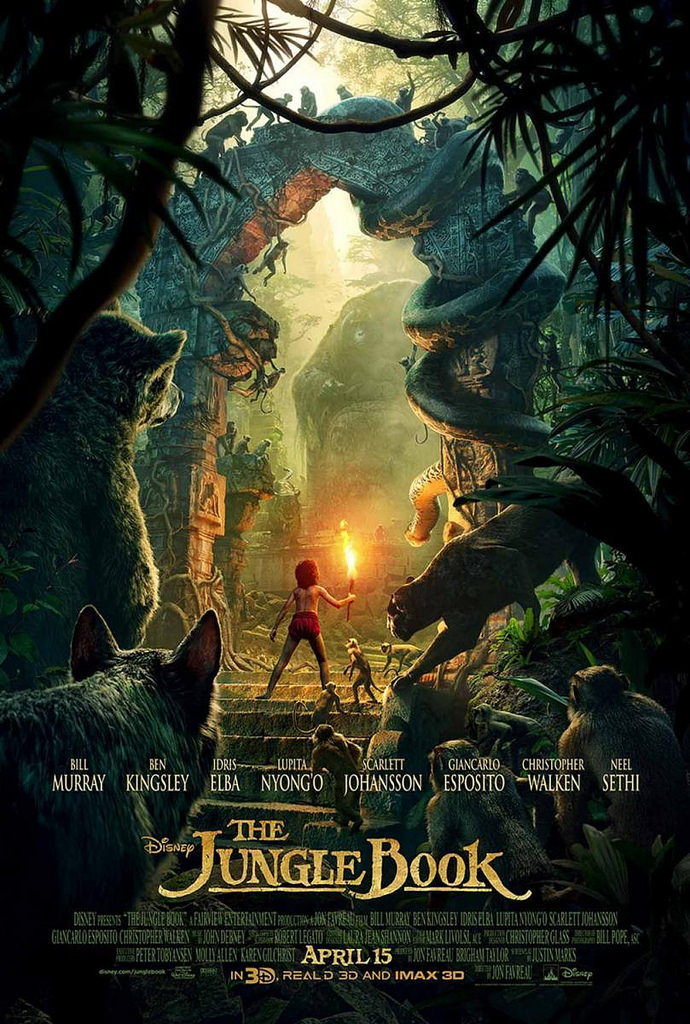
The Jungle Book (2016)

Using a live actor with computer animation and motion capture had not been done on this scale, but director Jon Favreau and visual effects supervisor Rob Legato worked with hundreds of designers to create the seamless animated backgrounds and animal characters. And they did all the previz using VR headsets. The end result is also a testament to Neel Sethi’s talent as an actor, since he had to deliver an emotionally true performance while responding to puppets and stand-ins.

Want to know more about animation and special effects? Check out NYFA’s articles CGI Animation History: Defining (and Awesome) moments in Cinema or How To Do Stop Motion Animation.

The Best Foreign Films to Watch Before You Study Abroad

As you prepare for study abroad with NYFA, no doubt there are a lot of items on your to-do list — but we’re here today to remind you of a pre-travel essential that you won’t want to forget. Whether you are preparing for a course from NYFA Florence to NYFA Australia or NYFA Mumbai, watching a film created in your destination country can be an enjoyable way to kickstart your international education experience. Certain well-made films exemplify their quality through their ability to captivate the audience. They draw us in. They make the real world — our own lives — fade away, and we are engulfed by the cinematic universe (the diegesis) of the film. Some of the most enjoyable movies take us to a new, entirely foreign place and make every detail of its people, rituals, landscape, and culture magical.

One of the best ways to get excited before studying abroad and prepared for your venture into a very different world is to watch films that are based on the places you may study or visit. Listed below are some of the most enchanting foreign films from across the globe.

“Amélie” (Jean-Pierre Jeunet, 2001)

https://youtu.be/l6FL9f_QQ1o

If you’re planning to study in France at NYFA Paris, this incredibly famous flick must not be missed. It follows Amélie, a quirky, imaginative romantic, who decides that her purpose in life is to help other people. The film traipses all over Paris, painting the city with wonder and mystery. It also nods, stylistically, to the films of the French New Wave, which, if you have time, are another essential as you prepare for your international education in film (see: “The 400 Blows” and “A Woman is a Woman”).

“Poetry” (Lee Chang-dong, 2010)

https://youtu.be/fo2dfY317-k

If you’re preparing to study in Asia at NYFA Beijing, NYFA Shanghai, NYFA Kyoto, or NYFA Seoul, this film may offer you extra inspiration. In this drama, a woman in her mid-60s signs up for a local poetry writing class. As she begins to fall in love with poetry, she discovers that she has Alzheimer’s disease. The reflective, emotionally electric film includes beautiful landscape shots of South Korean suburbs.

“Neighbouring Sounds” (Kleber Mendonça Filho, 2012)

Ideal for students preparing to venture to NYFA Rio de Janeiro, this film, shot in the Brazilian city of Recife, follows a variety of characters around the neighborhood. Some residents are bourgeois, living in buildings with high security or gated communities. Others have little money, and they show their distaste for the wealth disparity by performing small acts of rebellion. The film is acclaimed for its artful uses of sound and cinemascope.

“Ali: Fear Eats the Soul” (Rainer Werner Fassbinder, 1974)

Gearing up for a study abroad adventure at NYFA Berlin? Check out this film first. In this West German film, Emmi, a 60-year-old German hausfrau, and Ali, a younger Moroccan Gastarbeiter, fall in love, despite ideological backlash from family, society, and eventually, even each other. With beautifully crafted indoor and outdoor shots — particularly in the famous scene where Ali and Emmi sit in a park amidst a sea of yellow chairs — this film weaves together cultural contradictions in order to portray a deeper and more meaningful tale of forbidden love.

Studying filmmaking or acting for film with NYFA is an exceptionally rich and enlightening way for students of all backgrounds to expand their knowledge and gain a new perspective on the world. Interested in learning about all our NYFA international locations? Contact us, and begin your own study abroad adventure.

How to Use Crowdfunding Sites Like Kickstarter & Indiegogo to Fund Your Film

Nothing speaks to the independent filmmaking spirit quite like crowdfunding. Not only can you get your project made without relying on traditional top-down sources, but also a successful campaign demonstrates your film’s marketability to potential distributors. Not all crowdfunding campaigns have the built-in fan base of the wildly successful “The Veronica Mars Film Project,” so we’ve gathered some tips and resources to help you make sure your crowdfunding campaign reaches, or even surpasses, its goal.

Do Your Homework

16059766625_9c905b52d3_b

As we mentioned in this article comparing crowdfunding sites, you need to know the particulars of the platform and choose accordingly. Kickstarter and Indiegogo both have track records of funding successful filmmaking projects, and looking at their film and video specific project pages makes clear that trending projects include feature films, documentaries and shorts. GoFundMe, on the other hand, has gone in another direction with the majority of its campaigns being personal rather than creative. Also, keep in mind that Indiegogo allows users to collect and keep funds as the campaign proceeds, while Kickstarter is an all-or-nothing game, where you must choose a deadline and a minimum goal that you must meet in order to collect funds.

Hit the Ground Running

pen-calendar-to-do-checklist

Do your research and have everything in place before your campaign starts. Whatever platform you choose, spend some time perusing projects, especially those that seem similar to your own. Both the successes and failures can help you.

Also, try to line up PR before launching. Doing the work before the campaign clock starts ticking will give you a better chance of success. According to this article at CrowdCrux.com, gaining the interest of strangers is most likely to occur within the first three days of launching: “At this stage, you will be in the recently launched tab and if you hustle and get supporters early, you can become a trending project.” After that window, it gets much harder.  

Never Underestimate the Power of a Good Story

pexels-photo-127968

Setting up your project page with a clear, concise, and compelling story including visuals and a realistic budget is vital. According to Kickstarter’s Creator Handbook, “there are some basic questions you should answer including: ‘Who are you? What are you planning to make? Where did this project come from? What’s your plan, and what’s your schedule?’” In other words, you want to transmit your passion and excitement to potential backers, while assuring them that you are qualified and capable of bringing the idea to life.

Attract the Low Rollers

pexels-photo-259165

Remember that the beauty of crowdfunding is that many backers with shallow pockets can take the place of one or two execs with deep pockets — but, they will also want return on their investment. According to this Entrepreneur.com article, the most popular pledge amount at Kickstarter is $25, so you want to make sure “the affordable perks don’t run out too fast, or you risk losing potential backers who can’t afford steeper offerings.”

Filmmakers are lucky to have built-in social media minions in the way of cast and crew. However, don’t rely on them to come up with their own mini-campaigns. Give them shareable items that they can customize for their own network. Most Kickstarter campaigns don’t go viral, but that doesn’t mean they don’t succeed. Don’t be shy to reach out to friends, family, coworkers, acquaintances and everybody you can think of that might be interested.

Have you managed a successful crowdfunding campaign? Tell us your experience in the comments below. And learn more about filmmaking and producing with a variety of short- and long-term programs at the New York Film Academy.

International Women’s Day: Industry Leaders

Women around the world have been blazing the trails for equality. As New York Film Academy has previously reported, gender inequality is still an issue in the entertainment industry — yet, there is continual progress, and it’s largely thanks to the women already hard at work in the industry.

In celebration of International Women’s Day, we’ve highlighted a few women we would like to celebrate not only for their accomplishments in entertainment, but for their work in the community as well.

Emma Watson

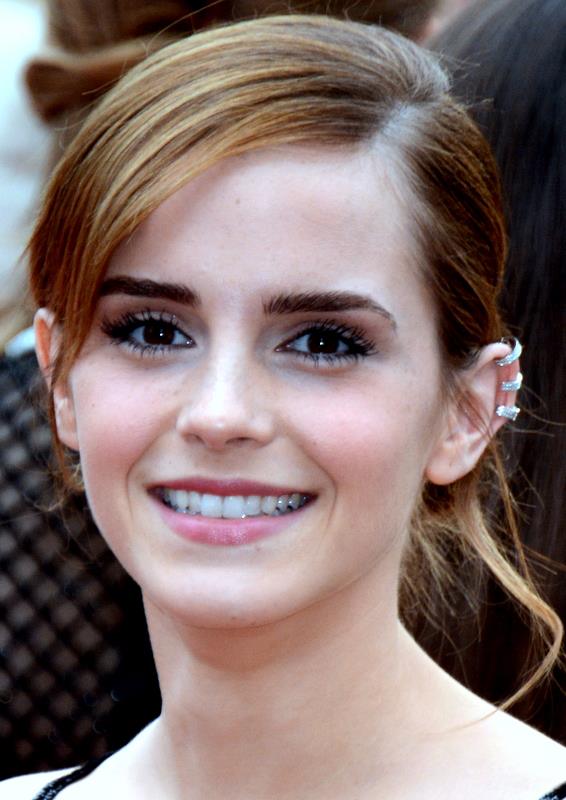
Emma_Watson_Cannes_2013_3-2

Emma Watson graced the silver screen with her presence in “Harry Potter and the Sorcerer’s Stone” as Hermione Granger in 2001. To date, Hermione Granger is arguably the largest role that Watson has portrayed since entering the mainstream entertainment industry.

Watson is starring as Belle in the live adaptation of “Beauty and the Beast,” due out in March. But behind the scenes of her busy acting career, she’s been advocating for human equality. In July 2014, she was appointed as a UN Women Goodwill Ambassador and delivered a speech in September to help launch the UN Women campaign HeForShe. The campaign calls for men’s assistance in advocating for gender equality. She has also visited countries such as Bangladesh and Zambia to promote education for young girls.


Eva Longoria

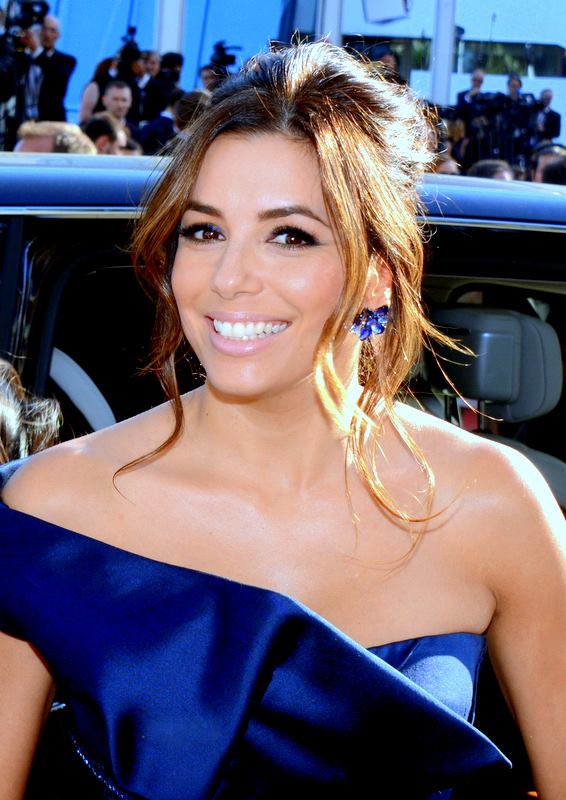
Eva_Longoria_Cannes_2015

Eva Longoria got her break on television as Isabella Braña on CBS Daytime’s “The Young and the Restless,” and stole our hearts as one of our favorite housewives, Gabrielle Solis, on ABC’s “Desperate Housewives.” In the 2000s, she appeared in several high-profile advertising campaigns and was featured on the cover of international women’s magazines including Vogue, Marie Claire and Harper’s Bazaar.

In 2006, Longoria founded Eva’s Heroes, which is a charity dedicated to helping developmentally disabled children. She is also the national spokesperson for PADRES Contra El Cancer.

Outside of her acting career, Longoria has a bachelor of science degree in kinesiology from Texas A&M University-Kingsville and a master’s degree in Chicano studies from California State University in Northridge.

Lady Gaga

Lady_Gaga_Roseland_GUY_edited

Stefani Joanne Angelina Germanotta, better known by her stage name Lady Gaga, is one of the best selling musicians of all time. Into 2008, she broke into the music industry with her debut album “The Fame” and followed up with “The Fame Monster” in 2009. Her third album “Art Pop,” which was released in 2013, was not as successful as her first two albums. But Lady Gaga was to recover with a collaborative jazz album with Tony Bennett and her fifth album, “Joanne.”  She also won a Golden Globe Award in 2016 for her work in “American Horror Story: Hotel.”

Lady Gaga is one of the most successful women in the entertainment industry, but her work goes beyond her music and television. Her proceeds from her concert at Radio City Music Hall benefited the victims of the 2010 Haiti earthquake. She also helped design a bracelet and proceeds from the sales went to victims after the 2011 Tōhoku earthquake and tsunami.

This was a very busy year for Lady Gaga. She joined Vice President Joe Biden at the University of Nevada Las Vegas to support Biden’s “It’s On Us” campaign as he traveled on behalf of the organization to more than 530 colleges to have students sign a pledge of solidarity and activation. She also went into the 84th Annual U.S. Conference Of Mayors charity to talk with the Dalai Lama about the power of kindness. In 2012, Lady Gaga launched Born This Way Foundation, a nonprofit organization that focuses on youth empowerment and issues such as self-confidence, well-being, career development, bullying, and harassment. She is also an outspoken activist for LGBT rights worldwide.

Laverne Cox

Laverne_Cox_by_Sachyn_Mital

Laverne Cox, a transgender woman, made her break in Netflix’s “Orange is the New Black” as Sophia Burset. In 2014, she won Glamour Award for the Woman of the Year and Glamour Award for the Advocate. She has won other awards, including Screen Actors Guild Award for Outstanding Performance by an Ensemble in a Comedy Series.

In the last few years, Cox has donated to several charities. In 2015, Cox participated in Broadway Bares: Top Bottoms of Burlesque, a show that featured 222 dancers and actors, to raise money for Broadway Cares/Equity Fights AIDS (BCEFA). She is also an avid supporter and advocate of the LGBTQ community.


Priyanka Chopra

Priyanka_nikon_camera

You may recognize Priyanka Chopra from ABC’s thriller series “Quantico,” but she has been working on various projects in India since 2002. In between her projects, she supports various causes through her foundation, The Priyanka Chopra Foundation for Health and Education. She donates 10 percent of her earnings to the foundation and she pays for educational and medical expenses for up to 70 children in India.

She also speaks on issues such as female infanticide and foeticide, women’s rights, gender equality and gender pay inequality. Since 2006, Chopra has worked with UNICEF to record public service announcements and participate in media panel discussions to promote children’s rights and the education of girls.    


This is only a fraction of the diverse and international women accomplishing pioneering work in the entertainment industry and beyond. If you’re interested in becoming a part of the movement for equality in the entertainment industry, apply today to the many programs at NYFA that can help you choose your path.

Who will you be honoring in light of International Women’s Day? Let us know in the comments below!

Anatomy of an Adapted Screenplay

Novels are terrific, but there’s something about the silver screen that transforms great ideas into pure theatrical magic. And many incredible films exist because a screenwriter was inspired to adapt a story from another medium. Today, we’ll look at how you can tackle this process yourself. But finding your inspiration is only the first step. Here are some crucial tips to keep in mind as you adapt your screenplay.

Great Adaptations

First, understand that the adapted screenplay is an artform, with many great examples to look to for inspiration and insights on craftsmanship.

Beloved films like “The Shining,” “Fight Club,” “Harry Potter” and “The Hunger Games” all started out as books before a talented screenwriter turned them into adapted screenplays. Also, think “Twilight.”

And books aren’t the only inspiration for adapted screenplays — don’t forget plays, short stories, poems, and more! There is a long and successful history of adapting all kinds of literature into screenplays…

Plays inspired many film classics: “12 Angry Men,” based on the play of the same name; “Pretty Woman,” based on George Bernard Shaw’s “Pygmalion”; and “West Side Story,” based on Shakespeare’s “Romeo and Juliet.”

But literature doesn’t have to be long to inspire a film. “Story of Your Life,” a science fiction short by Ted Chiang, was recently adapted into the Golden Globe and Oscar-nominated film “Arrival.” And the Oscar-nominated 1939 classic “Gunga Din” was based on a poem of the same name by Rudyard Kipling.

Sources for adapted screenplay material don’t have to end with books, plays, and poems. Need we mention all the films successfully adapted from comic books?  

Follow The Story

Your first step is to learn the source material inside-out, identify the main characters, and trace out their story lines. Passion for the story is the most important driver behind adapting a novel into a screenplay. You can make a list of key characters, crucial scenes, and major themes, but don’t get bogged down in the minutiae. Remember: your goal is to tell this story as a film, and you’re looking for ways to drive the action forward.

This is your brainstorming phase. Draw charts or diagrams. Storyboard. Write lists. Do whatever it is that helps you connect the dots in your own brain as you begin to shift your mind from interacting with this story as consumer, to becoming the storyteller. Your job at this phase is to organize your source material and begin to identify the shape your story will take on screen.

Adaptation Means Change

Sometimes you have to shed subplots or minor characters in order to keep the story rolling along. Or, use your imagination to fill in gaps. After all, you’re adapting one story form into another, and it has to fit into the structure of a 120-page screenplay. Think of The Harry Potter series, and how screenwriters had to carefully curate which characters and subplots could participate in the the story of a two-hour time film.

This can be a hard judgment call, so how will you know when to change something? A good rule of thumb is that if it doesn’t drive the story forward, you’ll have to change it.

Jane Anderson, scriptwriter for HBO’s Olive Kitteridge, explained how screenwriters know when to twist a plot or kill off a character: “Once you know your theme and who you’re meant to follow, then it becomes very clear [what to cut or eliminate]. You have to decide, as a dramatist—how do I want to tell this story?”

Show Don’t Tell

It’s ever-so-tempting to translate those beautifully written sentences into voice-overs, but you must resist the urge! Remember that your audience wants to see the story and not hear it; they can hear the story on tape in Grandpa’s 1986 Chevy truck or download it on iTunes to listen at the gym. As a screenwriter, you know that you’re speaking a visual vocabulary. If you must use voice-overs to tell your story, limit it to the best lines in the book.

Once you have these tips in mind, choose your favorite novel or short and story and feel free to begin

adapting it for the big screen! What are your favorite adapted screenplays? Let us know in the comments below!

Learn more about the craft of filmmaking at NYFA’s Screenwriting School.

Behind the Visual Effects of “The Man in the High Castle”

One of the challenges of filmmaking is making sure your world feels believable. Even when you have “Star Wars'” many species and planets or you’re dealing with various races and magic like in “The Lord of the Rings,” all the visual elements need to keep viewers engaged. This task is even more difficult to pull off when you have a story set in an alternate universe.

“The Man in the High Castle” is a fairly new television show that took on the challenge of alternate history and got it right. The Amazon Studios series has already received numerous awards in only two seasons, including praise for its outstanding special visual effects.

Below are some of the creative hurdles the VFX team faced and how they overcame them:

An Alternate 1962

M60A3_Panzer

In “The Man in the High Castle,” America lost WWII. The Axis powers emerged triumphant after WWII, leaving Nazi Germany and the Japanese to split the U.S. between each other. This means the entire country, especially the major cities the TV series is set in, would look drastically different.

But since the show is set in 1962, the crew had to first study what New York, San Francisco, and Cañon City, Colorado looked like half a century ago. They also had to consider how developed these cities would actually be without the post-war boom the U.S. experienced after the actual conclusion.

Amazon Studios clearly did their homework and created a scary, new 1960s America. Despite the series being shot in Canada, the audience is able to feel like we’re seeing a New York and San Francisco that has embraced an imperial Japanese and Nazi German society.

Getting The Details Right

Chiran_high_school_girls_wave_kamikaze_pilot

It took much more than slapping swastikas and Japanese Kanji all over to make this alternate history believable. Every department had to make sure the people and places look like they actually live in these fictional cities. Wardrobe, for example, had the job of recreating what fashion in America would be like while influenced by two different cultures.

Of course, the visual effects department had plenty of work to do as well. Everything from the signs and advertisements to even the cars had to be thought out and executed well. This is why you’ll see vehicles in the show without any American influence, such as the classic tail-fins made popular in the 1950s and 1960s.

They also had to consider the major differences in style between the two global superpowers. While Germany under Hitler used impressive statues and neoclassical architecture, the Japanese preferred neon lights and propaganda influenced by their Rising Sun Flag.

The Best Kind of Visual Effects

https://youtu.be/NzpEv6fvhMQ

When most people think of visual effects they think of breathtaking CGI monsters and environments. Some shows and movies depend heavily on VFX to create their world, such as Peter Jackson’s “The Hobbit” trilogy. As technology advances, the artist’s ability to create believable visuals with computers gets better and better.

But most of the time, the best effects are the ones viewers never suspect. This was the case with “The Man in the High Castle,” where a lot of the visual elements you see in city streets and on buildings aren’t real. Instead, they were created with computers in such a way that you’d think they were actually there.

Amazon Studios had to rely plenty on their VFX team, especially when certain communities where the show was shot weren’t 100 percent on board. For example, some locations, including Canadian and Chinese communities, refused to allow their buildings to be covered with swastikas and imperial Japanese content. So many of the large Nazi flags and Japanese banners were actually placed in digitally.

Have you watched “The Man in the High Castle”? What are your thoughts about this show’s use of VFX to create an alternate world? Let us know in the comments below!

Beyond Rule of Thirds: How to Master Photo Composition

Rule_of_thirds_photo

The rule of thirds is one of the first rules taught in photography classes, a principle that helps photographers create well-balanced and interesting shots. We’re here to talk about the rule of thirds, when to use it, and when you can break it (yes, there are some instances when you can get away breaking the rule of thirds!). But before you can break the rules, you have to understand them. And remember: Following photography guidelines will help you master photo composition.

What is the Rule of Thirds?

One of important rule of composition in photography is 'Third Rule'.

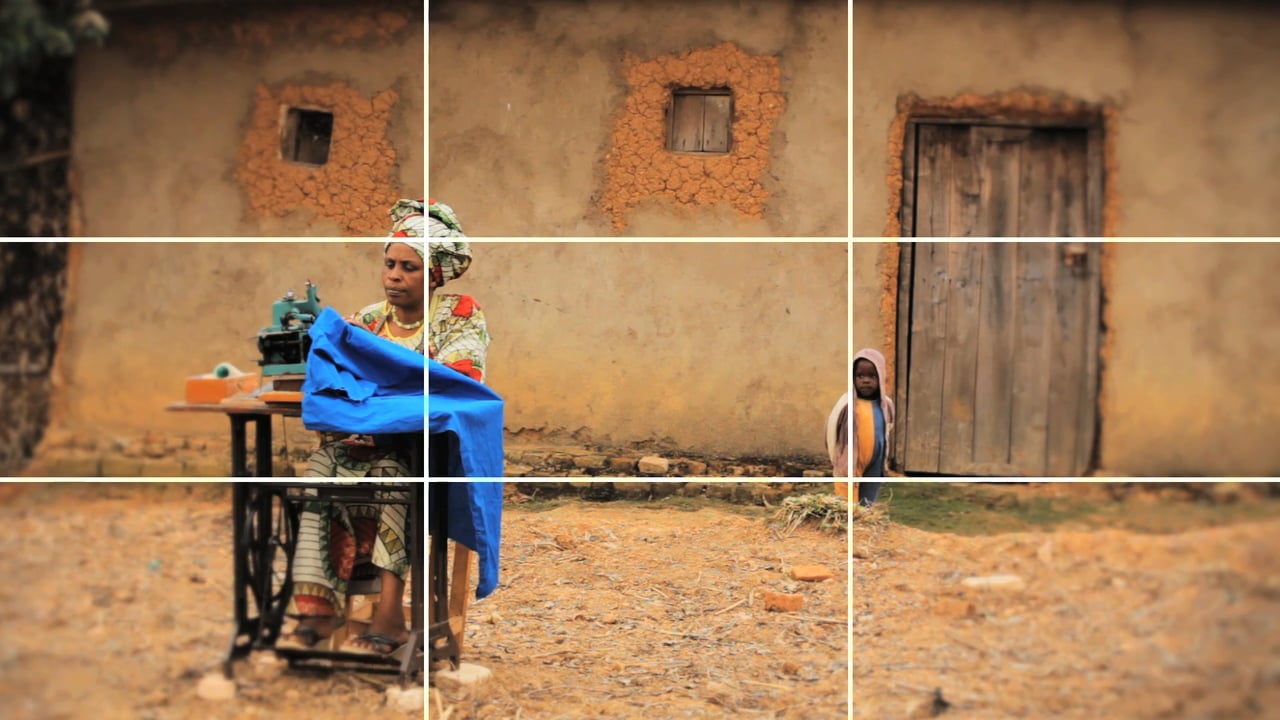
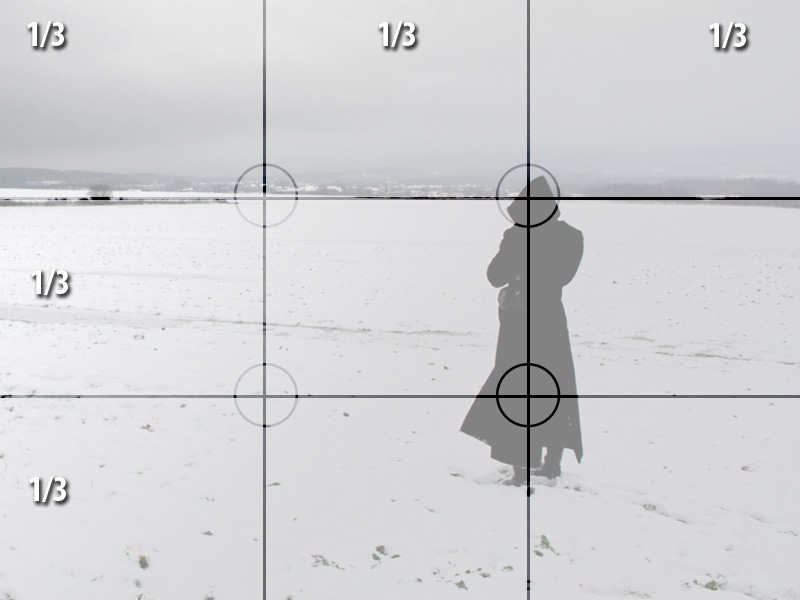
While you are looking at your viewfinder or LCD display on your screen, create a grid in your mind that has nine parts, made by three horizontal lines and three vertical lines. This grid will have four points in the center where the lines intersect. Those four intersections are your points of interest. These points correspond with people’s natural line of sight when they first look at an image, and utilizing these points in your work will help you capture the interest and attention of your viewers naturally and dynamically. These are your points of interest to use when framing your image.   

Why Use the Rule of Thirds?

556072656_1280x720

Your photo will be more balanced and interact with your audience most naturally when the points of interest are placed at the intersections of your grid or along the lines. When a subject is placed in either the left or right frame, or even in two thirds of the photo, it creates a movement. But when a photo is placed dead center of the photo, the audience does not experience any movement at all.

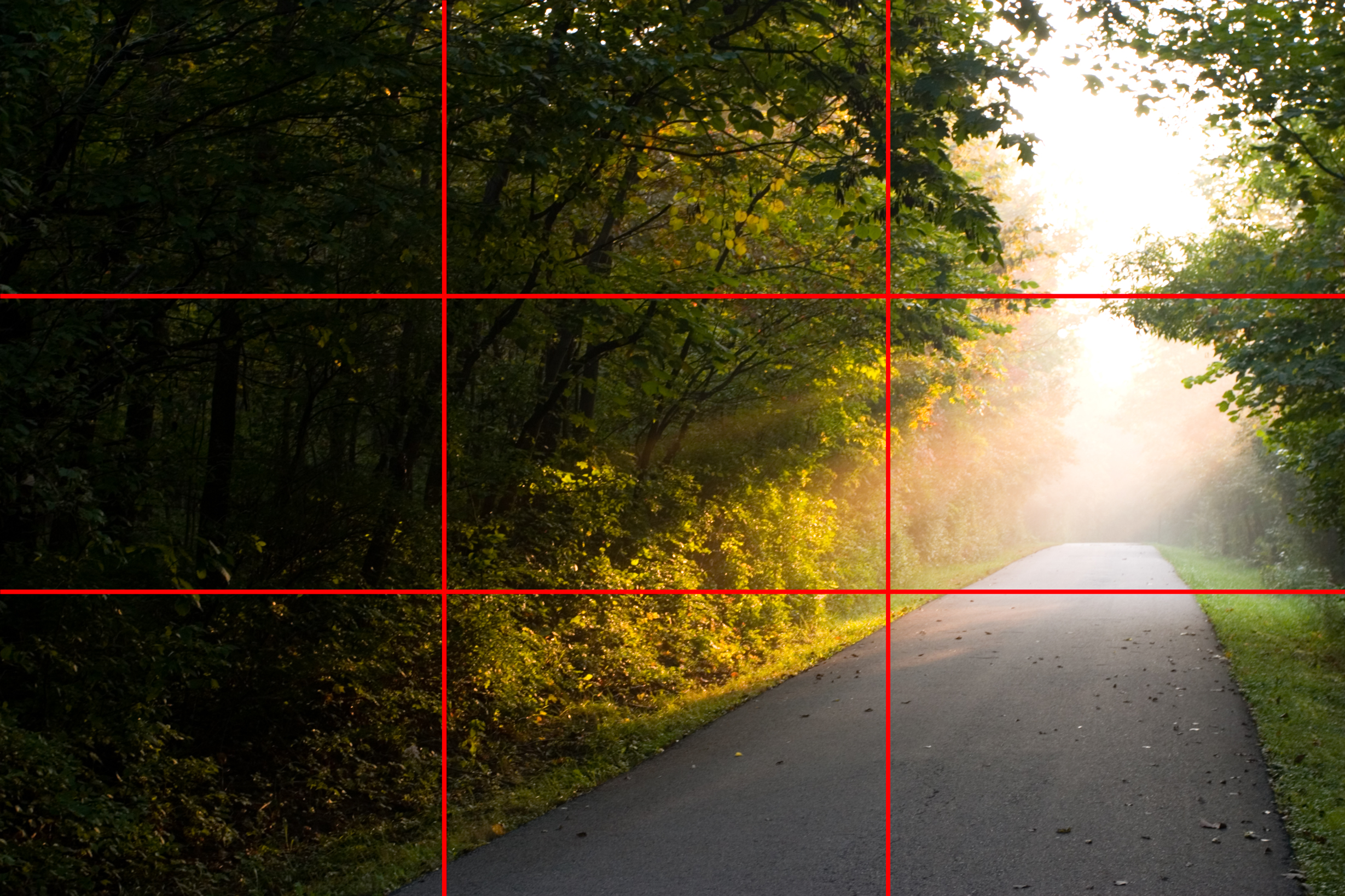
In the photo below, you can see red, intersecting lines that act as the guides. The picture is divided into three one-third panels, both horizontal and vertical. The eye naturally follows the flow of the road — starting at the bottom of the middle frame and then moving over to the right frame of the picture. Because the road spans across two thirds of the photo, it creates a natural movement for the eye.

When can you break the Rule of Thirds?

600581183_f054fbbdeb_z

If you have good reason to break the rule of thirds, then do it. A prime example of breaking the rule of thirds is when your subject has perfect symmetry. While the audience tends to look for movement, it is well known that human beings are attracted to others with symmetrical faces and bodies. The same idea can be applied to symmetry found in nature, like a butterfly, snowflake, or a flower.

Another time you can break the rule of thirds is when you feature a shallow depth of field in your image. Why? A shallow depth of field helps create dimension in photos and your eyes will automatically move through a scene that appears to have depth and dimension.

4825315673_0f1441cd6c_b

Do you have any instances of when you break the rule of thirds? We would love to hear how you’ve mastered photo composition below! If you’re interested in learning more about photography, consider applying to NYFA’s Photography School today.

Virtual Reality Evolution in 2017

Virtual Reality has made its presence known in the world of technology, and it’s building up to something big: a virtual reality evolution is in store in 2017. High image resolution systems like HTC’s Vive and Facebook’s Oculus Rift are pitted against more affordable systems such as Google’s Daydream and Samsung’s Gear VR. Vive and Rift allow semi-permanent installation, while Daydream View and GearVR allow users to carry VR with them for interactive, personal experiences. And 2017 may prove to be a year of paradigm shifts and major change in the world of VR.

poster-1663612_960_720

Google’s Daydream View and Oculus’ follow up to the Samsung Gear VR, which is powered by Oculus, will need to deliver the same anticipation, if not more, that previous VR systems delivered in the past year. The technology industry also needs people — who may not be technology savvy — to buy into VR.

Mark Zuckerberg paid $2 billion for Oculus, hailing VR as a new communication platform. So it may not come as a surprise if VR changes the social landscape in 2017. It appears that Zuckerberg didn’t purchase Oculus Rift to get a foot into the gaming industry; instead he is interested on focusing on something else entirely.

In a post announcing the acquisition of the Oculus VR, Zuckerberg wrote, ““Imagine enjoying a court side seat at a game, studying in a classroom of students and teachers all over the world or consulting with a doctor face-to-face – just by putting on goggles in your home.”

There is also a good possibility that people will be open to new opportunities and social communities through VR, ranging from activities such as drone racing to sports, including soccer, basketball and ice hockey.

AppReal predicts that there will be more than 43 million people using VR at the beginning of 2017. As VR continues to grow, developers will have two 3D engines to choose from — Unity and Unreal Engine.  But which one is the right VR development platform?

Google Daydream is one the most anticipated systems to bring VR to the majority of people due to its affordable hardware and its accessibility. Anyone with a smartphone will have access to VR content through systems such as Google Daydream.

In 2016, the inaugural VR cinema made waves in Amsterdam and it’s estimated that similar cinemas around the world will rise in 2017. Filmmakers are already using VR to do extensive pre-visualization for “live action” CGI augmented films. That’s generally included under the VFX heading. And of course, VFX are ubiquitous in games as well.

The dawn of wireless headsets is finally here and gone are the days of being tethered. The cord – considered an annoyance by most that have tried tethered VR – carries high-speed graphics to ensure a quality experience. But with wireless headsets, advanced Bluetooth and Wi-Fi capabilities will be able to deliver the same high-speed graphics. Regardless of what happens this year, 2017 will be a pivotal and perhaps decisive year for virtual reality.

How do you think VR applications will evolve in 2017? Let us know in the comments below!

How to Create a Graphic Design Resume

In this day and age, the likelihood of landing your dream job can depend a lot on your resume. As a graphic designer, you’re supposed to be creative, original and hard-working by default. Not only must your CV list your skills and achievements, but the CV itself should be very well designed with a clear typography. So if you’re going to submit an 8.5 x 11 print-out of an MS Word Doc, you might as well not even apply. However, putting together a killer resume is not as hard as it sounds. These tips can help get you started.

1. Adapt The Resume To Your Needs

mockup-654585_960_720

Have a basic resume always ready, but make sure you customize it when you’re applying for a job. Keep it brief and — above all — keep it relevant. Ask yourself: Who is their ideal candidate and how can I assume that role? Which skills of mine are best suited for the job? You may be a pro at Adobe After Effects, but if the job calls for photo editing, highlight your skills in relevant software. In other words, maximize your potential of landing the job by focusing on the areas that present you as the perfect candidate.

2. Show Off Your Creativity And Personality

euro-1605659_960_720

Be unconventional. Make use of blank space. If you’re sending a physical resume as opposed to a soft copy, use high quality paper. Be innovative in terms of packaging. Do you want it folded? Do you want it as a brochure or a leaflet? If you’re emailing it, consider designing your resume as an infographic. In other words, your future employer should get an idea about your superb skills and the kind of person you are, even before glancing at your portfolio.

3. Tick Off These Boxes

Don’t forget to include the standard stuff, and make it very very clear and easy to find. This includes your name and contact info, past job and internship experience, software skills, awards, education, capabilities and interests. You may also include a personal statement. And while you’re at it, pay attention to the typography. Good typography is essential. It is the first thing a potential employer will look at. If the type is very good, they will most likely want to meet you. If the type is weak, even if you are qualified, they will not want to meet you.

4. Don’t Lie/Plagiarize/Forget To Spell-Check

Even if you feel you’re under-qualified, don’t lie or copy someone else’s design template. Plagiarism is unacceptable, and many employers have methods of checking out your claims and credentials to make sure you are original, and if you lie or bluff through your achievements, remember they may check references or ask you to demonstrate something that you lied about doing. Don’t ever compromise on your personal integrity. And yes, even if your English skills aren’t up to the par with your design skills, try not to give that impression. Ask a friend or co-worker to proofread your CV before handing it in. An unintended spelling error may earn you a thumbs down from the company.

Above all, continue to work on your resume. Remember, you are always evolving, both as a designer and as a human being. Your resume should reflect that, albeit in an aesthetically-pleasing manner. Good luck!

Interested in learning more about pursuing graphic design? Visit NYFA’s Graphic Design School today.