How to Write a Scene for Film

Screenwriting is a visual medium that requires a writer to create words on a page that can be transformed into images on the big screen. Writing for a script that will be visualized into a film is very different from writing for a novel. It’s a common beginner’s curve to break. We have seen many scripts that tend to focus too much on prose and unnecessary fluff. Generally, what a scriptwriter needs to understand is that their script is going to be analyzed by dozens if not hundreds of people in production, people who do not have time to interpret any vague ideas. That is why it’s important to be as descriptive as possible, as succinctly as possible. As NYFA Screenwriting Program Chair Melanie Williams Oram notes, “I always tell my students you cannot write what you do not see.”

So in order to successfully write a scene for a screenplay, it’s important to remember that less is more. By that, we don’t mean less description is more. We mean that less wording in your description is more.

For example, let’s try describing a scene in which a character enters a hotel room. You may be tempted to describe it as vividly as possible. When writing a script, it’s helpful to also imagine which crew members will be reading the script and what information they will need to bring the script to life.

Example 1:

Susie, a 42 year old neurosurgeon from Connecticut, enters her hotel room, which entraps a blue hue that spreads from a ethereal neon glow just two yards from outside the window. She is contemplating the death of her brother, someone she will never see again. Susie says to herself, “I’m driving to Kansas tomorrow.”

This sounds like a pretty descriptive text. You can picture it in your mind, right? The actor, director, and camera and lighting crew have a lot to work with here. But if you were the costume designer, what clothes would you use for this scene? If you were the set designer, what sort of objects would be in the room? How much do they have to work with?

Let’s break it down and format all these details like a script.

hotel-bed-bedroom-room

Example 2:

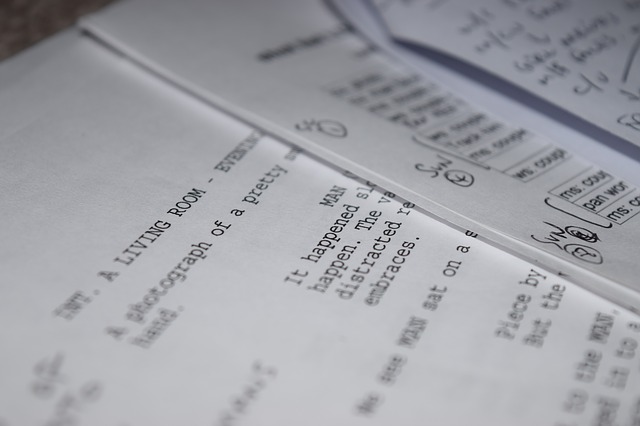
INT. HOTEL ROOM – NIGHT.

SUSIE (42), a Connecticut neurosurgeon, enters a mostly bare HOTEL ROOM. Bible on the dresser. Notepad on the desk. Empty boxes in the corner.

Broken, she is dressed in black. When Susie enters the room she places a funeral program down on the table.

Outside the window is a NEON BLUE sign.

SUSIE

I’m driving to Kansas tomorrow.

Writing your scripts like this gives ample descriptions that everybody in production can work with and properly sets the tone for the remainder of the scene. We won’t know unless we’ve seen Susie previously that the funeral program belongs to her brother. But that’s okay. We can learn that later.  From here, the director, director of photography, actor, costume designer, art director, and set designer have enough to work with in order to bring the scene to life.

Saying more with less is a skill that can take time and practice to master. If you’re interested in learning more about how to write and break down a script for production, visit the Screenwriting Program at York Film Academy.

Friday Reads: Best Binge-Worthy Shows to Watch Before Your May Classes Start

NYFA’s upcoming intake dates in May 2017 mean that it’s almost time for you to begin your journey into the world’s most intensive, hands-on visual and performing arts education. With classes starting right around the corner, your television binging time will soon become scarce. Before you know it, you’ll be hitting the editing lab instead of the couch and writing scripts instead of changing the channels. So order some takeout and use the most of your precious remaining free time to get caught up on these great binge-worthy shows. You owe yourself a good binge, after all!

“Stranger Things” (Netflix)

Stranger_Things_logo

Believe the hype: this ‘80s throwback really is that good, and it features NYFA guest lecturer and board of directors member Matthew Modine! The show is a driven by a gaping, chilling air of suspense in a Goonies-meets-X-Files mystery that somehow manages to evoke nostalgia without retreading tired content. Fresh and eerie, “Stranger Things” is an easy binge with only eight episodes to tell its tightly-wound story. Especially of note are the fantastic performances, which recently garnered the cast the SAG Award for Best Ensemble in a Drama Series.

“Santa Clarita Diet” (Netflix)

https://youtu.be/xjRnbOgoAUQ

This 10-episode comedy-horror combines the disparate worlds of California real estate and … zombies? Flesh-eating realtor Sheila (Drew Barrymore) and her husband (Timothy Olyphant) navigate Sheila’s new reality of needing to feast on human flesh. Consider yourself warned: The show has been slammed for its graphic depictions of gore, but overall it’s been both a critical and commercial success.

“Westworld” (HBO)

This is a show you’ll want to binge on and then rewatch for all the subtle nuances that you may have missed the first time around. As one of the more original shows on television, “Westworld” (created by the fiendish imagination of Michael Crichton) is the story of a Wild West theme park where the tourist can do anything … yes, anything. It’s a chilling reflection on the state of humanity, made even creepier by the eerily conflicted figure of its creator (Anthony Hopkins). If you’re looking for a philosophical binge, “Westworld” may be your fix.

“Outlander” (STARZ)

Currently on its second season, “Outlander” is just plain fun to watch. It’s the entertaining drama of a World War Two-era nurse (Caitriona Balfe) who travels back in time to 1700s Scotland, only to fall in love with a handsome rebel Scot (Sam Heughan). Based on the bodice-ripping romance novel series by Diana Gabaldon, this addictive show features an attractive cast set against the gorgeous backdrop of both Paris and the Scottish Highlands. Less reliant on the fast-paced intricacy of “Game of Thrones” or the beguiling philosophical questions of “Westworld,” this show anchors its binge-worthy chemistry in Balfe and Heughan, who make an exceptional screen pair that you won’t want to miss.  

“Narcos” (Netflix)

https://youtu.be/U7elNhHwgBU

If you haven’t watched the first season, make sure to get caught up on this show quickly! Both seasons make for a great two-day binge, especially Season 2 as the hunt for Pablo Escobar begins to heat up. Wagner Moura turns in a fantastic character performance as the heavyset and volatile Escobar, while “Game of Thronesactor Pedro Pascal serves as the lean and hungry officer determined to take Pablo down.

Don’t forget to check out our many programs beginning May 2017, and beyond.

Why Do So Many Actors Turn to Producing?

Citizen-Kane-Welles-Podium

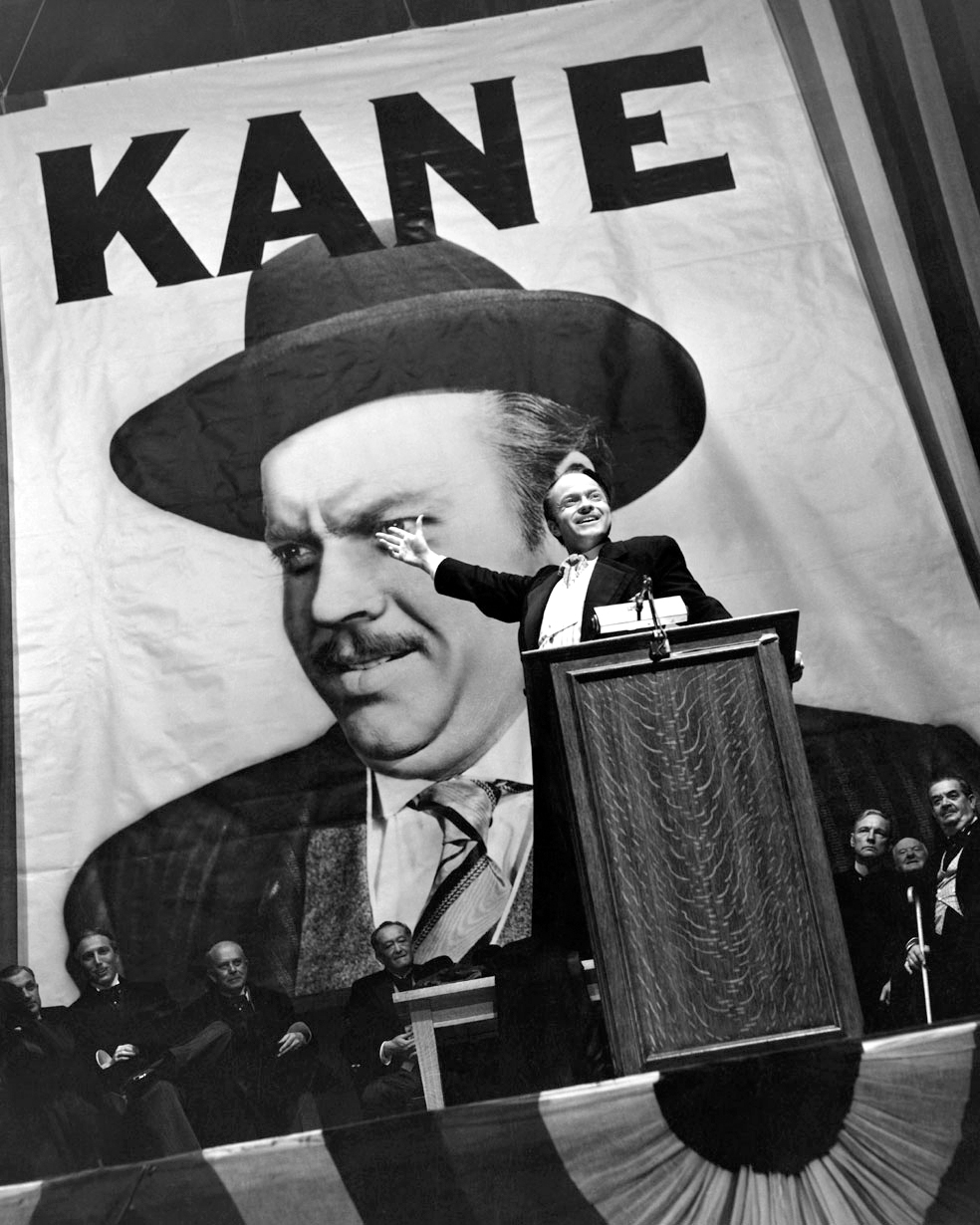
In this article about the benefits of self-producing as an actor, we considered Orson Wells, who wrote, produced, directed, and starred in Citizen Kane, the 1941 film often hailed as the greatest ever made. While not every actor excels at so many aspects of filmmaking, many actors turn to producing in order to have more control over their careers, as well as the projects in which they’re involved.

The joys of wearing many hats

Taking a look at George Clooney’s Smoke House Pictures, you see that he and the other well-known actors jump from acting to directing to both. Clooney starred in the Jodie Foster directed “Money Monster,” while he will direct the upcoming “Suburbicon” starring Matt Damon. Smoke House also produced The Academy Award winning “Argo,” directed and starring Ben Affleck. Wear many hats and you will have many more opportunities to work.

Keep the Jobs Coming

https://youtu.be/xjRnbOgoAUQ

Drew Barrymore started her production company Flower Films with Nancy Juvonen in 1995, which produced many films in which she has starred including “Never Been Kissed,” “Charlie’s Angels,” and the cult hit “Donnie Darko,” which she stepped in and saved when it was struggling to find backers. Longevity is not easy for any actor, and can be particularly tough for women in the biz. Having your own production company certainly helps mitigate the age factor. Barrymore stars in the new Netflix series “The Santa Clarita Diet,” for which she also serves as one of its executive producers, as does her co-star and on-screen husband Timothy Olyphant.

Producing Diversity

Diversity behind the scenes helps ensure traditionally neglected stories get told, which in turn creates more nuanced roles for diverse actors. Salma Hayek formed her production company Ventanarosa in 1999, which produced the Oscar-winning Frida, as well as the Emmy-winning Ugly Betty. Viola Davis (JuVee), Kerry Washington (Simpson Street), and Will Smith (Overbrook) are just a few of the actors of color who work behind as well as in front of the camera to create diverse and dynamic images.

Busting Out of Type

Actors can be constrained by their looks, their gender, their body type and the roles that made them famous. Clint Eastwood might have spent the rest of his life doing westerns if he hadn’t started his production company Malpaso Productions. According to Wikipedia, “Play Misty for Me” was the first film “to give Eastwood the artistic control he desired.” Named the most successful actor/producer by TheRichest, Eastwood has produced such diverse films as “Hang ’em High,” “Mystic River,” and “Million Dollar Baby.”

Making a Difference

Although many actors begin producing in order to take control of their career destinies in front of and behind the camera, others are simply interested in expanding the quality and scope of the industry. A good example of this is Brad Pitt and his production company Plan B, which he founded with Jennifer Anniston, and now runs with Dede Gardner and Jeremy Kleiner. IndieWire’s Eric Kohn writes that Plan B “has gained traction in recent years as one of the most significant entities supporting auteur-driven work in the United States.” From the academy-award winning “12 Years a Slave,” to this year’s underdog Oscar winner “Moonlight,” Pitt proves himself a star who is more than willing to step out of the picture to produce great films.

Our 4-Week-Producing Workshop works to provide our students with the education and training that they will need to tackle the everyday responsibilities and tasks that accompany a career in production.

5 Types Of Animation: Finding Inspiration In All Styles

As you pursue your 3D animation and visual effects studies with NYFA’s Animation School, it’s important to understand the history and techniques that shaped the field of animation and led to the development and popularity of today’s advanced technology. Whether it’s the cartoons we re-watched as a kid or the flipbooks we bought, the cute adverts on TV tempting us to buy certain products or even the “Madagascar” and “Ice Age” films we love to watch in 3D, animation is an integral part of how we understand storytelling. As you develop your 3D animation and visual effects skills, understanding the principles of other types of animation can open you to new ideas and inspirations. After all, animation is more than cinema — comics, games, graphic novels and even some toys borrow from this tradition. And your animation work can find inspiration in all kinds of places, as well.

Broadly speaking, there are five types of animation. As you develop your animation skills, interests, artistic vision, and software expertise, you can learn to draw from various theories and traditions in animation as you develop your own signature style.

1. Cel (Celluloid) Animation

Norman_McLaren_drawing_on_film_-_1944

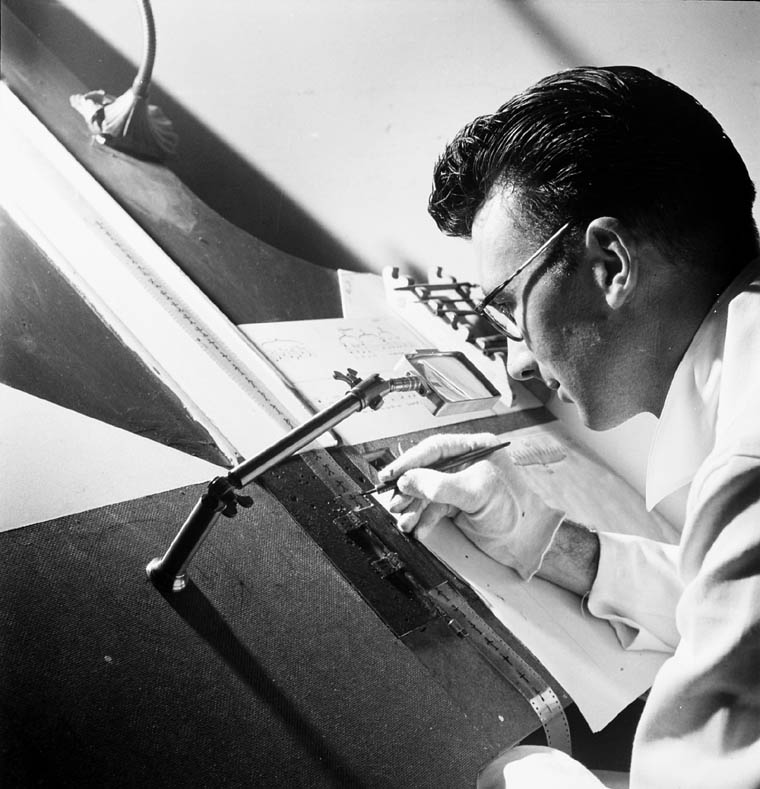
This is the original hand-drawn cel animation where the artist literally has to draw thousands of images on special paper and have them photographed, frame by frame. Before the digital revolution, traditional animation was the norm of the industry, including Disney.

Traditional animation is a great skill to have in your arsenal, especially if you particularly enjoy traditional media: color pencils, glass painting, water colors. The main drawback to traditional animation is that it’s a very lengthy process. However, don’t let the old-world flavor of this style put you off, as there’s plenty of inspiration to draw upon within this style of animation: take a look at A-ha’s music video “Take on Me” and the breathtaking Aleksandr Petrov film “The Old Man and the Sea,” based on the Hemingway tale.

2. 2D Animation

Antics_2-D_Animation_infobox_screenshot

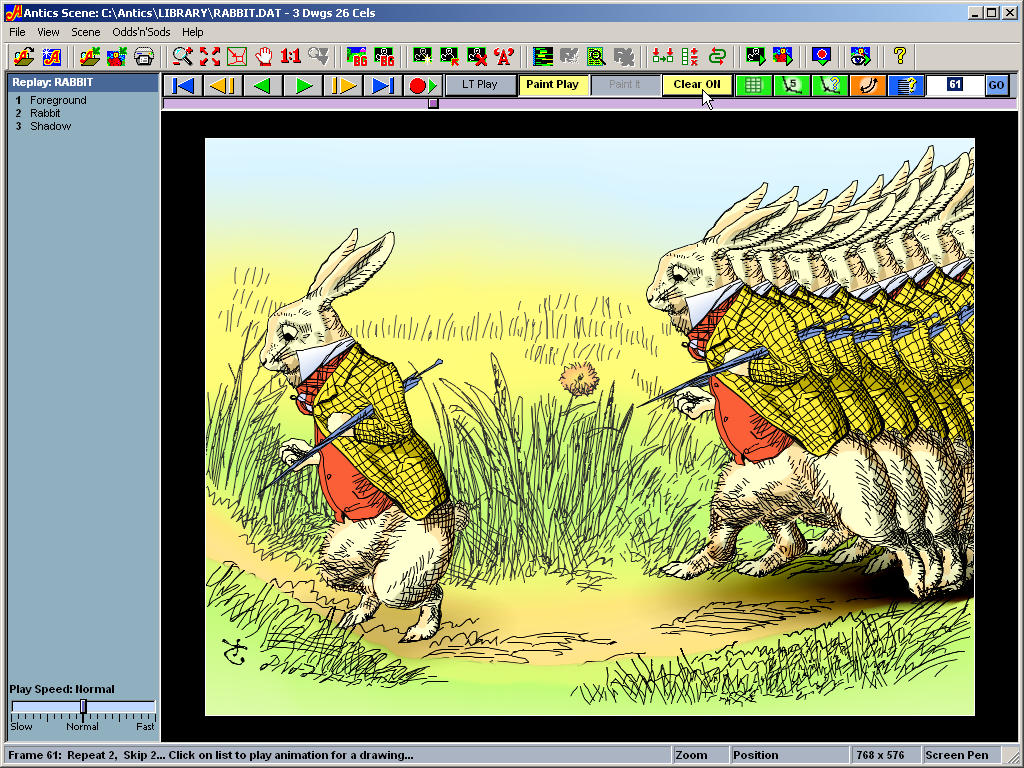
This is vector-based animation, and has two distinct advantages: it is cheap and easy to access. You need a basic understanding of key frames and know how to use Adobe Animate CC.

3. 3D Animation

6103258321_ba2f104aaf_b

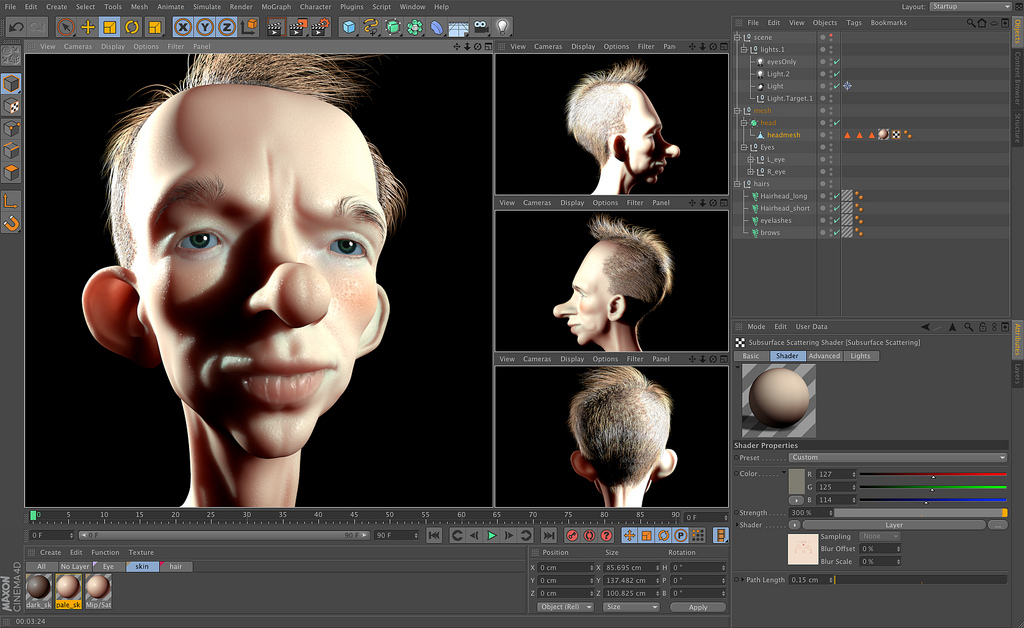
3D animation and visual effects are, quite simply, the way of the future. 3D animation operates on different principles, and is more akin to puppetry than traditional animation. For this, you need to learn how to digitally model a character, sculpt it perfectly and give it a skeleton that you can move and manipulate. You’ll have to pose the model at certain frames, and then let the computer do the rendering.

Why is 3D animation so important to understand? Those who want to break into the industry frankly must master the ins and outs of 3D animation. CGI has become the norm for all blockbuster animated movies and in certain live-action sequences which requires a lot of VFX, because of its attention-to-detail and realism. This is why NYFA focuses on 3D animation and VFX, offering aspiring animators the training they need to develop professional skills.

4. Motion Graphics

This visual effect technique involves moving graphic elements such as text or logos, mostly using software such as After Effects.

Works Best For: Those working in the advertising industry or doing multimedia projects, or even designing the opening of film titles.

5. Stop Motion

Stefano_Bessoni_Canti_2014

Stop motion is like traditional animation, except instead of drawing, you have clay models and a set that you have to carefully manipulate to produce animation. Stop motion can also be done with puppets, cut-outs, silhouettes and even action figures. In the past, stop motion was used as a form of special effects for live-action films, and has largely been replaced by 3D animation and visual effects work. However, there are filmmakers — like Tim Burton — who work almost exclusively with stop-motion. Think: Laika Films’ “Coraline,” “ParaNorman,” and recently “Kubo and the Two Strings.”

For aspiring animators, stop motion can be a wonderful medium to make art, on your own terms. Stop motion has its own flavor, which can’t quite be reproduced in any other medium, and is extremely labor intensive — much like cel animation. Understanding stop motion can also unlock a deeper appreciation for 3D animation and visual effects.

So, as you create your own original animations, think of the film or clip that you’d like to make. Ask yourself, what should this creative product look or feel like, and how can I best achieve that? Think about your artistic skills and the great history and traditions of animation you can draw upon and experiment with inspiration from all animation styles. Ready to learn everything you can about animation? Check out NYFA’s Animation School.

Women’s History Month: Women to Know Behind the Camera

Who are the first people you think of when you hear “successful director, screenwriter, or producer”? Unfortunately for a lot of people, they may only know male names — but there are important women to know behind the camera. We’ve previously discussed gender inequality in film, but how can we all help to make more inclusive improvements in the entertainment industry as a whole? Start by educating both yourself and others about notable women who work tirelessly to bring you amazing film. 

In honor of Women’s History Month and bridging the gender gap in the entertainment industry, the New York Film Academy spotlights seven women who are behind-the-scenes of your favorite TV shows and movies:

Haifaa Al-Mansou

HaifaaAlMansour

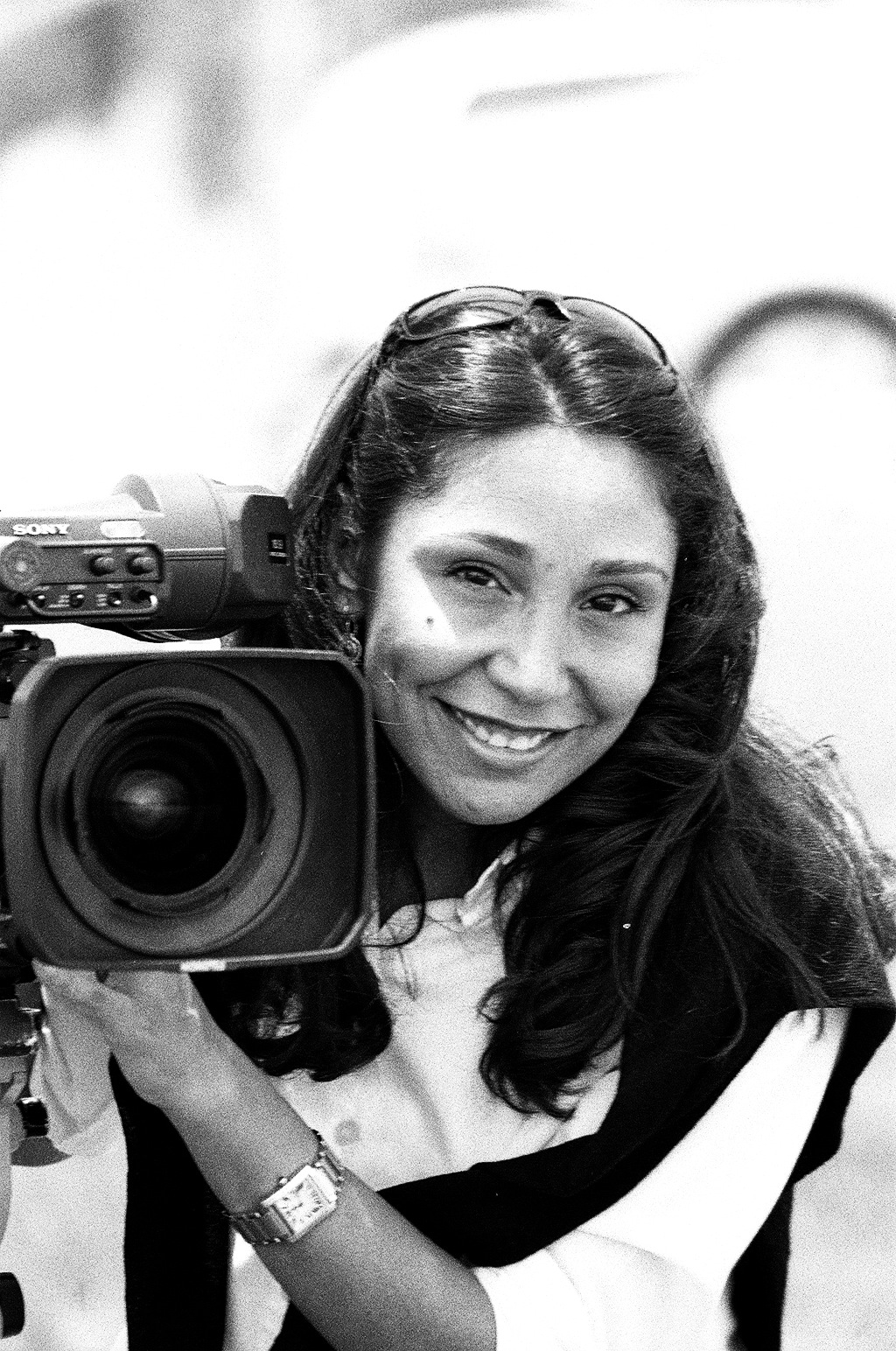
The first Saudi female filmmaker, Haifaa Al-Mansour is a controversial director to some. Her films “Who?,” “The Bitter Journey,” and “Women Without Shadows” have touched on sensitive topics regarding women’s issues. Regardless of hate mail and criticism for being “unreligious,” Al-Mansour is unafraid to make outstanding films with touchy topics. One of her recent projects has been writing and directing the upcoming film “Mary Shelley,” set to release this year.

Julia Roberts

510px-Julia_Roberts_2011_Shankbone_3

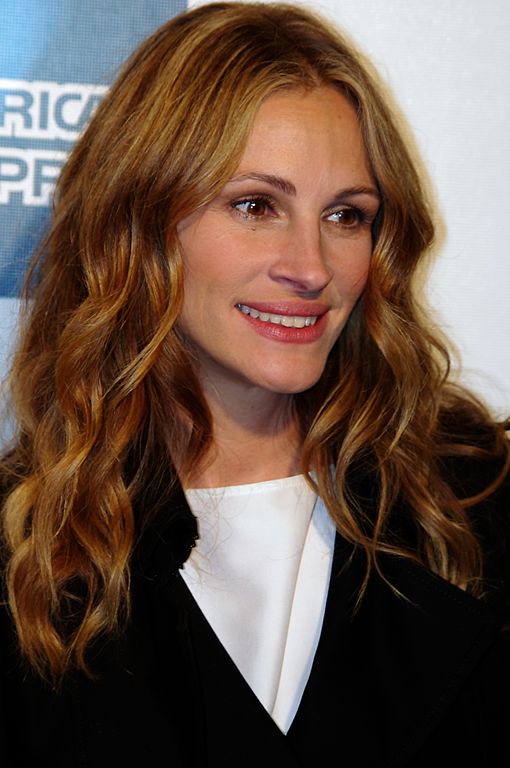
You know Roberts for her roles in “Pretty Woman,” “Notting Hill,” “Runaway Bride,” and “Mystic Pizza,” but did you know she has also produced a few films? Alongside Canadian director Patricia Rozema and screenwriter Valerie Tripp, Roberts was in charge of producing the movie adaptation of the American Girl character Kit Kittredge called “Kit Kittredge: An American Girl.” Roberts also produced the films for the American Girl characters Felicity and Samantha. She has also produced “Extraordinary Moms,” a TV documentary about motherhood as well as the film “Jesus Henry Christ.”

Mira Nair

MiraNair_main

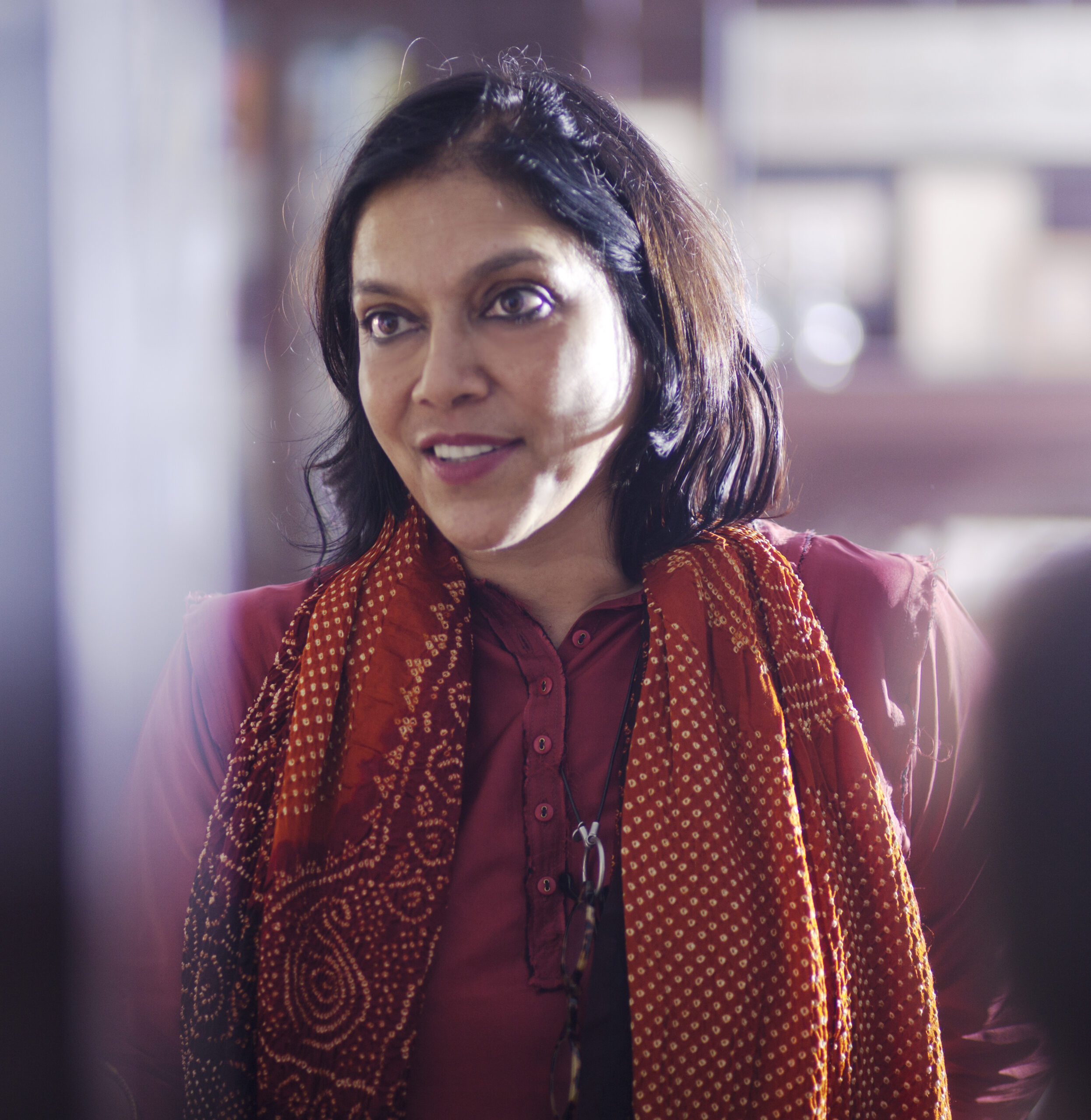
Starting her career off as an actress, Nair transitioned into directing a variety of different films including documentary shorts, full-length films, and more. She owns the production company Mirabai Films, which has produced specific films on Indian culture for a broad audience. The accomplished India-native most recently directed the Disney film “Queen of Katwe, about a young Ugandan girl who dominates the world of competitive chess.

Diablo Cody

Diablo_Cody2

The “Juno” and “Jennifer’s Body” writer wears many hats, including screenwriter, producer, actress, and former exotic dancer. Cody’s writing often features a female character with daily insecurities and issues who also has an underlying major struggle. In the New York Times, Cody said, “The attitude toward women in [the film] industry is nauseating. There are all sorts of porcine executives who are uncomfortable with a woman doing anything subversive. They want the movie about the beautiful girl who trips and falls, the adorable klutz.”

Ava DuVernay

Ava_DuVernay_2015

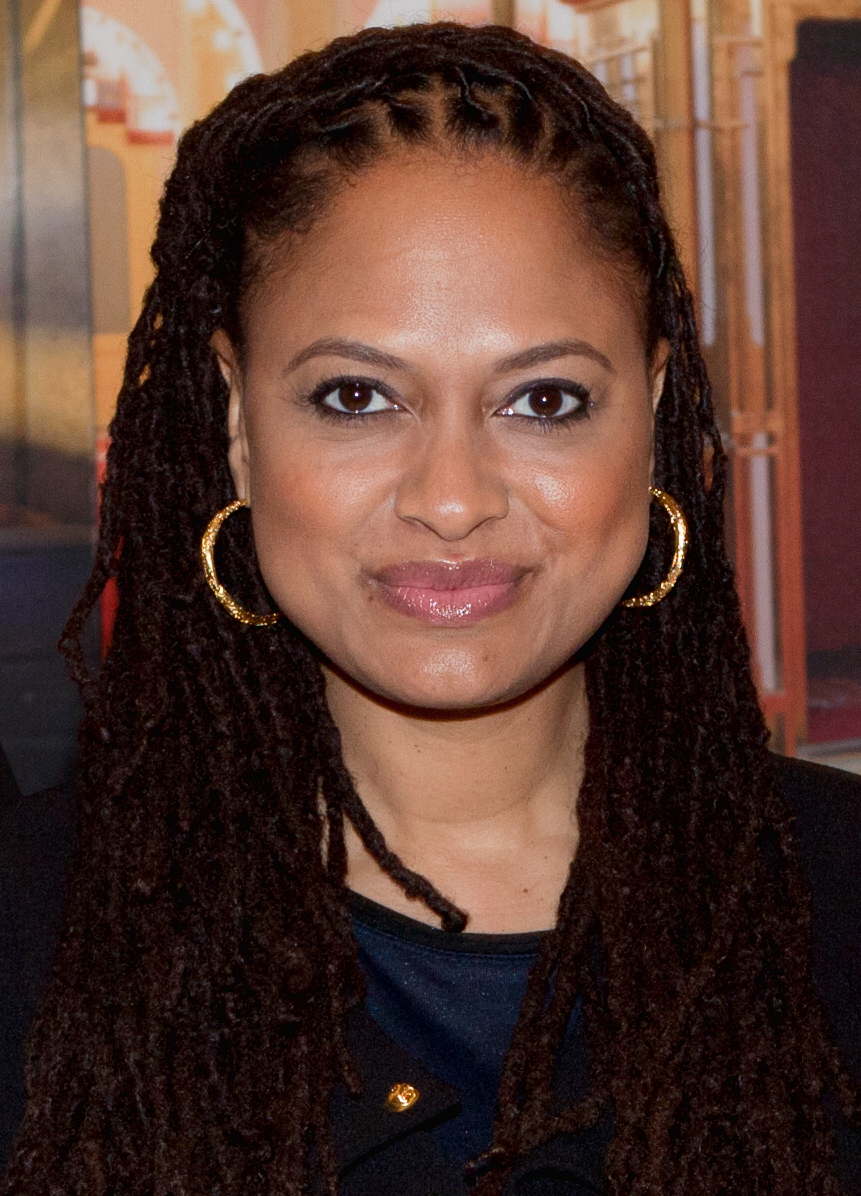
DuVernay is an indie writer, producer, and director of all kinds of film mediums including TV shows, movies, and documentaries. She has been nominated for four Golden Globes and two Academy Awards for her work. Recently, her documentary “The 13th” has been a hit success on Netflix and was nominated for an Academy Award for Best Political Commentary. DuVernay’s film “Selma” received critical acclaim and a NAACP Image Award for Outstanding Motion Picture.

Lana and Lilly Wachowski (The Wachowskis)

P9265199

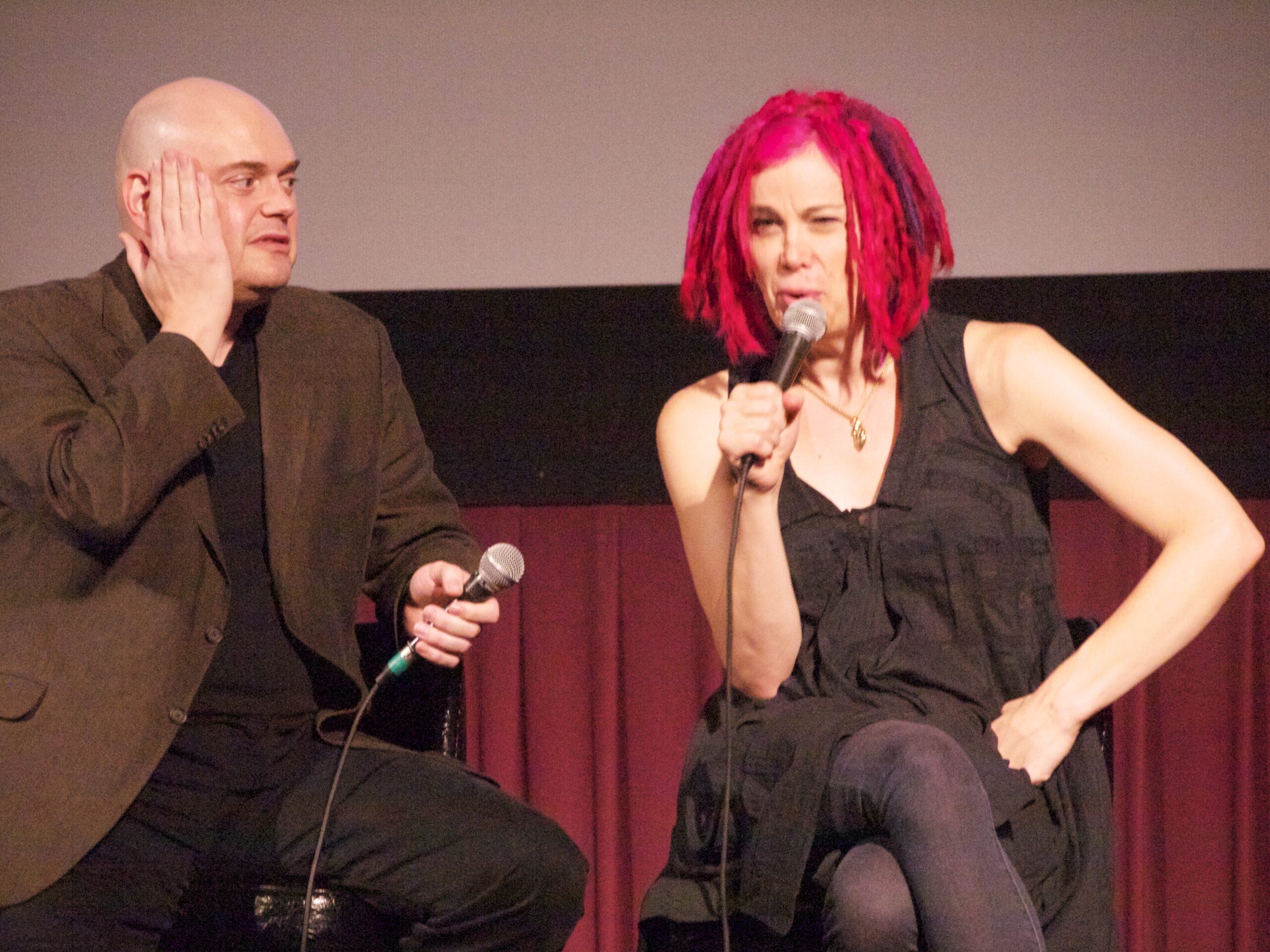
Formerly known as the Wachowski Brothers before both coming out as trans women, the Wachowskis wrote and directed “The Matrix” and their sequels as well as other ground-breaking sci-fi films. You may know works such as “V for Vendetta,” the film adaptation of “Cloud Atlas,” and “Jupiter Ascending,” all films the sisters have written and directed.

Who are your favorite female film directors? Let us know in the comments below! And check out NYFA’s directing programs to learn more about becoming a film director.

7 Fashion Blogs Aspiring Photographers Should Follow Now

The internet has created a wonderful subculture for fashionistas, sartorialists, clothes-horses, and dandies of all stripes. Websites like Pinterest allow for people to pin inspiring or cool outfits in an easy to access place so they can look at it whenever the fancy strikes them, and image searches mean there’s a plethora of fashion to be ingested at any time.

However, as an aspiring fashion photographer, your interest in fashion runs even deeper. Which is most likely why you are always on the hunt for inspiration and fashion news, seeking something a little more curated. To aid your research for your next fashion photography shoot, New York Film Academy has rounded up a list of eight fashion blogs worth bookmarking, putting in your rss feed, or following on tumblr:

1. PUT THIS ON

tumblr_inline_omihphUdT61qhaans_500

Started by podcaster extraordinaire Jesse Thorn, PUT THIS ON made its name as a premier place for vintage and American classics. If you’re a man looking to start dressing better or a photographer interested in menswear, PUT THIS ON has guides on everything from thrifting to belts.

2. THE SARTORIALIST

Featuring a deep catalogue of street fashion photos for men and women, The Sartorialist has been an internet fashion mainstay since 2005. Scott Schuman’s blog has also spun off into books featuring international daily style. It’s a great resource for fresh, street-inspired ideas.

3. RUNWAY SASS

tumblr_o9cq5ztC811qcskyjo1_1280-2

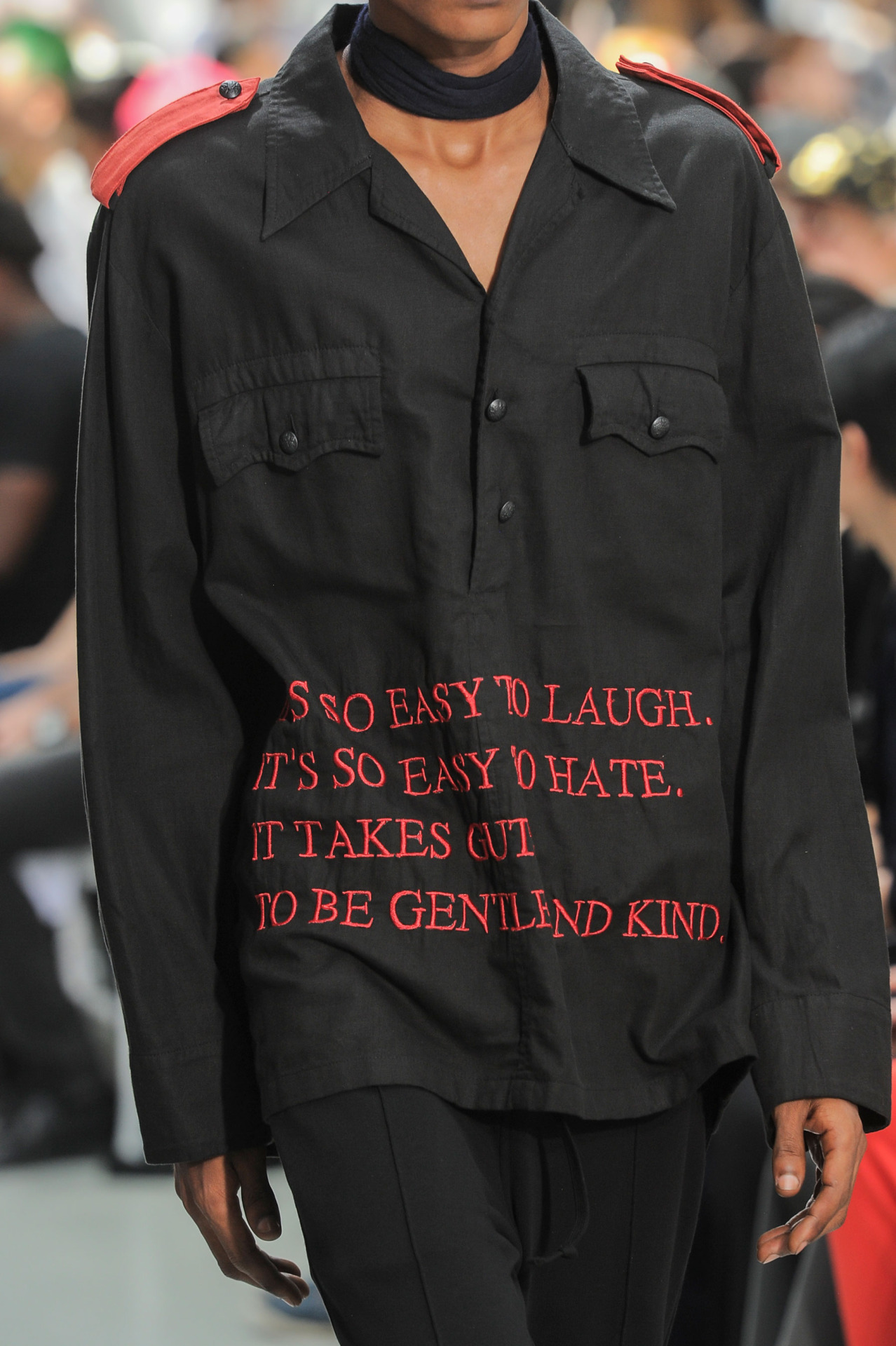
If you’re looking great high concept runway style, Runway Sass is the place for you. Keep up to speed on the fashion world’s runway trends. All of the Fashion Week 2016 posts are in an easy to access link at the top.

4. HANA HALEY

tumblr_omglajqPIM1rx4hj8o3_1280

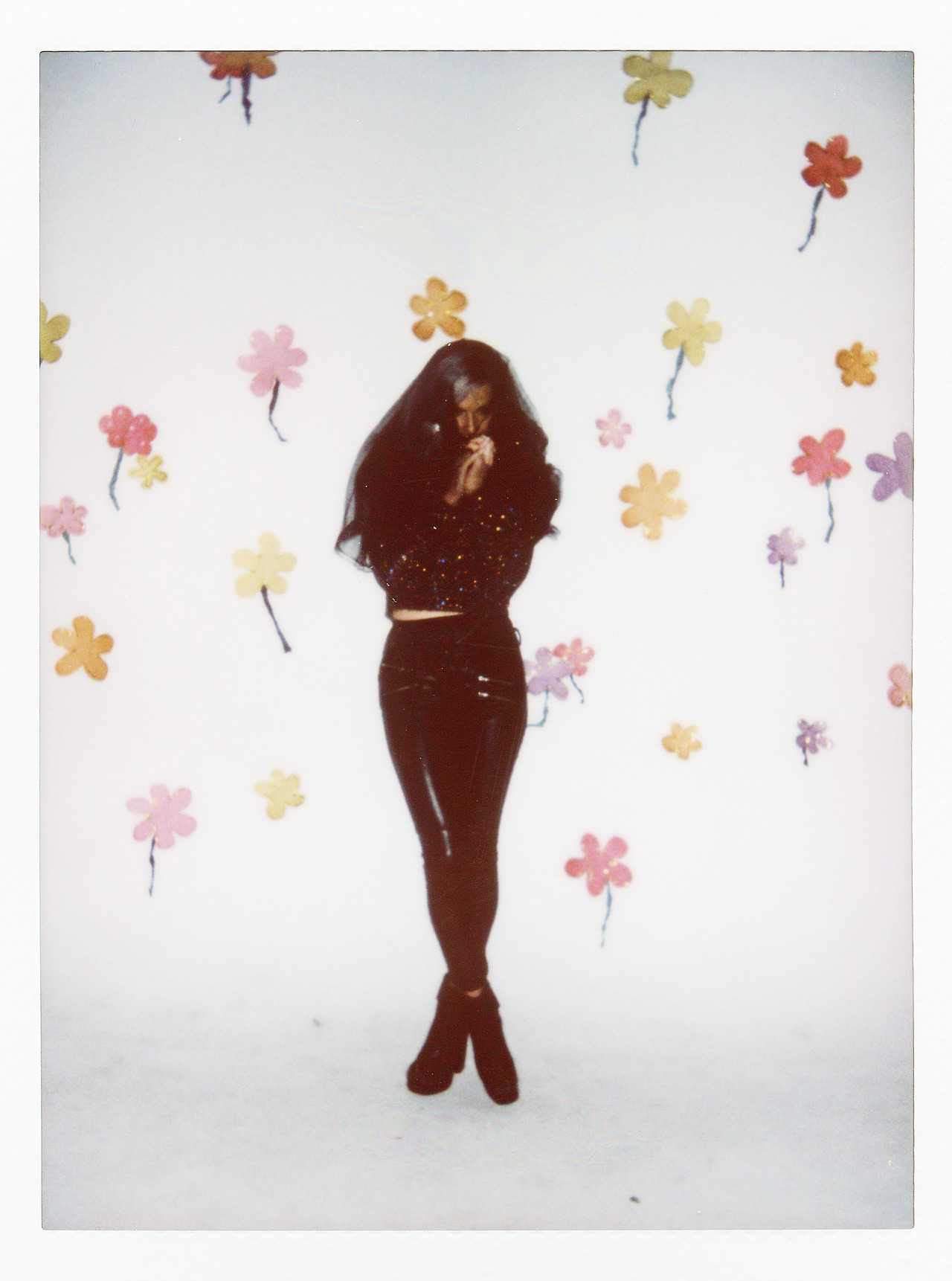
The first thing you http://hanahaley.tumblr.comnotice when you go to Hana Haley’s tumblr is the pink background. A NYC-based photographer/director in NYC who’s in love with “femininity and 35mm film,” Haley dominates her blog with pastels. Recently featured: a videoed trip to Cancun. It’s a nice way to juxtapose your fashion inspirations with lifestyle imagery and may give you some ideas for your next fashion photography shoot.

5. EFF YEAH INDIGENOUS FASHION

tumblr_om9ybdBXHe1qzm2bdo1_1280

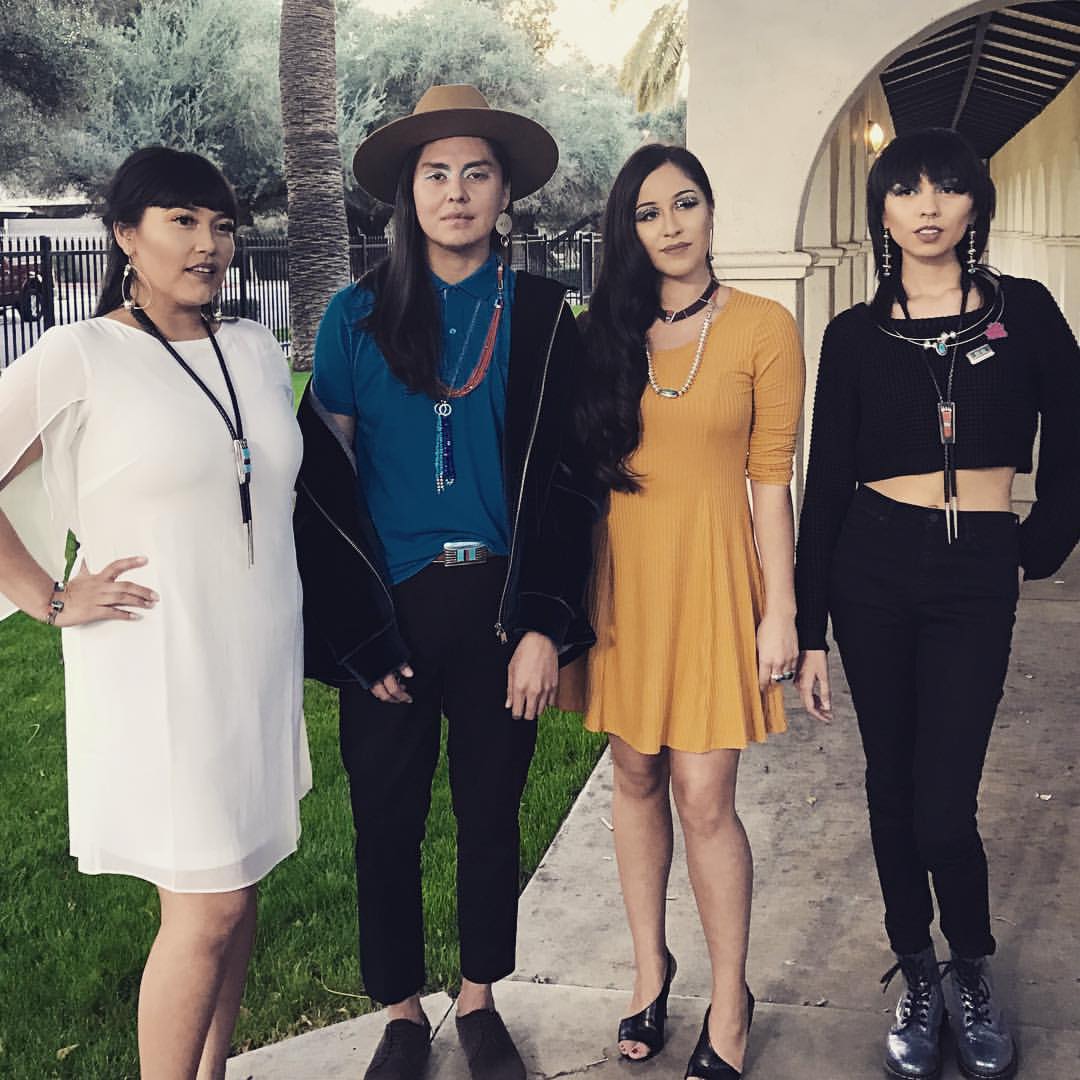
Steadily updated, this blog is about the beauty of indigenous fashion. As stated by the site’s duo of indigenous founders: “Indigenous artists and designers are still awfully underrepresented in the fashion, art and design business today, and often get passed by in favour of appropriative knock-offs by customers looking for ‘native’ or ‘indigenous’ art to wear or use.” Find inspiration in authentically created indigenous fashion.

6. BLACK FASHION

Processed with VSCO with a4 preset

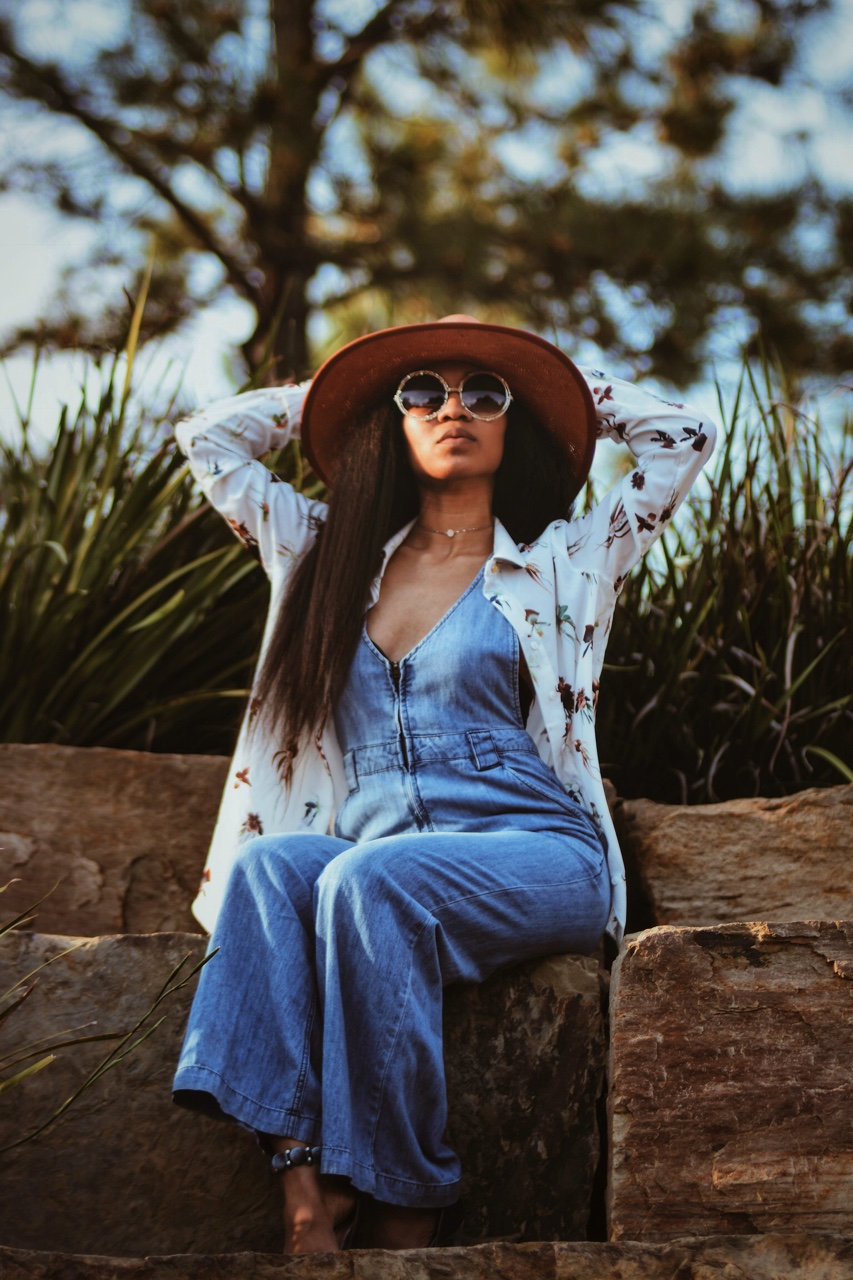
Black Fashion is what it sounds like: pictures of black men, women, and nonbinary individuals dressed in their best. The blog even has separate sections for black fashion at prom, graduation, and with friends just hanging out.

7. HIPTIPICO

tumblr_om254aC3HE1r0wgdio1_1280

The tumblr for ethical fashion based out of Guatemala, there’s plenty of photos of beautiful South American landscape and colorful Guatemalan designs.

Want to take your interest in fashion photography to the next level? Apply today for NYFA’s upcoming fashion photography workshops.

A Q&A With NYFA Acting for Film Alumna and Teacher’s Assistant Alice Dessuant

An actor plays many roles in the course of a career, but Alice Dessuant is also interested in roles behind the scenes. After completing her New York Film Academy training in acting for film, Alice decided to stay on and work as a TA, and most recently she booked a role in “La Recompense” in Paris.

NYFA had an opportunity to sit down with Miss Dessuant to hear some of her insights on what it’s like to shape shift and work in so many different types of roles within the entertainment industry. Here’s what she had to share with our community.

1G0A0452

NYFA: Congratulations on your upcoming performances in France! Can you tell us a bit about your role and the production?

AD: Thanks! So I will be performing in a play called “La Recompense” (The Reward) at the Edouard VII theater, one of the biggest private theaters in Paris. We will be on stage every day (twice on Saturday) from March 14 to July 16 after six weeks of rehearsing.

“La Recompense” is the story of Martin, a brilliant historian who is rewarded with the International History Prize. His girlfriend and his brother seem to think it is THE prize of a lifetime, the accomplishment of his entire career. Martin however would do anything to give it back: indeed, all the laureates from the past years died a year after they got rewarded.

My character is introduced by Martin’s brother, who speaks about me during the play. I then quite literally appear to Martin at the end of the play to seal his fate.

NYFA: You’ve worked both in front of the camera as an actor and behind the scenes as a cinematographer and wardrobe assistant, and you’ve also worked in several countries. What would you say is your number one takeaway from shifting position, working internationally, and seeing the industry from so many sides?

AD: I feel like shifting position on set made me a better actress. And I would recommend it 100 percent. Knowing exactly who’s doing what and how they do it on set makes you more comfortable in your own position, and makes work more fluid. As for working in different countries, I definitely learned new acting tools for me to use back home. It’s a great way to approach new methods and expand your working skills.

NYFA: Why NYFA? Tell us a little bit more about your journey in choosing the acting for film program at New York Film Academy.

AD: To be perfectly honest, it was completely random! I was spending some time in New York in the summer and I saw an add for the school at a bus stop. I’d always wanted to leave Paris and study acting for film in New York, I thought it was a good place to start. Probably the best decision I ever made!

NYFA: What was it like studying acting for film in a country other than your own?

AD: Whether you are studying, working or just spending time abroad, you always get through phases where you feel homesick, where you miss your family and friends. That was probably the most challenging for me (that and the three months of snow every winter, God I hate the cold!). But more seriously, it really is nothing compared to how rewarding it is to accomplish something outside of your country, out of your comfort zone. It was an amazing feeling to have people who barely knew me, willing to give me a chance. It definitely boosted my confidence! And the fact is, as soon as I got back to France I booked three big jobs in a couple of weeks. I don’t think it would have happened if I had never left Paris for a while.

NYFA: What has surprised you the most about your classes at NYFA? Were there any subjects that became a new passion for you?

AD:  I was really surprised to have audition technique classes. In France, being an actor is still considered an art, not a business. That was the most useful class for me. And I definitely fell in love with TV classes! Especially when working on sitcoms. It really feels like recorded live theater!

NYFA: How did staying on with NYFA and working as a TA change the way you understood your craft as an actor? Did your perspective on your courses change?

AD: Working as a TA made me realise how easy [in some ways] it is to be an actor! Knowing how much equipment is involved, and how much work it takes to produce anything really put my own work into perspective. Sometimes as an actor you show up on set, having worked on your character, emotionally charged, sort of in your own bubble really, and you forget the humongous amount of work it took to build the set, prep the lights, get the camera ready. Working on the other side reminded me of that.

NYFA: What was it like to be a part of the NYFA community both as a student and as a TA?

AD: I had a great experience as a student at NYFA. I felt really privileged. I absolutely adored my classmates and it felt like working with a solid acting troupe all year long. I also had a blast working as a TA. The experience was especially interesting and different for me because I went from a student perspective to working side to side with the teachers I had the year before. I found that same feeling of a troupe with the other TAs, which made the job very enjoyable.

NYFA: Favorite NYFA moment?

AD: Favorite NYFA moment as a student was probably being part of the NYFA ensemble, and getting to perform “Gruesome Playground Injuries” with my classmates.

NYFA: What’s inspiring you right now

AD: The people I am working with at the moment. Actors I have admired all my life and whom I get to be on stage with now.

NYFA: Do you have a favorite film, or favorite actor?

AD: Hardest question ever. I absolutely can’t name one movie. It’s just impossible. As for actors, Johnny Depp in “Edward Scissorhands” is the reason i decided to be an actor (after I realised Jedi and Indiana Jones were not actual jobs). At the moment I am particularly obsessed with both Benedict Cumberbatch and Martin Freeman. Watching them act is purely the best acting class you can get. And watching them act together … I literally pause to take notes.

NYFA: What advice would you give to aspiring acting for film students?

AD: My advice is, get as many different acting classes possible. Work on different methods, with different teachers. And if you are ever offered to do another job on set besides acting, say yes.

And stay away from the craft service, it’s a trap!

Alice, thank you for taking the time to share a part of your story with the NYFA community. Break legs in your upcoming shows!

Kids’ Films that Broke Ground with Special Effects

When you think of groundbreaking special effects, you likely think of summer blockbusters and big budget productions. But, children’s films are often a source of innovative special effects.

While early films were intended for general audiences rather than being targeted to specific age groups, some found inspiration in the kid-friendly fiction of Jules Verne and Lewis Carroll. Georges Méliès’ “A Trip to the Moon (1902) and “The Impossible Voyage” (1904) and Cecil Hepworth’s “Alice in Wonderland (1903) used pioneering special effects and editing such as multiple exposures, time-lapse photography, substitution splices, and creative use of set design and camera placement to bring imaginary worlds to life on screen.

Gertie The Dinosaur (1914)

https://youtu.be/TGXC8gXOPoU?t=7m15s

One of the earliest examples of animation, Gertie the Dinosaur influenced animators such as the Fleischer Brothers and Walt Disney. In the film, Winsor McCay draws Gertie “live” in a clever sequence that is humorous and graceful. The short film also gives viewers an inside peek at the animation process when McCay references the 10,000 drawings needed to make a few minutes worth of film.

Disney’s “Snow White and the Seven Dwarfs (1937)

The Walt Disney Company’s 1937 film was the first full-length feature film using cel animation. Concept Artist Albert Hurter oversaw every part of the film’s design from backgrounds to individual characters. Disney’s team drew inspiration from German expressionist films as well as mainstream cinema. The Queen’s transformation scene is one example of where the Disney studios borrowed from the likes of “The Cabinet of Dr. Caligari” as well as 1931’s “Dr. Jekyll and Mr. Hyde.” Disney Studios developed the multiplane camera in order to create realistic depth and movement of backgrounds; it was first tested on the short “The Old Mill and used for Snow White and other classics. “The Little Mermaid” was the last Disney film to use a multiplane camera.

Toy Story (1995)

Disney/Pixar’s Toy Story was hailed by critics and audiences alike. The film was the first feature film to be fully animated with computers. As Julia Zorthian discusses in her look back at Toy Story twenty years after its release, one of the keys to its success was excellent storytelling that has helped give the film longevity long after CGI has become an industry standard.

The Harry Potter series (2000s)

Creating a believable world of magic and Muggles has been a task for the director and production teams on each film in the series and they have used every trick from old fashioned optical illusions and model sets to CGI and green screens to pull it off.

Hugo (2011 )

Director Martin Scorsese wanted the opening shot of Hugo to be a seamless long shot from outside the railway station through the clockworks and into Hugo’s hidden home. To bring Brian Selznick’s book to life, Visual Effects Supervisor Rob Legato and Pixomondo Ben Grossman devised many tricks and transitions to create the signature opening and other scenes that pay homage to Méliès and other filmmakers of the earliest days of cinema.

The Jungle Book (2016)

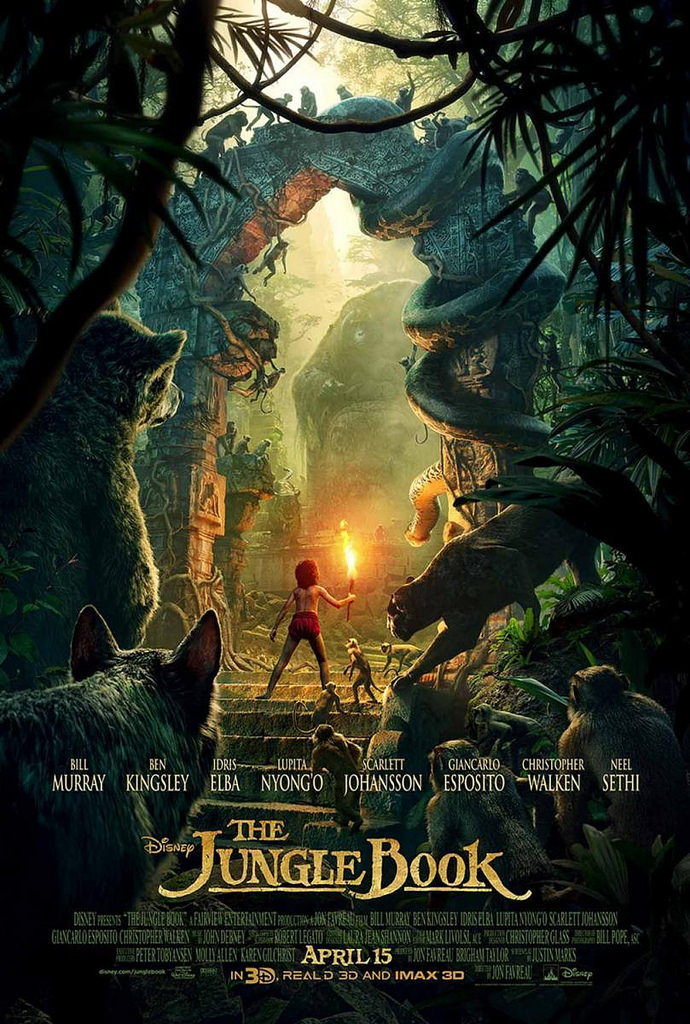
Using a live actor with computer animation and motion capture had not been done on this scale, but director Jon Favreau and visual effects supervisor Rob Legato worked with hundreds of designers to create the seamless animated backgrounds and animal characters. And they did all the previz using VR headsets. The end result is also a testament to Neel Sethi’s talent as an actor, since he had to deliver an emotionally true performance while responding to puppets and stand-ins.

Want to know more about animation and special effects? Check out NYFA’s articles CGI Animation History: Defining (and Awesome) moments in Cinema or How To Do Stop Motion Animation.

How to Use Crowdfunding Sites Like Kickstarter & Indiegogo to Fund Your Film

Nothing speaks to the independent filmmaking spirit quite like crowdfunding. Not only can you get your project made without relying on traditional top-down sources, but also a successful campaign demonstrates your film’s marketability to potential distributors. Not all crowdfunding campaigns have the built-in fan base of the wildly successful “The Veronica Mars Film Project,” so we’ve gathered some tips and resources to help you make sure your crowdfunding campaign reaches, or even surpasses, its goal.

Do Your Homework

16059766625_9c905b52d3_b

As we mentioned in this article comparing crowdfunding sites, you need to know the particulars of the platform and choose accordingly. Kickstarter and Indiegogo both have track records of funding successful filmmaking projects, and looking at their film and video specific project pages makes clear that trending projects include feature films, documentaries and shorts. GoFundMe, on the other hand, has gone in another direction with the majority of its campaigns being personal rather than creative. Also, keep in mind that Indiegogo allows users to collect and keep funds as the campaign proceeds, while Kickstarter is an all-or-nothing game, where you must choose a deadline and a minimum goal that you must meet in order to collect funds.

Hit the Ground Running

pen-calendar-to-do-checklist

Do your research and have everything in place before your campaign starts. Whatever platform you choose, spend some time perusing projects, especially those that seem similar to your own. Both the successes and failures can help you.

Also, try to line up PR before launching. Doing the work before the campaign clock starts ticking will give you a better chance of success. According to this article at CrowdCrux.com, gaining the interest of strangers is most likely to occur within the first three days of launching: “At this stage, you will be in the recently launched tab and if you hustle and get supporters early, you can become a trending project.” After that window, it gets much harder.  

Never Underestimate the Power of a Good Story

pexels-photo-127968

Setting up your project page with a clear, concise, and compelling story including visuals and a realistic budget is vital. According to Kickstarter’s Creator Handbook, “there are some basic questions you should answer including: ‘Who are you? What are you planning to make? Where did this project come from? What’s your plan, and what’s your schedule?’” In other words, you want to transmit your passion and excitement to potential backers, while assuring them that you are qualified and capable of bringing the idea to life.

Attract the Low Rollers

pexels-photo-259165

Remember that the beauty of crowdfunding is that many backers with shallow pockets can take the place of one or two execs with deep pockets — but, they will also want return on their investment. According to this Entrepreneur.com article, the most popular pledge amount at Kickstarter is $25, so you want to make sure “the affordable perks don’t run out too fast, or you risk losing potential backers who can’t afford steeper offerings.”

Filmmakers are lucky to have built-in social media minions in the way of cast and crew. However, don’t rely on them to come up with their own mini-campaigns. Give them shareable items that they can customize for their own network. Most Kickstarter campaigns don’t go viral, but that doesn’t mean they don’t succeed. Don’t be shy to reach out to friends, family, coworkers, acquaintances and everybody you can think of that might be interested.

Have you managed a successful crowdfunding campaign? Tell us your experience in the comments below. And learn more about filmmaking and producing with a variety of short- and long-term programs at the New York Film Academy.