Black History Month Recap: A Q&A With NYFA Faculty

As Black History Month comes to a close, New York Film Academy celebrates the diversity and strength of its community. We had a chance to sit down with a few members of our faculty to hear their insights and inspirations in light of this important month. Joining the discussion are NYFA’s Chair of the Diversity, Equity, and Inclusion Department Nancy Kwang Johnson; digital editing instructor and professional Hollywood editor Leander Sales; and film directing instructor and Chair of Community Outreach Mason Richards.

Here is what they had to say:
unnamed
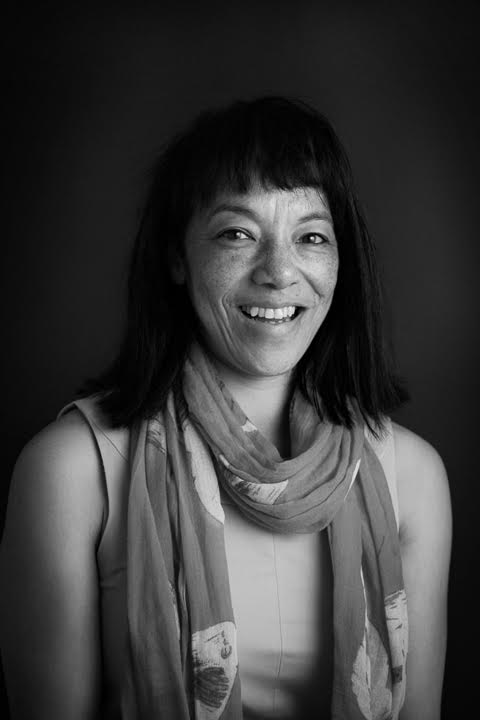
Nancy Kwang Johnson

NYFA: Can you share a little about your career or journey in the entertainment industry, and what has driven your success? What makes you get up in the morning? What are you working for?

Leander Sales: I got into the industry because Spike Lee was determine to see more diversity in the film industry and I was determine to be part of this industry. The joys and duties of being a parent [are what get me up in the morning]. I’m generally a very optimistic person and I look forward to what the future may hold. [I’m working for] My kids and making more movies.

Mason Richards: The film industry is extremely rigorous and challenging because there is no real clear path to success, therefore it takes an extreme amount of tenacity and vigor to navigate. The industry is such that in order to be able to tell your own story, you have to work extremely hard. It’s also a great feeling when you get those opportunities to share your journey and tell the stories that matter most to you.

NYFA: Tell us about the first time you saw a character or story on the big screen that really resonated with you culturally and that you felt you could personally identify with. What was that moment like for you?

Leander Sales: Seeing “Cooley High” and getting a chance to meet the director, Michael Schultz.

Mason Richards: One of my favorite films of all time is “To Sir, With Love” directed by James Clavell — the film tells the story of an idealistic engineer-trainee and his experiences in teaching a group of rambunctious high school students from the slums of London’s East End. One of the reasons I love this film is because it stars one of my favorite actors of all time, Sidney Poitier; and this film was the first time I saw someone on the big screen who was from my birth country, Guyana, South America. It was a great feeling then, and it’s always a great feeling when you see strong characters in leading roles that reflect your identity.

Nancy Kwang Johnson: I am Korean and African American.  My great grandmother on my father’s side is full-blooded Cherokee.  As a result, as a teenager, I would empathize and hold onto every word of Cher’s hit song, “Half Breed.”  

As far as languages go, I grew up in a household with two parents who were fluent in Korean.  As a result, my mother tongue is, and will always be Korean; it’s the only language that I can speak without an accent.  I teach in French and English, and I speak basic Albanian and Wolof.

Because of my mixed racial heritage, I always had two types of dolls when I was growing up – an African American doll and a Korean doll adorned in the national costume (hanbok).  As I did not have dolls that actually looked like me, I gravitated towards female role models on the silver screen – tv and film – who were also mixed like me.  

From the onset, I would gravitate towards my namesake, Nancy Kwan (of “The World of Susie Wong”) as she was my mother’s (Kwang’s) favorite actress and [she] had been on the set of “Susie Wong” during her pregnancy.  

As a child, I was a huge fan of the television show called “Zoom,” because one of the cast members was Puerto Rican, also named Nancy, and looked like me (for example, she wore her hair in two braids). As a teenager, I gravitated towards Irene Cara of the hit show, “Fame” (1980) and Tai Babilonia (the 1980s Olympics hopeful). Why? As a Korean and African-American female teenager, it was refreshing to see aspiring actresses and Olympic-calibre figure skaters break the boundaries of race and gender on the silver screen.

Throughout my college years at Vassar, I would have to say that the person who made the most impression on me would have to be Jennifer Beals of “Flashdance” (1983) for a number of reasons. Jennifer Beals, like myself, was bi-racial, had an upbringing in Chicago, and is also a fellow Ivy Leaguer. She attended Yale and I attended Cornell.  

In 2012, I was invited to the first White House Korean-American briefing.  On this momentous occasion, I would have to confess that of the 150 plus Korean-Americans in attendance I was one of two Korean-Americans who had an African-American parent.

The French have a saying, “…bien dans sa eau (to be comfortable within one’s skin).  With respect to images on and off of the silver screen coupled with the absence of images – that look like me – I am comfortable within my skin.
MasonRichards_FilmDirecting_01_72DPI
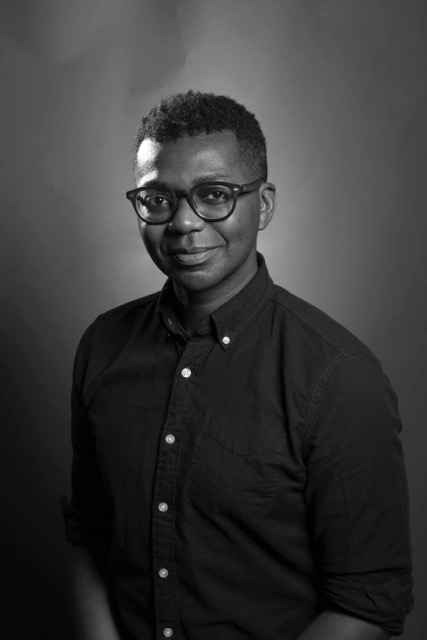
Mason Richards

NYFA: Is there a particular film, piece of art, or Black artist that has had a profound impact on your life? Why?

Mason Richards: I’m inspired by the art of Jean Michel Basquiat, not only because of his use of color, form and medium, but also for his ability to tell his personal stories through art – this inspires me as a filmmaker. 

Leander Sales: James Baldwin’s books have been very important to me because while I lived abroad, I often found myself reading his book of essays “Nobody Knows My Name.” Why? His essays gave me deep insight into American and European racism.

NYFA: What stories would you like to see brought to the screen that are yet untold?

Leander Sales: There are many, but I would like to see more movies like “Hidden Figures,” “Malcolm X,” etc. I guess you would say historical which may be movies we may find on Netflix.

NYFA: How have you seen the industry shift or grow over time in terms of diversity in representation?

Leander Sales: Recently, things are getting very interesting after a few years of #OscarsSoWhite. We will see if this is temporary.

NYFA: What is your favorite moment from Black television history?

Leander Sales: I have to say my favorite moment was when I realized we, as a people, have a lot of work ahead of us. Why? We have so much to offer to this world. Our talents and genius has made this world a better place. Can you imagine America without African Americans?

NYFA: How does your culture, environment, and experience inspire your artwork?

Leander Sales: Many things have influence me, but visiting Africa six times really gave me a deeper understanding of who we are as a people and who I am as an individual.

Mason Richards: I like to tell stories that reflect the world we live in. Film is a beautiful medium to inspire, reveal, and share different views and perspectives of the world.
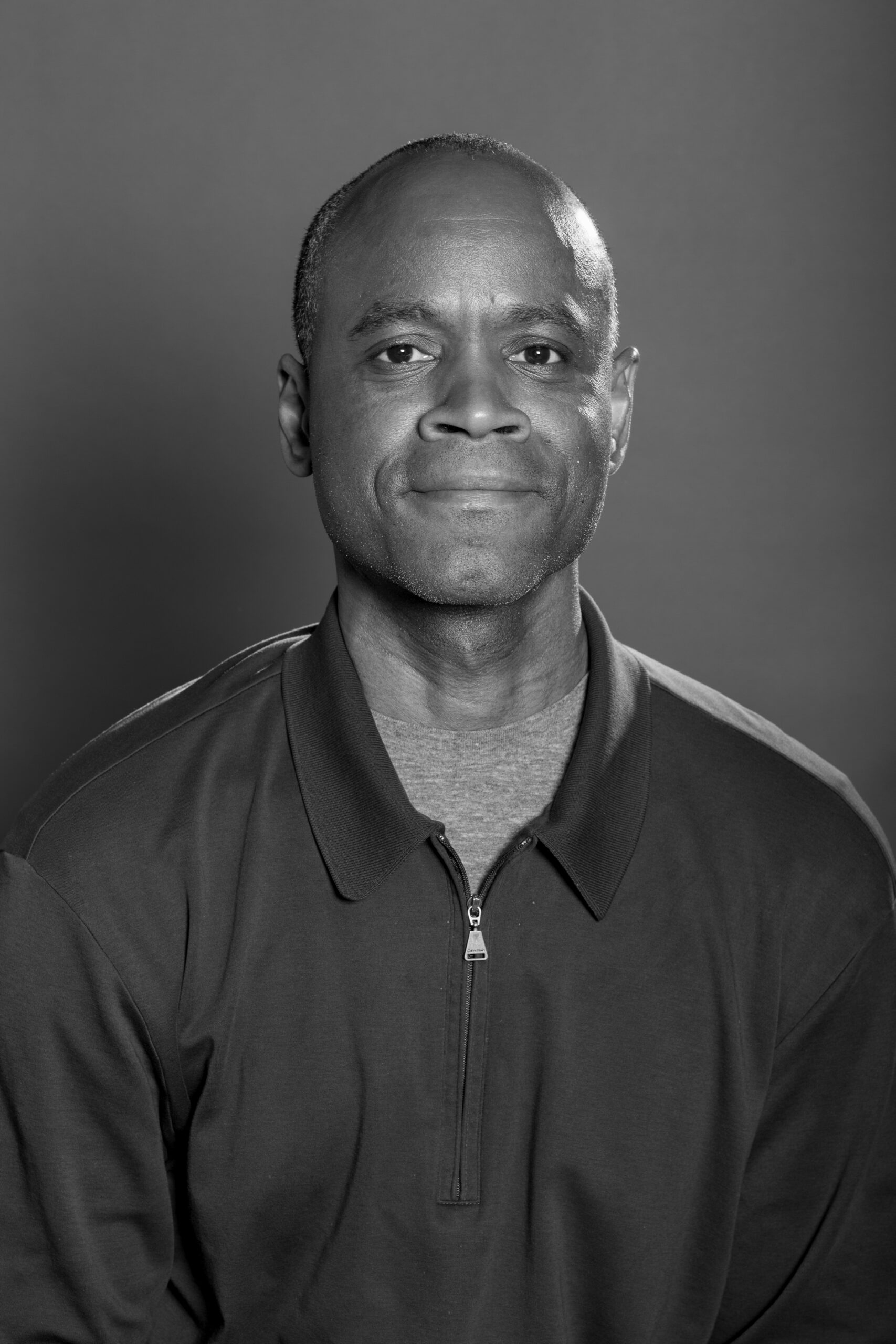
Leander Sales BW300dpi
Leander Sales

NYFA: Any words of wisdom for aspiring black artists and creators?

Leander Sales: Put in the work. Climb to the top and throw the rope back down.

Mason Richards:  It’s really important for any artist or filmmaker to tell their own personal truths; and although this can be intimidating and challenging at times, it’s an amazing feeling when you get to see your story, your personal truth, and your own narrative on the big screen.

NYFA: Is there anything we’ve missed that you’d like to speak on?

Nancy Kwang Johnson: Having lived abroad (namely, South Korea, France, Senegal, Canada, and Albania), I learned very quickly that the manner in which race is conceptualized in the U.S. differs greatly from its European, Asian, and African counterparts. As a result, I have become accustomed to the social construction of race, and know that in the U.S. people tend to fixate on the one-drop rule (if you have one drop of Black blood then you are black). For example, in the U.S., people tend to categorize me as Black albeit I self-identify as Korean and Black, or I will check the “other” box and list both Korean and Black.

On the other hand, all of the other countries that I have lived in (such as South Korea, France, Senegal, Canada, and Albania), I am deemed as the exotic “other” and racial mixing is more accepted. In South Korea, I have the same racial mixture as Hines Ward. In France, Parisians approach me and greet me in Polynesian. In Senegal, I am called “Madame Chinoise.” In Canada, I am classified as a Francophone and a First Nations member. And in Albania, I am dubbed the Francophone Ivy Leaguer with North Korean ancestry who is also biracial like President Obama.

New York Film Academy would like to thank Nancy Kwang Johnson, Leander Sales, and Mason Richards for taking the time to share a part of their stories with our community.


Not Just the City of Lights: What you Can Learn About Film in Paris

paris-1836415_960_720

There’s nothing wrong with studying film all your life in America. After all, cities like Hollywood and New York boast some of the best film schools in the world. But if you’re looking to study abroad and see the world through a different kind of lens, here’s why we recommend NYFA’s Paris location in the City of Lights:

Discover A New Place

Wet_Paris_streets_(3898811090)

There’s something exciting about visiting the set of your favorite film. It’s the reason 2013 marked the 500,000th guest to travel all the way to Wellington, New Zealand, to see Hobbiton. Even if a place looks different in reality than in film, it’s interesting seeing how the filmmakers used the place to tell their stories.

Imagine walking through one of the most famous film locations of all time. The city of Paris is a sight to behold as you marvel in its historical beauty, fine art, and rich culture. Only by visiting yourself can you see why it’s more than a popular tourist location — it’s where movies have been shot since the dawn of filmmaking. You’ll have an opportunity to investigate and understand in new ways the choices of filmmakers who pioneered new styles and forms, including French New Wave.

As a filmmaker, you’ll no doubt gain new ideas and inspiration from a city known for its beauty and style.

Find Inspiration From of the Best Films of all Time

2487452975_145bd84b2f

One thing you can expect to do as a filmmaking student in Paris is to watch a lot of films. Like a game developer or musician, you should be studying other people’s work to learn different styles and techniques you may want to know and master. The only thing better than watching excellent films is getting out there and putting your own directing skills to practice. At NYFA Paris, you’ll have the opportunity to do just that, through a hands-on education that encourages you to create your own original work.

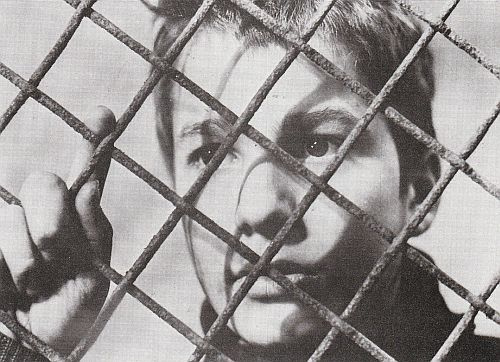
Some of the best movies ever made were filmed in Paris. These include recent critical successes like Jean-Pierre Jeunet’s “Amélie,” winner of multiple BAFTA Awards, César Awards, and Best Film at the European Film Awards. “The 400 Blows,” which is considered the best French film ever made, is a 1959 drama film that was also shot in Paris.

Whether you’re exploring the vibrant streets or shooting your own project, there’s something special about knowing you’re in a city where other filmmakers created their masterpieces.

Explore the Top French Film School

Exterior_Pathé-Fémis

La Fémis, where NYFA Paris courses are held, is one of those schools every aspiring filmmaker should attend at least once in their lifetime. Established in 1943, the Paris-based film and television school and gone on to be ranked as one of the top international film institutions in the world. It was listed as third best by The Hollywood Reporter in 2014 and is part of a world-class federal research university named PSL Research University.

Previous alumni have also proven it’s one of the best places to discover your voice and master the art of filmmaking. Graduates have won everything from the Venice Film Festival’s Golden Lion, Cannes Film Festival’s Golden Palm, and Berlin International Film Festival’s Golden Bear. It is currently the most rewarded film school in the world and follows a curriculum that constantly puts students behind the camera.

Where better to learn and grow as a filmmaker than in the city responsible for some of cinema’s greatest evolutions?

Visit Where New Wave Was Born

Emmanuelle_Riva_-_Kapò

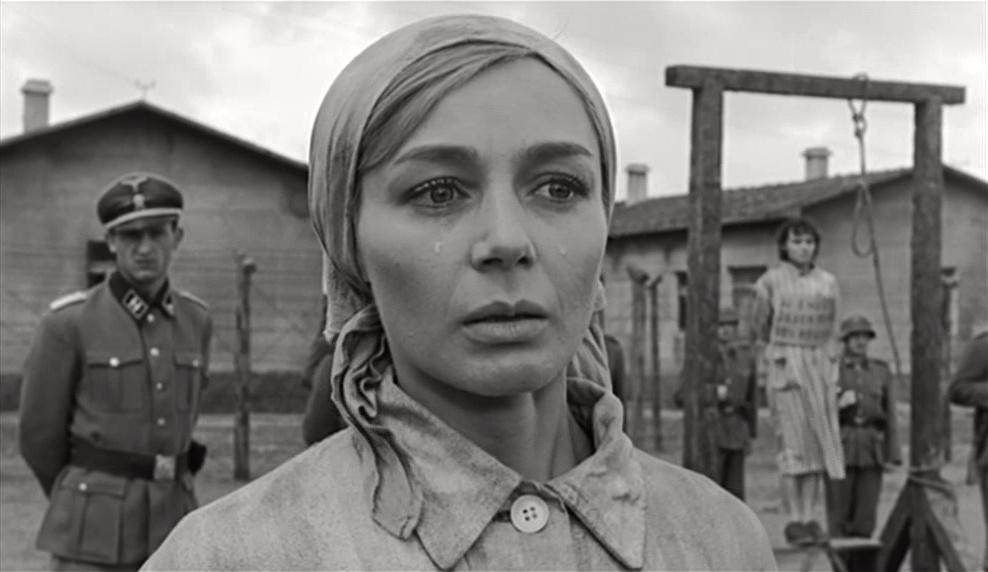
In Paris, you’ll be where one of the most important movements in cinema’s history took place. To this day, techniques adopted by New Wave filmmakers continue influencing movies long after they were introduced. What started out in one city in the mid-1950s eventually spread throughout the globe.

A lot of the characteristics that defined New Wave cinema may not have emerged anywhere else. This is because France was in an economic crisis after World War II, and thus filmmakers had to approach their projects differently. New Wave films are recognized by their low budgets, on-location shots and sound, anti-authoritarian heroes, improvised dialogue, and unique Mise-en-shots and editing.

While studying in Paris, you’ll learn about the French New Wave from professors who grew up watching and idolizing these fantastic films.

Interested in studying filmmaking in Paris with NYFA? Learn more here.

A Q&A With NYFA Alumnus Denis Kulikov

New York Film Academy alumni Denis Kulikov has been hard at work since graduating. With dozens of shorts, a new feature, and a comedy television show under his belt, in just four years Kulikov has amassed a sizable portfolio. New York Film Academy’s Joelle Smith sat down with Kulikov to chat about his experience as a producer. Here’s what he had to share:

unnamed

NYFA: Hi Denis, great to have a chance to catch up with you about your post-NYFA experiences! Let me ask, what originally drew you to producing? 

DK: When doing my own short films, I figured that I had more pleasure organizing my shoots rather than directing. I started out as an assistant director working for my classmates, helping them in pre-production and coordinating their sets. Even though being an AD is mostly managing productions, I had created a side to it where I was consulting my classmates on locations, story, cast etc. That’s how I de facto became a producer on many shorts. After that, I was able to produce more short films.

NYFA: Tell us about your current project, “Johnny Red.” What inspired the work? Who are you working with on the project? What is the goal of making this film? Who does this story speak to? 

DK: I started working on “Johnny Red” almost a year ago with my partner Alex Kahuam, who wrote the script and will be directing it. In the movie, we follow a drug lord who despite his criminal activity has a loving family just like everybody else. What we want to show is the contrast. Criminals are multifaceted people with passion, friendships, relationships, and families, just like everyone else. Alex and I have already produced a feature together, so this will be our second big project and with all the people that we are currently getting on board. We are now headed to theaters.

NYFA: Do you think your time in NYFA’s Industry Lab helped you when it came time to look for a job?

DK: I think it definitely did, especially considering that Industry Lab focuses on projects that are coming to NYFA outside of school. Those definitely have different, much tougher requirements. After all, when working on Industry Lab projects, we represent the elite of the school and work with industry people. All the experience and connections that I was able to get while being in IL have helped me in my career.

unnamed-2

NYFA: A lot of students grow nervous as graduation approaches. What did you do to prepare for life after NYFA? 

DK: During my years at NYFA, I knew that once I was out, I would be on my own, therefore I focused on developing skills that would be in demand in the industry as well as throughout my life in general. I focused on assistant directing and producing student films, as it would develop needed skills for my career. I like creating something out of nothing, therefore being an assistant director or a producer was something that I was passionate about. Considering that most of my classmates did not like any of those positions, I had perfect opportunities to volunteer and build up my resume. By being proactive and opportunistic, I had the network and experience needed for myself by the time I graduated.

NYFA: You’re also working as a line producer on a new Adult Swim project, how did this come about? 

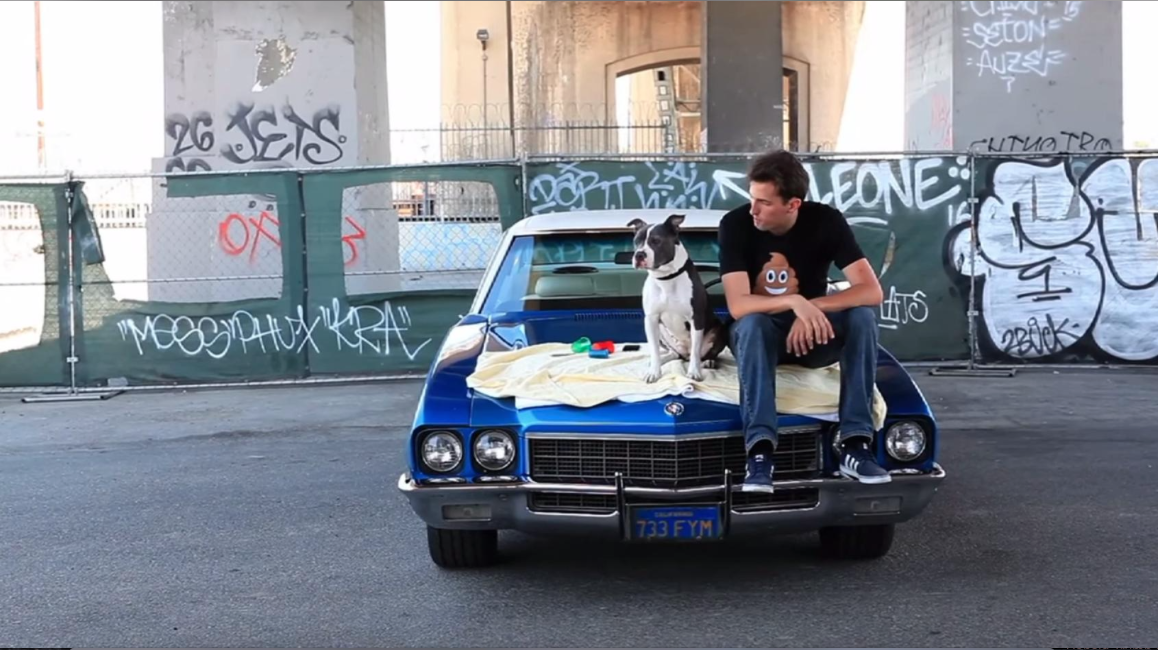
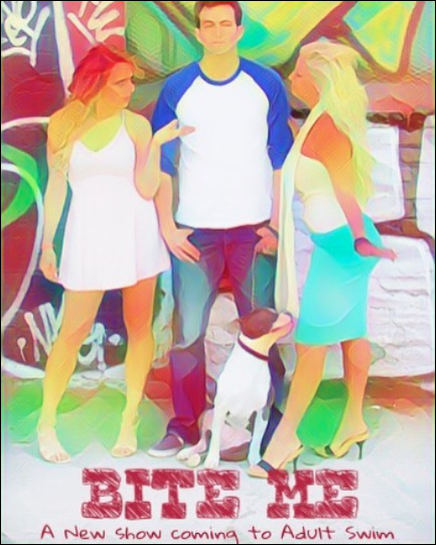
DK: The show I am working on is called “Bite Me!” I met its showrunner Frankie back in September and we started working on making the whole new season happen. He had already completed the first season for the web series. After we showed it to Cartoon Network, they signed a contract that upon delivery of another season, they will air the show on Adult Swim in 2017. As of right now, the shoot is almost over and we are excited for people to see it.

NYFA: Any advice to students looking to begin their careers as producers? 

DK: My biggest advice is in order to begin careers in Hollywood in general, you have to be an opportunist. Most of the time people tend to hire and work with people that they already know, so it is hard to break in when you don’t know anybody.

The way I built up my resume and network, is while being at NYFA, I was raising my hand and volunteering to be an AD and producer on projects that nobody else wanted to.

In addition, I tried to be involved in various activities outside of school during my free time volunteering for film festivals and other organizations. Being proactive is what a good career is based on in any industry.

The New York Film Academy would like to thank Mr. Kulikov for taking the time to speak with us. You can learn more about Denis Kulikov by clicking here. Also, be sure to check out NYFA’s Filmmaking School to kickstart your own creative journey.

How Facebook Live Will Impact Broadcast Journalism — And How You Can Take Advantage of It

The rise of social media has had a permanent impact on the craft of journalism. More articles are being circulated than ever before, viewer criticism is on the rise, and the danger of “fake news” has made social media both a curse and a blessing for journalists. One of the most recent impacts on journalism is the rise of Facebook Live, a feature of the social media site that allows users to stream a live video to viewers. It is used more and more by journalists, celebrities, and even politicians as a way to connect with their audience in real time. The feature also allows viewers to comment on the video and displays how many people are viewing the video as it happens.

Large TV networks and the news departments at local stations are increasingly using Facebook Live because that’s where the millennial audience is. For freelance and independent journalists, Facebook Live is their “transmitter,” allowing them to compete for viewers without investing millions of dollars on technical infrastructure. Like any skill, successfully covering a “live” event takes practice. Inevitably the first few attempts will be rough. But over time, you can begin developing the necessary abilities. One way to speed up that process is to attend a broadcast journalism school like the New York Film Academy, which specializes in helping students develop their storytelling and journalism skills.

With the popularity of Facebook Live, it is important for broadcast journalists to take advantage of this new technology. The broadcast can become more spontaneous, interactive, and entertaining. Furthermore the Facebook page is likely to have more user traffic at any given time. But it is important to know the best ways to utilize this tool before hitting that “Go Live” button.

How can you use Facebook Live to your advantage? Luckily Facebook has tons of tips on the best way to go live and get those views. We’ve summarized some helpful hints, below:

Before Recording

press-1015987_960_720

Ready, set, LIVE!

According to Facebook, preparing for the live stream is just as important as the live stream itself. Make sure you tell your viewers you are going live beforehand. This gives them time to be ready to view the video and also builds anticipation for the event.

Ensure that you have a strong Wi-Fi connection. You run the risk of losing viewers if your feed goes out or lags during the stream.

Also make sure that your viewers will be able to hear you. Whether you are recording a speech, event, protest, or a simple Q&A at your desk, test the area to make sure there is no sound interference. You can do a test live recording by changing the share options to “Only Me.” This will allow you to use the live feature, but you will be the only one to see it. After recording, check the archived video to listen for any issues like traffic or a noisy AC unit.

During Recording

apple-1836071_960_720

Is this thing on?

Decide if you are going to answer questions during the recording. Viewers’ comments will appear next to you on the screen. Encourage people to ask questions and participate in the conversation.

Remember to smile and be relaxed during the recording. Because you are live and could potentially have thousands of eyes on you, it is easy to get stage fright. Acting comfortable and personable during the broadcast is important to make the viewers feel comfortable watching you. If you do suffer from stage fright, look up some relaxation techniques to do before you go live.

After Recording

social-network-76532_960_720

You’re done! Now what do you do?

Your video will be archived and posted on your Facebook page with the title that you “were live.” Update the description, thanking everyone for viewing and encourage them to follow you. This way they will be notified the next time you go live. Use this time to answer any questions you didn’t get to (if you are answering questions).

You are also able to check the stats for you video afterwards. Facebook has options for you to view peak live viewers, minutes viewed, 10 second views, and more. Use this data to find out how well you did and what you can do better the next time you go live.

Happy broadcasting! Have you shared any broadcasts via Facebook Live? Let us know in the comments below!

What You Can Learn From Great Movie Openings

All movies aim to grab the viewer right from the start and keep their attention for the next couple of hours, but great title sequences can be the secret weapon to help a filmmaker achieve that goal. Great title sequences help set the scene, give insight into the main character, or set up the emotional tone for the film. The title sequences below are just a handful of the innovative openings great designers have created for films in a variety of genres.

392px-The_Man_with_the_Golden_Arm_poster

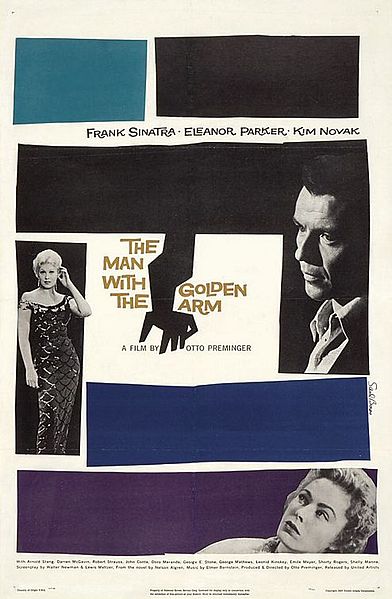
Saul Bass brought his graphic designer’s touch to the opening sequence of Otto Preminger’s “The Man with The Golden Arm” (1955) and helped change title sequences from a simple list of credits to another part of the storytelling. His philosophy was that films should engage the audience from the first frame and “create a climate for the story that was about to unfold.”

https://youtu.be/sS76whmt5Yc

Catch Me if You Can” (2002) uses a fantastic animated sequence to visually sum up the film’s main character and theme. The bold color block animation by Oliver Kuntzel and Florence Deygas is a loving nod to the work of  Saul Bass, who designed sequences for Alfred Hitchcock, Billy Wilder, Stanley Kubrick, and Martin Scorsese, among others.

The beautifully choreographed opening to “Raging Bull” (1980) features the lone figure of Jake LaMotta (Robert DeNiro) warming up in the ring as flashbulbs pierce the haze of cigar smoke. The viewer has a ringside view and the ropes of the boxing ring give us the sense that LaMotta is a caged animal and we are lucky to be on the opposite side of the ropes from him. Title designer Dan Perri came up with the idea of mashing the two words of the film’s title together on screen to emphasize LaMotta’s driven, angry character.

Iginio Larandi designed the title sequence for “The Good, The Bad, and the Ugly” (1966), using stills from the film, a Western-style font, high contrast colors, and an animated horse and rider galloping along to Ennio Morricone’s theme that conjures up the sounds of the Wild West.

Disney’s 1991 “Beauty and the Beast” uses a cleverly animated series of stained glass windows and a traditional narrator to explain the curse and open the storybook  world of magic, curses, and princes who need to find the meaning of love.

Pink_Panther.svg

Hawley Pratt’s opening to Blake Edwards’ “Pink Panther” (1964) was so popular, the cartoon panther was used in theatrical shorts, comic books, and a cartoon series. Henry Mancini’s theme song became instantly tied to the Pink Panther character.

And of course, no discussion of title sequences would be complete without mentioning the iconic James Bond openings. From Maurice Binder and Trevor Bond’s sequence for “Dr. No” (1962) to “Spectre” (2015), the franchise has always combined striking graphics, visual effects, and music that set the tone for the film and immediately engages the audience.

Want to know more about graphic design? Check out NYFA’s article Five Famous Graphic Designers Who Changed the Industry Forever. To learn more about filmmaking, visit New York Film Academy’s Filmmaking School.

What Does A Production Designer Do?

The_Great_Hall,_Hogwarts

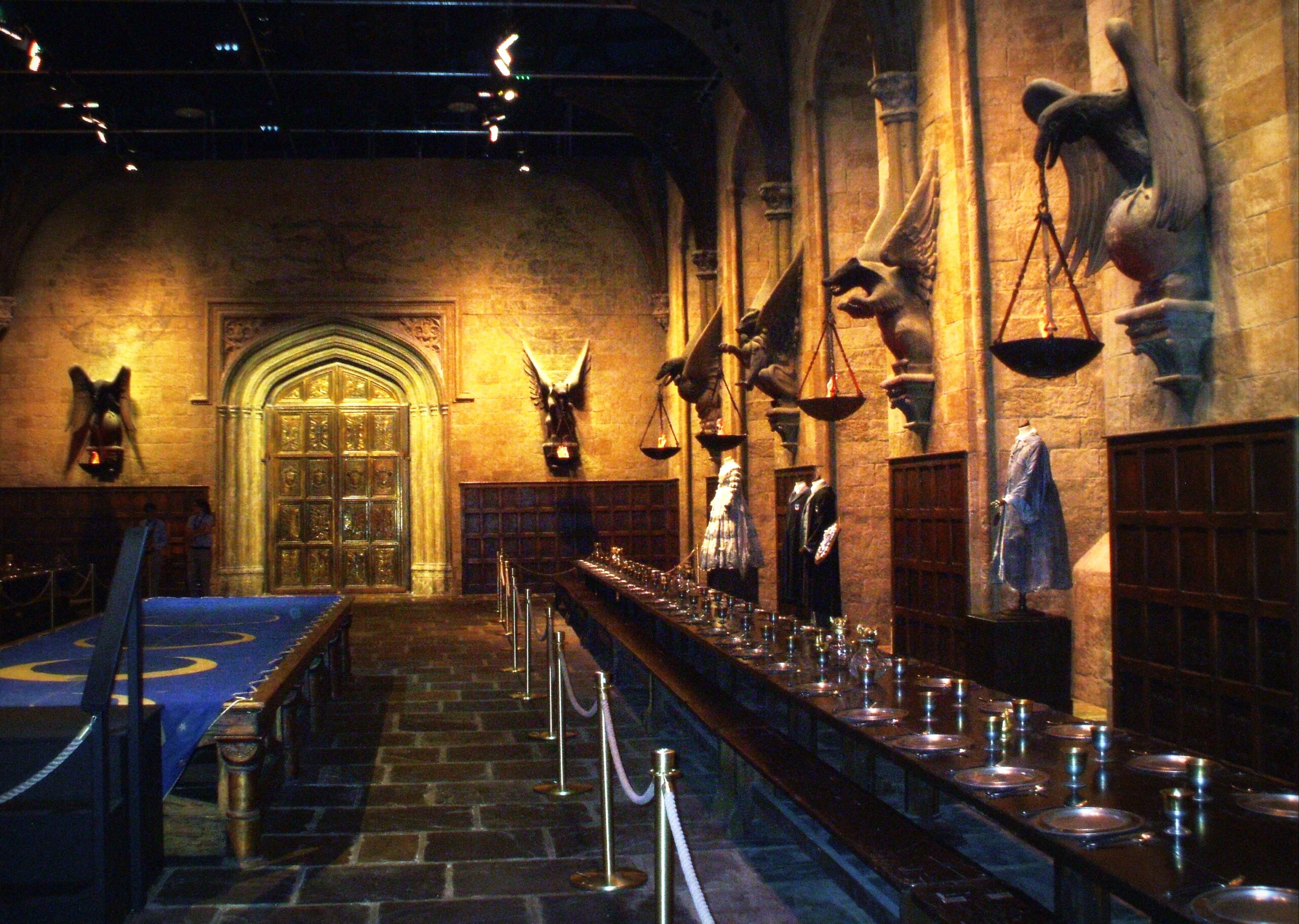
Production designers may not be as well-known outside the film industry as directors, writers, and producers, but aspiring filmmakers learn very quickly that movies can never go from idea to the big screen without a talented production designer. If you’re the creative type with sharp visual awareness and great design skills, the role of production designer might be perfect for you. To help you explore this option, here we’ll answer the first important question when considering entering the field: What exactly does a production designer do?

There On Day One

487389419_1280x720

Although some members of the team might not get started until later in the project, the production designer is working on the project from the very beginning.

As the head of the art department, the production designer is in charge of making sure each shooting location is perfect, prepared, and on point with the vision of the film. Film is a language of visual storytelling, and so the visuals captured by the camera matter immensely. Your locations, sets, costumes, lights, etc. all work together to create a world on screen, and this world is a crucial part of telling your film’s story. Having an incredible script and cast of actors onboard won’t be enough if what the audience will be looking at doesn’t tell a cohesive story. That is why the production designer’s job starts during pre-production alongside the director and producer of the project: to take the writer’s work, the director’s vision, and the producer’s plan, and synthesizes them all into a compelling visual story.

Together, the pre-production team formulates ideas and plans for the visual context that will be used to tell a captivating story. This work includes deciding on colors, themes, compositions, and other visual elements that work best to evoke the emotions, themes, and actions of each scene and the project as a whole. With their strong knowledge of art and design, including color theory, lighting, and more, the production designer will have a significant influence on the final look of the movie — and, indeed, on how the audience experiences the story.

Doing the Homework

art-supplies-1324034_960_720

Once the desired look and feel of the movie has been decided, it is up to the production designer to make it happen. This process begins with research. Production designers help identify which places and assets will be needed to create the right atmosphere for each scene. Whether it’s a sci-fi adventure set in the year 3000 or a story about the conquest of England by Vikings a thousand years ago, the product designer makes sure every detail is considered when crafting a believable set.

Similarly, another big responsibility left in the hands of the product designer is the budget. They play a big hand in calculating the cost of materials and resources needed, including any CGI elements required for the movie. More often than not, the production designer is responsible for helping to steer a production around the common pitfall of a misallocated budget. Many film projects fail to bring a story to life in an enthralling way simply because money was spent unwisely, leaving certain departments with little to work with. Production designers must keep the whole film and the whole budget in mind at all times.

Making the Story Come Alive

5476654623_8f03d3f94b_b

After countless design sketches and discussions with art directors, the art team is finally ready to turn all those drawings and ideas into reality. Since the art department is usually the largest on any film set, the production designer must have good management skills to make sure everything is being made with the same creative vision. This includes working with set designers, illustrators, graphic artists, wardrobe supervisors, set decorators, propmasters, makeup artists, special effects supervisors, and more.

Like any creative project, things don’t always go as planned. A production designer is often called upon to come up with quick, effective solutions on set, all while making sure the whole team stays motivated, creative, and productive. The best product designers have enough patience to lead their team amidst script changes or unexpected issues so that each milestone is reached no matter what.

Is Production Designer The Role For You?

As you can see, product designers hold a position of unique and important responsibility within a film. As a production designer, you’ll be expected to be fully present and fully engaged from start to finish, working hard every day in order to make sure the movie looks as intended. Without the production designer’s organization, creativity, and knowledge, every area of the art department would have trouble staying focused and on the same page. And without a cohesive design, the look of a film may not be strong enough to tell its story.

If you’re confident in your artistic abilities and boast a great amount of imagination, then the career path of production design may be just right for you. Even though it’s a demanding and exhausting job, few gigs in the industry offer more creative expression, fulfillment, and control than that of product designer.

Ready to take the next step towards becoming a production designer? Learn more about filmmaking and film production through NYFA’s hands-on film programs.

The Biggest Writers Guild of America Award Winners

February is an exciting time to be a fan of film and television. The BAFTAs arrive early in the month to honor the top British and international contributions to the industry. At the end of the month we of course have arguably the biggest film celebration of them all — the Academy Awards.

But right in between those two red carpet events, we get to recognize the best writing achievements of the past year. Below are some of the most notable winners from the 69th Writers Guild of America Awards, which took place Sunday Feb. 19, 2017.

“Moonlight” Takes Home Best Original Screenplay

The award for best original screenplay has always served as one of the top honors of the awards show, and this year it went to “Moonlight.” This coming-of-age story by an independent team has been racking up an impressive collection of trophies and is nominated for eight awards at the Oscars next week.

Winning this award meant defeating many other films that have been earning their own trove of awards this season, including big favorite “La La Land” as well as “Loving,” “Manchester by the Sea,” and “Hell or High Water.”

“Arrival” Bounces Back from Golden Globes

Fans of the sci-fi movie were no doubt bummed by the results at the Golden Globes. “Arrival” was nominated for best performance by an actress (Amy Adams) along with best original score, but won neither. But at the WGAs, “Arrival” earned one of the biggest awards of the night: best adapted screenplay.

Things could get even better, as “Arrival” enters the Academy Awards with eight different nominations. Among those categories include best picture, best director, best adapted screenplay, and best cinematography.

The Best in Interactive Storytelling

No one can deny the growth and influence of video games in the last few decades. As computer technology advances at a quick pace, so too does the ability for games to absorb us into virtual worlds. Now, video games are considered one of the best forms of storytelling since only they can offer choices, nonlinear narratives, and more.

The big winner at the WGAs was Uncharted 4: A Thief’s End, an action-adventure game that follows a treasure hunter named Nathan Drake around the world. To many of us this win is no surprise, considering Naughty Dog’s reputation for providing some of the best story-driven games of all time. Other nominees were MR. ROBOT 1.51exfiltratiOn, Far Cry Primal, and Call of Duty: Infinite Warfare.

FX Goes Home Happy

The 21st Century Fox channel has once again proven itself one of the best producers of excellent TV shows. Three of their latest series left the WGAs with some of the best awards the night has to offer.

While “The People vs. O.J. Simpson: American Crime Story” took home the adapted long form award, “Atlanta” won both best new series and best new comedy. “The Americans” also beat strong contenders like “Game of Thrones,” “Stranger Things,” “Better Call Saul,” and “Westworld” to win best drama series.

What did you think of this year’s WGA winners? Let us know in the comments below! Interested in screenwriting? Learn more about the craft at NYFA’s Screenwriting School.

A Q&A With NYFA LA’s Chair of Documentary Filmmaking Barbara Multer-Wellin

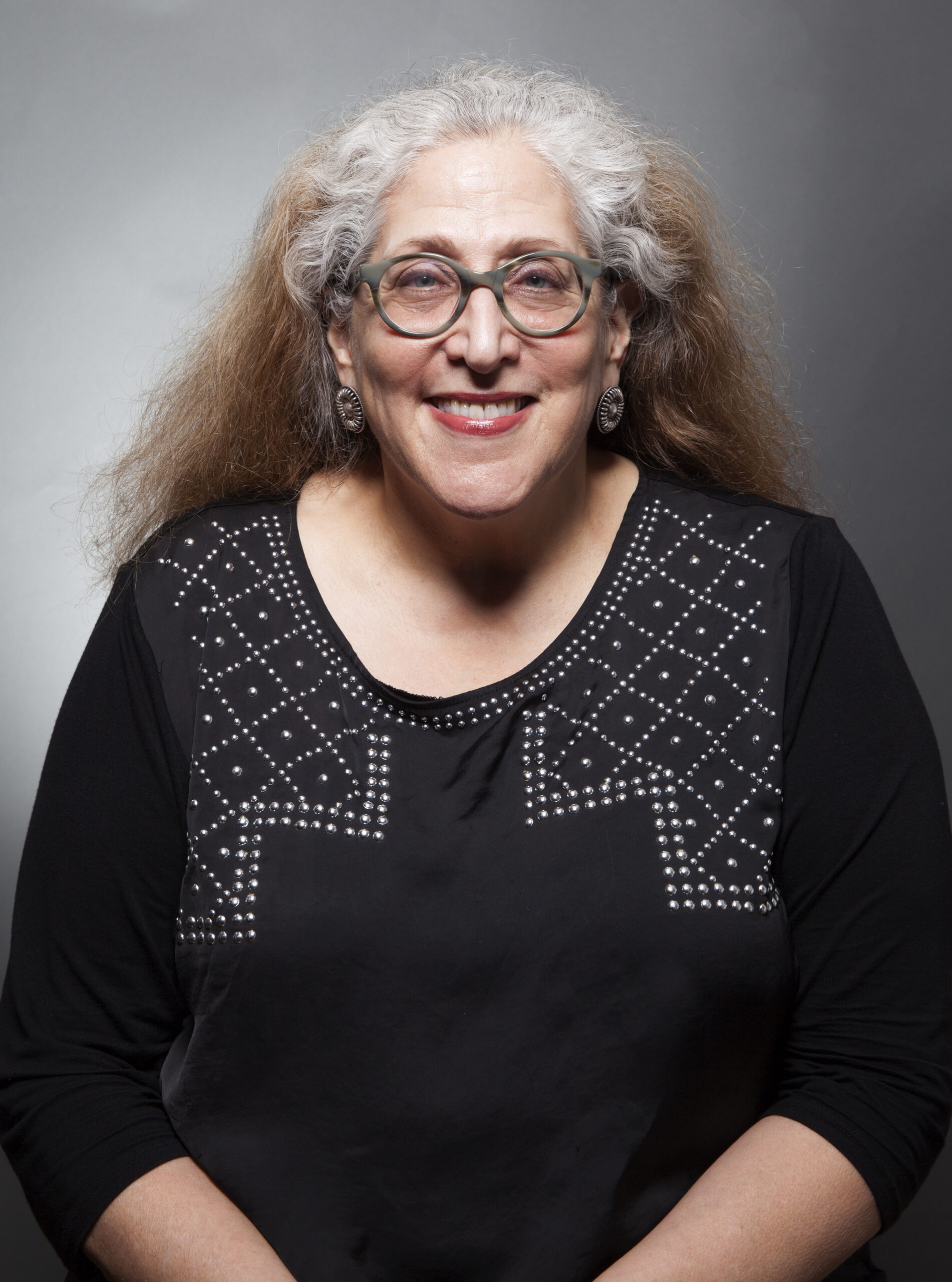
Chair of Documentary Barbara Multer-Wellin recently sat down with NYFA reporter Joelle Smith to discuss the current state of non-fiction media content, her long love of filmmaking, and why Los Angeles is a great city for doc. Barbara Multer-Wellin has produced two films for the acclaimed PBS documentary series Independent Lens: “Taking The Heat: The First Women Firefighters of New York City,” narrated by Susan Sarandon and “Paul Conrad: Drawing Fire,” about the legendary editorial cartoonist. She won a 2013 Emmy for her work on the series television and web series “Your Turn To Care,” which was also the recipient of the Gracie Award.

BarbaraMulter-Welling300dpi

Joelle: How did you first get started in doc?

Barbara Multer-Wellin: Good question. I was always a political person. I was always very politically minded. I’ve been politically minded since high school.  I went to school for acting and political theater.

When I got out I happened to realize that political theater had a very limited reach. I happened to get hired as a researcher in HBO at Sheila Nevin’s (producer of “Cobain: Montage of Heck,” “Going Clear: Scientology Prison or Belief,” and “Citzenfour.”) department in my early twenties. That was an amazing experience. I was there for six or seven years.

I began to love documentary not just for its political message but also because documentary is such a wide tent. You can do romantic stories, you can cover history, you can do a portrait of a person or an event. For anyone who is curious about the world, documentary is the ultimate playground.

Joelle: When did you first fall in love with the craft of documentary?

Multer-Wellin: One of the early ones that really shook me was “Hoop Dreams.” There are several scenes in the film following the same families for six or seven years during a very tumultuous time in their lives.

Their kids had been recruited to suburban high schools to play basketball.  These two young men both hoped for careers in the NBA. They were being bussed out to the suburbs to play for these much, much wealthier schools.

It wasn’t easy. Their families were going through great difficulties. One marriage had broken up. The father had developed a drug problem and left the family. There’s a scene in the film where the mother of the family turns to filmmaker Steve James and says, “You don’t know what it’s like to try and raise a family on the amount that I get from public assistance. We don’t have heat and they’ve turned out the lights. How do I do this?”

My blood ran cold because I thought, ‘This is what real documentary is about.”

This is the relationship between a filmmaker and a subject that’s completely honest. That you may not have an answer for but you’re not dealing with an actor here. You’re dealing with someone who is actually struggling in their lives.  How do you portray that honestly? How do you not use that?

“Hoop Dreams” was one that made me realize the responsibility of the documentary filmmaker. Many years later I heard Mr. James speak and it’s true he still has relationships with those families. It goes beyond an actor who comes in for a day’s work and then goes home. You have a moral responsibility and an ethical responsibility not just to your subject but to your audience.

It’s such a multilayered relationship involved. I think it’s fascinating, tough, and beautiful all at the same time.

Joelle: How do you impart the ethical responsibility of the subject to your students here at the New York Film Academy?

Multer-Wellin: One of the first things we talk about in the documentary project is if you’re making a documentary about someone you’re either interviewing someone about the most difficult moment of their life or they’ve experienced history in a way that it’s probably the most important thing that’s ever happened to them.

You have to be first of all aware of that. Second of all, it is almost like the doctor’s oath, “First do no harm.”  Ask yourself, “Is anything in this film going to hurt the person when it gets out there?” Be very transparent about what the film is going to be and what you expect from your subject. You’re really making a film together.   

Now, I’m not talking about investigative films when you’re up again a big corporation or someone with great wealth and power. They have their own means to get to the press and protect themselves.

But if you are focusing on someone who is not a member of the public, is not a famous person, and has allowed you the great honor of sharing their story, you need to take that responsibility seriously.

Joelle: For students wondering how to break into the industry, what makes a great subject? How can students stand out?

Multer-Wellin: I think at this point that non-fiction content of all kind is in many ways, the most happening and most sellable content there is.

There are so many different ways to use the skills you develop in documentary. Whether you’re working for the NY or LA Times to make non-fiction media content or for so many non-profit organizations using non-fiction media. Do I need to mention Vice?  Nonfiction, on so many different platforms, is being watched more than ever before.

You know, when I was coming up people would say don’t use the “D-word.” Don’t call it a documentary.  That prejudice is dying hard but it’s dying fast.

If documentary isn’t the big seller in theaters it certainly is on television. In many ways I think it’s easier to break into documentary than fictional filmmaking.

Joelle: What roads would you encourage students to take as they’re breaking into the industry?

Multer-Wellin: Well, we’ve spent a lot of time talking to students about building social media profiles and about how to use crowd-funding platforms to support their work.

There’s the 1,000 fan theory that says if you can connect with at least a thousand people who will support your career, not just one project, but the entire scope of your career, then you’ll be able to fundraise and do your own projects. That’s not an easy thing to do so there’s got to be a balance between creating your own work and working for others.

Joelle: What advice do you have for people going out there and launching their projects?

Multer-Wellin: First of all, I think these days it’s necessary to have some sort of visual reel. In the old days, you could sell a concept off a piece of paper but those days are in the past.

Even if it is just a Skype interview with a really fascinating character, it doesn’t necessarily have to be the slickest thing.  But you do have to show people what you have in mind.

One good thing I think is really helpful is to try niche marketing. Find people who have a natural interest in your subject.  I have a friend who made a very successful film about mountain bikes and the history of mountain biking.  Mountain bikes were developed by a bunch of hippies in Marin County, California who were just riding around the hills up there. They developed a bike with the broader tire specifically for that purpose, which has really spawned this huge industry.

The filmmakers were able to talk to all the biking magazines, bike shops, and bike meet-up groups and put together a series of screenings across the country just starting with these bike enthusiasts and then it sort of graduated out from there. The film did extremely well and it gave them enough money to start their next project.

It’s enough to start with a niche market and build out. No matter what your subject is, it’s smart to find people who will always be interested in the subject. Reach out to organizations that want to support your topic and build from there.

Joelle: What are you doing here at NYFA that makes our program unique from others?

Multer-Wellin: I want to first say that a lot of people don’t normally think of Los Angeles as a documentary town. They think of us as Hollywood, but the truth is the International Documentary Association is headquartered here in Los Angeles. Many documentary filmmakers live here, Davis Guggenheim, Werner Herzog, Jessica Yu, Rory Kennedy and Penelope Spheeris, to name a few.

So, we have access to all of that. We go to many of the IDA events. We also have documentary filmmakers here at school all the time who come and screen their films. We have access to lawyers who deal with fair use and clearance experts who deal with finding and clearing footage. Not to mention distributors, producers, cinematographers, composers who work primarily in non-fiction.  The list goes on and on. All of that exists here in Los Angeles.

We try to keep a very professional sense of what we’re doing. We have just initiated a class in the second year of the MFA program where students produce pieces for a network or production company so before they leave they’ll have a professional credit along with their thesis films. There’s a lot going on here in LA.

Joelle: Final question: Which films would you suggest future NYFA students watch before they come to school?

Multer-Wellin: That’s a really hard question because there are so many. We have a history of documentary course that shows everything from “Nanook of the North to films that came out this year.

It’s important to understand there are many different ways to make a documentary and there are many different documentaries that can be made about the same subject.

There are things you need to learn about yourself as a filmmaker. There are questions of access. We talk a lot about how to specialize something; how to make it yours. I would come to NYFA with ideas and a sense of how you can explore that idea deeply.  We’ll help you take it from there.  

The New York Film Academy would like to thank Barbara Multer-Wellin for sharing her expertise with our community. If you’re interested in learning more about the documentary filmmaking program at NYFA, click here.
Black History Month: Blazing Trails in the Entertainment Industry Part II

In the second part of this series, we’re bringing you six more (one is a husband and wife team) industry insiders who are blazing trails in the field.

Mara Brock Akil and Salim Akil

 Salim-Akil-and-Mara-Brock-Akil-600x337

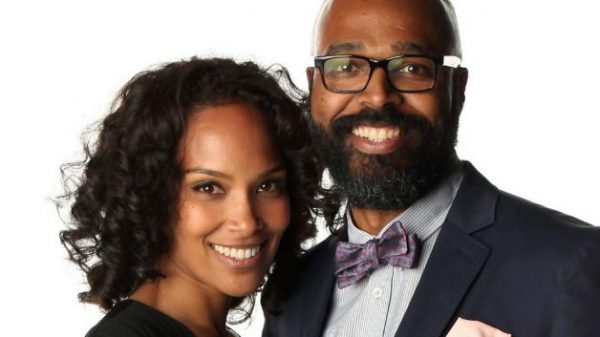
Mara Brock Akil and husband Salim are no strangers to television, with each respectively boasting a list of writing credits that include writing credits on ‘90s hit tv shows like “Soul Food,” “The Jamie Foxx Show,” and “Moesha.” This duo has proven to have a winning formula for Hollywood success, having created and written other longstanding hits like “Girlfriends” and “Being Mary Jane,” which stars Gabrielle Union. In fact, their formula is so potent, that the couple most recently inked a multi-year development deal with Warner Bros. Entertainment.

Donald Glover

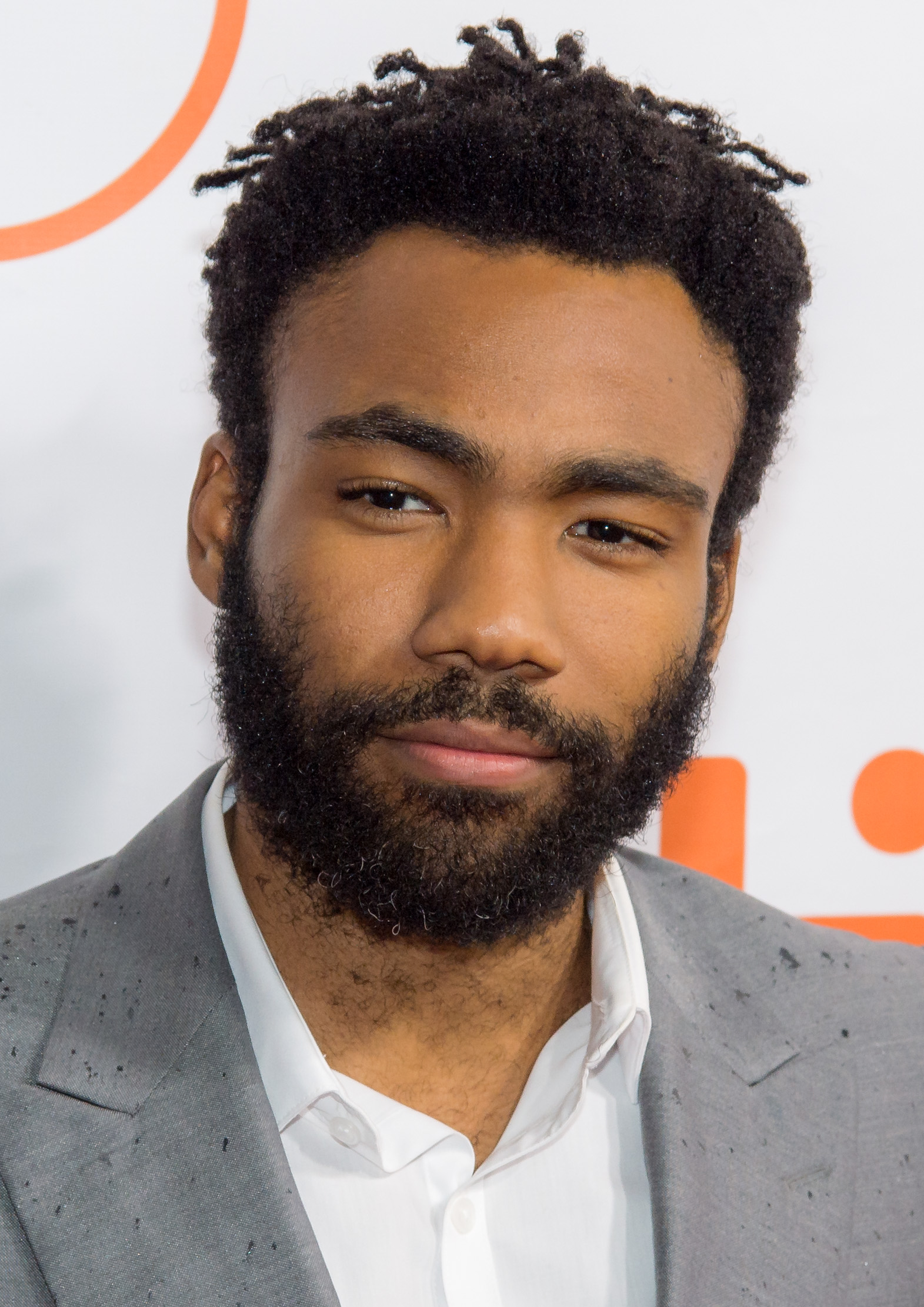
This multi-hyphenated artist (actor, writer, singer, songwriter, rapper, comedian) who also goes by the stage name Childish Gambino is a graduate of NYU’s Tisch School of the Arts, with a degree in dramatic writing. He has taken the industry by storm.

Early in his career, Glover submitted a spec script for “The Simpsons” which garnered him an invitation to write for “30 Rock,” a gig he held onto for three years while simultaneously working in stand-up comedy, rap albums, and a vigorous touring schedule on top of cameos on “30 Rock.” Later, he secured a series regular role on “Community.”

2016 proved to be a big year for Glover. He was cast in“Spider Man: Homecoming,” and debuted his series “Atlanta,” which follows a Princeton University dropout trying to make a name for himself in the music industry. The show, which he created, stars in, writes, and executive produces, has already met rave reviews in its first season — and was awarded a Golden Globe for Best Music or Comedy TV Series.

Kenya Barris

Writer and producer Kenya Barris is no stranger to television. The creator of several shows including “America’s Next Top Model,” he also co-created and co-produced and “The Game.” His most recent series, “Black-ish,” chronicles a black family living in an upper-class and predominantly white neighborhood, and has received critical acclaim — as well as a Golden Globe win for lead actress Tracee Ellis Ross. Ross was the first black woman to win the award since 1983.

Mr. Barris’ work behind the scenes has been meant working up the ranks from staff writer on shows like “Soul Food,” “Are We There Yet,” and “Girlfriends,” to producing. Now, Barris has added director to his already impressive list of credits, having directed episodes of “Black-ish” just this past year.

Misha Green

Former staff writer for “Heroes” and “Sons of Anarchy” Misha Green, together with fellow “Heroes” writer Joe Pokasky, created the WGN hit “Underground.” This is a true-to-history thriller about a group of slaves planning to escape a Georgia plantation. The show, soon to be in its second season, and for which Green is also executive producer, boasts a score by R&B crooner John Legend, and has been hailed as a harrowing portrayal of plantation life and the journey to freedom for thousands of African-American enslaved people. 

Gina Prince-Bythewood

Screenwriter-turned-director Gina Blythewood has been contributing to great television and film since her days as a staff writer on the show “A Different World,” where she met her husband and sometime partner, Reggie Rock Bythewood, also a screenwriter. Her first film, 2000’s “Love and Basketball” starred Sanaa Lathan and was developed at Sundance Institute’s directing and writing lab. Soon to follow would be “The Secret Life of Bees,” based on the bestselling book by the same name, and “Beyond the Lights.”

In 2016, it was announced that Prince-Bythewood would direct an adaptation of frequent NY Times contributor and author, Roxane Gay’sAn Untamed State,” with whom she would also co-write the script.

Which industry trailblazers have made your list of inspiration during Black History Month? Let us know in the comments below!