
A Q&A with NYFA’s Screenwriting Chairs

In honor of International Screenwriter’s Day a few weeks ago, resident NYFA reporter Joelle Smith sat down with the New York Film Academy Screenwriting School’s three program chairs to discuss what their craft meant for them, their hopes for the future, and what students are bringing to the table. Here, read our dialogue with Melanie Williams Oram in New York City, and Nuncio DeFilippis and Adam Finer in Los Angles

NYFA: What makes the craft of screenwriting unique from all other forms of writing?

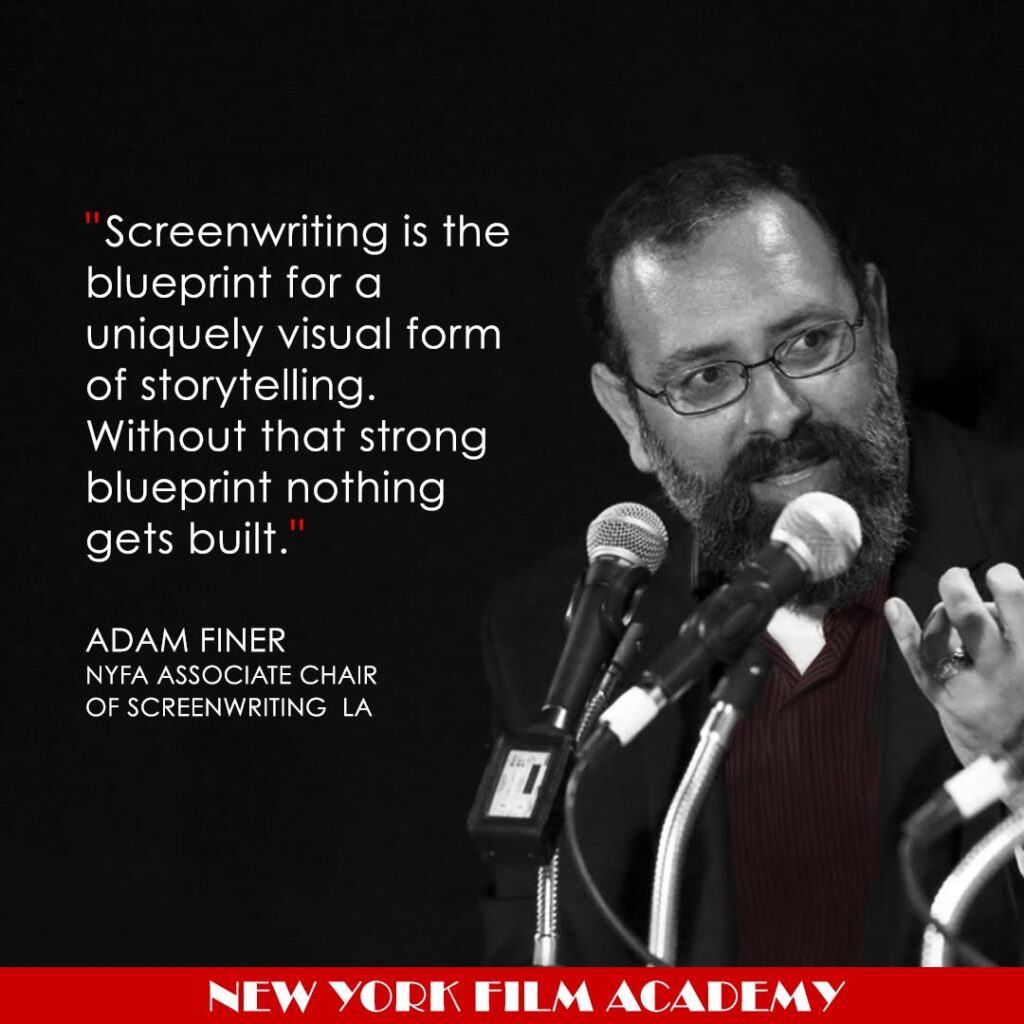
Adam Finer: Screenwriting is the blueprint for a uniquely visual form of storytelling. Without that strong blueprint, nothing gets built. Motion pictures, television series and web series all require storytellers who can visualize the world and create three-dimensional characters that drive a compelling and engaging story that can be told on-screen.    

Nunzio DeFilippis: Two things make it unique. The first is that a finished script is not a finished product. It’s only meant to guide in the creation of a different finished product (a film, or TV episode).

NYFA: What inspired you to become a screenwriter?

AF: I have been working with screenwriters for nearly 20 years now, helping writers develop their material, unearth characters, discover story worlds and find their personal voices. Those are some of the things that drive me. My mission is to help creative artists, and especially screenwriters, uncover the tools and skills to achieve their goals and find success in their chosen fields.  

NDF: Watching “Star Wars.” When I saw that movie (I was seven when it came out), I knew I wanted to write movies.  I did have some variation — thinking I might act as well as write — but I knew from seven years old that I wanted to write, and it had to be movies.

Melanie Williams Oram: I am a screenwriter because I love to tell stories. I decided to pursue a career in film and television because I am committed to telling stories that feature women, people of color, and other minorities and that celebrate the universality in diverse experiences. 
unnamed-2

NYFA: What do you see in your students today that is new in the field of screenwriting?

AF: Our department has a strong emphasis on finding the right medium for your story. It’s one of the reasons that our degree students learn about New Media or Transmedia storytelling. Our students are being prepared for the changes in the industry and are learning to create stories in the medium that best supports them.  

NDF: Younger writers don’t view the storytelling world in the same limited way that my generation did. When I went to film school, none of my classmates wanted to take classes on TV. It was beneath them, as they wrote films and only films.  

Students today are drawn to TV, but even better, see themselves as able to jump between the two forms. There is some resistance to other forms of visual storytelling (like web series and comic books) at first, but only from some of them.  

Many students are not only able to jump between film and TV, but they’re ready to tackle these new forms. I love their open-minded approach, and I think it serves them well.

MWO: The proliferation of digital media makes it easier for my current students to get their stories in front of an audience. In our screenwriting classes at NYFA we push students to develop unique characters that serve as the starting point to creating stories that are entertaining and that leave a powerful impact on their audiences
unnamed-4

NYFA: What’s one thing everyone should know before starting a screenplay?

AF: Understanding screenplay structure and format are essential for people in the industry to be willing to read your scripts.  

NDF: What they want the story to be about. Why are they writing it? Why is it important to them, and why are they the person to write this story?  

If you don’t know the answers to those two questions, you will burn out halfway through.  And the answers can’t just be “because it’s cool” or “because it’s popular right now.”  

If you don’t know what you’re writing about, and if you don’t connect with it, the work of creating a feature film script (or the entire world of a TV pilot) will be too much.

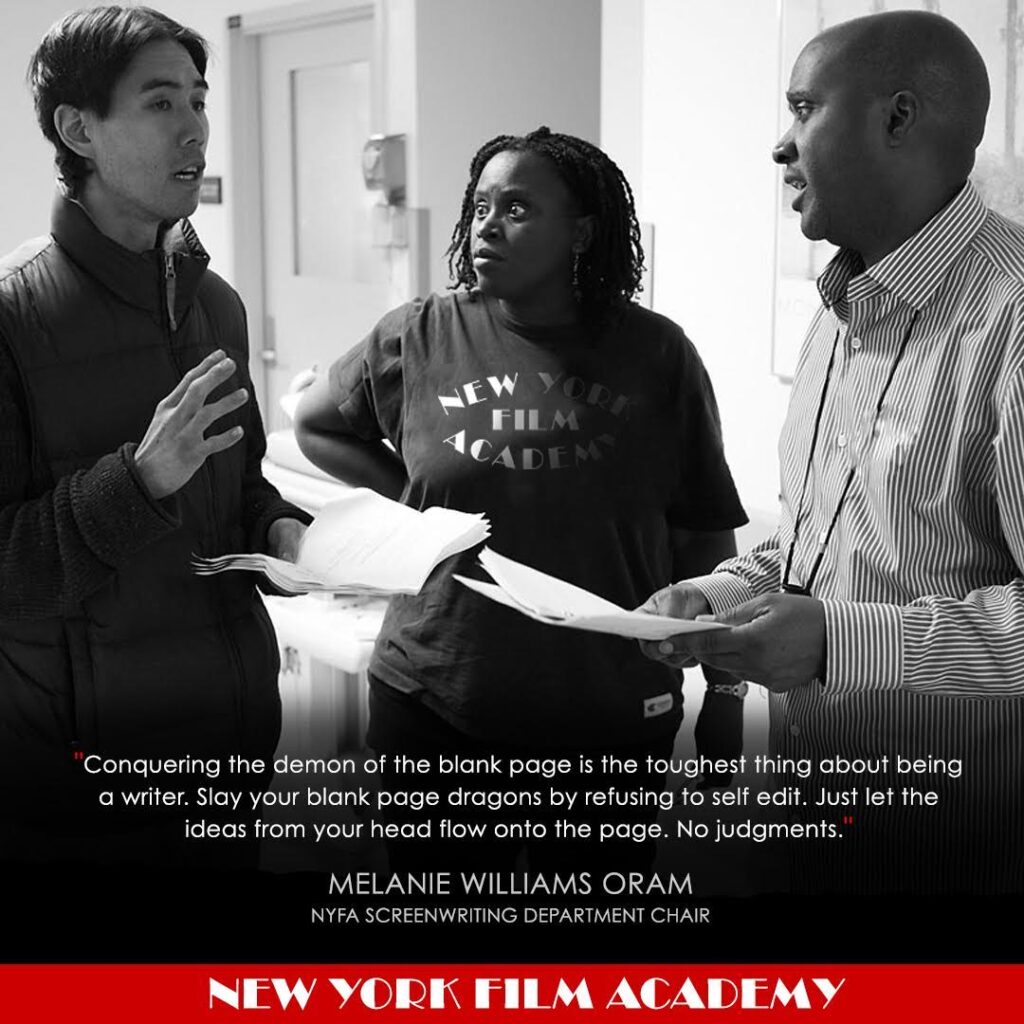
MWO: Conquering the demon of the blank page is the toughest thing about being a writer. Slay your blank page dragons by refusing to self-edit. Just let the ideas from your head flow onto the page. No judgments.
unnamed-3

NYFA: What makes a great screenplay?

AF: There are so many elements that go into a great screenplay. Well-developed and defined characters. A unique, yet relatable world (and unique doesn’t have to mean another planet, it can be a local sports story but from a perspective that’s unique). Strong dialogue that feels believable for the characters. The writer’s voice coming through in a story that they felt needed to be told.  

NDF: Characters who want something, and who face real stakes if they fail to achieve it. The greatest mistake I see in students and young writers is creating characters who are apathetic and want nothing. That’s a very hard character to hang a story around.  

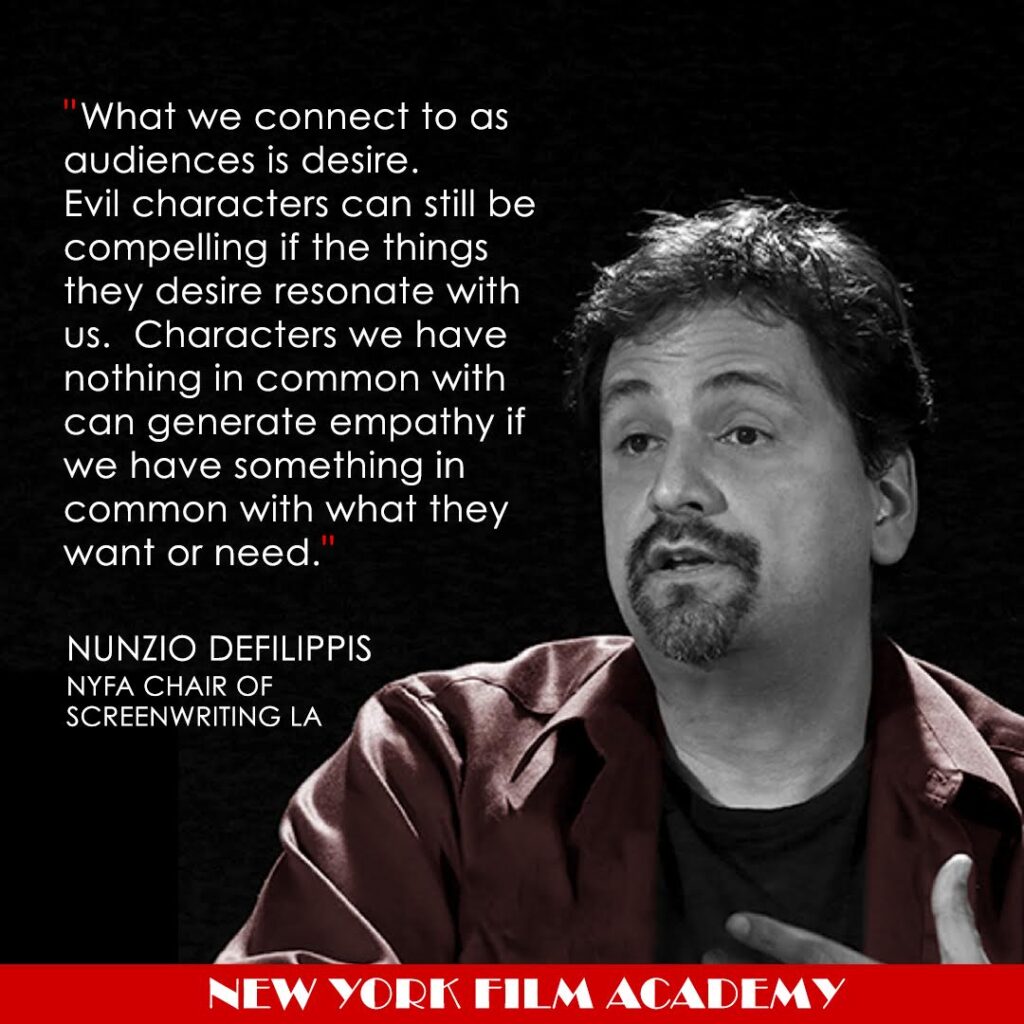
Characters who want to be left alone have to pursue that goal as vigorously as other characters pursue their goals.  And even if they do, their stories risk a lack of connection to the audience.  What we connect to as audiences is desire.

Evil characters can still be compelling if the things they desire resonate with us.  Characters we have nothing in common with can generate empathy if we have something in common with what they want or need.  

Always build your story around this basic template:  “Someone wants something and something or someone gets in their way.” Then add consequences for failing to get that something (and not always physical ones, emotional ones will do) and you’ll have a story.

MWO: People connect to stories because they are able to identify with protagonists. There’s a common misconception in Hollywood that people can only identify with film characters who look like them. I believe that films with strong stories that explore human themes can connect people across racial and gender lines. Good stories make audiences forget that they are watching a film. Good stories allow audiences to become completely immersed in the struggles and the triumphs of the protagonist. 

Thank you to our Screenwriting School department chairs for sharing their insights with the New York Film Academy community! To learn more about the Scriptwriting track at NYFA click here.
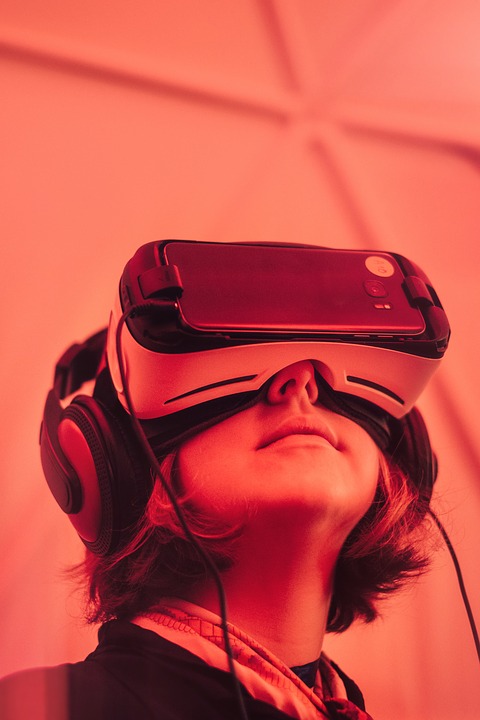
What is Virtual Reality (VR)?

First things first: virtual reality is a communication medium, not a technology.

Technologically speaking, there are three variants: virtual, augmented, and mixed. These exist on a spectrum of RL integration, or we can call it degrees of immersion.

  • VR refers to full immersion, entirely computer-mediated content presented in total isolation through a headset and optional headphones (although social exists through embodied avatars). Think Fruit Ninja VR and Oculus Rooms.
  • AR refers to complementary immersion — a screen projects computer-mediated information into the real world, where users can synthesize and contextualize the screen-based content. Think Pokemon Go and Google Maps.
  • MR uses light, projected into the eye via mirrors (HoloLens) or prisms (Magic Leap’s rumored approach), to present content that is completely integrated into RL, even interacting with/responding to the environment and actions of the user.

The future will likely see more points of RL+CG integration and synthesis, so I refer to the medium as “MAVR” when talking about aspects that are true across all the tech.

As a communications medium, it’s important to put the technological advancements of MAVR into context: this is a tool for sharing ideas, experiences, and information. Just like paint, print, photography, and film, it has limitless uses and applications.

virtual-reality-1898441_960_720

The early 21st century has seen the medium of video reach true saturation. We don’t even notice that we’re using it, and that’s what makes it a tool rather than a technology, or a novelty. And it’s no accident that along the path from flat screen ubiquity to the novelty of immersion (surround-screen? no screen?) is just a hop, skip, and a jump, technologically speaking. It’s just wrapping screens around your head or projecting the light directly into your eye, thereby forgoing the screen entirely. Once you know how to direct the light, it’s only a matter of where you put the projector

So here we are, back in Plato’s Cave, just seeing the silhouettes of the visual spectrum through a new medium. It’s an exciting time ripe with possibility. But understanding it and using it require us as creators to redefine our relationship to our audience, and learn some 21st century skills.

First, you have to understand experience design. There are a bunch of complicated ways to explain what that is, but I’ll put it to you the way it was put to me: Ever been to a city park? Everywhere through the park there are paths — concrete, asphalt, brick, what have you — designed to take you the scenic route. Crossing over and around those paths you see dirt tracks that cut right through the grass. Those are the user-created paths, and your job as an experience designer is to anticipate the use and put the paths where they are most useful (and beautiful — never underestimate the importance of beauty).

augmented-reality-1853592_960_720

The second characteristic you have to understand about immersive design is framing. Though headsets limit the area you can see in any momentary gaze (just like your eyeballs do, but with a slightly smaller periphery), the “camera POV” no longer dominates. You’re surrounded, not compelled to look at a rectangle of information dictated by the director/designer. So, if you’re telling a story, the whole world is “on stage.” Very Shakespearean.

As a user, the most relevant feature of MAVR is agency. Video game designers understand this, because even though your designs only create the illusion of choice, you are rightly vilified if those choices are merely superficial masks for a golden path. But even when we’re not talking about entertainment apps, you still need to make room for the user who will co-create a personal experience. Whether you’re learning anatomy or meditating with Tron fish underwater or overcoming post traumatic stress, no one user will follow the exact same paths as any other. A whole new vocabulary of symbols, gestures, and space is being formulated to move creators beyond the limits of the frame.

Once you establish a conceptual foundation from these concepts, you can start focusing on execution. You will definitely need a computer, so building a foundation in programming, 3D modeling & animation, VFX, post-production, and 360 sound design (all rapidly evolving, complementary skill-sets), is a good start. You can try out 360 video, and experiment with cuts and transitions to move through time and space. But you may also want to make that live footage interactive, so you’ll need to learn compositing and utilize a game engine or webVR app to add those trigger points. And while we’re talking webVR, just wait until you can surf through a 3D internet (yes, it is just like Johnny Mnemonic and The Matrix … what does Keanu know that we don’t?)! Not happy with the design of the headsets, headphones, hand-held controllers, and other wearables? Look into AI, robotics, mechanical engineering, networking, human-computer interaction, product design, and software development.

fantasy-639115_960_720

Career-wise, you can take one of two VR paths: technical or conceptual. Technicians will be the ones to build the content and solve the usability problems that will evolve into the same universal saturation for immersive content that we discussed with respect to flat screen media at the beginning of this article. Concept people will be the creative directors and storytellers of the immersive age.

The immersive age is upon us, how will you shape it? NYFA has programs in Game Design, 3D Animation & VFX, VR Filmmaking, Interactive VR, and VR Game Design. Choose your path. NYFA’s workshops are the perfect learning atmosphere for those who wish to receive a deep dive into Virtual Reality. Learn more about our 8-Week Narrative VR Filmmaking Workshop and apply today!

Why Is the Australian Gold Coast the Perfect Spot to Shoot a Film?

Australia isn’t always the first thing people think of when they think of major Hollywood blockbusters, but Gold Coast, Queensland, Australia, should definitely be included as part of that conversation. A few productions that have taken advantage of the Gold Coast’s support, accessibility to crews, nature, and convenient locations include “Pirates of the Caribbean,” “The Chronicles of Narnia: The Voyage of the Dawn Treader,” and “Peter Pan.” If you want to see some footage from the Gold Coast in action, you could look at the trailer for 2015 disaster film “San Andreas.


However if that didn’t convince you, here are a few more reasons you should consider the Gold Coast.

FILM FUNDING AND SUPPORT

A lot of work has been done to establish The Gold Coast as a great place to film, and the end result is the City of Gold Coast Film Assistance Program. As long as your film spends at least Au$1.5 million in the Gold Coast, your production has calculated a duration of how much takes place there and the percentage that will be conducted on the Gold Coast, along with an approximate number of jobs, your production may qualify for up to $100,000 in assistance. And if that’s not enough to consider filming there, you also have access to a film and television industry office at the Robina Community Centre. And that’s free.

FILM CREWS

Because The Gold Coast local government has worked on making supporting Australia’s film industry a priority, it also has a large crew base. No matter the size of your production, the number of technicians means there’s a wide variety of formats to choose from. Whether you’re shooting a TV series, your big break, or a big budget blockbuster, The Gold Coast has something for you.

VILLAGE ROADSHOW STUDIOS

The Village Roadshow studios, where New York Film Academy students can access space for projects, is one of the largest studio lots in the Southern hemisphere. It includes eight sound stages, editing bays, production offices, and all the shops you’ll need to make your production look great. A big attraction is also the largest water tank in Australian film.  With a surface area of over 10,000 feet, the possibilities are endless.

NATURE

Surfing_on_the_Gold_Coast beautiful-beach-landscape-with-sky-in-queensland-australia

But not every production is going to stick exclusively to a studio lot. Sometimes your production is going to be shooting outside. And if it does, the opportunities are great. The Gold Coast boasts a sub-tropical climate, sandy beaches, waterways, and rainforests that are easily accessible to production companies. And, when you’re not filming, you could pick less attractive places to be spending time.

ACCESSIBILITY

Gold_Coast,QLD

Finally, the Gold Coast is one of the most accessible filming locations in Australia. Having two international airports nearby (Gold Coast and Brisbane) means you can get anybody flown in, any time. Both airports are a convenient 45-minute drive from Brisbane. And don’t feel limited just to The Gold Coast’s crews and amenities: you’re also one hour north of Sydney, the capital of Australia.

With all that in mind, it’s easy to see why Gold Coast is so attractive to the entertainment industry. Convinced it’s the right place for you? Consider studying with New York Film Academy Gold Coast today.

Australia Day 2017: Celebrating Current Aussies in Film

There’s something about Australian actors that make us look forward to Australia Day. From Hugh Jackman to Margot Robbie, Hollywood is full of the Australian accent that we love so much. In celebration of Australia Day, here’s our list of the top 10 Australian actors and actresses who stole our hearts during 2016.

Liam Hemsworth

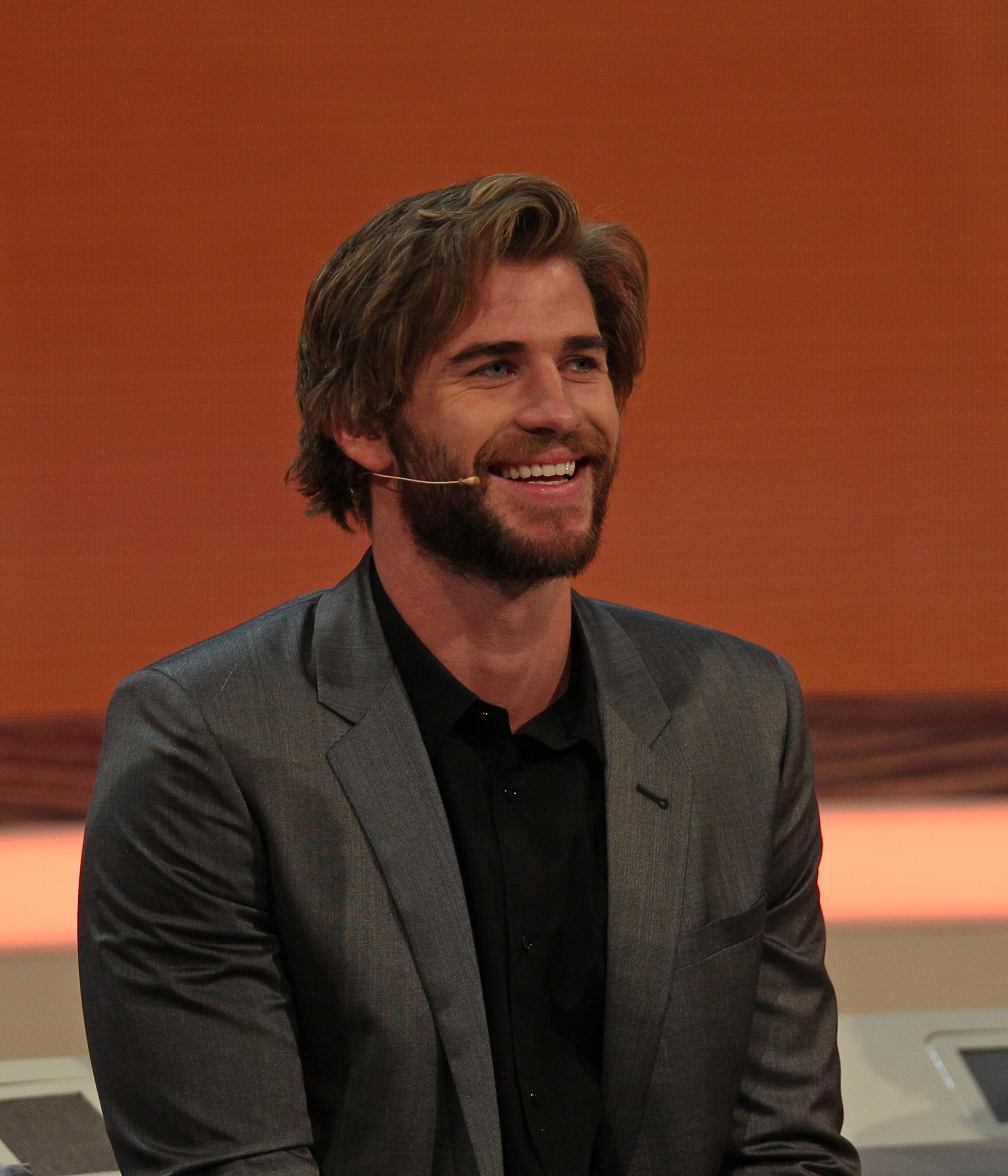
Liam_Hemsworth_at_214._Wetten,_dass.._show_in_Graz,_8._Nov._2014_02

Liam may be off the market in a romantic sense, but this has been a good year for Liam fans. He was in the television series “Workaholics,” helped save the world from aliens in the sequel “Independence Day: Resurgence,” and took over the Western frontier in “The Duel.” And we will never forget Liam’s passionate role as Gail in “The Hunger Games” series.

Chris Hemsworth


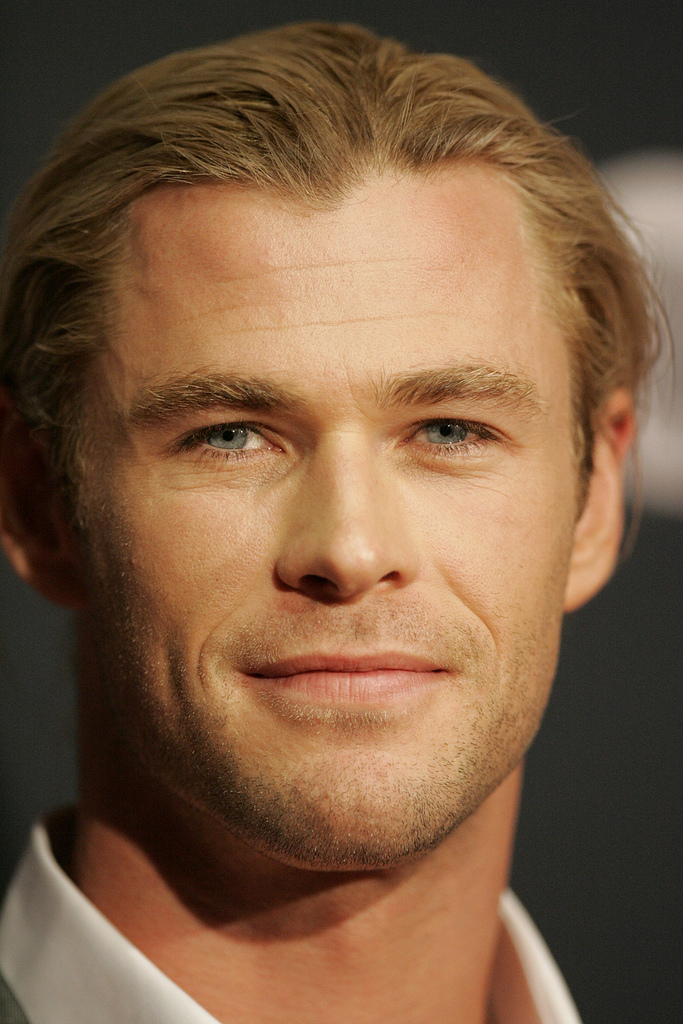
8491442553_2dc83b246d_b

Hollywood isn’t graced with the presence of just one Hemsworth man — but two. Chris Hemsworth showed up on the silver screen in 2009 to portray George Kirk in “Star Trek,” and in 2011 he bought Thor to life. Recently, Chris has focused on roles in “The Huntsman: Winter’s War,” “Ghostbusters,” and “Doctor Strange.” It’s safe to say that both of the Hemsworth brothers were really busy this year, and have given us plenty to watch this week in celebration of Australia Day.

Margot Robbie

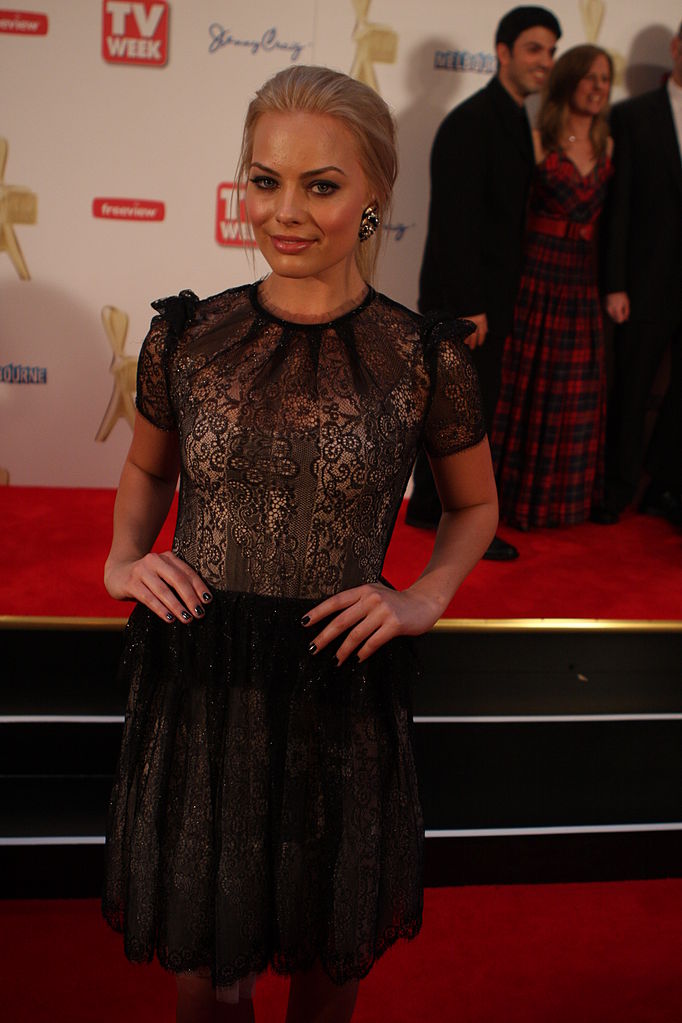
Margot_Robbie

Margot Robbie got her big break when she brought the New Jersey princess Naomi Lapaglia to life in “The Wolf of Wall Street” in 2013. Previously, she was on the well-known Australian television show “Neighbours” as Donna Freedman. Since “The Wolf of Wall Street,” Margot has been in several high-profile leading roles, especially as Jane Clayton in “The Legend of Tarzan” and Harley Quinn in “Suicide Squad.”

Hugh Jackman

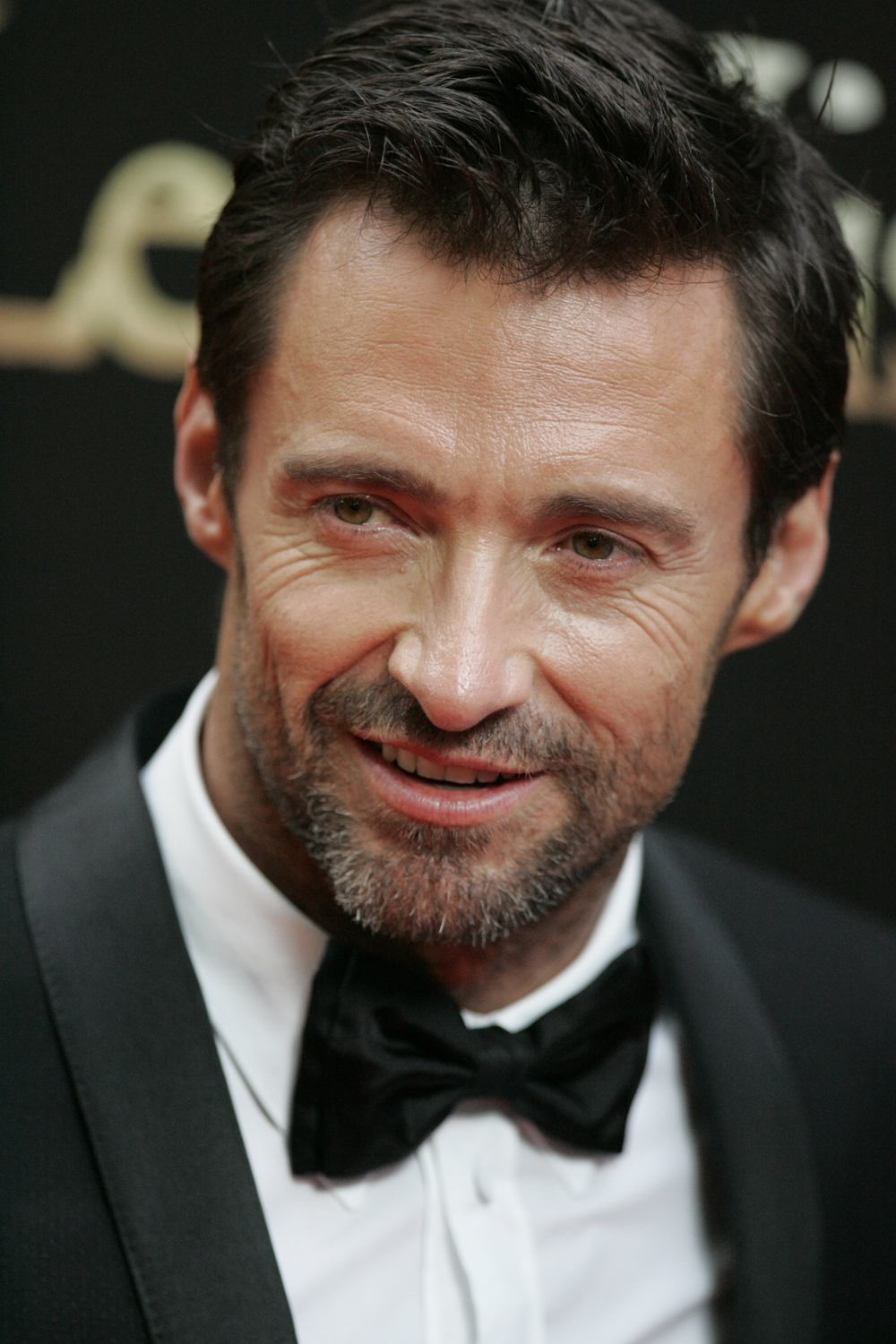
Hugh_Jackman_4,_2012

Hugh Jackman’s list of accomplishments and awards is nothing short of impressive. He can sing, dance and act — in the last few years, he has bought home a People’s Choice, Tony, Satellite, Saturn and a few other awards. Let’s not forget that he has also been voted sexist man alive. Happy Australia Day, Hugh!

Jesse Spencer

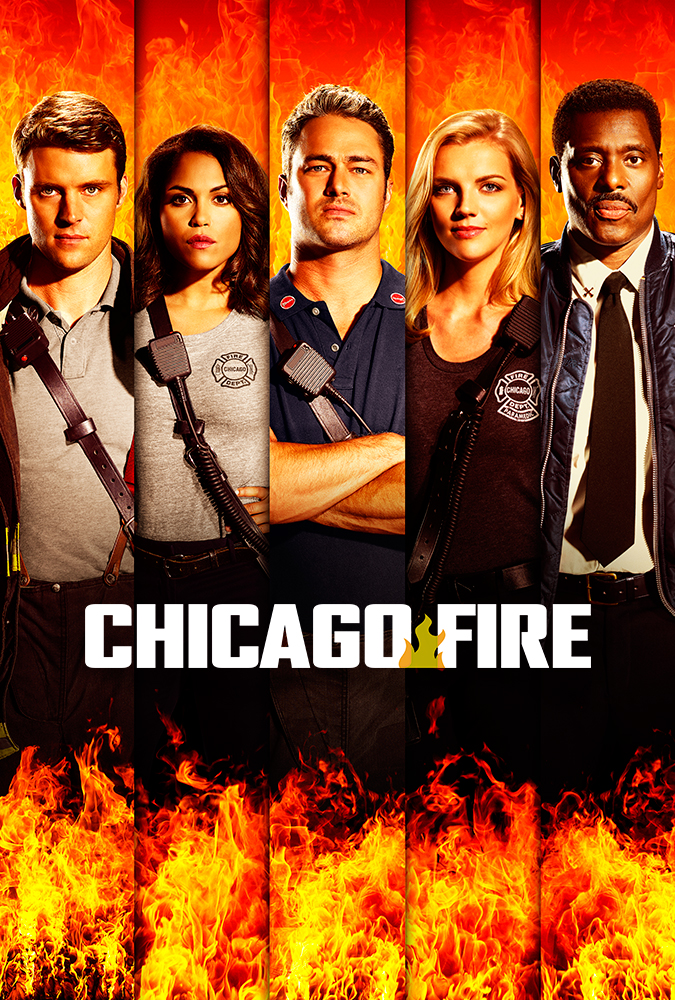
Remember Dr. Robert Chase on hit television show “House”? So do we. Before his 8-year stint alongside Hugh Laurie, Jesse Spencer was on the same Australian television show, as Margot Robbie: “Neighbors.” Since 2012, he has portrayed the character Matthew Casey on “Chicago Fire” and the 2014 crossover “Chicago P.D.”

Ruby Rose

Ruby_Rose_(8192089034)

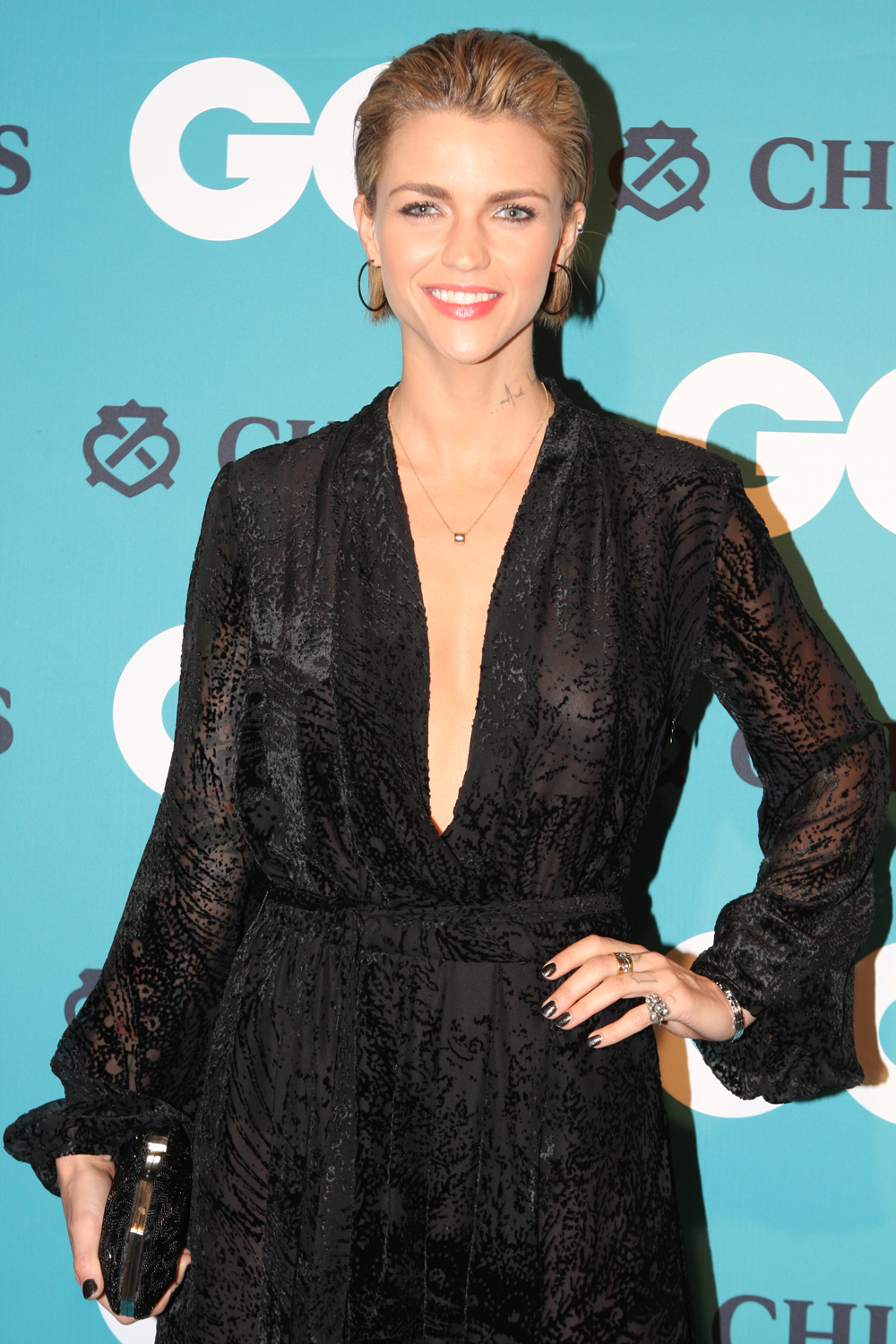
Anyone who watches Netflix’s “Orange is the New Black” knows Ruby Rose. She played Stella Carlin, a love interest of Piper Chapman’s. While her role was short-lived on the show, it helped propel her into other movie roles.

Isla Fisher

Isla Fisher, The Dictator - World Film Premiere, Royal Festival Hall, Southbank Centre, London UK.10 May 2012, (Photo by Richard Goldschmidt)

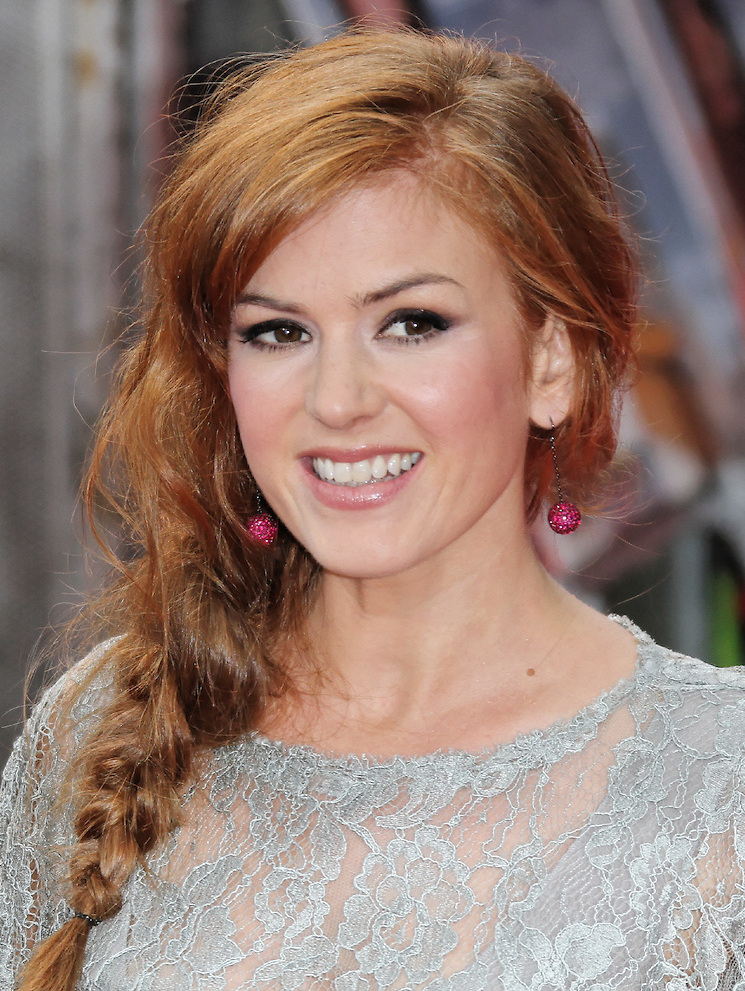
Isla Fisher stole ours hearts when she played the crazy love interest of Vince Vaughan’s character in “Wedding Crashers” in 2005. She appeared opposite of Zach Galifianakis in “Keeping Up with the Jones” – a movie about a suburban couple who gets caught up in an international espionage plot. Recently, she has been seen in “Nocturnal Animals” and “The Brothers Grimsby.”

Phoebe Tonkin

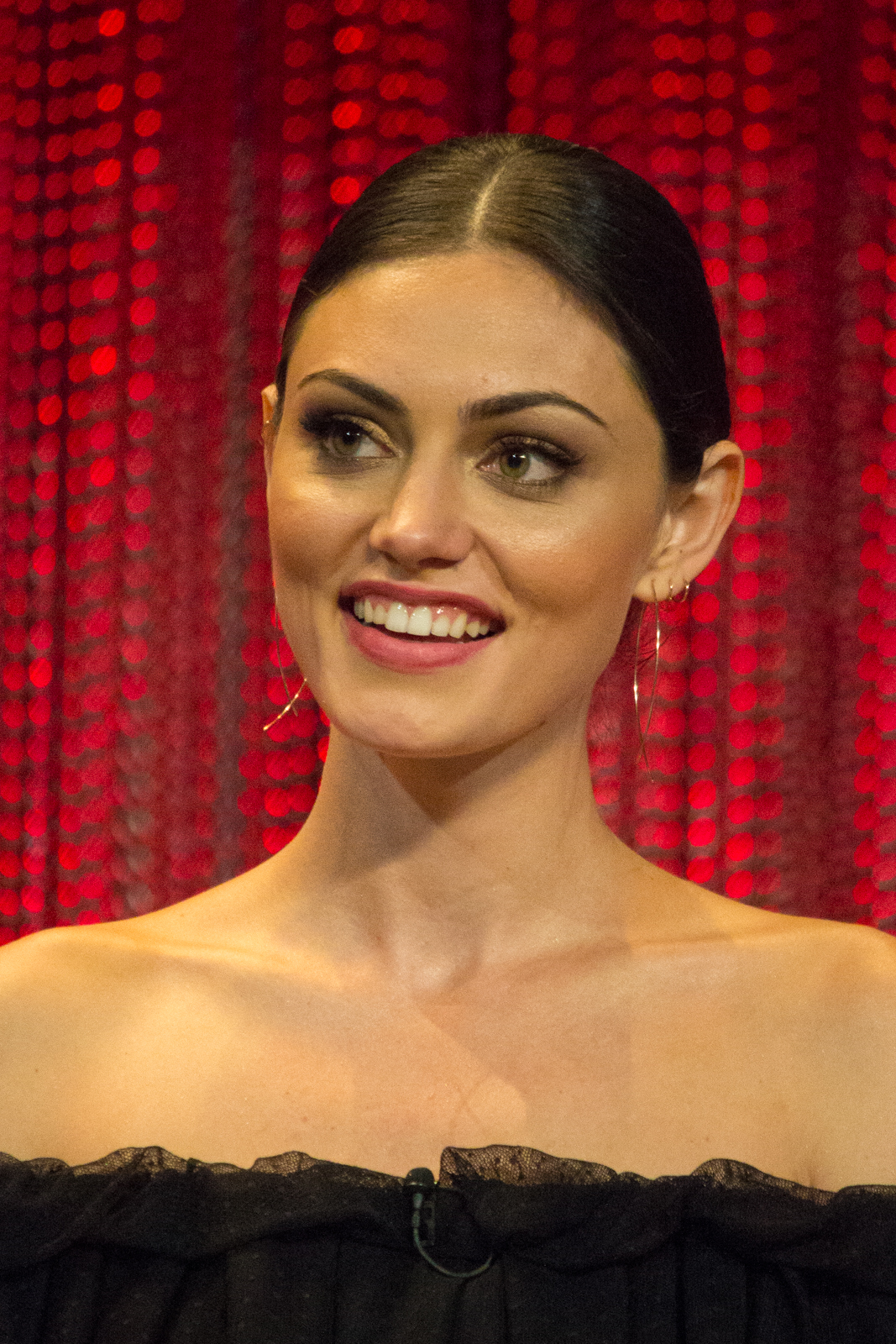
There is nothing more exciting than getting caught up in a world of supernatural beings. Phoebe Tonkins first starred in “H2O: Just Add Water” before moving on to “The Vampire Diaries” and finally settling into her role as Hayley Marshall on “The Originals,” a spinoff show of “The Vampire Diaries” on CW.

Jai Courtney

Jai_Courtney_March_18,_2014_(cropped)

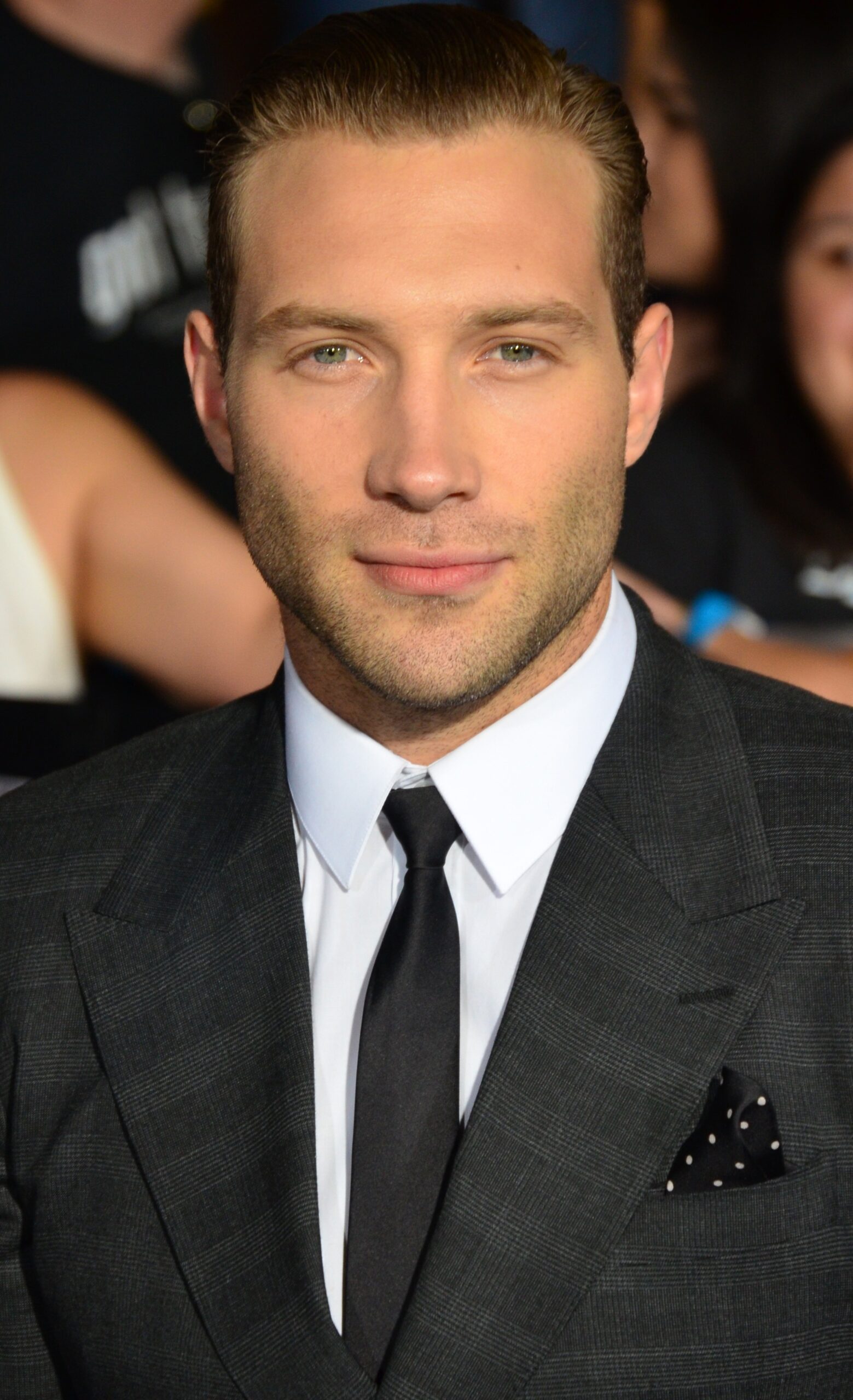
Jai Courtney is slowly becoming a household name thanks to the “Divergent” series. In 2016, Jai played alongside Margot Robbie as George Harkness/Captain Boomerang in DC Comics’ “Suicide Squad.”

Luke Bracey

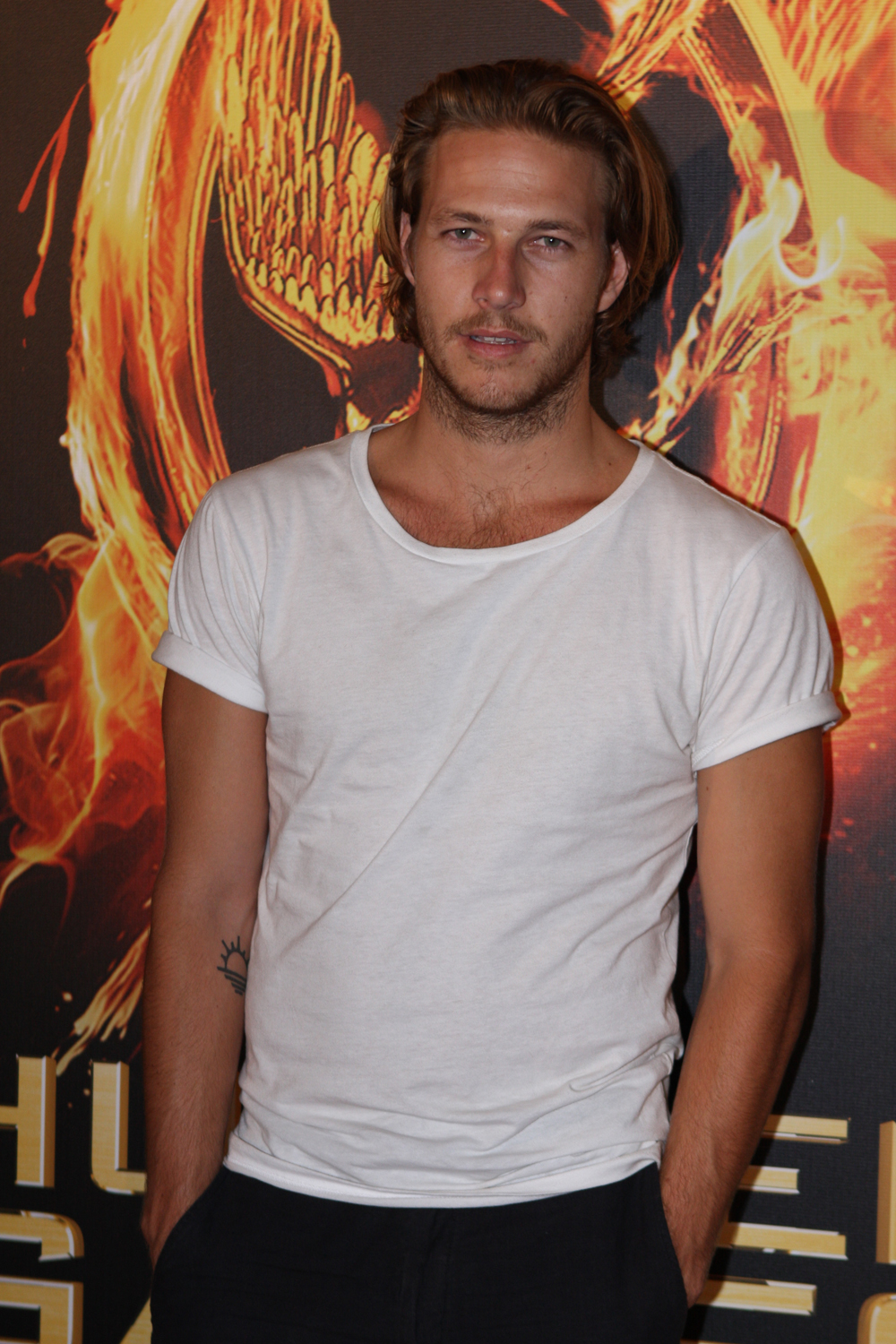
Let’s admit it — we all secretly love movie adaptations of Nicholas Sparks’ books. Luke Bracey warmed our souls and brought tears to our eyes as the younger version of Dawson in “The Best of Me.” Luke’s only film of 2016 was “Hacksaw Ridge” but we can’t wait to see what he does next.


Happy Australia Day! Who are your favorite Australian actors and filmmakers? Let us know in the comments below!

How To Tell Compelling Stories in Virtual Reality (VR)

With improvements to virtual reality technology, many creative industries are opening up to seemingly unlimited new possibilities as we discover unprecedented ways to tell compelling stories through the medium of Virtual Reality (VR). Experimentation and opportunity are the name of the game in this thrilling new medium, which is why the New York Film Academy is launching three distinct  new VR programs this year.

Because VR allows for participatory experiences, it has pros like being able to establish empathy and allowing viewers to be engaged as more than passive observers. Yet VR also has its drawback, such as no longer being able to fully direct where the viewer looks and the details they choose to focus on. In many ways, these are the challenges the gaming industry has faced with first-person POV games where players’ decisions throughout gameplay lead to different outcomes. However, in most games that are structured this way, there is also an “ideal” storyline where players who make the intended decisions get the best experience from the game, and there are cues to get players to make different decisions in order to maintain the story. Cut scenes also help stitch together the narrative and keep players moving in the “right” direction.

Some of the decisions visual storytellers need to make include how to make sure the audience will stumble upon the right objects and details to make sense of the story. Unlike “Choose Your Own Adventure” books, which had set paths and a limited number of choices, VR potentially opens up a simulation of real life where 10 different people in any given situation will make 10 different decisions. This means storytellers still need to find a way to guide the narrative, whether that is staging the environment so that only truly key objects attract attention or creating compelling interactions with the characters.

How can filmmakers and other creative storytellers use VR in their own projects? Let’s look at a couple of examples that show how filmmakers are tackling these issues.

Henry” is a short film by Oculus Story Studio that centers on character interaction. In “Henry,” one thing that keeps the story unfolding in the intended direction is the interaction with the character. When he makes eye contact and recognizes the viewer with a little smile, it draws the viewer into his story and establishes empathy. There is also very little in the environment to distract the viewer.

Katy Newton and Karin Soukup describe their decisions for creating the narrative in “Taro’s World” as “influencing” rather than “directing” the storytelling. In their article on Medium, they write about how camera angles, the objects in the scene, the actions of other characters can be set up to guide the viewer’s interaction with the environment.

News outlets are also using VR to help take viewers on location. USA Today recently featured a 360° look at Joshua Tree National Park, which gives viewers a chance to “ride” on a zip-line through the park and have a face-to-fur encounter with a grizzly bear.

Perhaps documentary filmmakers will lead the way in making the most of VR as they put the viewer in a specific environment, allowing them to explore the world as the documentary subjects experience it. As Sir David Attenborough explains, one of the great advantages of VR technology is being able to immerse the viewer in the experience with audio and visuals in a way that can’t be done in traditional film. This piece from StoryUp about the lack of mobility options for the disabled in Zambia lets the viewer see how hard it would be to have to crawl everywhere and be dependent upon others for one’s most basic needs.

How can you get started? While this article from the NYFA’s student resources is about VR in game design, it will help you think about the possibilities VR offers. Charlotte Raymen also offers some advice on equipment and camera usage on the Raindance blog. Jesse Damiani has several tips for VR storytelling in this article for the Huffington Post.

At NYFA, we believe the best way to learn is by doing. Check out our Virtual Reality workshops to learn more.

4 Films That Won Both The PGA and The Oscar

It’s mid-January and the award-season excitement is palpable. Which is exactly why you must tune in to your television on Saturday Jan. 28 to watch the Producers Guild of America (PGA) Awards. Not only do these awards accurately predict the Oscars much of the time, but every film that has won a PGA has also received a Best Picture nomination for the Academy Award.

Here we’ve rounded up a few films that have won both the awards, for your re-viewing pleasure. What better way to get you started in the award season mood?

1. “Birdman” (2014)

 Also known as “The Unexpected Virtue of Ignorance,” this is a black-comedy drama film that appears to have been filmed in one long single shot. The story focuses on Riggan Thomson, a fading actor who was once a huge name for playing the Birdman superhero and is now trying to reinvent himself as well as his career by directing and acting in a Broadway adaptation of a Raymond Carver short story that eerily reflects his dysfunctional life and relationships as well. With elements of meta-narrative and magic realism blended in, this makes for an intoxicating watch.

2. “Frozen” (2013)

A musical fantasy animated film, this Disney delight blends the old Snow Queen tale in a beautiful story about sibling bonding. Princess Ella has always suppressed her magic after a childhood accident with her sister Anna until the day of her coronation, when she sets off her powers before everyone, without meaning to. Ashamed and fearful of herself, she flees the castle to live a solitary life in an ice palace hidden deep in the mountainous woods. Anna takes it upon herself to rescue her estranged sister. This film also won an Academy Award for the Best Original Song “Let It Go.”

3. “Slumdog Millionaire” (2008)

A drama film set in India, this movie has an extremely interesting plot. Slum-dweller and Muslim, Jamal Malik is a quiz show contestant who is detained and tortured by the sceptical police who refuse to believe how an impoverished boy knew so much to get a place in the show. In a series of flashbacks, each linked to a question that Jamal correctly answers, we come to know the heartbreaking story of his life.

4. “Up” (2009)

A beautiful animated family film, “Up” centres on the adventures of the ageing widower Carl and a young adventurer Russell who set out to explore the wilderness of South America. Using helium balloons, Carl manages to levitate his house and turn it into an airship and meets a variety of creatures that help him along the way and join in their adventures. Packed with humour and warmth, this is one delightful film that is also the second animated film in history to receive a Best Picture Oscar nomination (after “Beauty and the Beast” in 1991).

Which is your favourite film to win both the coveted awards? Which films are you rooting for, this time? Let us know in the comments below!

Why You Should Watch the 23rd Screen Actors Guild (SAG) Awards

The SAG Awards are one of the most prestigious awards out there in the film business, particularly when it comes to acting — and more or less, a sure indicator of Oscar success. So if you’re wondering if you should watch television on a Sunday evening instead of going to a party, we give you four reasons why the answer is yes.

The SAG Awards are a must-watch because the ceremony…

Has Unique Categories With No Oscar Equivalent 

The Academy Awards aren’t just limited to acting. In fact, there are only four awards for performances and there are honors reserved for direction, screenplay, cinematography, costumes and even music. So if you’re the sort of person who only cares about their favorite actor, there are chances you’ll get bored. Meanwhile, not only is SAG all about acting, they have special categories too, including awards for “Outstanding Performance by a Cast” as well as “Outstanding Performance by a Stunt Ensemble.”

Is Pretty Good At Predicting The Oscars

14375317064_ee7dbc4be1_b

If you’re one of those who love to take part in Oscar prediction games, the SAG Awards are probably your best bet to help you make the best bet. In most cases, the actors who take home the SAG also take away the Oscars. So if you want to know if Denzel Washington or Ryan Gosling stand a chance, tune in your telly on Jan. 29!

Doesn’t Have A Host

Yep, and that can be a good thing too. At the SAG Awards, the spotlight will always be on your favorite actors and presenters, so there are more opportunities to indulge your inner superfan. Here’s what SAG producer Kathy Connell had to say about the no-host rule: We chose to not have a host was because we didn’t want the time taken away from the people we were honoring. Our show is just two hours long. We wanted the whole evening to be about the actors and not about one personality.”

Is Not Just About Movies, But Also Your Favorite TV Shows

https://youtu.be/zSY4Kbyqt4E

Yes, unlike the Oscars which tend to be totally movie-centric, SAG honors the best performances in television shows as well. So if you’ve been binge-watching “Game of Thrones,” “Stranger Things,” “Orange Is The New Black” or “Westworld,” you’re gonna get to see your favorite TV personalities up close and candid and perhaps even delivering a beautiful acceptance speech.

Is Decided Upon by a Randomly Selected Judging Committee

Sweepstakes Bingo Good Luck Lottery Bass Drum

In a move for absolutely impartial judgement, the voters are selected completely at random. There are two committees, one for television and the other for movies, and each have 2100 members who are eligible to vote and chosen from the SAG-AFTRA union, which comprise all “the working actors of America.” Plus, each member is allowed to serve every eight years to ensure that there is no bias. So if you’re looking for a fair judgment, the SAG Awards pretty much guarantee that.

The SAG award winners shall be announced on Sunday, Jan. 29 2017, on TNT and TBS.

So who do you think shall win this year? Or, to put it differently, who are the people you desperately want to win this year and are willing to spend a Sunday evening to find out? Let us know in the comments below!

5 Times the Oscars Made History

The Oscars are the most important and coveted awards in cinematic history and eagerly watched by millions all over the world. But as you wait for this year’s nominees to be announced and wonder if your favorite actors have made the cut, we bring you a list of five pivotal moments when the Academy Awards indeed made history — by honouring those marginalized or neglected, alerting the audience to social inequality and recognizing genuine talent that had been shunned erstwhile.

1.  When Kathryn Bigelow became the first woman to win the Best Director Award at the Oscars in 2010.  

82nd_Academy_Awards,_Kathryn_Bigelow_-_army_mil-66453-2010-03-09-180354

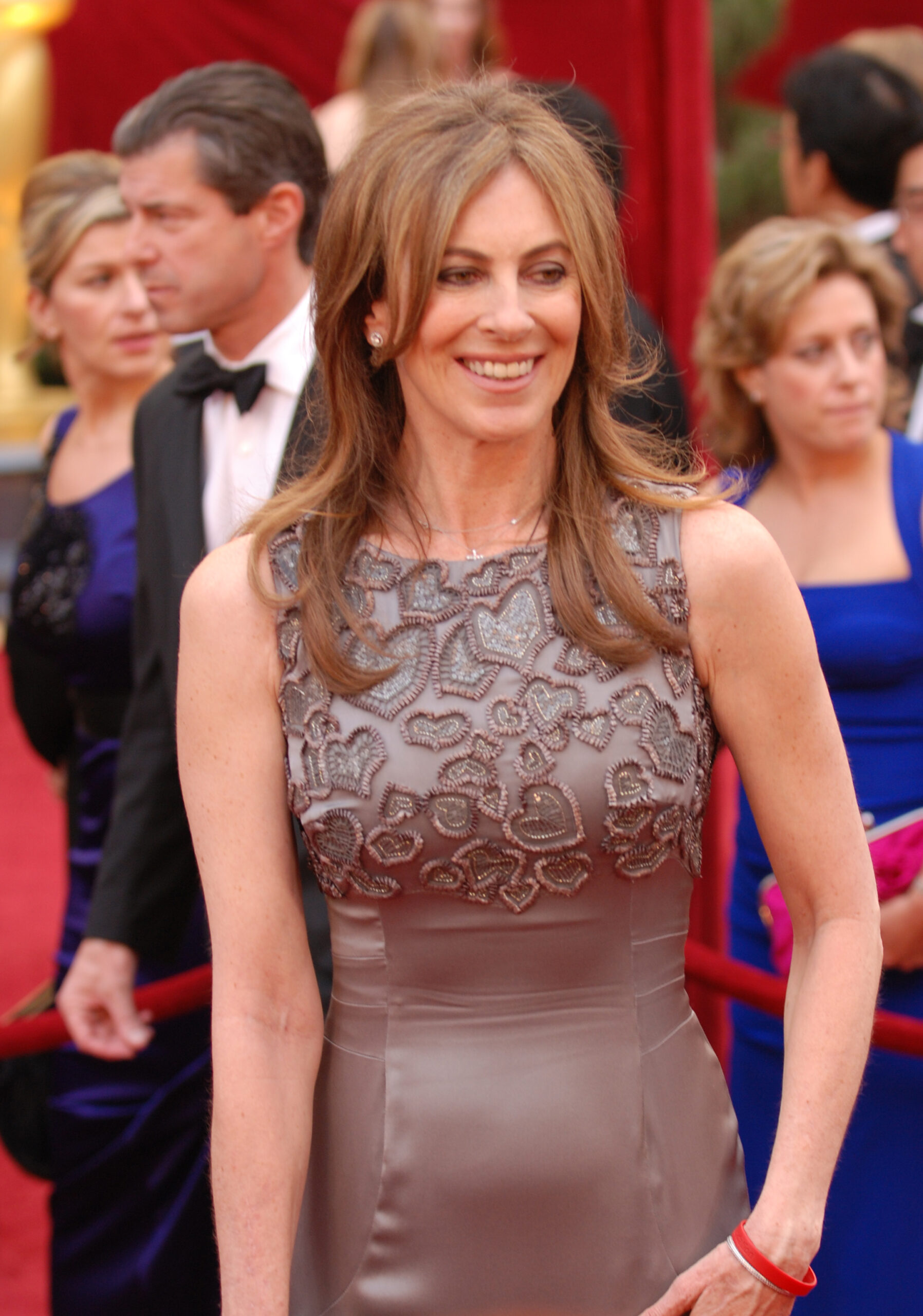
Despite it being the 21st century, gender inequality is still rampant in Hollywood, especially when it comes to women filmmakers. Which is why Kathryn Bigelow literally made history by being the first-ever woman to win the much-coveted Best Director Award for her low-budget war thriller “The Hurt Locker,” about a bomb disposal team — winning over her former husband and industry favorite James Cameron’s 3D extravaganza “Avatar.”  She dedicated her win to the servicemen and women in Iraq and Afghanistan and added, “May they come home safe.”

2. When Marlon Brando refused the Best Actor Award at the Oscars in 1973. 

Marlon Brando created a huge controversy when he refused the Award for the Best Actor for his role as Vito Corleone in the mafia film “The Godfather.” Not only did he boycott the ceremony, he sent actress Sacheen Littlefeather in his place. She waved away the Oscar and read out a letter saying that Brando  “very regretfully cannot accept this very generous award. And the reasons for this being are the treatment of American Indians today by the film industry –” Given the way America has maltreated and ostracized and even culturally appropriated the Native American community, Brando’s refusal was a powerful and ground-breaking move to raise awareness.

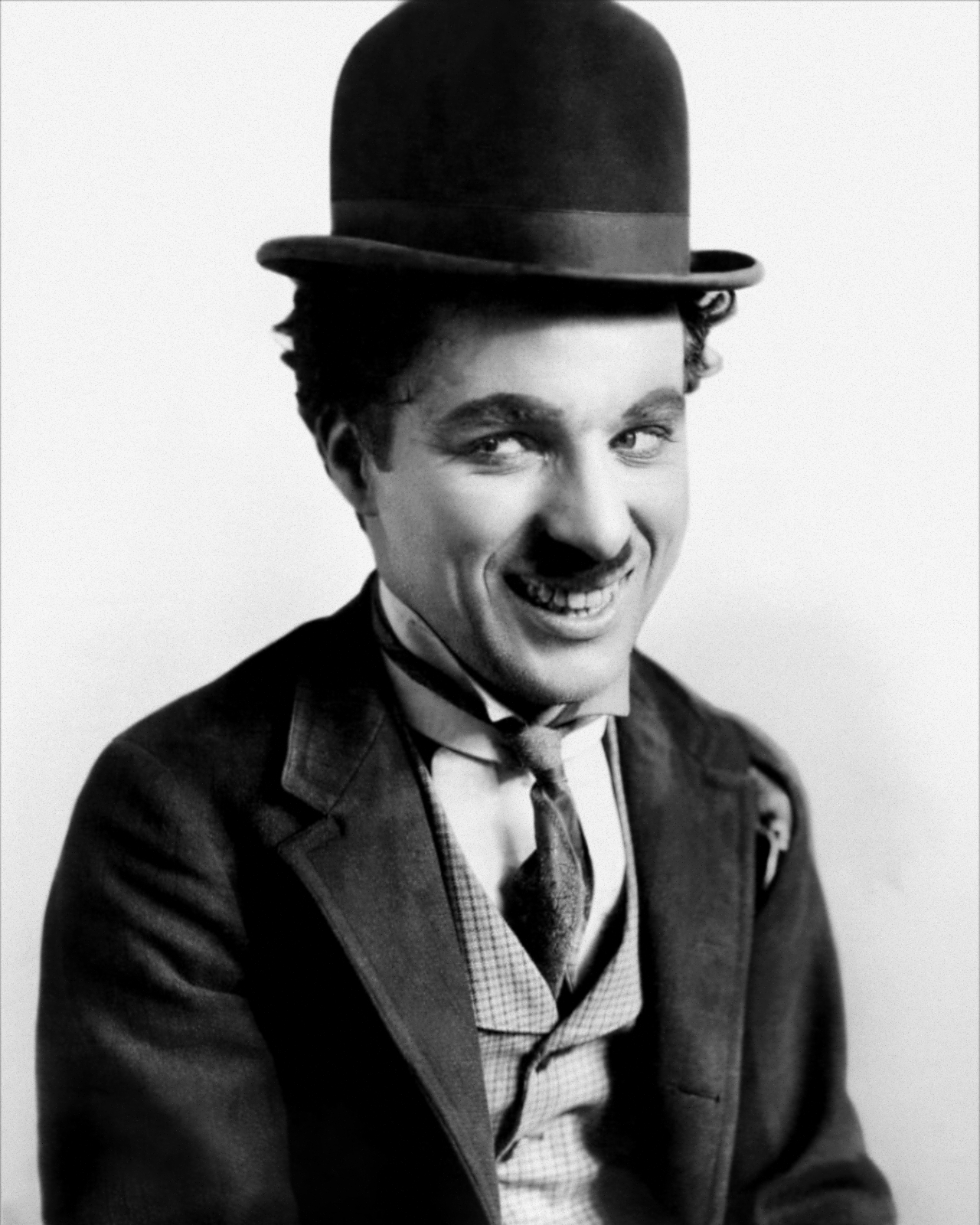
3. When Charlie Chaplin Received His 12 Minute Standing Ovation at the Oscars in 1972.

Charlie_Chaplin

Chaplin is a worldwide icon and a pioneer in the field of silent comedy, but after he was labelled a communist he was not allowed to return to the United States for 20 years. Thus his Honorary Oscar Win was important not only because Hollywood finally realized his great contribution to the industry, but also because his presence at the award ceremony marked his first return to the United States. He received a 12-minute standing ovation from the audience, which is still the longest standing ovation in Oscar history.

4. When Halle Berry became the first African-American woman to win the Best Actress Award at the Oscars in 2002.

Halle Berry created history by becoming the first black woman to win the prestigious Best Actress Award for her role in “Monster’s Ball.”  She was so full of tears that she was unable to speak for a minute and when she finally did, she acknowledged the importance of the moment and said, “This moment is for all the nameless, faceless women of color who now have a chance because this door tonight has been opened.” The night was made even more special when fellow African-American actor Denzel Washington also took home the Best Actor Award for the film “Training Day.”

5. When Patricia Arquette won the Best Supporting Actress Award at the Oscars in 2015.

16432618390_5a8821b3a0_b

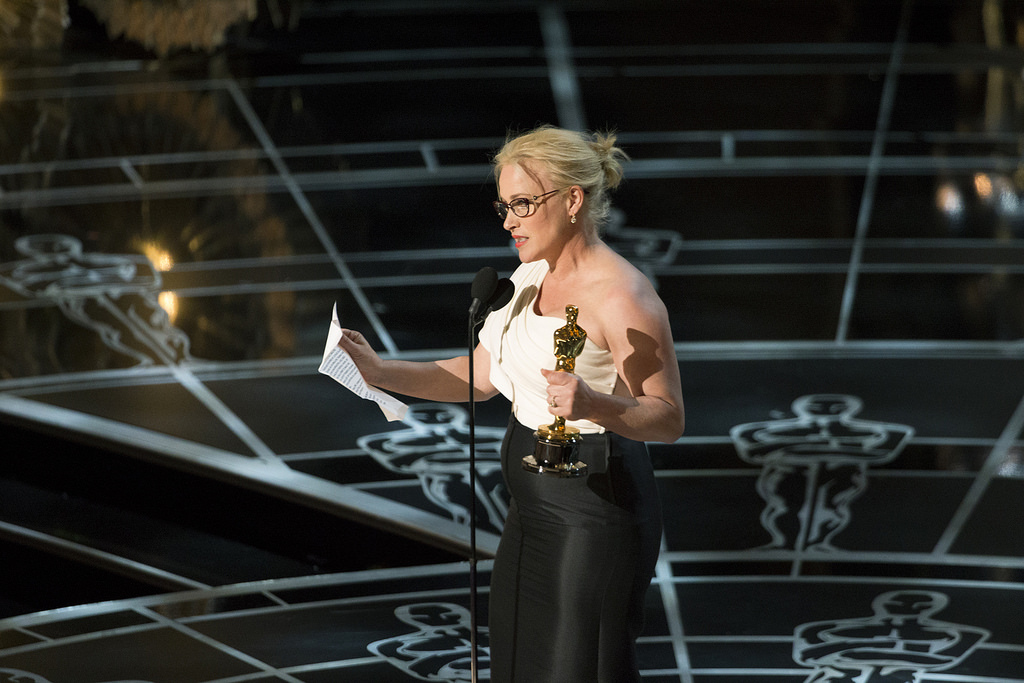
When Patricia Arquette won the Best Supporting Actress Award for her role in the Richard Linklater film “Boyhood,” she used the opportunity to champion women’s rights across the country. In her acceptance speech, she said, To every woman who gave birth, to every taxpayer and citizen of this nation, we have fought for everybody else’s equal rights. It’s our time to have wage equality once and for all and equal rights for women in the United States of America.”

So which are your favorite Oscar history-making moments from the list? Did we miss anything? And what are your expectations for this year’s Academy Awards? Let us know in the comments below!


Do the American Cinema Editors (ACE) Eddie Awards Accurately Predict the Oscars?

The Eddie Awards are given out by an honorary society of film editors called “American Cinema Editors” for achievements in editing both in film and in television. Along with acknowledging outstanding work, what makes these awards so special is that they often predict which film will win an Oscar in the same category as well as the much-coveted Best Picture Award! 

So if you’re one of those people who love playing Oscar prediction games and are even willing to bet your money on it, watching the Eddie Awards ceremony is a must. If you’re still not convinced, here we give you examples of 18 years (yes, 18!) when the American Cinema Editors were accurate predictors of the Academy Awards. 

1. 2016: Yes, that’s right. Just last year, the judges of the Eddie Awards awarded “Mad Max: Fury Road” in the Best Edited Feature Film-Dramatic Category. The film not only went on to win an Oscar for film editing, but also five more Academy Awards for sound editing and mixing, costumes, makeup, and production design. So this year, keep an eye out for the film that wins an Eddie in this category, as it’s pretty likely that the same movie will take home some Oscars too!

2. 2003-2011: For almost a decade, the Eddie Awards proved a near-constant string of accurate predictions as to which film will win the award for best editing, and several films won the best picture as well, including “Lord of the Rings: Return of the King” in 2004, “Slumdog Millionaire” in 2009, and “The Hurt Locker” in 2010. Even now, the third LOTR film remains the first and only fantasy film to win a Best Picture award and also holds a record for winning 11 Oscars — in every category, it was nominated for (a record shared with “Ben-Hur” and “Titanic”).

Meanwhile, in 2009, there was a fierce debate as to whether “Slumdog Millionaire” or “The Curious Case of Benjamin Button” should win. The following year all eyes were set on James Cameron’s 3D extravaganzaAvatar” to sweep the awards against the low-budget war thriller “The Hurt Locker.” So the next time the rivalry gets tough, you know whom to trust: the Eddie Awards.

3.  1991-1995: The early to mid-’90s were also a good time for the Eddies. While “JFK” won the Academy Awards for best editing and cinematography in 1992, all the other films to win an Eddie — “Unforgiven” (1993), “Schlinder’s List” (1994) and “Forrest Gump” (1995) — went on to win the Oscar for Best Picture one after the other.

4.  1964-1966: Even during the early years, the Eddie Awards were known for getting the Oscar predictions quite right. From 1964 to 1966, they correctly predicted that “How the West Was Won,” “Mary Poppins” and “The Sound of Music” would win awards for editing and receive a string of nominations. “The Sound of Music” in particular went on to win 5 Oscars, including Best Picture, and still remains one of the most beloved musicals ever made.

So do you think “Arrival” and “La La Land” are likely to win big at the Oscars? And what about animation movies as well? Will it “Moana” or ”Zootopia” that takes home an Academy Award? If you can’t wait to find out, then don’t miss the Eddie Awards on Friday, Jan. 27, 2017!

What films do you think were the best-edited this year? Let us know in the comments below!