NYFA Looks Forward to the 2017 Golden Globes

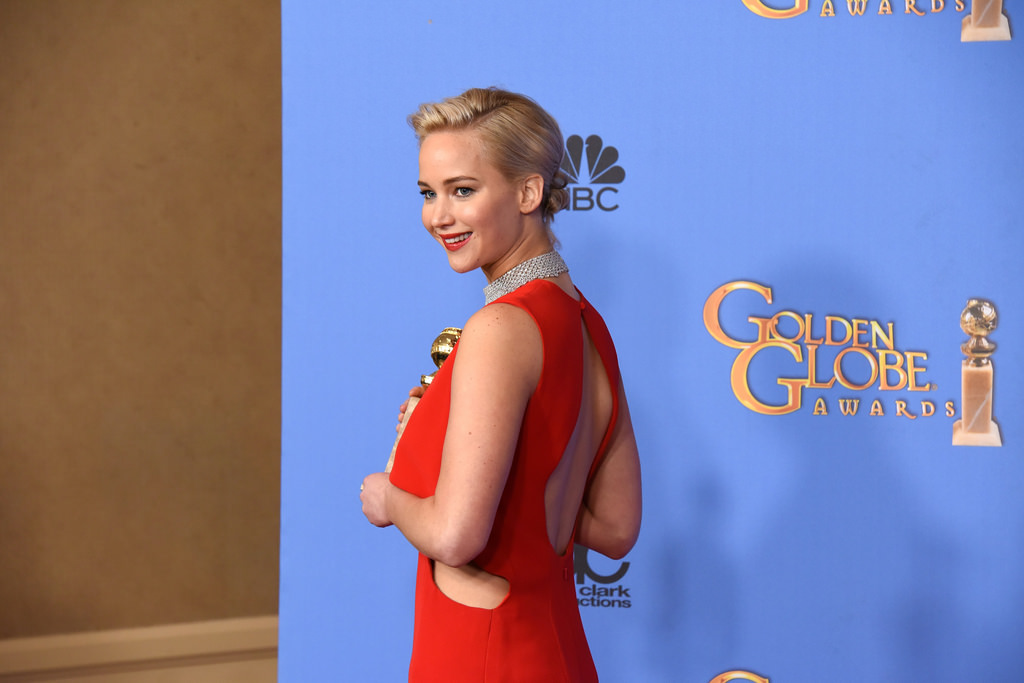
The American film and television community awaits the Golden Globes 2017 with bated breath. This year, the awards ceremony will take place on Sunday, Jan. 8 at The Beverly Hilton in Beverly Hills, California starting at 5 p.m. Pacific/8 p.m. Eastern. “Red Carpet Live,” hosted by Giuliana Rancic and Ryan Seacrest, will air on E! at 6 p.m. Eastern/3 p.m. Pacific, while the “Golden Globes Arrival Special” will air on NBC at 7 p.m. Eastern/4 p.m. Pacific. The 74th Annual Golden Globes Awards will start at 6 p.m. Eastern/5 p.m. Pacific on NBC. And don’t worry if you don’t have a television set — TV Guide suggests borrowing a friend’s cable log-in and watching at NBC.com.

24303600396_b8f83cb3e3_b

Though the news of Jimmy Fallon hosting and Meryl Streep earning the Cecil B. DeMille Achievement Award are exciting, the New York Film Academy family has its own cause for celebration. One is an alumna’s inspiring accomplishment, while the other is a titillating opportunity given to current students.

Here are two special NYFA connections to this year’s Golden Globes:

Early “La La Land” screening

In December 2016, students on the NYFA Los Angeles campus had the chance to watch an early screening of Golden Globe nominated musical, “La La Land.” The film opened nationwide on Christmas Day.

Prior to the screening, student Sarah Holmberg told NYFA, “I’ve been watching this movie as it goes from festival to festival. I’ve wanted to see it for a long time. I’m really excited.”

The film, which was written and directed by Damien Chazelle (known for “Whiplash” and “10 Cloverfield Lane”), has been recognized by the Oscars, the New York Film Critics Circle, the Toronto International Film Festival, and other noteworthy festivals and organizations. It stars Ryan Gosling and Emma Stone, who play out the story of two lovers who want both their relationship and careers to flourish.

Screen-Shot-2016-12-09-at-12.28.46-PM-1024x682

After the screening, which was organized by Lionsgate, student Miriam Sanchez said, “I’m rushing home to tell everyone to buy a ticket. This is my favorite movie of the year.”

Alumnae Issa Rae’s nomination

NYFA grad Issa Rae struck out on her own to make the webseries, “The Mis-Adventures of Awkward Black Girl,” because she wanted to defy on-screen stereotypes of people of color.

“I knew if I didn’t shoot it myself, it was never going to get done,” Rae told NYFA in Sept. 2011.

That webseries eventually gave to way to “Insecure,” which Rae co-created and stars in on HBO. Rae has been nominated for best performance by an actress in a television series. That puts her in the same Golden Globes category as Rachel Bloom (“Crazy Ex-Girlfriend”), Julie Louis-Dreyfus (“Veep”), Gina Rodriguez (“Jane the Virgin”), Sarah Jessica Parker (“Divorce”), and Tracee Ellis Ross (“Blackish”).

On Jan. 5, the alumna tweeted, “Remember watching the Golden Globes last year wishing like, ‘One day…’ Now a nomination? Four more days…”

Yes, now a nomination. Congratulations, Issa Rae!

Here’s more about Rae and her brave (and resourceful) leap into the industry:

Awkward Is the New Black ( ISSA RAE DOCUMENTARY) from Dylan Valley on Vimeo.

What do you most look forward to in the 2017 Golden Globes? Let us know in the comments below!

6 Takeaways from 2016: What Last Year Taught Us About Filmmaking

It’s that most wonderful time of the year, and here at the New York Film Academy, we’re taking a quick look at some of the enduring lessons from 2016. This past year saw a lot of interesting twists and turns in the entertainment industry, with some tried and true lessons borne out and some new truths unearthed, so we’ve distilled six takeaways from 2016 that we hope help you prepare for your filmmaking endeavors in the New Year. Cheers, 2016 — thanks for the memories, and for teaching us these principles of filmmaking!

Franchise, franchise, franchise.

Fantastic_Beasts_&_Where_to_Find_Them_Cast_(Cropped)

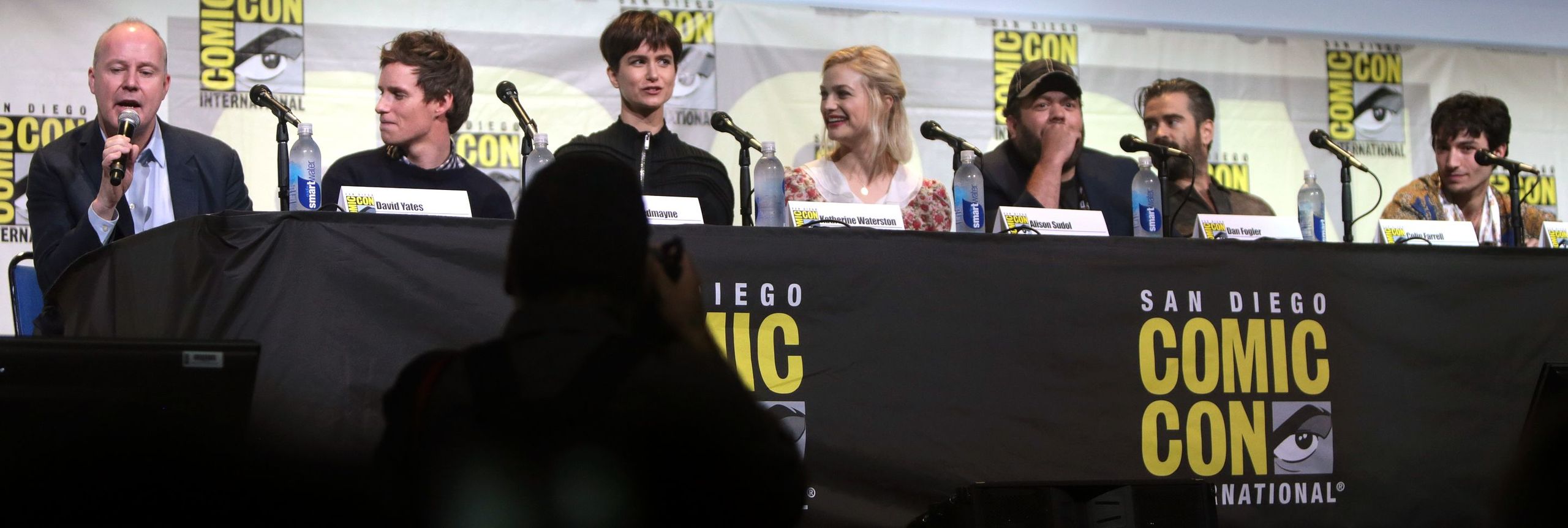
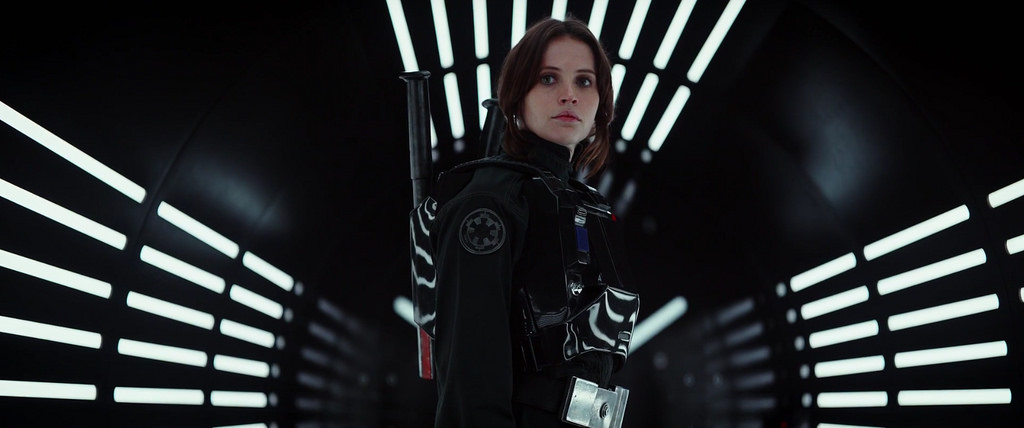
From the endless array of comic book universe movies to Star Wars and Harry Potter, if there is a minor character or dark alley that didn’t show up in an earlier movie, give them their own feature. Done properly, these films are opportunities for fresh takes on old characters or explorations of the series universe that reveal a whole new side of things. “Fantastic Beasts and Where to Find Them” brought the Harry Potter series’ wizarding world to the U.S. and gave viewers a closer look at Newt Scamander and the days before the rise of Lord Voldemort. “Star Wars: Rogue One” targets an adult audience that grew up with the original Star Wars films who will get the references to other films in the franchise.

Is it a remake when it’s totally different?

26200797002_95a305038a_b

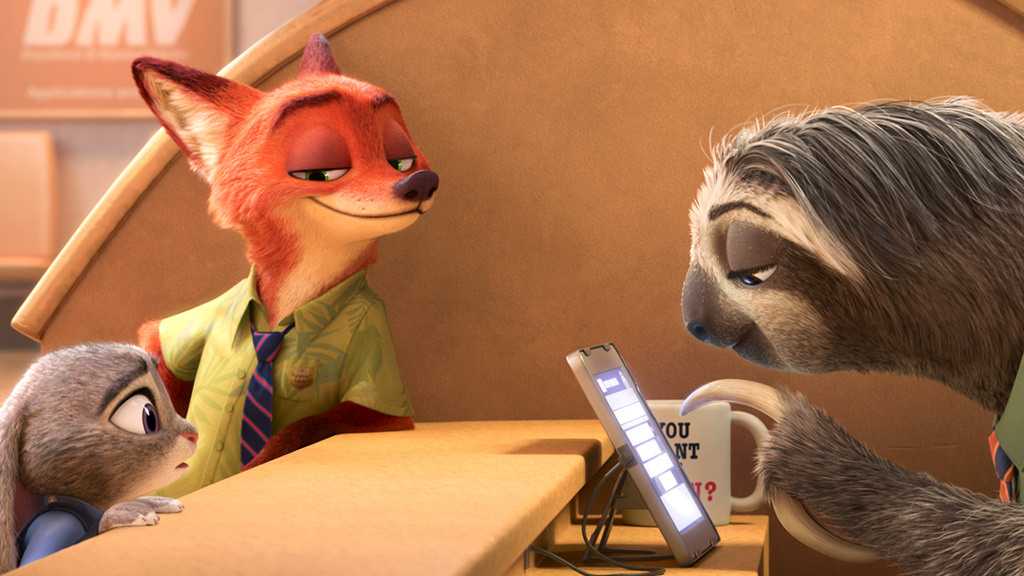
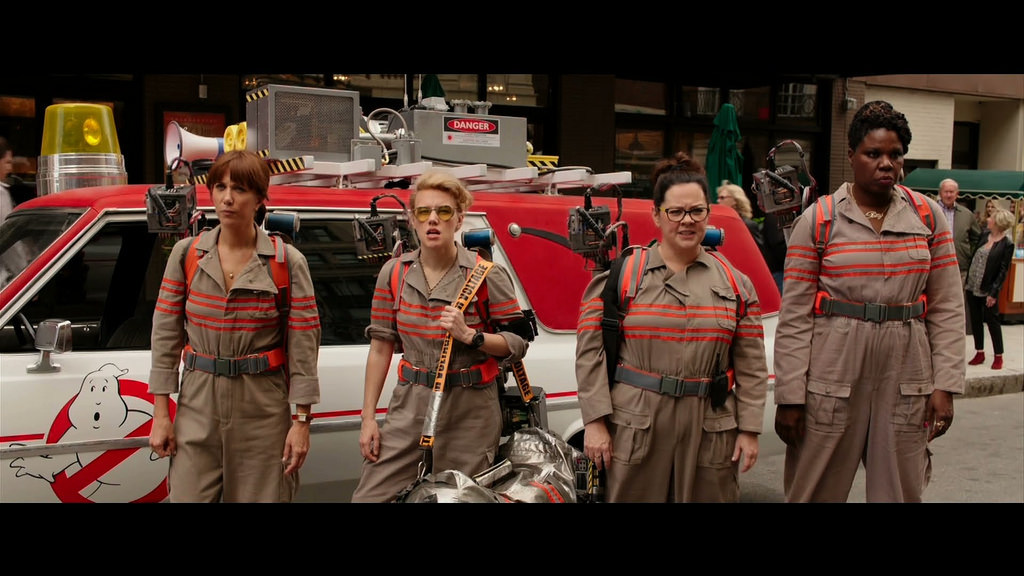
An all-female “Ghostbusters”? “Pete’s Dragon” and “The Jungle Book” retooled for the 21st century? In some cases, only the name of the movie bears any resemblance to the original. Using a familiar franchise in a completely different way may raise the ire of die-hard fans, but reboots can also attract a new audience. Younger viewers who might be turned off by the 1977 version of “Pete’s Dragon” with its musical numbers or the 1984 version of “Ghostbusters,” were drawn into the fast-paced action and edgy humor of the 2016 films.

Family-friendly fare fills the house.

24996620254_3b350bc13f_b

Of the 10 highest-grossing films for the year, four were children’s films and four were comic book-related films with a PG-13 rating. With the price of ticket sales climbing and the temptation of other forms of entertainment, it can be hard to get audiences in theaters. Family-friendly films earned their share of the box office and, of course, product tie-ins helped studios expand their profits. As filmmakers and studios investigate more interactive experiences, this is an audience eager to reciprocate.

There’s no question that women (and female characters) can carry a picture and that gender inequality in the industry must be addressed.

27781479453_6f9415ba3d_b

In the past, many producers argued that movies had to have a strong male lead to draw an audience, but the film industry is starting to admit that this is not the case (and, honestly, never was). Slowly, we’ve seen the industry begin to respond to the call for gender equality. Through 2016, “Bad Mamas,” “Ghostbusters,” “Moana,” “Zootopia,” and other films with female leads were among the 25 top-grossing films of the year. The misguided argument that only men can draw in an audience will, we hope, remain firmly an error of the past.

Orange and teal is still a thing; drones are taking off.

drone-1080844_960_720

Heavily saturated films with orange and teal color grading are still part of the look that will characterize films from the early 21st century. “Miss Peregrine’s Home for Peculiar Children,” “Deadpool,” and “Captain America: Civil War” enveloped viewers with a sense of foreboding thanks to the dark wash and heavy use of blues in the grading. Drone cinematography is another piece of technology that has been getting more use in films as costs went down and quality improved. From amateur filmmakers to big-budget Hollywood films like “Captain America: Civil War,” drones supplied a lot of the aerial footage we saw on screen in 2016

Tell ‘em A Good Story

pexels-photo-116235

This one never goes out of style. With so many other entertainment options from streaming services that let the audience binge-watch season after season of a show to immersive video games competing for the audience’s time and money, the film industry has responded with what it does best— good, old-fashioned storytelling. Exploring the comic book universe and its seemingly endless opportunities for cross-overs and different storylines featuring bankable characters may be a natural fit for the binge-watching, extended viewing era. Smaller films and independent features have gone back to the heart of storytelling and start with empathetic characters in compelling situations. Whether it is romance (“Lala Land”) or a heist (“Hell or High Water”), a screenplay with characters the audience can root for is the foundation of any good film.

6 Cinematic Tips for Capturing Your New Year’s Kiss

It’s not just the script and actors’ chemistry that make iconic kisses sizzle. Costumes, set, sound and lighting all conspire to bring the viewer into the moment. If you want to capture your first kiss of 2017 with style, here are six tips from the filmmaker’s toolbox.

1. Dress the part.

Normatalmadge_crop


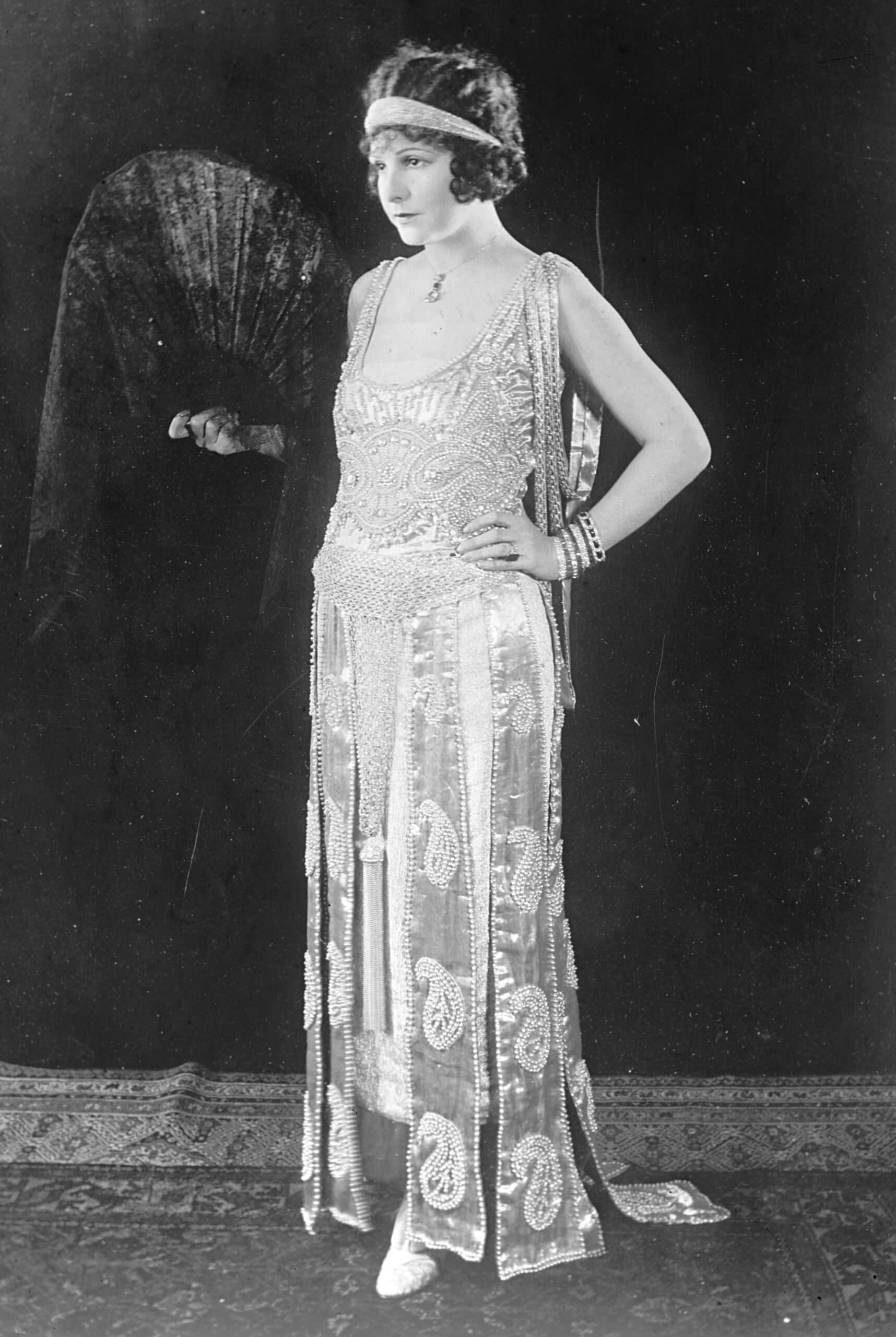
If you’ll be filming at your own New Year’s party, consider a theme. If you choose wisely, your guests will make marvelously glamorous background artists, while not disrupting costume continuity. How about Hollywood’s golden Age or The Roaring Twenties?

2. Find the right place and scope it out prior to the big night.

Whether you choose a cozy speakeasy or a multi-level night club, be sure to do a thorough location scout — for a tech savvy approach, check out our blog post on some useful cinematography hacks. You don’t want any surprises on the big night; you’ve only got one chance to get this right (at least this year)!

3. Light the night.

pexels-photo-140122


If you’ve ever been on a film set at night, you know that there is not a whole lot of darkness going on. Even candlelit scenes almost always have some artificial light to boost visibility and soften contrast. To preserve the feel and be seen, you will probably have to strike a balance between authenticity and practicality, otherwise  your DP (or buddy with a camera) will have a conniption fit.

4. Consider the lens.

Soft focus smoothes imperfections, so you and your kissing partner can be preserved for posterity as young and beautiful. For the ultimate in low budget, try this romantic effect with a DIY trick for your smart phone.

5. Never underestimate the power of great sound design.

For your New Year’s film, a well-timed champaign pop, and the fizzing of bubbly reminds the viewer that this is not just any party, but New Year’s Eve. There are many SFX websites to help you create the perfect New Year’s Eve soundtrack. Also, chances are there will be music. In order to avoid pushing your mics into the red, this article, by a cinematographer experienced in capturing special moments, suggests plugging directly into the PA.

6. Acting in reality.

Garbo_-_Gilbert_-_publicity

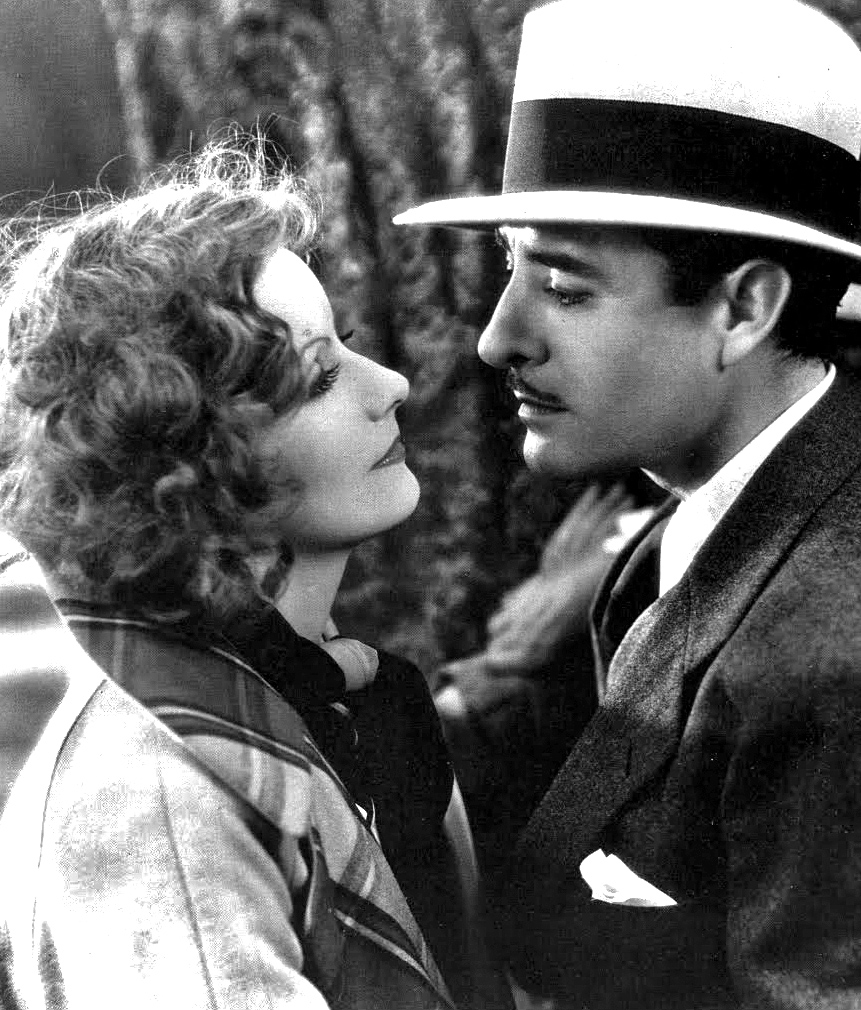
Life is not a set (unless you’re on reality TV), so the big moment might begin before you’re ready for action. But don’t worry that the countdown finds your kissing partner across the room, chatting up a Greta Garbo look-alike or filling the punch bowl with yet another tray of flower ice cubes, just go up to him or her and remember why you cast them for this part. You’ve done everything to set the scene, now all you have to do is be present. Even if the film isn’t perfect, the kiss should be.

How will you be recording your memorable moments this New Year’s Eve? Let us know in the comments below!

What Is Hamilton’s Legacy for Broadway Musicals?

“Hamilton” has gone from Broadway musical to total phenomenon. The story of a scrappy “son of a whore and a scotsman” who helps mold the beginnings of the United States — only to fall to his career rival in a duel — has taken America by storm. The musical has gained plenty of famous fans, including President Barack Obama, who joked that the musical was the only thing that he agreed with Dick Cheney about. Central to the musical’s success are its diverse cast and the way it engages with hip-hop. These unique facets will be the foundation of its legacy.

HAMILTON: THE NUMBERS

What a success it’s been: Hamilton has been sold out from its opening performance at the Off-Broadway Public Theater. By the time the show opened on Broadway, it had already taken in $30 million in its advance ticket sales. The peak of its historical success was in late November 2016, when it grossed 3.3 million for 8 performances for the highest grossing week in Broadway history. As far as sales of the original recording are concerned, the Original Broadway Recording was one of only three cast recordings to move into the top 10 of the Billboard 200.

HIP-HOP

One of the big factors in Hamilton’s success lies in its natural conversation with contemporary culture through hip hop. Before “Hamilton” was a phenomenon, it was a workshop performance called The Hamilton Mixtape, hearkening to how rappers without deals would debut their music on independently released recordings hoping to strike up a buzz. One of the first people to fully buy into “Hamilton” was Daveed Diggs, the rapper for experimental rap group Clipping, who played both Thomas Jefferson and the Marquis Lafayette.

After the show became a phenomenon, a mixtape helmed by Questlove of The Roots and Lin-Manuel Miranda featured plenty of rap luminaries, including Busta Rhymes and Nas. The musical’s reverence for hip-hop is totally sincere, and as hip-hop becomes america’s most appreciated and popular music form, it follows that its best practitioners would respond to a musical that is a love letter to the very genre they pioneered. Broadway musicals often respond to popular music, but rarely respond like this, and it’s shown to be a winning formula.

DIVERSITY

It’s easy to see why “Hamilton” inspired Busta Rhymes to reach out to Lin-Manuel Miranda after he saw the musical: Lin-Manuel Miranda’s project very consciously features a cast made up of people of color and women, reflecting the changing makeup of the United States, with the only white actor in the original cast playing King George III, the King that inspired the American Revolution. As the play asserts, “Immigrants/we get the job done,” and that’s inspiring to a wealth of people across the world.

CONCLUSION

“Hamilton’s” legacy will certainly be represented by its bold embrace of hip hop, the diversity of its cast which is itself an unprecedented embrace of the story of the founding fathers by people of color, and perhaps most importantly the depiction of immigrants as the backbone of the American success story. If more musicals follow “Hamilton’s” example, we’ll continue to see fruitful collaborations of socially aware concepts, inclusive casting, and the exciting currency of popular music.

Names that Changed the Fashion Photography Industry Forever

4033383533_97c362e173_z

When it comes to fashion, all the attention goes to the stunning outfits and gorgeous models who wear them. But without a talented photographer there to capture it all, it’s impossible to convey the allure and excitement of the apparel.

We’ve compiled a list of people who entered the fashion industry with a desire to give us a closer, more passionate look at the beautiful clothing and accessories available. Of all the great fashion photographers that have existed in our time, the following used their creativity and talent to provide images that not only generated sales but also influenced the next generations of photographers.

Helmut Newton (October 31, 1920 — January 23, 2004)
Unknown

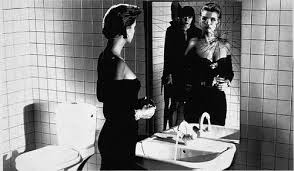
This award-winning fashion photographer changed Harper’s BAZAAR, Vogue, and other top fashion magazines across the globe. He pushed the envelope with his provocative black and white images that often featured nude models — a bold, controversial style in the early 20th century. Before becoming a photographer in Australia, Newton survived the Holocaust in Germany and was also imprisoned in Singapore for a time.

His greatest achievements include being awarded the Chevalier des Arts et des Lettres by France, the Grosses Bundesverdienstkreuz by Germany, and the Chevalier des Arts, Lettres et Science by Monaco. Newton was also given the Life Legend Award for Lifetime Achievement in Magazine Photography in 1999 by Life Magazine.

Richard Avedon (May 15, 1923 – October 1, 2004)
4359635676_a80868bd7d_b

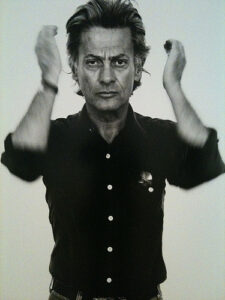
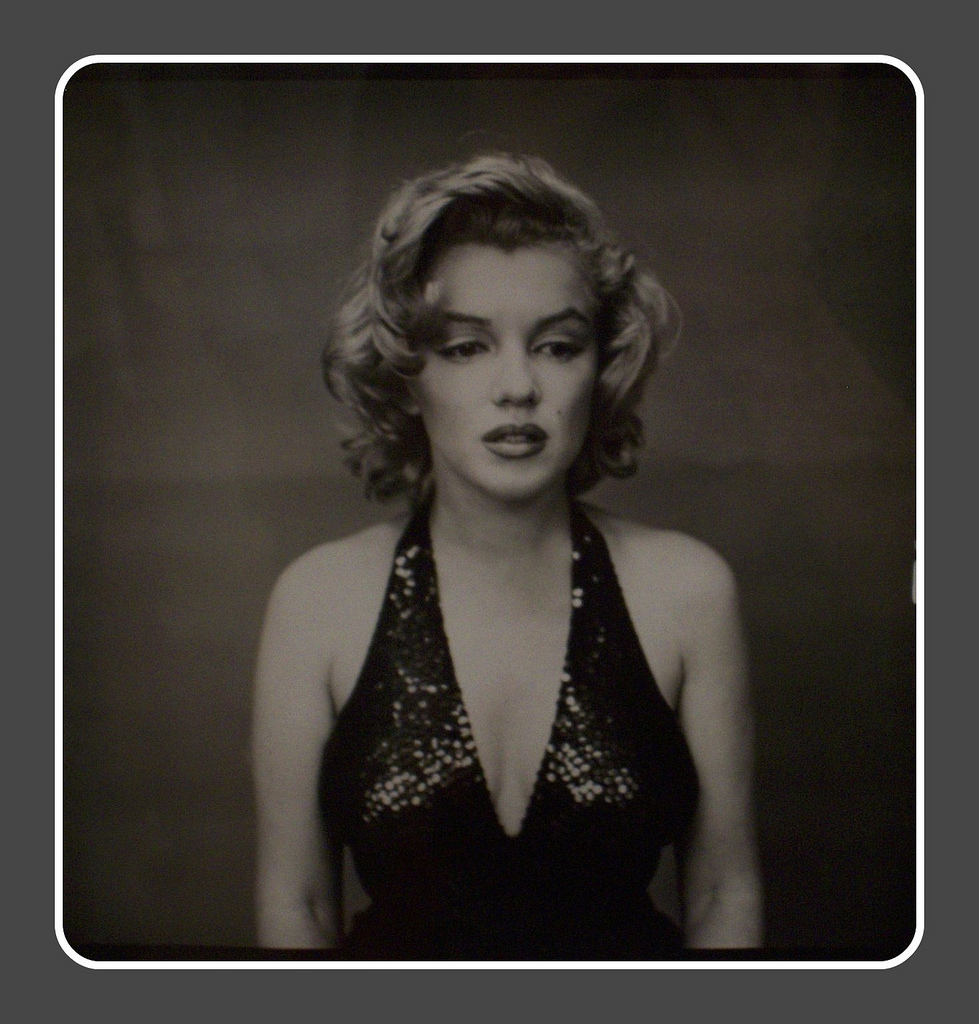
Richard Avedon is considered one of the most iconic fashion photographers ever to grace the industry. Using unconventional techniques and his unique style, he shook things up by photographing models that showed emotion and were in action. For this, his obituary read: “his fashion and portrait photographs helped define America’s image of style, beauty and culture for the last half-century.”

Avedon began as a staff photographer for Harper’s BAZAAR and rose to chief photographer. He eventually moved to Vogue and became the lead photographer, shooting memorable campaign ads for Calvin Klein Jeans and other top brands. Thanks to Avedon, future fashion photographers had the courage to take risks much like he did while working.

Irving Penn (June 16, 1917 — October 7, 2009
22372688471_24d73fb79f_b

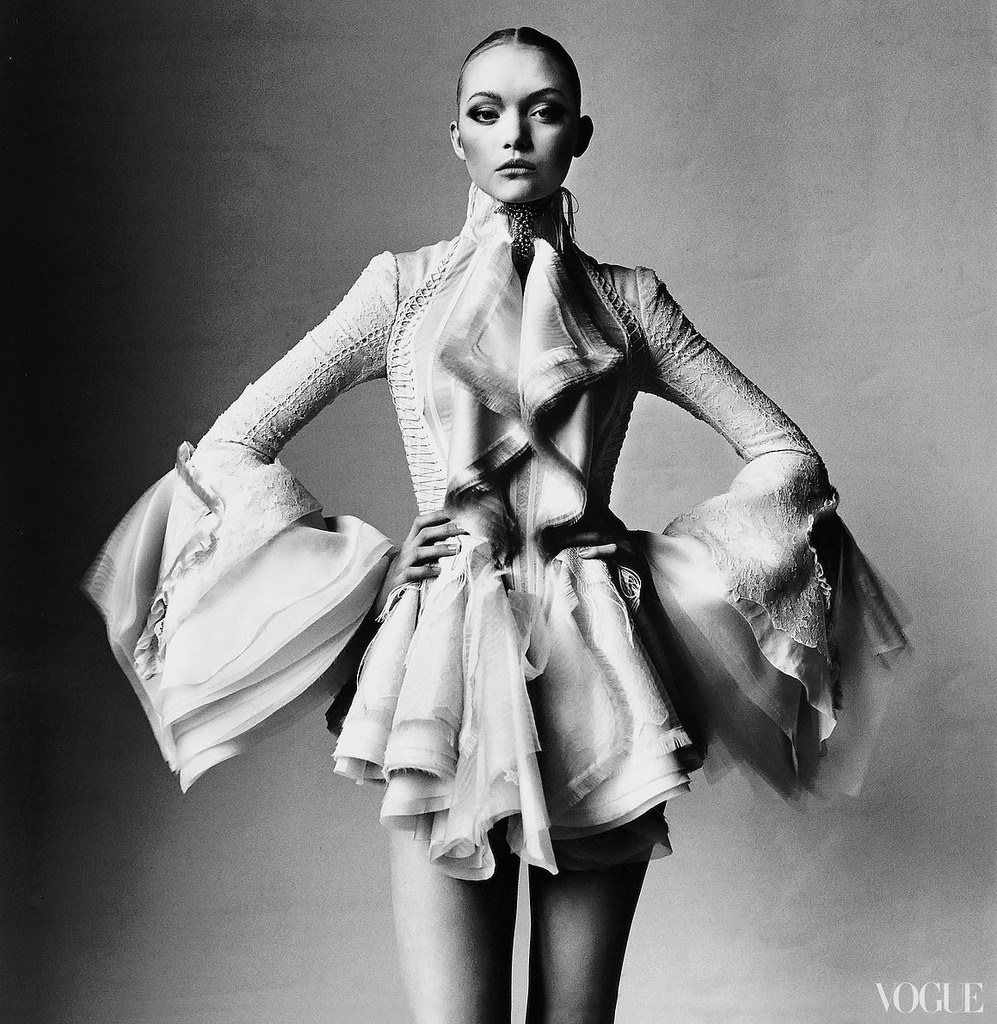
An American photographer whose work spanned six decades, Irving Penn is credited with revolutionizing and perhaps inventing what we think of as fashion photography. His 1950 cover of Vogue was the first black-and-white photo featured on the magazine’s cover since the advent of color photography in 1932, and boldly introduced not only a new advent in fashion, but in photographing fashion.

Moving from creating situational contexts to display fashion in the 1940s through stark, high-contrast opulence, surrealism, and focus on fine detail, Penn tirelessly pioneered shifting perspectives and aesthetics in his work. His stark black-and-white photography has attained icon status. Known as a modernist, he was also a great portrait and still live photographer, famous for capturing iconic artists at different times and in different styles as well as experimenting with ethnographic photography around the world.

Deborah Turbeville (July 6, 1932 – October 24, 2013)

If you’re into fashion photography that evokes a darker emotion, you can thank Deborah Turbeville. She is known for providing content that went against the common trends of the early 1970s, when models were always shot in well-lit and unprovocative situations. Her photographs boasted an edgy and mysterious feel that few could match at the time.

Born in Massachusetts, Turbeville got her start as a fashion editor for Harper’s Bazaar. Eventually she became a photographer who provided work for countless notable publications and fashion advertisements, including Macy’s, Bruno Magli, and Ralph Lauren. Along with her style, Turbeville was also known for avoiding gender stereotypes and choosing models who showed humanity and not just beauty.

Ellen von Unwerth (1954 — Present)
12351743473_73532e6c92_b

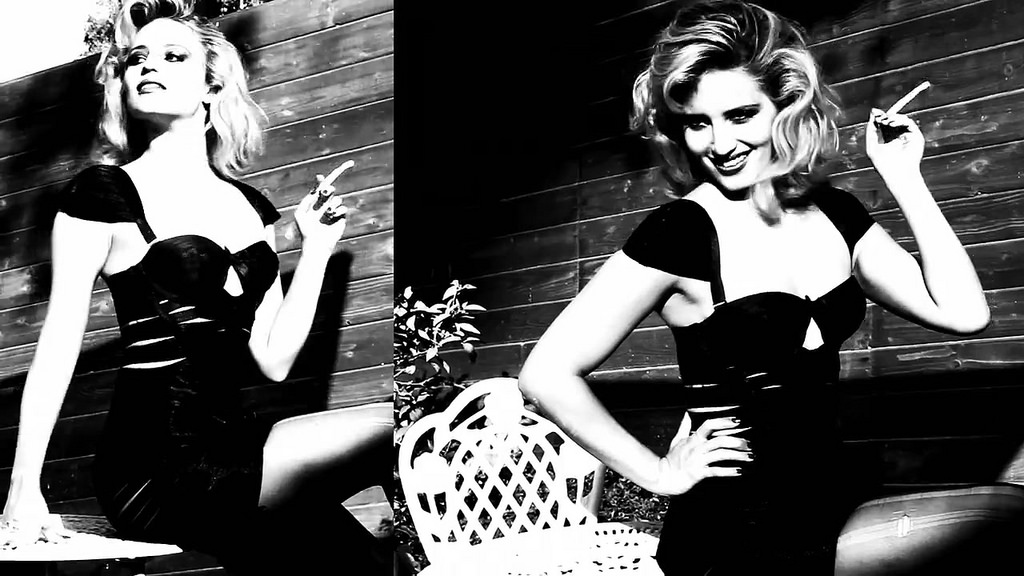
Ellen Von Unwerth is a fashion photographer and director known for her specialty in erotic femininity. But before shooting her first professional photograph, she served as a fashion model for a decade. Her experience in front of the camera is one of the tools she used to become one of the most prominent fashion photographers today.

After gaining fame for her photographs of German supermodel Claudia Schiffer, she went on to provide work for Vogue, Interview, Vanity Fair, and more. Many of her films have received awards, and and she’s also directed music videos for notable stars like Christina Aguilera, Beyonce, and Duran Duran.

Steven Meisel (June 5, 1954 — Present)
16750739554_c815b3c73f_b

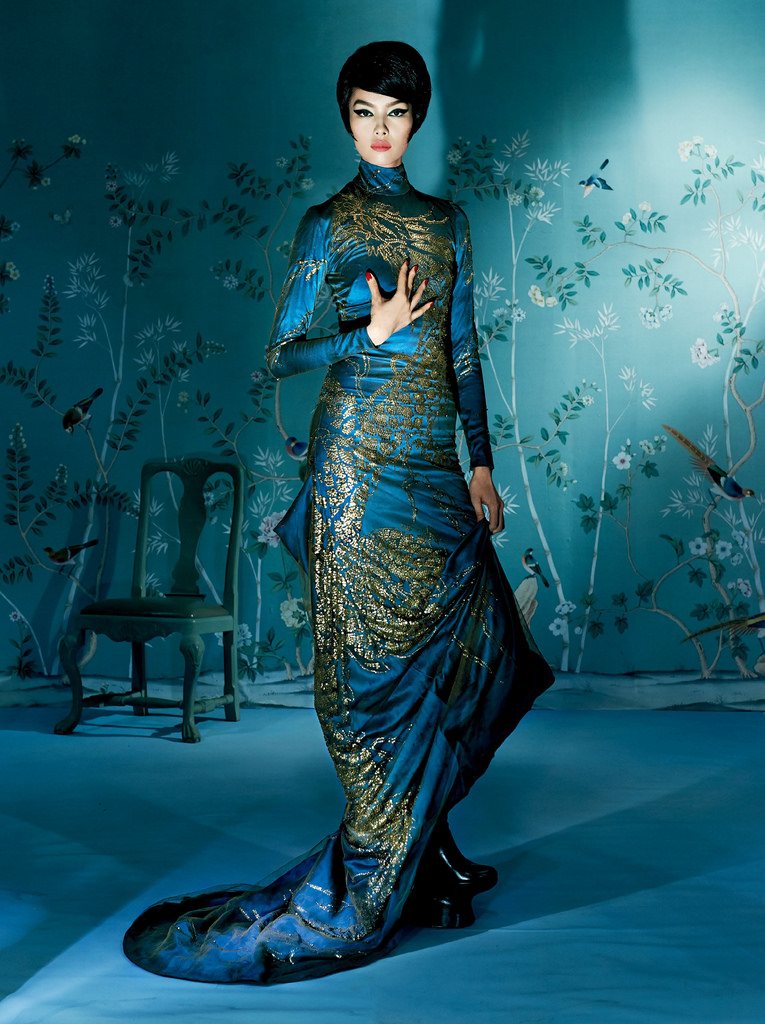
If there’s one person all aspiring models dream of working with today, it’s Meisel. He’s not only shot every cover of Vogue Italia since 1988 but also has the privilege of photographing Madonna for her ground-breaking 1992 book “Sex.” Meisel has shot campaigns for everything from Calvin Klein and Versace to Valentino and Louis Vuitton.

But more so than his work, Meisel has helped change fashion photography by proving that a photographer has the best eye for spotting the best models in the industry. He has proved this by turning nobodies like Naomi Campbell, Linda Evangelista, Christy Turlington, and countless other women into some of the most recognizable models in the world.

Mario Testino (October 30, 1954 — Present)
 

8535537783_d49b6bb33b_b

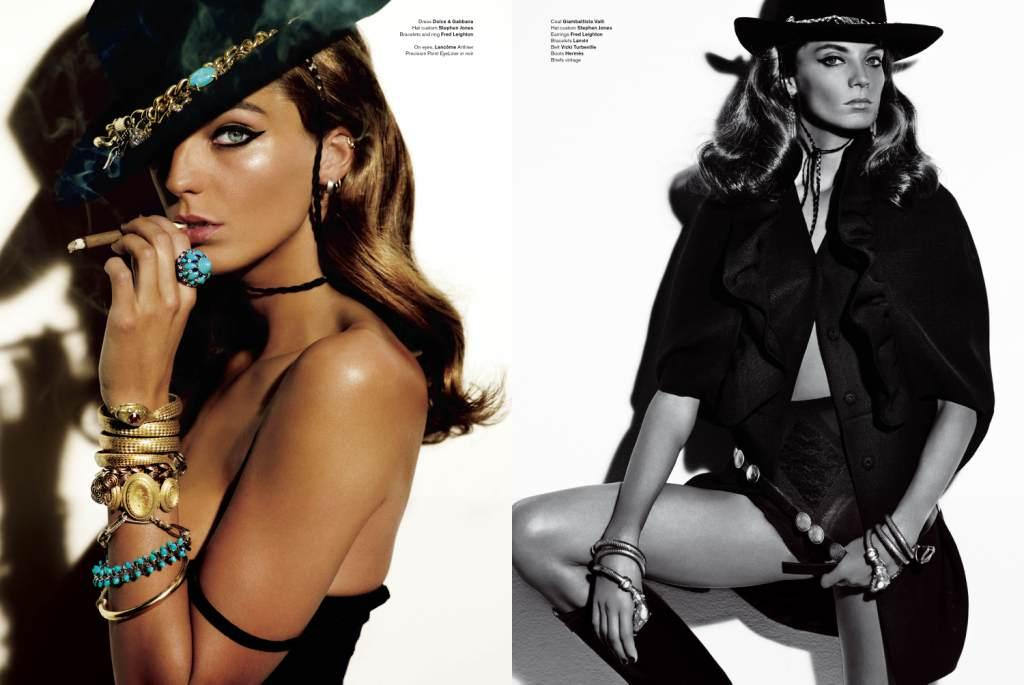
You can’t become a fashion photographer and get far without knowing the name of Mario Testino. One of the most desired photographers today, Testino has worked for Vogue, V Magazine, Vanity Fair, and other top international fashion magazines. He has created countless images for top brands like Michael Kors, Gucci, Versace, Chanel, and more.

His ability to create unforgettable work is credited to his practice of not seeing models as blank canvases, which is what other photographers prefer. Instead, Testino sees his models as people, allowing him to convey their human beauty. Testino has also helped catapult many models into stardom, including some (like Gisele Bündchen) who no one else wanted to work with.

Making a name for yourself in the photography world can be difficult. The 4-Week Fashion Photography Workshop we offer can help you build the foundation you need to change the photography landscape while working alongside well-known photographers in the industry.

4 Common Mistakes that Beginner Graphic Designers Make

So you’re fresh out of design school and looking for a professional job to show off your skills? Or have you been tinkering with Photoshop and Corel Draw long enough to realize you can make a career out of designing things? If you’re a beginner in the big bad world of graphic design, there will be some mistakes that you’re bound to make (or are perhaps making at this very moment) that may leave you wondering why your career hasn’t kickstarted already. And so we’re here to help you avoid some very common mistakes and improve your skills as a designer.


1. Abusing Photoshop Tools and Trying Too Many Things At Once: So you’ve learnt all the nitty-gritties of Photoshop and can rattle off the shortcut keys with ease. But guess what: You’re absolutely overwhelmed by the amount of knowledge, and when you sit down to design a flyer or logo you experiment with all the tools … and the result looks like a child’s collage.
Quick Fix: Set challenges for yourself. Make a list of the tools you use the most and try to design something without using any of them. Restrict yourself to using a fixed number of layers or a black and white color palette. Not only will that make you creative, but it will save you the trouble of trying everything at once to see what works best.

2.  Making Poor Fonts and Typography Choices: You’ve discovered the world of free fonts and you’ve downloaded just too many brushes and the birthday card you’re supposed to design looks way too comical. Or the logo of a company just doesn’t look professional enough. Chances are you’ve gone on a font overload.
Quick Fix: Typography is a whole new field and if you’re not good at it, take a separate course to understand the fundamentals of how it works. Gaining some knowledge of calligraphy also might help. Once again, try to design with standard fonts and, if you’re using something fancy, limit yourself to one fancy font. Follow the aesthetics of simplicity and minimalism when it comes to fonts and you should be fine.

coffee-creative-desk-pen
3.  Relying More on Software Than on Your Originality: You have the latest versions of all the software installed in your computer and — sometimes even for a simple project — you usually end up using more than three programs to design something. And then you’re out of creative juices.
Quick Fix: Realize that design software is a means to an end, and you’re the designer. Rely more on your own originality than on snazzy photo-editing features. As a graphic designer, don’t forget to cultivate your skills in drawing, sketching and painting and sometimes take a break from digital art to practice doodling. Remember, it is your creativity (and not Photoshop) that makes the design.

4.  Not Reading the Brief Carefully Enough: If you’re a newbie, you may be overconfident and care more about showing off than understanding your client’s needs. So even if you make something that is truly brilliant, it may be rejected because it wasn’t what the client wanted.
Quick Fix: Read the brief as many times it takes you to understand exactly what your client needs. Call him/her up and clarify if you need to. Graphic design is a part of the utilitarian arts and whatever you create has a target audience. So, keeping that in mind, underline the keywords and make a plan before you begin designing.

And whatever you do, don’t set unrealistic goals. Be grateful at how far you’ve come and be excited that there’s so much more to learn and create!  

5 Great Holiday Films for That Warm Fuzzy Feeling

Ah, the holidays! Many a childhood home will be descended upon by adult children and extended family, and many will find themselves cozied up to the TV (or computer screen) under a blanket with a steady stream of holiday movies on view. And while some of the old standby favorites like ”It’s A Wonderful Life” and “Miracle on 34th Street” will surely be making their rounds — we’ve got a handy round-up of feel-good films that’ll keep your sleigh bells ringing. 

Warning: Spoilers ahead!

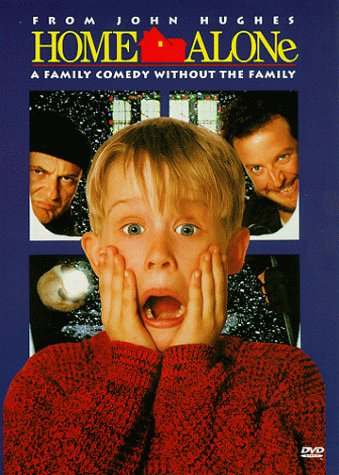
1. “Home Alone” (1990)

Starring: MacCaulay Culkin, Joe Pesci, Daniel Stern

Directed By: Chris Columbus

Synopsis: The night before he’s to join his family on vacation to Paris, Kevin McCallister (Culkin) is banished to his room after a fight with his brother, where he wishes that his family would all disappear. He wakes up the next day only to discover that his wish has come true! It turns out his family had forgotten him in their mad dash out the door to vacation. But it’s not all peace and quiet: a pair of burglars (Pesci, Stern) have set their sights on the McCallister home. For the next 75 minutes we follow Kevin as he fends off the goofy yet menacing duo, all while getting to know a lonely neighbor and helping him reconnect with his estranged son. As he prepares to celebrate Christmas without the family he so flippantly wished away, Kevin realizes the value and security of love and friendship, and in a heartwarming scene (have your tissues ready), he is reunited with his mother, and finally, the whole clan.

Why It Makes Us Feel Warm and Fuzzy: What’s cuter than Macauley Culkin in footed pajamas setting elaborate booby traps to a soundtrack of classic holiday tunes like Brenda Lee’s “Rockin’ Around The Christmas Tree”? And nothing says warm and fuzzy like John Candy as the “Polka King of The Midwest” cramped in the back of a crowded van reflecting on the meaning of family and relationships. This movie lays it on thick with nostalgia, all while reminding us all of what it was like being a kid. You’ll enjoy cozying up to this on your parents’ couch with leftover turkey and eggnog.

2. “Elf” (2003)

Starring: Will Ferrell, James Caan, Zooey Deschanel, Mary Steenburgen

Directed by: Jon Favreau

Synopsis: Will Ferrell is over-the-top-hilarious as the heartbreakingly naive elf, who, upon  learning of his true identity as a human, sets on a quest to find his biological parents, while  changing the hearts of hardened cynics along the way.

Why It Makes Us Feel Warm and Fuzzy: Buddy’s relentless optimism and good cheer bouncing off of Faizon Glover’s deadpan makes for some hilarious and memorable scenes. And if Will Ferrel in an elf costume trying to hug a raccoon in Central Park doesn’t make your belly ache with laughs — you’ve got a heart of coal! This movie is packed with the kind of humor we’ve come to expect from Ferrell while  still exploring the grand themes of belonging, family, and acceptance. It’s the kind of film that will deliver the magic you’re looking for, and you can watch it over and over again.

3. “A Charlie Brown Christmas” (1965)

Starring: Charlie Brown, Lucy, Linus, and Snoopy

Directed by: Bill Melendez

Synopsis: Looking for an iconic film to introduce to the nieces and nephews that’ll even Grandpa and Grandma near? Look no further than this old reliable based on Charles M Shulz’s comic strip, Peanuts. When Charlie Brown grows disenchanted with the over-commercialized version of Christmas, he embarks on a quest to discover its true meaning, facing ridicule and loneliness , in the process. While everyone from Linus to Snoopy seems to be obsessed with their own interests, Charlie seeks counsel from Lucy who recommends getting involved in a play as a cure for depression.

Why It Makes Us Feel Warm and Fuzzy: It’s animated, it’s set to an award-winning jazz soundtrack, and it includes a sobering moment where Linus delivers a monologue on the true meaning of Christmas, ending it with “And that’s the true meaning of Christmas, Charlie Brown, that will really get you into the mood. Waterworks alert: if you’ve got a single sentimental bone in your body, the scene where the gang quietly arrives to Snoopy’s doghouse and decorates the tree that Charlie Brown thinks he killed, will really get you going. It’s the kind of film that you can create new memories with every year. 

4. “A Home of Our Own” (1993)

Starring: Kathy Bates, Edward Furlong

Directed by: Tony Bill

Synopsis: In this lesser known drama, Kathy Bates stars as Frances Lacey, a single mother to six children, looking to build a home in a small-town in Idaho after deciding that Los Angeles is no place for her family. Major setbacks including a fire in their new home threaten to destabilize the family. A young Edward Furlong co-stars as a sullen teenager angry about the family’s misfortune and what he perceives to be his mother’s poor choices.

Why It Makes Us Feel Warm and Fuzzy: Through the Lacey clan’s struggles, and the involvement of their community in helping them to this film offers a good reminder of the importance of charity as the reason for the season. Though it may be hard to watch at times, it depicts the reality for many families, especially at this time of year, and should inspire the warm and fuzzy feelings of gratitude and selfless giving.

5. “The Preacher’s Wife” (1996)

https://youtu.be/Wgi-xY7V0cs

Starring: Whitney Houston, Denzel Washington, Courtney B. Vance, Gregory Hines

Synopsis: A dedicated pastor (Vance) of a struggling church in a poverty-stricken neighborhood, neglects his wife Julia (Houston) and son, as he responds to the many needs of his parishioners.  Pressured to sell the church property to a real estate developer (Hines) he a desperate prayer help is answered through Dudley (Washington), an angel sent by God to help the pastor.

Why It Makes Us Feel Warm and Fuzzy: If Whitney Houston’s angelic voice singing “Who Would Imagine A King” doesn’t make you sentimental, God rest your sorry soul. While the story of a struggling Baptist minister sets the stage for a divinely inspirational, gospel music-filled score lead by the late Ms. Houston, it’s a dreamy and romantic film where you’ll find yourself willing a romance between Houston and Washington to happen. And don’t be surprised if you’re compelled to order the soundtrack. It will add a little something extra to the ambiance around the table this year.

So curl up in your snuggie, or slanket or whatever makes you comfy while you binge watch these films that are sure to make you warm and fuzzy, while filling you with holiday spirit!

Finding the Fashion Photography Job of Your Dreams

Photography can be a hard, but rewarding job  — it requires dedication, a flexible schedule and a passion for storytelling. You live in a world where anyone can take a picture whether it’s on a point-and-shoot camera, SLR or even an electronic device.

Fashion photograph is one of the most demanding career paths in the photography industry with one goal in mind — to sell the clothing, not the model. However, you shouldn’t let the demands of the job hold you back from achieving the fashion photography job of your dreams.

Don’t be afraid to work for free (a.k.a: “Shooting a Test”)

pexels-photo

Working for free may not be financially rewarding for you but it can be rewarding in other ways. You’ll build a reputation in the community, make connections with other photographers and potential clients, and build a portfolio. If you focus on getting paying clients right out the gate, you may fall short in creating a portfolio that is appealing to future paying clients. Take the time to practice — it will help you nurture your creativity, and will teach you how to lead in some situations and be a team player in other situations.

In the industry this is called “shooting a test”: you gather a full crew (stylist, hair and makeup, model, sometimes a designer) of professionals, all working for free, to create images for their portfolio. It’s a great way to establish a working team, to call upon once the paid gigs do start hitting, and to build your reputation.

Don’t be afraid to work with the best in your industry for little money or for free.

pexels-photo-141667

Touching on the above statement, if you have the opportunity to work with the industry’s top players even if it doesn’t pay or doesn’t pay well, you should do it. We aren’t encouraging you to take a job that wears you out mentally or physically, and we aren’t saying your job should change you into someone you aren’t. What we are saying though, is that it’s OK for you to take a job for awhile that helps you build a foundation later for a fabulous career as a fashion photographer.

Don’t just take pictures, make the pictures.

pexels-photo-202390

Most people have access to a camera and some computer editing software — they can take an image and manipulate it however they see fit. But that doesn’t make them a photographer. You, as a photographer, should see your creation from beginning to end in your mind. Do what it takes to make your creativity come to life. Don’t wait for an opportunity to present itself otherwise, you’ll always be waiting.

You are selling a product.

pexels-photo-176045

The main description of a fashion photographer is to sell the product. You know up front that you are there to make the product beautiful and desirable. If you forget that, then there is a possibility you will be disappointed when your creativity has to be pushed to the side to make room for commerce. As a fashion photographer, you have two jobs: be the artist and the salesman. If you remember that as you seek out your dream job as a fashion photographer, your career won’t stall.


Is Age-Responsive Graphic Design the Future?

Responsive web design is the idea that a site can be created to provide the best viewing and interaction experience possible — no matter what device you’re using. In recent years this philosophy has become a popular topic of discussion among web designers.

This makes sense considering that people today are spending more time surfing the web on their mobile phones and tablets and less of that time on their desktops. Instead of crafting different layouts and navigation functions for different devices, a site designed with RWD adapts according to what is being used.

But due to the complexity of web design and various differences between desktop computers and smart devices, the responsive web design approach is not without its skeptics. This is why only so many publishers are using responsive designs while the rest continue creating unique designs for each platform.

Adapting To Your Needs

Despite the technical challenges, many are predicting that RWD will improve our internet experience in an innovative way soon. We’re talking about age-responsive design, which involves websites that are designed to restructure depending on the age and interests of the user.

Online advertising has sort of been doing this for many years now. In case you haven’t noticed, what you search for in Google and online retail companies like Amazon influences what ads appear while you’re surfing Facebook and other social media pages.

An age-responsive website can take things one step further by using that metadata to determine your age group. After all, the interests of a man in his 40s aren’t the same as a high school freshman. This means a middle-aged person won’t see the same content as a teenager despite visiting the same page.

User Experience Designed For You

Age-responsive websites can also be designed to provide the perfect user interface experience depending on your age. For example, it’s no secret that elderly people require bigger font sizes and spaces due to their poorer eye sights. This includes providing more muted palettes that are easier on the eyes as well as stripped-down interfaces that are less confusing.

Teens and adults, however, will want more options in a navigation menu and aren’t affected by attractive, colorful schemes and animated images. Of course, preteens and younger users may enjoy brighter colors but also require simpler layouts and big fonts. With age-responsive design, the user interface reshapes to accommodate the user based on their age group.

The Challenges Of Age-Responsive Graphic Design

Whether or not responsive web/graphic design is the future depends on how well today’s designers can overcome the many technical challenges. One strong case against RWD is the fact that web performance may be affected. People assume that because a mobile website is smaller and shows less visible content, it should load faster. Instead, tests have shown that a website page doesn’t not load quicker on a mobile phone when compared to a desktop browser simply because the screen is smaller.

The problem with this is that people expect their mobile experience to be the same as their desktop even though mobile internet speeds are slower than broadband. This means that a responsive-designed page, no matter how optimized, is unlikely to load as fast as a page specifically designed for mobile. In other words, age-responsive websites will most probably load slower on your mobile devices.

Other claims against RWD is the fact that designing one is very complex. This means these kinds of websites will require more time and effort to create, which means higher costs. As an aspiring graphic designer, this is great news if you learn how to design age-responsive websites. But when comparing costs, a client might prefer a regular website if it means they’ll spend less money.

Age-Responsive Design— The Future, Sooner or Later

Despite the challenges, it’s likely that age-responsive design will become prominent in the future. Companies and businesses will realize that even though it may cost them more money to make, it will pay off when they see more people visiting their site due to it adapting to their needs and age. Always-improving mobile internet speeds will also play a role in bringing us to a time when each website feels like it was made for you.