A Look at "Rogue One: A Star Wars Story"

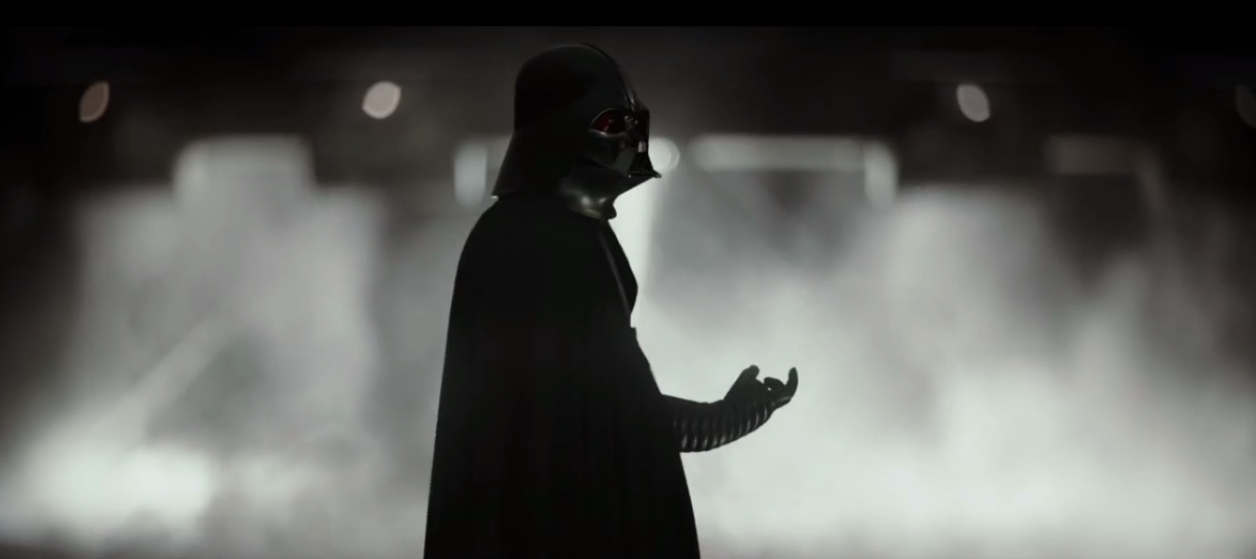
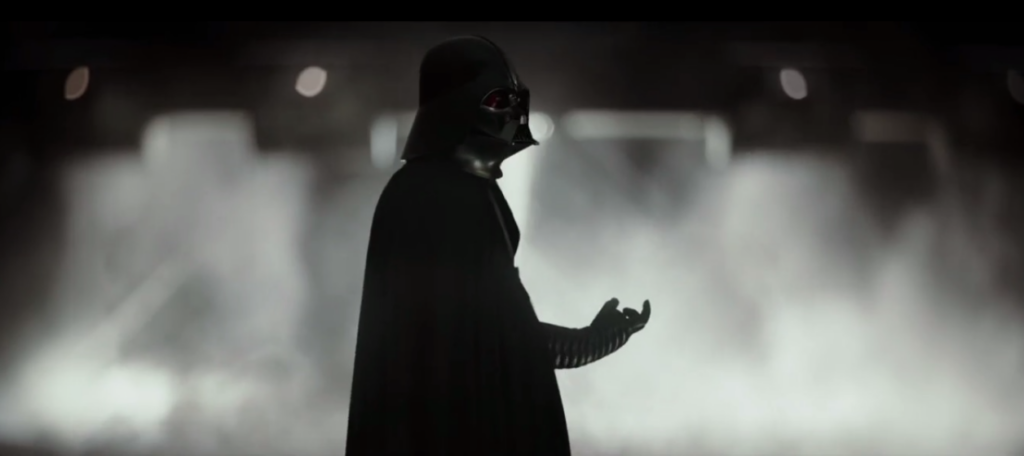
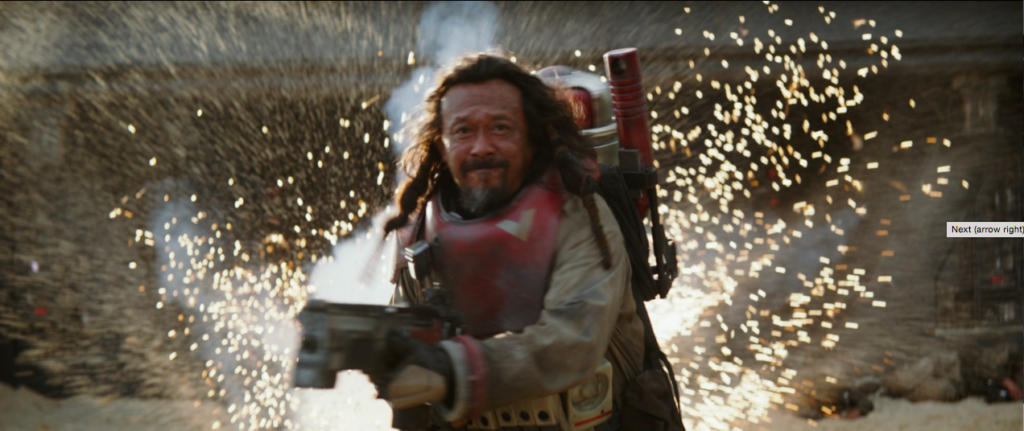
“Rogue One: A Star Wars Story” is unlike any “Star Wars” film before it. Its focus is on a ragtag group of would-be heroes defying command to stop the Empire. Okay, so it’s a little like a “Star Wars” film you’ve seen before, but not entirely. What sets it apart from all seven of its predecessors (plus that wookie movie we don’t talk about) is that it doesn’t focus on the Skywalker family.
star wars

The Synopsis

Jyn Erso, played by Felicity Jones, is a young woman whose father, Galen Erso (Mads Mikkelsen), is abducted by the Empire and forced to build a weapon of mass destruction. However, he slips a fatal flaw into the machine. He sends a message to the man he entrusted with his daughter, Saw Gerrera (Forest Whittaker). From there Jyn embarks on an adventure across the cosmos to stop her father’s worst nightmare from coming true.

By following a new team there is now precedent to explore all kinds of stories within the universe — from Mandalorians to Sith deserters — and even folks who exist outside of the war. The galaxy is a large space and there are a lot of stories to explore.
rogue one

Production

When Disney purchased the rights to “Star Wars” they retired all the comic, novel, and video game lines. These stories are now referred to as “Star Wars” Legends. The material here is ripe for reimagining.

The score also establishes a new tone in “Rogue One.” The traditional fanfare of John Williams has been replaced with the magical lilting sounds of Michael Giacchino. Other works from Giacchino include “Ratatouille,” “Lost,” “Cars,” “The Incredibles,” “Super 8,” “Let Me In,” and “Up,” for which he won an Academy Award.

Fans of the original score might miss the drama and tension Williams famously added to the original films, but Giacchino should be given a chance. He makes the smart decision to play on a nostalgic audience. Choosing whimsy and discovery over military-style marches to inspire hope in a hopeless time. His music is soft but powerful and it’s a welcome new sound.

The Visuals & Cameras

Cinematically this film is unique because it’s not shot like a space opera, it’s shot like a war flick. Beach scene battles feel like every World War II film. The same amount of attention is given to closeups as is given to big fight sequences.

Cinematographer, Greg Fraser (“Killing Them Softly,” “Zero Dark Thirty,” & “Foxcatcher”) didn’t rely on a single camera to create this look. He used a combination of digital, film, and refurbished lenses to achieve his goals. His goodie bag included the Arri’s Alexa 65, the Ultra Panavision 70 anamorphic lenses (which Tarantino used on The Hateful 8), and 35 mm film.

When Tarantino announced he would be reviving the Ultra Panavision 70 it caused a stir amongst cinephiles everywhere. Cinematographer Robert Richardson (“Hugo,” “The Aviator”) said of the lens in an interview with IndieWire.com, “When we saw Sam Jackson in a closeup — or anyone — it just aided the skin. It’s remarkable. We never used diffusion, the only filters we ever did were outside. It was stunning.”

The Arri Alexa 65 is a 6K, large-format camera that has been used in productions from the “Revenant” to “The Great Wall.” The only way to get the camera is through Arri rentals, but studios and indie productions alike are willing to spend the cash to get the crisp images. The camera is reported to have 26% more visibility on Imax.

The combination of classic film, clear digital, and sharp lenses give “Rogue One” a unique look. Blending both classic Hollywood style and modern action sequences to tell a breathtaking story that is both a war drama and a science-fiction thriller.

“Rogue One: A Star Wars Story” is a one-of-a-kind experience that is now playing in theaters.
Movie Trailer Editing: How Much Should You Reveal?

“So they’ve basically just shown us the full movie, then.”

It’s a common charge against many movie trailers, particularly in recent years. For whatever reason, it’s becoming common to show so much in the trailer that audiences wonder whether there’s any point in seeing the full cut.

It goes without saying that this is the exact opposite reaction that you want to elicit from your potential audience. Today, we’re going to look at the arguments for and against baring all during your movie trailer.

Warning: potential movie spoilers ahead!

Setting Out the Market Stall

A classic example of this would be the trailer to 2011’s “The Double,” which relies on a central plot twist that Richard Gere is the killer he claims to be hunting…

… something which is completely given away in the theatrical trailer:

Didn’t see the movie? Neither did anybody else. Commercially, it completely tanked (grossing $3m against a $17m budget), and we can’t help but suspect that the tell-all trailer was a deciding factor in the movie’s failure to garner interest.

But there is a case to be made for showing all your cards. Director Robert Zemeckis opines: “We know from studying the marketing of movies, people really want to know exactly everything that they are going to see before they go see the movie. It’s just one of those things. To me, being a movie lover and film student and a film scholar and a director, I don’t. What I relate it to is McDonald’s. The reason McDonald’s is a tremendous success is that you don’t have any surprises. You know exactly what it is going to taste like. Everybody knows the menu.”

Who is Dead?!

A compelling argument for sure, but a counter-point would be that this all applies only to specific types of movies; if you’re dealing in a formulaic genre, it’s generally good to reassure audiences that you’re hitting all the beats they’ve come to expect. Take the “Golden Eye” trailer, for instance — a lot of spoilers in there, but this was a Bond movie. There’s almost an unwritten contract of things a Bond movie needs to deliver, and the trailer is the best opportunity to advertise the fact that all of the boxes are ticked.

The same goes for remakes. The 2013 adaption of the Stephen King classic “Carrie” also had a spoiler-laden trailer, but for good reason; fans of the original needed assurance that all of the iconic scenes (such as the “prom reveal”) would be faithfully featured in the remake.

While Zemeckis makes a good point, unfortunately his movie “What Lies Beneath” probably wasn’t the best type of flick in which to pour every single plot reveal into the theatrical trailer:

It’s okay if you let slip that Tom Cruise will survive a big explosion in a “Mission Impossible” trailer. After all, nobody assumes for one moment that his fictional life is in any real jeopardy, and audiences already know he’ll live to survive for at least another movie for as long as the franchise remains profitable.

But a Hitchcockian-thriller relies heavily on a slow and suspenseful layering of reveals, and is entirely undermined when these reveals are telegraphed ahead of time.

Finding the Balance

Trailer editors working in comedy and horror also need to tread carefully. Viewers are remarkably good at spotting whether you’ve included all of your best gags and jump-scares within the trailer, which can be as much of a turn-off as a “Sixth Sense” trailer that reveals Bruce is already dead.

Ultimately, whether a movie trailer should hold its cards to the chest or bare all really depends on the individual movie itself. Balancing audience expectation and creating intrigue (as well as succinctly communicating what the film is about) is the recipe behind an effective movie trailer.

Gut intuition as an editor will get you most of the way, but consider extensive test screening of your trailer with different audiences to get an indication of whether you’ve struck the right balance.

And we cannot understate how important that balance is. After all, those three minutes of trailer can make or break your 90 minutes of feature.

Using Adobe After Effects, students in our 12-Week Evening Workshop program will develop an understanding of the principles of visual effects, motion graphics, and animation. Visit our 12-Week Adobe After Effects Workshop page to learn more about the program.

Fashion Photography Tips Every Budding Annie Leibovitz Needs

Fashion photography has generated some of the most inspiring, iconic, and wide-reaching images, yet it’s not without its challenges. One of the most challenging — and rewarding — experiences you can have as a photographer involves an editorial shoot. Of course, arranging a shoot that goes along smoothly and without any hiccups is a difficult feat.

Despite the challenge, photographers love these opportunities because they offer their own form of fun and creativity. No matter whether you’re completely new to the world of fashion photography or you’d simply like a refresher on the basics, we’ve rounded up some tips that can help you refocus and plan your fashion photography editorials. Especially if you’re new to fashion photography and want to prepare an editorial shoot of your own, keep this advice in mind:

Before You Start, Have An Idea

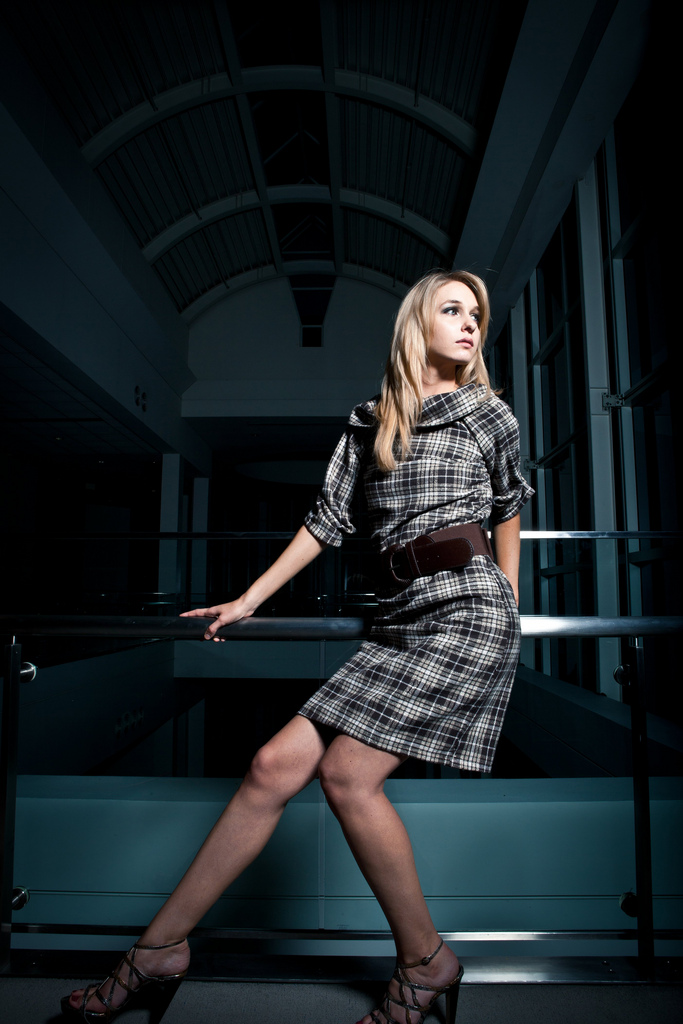
fashion-beauty-model-portrait

Every good fashion shoot starts with an idea well before the scene is prepared and model is chosen. Going into the shoot there should already be an emotion or atmosphere that you’re trying to create in order to better promote the clothing, hair, etc.

The good news is you don’t have to be too specific, nor do you have to stick with the idea if inspiration arrives later. Whether you’re just going for an ‘80s vibe or want a goth look, having a general concept in mind is the best way to start.

Seek Inspiration If Necessary

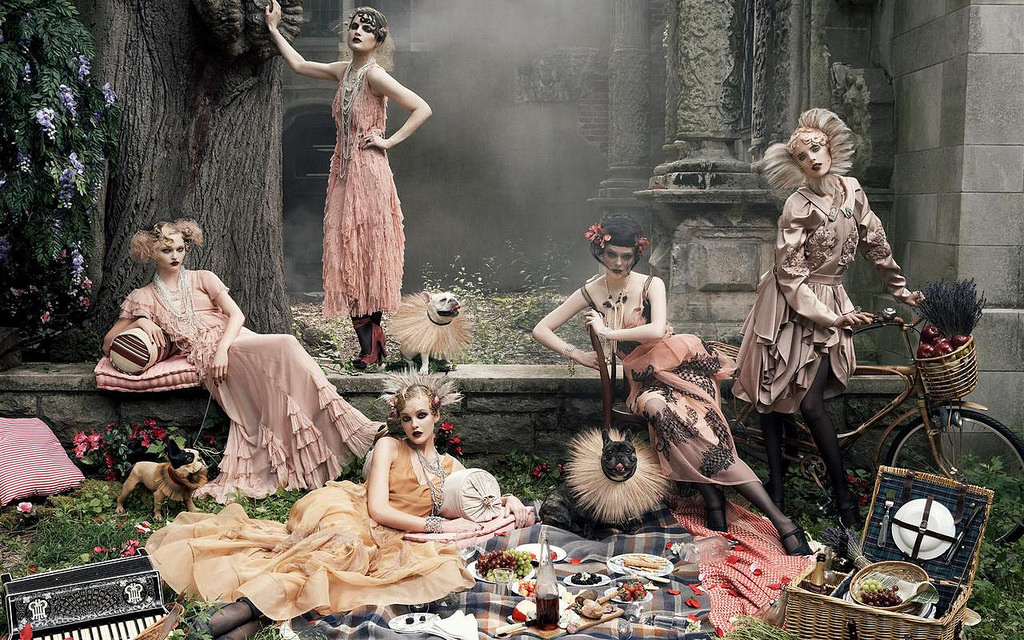
fashion15516833711_40b99c497c_b

Having trouble with that last tip? Or perhaps you do have an idea but you’re not sure how to best convey it via your photo shoot? With the advent of the internet and social media platforms, finding inspiration from other people’s work is easier than ever.

Don’t worry: Finding inspiration from the great fashion photographers before you isn’t “cheating,” and even the top photographers in the world sometimes gain ideas from elsewhere. We recommend studying fashion editorials and scrolling through photo sharing platforms like Pinterest and Instagram to check out pictures that can help you hone in on your own idea.

Find The Right Model For You

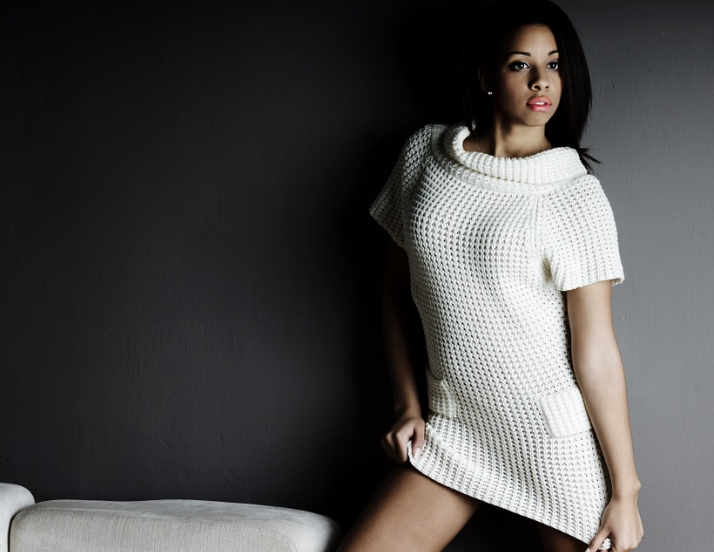
photography-459495_960_720

This step is arguably one of the more nerve-wrecking ones, since your model will be the face of your editorial. Fortunately, there are talented aspiring models everywhere who are looking for the opportunity you have to offer. If you’re new to the scene, you may have to pick from non-experienced models, which is a gamble. If you can, find yourself experienced models that have done this before and are serious about it.

The internet is ripe with places to find agency models that are pretty much guaranteed to show up and do a good job. It may cost you money but if you plan to submit your editorial to a respectable magazine, it’ll be worth it. They’ll also have a good selection of models for you to choose from so you find the perfect collaborator for your idea.

Assemble A Team You Can Trust

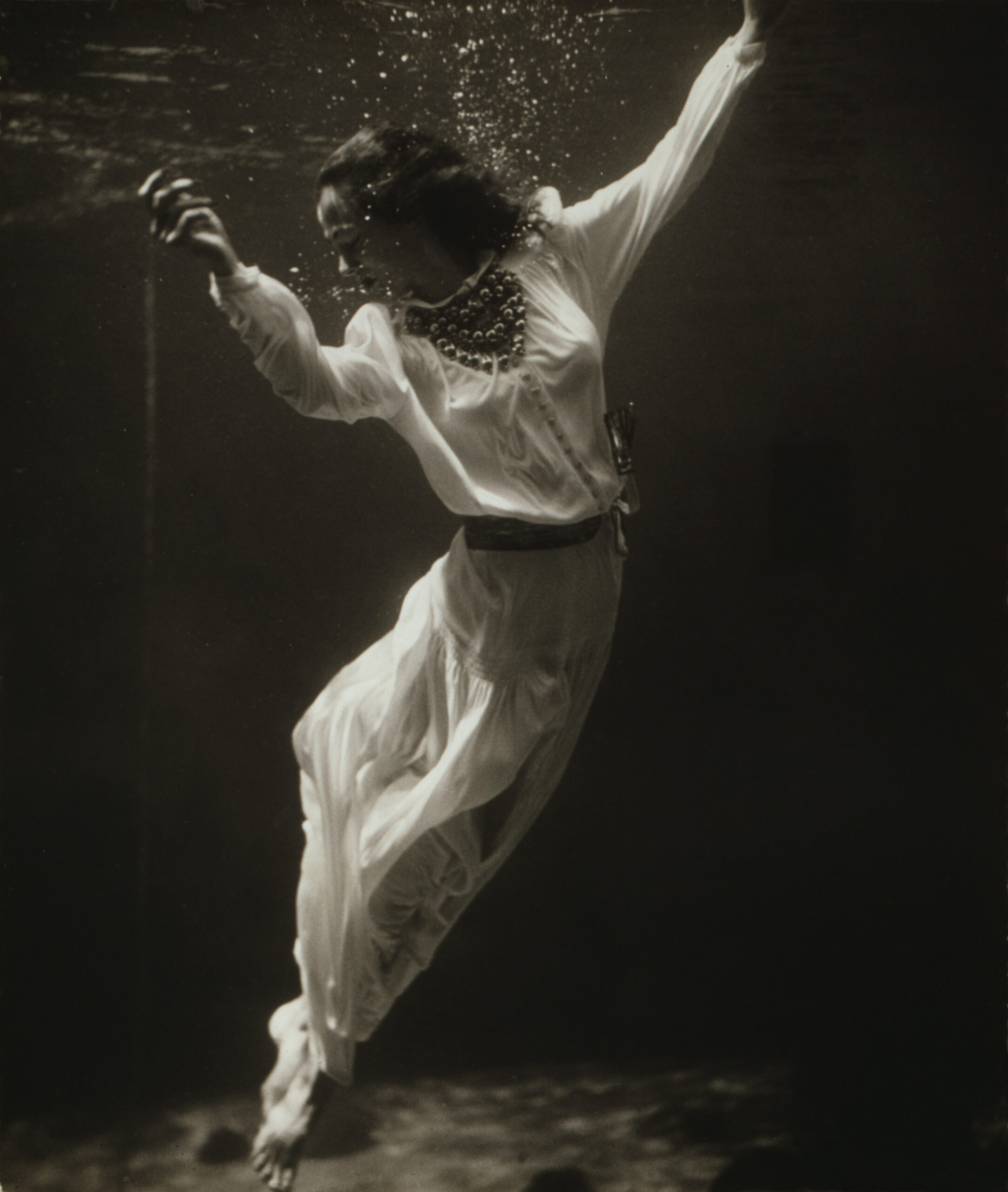
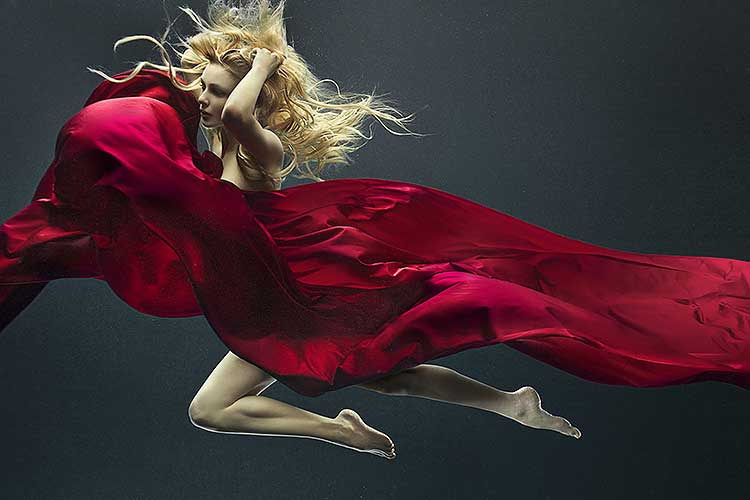
Fashion_model_underwater_in_dolphin_tank,_Marineland,_Florida_cph3g08173u

By “a team you can trust” we mean people who have proven their talent and are responsible enough to commit to your project and follow through. While your good friend might say they’re amazing at makeup, we recommend connecting with someone who has professional-level experience. The same goes for the other two important people you’ll need to work alongside your makeup artist: a clothing wardrobe stylist and a hair stylist.

If you think you can also handle one of these tasks yourself, fantastic. In fact, this might be necessary for newcomers who don’t have enough time in the field or networking under their belt to know a lot of people in the industry.

Perhaps one of the most important qualifications when considering potential teammates is that they are excited about your project. They should be just as invested in the shoot as you are. That way, the work has a real chance to shine.

Find A Good Location

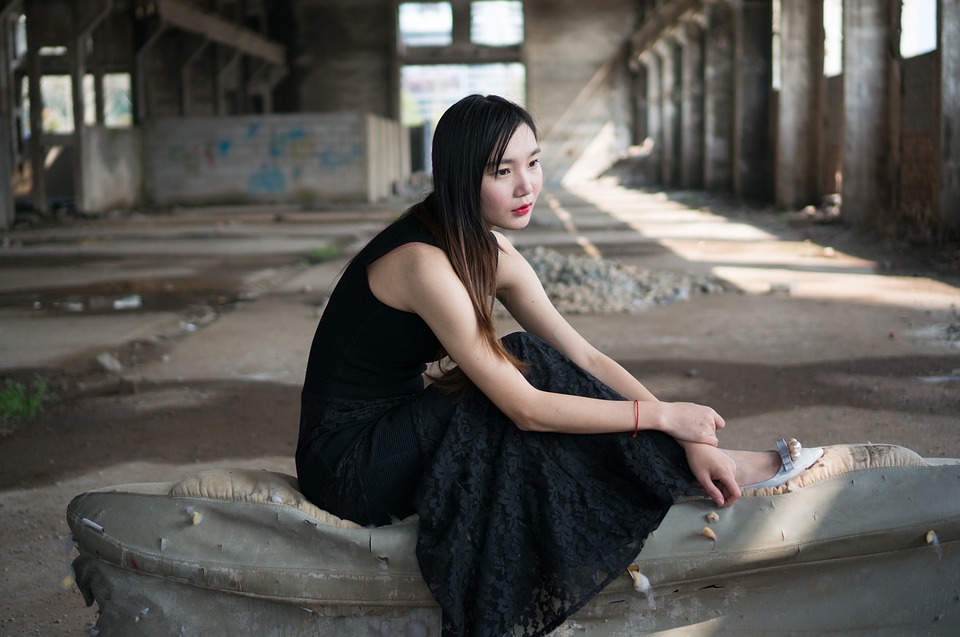
800px-Panna_a_Netvor_X_Michalikova_Pikous009

You have your team, your idea, and your model. If you haven’t already, you’ll definitely want to start considering the best locations for your shoot. No matter how fantastic your model and clothing look, a good or bad location can make all the difference.

Outdoor shoots are usually a bit easier since most places have no restrictions — though, depending on where you are, you may still need a permit to hold a photo shoot in a public place. Most indoor places such as a church or mansion require permission, and you’ll need to shoot an email or file a permit to square away your location beforehand. You might even find a great local venue that lets you shoot there for free.

Take A Deep Breath And Shoot!

model4852726091_c1fe117b6b_b

Once the date you set for your shoot has arrived don’t worry if you’re suddenly a combination of nervous, stressed, and excited. Our advice is that you take a moment to relax yourself and remember that this is your shoot, so have some fun and remember what you know about portrait photography! Remember that many shoots don’t go exactly as planned, and that’s OK. Sometimes, the hiccups and challenges on the day can lead to new ideas and great images.

Instead of panicking, just work with what you have and try to enjoy the process. Whether everything goes as planned or you run into a bump or two, remember: It’s all about the clothes. Do what you can to keep your focus on the fashion.

Decide Where to Submit

girls-1087477_960_720

You probably already had a particular magazine or two in mind before you even started shooting. This is the best approach, since every magazine comes with its own style — which means they tend to select work whose aesthetic fits with theirs. Use the power of the internet to search for places that might be interested in picking up your work.

Lastly, be patient. Some photographers grow anxious when their first choice of magazines don’t agree to publish their work. The biggest mistake you can make is to give up and forget about your photos— or worse, show them off on social media. Magazines especially prefer their photos to be exclusive, put off tossing your work online and just keep sending them out until you find success. Fashion photography is full of challenges and rewards, so happy planning!

What are your favorite fashion photography tips? Let us know in the comments below!

Are Food Documentaries Changing the Food Industry?

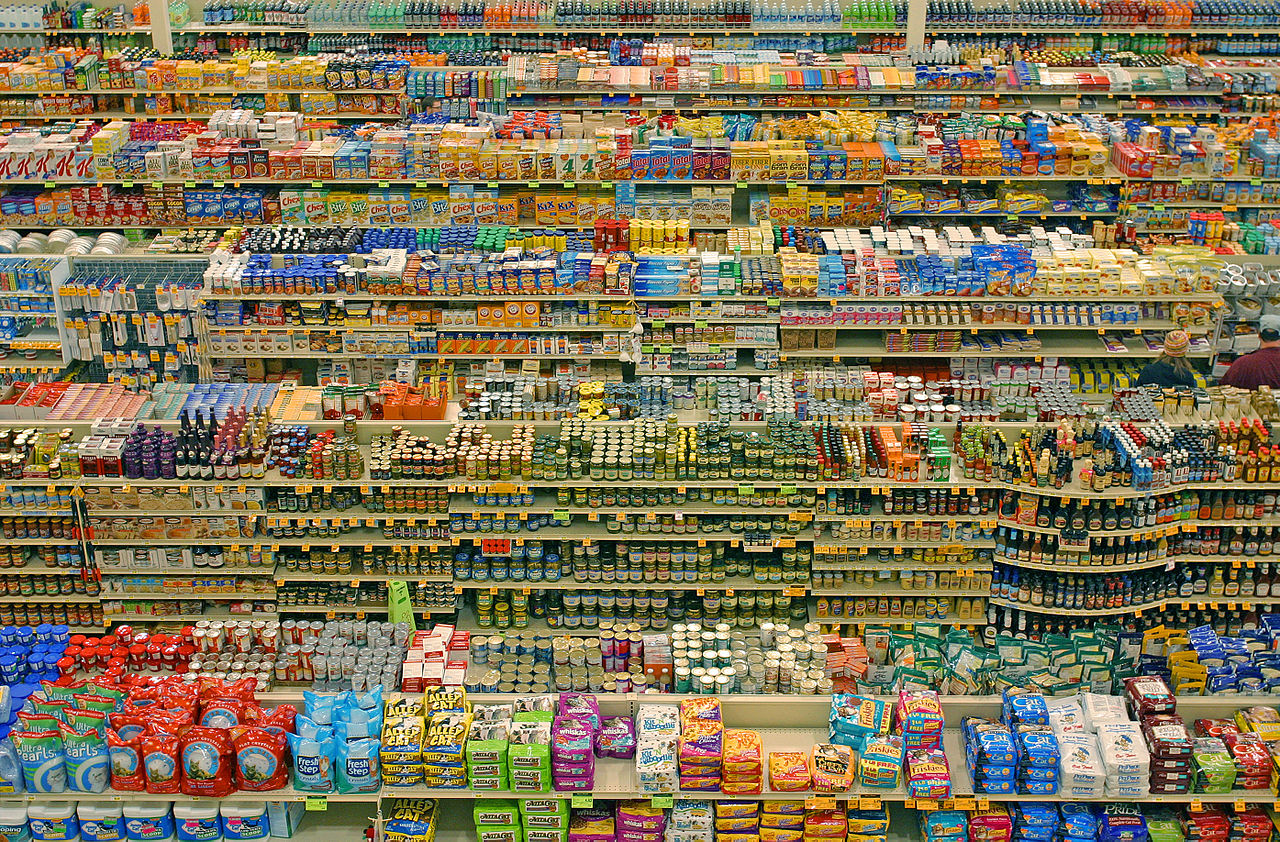
1280px-Fredmeyer_edit_1

While the purpose of a documentary film can vary, most documentaries are made with the intention of promoting one thing: change. By uncovering hidden truths and enlightening viewers with valuable information, a documentary filmmaker hopes to help people realize there’s a problem and do their part to fix it.

Shedding Light on Unhealthy Truths

Such is the case with food documentaries, which look to help audiences discover disturbing secrets about the very food we put into our bodies. Whether the focus is on unsanitary conditions of animals and overuse of chemicals or the complete lack of nutritional value in today’s fast food chains, these kinds of films want viewers to rethink if what they eat everyday is actually doing them good.

Of course, it’s not easy taking on arguably one of the most powerful industries on Earth. The food industry is a colossus, which means it’s to their benefit to keep unsavory facts about food production in the dark. Food documentary filmmakers certainly have their work cut out for them, but has their work actually shown signs of any impact?

You Are What You Eat

To answer that question, one must look at perhaps the most popular food documentary of all time: “Super Size Me.” This film follows a man on a 30-day diet consisting only of McDonald’s food. While eating three McDonald’s meals a day, he went from a healthy 185 pound weight to a heavy 215 pounds — all in one month.

Fast_food_meal

Despite walking 2,000 steps a day, which matches the average American’s daily physical activity, the man saw his fat content rise 7 percent and cholesterol rise 65 points, essentially doubling his risk of heart disease. The three doctors featured in the film were astounded by the change and even suggested he give up the diet to avoid health problems.

“Super Size Me” became a huge success, grossing more than $11 million in box office revenue. People were flooding into theaters to learn just how unhealthy the fries and burgers they’ve been eating themselves and feeding their children actually are.

Our Food Industry

Four years later, Robert Kenner released his own food documentary, titled “Food, Inc.” This film also struck chords across America, revealing the corporate side of food production. Viewers gasped as they saw the cruel treatment and sad, short lives of the animals eventually slaughtered, packaged, and distributed at stores to eat.

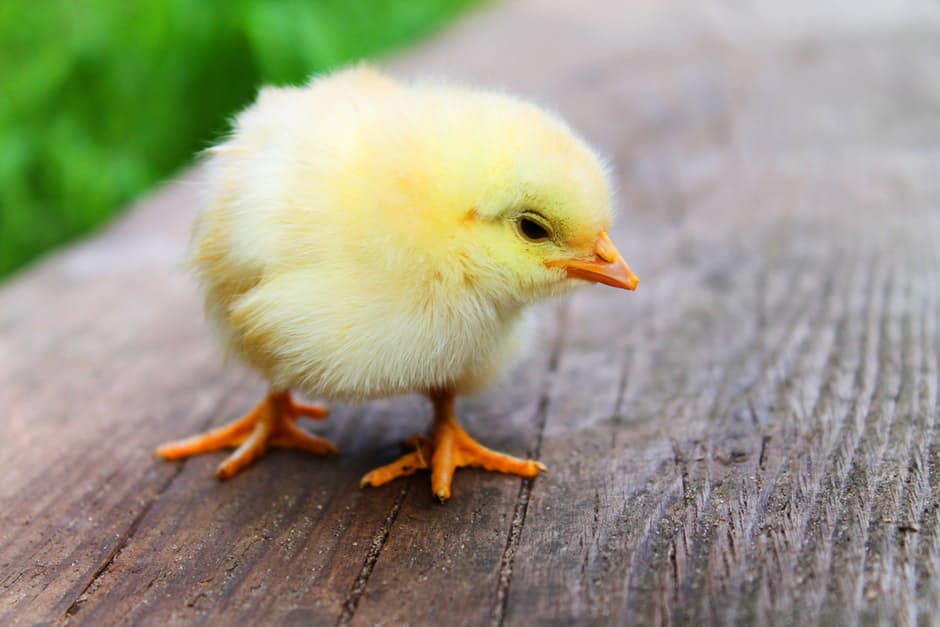
animal-easter-chick-chicken

The power of Kenner’s film is fueled by a simple, ugly reality: Finding meat that isn’t made from abused animals is difficult today. It was the perfect film to follow up “Super Size Me” because it helped audiences realize that just because they stopped eating at McDonald’s didn’t mean they’d solved the problem of supporting a controversial system within a controversial industry.

Making An Impact

Both of the food documentaries we mentioned managed to influence thousands of people across America. But it hardly matters if food production and consumer habits remain basically the same. So do food documentaries actually influence the food industry to change?

Between these two influential movies, the answer is yes. Change did happen. In the last decade we’ve seen more regulation of trans fats in food, including stricter nutritional labeling. Even McDonald’s has introduced healthier food options while also using their resources to educate children on eating correctly. They even cut ties with long-time egg supplier Sparboe Farms, who received backlash for alleged animal cruelty. And just this month the World Health Organization (WHO) endorsed the idea of a sugar tax for sugary drinks. Food documentaries, and increased public awareness, are certainly behind this increase in conversation.

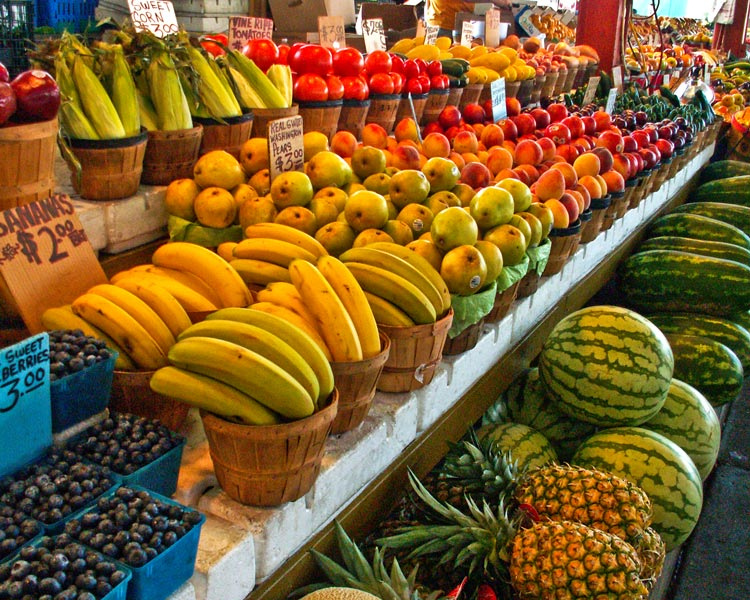
food5932294914_2ba9261017_b

The fact that “Super Size Me” and “Food, Inc.” alone helped create change in the world’s biggest food chain on the planet is a testament to the power of the food documentary. The fact that countless more food documentaries have been produced since them also helps prove one thing: Although slow and steady, food documentaries are making a difference.

Best of all, we’ve seen these game-changing films — and the makers behind them — have a direct positive impact on NYFA documentary students and alumni. Warrior Poets’ Matthew Galkin, is an instructor in our Documentary Filmmaking Department. This community connection to award-winning and active documentary filmmakers is only a small part of why the New York Film Academy’s Documentary Filmmaking School has been rated by Independent Magazine as among the 10 Best Documentary Programs.

What other ways have you seen food documentaries impacting the food industry? Have you personally felt influenced by a food documentary? Let us know in the comments below!

Gorgeous Fashion Photos and What They Teach Us

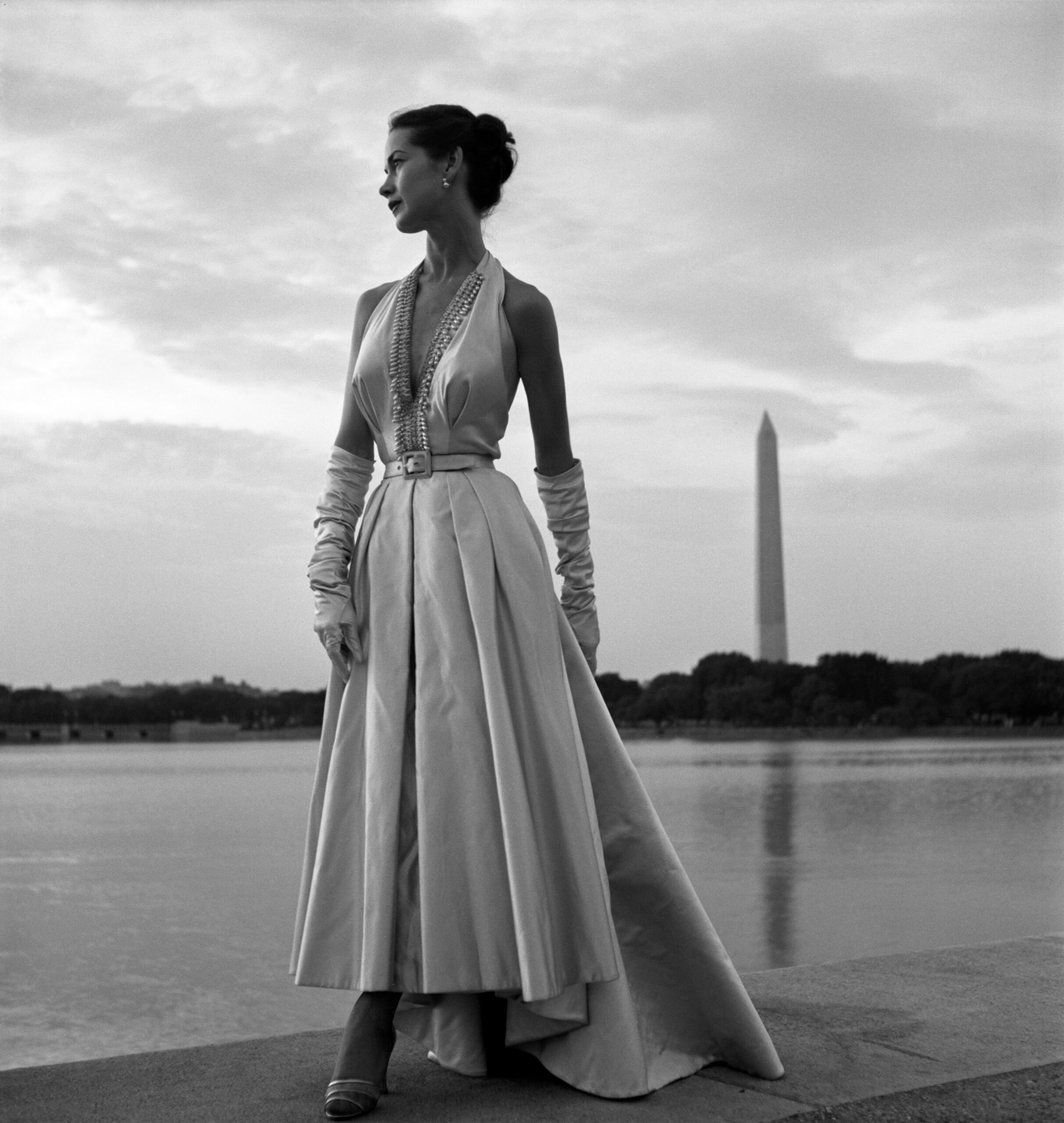
Toni_Frissell,_Fashion_model,_Washington,_D.C.,_1949

In an ad culture dominated by beautiful images — visual representations of products meant to appeal to our desires and imaginations — it’s easy to stop paying attention to individual photos, even if they are sitting on the cover of a magazine, or displayed boldly on a billboard, or hidden in the corner of a Facebook feed. At NYFA, we are training students to create work that breaks through the noise, calms the overstimulated eyeball, and captivates the attentions of onlookers. Our new Fashion Photography workshop will teach students how to create the best images through, in part, the examination of the greatest existing fashion photographs. Here are some of the most elementary steps to creating your own gorgeous image.
Subject: Give your subject icon status.

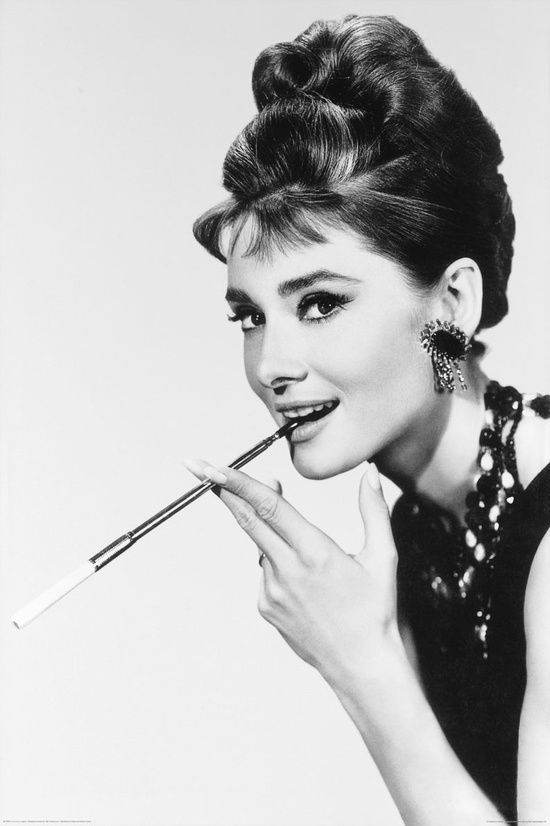
Audrey_Hepburn_smokes

What would a discussion of fashion photography be if it did not acknowledge the quintessential image of Audrey Hepburn in her “Breakfast at Tiffany’s” getup? Though Hepburn’s portrayal of Holly Golightly in the film is what ultimately garnered her the most adoration and respect, the succession of promotional images of her in her black gown and pearls, holding a cigarette, gave her some serious star power. She is also known for her uncommon beauty and her expressive, bushy eyebrows.

12581163633_7c656edc3e_b

In choosing a subject for your image, it is not necessary that the model fit certain requirements, like having poignant features or unique looks, or adhering to traditional American beauty norms. Rather, the perspective of the photograph, and how it portrays the model, should be special. Give your model a cool hairstyle or a striking costume or a relentlessly emotive facial expression. This can be done in many ways and it is truly up to the photographer’s preferences, in combination with stylists, designers, and other artists.

Staging: Be dynamic.

staging15496830956_75e2be0f60_b

Whether the image shows many models, a focal point model with supporting models in the background, or a single model alone, the models should be positioned in a way that interacts with the rest of the image and/or the camera. They can fill the frame or they can appear to be far away. Regardless of how the image is composed, it should draw onlookers in. A person passing by the image can be surprised by its unique staging, or confused about the actual narrative of the image, or just visually delighted by the way the image has been put together.

Lighting: Play with contrast and shadow.

Screen Shot 2016-11-23 at 1.50.58 PM

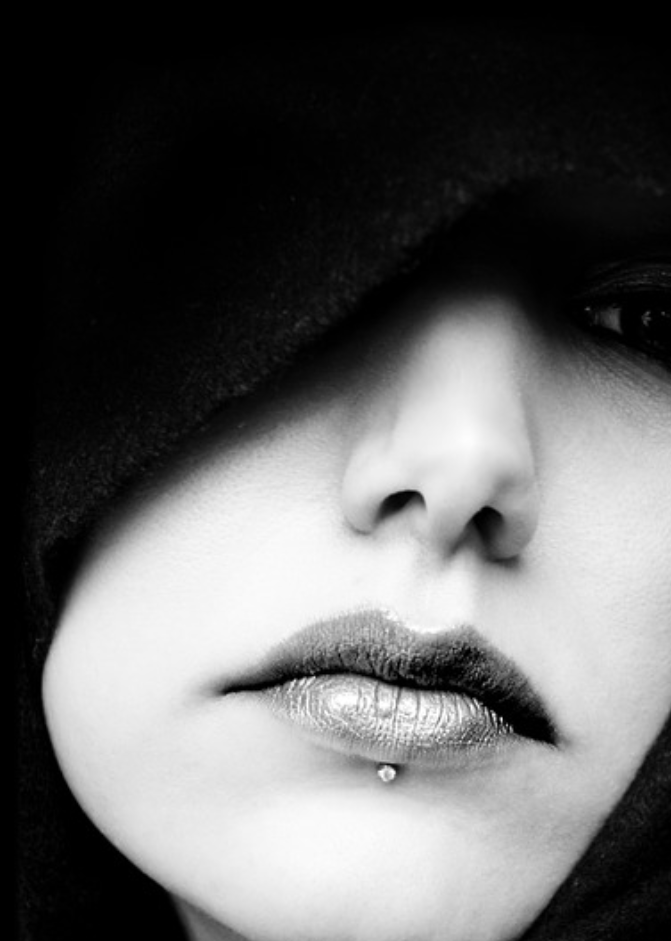
In a fashion photograph, strategic uses of darkness and light are incredibly effective. By its nature, lighting draws attention to what it hits: highlighting it. Beautiful images are taken with a consciousness for the parts that are necessary, or most appealing, to highlight. Lighting can bring emotion to an image. For instance, the use of extreme shadow in Pablo Roversi’s fashion images gives them a certain ethereal quality, one for which the photographer has been recognized time and time again. Also, consider using deep contrast.

Editing: Honesty is beautiful.

Screen Shot 2016-11-23 at 1.52.45 PM

Keep in mind the real issues with fashion photography and image editing. Airbrushing and PhotoShop are criticized for making photographs fake, for positing an unattainable beauty standard that is damaging to the general public. Pose this question to yourself: How can I treat these issues without compromising the artistry of my photo? A beautiful image is often created by a great photographer, not a great editor. Our fashion photography program will teach students to build these skills, to discern what must be concealed and what must be exemplified in the composition of an image. We have already considered how a photo can do this in terms of subject, staging, lighting, and editing.

21886113740_2484df3878_b

What are the fashion images or icons that inspire your photography? Let us know in the comments below!

What to Include in Your Graphic Design Portfolio

Whether you’re still a student, fresh out of college, or already have a job but want a better one, a graphic design portfolio is vital nowadays. Your portfolio can be your key to entering the industry, and your strongest tool in presenting yourself, your design work, and your goals to prospective collaborators. Your portfolio is more than your calling card. Think of this as one of your greatest design projects so far: You are designing a project that communicates who you are as a designer to the world. Companies and clients don’t only want to hear you talk about how great you are at graphic design — they want to see your designs, and they want to get a sense of what sets you apart as a designer! Overall, an effective portfolio should showcase “design solutions that demonstrate effective communication.”
The following are four tips we recommend when deciding what to include in your graphic design portfolio. No matter which aspect of the graphic design industry you have your heart set on, considering the following will help you stand out as you pursue your dream job.

Include Your Top Work at the Start and End

Your goal should be to wow the viewer of your portfolio from start to finish. A great way to do this is by starting with one of your strongest designs so it’s the first thing they see. If you’re going with an online portfolio, arrange your page/s so that your strongest example is readily available and catches their attention first. At the same time, you also want to save one of your top designs for the end as well.

This makes it so that the possible employer leaves your portfolio on a very positive note. All your work should impress the viewer, but your final piece should leave them thinking about your designs even after they’ve moved on to the next part of their hiring process. If you get called in for an interview, you’ll have a better chance of referencing one of these start/end pieces and the interviewer knowing which one you’re talking about.
Present a Short Video Reel

While their goal isn’t to see if you’re good at video editing, agents and hiring managers are usually impressed when a graphic design portfolio includes a video clip. Instead of having to click through all your design samples on your portfolio site or flip through physical pages, they can get a glimpse at your best work quickly and effortlessly via video.

Don’t worry; your video doesn’t have to be long at all. Since most hirers only spend a minute or two glancing through a portfolio, a minute or two is enough time to make sure they see your designs. Music is a very powerful tool, so add some music to give the person observing your work a more enjoyable experience.

Have Samples of Different Types of Graphic Design

What kind of work you show off obviously depends on your skills and interests as a graphic designer. But whether your goal is to work on logos and branding or you prefer user interface design, potential employers want to see flexibility.

For this reason, we recommend trying to have pieces that display your ability to orchestrate production elements (typography, geometric vector artwork, photo manipulation, infographics designs, motion graphics, and interactive print media) in service of clear and compelling communication. Doing so, you’ll demonstrate a wide range of abilities and familiarity with programs, making you attractive no matter what graphic design job you apply for.

Ask Others When Choosing Your Best Work

You definitely want to include the designs that best demonstrate your skills, creativity and experience. It can also help to take time to show your work to others and ask them which they think are the best. Creating an effective portfolio can be a tough process, but it’s worth taking the time to carefully vet and curate the pieces you choose to include. After all, your portfolio itself is a work of design, and with some care and artistry it can effectively communicate exactly the kind of designer you are to someone new to your work.

What does your graphic design portfolio say about you as a designer? Let us know in the comments below!

How to Prepare and Conduct a Documentary Interview

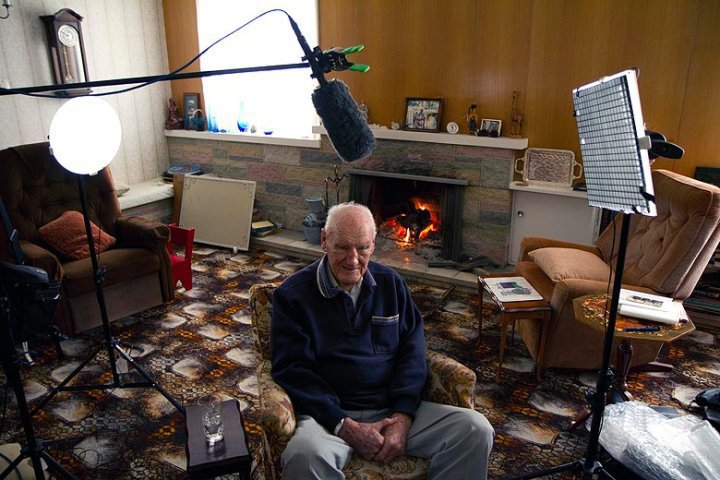
Phil_Lamason_Interview

You’ve got the story of the century and some great subjects willing to bare all on camera. It’s a one-time opportunity to make some great documentary footage, so here’s how to make sure the interview goes swimmingly.

Getting Set Up

As with any shoot — not just documentary interviewing — the key to perfect footage lies in the setup. A few things to consider:

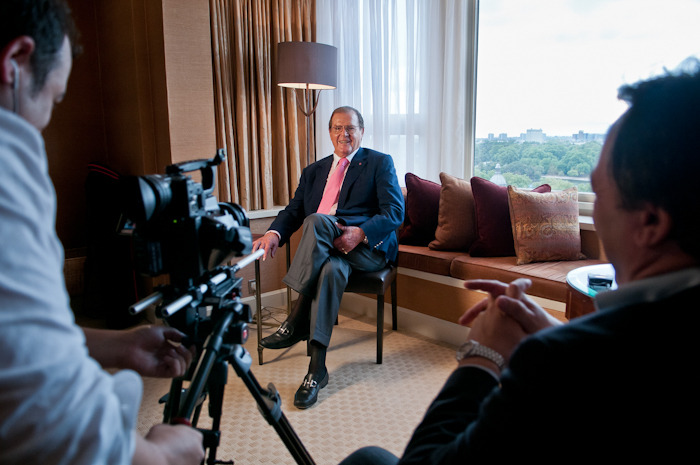
Background: You’ll want think carefully about where you place your subject, both from an aesthetic and exposure point of view. It’s worth reading up on our guide to filming in natural light for an in-depth look at how your choice background can make or break a shot.

Multiple Cameras: Having two different camera angles (or perhaps one recording wide while another does close up) will give you additional options in the editing suite, as discussed in more detail further down. It’s standard practice to have the subject looking at you and at a slight angle to the camera rather than directly into it.

sound546774635_1280x720

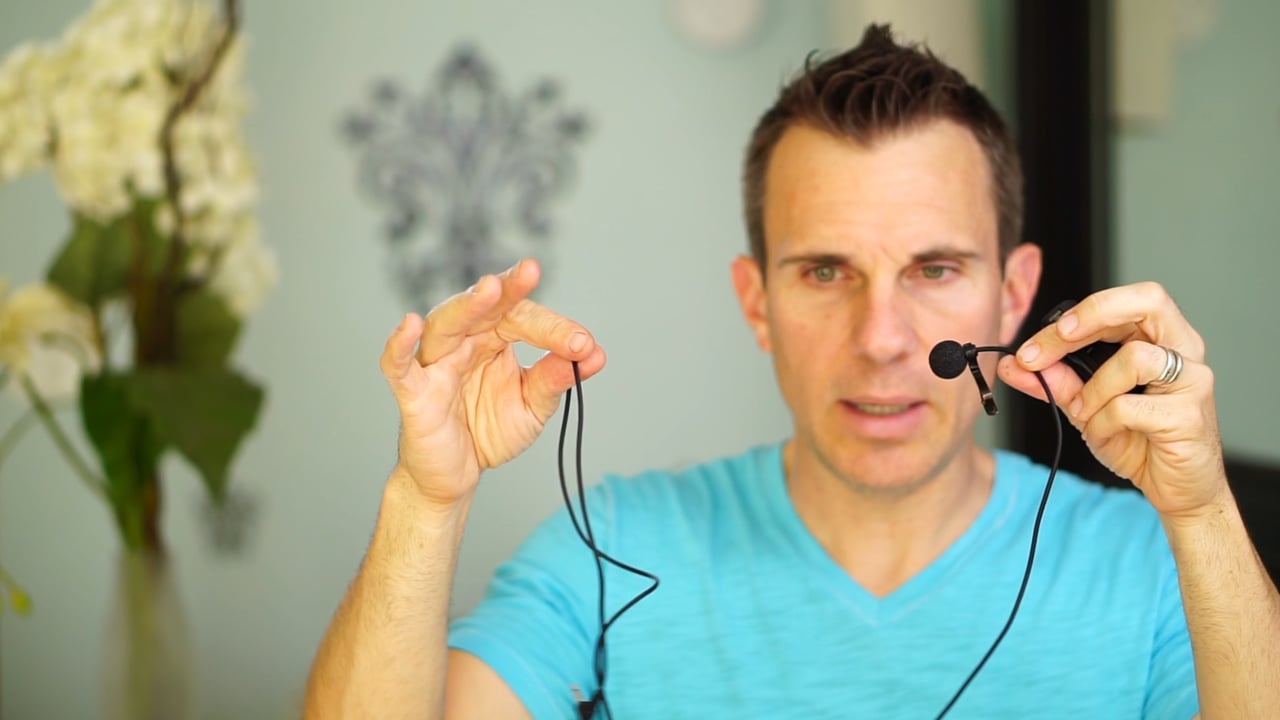
Ambient Noise Level: Do a mental check of any background noise that might pose problems later on. It’s easy to overlook constant, low noises (like air conditioners) on the day, but they’ll stick out like a sore thumb when you listen back!

If time allows, try to factor in some time with the subject before the interview, especially if you don’t know them — it’s good to build rapport before you start firing questions at them, and it’ll help soothe everyone’s nerves … it can be quite an overwhelming experience for those who aren’t used to being interviewed! Finding small ways to make the process as comfortable as possible for your subject is always beneficial.

And of course, the main piece of preparation you need to focus on is the questions themselves…

Interview Preparation and Conducting

A few well-worded questions are all it takes to transform an interview from “good” to “great.”

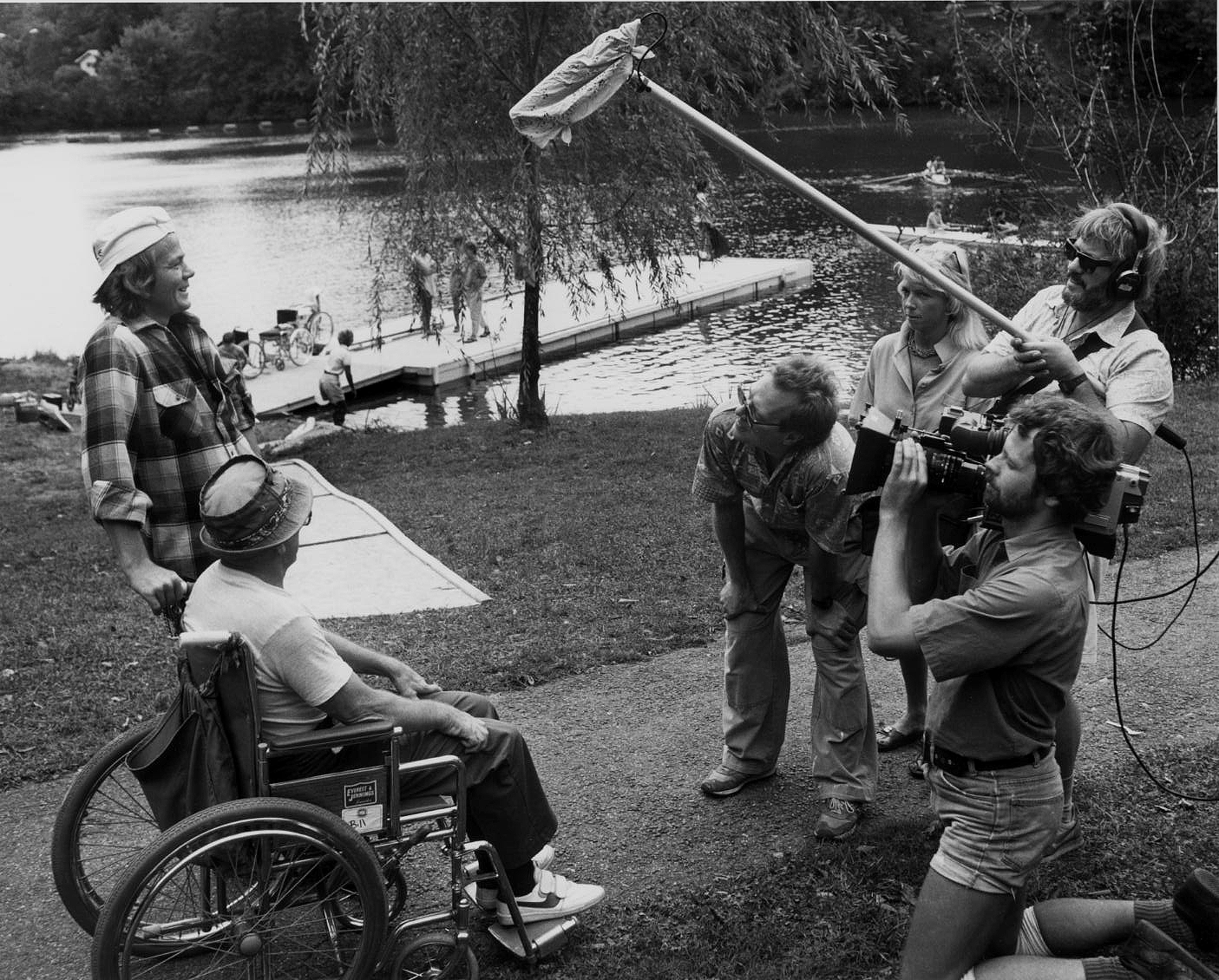
Electronic_journalism_crew_shooting_interview_on_location

Naturally, what these questions will entail depends entirely on your subject and nature of the discussion, but some good rules of thumb on both the writing and asking of your questions include:

  • Avoid yes/no questions. Rather than, “Did you feel under pressure during the incident,” a more open-ended approach such as, “There must have been a lot of pressure on you during the incident,” will yield more usable results.
  • Have the interviewee repeat the question as part of his or her answer. You’ll find it much easier to edit afterwards since the context is built into what they’re saying.
  • Avoid interrupting. You can always make a cut when the answer goes on too long, but it’s much harder to edit around an interviewer’s interjections.
  • In fact, avoid making any sound whatsoever. Outside of actually asking the question, don’t make the mistake of adding non-verbal noises (such as “hmmm” or gasping) while listening to your subject.
  • Have a solid idea of where you’re trying to lead the interview. Think of your time with the subject as one part of the whole documentary; you’ll have a clear idea of the overall narrative, so use pointed, structured questions that’ll lead you neatly onto the next part of the film.

Knowing when to let things veer away from the prepared questions and when to bring things back is a skill that can only be learned with time and practice, but trusting your instinct will get you most of the way.


Get as Much B-Roll Footage as Possible

You may be absolutely riveted by your subject while conducting the interview, and with a bit of luck they’ll give you more useful material than you could ever hope to use in the final cut.

However, a static shot of someone talking isn’t always that appealing for long periods of time from the audience’s perspective. You’ll probably want to overlay contextual B-roll footage to illustrate what your subject is saying, give the viewer a visual break, and add a little flavor.

It’ll make your life a lot easier to get as much B-roll footage as possible ahead of time rather than heading back out during the editing phase, particularly if you want the subject to be in the footage themselves.

However, there will be moments where the interview gets really good and you don’t want to switch to B-roll, particularly in emotionally powerful moments. For that, you’ll want to use a slider.

Sir_Roger_Moore_interview_for_The_Elstree_Project

Creating Subtle Movement

If you want to zoom in on a subject (or pan across the room) during a documentary interview, you’ve got two options: manually zoom or move the camera, or make the adjustment during post.

The latter isn’t ideal from a quality point of view, and the former is tricky to do effectively on the fly (especially when you’re trying to conduct the interview at the same time).

The solution? Use a slider.

It’s a low-cost, highly effective solution that will add a level of dynamism to your interview footage.

Never Stop Filming!

It’s not uncommon (in fact, it’s usual) for the real gold to happen outside of the interview. Keeping the cameras rolling both during the setup and long after you’ve finished asking questions may prove to be the best documentary tip you ever implement.

Hopefully you’ll have way more footage than you’ll ever need, so now the fun begins: click here to read up on how to edit your interview footage for maximum impact.

A good interview goes a long way in a documentary, but it’s only a small piece of the equation. At NYFA, we value a rounded education in our Documentary Filmmaking workshops to prepare students for every part. To learn more, visitn our 6-Week Documentary Filmmaking workshop page.

Q&A with NYFA Alumnus: Adrian Rodriguez


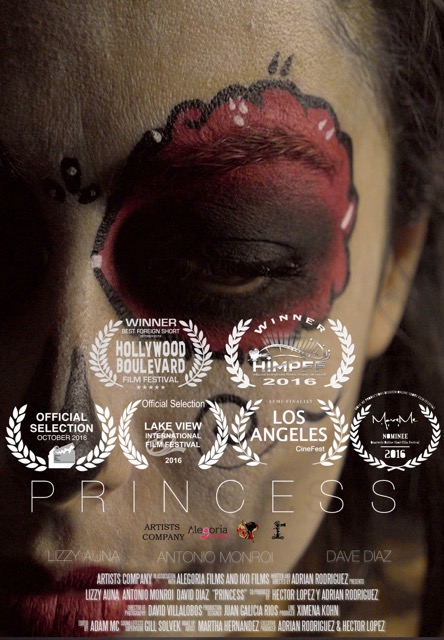
Princess2
New York Film Academy alumnus Adrian Rodriguez has been hitting the festival pavement with three new films, “Princess,” “43,” and “New Dawn.” He took some time off from collecting awards to sit down with NYFA correspondent, Joelle Smith, to discuss how he’s building his career, his art, and what’s next on his to-do list.

Joelle: Tell us about your latest projects.

Rodriguez: I have directed three award-winning short films in the last two years:

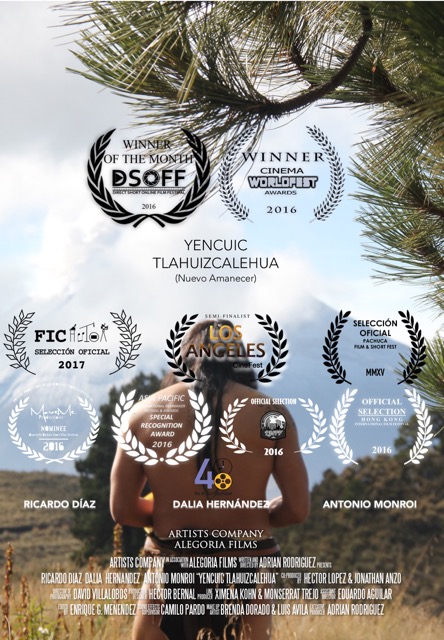
“New Dawn,” won Best Director at To the Point Short Film Festival and at the Direct Online Film Festival. It won Best Short Film at WorldFest International Film Festival:  “Short Film narrating the mystical time-traveling journey of Ocelot, the Aztec Jaguar Warrior.”

“43” won an award at Feel the Reel Film Festival. It was an Official Selection at Move Me Production Film Festival and London Rolling Film Festival: “Julian and Marcos are part of the 43 students that have gone missing in Ayotzinapa, Mexico. Gonzalez, leader of thepolice, threatens their lives”.

“Princess” won an award at the Hollywood Boulevard Film Festival, Hollywood International Film Festival, Los Angeles Cine Fests, and the Move Me Productions Film Festival. Recently, “Princess” was a strong nominee for the “Best of the Best” at Fest Forums Film Festival in Santa Barbara, CA: “Princess is a young good-looking prostitute who works for a man who cares dearly for her. Princess, however, plans to kill him and leave the street business for good.”

Joelle: What was your process for applying to film festivals? Were you surprised by the outcome?

Rodriguez: The process wasn’t about just applying, it was selecting the most adequate film festivals for each of the short films. Target the right market. Platforms such as FilmFreeway and Without a Box are the best for submitting. I was certainly surprised by the outcome. Never expected for my films to win awards.

Joelle: What have you learned in the process of making these three films?

Rodriguez:  Filmmaking is a beautifully complicated process from concept development to post-production. However, the one thing that I have learned is that a great film can be done with a small budget. All it takes is a great narrative, highly talented filmmakers, and a dedicated cast.

Nuevo Amanecer

Joelle: Where does your inspiration come from?

Rodriguez:  Life experiences. Traveling. Understanding where do you come from and more importantly what do you want to communicate to those who see your films. Cinema is a language, and such language must have an aftermath meaning — a prestige.

Joelle: What are you hoping to achieve in the next five years?

Rodriguez: My aim is to finish my first feature film. Consolidate a financial deal to acquire the necessary resources and finally initiate the pre-production process. Plus, I hope that one of my films, if not all, get recognized internationally winning a strong award in film festivals such as Venice Film Festival, Cannes or Sundance.

We at the New York Film Academy would like to thank Adrian for sitting down to talk with us, and congratulate him on all of his success!

American Music Awards: Nominees in Films

The American Music Awards are arguably one of the biggest music awards show of the year — so much so, that they are still buzzing a week later! The success of the AMAs comes from allowing the public to vote for their favorite artists — in comparison, Grammy winners are chosen by Voting Members. Thus, the AMAs are seen by fans as the truest celebration of what today’s music industry has to offer.

For those unaware, many of the top nominees from this year’s ceremony have also shown off their acting skills in the past, in film! The following are some of the biggest names from the 2016 AMAs that have also starred on the big screen.

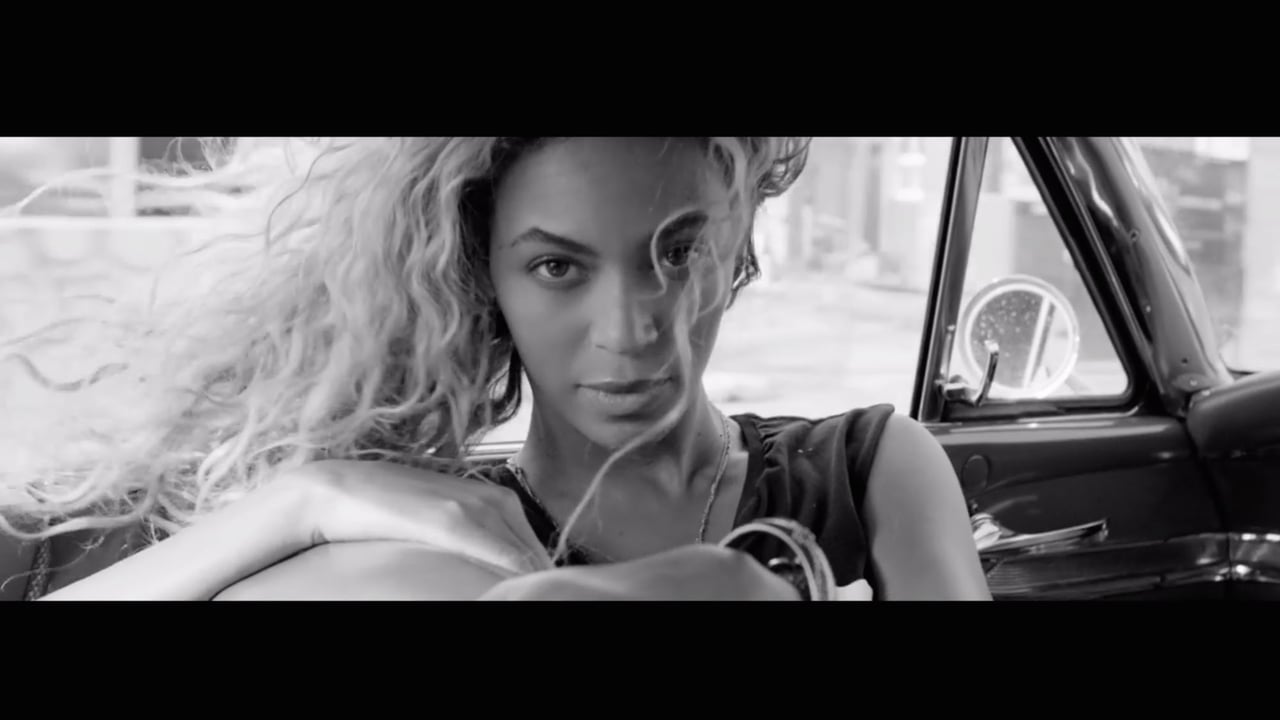
Beyoncé

beyonce500214396_1280x720

Getting her start as part of R&B girl-group Destiny’s Child, Beyoncé eventually went on solo. Since then, she has earned herself five Grammy Awards and had two songs make number one on the Billboard Hot 100. Beyoncé has provided her voice for a number of animated films, including “Epic,” and used her acting skills in many films including “Obsessed,” “Cadillac Records,” “Dreamgirls,” “The Pink Panther,” “Austin Powers in Goldmember,” and more.

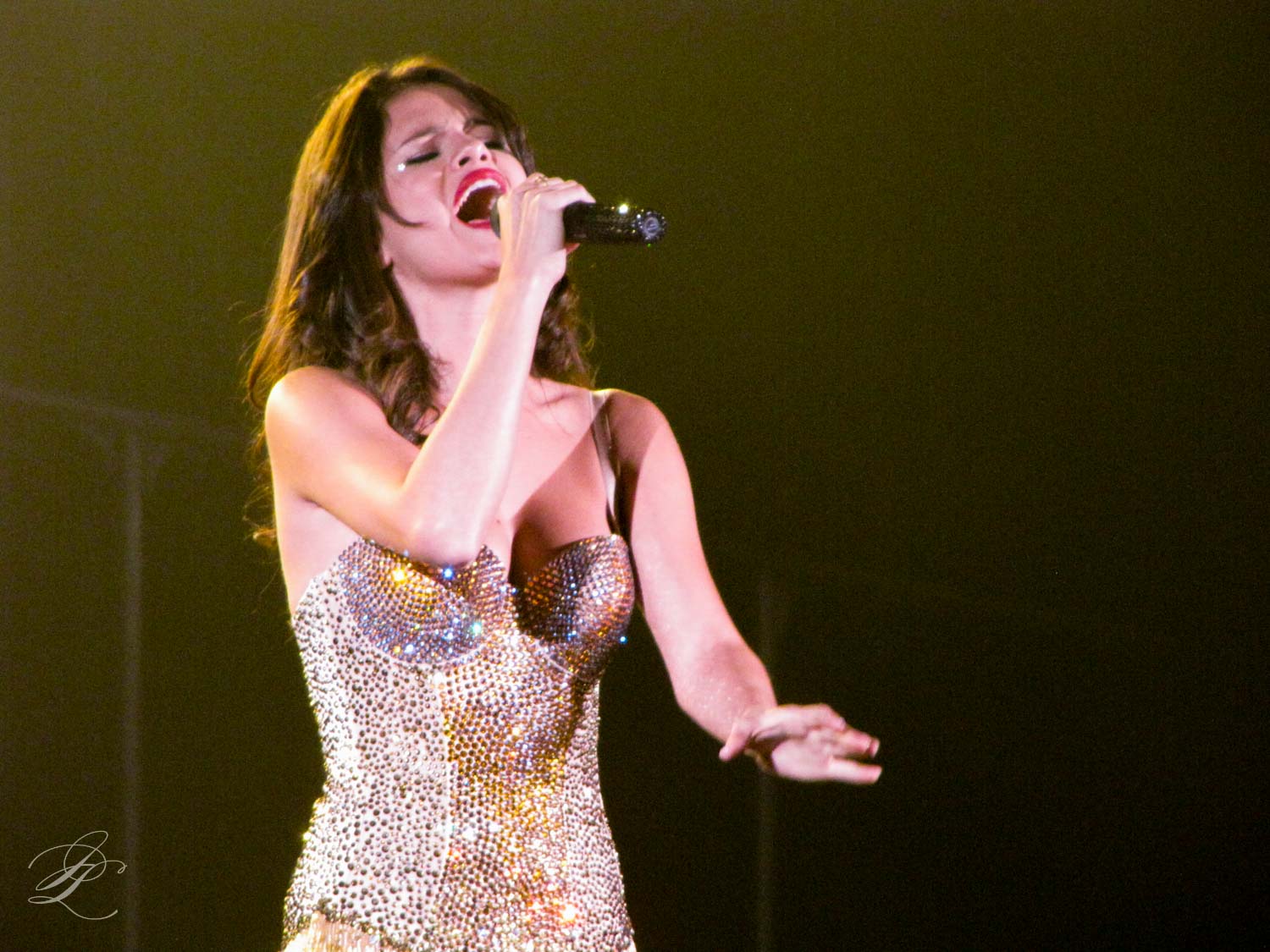
Selena Gomez

Selena_Gomez_(23485085104)

The ex-Disney star has offered her voice for a number of movies, including “Horton Hears a Who!,” “Arthur and the Revenge of Maltazard,” and the “Hotel Transylvania” movies. She’s also used her acting abilities in recent movies like “In Dubious Battle,” “Neighbors 2: Sorority Rising,” and “The Fundamentals of Caring.”

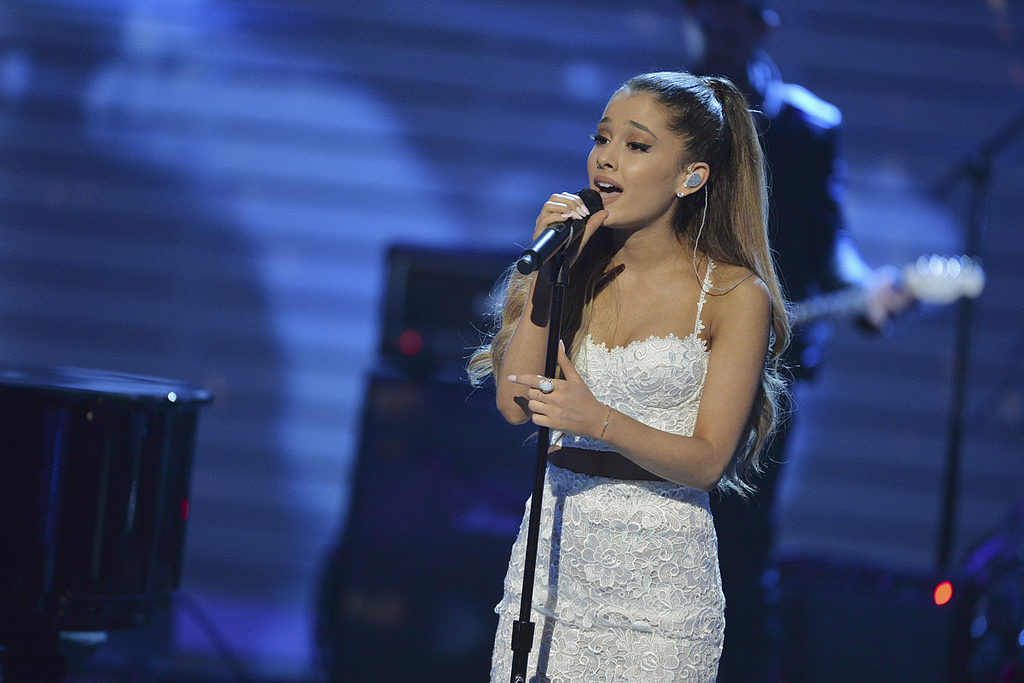
Ariana Grande

ariana14973709079_17d79bc226_b

Like Gomez, Ariana Grande started out as a TV actress but moved onto the music scene. She only recently made it onto the big screen with a small role in “Zoolander 2” and has contributed her to the soundtracks of “Trolls,” “Pitch Perfect 2,” and the upcoming DreamWorks Animation film “The Boss Baby.”

Carrie Underwood

carrie9379244973_5c3f659223_b

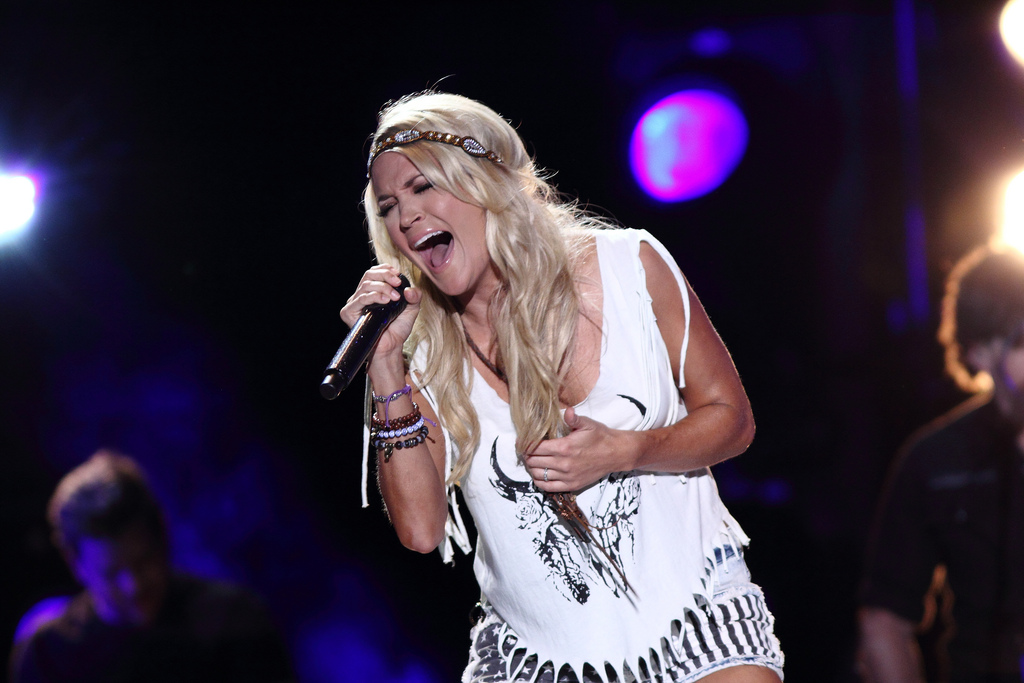
Underwood is known for contributing to the soundtrack of countless films. Some of these include big budget movies like “Enchanted” and “The Chronicles of Narnia: The Voyage of the Dawn Treader.” However, her only major role as an actress in a film is as Sarah Hill in “Soul Surfer.”

Janet Jackson

Janet_Jackson_Number_Ones_Tour_2011

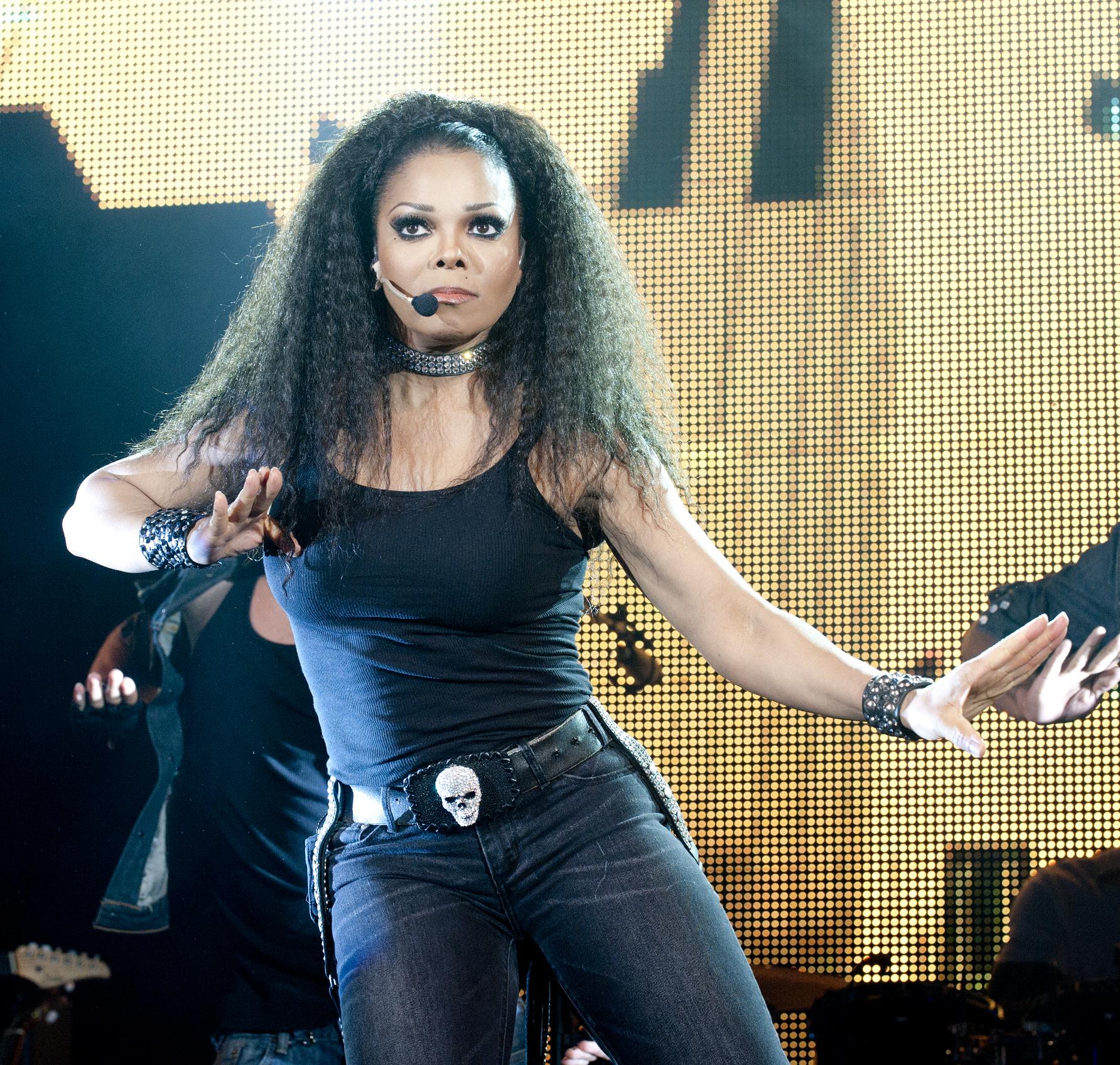
Since signing her first recording contract with A&M Records in 1982, Jackson has become a pop icon, selling more than 100 million records. She got her acting career started on sitcoms like “Good Times” and “Diff’rent Strokes” before moving onto feature-length films. Recent movies she was a part of include: “For Colored Girls,” “Why Did I Get Married Too?,” “Nutty Professor II: The Klumps,” and “Poetic Justice.”

Drake

Drake_and_Future_2016_Summer_Sixteen_Tour

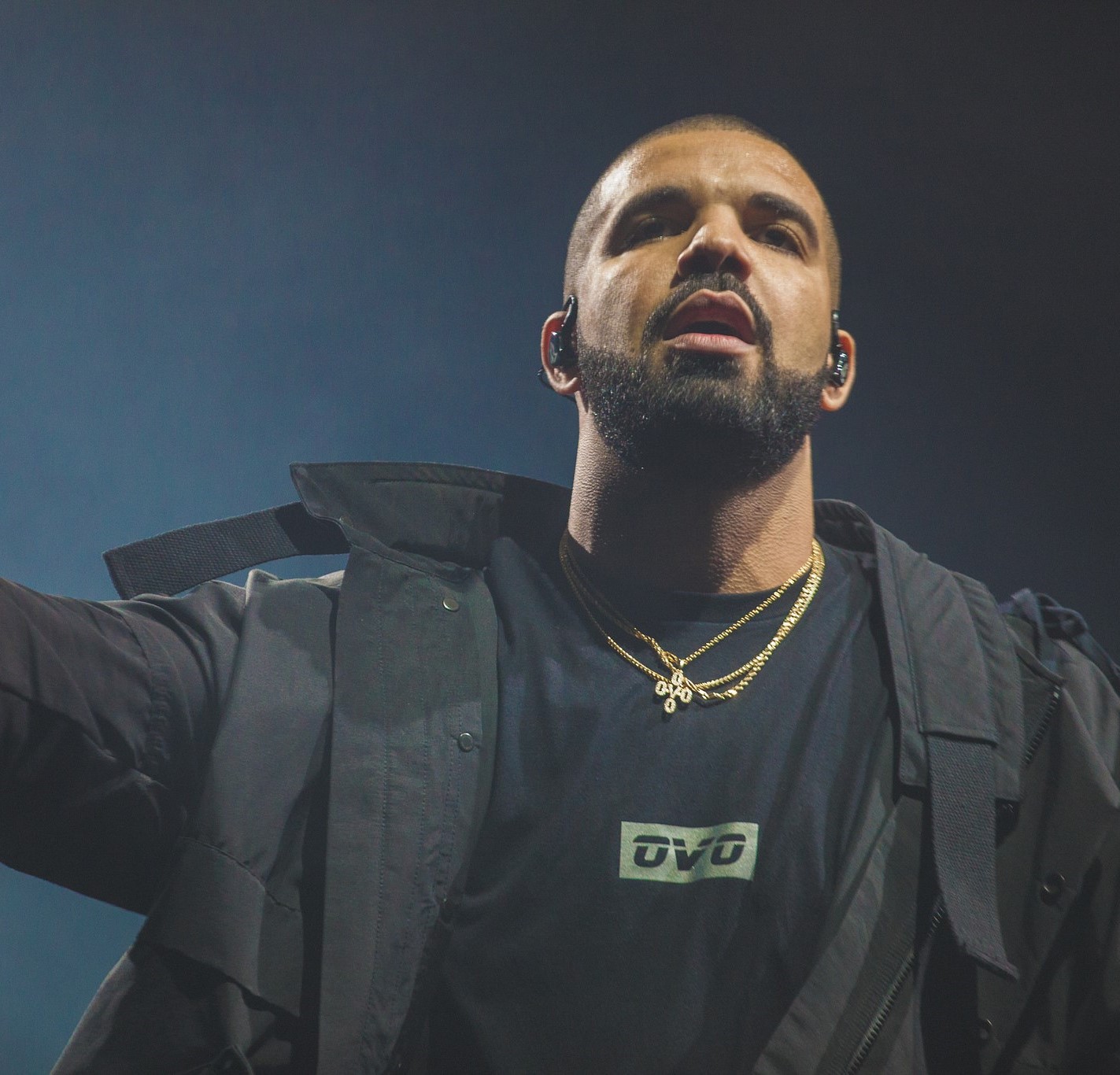
Many are surprised when they learn that one of today’s most successful people in music got started as an actor on Canada’s TV series “Degrassi: The Next Generation.” Since then, his music career has skyrocketed. Drake has become an enormous influence in the music industry, so much so that he’s popularized phrases like “YOLO” in youth culture around the globe. As for his filmography, Drake appeared in a short film called “Mookie’s Law,” comedy drama “Charlie Bartlett,” and provided his voice for a character on “Ice Age: Continental Drift.”

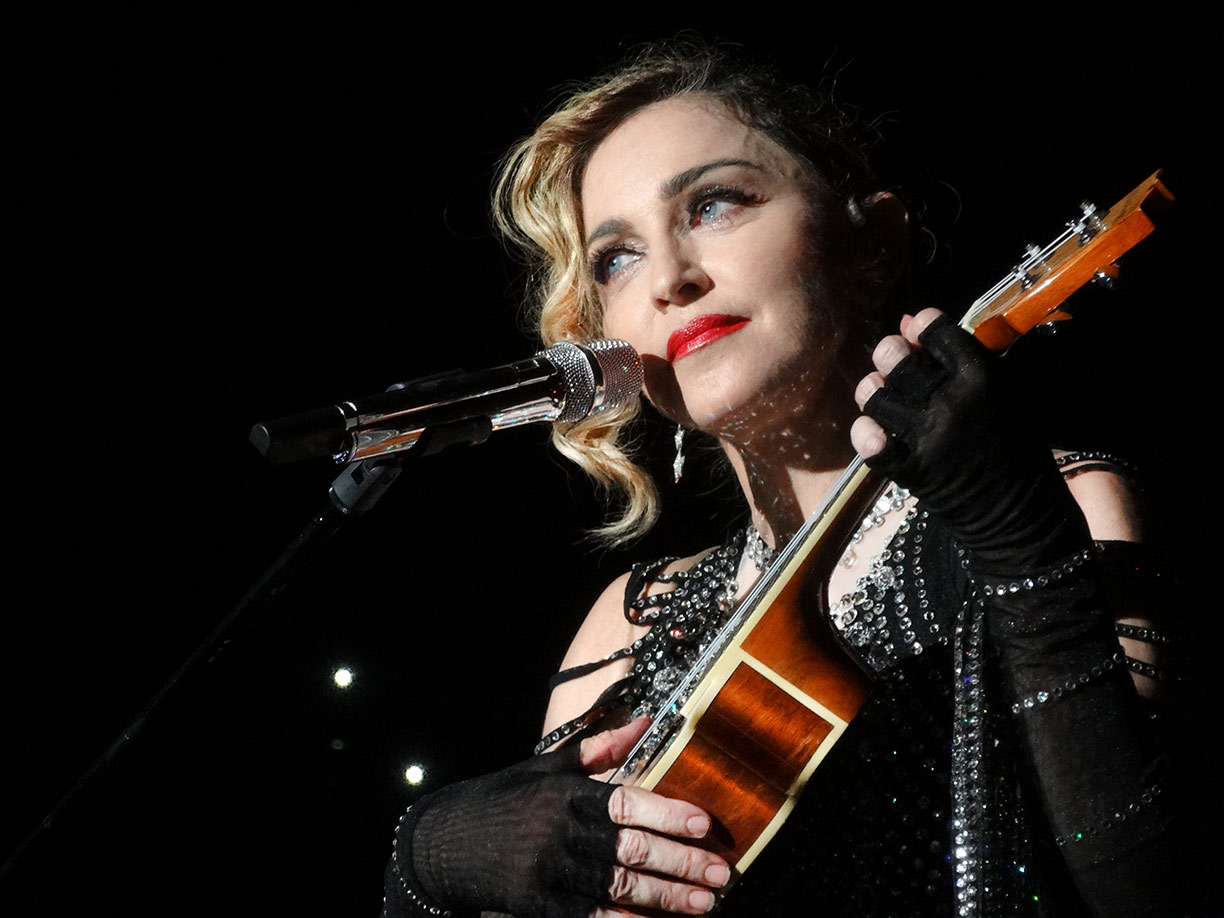
Madonna

Madonna - Rebel Heart Tour - Antwerp_5

The “Queen of Pop” is admired by the entire industry for having reinvented herself numerous times to stay relevant in mainstream popular music. Although she’s mostly known for her music career, she has also amassed an impressive filmography by working on 26 feature films — appearing herself as an actor in 21 films of them.

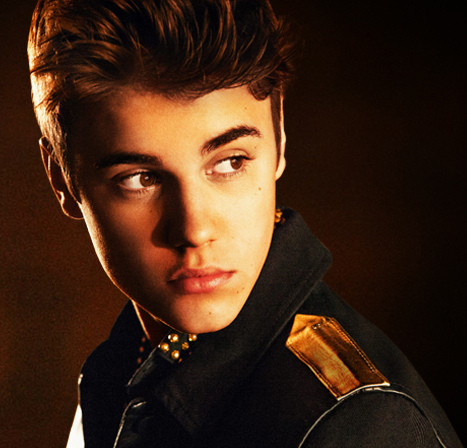
Justin Bieber

justin7256123704_cb31b768b9

A nominee for Artist of the Year, Bieber has produced two films centered around his career. The first one, “Justin Bieber: Never Say Never,” was released in 2011 to be followed by 2013’s “Justin Bieber’s Believe.” His song “Never Say Never” served as the theme song for 2010’s “The Karate Kid” starring Jaden Smith and Jackie Chan.

What were your favorite moment from the 2016 AMAs? What are your favorite films that feature great musicians? Let us know in the comments below!