
Using Meerkat And Periscope To Engage With Viewers

woman participates in periscope research

Streaming video is nothing new, and TV stations frequently feature live coverage of news conferences and events on their websites. But today’s viewers aren’t spending all their time checking their local affiliate’s page for new stories. A recent Pew Research Center report shows half of Facebook and Twitter users obtain news from those sites.

Of the most popular social networks, Twitter has the highest percentage of news consumers in the 18-29-years age bracket popular with advertisers. Roughly 45% of news consumers on the network fall in this age range vs. 39% of news consumers on YouTube and 34% on Facebook. Twitter also has the most even distribution of genders, with an exactly fifty/fifty division of news consumers. Simply put social media can prove to be a rather powerful tool in measuring viewer impact.

Where do Meerkat and Periscope fit in?

Given Twitter’s advantages in the social media news sphere, it’s no wonder that two new live-streaming apps, Meerkat and Periscope, have been introduced for the network. After downloading the app, you open it and follow a few steps to start a live broadcast for your followers. While this is attractive to many individuals who see themselves as the next viral video sensation, it’s also useful for broadcast journalists.

Meerkat vs. Periscope

Both apps are similar, but Twitter now owns Periscope, and has put an effort into making it distinctive. Interestingly, the Periscope app is more independent of Twitter than Meerkat—likes and comments are confined to the app, while with Meerkat all app engagement is posted on the user’s Twitter account. Periscope also makes it easier for latecomers to enjoy a live-streaming event by allowing you to save your video file after you finish streaming.

Both apps encourage followers to ask questions, comment and engage both with each other and with the live stream’s poster. This presents several unique opportunities for broadcast journalists.

Live Coverage of Events That Don’t Warrant Breaking Into Programming

Most TV journalists cover news conferences, crimes, accidents, and other news with the intention of making a package to air during the evening news. Often stations will go live “at the scene” during the five, six, or ten o’clock news, only to show a reporter standing in an empty parking lot and explaining what happened there three hours ago. This is usually an overzealous attempt to remind viewers that the station is dedicated to delivering the most up-to-date news about a particular subject.

The fact that these kinds of after-the-fact live shots are less than stunning actually has nothing to do with the TV station’s dedication to covering news quickly. In most cases, the reporter and crew were at the scene of whatever happened three hours ago and captured plenty of video. They could have gone live then, but when you interrupt Dr. Phil or The Ellen DeGeneres Show for a press conference about a minor local official resigning or a convenience store robbery, viewers tend to call and complain. Generally speaking, unless your viewers are at risk of being killed by a tornado, or the POTUS’ plane just landed in your city, most news should be covered during regularly scheduled news broadcasts.

But Don’t Viewers Want Instant News Coverage?

Isn’t that why 24/7/365 news coverage on cable networks like CNN, MSNBC, and Fox is so popular? Well, yes and no. Some viewers want to watch some breaking news as soon as it happens; others would rather keep watching Dr. Phil. Social media in general has helped provide a compromise—your viewers can keep watching their favorite daytime talk show or prime-time sitcom while skimming a breaking local story your station just posted on Facebook or Twitter.

New Opportunities for Live Coverage of Local News

With Meerkat or Periscope, local TV stations can give their viewers more options. You can live-stream local news events like press conferences, accidents, and crime scenes, then later pack the story to run during the five o’clock news. Viewers can watch an entire press conference from the mayor’s office live, or just catch 60 seconds of highlights on the evening news, depending on their level of interest.

Making the Best Use of New Apps

The fact that you can now go live from the scene of every event doesn’t mean that you should. Yes, you could live-stream the weekly school board meeting, but Twitter is a fast-paced social medium, and its users are easily bored. If you struggle to keep your eyes open at the local school board meetings, chances are your audience will, too.

In general, it’s best to avoid streaming routine government meetings; if you’re attending them anyway, you can always open a live-stream if things get interesting. When covering outdoor events, it’s best to stop streaming if you’re just panning the crowd; start streaming when you’re interviewing an attendee or the event’s organizer.

Also avoid repeating yourself incessantly in an effort to keep the live-stream going. This isn’t live television—you don’t have to fill time until the next commercial break. One complaint that many people have about 24/7 news networks on cable is the lack of new news—much of what you see is an anchor or reporter repeating the same three known facts about a story a hundred different ways, or dissecting the same 30 seconds of video for hours. (Keep in mind, in local news—especially small markets—the stories you cover may be far less important and interesting than the events reported on national news.)

If you are live-streaming from the scene of a crime or accident, state the facts, interview any relevant parties, then end it. If something new happens, you can open an update stream. It’s also helpful to designate one person at the station to monitor engagement with live-streams on Meerkat or Periscope—if one stream is blowing up with comments, that might warrant keeping it on longer. If another stream has almost no engagement, cut if off sooner.

[su_note]Learn more about the School of Broadcast Journalism at the New York Film Academy by clicking here.[/su_note]


Image Source

Game Design in 2015: Oversights To Avoid

Awesomenauts screenshot

Anyone who says developing games is easy has obviously never done so. After all, there are more than a few common mistakes that even the most veteran game designers can make. Furthermore, teams spend great time and effort into creating these digital experiences in hopes that theirs will stand out, get decent reviews, and, most importantly, bring joy to those who play it. But unfortunately not every game is well-received, and sometimes it’s all due to developers failing to notice (or ignoring) something that the majority wouldn’t find favorable.

The worst part is that we are now in 2015 and certain avoidable mistakes are still being made, even with games that looked very promising. Whether the problem stems from a lack of attention from developers or suits pushing them with their own ideas and deadlines, here are a few things we’re still seeing in games that most would agree could have been avoided.

1. Releasing glitchy games.

The problem with technical problems is twofold: they ruin an immersive experience and are annoying to deal with. There’s nothing worse than being captivated by gorgeous trees and other greenery while exploring an enchanted forest, only to get stuck on a tree and have to restart your save point. Not only did you forget about how cool the forest was, but your experience was rudely interrupted.

Of course, games are complex beasts. It’s even possible that not a single glitch-free game has ever released. However, lately we’ve been seeing big-budget titles release only to get criticized for being a glitch mess. One of these is the recent Tony Hawk Pro Skater 5, a game that features so many technical problems like going through floors and falling for no reason that the game is scoring very low among critics.

Simply put, developers should know better than to release games that obviously don’t provide a smooth, polished experience.

2. Assuming good visuals is all we care about.

We love how games are looking better and better as technology advances, which also means bigger worlds and more variety. It helps with immersion when you don’t see the same models or NPCs over and over. But if the recent rise of indie games has shown us, gamers are still more interested in solid gameplay that offers a fun, satisfying experience.

Sadly there are still developers who put more effort into how the game looks and end up releasing games that are just not very fun. One of this year’s games, The Order: 1886, looked absolutely phenomenal and is perhaps the best example of what the PlayStation 4 is capable of. However, it didn’t do great among players and critics for not delivering the high level of gameplay we expected.

Developers need to remember that these are games after all, which means making sure the gameplay is number one priority.

3. Launching games that feel rushed.

As we touched on before, glitches and bugs are a great indicator of a game that was rushed out into market. However, there are plenty of other things that show a game didn’t receive the time it should have, including bad visuals, animations, and lack of content. The fact is, in this day and age we expect to receive something that was clearly worth our hard-earned cash, especially with so many game options out there.

One example is Game of Thrones: A Telltale Games Series. While players are enjoying this episodic title set in one of today’s most popular worlds, many can’t help but feel it was rushed. Too many players are seeing the audio get cut off and animations not working right, while most would agree that the graphics are a step down from what we’ve come to expect from Telltale Games.

Maybe that’s why Shigeru Miyamoto isn’t afraid to delay Star Fox for Wii U even if Nintendo’s Holiday 2015 lineup is so thin. Like he said in his now-famous quote: “A delayed game is eventually good, a bad game is bad forever.”

4. Turning players off with DLC.

Downloadable content continues to be a hot topic in our industry. Gamers have shown with their wallets their willingness to pay for extra content that feels worth it, whether it be a story campaign, maps, characters, etc. But it’s when developers either release content that didn’t feel worth it or offer day-one DLC when gamers start shaking their heads.

One case is 2015’s Evolve, a game that dominated Game Critics Awards, including Best of Show. Having so much DLC available on the first day will always cause players to feel like they paid for an unfinished product and being asked to pay more for what they should get with the main game. Purchasing all the initial DLC was setting player back around $150, which is a lot to ask for from one game.

Most gamers have accepted DLC and even day one content—though the verdict is still out on Season Passes—but developers need to realize that having too much at the starting gate will feel like they’re holding back on their players just to make some extra cash.

[su_note]Learn more about the School of Game Design at the New York Film Academy, with campuses in New York and Los Angeles.[/su_note]

Image Source

One And Done: Notable Actors With Only One Film To Their Name

Peter Ostrum as Charlie with a Willy Wonka bar
© 1971 Warner Bros. Ent. All Rights Reserved

Everyone loves a good ‘Where are they now?’ story, and nothing is more intriguing than an actor who seemingly disappeared from the face of the planet.

In many cases, having spent time going through acting school and honing their craft, lending their talents to just one iconic role, and then diving headlong into obscurity… sometimes on purpose.

Here’s six notable examples of actors who only have one feature-length film on their IMDB profiles, and what we know about where they are now…

Dr. Peter Ostrum (Willy Wonka and the Chocolate Factory, 1971)

Through a mixture of luck and talent, Dr. Peter Ostrum landed what was to be an iconic role as Charlie Bucket in the classic Roald Dahl adaptation of Willy Wonka and the Chocolate Factory.

So praised was his work as a child actor, and so successful was the movie, that he was offered a contract for three more films…which he declined.

Dr. Ostrum failed to land a few theatre roles later on in his 20s before hanging up the hat for good. For a long stretch afterward Ostrum put considerable effort into distancing himself from his one-time stardom, to such an extent even his wife didn’t know that he played Charlie Bucket—though has since done a few speaking engagements and reunion events.

Oh, and why the ‘Doctor?’ He became a qualified veterinarian in 1984, and has happily worked with horses and cows ever since.

Anne Sellors (Threads, 1984)

anne sellors imdb profile

Anne Sellors has, quite possibly, one of the most heartbreaking IMDB profiles in the acting industry. As a result, her life and career has garnered a small amount of intrigue.

On her filmography is a single listing—a 1984 British movie entitled Threads. Nothing hugely out of the ordinary—everyone on this page shares the one-film accolade—but Sellors has literally no other listings for TV work or the like, and her only big screen appearance as an extra lists her character as “Woman Who Urinates On Herself (uncredited).”

We can’t even find a clip of her 3-second appearance in its original form.

Where she came from and what she went on to do—or even if Sellors is still alive—is unknown, though in one Reddit thread a supposed relation angrily claims that she’s still with us. More bizarre still, her IMDB profile inexplicably peaked for one week in 2010 and hers became the 6th most popularly viewed profile.

Carrie Henn (Aliens, 1986)

When it comes to the one-and-done club, nobody quite left a mark like Carrie Henn.

Carrie will, in most likelihood, be forever remembered as Newt from Aliens, the little girl who memorably held her own alongside Sigourney Weaver and the other superb performances that had cemented the franchise at this point.

With no acting experience, Henn competed against 500 other girls for what was considered by the casting director to be the hardest role to fill.

She then went on to become a teacher, though has just recently had an addition to her IMDB profile—a sci-fi movie dubbed Triborn, coming next year if the crowdfunding campaign is successful.

Katie Jarvis (Fish Tank, 2009)

A rather strange origin story for an actress who has, to date, only got one feature under her belt—she was spotted by a talent agent while having a blazing row with her boyfriend on a train station platform. Initially, Jarvis refused to hand out her number to the agent, believing it to be some kind of ruse.

But luckily for us the agent persisted, because Katie was very well cast in 2009’s Fish Tank opposite Michael Fassbender.

Unlike the others on this list, it may be too premature to condemn the accidental actress to the one-and-done list as she has appeared in a few TV shows (and was once rumored to be in the next Star Wars), but time will tell if she’s to have another big screen outing.

Sarah Pickering (Little Dorrit, 1987)

Surrounded by a huge roster of big names (including Alec Guinness and Derek Jacobi), this two-part Charles Dickens adaptation saw an as-then unknown actress playing the title role. It was her first and only appearance on screen.

It’s unknown why her success here was not followed up with further titles, though an anonymous commenter at woldsvillage.blogspot.com claimed she is now nearing 50 and happily working as a theatrical agent in Leicestershire in the English midlands.

Britney Spears (Crossroads, 2001) 

We’ll close off with arguably the most popular—and somewhat surprising—entries into the one-and-done club.

That’s right, Britney only has one feature length movie to her name from an acting perspective… though technically also has a musical cameo in Austin Powers in Goldmember.

But we’ll overlook that. We really just wanted to get Britney Spears onto this list.

Know of any we’ve missed? We’d really like to hear of more, and definitely leave a comment if you know any extra info on the whereabouts and wellbeing of the first five entries in the above list.

[su_note]Learn more about the School of Acting at the New York Film Academy by clicking here.[/su_note]

Five More Common Game Design Mistakes To Avoid

people playing video games

Like anything in life, learning mistakes the hard way as a game designer is anything but fun. Whether it be an unfair boss or boring mandatory quest, there’s nothing worse than releasing a game only to receive several comments complaining about the same thing. There will always be a number of gamers who dislike something (or your game entirely!), but to have a lot of players show frustration over the same element means you probably should have realized it would be a problem beforehand.

That is why we’d like to add to our previous list of common mistakes. Having any of these in your game doesn’t necessarily mean it will fail; they’re simply some things most gamers don’t find very fun. As a game designer, your job is to help players have fun every step of the way.

1. Bad Enemy Spawning

There are a number of things than can be done with enemy spawning that can frustrate players. For one, spawning too many enemies so players get bored or overwhelmed. The former is a mistake many felt Bungie did with Destiny; players couldn’t help but yawn as wave after wave of enemies appeared in certain rooms. Making sure an appropriate number of enemies spawn can be tough, but necessary to make sure the difficulty feels balanced. We’ve all played a game where you walk into a room and immediately die from a million enemies swarming you.

A lesser mistake but still worth mentioning is how the enemies spawn. Most would argue that we’ve reached a point technology-wise where players should never actually see enemies spawning out of thin air. This makes it hard to suspend our disbelief while giving the impression that we’re playing a game that HAD to do this due to technical limitations. At least make them come through a door, hole, or portal—not a random corner in the room.

2. Unskippable Cutscenes or Long Dialogue Scenes

It’s no secret that 2015’s The Order: 1886 didn’t fair too well with both critics and players for several reasons. It didn’t help that Ready At Dawn thought their cutscenes were gorgeous enough that no one should ever be able to skip them. The visuals were amazing but a player should never have to sit through a non-interactive moment if they don’t want to. These are games we’re playing, after all.

Similarly, there are certain games that allow their dialogue scenes to go on for far too long. While RPGs are usually the culprit, it can be any genre. As a game designer, you should be able to tell when two characters, no matter how important the scene is, are talking too much to the point where players will start spamming buttons to get through it. It is all about options, and some players will appreciate a way to skip dialogue entirely and get to the action.

3. Uncreative Quests

It’s a lot to ask of any game developer to make every single quest entirely unique and complete with its own story, enemies, cutscenes, and even gameplay. There’s nothing wrong with having typical quests like fetch quests, escort quests, gather X number of Y, killing a specific enemy; but you should add some spice to each one. Players have done similar quests already in other games, which means you should put more time and effort into them.

One way is to have an interesting story like Skyrim’s “Waking Nightmare” quest that has an entire village going insane due to nightmares. Trade sequences are fine if the reward is great and the NPCs you interact with are interesting, like the one in Ocarina of Time. Puzzles, surprise boss fights, dramatic choices—use your imagination to make every quest memorable and fun.

4. Mandatory Tutorials

This is a problem we have touched on in other pieces before. Hand-holding tutorials are one of the easiest ways to annoy players right off the bat. The problem with unskippable tutorials is that you’re assuming the player has never played a video game before when they’ve probably played many just like yours.

If you do add a tutorial, design it so it doesn’t feel like one. The first Gears of War is a great example because the tutorial can be skipped and involves an alternate, unique route to getting out of the initial area. Avoid insulting and/or boring veteran gamers by forcing them through a tutorial that teaches them how to use the thumbstick to walk, X or A to jump, etc.

5. Slow Starts

Along the lines of the previous mistake, one way to make gamers immediately grow disinterested in your game is with a slow beginning. Although considered amazing games overall, plenty of folks couldn’t believe how many hours it took to finally get into the meat of the game in both The Legend of Zelda: Twilight Princess and Skywards Sword. Assassin’s Creed III is also a recent culprit where players didn’t get to don the iconic white assassin attire until several hours into the game.

This doesn’t mean you can’t have some story in the beginning to set up the game. However, some players just want to get into the action and set off on their adventure as soon as possible. This goes along with our Mistake #2 where if you must have lots of cutscenes and dialogue at the beginning, it would be wise to make it skippable.

[su_note]Learn more about the School of Game Design at the New York Film Academy by clicking here.[/su_note]
Image Source

Be A Self Producer And Cast Yourself

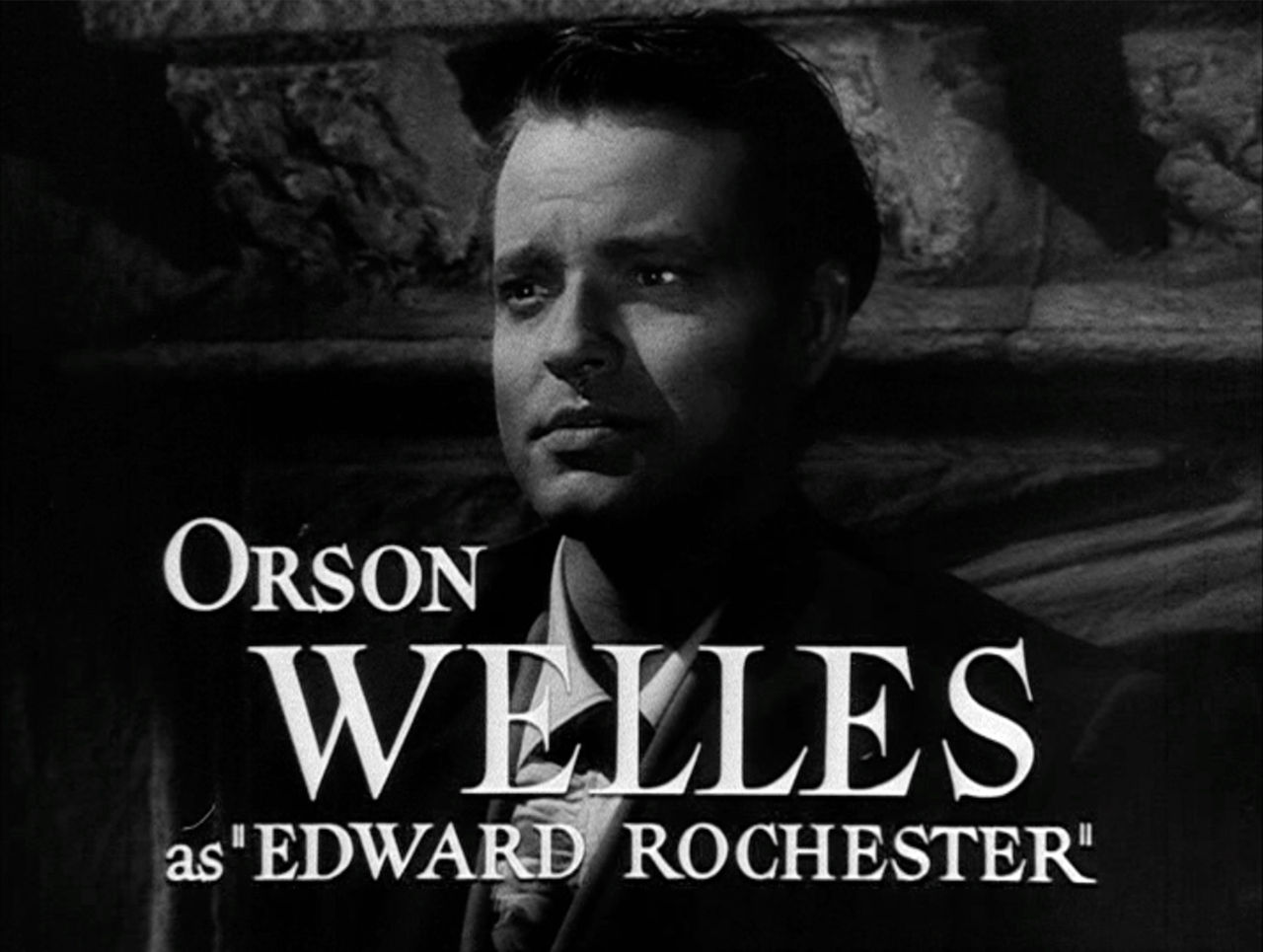
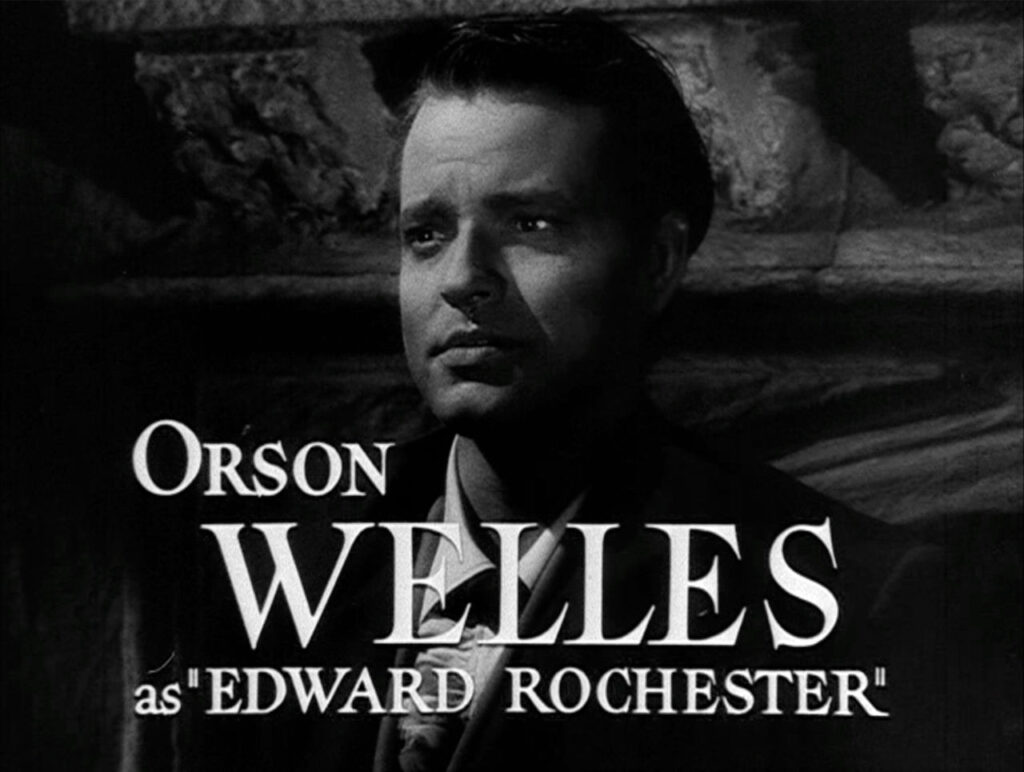
Orson Welles in Jane Eyre

Read Orson Welles’ IMDb page and it quickly becomes apparent that he was a man of many hats. He was an actor, writer, director, and producer and he excelled at all disciplines. In fact, for the film Citizen Kane, Welles was nominated for four Academy Awards: Best Picture, Best Director, Best Screenplay, and Best Actor. The point is, Orson Welles didn’t wait for anyone else to cast him and instead, he made his own work.

The process of self-production is an intimidating prospect for most actors. After all, actors study the art of performance, not the technical side of filmmaking. But despite the complications, self-production is an incredibly valuable skill and one that can advance an acting career. For the individual, self-producing offers creative freedom, the opportunity to work, and exposure that impresses casting directors.

Play Your Dream Role

Every actor has a role that makes them salivate but how often does the opportunity to audition for that role actually come around? Even when the chance to audition comes around, there is no guarantee that the audition will be successful. The unfortunate truth is that actors are dependent on the decisions of others. That is unless they are also producers. Actors who self-produce take control of their own casting and get to choose the role that is perfect for them.

Additionally, a dream role doesn’t have to be something that was written by Shakespeare. More and more self-producers are writing their own projects with roles that are tailored to their personalities. As an actor-producer, artists have the chance to exercise their writing skills which provides a creative outlet when acting jobs are scarce.

Expand Your Skills

If an actor is a player and a director is a coach than a producer is a general manager. Producers have their hands in every part of the production process in both theatre and film. As a self-producer, responsibility increases but so do experiences. Accordingly, actors who self-produce become well-rounded artists with an increased perspective on all aspects of production.

By watching different artists work, actor-producers learn new skills that can be supplemental sources of income. Struggling to find acting work? Well, an adept crew person almost never goes unemployed. Plus, working on sets is the best way to network and make new industry connections. Pretty soon, self-producing actors find themselves working more than auditioning.

Get Cast By Brass

The internet is now the number one resource for casting directors which means the internet is also the number one tool for actors who want to get cast. Billions of people use the internet every day, the exposure available is unrivaled by any other media outlet in history. Websites and mobile apps like Youtube, Instagram, and Vine are now wells of new talent for casting directors.

Self-production is the best way for an actor to showcase their skills on the internet. Any sort of short video, sketch, or talk show can show a casting director that you have experience and charisma on camera. Besides that, if you are able to gain a loyal following, casting directors will take your audience into account.

Take the Wheel

The only person that should be in charge of your acting career is you so take control of your destiny by self-producing your own work. Videos and plays of any size are an excellent experience for larger projects down the road. You don’t have to be Orson Welles to benefit immensely from self-production, although an Oscar nod (or four) would be nice.

[su_note]Learn more about the School of Acting at the New York Film Academy by clicking here.[/su_note]
Image Source

Coen Brothers: 5 Essential Filmography Highlights

Welcome, one and all, to a brand new series here on the Student Resources portal.

Each week, we’ll be taking a look at the essential titles from a particular director…or in today’s case, a directing duo. While by no means a definitive list of career highlights, we’ve picked out a select few titles that either chart the finest moments of their career or go underappreciated in the face of their more popular titles.

Either way, they’re all great places for the uninitiated to start with a director’s back catalog and for hardcore fans to revisit. And so, without further ado, we’ll begin with two brothers who have more universally-acclaimed movies to their name than most directors have movies. Presenting:

The Coen Brothers: 5 Essential Filmography Highlights

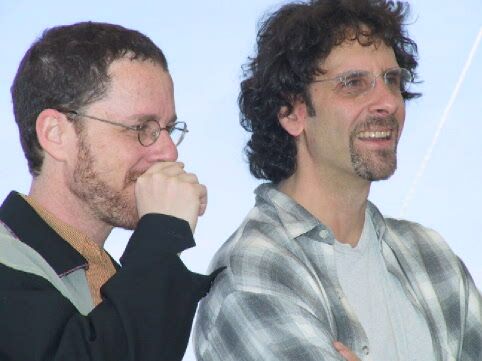
Coen Brothers

Blood Simple (The Beginning)

Joel and Ethan Coen‘s very first flick arrived with little fanfare when it was released back in 1984 and only grossed $3 million at the box office, but from a critical perspective they came out the gate swinging.

Blood Simple was, and remains, relentlessly brutal in its violence and extremely biting in its comedy. At its heart lies a tale of contract killings, subterfuge, and mistaken identity; really, all of the great stuff that we came to expect from a Coen movie.

Must Watch If: You want to watch two incredible filmmakers perform magic on a budget.

Fargo (The Crime Thriller)

From the most obscure to possibly the most-watched and celebrated of the Coens’ back catalog to date. The 1996 thriller has had a new lease of life recently thanks to the adaptive TV series of the same name (which we’re happy to report is as excellent as it is true to the original.)

In summary, a demure and well-mannered policewoman is tasked to solve a grisly murder case which has taken place in the frozen outback of Minnesota—an area in which, frankly, not a lot else usually happens. As she gets closer to piecing together the story of this kidnapping gone wrong, things take more than a few interesting turns for all the people implicated.

The virtues of Fargo are too numerous to name here, but suffice to say that it’s a cinematic masterpiece that excels as an offbeat comedy, murder thriller, and portrait of idiosyncratic rural America all at the same time.

Must Watch If: You’re a student at our cinematography school because seriously, shooting a movie with this much blinding snow and managing to keep a balanced meter is worthy of admiration.

Burn After Reading (The Oddball Comedy)

So admired is their directing that it is reported that a few A-list actors are willing to drop everything and commit to a Coen Brothers production at the drop of a hat (hence the repeated appearance across the filmography from the likes of John Goodman, Steve Buscemi, and John Turturro, amongst others.)

Burn After Reading assembled a similarly familiar cast of Coen favorites, and given that each character was written specifically with its actor in mind—with the only exception being late addition Tilda Swinton—the resulting movie was exceptionally tight in both the writing and performance departments, even by Coen standards.

A chain-of-events caper of increasingly stupid mishaps, and a uniquely strange comedy to treat yourself to.

Must Watch If: You want to see Brad Pitt, George Clooney, and John Malkovich act out the most sublimely idiotic characters of their respective careers. No understatement; Clooney referred to it as the apex of his ‘Idiot Trilogy’ for the Coens (having appeared in similarly dumb roles in two prior movies) and Brad Pitt was initially baffled as to how he was going to portray a character as dense as his.

The Big Lebowski (The Cult Classic)

At the heart of many Coen screenplays is a simple premise: take a strange (and stragely compelling) character, then throw him into an even stranger situation.

The Big Lebowski is just that. On speed.

A perfect storm of all the Coen Brothers’ finest regular collaborators, a victim of mistaken identity goes on a quest to have his rug replaced by his millionaire namesake. Hilarity ensues, and highly-quotable one liners are spawned.

Must Watch If: You love a good rug.

No Country for Old Men (The Western)

As featured on our previous list of excellent book-to-film adaptations (along with True Grit), No Country for Old Men is the product of over two decades of experience from two filmmakers who started off strong and only got stronger as the years went by.

Based on the Cormac McCarthy novel of the same name, this is superb source material handled brilliantly and featuring some career-defining performances from Javier Bardem, Tommy Lee Jones, Josh Brolin, and Woody Harrelson. A real jewel in the crown of an already impressive filmography, and essential Coen Brothers viewing.

Must Watch If: You want to see the show-stealing Javier Bardem playing an even cooler villain than he did in Skyfall.

Got any other favorite Coen Brothers’ titles that we haven’t listed here amongst the essentials, or disagree with any of these entries? We want to hear from you—let your voice be heard in the comments below!

Image Source

How To Budget As An Aspiring Actor

American coins

Part of the allure of acting is the uncertainty, challenge, and endless opportunity. However, those things also make acting a difficult career to weather, especially at the beginning. Actors toil for years trying to establish a sustainable career in the arts, usually working a day job on the side. The result of this constant struggle is an inconsistent income that must be managed carefully if the actor is to succeed.

Establishing a budget for life is one of the best strategies for approaching an acting career because a budget informs all the business choices that an actor makes. A good financial plan, meager though it may be, is crucial for survival in the cutthroat field of acting. Here is some advice on how to create an honest budget to reduce stress and reserve the creative energy for auditions and performances.

‘Breakdown, it’s alright, it’s alright, it’s alright’

Tom Petty said it, and it applies to budgeting. First, actors should breakdown their expenses to know how much their day-to-day lives truly cost. This is important because knowledge of minimum required expenditure, even in times when income is a goose egg, will help determine the amount of money that should be saved each paycheck.

Start keeping track of everything that you spend over the course of a week or month and divide spending into two categories: essential and non-essential. Essential expenses include housing, food, utilities, transportation, internet, and cell phone. These are the things that you need to live and maintain an acting career. Loans and debts owed should also be counted in the category of essential because not paying them actually costs more money in the long run. Nonessential expenses are just about everything else, including clothes, drinks, leisure activities, Starbucks, and movie tickets (although an argument could be made).

Now, take the total number from the “essential” list, and know that this is the baseline. This is the minimum amount of income needed to keep swimming in the acting world. But, since acting income fluctuates unknowingly, actors need to supplement the baseline number with savings. Financial experts recommend saving $100 or 10% each month to start building emergency savings. Add that to the baseline, the new number is the benchmark.

‘So bye-bye miss American pie’

Don McLean comes into this, I promise. After calculating spending, take a look at earnings. Budgeting 101: Income must exceed spending or else. But really, if the benchmark number is out of reach, something needs to change. Either spending needs to be reduced or earnings need to be increased, perhaps by doing extra work.

To reduce spending, attempt to find areas of essential costs that can be reduced or consolidated. Find a cheaper cell phone and internet plan. Use less electricity and water. Cut down on groceries. For example, pie is delicious but unessential. Only buy food products that are on sale. Move to a cheaper apartment. These are all actions that can be taken to cut down the cost of living.

Conversely, earnings are not locked. Ask for more hours at work. Find part-time work online. Sell possessions that you no longer use. Diversify as an actor by auditioning as a model or voiceover artist. If earnings can be increased and spending decreased, a surplus can eventually be generated that leads to the “non-essential” list.

‘It’s hip to be square’

Huey Lewis figured it out in the 80’s: It’s never too late to get square, budget-wise, or otherwise. Making a financial plan is an intelligent (albeit scary) way to attack the challenge of becoming a professional actor. Once you hit it big, drink all the Starbucks you want, but after you meet your benchmark, of course.

[su_note]Learn more about the School of Acting at the New York Film Academy by clicking here.[/su_note]
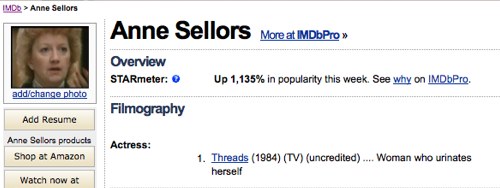
Image Source

7 Books Every Actor Needs To Read

acting books books reading

Some actors are born great, some actors achieve greatness, and some actors have greatness thrust upon them. No matter which of the three categories you fall into, reading books about acting is an excellent way to nurture your abilities. Importantly, acting books can help with a myriad of skills including acting technique, auditioning, and self-marketing, all things that are important to any actor. Here are the top seven books that every actor should read.

1. An Actor Prepares by Constantin Stanislavski

This is the oldest book on the list and the first of the three acting books written by Mr. Stanislavski, a Russian character actor famous for his theatre work. In these pages, Stanislavski takes the reader on a trip through his system by following the experiences of a group of actors as they learn with their teacher. The result is an in-depth theory of acting that includes exercises and techniques meant to encourage imaginative and true performances. There is not a book on this list or an actor in the world who is not directly influenced by Stanislavski’s teachings in An Actor Prepares.

2. Audition by Michael Shurtleff

One irony of acting is that before you can act, you have to audition. This book by Michael Shurtlef addresses the art of auditioning from the perspective of an experienced casting director. Simple and informative, Shurtleff shares a 12-step guide with corresponding questions to help actors prep for auditions and callbacks. Some favorite techniques that emerge are “playing opposites,” “finding humor and love,” and “the moment before.”

3. Respect for Acting by Uta Hagen

Legendary actress Uta Hagen wrote a book that been a lifesaver for both theatre and film thespians. Along with practical acting advice like how to combat stage fright and how to avoid complacency when playing the same role for too long, the Tony-award winning Hagen also distills the core of acting into nine specific questions. You’ll have to read the book to see all nine and truly learn how to investigate them, but perhaps the most important question Hagen tells the reader to ask when it comes to their characters is “Who am I?”

4. Acting as a Business by Brian O’Neil

After you book a role and become a working actor, the best thing you can do is promote yourself. This book is written by a former talent agent and walks aspiring actors through the process of self-marketing as well as finding an agent to represent you. O’Neil writes updates to his book every few years and the most recent edition includes tips for how to use the internet as a tool and details recent trends in the entertainment industry.

5. Sanford Meisner on Acting by Sanford Meisner

Sanford Meisner is considered by many to be the best acting teacher ever and his technique is up there as one of the most practiced techniques among professionals. Regardless of the technique you prefer, this book offers insights and exercises as the reader follows a group of actors studying under Meisner. His famous quote pretty much encapsulates the tone of his writing: “Acting is behaving truthfully under imaginary circumstances.”

6. Improvisation for the Theatre by Viola Spolin

Improvisation has become a core tenet for modern acting (and the modern comedy scene) and can find its roots in the innovative theatre work developed by actress Viola Spolin. The acting exercises she called “Theatre Games” later became the basis for modern improvisation in acting, and Spolin explains the process in her seminal book, Improvisation for the Theatre. Learn how to act in the moment without a safety net with Spolin’s lessons and exercises she lays out in her book.

7. The Intent to Live by Larry Moss

“I call this book The Intent to Live because great actors don’t seem to be acting, they seem to be actually living,” Larry Moss said. He is a highly-regarded acting teacher of recent times, having instructed hundreds, most noticeably Hillary Swank, Leonardo DiCaprio, and Justin Timberlake. He is a sort of contemporary master of acting instruction, like Stanislavski and Meisner in their times, making his book especially vital to the modern actor. He stresses preparation and script work and offers insights into developing characters and tackling difficult roles.

Acting is a skill that can be learned through education. For the actor that is interested in achieving greatness, any of the above titles is an ideal place to start. Once an actor masters their technique on camera and in auditions and realizes the power of marketing, greatness will eventually be thrust upon them.

Immerse yourself in the world of film and acting with our 3-Week Acting for Film workshop. Students will gain hands-on experience and learn the necessary skills to deliver a moving performance in front of a camera. Visit our 3-Week Acting for Film Workshop page to get started.

Started From The Bottom: The Benefits Of Extra Work

extras march during a WWII scene

Before they were pulling down millions of dollars and working with the finest directors in the world, George Clooney, Channing Tatum, and Renee Zellwegger worked as extras. They had roles like, “Girl in Blue Truck” or “Pizza Delivery Boy,” and that was if they were lucky. Sometimes extras don’t even have a title, they are simply parked in the background to add a sense of reality to a scene. Even though background work certainly doesn’t guarantee you will go from “Partygoer” to playing Tyler Durden like Brad Pitt did, there are valuable lessons to be learned by working as an extra.

Reasons to Do Background Work

Everyone has to start somewhere and for actors with little or no experience on a movie or television set or for those fresh out of acting school, extra work is a great way to see how a set is run. This is especially true of professional sets which can be chaotic at times and run with a strict hierarchy of authority. As an extra you can learn the ropes so to speak, just by viewing and experiencing the atmosphere of a set.

Another benefit of background work is the networking that can take place. On set, you will come across actors, writers, and producers in a professional setting and in the entertainment industry, being seen is usually a good thing. Extras always have down time on set to chat up cast and crew and build connections that could lead to long-term friendships or work relationships.

Thirdly, extras get paid. Although the check is a pittance compared to what speaking actors earn, every little bit helps when you are an aspiring actor. Plus, it is possible that you will land a regular extra role that calls you back time and time again.

Finally, the dream of all extras is to be promoted to a speaking part. Even one line in a TV show or feature film can launch a career and the only way to get a part this way is to be on set.

Tips for Extras on Set

 Most of these tips go without saying but here is a quick checklist of things to do as an extra:

  • Be on time
  • Be polite
  • Follow directions
  • Be patient
  • Watch the lead actors prepare and perform
  • Do not draw attention to yourself

Remember, you aren’t the star yet. Be invisible on camera and polite to everyone around you. They are there for the same reasons that you are.

Extras Aren’t Actors

There is a rabid fear among some actors that extra work will somehow ruin their budding career or that they will be pigeon-holed into background work forever. The odds of that happening are slim to none and here’s why. There are two separate casting directors for speaking roles and background extras. One holds auditions and casts based on those, the other most likely casts based on headshots, and they don’t collaborate. So, it is unlikely that you will be denied work because casting directors recognize you as an extra unless you tell them or advertise your extra work on a resume. (Both of which you shouldn’t do).

Don’t do extra work because it will get you famous. Do extra work because you want to learn more about your craft. Use your time on set to learn everything you can from the speaking actors and the other industry pros on set. Get on set as an extra a few times, then use your experience to grow as an actor and move on to focusing on landing a higher paying role in your next audition. The background will always be there if you need a hundred bucks to pay the rent.