
An Actor’s Secret Sauce: Shakespeare

Learning Acting Based On Shakespeare

Much has been made of the recent flood of British-trained actors being cast in American roles. In the last few years, Henry Cavill was cast as Superman, Christian Bale played Batman, and David Oyelowo portrayed American civil rights leader Martin Luther King Jr., among many other Brits who landed distinctly American parts. Hollywood at large considers British actors more versatile, more professional, and more mature than their American counterparts. There are many reasons for that opinion, but the most common explanation is that young British actors are better trained, and the foundation of British actor training is Shakespeare.

He is the greatest playwright in the English language, and the undisputed most produced playwright of all time. Knowledge of Shakespeare is important for any working actor in order to make a living, and the acting lessons learned from performing Shakespeare can be applied to future roles.

What is it about these classical plays that make them so useful for actors?

An Exercise in Understanding

In the PBS TV show In Search of Shakespeare, acting teacher and playwright Caleen Sinnette Jennings says, “if you can perform Shakespeare, you can do almost anything.” Her assertion comes from the fact that Shakespeare’s text requires skills to unlock; skills that easily translate to modern script work.

On the surface, nothing about Shakespeare is familiar to contemporary readers. The words are uncommon, the rhythm of the sentences is antique, and to make interpretation more difficult, Shakespearean characters often speak in descriptive metaphors and similes that disguise their literal meaning. An actor must do intense detective work to understand Shakespeare’s language and then communicate their understanding to an audience.

Full-Body Workout

Most of Shakespeare’s plays have been adapted into film and television works, but at its purest, Shakespeare is performed for the stage. After familiarization comes the development of a performance, and there is no greater challenge for an actor than performing Shakespeare. The plays were written over 400 years ago and meant for performance on a barren stage. Today, actors have the responsibility of bringing complicated characters to life and unraveling convoluted plots for audiences that may have difficulty understanding the text.

Therefore, to ensure effective storytelling, Shakespearean actors are instructed to use all of their natural tools. Voice, physicality, facial expression, and thought are all used to communicate a character’s intention to the audience. Additionally, the unusual structure of Shakespearean dialogue forces actors to consider their pacing and cadence, which increases their awareness of timing. Over the course of a career in Shakespeare, this all-around approach to acting teaches thespians to think critically and creatively about their characters, and leads to consistently moving performances.

Proof in the Plum Pudding

The flood of British actors in American film and television is nothing new, but it is becoming more pronounced. Ian McKellan, Judi Dench, Laurence Olivier, Helen Mirren, and Patrick Stewart are some of the famous Brits who honed their acting skills on Shakespeare before becoming A-list Hollywood stars. Asked how Shakespeare prepared him for a career in film, Stewart said, “I think that the experience that we get in making a 400-year-old text work is exactly what you need for giving credibility and believability to fantasy, science fiction, and the like.” Can anyone argue with Professor X?

Perhaps the inaccessibility of Shakespeare is precisely what makes it such a great acting exercise. The characters, situations, and language are so foreign that no modern actor can literally relate, so they must lean on their learned techniques to act the parts. It is possible to be a good actor without knowing Shakespeare, but an examination of the British model of Shakespeare-based training suggests that it may not be the wisest approach.
How to Audition For a Commercial

How to audition for a commercial

Konstantin Stanislavsky once said, “There are no small roles, only small actors.”

He was a theatre man and lived before the age of the television commercial. Were he alive now, his opinion might change, because most commercial roles are indeed very short. Most television spots are only 30 seconds long, total. That means that an actor is on screen for maybe 20 seconds, and in that time they are expected to inhabit a character, tell a story, and sell a product.

Many traits come into play when an actor is selected for a role in a TV commercial including look, personality, and acting ability. In order to nail a commercial audition and become the next Dos Equis man or Flo the Progressive Insurance lady, actors first need to know how to audition for a commercial.

Preparation

Commercial auditions are different than most theater and film auditions. They are shorter, lasting only 2-3 minutes. The script is more concise, leaving the actor to inhabit the character and fill in the blanks for the audience. Also, and perhaps most importantly, commercials have an ulterior motive of selling a product to viewers. Correct preparation before a commercial audition can make or break an actor’s chances of being cast.

Although the sides may only be released hours or days in advance, be as familiar with the copy as possible. Know the words as well as possible, and prepare several different interpretations. Casting directors and advertisers will often want to see different takes on the characters in their ads and having more than one read prepared is good form. It should be noted that the reads should all have a positive, uplifting feel to them. Most television marketers want to impart a general feeling of well-being to their audience because anger and sadness just do not sell well.

Before heading off to the audition, actors should make sure they have their headshot, resume, and character-appropriate clothing. Wearing clothes that make an actor look like the character can give directors a peek at how an actor will fit in the commercial. Obviously, someone selling hiking gear will dress differently than someone selling luxury cars, so try to match the character. Finally, always leave plenty of time and arrive early if possible to reduce stress.

In the Audition Room

First, as you sit in the waiting room, take a moment to focus on the task at hand. Be prepared to execute what you have rehearsed upon entering the room because there will not be an abundance of time. Often, commercial casting is a fast-paced and hectic affair. Try not to let the nervousness of others around you, including the casting director, influence your frame of mind.

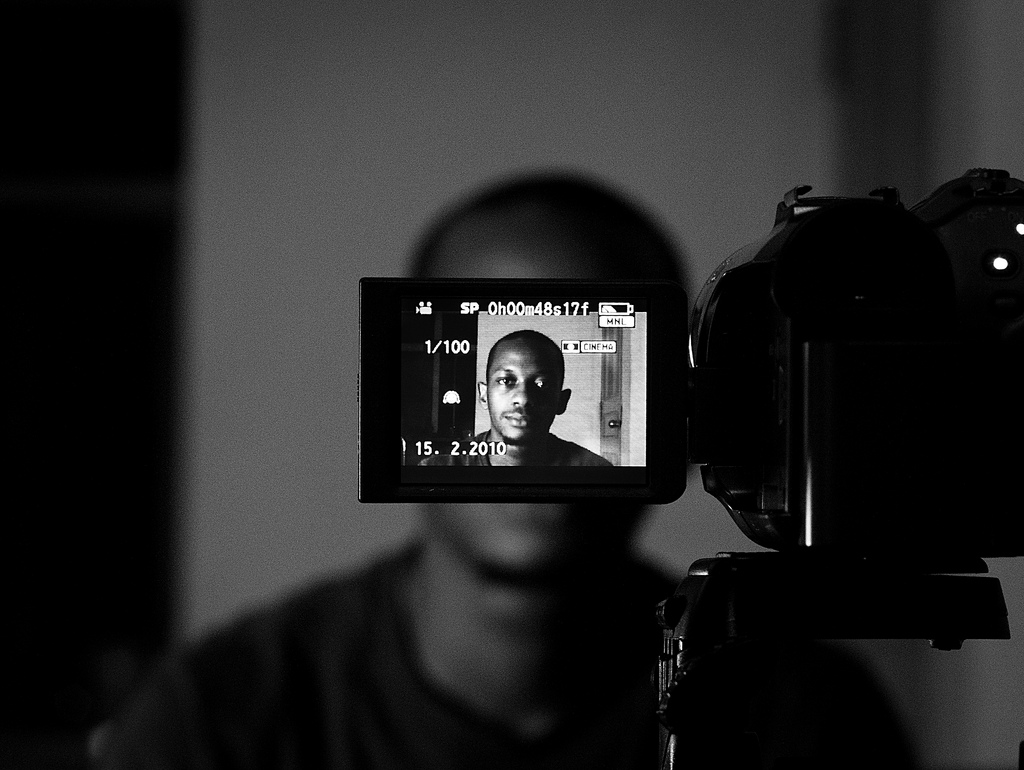
Once in the casting room, the first request will be a slate, directly to the camera. This is the first chance that the company’s marketing directors see the actor, so make the most of it. Slate your name confidently and pleasantly to impart a positive vibe from the start.

Next, the CD may ask for a full body shot or a full body turn, side shots or pictures of you in profile. This is so they can get a sense of how your entire body looks on camera. Again, be confident, they called you in for the role because you are a match for their character. There is nothing to be self-conscious about.

Last will be the actual read. Even though commercials are short, they are never rushed. Commercial actors are always under control, not matter what the circumstances of the script may be. Do not rush the dialog, or speak too slowly, a relaxed actor will always speak at an appropriate pace.

After the first read, be prepared to receive notes. Pay special attention to the director’s words and ask clarifying questions if needed. This is the perfect time to bust out an alternative interpretation that you prepared the night before. Finally, thank everyone and leave with a smile. Starting on a positive note and ending on a positive note will only help your chances of being cast.

This may seem like a lot of advice just for a short audition, but with practice and careful attention it will become second nature. Maybe Konstantin was right, even small roles like commercials require large amounts of acting skill.

[su_note]Learn more about the School of Acting at the New York Film Academy by clicking here.[/su_note]

Image Source

Phasing Out The News Truck

Remote Editing of News Events

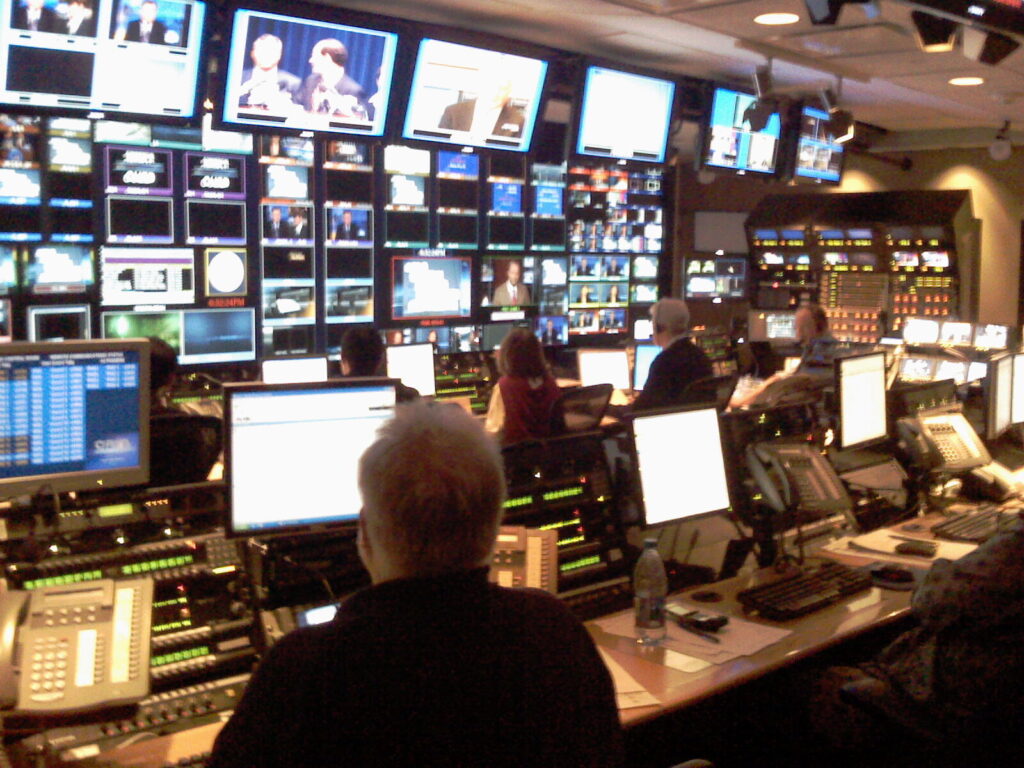
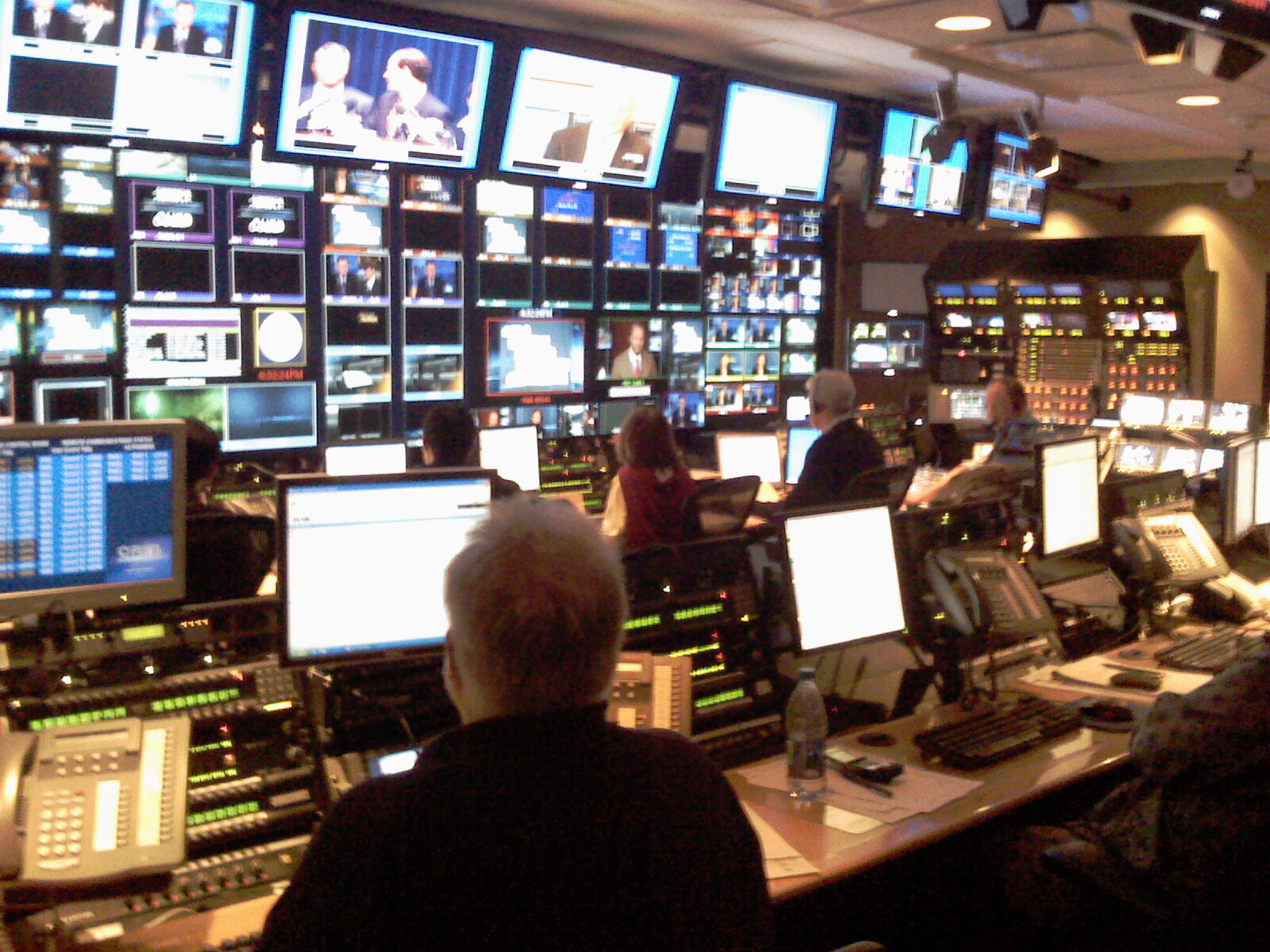
For years, live and up-to-the-minute coverage of news and events has been both essential to capturing viewers’ attention and very expensive to produce. In today’s multimedia world, this is more important than ever, as nothing drives viewers to a TV station’s social media feed like breaking news and live footage of current events.

Traditionally, TV stations send a live truck, which usually transmits by satellite or microwave, to the scene of breaking news or a large local event. Live trucks are expensive themselves, costing in the six figures in most cases, and maintenance/repairs aren’t cheap either. They’re also large and stuffed full of heavy equipment, making fuel expenses a monthly drain. Insurance isn’t cheap, and one accident can send rates through the roof.

Remote Production Improves Efficiency and Lowers Costs

For all of these reasons, most local stations can only afford one, maybe two live trucks. Stations in larger markets may be able to afford more, but they often have more breaking news to cover at one time. Both big and small stations sometimes have to decide which newsworthy event they won’t cover live.

Aside from the costs of operating a live truck, they’re problematic in other ways. Because of the vehicle’s size, it often takes a long time just to find an appropriate parking space that isn’t in some other station’s way, or breaking some sort of local ordinance. More than one news team has discovered that by the time they parked the live truck and set up the equipment, it was too late to cover the event live and they might as well just get video and return to the station.

Enter Remote Production

Remote production uses either dark fiber or IP circuits to send multiple signals back to the station with a high level of security and efficiency. According to a recent IABM article, dark fiber in particular is useful for transmitting large amounts of high-resolution, uncompressed video, something that would be expensive and slow to upload via a data plan or most wifi connections. It does so with very little loss of data, so video quality isn’t compromised, making it an ideal form of transmission for television.

When dark fiber isn’t available, telco-improvised IP circuits can be substituted. With the right amount of bandwidth and number of circuits, efficiency can be similar to that of dark fiber. IP links are scheduled by bandwidth, allowing station’s to send back multiple video feeds at once. Like dark fiber, they require less equipment and fewer personnel to operate.

Saying Goodbye to the Conventional Live Truck?

Some broadcasters have found remote production to be so successful, they no longer need to use cumbersome, gas-guzzling live vehicles (or they only do so occasionally). By multiplexing camera and microphone outputs onto one dark fiber circuit, reporters and production assistants can quickly send footage back to the station’s servers, where it can be edited in a fully functional edit bay.

An edit bay at the broadcaster’s central location, with access to a wide variety of equipment and knowledgeable team members, is a better place to pack a story than a cramped live truck with limited resources, where production team members might be distracted by other duties. Plus, the reporter and other personnel aren’t scrambling to produce a package and beam it back to the station, while also trying to prepare for a live shot. This improves the production of live coverage as well as edited footage that runs later.

Possible Concerns

According to a recent IABM article, despite its advantages, some industry insiders worry that remote production has a downside. One possible problem is that the people editing the package back at the station may not have quite the same grasp of the event as the reporters who are actually there. Commentary from the reporter can give the station’s editors, as well as the viewers, a better understanding of what’s going on at the scene. The fact that reporters and photographers are free to continue covering the story also helps them to gain more insight that they can pass on to colleagues back at the home base.

Significant Cost Savings and Improved Efficiency

Not only do packages turn out better when produced at the broadcaster’s home base, but not struggling to piece together a package in a cramped live truck frees up reporters, photographers and production staff to continue covering the news or event. Meanwhile, the broadcaster saves money on transportation, fuel costs, and maintenance on the truck.

The station is also usually able to send fewer production personnel to the event. A recent TVNewsCheck article describes how a European broadcaster sent 200 people to the 2008 Beijing Olympics in order to cover the event live. But with remote production capabilities, in 2012 they were able to send only 40 people to London to cover that year’s Olympics.

[su_note]Learn more about the School of Broadcast Journalism at the New York Film Academy by clicking here.[/su_note]

The Decline Of Couch Co-Op

The decline of local multiplayer co-op gaming

From bigger worlds and realistic graphics, to downloadable content and 1 Gigabyte games that can fit on your phone, there are plenty of obvious differences between games today and games from the ’80s and ’90s. Those of us who played arcades and video games in this era, however, are aware of perhaps one of the biggest disparities of all: multiplayer.

These days it is all about online multiplayer, which PlayStation 4 and Xbox One gamers can only enjoy if they play a subscription service. Titles offering online multiplayer modes often boast dozens of players in one match, intense gameplay that cannot be matched by A.I. opponents, and the ability to chat with friends while playing. Of course, most games these days that include online multiplayer also lack any local multiplayer modes, which means only one person is using the console to play.

This is very different from the days when games were almost expected to have some form of two or four player modes. Some of the most beloved titles from the 16 and 32 bit era did, including the flagship series for the top companies of the time: Nintendo and Sega. All the early Mario and Sonic games let you face countless foes, explore new worlds, and save the day with a friend helping you along the way.

There are many other games like these from the time, and even when consoles were finally able to support LAN and online, plenty of memorable co-op games still emerged. Titles like Gears of War and Halo, despite having online support, let you take on the campaign with others on the same console.

Today, however, there just seems to be very little focus on local multiplayer, especially from big-budget companies. Even Halo 5: Guardians will mark the first time that a Halo game does not let you go through the campaign in split-screen mode. It is now mostly indie game developers that are keeping couch multiplayer alive.

To see roughly how many local multiplayer titles were on today’s latest consoles, we used Co-Optimus – a site that covers games with cooperative gameplay elements. Below is what we came up with:

PlayStation 4

  • 38 games that support up to 4 local players
  • 3 games that support up to 3 local players
  • 59 games that support up to 2 local players
  • ~15% of the library offers couch co-op gameplay.

Xbox One

  • 2 games that support up to 8 local players
  • 1 game that supports up to 6 local players
  • 20 games that support up to 4 local players
  • 76 games that support up to 2 local players
  • ~21% of the library offers couch co-op gameplay.

Wii U

  • 1 game that supports up to 8 local players
  • 8 games that support up to 5 local players
  • 16 games that support up to 4 local players
  • 3 games that support up to 3 local players
  • 46 games that support upt o2 local players
  • ~11% of the library offers couch co-op gameplay. Note: This does not include Wii games playable thanks to backwards compatibility.

As you can see, it cannot be said that there is an emphasis on local multiplayer this day and age. It is also worth mentioning that, although the Wii U has the lowest percent, some of the best couch co-op games in the last few years have been created for that console.

Games like Super Mario 3D World, Super Smash Brothers 4, Mario Kart 8, and Donkey Kong Country: Tropical Freeze are only a handful of the many Wii U titles that not only have couch multiplayer, but scored high as well.

As we mentioned earlier, the good news is that indie developers are doing an awesome job of providing these local co-op experiences. This isn’t surprising considering that these same developers grew up with Donkey Kong Country, Golden Axe, TMNT: Turtles in Time, and other great multiplayer titles from back in the day.

If gamers started showing (with their money) that we still care about local multiplayer, perhaps the big companies will listen. As our numbers point out, however, that doesn’t look to be the case anytime soon.

[su_note]Learn more about the School of Game Design at the New York Film Academy by clicking here.[/su_note]

Image Source

Three Free And Reliable Online Resources For Game Designers

Game design resources onlineWhen one thinks about the App Store or Wii gaming library, some pretty amazing games come to mind. From Super Mario Galaxy and Metroid Prime 3: Corruption, to Hearthstone and Infinity Blade, both devices have proven themselves capable of delivering experiences worth recommending.

For every one of these good titles, however, there are hundreds and hundreds of uninspired, cheaply-made games appropriately deemed “shovelware.”

This is really typical of the internet, and it’s no different when it comes to learning resources. With so much low-quality content out there, finding good, trustworthy resources can be a real challenge sometimes.

That is why we have assembled a list of three trustworthy online resources with content made by authors and developers who know what they’re talking about. Whether you’re a game designer, artist, programmer, writer, producer, or anything else, we’re confident that you’ll find something useful on the following sites:

1. The GDC Vault

It’s no surprise that the people behind Game Developer’s Conference, the world’s biggest game industry event for professionals, also provides an amazing collection of resources.

From game design tips and technical guides, to inspirational talks from some of the most influential figures in the gaming industry, there’s no shortage of content on this site no matter what how you’re involved in game development.

If you also prefer getting valuable info in a form other than text, look no further. According to the site there are more than eight thousand audio files, videos, and synced presentations spanning thousands of hours. They are notably all chosen by the GDC advisory board, which means you’re only getting the best talks and guides.

New content is also released on a weekly basis, which means you can keep learning from the latest talks in this fast-paced industry of ours.

Site: http://www.gdcvault.com/free

2. Gamasutra

Founded in 1997, Gamasutra has since then served as one of the best online sources for all things video game development.

This site is especially useful for developers, both new and veteran, because it not only offers learning resources but also other useful content. This includes a great “News” section where you’ll find the latest gaming news, blogs, industry articles, and more.

The “Jobs/Resume” section on this site is also one of the best collections of positions currently open at game companies and studios across the globe.

Gamasutra also does a good job of providing postmortems and other published work by developers detailing their experience while working on their project. This includes blogs where users can share their thoughts and opinions on different gaming topics, be it criticism on crunching, a controversial issue in the industry, and more.

All in all, you’ll be hard-pressed to find as good an online resource as Gamasutra that provides the same variety of news and information.

Site: http://www.gamasutra.com/

3. Pixel Prospector

Although anyone can benefit from this treasure trove of content, indie gamers may find it the most useful. Pixel Prospector has dedicated itself to helping independent gamers who, whether they received some form of game development education or not, are hungry for information that will help them make their dream project not only come true, but actually succeed.

In a sea of sites who offer resources, but are also covered with ads and affiliate links, it’s also great knowing that Pixel Prospector is non-commercial. In other words, they’re willing to help aspiring game developers even if they don’t get a single dime for it.

Here you’ll find a great list of categorized resources, allowing you to find the perfect guides just for you. This also includes videos in different languages, in-depth tutorials, and lists of recommended graphics programs, software tools, and more.

And while the game development, graphics, and other sections are great, it’s the marketing guides you’ll definitely want to look into. It’ll help you realize just how much more work you have ahead of you, even when your game is completed, if you want the game to be a commercial hit.

Site: http://www.pixelprospector.com/

Stand out in the crowded and lucrative field of video game design by enrolling in one of our intensive, hands-on game design programs taught by industry-leading faculty. Learn more on our Game Design Discipline page and apply today.

How to Make An Actor Demo Reel

Making an actor demo reel

In the long line of confounding acting advice, casting directors demand that actors have a demo reel if they are to take you seriously. However, in the same breath they will also say, “no reel is better than a bad reel.” Being bad is worse than being considered an amateur, but in either case the chances you are going to get cast are very low.

The truth is a demo reel is quickly becoming the most important part of professional casting submissions, even more important than headshots and resumes. Through online casting services, CD’s can quickly view demo reels and, in some cases, they won’t even consider actors who do not have reels. Reel-less actors are considered unready for the demands of a professional gig, so, by that logic, having some sort of reel is preferable to nothing at all.

Gathering Footage for a Reel

Ideally, all content on a demo reel is professionally produced, but for a beginner with little experience that is impossible. Luckily, in the last couple of years, casting pros have become more accepting of reels that aren’t professional, as long as the quality is acceptable. This means that student films, independent films, web series, and privately produced scenes are widely used on actors first demo reels.

When the project starts, know that you probably won’t receive any footage for at least a few months. With that in mind, focus on giving the best performance you can during production and the film will take care of itself.

Make sure to stay in good standing with the director, producer, and editor. Get their contact information before you wrap your scenes. Mention that you are assembling a demo reel and would love to include a scene from the film. Down the road, after the project is cut, send an e-mail requesting your footage.

If the footage is local, you can meet up with the team and download the video file to a jump drive. If not, have the editor, or director, send your scenes over Dropbox.

Once the files are in your possession, hire an editor or recruit a knowledgeable friend and get to work.

Rules for Reels

All CD’s want to see is what you look like, what you sound like, and if you can act. They are always pressed for time and they want this information immediately.

  1. Show Only Your Best Work – If the production quality is bad or the acting isn’t your best, wait until you have better footage.
  2. Keep It Short: 60 to 90 seconds total – Casting directors don’t need much to glean the information they need to make a decision.
  3. Slate screen at the beginning and end (Name, E-mail, Website).
  4. Include 3-4 different scenes – Mix up the comedy and drama, be sure to show casting your best types.
  5. Lead with your best credits.
  6. DO NOT repeat footage – Use each project only once, otherwise you look like you don’t have anything else.
  7. Make it focus on you – If other actors are in the scene, avoid covering them too much. At least 75% of the reel should be you.
  8. Post Online – On your personal website, on video sites (YouTube, Vimeo, etc.), and embed on your casting website profiles.
  9. Update the reel as you gain experience – Start with what you have, but as you advance, replace the old footage with newer, better clips.

A great demo reel, like a great headshot, will not get you a role, but it can help you get an audition. Once you have secured the audition, the reel no longer matters, it’s all about your performance in the room.

No reel might be better than a bad reel, but there is no reason that an actor cannot put together an acceptable reel to show off their current skill level. It makes a great self-motivator for any actor who wants to improve.

[su_note]Learn more about the School of Acting at the New York Film Academy by clicking here.[/su_note]

How To Save Time And Money: Remote Production

Remote News Production

Live or up-to-the-minute coverage of news events is expensive for TV stations, but also essential in today’s fast-paced world of viral videos and many big stories breaking on Twitter.

TV needs to offer high-quality video from the scene of a breaking news event to grab and hold the attention of easily-distracted viewers. However, production costs and quality issues are a constant problem.

Is Remote Production Technology Right for You?

Right now, many broadcasters are wondering if a dark fiber or IP circuit connection can help cut down on costs. These connections allow the transmission of multiple signals, including large amounts of unprocessed HD video, in a quick and efficient manner. Equipment is small and portable—no bulky, hard to maneuver, gas-guzzling live truck required. Often only the reporter and one photographer are needed to cover a big event (similar to the number of personnel needed to cover one story that isn’t for live broadcast). Stations can simultaneously cover as many events as they have reporters.

Up-Front Costs Vs.Long-Term Costs

Dark fiber and IP circuits can be expensive. Dark fiber is usually obtained through a local telecom company—Verizon, AT&T, and CenturyLink are the current leaders in the field. In some areas, there are also independent companies in the growing market for dark fiber (which appeals to a wide variety of business clients, not just those in the broadcast industry).

If you have more than one provider in your area, compare prices. Be sure to ask about maintenance costs, who foots the bill if a cable is damaged, and what the company’s track record is with installation or end-user problems.

If dark fiber is not an option in your area, consider IP circuits. These are booked by bandwidth, so your station can use them for multiple things: sending video, sharing a network connection, and so on. Video and audio are sent back to the broadcaster’s home base quickly and easily, with no need for a huge satellite truck and staff.

Both options can be expensive up-front, and the reality may be that your station simply can’t afford it right now, but it may be something you consider in the next few years.

Keep in mind that while your equipment cost may be high initially, and there are some maintenance costs involved with any technology, dark fiber and IP circuits may be cheaper to maintain than a satellite truck, depending on your current costs.

These technologies prevent high fuel costs, time wasted struggling to maneuver a large vehicle into an appropriate parking place (or three) while news is happening, the potential for accidents/liabilities, and the need for multiple employees to run to one news scene. In the long run, remote production will usually save the station money.

An Alternative to a New Live Truck

If your station is considering adding a new live truck or replacing an old one, you might consider investing in dark fiber or IP circuits instead.

A recent Business Insider article reports that connecting a “large client” with dark fiber can cost anywhere from $50,000-150,000. However, dark fiber have clients in many fields, including businesses that are larger than most local television stations.

Depending on your needs, the acquisition of a dark fiber link could be about the same as what you’d spend on a live truck. Depending on a variety of factors, live trucks can cost anywhere from $90,000 on the low end to half a million dollars on the high end.

Additional Benefits

Aside from saving money, the station can produce better packages. Editing in a tiny truck with limited equipment prior to—or in between—live shots is not ideal. Back at the station, if a piece of equipment breaks, there are usually multiple spares you can use instead. If you don’t know how to solve a problem, there is often a colleague available to help. Out in the field, this isn’t usually the case.

Additionally, sometimes reporters, photographers, and other staff are distracted by difficulties at the scene (“You better move this truck right now or you’re getting a ticket!”) or further breaking news. Sending video back to the station for editing allows for a much higher quality ending product, often in less time.

Preventing Miscommunication

One concern is that colleagues back at the station might misunderstand some point the journalist was trying to make in his or her story since they are not on the scene, experiencing things for themselves. To prevent misunderstandings, make sure to send instructions along with your script. Try to describe the atmosphere of the scene. Adding some notes can help the editors back at the station, who may not have captured the essence of the breaking news or event in quite the same way you did. A quick phone call can help clear up any misunderstandings.

If it turns out that, despite your best efforts, a colleague back at the station didn’t understand something, and the video isn’t quite matching what you’re talking about, try to roll with it. Make some effort to refer to the cover video that’s playing or contents of the package that just ran, and get back on track as smoothly as you can.

Not the Best Solution for Extremely Large Events

Once you have more than 25 camera feeds, broadband costs start to rival those of booking time on a satellite. There’s also the increased possibility of technical difficulties jamming up the whole operation.

For such an extremely large event, you will probably want to use a live truck, at least in addition to remote production technologies. However, most small and medium market stations will rarely, if ever, find themselves in such a situation.

Most of the time, remote production will save the station time and money, and allow for a higher quality level of production.

[su_note]Learn more about the School of Broadcast Journalism at the New York Film Academy by clicking here.[/su_note]

Image Source

Five Games Of 2015 We Thought Would Be Good, But Are Actually Great

Surprising video games of 2015

When you look back at any of the “Most Anticipated Games of 2015” lists written up last year, you’ll usually find the same games repeating (such as Batman: Arkham City). These hyped games were certainly worth looking forward to. The ones that already released as of this writing were, for most of us, worth the wait.

However, it just wouldn’t be a good year for gaming without plenty of surprises, and so far 2015 has had a good number of them. Even games that we knew had plenty of potential still surprised us when we finally played them and found them to be amazing. The following is a list of such titles that were on the radar, but still managed to blow us away…

Rocket League

This is a game that everyone is talking about. Yet, few know it’s actually a sequel to a 2008 game called Supersonic Acrobatic Rocket-Powered Battle-Cars. Rocket League is definitely a better name, even if people always have to ask what it is about when they hear it. The best answer, of course, is “soccer but with cars”.

This addicting game released in July of 2015, and since then has received a lot of praise for being both simple to understand but very fun to play. Even though it won a lot of awards before releasing, including PlayStation Universe’s “Best Sports Game of E3” and GamingTrend’s “Best Multiplayer Game of E3,” few could have predicted that it would be downloaded more than 5 million times only a month after releasing.

Bloodborne

FromSoftware’s Dark Souls games became popular last generation for offering us a satisfying level of challenge other big-budget games did not. For this reason, Bloodborne was always an anticipated title, but not everyone was expecting it to become one of the highest rated PlayStation 4 games thus far.

Currently holding one of the highest Metacritic scores of games released in 2015, Bloodborne has been lauded for offering the same “tough but rewarding” gameplay of the Dark Souls games, but with an even more disturbing (and often frightening) atmosphere. Even the man in charge of Sony’s UK branch admitted that Bloodborne exceeded their expectations when it comes to sales numbers.

Pillars of Eternity

Obsidian Entertainment has a short but impressive history of working on popular games, including Fallout: New Vegas and South Park: The Stick of Truth. In 2012, they successfully acquired enough funds via Kickstarter to make a new RPG in the vein of old series like Baldur’s Gate and Planetscape: Torment.

This game was Pillars of Eternity, a computer title that has been hailed as one of the best isometric RPG games to release in years. The visuals, gameplay, and storytelling have all has been praised, earning it an aggregate Metacritic score of 89. It’s one thing to create a great RPG game for PC, but another to develop one that simultaneously feels like a fresh experience while also harkening to the great classics from late 90s.

Splatoon

There’s been a long-lasting problem for Nintendo the past few years when it comes to new IP. New titles like The Wonderful 101 and Zombiu, despite receiving decent reviews, didn’t sell as well as hoped. Many third party developers have ditched the Wii U since only 1st party titles with the names “Mario” and “Zelda” sell well on the platform.

Enter Splatoon, a game featuring a unique world with new characters that people can’t stop talking about. Since this is Nintendo we’re talking about, it took many by surprise to see them not only release a “shooter,” but also have it sell well across the globe and receive great reviews. The experimental decision to release free content at a steady pace after release has also proven successful for attracting new players and keeping the rest coming back for more.

Ori and the Blind Forest

Ori and the Blind Forest is the perfect example of a sleeper hit. We say this because the opportunity to promote this game was put off in favor of other titles. For example, Call of Duty: Advanced Warfare opened Microsoft’s 2014 E3 conference, even though Yusuf Mehdi said they considered using Ori first. Even without all the attention, Moon Studio’s title released to critical acclaim from fans and critics alike.

Review sites who have given Ori and the Blind Forest high scores say it was due to the excellent storytelling, visuals, level design, and gameplay. From start to finish, it is a captivating (and often challenging ) game, enough that some are calling it “a classic metroidvania title.” Moon Studio has already mentioned that Microsoft is interested in a future installment, seeing as Ori and the Blind Forest became profitable for them within a week after launch.

[su_note]Learn more about the School of Game Design at the New York Film Academy by clicking here.[/su_note]

Image Source

The History of the Mockumentary Artform

“I believe virtually everything I read, and I think that is what makes me more of a selective human than someone who doesn’t believe anything.” – David St. Hubbins, This is Spinal Tap

One of the countless memorable quotes from the title that spawned—and defines—an entire genre, blurring the lines between scripted satire and improvised comical genius. And while Spinal Tap is arguably the most well-known and oft-quoted of the mockumentary genre so far, it wasn’t strictly the first mockumentary…and it definitely won’t be the last.

As such, join us outside the classroom of your documentary school for this tour of one of the most quirky genres in cinema as we explore:

The History of the Mockumentary

RickyGervaisAsBrent

The first major English language example of the genre—and also the first to leave a long-lasting impact on popular culture—came to us way back in 1938 in the form of a radio play.

When Orson Welles read out a fake news broadcast based on and adapted from H. G. Wells’ War of the Worlds, his delivery and the format of the program reportedly led many people to believe that Earth was, in fact, being invaded by a genocidal martian army.

While there was a disclaimer at the start of the show, it’s suspected that many people missed it due to crossover scheduling and tuned in ten minutes too late to catch Welles describing the invasion in media res. With heightened tension in the face of the real war looming in Europe, the broadcast hadn’t even ended before authorities swarmed CBS and tried to shut it down based on reports of public mass hysteria (they were met with physical resistance from radio executives).

Without any commercial interruption, even with 70 years of hindsight it’s easy to see why the realism unintentionally deceived people (especially if you imagine just tuning in at the 2:30 minute mark.) Here’s the complete broadcast, and it’s every bit as good even when you know it’s a dramatization:

While the scale of the public hysteria is under debate, there’s no doubt that the 1938 War of the Worlds adaptation put Orson Welles squarely on the path to stardom and kickstarted the whole idea of fiction presented as fact, even if it was unintentional.

A Hard Day’s Tap

Not much occurred in the genre for the next few decades following the Welles broadcast, though it should be noted that ‘joke’ news articles and journalistic satire did see a rise, and the tradition of running April Fool’s news segments on both screen and in print was cemented shortly afterwards. The latter was achieved mostly through the ready availability of stock footage, coupled with ludicrous voice over content.

But it wasn’t until the 60s that we saw anything approaching what we currently know as a ‘mockumentary’ feature; that came in the form of A Hard Day’s Night, which served as a strong precursor to the aforementioned This is Spinal Tap:

The format and writing really resonated at the time with the legion of Beatles fans who were afforded an inside look—albeit tongue-in-cheek and scripted—at the Liverpudlian quartet’s everyday lives. And its appeal has endured, frequently being named as one of the most influential music films ever produced.

Approaching the Apex

With the momentum of the mockumentary artform now building,  few more titles embraced the style—namely, the extremely meta David Holzman’s Diary (1967) and the forgettable Pat Paulson for President (1968)—but it was Woody Allen who took the ball and ran with it, pushing the genre to new heights with 1963’s Take the Money and Run and later with 1983’s Zelig.

And then along came Christopher Guest, the grandfather of the improvisational mockumentary.

Directed by Rob Reiner and co-written with Guest (along with Michael McKean and Harry Shearer), the 1984 masterpiece This is Spinal Tap changed the game forever and arguably hasn’t been topped since.

We’ll let this iconic clip speak for itself:

There’s not much more to be written about the comic and cinematography genius that hasn’t already been stated over the past three decades since its release, save for another recommendation to immediately go and watch it if you haven’t already.

The Modern Era

A few mockumentaries have tried to turn the dial to eleven since then, to varying degrees of success. Sascha Baron Cohen put a fresh spin on the genre and brought it to a new age with Borat, at the same time pushing the limits of how awkward and cringeworthy unleashing a character actor into real-world settings can be:

But proving that you can have too much of a good thing, his subsequent efforts—Brüno and The Dictator—failed to capitalize on the format Cohen invented.

When it comes to television, however, the mockumentary genre has flourished with some seminal titles coming particularly out of Britain: The Office revolutionized the genre for the medium (and spawned many international versions), and many heralded the black comedy, spoof news series Brass Eye as being the pinnacle of satirical TV news (NSFW language warning):

Going forward however, it’s the new mockumentary series Documentary Now! which looks set to steal the spoof TV crown back for America.

Written by notable Saturday Night Live alumni Seth Meyers, Bill Hader and Fred Armisen and inspired by the likes of Spinal Tap—though intentionally trying not to mirror it. The show recently wrapped up a successful first season that included such documentary punching bags as a parody of Nanook of the North and a lampooning of Vice’s journalistic practices. We’re eagerly awaiting the upcoming second season to see which sacred cows of documentary film they take on next.

Certainly one to watch, and we’d love to know what you think of the new show (and any other favorite mockumentaries we might have missed.) Head on down to the comments below and let your voice be heard!