5 Fallen Musical Idols Immortalized in Documentary Form

It’s a sad fact of life and with way too much precedent that some of the finest musicians bow out early, leaving the rest of us with the unanswerable question of what they would have gone on to achieve had they not passed too soon.

At the same time, these stars—regardless of what mind you pay to the notion of celebrity—usually have a colorful life and personality, and it takes an expert documentarian with access to really good footage in order to tell their stories in an effective and respectful way.
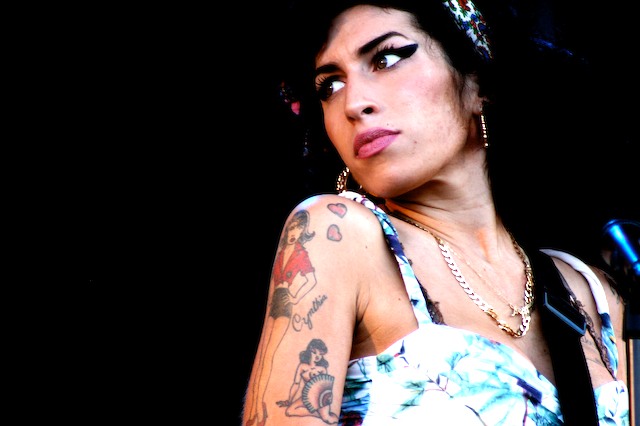
Amy Winehouse
Amy Winehouse

5 Must-See Documentaries About Tragically Lost Music Stars

1. This is It

One of the more controversial documentaries listed here due to both the subject himself and the nature of it’s release, This is It covers the preparations behind what would be Michael Jackson’s final curtain call, both literally and, sadly, figuratively. A very interesting inside look behind the scenes of an enigmatic, true genius… as long as you can put aside the fact that none of the footage was intended for release, the Jackson estate didn’t exactly approve, fans objected to the exploitative nature of the tour itself, and that – arguably – Jackson himself wouldn’t have wanted its release.

2. Montage of Heck

If Michael Jackson is to be considered the most tragic figure in pop, Kurt Cobain surely ranks among the same leagues when it comes to rock.

Kurt Cobain: A Montage of Heck is one of the finest documentaries of 2015 so far, let alone one of the best music documentaries ever released. Montage paints a very different picture of Cobain to the one that has endured in popular culture. Particularly, we learn that he wasn’t the moody, tortured artist who only took his own life to escape the trappings of fame; in reality, he was a humorous (if highly-strung) perfectionist who loved music and did all he could to steer his life in the right way before succumbing to his long-lasting battle with depression and drug addiction.

Documentary filmmaking at its very finest, and will no doubt be the definitive work on the Nirvana frontman for years to come (and probably permanently.)

3. What Happened, Miss Simone?

This Netflix original opened this Summer to great acclaim, helped in part thanks to Nina Simone’s only surviving daughter overseeing the fine work of director Liz Garbus as executive producer.

And really, a documentary covering the huge career and personality of Simone was never in better hands than Garbus’. If you know the name, it’ll likely be from her biopics Bobby Fischer Against the World (which opened the Premier Documentary event at Sundance in 2011) as well as the Love, Marilyn documentary; anyone that can craft a well-made homage to Marilyn Monroe where so many others have failed is worth following.

4. Amy

Joining Kurt Cobain in the notorious 27 Club—a term used to describe the phenomenon of gifted young artists passing away at the age of 27—Amy Winehouse’s death came as a shock, if not surprise, to the British music scene and far beyond.

And like Cobain, Winehouse’s story (as well as what drove both her musical aptitude and self-destructiveness) is complicated and multi-layered, making it and Montage two of the most essential documentaries of the summer. This year’s Amy is an achievement because it does exactly what a good documentary should do: taking a complex figure and getting right to the heart of what they’re all about, with depth and feeling along the way.

A truly heartbreaking study of fame, addiction, broken relationships, and, above all, a uniquely talented musician.

5. Searching for Sugarman

An anomaly on this list of musicians that died way before their time is taken in a literal sense, the twist in the tale of Stephen Segerman’s life and career is way more glorious and magical to view on screen than anything you might have read about it on paper … so we won’t give anything away.

Almost unanimously voted as the best documentary of 2013, Searching for Sugar Man plays out much the same as a beloved, emotional song: a disarmingly grabbing intro, a strong hook and a surprising turn at the bridge, all leading into an incredibly eclectic crescendo. If you haven’t watched Searching for Sugar Man, you’re missing out.

BONUS – Notorious B.I.G: One More Chance 
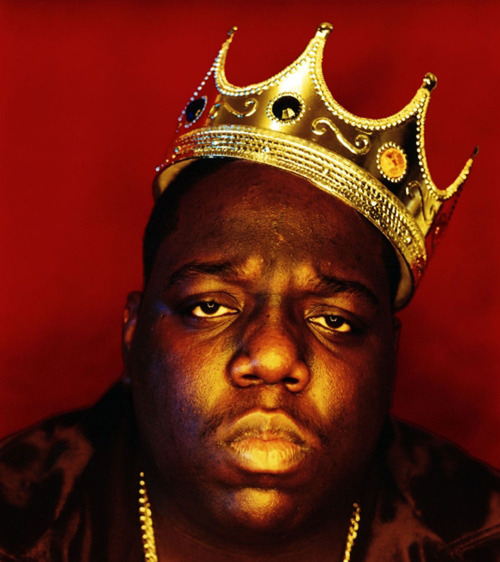
BIGGGIE

While March 2017 marks the 20th anniversary of Biggie’s shocking murder at the young age of 24, Biggie Smalls is not only not forgotten — he’s still loved and revered by many as the greatest rapper of all time. The Brooklyn-based artist originated a unique sound mingling Jamaican Patois and East Coast grit that is still unique and resonant two decades later.

B.I.G. not only inspired a generation of hip-hop artists, musicians, and singers; he’s inspired documentaries and an upcoming scripted true-crime series. He was the subject of a 2007 documentary feature titled “Notorious B.I.G. Bigger Than Life,” which included personal appearances and interviews with some of the biggest names in hip hop.

And, as announced in Spin March 2017, a new Biggie Smalls documentary is in the works: “‘Notorious B.I.G.: One More Chance’ will be directed by Emmett Malloy and Brendan Malloy, and will be made with the full cooperation of the late rapper’s estate and his mother, Voletta Wallace.”Singer Faith Evans was married to B.I.G. at the time of his death, and has commemorated the 20th anniversary of his by loss dropping a new album of duets she created with her late husband, titled The King & I.

Know of any more musician profile documentaries that deserve a watch? Don’t hesitate to give it a shout-out in the comments below—we’re all ears.

The History of the Mockumentary Artform

“I believe virtually everything I read, and I think that is what makes me more of a selective human than someone who doesn’t believe anything.” – David St. Hubbins, This is Spinal Tap

One of the countless memorable quotes from the title that spawned—and defines—an entire genre, blurring the lines between scripted satire and improvised comical genius. And while Spinal Tap is arguably the most well-known and oft-quoted of the mockumentary genre so far, it wasn’t strictly the first mockumentary…and it definitely won’t be the last.

As such, join us outside the classroom of your documentary school for this tour of one of the most quirky genres in cinema as we explore:

The History of the Mockumentary

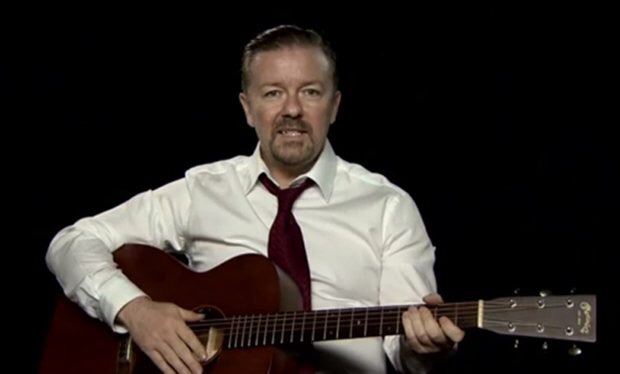
RickyGervaisAsBrent

The first major English language example of the genre—and also the first to leave a long-lasting impact on popular culture—came to us way back in 1938 in the form of a radio play.

When Orson Welles read out a fake news broadcast based on and adapted from H. G. Wells’ War of the Worlds, his delivery and the format of the program reportedly led many people to believe that Earth was, in fact, being invaded by a genocidal martian army.

While there was a disclaimer at the start of the show, it’s suspected that many people missed it due to crossover scheduling and tuned in ten minutes too late to catch Welles describing the invasion in media res. With heightened tension in the face of the real war looming in Europe, the broadcast hadn’t even ended before authorities swarmed CBS and tried to shut it down based on reports of public mass hysteria (they were met with physical resistance from radio executives).

Without any commercial interruption, even with 70 years of hindsight it’s easy to see why the realism unintentionally deceived people (especially if you imagine just tuning in at the 2:30 minute mark.) Here’s the complete broadcast, and it’s every bit as good even when you know it’s a dramatization:

While the scale of the public hysteria is under debate, there’s no doubt that the 1938 War of the Worlds adaptation put Orson Welles squarely on the path to stardom and kickstarted the whole idea of fiction presented as fact, even if it was unintentional.

A Hard Day’s Tap

Not much occurred in the genre for the next few decades following the Welles broadcast, though it should be noted that ‘joke’ news articles and journalistic satire did see a rise, and the tradition of running April Fool’s news segments on both screen and in print was cemented shortly afterwards. The latter was achieved mostly through the ready availability of stock footage, coupled with ludicrous voice over content.

But it wasn’t until the 60s that we saw anything approaching what we currently know as a ‘mockumentary’ feature; that came in the form of A Hard Day’s Night, which served as a strong precursor to the aforementioned This is Spinal Tap:

The format and writing really resonated at the time with the legion of Beatles fans who were afforded an inside look—albeit tongue-in-cheek and scripted—at the Liverpudlian quartet’s everyday lives. And its appeal has endured, frequently being named as one of the most influential music films ever produced.

Approaching the Apex

With the momentum of the mockumentary artform now building,  few more titles embraced the style—namely, the extremely meta David Holzman’s Diary (1967) and the forgettable Pat Paulson for President (1968)—but it was Woody Allen who took the ball and ran with it, pushing the genre to new heights with 1963’s Take the Money and Run and later with 1983’s Zelig.

And then along came Christopher Guest, the grandfather of the improvisational mockumentary.

Directed by Rob Reiner and co-written with Guest (along with Michael McKean and Harry Shearer), the 1984 masterpiece This is Spinal Tap changed the game forever and arguably hasn’t been topped since.

We’ll let this iconic clip speak for itself:

There’s not much more to be written about the comic and cinematography genius that hasn’t already been stated over the past three decades since its release, save for another recommendation to immediately go and watch it if you haven’t already.

The Modern Era

A few mockumentaries have tried to turn the dial to eleven since then, to varying degrees of success. Sascha Baron Cohen put a fresh spin on the genre and brought it to a new age with Borat, at the same time pushing the limits of how awkward and cringeworthy unleashing a character actor into real-world settings can be:

But proving that you can have too much of a good thing, his subsequent efforts—Brüno and The Dictator—failed to capitalize on the format Cohen invented.

When it comes to television, however, the mockumentary genre has flourished with some seminal titles coming particularly out of Britain: The Office revolutionized the genre for the medium (and spawned many international versions), and many heralded the black comedy, spoof news series Brass Eye as being the pinnacle of satirical TV news (NSFW language warning):

Going forward however, it’s the new mockumentary series Documentary Now! which looks set to steal the spoof TV crown back for America.

Written by notable Saturday Night Live alumni Seth Meyers, Bill Hader and Fred Armisen and inspired by the likes of Spinal Tap—though intentionally trying not to mirror it. The show recently wrapped up a successful first season that included such documentary punching bags as a parody of Nanook of the North and a lampooning of Vice’s journalistic practices. We’re eagerly awaiting the upcoming second season to see which sacred cows of documentary film they take on next.

Certainly one to watch, and we’d love to know what you think of the new show (and any other favorite mockumentaries we might have missed.) Head on down to the comments below and let your voice be heard!

How To Personalize News For Viewers In A Multimedia World

How to personalize your news for viewers

Every day, broadcasters struggle for new ways to stay relevant as viewers spend more time watching video online than on TV. According to a 2014 Time article, more than 2.5 million homes have no cable or broadcast signal, and use a computer for all television viewing.

Using Social Media to Keep Viewers Updated on Stories of Interest

Fortunately, this doesn’t have to mean the demise of broadcast news. Many viewers already engage with local TV in multiple ways—watching some news on TV, and following stories online for breaking news or updates. Checking a station’s website for more information has given way to following/liking/retweeting a broadcaster’s TV coverage of news. A viewer who follows a TV station’s website may see some of its content pop up in his or her news feed, depending on the social network, the amount of time the viewer actually engages with the broadcaster, whether the broadcaster spends money to boost its posts, and other factors.

When a viewer likes or comments on a post, he or she will usually receive updates as others comments or the station adds more news. Even with notifications turned off, audience members are more likely to see posts they’ve commented on or liked appear in their news feeds.

Stop Repeating Social Media Links and Start Engaging with Viewers Instead

How can broadcasters take advantage of this?

Instead of just encouraging viewers to “follow us on Twitter/Instagram, like us on Facebook!”(which most people have heard so much it’s become background noise), ask viewers to share their opinions or personal stories on a topic.

For example: “Do you agree with the mayor that the intersection of Main Street and Fifth Avenue is dangerous and needs a stoplight installed? Have you ever had a close call or accident there? If so, we want to hear about it. Just click on this story on our Facebook page to comment, or Tweet to us at…”

You can increase engagement by promising to share some of the social media posts about a topic on a later news broadcast. This not only serves to gain likes/follows for individual posts, it also encourages audience members to continue watching your newscasts. Plus it draws in friends and followers of the viewers who comment.

Using Subscription Text/Email Alerts Wisely

Many TV stations offer a service that allows viewers to sign up for news updates, previously by email but now mostly by text. In theory, this is a great way for audience members to keep up with news when they’re away from a TV, or between news broadcasts.

In practice, many subscribers ditch the service if they start getting updates too often, or about things that don’t interest them. Some people have no interest in hearing about a reality star’s dress at a film festival, while others would rather hear about that than the new tax law. Nobody wants to get updates every five minutes.

Update subscriptions should ask viewers how frequently they want to get updates, what topics they want updates about, and what level of importance they assign to updates of each subject that interests them.

Curated News: Broadcast Television’s Future?

Last year, Reuters released an app that promised to collect news stories of importance to the individual user, essentially offering to put together an individual newscast for a subscription fee. While most TV stations can’t afford to do the same with their own apps yet, news apps can offer some level of personalization. Apps often offer a treasure trove of information about the people who download them, and that data can be used to recommend more relevant stories.

Talk to your app’s designer or IT person about ways to personalize your TV station’s app. What permissions do you currently require when users download it? Can you use their location to recommend the stories they would find most interesting? What about recommending news based on their web searches or their answers to questions they’re asked when first installing the app? If your app does not ask for permission to access to the user’s activities outside the app, can you still take the end users’ search and reading patterns within the app to recommend stories each user would find most interesting?

If nothing else, make sure you are collecting and saving solid data from your app. This will come in handy if you need information about audience demographics, which stories are most popular, and what features of the app are used the most.

[su_note]Learn more about the School of Broadcast Journalism at the New York Film Academy by clicking here.[/su_note]

The Personalization of News

The personalization of broadcast news

While news broadcasts are still aimed at the masses, broadcasters are finding new ways to personalize how viewers get their news. After watching the evening newscast, viewers can follow a story on the station’s Facebook page or sign up for text updates on its website. Not only does this keep viewers engaged by giving them more of the stories that interest them (and less of the ones that don’t), it also gives broadcasters data they can use to produce more relevant stories.

General Broadcasts, Personalized Updates

News broadcasts contain a mixture of news about politics, sports, health, weather, business, and local events. Not all of these stories are interesting to everyone in the audience, but with websites and social media pages, TV stations can make it easier for viewers to get more info about the topics that do interest them. When the digital video revolution first began, viewers still had to visit a broadcaster’s website or  search for a topic on YouTube to learn more, but now TV journalists are finding new ways to seek out audience members.

[su_note]Learn more about the School of Broadcast Journalism at the New York Film Academy by clicking here.[/su_note]

Social Media Personalization

Viewers who want more info after seeing a package on the local news can check the station’s Facebook page or Twitter feed for a link to the story. Even though the link may only show the same video from the earlier newscast, by liking or commenting on it, audience members can get updates as they become available—even in between newscasts, as most broadcasters post breaking news in ongoing stories as it becomes available. Aside from getting more information from the broadcaster, they can read comments from other viewers and, in some cases, learn more about a topic through the anecdotes of other viewers (although comments on social media should probably be taken with a grain of salt).

What does this mean for the broadcaster? More viewer interest in future stories or updates on previous packages, more opportunities to sell ad space, and the chance to engage with viewers.

Not Just a Social Media Phenomenon

While social media is great for personalizing the news experience, many stations also offer text or email updates. Again, personalization is key. Viewers who just sign up for updates without specifying what topics or stories they want, often get deluged with so many emails/texts that they quickly opt out.

Due to this issue, most stations now offer a customized experience for audience members who want to sign up for digital updates. They’re asked what topics they want to receive updates about—sports, weather, the stock market, etc.—and sometimes what kind of updates they want on those topics. For example: do you want a text every time your station covers a story about sports, or do you only want updates about your local football team? How about your local football team plus major national stories about baseball?

Not all TV stations offer this level of customization for subscription alerts, but the more specific they make the process, the more likely it is that viewers will stick with their updates.

Other Ways Broadcasters Can Personalize the News Experience

While it’s not yet possible to tailor whole TV broadcasts to specific viewers, that could eventually happen in the digital platform, with websites like Reuters already attempting to curate news for each viewer. Last year the news organization released an app called Reuters TV, which chooses news based on subscribers’ usage data, location, and whether they want short, medium, or long videos.

The downside is the app comes with a monthly fee, and some viewers might prefer to find their own news for free. It’s also currently only available for iOS devices.

Is this an option for local TV stations? Many have their own apps, but most couldn’t afford the cost of curating algorithms or support for such a sophisticated endeavor. Most local stations would also balk at the idea of charging for their app. Broadcaster apps are usually valued for the wealth of data they provide, and the opportunity to sell advertising.

While a fully curated app may not be possible for most smaller stations, some level of customization usually is. When a viewer downloads a broadcaster’s app, he or she is often asked to give the app permission to do all sorts of things, including using the device’s location and other data. Some versions of local TV apps can use this information to recommend stories to each user or decide which updates are most important to that particular user.

[su_note]For more on how to personalize the news experience in a multimedia world, please click here.[/su_note]

How NOT To Make A Movie: 5 Tips Every Amateur Ignores

Over the past year, we’ve shared a lot of great tips for those who are just getting started with filmmaking as a hobbyist, along with more advanced advice aimed at those who have already graduated from filmmaking school.

However, there are some fundamental nuggets of wisdom that frequently go ignored by newcomers (for reasons that nobody can quite figure out), setting back their progress by a considerable amount. Here are five of the most useful filmmaking tips that should never be overlooked, no matter your current level of experience.

1. Don’t Scrimp on Audio…

Spending the lion’s share of your budget to shoot on high quality (and really expensive) film stock will probably go unnoticed and unappreciated by 99% of the people watching the finished product. Shoddy audio quality, on the other hand, will ruin the watching experience for the same 99%.

audio mixing tips

Even if the audio sounds okay-ish in your studio cans while you’re in the editing suite, it doesn’t guarantee the same audio track won’t sound dreadful through massive speakers during a public screening, or even just a mid-grade TV.

Certain audio problems can be a real nightmare (if not impossible) to fix in post production, so don’t hamstring yourself from the get go—invest in good audio equipment before shooting, or hire a sound engineer who has their own and knows how to get the best out of it. A great sound editor who can make the final mix balance beautifully will also pay dividends in the long run.

2. …and Definitely Don’t Scrimp on Acting Talent

From the start, we need to state two things: filmmaking should be deeply enjoyable, and there’s no reason why you shouldn’t become friends with those who you work with.

While keeping this in mind, however, you should also exercise extreme caution if you limit your casting choices to solely your close circle of friends. You’ll end up giving them unnecessary passes for their less-than-impressive work, unless your friends happen to be professional actors in the first place (in which case, capitalize on your good fortune!).

hire an actor

Sure, hiring people who are trained in the field may cost you a bit, but again you won’t regret investing in real talent. A really good way to keep overheads low, without sacrificing on quality, is to buddy up with some acting school graduates—chances are they won’t charge an arm and a leg, are actively interested in expanding their body of work, and have a lot of talent ready and raring to go.

3. Listen to Outside Perspective

Okay, it’s admittedly paradoxical to list advice about taking advice on an article discussing advice newbies don’t actually listen to. However, not taking on board constructive criticism is one of the most common pitfalls a headstrong filmmaker fall afoul of.

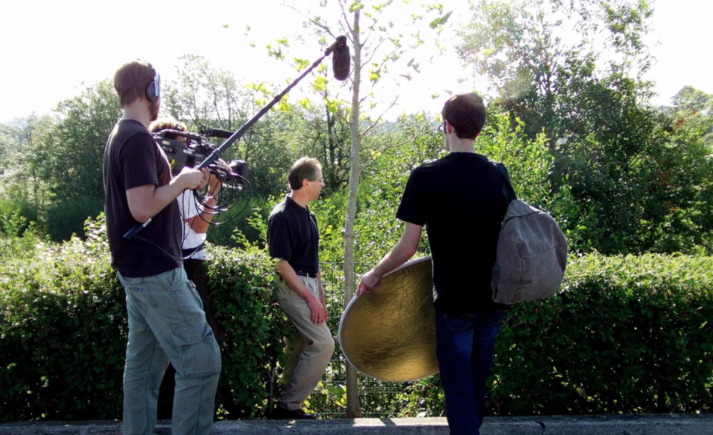
Film_Director_and_Crew

Don’t let this be you. If your DP, or lead actress, or any other professional you’ve hired has an idea on how a particular aspect of the production under their remit should be handled, take it on board. Same goes for any feedback you get from test screenings.

4. Don’t Just Make it Up As You Go Along

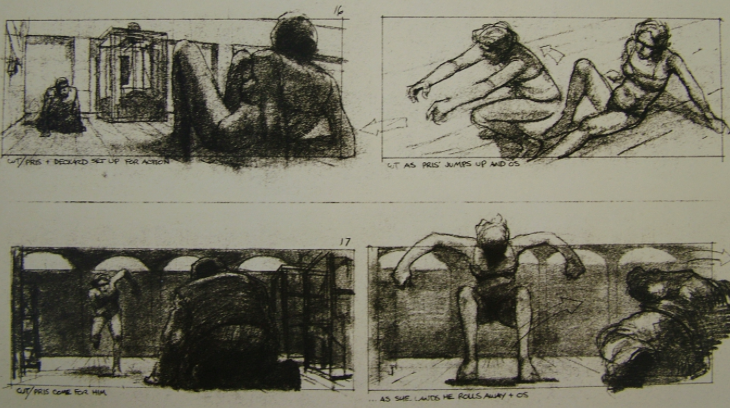
On a movie with a huge budget and in a world where time costs money, everything is planned to the Nth degree ahead of the shoot. Meetings with the director of photography are held ahead of time, extensive rehearsals with the actors are conducted, locations are scouted, the script is all but finalized, shot lists planned, and storyboards drawn up.

Why should your production be any different?

storyboarding

Good planning costs nothing, so don’t just turn up on set and expect to get good results by muddling through the day. This often-ignored fundamental of filmmaking feeds into our final piece of advice…

5. Take Yourself Seriously

Again, filmmaking should be inherently fun (even if you’ll encounter moments in which you’ll want to tear your hair out!), but just because it’s fun doesn’t mean you shouldn’t treat your own efforts with reverence.

It’s very common for new filmmakers to denigrate themselves, thinking that just because it’s their first short or that they’ve “only got a tiny budget,” their output doesn’t matter. It does, and you should treat your work the same as if you’d been commissioned by Hollywood to produce a multi-million dollar summer blockbuster.

Screen Shot 2015-08-04 at 16.13.16

In short, don’t compare your chapter one with someone else’s chapter twenty. Put your heart and soul into it no matter what your limitations, and take pride in your achievements.

Best of luck!

13 Groundbreaking Shows In TV Visual Effects History

TV has come a long way over the years. There have been some incredible highs that have almost literally gotten the whole world talking, as well as some abysmal lows populated with shows that are better left unmentioned.

As things have progressed, so too has the job of the visual effects artist, a job which has changed dramatically over the years and appears to be following an adaptation of Moore’s Law; where the future lies is open to speculation, but it’s always worth taking a minute to review what lead us to where we are today.

So, without further ado, let’s begin our tour of visual effects by going right the way back to the late 50s…

Visual Effects in Television: 13 of the Most Groundbreaking Shows
 TV visual effects

The Twilight Zone (1959 – 1964)

Almost every episode of the enduring pop classic, The Twilight Zone, saw the visual effects becoming increasingly inventive, being driven by ever stranger storylines that pushed the effects team’s abilities to the very limits of what was achievable.

More often than not, they met their mark and set the bar high for sci-fi to follow, especially in an age when nobody was convinced a sci-fi/speculative fiction show would work.

But of course, along came…

Dr. Who (1963 – present)

In the early 60s, a little sci-fi show featuring a time-traveling telephone box appeared on British screens on the same day as John F. Kennedy’s assassination. It arrived with little fanfare – partly due to the breaking assassination news, partly because half the country suffered a power outage that evening – and came very close to being permanently axed from the BBC’s production schedule.

Given the long-lasting impact it would have on not just sci-fi serials and the visual effects therein, but also pop culture in general, the world would be a very different place if it had been dropped in the first series all those decades ago.

Thunderbirds (1964 – 1966)

In the mid-sixties, children’s television was undergoing something of a revolution in the U.K and the release of Thunderbirds marked its apex.

Subsequently released in over 60 countries, it was arguably the most popular British TV export at the time (since Dr. Who had yet to find an overseas audience) and went on to inspire numerous other “supermarionation” shows, none of which quite lived up to the bar set by the original puppeteers.

Star Trek: TOS (1966 – 1969)

While all of the Star Trek series could be considered as boundary-pushing when it comes to TV visual effects, it was the 1966 magnum opus that laid the foundation for what would become one of the most popular and influential shows ever made.

As with all of the early entries in this list, you’ll need to apply a little historical perspective to fully appreciate how mind-blowing the effects were to a TV audience of 50 years ago, but The Original Series was way ahead of its time even in the 60s.

Cosmos (1980)

From iconic explorations of a fantastical universe to the very real one we find ourselves in, the original Cosmos series was a landmark in public science education. Bolstered by the late, great Carl Sagan and special effects that beautifully brought abstract concepts and cosmological events to life, Cosmos set a precedent that hadn’t really been met until the show’s gorgeous resurrection last year (under the helm of Sagan admirer Neil DeGrasse Tyson).

It’s little wonder the 80s show looked so exquisite, either – the 13 part series was given a $6.3 million production budget, which in today’s money equates to around $20 million (or one and a half million dollars per episode).

The Simpsons (1989 – Present)

While animated sitcoms go back as far as the 1960 (kickstarted by such Hanna-Barbera shows as The Flintstones and The Jetsons), it was a little short debuting on The Tracey Ullman Show in 1987 that would thrust the genre into the mainstream, and revolutionized animation made specifically for TV.

The Simpsons is now the longest running U.S sitcom and animation, and arguably the most celebrated with The A.V. Club dubbing it “television’s crowning achievement, regardless of format.”

Twin Peaks (1990 – 1991)

We could fill volumes discussing the cinematography merits and visual effects mastery in Twin Peaks, but it’s best summed up – and left – with three simple words…

… It’s David Lynch.

Buffy the Vampire Slayer (1997 – 2003)

A seminal 90s series that brought makeup artistry to the forefront of the small screen, and even earned numerous Emmy Awards for Outstanding Visual Effects and Makeup during its run.

Sure, it may look a little hammy by today’s standards, but it’s the humor and acting that have aged a lot more than the visual effects that brought the occult to our screens like never before (provoking critic Robert Moore to proclaim “TV was not art before Buffy, but it was afterwards”).

Band of Brothers (2001)

By many measures, Band of Brothers was quite possibly the finest WWII miniseries of the past few decades, and particularly when judged upon its dedication to real (and often harrowing) visual effects.

Then again, could we expect any less from Steven Spielberg?

24 (2001 – 2010)

The premise behind 24 was bold, and the set pieces peppered throughout the groundbreaking show even more so.

Often overshadowed by the incredible performances, the ingenuity displayed by the special effects team who have worked on the past nine seasons is particularly worthy of praise: from the all-too-realistic portrayal of Jack Bauer lopping off a guy’s hand to the makeup department stepping up to the plate for every brutal interrogation scene, 24 is a visual feast that will endure for some time to come.

Peep Show (2003 – Present)

From seemingly out of nowhere came a small-budget, British comedy which fully realized the art of POV-shooting as a regular feature in a way never before (or since) mastered, becoming a huge cult success in the process.

At the time of writing, the longest-running comedy on the UK’s Channel 4 is currently filming its ninth and final series, having been at the risk of cancellation due to low viewer numbers (and saved through high DVD sales) since the very first episode.

Daredevil (2015)

While it sagged a little in the third act of the series, it’s been heralded by many as a near-perfect example of how superhero-centric TV shows should be executed. Particular praise was given to Daredevil for its grit and masterful cinematography (which was very reminiscent of Wally Pfister‘s work on The Dark Knight trilogy), as well as the visual effects employed throughout the show.

Perhaps the beauty of Daredevil‘s visual effects is they were fairly understated. Fully-blown CGI sequences are traded with simple effects that demonstrate how the blind Mat Murdoch’s “powers” work, and fight scenes are driven by nothing more than excellent choreography and stunt performance than overwrought trickery.

Take for instance the 3-minute, single shot fight scene that had many a Netflix viewer picking their jaws off the carpet. If this doesn’t make Daredevil a worthy addition to this list, we don’t know what does:

If anything, Daredevil will hopefully see the action TV genre following suit and going back to basics, which is a savvy tactic if you don’t have $6 million dollars of budget to blow on each episode…

… and speaking of which:

Game of Thrones (2011 – Present)

From a visual production standpoint, TV shows don’t get much bigger than this, and it’s likely to be quite some time before we see a rival fantasy series of this scale…

… and the scale is indeed huge, with the last two episodes of the fourth season being formatted for IMAX (the only TV show we can think of which has had the super-big screen treatment.) Given that it’s officially the most expensive TV show ever produced, we can safely shut the book on the age old argument “what costs more: the cast of Friends or CGI dragons?”

So there we have it – a whistle stop tour of the finest shows to have advanced special effects in television. Any particular titles that you feel should have made the cut? You know where to drop your suggestion… see you in the comments below!

Five Tips For Exhibiting Your Game At Events

Exhibiting your video game

The thought of showing off your game in a crowded setting, and actually interacting with people looking to catch a glimpse of your project, can be both exciting and intimidating. This isn’t about social anxiety issues or just chatting with fellow gamers, it’s about presenting something you’ve poured all your blood, sweat, and tears into over the past few months or even years. Since each event can be your one and only chance to impress people who otherwise may not hear about your game, it’s easy to see why exhibiting can be a nerve-wracking ordeal.

But like job interviews, high school oral reports, or any event requiring public speaking, preparation and practice can make all the difference. Even though every game event and trade fair is different, which means one or more surprises can come your way, the following are a few tips that could help you put on a good showing and grow your loyal fan base in a fun and unique way.

1. Do Your Booth Cost Research

If you want to chat with gamers and promote your game to possible buyers, you’re going to need a booth. You’ll definitely want to do plenty of research and planning before investing in one simply because every event varies. While a booth at a local gaming event may cost you next to nothing, even a small 10×10 at Game Developer’s Conference (GDC) might be several hundred, or even a couple thousand, dollars.

Also worth mentioning is that you should prepare for other expenses as well, especially since every venue is different. For example, some places offer free electricity while others require that you pay to use it. You can imagine how trying to demo your game without any power will go.

2. Plan For Comfort, Food, and Water

These events tend to last all day, which means you better toss on some comfortable external foot coverings, aka, shoes. Wear something comfortable for clothes as well, but still try to look presentable (no pajamas or anything like that). And, of course, bathe.

You’ll also want to bring along plenty of water so you stay spirited. While most venues have concession stands and such to buy food, try bringing something you can whip out and eat quickly so you never have to leave your booth. It’s hard to promote your game while dehydrated and hungry, especially when either of the two make you cranky, tired, etc.

3. Bring Swag and Promotional Material

Flyers are a cheap and effective way of increasing the chance that someone who walked by your booth actually remembers that your game exists. At most events there are tons of games to check out, which is why giving passersby something physical that they can look at later, or share with others, is a very good idea. Just make sure to plan appropriately, since you don’t want to carry a heavy amount of flyers only to not even use half of them.

People also love little things like buttons, pens, fridge magnets, etc. When it comes to buttons, they aren’t too expensive and can be made to be very attractive and interesting. You can add your company logo, a main character in you game, and so on. The same goes for t-shirts, although these are much more expensive than the aforementioned freebies.

4. Avoid The Last Minute Changes

There’s nothing more devastating than fixing one small problem the night before (and test it) only to have your game crash every time someone tries to play it. If you happen to have a few small bugs in your game, don’t sweat it. It’s better that players run into these small bugs and know they’re playing an early version of your game than if they can’t play it at all due to constant crashing.

While you’re at it, make sure to note any glitches and bugs you notice while people are checking out your game. Since Wi-Fi and internet isn’t always reliable, and cell phones can run out of battery, we recommend you bring along a good old-fashioned notebook and pen. Again, it’s your call if you want to try and actually fix any bugs during the trade show and risk destabilizing your game entirely.

5. Prepare Phrases and Answers To Questions

People are much more likely to not only play your game, but also purchase it in the future, if you talk to them. This doesn’t mean reciting the same monologue to every person that walks by. Instead, come up with a few phrases you plan on saying throughout a conversation that will make them interested in playing your game. Since you’ll be meeting a ton of different types of people, pay attention to the things you say that catches their attention or turns them off.

You should also expect several common questions that include when your game will release, on which platforms it will release, how much it will cost, etc. No matter what they ask, use it as an opportunity to upsell something else about your game. If someone asks if you’re porting your iOS game to Android when you have no plans of doing so, be honest, but also mention what platform you do plan on taking your game onto next.

[su_note]Learn more about the School of Game Design at the New York Film Academy by clicking here.[/su_note]

Image Source

Why Xbox’s Gamescom 2015 Conference Felt Like E3 Part 2

Xbox's Gamescom 2015 Conference

If there’s one annual trade show that has every gamer counting down the days until it starts, it’s the Electronic Entertainment Expo. Here is where we are bombarded by an amazing amount of all things games: new reveals, gameplay demos, first looks at the next-gen consoles, and more. Of course, there’s another trade fair that, since it’s inauguration in 2009, has been attracting even more attendants than E3.

We’re talking about Gamescom held annually in Cologne, Germany. This year, plenty of exhibitors were present to show off their latest titles, including the three industry giants: Sony, Microsoft, and Nintendo. From Electronic Arts and Ubisoft, to Square Enix and Activision Blizzard, there was also no shortage of publishers and developers giving people hands-on experience with their games.

Of all who came out of this notable event, however, none made more of an impact than Microsoft. After already delivering a great press conference at E3, few could have expected the Xbox conference at Gamescom to be so packed with awesome news and reveals. It won’t be enough to send the Xbox One skyrocketing in terms of sells, but we’re confident that Sony is kicking themselves for not doing the same at Gamescom this year.

The following are the biggest announcements from Microsoft’s strong showing:

Our First Look At Quantum Break

Arriving on April 5th, 2016 as an Xbox One exclusive, this title has been promised to offer all the time-bending action we could hope for. Judging by the gameplay trailer shown, it looks like it is shaping up to live up to that promise. While the visuals look as stunning as you’d expect from a trade show trailer, it’s the use of time manipulation that has gamers excited. Freezing enemies and zooming between cover at incredible speeds, although not the most innovative concepts, look great in this game. Here’s hoping the end product lives up to the trailer.

Crackdown 3 News

Now officially called Crackdown 3, this anticipated title will feature “100% destructible environments,” as well as cool transforming vehicles. The demo shown gave us a glimpse of the destruction by having one of the cyborg police officers decimating enough buildings to cause several other skyscrapers to crumble. Crackdown 3 is set to release in 2016.

Killer Instinct Season 3 Announcement

Another season for the Xbox One exclusive fighter has been announced, bringing with it new stages, characters, and other content in March of next year. One of the more exciting reveals was the introduction of one of the Battletoads as a playable character; an announcement that perfectly coincided with the release of Rare Replay on the same day. A trailer of the buff amphibian in action was shown.

Scalebound Will Have 4-player Co-Op

We finally got our first glimpse of this Xbox One-only title being developed by Platinum Games. As one would expect from Hideki Kamiya and his team, the gameplay involving colossal creatures and allied dragons looks sharp and impressive. Of course, it was the announcement of 4-player co-op that makes this anticipated title all the more intriguing.

Halo Wars 2 revealed

We’re pretty sure no one saw this coming. Despite the original Halo Wars receiving high review scores and praise, developer Ensemble Studios was disbanded almost immediately after its release. The developers behind the Total War series and Alien: Isolation are making this surprise title, set to launch in fall of 2016 for both Xbox One and Windows 10 PCs.

Xbox One Backwards Compatibility Launch Date

Perhaps one of the most thrilling announcements at Microsoft’s E3 2015 conference was backwards compatibility. Those who have been anticipating this awesome feature will be happy to know that it is only a few months from being made available. More than one hundred games are promised to be available at launch, and countless more arriving later. The announcement that all future Xbox 360 games with gold titles will also be backwards compatible on Xbox One, not to mention free DVR functionality also arriving this November, was extra icing on the cake.

[su_note]Learn more about the School of Game Design at the New York Film Academy by clicking here.[/su_note]

Image Source

The Increase in Native Advertising in Broadcast Journalism

Native Advertising in Journalism

According to a 2014 Pew Research report, the lines between public relations/marketing and news are becoming increasingly blurred, with news giants like The New York Times and The Washington Post jumping on the sponsored content bandwagon.

What is Native Advertising?

Native Advertising, also called sponsored content, describes paid content to promote a product, but produced to look somewhat like a news report. Before the digital age, these were called advertorials—magazine or newspaper ads with headlines that were meant to look deceptively like actual news. But with consumers’ increasing reliance on the internet, so-called “sponsored content” became popular. Now when you browse through your local TV station’s website, next to the latest weather report you might see a mortgage company ad with a newsy-sounding headline like, “Why Are High Earners Living Paycheck to Paycheck?”

The Problem with Native Advertising

The main complaint about sponsored content is that it often looks so much like a real news story that some readers might be confused.  This is especially true with the latest trend—the advertiser pays the broadcaster to write a headline and content, so it sounds more like a legitimate news story.

How Obvious is Paid Content?

Many native advertising pieces are easily identified as such. As a general rule, any headline that includes the words “shocking”, “can’t believe” or “jaw-dropping” is probably paid content. Many of these ads are also eye-catching, with blinking lights, dancing pumpkins or elves, or badly edited before-and-after photos. One could argue that most consumers could easily discern between a legitimate piece of journalism and a dancing pumpkin ad, regardless of the headline.

However, the move toward more sophisticated content means the distinction is sometimes more difficult, even for skeptical consumers. Take the earlier headline about high-earners living paycheck to paycheck, for example. In the current economy, many broadcasters have produced legitimate packages about the increasing numbers of high earners who find themselves in financial distress due to an underwater mortgage, job loss, etc. This could be one of those stories, but if you click on the link you’ll find yourself routed to a website that attempts to sell you financial planning services.

With a decrease in over-the-top headlines and low-quality pictures and a move toward more professional-looking paid content, the confusion is increasing for consumers. A recent Digiday article cites a study in which 62% of respondents didn’t realize they were looking at an ad when shown “sponsored content” for a cheese company.

How Labeling Affects Consumers’ Interpretation of Native Advertising

The Triplelift study in the Digiday article goes on to show that the way sites label their paid content affects consumer confusion. “Advertisement” was the most clear in alerting readers that they were viewing an ad, with almost half of respondents (48.5%) correctly identifying paid content. “Presented by” and “promoted by” were most confusing, with only 15.5% and 11.2%, respectively, identifying the paid content as ads.

This piece of data is of particular concern to broadcasters, whose TV news segments are often “presented by” an advertiser. For example, the sports segment of your local five o’clock news broadcast might be sponsored by a local sporting goods store. That doesn’t mean the store is paying for any particular content; they’re simply paying to sponsor that part of the broadcast. Consumers who both watch TV news and read about it online might think the same holds true for “sponsored” content on a TV station’s website.

Not Just an Issue for Broadcasters’ Websites

That brings us to another trend in sponsored content: paid advertising on news shows made to look like legitimate interviews. A recent Boston Globe article describes a 10 o’clock news broadcast, which included an interview with the founder of a razor company. The interviewer asked the founder questions, as he would have in a legitimate news gathering situation, but the razor company paid for the time, and the segment ran in the commercial break slot.

The problem highlighted in the Globe article stems from a lack of identification of the “reporter” in the segment. He was not identified as working for the razor company, and as a result, viewers, especially those new to the telecast, might not have realized he was biased in his approach to the story. The article also points out that even a reporter working for a broadcaster might soften his or her approach to interviewing a subject about paid content, lobbing softball questions and avoiding issues that could make the company look bad.

[su_note]Learn more about the School of Broadcast Journalism at the New York Film Academy by clicking here.[/su_note]