The Best Cinematography: A Look At 2015’s Oscar Nominees

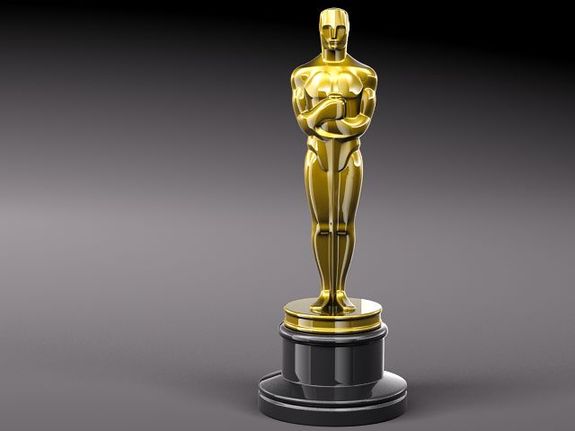
Oscar award

The Academy Awards nominations for 2015 are out and as usual there’s a mix of powerhouses, underdogs, surprises, and sure things. For the Best Cinematography  category, the list of nominees ranges from potential Best Picture winners to foreign films with few other nods in other categories. If you are looking to better understand the craft of cinematography, the work of these six cinematographers offer a fantastic supplement to in-class studies.

Here then is a look at the careers of the six cinematographers up for the Oscar.

1. Emmanuel Lubezki – Birdman

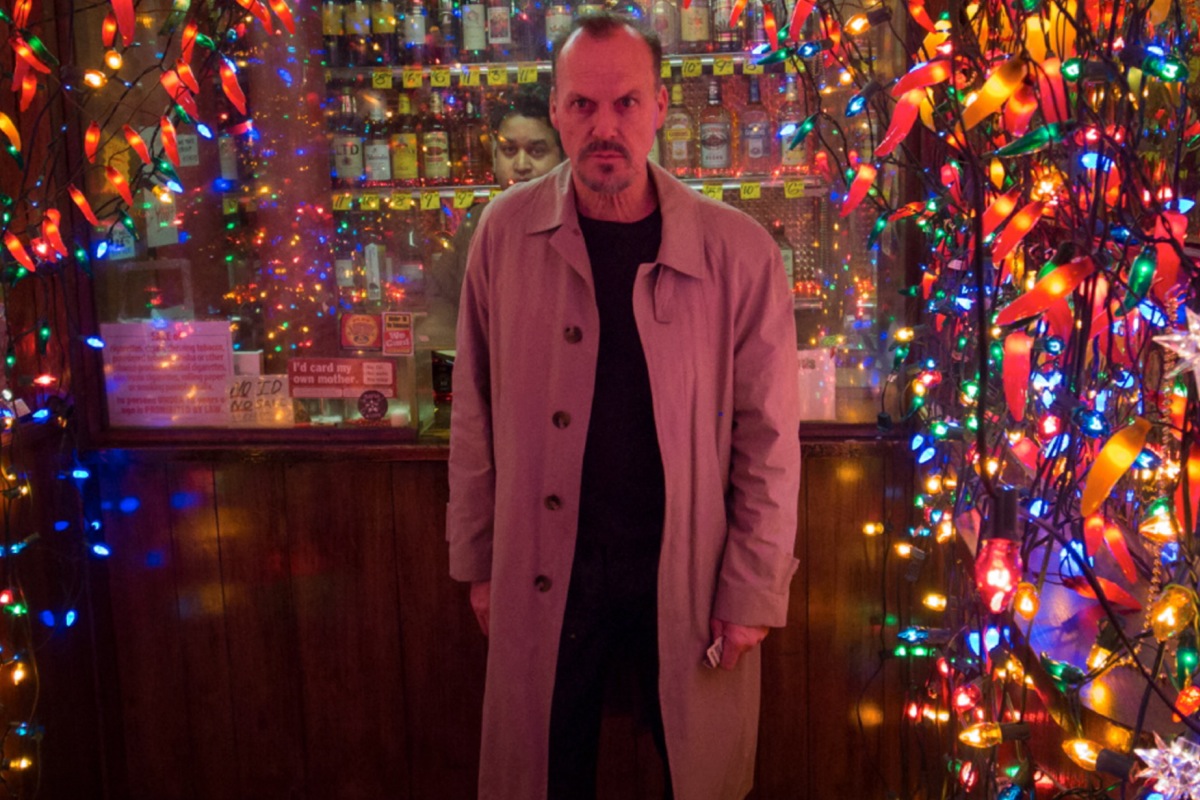
Michael Keaton in Birdman

Emmanuel Lubezki is no stranger to the Academy Awards, having earned six other nominations, including for Gravity, which earned him his first Oscar last year. Lubezki is of Russian heritage and was born and raised in Mexico, and has collaborated on several films with Alejandro González Iñárritu, Alfonso Cuarón, and Terence Malick. He was also nominated for his work on The Tree of Life, Children of Men, The New World, Sleepy Hollow and A Little Princess.

Other credits include the indie film Twenty Bucks, Reality Bites, The Birdcage, Meet Joe Black, and The Cat in the Hat. He has two upcoming films with AGI and Malick.

2. Robert Yeoman – The Grand Budapest Hotel

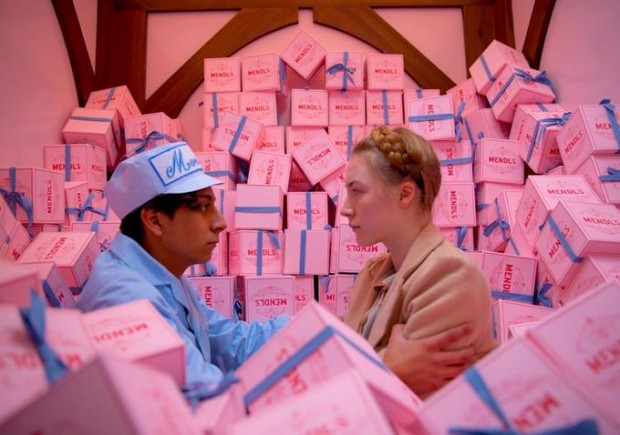
Pink boxes in The Grand Budapest Hotel

Robert Yeoman is an American cinematographer and a first-time Oscar nominee. He has shot every live-action film of Wes Anderson. He’s also DPed Drugstore Cowboy, The Wizard, Dogma, The Squid and the Whale, Yes Man, Get Him to the Greek, Whip It, and Bridesmaids.

His next film will be the upcoming Melissa McCarthy comedy Spy.

3. Lukasz Zal and Ryszard Lenczewski – Ida

Scene from Ida

Polish cinematographers Lukasz Zal and Ryszard Lenczewski are thirty-three years apart in age and have never collaborated before their work on black-and-white foreign-film darling Ida, but they clearly bring out the best in each other as this is the first nomination for both of them.

Zal has worked mostly on documentary features and shorts, including Joanna, Arena, and Paparazzi. His upcoming film is The Here After. Lenczewski has DPed Intermission, Margaret, and My Summer of Love.

4. Dick Pope – Mr. Turner

Timothy Spalling in Mr. Turner

Dick Pope’s work on Mr. Turner earned him his second Oscar nomination—the British cinematographer was also nominated in 2006 for The Illusionist. A frequent collaborator of Mr. Turner director Mike Leigh, Pope’s credits as director of photography include Secrets & Lies, The Way of the Gun, Nicholas Nickelby, Vera Drake, Me and Orson Welles, Happy-Go-Lucky, and Bernie.

5. Roger Deakins – Unbroken

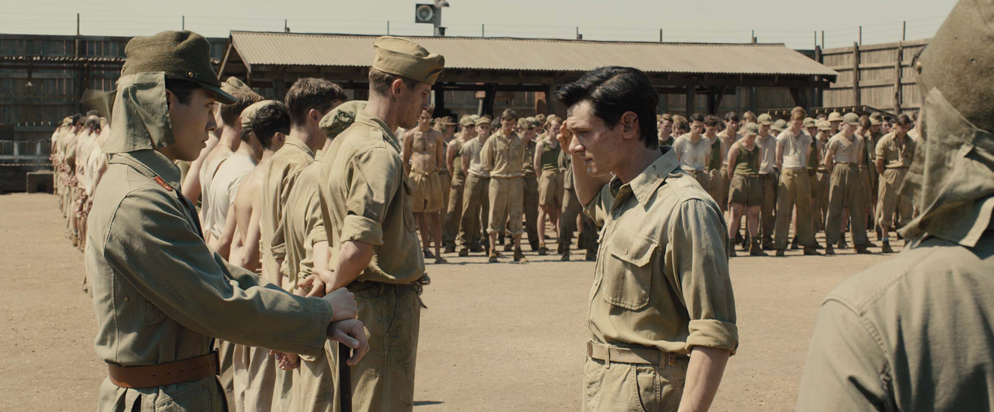
Scene from Unbroken

Is this Roger Deakins’ year? So far, he’s always been the bridesmaid, with a staggering 12 nominations for Best Cinematography and not a single win. The English DP is a frequent collaborator with the Coen Brothers and has been previously nominated for shooting Prisoners, Skyfall, True Grit, The Reader, The Assassination of Jesse James By the Coward Robert Ford, No Country for Old Men, The Man Who Wasn’t There, O Brother Where Art Thou?, Kundun, Fargo, and The Shawshank Redemption.

Other credits include Doubt, In Time, The House of Sand and Fog, The Village, A Beautiful Mind, Dead Man Walking and Sid and Nancy. His next film will be another Coen Brothers effort—Hail, Caesar!

In addition, a portion of the film was shot on the Village Roadshows Studios lot shared by the New York Film Academy Australia on behalf of Screen Queensland.

Who do you think will take home the gold? Let us know in the comments!

What Does Amazon Studios Mean for Hollywood?

This week, corporate juggernaut Amazon.com announced it would be producing feature films for theatrical release, a huge if not all-that surprising move for the company and its ambitious leader, Jeff Bezos. With Ted Hope as its creative chief, Amazon Original Movies plans to release up to a dozen features a year, making it a perfect case study for any producing student. In many ways, it’s a match made in heaven—Ted Hope is a wildly successful indie producer who also delivered a guest lecture at the New York Film Academy, and Amazon has a very popular streaming service that can distribute the films to homes after their big-screen runs. While movies traditionally took several months to transition to home video, and more recently, up to a year to streaming services, Amazon can have its movies prepped and ready to stream on Prime Instant Video a month or two after their initial release.

Pitches & Pilots

While their announcement that they’ll be producing their own movies is huge, Amazon Studios itself is nothing new. It actually launched in 2010 as an online platform to develop and crowdsource original content. Amazon made a loud call for aspiring writers, directors, animators, editors, storyboard artists and other artists to come together and make movies. Writers could submit spec scripts, treatments and pitches, and by doing so, automatically option their work to Amazon for free. Amazon instantly made these works public and anyone else was allowed to tweak or completely rewrite these works. If the end result was strong enough, Amazon would package and sell the project with a set commission for the original creator as well as anyone who worked on the successful draft.

This system was both innovative and controversial. Many writers claimed the company was taking advantage of artists who had no power and not many options. In many ways they were right, but it also offered opportunities to artists who felt they had nowhere left to turn. Amazon also held contests with large financial prizes as incentive for filmmakers to willingly give up the rights to their work. While Amazon Studios had a buzzy beginning, receiving and crowdsourcing thousands of spec scripts, it never really shook Hollywood in the way many insiders expected.

In retrospect, Amazon Studios may have just been a first step in a long-term plan Bezos had in his head all along. Amazon eventually started focusing its crowdsourcing on television pilots, and in 2012 began production on a slew of original pilots it planned to stream on its still-nascent Prime Streaming. While most of these pilots were from established writers, directors and actors as opposed to the undiscovered talent its Studios originally sought to promote, it was still a big step both for the company and Hollywood. Amazon’s Prime streaming service had finally come-of-age and established it as a firm and equal competitor of Netflix. Its initial pilot season was successful and Amazon has continued to release original content in televised form, winning critical praise and Golden Globes.

From Small Screens to Big

With its foray into TV a definitive win, it’s only logical for Amazon to try its hand at feature films. By self-producing content, it not only makes the question and price of streaming rights a nonissue, but allows the company to get the content into homes as quick as possible, a genuine advantage in an socioeconomic climate where many Americans would rather watch new films at home than at the movies. While Amazon could theoretically release the film day-and-date with theaters, giving consumers the option to stream a new release immediately, it has opted for a 4-8 week delay.

This may seem counterproductive to their interests, but is a shrewd move and could end up reaping big rewards. Netflix, Amazon’s biggest streaming competitor, has also announced its plan to produce its own movies to distribute, also following its success in self-producing television content. However, unlike Amazon, Netflix plans to release its movies, including four Adam Sandler features and a sequel to Crouching Tiger, Hidden Dragon, the same day as their theatrical releases. After all, Netflix has the most to gain from streaming a brand new movie.

But theater owners disagree, and are still a powerful force to reckon with in Hollywood. They have been fighting instant on-demand tooth-and-nail as it obviously hurts box office and their own profit margin. Many have threatened Netflix that they would not screen their productions in protest. While this could cost the theater chains money, they have many other movies they can show, and it will hurt Netflix’s potential income on its produced content. Since Amazon is giving theaters a month or two head start to play their films for an audience unwilling to wait for it on demand, theaters will more likely show their films on more screens, making bigger profits for both parties.

The Reign of the Movie Studios

Amazon’s deal with the theater chains could give it a big edge on Netflix and position the company to become a powerful studio in Hollywood. But it will take a lot of luck and smart business for it to stand with the giants of Hollywood—the major studios. Almost all of the films to come out of the Golden Age of Hollywood came from five major studios and a few smaller ones. Today, the majority of content to hit the big screens still only come from the Big Six, three of which were part of the original Big Five—Warner Brothers, 20th Century Fox and Paramount. Universal and Columbia have grown from that era as well, with only Disney being the relative newcomer in the pack.

Indie films are considered independent because they are not produced by these major studios (though the studios’ power is so broad they may end up distributing independent productions.) These studios are nearly as old as Hollywood itself, forming a powerful dynasty that has been nearly impossible to shake. Some production companies have come close, taking a sizable portion of the market, though they still are dwarfed by the Big Six. These include Lions Gate, MGM (a former Big Fiver), CBS, and Dreamworks, which was created by the some of the most powerful men in Hollywood, like Steven Spielberg. But even with history, popularity, insider knowhow and a lot of money on their sides, they haven’t challenged the major studios in a revolutionary way.

So the question is, if Amazon Studios keeps to its plan and starts producing films, can it reach the level of Lions Gate or Dreamworks? An even bolder question is: Can it join the Big Six?

Is Amazon the Next Major Studio?

As long as Amazon keeps up with its plan, it’s more than likely to become at least a minor contender in Hollywood. Its foray into television has proven that it has both the creative and financial prowess to handle original content. Cracking the Big Six is a very big deal. Only Disney has been able to do so in almost a century of Hollywood business and politics, building its empire on an ambitious founder and a lovable cartoon mouse.

Amazon doesn’t have Mickey, but it does have Jeff Bezos, who has shown at every chance that he is as ambitious as Walt Disney. Bezos and his company also have billions of dollars, from a wide-ranging empire. Netflix might be the bigger streamer, but it doesn’t come close to Amazon in income. Practically no corporation does. When Bezos sets his mind to something, he usually becomes an unstoppable force with unlimited resources driven toward that goal. Under his guidance, Amazon has practically invented modern online shopping and revolutionized reading and the literary industry with ebooks and the Kindle. If there’s a company that can transform Hollywood permanently, it’s Amazon.

Then again, there’s the Fire Phone. Sometimes Amazon doesn’t get it right. But while the Big Six have been dominant for decades upon decades, the medium has more-or-less been the same the entire time. We’re living in a new millennium, in a new world. 20th Century Fox and its brethren may have been the rulers of the 20th century, but the 21st century may end up belonging to forward thinkers like Bezos, and innovative mega juggernauts like Amazon.

Three Ways 2014 Showed That The Game Industry Is Growing

2014 was yet another great year for gamers that showed. It showed us just how unlikely it is for the video game industry to slow down anytime soon. Accessories like Nintendo’s Amiibo figures sold out with high demand, gaming consoles now sit in millions of new living living rooms, and countless games (both physical and digital) were purchased.

Instead of looking at stats like game sales and generated revenue across the entire industry, here are three ways that the gaming industry is showing growth.

Kickstarter Helped Raise A Lot Of Money For Games

Kickstarter has provided data that proves gamers are more than willing to help fund a game they would like to play before it’s even been made. According to their 2014 update, nearly two thousand game projects were successfully funded on Kickstarter – most of them likely never to see development if not for crowdfunding. The following are a few other notable stats provided by Kickstarter:

  • 22,252 projects were successfully funded on Kickstarter – 1,980 in the Games category.
  • Over 3.3 million people pledged $529 million towards projects on Kickstarter – $89.1 million being toward Games.
  • Medieval RPG Kingdom Come: Deliverance was one of the most successful projects of the year by reaching its goal in two days with over 35,000 total backers.

$89.1 million doesn’t sound like much considering that $529 million was pledged total. That is, until you realize it’s 16.9 percent of the total money pledged. Games didn’t rake in the most cash since Technology saw $125 million pledged while Design made $96.7 million, but it’s still impressive to be third out of fifteen categories. Also worth noting is that the Games category also includes tabletop games, which saw plenty of money sent their way.

Although we knew the crowdfunding scene would only continue to grow since its rise in popularity during the last few years, it is nonetheless exciting to see it happen. Pillars of Eternity, Mighty No. 9, and Star Citizen are a few of the many highly anticipated games we’ll get to play in 2015 thanks to crowdfunding. While gems like Shovel Knight and Wasteland 2 made 2014 a better year.

Games Dominated Mobile App Sales

Compared to other app categories, none bring in more revenue on both Google Play and the App Store than games. According to App Annie Index: Market Q3 2014 report, game apps even saw a big enough growth to make them account for nearly all of Google Play’s generated revenue.

At the end of the year Apple released a “Best of 2014” list that revealed 9 of the top 10 grossing apps to be games, with the two top games making more than a million dollars a day. We’re of course talking about Supercell’s Clash of Clans and King’s Candy Crush Saga, which in October of 2014 had an average daily revenue of $1.4 million and 1 million, respectively.

It’s great to see that games are still growing strong in the mobile market, even if the field is dominated by big game publishers – Supercell and King own around 50% of the top 10 mobile apps in the US. Despite being a competitive and arguably saturated platform, mobile gaming is sure to continue providing enjoyable experiences in 2015 and beyond.

Game Developers Are Making More Money

According to a report provided by the Entertainment Software Association and Economists Incorporated, the video game industry is doing just fine in today’s American economy. In fact, the game industry has grown four times faster than the U.S. economy with over 9% in real compound annual growth between 2009 to 2012. Here are several more notable statistics provided by the report:

  • More than 42,000 people have a job in the video game industry across 36 states.
  • Compensation of over $4 billion was received by employees in 2012.
  • The average annual compensation per employee was $94,747 in 2012.
  • The U.S. video game industry’s value added to U.S. Gross Domestic Product (GDP) was more than $6.2 billion.
  • While the U.S. economy as a whole saw a real annual growth rate of 2.5% between 2009-2012, the video game industry rate was 9.7%

The video game industry is creating some of the best and most sought-after jobs in America, which is certainly good news for gamers but even more so for developers. Despite many studios cutting back on employees or shutting down completely, it’s good to see that most people seeking a career in game development will find a place to make their dreams a reality and get paid well at the same time.

Image Source

Four Things To Consider Early In Game Development

If you ask most developers how many unforeseen challenges they have come across during a single game project, they’ll most likely have a good number of them to share. It’s more often than not that an unexpected problem or two will rear its ugly head while making a game.

Those same developers will also admit there’s nothing worse than running into an obstacle that could have been avoided had they planned for it early. The following hints may help make your project go smoother simply because you thought ahead rather than learning the hard way late in development.

[su_note]Want to make a future of creating games? Learn more about the game design school at the New York Film Academy (campuses in New York and Los Angeles). [/su_note]

The Controls

Chances are you’ve played a game that could have been great had it not been for terrible controls. Instead of offering a comfortable and intuitive experience, controlling the game felt more like a hinderance that made having fun nearly impossible. Whether your game uses a console gamepad, keyboard and mouse, or a touchscreen, your player should never feel frustration or a desire to destroy said device due to an inability to perform simple, necessary actions.

To avoid this, consider designing the controls early in development so they grow and evolve along with your game. This will give you plenty of time to improve them as new features are implemented, which is better than adding something new that ends up being difficult to provide comfortable control inputs for. Playtesters are incredibly useful for this as they can give you an honest opinion on how good or bad the controls feel.

The User Interface and HUD Elements

Although not as terrible as having bad gameplay controls, a tedious menu system and HUD is more than enough to discourage players. A good example is the original Mass Effect, a critically acclaimed game that is beloved by fans but undoubtedly suffered from poor menu design due to limited menu space, lack of visual aid, missing information, and inconsistent button inputs.

Unfortunately most developers leave HUD and menus toward the last stages of a project, which doesn’t make sense since they’re essentially how your player will communicate with the game. Think about adding a good map early on if you’re going to have a big world to explore. If your players will spend a lot of time in menus, why not start polishing them up early so they’re both easy to navigate and provide all the necessary information? A friendly HUD and menu system won’t make a bad game into a good one but they can definitely keep a great game from becoming just a good game.

Playtesters

One of the worst things you can do as a developer is create the perfect game for you. We’re not saying that for you to enjoy your own game is a bad thing, but unless you’re making it just for your own personal enjoyment you’d be wise to consider what other people’s likes and preferences are. There’s nothing more enlightening than having the majority of your playtesters say they dislike a feature that you love.

The problem is that most developers don’t bring them in early enough and instead wait until later stages. Usually this is because we don’t want to show something to others until it’s somewhat polished up, has decent graphics implemented, etc.

However, there’s plenty to learn even by having other people play your paper prototypes well before any code has been written. In a nutshell: the earlier you discover that something doesn’t work well or is not favored by most players, the more headaches and frustration you’ll save yourself when you find them out late in the pipeline.

Launch and Post-Launch

It’s no surprise that most developers don’t really have any plans set for launch early in development. After all, who has time to think about a game’s release when there’s so much planning to do for the game to actually be made in the first place?

Although this mentality is understandable, it’s never a bad idea to start coming up with how you’ll actually help your game get some attention once it becomes available to the world.

It’s sad to say but your game wouldn’t be the first to receive less attention than it deserves simply because you failed to take advantage of that precious post-launch window.

Instead, come up with an early list of ideas to create buzz for your game. This can include starting an active social media page or providing YouTubers and sites a review copy so they post something on launch day. It’s also a good idea to be prepared in case you need to patch a big bug, which can be hectic if your team went into sleep mode just because the game has launched.

Image Source

Jobs in Animation: Career Paths

To someone who is passionate about animation, gaining paid work in the field can be something of a dream come true. The only downside is getting your foot through the door in the first place, especially given that the industry – much like any creative profession – is saturated with competition.

But don’t despair. Those armed with information are better prepared for success, and you’ll find plenty of it below as we delve into the various sub-professions within, and related to, animation.

We’ve also listed the typical career paths people usually follow to break into them (for instance, is animation school a prerequisite?).

Art Director

While many industries – from publishing to marketing – employ art directors for any project or campaign that requires heavy visual elements, the role is even more prominent in animation.

An art director holds a very high position on an animation team, and most creative staff involved on a project report directly to him or her. Not only do art directors have the final say on what footage or stills are to be included in the final cut (as well as helping to coordinate and shape the entire project), but may also be required to train junior staff and manage budgeting requirements.

Art Director Career Path: Typically working up from more junior roles, with qualifications from an animation school helping accelerate the process.

Pros: Being in charge of calling the shots is often the biggest pull for art directors.

Cons: Nobody knows pressure like an animation art director, particularly one who also has to manage budgetary issues.

Stop Motion Animator
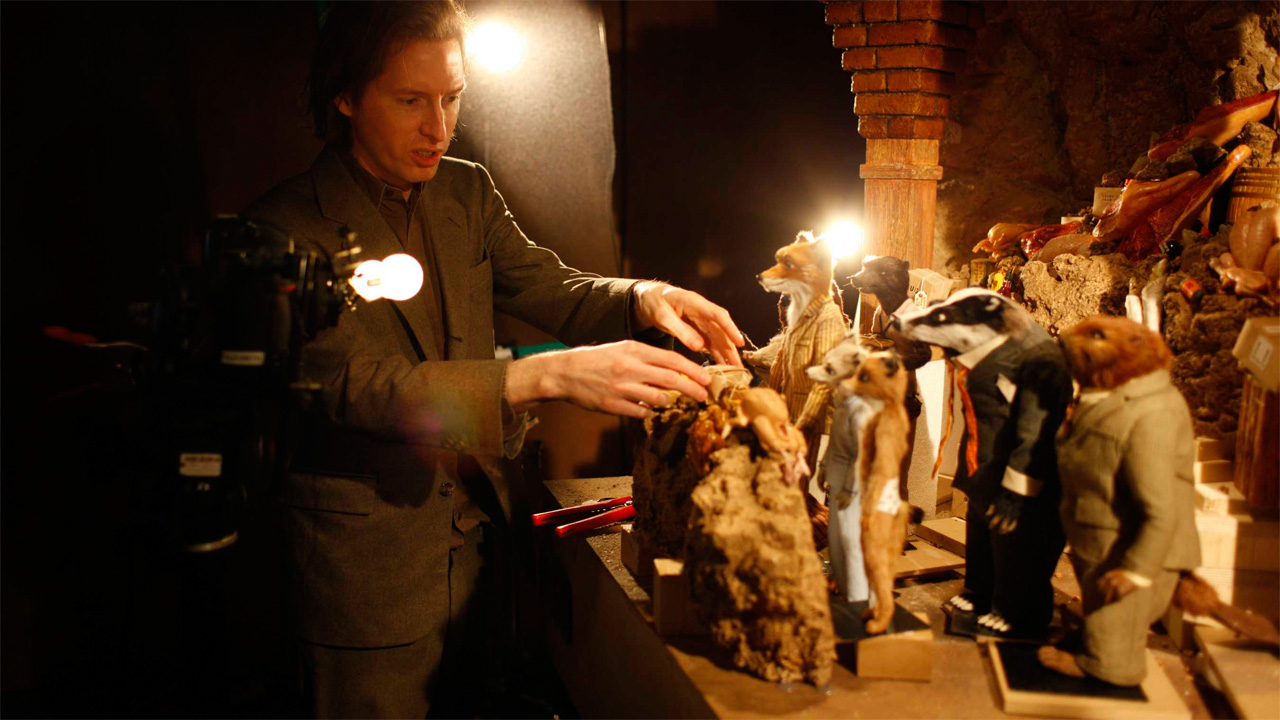
Stop motion animation jobs

Stop motion animation is a very laborious discipline which takes an incredible amount of skill, attention to detail and, above all, patience. What sets stop motion animators aside from traditional 2D or 3D animators is that they must also set up physical rigs, usually to specification, in which to work with the models and camera equipment before using specialist software to bring it all to life in the editing suite.

Stop Motion Animator Career Path: More often than not, stop motion animators are self-taught and break into the industry gradually having honed their skills through freelance work.

Pros: The job satisfaction when you see the finished animation – usually after weeks if not months of painstaking work – is truly off the scale

Cons: The painstaking work.

3D Modeler
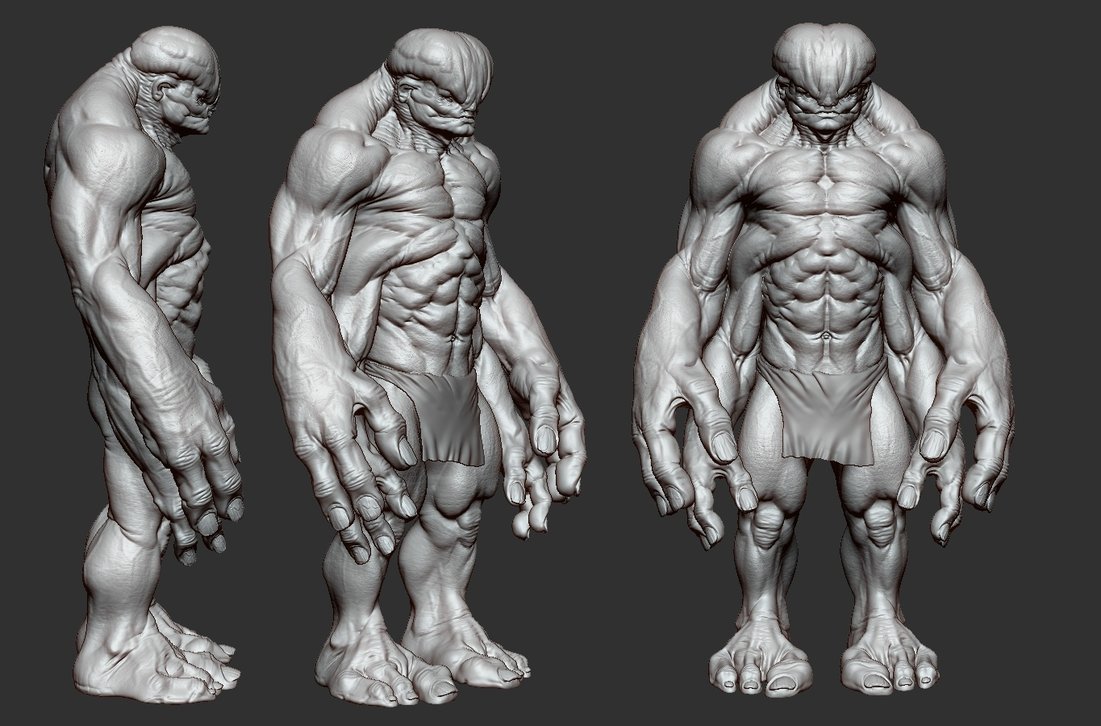
3d modeler jobs

Working with a number and combination of industry-grade animation tools – Maya, 3DS Max and Blender to name a few – a 3D modeler works from the ground up to bring fully rendered models and environments to life. While this may sound like a fairly niche job, a skilled 3D modeler can find work not just in film and video games but also in engineering, advertising, manufacturing, architecture and many other fields.

3D Modeler Career Path: Given the steep learning curve, many modelers get their leg up onto the career ladder via 3D animation school. Internships usually follow, or the modeler can sometimes get straight into paid work if they’re based in an entertainment hotspot.

Pros: A fair amount of creative control, as well as no two days ever being the same (for the most part).

Cons: The competition for paid work is pretty stiff.

Flash Animator
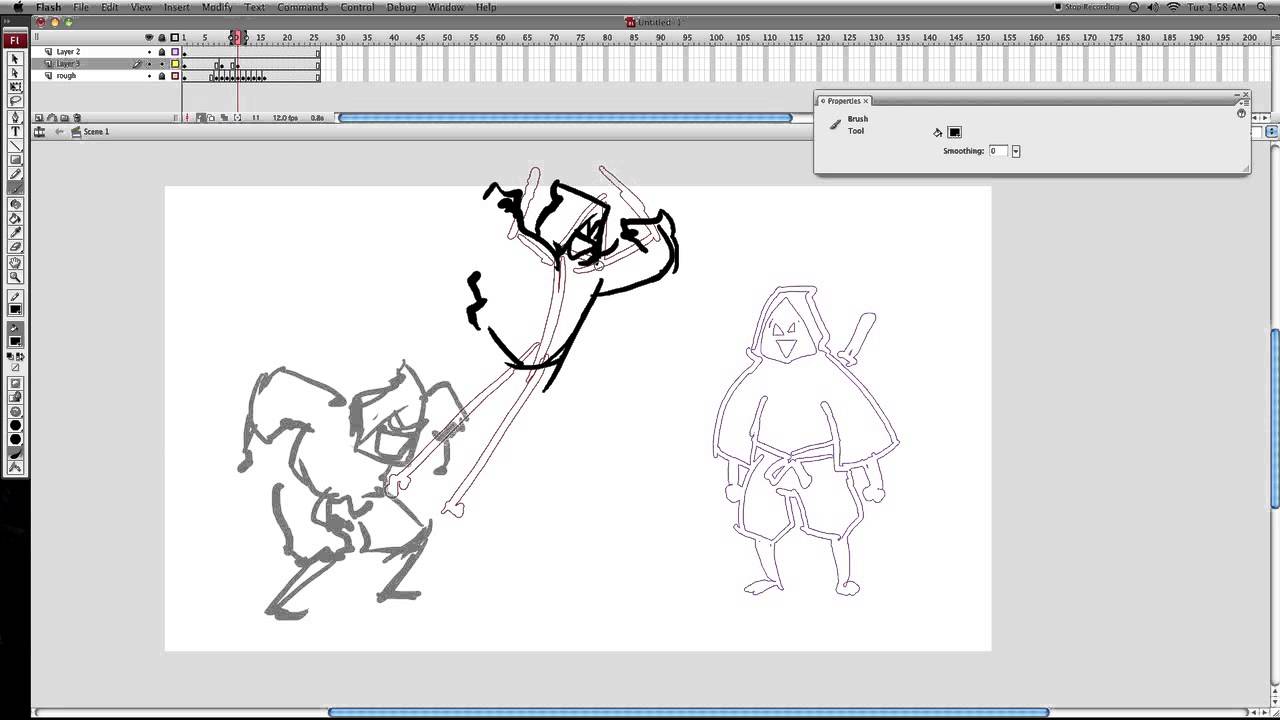
Flash animation jobs

Predominantly working with the Adobe suite of animation tools, Flash animators combine skills in illustration, graphic design and composition in order to create compelling 2D and 3D animation in Adobe Flash. Given the prevalence of the format in modern usage, Flash specialists are employed in just about every area in which animation is required but particularly in web applications and advertising.

Flash Animator Career Path: A standard career path for those specializing in Flash is to self-teach before seeking out freelance work.

Pros: As long as Flash is as popular as it currently is, work is plentiful for a skilled Flash animator.

Cons: If you work in web advertising, client demands can get almost comically outrageous at times. A lot of work is being outsourced overseas, too, leading to greater competition at lesser rates than previous years.

Compositing Artist

Compositing artists hold a great degree of responsibility over the final appearance of an animation, working closely with the other animation staff (particularly SFX specialists, lighting and texture directors) in order to add a layer of polish and keep the entire project looking consistent. If you’ve ever been impressed by the stylistic quality of an animation, that’ll probably be the work of one or more compositing artists.

Compositing Artist Career Path: There are numerous routes to becoming a full-time compositing artist, and while many studios hire professionals who have undertaken specialist study in this area, it’s usually a case of working up from a junior animator or SFX level.

Pros: An opportunity to use your artistic flare to the fullest and leave your own creative stamp which is immediately apparent in the final animation.

Cons: It’s an under-appreciated artform, and you’ll be forced to satisfy the demands of numerous departments.

Storyboard Artist
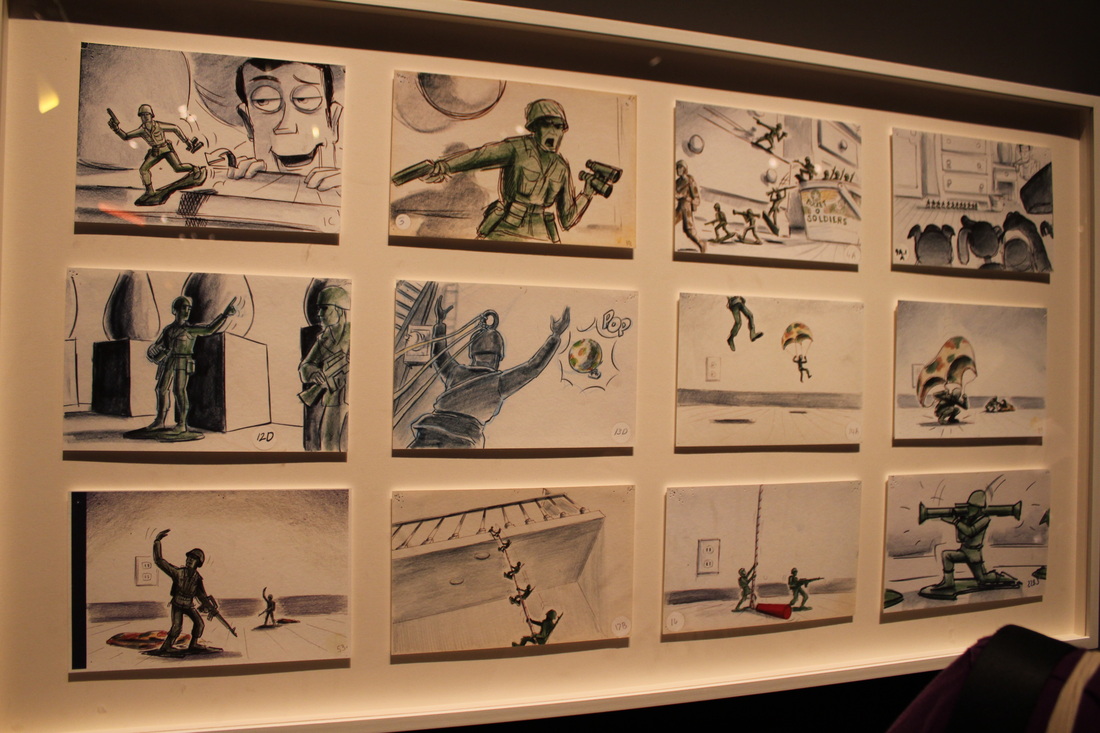
storyboard artist jobs

While not strictly a branch of animation, storyboard artists usually work hand-in-hand with animation and/or filmmaking teams to help map out a story from start to finish long before work starts. Taking input from writers and directors, it’s the storyboard artist’s job to produce conceptual artwork from stills from which the production team can work – given that a skilled artist can save everyone else an exceptional amount of time (and, ergo, money), they’re highly sought after on film shoots, traditional animation, music videos and commercials.

Storyboard Artist Career Path: Like many professions in the creative industry, it’s all about having a solid portfolio and leveraging connections. This can take years of working on smaller projects for very little (or no) money, but studying the craft at illustration school can help you get there quicker.

Pros: Getting to be pretty much the first person to start the transformation process from written script to polished animation.

Cons: Being sandwiched between a director making demands and an animation team trying to make sense of the whole project.

Mathematical Modeler
mathematical modeler animation jobs

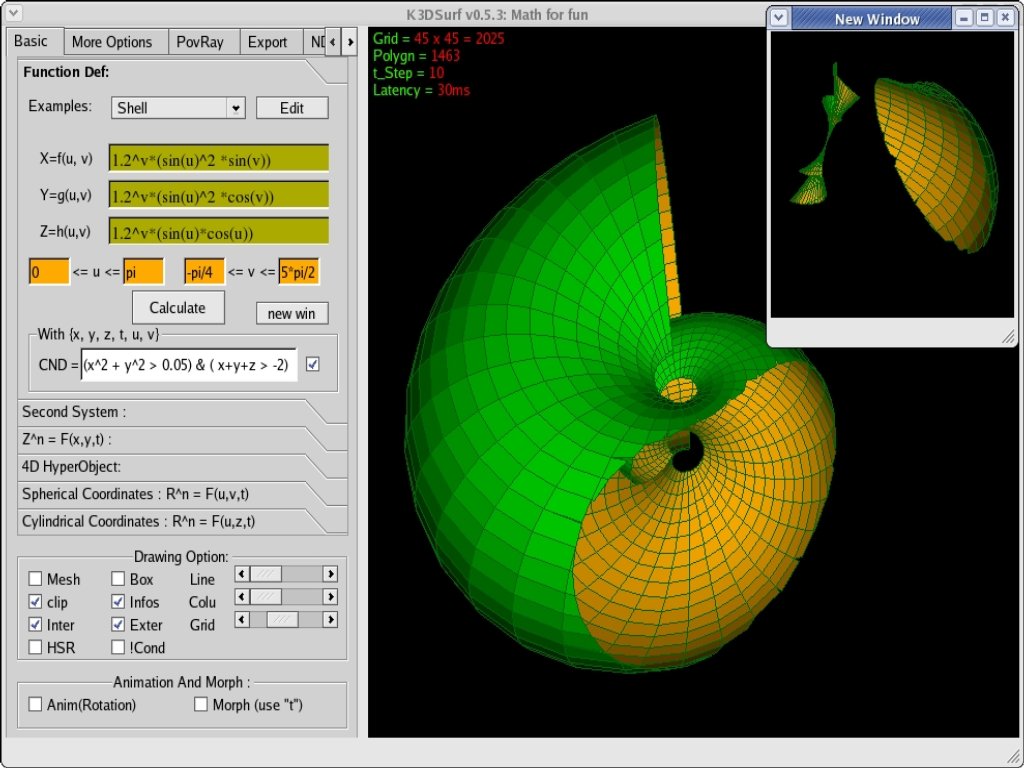
Arguably the most specialized branch of animation in the industry (and with a commensurate pay scale to go with it.) As the name suggests, a mathematical modeler uses complex formulae in order to generate equally complex models for use within animation; typically this skillset is mainly used in precise engineering such as aeronautics, but the increasing advancements in video gaming have seen a call for such specialists in recent years.

Mathematical Modeler Career Path: Intensive. A degree in math, engineering or similar is virtually essential, and coupling it with a program specific to 3D animation and modeling doesn’t hurt either.

Cons: Have fun digging through 20,000 lines of code to find the one mistake causing the model to act that way.

Forensic Animator
forensic animator training

Declaring that you’re an animator will usually fire up interest and conversation at a party, but being a forensic animator is guaranteed to turn heads.

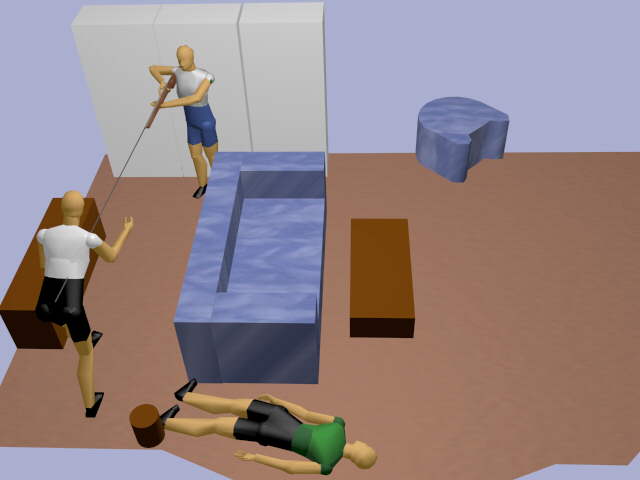
Pretty much exactly as it sounds, a forensic animator will utilize his or her unique skills to help investigators piece together crime scenes and collate evidence for presentation to a jury. Forensic animators are also used often in insurance and/or liability claims, requiring strong experience in both 3D and 2D animation as well as terragen software in order to recreate real life locations and scenarios.

Forensic Animator Career Path: An already established animator can transfer over to forensic animation via specialist courses, but be warned: your flashy portfolio of superb SFX won’t do you any good since the field calls for technical attention to detail over dramatic embellishments. A criminal record will kill this career dead in the water, too.

Pros: As you can expect, playing an instrumental part in solving crimes is its own reward.

Cons: It’s not quite as ‘CSI’ as most people think, and it can take a strong mind (and stomach) to deal with some of the work you’ll undertake.

Render Wrangler
render wrangler jobs

When an animation is complete, somebody needs to make sure it is rendered down into a format fit for public consumption. That’s where a render wrangler comes in.

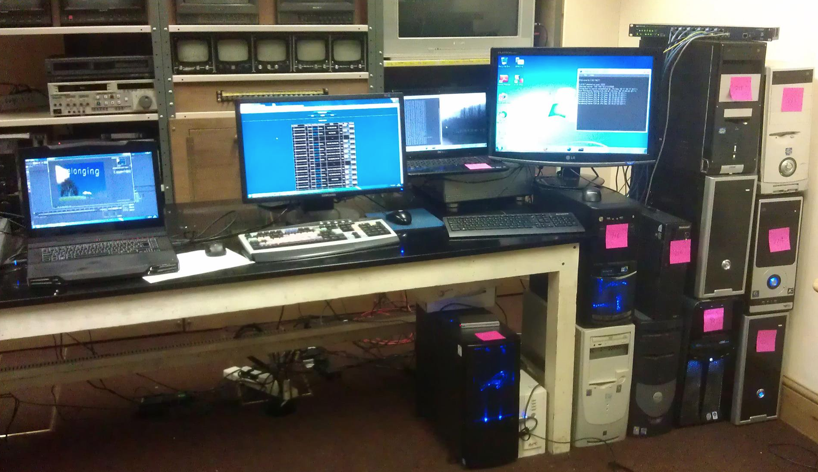
Modern animations typically comprise of many terrabytes of data per minute; this necessitates entire banks of computers to provide both the RAM and storage required to handle the rendering, and it’s entrusted to the render wranger (sometimes referred to as a data wrangler) to come up with workable solutions to facilitate this.

Render Wrangler Career Path: Computer science skills a must; animation knowledge secondary.

Pros: If you dream in zeroes and ones, this job is the epitome of high-powered computer geekery.

Cons: Trying to explain to non-technical staff the limits of what’s achievable. The pay is also fairly dire.

Texture Artist

Texture is an often overlooked aspect of animation, but it’s also one of the most crucial.

As one can imagine from the title, a texture artist concerns him or herself with the finish of any models (and sometimes terrain) to be featured in the animation. Often the main goal is to achieve a realistic look, but texture artists may also have to use all their graphic skills to create effects not usually found in nature. 

Texture Artist Career Path: Texture artists typically come from a graphic design school background, becoming proficient in texture creation first and foremost before transferring those skills to the animation sphere.

Pros: As well as always having to push your own boundaries to get results, if you enjoy using artistic skills to solve logical problems, this is the job for you.

Cons: Sometimes spending many hours just to get one particular texture on one character right, which may only get half a second of screen time.

Ready to learn more about future possibilities in the world of 3D animation and visual effects? Check out NYFA’s Animation School for program offerings, and apply today!

See Also: Filmmaking, photography and broadcast journalism guides for jobs in other fields.

Develop an understanding of the principles of animation and visual effects and earn a degree with NYFA’s BFA in Animation program. Visit our Animation BFA program page to learn more and get started.

The Best Free / Open Source Animation Software

The Best Free 3D Animation & Drawing Animation Software

For the most part, animation is not an expensive craft to pursue but it does come with some fairly pricey overheads when you’re first getting started out.

If you’re in animation school, chances are you’ve got access to all of the equipment and software you could possibly need. But if you’re interested in kitting out your home setup with animation software, the price tag can quickly rack up. Luckily, there are some free animation software alternatives which are good enough to see you through the majority of animation projects you’ll undertake.

Presenting…

The Best Software for Animation: 2D Animation

Pencil

OS: Mac, Windows, Linux

When it comes to free and open-source 2D animation programs, Pencil is by far the most well-rounded and comes with a surprising number of features given that it comes with no charge.

Although it looks simple from the clean interface, it is packed with all the main tools you’ll find in some of the Pencil’s paid counterparts. It supports both vector and bitmap images, multiple layers and has its own in-built illustration tools (so you can either import graphics or create them right there and then before animating them).

Synfig Studios

OS: Mac, Windows, Linux

Right up there with Pencil, Synfig is very similar in design but arguably comes with a steeper learning curve; reason being, it throws in even more advanced features, and the results which can be achieved once you master them border on the professional level.

Stykz

OS: Mac, Windows, Linux

Given the above two open-source suites which offer an impressive level functionality, why are we featuring a simple stickman animation tool?

Simply put, Stykz has got a lot of use for anyone who likes to draft things out before getting down to fully-fledged artwork and animating. It’s completely free with no strings attached, works on any platform and can produce fluid .GIFs incredibly quickly (which will no doubt lead on to bigger things).

One particularly neat feature is that it also integrates with Pivot, another node-based (and free) animation tool.

CreaToon

OS: Windows

An entry-level animation program, CreaToon is cut-out based (all graphics are imported) that takes a lot of the headache out of creating cartoon-esque animation. While it isn’t quite as polished as some of the other names on this list, the real-time editing, auto in-frame filling and versatile file format support are real pulls.

Ajax Animator

OS: Windows, Mac, iPad

Not to be confused with the coding language, Ajax started life back in 2006 and was developed by a 6th grader as a replacement to Adobe’s expensive Flash MX. From such auspicious beginnings emerged a robust and fully functional animator that is well worth checking out despite its primitive look, especially if you’re an iPad user.

The Best 3D Animation Software

Blender

OS: Mac, Windows, Linux, FreeBSD

If you’ve heard of Blender, that’s because it’s one of the most widely-used free animation softwares still in active development (even professional animators and video game developers turn to it from time to time). Although it may take some time for beginners to get to grips with, those who manage to put even half the features Blender offers to use will be able to produce very impressive results.

Bryce

OS: Mac, Windows

Although it’s not strictly an animation suite, free terrain generation software (of decent quality) is hard to come by. Bryce has really stepped up to the plate in this department – as a terragen, it’s both as simple and as elaborate as you need it to be depending on the scale of your project and works seamlessly with most other modeling software.

Incidentally, Bryce is developed by DAZ 3D, who are also responsible for:

DAZ Studio

OS: Mac, Windows

This fantastic modeling and animation software wasn’t always free, but as of 2012, the professional version of DAZ is yours simply for signing up for a free registration account. The rendering engine is lightning fast, and the huge library of pre-created component content will have you creating in no time.

Clara.io

OS: Browser-based

Not only is Clara free, but it’s the only web-based one we can think of that is fully functional (and you don’t need any browser plugins to get it going). Not only does it feature a good system for polygonal modeling and skeletal/keyframe animation, but due to its 80,000+ user base there’s a strong community feel and plenty of people with which to chat shop.

Interested in developing an understanding of the fundamentals of animation and visual effects through a hands-on learning method? Check out our variety of programs on our 3D Animation School page to find one that works for your interests and schedule.

Q&A With NYFA Grad and Documentary Filmmaker Jon Mann

Filmmaker Jon Mann

NYFA: Hi Jon, would you mind giving us a bit about your background and what drew you to NYFA’s screenwriting program?

Jon Mann: Hi! Thanks for having me. I’m from Fredericton, New Brunswick, Canada originally, and grew up in a family of readers and movie-goers so I’ve always had an interest in film and have been writing for as far back as I can remember. The NYFA has such a strong presence in the film industry and their list of alumni speaks for itself. It made perfect sense for me.

NYFA: You received your undergraduate degree in Political Science, but half way through your education, you decided that filmmaking might be the career path for you. How do you see your political science training influencing and helping your documentary filmmaking work and vice versa?

JM: It has definitely helped. One of the major lessons I took from my degree in political science that I have been able to use to help me as a documentary filmmaker is to realize that there are usually, at the very least, two sides to every story. It really gave me an open mind to not just accept headlines I’m seeing on TV or in newspapers as the be-all and end-all. It gave me a glimpse into the contemporary state of the world in different economies, different political systems, why they work, why they don’t work. Studying political science was an exposure to issues and stories that I otherwise wouldn’t have had, and that is now something I aim to do with my own documentaries.
I took a course called “Political Argument” which has been very helpful, too (laughs).

NYFA: You studied screenwriting at NYFA, but work in documentary films. How did you find the screenwriting program helped you as a documentary filmmaker?

JM: Well, I think whether it is a documentary or a feature film, the script and the story will always be the most important thing. Maybe one difference with documentaries is that you need to discover the character arcs, and the midpoint, and the climax, etc. as opposed to feature’s where you write those yourself. But the way you tell the story on screen is the same. It’s all the same equation. It’s all filmmaking and it all starts with a story.

NYFA: Is there one lesson in particular that you learned while at NYFA that you find yourself continuing to apply to your work?

JM: In order to have a good script you need to make your character’s motivation believable. It seems simple but it is so true. That goes for all characters, not necessarily just your protagonist. The best villains have believable motivation as welllook at Bane in The Dark Knight Rises. You almost end up feeling bad for him in the end. Brilliant.

NYFA: In your TEDx talk, you discuss how the characters and story structures of the film Jaws parallel the fact that many social movements—like the organic social movement again the sale of New Brunswick Power you document in your film Project Power—are comprised of seemingly ordinary individuals who band together to fight against the great white shark that is corporate power. Do you think that such films like Jaws can be used to galvanize reluctant activists into standing against seemingly insurmountable power? What other films do you consider illustrate this correlation?

JM: I think you can really make that argument for any film as long as the audience is open to being motivated by a film in that way. One thing I focus on in my Ted Talk is that every time I watch Jaws it has different meaning for me. It means something completely different to me now than it did the first time I saw it as a 4 year old. Since my Ted Talk was published I’ve had a lot of people give me their theory on Jaws and that is what makes the movie so great is that not only is it a scary movie about a shark terrorizing a small-town, is it has all of these great elements under the surface and it means different things to different people.

Harlan County U.S.A. is a great documentary from Barbara Kopple that really magnifies my theory on Jaws in a more obvious light. Gladiator could be used under the same umbrellaa man who is stripped of everything through a socially unjust system takes on the Roman Empire the only way he knows how.

I think the films themselves are important but it comes down to the audience and what they may be going through in a particular time in their lives when they watch them.

NYFA: You worked with a wide network of creative individuals on your Project Power including the New York Times best selling author Raj Patel who also narrated your first film, Drink ‘Em Dry and a number of different musicians and bands from around the world. How do you forge these connections with seemingly disparate collaborators?

JM: I think one thing to remember is that the worst thing someone can say to you is “no.” Which happens a lot. A lot. Some of these requests may seem risky, but they were all calculated. Drink ‘Em Dry is the story of a group of brewery locals who were locked out from work, and during production there were massive protests in Wisconsin opposing legislation which would limit public employee collective bargaining. Dropkick Murphys had played a show in Madison and were right there in the thick of things so we told them about our project and they were excited for the opportunity to be part of the film and be able to lend any help they could to the cause. Steve Earle grew up in a union family, Billy Bragg has been a grassroots political activist punk-rocker for 30 plus years. Raj Patel is the greatest social justice writer on the planet. They all agreed with the subject matter.  Although they may seem like disparate collaborators, they all have the same values. I have nothing but great respect for all of them.

NYFA: What is your process for raising funds and marketing your documentary films? What do you consider the best methods for finding financing in the documentary industry, especially for filmmakers who are relatively new voices?

JM: The support I’ve received for the films I have done has been incredible. Much like the collaborators I’ve used on screen, I’ve been lucky enough to have a team off-screen who share the same values and who wanted to see these particular stories told as much as I did.

NYFA: As someone who seems to see documentary film as a potential catalyst for social change, what are some films in particular that you’ve drawn inspiration from and helped you to see the power of community activism?

JM: The first time I watched Bowling for Columbine I was frozen. I felt like I had just been hit by a truck. Inside Job is another film I always end up coming back to. In two very different ways, on two very different issues, those films peel back layers until you see the root of a problem, and it makes you sick to your stomach. They have a way of making you educated and angry, which is the perfect combination for social change.

You don’t need to look any further than Blackfish to see what an impact films have in a community. SeaWorld is losing an uphill battle.

NYFA: Do you have any parting words of advice for aspiring documentary filmmakers who desire to use the medium as a catalyst for social change?

JM: Find a story you believe in. Like a well-written script, if people believe in you, they will be much more willing to listen. When someone says ‘no,’ use it as a learning experience. Why did they say ‘no’ to you? All you can do is try and get better every day. Learn to love the adversity.

How To Make The Most Of Pre-Production

A producer’s job is never finished, even after their movie has a definitive, final cut. But it does have a start—at the very beginning of pre-production, the work on a film before principal photography. And a smart producer will make sure they are making the most of this crucial time from day one. Especially when dealing with low budgets, every decision and every penny count. Here then are 12 things a producer can do during pre-production to best ensure a smooth, worthwhile film.

1. Start Saving Money

This applies to the producer, the director, and anyone else with a personal stake in the production. In a world where many artists and filmmakers live paycheck to paycheck, saving up a decent sum of money can take a long time, so start as soon as you know you have a project somewhere down the line. By saving up enough to cover at least a few months of rent and bills, you can then focus full time on the project without having to work a day job. You’ll also probably need some start-up cash to get the ball rolling on your project, just to get it to a point where you can start wooing investors.

2. Hire a line producer if you’re not micromanaging the budget

Film budgets, even for low-budget independent films, are both vitally important and incredibly complex. Unless you plan on having total control over the budget yourself, you will most likely need to someone to manage it for you, creating a proper breakdown of all costs and resources to the letter. Not only is this key to keeping track of a complicated film set, but essential to convincing potential investors that you have your head on your shoulders and are running a professional, competent project.

3. Hire a Lawyer

Find a lawyer willing to work within your budget, and willing to work for your budget. Having someone who knows their stuff, legally speaking, will help prevent any unforeseen expensive disasters when it comes to contracts, agreements and other paperwork.

4. Pick your format

Obviously, shooting digital is far cheaper than shooting on film these days. Choosing what you’d like to shoot—HD? 4K? 48fps?—as early as possible will help you start setting your budget sooner and more accurately. Choosing a more outdated format has its advantages as well; many production companies, film schools and individuals have stockpiles of outmoded technology they will be willing to give away at a sizable discount. If you are willing to put up with the extra costs and insist on shooting film, finding supplies of older stock can also save you a lot of money. Older film is typically grainier than fresh stock—but that could be just the look you’re going for.

5. Find your equipment

As with your format, finding equipment at a discount will go a long way toward reducing costs. You may choose what type of camera to use based on what is best available. You can work out a deal with a school you’ve attended or worked at, or go in on rental (or purchased) equipment with another production, or have a business front the money in exchange for producing an industrial or commercial video for them.

6. Find your crew

Obviously you and the director want to find a crew that will best realize the vision of the project. However, sometimes it pays to be practical. A lot of freelancing DPs and sound techs will own their own equipment. If you’re torn between two candidates, it might be smart to go with the one who can save you some money. Negotiating salary is also a key step in this part of pre-production. Even if someone is the best, if they’re asking for money you don’t have, sacrifices might have to be made.

 7. Find your casting director

Casting directors know what they’re doing, and it’ll take a load off your shoulders to have someone doing the grunt work of finding your perfect cast. More importantly, a casting director with a solid reputation will look great when you present your project to investors. (This also applies to finding your DP and crew.)

8. Storyboard!

It might seem odd to focus on storyboarding in the middle of non-creative pre-production work, but storyboarding will help with a lot more than setting the look for the film. Having a strict, detailed sense of what you’ll be shooting will help you get exactly what you require, whether its locations, lights, props, etc., and save you from having to spend money on extraneous elements you may never need. It will also keep you tight on schedule as you move shot to shot during production because producing rule #1 is and will always be Time = Money.

9. Get you insurance and permits out of the way

Acquiring insurance and permits can lead to a lot of red tape; it’s best to get it out of the way early. That way, if you hit any paperwork hiccups, you can have them resolved well before production starts, preventing any delays.

10 Find a caterer

This may seem trivial and silly, but it’s anything but. It’s indicative of an entire part of filmmaking that often gets overlooked—the little things. Finding a person or business to feed your crew may seem like a low priority when dealing with permits, insurance and expensive equipment rentals, but your cast and crew need to be fed, and if you overlook it until the last minute, any number of things can go awry. Giving yourself time to find the right caterer—someone close by, someone with a broad enough menu—will also help you find the best bargain available.

11. Lock your location

Get a great location scout. Get several, if you can. Look everywhere so that you know you didn’t miss the perfect spot that gives you everything you want for the lowest cost. Don’t just take into account how it looks on screen. Keep in mind traffic patterns, noise issues, potential problems with permits and insurance, and importantly, its distance to your crew, equipment, and, of course, your caterer. Travel costs rack up. Lock your location as early as possible so you can work on all of the above steps well before production gets underway.

12. Nail your lookbook

Your lookbook, or investment packet, should be as thrilling and as exciting as your project. Convincing potential investors to risk their own money on your artistic vision is a tough sell, and by hiring a graphic designer and offering as professional a lookbook as possible, you’ll show these investors you mean business. It can’t just look pretty, though—what’s inside counts as well. That’s where talented names—whether it’s your crew, your actor, or your casting director—come into play. And if you have everything else listed above taken care of—if you show your investors you’ve even considered the caterer—they will be much more likely to trust you with their money.

Learn more about production at the New York Film Academy Producing School.

How To Use Dissolves

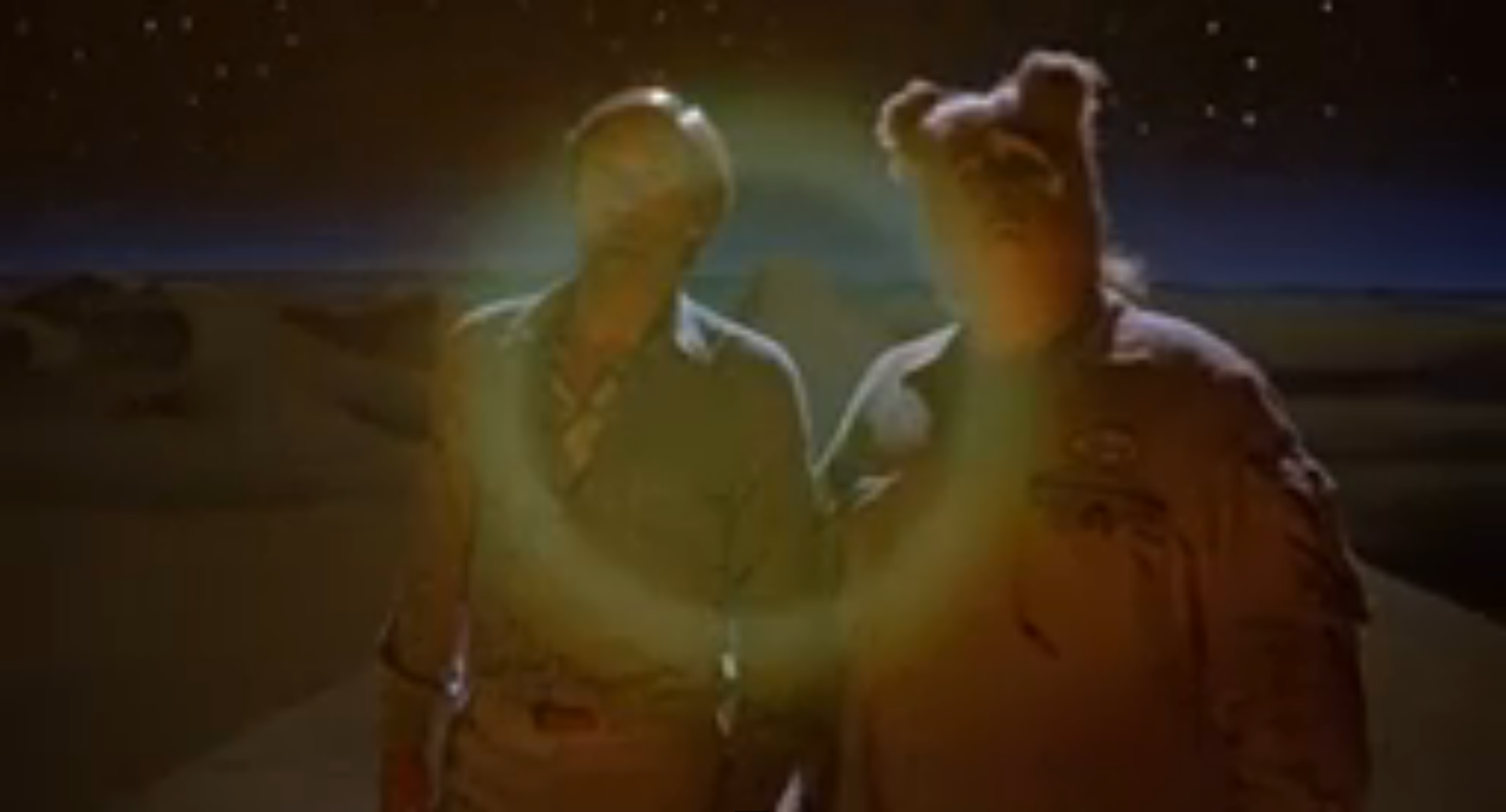
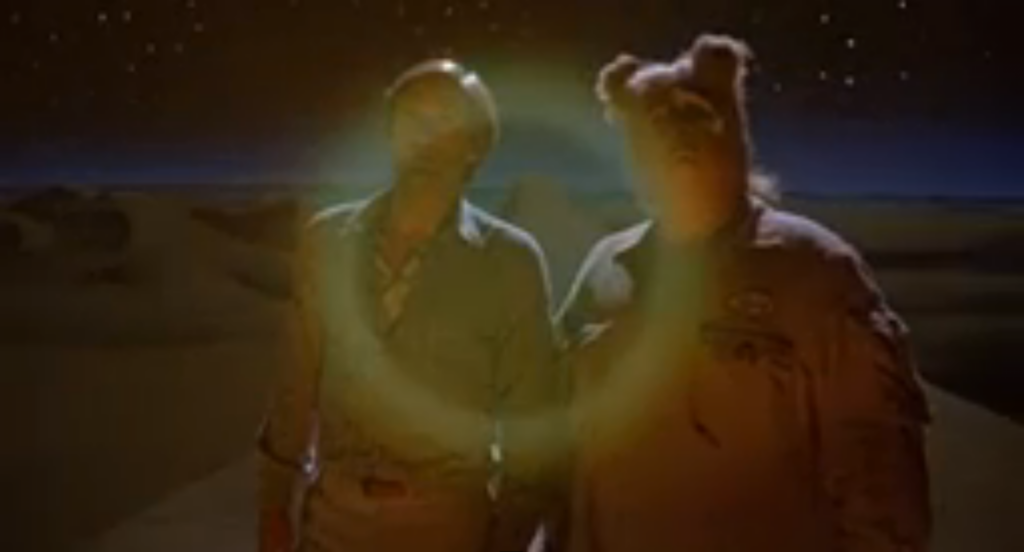
Nice dissolve from Spaceballs
No, that’s not a low resolution photo. It’s a dissolve from Spaceballs!

What are dissolves?

A dissolve is a classic editing technique used to transition between shots, typically shots that bridge two scenes together. As opposed to a straight cut from one shot to another, a dissolve involves the gradual transition from the first image to the next. When an image dissolves into view from a black screen, it is called a Fade In, and when an image dissolves into blackness, it is called a Fade Out.

Dissolves were traditionally created by superimposing two separate images with an optical printer. With modern nonlinear editing, the effect can be overlaid onto any two shots with simple software.
https://www.youtube.com/watch?v=Wt9DOp_Y1nk

How should you dissolve?

A dissolve has two visual components, two tools an editor has to create the dissolve: the images involved, and the length of the dissolve. The length of a dissolve is typically no more than a second or two, but can be much longer if the shots run long enough to allow it. A slow dissolve is an artistic choice and usually has some meaning behind the somewhat rare decision to use it.

While any two images can technically be connected by a dissolve, there is usually a purpose to using it rather than a straight cut. A good editor will know when a dissolve is appropriate:

When should you dissolve?

Dissolves are often used to show the passage of time. While the end of a scene can cut directly to the beginning of the next, typically a dissolve will be a clue to the audience that, like the real-time, gradual transition, some time has passed by.

What is being dissolved is a visual choice by the director, another tool in her or his large array of filmmaking techniques. A match or graphic dissolve is no different than a match cut—the specific images are being connected by some narrative or thematic throughline. When a dissolve is used, it is typically adding a certain weight or resonance to this throughline. For instance, a gradual dissolve from a mother reading an Army telegram to a scene of her son’s funeral. Time has passed between his burial and when she first heard the news of her son’s death, but the dissolve allows the audience some time to figure out what the mother is reading before they actually see the funeral. Once the funeral has faded fully into the next shot and scene, the audience has not only discerned what they are seeing, but, in a small way, has shared the mother’s tragic realization.

Again, the length of the dissolve comes into play as an artistic tool of the director and/or editor. A short transition, maybe a second long, gets the point across and focuses more on the shock of the mother’s letter and the son’s passing. A longer transition becomes more about watching the mother’s facial reaction and following her internal dialogue not just through the scene, but also into the implied emotions in the time up to the funeral.

A specific type of match dissolve is a dissolve between faces. Dissolving from one face to another can have a narrative significance concerning the characters, or they can transition between two images of the same character, allowing the audience to see the change of emotion and context. One of the most famous examples of this comes at the end of Saving Private Ryan, when the story transitions from World War II to several decades later. While the dissolve from Matt Damon’s face to another actor portraying his older self was done using state-of-the-art computers, the technique is still the same one used since the Silent Era.

Dissolves can be used within a scene, for instance, a character pacing around the house to show the passage of time and their boredom during this time, or to show a character’s gradual cleaning of a garage. This is an in-scene montage. Dissolves can be used in traditional montages as well, in lieu of cuts, morphing from scene to scene in rapid succession.

Who uses dissolves?

Dissolves were very popular in classic cinema, but have since fallen out of favor by most modern editors. One reason for this is the influence of the French New Wave on emerging filmmakers, expanding the use of jump cuts. Jump cuts can be visually jarring, and it took a generation who had grown up on movies to be savvy enough to follow the transitions without complaint.

Likewise, as each generation grows up on faster paced and more innovative visual styles, movies have generally sped up in tone and movement. The slower transition of dissolves between scenes can look lethargic and antiquated, though if executed the right way they are usually accepted by an audience with no problem.

Even television sitcoms as recent as a few years ago would use dissolves that have since been replaced by jump cuts and rapid pan swipes. Early episodes of Seinfeld, a show that revolutionized three-camera sitcoms with its lightning pace, that use dissolves can make the scene feel like it’s from an entirely different show.

However, it’s the director’s and editor’s prerogative to use dissolves, and there is still a place for them in movies and television. For an artist and visual storyteller, going with your gut can never hurt, and if a dissolve feels right, it probably is. After all, everything is cyclical, and dissolves will probably be back in style sooner or later. You might even seem ahead of the curve.