The Most Anticipated 2015 Animated Movies

2014 was, all in all, a pretty decent year for animated movies. At one end of the spectrum, we saw some exemplary work coming to life at the hands of students at our animation school in LA while animated features like The Lego Movie, How to Train Your Dragon 2 and Mr. Peabody and Sherman did well in the wider industry.

It’ll be a tough year to match, but some of the most anticipated 2015 animated movies may be up to the challenge. With everyone waiting with baited breath particularly to see what Pixar and Disney are going to do next, let’s take a tour of the five biggest releases hitting the big screen in the near future.

Frozen Fever (March 13)

Frozen Sequel official trailer

We can’t go any further without addressing the highest grossing (if one of the *cough* most overrated *cough*) animated movies ever to hit the screens.

Given that Frozen has pulled in $1.27 billion at the box office and who knows how much more in spin-off revenue, the prospect of a Frozen 2 is pretty much a certainty at this point even if details aren’t forthcoming.

One thing we do know, however, is that there will be a sequel (of sorts) packaged with the theatrical release of the Mouse House’s Cinderella in March. It’ll only be a 7-minute long short, but with the original vocal cast and characters returning, you can guarantee Frozen Fever will restoke the fires of… well, Frozen fever.

Inside Out (June 19)

https://www.youtube.com/watch?v=yxlBQ1XWlu8

For anyone growing weary of franchise sequels and formulaic features, Pixar’s upcoming Summer release is definitely one to watch.

Created by many of the Up team members and with the soon-to-be household name Amy Poehler voicing the lead, Inside Out is set within the head of a girl driven by five characterized emotions – Anger, Fear, Disgust, Joy and Sadness. With a synopsis like that, it could well be one of the most conceptual and quirky films the studio has ever released.

Minions (July 10)

Much like the idea of a Frozen sequel, it’s hardly surprising that another Despicable Me movie would be on the cards given how successful the first and second movies became (both commercially and critically).

The fact that it’s a spin-off featuring the titular Minions characters is even less surprising – after all, they practically stole every scene they were in for the first two movies. Unlike some of this year’s upcoming releases, unless the writers do something catastrophically risky with the script it’s a nigh-on certainty that Minions will perform well when it hits this Summer.

The Good Dinosaur (November 25)

THE GOOD DINOSAUR trailer

For a long time, Pixar’s second 2015 release (the only year to date in which we’ve had two major releases from the studio) was doing the rounds under the name The Untitled Pixar Movie About Dinosaurs.

Any Pixar release is usually highly anticipated, but perhaps moreso given that The Good Dinosaur has been rumored since 2009 and has continuously pushed back from its original 2013 release date (with the project falling apart several times.) Based around the simple premise of ‘What would have happened if dinosaurs didn’t become extinct?’, those worried that it’ll be a knock-off Flintstones affair will be pleased to hear that “they’re dinosaurs… they won’t be walking around with clothes on or anything like that.”

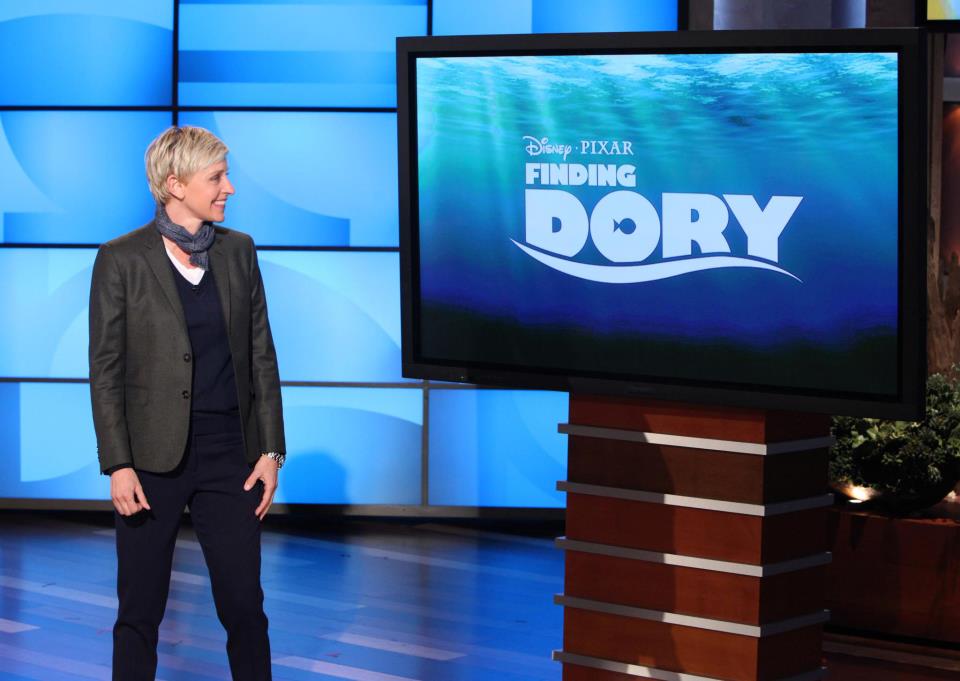
Finding Dory (June 17, 2016)

Finding Dory trailer

Okay, so this one isn’t a 2015 release but that doesn’t make the sequel to Finding Nemo any less anticipated.

It nearly never happened – Andrew Stanton, the writer and director of both, originally stated ‘no sequels’. And we nearly got it this year, before the documentary Blackfish required a total rewrite of the ending.

The original movie (which will be 13 years old at the time of Dory‘s release) hit a bullseye with 99% positive reviews on Rotten Tomatoes, and we’re all eager to see whether the sequel will live up to this impressive legacy.

Which of these most anticipated animated movies are you most looking forward to? Any we’ve missed? Let your voice be heard in the comments below!

Nailing Your Game Design Interview Questions (Part 2)

In part 1 we revealed three of the most common questions you are likely to face when heading in to a game design job interview. Here in part 2, we continue with three more…

What would you say is your biggest weakness?

This is another one of those questions that you should assume you’ll be asked in just about any interview. Admitting your flaws to the person that will decide if you get the job or not may seem like a lose/lose situation, but there is a way to answer and come out looking like the ideal employee.

The trick is to confess an honest weakness of yours and then follow it up with how you’ve improved or try to deal with it.

For example, say that you have a habit of checking and rechecking your work often, which results in more time spent on a project. You can admit this but with a positive flavor to it by saying it’s because you want everything to be high-quality and as close to perfect as possible.

After that, you can then discuss how you’ve improved upon that weakness to demonstrate an ability to learn and grow. This is best done by using a previous job as an example. Going with the habit of rechecking too often, you can say that in your last job you taught yourself to avoid rechecking too much and thus now have the ability and confidence to produce excellent content the first time around

Many recruiters have also confirmed how important the time it takes the interviewee to respond is. Responding almost immediately may give the impression of your weakness being so blatantly obvious that previous employees had to bring it up on several occasions.

Of course, taking a long time to answer may lead the interviewer to think you’re trying to formulate an answer that isn’t exactly honest but sounds good.

The other secret to this question is not so much in the answer but how long you take to respond. If you answer too quickly, you might be suggesting that you already know all your worst points because they are blatantly obvious and you’ve been told so many times.

If you take too long, it will seem as if you’re searching for an answer that sounds good, doesn’t make you look bad, and is something the interviewer would be happy to hear. Again, it gives the perception that you are being ingratiating rather than honest.

How would you improve a game you’re currently playing?

You may have noticed that game developers don’t really hire people based purely on the fact that they play games a lot. This is because being extremely good at a particular game or genre doesn’t necessarily mean you’d be any good at designing one yourself.

What most studios are looking for are people who, while playing the game, are thinking about why it’s good, how it can be better, which mechanics would be great in another game, and so on.

This attribute is so important that this question is asked to not just potential design recruits but artists, composers, and other positions. Even if you’ll only be doing concept art or testing the game, devs want to bring in people that will grow involved in the project and be able to voice a reasonable opinion no matter what department they work in.

So to actually answer this question, it of course depends on the game you talk about. But no matter which title you choose, make sure you don’t spend too much time complaining about a problem and instead focus on your idea to improve it.

This is especially important if you’re criticizing a game that the company where you’re interviewing developed, although some are impressed when you are willing to pinpoint a flaw in their game.

Do you hate a certain weapon or ability in your favorite multiplayer game because it is overpowered? Be prepared to offer good ideas on how you’d tone it down without making it completely useless or unfun.

It also helps to pick a criticism that most people agree upon, otherwise you’ll come off as petty and nit-picky.

What is your favorite game and why?

Sometimes this question is also rephrased as “What is the best game of all time and why?”, but the answer they’re looking for is the same.

Essentially they’re looking to see if you can not only identify a good game but also communicate why it is so great. Note that even if you honestly think a certain game is awesome, the fact that it’s universally considered a stinker might hurt your chances.

A good example would be using “The Legend of Zelda: Ocarina of Time” and not just saying that you like the combat or story. Rather, talk about why it was so groundbreaking when it first released and how it has managed to age well.

In an industry where teamwork and communication is everything, being able to verbally talk about a game is just as important as whichever talent you’re trying to contribute.

You should avoid picking a widely-popular game that only recently came out as it will look like you’ve never thought about what the best game ever is. Similarly, it may be wise to avoid talking about a title the company made or else you’ll seem like a suck up, unless you actually really love the game to death.

Also be prepared to defend your decision in case the interviewer is familiar with the game and wants to see how you deal with opposing opinions and ideas.

[su_note]Learn the skills you need before you get the interview. Check out the game design school at the New York Film Academy (campuses in New York and Los Angeles). [/su_note]

We conclude our series on game design interview questions in part three of the series. Check it out here.

Image Source

Q&A With 17 Year-Old NYFA Grad And Filmmaker Dylan Greenberg

Dylan Greenberg

NYFA: Hi Dylan, would you mind telling us a bit about your background and what drew you to filmmaking? How long have you been interested in film?

Dylan Greenberg: I grew up with a television producer for a father. While I don’t feel his work in television was a direct influence on me at all, we both shared an appreciation for visuals that he definitely encouraged in me. I’ve been interested in film since before I can remember. I’d always loved movies and started making them on an old VHS camera by the time I was five years old.

NYFA: Would you mind giving us a brief synopsis of the plot of Wakers? Were there any films, genres, or themes in particular that you found yourself drawing from? 

DG: Wakers is about a story being read to a little girl by her father. The story is about a rebellious teenager named Blessing who lives in a dreary, dark version of New York with her unstable mother. She finds solace in her friends who introduce her to a mysterious substance that when inhaled, causes beautiful hallucinations. However, the hallucinations prove deadly when Blessing witnesses her friend’s murder while under the influence. She discovers the cause of death is not the substance itself, but a supernatural force living in the hallucinations. As Blessing’s friends start disappearing, the force manifests itself into a living being, which torments Blessing in the real world, forcing her to face her fears head on.

I was inspired by a lot of stuff when making the movie, especially Guy Maddin and Ryan Trecartin. I also drew heavily from one of my favorite super-mainstream horror movies A Nightmare on Elm Street. I guess I wanted to make a slasher-art film.

NYFA: Both of your films, Wakers and Glamarus, are rather surreal journeys that seem to incorporate a wide range of influences, styles, and character types. How would you describe your writing process in assembling such a hodgepodge narrative world? How much of your process is influenced by your collaborators and the production process itself?

DG: My writing process doesn’t exist. I do not use scripts. Rather, I ad lib everything. I have a basic idea of what I want in my head, I bring the actors I know I will need, and I just shoot the movie. My actors ad lib a lot of their lines, so I consider them the writers as well. Often, I’ll give them a very basic prompt: (“You’re threatening him. You’re scared because he’s threatening you.”) and my actors work with it.

NYFA: You have completed and released two feature-length films, Glamarus and Wakers, and you have been making your own films since you were five. How do you obtain the financing, equipment, and PR needed to get your films to a wider audience? What have you learned from both your successes and failures that have helped with the process, assuming it gets easier (or does each production have its own unique set of challenges)?

DG: The equipment is practically non existent. I have a camera, and an editing system. This is all I feel I need to make a film. I will use what props I have, many of which I have found on the street or bought at a novelty shop. I have one movie light, which is from the 1960s and was found in the gutter by my father. The financing, aside from the money it cost to buy the camera, does not exist. It cost more to rent the 750 dollar theater Wakers premiered in than to make the movie itself, including the cost of the camera. I happen to be okay at PR, and I just kind of squeeze myself into whatever publicity I can find. My main failures as a filmmaker were unfinished film projects. I wrote two feature length scripts, both of which were never filmed, and I began filming on a script-less project called Ghost Capturers that was never completed. I also wrote and recorded the music for and was in pre-production on a musical film called Shock and Roll Terror, but opted to make Glamarus instead. I don’t really know what I learned from this: Try not to f*** up, I guess. Once I made Glamarus, which was by accident, I kind of figured out how I would go about making a more fleshed out feature film, which is what Wakers was. In turn, I think what I learned from that is the best things happen spontaneously. For me, at least, when I plan something too much, it doesn’t get done, it sucks, or it takes too long. My successes have always been in completely spontaneous projects.

NYFA: You also have worked as an actress in such movies as the fantastically titled Werewolf Bitches from Outer Spaces. Do you see yourself pursuing more acting roles in the future? As many of the actors in your own films consist of friends of yours, how do you determine which actor is ideal for a particular role? With Wakers, you approached a number of experienced actors—not limited to Troma Films legend Lloyd Kauffman, Matt Katz-Bohen from Blondie, Robert Prichard of Class of Nuke Em High, and Reverend Jen. What made you decide to go after these particular actors for Wakers and what advice would you give to filmmakers your age in approaching and securing more established actors?

DG: I do see myself pursuing acting in the future, though not full time. I occasionally act in short films and stuff. It’s fun to see yourself in other people’s work. I actually was supposed to be an extra in a Martin Scorsese film but I got fired when they found out I was under 18. I determine which actor is ideal for a role by basing the role off of them a bit, even if the finished result is a character nothing like them. I usually have the actors in mind when I am coming up with the plot. It’s also based on availability. I wouldn’t advise getting too hung up on who’s playing who, but with people who aren’t professional working actors, try to give them a role that comes natural, or one you’d think they’d find fun. With the more experienced actors, my approaching them was based in availability. Aside from Lloyd Kaufman, I knew most of the experienced actors. Reverend Jen is my good friend and unofficial godmother, and she was in Kaufman’s film Terror Firmer. I was able to use this connection to talk to Lloyd Kaufman, and it also helped that he makes himself very available. Matt Katz-Bohen and I had talked a bit before and he had given me his contact information, so when I approached him with Wakers he was pretty into it. The main piece of advice I have is use Facebook. A surprising number of well known media figures are on it, and the “seen” feature lets you know when they’re not going to respond to you so you can move on to someone else. Luckily we live in a time when you can easily instant message very experienced people. Another word of advice is try to keep their shooting time to a minimum. If you’re dealing with someone who is very busy, shoot their scenes in an hour. Figure it to where they’re only in one location, and just record as much as you possibly can. An hour is a lot of time. If they need to interact with someone else who can’t show up, use a body double. That’s what I did with Lloyd Kaufman.

NYFA: Also, as a quick follow-up, have Troma films been a particular influence on you and if so, which ones are your favorites?

DG: Troma films have definetely been an influence on me! My favorites of theirs are Terror Firmer, The Toxic Avenger 2 and 3, and Tromeo and Juliet. Although I don’t use a ton of gore, their unconventional humor and horror fusion is very influential to me.

NYFA: What filmmakers currently working today are you particularly inspired by and drawn to? And outside of the world of film, what artists, writers, and musicians do you find yourself incorporating—whether directly or abstractly—into your films?

DG: I am influenced by everyone from Guy Maddin to Godfrey Ho and my script-less style of filmmaking is influenced by Scott Shaw’s Zen Film philosophy as well as the no wave Cinema of Transgression style found in filmmakers such as Nick Zedd and Richard Kern. Some additional filmmakers that inspire me are Dario Argento, Bruno Mattei, Harmony Korine, Richard Elfman, and Ryan Trecartin. I was inspired by Itallian progressive rock band Goblin in some of the scores I composed for Wakers as well as Brian Eno, who is a big influence on my music. Richard O’Brien’s musical Shock Treatment was also a big influence, both musically and visually, and the song I wrote and recorded for the end credits is very inspired by the music from that film.

NYFA: What is next for you as an artist and filmmaker? Do you have any parting words of advice for young filmmakers seeking to create their own feature length films?

DG: I plan on making another feature film soon that’s a sort of follow up to Wakers. It’s about puberty, vagina aliens, the Bible, and Mae West. I think. Currently I am working on making some music videos for my album “really secret elevator” I just released on Amazon, Google Play, etc. and I have two out for my singles “My Respiration” and “Call Our Losses”. I think “Call Our Losses” has some hit potential and the video was my first big foray into hand-drawn cell animation, which I incorporate myself into via greenscreen. I am also working on another album of much less poppy, more innovative musical material which I also plan on directing some really good videos for. Eventually, I want to make a bigger film that is a musical, and I want to direct a darker art film starring Corey Feldman.

My parting words of advice to young filmmakers are: Just make a movie. You don’t need money, you don’t need a script, and you don’t need a crew. You need some friends who are willing to show up, a camera, an editing system, and some imagination. And by a camera, I mean any camera, including a phone. There are apps that allow you to edit movies on a phone now, or you can get a cheap older camera and edit the thing in a VCR. I’ve done that. Don’t try to be Stanley Kubrick or Steven Spielberg, because you’re not: You’re better
2015 Oscars: A Look at the Best Documentary Feature Nominees

Oscar Statue
This year’s Oscar nominees in the Best Documentary Feature are an eclectic group—producers and directors of varying levels of experience. Their films are just as diverse, although all share a voice that says something powerful and critical to the human experience, a must for any documentary vying for the Academy Award. For students and aspiring documentary filmmakers who wish to learn more about the craft of documentary filmmaking, here is a look at those who might go home with the golden statue in an important yet somewhat overlooked major category.

Citizenfour – Laura Poitras, Mathilde Bonnefoy and Dirk Wilutzky

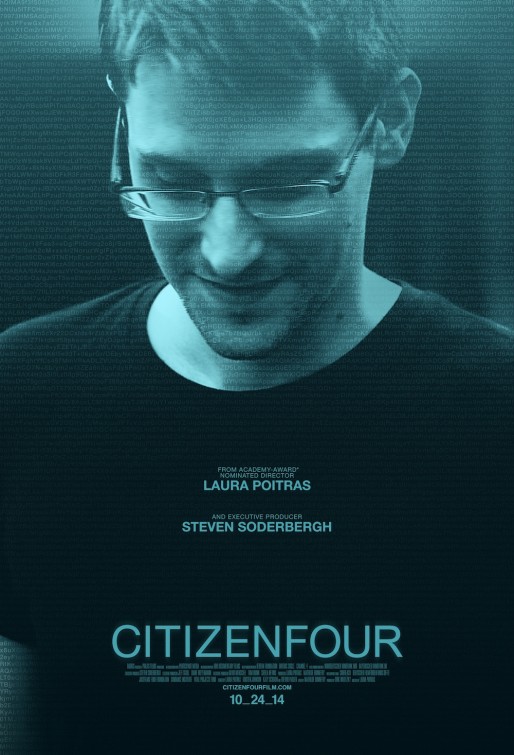
Citizenfour movie poster

Citizenfour unravels one of the biggest stories of the decade—Edward Snowden and the NSA’s controversial surveillance program. This isn’t director Laura Poitras’s first time at the big show—she was previously nominated in the same category for My Country, My Country in 2006. She’s also worked on Exact Fantasy, Flag Wars, Oh Say Can You See, and The Oath.

Producers Mathilde Bonnefoy and Dirk Wilutzky haven’t had the honor before—this is the first nomination for both. Bonnefoy has worked primarily as an editor, cutting Hollywood thriller The International and European cult hits Run Lola Run, The Princess and the Warrior,and Heaven. Dan Wilutzky was production manager on Bowling for Columbine, which won the Oscar in 2003.

Finding Vivian Maier – John Maloof and Charlie Siskel

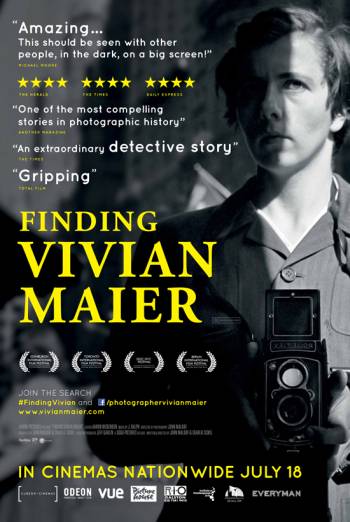
Finding Vivian Maier movie poster

Finding Vivian Maier investigates the enigmatic life of private photographer Vivian Maier. This is the first Oscar nomination for John Maloof, but for good cause—to date, this is his only film credit. Maloof is actually a Chicago historian and collector, drawn to the life of Vivian Maier after discovering thousands of her negatives in an auction.

Co-director Charlie Siskel does have experience in documentary and producing, however. In addition to producing several Comedy Central programs like Tosh.0, Review, Crossballs,and Important Things with Demetri Martin, Siskel was also a producer on Michael Moore’s Bowling for Columbine. In addition, he also assistant directed and was production manager for the Bill Maher documentary Religulous.

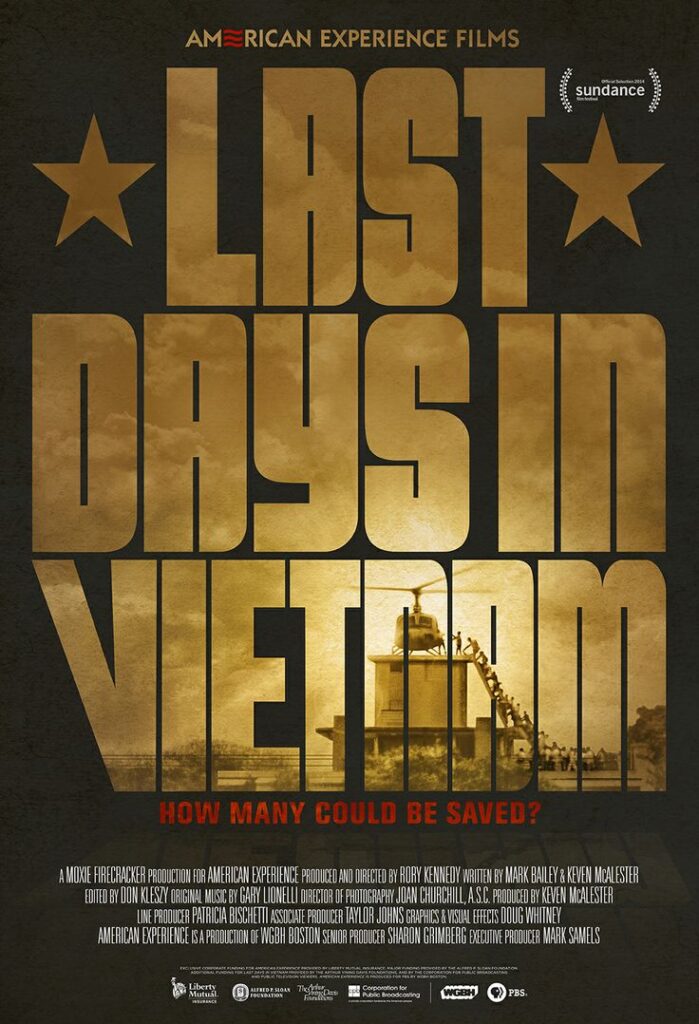
Last Days in Vietnam – Rory Kennedy and Keven McAlester

Last Days in Vietnam

Last Days in Vietnam chronicles the chaotic, tragic American evacuation of Saigon at the end of the Vietnam War. This is the first nomination for both director Rory Kennedy and producer Keven McAlester.

Rory Kennedy is a prolific documentary producer, having produced Bobby Fischer Against the World, Ghosts of Abu Ghraib, Street Fight, and many others. She also directed Ethel, a documentary chronicling the life of her mother, Ethel Kennedy, wife and widow of Robert F. Kennedy.

Keven McAlester has produced and/or directed doc features and shorts including The Fence, You’re Gonna Miss Me, The Dungeon Masters, and Dance with Me.

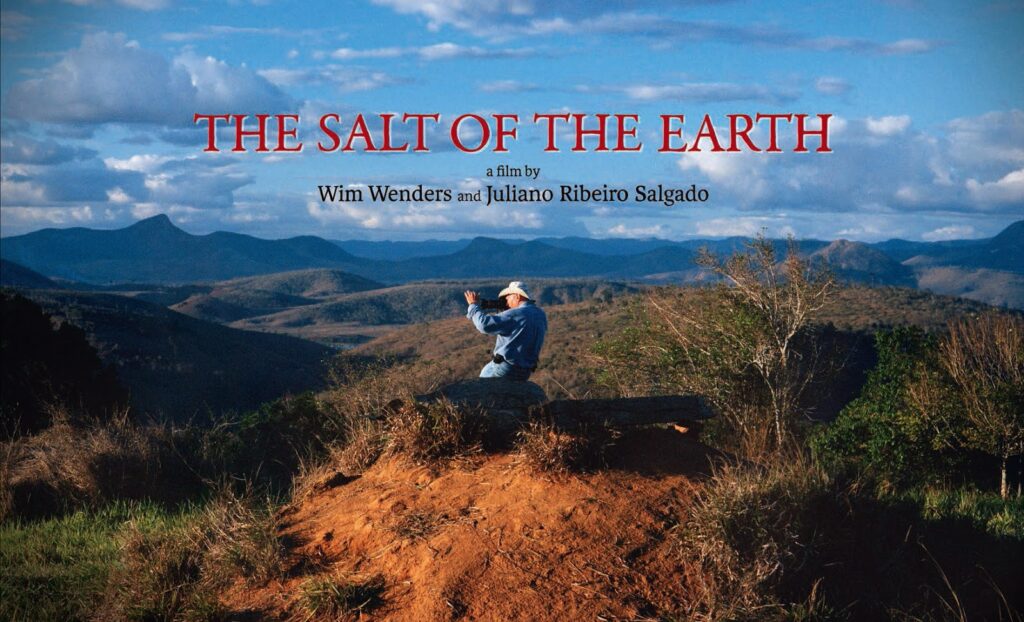
The Salt of the EarthWim Wenders and Juliano Ribeiro Salgado

The Salt of the Earth movie poster

The Salt of the Earth documents Brazilian photographer Sebastião Salgado, who’s focused a lot of his work on the poor and suffering. Producer Wim Wenders is no stranger to the Academy Awards, having been nominated twice before for documentary features Pina and Buena Vista Social Club.

Wenders is also a prolific director in fiction, having directed films as Wings of Desire, Until the End of the World, The Million Dollar Hotel and Paris, Texas.

The Salt of the Earth’s director, Juliano Ribeiro Salgado, has also worked on Paris la métisse and TV documentary Nauru, an Island Adrift. This is producer David Rosier’s first film credit and nomination.

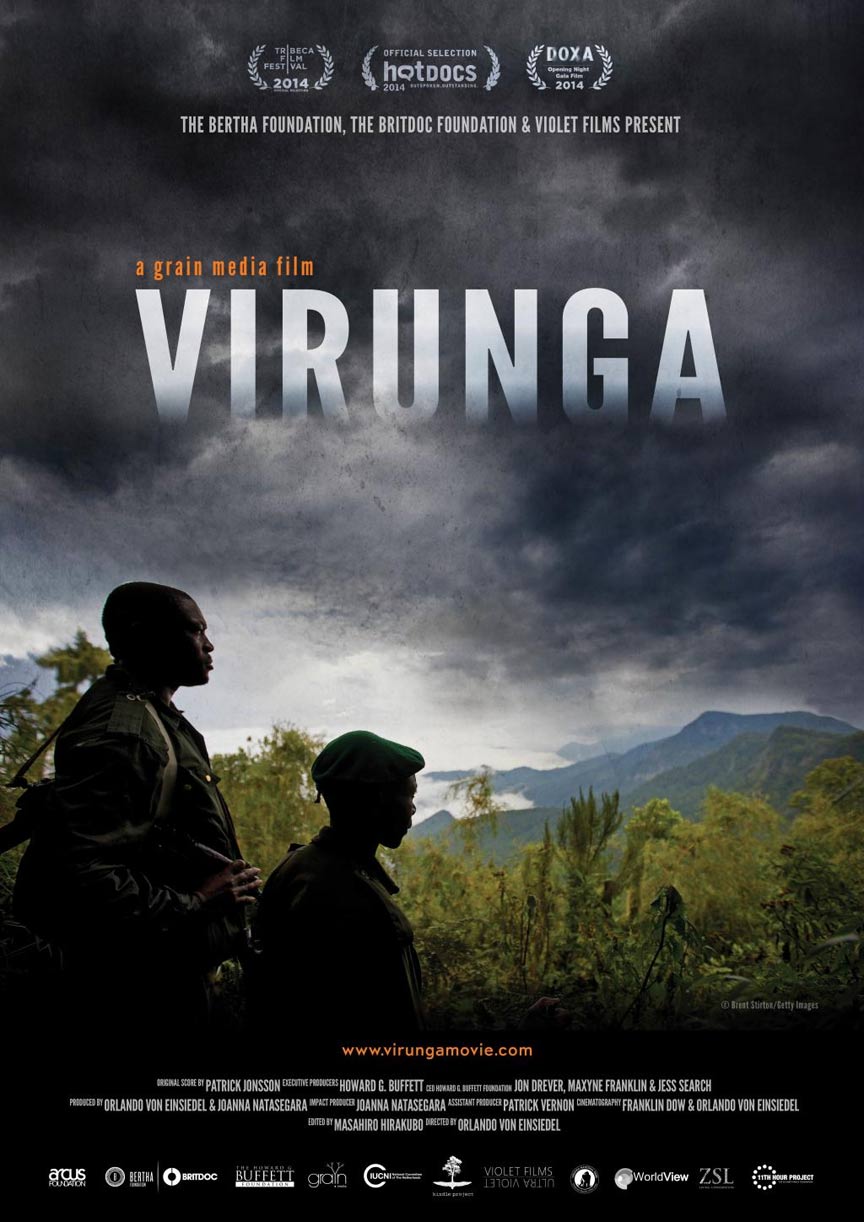
Virunga – Orlando von Einsiedel and Joanna Natasegara

Virunga movie poster

Virunga tells the story of the battle between those tasked to protect the nature and inhabitants of Virunga National Park, a refuge for endangered mountain gorilla, and those who seek to profit from the oil lying underneath the park. This is the first nomination for both Orlando von Einsiedel and Joanna Natasegara.

Von Einsiedel has produced several documentary features and shorts, including Aisha’s Song, Little Voice Big Mountain, Superbob and Radio Amina, as well as two episodes of TV doc Earthrise. Natasegara is also a prolific director and producer, having produced documentaries Ministry of Truth and The Price of Kings series, which she has also directed.

2015 Oscars: A Look at the Nominees for Best Original Screenplay

From birds to boys to everything in between, the Best Original Screenplay nominees for this year’s 87th Academy Awards are a diverse, intriguing mix. Most of the writers up for the Oscar have competed for the award before, so it’s anyone’s game. Here is a look at some other works by the Best Original Screenplay nominees and what led them to their Oscar-nominated screenplays, essential reading for any screenwriting student or aspiring screenwriter.

Birdman – Written by Alejandro G. Iñárritu, Nicolás Giacobone, Alexander Dinelaris, Jr. & Armando Bo

While this is the first Oscar nomination for the other writers of Birdman, writer/director Alejandro G. Iñárritu was previously nominated for Best Writing and Best Directing for his 2006 film Babel and is up for Best Directing and Best Picture this year.

He has also scripted his upcoming film The Revenant, starring Leonardo DiCaprio. AGI has also written his film Biutiful with Birdman co-writers Nicolás Giacobone and Armando Bo and all four nominees are currently scripting the upcoming Ed Helms television series The One Percent for Starz.

Boyhood – Richard Linklater

This is Richard Linklater’s fifth Oscar nomination, counting his nods for Directing and Best Picture for his 12 years in the making masterpiece, Boyhood. He was previously nominated for Before Midnight and Before Sunset, which were in the Adapted Screenplay category as they are based on Linklater’s original screenplay, Before Sunrise.

He’s also written most of his own films, including Slacker, Dazed and Confused, The Newton Boys, Waking Life, Fast Food Nation, A Scanner Darkly, Bernie and his upcoming effort, That’s What I’m Talking About.

Foxcatcher – E. Max Frye and Dan Futterman

This is Frye’s first nomination and Futterman’s second—he previously got the nod for his work on Capote.

Frye is a veteran screenwriter, having scripted films since the 1980s. His credits include Something Wild, Amos & Andrew and an episode of HBO’s Band of Brothers. He was also script consultant on Lars Von Trier’s experimental film Dogville.

In addition to Capote, Dan Futterman has written for the television shows In Treatment and Gracepoint.

The Grand Budapest Hotel – Screenplay by Wes Anderson; Story by Wes Anderson & Hugo Guinness

While this is Hugo Guinness’s first Oscar nomination, Wes Anderson has received five others, including his nods this year for Directing and Best Picture. His other nominations include two other Original Screenplay nods for The Royal Tenebaums and Moonrise Kingdom and a Best Animated Feature for The Fantastic Mr. Fox.

Anderson’s other screenwriting credits are exclusively for his own directed films, including Bottle Rocket, Rushmore, The Life Aquatic with Steve Zissou, The Darjeeling Limited, and again for The Fantastic Mr. Fox.

Hugo Guinness’s story credit for The Grand Budapest Hotel is his only writing credit to date, but he also did art and voice acting for The Fantastic Mr. Fox.

Nightcrawler – Dan Gilroy

This is Dan Gilroy’s first screenwriting credit, though he has been writing for Hollywood since the early 90s. His brother is successful screenwriter and director Tony Gilroy. Some of Dan Gilroy’s credits include Freejack, Chasers, Two for the Money, The Fall, Real Steel, and The Bourne Legacy.

Check out our other pages for a look at the careers of this year’s Best Documentary Feature nominees and Best Cinematography nominees.

Where to Shoot Film in LA

Scouting locations for your film can be one of the most enjoyable aspects of preproduction, and carries with it a tremendous artistic, practical, and financial impact on your project.

where to shoot film in LA

Whether you’re simply looking for a space to hold auditions and rehearsals or need a dramatic-looking location for use in the final cut, there’s more than one way to skin a cat. Here are tips for finding the right locations in LA, particularly for those on a budget.

Rehearsals & Meetups

If you’re lucky enough to attend one of the more prominent LA film schools, chances are you already have access to a dedicated rehearsal and/or meeting place with which to work with your talent and crew. Faculty and staff should be able to assist in finding a suitable place to work on campus.

If you find your needs require an off-site location for casting or rehearsing, Los Angeles is full of studio spaces, galleries, dance studios, movie theaters, and stage theaters for rent.

rehearsal space LA

Here’s a fairly comprehensive list of all LA theatres – while not every one will have an available space for rehearsals and meetups, many of them will.

There’s also this handy service that could potentially save you a lot of searching: SpaceFinder LA.

While not initially intended specifically for filmmakers, plenty of directors and producers have found value in the site’s clean interface and ability to quickly narrow out places which are available for casting/rehearsing/shoting. The site itself is free to use, and there is an impressive number of locations which are able to rent. A calendar function allows you to check availability directly through the site, and it’s possible to filter by either hourly or daily fee (options also exist for work-study or barter basis locations).

A polite phone call is undoubtedly the best way of securing the best rates for a space, and many of them will offer discounts to filmmaking students.

Film Shoots

Needless to say, there’s no blanket answer here given that where you need to shoot depends entirely on what your script calls for. The above-mentioned SpaceFinder LA is a great resource, as is http://variety411.com/.

Make sure you find a location that not only serves the needs of your story, but one that can accommodate your particular production. Working with large casts or crews, children, animals, special equipment, irregular hours—these are all important considerations when selecting a location. Always remember that with movie magic you can turn a studio, stage, or other space into another location. Set design, set dressing, visual effects, and sound design can go a long way to creating a believable setting.

The most important thing to remember when renting ANY location for any purpose is to get a very clear agreement in writing with the location owner before committing to it. Also, make sure you’re dealing with the actual owner; a tenant may not have the authority to rent out a space.

where to shoot in LA for free

Revising The Script: When All Else Fails

One final thing worth noting is that if you’re really struggling to find a location within your budget, the solution may be to rewrite the script to make it appropriate to the budget. You’ll be amazed at how much time, effort and money can be saved by a quick rewrite that will put your characters in a more attainable location. You won’t have to rent an entire airport terminal if you can instead set that welcome-home scene in a car in front of the airport.

shooting film in LA locations

More often than not, good filmmaking is adaptive filmmaking.

For additional reading you might also like our article on the best film locations in Los Angeles.

MA or MFA Filmmaking: Which is Best?

Those who are interested in taking their acting studies to the next level may well be considering an MA or MFA in Filmmaking program – after all, both qualifications are of the highest standing recognized by the industry and other filmmakers working within it.

The question is, which one is best?

MA or MFA Filmmaking: Which is Best?

MA or MFA Filmmaking

To a certain extent, there’s no catch-all answer to the MA or MFA Filmmaking conundrum given that it largely depends on the filmmaker’s background and chosen career goals. However, it is a major decision (and quite possibly one of the critical decisions a filmmaker might make), so it’s well worth understanding the fundamental differences between the two programs before diving in.

Firstly, let’s discuss what each program offers to prospective students, and what’s required in order to complete the program.

MA Filmmaking

What It Is: The MA in Film and Media Production offered by the New York Film Academy is a professional graduate program that is designed to immerse students deep within the filmmaking process. This is achieved primarily through practical coursework – over the course of a single extended academic year (comprised of three semesters per year), students will create no less than 8 films and collaborate on many more.

MA Filmmaking degree

The film creation process doesn’t just hone the student’s shooting prowess – on each of the film projects embarked upon, the filmmaker will also have their writing, directing, and editing skills pushed to the limits. Intense classroom-based learning focusing on cinematography will kick off each semester, with the theory learned being put into practice in a series of short films. The latter half of each semester will predominantly cover the finer aspect of screenwriting (particularly dialogue) and advanced editing practices, all of which culminate in a further four films being created from scratch.

Who Should Apply: The MA in Film and Media Production is ideally suited to students who have a natural aptitude for writing and filmmaking, but are looking to gain advanced skills in order to better execute their ideas in a way that does them justice. It cannot be understated, however, that the MA program is a very intensive course and only those who are willing to immerse themselves fully in the hands-on nature of the craft should apply. It is also more theoretically focused than the MFA program, which is something to keep in mind based on your goals.

MFA Filmmaking

What It Is: The MFA in Filmmaking is an extremely comprehensive program. Even more so than the MA in Film and Media Production.

Difference between MA and MFA

The Master of Fine Arts is, as the name would suggest, a highly specialized degree and arguably the most revered qualification a filmmaker can achieve. Although the MFA Filmmaking program differs from the MA in that it is a two-year program and more focused on hands-on learning; during the two years of accelerated study, those in the program will use industry-grade equipment under professional tuition in order to write, direct and edit 10 short films (and work on around 28 others).

At the end of the MFA program, students will have created a polished final film as part of their master’s thesis and will have written a full 90-120 page script. In addition, students will graduate with a knowledge of not just ‘how’ to apply the numerous skills necessary to make a great film, but also the ‘why.’ This deep, theoretical understanding of the craft – along with what works and what doesn’t – will follow the MFA graduate with them for the duration of their professional career following the program.

MFA filmmaking program details

Who Should Apply: This is a fully comprehensive study program geared towards filmmakers who wish to explore every facet of the filmmaking process. Those looking for in-depth and first-hand knowledge of not just the latest filming and editing equipment but also the techniques used in modern cinematography should definitely look into the MFA filmmaking program.

So Which is Best… MA or MFA Filmmaking?

Make no mistake about it – this is a great crossroads in your life as a filmmaker, and what you choose to do next might change the trajectory of your pursuit of filmmaking. Ultimately, however, the decision as to which program to go for lies with the individual. Ask yourself what you want from your filmmaking program, and choose the one which best matches your personal goals.

Ready to take your filmmaking to the next level? Check out NYFA’s Film and Media Production Masters Program and take it there!

Find A Story You Believe In: Q&A With Screenwriting Grad And Filmmaker Jon Mann

Filmmaker Jon Mann
Photo provided by Jon Mann.

NYFA: Hi Jon, would you mind giving us a bit about your background and what drew you to NYFA’s screenwriting program?

Jon Mann: Hi! Thanks for having me. I’m from Fredericton, New Brunswick, Canada originally, and grew up in a family of readers and movie-goers so I’ve always had an interest in film and have been writing for as far back as I can remember. The NYFA has such a strong presence in the film industry and their list of alumni speaks for itself. It made perfect sense for me.

NYFA: You received your undergraduate degree in Political Science, but half way through your education, you decided that filmmaking might be the career path for you. How do you see your political science training influencing and helping your documentary filmmaking work and vice versa?

JM: It has definitely helped. One of the major lessons I took from my degree in political science that I have been able to use to help me as a documentary filmmaker is to realize that there are usually, at the very least, two sides to every story. It really gave me an open mind to not just accept headlines I’m seeing on TV or in newspapers as the be-all and end-all. It gave me a glimpse into the contemporary state of the world in different economies, different political systems, why they work, why they don’t work. Studying political science was an exposure to issues and stories that I otherwise wouldn’t have had, and that is now something I aim to do with my own documentaries.
I took a course called “Political Argument” which has been very helpful, too (laughs).

NYFA: You studied screenwriting at NYFA, but work in documentary films. How did you find the screenwriting program helped you as a documentary filmmaker?

JM: Well, I think whether it is a documentary or a feature film, the script and the story will always be the most important thing. Maybe one difference with documentaries is that you need to discover the character arcs, and the midpoint, and the climax, etc. as opposed to feature’s where you write those yourself. But the way you tell the story on screen is the same. It’s all the same equation. It’s all filmmaking and it all starts with a story.

NYFA: Is there one lesson in particular that you learned while at NYFA that you find yourself continuing to apply to your work?

JM: In order to have a good script you need to make your character’s motivation believable. It seems simple but it is so true. That goes for all characters, not necessarily just your protagonist. The best villains have believable motivation as welllook at Bane in The Dark Knight Rises. You almost end up feeling bad for him in the end. Brilliant.

NYFA: In your TEDx talk, you discuss how the characters and story structures of the film Jaws parallel the fact that many social movements—like the organic social movement again the sale of New Brunswick Power you document in your film Project Power—are comprised of seemingly ordinary individuals who band together to fight against the great white shark that is corporate power. Do you think that such films like Jaws can be used to galvanize reluctant activists into standing against seemingly insurmountable power? What other films do you consider illustrate this correlation?

JM: I think you can really make that argument for any film as long as the audience is open to being motivated by a film in that way. One thing I focus on in my Ted Talk is that every time I watch Jaws it has different meaning for me. It means something completely different to me now than it did the first time I saw it as a 4 year old. Since my Ted Talk was published I’ve had a lot of people give me their theory on Jaws and that is what makes the movie so great is that not only is it a scary movie about a shark terrorizing a small-town, is it has all of these great elements under the surface and it means different things to different people.

Harlan County U.S.A. is a great documentary from Barbara Kopple that really magnifies my theory on Jaws in a more obvious light. Gladiator could be used under the same umbrellaa man who is stripped of everything through a socially unjust system takes on the Roman Empire the only way he knows how.

I think the films themselves are important but it comes down to the audience and what they may be going through in a particular time in their lives when they watch them.

NYFA: You worked with a wide network of creative individuals on your Project Power including the New York Times best selling author Raj Patel who also narrated your first film, Drink ‘Em Dry and a number of different musicians and bands from around the world. How do you forge these connections with seemingly disparate collaborators?

JM: I think one thing to remember is that the worst thing someone can say to you is “no.” Which happens a lot. A lot. Some of these requests may seem risky, but they were all calculated. Drink ‘Em Dry is the story of a group of brewery locals who were locked out from work, and during production there were massive protests in Wisconsin opposing legislation which would limit public employee collective bargaining. Dropkick Murphys had played a show in Madison and were right there in the thick of things so we told them about our project and they were excited for the opportunity to be part of the film and be able to lend any help they could to the cause. Steve Earle grew up in a union family, Billy Bragg has been a grassroots political activist punk-rocker for 30 plus years. Raj Patel is the greatest social justice writer on the planet. They all agreed with the subject matter. Although they may seem like disparate collaborators, they all have the same values. I have nothing but great respect for all of them.

NYFA: What is your process for raising funds and marketing your documentary films? What do you consider the best methods for finding financing in the documentary industry, especially for filmmakers who are relatively new voices?

JM: The support I’ve received for the films I have done has been incredible. Much like the collaborators I’ve used on screen, I’ve been lucky enough to have a team off-screen who share the same values and who wanted to see these particular stories told as much as I did.

NYFA: As someone who seems to see documentary film as a potential catalyst for social change, what are some films in particular that you’ve drawn inspiration from and helped you to see the power of community activism?

JM: The first time I watched Bowling for Columbine I was frozen. I felt like I had just been hit by a truck. Inside Job is another film I always end up coming back to. In two very different ways, on two very different issues, those films peel back layers until you see the root of a problem, and it makes you sick to your stomach. They have a way of making you educated and angry, which is the perfect combination for social change.

You don’t need to look any further than Blackfish to see what an impact films have in a community. SeaWorld is losing an uphill battle.

NYFA: Do you have any parting words of advice for aspiring documentary filmmakers who desire to use the medium as a catalyst for social change?

JM: Find a story you believe in. Like a well-written script, if people believe in you, they will be much more willing to listen. When someone says ‘no,’ use it as a learning experience. Why did they say ‘no’ to you? All you can do is try and get better every day. Learn to love the adversity.

The Best Cinematography: A Look At 2015’s Oscar Nominees

Oscar award

The Academy Awards nominations for 2015 are out and as usual there’s a mix of powerhouses, underdogs, surprises, and sure things. For the Best Cinematography  category, the list of nominees ranges from potential Best Picture winners to foreign films with few other nods in other categories. If you are looking to better understand the craft of cinematography, the work of these six cinematographers offer a fantastic supplement to in-class studies.

Here then is a look at the careers of the six cinematographers up for the Oscar.

1. Emmanuel Lubezki – Birdman

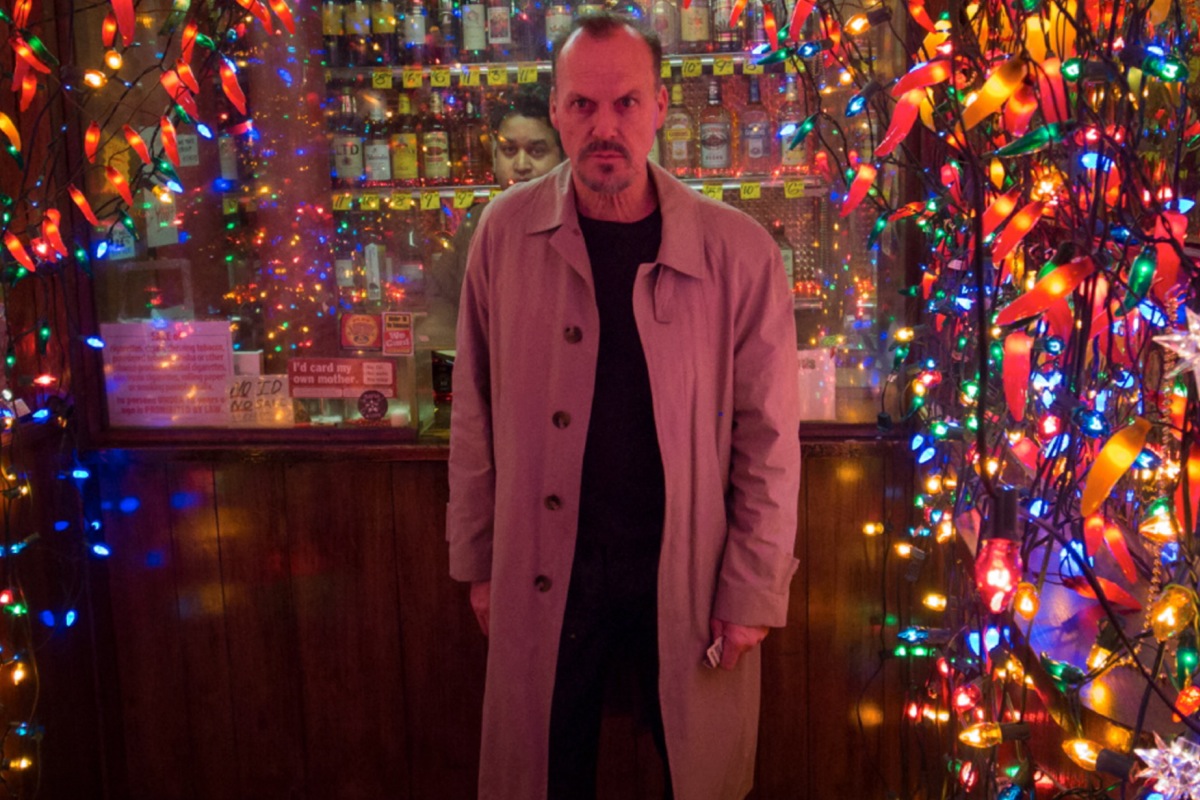
Michael Keaton in Birdman

Emmanuel Lubezki is no stranger to the Academy Awards, having earned six other nominations, including for Gravity, which earned him his first Oscar last year. Lubezki is of Russian heritage and was born and raised in Mexico, and has collaborated on several films with Alejandro González Iñárritu, Alfonso Cuarón, and Terence Malick. He was also nominated for his work on The Tree of Life, Children of Men, The New World, Sleepy Hollow and A Little Princess.

Other credits include the indie film Twenty Bucks, Reality Bites, The Birdcage, Meet Joe Black, and The Cat in the Hat. He has two upcoming films with AGI and Malick.

2. Robert Yeoman – The Grand Budapest Hotel

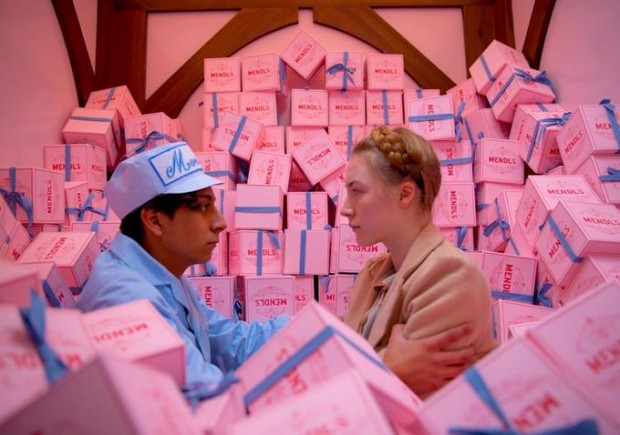
Pink boxes in The Grand Budapest Hotel

Robert Yeoman is an American cinematographer and a first-time Oscar nominee. He has shot every live-action film of Wes Anderson. He’s also DPed Drugstore Cowboy, The Wizard, Dogma, The Squid and the Whale, Yes Man, Get Him to the Greek, Whip It, and Bridesmaids.

His next film will be the upcoming Melissa McCarthy comedy Spy.

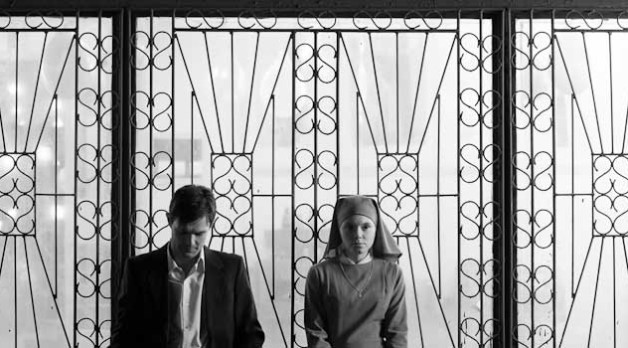
3. Lukasz Zal and Ryszard Lenczewski – Ida

Scene from Ida

Polish cinematographers Lukasz Zal and Ryszard Lenczewski are thirty-three years apart in age and have never collaborated before their work on black-and-white foreign-film darling Ida, but they clearly bring out the best in each other as this is the first nomination for both of them.

Zal has worked mostly on documentary features and shorts, including Joanna, Arena, and Paparazzi. His upcoming film is The Here After. Lenczewski has DPed Intermission, Margaret, and My Summer of Love.

4. Dick Pope – Mr. Turner

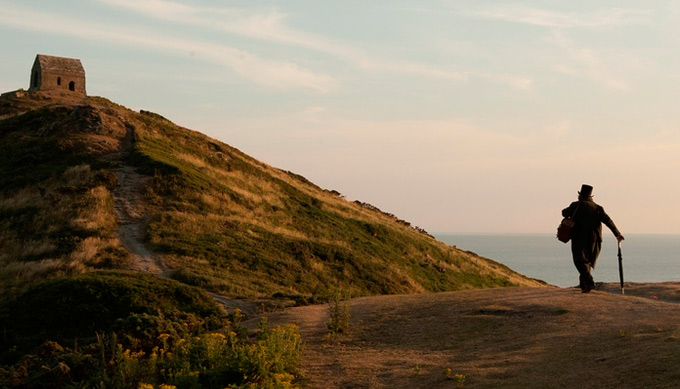
Timothy Spalling in Mr. Turner

Dick Pope’s work on Mr. Turner earned him his second Oscar nomination—the British cinematographer was also nominated in 2006 for The Illusionist. A frequent collaborator of Mr. Turner director Mike Leigh, Pope’s credits as director of photography include Secrets & Lies, The Way of the Gun, Nicholas Nickelby, Vera Drake, Me and Orson Welles, Happy-Go-Lucky, and Bernie.

5. Roger Deakins – Unbroken

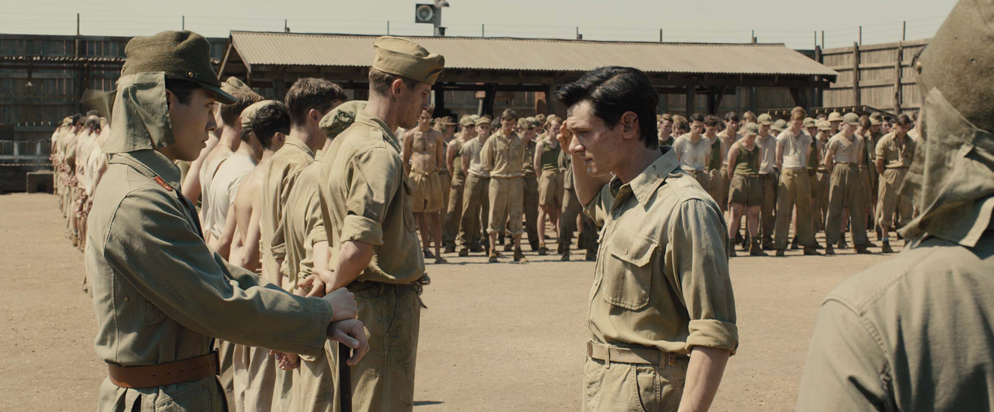
Scene from Unbroken

Is this Roger Deakins’ year? So far, he’s always been the bridesmaid, with a staggering 12 nominations for Best Cinematography and not a single win. The English DP is a frequent collaborator with the Coen Brothers and has been previously nominated for shooting Prisoners, Skyfall, True Grit, The Reader, The Assassination of Jesse James By the Coward Robert Ford, No Country for Old Men, The Man Who Wasn’t There, O Brother Where Art Thou?, Kundun, Fargo, and The Shawshank Redemption.

Other credits include Doubt, In Time, The House of Sand and Fog, The Village, A Beautiful Mind, Dead Man Walking and Sid and Nancy. His next film will be another Coen Brothers effort—Hail, Caesar!

In addition, a portion of the film was shot on the Village Roadshows Studios lot shared by the New York Film Academy Australia on behalf of Screen Queensland.

Who do you think will take home the gold? Let us know in the comments!