Video Game Marketing: Promoting Your New Game [Part 2]

So your game is finally ready to launch and you want as many people as possible to know about it. By the time your game releases you should definitely have a plan set out for promoting it. Ideally, and as we made clear in the first half of this 2-part series, it isn’t a bad idea to start marketing your game well before launch.

Whether you did or didn’t promote your game before it was completed, now is as good a time as any to do everything you can so that people know your game exists. The following ideas are some of the best ways you can get your app or game all the attention it deserves.

Note that the more time and effort you put toward promoting your game, the greater your chances are of it becoming a success. In other words, expect marketing your game to feel like a full-time job if you want to see the best results.

Launch Date Decisions

After working long hard months, it’s no surprise that many developers simply want to release their game as soon as possible without considering a specific day. For instance, The App Store automatically releases any game or app as soon as it has been reviewed, which is what most app devs opt for.

However, there are plenty of upsides for deciding on a launch day yourself. The first being that you can start generating interest by letting people know when the game will be made available. You can then expect a buzz spike that will help your project receive even more attention simply because there were already people anticipating it.

When it comes to the App Store, the first couple of days are your best and possibly only chance of topping the charts. The more people that download your game on launch day, the more likely your app is to end up in the Best New Apps or Best New Games sections. The same thing holds true on other competitive game distribution platforms like Steam.

As for which day is actually best to launch, there’s plenty of debate so you’ll have to do some research. Most argue that Sunday is great since people are home and thus more likely to download a new game or app. However, many developers have seen success releasing both early in the week (Tuesday) or late (Thursdays) as buyers can look forward to playing the game over the weekend.

Promo Codes!

What better way to promote your game that to let people actually try it out for free? Distribution platforms like Steam and the App Store give you the option of handing out free codes for your game. The best case scenario is that these people, who will probably not buy your project now that they have it for free, will tell others about it and thus bring in new buyers.

Many devs even start handing out promo codes a few days before release. Since people love being the first to gain access to anything, they’re more likely to tell their friends about it if they like your game. You can even use them to grow your social media pages by offering them as giveaways for following your Facebook page, Twitter, etc.

Make a Press Kit

A press kit is everything a website or game reviewer will need to review your game, post an article about it on their site, etc. You’ll want to make it as easy as possible for them to check out your game as they are likely being bombarded by countless other developers asking for the same thing. The more convenient you make things for them, the more likely they are to give you a review or post an accurate article.

Some of the must-have items for a press kit are a short description of your game/app and key features. You’ll also want to add links to social media pages or websites where they can view videos, images, or even download the game itself. Make sure to include a contact e-mail so they can get back to you. If you have the resources, a trailer is also a great way to excite people and let them see what your game is all about.

As recommended in the first half of this series, you should also have a website for your game or team. Potential reviewers love the idea of clicking on a single link to see media and other information about a game they may write about. Once you have a press kit ready to go, you’ll want to whip up an attractive…

Press Release

Press releases are basically a few paragraphs about your game that you’ll be e-mailing to several media outlets, reviewers, etc. It’s what will attract the website writer’s attention before they ever open your press kit, so it should be well-written and capable of motivating the reader to consider your request.

More importantly, the content in your press release is very likely to be used by the media outlet when publishing an article or review. Since they don’t have the time to whip up articles on every press release or idea that comes their way, most media sites are much more eager to post about games if they already have some content to work with – i.e. your press release.

It’s also not a bad idea to make your press release available on your game or app’s website. For ideas on how to write a good press release, you can take a look at the Press Releases page on Gamasutra that has content from both indie titles and big budget games.

Post Everywhere!

If you take advantage of all the tools available on the world wide web, your game will have significantly greater chance of being a hit. From Facebook and Twitter to e-mail and forums, people all over the net are talking about games and eager to learn about a cool new experience. Keep busy while waiting for responses from gaming sites by posting your press release on message boards, creating contests with promo codes as an award, etc.

Aside from review and game sites, you can go a step further and ask dedicated YouTube and Twitch reviewers to make a video of themselves playing and/or reviewing your game.  If they have an impressive fanbase, it can lead to thousands of potential buyers watching your game in action. Be sure to give them a promo code so they don’t have to buy the game, which will make them more likely to actually do something with your game.

[su_note]Before you can release and promote a brand new video game, you must create it first. Learn how to design and develop world-class video games at New York Film Academy’s Game Design School (campuses in New York City and Los Angeles). [/su_note]

Conclusion

Anyone who says the real work starts after you actually release an indie game may have a point. Although development is plenty of hard work, getting people to actually notice your project can be just as challenging. This especially holds true if you want to take advantage of every tool the internet has to offer for marketing your game without having to spend money on advertising.

So if you’re just starting to create a game or you’re already near release, we definitely recommend that you do all you can to spread the word. Even if your game is awesome, it doesn’t matter if people don’t know about it. Instead of counting on the lucky chance that your game spreads like wildfire via word of mouth, promote your game so that more people can enjoy the project you’ve worked so hard to create.

Image source

Video Game Marketing: Promoting Your New Game [Part 1]

Having dreamt of creating your own games ever since you were a kid, you’re brimming with passion and excitement now that it’s finally becoming a reality. Ready to give it all you got, you and your team are hard at work developing what may very well be the next big hit.

Of course, actually creating a good game is only part of the process. Just like any other form of entertainment, you need to find a way for people to discover that your game exists. Without promoting, you risk the chance of not growing an audience of players your game deserves.

The sad part is, most independent game developers find this out the hard way. Despite all the tools made available thanks to the internet, many fail to attract attention for their project and are disappointed when sales and downloads are low– even if their game is great.

This is a part one of a two-part series on ways you can make sure your game gets the exposure it deserves. And as you’ll notice in this article, marketing and promotion start before the game is finished and ready to launch.

It all starts with a target audience!

Your target audience is the group of people that are most likely to download/buy and play your game. You should figure this out as early as possible during development so you can make design choices that will appeal to them and increase the chance of  success.

To use a popular big-budget game as an example, Dark Souls from the get-go was designed for the hardcore gamer. In other words, someone who is seeking a tough-as-nails challenge that will test their skills and patience every step of the way. It’s very doubtful that From Soft decided half-way into development that Dark Souls was going to be one of the hardest games of this generation.

Thus, it’s also unlikely that Dark Souls was promoted with the intent of attracting casual gamers that prefer easier, more relaxed experiences. Namco Bandai even went with the tagline “Prepare To Die” to convey that this was an action-RPG for players that spend most of their free time playing video games

Who will play your game?

So if your game is more likely to appeal to teenage girls, then that is your target audience. Knowing this will help you be more effective at promoting your game, especially if you study up on what kind of games they tend to be attracted to.

This can be done by visiting websites and forums where the most common visitors are your target audience. Start a discussion on what their favorite games are, why they like them, and other valuable information you can use during development and marketing. Social media pages like Facebook and Twitter are also perfect for this.

Once you’ve figured out the type of gamers that will be most likely to enjoy your game, you’ll more effectively spend what little time you have to promote it during development and after release.

Start generating hype as early as possible!

Most indie game and app developers today treat marketing and promotion as an afterthought. The thinking behind this is that splitting their time and effort between marketing and development is inefficient. Instead, they go for the Apple approach that involves capturing attention via surprise by unveiling their product only a short time before it will be made available.

Although there are benefits to that approach, it is wise to start generating attention for your game much earlier. This sets up the possibility of creating word-of-mouth so that more people find out that you’re developing a cool new game. Once it finally releases, there will already be a group of people interested in buying and/or downloading it.

3 Ways to Promote Before Release!

1. Post on forums and message boards

As mentioned before, forums are great for letting people know about your project and starting valuable discussions. You’ll be able to receive their opinion on certain areas, politely ask them to tell others about your game, and even receive positive comments that may be the morale boost you need during crunch time.

The best part is that today there are so many great online communities that are eager to help game developers share their progress and show off what they have so far. If you’re creating a game for the App Store, Touch Arcade has a very active forum where you can make a post that is likely to receive hundreds of views.

TIGSource also has a great community where tons of gamers go to check out the progress on indie projects they’re excited to play upon release. The Devlogs section in particular is perfect for generating interest in gamers by posting screenshots and comments during development.

2. Start a dev blog or website

To get gamers to know your project exists, there’s no better way than by having a link to a page you can conveniently share on social media, forums, etc. Whether you create a dev log charting your progress or just a website with images and other media, you’ll want a page that people can easily access with one click of the mouse.

Dev logs are particularly great as gamers today love seeing how a project grows and comes together over time. This makes them more invested and thus more likely to support your game once it releases by buying and recommending it to others. A dev log will take a small chunk out of your development time but it can make all the difference in the long run.

If you go for just a website, makes sure to make it as polished and informative as possible. Use taglines and attention-grabbing phrases that briefly describe why your game is going to be worth playing. And don’t forget the eye candy such as images, videos, etc – these you should add once you have something worth showing, of course.

3. Social Media and Video-Sharing Sites

When it comes to spreading the word, there are few tools more powerful today than social media. It’s a free and easy way of getting your game some attention, especially since most people are (there’s no other way of saying it) addicted to social media and are likely to see your post.

Using your personal Twitter account and Facebook pages is good for getting support from friends and family. However, you should definitely open up pages and accounts specifically for your game. This way, interested gamers can Like and Follow your game page/account and possibly share it with others as well.

If you ever whip up a trailer or preview for your game, maybe even a video diary of you talking about your latest progress, YouTube is the ideal choice. Twitch is also great if you want to set up a live streaming session where you can answer questions and talk directly to people interested in your project.

Do What You’re More Comfortable With!

It wouldn’t be a bad idea to attempt all three methods listed above, but we know how time-constraining game development can be. Unless you have someone dedicating all their time toward marketing and promotion, you’ll probably only be able to do one or two of the three.

And that’s fine! The internet is such a vast resource of potential players that you can still set yourself up for a successful launch even if you only do social media or a website, skipping a dev log or videos entirely. Be sure to check out the next part in this series to learn how you can increase your game’s chances of exposure once your game finally releases to the public.

Image source

Top 5 Most Nightmarish Directors in Film History

From extremely dangerous stunts or shooting in warzones and/or environmentally hostile locations, there are more than a few things that can threaten a film crew’s physical wellbeing and sanity.

Worst among them, however, can be the other humans you’re working with. Presenting…

The Top Five Most Difficult Directors to Work With

The following five directors are notorious for their obsessive-compulsive tendencies, hot tempers, or borderline-insane perfectionism. These are the kind of horror stories which keep students at acting school awake at night, and while it’s inarguable that the directors below each have a touch of genius about them, genius is never a stone’s throw away from madness.

5. James Cameron

It’s hard to think of any contemporary director with a greater reputation for egomania than James Cameron. Of course, the director who can beat his own record for highest-grossing movie of all time can probably afford to be a little full of himself, but Cameron’s well-known for pushing people’s buttons. He also has a penchant for picking up mistresses on his movie sets, a habit that has cost him four wives.

During filming for The Abyss, Cameron suggested that his actors could relieve themselves in their wetsuits during water shots to save time; he similarly warned that bathroom breaks during the filming of True Lies could lead to a dismissal. He keeps a nail gun on hand and threatens to nail crew’s cell phones to the wall when they go off inappropriately during filming.

Cameron’s reputation precedes him on every project he touches, which he says is a good thing as it helps keep the crew in line.

4. Stanley Kubrick

Some directors allow their actors to warm up to a role in rehearsals. Stanley Kubrick had a different idea: keep the camera rolling and demand as many takes as necessary to nail a scene. In fact, The Shining holds a world record for number of takes shot to complete a scene: Elderly Hallorann had to explain the shine to young Danny Torrance 148 times before Kubrick was satisfied.

Kubrick also wasn’t opposed to lying to his cast to get the performance he wanted. When Slim Pickens was cast in Dr. Strangelove, he wasn’t told that the film was a comedy and never read the rest of the script. George C. Scott was also tricked into giving a performance outside of his comfort zone when takes done “just for fun” ended up being used in the final cut.

3. Akira Kurosawa

Like all of the directors on this list, Japanese filmmaker Akira Kurosawa was a perfectionist. This attention to detail shows in his legendary films like Seven Samurai, but it also means that he would go to absurd lengths to get a shot just right. He would contract enormous sets to be built only to use them for a single scene, like the full-size castle in Ran that was built only to be burned to the ground.

Perhaps Kurosawa’s greatest moment of insanity, though, occurred during the filming of Throne of Blood. When the actor Toshiro Mifune had trouble getting a proper expression of terror during his execution scene, Kurosawa hired a team of professional archers to shoot real arrows at him. The scene was carefully choreographed, but it still led to Mifune having night terrors for a long while after filming.

2. Francis Ford Coppola

It’s hard to think of a movie whose production was plagued with as many horror stories as Apocalypse Now. The film got off to a rocky start as Coppola was literally writing it as he went along, firing staff who got in his way, and much of the crew suffered from various diseases native to the Philippines where the film was shot. Coppola also directed the prop department to use real cadavers in filming to lend some realism to the scenes.

It also didn’t help that a portion of the cast was intoxicated for a good portion of the filming. The production company supplied Dennis Hopper with cocaine to get a better performance out of him, and boozy Martin Sheen had a heart attack. Coppola was so stressed over the production that he had a nervous breakdown and seizure shortly afterward, and reportedly came close to suicide no less than three times while filming.

1. Alfred Hitchcock

Master-of-horror Alfred Hitchcock‘s treatment of his female cast members is so notorious that a 2012 film, The Girl, documents some of the director’s most inappropriate sexual advances toward Tippi Hedren during The Birds and Marnie. Not only did he obsess over Hedren romantically, but he tortured her on-screen by literally throwing live, angry birds at her to create a realistic effect. When she resisted his advances, he tanked her acting career by keeping her under contract for five years with no films.

Hedren wasn’t the only woman whom Hitchcock traumatized during filming. During production for The 39 Steps, he handcuffed leading actors Robert Donat and Madeleine Carroll together and pretended to lose the key. He also made sure to film Donat doing plenty of unnecessary torture to Carroll to help “loosen her up” for the role, including dragging her around in handcuffs and pushing her through a stream.

Curiously, all of Hitchcock’s male stars described the director as being quite pleasant to work with.

Do you work in film and have any of your own tales of nightmarish people to work with on set? Feel free to leave names out of it, but we want to hear your story in the comments below…

The Best Cinematography: Hugo And Martin Scorcese’s 3D Wonderland

In 2011, the Academy Award for Best Cinematography went to Robert Richardson for his work on Hugo, a 3D children’s film that just so happened to be directed by Martin Scorsese. It had serious competition that year, beating out films directed by David Fincher, Terence Malick, and Steven Spielberg, as well as that year’s Best Picture—The Artist. One look at that adaptation of a children’s book about the turn-of-the-century filmmaking and visual effects pioneer Georges Méliès and its Oscar is no surprise.

A scene from Martin Scorcese's Hugo

While a 3D film loaded with visual VFX might seem like a bewildering choice for a gritty auteur like Scorsese, he’s actually a perfect fit for the film. Centered on the wonder of filmmaking and the magic Méliès brought to the medium in its earliest years, walking film school Martin Scorsese was a no-brainer to helm the movie. In many ways, he was Hugo himself, a little boy enchanted by the wizardry of filmmaking and optical effects.

Scorsese, one of the most prominent and powerful of analog film’s champions, embraced Hugo’s story of experimenting with the medium, choosing to shoot the film not only digitally but also in 3D, an obvious first for the director. The result is widely considered to be the best use of three dimensions and one of the most beautifully shot 3D films of all time. Unlike most of its contemporaries, it even amazes on the small screen, maximizing the potential of 3D DVD.

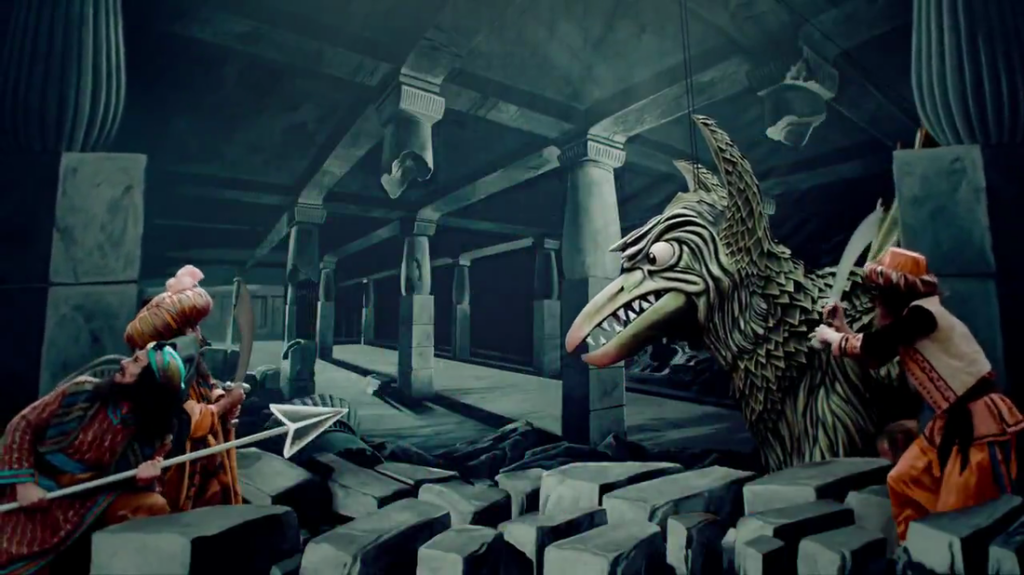
Soldiers with spears in Hugo

Scorsese wasn’t interested in 3D as a gimmick, remarking, “I found 3D to be really interesting because the actors were more upfront emotionally. Their slightest move, their slightest intention is picked up much more precisely.” Together, he, DP Richardson, and the visual effects team used convergence, the moving of the image through the dimensions to the point of appearing as if it’s breaking past the screen and coming toward the audience to compose their shots. The film was built and storyboarded from the ground up, considering convergence and depth in every frame. Thinking ahead and factoring in the extra dimension even allowed filmmakers to move the images as opposed to moving the camera, giving the medium an entirely additional set of “camera moves” in addition to dollies and zooms.

Because Méliès essentially invented the concept of trick shots and using the camera to create images that aren’t being strictly photographed in reality, greater care went into the VFX of the film celebrating his life and work. Despite being at the forefront of computer imagery, digital filmmaking, and 3D technology, the visual effects team took multiple approaches to Hugo and worked closely with Richardson and the cinematography department.

This included using optical and in-camera effects, much like Méliès did himself. For the recreation of the great train wreck, the film used meticulously-detailed miniatures. When Sacha Baron Cohen is dragged by a moving train, the platform he’s standing on actually moves in the shot and creates the illusion it’s the train pulling him along. Practical effects like this are sprinkled throughout the movie both as playful nods to Méliès as well as to create another texture to a digitally shot spectacle, which could easily look flat and empty if not shot with care.

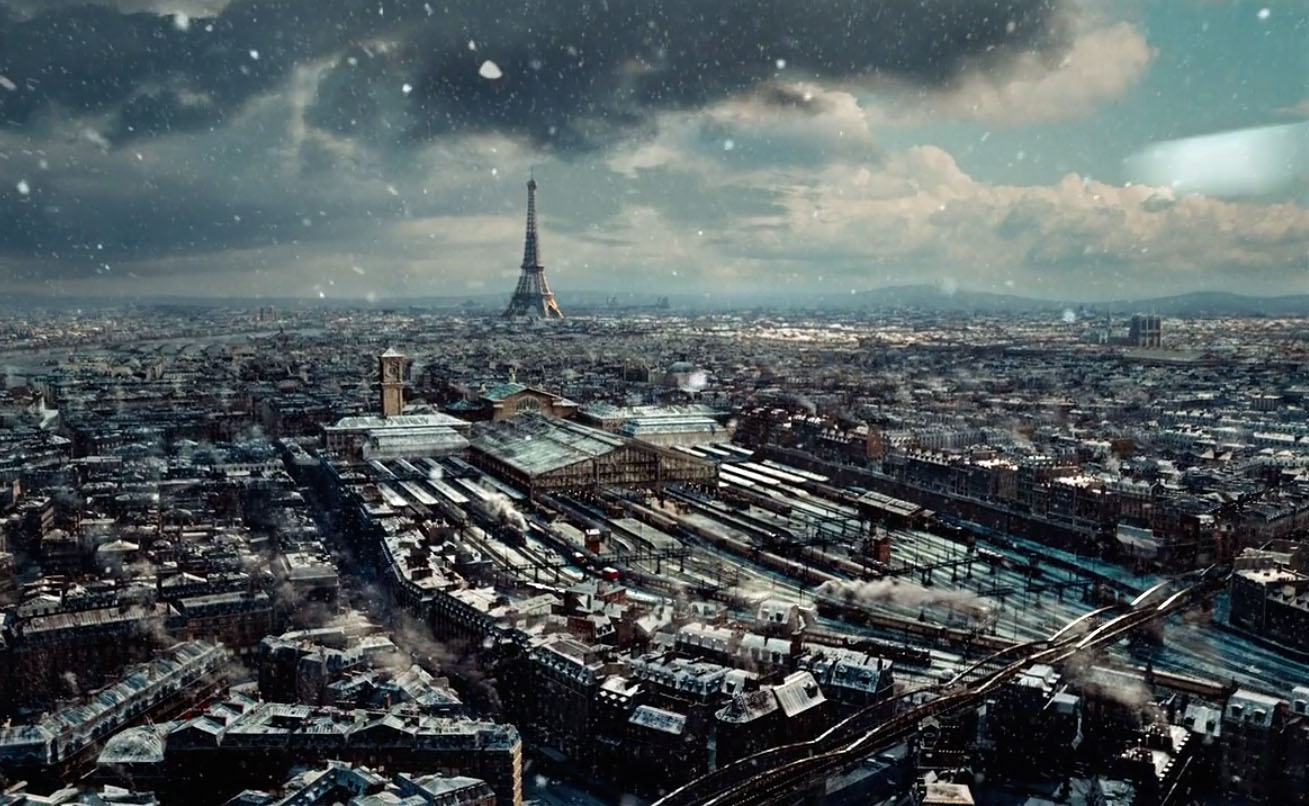
Snowing in Paris in Hugo

Scorsese and Richardson also paid homage to the period and history of film in their choice of color correction. The overall look and color of Hugo take their inspiration from the look of Autochrome, a color process the Lumière brothers pioneered when black-and-white was pretty much all there was. While also commenting on the early days of moviemaking for those who study film to geek out on, it also added to the mood and setting Scorsese was trying to set.

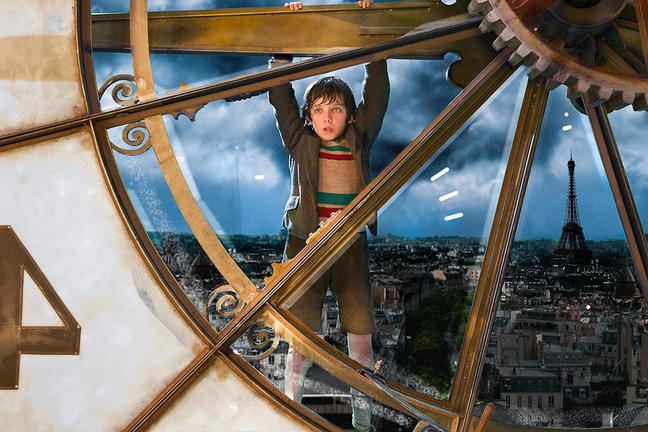
Richardson and Scorsese also relied on traditional camera techniques and framing to bring Hugo to life. A great deal of effort went into the complex mise-en-scene of the bustling train station in which the movie is predominantly set in. Framing and position are even more so important, considering the depth afforded by 3D. Scorsese also uses the language of staging to call back to earlier sequences in the film, such as when Hugo is hanging from a giant clock hand, repeating the visual from one of Méliès’ works seen earlier in the story.

Using a massive budget and state-of-the-art visual VFX to recreate 1930s Paris, Scorsese and Richardson made sure to show off their world with sweeping aerial shots. Aerial shots and bird’s eye views are also employed to orient the audience in the busy train station. Finally, understanding Hugo was intended first and foremost for kids, Scorsese uses low-angle shots looking up at the perspective of small children, especially in scenes of authoritative figures like Sacha Baron Cohen’s station agent.

Hugo hanging from the clock in Hugo

For those who cite film as their passion as frequently as Martin Scorsese, Hugo is a must-watch. Using clever cinematography blended with amazing VFX and 3D, viewers are invited to enter a world both fantasy and historical and take a peek at a medium both scientific and magical. Hugo is a children’s movie, but it is for everybody—because anyone watching it will have the same child-like wonder Scorsese brings to even his darkest films.

12 Massively Over-Budget Films That Every Film Producer Can Learn From

When students at film school study producing, one of the first things they learn is how to make a budget film. That practice seems to go bye-bye in Hollywood though, considering how many films, from budgets of all sizes, overrun their allotted costs, sometimes by tens of millions of dollars. A budding film producer would love to make a free film, but that’s not the kind of magic that Hollywood can make. Producing is never easy, especially keeping the reins on a movie budget from ambitious directors. By the time a movie makes it to a new DVD, or if you watch movies online, to your smartphone, there’s a chance it’s in the red. The following are twelve movies that couldn’t keep it in their wallets.

1. The Lone Ranger

Disney and Jerry Bruckheimer wanted epic western The Lone Ranger to be the new Pirates of the Caribbean so badly. Johnny Depp wanted a new funky hat. But even after massive rewrites, a mid-production shutdown and re-tooling, and a budget that inflated from an early, wistful $70 million to a whopping $225 million, the film was unable to earn any widespread acclaim. Or its money back. Depp got his hat, though.

2. Waterworld

There was no way making a movie about a global flood and steampunk villains riding the Exxon Valdez would be cheap. But even the original $100 million budget couldn’t cover a $22 million dollar set (that was destroyed by a hurricane soon after it was built) and Kevin Costner’s $14 million salary. The budget ended up at $172 million, and Waterworld became the most expensive film ever made up to that point. Hoping to help cut costs, Costner even started drinking his own pee.

3. Apocalypse Now

The legend of how disastrous Francis Ford Coppola’s Apocalypse Now shoot ended up is so epic and well known it’s even got its own movie about it. Between Marlon Brando’s enormous $3.5 million salary and Harvey Keitel being replaced by Martin Sheen and needing all his scenes reshot, the original budget of $12 million more than doubled to $30 million. It was actually the studio’s accountant who coined the phrase “The horror… the horror….”

4. Titanic

Titanic’s box-office kept growing until it became the biggest hit of all time (until 2009’s Avatar). Its budget also kept growing, starting at $100 million and eventually ballooning to $200 million, seemingly alongside James Cameron’s ego. You might say that the movie’s costs were… titanic. Like the name of the movie. And the boat.

5. Tangled

After the third Pirates of the Caribbean film, Tangled is the most expensive movie ever made. Originally meant to be another notch in the belt of Disney’s animated films, Tangled became a Frankenstein’s monster of constant rewrites, a revolving door of directors, and retool after retool in hopes to reach a wider audience. After six years of development hell, the budget ended up around $260 million dollars, and cash-strapped studio executives hoped the next Disney Princess would just please be bald.

6. John Carter

Box office dud John Carter is one of the most expensive movies ever made with a $250 million budget. While its originally intended budget isn’t on public record, it’s generally acknowledged that the Disney epic overshot its allotted capital by a staggering amount. This is based on its pre-production hell, rotating through several directors and producers, including Robert Rodriguez and Jon Favreau, as well as the fact that Pixar director Andrew Stanton reshot practically every scene in the movie. Two wrongs don’t make a right, and two completely different filmed versions of the same film don’t keep a movie under budget.

7. Almost Famous

With its CGI robot-dragons and its brick-by-brick reconstruction of the Roman Coliseum, it’s no wonder Almost Famous is on this list. Wait, actually, none of that is true. Almost Famous is a low-key coming-of-age story set in the 1970s classic rock scene, a semiautobiographical passion project by Cameron Crowe. Between Crowe’s obsessive filmmaking style and a music budget that had to account for some of rock’s biggest classics, Almost Famous ended up costing $60 million, $15 million more than it was supposed to. No wonder they wouldn’t let Crowe call his film “Untitled.”

8. Heaven’s Gate

Considered one of the biggest film fiascoes of all time, Heaven’s Gate was Michael Cimino’s sweeping follow-up to The Deer Hunter. A perfectionist to OCD-type levels, Cimino constantly rebuilt giant sets (including building an irrigation system to keep the grass in one scene green) and would shoot fifty takes or more for even the most minor shots. Having worded his contract in just the right way, the studio was powerless to stop him as the budget grew from $12 million to almost $30 million and Cimino earned the on-set nickname “The Ayatollah.” Cimino would even spend hours on a single take until the right cloud drifted into frame, just like the real Ayatollah would. While many critics believe there is a masterpiece buried somewhere in the original five and a half hour cut Cimino submitted to the studio, the three-hour version that hit theaters bombed spectacularly and took United Artists and the 70s New Hollywood movement down with it.

9. Final Fantasy: The Spirits Within

With a built-in fanbase and state-of-the-art photorealistic animation, it’s somewhat a surprise Final Fantasy wasn’t a bigger hit. What isn’t a surprise is how over-budget the production was, blowing its original $70 million allotment out of the water and costing $137 million. Almost all of that money went into its CGI, with its protagonist Aki Ross having over 60,000 strands of hair individually created and the production utilizing a render farm of one thousand high-powered computers to process the animation. It probably would’ve been cheaper to just use real spirits.

10. Hugo

Studio executives should know better than to give Martin Scorsese some new film equipment to play with. Scorsese’s 3D children’s film set in 1930s Paris overran its $100 million budget by almost $70 million. Scorsese and his producers should have remembered that old Italian proverb: “More dimensions equals more moolah.”

11. Evan Almighty

Originally budgeted at $140 million, Evan Almighty became the most expensive comedy ever made with a $200 million budget. Between Steve Carell’s $5 million payday and two of every animal, the movie’s numbers were so overblown that its studio passed the project to rival Universal, and director Tom Shadyac quit Hollywood altogether and retreated inward to find himself. When a movie with bird poop jokes causes serious existential introspection in its filmmakers, you know something is seriously wrong.

12. Cleopatra

Cleopatra’s final costs ended up twenty-two times its original $2 million budget—adjusting for inflation, it cost $339 million. Ornate sets recreating Ancient Rome and Elizabeth Taylor’s $7 million payday contributed to the massive costs, making the film the most expensive ever made up to that point. A remake of Cleopatra starring Angelina Jolie has been in the works for years, but the stigma of the original’s price has scared anyone from moving forward with the project. Who would’ve thought that a woman worshipped as a goddess who bedded legendary emperors would have ever inspired such extravagance?

From Film School With Love: 007 Ways to Write a James Bond Film

The new cast and title of the 24th film in the official James Bond series was announced this past week. Spectre, Sam Mendes and Daniel Craig’s followup to smash hit Skyfall, is a call back to the supervillain agency of 60s era Bond films, when Sean Connery and his jetpack would face off against bald badguys who stroked fancy white cats. Now that the dark and gritty Craig-era James Bond movies have broken the rules and started the series from scratch, it seems the producers, stars, and screenwriters behind 007 are willing to reconnect with their campy past.

While most details about Spectre are being tightly kept under wraps, the filmmakers undoubtedly are sticking to what’s worked before. If you’re an aspiring screenwriter and you want your name in the credits for Bond 25, here are 007 things to include in your script when writing a James Bond film.

1. Choose Your Title

While Bond films occasionally have stark one-word titles like Spectre, Skyfall, and Goldfinger, most titles tend to have fun with wordplay and include lots of prepositions. First, pick something badass and cool, like fire or ice. Then pick another noun, something simple yet epic, like dawn. Find a verb to connect them, typically related to at least one of the nouns, like burn. If you’re feeling adventurous, include an adjective. Finally, fill in the blanks with a preposition or four and bam! You have your title: Fire Burns Hottest at Dawn. Something that sounds wise and slick, but the more you think about it, isn’t really either. Or if Sam Mendes is directing again, just call it Dawnfire.

2. Choose Your Locales

Bond movies must take place in a minimum of three places around the world. Obviously London should be one of them so we get our requisite Moneypenny and Q action. When choosing which parts of the globe you want 007 to trot, keep your chase scenes in mind. If you want airboats fanning across a swamp, make sure you’re in New Orleans. Moscow makes for great tank chases. As Skyfall has shown us, Istanbul has the perfect rooftops for a jeep/motorcycle/train/bulldozer pursuit.

3. Choose Your Puns

James Bond doesn’t tell jokes, he’s killed too many men for that. He does, however, love his puns, almost always involving either sex or murder. Make sure you’ve got a few lined up for your script. The key is constructing them in a way that any actor playing the super spy is forced to deliver them in the most painfully forced way possible. At least one of them shouldn’t really make sense at all, like when Bond kicked a villain off a cliff in For Your Eyes Only before quipping “He had no head for heights.” What?

4. Choose Your Gadgets

It’s really important to get the gadgets from Q-branch right, because Bond is going to find himself in a situation where that specific gadget will be incredibly useful, before he discards it and never mentions it again. Those crocodile-shaped motorboats are expensive, James!

5. Choose Your Bond Girls

Unfortunately, the rather condescending term Bond Girl is pretty much applied to any actress in a 007 film that isn’t Judi Dench (when, let’s be honest, she’s the greatest Bond Girl of them all.) Your Bond Girls should have either ridiculous names, like Strawberry Fields, or names that are completely transparent references to sex, like Holly Goodhead. They can be Bond’s love interests, villains, or—typically—both. Don’t get too attached to them though, because one of them should die early on to raise the stakes for our double-oh.

6. Choose Your Climax

No, not that climax, that’s step seven. This climax is your big final showdown between Bond and his villain, with an optional doomsday machine thrown in the middle. This epic fight should be in a palace made of ice, or the inside of a volcano, or a supermodern submarine. Please don’t make it the Moon. If you’re struggling with this one, try to picture what would look best exploding into a million pieces, and then use that.

7. Choose Your Climax

So it’s come time for the end. Before the Daniel Craig era, nearly every Bond film ended with Bond and his love interest cuddled together after an explosive climax. Most of the time they’re in the water, because Bond looks sexier wet and women’s dresses become see-through. (James Bond may have a lot of class, but his films typically don’t.) You also have the option of having M, Q, and the British government somehow spying on Bond and his lover in some way. After all, even M16 wants to get their money’s worth when it comes to cinema’s most dashing secret agent.

5 Hacktivist Documentaries Worth Checking Out

Hacktivists with a noble cause

It seems like every week another story makes the news about hacker groups and skirmishes in a worldwide cyber war. These stories and acts of digital sabotage have a wide range of purposes and renditions, spanning across the board in political, social and corporate spheres.

One of the more serious attacks in recent months has come at the expense of Sony, with feature films and personal information on employees and celebrities being stolen from their files. The Guardians of Peace, a hacker group of unknown origins, has so far taken credit, though many believe the attacks have come from North Korea.

With an abstract battlefield of ones and zeroes, it’s becoming harder and harder to differentiate good guys and bad guys. Many individuals and groups are considered or identify themselves as hacktivists—hackers who use their skills in the name of social justice or for the greater good. Now more than ever has it become important for the public and the media to get familiar with the cyberscene and the major players involved, to better differentiate the various shades of gray this digital world exists in.

The following are five documentaries that cover some major hacktivist groups and individuals that have dominated the news. Feel free to add other relevant docs in the comments below.

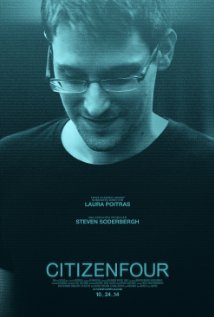
1. Citizenfour

Citizenfour movie poster

Edward Snowden isn’t a traditional hacktivist but rather a controversial whistleblower that famously outted the NSA’s massive wire-tapping practices, possibly committing treason by doing so. On the run from his own country, Snowden has been trying to get his story out from nations who, for the time being, are protecting him, including Russia.

Produced by Steven Soderbergh and directed by Oscar nominee Laura Poitras, Citizenfour is a fascinating look at Snowden’s story with a much more personal perspective than most hacktivist documentaries. Poitras not only directed the film but was also one of the three original people Snowden came clean to, meeting in secret and going on record with his startling revelations. Citizenfour includes these actual recordings and tells the story of how—together with Snowden—this small group made history and risked their freedom to get the truth about America’s surveillance practices out to the public.

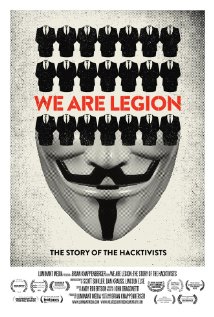
2. We Are Legion

We Are Legion movie poster

We Are Legion tells the story of one of the most famous hacktivist groups out there—Anonymous. Director Brian Knappenberger gives a biography of the international, decentralized network that has garnered headlines by attacking high-profile targets like the Church of Scientology, the Westboro Baptist Church, MasterCard, Visa, PayPal, and major government agencies, including those of the United States.

By documenting major events and hacks in the timeline of Anonymous, We Are Legion weaves a coherent story and supplies a context for one of the most prominent and mysterious organizations in the world of hacktivism, shining a light on some of the Internet’s darkest corners.

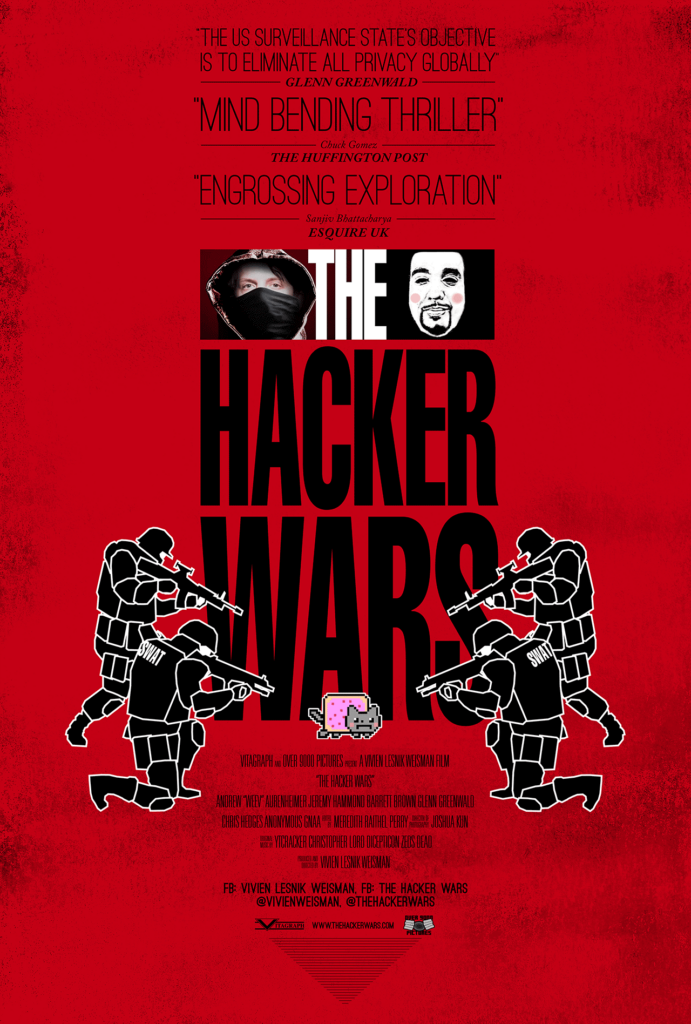
3. The Hacker Wars

The Hacker Wars movie poster

Vivien Lesnik Weisman’s The Hacker Wars gets to the heart of the hacktivism moment by exploring the motivations of hacktivists and the purpose they serve in the grand scheme of the sociopolitical world. Fast-paced and loud, the film reflects the youth and anarchic energy associated with the hacktivist movement, while also focusing on those who no longer hide in the shadows whether by choice, or most often, not. Getting the story from hacktivists who have been imprisoned or already are in prison or on their way, The Hacker Wars offers a unique perspective on the movement as well as the personal implications for those involved.

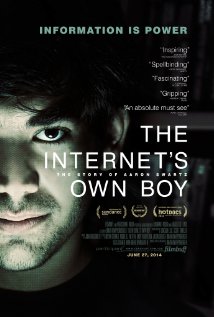
4. The Internet’s Own Boy: The Story of Aaron Swartz

The Internet's Own Boy: The Story of Aaron Swartz movie poster

Aaron Swartz was a computer programmer, writer, political organizer and hacktivist who, in addition to working on the development of Creative Commons, Reddit, Markdown, and the RSS feed format, constantly championed charitable and social causes. He was a leading figure in the movement against SOPA, the Stop Online Piracy Act. After he was arrested and convicted for illegally downloading a large number of academic journals from MIT, Swartz was found hanged in his apartment at age twenty-six.

The Internet’s Own Boy, a documentary by Brian Knappenberger, the director of We Are Legion, is a heavy, sometimes somber look at the life of Swartz, using home movies from his childhood and footage from his public life to tell his story. The documentary contains several interviews, including those of Swartz, and chronicles his accomplishments and the battles he fought as well as the controversial charges and allegations that led to his suicide.

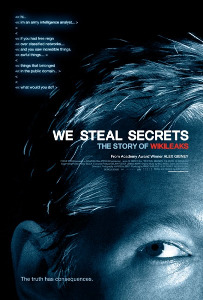
5. We Steal Secrets

We Steal Secrets movie poster

Oscar-winning documentarian Alex Gibney directed We Steal Secrets: The Story of WikiLeaks, a film centered on the hacktivist organization founded by Julian Assange. The documentary takes a wide-angle approach to its subject, starting with events in the 1980s and utilizing decades of background and history to detail the group known for collecting and distributing classified information from all corners of the world.

WikiLeaks and Assange came into the spotlight when American soldier Bradley Manning revealed damning footage of airstrikes in Iraq and Afghanistan. Although avoiding treason charges and the death penalty, the soldier, now Chelsea Manning, was convicted and is currently serving her sentence in a maximum-security prison. Interviews with Assange and Manning from other sources are used in the film, revealing an organization as complicated as the hacktivist world it occupies.

“All Child Actors Go Nuts” – Dispelling the Myths of Child Acting

Given that we run one of the country’s best acting camps for kids, we’re naturally keen to promote child acting in a positive way and educate the public on the topic, while at the same time being realistic about the potential pitfalls.

However, there are a number of common misconceptions about child actors that kids (and their parents) come up against whenever the topic is raised in conversation. Here we look at the top five myths of child acting that are brought up with a great deal of regularity.

Don’t All Child Actors Go Nuts?

Ah, the most common question of them all and, sadly, one of the first stigmas which come to mind when people hear the phrase ‘child actor’.

It wouldn’t be responsible to pretend it never happens, but to say all child actors end up going off the rails is facile and not representative of the truth.

A large portion of our most humble, down-to-earth and brilliant actors started their road to success at an early age (and arguably reached great heights because of it). We remember icons such as Natalie Portman and Christian Bale for the great work that they do, not because they were once child actors. Classic films are also full of similar success stories, and viewed through the lens of romanticism compared to their Nickelodeon counterparts of today.

Sadly, the same cannot be said of the small handful of actors who end up going off the rails and attract a negative stereotype which has turned into one of the biggest myths of child acting.

It’s an Empty Career

This one also comes under the guise of “Didn’t you want your son/daughter to become a doctor/lawyer/MIT graduate?”

Child actor pirate
Or a pirate.

As a population, we’ve been classically conditioned to view celebrity and fame as vapid and worthless in the larger context. There’s a good reason for that: largely, it is.

But that’s only if the concept of celebrity is viewed in a vacuum. What’s usually ignored is that the fame is just an inevitable by-product of having work in the public eye, and a lot of actors levy it in very positive ways. Whether it’s to raise money for a charitable cause or to support their hometowns, child actors often wield their standing in the community to great benefit (whether it’s reported on or not!)

Parents of Child Actors Care Less About Their Well-Being

This is just flat out not true.

We can’t speak for all parents, but as a general rule parents of child actors care more about their child’s mental and physical health because they’re all too aware of the pitfalls of acting.

Myths of Child Acting

It’s more common for such parents to try and support their children – and each other – in a way which is ethical, caring and in the best interests of kids, despite the fact that their career may have started at a relatively young age.

The Industry is out to Exploit Your Child

‘Exploitation’ is a very strong word, and once again a dose of realism is in order in order dispel some myths of child acting.

Around ten or fifteen years ago, there were a plethora of shady agencies who were happy to take your money in ‘admin fees’ and other set-up costs, but then do very little to no work.

Thankfully they’re now few and far between, and the few that do exist are easily identifiable. Out of those, they only tend to peddle their scam successfully on parents who are desperately and selfishly trying to thrust their kid into the limelight. In reality, responsible agencies won’t take on clients if they feel they’re being pushed into it by their parents or otherwise won’t be emotionally capable of handling the work.

Honey Boo Boo exploitation

Obviously acting is a business just like any other and profit is a driving force in the industry, but ethical concerns are more prominent than ever. That’s not to say caution should be exercised – it should, rigorously – but due diligence coupled with good parenting will head off most problems before they arise.

It’s Just Parents Living Vicariously Through Their Kids

Perhaps there is a bit of truth to this, and to that the only sensible response should be…

… so what?

child actor parenting

Every parent wants more for their kids than they had growing up. It’s interesting that the same accusation isn’t levied at parents who encourage their son or daughter to go to med school, even though the desire to become a qualified doctor is as much monetary-related as it is for the benefit of society.

In conclusion, there’s nothing wrong with wanting your kids to be successful and taking delight in their triumphs. Whether your child is just starting out or already attending teen acting school, it can be a great journey for all parties involved when conducted in a responsible manner and with the child’s best interests kept at heart.

Beauty in the Abandoned: Abandoned Places Photography

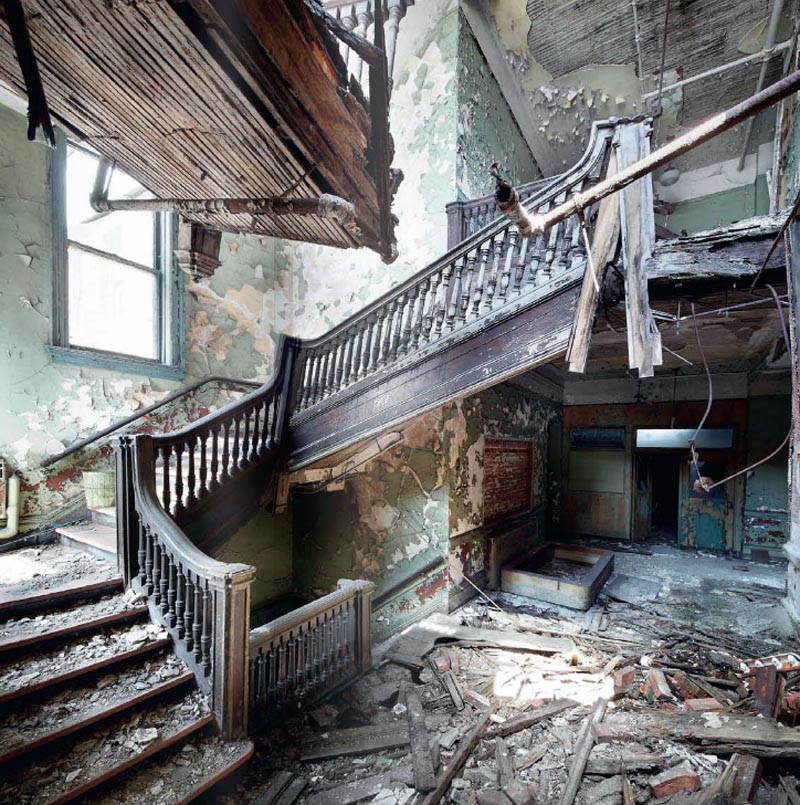
There’s something chilling, yet captivating about abandoned places. While some people try their best to avoid ever coming near an abandoned building, many others are drawn to them like moths to a flame. Why is this? Why would someone want to wander around a dark, dank, musty old building just to take some photographs? While some see decay, others see years and years of history and beauty, even in the most unlikely places. Regardless of what side you lean towards, it is hard to deny the fact that these brave photographers capture beauty in the remains.

Many of these photographers are very brave, and are not afraid of taking risks (or getting arrested). While some houses sit abandoned with no one to watch them, many other larger complexes often have high security. Whether guarded or not, entering these buildings is risky in itself, with floors that could give way at any moment, broken glass, and air filled with asbestos. It truly takes a certain kind of person to be an urban explorer, and those who double in abandoned places photography bring to light a part of the world that many of us will never see.

Kevin Bauman

Kevin Bauman Photography

Kevin Bauman’s 100 Abandoned Houses project is a typology of forgotten homes. These are homes that many people drive by every single day without a second glance. Bauman, on the other hand, finds beauty in them. Each photograph is cropped square, and the abandoned house usually stands right in the center of the composition. Bauman was inspired by the decay of many homes in Detroit (which happens to be his hometown). While parts of Detroit began to be rebuilt, other parts became even more neglected. Bauman’s series is a study of decay, but is also used to forever preserve the memories of many of these houses, some of which have been torn down during redevelopment.

Niki Feijen

Niki Feijen Photography

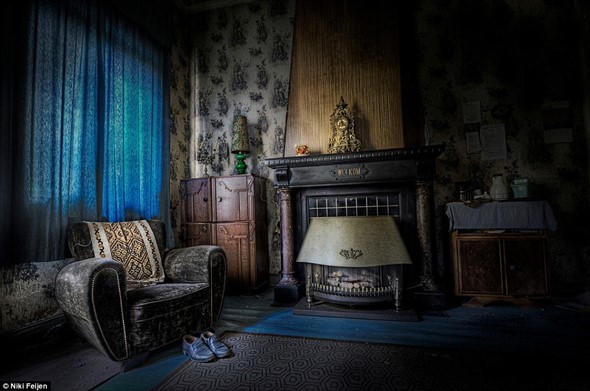
Niki Feijen, a Dutch photographer, takes stunningly beautiful photographs of old abandoned farmhouses across western Europe. Often trespassing, and disregarding “no trespassing” signs, Feijen finds homes that are still filled with remnants of those who have lived there in the past. One photograph shows an old dirty bed, with walls covered in peeling paint and an old blazer still hung on a decaying dresser. Another shows a beautiful living room, a clock still on the mantel and shoes placed next to a reading chair. In another, a piano still sits, left untouched, and another still shows an old doll sitting on a leather chair. While many houses have been torn down or heavily graffitied, Feijen manages to find those off the beaten path that have been untouched, allowing him to gain glimpses of the lives of people who once lived there.

Henk van Rensbergen

Henk van Rensbergen

While Henk van Rensbergen, a Belgium photographer, loves taking photographs of abandoned places, his main source of income is his job as an airline pilot. Because of this job that takes him to many different countries, he has had a chance to explore abandoned buildings all over the world. While others on this list have chosen to stick to abandoned houses, Henk van Rensbergen doesn’t restrict himself to one type of abandoned place. He has photographed everything from abandoned amusement parts to abandoned hair salons, always searching for another building in decay.

Dan Marbaix

Dan Marbaix

Dan Marbaix is one risky photographer. Although he has presumably been arrested over 20 times for trespassing in abandoned buildings, even that can’t keep him from exploring these decaying ruins. From libraries still filled to the brim with old books, to large, exquisite theaters, viewers instantly realize what draws Marbaix to all of these locations.

Andre Govia

Andre Govia Photography

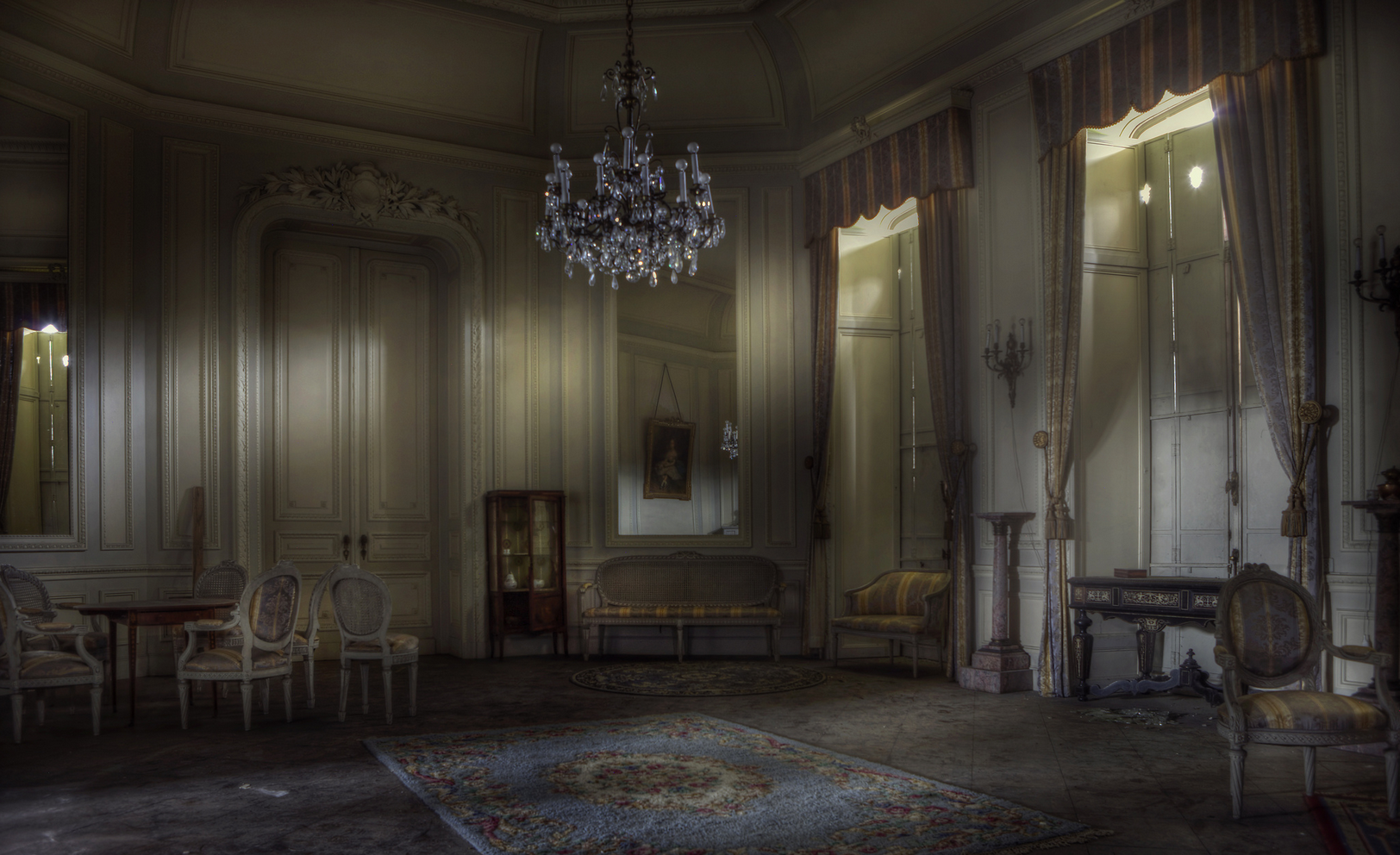
Andre Govia has explored more than 800 abandoned buildings during his career as a photographer and urban explorer. While he prefers larger buildings, such as schools, hospitals, and manors, he doesn’t restrict himself from exploring anything abandoned that he stumbles upon. In one photograph, three doll heads sit on an old, dusty table. In another, old shelves are covered in old, dusty bottles, filled with unknown liquids. Rooms are filled with beautiful rugs and extravagant chandeliers, and dressers still stand with alarm clocks and ceramics on them. Old cars are covered in moss, and empty auditoriums lay bare and silent. While the experience is risky, the results are beautiful.

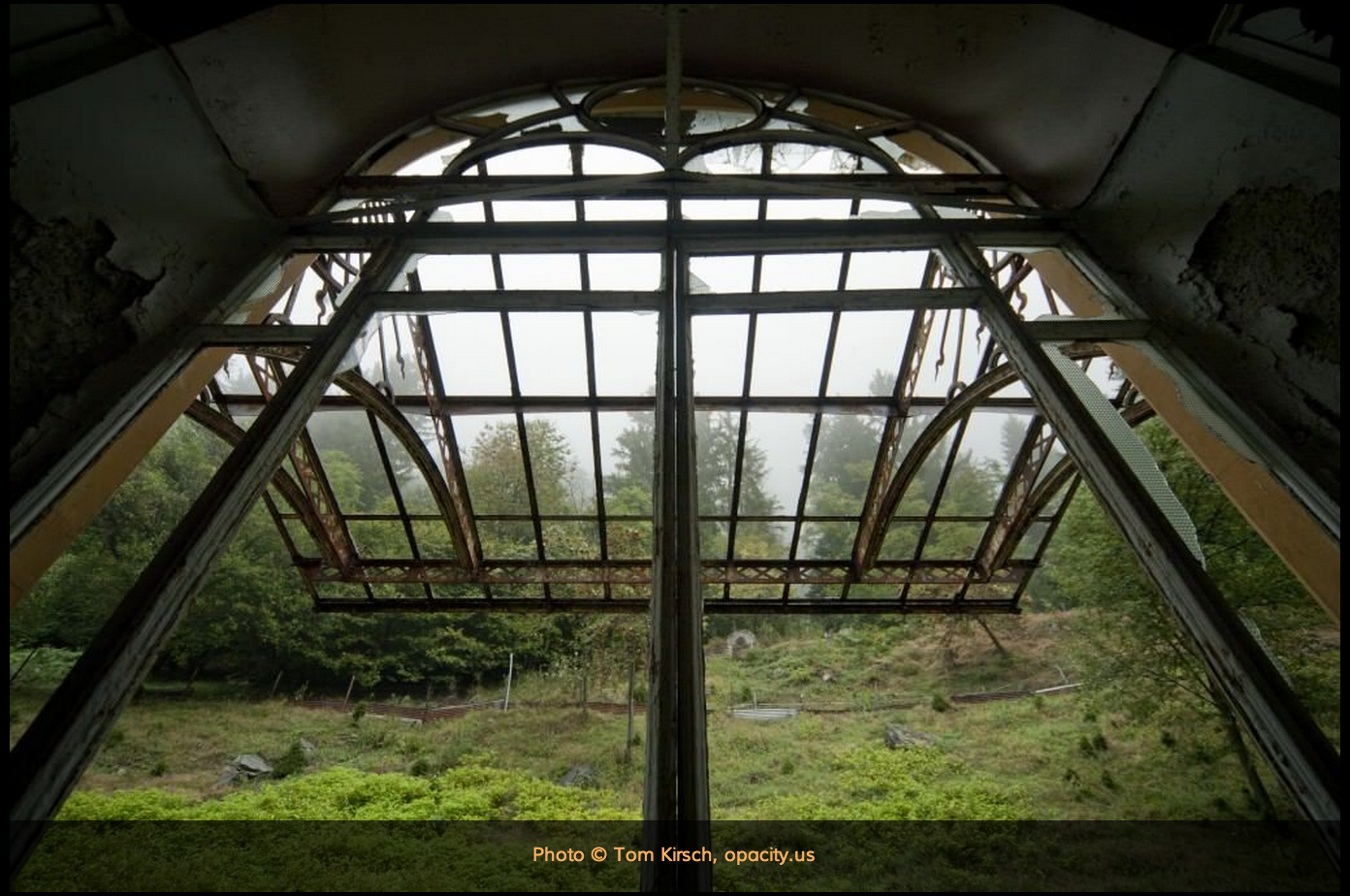
Tom Kirsch

Tom Kirsch Photography

Tom Kirsch, owner of the urban exploration website opacity.us, has been to more abandoned places than anyone else I have ever heard of. His website is filled with photographs of abandoned hospitals, insane asylums, coal breakers, and power plants (as well as many others), and his locations range from Belgium to Germany to all over the United States. Each photo album is accompanied with a story, sometimes a hilarious recap of trying to dodge security, sometimes a bit of history of the place itself.

How do you feel about exploring these old, decaying buildings? Would you take the risk and explore them yourself, or would you rather leave it to the professionals? This is just one of the many topics for discussion you can expect to have while attending a photography workshop at the New York Film Academy.