Filmmaking Meetup Groups in Los Angeles

By its very nature, filmmaking is a collaborative art form and it’s far more enjoyable – and usually a lot more successful – when done with others. Question is, where best to find like-minded individuals?

If you’re honing your craft in LA or attend a one of the more prominent Los Angeles film schools, you’re in luck; there are a number of meet-ups in the city which are well worth attending and cater to numerous different professions and experience levels.

Five of the Best Los Angeles Filmmaking Meetup Groups

Meetup is a great platform for connecting with others in the field, and there are more than a few groups out there. To this end, we’ve whittled down the list to five of the most active and welcoming groups that any filmmaker in the Los Angeles area should strongly consider joining.

LA Filmmakers Movie Meetup

Members: 110
Type: Informal
Catered to: Anyone involved in the filmmaking profession

Burbank Filmmaking Meetup Los Angeles

One of the best ways to advance your own craft is to critique the works of others, and that’s exactly what the Movie Meetup group is all about.

Meeting up around twice a month at AMC Burbank, the steadily growing group sit down to watch both current box office movies and lesser-known flicks from years gone by before informally chatting about it from a filmmaker’s standpoint. Come for the networking, stick around for the relaxed atmosphere and film appreciation.

Los Angeles Filmmakers Network (LAFN)

Members: 471
Type: Educational/Networking
Catered to: Those looking to start a career in filmmaking (any discipline)

LAFN Los Angeles Filmmaking meetup

A perfect group for those who are early on in their filmmaking journey or are yet to decide which career path to take, LAFN is dedicated to providing a supportive networking environment.

Numerous seminars have been given in the past by industry professionals (and webinars for those not able to make the physical meetup), and even filmmaking partnerships have been founded via the group in the past. A series of workshops is scheduled for the near future based around Paul J. Salamoff’s world-famous book On The Set: The Hidden Rules of Movie Making Etiquette.

Los Angeles Film & TV Meetup

Members: 6215
Type: Semi-formal
Catered to: All disciplines, any experience level

LA film meetup

Advance screenings, filmmaking seminars, red carpet events and simple meetups at the bar – this group offers a plethora of opportunities to get involved and meet others who live and breathe film.

Although a little more formal than the other meetup groups on this list (it’s expressly stated that it is not for those who just want to socialize), it is open to anyone in the Los Angeles area regardless of their level of expertise or their role in the filmmaking process.

Neon Venus Art Theatre Meetup

Members: 2221
Type: Networking/Screening
Catered To: Active filmmakers

Neon Venus Theatre LA

If you’re based in Los Angeles and need help in bringing production to a finish, this is the group for you.

From pre to post-production, there’s always a number of helpful people in the group who are willing to offer expertise and connections – just remember to pay it forward and help others in need when the time comes.

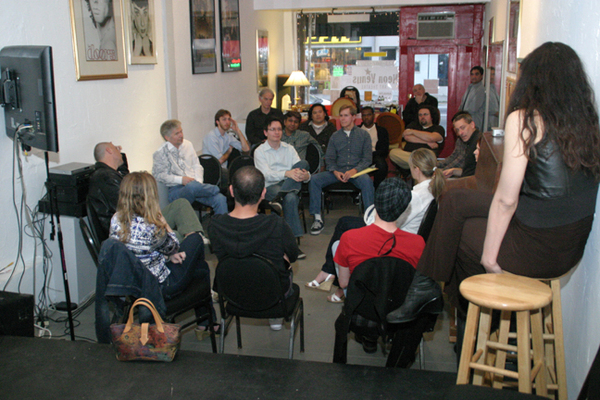
The venue itself also has a very welcoming presentation space with a stage and screen, which is regularly used for screenings and presentations from the group (can host about 40 attendees).

NewFilmmakers LA

Members: 1831
Type: Screening
Catered to: Indie filmmakers

NewFilmmakers LA

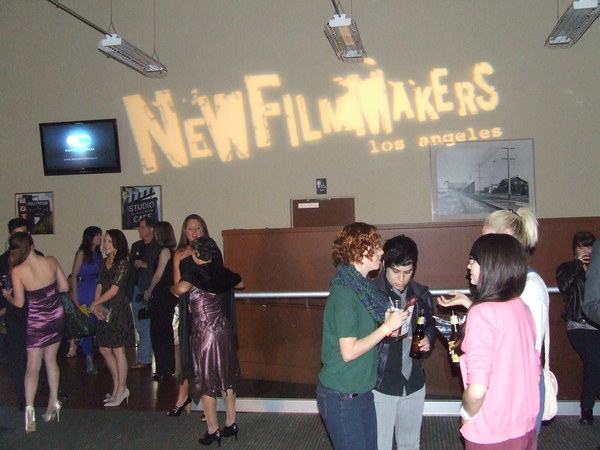
A non-profit group operating out of Sunset Gower Studios (on the corner of Sunset Boulevard and Gower Street), NewFilmmakers LA is a celebration of the works created by brand new filmmakers, both LA-based and around the globe.

Regular screenings provide a good opportunity to hook up with other filmmakers and network with leading professionals. Also not to be missed are the open forum discussions focusing on various aspects related to the craft.

5 Things To Consider When Choosing The Best Broadcast Journalism School

Broadcast journalism is an ever-changing medium which has really thrived over the last decade, so it’s little surprise that so many people are looking to break into the field at a professional level. Choosing a broadcast journalism school that is right for you can be the difference between make or break, so it’s of utmost importance to get it right…

… but with so many programs out there, how do you best discern which one will fit your needs? Stick with us as we discuss:

5 Things to Consider When Choosing a Broadcast Journalism School

1. How Intensive Is The Broadcast Journalism Curriculum?

how to choose a broadcast journalism school

Some subjects, particularly the hard sciences, are best studied through theoretical, classroom based learning. As a profession which mixes both technical knowledge with presentation aesthetics, broadcast journalism is better learned through putting theory into practice.

When dealing with complicated broadcasting rigs, green screening, and a crew comprised of many different skillsets, a lot of things can (and will) go wrong. This is an inevitable and perfectly natural part of the job. What’s important is being able to identify and quickly correct such problems when they arise.

Hands-on experience is far and away the best method of acquiring this skill. Learning solely from a textbook or camera manual will only get you so far, but you can guarantee that when you’ve used a particular lens filter for an entire day’s worth of shooting only to get back and find you’ve got unworkable vignetting on the recorded footage, you’re not going to make the same mistake twice!

It’s also worth noting that it’s rare for an employer to consider journalists who don’t have hands-on experience, which can put you in a “no work without experience, no experience without work” conundrum.

2. Where Is It?

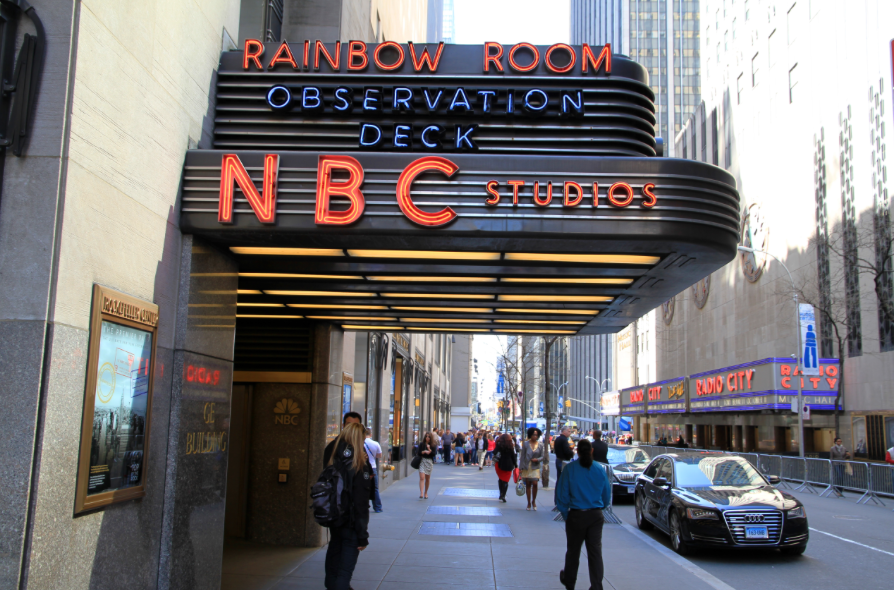
broadcast journalism NYC

At face value, it may seem like a glib question – you choose your broadcast journalism school based on what’s practical and where you’d like to live while you’re studying, right?

These will naturally be large considerations when choosing where to attend, but it’s also important to think about your career outside of the classroom. For most people, that’ll be right in the heart of the action.

Living in, or near, a big city is good for two reasons: firstly, you’ll never be short of a story to use as part of a broadcast journalism project. Secondly, the salary for most media professions is notably higher in areas such as LA or NYC (proportionately much higher than the increased cost of living). So, you’ll get more return on your investment once you’ve graduated from broadcast journalism school.

In addition, it’s far easier to get into internship programs when you’re in a city known for being a media hub.

Lastly, a big benefit of studying in the city is that you’ll have a greater chance of making connections with fellow like-minded journalists. And on that note…

3. How Large Is The School?

Broadcast journalism set

You don’t want a ramshackle mobile building in the middle of rural Iowa, and you also don’t want a gigantic broadcast journalism program in which you’ll be lucky to spot the same face in the class twice.

Aim for the middle ground – choosing a broadcast journalism school with medium class intake in the middle of a thriving metropolitan hub means you’ll get to make strong bonds with your fellow students and more one-on-one attention from lecturers, without feeling like just another number.

4. Any Notable Alumni?

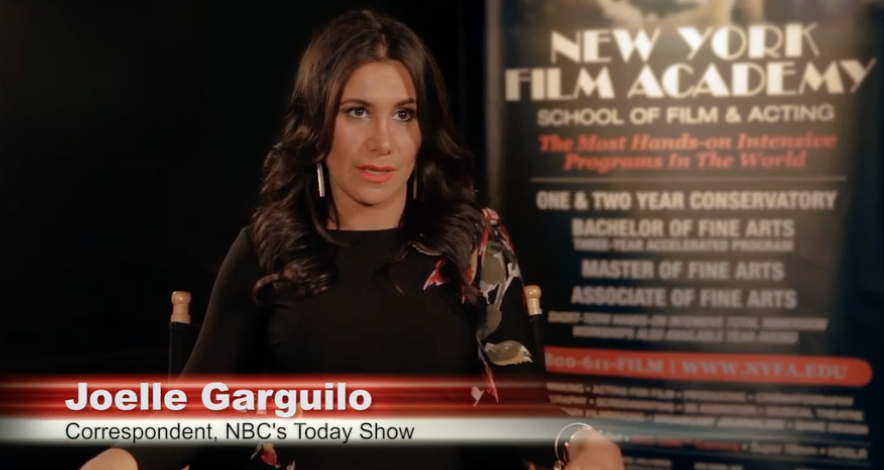
NYFA alumni

As with pretty much any program in any field, it’s always useful to have a look at the provenance of its resulting graduates.

If the program has produced a number of high-profile professionals who have gone on to great success, it’s a sure sign that the school is doing something right. A lack of notable alumni doesn’t necessarily mean the program isn’t suitable, but it does serve as a good rule of thumb.

5. Is The Equipment Up To Date?

broadcast journalism equipment

It’s surprising how often students will sign up for a broadcast journalism program without first doing research on the school’s equipment, only to turn up and find they’ve got one dilapidated film camera being shared between ten students.

A school which continuously updates its equipment will better set you up for real-life working conditions after graduating, so make sure the equipment on the program mirrors that used in the industry. This doesn’t just apply to the physical equipment, but the software in the editing suite too (as well as the techniques used within it).

Hopefully all of the above will serve as some good food for thought as you set about choosing a broadcast journalism school – best of luck out there!

5 Essential Websites To Consider When Searching For A Game Design Job

So you’ve finally graduated from college with that coveted piece of paper you’ve worked so hard to obtain. Whether you went through a game design program or earned a degree in another field, your heart is set on earning your living as a game developer. The only thing is, where do you start?

Most potential applicants will first visit the site of a game developer they’d love to work at, which is great. You should definitely check out the career pages of companies that are already making games you enjoy playing. If there’s an opening that matches your skillset, you should definitely apply with a good cover letter and resume.

Of course, you’ll quickly realize that fighting for a job at most game developers is some seriously competitive business. Since you have no idea how likely you are to get hired, it’s better that you don’t sit there waiting for a response from a single company.

Once you realize that landing that long-desired job at your favorite game company isn’t a guarantee and is sometimes a matter of timing, it might be time to search elsewhere for a gig. Fortunately there are plenty of sites these days that focus purely on listing job openings in the game industry. Be sure to check out following sites to get started on the search for your first (or next) job as a game developer.

Gamasutra Job Board

Gamasutra’s game jobs page is arguably one of the best and most comprehensive of any you can find online. Not only do they update faster than most other sites, but it’s very intuitive as well.

You can enter the type of job you’re looking for followed by a location to see positions that match your criteria. You can also browse through jobs by job type, platform, and employer, offering you several ways to find the job you’re looking for.

Make sure to enter your e-mail to receive notifications for new job positions that become available.

Gamedevmap

Gamedevmap is an amazing website that lets you see all the game developers and publishers in a specific area. Simply click on one of the cities to see a convenient list of companies followed by their website, city location, and state/province.

If you have your heart set on working in a certain city or country, Gamedevmap is the perfect tool. Just note that only companies and organizations with more than five employees are listed.

Game Job Hunter

Game Job Hunter is on this list for the way it conveniently lets you check out jobs for a specific type with ease. At the top are several tabs that take you to the corresponding jobs, including Art, Programming, Producer, Design, and more.

The search box isn’t as good as other sites but it does let you type in a job type or location to see jobs that match exactly what you’re looking for.

Game Recruiter

Having been around for more than 20 years, Game Recruiter is a great place for both job seekers and recruiters as well.

What you do is submit your resume so that companies looking to hire can get in touch with you right away. GamesRecruiter works closely with clients as a recruiting partner to make sure game developers find the talented individuals they need, which could mean you.

GameJobs

GameJobs is another site that provides just about everything you could ask for when searching for a potential game job.

The search page is designed to make sure you see all the jobs you’re interested in by allowing you to enter keywords, location, job function, and more.

You can also create an account to post resumes and letters for recruiters to see, which is perfect considering that top developers and publishers use the site to look for their next potential recruit.

Conclusion

Aside from searching through game job search sites, you should definitely also look at some of the bigger employee search engines that don’t just focus on game industry positions. This includes indeed.com, careerbuilder.com, monster.com, and simplyhired.com to name a few.

Whether your search goes great or not, you should also do your best to attend events like Game Developer’s Conference where you can meet industry professionals face to face, which usually serves to increase your chances of landing a game development career.

Gain valuable experience in video game programming with our 12-Week Game Coding Workshop. Taught by industry-leading faculty in the field of game design, this programs helps students build a professional portfolio in building video games. Visit our 12-Week Intensive Game Coding Workshop page to learn more.

Image Source

Sonic The Hedgehog: The Fast Rise And Fall Of Sega’s Mascot

Few gaming mascots have seen the drastic transition that Sonic the Hedgehog has suffered in the past two decades. At one time he was the influential face of a Sega that not only stood toe to toe with Nintendo for many years but even managed to steal countless loyal Mario fans. In the end we know that Nintendo was the one that survived as a hardware company, but back then it was impossible to predict which of the two giants would go strictly third-party.

Those of us that grew up during that time are the ones who still have trouble believing just how far Sonic has strayed from relevance. Now one of the many punchlines in the gaming industry, gamers rarely expect the next Sonic game to be any good. Instead, fans of the blue hedgehog simply find themselves hoping and praying that the next game doesn’t suck as much as the last one.

So how did the once-dominant Sega mascot go from leading the charge against Nintendo to a consistent let-down?

The Blue Blur Arrives

Before getting to when things started getting slippery for the iconic character, we can’t help but go back to his impacting arrival onto the gaming scene. After all, those of us that remember the heated Nintendo vs Sega rivalry know that it was possibly some of the best years the industry had ever seen. Today’s competitive spirit between Microsoft and Sony is certainly hot, but it doesn’t hold a candle to when the two biggest Japanese game companies were duking it out.

It all started when Sega realized just how important Mario was to Nintendo. Not only was he a likable and unique character but the games he starred in always served as some of the best experiences available. Not only did they want a mascot to serve as the face of Sega; they wanted one that would make Mario look lame.

This attitude is what led to the birth of Sonic the Hedgehog, a cool-looking character that had plenty of attitude and enough speed to make Mario look like, well, an overweight plumber. Sega constantly pushed this idea in their marketing, making sure gamers saw Sonic as an awesome fast-footed character that made Mario games seem slow and childish.

Of course, it also helped that Sonic’s first game on the Genesis proved to be a fun, must-play experience. Never before could players zoom across a stage with so much speed, all while zipping through loops and spinning through enemies. Fast, vibrant, and full of charm, Sonic the Hedgehog was exactly what Sega needed to challenge the red-wearing plumber representing the competition.

From Face to Franchise

Even before another game arrived, Sonic began appearing on just about anything you could think of. Through television cartoons, toys, and even a float in Macy’s Thanksgiving Day Parade, Sonic dashed into the spotlight as a global icon. More than just a cool character, the blue hedgehog became an extensive media franchise that to this day still exists, most notably the new cartoon series Sonic Boom.

By the time Sonic the Hedgehog 2 and 3 came out, the Sega Genesis was selling twice as much as the SNES, resulting in the first time that Nintendo didn’t stand atop the console market in nearly 15 years.

Both games were also well received as they both improved on the original by adding more characters, gameplay elements, and graphical enhancements. Followed by Sonic & Knuckles, Sega was doing so well that they failed to realize just how damaging the next few decisions would be.

Speeding Toward A Slippery Slope

Seeing as Sonic was making Sega ridiculous amounts of money, the Japanese company did what most businesses would do — put their mascot on everything, fast.

This led to several poorly-received titles that lacked the polished gameplay that made the main Sonic games fun. This includes spin-offs like Knuckles Chaotix, educational games like Sonic’s Schoolhouse, racing game Sonic R, and many others.

Opting for quantity instead of quality, gamers began losing trust in the Sonic name as disappointment after disappointment arrived on their consoles.

Sega even made the exact same mistake with their Game Gear, starting with solid titles like ports of Sonic 1 and 2 only to follow it up with mediocre games like Tails Sky Patrol and Sonic Drift. The slow but steady loss of interest in the blue hedgehog would only be the start of what would result in a terrible transition to 3D.

Sonic Stumbles Into 3D

Maintaining faith in their powerful mascot, Sega used Sonic Adventure as the title that would help sell their new console – the Dreamcast. Although not as impressive or polished as Nintendo’s own Super Mario 64, it was met with positive reviews despite the glaring camera and control problems. It was clear that reviewers and gamers alike were so anxious for a good 3D Sonic game that they proved forgiving despite Sonic Adventure being a relatively poor experience.

Instead of getting vast improvements and more Sonic-focused action, Dreamcast owners got Sonic Adventure 2. Not only was it just as glitchy as the last game but now you had to play terrible, slow-paced levels as Knuckles and Tails. Despite having decent Sonic/Shadow levels and offering the enjoyable Chaos Garden, Sega once again proved that perhaps Sonic just isn’t cut out for speeding through 3D worlds.

Spinning Into 3rd Party Irrelevance

Many reasons could be said as to why the Dreamcast failed, forcing Sega to step out of the hardware race. The fact that Sonic failed to sell the system the way he did with previous consoles is up there on the list, especially when strong competitors like Xbox and PlayStation were gaining momentum. Sonic would still continue serving as the title character for many more games, but things didn’t get any better.

Sonic Heroes arrived in 2003 on every major platform only to show that Sega still didn’t know how to use Sonic in 3D. The game was far from terrible, often feeling as fast and fun as the original 2D games. But the same problem Sega has had and will continue having was evident in Sonic Heroes: questionable gameplay decisions and an abysmal camera.

Although not starring the blue hedgehog, Shadow the Hedgehog came next and offered more poorly-executed gameplay and camera controls. More spin-offs like Sonic Riders and cringe-worthy main entries like 2006’s Sonic the Hedgehog and Sonic Unleashed have turned Sega’s mascot into a joke among gamers. The Sonic Advance trilogy for Nintendo’s GBA were the closest thing we’d get to the original fast-paced 2D gameplay we first fell in love with.

Still No Signs Of Change

It is now the year 2014 and so far only two of the last few games in the Sonic series have been well-received: Sonic Colors and Sonic Generations. Both of these were the closest Sega has ever been to implementing interesting twists while also providing a satisfying, fast-paced Sonic experience. Other than those two, we’ve seen highly criticized entries like Sonic and the Secret Rings, Sonic Lost World, and the recent Sonic Boom: Rise of Lyric.

Will Sonic ever rise to the top again where he stood during the 1990s? Probably not. Even so, plenty of us are still hoping that Sega turns things around and finally figures out how to consistently develop good 3D Sonic games. Instead, it looks like the Japanese developer would rather rinse and repeat a recipe that has rarely worked for them – add other playable characters besides Sonic, a new yet poorly-executed gameplay mechanic, and fail to fix camera problems and glitches.

Image Sources: 1, 2, 3

Family Photography

“The family” is a fairly broad concept for a body of work. Is it your own family, is it a created family, is it a family you know well, one you don’t know at all? One common thread throughout most bodies of work that involve a family is that they all show moments that those who are not a direct part of the family (or a very close friend) would never see. Intimate moments of everyday life that most people find uninteresting, yet are some of the most interesting aspects of the way that people interact with each other. And in most series of photographs regarding family, viewers can see that the “perfect” family doesn’t really exist.

Whether the photographer was photographing his or her own family, an outside family, or a created family, each series of photographs tells a story that would otherwise not be seen. As humans, we are curious creatures. And as people who all have a “family” – whatever that word means to you – it’s interesting to see (through the photographer’s voyeuristic lens) how others interact with those that they are forced to spend time with.

While many photographers have created bodies of work based on family photography in the past, there are a lot of interesting modern photographers who have taken their own spin on this subject and created a wide variety of work.

Fred Heuning

Fred Heuning, a photographer based in Berlin, created a series of photographs for a book called Drei – meaning ‘three’ in German – in which he documents the relationship between his wife and his son. Heuning never stages his photographs, which makes every single image feel raw and truthful. He simply documents the everyday happenings of his family life, moments that seem insignificant but that he doesn’t want to rid himself of. Mother and child in the bath, mother and child nude outdoors playing with a hose, a floor covered in spilt milk, and mother sleeping while the child lies awake under the couch. These are the everyday, mundane moments that are beautiful through the eyes of the photographer.

Fred Heuning

Motoyuki Daifu

Motoyuki Daifu, based in Yokohama, was tired of seeing the cookie-cutter images of everyone’s families on social media, and wanted to create a body of work that counteracted the picture-perfect moments that everyone worked so hard to create. He chose to photograph his own family’s home, creating images that are completely opposite of those that you’d normally share with the public. This body of work is called Project Family, and showcases photographs of his family members sitting at a table littered with trash and old food, family members laying around in a messy room, and a sink filled to the brim with dirty dishes.

Motoyuki Daifu

Christian Wilbur

Christian Wilbur, based in Long Island, created a beautiful series of photographs entitled With or Without You, in which he explores the affects of his brother’s handicap on both himself and his immediate family. The series of photographs captures the transition of his brother from his home to a care facility, and the sense of loss in each photograph is almost tangible. From a photograph of a hole in the wall created by a doorknob to a mother solemnly looking away from the lens of the camera, this series of photographs truly makes the viewer feel as though they are grieving with the family.

Christian Wilbur

Anay Mann

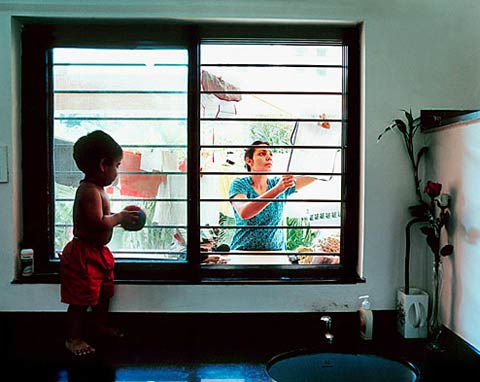
Anay Mann, based in New Delhi, has also created a series of photographs that revolve around the daily life of his wife and his son. While the subject matter is similar to that of Fred Heuning’s, the photographs give off a completely different emotion. While Heuning’s series was almost romanticizing the little moments between mother and son, Mann’s series – entitled About Neetika – shows the exhaustion that comes from having a young child. In one photograph, his wife cleans a glass door while looking exhausted, eyes focused on a point beyond the photographer. In another, his wife strings up towels on a clothesline while his soon looks through the window at her. Anay Mann shows a family life that is not always easy, yet you can tell that the photographer truly cares about the subjects he is photographing.

Anay Mann

Doug Adesko

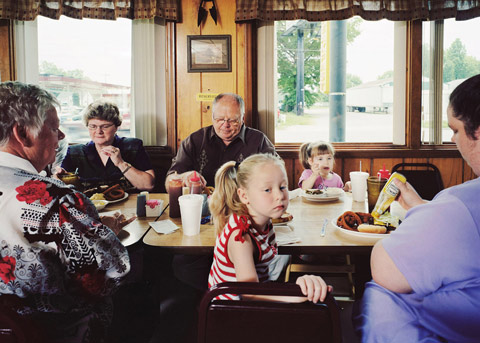
Photographer Doug Adesko, based in Brooklyn, has worked for over ten years on a series of photographs he calls Family Meal, in which he documents families eating together at the same table. While the photographs don’t seem as though they have any sort of meaning at first glance, if you look at them longer you can see the subtleties that make up the family dynamic. Adults talk to each other while children look bored off into the distance, families don’t look or talk to each other at all, and some children require more attention than others. Through this series of photographs, you get a glimpse into the many different family dynamics that exist.

Doug Adesko

If you were to create a series of photographs revolving around “the family”, what would the subject matter be? Would you try to show a family that seemed to be getting along easy, or would you dig deeper into the problems that they share? Would you document families related by blood, or those that are chosen? While it may seem like the subject of “the family” has been overdone, there are an almost unlimited amount of subjects that can be covered within that broad range.

This topic is just one of many you can expect to explore when taking a photography course at the New York Film Academy.

Careers in Film & Career Paths

This article is intended as a reference and does not represent a guarantee or implication that NYFA graduates or others reading this article will obtain a job in their chosen career nor can salary be predicted since each job and the salary associated with it depends on the individual attributes of each applicant and on circumstances not within the control of any applicant.

Entertainment and filmmaking are famously cutthroat industries, and the amount of competition for comparatively few jobs can be daunting for those looking for a break.

Hopefully, this article will help you gain the competitive edge and help you zero in on one of the various jobs in film that are out there. We’ve listed each of the main professions within filmmaking below. We’ve also covered the general career path most people take.

Here is a list of 9 different careers in film:

1. Director
Directors jobs

The head honcho responsible for everything that goes on while on set, the film director is at the top of the production pyramid and is in charge of best translating the screenplay to celluloid. As well as having to possess in-depth technical knowledge and a strong understanding of each person’s roles, the director also needs to shape good relationships with the talent and everyone else involved in order to get the best out of the production.

Director Career Path: Getting onto the first rung of the ladder can be highly difficult. A good internship on the set of a movie is usually the first stepping stone to becoming a fully-fledged director.

Pros: The job satisfaction when a production goes well can be off the chart, and a director with a leading reputation will rarely find themselves out of work.

Cons: Sandwiched in between the bowing to the producers’ demands and keeping a whole team in check (plus the possibility/reality of a thousand things going wrong), it can be an extremely stressful position.

2. Producer

Movie producer jobs

One of the most misunderstood and nebulous terms in filmmaking, a producer is primarily in charge of finding a script and then turning it into a movie on time and on budget. The actual responsibilities can vary massively depending on the job at hand – some producers also direct, and vice versa – but the general act of producing involves all of the off-set logistics that go into bringing a film to life (and especially the business side.)

Film Producer Career Path: As with directing, a very strong grasp of the technical aspects of filmmaking are required (any business experience is also beneficial).

Pros: Simply put, the money.

Cons: If you hate spinning plates and trying to balance a thousand and one conflicting demands, it’s not the job for you.

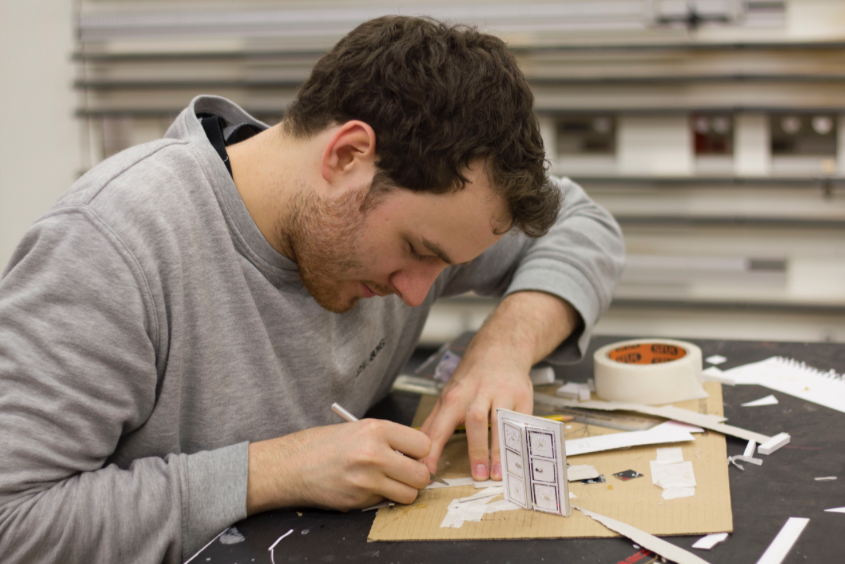
3. Set Designer
set designer jobs

From the blueprint level to the finished construction, a set designer usually has to take the rough drawings and ideas from the production team and turn them into realistic, fleshed-out builds that can be used by the film crew and talent.

Set Designer Career Path: While specialist training in this field is available, it is wholly possible to start out on small-scale and indie productions (especially in theatre) before attracting larger gigs from an ever-increasing range of contacts.

Pros: No two days are the same, and it’s a job in which problems can only be solved with a high level of creativity.

Cons: Set designers don’t get nearly as much limelight as they deserve given how integral their work is to the finished product!

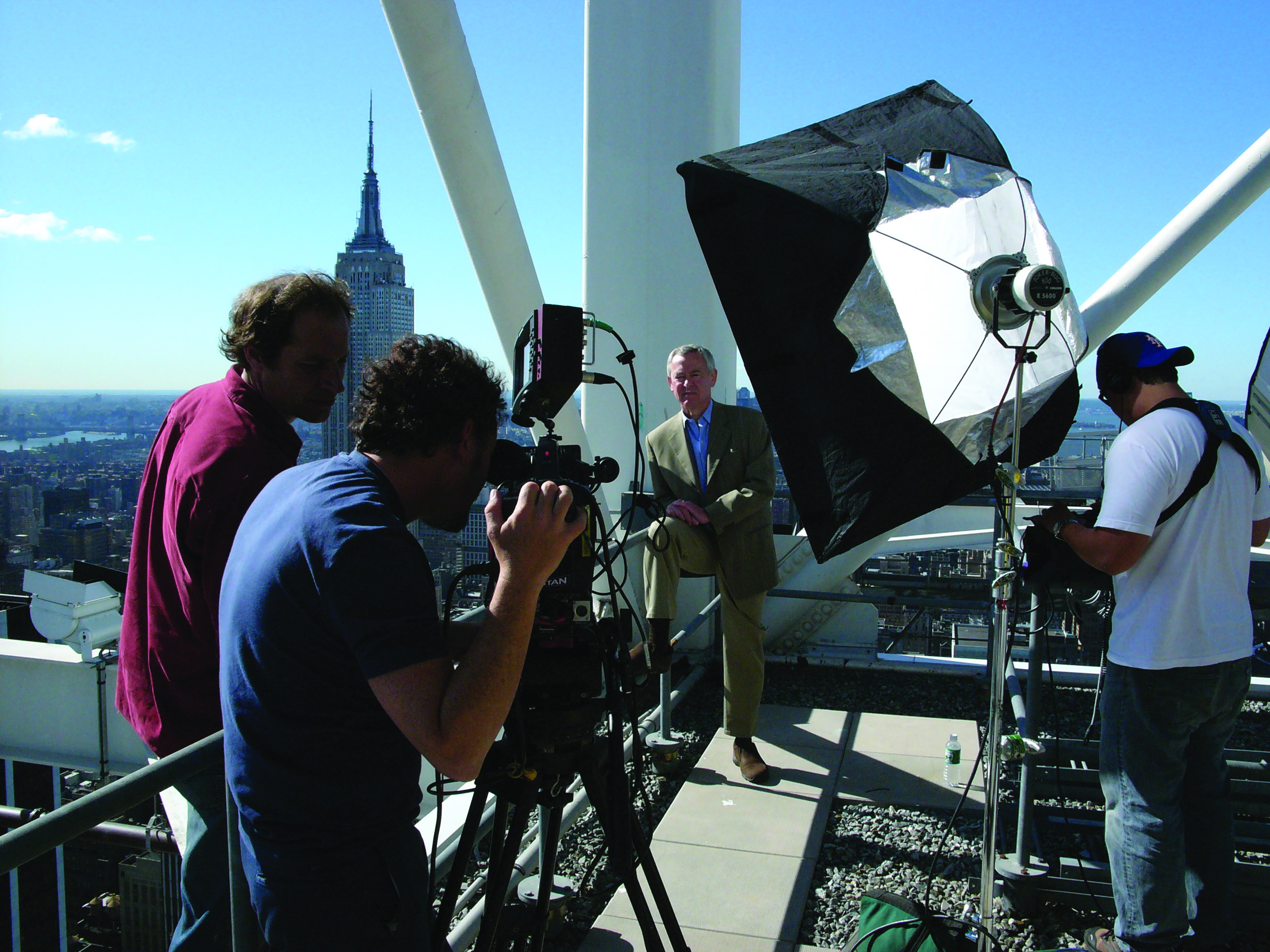
4. Director of Photography
Cinematographer jobs

A director of photography – sometimes dubbed the cinematographer or by the abbreviation DP – is pretty much the right-hand assistant of the director, and is usually entrusted to bring together and coordinate the various departments on set (lighting, sound, camera operators and talent). The key staff from each of these areas will consult with the DP on how best to bring the screenplay to life, and he or she in turn will liaise with the director.

Cinematographer Career Path: Most directors of photography work their way up from more junior roles, particularly those which involve camera work or design.

Pros: It’s a challenging yet rewarding job which allows for a lot of creativity, but slightly less pressure from a business sense that the producer/director must contend with. The pay isn’t too bad, either.

Cons: Involves a lot of extra-curricular learning to keep up to date with set equipment and practices, and the hours can be bizarre. It’s also not as luxurious as some might imagine, as you’ll probably end up helping with all the backbreaking work of lugging equipment around.

5. Costume Designer
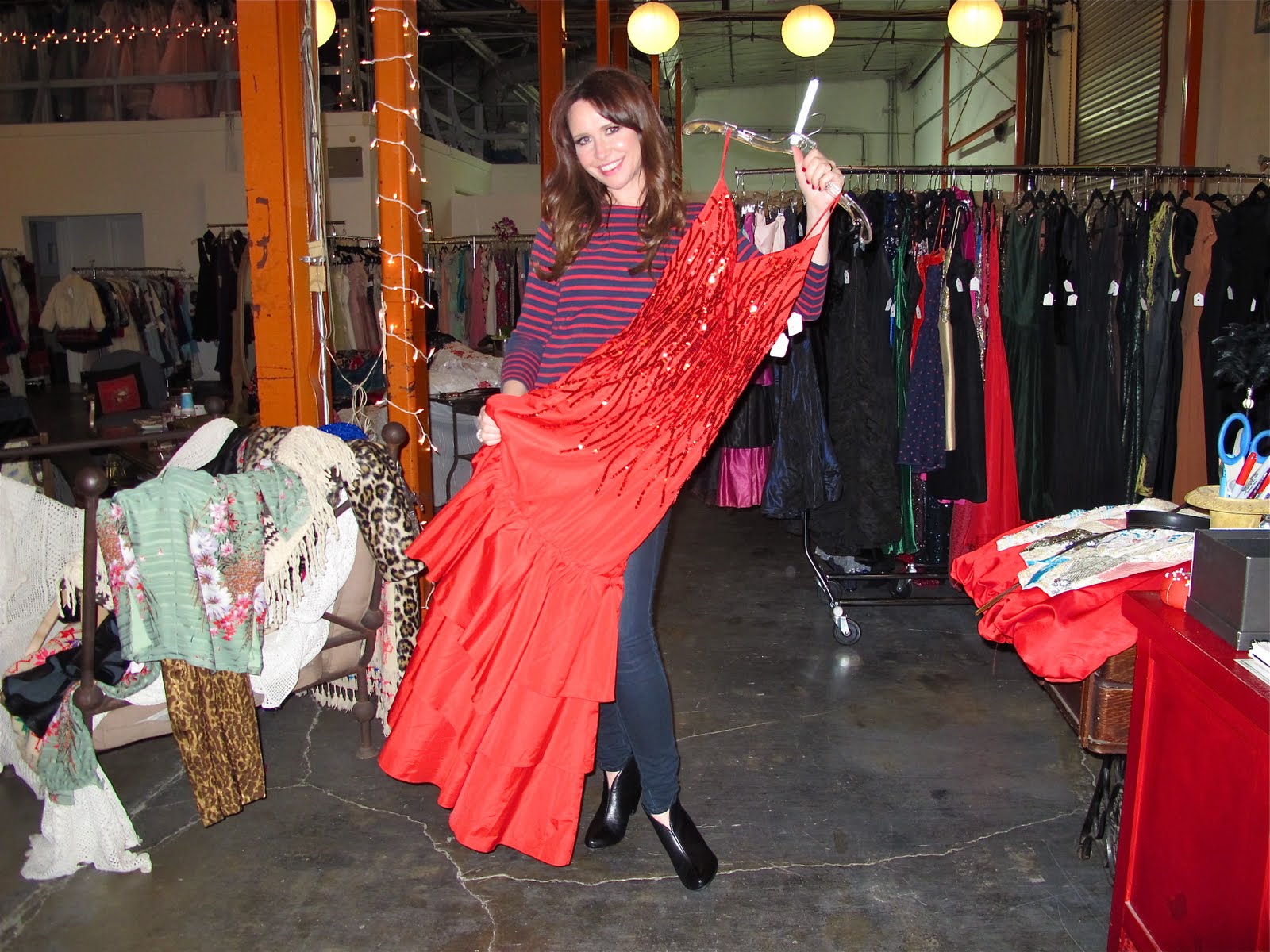
costume designer jobs

More than simply being able to draw some outfit ideas on paper, a costume designer is charged with a heavy amount of research depending on the genre of film as well as the conception and creation of costumes. An imperative part of the role also involves fitting the costumes correctly to the acting talent, as well as negotiating contracts and overseeing any clothing rentals.

Costume Designer Career Path: Fashion school rather than film school is the way forward for any costume designer, although someone with sufficient skill and talent can work their way up from low-level theatre positions.

Pros: One of the most creative jobs in filmmaking, with the fruits of your labor right up in the forefront of the finished product.

Cons: The starting salary can be very low for the amount of hours you’ll need to put in, and a lot of your time could be consumed with hunting for more work.

6. Prop Master
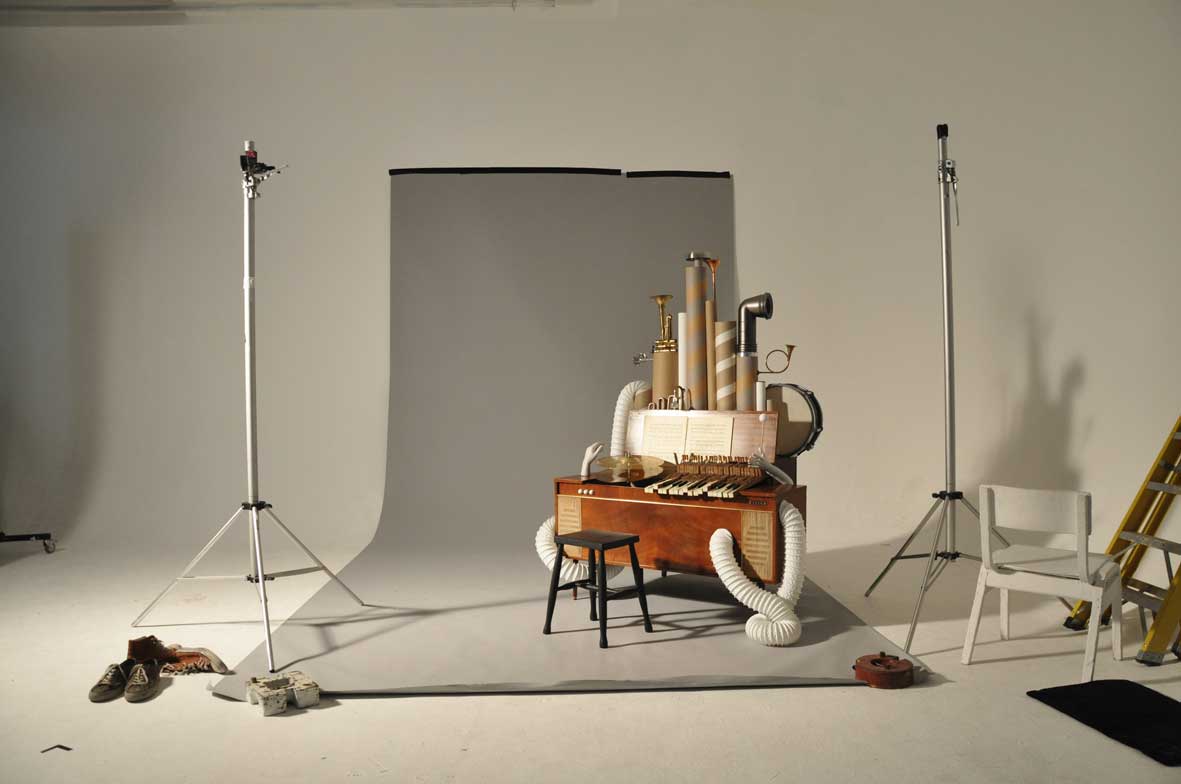
prop master jobs

Very few movies require no props, and it is the prop master who has to ensure they’re all available for use on set, work as they should and fulfill the director’s (or cinematographer’s) vision. The prop master is sometimes entrusted to oversee continuity during shooting, advising the DP whenever a prop has moved out of sequence.

Prop Master Career Path: Some prop masters go down the academics route with a related design, art or history-related degree, while others work their way up with on-the-job training (often getting into it while performing other roles on set, such as set design).

Pros: You might get to shop for luxury cars or incredibly cool gadgets!

Cons: You’re just as likely to spend weeks on end trying to find things as mundane as soda bottles, tables and curtain valances.

7. Makeup Artist
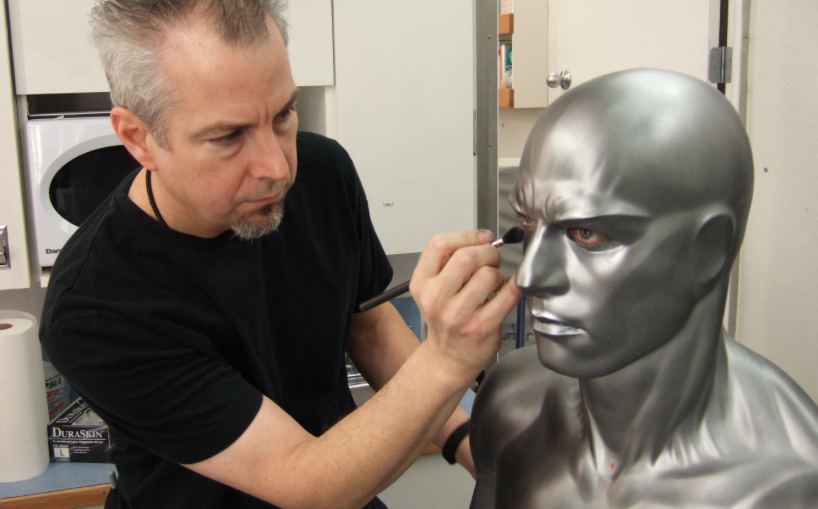
Makeup artist jobs

Individual in charge with the application of makeup on the actors, actresses, and extras. The Make-up Artist is also responsible for preparing a makeup schedule and for supervising and coordinating with other members of the makeup department, including assistants, body makeup artists, special effects makeup and hair stylists.

Makeup Artist Career Path: The beauty industry is booming and it’s comparatively easy to find makeup work in other fields, but there aren’t many openings for makeup artists looking to work specifically in movies (either via an agency or by going freelance.) As such, any advantages you’ve got – including formal beautician training – can help secure work.

Pros: Makeup work for movies is very much as enjoyable and varied as it sounds, with some gigs requiring an extreme amount of creativity. You’ll also be summoned to numerous locations during your line of work, and yes, you get to have lengthy conversations with stars while you’re working your magic.

Cons: Very long hours, and the competition between makeup artists is brutal right now.

8. Movie Editor

movie editing jobs

Once production is wrapped up, it’s down to the editors to work through all of the usable takes and assemble them into a flowing narrative. The editing team works closely with the director in order to establish exactly what’s to be included in the final cut and in what way. 

Movie Editor Career Path: Most openings call for specific qualifications, experience or extension knowledge on industry standard editing tools, and a good show reel is equally as important for securing paying work.

Pros: It’s a delightfully insular job for those who like getting really lost in the finer minutiae of their work, and there’s a good level of job satisfaction to be had from taking a mountain of random footage and whittling it down into a slick, cohesive film.

Cons: It can be repetitive — hours can be spent just to perfect a two-second cut — and you’ll often have to redo the same task over and over again at the behest of an indecisive director.

9. Composer

film score jobs

One of the very last (but no less important) people to add their work to a movie is the composer. Arguably up there with the acting talent in terms of breathing emotional life into a movie, the composer works directly under the director to provide an original score over the top of the final cut.

Film Composer Career Path: Of course, a deep and technical knowledge of music is essential, so formal music training is almost a prerequisite to entering the profession (but that hasn’t prevented highly skilled individuals work their way up from scratch.)

Pros: For anyone who is passionate about both music and film, there’s no finer job – not only will you get to create music that can potentially move a large number of people on a very deep level, but you’ll get to work with many like-minded individuals.

Cons: It’s not always as creative as it sounds – you’ll have to work around the movie editor with your score timing, not the other way around.

We hope this summary is useful as you contemplate your preferred path within the entertainment industry. 
The Best Documentaries NOT On Netflix

Think your options for streaming original and compelling documentaries begins and ends with Netflix?

Think again.

Online streaming is a rapidly evolving medium, and for documentary filmmakers looking to get their work seen by the world, it’s only getting better. Contrary to common belief, not being able to break through the near impenetrable gatekeepers of Netflix doesn’t mean the end of your career.

If you’re part of a documentary filmmaking program, rejoice: there are plenty of great examples of people producing highly polished documentaries intended primarily for an online audience, and getting it out there via other platforms.

Here are five of the best.

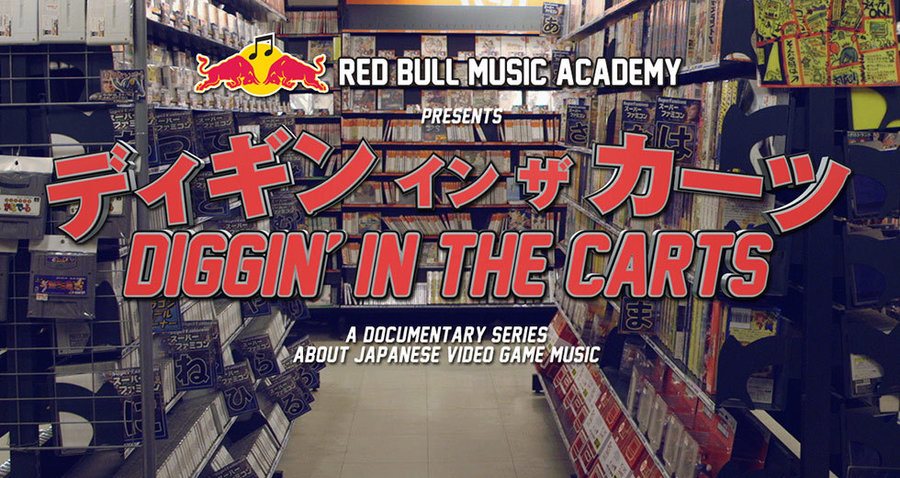
Diggin’ in The Carts

Diggin in the carts

Who: New Zealand filmmakers Nick Dwyer and Tu Neill

Where: Red Bull Music Academy

What: A six-part documentary series produced for RBMA, serving as a great example of Red Bull’s commitment to putting out Netflix-rivalling online content.

Diggin’ in the Carts is a well produced series chronicling the contributions that Japanese video games have given to the world of music… and there are many, hence having to break it into six parts. Alongside excellent interviews with such industry giants as Nobuo Uematsu, the big selling point of the series is its accessibility; you don’t need to have defeated Ruby Weapon in FFVII prior to watching, and similarly there still plenty here for weeaboos who think they’ve heard it all already.

Guide to Travel: North Korea

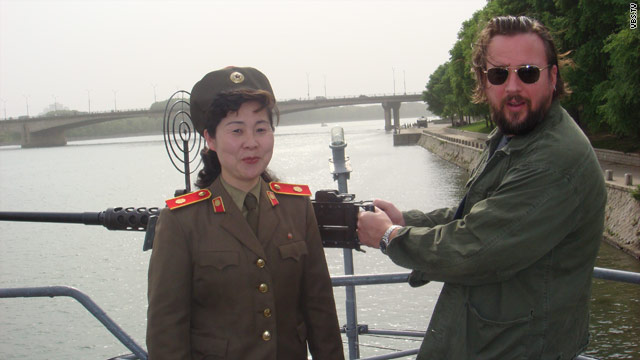
Vice North Korea documentary

Who: Shane Smith, Emmy Award-winning journalist and Vice founder

Where: Vice

What: A three-part journey into one of the most elusive, intriguing and frankly terrifying countries on the planet. Vice’s Guide to Travel series into some of the weirdest cultures on the planet has produced a lot of excellent online content, but Smith’s odyssey into the heart of North Korea is the one which stands out as a tension-driven documentary which, by rights, should never have made it out of the country.

Humans Need Not Apply

Humans need not apply documentary

Who: C. G. P. Grey

Where: YouTube

What: YouTube often gets overlooked as a poor man’s Netflix when it comes to video distribution, but Humans Need Not Applywhich went instantly viral with over a million views in a couple of daysdemonstrates how it’s often the perfect medium for getting a documentary out there.

The premise behind the 15 minute short is a simple one: in the very near future, automation will entirely replace the need for human workers and with dire consequences. Think it’s an outlandish prediction better suited to science fiction? Think againGrey’s incredibly well thought-out case is both disconcerting and very hard to argue against.

Watchtower of Morocco

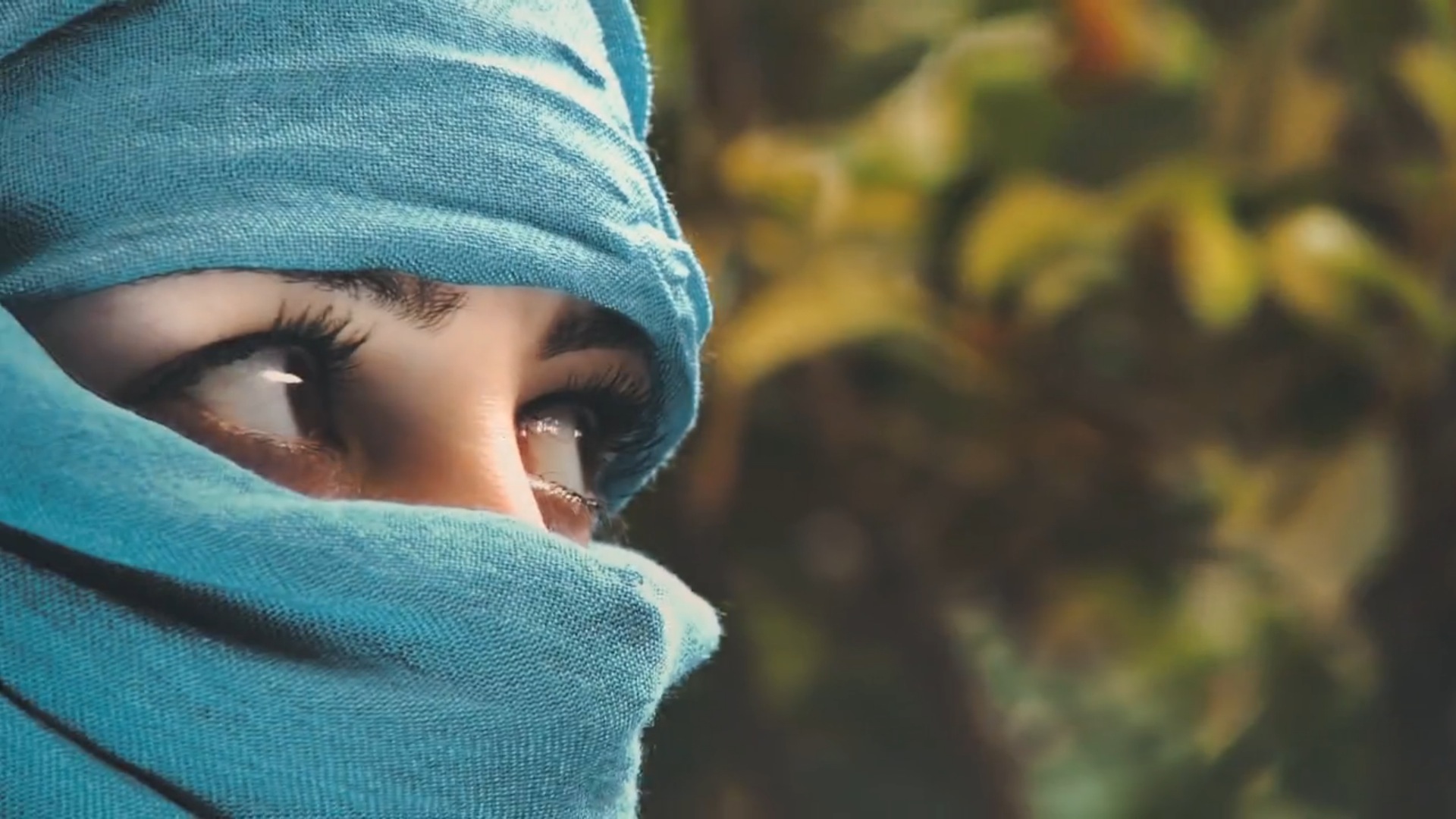
Watchtower of Morocco

Who: Leonardo Dalessandri

Where: Vimeo

What: Alongside YouTube, Vimeo is also rising to become a good port of call for documentary filmmakers. Watchtower of Morocco is a masterclass in photography, visual editing, and sound design. Dynamic and eclectic without ever becoming too overbearing, this walk through some of Morocco’s most recognizable locations will renew your faith in digital filmmaking (and probably have you booking a flight out there to boot).

The Sewers of Bogota

Sewers of Bogota documentary

Who: Thomas Morton

Where: Vice

What: Another gem from the Vice documentary archives, the content provider known for delving into the shady side of life and having a good look around goes deeper and darker than ever before.

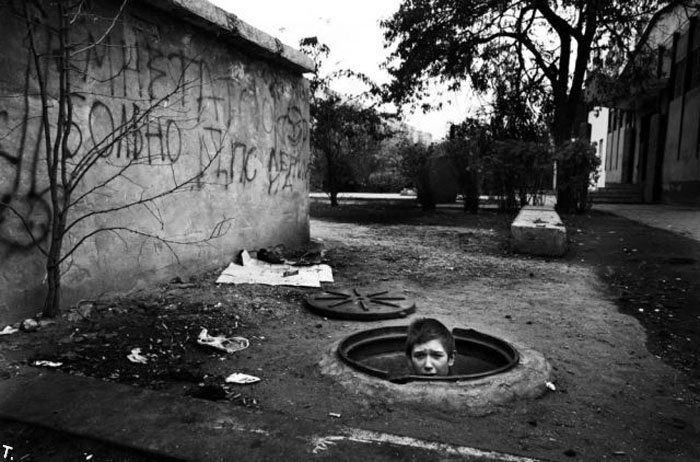
The Sewers of Bogota is harrowing to watch given that it covers the story of humans driven to live amongst (and in) streams of liquid feces and rotting carcasses through fear of being exterminated through death squads up above, who frequently pour vast amounts of lit petrol into the sewer system to try and kill Columbia’s undesirables.

It’s a brave example of documentary filmmaking conducted in a very difficultand at one point, potentially lethalenvironment, covering subject matter reminiscent of the Holocaust than anything that should be happening in the 21st century.

How To Guide: Photographing Bubbles

Photo by Tom Falconer

Although bubbles may not be the most desirable subjects in the world (who wants to photograph a bubble, when there are vast landscapes and interesting humans to capture?), you can create some stunningly beautiful images with some homemade bubbles and a bit of imagination.

I’m sure images are coming to mind of using one of those cheap, 50c bubble wands to blow bubbles and rushing to press the shutter before they pop. While homemade bubbles can be tricky to photograph, they luckily last longer than those that you may be more familiar with. Once you make your own – with the perfect density and color – you’ll be able to not only take photographs of bubbles, but take photographs of scenes within bubbles.

Creating the bubble mixture

Photo by Tom Falconer

Why do you need to create your own anyway, when bubbles are so inexpensive and widespread? The cheap bubbles that children often use to play with aren’t dense enough to photograph easily, let alone capture a scene within. By creating your own mixture, you’ll realize that your homemade bubbles have a longer lifespan and seem to be more “durable” than your average bubble. There’s a lot more to bubbles than you thought!

Photographer Tom Falconer likes to make his own mixture before photographing bubbles, which you can make by combining the following:

1 oz Classic Dawn dishwashing liquid (don’t get the ‘ultra’ kind)

8 oz water

1 tbsp glycerine (which is used to thicken the walls of the bubble)

This mixture works especially well if you let it sit for at least 24 hours before using it!

Camera / exposure settings

Photo by Flickr member pixquik

It’s important to use a DSLR when photographing bubbles, since a small, point-and-shoot camera won’t allow you to create the perfect exposure or focus properly / fast enough to capture the shot. While yes, you can take photographs of bubbles with a point-and-shoot camera, if you really want to achieve great results you should use a DSLR. If you don’t own one, ask around at local camera shops to see if they rent some out!

If you can get your hands on one, use a macro lens or a good zoom lens. This will allow you to get close enough to the bubble to have it fill the frame, without getting so close that you’ll pop or disrupt it.

Your ISO should be set to 100 or 200 to reduce the amount of noise in the final image. This is especially true if you’re photographing on a dark background, as you don’t want viewers to be distracted from the beauty of the bubble by a noisy background.

Your aperture should initially be set around f/5.6 or f/8 to ensure that everything is in focus, although you can play around with larger or smaller apertures depending on what else you want in your frame.

Your shutter speed needs to be fast enough to freeze any slight movement of the bubble. If you’re using a slower shutter speed – slower than 1/60 – any slight movement of the bubble will blur the entire image. For these purposes, you should try to use a shutter speed of 1/200 or faster.

Focusing on your bubble is one of the hardest parts. Most auto-focus systems do a fairly good job at focusing on them, as long as there is enough contrast or distance between the bubble and the background. Once you have focused on the bubble, make sure you set your focus ring to ‘manual’.

Proper lighting

The proper lighting is one of the most important aspects of creating your composition. Without adequate lighting, your bubble will look flat and uninteresting. By choosing a dark background, your bubble will stand out from the rest of the composition. And by choosing to shoot in shade rather than direct sunlight, the colors of your bubble will pop even more.

Time of day

The time of day (as well as weather, etc) you choose to shoot is almost as important as the lighting. You should choose to photograph your bubbles on a day where wind is at a minimum. If you shoot on a windy day (or even a day with a light breeze), the wind will continuously blow the bubble out of your composition. To reduce the amount of frustration, shoot on a calm day! The best time of day to photograph is early in the morning, right after sunrise. A cool (but not extremely dry) day is ideal.

Capturing reflections

Photo by Tom Falconer

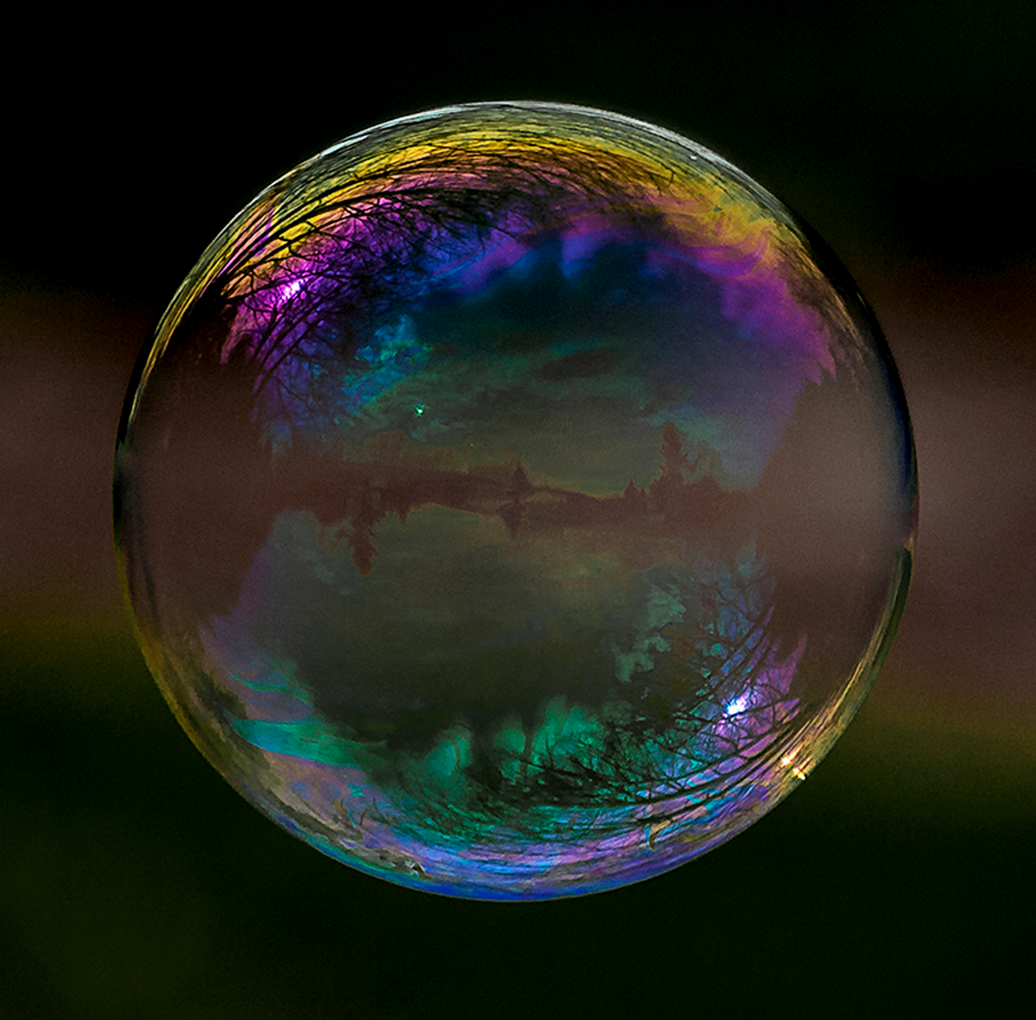
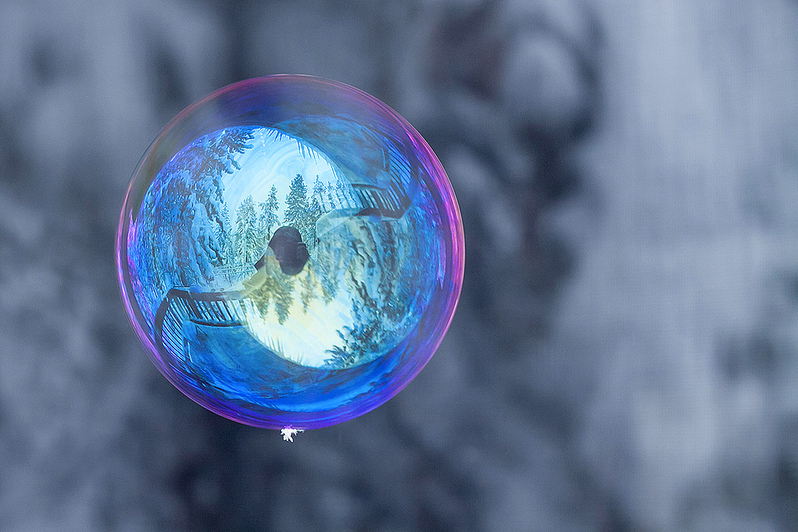
One of the best things about photographing bubbles is the reflection. You can capture entire landscapes within one small bubble! Once you have found a location in the shade with a darker background, you should blow one test bubble and look at it from all angles. Which angle shows the best reflection? Once you have figured this out, you can stand in that position, pop the bubble, and blow another one. Look for the same reflection, and click the shutter! You may need to take a test shot first and adjust your exposure as necessary.

Getting creative

Photo by Tony Giannelli

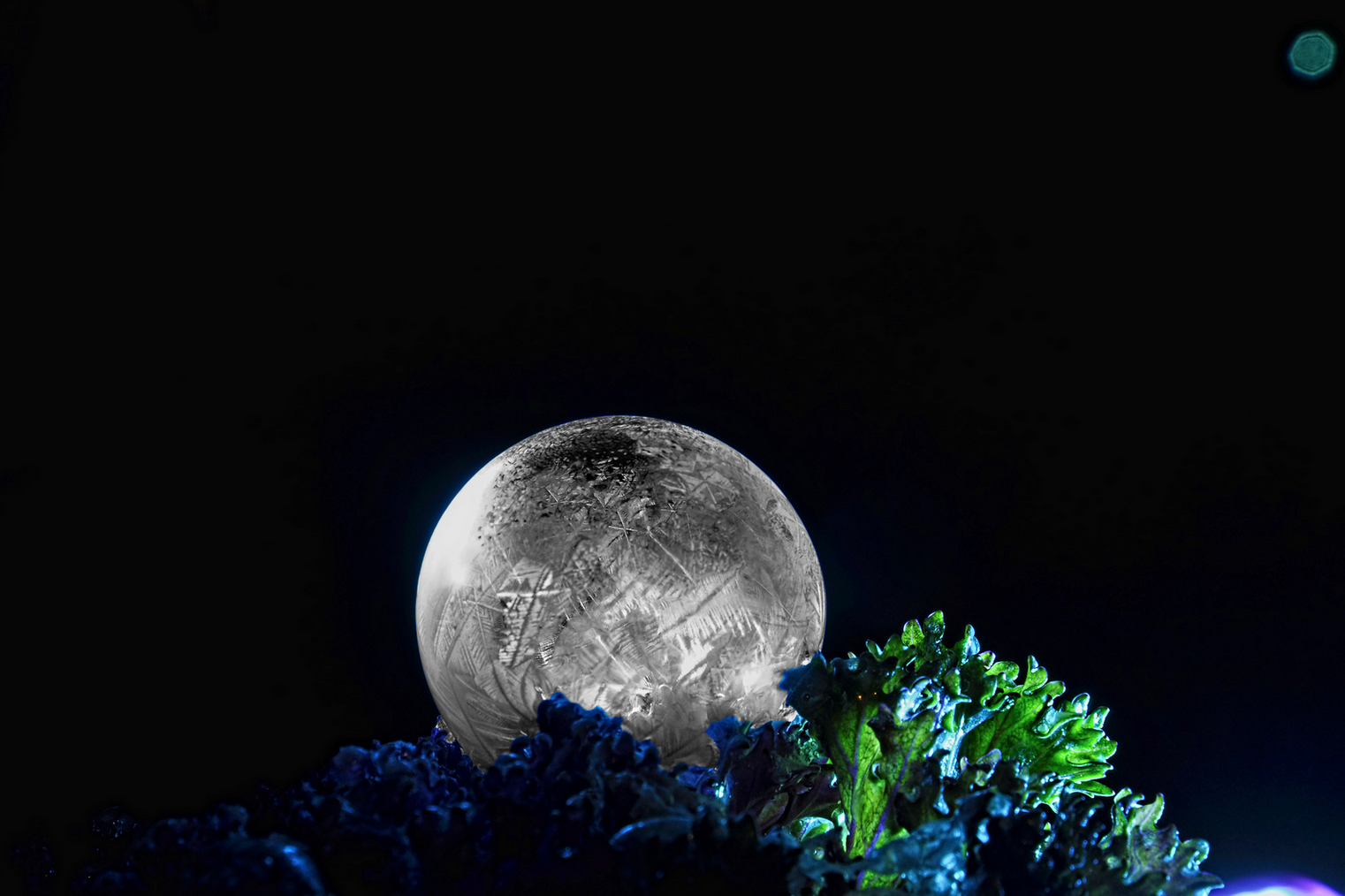
You don’t only need to photograph reflections within bubbles! You can freeze bubbles first and then photograph while “popping” them, you can photograph bubbles within bubbles, or you can add a bunch of these bubbles to a traditional landscape or portrait! The possibilities are endless.

10 Reasons The Walking Dead Got Good

[EDITOR’S NOTE: This piece was originally published on November 26, 2014 to coincide with the season five midseason finale of The Walking Dead]

The Walking Dead takes its Christmas vacation this week with its midseason finale. So far, season five has been the best run of episodes yet. In fact, it’s been great, which is a surprise to anyone who watched the show in its earlier seasons.

Something happened near the end of season two and throughout season three, where the show started to find its legs and have glimmers of quality television. Season four was its coming-of-age, with the zombie series finally living up to its potential. Now, midway through season five, The Walking Dead and its stellar screenwriting has finally become appointment television, and The Walking Dead midseason finale is on everyone’s schedule.

The show always had some strong points—after all, we wouldn’t have watched it through its growing pains if it hadn’t. It had that badass opening theme by Bear McCreary. It had a gloomy post-apocalyptic setting. It had top-notch makeup effects and boasted the goriest violence on all of television. It had… well, that was about it.

Compared to the other AMC shows at the time—Mad Men, Breaking Bad, and RubiconThe Walking Dead wasn’t exactly what people thought of when they referred to the new Golden Age of Television. But now the highest rated television show on cable can finally stand tall with, at the very least, its genre-show brethren Game of Thrones and Orphan Black. How did The Walking Dead get good? Here are ten reasons:

1. Characters Got Smarter

It makes sense that by season five, The Walking Dead’s characters started showing some of those delicious brains. In the world of the show, it’s been a few years since the zombie apocalypse, so most of the dummies and suckers of Georgia have been eaten or decapitated by eye-patched madmen. All that’s left is the cream of the crop. Smart characters make for great TV. There’s nothing more frustrating than yelling at your screen when someone does something stupid or goes into the wrong room. But when they’re doing exactly what you would do and still end up cornered and without options, nothing is more thrilling to watch.

2. Characters Got Deeper

Like late-90s video games, the characters of The Walking Dead finally jumped from two dimensions to three dimensions thanks to some key changes in the writing. Sometimes ensemble television shows have to start with broad stereotypes for the audience to keep up with the story, but it’s about time we started seeing different shades and depths to Rick, Daryl, and the rest. The last couple of seasons have focused as much if not more on character than plot, a sign of any great drama. Finding out that this band of survivors is actually made up of interesting individuals makes the choices they make that much more compelling.

3. Characters Got Names

Even better is that these added dimensions weren’t just added to the primary cast, but almost all of the ensemble as well. It’s hard to imagine that characters like Beth have been with the series since the beginning of season two, considering she didn’t get her own storyline until season four. Before that, Beth was just “Hershel’s Other Daughter.”

4. Plots Got Morally Ambiguous

Even from the very beginning, the question the series seemed to be asking was “What morals must we sacrifice to live in a new post-apocalyptic world order?” But the show struggled with ways to ask it. Even situations that seemed abhorrent, like having to murder Carol’s zombified little girl in season two, weren’t actually moral quandaries. She was no longer Carol’s little girl—she was a murderous zombie, just like the rest, and Rick realized she had to be put down hard and fast. But since then, the show has posed questions that don’t have clear right answers, and where no decision will end up a good decision but still need to be made. Characters must ask themselves what to do with hostages, who to leave behind, who must be sacrificed for the greater good. Watching smart, deep characters with names confront these moral quandaries makes for fantastic drama.

5. Plots Got Burned

The Walking Dead was typically as slow-paced as its title monsters. It even spent two episodes re-introducing us to The Governor in the middle of season four. Then, something happened. Actually, a lot happened. Quickly. The season ended with our heroes trapped in a boxcar prison by cannibals, looking like it would take several episodes for them to plan and execute their escape. It took less than one. Burning through plot is an extremely bold move for a series, as original plots are hard to come by. But it creates a thrilling sense that anything can happen and keeps audiences on the edge of their seats. While that long-term prison escape could’ve been fun, watching it go up in flames along with that plot thread was way more exciting.

6. Characters Got Quiet

Do you know how we knew The Walking Dead asked the question “What morals must we sacrifice to live in a new post-apocalypse world order?” Because characters always asked that, out loud. All the time. Along with anything else they were thinking. The Walking Dead wanted to be a character drama from the beginning—the problem was, it had no grasp of subtext, treating its audience as dumb as its zombies. Too busy showing us bloody intestines and brains, it was telling us everything else. Now characters keep it closer to the vest, and the audience actually has to work a little to infer what they’re thinking from their actions and context and from what they’re not saying. You know, like good shows do.

7. The Show Got Courage to Try New Things

For the most part, the first three seasons are very similar. While The Walking Dead still has some wing-spreading to do, it’s gotten bolder experimenting with its tone and other aspects, like the aforementioned plot-burning. One great example is introducing the trio of Abraham, Eugene, and Rosita. Rather than try to adapt these larger-than-life comic characters to the moody realistic tone of the show, The Walking Dead embraced their cartoonish styles and had fun with these three. It injected a great deal of levity into a show that desperately needed it.

8. Episodes Got Focus

Along with playing with tone and plot, The Walking Dead has switched up its structure. Season 3’s best episode followed only Rick, Michonne and Carl on a side mission, and the writers seemed to take notice of its positive reception. Many episodes of the last two seasons play as little movies, telling complete stories with just a few focused characters. Rather than switching back and forth between plots, audiences got deeper into characters’ heads and tension builds more consistently, such as in The Governor’s Season 4 two-parter. The show has also been smart enough to switch it up to an ensemble-type show when the plot needs to race ahead. It’s a careful balance The Walking Dead has finally gotten a handle on.

9. The Show Got Better Mood, Music, and Direction

While most of the show’s improvements have been in its writing, The Walking Dead has beefed up its already decent direction. The last two seasons have combined mood, music, and cinematography to create a show that is as artsy and poetic as top tier dramas like Boardwalk Empire and Mad Men. While the show’s theme has always been one of its highlights, the show has also learned to use music better and to stronger effect, though it sometimes still suffers from the Unnecessary Sad Montage.

10. Carol

Carol started the show as a background character with an a-hole husband. Even when her daughter went missing and ended up killed, Carol still remained on the sidelines of the plot. But somewhere along the way, all the crap her character has taken turned into an amazing set of armor and Carol emerged as a fascinating, multidimensional character, even replacing Daryl as The Walking Dead’s resident badass. She’s smart, tough, sexy, and watching her do her thing is a highlight of the show. In just the last season and a half, Carol has executed a surrogate daughter, thrown herself off a cliff in a van, and single-handedly wiped out a cannibal fortress. Meanwhile, Rick farmed some tomatoes.

Seasons 4 and 5 may prove to be the creative peak of The Walking Dead. Will the show continue this momentum into season 6 and beyond? Or will it end up like so many of its characters–dead on its feet, shuffling aimlessly until it’s finally put out of its misery.