Writing a phone conversation into a script can be challenging to screenwriters. The mastermind behind the script needs the phone conversation to fit the context of the situation without being lame or dragging out the scene (AKA the moment of the feature where people decide to take their bathroom break). Once you have decided to include a phone conversation in your script, it is time to start planning the details.
Common Phone Situations
There are three common phone situations that are found in screenwriting. They are:
Focusing on one character where the audience can only see and hear this character.
Visually the audience only sees one character but can hear that character and also the character he/she is speaking with on the phone.
The audience can see and hear both characters.
Determine a Phone Situation
There are different reasons why a screenwriter chooses one phone scenario over another. One of the reasons why you would choose focusing on one character that the audience sees and hears is because the character on the other end is irrelevant. Another reason may be that from the dialogue, the audience has a clear picture of what is happening and it is unnecessary to cut back and forth between characters. The second format, seeing one character and being able to listen to both, is commonly used when you want the audience to see and hear the characters’ reaction to what the other character has to say or when you don’t want to reveal who or where the other character is, leaving him/her off screen. The third phone situation is used when the screenwriter wants to move from a master scene heading to another scene or intercutting the scenes.
Writing the Scene into the Screenplay
Once you have determined which type of phone scene you are going to use, it is important to indicate it properly. In the first telephone conversation, where only one character is seen and heard, write the dialogue with pauses, beats, or actions so that the character’s dialogue pauses periodically (which indicates that the other character is speaking).
This example is from Erin Brochovich:
INT. MASRY and VITITOE’S NEW OFFICE – DAY
The front doors open and Erin enters.
ERIN
Hey, Ros. Nice view, huh?
ROSALIND
Yeah, I’m gonna start sleeping here.
(into phone)
Masry and Vititoe, can I — damn it.
(calling out)
Does anyone know anything about these
phones?
In the second telephone scenario, where one person is seen and heard, while the other is only heard, you would indicate the unseen character’s dialogue as voice-over in the script, abbreviated as V.O. Here is an example from the movie Taken:
BRYAN
I don’t know who you are. I don’t know
what you want. If you are looking for
ransom, I can tell you I don’t have
money. But what I do have are a very
particular set of skills; skills I have
acquired over a very long career. Skills
that make me a nightmare for people like
you. If you let my daughter go now,
that’ll be the end of it. I will not
look for you, I will not pursue you. But
if you don’t, I will look for you, I will
find you, and I will kill you.
MARKO (V.O.)
(after a long pause)
Good luck.
The final phone scenario, where both characters are seen and heard, you would write INTERCUT – [LOCATION 1] / [LOCATION 2]. For example, look at this piece from the Bourne Legacy movie:
INT. BEHIND THRESHERS / WATERLOO CONCOURSE– DAY
INTERCUTTING BETWEEN ROSS AND BOURNE:
Bourne spots the agents pulling back per Wills’ orders.
ROSS (INTO PHONE)
If I run now I can make it–
BOURNE (INTO PHONE)
No. Something’s not right.
Now that you know your options and how to incorporate them into your screenplay, craft your telephone conversation into your screenplay. It may take a few drafts and even switching between options to find which option works best with the message that you are trying to portray.
Any gamer can look at the gaming experiences throughout their lifetime and realize one thing: the gaming industry changes faster than perhaps any other creative industry.
When you compare how long we’ve had movies or television, games haven’t been around that long and so it makes sense that we see incredible shifts in game design philosophy in such shorts amounts of time.
Of course, there’s one trend that has continued to give developers trouble when it comes to making games profitable: increased development costs. It’s no secret that games are getting more and more expensive to make.
Even the recent Destiny was rumored to have a budget of around $500 million; an incredible number that’s probably a bit exaggerated, but still mouth-dropping.
With development costs continuing to increase, it’s obvious that a game can’t have the life span that most titles saw the past few years—only a few months, sometimes just one or two.
The following are a few ways that developers are trying to keep their games relevant, and thus profitable:
Downloadable Content
No new trend is more polarizing in the gaming industry these days than downloadable content (DLC).
With DLC, developers are able to add new levels, often-brief single player campaigns, game modes, skins, etc., to a game after it has been released.
Of course, rarely is DLC content free. Instead, it always comes with a cost that one must pay outside of the $60 you probably paid for the full version.
This gets controversial when developers sell content as DLC that is already finished, or even on the retail disc itself. This means that players are paying for something that could have been a part of the main game they just purchased.
However, most gamers have warmed up to the idea of DLC and love being able to play their games longer than usual due to monthly map packs or an exciting new story campaign, even if they have to pay for it.
Whether you love DLC or hate it, there’s no denying that many games have remained profitable long after their release due to DLC. Rather than straying from this model, we’re more likely to see a day when every game has DLC available to make sure the game keeps making back the thousands of dollars no doubt used to make it in the first place.
Multiplayer
In case you haven’t noticed, almost every triple-A title that has been released in the past few years also features a mutliplayer mode. This includes game series like Assassin’s Creed and Mass Effect that are known mostly for their deep single player campaigns.
This is because a solo campaign can be incredible, but they eventually come to an end. Multiplayer, however, can be played for as long as there are players willing to check it out.
Just look at Call of Duty, a series that always features excellent single-player campaigns, but remains profitable via its multiplayer mode. Not only do you have players booting up your game for months after the game is released, but they’re very likely to get others to buy the game as well just to play multiplayer together.
You can also be sure that those DLC map packs, which don’t require too many resources to create, help in keeping these kinds of games profitable—thanks to multiplayer modes.
Online Distribution
More than just a convenient way of letting players buy a game without having to go to a crowded store, online distribution has allowed developers more flexibility in terms of sales price and demand.
Developers can now have special sales where they mark down the game’s price for a few days, or even mark their game down permanently with ease if they feel it will help sales.
The emergence of online distribution also allows developers to offer a ‘try-and-buy’ model that’s turning games into great successes. Letting players download the game and try it first is a great way to grow interest, just like it is to allow players to check out an early beta version of the game long before it actually releases.
If your game is good enough then you can be sure gamers that play it for free first will be more than happy to toss cash your way for the full experience.
If you don’t know what a single-camera sitcom is, you’ve almost definitely watched one at some point. While it’s been around for quite some time (Get Smart, The Andy Griffith Show, Doogie Howser M.D.,) it’s only become prevalent in the last ten years or so. As opposed to the three-camera setup found in most TV studios, single-camera is shot like most films, with traditionally cinematic shots and angles storyboarded like any movie. While this one characteristic is what separates the two classifications of situation comedy, their differences lie far beyond how many cameras are used to film them, allowing a different type of screenwriting to take hold.
For one, the more cinematic style of shooting lends a more, well, cinematic style to the sitcom. Many can resemble low-budget independent films (even the biggest sitcoms’ budgets pale in comparison to feature films). Single-cameras, because of the way they are shot, typically don’t have live studio audiences and most eschew a replacement laugh track. Without a laugh track to tell you where the punchlines are and when to laugh, and coupled with the slower, quieter filmic approach, the humor of single-camera sitcoms presents itself in a completely different way.
As a viewer, you have to actively find what’s funny within a scene. Just as good characters in comedy can be indicated by lines that are only funny because they were spoken by that particular character, the single-camera environment sets a tone and becomes a place where jokes are only funny because they were specifically said within them. This is usually what people mean when they say a location in a script is a character in itself (unless they say New York is its own character, then they’re just bullshitting.) This also allows the humor to be more subtle—the slightest roll of the eyes can be caught in a close-up reaction shot and sell the same kind of laugh that a character hammily mugging to the audience in a three-camera sitcom would make.
Single-cam in action:
Single-cam comedies don’t have to be calmer and quieter, however. Rather than feel like an independent film, single-camera sitcoms can resemble screwball comedies. The 2003 cult favorite Arrested Development is a prime example of this and did what The Simpsons and other animated series (shows allowed to bypass three-camera setups without raising any eyebrows) discovered they could do fifteen years earlier—the rapid-fire delivery of jokes and scenes and locations. A standard episode of a show like Arrested Development or 30 Rock has an incredible amount of scenes when compared to a three-camera sitcom like Friends. These shows in effect become live-action cartoons, embracing and indulging in the lack of boundaries a three-camera set inhibits on scripts.
Why are three-camera setups inhibiting and typically averse to subtle forms of humor? It helps to remember that three-camera shows aren’t defined by the fact that they’re shot with three cameras (and conversely, many single-cams like Arrested Development are always shot with two or three cameras simultaneously). Rather, it’s better to think of them as recorded stage plays, performed on very limited sets for flesh-and-blood live studio audiences. This is a fundamentally different storytelling medium than the much more cinematic single-camera style. YouTube is full of clips of multi-cam shows like The Big Bang Theory with the laugh track edited out and they are fascinating to watch.
You might not have noticed when watching a multi-camera show because as viewers we’ve become so accustomed to its form, but actors pause between jokes and actually hold and wait for the audience’s laughter to subside before resuming their lines. As the YouTube clips amusingly convey, talking like this in real life would make you sound like a crazy person. But three-camera actors must perform this way, and three-camera writers must likewise conform their scripts. Not only can more subtle humor be easily lost on an audience seeing everything at once several dozen feet from the action (as opposed to being merely inches from a close-up viewed on your screen at home), but a joke’s timing—one of its most crucial components—has to be set and predicated by this staccato hold-and-wait type of performance.
Three-cam without laugh track:
The limited locations of a three-camera sitcom also derive from its theater-like stage. Only so many sets can be built and fit into a single studio. That’s one of the reasons the three definitive sitcom genres exist—workplace comedies take place in the workplace, family comedies in the home. Usually there is a bar or a diner in a friends (and often, workplace and family) comedy where everybody hangs out, just to keep things visually interesting. A show could also employ a limited exterior set portraying the outside of their house or bar. Sometimes they might throw in some B-roll second-unit shots of exteriors to make it feel like the show is really taking place outside the studio and in the real world, or at the very least, make it feel like it’s being shot on location. (For instance, Seinfeld’s classic apartment window exterior was neither Seinfeld’s apartment—which was a set—nor actually even in New York.)
In general, though, ninety percent of a given multi-cam episode will take place in the same handful of sets. Single-camera shows can shoot on location, or at the very least use different angles to make the same set feel fresh. So not only are they capable of several more scenes than their three-camera counterparts, they can place these scenes in a multitude of locations. This can expand the sense of the world the show occupies and ground it, or inversely add to its cartoonish energy. A comedy like Arrested Development could take place in a California apartment complex, Iraq, on a boat, in a magic shop, at the beach and in Reno, Nevada, all in the same episode
More scenes also allow for more storylines, and more storylines allow for more characters. While a three-camera sitcom’s primary cast is usually limited to six or less, a single-cam sitcom like The Office can boast an ensemble of fourteen or more. Similarly, a multi-cam script might include a primary A-plot, a secondary B-plot, and perhaps a tertiary C-plot, whereas a single-cam could include A, B, C, D, and E plots and give them all more heft and substance.
Another trend since Friends helped sitcoms usher in the single-cam revolution: the mockumentary series. While fake-documentaries have existed in cinema for quite some time, it wasn’t until the new millennium that television decided to crank them up to eleven. Again, Arrested Development proved itself ahead of the game by employing a cinéma vérité format that had its characters lean against the fourth wall and graffiti it rather than break it. But it was even earlier, in 2000, when the original U.K. version of The Office portrayed the fictional documentary crew as a diegetic presence existing in the world itself, allowing all its characters to communicate directly with the camera like some sort of latter-day Zack Morrises.
The U.S. remake of The Office brought this style across the pond to mainstream American audiences, which then spread to both comedy and drama alike, giving television writers new tools and techniques to employ. The so-called “talking head” shot, where a character delivers their thoughts interview-style straight to the camera allowed for exposition dumps—exposition that would feel too cheap or out-of-place in traditional narratives—which in itself allowed for cramming even more plot into a twenty-minute episode. (Arrested Development’s Narrator, another documentary staple, was a similarly useful device.)
In addition, characters could be developed in their talking heads not by what they said but by what they didn’t say, which coupled with facial and body language allowed for a subtext much harder to come by in multi-camera sitcoms. The mockumentary format also gave a more voyeuristic viewpoint that could make its storytelling more realistic and grounded—with Lisa Kudrow’s The Comeback being an early pioneer of this format. While the characters frequently broke the fourth wall, audiences were drawn forth within it. This poses a delicate balance for sitcom writers—at first the American Office tried hard to faithfully depict the drudgery of working in an office, but quickly abandoned this when producers realized that people didn’t want to come home from the office just to spend their free time watching other people work.
Why have single-camera comedies only exploded now if they provide such an interesting alternative to multi-camera studio sitcoms? The biggest reason, as always, comes down to money. Shooting on tape with a handful of sets was always much cheaper than shooting cinematically. But digital video has come a long way and is now at a point where it is cheap enough and good looking enough to make single-cam as viable (if not more viable) an option as multi-cam. And while the prevalence of single-camera sitcoms highlights the changes television has made since Friends, we are currently amidst an even greater geological shift for situation comedies, a shift proving that money is and always has been the driving force for the evolution of TV production—the advent of multimedia.
Single-cam might be in but it isn’t new, it’s been around since the 50s—just ask The Beaver. And Adult Kevin was narrating to the camera on The Wonder Years long before J.D. was on Scrubs. But the Internet and smartphones and video games and digital cable haven’t been around as long as TV, and they’re introducing change in complicated and unforeseen ways.
More entertainment options means less people watching the same thing at any given moment. While for most of its existence, television has split its real-time audience between three or four main networks, there are now hundreds if not thousands of choices a viewer can make. Any given channel’s ratings are drastically lower than they were fifteen years ago, despite an ever-growing population of more potential viewers. The Big Bang Theory, television’s highest-rated scripted show, boasts numbers that would’ve been considered moderate when Friends was ending its run and would’ve been considered outright weak when Friends was debuting. Seinfeld was almost cancelled by NBC in its early seasons because it only had four million viewers, a number many sitcoms would beg for today.
While this scares the hell out of the networks and their shareholders, having more options is obviously a good thing for television viewers. More venues provide more specific niches. Shows can stray farther from the norm and not be as mainstream and homogenous as they’ve been in the past—their common denominator no longer has to be as low. Types of humor that not everybody appreciates can finally find a voice. Unconventional sitcoms like It’s Always Sunny in Philadelphia,Workaholics, and Veep can now find audiences. In most cases, their numbers aren’t as large as the networks’, and pale in comparison to the ratings of yesteryear, but they no longer need to be so large. For the time being, they meet a standard that television executives have to be satisfied with. Television writers are striking while the iron is hot, experimenting in many and varied ways. Even eleven-minute sitcoms like Eagleheart can find themselves renewed year after year. While entertainment diversifies and ratings dwindle, creativity is thriving.
And we haven’t even settled into the new paradigm yet. All signs point to this just being the beginning. Innovation continues to dominate a rapidly growing and changing planet. Even if the tools we use were to somehow peak at their current point, we’re still years away from learning truly how to use them. This new wave of multimedia sitcoms, (some, like Orange is the New Black can’t even technically be called television shows) might end up seeming closer to Friends than they do to whatever comprises the entertainment landscape two decades from now. There may no longer be networks, or even TV, but don’t be surprised if the sitcom still exists in some form, about people in the workplace, or families, or—thanks to the legacy of Friends—good-looking twentysomethings just hanging out and shooting the shit. They might be on the moon or something, but there will always be friends.
Click here for the first part in our Evolution of the Sitcom series, which looks at the lasting influence of Friends on the sitcom landscape.
There are only a handful of producers in Hollywood who utterly dominate their field, whether they are box office champions or MVPs of television ratings. Jerry Bruckheimer is both. He has been directly involved with multiple hits on both large and small screens, and indirectly his sphere of influence has reached almost every corner of the industry.
Jerry Bruckheimer, a life-long film and photography buff, first started working in advertising in Detroit and New York, where commercials he produced picked up several awards. In the 1970s he moved from advertising to feature films, and after his first few productions paired up with director Paul Schrader, the screenwriter of successes like Taxi Driver and Raging Bull. Their collaboration on Cat People and the Richard Gere-starring American Gigolo brought Bruckheimer his first serious attention.
Bruckheimer then found his perfect partner in Don Simpson. Simpson, known as “Mr. Inside” for his industry schmoozing, was an ideal counterpart to Bruckheimer, who with his eye for marketable filmmaking earned the moniker “Mr. Outside.” Together, the two found they had a knack for blockbuster entertainment, both outside and in.
Their first hit together was 1983’s Flashdance, which cleaned up the box office despite its R-rating. In fact R-ratings, usually a detriment to studio executives looking to make a lot of money, seemed to be no obstacle for the duo. Their next project, Beverly Hills Cop, was a cinematic juggernaut, topping the box office for fourteen straight weeks and becoming the biggest domestic hit of 1984, a year that included movies like The Terminator, Indiana Jones and the Temple of Doom, and Ghostbusters. Proving that sex and violence were a plus and not a negative for Hollywood blockbusters, Beverly Hills Cop remained the highest-grossing R-rated film ever for the next two decades.
Bruckheimer found a kindred spirit in director Tony Scott and with Simpson they took their ideology one step further by building movies around a macho action atmosphere, downplaying the comedy of Eddie Murphy’s cop movie and focusing on explosions and beautiful women and a general coolness. Tony Scott’s Top Gun and Days of Thunder proved this macho vibe could and would make a lot of money for everyone involved, including their star, Tom Cruise.
After 1990, Bruckheimer stayed under the radar for a little while, before returning to big screens with a vengeance. In 1995, Bruckheimer released Crimson Tide and the adrenaline-fueled school drama Dangerous Minds. That same year Bruckheimer introduced the world to Michael Bay, a director who epitomized Bruckheimer’s loud, testosterone-injected sense of style. Michael Bay’s feature debut Bad Boys was a smash hit followed by the go-for-broke action popcorn-pleasers The Rock and Armageddon, with similarly directed knockouts Con Air and Enemy of the State drawing audiences in droves. Don Simpson passed away before his time, leaving Bruckheimer to produce on his own, though he had more than enough momentum to carry him into the next millennium.
The 2000s started with Bruckheimer experimenting with his macho philosophy, releasing the football drama Remember the Titans and Coyote Ugly, a movie that downplayed the violence and upped the sexy women quotient. In 2001, he channeled his machismo into two very different types of war movies, Michael Bay’s romance-hued Pearl Harbor and Ridley Scott’s gritty Black Hawk Down.
Bruckheimer also launched his bid to become the king of television in the twenty-first century. In 2000, he produced his second scripted TV show to that point, CSI: Crime Scene Investigation. The crime drama took a different view of violence, focusing on the creepy gore of forensic science and psychopathic murderers. The format proved incredibly lucrative, spawning countless imitators and descendants still dominating the airwaves today. Many of the most successful of these were also produced by Bruckheimer, including Without a Trace, Cold Case, and two CSI spinoffs. Like many of his movies, these shows relied more on a sense of continuity and cookie-cutter plots rather than push-the-envelope storytelling. Audiences responded overwhelmingly to Bruckheimer’s philosophy, with several of his shows topping the Nielsen ratings for most of the decade.
One of those smash hits included The Amazing Race, one of only two Bruckheimer-produced reality series. Like his forays in other media and genres, Bruckheimer proved incredibly deft at giving the people what they want. Premiering in 2001, adventure-themed The Amazing Race is still one of the most popular reality series on television, with audiences and critics alike. In the twelve years the Primetime Emmy has been awarded for Outstanding Reality-Competition Program, Amazing Race has won an astounding ten times. While it’s been several years since Bruckheimer released a new television megahit, CSI and The Amazing Race are still going strong.
In 2003, Bruckheimer brought moviegoers a biopic, a sequel, and two films aimed at slightly younger audiences: Kangaroo Jack, which flopped, and Pirates of the Caribbean: The Curse of the Black Pearl, which birthed one of Hollywood’s biggest franchises of all time. Pirates reinvigorated Johnny Depp’s career, solidified Orlando Bloom as a pretty boy movie star, and most importantly, made adventure films (and pirates) cool again.
Pirates of the Caribbean also showed that Disney and Jerry Bruckheimer were capable of epic, heart-pounding cinema. Bruckheimer tried to replicate that bombastic magic in several of his next films, some more successful than others: National Treasure, Prince of Persia, The Sorcerer’s Apprentice, and The Lone Ranger.
In between, Bruckheimer managed hits in other genres, including swords-and-sandals epic King Arthur, basketball drama Glory Road, chick-flick Confessions of a Shopaholic, CGI-guinea-pig-starring kids movie G-Force, and his last of six collaborations with Tony Scott, 2006’s Déjà Vu.
At 73, Jerry Bruckheimer shows no signs of slowing down. No doubt his future projects will show his same flair for pleasing crowds, big or really big. He’s also not afraid to look to his past for material—several of his slated upcoming productions are sequels to previous hits. Top Gun 2,Beverly Hills Cop 4, Bad Boys 3, and a fifth Pirates of the Caribbean movie are all in different levels of pre-production. He’s also looking to TV again, this time cable giant HBO. With Michael Bay, Bruckheimer is producing Cocaine Cowboys, based on the documentary of the same name focusing on the early days of the Miami cocaine drug trade. While it’s too early to tell if it will be yet another massive success under his belt, it’s safe to say the final product will be hip, macho, and a hell of a lot of fun to indulge in. Jerry Bruckheimer wouldn’t have it any other way.
Click here to learn more about New York Film Academy’s MFA in Producing program.
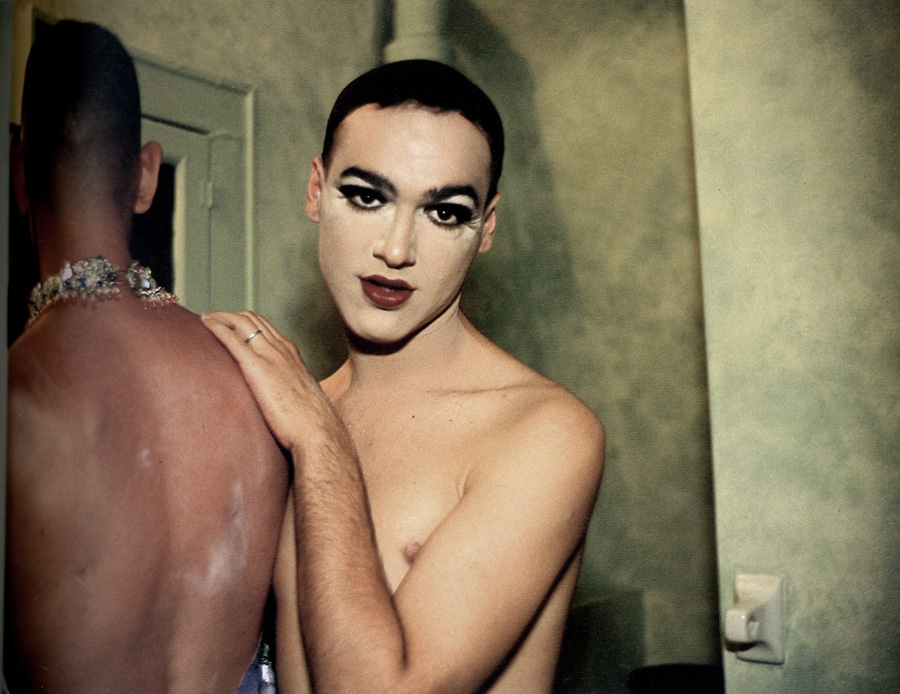
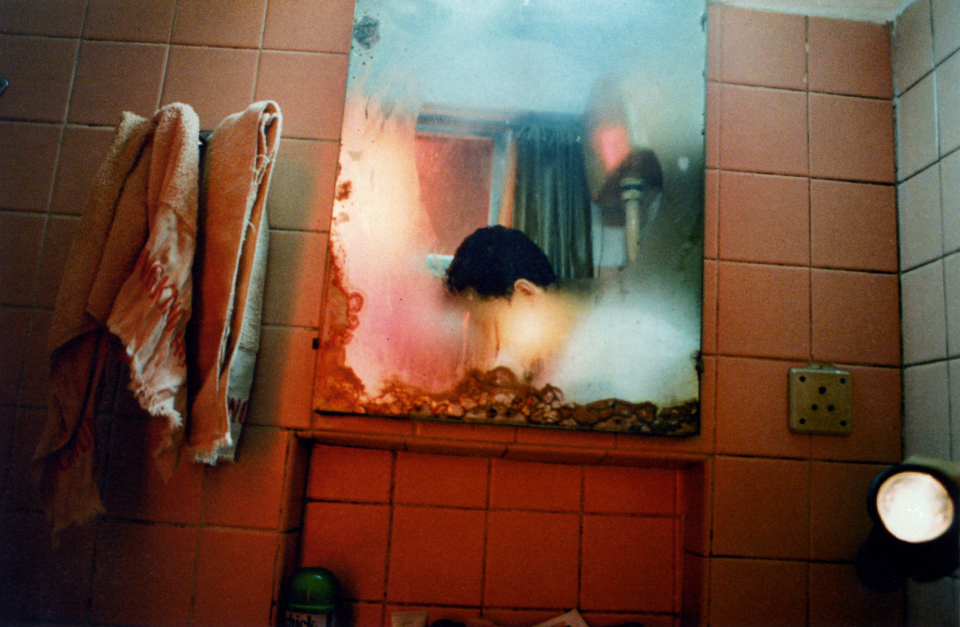
Although the idea behind the work isn’t new, many photographers are adopting the raw, gritty, and all-too-honest aesthetic of well-known photographers such as Ryan McGinley, Larry Clark, and Nan Goldin. You can’t browse Tumblr these days without coming across far too many photographs of beautiful, thin, nude people frolicking in the outdoors, disposable camera shots of drunken nights, and purposefully blurred and light-leaked film photographs. While these photographs have become increasingly saturated in the art world, it’s important to understand where this aesthetic came from, and take a look at the handful of photographers who started this new trend of gritty photography.
Ryan McGinley
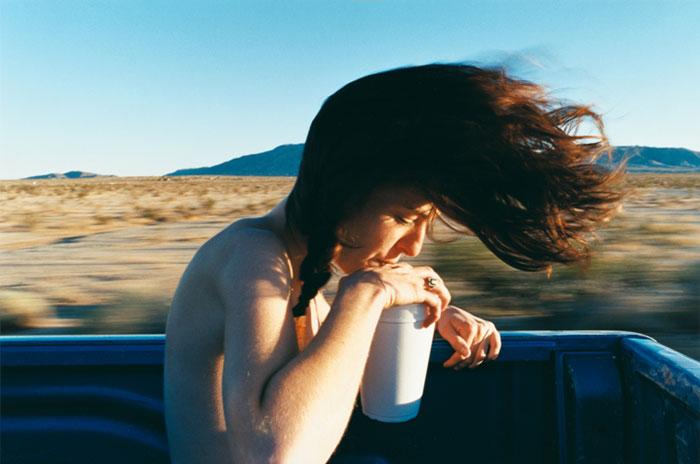
Ryan McGinley—famous for photographing beautiful, nude, seemingly fearless young adults in various locations across the country—is the perfect example of this aesthetic. Not only is everyone unbelievably gorgeous, he also doesn’t worry too much about the camera he is using as much as the final image. He plays with light and color, always creating an image that seems almost dreamlike yet at the same time so unbelievably real and honest. Although his models are beautiful, they often have imperfections—ranging from large scratches to crooked teeth.
Photograph by Ryan McGinleyPhotograph by Ryan McGinley
The varying tones and imperfect white balance speaks to the film aesthetic; since film is so unpredictable, the colors and tones of the image are also unpredictable. The unique colorcast of each image gives the photographs a more honest feel than they would have if they were all perfectly color corrected.
Larry Clark
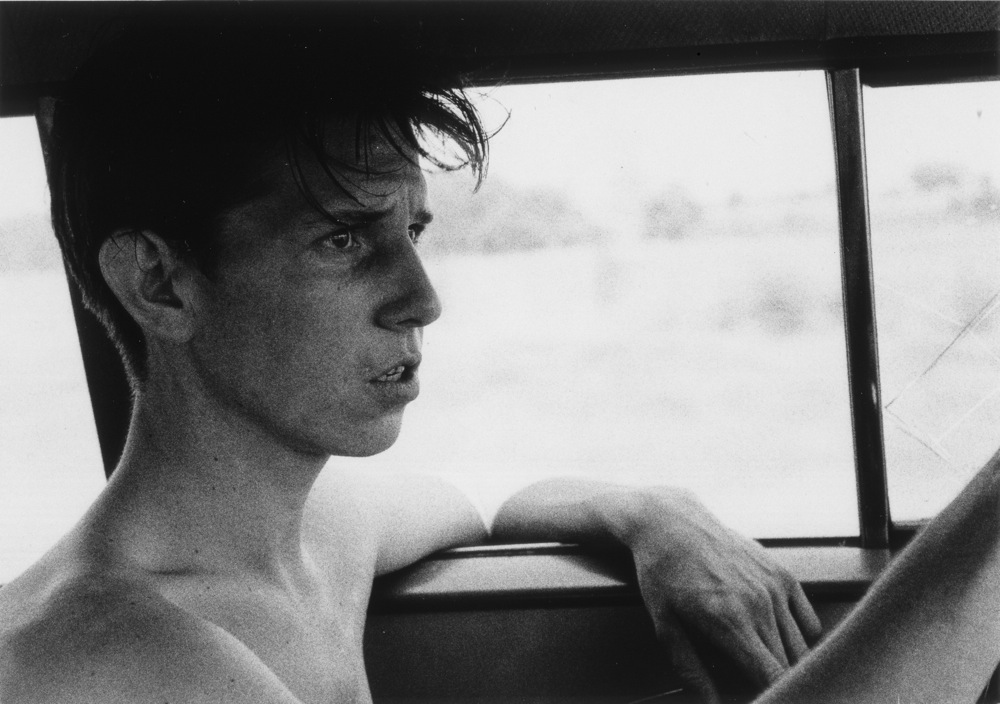
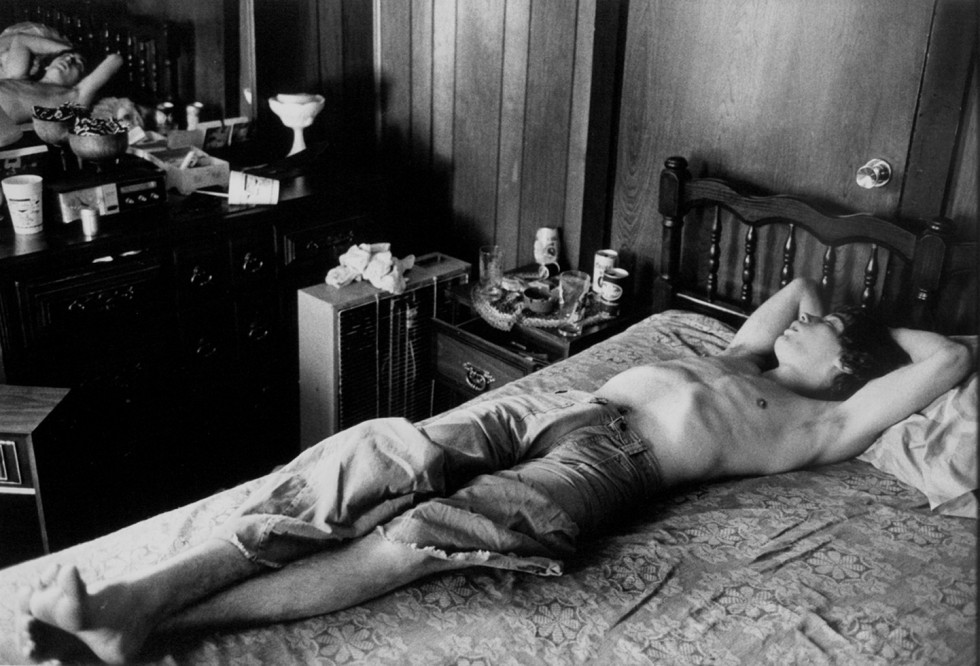
If you’ve ever seen the movie Kids (or even heard about it), you’ll know that Larry Clark is one controversial guy. His bodies of work often show an unrestrained view of teenage life in rural areas. These teenagers are often depicted nude, doing drugs, having sex, and holding guns. His work is often referred to as voyeuristic and exploitative, although it can also be viewed as intimate and honest. While many photographers aim to copy the gritty photographs of Clark, he truly photographed from the inside. In the introduction to his photo book Tulsa, Clark says “When I was 16, I started shooting amphetamine…once the needle goes in, it never comes out.” While the photographs of his life in Tulsa, Oklahoma ultimately made him famous, the sex, drugs, and rock and roll lifestyle is not one to be reproduced by everyone.
Photograph by Larry ClarkPhotograph by Larry Clark
Nan Goldin
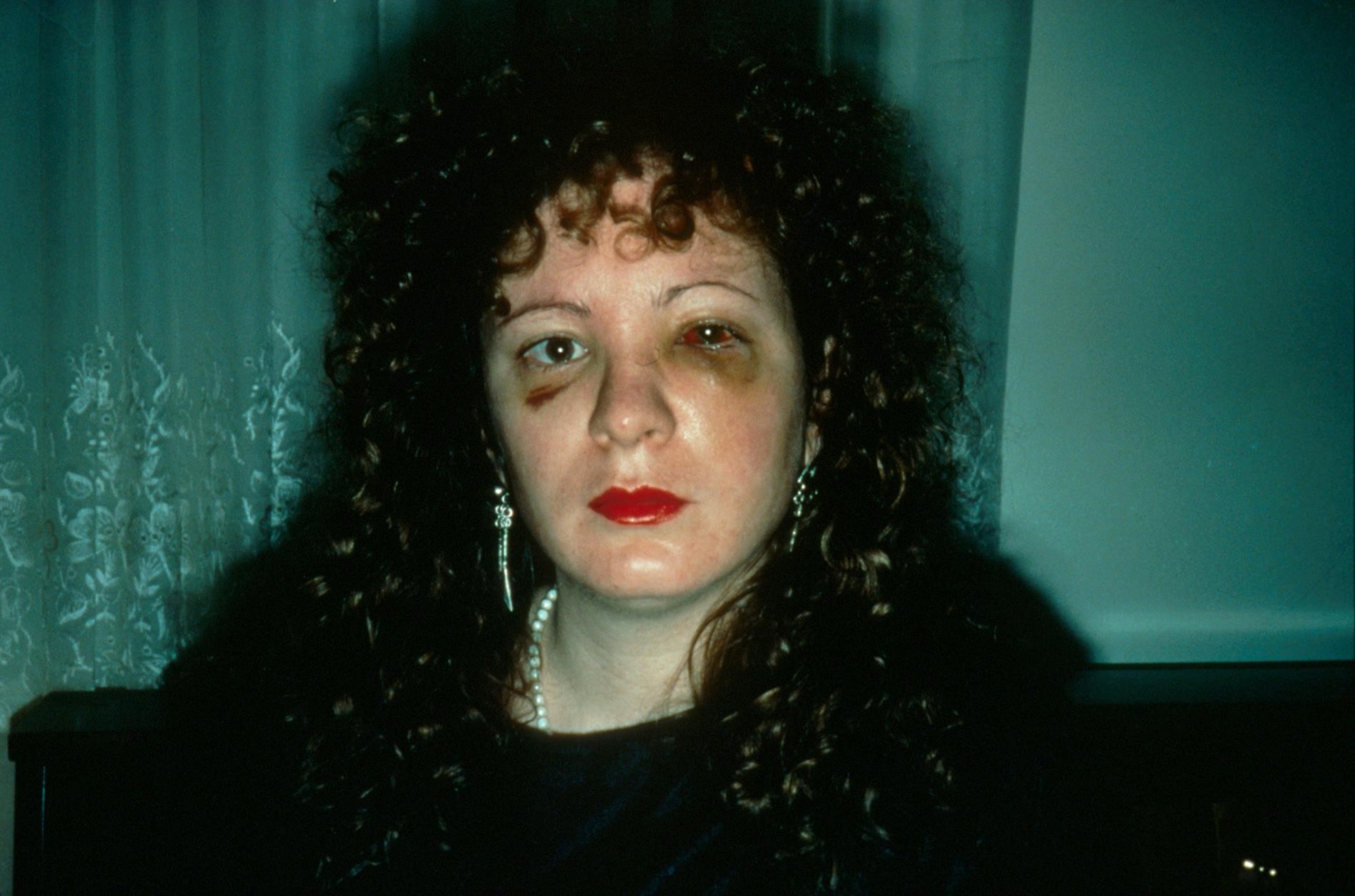
If you think you’ve never heard of Nan Goldin, take a look at this image:
Photograph by Nan Goldin
Familiar? Nan Goldin always seems to be at the wrong place at the right time (for photography). She hung out around all of the wrong people, lived a less-than-fairytale life, and yet young photographers around the world constantly praise her photographs. She photographs every little thing in her life, no matter how gritty or painful it may be. This level of dedication to her work allowed her to create a large body of work that is essentially a journal of all of her experiences, one that she has decided to share with the world. It’s truly an honest, gritty life that cannot be reconstructed, no matter how many people try. There is no next Nan Goldin, there is only the Nan Goldin.
Since the Internet is so saturated with young photographers’ ‘journalistic’ images, peering into the intimate details of people’s mundane lives slowly becomes less and less exciting. However, when you peek into Goldin’s body of work, you can instantly tell that her life is anything but mundane. She fabricated nothing, she simply lays it all out on the table, not caring whether it is accepted or rejected.
Photograph by Nan GoldinPhotograph by Nan GoldinPhotograph by Nan Goldin
Corinne Day
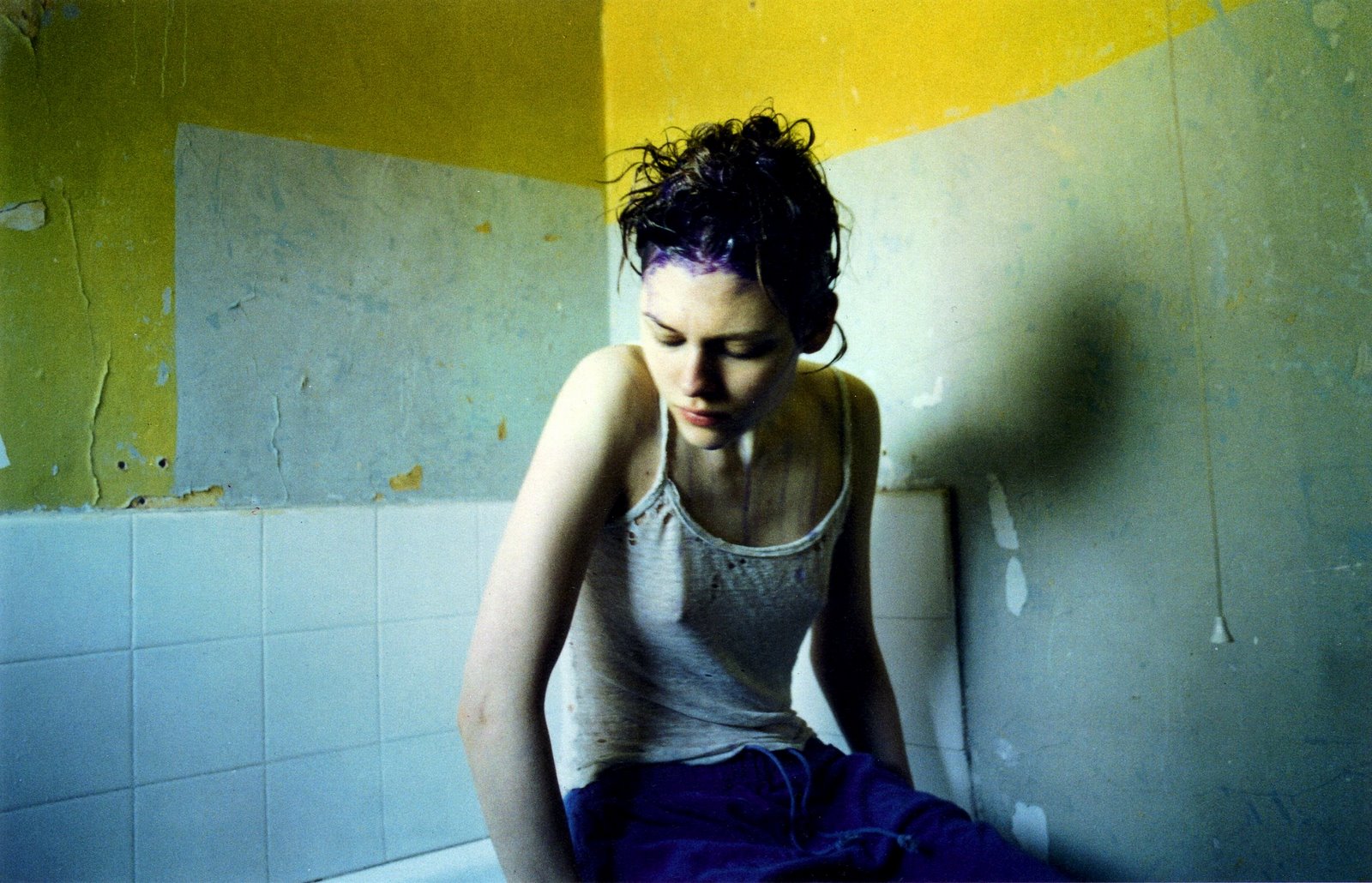
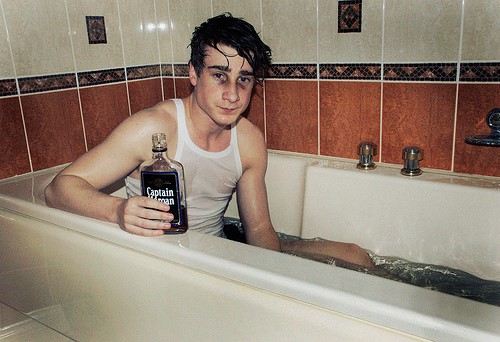
Corinne Day is another photographer known for her personal, diary-esque way of shooting. The snapshot aesthetic is abundant in her body of work, making it clear that instead of posing and constructing moments, she simply snapped photographs whenever and wherever it seemed fit. True to the gritty styles of Goldin and Clark, she leaves no subject untouched, no intimate moment left un-photographed.
Photograph by Corinne DayPhotograph by Corinne Day
This raw, journalistic aesthetic doesn’t seem to be ending anytime soon. While many new photographers are taking tips and styles from the pros—such as playing with cross-processed film, light leaks, and shooting on disposable cameras—many of them seem to be leaning towards the more beautiful aspects of life. Photographs of beautiful models wandering through forests and images of rumpled bed sheets litter the Internet, although there are those who feel as though they need to get a little grittier, a little more voyeuristic with their shots. Which photographer do you think most young photographers are mimicking these days? Does the fame of photographers such as Nan Goldin and Larry Clark somehow glorify the less-than-ideal lifestyles they have chosen? It is always interesting to think about what trend will come next.
Are you interested in seeing some of the projects you my be working on? Depending on your course path, projects can vary. Visit our Photography School page and see what interests you!
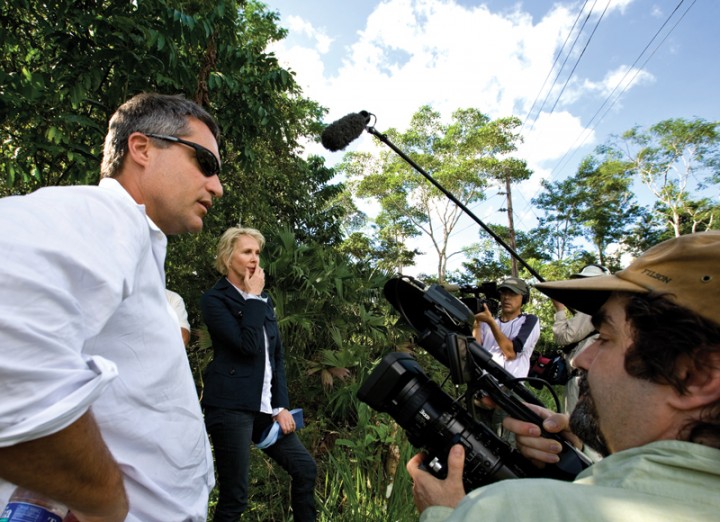
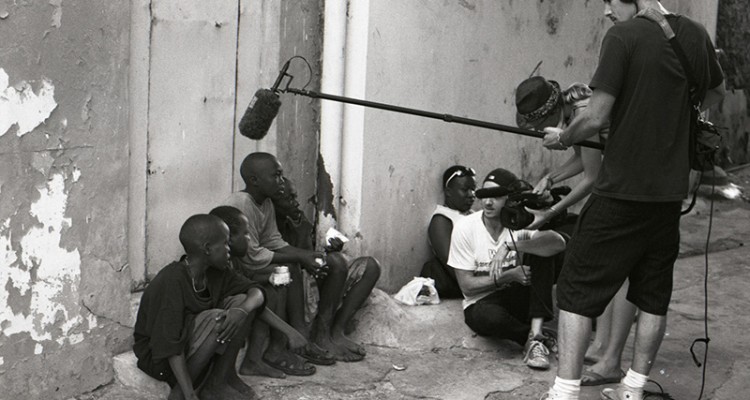
Documentary filmmakers are lurking in murky waters when it comes to ethical challenges. They are aware that boundaries need to be set and that there should not be an abuse of power, yet there aren’t any clear solutions to ethical challenges. These filmmakers are conveying a message and they obviously need material that supports that message so if they have the right material but not the right emotion, they may ask to redo an interview that takes someone to their breaking point. This scene creates a powerful impact for everyone involved, the subject and the filmmaker in the moment and also to all of the viewers who witness this scene. There are many people in the industry who are calling for more parameters when dealing with ethical challenges.
There are three main ethical challenges that arise for documentary filmmakers; their subjects, viewers, and their envisioned artistic presentation. As of now, there isn’t a specific documentary code of conduct for ethical standards, simply a floating version that most, but certainly not all, abide. Some of these ethical codes that are universally adopted include doing no harm, protecting the vulnerable, and honoring the viewer’s trust.
Ethics are certainly the baseline of most documentary films given the content and the realism of these projects. Filmmakers are documenting real people, with real issues that generally come from dark places to shed light on the focus and bring it to the world’s attention. If these matters were light, there may not be such a need for an ethical code of conduct but when dealing with people who have been brutally beat and are retelling their story for the public to hear first hand, these subjects certainly need to be protected.
As of now, most filmmakers make their ethical decisions on a case by case basis. Some filmmakers felt there wasn’t a need to protect certain subjects because the harm inflicted was self-induced or those subjects have access to the media and representing themselves in the eye of the public such as a celebrity or politician. Filmmakers also admit to rearranging facts and sequences of events in order to tell a more effective story that actively captured the overall truthfulness of what is occurring.
Matters are complicated with financial pressures, productivity and deadlines, and social pressure. Dealing with ethical challenges needs to be regulated with emphasis on these issues rather than relying on each filmmaker’s independent moral compass. One of the ways to achieve such an understanding would be to openly discuss these active ethical challenges that filmmakers confront regularly and develop a common understanding of how to balance the demands of external factors (funding, production, deadlines) with the conservation of subjects and preservation of facts.
Ethics aren’t the only challenge while working on a documentary; many others can pop up along the way that can cause headaches and delays. At NYFA, we educate our students on what they can expect so they’re ready when problems arise. Explore our Documentary Filmmaking page to learn more.
If you plan on being a musical theatre performer, your audition book is one of the most important things you’ll own. You need to fill your book with the right cuts for nearly every audition. While finding the perfect song is something a performer has to do for his or herself, the way to construct your book doesn’t have to be a mystery. Once you know what you’re looking for, you can begin the hunt for the perfect pieces.
What Your Book Needs To Be
Your book should be a three ring binder that is not too big, but also not too small. Stay away from anything over 3 inches or under 1.5 inches, as they become difficult for the accompanist to handle. All music should be organized by section or alphabetically, really whatever works best for you as long as there is a method to the madness. If you’re asked to find a piece, you’re going to want to be able to find it quickly. Music should be clearly labeled, and markings need to be very clear on the music itself. Plastic page protectors are the standard, and the non-glossy version will insure that your accompanist is able to see under any lighting.
What Should Be In Your Book?
Your book needs to be your best current material. Current being the key word, as you could be asked to sing any piece that you bring with you into the audition room. If a director isn’t hearing exactly what they need from you, it is common for them to ask what else you have brought. This is why your book needs to be comprehensive enough to cover all the bases. Cuts can either be 32 bars or 16 bars, and having one of each for a song will allow a selection to be more versatile for auditions. Keep in mind that a 16 bar should be around 30 seconds, and 32 bar cuts closer to a minute.
Categories are as follows:
Contemporary musical theatre – uptempo and ballad
Classical musical theatre – uptempo and ballad, at least one Rodgers and Hammerstein piece
Pop/Rock/Country – a mix of two or three pieces showing off pop vocal styling, tailor these toward different types of modern shows such as Rock of Ages or Rent
Jazz – consider having a blues piece as well as an uptempo jazz song depending on your vocal abilities
Go-To Pieces- these should be your two most polished 32-bar cuts, usually an uptempo and a ballad
Comedic – one or two pieces that you know are funny, whether it be the writing or the way you are performing the piece
Disney – Disney songs have a very specific feel and vocal styling, if you’re going to audition for a Disney show you should have one in your book
Each of the categories listed above have their own specific vocal styling to go with them. It will not help you to have a classical musical theatre section in your book if you choose to sing it in the style of contemporary musical theatre. You need to keep these styles separate, and know your abilities before going into an audition. Directors are often frustrated by auditions where the actor chooses to do a piece in a style that is not helpful for seeing them as a possible option for a role. It is your job as an actor to familiarize yourself enough with the show you are auditioning for, in order to sing a piece that is appropriate in both content and style.
What Songs Should You Sing?
While the number of songs in each style you should have in your book is a debatable issue, having two pieces usually keeps you in a safe range for auditions. You never want to be the actor that doesn’t have anything the director is interested in hearing. This is also a reason to keep your book organized, as you may need to pull something out very quickly in an audition setting.
As an actor, the content of your book is up to you. Finding the cuts that fit your personality and type will be one of the most difficult things you have to do, but once you find something you will know that it feels like a fit. While having a song option enter your realm of consciousness is something that is sometimes out of your control, there are many aspects of your book you can stay on top of. Mark your cuts clearly and cleanly, or you’ll end up with an angry accompanist, and you never want that. Practice your material, keep things looking clean, stay prepared with pieces for any audition, and eventually every song in your book will become as easy to go back to as your favorite few cuts.
From musicals to monologues to dance routines, our musical theatre students work on a variety of projects throughout their time at NYFA. Check out our Musical Theatre Program page to learn more and discover our variety of programs.
After last year’s hit, NBC’s The Sound of Music Live, NBC and FOX are bringing us two more live musicals with Peter Pan Live and Grease Live, respectively. NBC has also acquired the rights to bring their own version of The Music Man to television sometime in the near future. With TV musicals becoming a viable option for musicals that may not be commercial enough for a full-scale Broadway revival, here are some other shows that may be due for their own one-night remount, and some stars that might (capable of acting, or not) lead them.
4. Little Shop of Horrors
The two lead roles in this musical make the stunt casting options pretty endless. If they cast a solid pop star to play Audrey and a celebrity to voice the evil flytrap-like plant Audrey II, viewers would be sure to tune in. There is a pretty solid movie version in existence, but it’s arguable that all of the shows being chosen have iconic films associated with them. The music is catchy, and the show is a fun cult favorite.
Possible casting: Lady Gaga as Audrey
She went to NYU, and her life is basically performance art, so this role shouldn’t be too difficult for her to act. With a voice that has shown wide versatility, and the ability to give a solid live performance, Gaga is an obvious choice for the role.
3. Bye Bye Birdie
Nearly every community theatre has done this show, and it’s easy to see why. Americans have a soft spot for the 1950s, and it doesn’t get much more stereotypical than Bye Bye Birdie. The content is clean enough for the whole family to enjoy, and a show about a celebrity singer makes things easy for casting. There are a large number of roles in the show, allowing for well-known actors of different age groups to show their stuff. Get the right guy to play Conrad, and every tween in America will be tuning in.
Possible casting: Any member of One Direction as Conrad Birdie
While it’s unclear which member of the boy band would be able to pull off the role best vocally, casting any one of them would bring a ridiculously large fan base to the show. They would be playing a pop/rock star that makes girls cry and faint, which wouldn’t be a far stretch from their day-to-day lives.
2. Hello, Dolly
Barbra Streisand did it, and most musical fans know the interpretations done by her and Carol Channing in the role of Dolly Levi. This show is a star vehicle, and you need someone who is up to the challenge. A throwback like The Music Man to a simpler time and place, Jerry Herman’s score is one that deserves to be heard again. It may not be a musical to keep kids entertained, but the nostalgia felt in seeing this musical again is sure to please the older generations.
Possible casting: Bette Midler as Dolly Levi
She is a great actress, and more than capable of pulling off this role. While Midler has said she wouldn’t like to do a full 8-show Broadway run at this point, this would be a perfect showcase for her talents.
1. Beauty and the Beast
In order to get this one to happen, ABC really needs to join the TV-musical party, but who doesn’t want a live version of Beauty and the Beast? The Disney musical catalog gives ABC the ability to grab the family market in a way that no other company could. It wouldn’t be the first time ABC developed their own version of musicals, as they did shows like Annie with Audra McDonald and The Music Man with Kristin Chenoweth in the late 90s and early 00s. Casting options would be endless, and the ability to cast a celebrity in an acting-heavy role of the beast might allow them to get someone for Belle who could really do the vocals justice.
Possible casting: Ariana Grande as Belle
Ariana is one of the top up-and-coming pop stars right now, and is very familiar with the world of musical theatre. After performing in the Broadway ensemble of the musical 13, she made her transition to TV and music. She has stated many times in interviews that she loves musical theatre and would like to return to it, and what better way than a TV performance for a busy star on the rise?
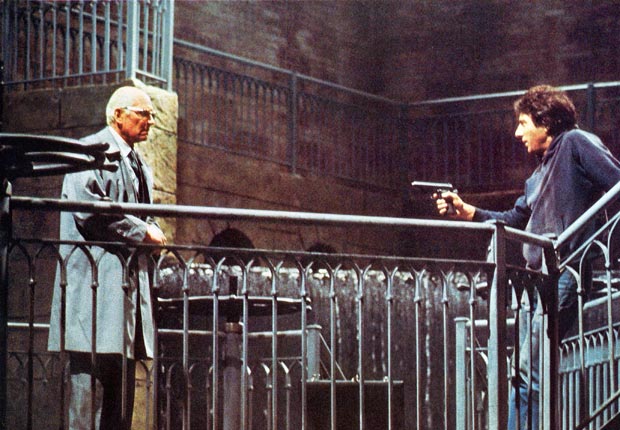
When Dustin Hoffman was on set for Marathon Man, one scene in particular called for his character to appear as if he suffered from extreme exhaustion. To simulate this, Hoffman stayed up for three days straight… to which costar Laurence Olivier responded, “My dear boy, have you tried acting?”
It may or may not be rooted in fact, but it’s an excellent anecdote nonetheless.
Of course, it was okay for Olivier to dispense such pithy advice – he was one of the greatest actors of our time – but it’s not always as easy for the rest of us (or, perhaps, Dustin Hoffman).
With the spirit of the late, great Laurence Olivier in mind, here’s the best acting advice you very rarely hear.
Know What the Hell is Going On
An actor’s job is to follow cues and give a strong performance as required by both the script and the director. That’s your base duty; you’re not going to gain any extra points or commendation for fulfilling this.
Want to become the apple in the eye of every director, cinematographer and camera guy you work with?
Know your technical stuff. All of it.
It’s one thing to hit all your marks every time and never fluff a line, but it’s another to be conscious (and conscientious) of everyone on set, the technical limitations they’re working with, and what they’re trying to achieve.
Know what lenses that guy is working with, and what that means for you in the frame. Know the lingo the director is yelling to the sound technician so he or she doesn’t have to take time out to relay it to you in simpler language. Be ready and able to converse with the writers, editors and producers at their level; be on the same page as everyone, rather than the lemon standing in the corner waiting for someone to shout ‘action’.
Getting this comfortable on set is a big undertaking and will almost certainly require a spell at film and acting school, but it’ll pay dividends. They’ll love you for it.
Take Music Lessons
What’s that? You don’t want to do musicals on Broadway?
It doesn’t matter.
Even if you have no intentions whatsoever of singing a single note, you should check in with a tutor. We’re not saying that you have to spend weeks studying the craft – even just a few rudimentary lessons will do – but being able to apply a knowledge of cadence and tonality can add an extra level to your ability to read lines.
Picking up a brand new creative skill in performance arts can also do wonders for your confidence, so consider finding a singing tutor or even taking some piano lessons and getting some musical theory under your belt.
Controversy Sells
Sad but true: the most talked about and ‘sellable’ people in the entertainment industry (both in music and film) are the ones who know how to cause speculation and/or outrage.
If you want to raise your profile and aren’t precious about your reputation, go full tilt on every performance you give.
Even if you don’t want to play it dangerous with your role (possibly if you sense the director won’t have any of it), that doesn’t mean you can’t be controversial elsewhere. Eccentric interviewees make for viral-worthy material, and outlandish sound bites make it easier for journalists and bloggers to write headlines about you.
Remember, however, that it’s a volatile game to play. There’s a big difference between fame and infamy.
Pretend to Be Confident
The majority, if not all, actors are human beings too. As such, performance anxiety or feelings of not being good enough are common.
The secret to overcoming such moments and gaining a confidence boost? Simply pretend to be confident – psychologically speaking there’s absolutely no difference between assumed confidence and genuine confidence, and an actor has all the skills they need to pretend.
Lastly, Enjoy the Ride
Most acting advice revolves around how to better your craft and, by extension, your career. Quite often, we forget to count our blessings.
Your acting career may not be quite where you want it, but nobody’s ever is. Conversely, there are an extraordinary amount of people who’d kill to be at your level and doing the things you do.
All the world’s a stage. Never forget this, and enjoy the ride.
Manage Cookie Consent
This website uses cookies to improve user experience. By using our website, you consent to all cookies in accordance with our Cookie Policy.
Functional
Always active
The technical storage or access is strictly necessary for the legitimate purpose of enabling the use of a specific service explicitly requested by the subscriber or user, or for the sole purpose of carrying out the transmission of a communication over an electronic communications network.
Preferences
The technical storage or access is necessary for the legitimate purpose of storing preferences that are not requested by the subscriber or user.
Statistics
The technical storage or access that is used exclusively for statistical purposes.The technical storage or access that is used exclusively for anonymous statistical purposes. Without a subpoena, voluntary compliance on the part of your Internet Service Provider, or additional records from a third party, information stored or retrieved for this purpose alone cannot usually be used to identify you.
Marketing
The technical storage or access is required to create user profiles to send advertising, or to track the user on a website or across several websites for similar marketing purposes.
To provide the best experiences, we use technologies like cookies to store and/or access device information. Consenting to these technologies will allow us to process data such as browsing behavior or unique IDs on this site. Not consenting or withdrawing consent, may adversely affect certain features and functions.
Functional
Always active
The technical storage or access is strictly necessary for the legitimate purpose of enabling the use of a specific service explicitly requested by the subscriber or user, or for the sole purpose of carrying out the transmission of a communication over an electronic communications network.
Preferences
The technical storage or access is necessary for the legitimate purpose of storing preferences that are not requested by the subscriber or user.
Statistics
The technical storage or access that is used exclusively for statistical purposes.The technical storage or access that is used exclusively for anonymous statistical purposes. Without a subpoena, voluntary compliance on the part of your Internet Service Provider, or additional records from a third party, information stored or retrieved for this purpose alone cannot usually be used to identify you.
Marketing
The technical storage or access is required to create user profiles to send advertising, or to track the user on a website or across several websites for similar marketing purposes.