Writing Tips: How To Write A Flashback

Flashbacks are creative ways to give the audience information about previous events that is needed in order to develop storylines and to understand the actions of characters throughout the feature. Some writers are more liberal with their flashbacks, creating an entire episode or film using almost only flashbacks while others are more conservative, using flashbacks only when necessary.

Flashbacks correlate with the present generally to justify or to explain the character’s actions in the present. Recalling a significant event from the character’s past can be shown visually, providing significant clues or revelations regarding the character’s motivations. This significant event can portray any type of experience: grieving, happy, shameful, mysterious, troublesome, terrifying or sexual.

Flashback Techniques

It is crucial for the screenwriter to choose the precise moment where a flashback is needed in the context of the script, the exact moment where the screenwriter opens the doors to let the audience into the character’s past. As a screenwriter, you must be mindful that the transition is seamless rather than jolting the audience from the present to the past, and back again into the present like a rickety roller coaster. Techniques that offer a smooth transition include looking at a photograph, hearing a song, or looking off into the distance to a setting that resembles the character’s past. All of these examples trigger a memory that smoothly carry the character into the past.

Here is an example of a flashback from the movie The Sixth Sense:


FLASHBACK – CROWE RESIDENCE

Violent gun shots ring through the bedroom.

Anna rushes across the room to a crumpled Malcolm laying on

the floor. Malcolm’s hands are clutched at his side.

INT. LIVING ROOM – NIGHT – PRESENT DAY

MALCOLM

 (screaming)

Anna!

Transitioning Layout

In the above example, the word FLASHBACK is used to indicate that the scene that follows is a flashback. Then, the scene is written and formatted like any other scene. When it is time to transition back to the present, the words PRESENT DAY are used to indicate that the script is now leaving the flashback and returning to the present moment.

Perfecting the Craft of Flashbacks

The best way to learn how to write flashbacks in your screenplay is to read other screenplays and watching the films. You will see how other screenwriters have incorporated flashbacks into their screenplays and how they manifest in real life or on the big screen. You will see where flashbacks have been effective and where they fall short so that you can avoid those pitfalls.  Some screenplays that have successfully incorporated flashbacks include Men in Black 3, The Godfather 2, and Slumdog Millionaire.

There may be many drafts in between because a flashback can make or break your screenplay. Choose wisely when and if you need a flashback and how to execute the flashback in your writing.

Green Filmmaking: Producing Carbon-Neutral Movies

Historically speaking, the movie industry doesn’t have a fantastic reputation when it comes to creating art in an environmentally friendly manner. 

It probably comes as no surprise that massive blockbusters generate a lot of carbon emissions during production, but the scale of which is nothing short of exasperating. To take 2007’s The Dark Knight as an example, the production team burned through half a million dollars’ worth of gasoline and a full million dollars worth of building materials for props and sets. In addition, many of the 900-strong production team were flown between the US, England, and China in order to film subsidiary scenes there.

To boot, many businesses were urged to leave their lights on so Nolan could make the most of Hong Kong’s night skyline.

There’s a reason why Hollywood is perpetually shrouded in smog; as revealed in a University of California study, movie production generates more pollution in the area than any other major industry (including manufacturing and hospitality). Only fuel refining topped this.

However, with a heightened awareness to global warming and sustainability issues in recent years, filmmaking is beginning to wake up and follow suit. Not only are there more movies and documentaries centered around sustainability as subject matter (think Wall-E, An Inconvenient Truth, Avatar, et al), but filmmakers —both A-list and hobbyist—are beginning to think more consciously about green filmmaking while on set.

Ways to Improve your Green Filmmaking

In a nutshell, green filmmaking involves reducing or offsetting emissions so that the entirety of the production can be deemed “carbon neutral.” Understandably, this isn’t an easy thing to achieve; it was only until 2006’s political thriller Syriana that this goal was realized, and only a few truly carbon neutral movies have followed since: An Inconvenient Truth, The Day After Tomorrow, Sweet Land, and The Day The Earth Stood Still (the remake) are the only titles we’re able to verify.

If you’re in the business and looking to increase your green filmmaking credentials (or even join that tiny list), there are a few easy and financially viable things you can do:

  • Water Bottles. Even on small productions, there are hundreds of the things lined up on tables and in hospitality areas and recycling them all at the end of a shoot doesn’t do much good (they’ll only be recycled into more plastic products before eventually ending up in landfill). There are a few manufacturers who claim to produce 100% carbon-neutral water bottles, but it’s worth asking all crew members to bring in their own reusable bottles since this will also shave a little (or a lot) off the production budget. Biodegradable plates and utensils are also a good idea.
  • Hire a consultant. This can be a little on the pricey side, but having an eco consultant is the most effective—and arguably only—way of getting your production to the magic carbon neutral mark. Having a dedicated consultant to analyze every aspect of the project in great detail also frees you up to focus on your craft with a clear conscience.
  • Do research. If you’re not in a position to bring in a consultant to handle all the sourcing for materials and equipment, do spend a little time doing some research yourself. It doesn’t take long to check out the green credentials of the companies you’re working with and buying from—even a quick Google search will usually tell you everything you need to know.
  • Shop local. Travel can be one of the biggest CO2 contributors in all stages of movie production, so it makes a lot of sense to try and cut down the amount of locations involved and hire as many professionals from that area as possible, rather than have them fly from around the globe.
  • Go hybrid. On the topic of travel, car journeys can cumulatively rack up a lot of spent gasoline over the course of a project, particularly on larger productions. Opt for vehicles that are more economical rather than gas-guzzling SUVs and the like.

Don’t forget that many states provide tax incentives for those practicing green filmmaking, so do look into tax breaks for the areas you’ll be working in. Even if there isn’t a precedent there already, it’s worth reaching out to officials anyway and begin negotiations. After all, they’d rather have you in their state rather than any other.

Get In The Competition!

Helping the planet is its own reward, but adding a little competition doesn’t hurt either. If you’re as green as the freshly grown grass, you may want to consider putting your work up for judgement in one of many festival competitions that exist to celebrate green filmmaking. Some of the more prominent ones to consider include:

More Green Filmmaking Resources

  • Greenshoot – A useful depository of tips on green filmmaking and tales from the field.
  • Green Filmmaking – Although the competition hosted here is solely for Dutch filmmakers, there are plenty of videos and workshops which are universally applicable.
  • The Wild Classroom – Need technical help on going green while choosing equipment and shooting? Hit these guys up.
  • EcoIQ – A list of resources and businesses that can help you make your production more green.

Learn more about how you can reduce your carbon footprint in NYFA’s One-Year Producing Conservatory Program.

Making Bond Pretty: Skyfall Sequel Ups Its Cinematography Game

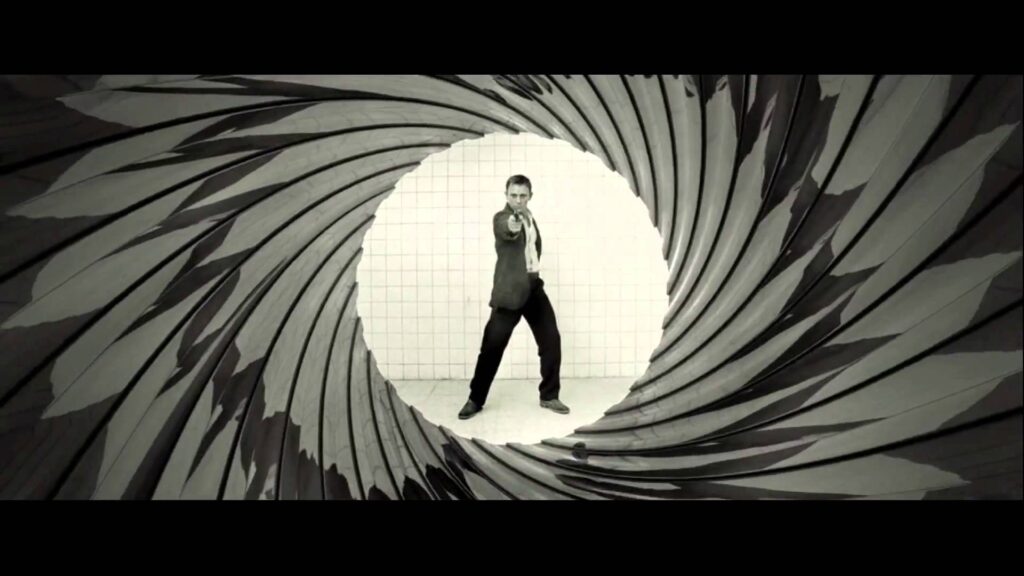
Daniel Craig as James Bond

James Bond just scored a new secret weapon, and it’s not one of Q’s exploding pens. Bond 24, the still-untitled Sam Mendes follow-up to the smash hit Skyfall has locked in its Director of Photography—Swiss cinematographer Hoyte Van Hoytema. Van Hoytema first made himself known shooting the Swedish vampire drama Let the Right One In before being nominated for several awards for his work on Tinker Tailor Soldier Spy. It was the vibrantly colorful cinematography of Her, however, where Van Hoytema proved his genius by somehow making extreme close-ups of Joaquin Phoenix’s mustached face breathtakingly beautiful.

Van Hoytema has big shoes to fill. Skyfall was DP’ed by Roger Deakins, who kept 007’s cinematic hot streak going with mesmerizing Shanghai oranges, mournful Scottish blues, and an adrenaline-drenched fistfight silhouetted against a hi-def psychedelic light show. Bond’s latest plot twist might actually lie in the fact that by even trying to visually top his spy game masterpiece, Sam Mendes is redefining what kind of movie a Hollywood blockbuster can be.

From the very first go-around in 1962’s Dr. No, Bond films have prided themselves on epic locations and setpieces that make Hollywood blockbusters hang their heads in shame. But until recently, storyboarding those setpieces was more focused on what was being blown up rather than how to frame it being blown up.

The Daniel Craig-era Bond movies didn’t just reboot the series with a gritty origin, they rebooted it stylistically. In the age of Blu-ray and dawn of 4K, the look of a film is more important than ever. Audiences can’t—or won’t—be wowed by a car barrel-rolling over a river anymore unless the camera moves following it are just as exhilarating. Static shots can be exciting too—again, look at that Shanghai fistfight, or Bond’s iconic black and white killshot at the start of Casino Royale—if the right person is at the helm.

Even placing a movie like Her in the same sentence as a loud action sequel is somewhat revolutionary for big budget tentpole productions. A lot has been said about “smart” popcorn movies like the The Dark Knight and the newer 007 films. Hopefully, studios will recognize audiences respond not just to smart scripts but smart shots, not just to great acting but great framing. There are so many ways a film can stimulate the brain—it only makes sense for Hollywood to try using all of them.

We won’t know what Hoyte Van Hoytema will bring to Her Majesty’s Secret Service until November 2015, or at least until the first teaser for Bond 24 comes out. But Van Hoytema’s next project comes out a full year earlier, this November, and it might give us a hint at what he can do with a massive budget when Christopher Nolan’s Interstellar hits theaters. That popcorn is tasting—and looking—better already.

Photography Jobs: Career Path Glossary

Photography as A Career

This article is intended as a reference and does not represent a guarantee or implication that NYFA graduates or others reading this article will obtain a job in their chosen career nor can salary be predicted since each job and the salary associated with it depends on the individual attributes of each applicant and on circumstances not within the control of any applicant.


Want to get into photography but not sure what area to specialize in? We’ve compiled a glossary of the best photography jobs, including the pros and cons of each.

We’ve also listed the difficulty level of each area, denoting how hard it is to break into it, as well as the typical career path people take to get into it (be it via on-the-job experience or through NYFA’s hands-on, intensive photography programs or a related degree.)

Given that many photographers work freelance, income can vary wildly from person to person (as well as location to location, and year to year), so references to earnings should be treated as very rough estimates only.

Fashion Photographer


Fashion photographers are usually deemed the rock stars of the photography world, but you’re just as likely to be shooting catalog items en masse than sitting catwalk-side at the New York Fashion Week.

Career Path: Not only are contacts vital, but photography qualifications are also virtually essential. Location is important, too; you’ll have more luck in New York or London than in rural Iowa.

Pros: Beautiful models, lots of travel (if you like that kind of thing) and the chance to exercise a lot of creativity.

Cons: It’s one of the most cutthroat, high-pressured industries in existence, and it’s usually not very glamorous.

Difficulty: 9/10

Stock Photographer

Want to shoot thousands of photographs of a meticulously made-up office workers looking happy/sad/frustrated/tired at their desk? If so, becoming a stock photographer is definitely the job for you.

Career Path: Nearly all photographers apply strong technical knowledge in a freelance capacity, and license their works through major stock agencies (Shutterstock, et al.).

Pros: The earnings can be off the chart if you build up a massive library and strike lucky with some highly resellable images (and that’s the thrill of the chase).

Cons: The majority of your hard work will only earn you a few cents per photo (if anything), so it can take years to get to a liveable wage. The industry is also ever-changing and very volatile.

Difficulty: 6/10

Wildlife Photographer

As technically challenging as it is rewarding, wildlife photography has become more accessible thanks to the advent of cheaper travel and equipment costs. However, there’s not always enough work to turn it into a full time gig.

Career Path: Formal tuition in photography essential, given the variance in skills needed while out in the field.

Pros: Extreme job satisfaction.

Cons: Low pay. Potential for life-threatening danger, both in terms of the wildlife you may encounter and the politically unstable areas the job could take you.

Difficulty: 7/10

War Photographer

If getting lens-to-nose with a 400lb Bengal tiger sounds a little too dangerous, you might want to avoid the most dangerous job in the entire photography industry. 

Career Path: Most people looking to get into war coverage generally work their way into a media or newspaper role before transitioning over. Degrees in either photography or journalism (ideally both) can get you up the career ladder a lot quicker.

Pros: It’s exhilarating, to say the least. Plus, it’s unlikely there will ever be a shortage of work (and not all assignments put you in harm’s way.)

Cons: The main downsides of war journalism as fairly apparent. International laws rarely offer much protection, and the worst damages you risk are often more than physical. Also consider that you’ll spend most of your time filling out paperwork in order to get access to the areas you’re looking to cover.

Difficulty: 6/10

Wedding Photographer

An area with plenty of well-paying work (as long as you don’t mind the seasonal nature of it), wedding photography is a very people-centric area of the industry which requires competency in post processing and the need to think outside the box during the shoot. Being a $3 billion dollar industry in and of itself, any fears that business will fold due to the advance of amateur photography have long since been abolished.

Career Path: The majority of wedding photographers start off as hobbyists and hone their craft for years until they’re good enough to offer their services, at which point it’s a case of building up a client base from scratch. Naturally, people skills are just as important as technical skills.

Pros: It’ll keep you on your toes as a photographer, with every shoot presenting its own problems to solve and opportunities to work your magic.

Cons: You really need to love the job, otherwise the parade of weddings can start to feel like a factory line (which is no way to feel about what is supposed to be a creative job). It can also be a very long day on your feet, in the sun, in what is often a high-pressure environment.

Difficulty: 3/10

Fine Art Photographer

One of the most spurious and difficult to define genre in the photography industry, working in fine art photography is one of the most creative ways in which one can make money with their craft… but it’s also one of the most difficult to earn money in.

Career Path: Given that a lot of success in the creative arts is down to catching a lucky break, a college degree in fine art won’t help in and of itself but it will help you expand your network of connections and add a bit of gravitas behind your portfolio. You’ll also need superb technical skills in order to bring your artistic vision to life.

Pros: The feeling when you pay rent with your first photo sale or open your first gallery space is pretty hard to beat. There’s also a growing demand for fine art photography.

Cons: As above; it’s remarkably hard work to build up career momentum and earn a sellable reputation, especially if your work isn’t particularly commercial in nature.

Difficulty: 10/10

School Photographer

If you’re not up for working with animals as a wildlife photographer, why not work with kids as a school photographer? Granted, common wisdom dictates that you should never work with either, but a job in school photography can be exceptionally rewarding.

Career Path: As with wedding photography, school photographers often start out as hobbyists before specializing in this area. An established background in working with children will make getting into the industry easier.

Pros: If you love working with kids, it’s a dream job. You will also have the scope to pick up work in baby photography, which can be lucrative.

Cons: Getting the best out of a child for a shoot is famously difficult; not only that, but you’ll have hyper-critical parents judging your work afterwards. Repeat the process ad nauseum.

Difficulty: 4/10

Medical Photography

Requiring a high level of technical skill and even medical training, medical photography is not something photographers tend to fall into (and it’s certainly not for the faint of heart). But if you’ve got the skill for it and don’t mind a bit of real-life gore, it’s an exceptionally well-paid field.

Career Path: A degree in photography is pretty much essential, and formal medical training may also be a prerequisite for certain positions.

Pros: Contributing to works which advance medicine and help save lives is it’s own reward, but the pay isn’t too shabby either.

Cons: In terms of creativity, it’s about as sterile as the environment you’ll be working in.

Difficulty: 8/10

Photomicrography

Being able to capture incredibly tiny objects – ranging from small insects to drops of water and even things on a cellular level – is as technically challenging as it is artistically creative. It’s frequently referred to as microphotography, though technically this is a misnomer since a microphotograph is the art of shrinking physical photographs down to a microscopic scale.

Career Path: One significant barrier to entry is having the equipment necessary to take photographs on a nano scale.
Pros: If photography is all about seeing everyday objects in a different way, then photomicrography is pretty much the epitome of this.

Cons: Can be extraordinarily fiddly and you’ll spend more time setting up than shooting, but for a technophile that’s half the fun.

Difficulty: 2/10

Astrophotography

Thanks to advances in photography tech as well as a greater public interest in space, taking photographs of celestial objects is a specialized yet highly fascinating photographic art. Astrophotography is typically divided into two camps – photographs which cover a large portion of the night sky (and sometimes contextual landmark objects, as above) and images of deep space objects taken through telescopes.

Career Path: As with photomicrography, anyone with a fascination with the subject matter and the ability to successfully capture it is all that’s required.

Pros: With new exoplanets and exosolar objects being discovered at an increasing rate, there’s never a shortage of things to photograph. It’s also a geek’s dream come true.

Cons: The equipment necessary to carry out astrophotography can be… well, astronomical, and there’s little chance of recouping those overheads through paid work.

Difficulty: 3/10

Product Photography

As with stock photography, many businesses need images in order to sell their services and wares, but unlike stock work, product photography is far more direct. The product photographer is ultimately responsible for making sure whatever the merchant is hoping to sell – which can be anything from an Ibanez guitar to an industrial pallet of drain unblocker – looks as good as it possibly can be.

Career Path: Many product photographers come from a background of excellent skill in other areas, either via photography school or experience, and slowly work their way into an agency environment. Many product photographers also work on a self-employed and/or freelance basis.

Pros: As long as there are people trying to sell other people things, there’ll never be a shortage of work to go around.

Cons: From a creative point of view, it doesn’t rank quite as highly as the other photography jobs listed here.

Difficulty: 2/10

Sports Photography

A very unique discipline within the photography industry, sports photography jobs can even be vastly different depending on which particular sport you choose to capture (F1 driving, for instance, is a different kettle of fish entirely from photographing a game of golf). One common factor which typically unites all types of sport photography, however, is a great need for timing and composition as you capture the moments which best represent the event and which respective fans of the sport will deeply appreciate.

Career Path: Sports photography is akin to fashion photography in the sense that connections and contacts are equally as valuable as proper training. Sports photography typically crosses over with journalism, and if not working stock, generally veer towards working for news sites and publications. Needless to say, a deep-seated love of the sport in question is a prerequisite for the job.

Pros: Turning a passion into a paying career truly is its own reward.

Cons: Given the limited vacations and high demand, it can take years to work your way towards anything even approaching a liveable wage but those with a love of sport will tend to relish the challenge regardless. The only downside once you do it full time is that it can sometimes fell like your hobby has been turned into work, rather than the other way around.

Difficulty: 7/10

Real Estate Photography

When trying to sell a property worth multiple hundreds of thousands of dollars, the importance of excellent photography to accompany the sales literature cannot be understated. While taking photos of bricks and mortar neither sounds challenging nor interesting, the opposite is true; no two days are the same, and it’ll push a photographer’s creativity in often unexpected ways.

Career Path: A lot of mid-level real estate photography is conducted by the estate agents themselves, which, more often than not, is pretty dreadful by anyone’s standards. The agents that care enough to hire a professional want a seriously good job doing, and will only hire people with a very impressive background and portfolio.

Pros: As mentioned, it can be a very enjoyable challenge with no two photo shoots being the same. You may also get to see a lot of swanky pads, which isn’t exactly an unpleasant way to go about your 9 to 5.

Cons: You’ll spend most of your time convincing property sellers to get on board with the idea of professional photography rather than doing the photography itself.

Difficulty: 6/10

At NYFA, we offer many different programs so our students can determine what type of photography suits their interests and skills. See our Photography programs and see what works best for you.

Three Hot Game Types That You Can Model To Find Industry Success

Despite still being a relatively new entertainment medium, video games are evolving rapidly and in the past 20 years alone we’ve already seen many stages of what games are the most popular.

From the 8-bit adventures on the NES and the rise of 3D games in the late 90s, all the way to today’s online open world adventures, developers have used the advancement of both technology and creativity to make sure games continue satisfying players with fresh, captivating experiences.

Of course, as a game designer it is important to not only study gaming trends of the past but those of today as well. Are there certain types and genres of games that are dominating the market today, much the same way that 2D platformers ruled the 16-bit era while Playstation gamers couldn’t get enough Japanese Role-Playing games?

The following are a few game design trends definitely worth looking into if you plan on developing a game that will have a higher chance of catching the attention of a wide audience of gamers. And although you should strive to create the next innovative game that’s unique enough to start its own line of copycats, it doesn’t hurt to study what’s currently tickling the fancy of gamers everywhere.

Free-to-play

It’s amazing how successful free-to-play games have become when not too long ago they were considered a terrible game design model that developers were using to ‘cash in’ via micro-transactions.

That transition came when game developers stopped designing free-to-play games that required spending money in the cash shop to be ‘good’ at the game and instead decided to create games where a player can avoid spending a single dollar and still have a good time.

Clash of Clans is a perfect example as it allows players to enjoy a rewarding gameplay experience without spending any money if they choose to not do so. Those that do buy gems with actual money are left satisfied with their purchase but never obtain an unfair advantage over those that don’t buy micro-transactions. It’s that well-designed balance that makes Clash of Clans one of the top free-to-play games in the world.

Also worth mentioning is League of Legends, a popular MOBA game that also offers boosts and other perks for actual money. However, almost everything made available via microtransaction can also be obtained by simply playing the game and earning Influence Points and Riot Points, two forms of in-game currencies used to purchase new champions, boosts, etc.

As long as developers continue making free-to-play games with a “pay if you want to, not because you have to” design, this fairly new distribution model is sure to only grow in popularity.

Mobile Games

Most of you reading this remember when mobile gaming meant a certain 8-bit handheld device by the name of Game Boy that may or may not have actually fit in our pockets.

Nintendo is still finding success in the mobile market with the Nintendo DS and 3DS, but those who think about ‘mobile gaming’ today will no doubt picture their smart phone and iPod devices in their mind.

It goes without without saying that mobile gaming has taken the industry by storm thanks to the advancement of phone technology, allowing us to play incredible games with only a few taps on our smart phones and tablets. Apple’s IOS App Store alone sees dozens of games released each week, offering a massive library of games to satisfy gamers of all tastes.

As a developer, you’ll definitely want to consider a market as big as mobile gaming. After all, only so many people can have a Playstation 4 or Xbox One in their home, but who doesn’t have a cell phone that can play games these days?

Just ask Rovio, the makers of the Angry Birds games. Their widely successful games may not have achieved such widespread popularity had it not been for the fact that more people are playing games than ever before due to smart phone devices.

And the best part is, most of the surprise-hit games are very simple but also very captivating. Games like Doodle Jump and Tiny Tower both received a positive reception along with millions of downloads despite featuring simple visuals.

If you plan to find success in the increasingly growing mobile game market, which many argue is becoming too saturated to turn a profit without a surprise hit, you’ll want to focus on designing a game that’s fun for anyone to pick up but addicting enough to recommend to others.

Indie Games

A term whose true definition is the subject of argument, an indie game is essentially a game created by one or few individuals without any financial support from a publisher. Indie game developers have only recently become competitors in a market once dominated by big-budget games primarily due to online distribution methods such as Xbox Live Arcade, Steam, and the Nintendo eShop.

Typically lacking the financial resources made available to larger companies, indie developers tend to create innovative gaming experiences that take a simple game mechanic and give it a fresh twist.

World of Goo, for instance, takes the basic idea of physics and adds the simple element of ‘stickiness’ to create a fun, unique game that saw many constructing blob-filled bridges for hours on end.

Caring less about high-end graphics, many indie developers have also used their limited resources to provide a memorable game in the form of captivating storylines.

Gone Home is one example that provides familiar exploration gameplay while also telling an impacting story. Other indie devs try to make games with incredible replay value via environments that change with each playthrough, such as in the popular Spelunky.

Since most of you reading this probably fall into the ‘indie dev’ category, it’s highly recommended that you study other games made with small budgets that seem to attract attention.

Indie games boast one of the most supportive communities out there, so you’ll want to make sure you return the favor by providing a satisfying experience that your Kickstarter backers (or whoever helps you financially) will enjoy.

5 Brief Tips To Successfully Leverage Kickstarter To Fund Your Video Game

It’s impossible to ignore just how successful Kickstarter has become in only 5 short years. From Mega Man creator Keiji Inafune’s new Mighty No 9 to even an Android based video game console by the name of Ouya, Kickstarter has certainly taken the gaming industry by storm as the most popular crowdfunding platform available.

Projects of all kinds that would have otherwise not seen the light of day have the Kickstarter community to thank, and perhaps this is the case with your game project. Not many of us have several grand to spend on making a game, after all. The following is a list of a few tips to consider should you ever want to fund your game via Kickstarter without ending up a failure like so many poorly-run campaigns.

1. Make A Captivating Page!

A big mistake many Kickstarter campaigns make is not putting the necessary time and effort into creating a project page that stands out and catches the attention of viewers.

More importantly, potential backers want to see ‘evidence’ that the project is actually already in the works and will definitely be made.

Whether they were asking for a good sum of money like Yacht Club’s Shovel Knight ($75,000 goal) or they set the bar low like Castle Pixel’s Rex Rocket ($6,000 goal), all Kickstarter campaigns that reached their goal featured a good video and plenty of eye-catching images.

Ask a friend to help out or pay someone to do it. We can’t emphasize enough how important it is to have a video that shows your game in action, or at least images of what it will play like. Concept art and any in-game art is just as important to have as it provides viewers with something fun to look at.

Trust us, few will offer support if all they see are large blocks of text. This is a video game you’re making, after all!

2. It’s All About Pledge Rewards!

Most backers don’t have a problem tossing between $5 and $20 toward your project, even if they’re only slightly interested in your game. However, you’ll need many backers to pledge more than that if you want to reach your goal, especially if it’s a high number you’re after.

This is where pledge rewards come in handy as they can tempt backers into donating more than they were expecting to by offering awesome goodies.

Some simple ideas are to have their name in the ending credits or somewhere in the game, letting them join the development team in Skype meetings, or even offering them an extra copy of the game or the soundtrack. Many Kickstarter campaigns give away physical rewards like T-shirts, plushies, etc., or you let players become involved in the game’s development process.

For instance, Castle Pixel’s Blossom Tales has pledge rewards where players can beta test early versions of the game, design a character, and even design a quest in the game.

Everyone loves getting goodies so make sure your pledge rewards are enticing enough that you’ll get several backers donating $50, $100, and more as opposed to only $10 for a digital copy of the game.

3. Advertise Your Kickstarter!

You’re going to have a rough time if you think that people are going to magically swarm onto your page out of nowhere and fund your project without a lick of work from you. Many say running a Kickstarter campaign is a full-time job for one simple reason; you’ll be spending A LOT of time trying to spread the word and getting people to visit your page.

Besides sending e-mails to websites and gamers with popular blogs and YouTube channels, social networking sites will be your greatest tool. You’ll definitely want to make a Facebook and Twitter page to get some attention and start growing a community of fans for your game.

Of course, friends and family are usually some of our more reliable supporters so be sure to shoot them a message!

4. Get Your Backers Into It!

Instead of coming off as a beggar, focus on taking an enthusiastic approach where you make backers feel as though they’re going to be responsible for the creation of something amazing. This is done by sending backers frequent updates that inform them of any progress and excite them about the donation they made.

This is important because backers tend to tell other friends about projects they supported, which could result in even more backers as well.

Send out updates with cool new pictures or ideas to keep it fun and motivate them to spread the word. Who knows, maybe you’ll even motivate a backer to donate even more money than they already pledged!

5. Stay Busy When Things Slow Down!

Aside from a few exceptions, your Kickstarter will probably follow the same pattern as most other campaigns: you’ll start off strong but eventually slow down, and if you’re lucky (or worked hard), you’ll end strong as the last days come to an end.

Considering that the huge influx of donations will come from friends and family at the start of your campaign, it’s silly to get depressed when you start seeing only a few bucks a day come in after a while.

Instead of considering your campaign a failure already, stay busy by offering new rewards and stretch goals. Send out more news releases to sites and gamers while continuing to update your social media pages. The gaming community is amazing in that you can find yourself doing interviews, podcasts, and other attention-grabbing events on many sites if you simply asked.

Most Important Of All…

Hopefully these brief tips will help you run an amazing campaign where you’ll not only reach your goal but see it doubled and tripled!

But more important than anything on this list is this simple truth: your game needs to be good, or at least unique.

You can have the most spectacular Kickstarter page ever made, but if viewers can tell that your game is going to be a stinker, forget about receiving funding. Make sure you’ve got a solid, well-designed idea before you set off on your Kickstarter adventure!

What’s In A Movie Poster?

A Collector’s Guide to Movie Poster Terminology

Although many of us spend 90% of our time knee-deep in the technicalities of producing films, the marketing of the finished product is equally as intricate. One aspect to this that everyone can enjoy—fans, fanatics, and filmmakers alike—is the all important movie poster.

Given the vastness of the market, there truly is something for everyone when it comes to collecting movie posters. As such, it’s easy to find a cinematic treasure no matter where your interests lie (or how small your budget may be).

The only difficulty is knowing where to start, as well as getting to grips with the subtleties in movie poster terminology. Even to someone who makes movies, a lot of it can be counter-intuitive at best and frankly baffling at worst.

To begin with a classic case in point…Original or Not?

It sounds like it’d be obvious, but what constitutes as ‘original’ can confuse many new collectors. In a nutshell, it simply means that the poster was issued for use in promoting or advertising a film, not for general sale to the public.

Confusingly however, while nearly all original posters are issued by the National Screen Service (NSS), there are a handful of movie posters which have been issued by another party (such as the studio or a third-party promo company) and they can also be considered original.

To further complicate matters, most NSS-issued posters have their own NSS number, usually stamped or printed near the bottom. But a word of warning: a poster can be an original without an NSS number, and just because a movie poster has one doesn’t mean it’s genuine (since the tag is easily faked).

Re-issues, Re-releases and Re-strikes

In terms of originality, it mainly boils down to how ‘authorized’ the poster is; as such, the term ‘reprint’ doesn’t necessarily mean ‘fake’ if the print run was conducted by the NSS in an official capacity, and would therefore be an original.

Of course, there are plenty of unauthorized reprints out there which are not to be considered originals. These are generally made by fraudsters looking to sell them as the real deal, and are generally easy to identify if you know what you’re looking for (see further below).

What aren’t easy to identify are NSS re-strikes, which are authorized but in this case not considered to be original. These are intentionally printed for sales purposes by the NSS or studio behind a movie, and since they come from the same source, look virtually identical.

But as they were mass-produced and not intended for theater display reasons, these are not ‘original’ in any sense and are unfit for investment purposes.

Re-releases are another matter altogether. On the event of a movie’s cinematic re-release (usually a massively popular film), a new poster will be issued to go with it. It can vary massively from the original or not at all, but either way it’s still an ‘original’ in its own right albeit slightly less desirable in a collectible sense.

Spotting a Fake Movie Poster: Warning Signs

As it goes in the world of collectibles, fraudsters always try to remain one step ahead of the professionals and use convoluted movie poster terminology to their advantage. In 99% of cases, however, it’s easy to spot the fakers if you stick to common sense and follow a few pointers:

– Buying a super-rare or super-expensive movie poster on eBay? Just don’t. Fakes are easier to verify in person, and the chances that Real_VintageMerobilia2942 is selling a legitimate Frankenstein one-sheet is pretty slim anyway.

– Seller’s credentials. The movie poster community is exceptionally tight-knit, and ‘unknown’ sellers virtually never pop up out of nowhere with a collection of desirable items they found in a stack in the back of a store (a common story).

– Item provenance. When shopping online, provenance is highly important. A legitimate seller won’t have any problem at including every shred of information regarding where it came from, what year it was printed, the sizing, etc. A conman, on the other hand, will.

– Folded, not rolled. Prior to the 1980s, movie posters were almost always folded and you should be asking some serious questions if someone tries to sell you a rolled poster from the vintage era. You can usually see decades-old fold marks in online images.

– Trust your senses. Fraudsters can’t get their hands on blank vintage paper of the kind they printed movies on during the golden age, and the difference in feel and hue is startlingly obvious when compared side by side with modern fakes. If you’re able to inspect it in person, do examine the paper and also the smell; modern printing smells of ink, whereas vintage printing does not.

– Look for printing alignment lines. The X or L shaped markings appeared on the corners of most posters pre-1960s, and a lot of them up until the 1980s. Fraudsters, however, rarely remember to add these since modern printers don’t require them.

And lastly, follow the good old mantra: if it’s too good to be true, it probably is!

How To Be A Better Cinematographer: 5 Ways You Can Develop Killer “Cinematographer’s Eye”

Just as a comedian has the ability to see humor in every day scenarios, a cinematographer is able to see hidden beauty and storytelling elements in a scene. It’s an art form like any other and shares a number of skill sets common to conventional photography, and developing what’s known as the “cinematographer’s eye” is practically essential when it comes to taking your movie projects to the next level.

How to Develop Cinematographer's eye

How to be a Better Cinematographer

Cinematography is a skill that can be learned and improved upon, no matter what your current level of experience. If you want to grow in leaps and bounds, here are five essential things you should study in order to advance your craft.

1. Study Silent Film

When you’ve only got visuals to work with, you’d better make sure your visuals are damned good.

That’s precisely why the silent film era is a great go-to source for examples of how filmmakers got the most out of their cinematography rather than using it as an afterthought. A fine place to start would be with G.W. Pabst (who we’ve analyzed previously), but here are a few more that are worth delving into:

  • Charlie Chaplin (obviously)
  • D.W. Griffith
  • King Vidor
  • Erich Von Stroheim
  • Cecil DeMille
  • Fritz Lang
  • F.W. Murnau

In fact, try making a silent short yourself – it doesn’t have to be anything elaborate, but tying your right hand behind your back is a surefire way to develop a killer left hook.

2. Study Cinematography

Sounds obvious, right? If you want to get good at cinematography, you should study the craft of cinematography. Unfortunately, it’s something that many filmmakers—both professionals and hobbyists—either put on the back burner or, worse, ignore entirely.

Cinematographer's eye

There’s nothing wrong with learning by doing or picking up experience out in the field, but couple this time spent at an intensive cinematography school, and you’ll be able to get deeper into the subject a lot quicker. Even if you’re not actively involved in cinematography duties while on set (or it’s not something you’re looking to break into), a cinematography program can help bring you up to speed on what the cinematographer actually does, helping you to work as a much more unified team.

3. Study Your Equipment

This goes for any role in the production team, but a cinematographer in particular needs to be a jack of all trades and pretty much a master of them all, too (particularly on smaller productions in which the director and cinematographer are usually one and the same).

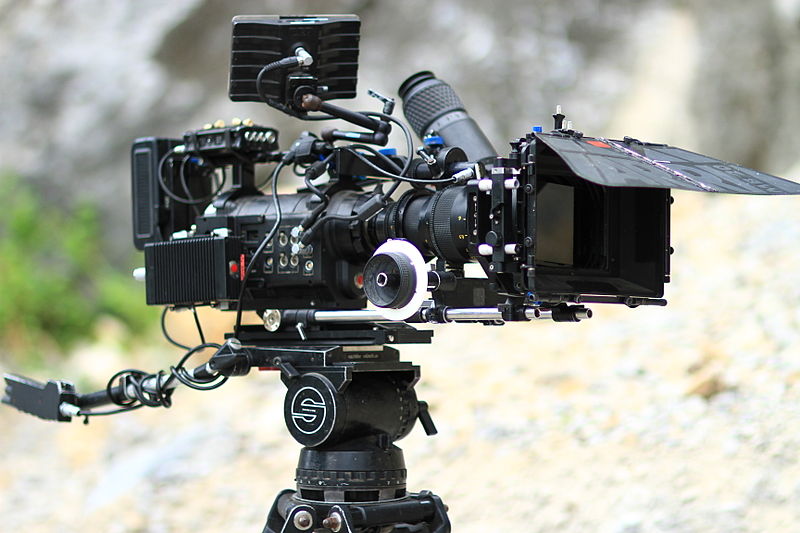
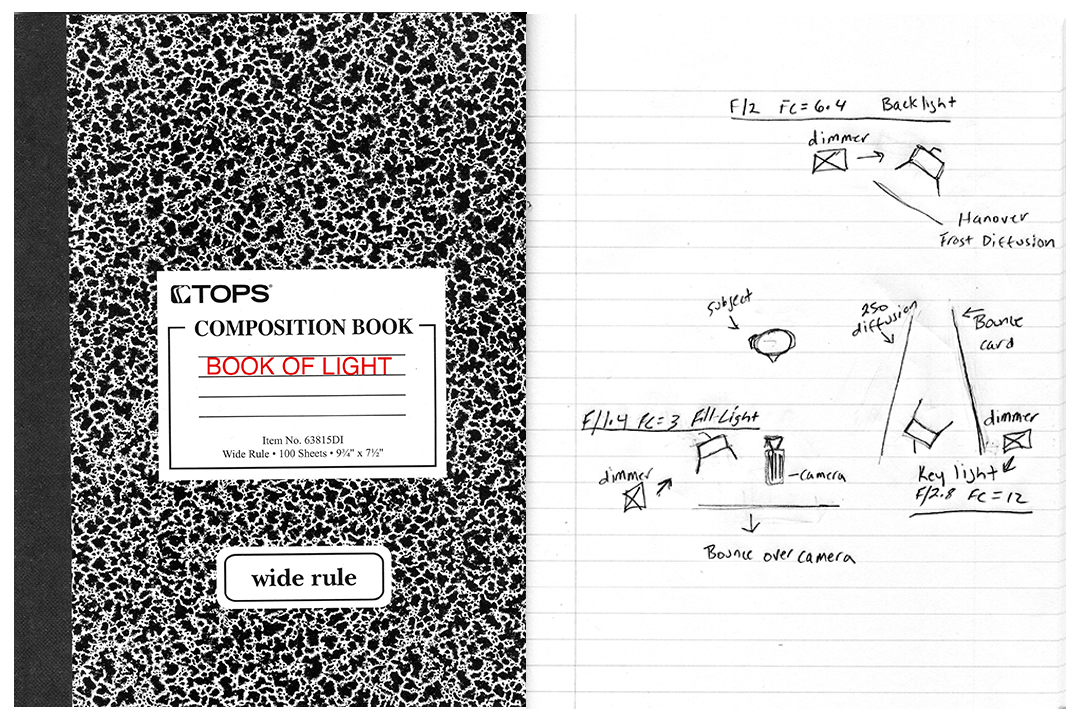
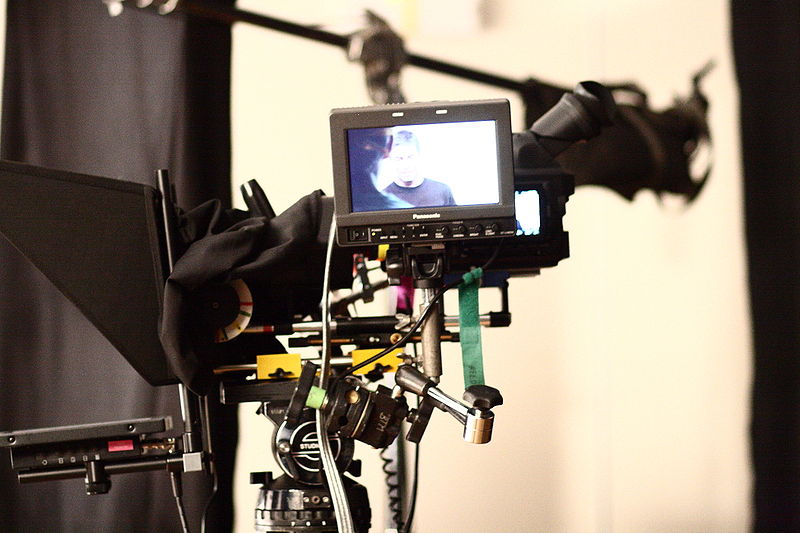
In particular, a good cinematographer is one who knows every single camera and piece of lighting equipment on set, inside and out. Your job will be to translate the thoughts and instructions of the director—which might not necessarily be overly articulate—into real-life results. Naturally, you’ll only be able to do that effectively if you know exactly how to manipulate your tools; coaching those enlisted to help you to do the same is also paramount, so be prepared to brush up on your coaching skills while on set.

Cinematography equipment

Essentially, all this boils down to skills in both communication and technology, so there’s no substitute for getting elbows-deep in theory and doing your reading. It may sound dull, but you’ll want to memorize every page of every instruction manual of every camera you’re likely to use and then put this learning into practice with every lens you can get your hands on at every chance you get.

The same goes for lighting equipment and techniques, but at the same time, don’t try and stick too close to the book either. Sounds paradoxical, but every set and situation will be different—you can’t force a square peg into a round hole, so make sure you keep a spirit of innovation and problem-solving around you at all times. You’ll be surprised at the number of techniques you’ll pick up (and possibly even invent) through experimentation.

4. Study Photography… With No Humans in It

Photographing human subjects is easy (comparatively speaking), given that there’s a definite object to frame and that the object itself is malleable by the photographer.

Take the human out of the shot, however, and it’s not immediately clear what the subject is (or should be).

Photographer's Eye

That’s where the cinematographer’s eye comes in; identifying why the shot is important and needs to be taken in the first place, followed by how best to tease out all of the relevance and show it in the best light. As such, a lot of good instruction on framing and composition can be gleaned from such photography and instantly applied to filmmaking; some of the most expensive photos ever sold don’t depict living subjects, and there’s plenty of inspiration out there to draw from.

5. Study Graphic Novels

Think that comic books are a waste of time and can’t teach you how to frame a shot?

Graphic novel cinematography

Enough said.


Unique Opportunities For Dancers: The Marriage Of Dance And Circus Arts

Dance continues to be one of the most genre-bending art forms in the world today. One of the main reasons for this is the sheer scope the dance world entails—from Broadway to backup dancing, from contemporary ballet to modern dance—there are a wide variety of forms that are taught, practiced, and performed worldwide in companies, theaters, studios, and schools.

As the field continues to progress in the Western world along with contemporary society, dance has stepped up to incorporate some new tricks up its sleeve. Primarily, the advent of combining circus arts with contemporary dance forms is now a common theme presented regularly worldwide.

Modern circus arts have always been closely related to dance considering that many of its movement forms such as aerial arts, tightrope walking, hula hooping, juggling, and trampoline acrobatics, to name a few, are amazing feats that require great physical strength, conditioning, flexibility, coordination, and rhythm. However, the way in which circus arts and dance theater were presented was quite different until recent years.

Circus arts shows are traditionally built around featuring amazing feats of human skill. Up until the 1980s, most circus shows could only be seen when they traveled through town and erected their tents to perform in. While there are still circus companies that perform like this, there are also new, contemporary circus companies who have brought circus arts to the theater. And just as circus has become infused in the dance world, more dancing has also been infused into the circus arts world. A stop at any Barnum & Bailey/Ringling Brothers show will now showcase several dance routines between the circus acts—typically, it is jazz style dancing.

The biggest contemporary circus company is Cirque du Soleil, based out of Canada with regular theater and touring shows worldwide. Cirque du Soleil has created a successful blend of featured theatrical circus acts with dancing, live music and singing, acting, elaborate costuming, and more. Their shows range from the surreal to musical tributes of The Beatles, giving the audience the ability to not only dream but also relate to the overall production in a way that is inspiring and also, very human.

Outside of Cirque du Soleil, circus arts can be seen featured in Broadway musicals, on cruise ships, at international resorts such as Club Med, in contemporary dance concerts, as backup dancing for singers, and in all sorts of alternative environments such as nightclubs.

The “Rise” Of Aerial Dance

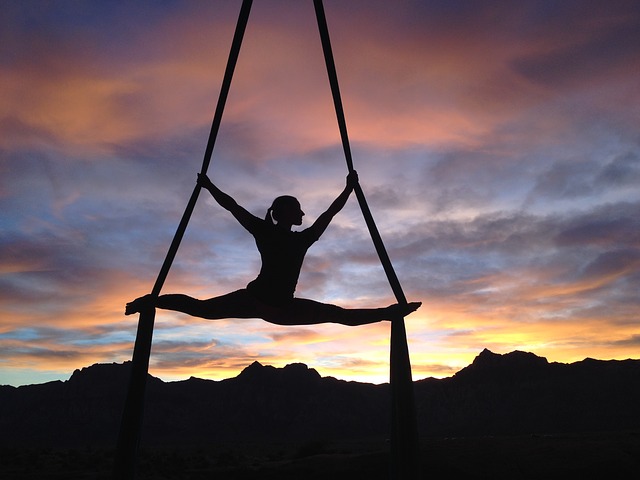
One of the most popular forms of circus arts dancers are picking up today is aerial dance. While traditional circus and high flying trapeze may have the artist working at heights of up to 30 feet in the air, aerial dance artists may typically work closer to the ground on apparatuses such as the trapeze, lyra (aerial hoop), or silks.

There has been an explosion of studios nationwide offering aerial dance training as not only a means of fitness, but as a way to have fun and be creative. No doubt aerial work requires strength building and a sense of living life on the edge, so it is not for the faint of heart. These studios may be good places to get your feet wet and test the waters of aerial dance; however, to truly perfect  your craft, it is recommended to attend an established circus arts training school or  join a company that will provide you with the appropriate training that you need.

One of the exciting elements of both circus arts and contemporary dance is that they are both developing fields. The Broadway musical revival of Pippin has been a smash hit with its successful combination of circus arts, dance, and singing.

Pop singer Pink has also put aerial arts in the spotlight by not only performing aerial in her own shows, but also singing while flying through the air. Most notably, her aerial/singing performances at the 2010 and 2014 Grammy Awards were aired on national television, exposing aerial dance to a more mainstream audience. Other popular music acts such as Katie Perry have followed suit in incorporating aerialists into their concert productions.

Performing on cruise ships is often a secure and viable option for dancers and circus artists because they offer long-term contracts. In the past few years alone, there have been more circus-themed shows on cruises than ever before. Often the in-house production companies associated with the cruise that are in charge of the entertainment will provide aerial training to dancers who are interested and able to pass the audition and strength test.

In these types of shows, the dancers will perform both ground choreography and featured group aerial acts. The shows will also feature specialty aerial and acrobalance adagio duets in between these dance sections who have trained outside of the production company on their own original act.

Specialty groups that provide entertainment for corporate clients, private parties, nightclubs, festivals, and community events are also another avenue that have seen a rise in offering circus arts. Zen Arts based out of Los Angeles, California is one of the biggest companies in the United States offering this type of unique entertainment.

It is also common for individuals to promote themselves as solo artists to book these types of events. The increase of online marketability through social media, personal websites, and sites such as GigSalad make it possible for soloists or fledgling companies to book themselves with more ease and accessibility than ever before.

Many of these companies and artists offer acts such as aerial, stilt walking, fire dancing, cyr wheel, hula hooping, and more.

Often, with training, these circus arts are readily accessible for dancers to learn and increase their versatility and ability to profit from their passion.

On the flipside of the entertainment industry, there are also many exceptional modern dance/aerial arts fusion companies that perform theater and site-specific work. Companies such as Capacitor (San Francisco), Fly-By-Night Dance Theater (New York), Zaccho Dance Theatre (San Francisco), and Perpetual Motion Dance (Oklahoma City) are just a few examples of companies pushing the boundaries of artistic dance with aerial components in theater and environmental settings.

The rise of the circus inside the dance world is vast and varied. In the past, circus arts may have been viewed as second-rate and unconventional, but with their foray into stage and theater work, circus arts have proven themselves to have true value in dance and culture today.


Images from Earl McGehee, Liz Tasa, and  Mike