Mobile Photography: From Smart Phone To The Real (Digital) World

Mobile photography has been taking over the market over the past couple of years. Everywhere you go, you see people with their smart phones taking photographs with their loved ones, snapping a photograph of their lunch and posting far too many photographs of their pets. While Instagram started with a handful of their own presets for editing images, many of the more popular Instagram photographers edit their photographs outside of the program, using applications such as Snapseed, Afterlight and VSCOcam.
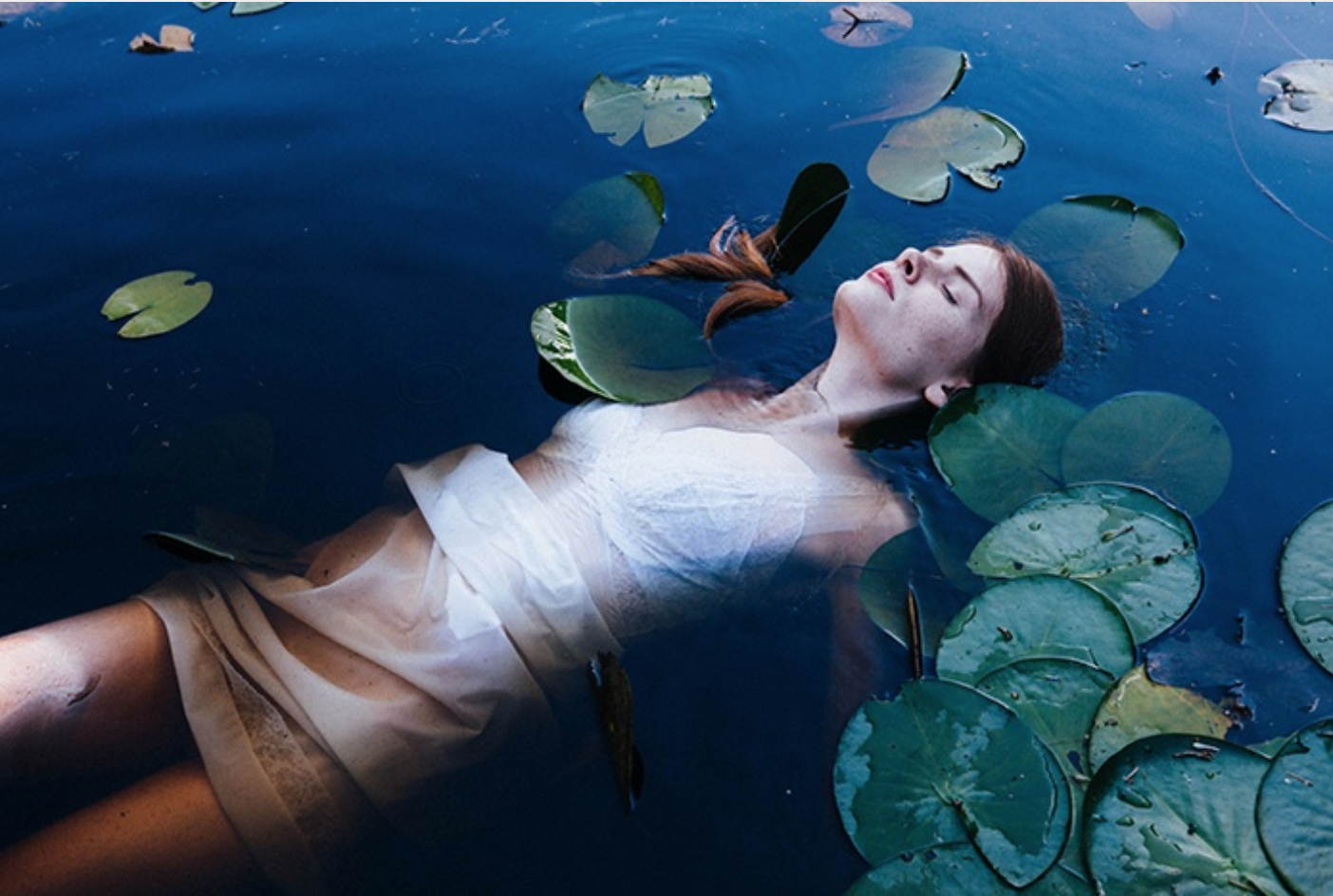
Jessica Silversaga
Photograph by Jessica Silversaga

These dreamy filters have extended far beyond the mobile world. Many professional photographers are using Adobe Lightroom to manage and edit their photographs, and popular applications have taken advantage of this fact. While there are plenty of free Lightroom and Adobe Photoshop presets to download via the internet, popular photo editing application VSCOcam has created their own sets of Lightroom presets that can be purchased to make photo editing on the computer a breeze.

What do you think this means for the future of photography? While it’s hard to debate the stunning, dreamy photographs of VSCO edited photographs, will these photographs become so saturated in the market that there won’t be any photographs edited by hand anymore? Photo editing can be an incredibly tedious process, with professional photographers using dozens of layers in every single image, but the new arrival of professional presets saves hours of time.

Gabriel Flores
Photograph by Gabriel Flores

What About the Future of Film?

It can be hard to deny that film is a dying breed, but the new VSCO presets for Lightroom may help expedite that process. VSCO is offering five different versions of presets for both Adobe Photoshop and Lightroom that emulate the look of many different types of old film. For you film buffs out there, you can emulate the look of anything from Polaroid 665 to Kodak Ektar to Fuji Superia, all with the simple click of a button.

Instagram: Amateur or Professional?

There are two sides to the Instagram world. On one end, you have the amateur photographers, using Instagram presets and snapping a photograph of anything they see without worrying about lighting, composition, and other basic aspects of professional quality photographs. On the other end, you have photographers who painstakingly wait for the perfect moment to photograph, spend their time editing their photograph to perfection, and then posting their image to the social media network so that their thousands of followers can see what they have been up to recently.

Instagram is not just about smart phone photography anymore. Many professional photographers use Instagram as a platform to share their own digital images, taken with expensive equipment and then edited through smart phone applications before being posted. The lines between smart phone photography and DSLR photography are becoming increasingly blurred.

The Professionals

While there are plenty of people out there who are using VSCOcam and other popular editing programs to edit and share their images, these people truly blur the line between simple “mobile photography”and beautiful, professional photographs.

IOEGREER (Joe Greer)
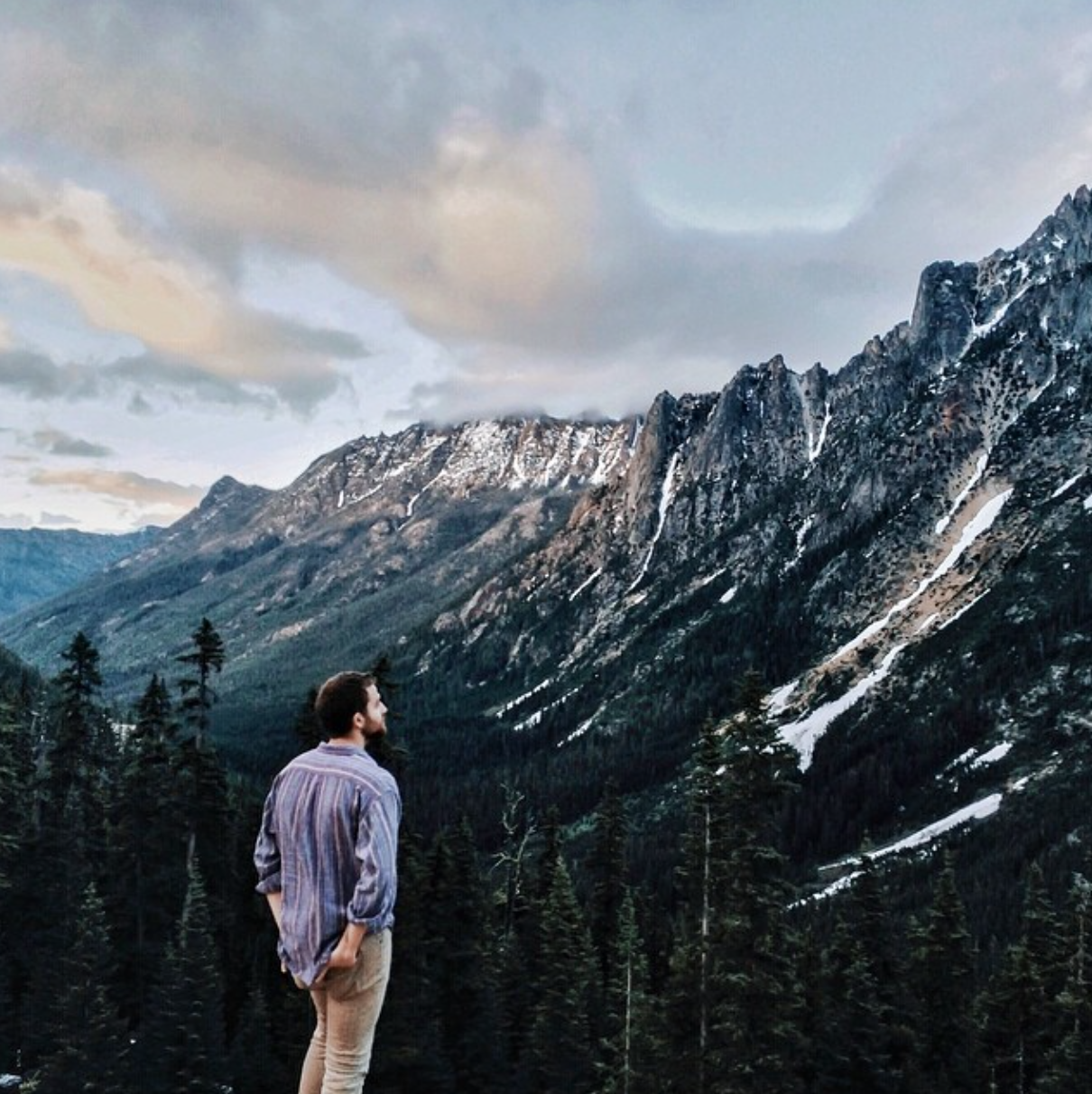
Joe Greer

Joe Greer is one of the best examples of Instagram gone professional, as he recently accepted a job with VSCOcam due to the photographs he edited through their program and posted on his popular Instagram page. It’s easy to see how he has over 116k followers, since he consistently posts dreamy images of mountains, lakes, fields of sunflowers and simple, relaxing moments.

MARKCLINTON (Mark Clinton)
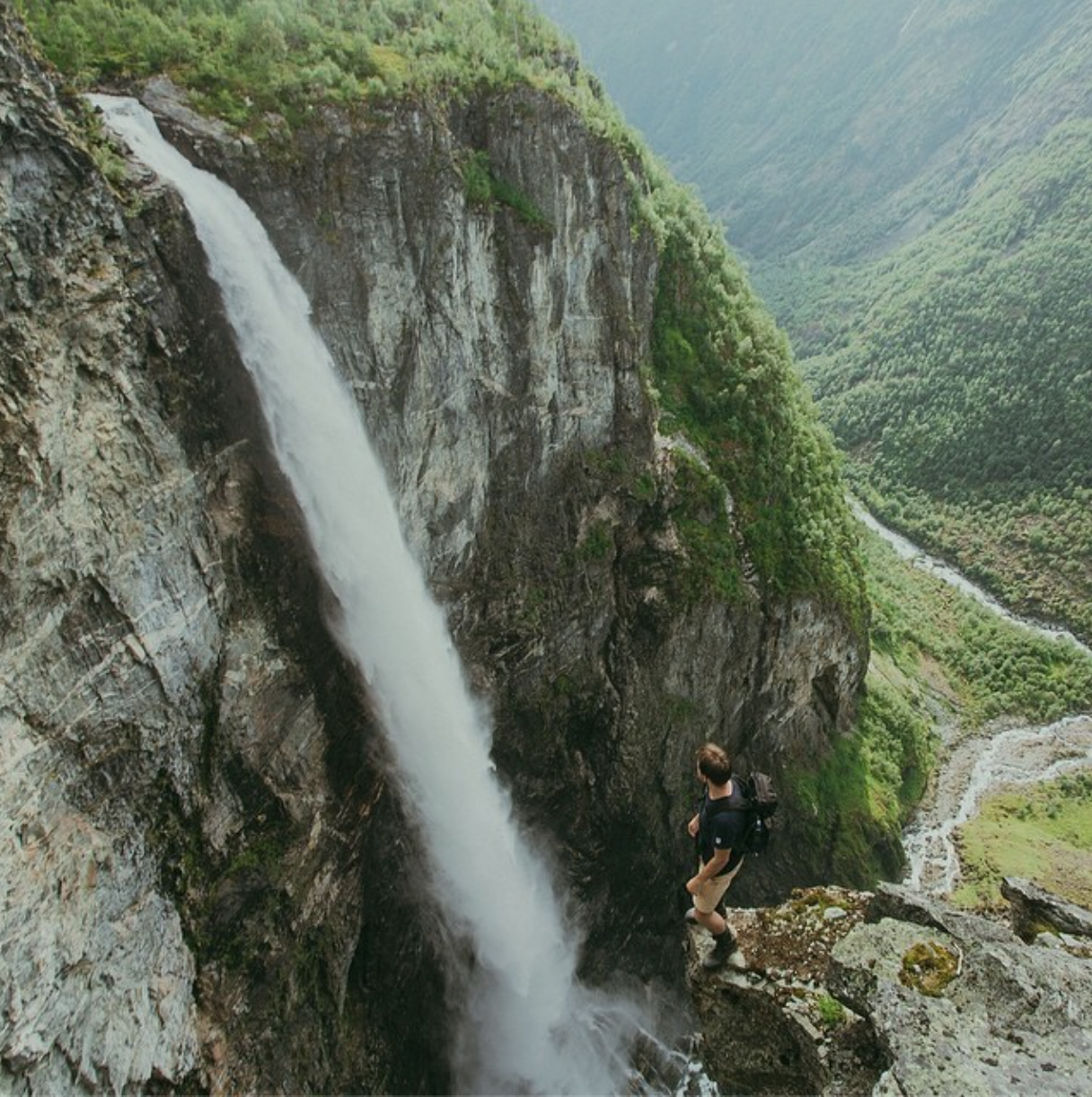
Mark Clinton

Mark Clinton posts from the picturesque Sydney, Australia. With over 52k followers, he constantly pleases the eye with photographs of towering waterfalls, winding mountain roads and starry night skies. He has the perfect mix of landscapes and portraits (as well as a handful of photographs in which you can see his own hand), which keeps the stream feeling personal.

WITHHEARTS (Cory Staudacher)
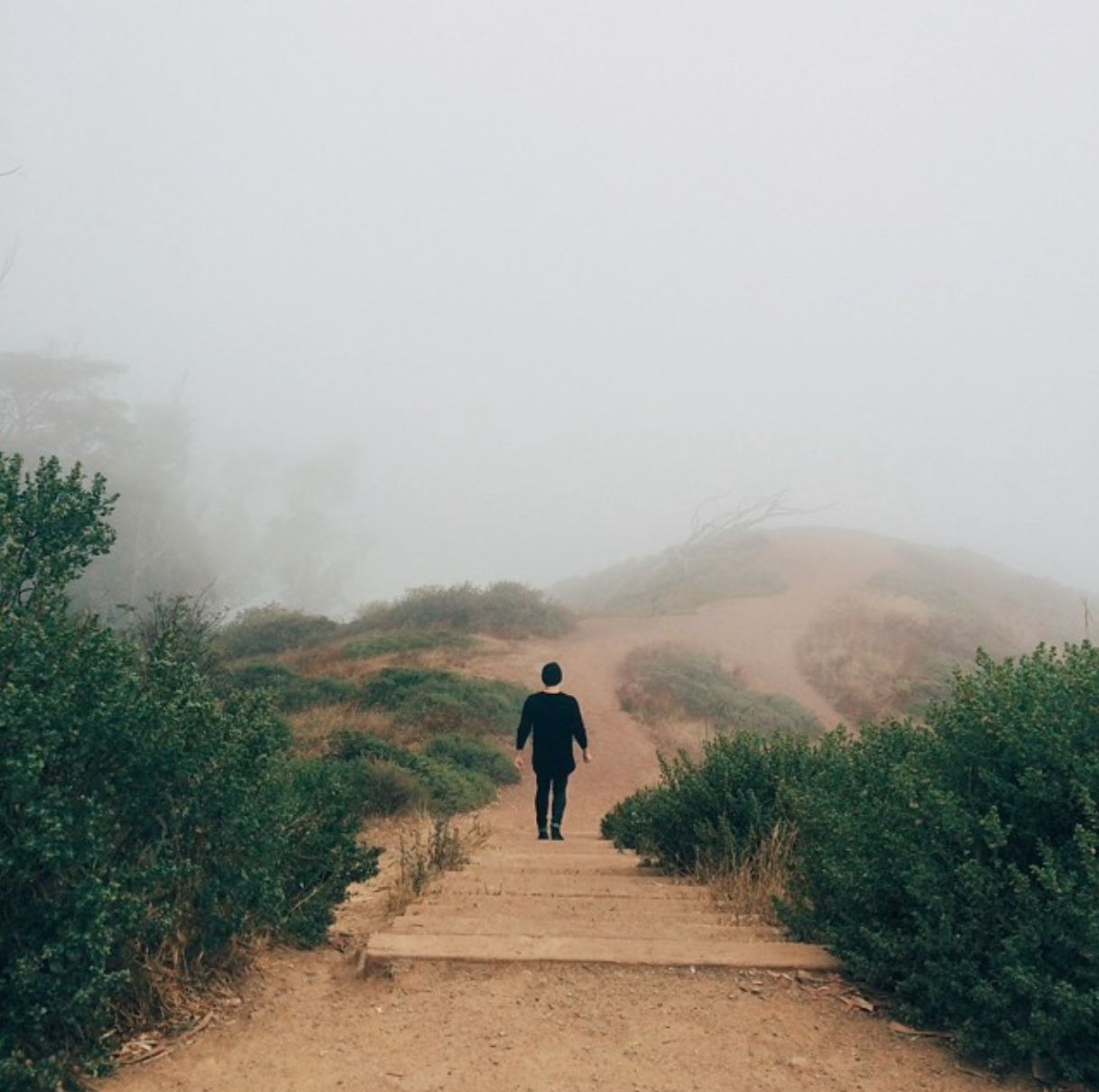
Cory Staudacher

With over 312k followers, it can be hard not to get wrapped into the magical world of Cory Staudacher. The fact that he is a professional photographer stands out at first glance, with perfectly posed portraits in unbelievable landscapes, stunningly shallow depth of field (that could only be the result of posting images that were taken on a DSLR), and a world of fog that makes you wish for the next misty day. His photographs offer a look into the world around Seattle that has nothing to do with busy cities and 9-5 jobs; a world in which everything is possible and the only thing holding you back is yourself.

JAREDCHAMBERS (Jared Chambers)
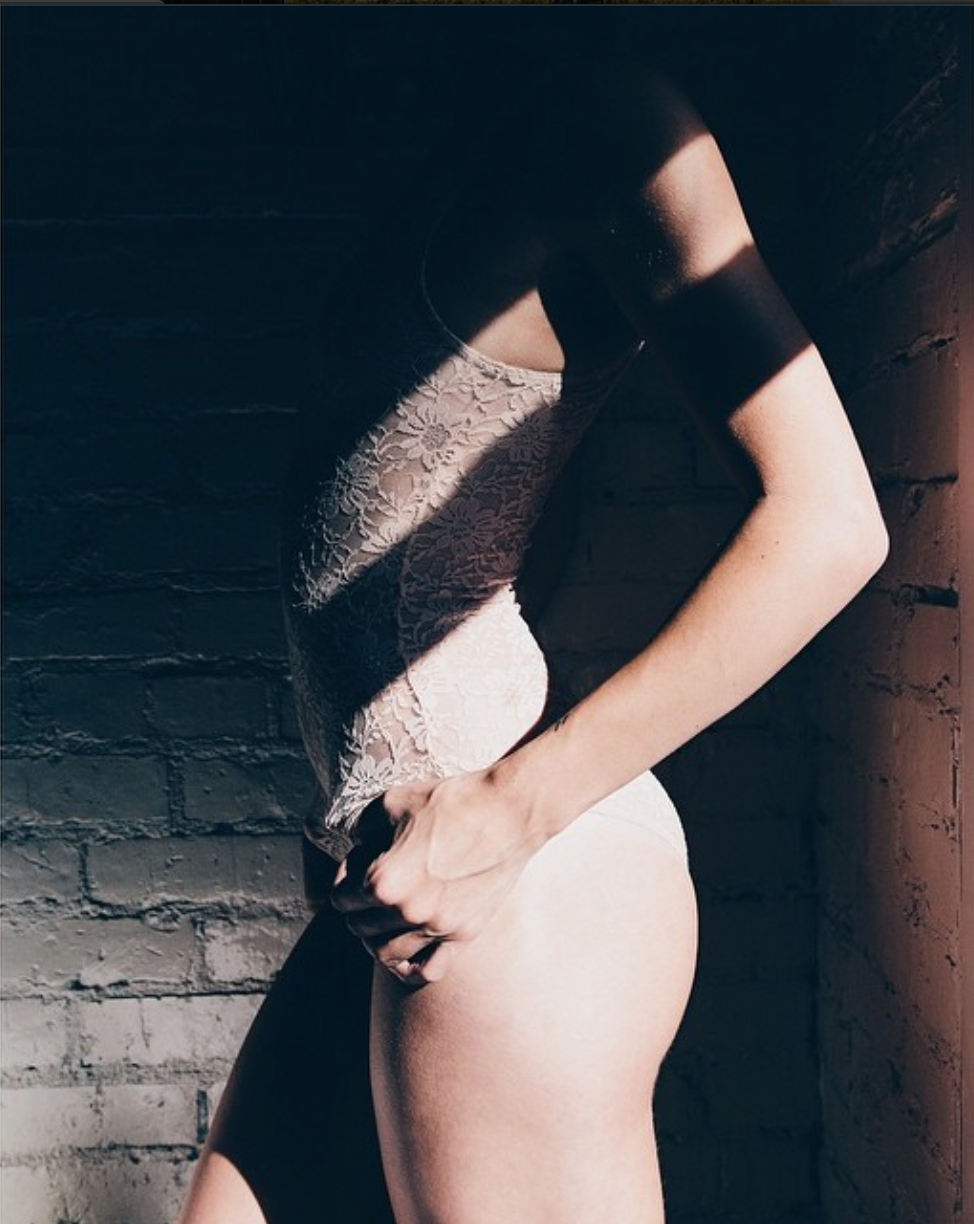
Jared Chambers

Jared Chambers, posting photographs from Los Angeles, CA, has over 273k followers. With photographs ranging from Todd Hido-esque nightscapes to portraits taken shadow to historic cars, there is something here for everyone to love. He captures both the city and the outskirts of the city with utmost perfection, and his frequent trips out of the country offer a nice break from the California landscape.

STELLAMARIABAER (Stella Maria Baer)
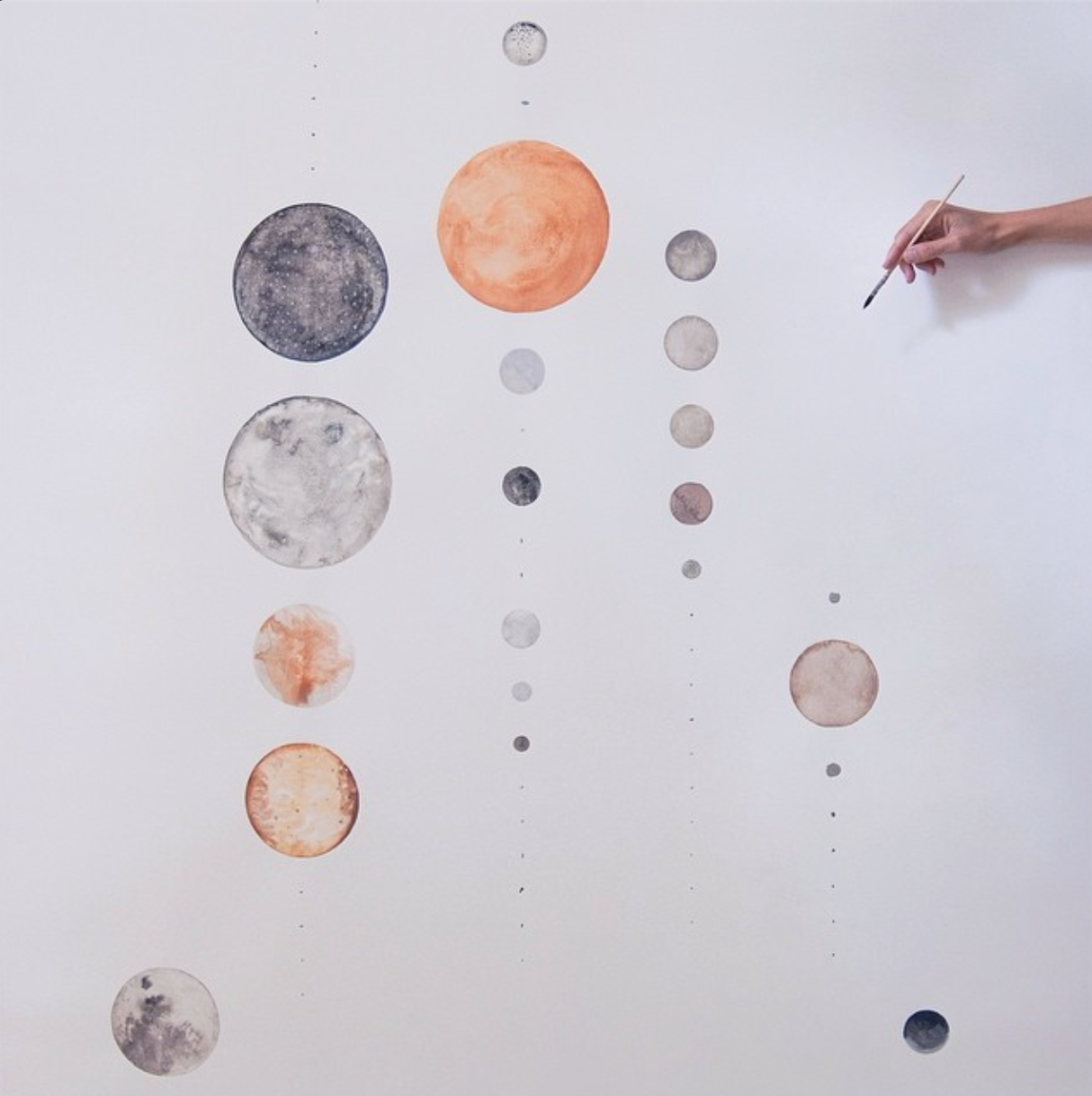
Stella Maria Baer

Stella Maria Baer brings an interesting twist to her Instagram, since she is a watercolor artist that frequently posts photographs of finished paintings as well as behind-the-scenes shots and various snippets of her life outside of the studio. From her perfectly constructed large-scale astronomy paintings to her portraits that could be found in a fashion magazine, Stella never bores. At first glance you’ll fall in love with her, her artwork, and her love for the desert.

An interesting fact about many of these “professional” Instagram photographers is that they offer links to their life and work outside of the application. Some have links to blogs where they post high-resolution images of their digital work, while some offer ways to purchase prints of the images that you see on Instagram.

One of the drawbacks of the social media application is that the photographs that are taken and edited strictly on the smart phone are not nearly as high quality as those you can get from your DSLR. By taking photographs with a DSLR, editing them with VSCOcam presets via Lightroom or Adobe Photoshop, and then posting them on Instagram, it offers a seamless way of advertising your photography or other work through Instagram and then offering high-quality images via other websites or networks.

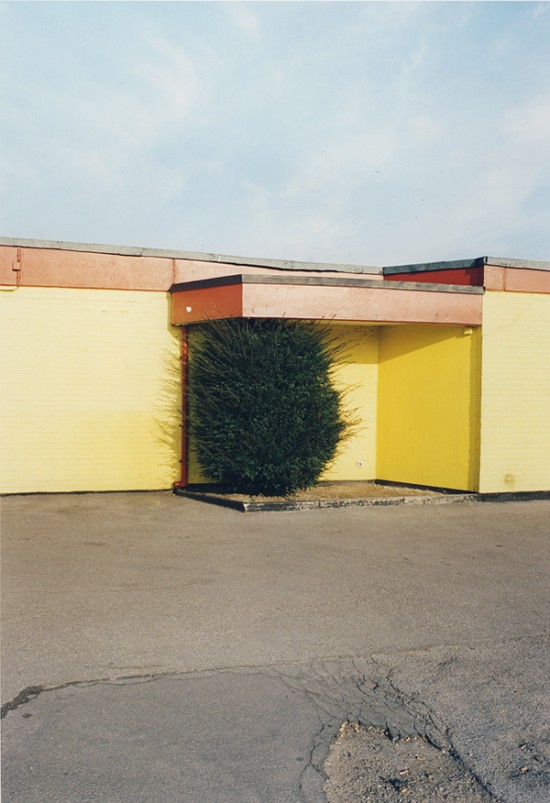
So What Exactly Is Deadpan Photography?

If you’ve ever taken a photography class in your life, you’ve likely heard the phrase “don’t center your subject”. If this is such an important rule of photography, why has there been a rise of deadpan photographs over the past decade? (Note: the deadpan aesthetic has been around for decades, although newer photographers are beginning to adopt the aesthetic of the old professionals)

First, let’s speak about what exactly a ‘deadpan’ photograph is. While there are a handful of different definitions, the most popular is that a deadpan photograph is devoid of emotion. It simply exists as a subject and photograph, yet it seems to be empty. There is no joy or sorrow, although some can argue that the deadpan itself is a mood of its own. Famous photographers who use this aesthetic seem to be completely detached from the subject that they are photographing, and the word ‘indifference’ seems to describe the photograph perfectly.

There are a handful of aesthetics that you should be aware of when determining whether or not a photograph is considered deadpan, or if you are planning on creating your own series of deadpan photographs. Most commonly, the subject is in the center of the image, and the photographer is looking at the subject straight-on. There is no fancy camerawork involved here. The photographer is not laying on the ground, or standing on a ladder to distort the subject any which way, it is simply pictured exactly as you’d see it if you walked right up to it in real life.

The deadpan photograph simply says “this is how things are”. Deadpan portraits show people in their natural state, typically not showing any sort of emotion. These subjects are not posed, are not dressed up for the occasion, and seem completely honest. The color of deadpan photographs is commonly de-saturated. While not completely devoid of color, the colors tend to be muted.

So what purpose does this type of photography have? Why would photographers want to show these people or landscapes in such a mundane light? Many famous deadpan photographers choose this aesthetic to capture changes in the world around them, to generate questions that the viewer keeps in mind, or to provide an image that allows a non-biased relationship between the viewer and the subject matter.

Famous and Upcoming Deadpan Photographers

1. Jitka Hanzlova

Jitka Hanzlova

Czech photographer Jitka Hanzlova, in her series “Here”, captures small moments in Germany that many people would walk by without ever noticing. A run-down building, a stoic young girl, an empty soccer field. Because of the deadpan quality of the photographs, she offers no personal interpretation, no peek into her every day life. The viewers are left with a sense of unease and unfamiliarity, which are two emotions that are common in this aesthetic. Throughout the series you get the vague notion that the photographer is viewing these same landscapes and people with the same apprehension, trying to make sense of this new foreign land.

2. Rineke Dijkstra

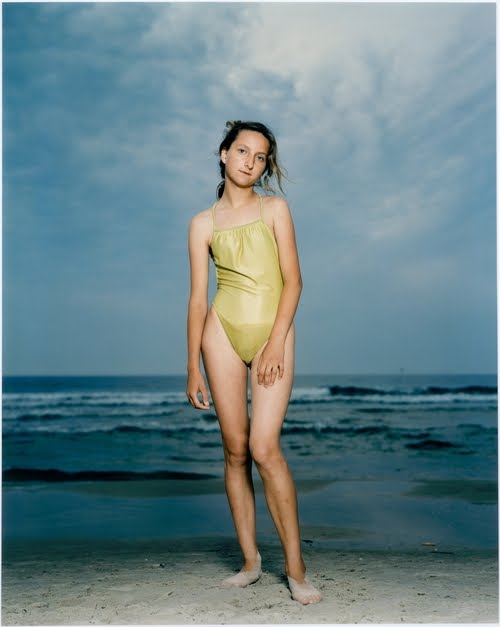
Rineke Dijkstra

Born in the Netherlands, Rineke Dijkstra is famous for her many different series of deadpan portraits. While technically and compositionally her portraits are very simple – they tend to showcase one individual, shot straight-on in the center of the frame – the meaning behind the images is not as straightforward. Many of the individuals she chooses to photograph are in a state of transition. They may be transitioning from childhood to adulthood, they may be pregnant, or they may be preparing to join the military. While the exact details of their life and personality are left out, this only makes the photographs even more compelling. Who is this person? What kind of life are they living? Why did she choose to photograph them in particular?

3. Bernd and Hilla Becher

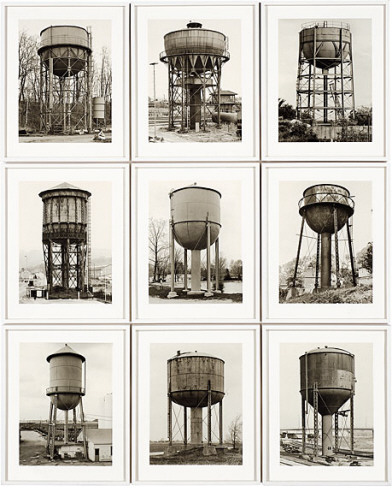
Becher

Perhaps two of the most famous deadpan photographers in history, Bernd and Hilla Becher became famous through their typological deadpan photographs of water towers, coal mines, industrial landscapes, grain elevators and gas tanks. Their many different series of photographs offer a look into the industrial past of the world, and showcase landscapes and subjects that cannot be seen as readily in the world today. While many viewers may see the images as lacking substance or meaning, their work resonates with many people today as a typology of a world that no longer exists.

4. Alec Soth

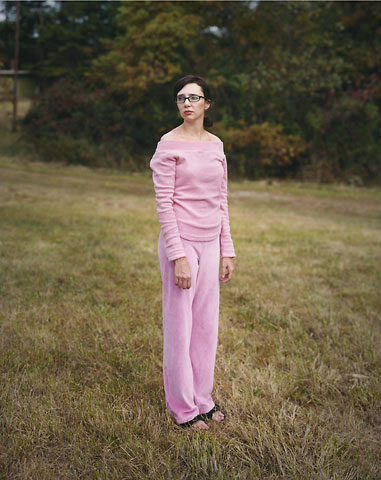
Soth

Alec Soth has an incredible way of creating engaging images while at the same time seeming disengaged with his subjects. He photographs a mixture of still lifes, portraits and landscapes, and in each image a sense of distance is so tangible you can almost feel it. He photographs people who seem as though they have worlds of stories to tell, yet the photographs of them speak nothing about these stories. His strange abandoned landscapes and forlorn subjects offer lots of questions but no answers. The result is a series of striking images that the viewer cannot draw themselves away from, no matter how many of their questions go unanswered. Instead of drawing away in frustration, the viewer simply looks deeper.

While deadpan photography is not for everyone, it offers an interesting way of looking at the world in a completely un-biased way. Deadpan photography offers an honest look into the everyday life of people and scenarios that all too often go unnoticed. See if the 4-Week Photography Workshop we offer would help you build your portfolio.

Bokeh Photography – Capturing The Bokeh Effect

Ziqa Herry
Photograph by Ziqa Herry

Have you ever looked at an image that had such incredible background blur that you couldn’t stop thinking about how on earth the photographer could create an image so beautiful? Chances are you’ve come across photographers speaking about the ‘bokeh’ in a particular image, or what particular lens produces the most desirable ‘bokeh effect’. What is bokeh exactly?

Bokeh is traditionally known as the aesthetically pleasing quality of the out-of-focus blurred part of an image. It originates from the Japanese word “boke” which translates to “haze” or “blur”. While bokeh itself is present in most photographs that have an area out-of-focus, it speaks directly about the size, shape and overall quality of that area.

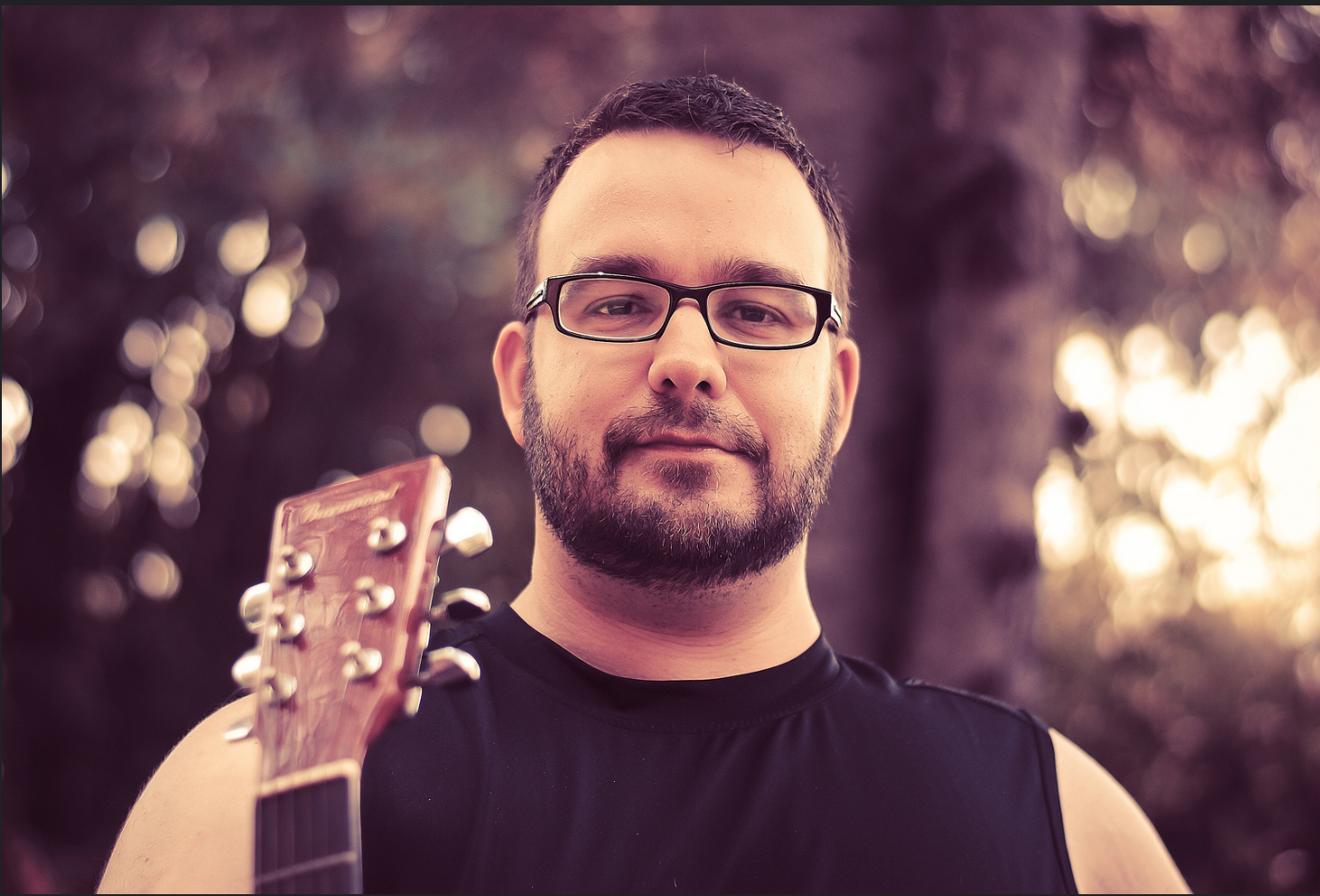
To make things a little clearer, take a look at the aperture blades on your lens. Some lenses have hexagonal blades, which in turn produce bokeh with sharper, more distinct edges. Other lenses have rounded aperture blades, which produce a smoother, rounder bokeh. The most popular type of bokeh (and one that you may already be familiar with) is when you see a background full of blurry, glowing orbs, such as in the photograph below.

Nana Agyei
Photography by Nana Agyei

Bokeh is traditionally used to add an extra aesthetically pleasing quality to photographs that otherwise would seem flat in comparison. Sometimes bokeh is even used to frame the main subject of a photograph, as you can see in the portrait below.

Kristina Servant
Photography by Kristina Servant

What Lenses Create the Most Aesthetically Pleasing Bokeh?

When listening to photographers debate bokeh, one thing will always be mentioned: prime lenses. Since the aperture blades of most prime lenses open wider than those on traditional zoom lenses (with the exception of a handful of higher-end zoom lenses), many photographers turn to prime lenses to create the ideal effect.

One of the most inexpensive and accessible lenses that you can purchase to try your hand at the bokeh effect is the 50mm f/1.8. It is the perfect introductory prime lens for those who are interested in taking photographs with a larger aperture. Canon’s version produces more circular bokeh, while Nikon’s produces more hexagonal bokeh. You can see both in the following images; the one on the left was taken with a Canon lens, while the one on the right was taken with a Nikon lens. Both are beautiful in their own way, and personal preference will determine which is best for you.

Israel Gutierrez
Photograph by Israel Gutierrez
Brian Talbot
Photograph by Brian Talbot

If your budget is slightly higher or you’re particularly interested in shooting portraits, the 85mm f/1.8 produces stunningly beautiful portraits with smooth, creamy bokeh in the background. Fixed lenses are also available with apertures that open as wide as f/1.4 or even f/1.2. If you can get your hands on rented lenses, you can practice with different focal lengths and apertures until you find the one that works for your particular style of photography.

DIY Shaped Bokeh

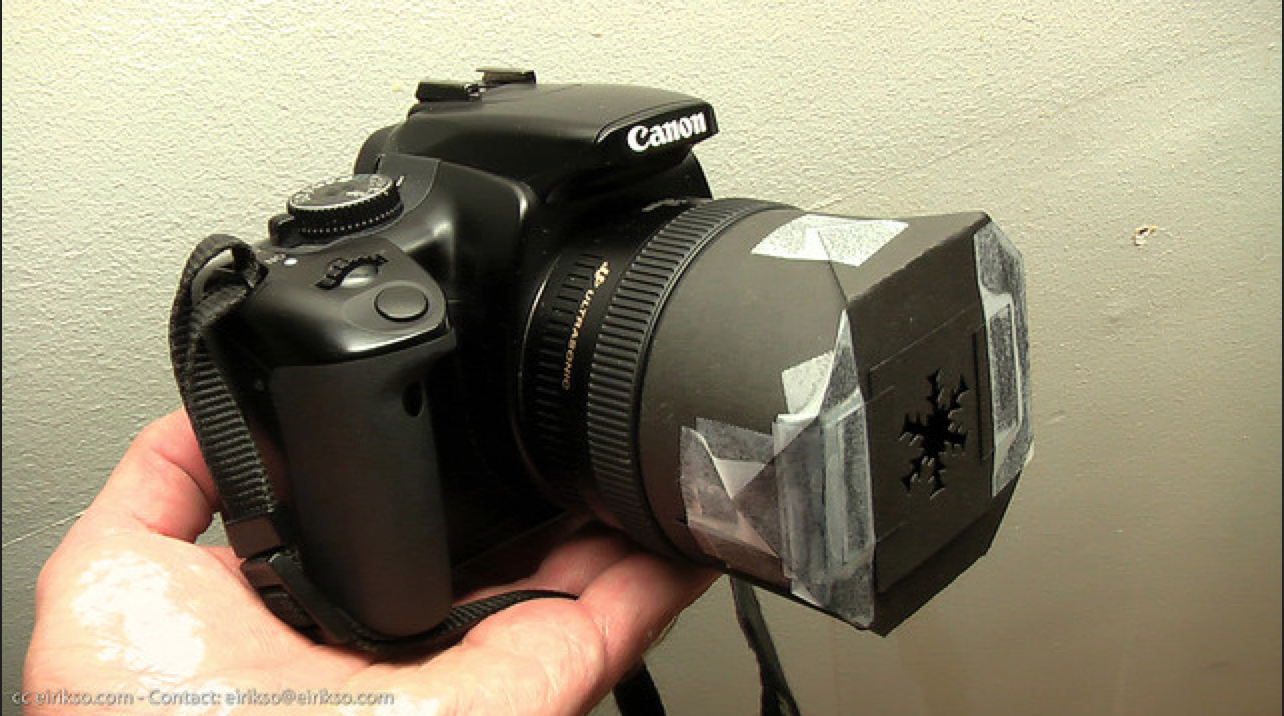
Eirik Solheim
Photograph by Eirik Solheim

You may have seen images where the bokeh appears as either a series of stars, hearts or other shapes in the background. While popular lens companies don’t offer lenses that naturally create these shapes, you can easily recreate this effect by using a hole punch, x-acto knife and a piece of thick black cardstock. You can use shaped hole-punches or cut your own shape out of the paper. You only need to cut out one shape, and the shape should be between the size of a dime and a quarter.

To shoot with this on your lens, open up your aperture as wide as it goes, set your exposure accordingly, and start shooting! You’ll notice the shape of the bokeh in the background of your photographs take on the shape that you cut out.

Bokeh in Post-Processing

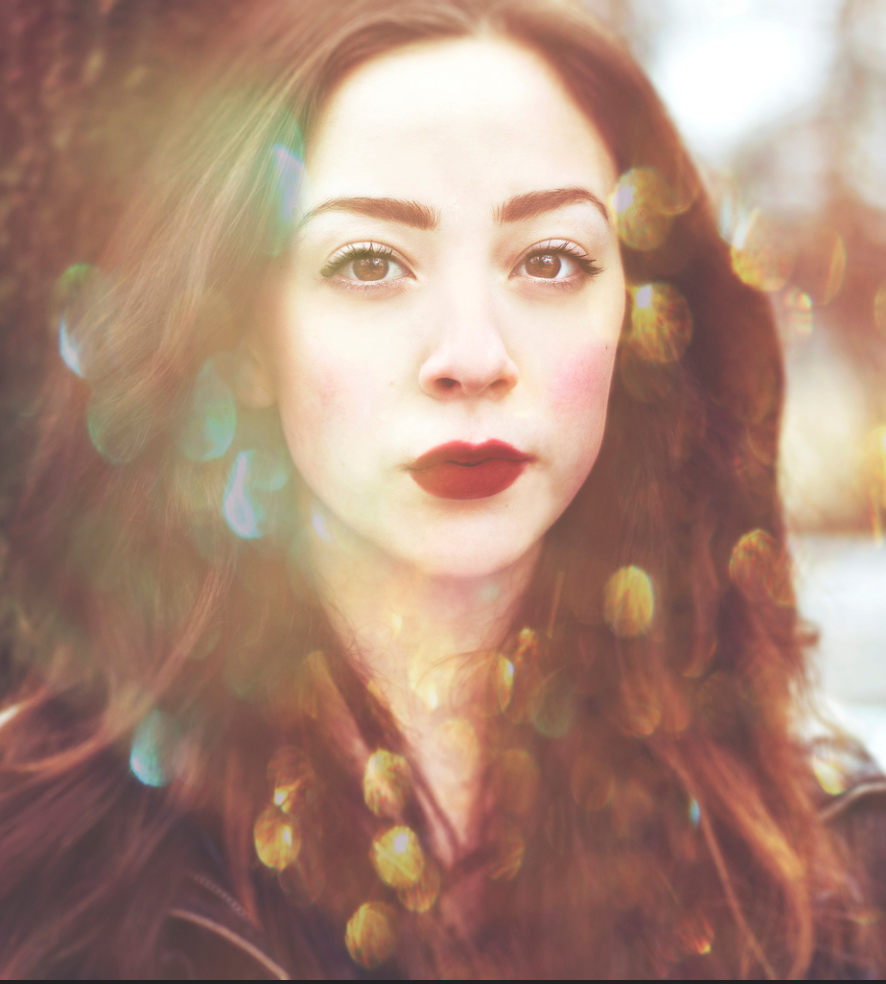
Amy Stegman
Photograph by Amy Stegman

Many photographers choose to use bokeh in post-processing to add dramatic flair to portraits and other photographs. The steps to doing this are actually quite simple.

1. Choose a portrait as well as a photograph of bokeh with no other subject (make sure your lens is set to manual focus, un-focus your image, and take a photograph shooting directly into light shining between trees, Christmas lights, street lamps, etc).

2. Open both images in Photoshop, and drag the bokeh image on top of the portrait image. Adjust the size as necessary. The bokeh image should appear in your Layers Palette as a new layer on top of the portrait image.

3. Set the opacity of this new layer to approximately 50% so that you can see the portrait below the bokeh. Continue to adjust the size of the bokeh layer as necessary to get the correct size bokeh. Select the eraser tool, make sure your eraser has a soft edge, and then set the eraser opacity to between 70-75%.

4. Begin to erase the parts of the bokeh layer that you don’t want to appear in your final image (such as the parts obstructing eyes, lips, etc). Play around with the opacity of the eraser and bokeh layer until you get the effect that you want.

Feel free to get creative with your bokeh images! Once you have found the correct lens for your price range and style, you can begin to experiment with different lighting conditions, subjects and locations to create a wide range of beautiful bokeh photographs.

Learn more about bokeh by taking one of our photography workshops.

The Impact Of Social Media On News and Journalism [Infographic]

ING’s News Division recently conducted a study on the impact of social media on news and journalism and the results are quite astounding.

It’s important to note that ING is based in the Netherlands and there is a heavy focus on Dutch journalism. But this is really in relation to where Dutch journalists stand in comparison to those in the USA and UK.

For better or worse, social media has forced its way into journalism and has become a news source not only for the general public, but for journalists as well.

While social media is generally seen as unreliable by nearly a third of journalists (32%), it still serves as a main news source for roughly 50% of journalists. Fact checking has also decreased since the emergence of social media. This is corroborated by both the amount of journalists (80% ) that have published without checking facts first, as well as PR professionals, more than half of which claim to be contacted less often for fact checking purposes.

These statistics are alarming but also make sense when you take into account the modern business model. Journalism, and content in general, is now driven more than ever by an increasing need for views and clicks.

It doesn’t look like social media in journalism is going away any time soon. In fact, according to this infographic it will only increase more and more. The fact that Dutch journalists don’t use social media as often as their counterparts in the USA and UK is labeled as “lagging.”

As the trend continues, individuals entering the world of broadcast journalism will have to be prepared to fight an internal battle between publishing content quickly to get links and publishing content that is factually accurate.

Check out ING’s “Impact of Social Media on News” infographic below:

Social Media in Journalism

Not Bound By The Rules: An Interview With NYFA Musical Theatre Instructor And Writer/Composer Bobby Cronin

We recently sat down with NYFA musical theatre instructor and award-winning writer/composer Bobby Cronin to talk about his approach to songwriting, his successful productions that include the musicals Concrete Jungle and Daybreak, and what advice he’d give to aspiring composers.

Transcript

Bobby Cronin: I’m Bobby Cronin and I teach Pop Rock, Musical Theatre, Audition, and I write some of the scores for the films at the New York Film Academy.

NYFA: Would you mind telling us about your background and what drew you towards your career path?

BC: My background is technically as a director. And Yale’s program as a director you had to study acting. And then I knew I wanted to do musical theatre, Yale did not have musical theatre so I then got to have my music minor turned into a double major in the theatre program so I left having quite an extensive knowledge of music and theatre and I had, like, Maury Yeston was my professor who wrote Titanic. So as a kid it was all ear, all ear. Like no piano lessons, no nothing. And I think that’s actually helped me tremendously, is that I’m not as bound by the rules, but I know the rules. But I let my ear do most of the work.

NYFA: When composing a musical theatre project, what comes first, the songs or the story?

BC: I would say it switches all of the time. Most of the time it’s story because I’ve gotten to the point where time is really important so I know if I’m going to write something it has to be very specifically for a moment. And that’s what makes a good song anyway. I was mentioning that you can be a songwriter, but that doesn’t necessarily mean that writing for musical theatre or writing for film is the same thing, because you do have to advance the story. The song has to have a different beat at the end than it had at the beginning or else you’re not going anywhere, you’re not advancing the story, which is why for me, I’m now going to change my answer, it’s always the story. It really is always the story. And then it’s how do I enhance the story, how do I come up with the right hook because for me that’s everything, the hook. Whether it’s a lyric hook or a music hook, something has to have the audience walking out remembering that tune and what it did in the story. I don’t want them to just remember the tune, I want them to remember what happened.

NYFA: Would you advise aspiring composers to adapt existing property when developing their first production?

BC: I would say that using existing material for early projects is excellent. You already have an arc. You already have your characters drawn for you. And then it’s you figuring out “How do I want to tell this story?” For instance, with Christmas Carol, I wanted it contemporary, how do we make it contemporary, how do we put it in to today, but paying respect to the actual property. And coming up with the hook of how to tell that story made it work. To keep it contemporary.

NYFA: What opportunities do you feel musical theatre offers for exploring complex themes of self and sexuality?

BC: Well, I think contemporary musical theatre, it yearns for exciting themes, interesting themes, darker themes. You know, it’s interesting. If you go back to something like Carousel, it’s actually really dark and I think that people think of the old musicals as, you know, cheesy, and they really weren’t. They pushed the envelope a little. What I think we try to do today is to really push it. And why not? Why not push it?

So for instance with Daybreak I wanted toexplore a struggle with sexuality whereas with Concrete Jungle there are two gay characters that that’s not what they’re about. They just happen to be gay. In fact, it’s just about love for them. Also with Daybreak I was dealing with suicide, just darkness, mental illness and…why not? You know, why not? These are things that we face every day and I think we want to be challenged as an audience today. And I also think that things like Netflix, all these shows that are really brave and really pushing the envelope. It’s making the audience want more. They don’t want just high kicks and high notes anymore. They want to be challenged. And I think that’s why Next to Normal did so well, is that not only was it really contemporary, but it really challenged your brain as to “What is normal?”

NYFA: Do you have any advice for aspiring composers just starting and is there anything you know now you wish you knew then?

BC: Advice-wise, get your stuff out there. Work with good people, surround yourself with people who want greatness for you and don’t sweat the small stuff at all. There’s always going to be small stuff. Look to the future. Build a future. Figure out which actors you want to be working with and approach them. The worst they can say is “No.” And then they’ll recommend somebody. But then they recognize your name and that’s what is important. But you have to get your stuff out there and you have to have projects. Don’t just have songs, have projects.

Follow Bobby on social media by checking out his YouTube channel and on Twitter.

How to Become a Dance Teacher

The art of teaching dance is as much a craft as learning dance technique itself.

Many dancers choose to go into the field of teaching for a variety of reasons. Dancers are often passionate about their art, so teaching allows them to stay active in the field if performing opportunities are not present. The ability to share and pass dance knowledge to others and especially younger generations is important in continuing dance education worldwide. In general, there are also often much more teaching opportunities readily available than performing jobs. Education in any field is important—people want to learn and it is important to have good teachers available!

If you do decide that you want to become a dance teacher, there are a few things to consider. First of all, you must have plenty of experience not only as a dancer, but also in your training. You must be physically fit, have good stamina, and plenty of patience. You will be required to demonstrate technique and movement regularly, as well as break things down to make those you are teaching understand. It is important to train in several styles of dance, so that one day you may be able to teach those styles as well. Styles of dance that teachers are often sought after for include ballet, modern, hip-hop, tap, jazz, and more.

Some other things to consider include where and who you want to teach. If you have grown up at a particular dance studio and wish to stay there, often times these studios will hire and train their students to become teachers who have danced there for much of their lives. However, if you wish to embark on a journey outside of your home studio, you will most likely require additional training.

Here are a few examples of places and populations you could teach:

1. Creative movement to young children

This will require not only training in early childhood development, but also how to take dance and turn it into fun, creative, body awareness building games and exercises. You must be patient and willing to deal with behavioral issues with children. This is a growing field at many dance studios as a way to expose children and even parents to dance outside of the more technical field of ballet. Additionally, there has been a rise in independent companies who offer their services in school systems and daycare centers as a way to get children active and creative through movement.

2. In the school system

Many public schools today offer magnet arts programs in addition to adding dance to physical education curricula. Most public schools will require a teaching certificate within your state for the grade level you wish to teach: elementary, middle, or high school. There are also college dance education programs that will help you achieve these standards. In addition to the public school system, there are also private schools and boarding schools that focus on the arts or value them in their curriculum.

3. College dance programs

Most college and university dance programs will require their teachers to have a Master’s degree in dance as well as the appropriate experience under their belt. These programs are extremely comprehensive and cover all aspects of dance: technique, performance, choreography, kinesiology, technical theater, dance history, and of course, dance pedagogy, or the study of teaching dance. If you decide this is the route for you, you will likely be able to get several courses of student teaching experience as an undergraduate and graduate student to prepare you for life as a college professor.

These ideas are just a few of many places you could potentially teach dance. School systems and universities are great options because they offer stability through regular income, benefits, and more. However, should you decide you would rather be an independent teacher, there are still many options. You could teach at various studios, book workshops nationwide or globally, or teach at summer camps, dance festivals, or dance intensives. If you build a following, you can even create your own intensive program.

Most settings that you can teach in will also offer repertoire concerts or recitals. This is a great way to keep your creative mind sharp through regular choreography. Sometimes, there may even be opportunities for you to perform as well. Teaching is a great career to make out of dance because it is very well-rounded and truly involves all aspects of the dance world.

Ultimately as a teacher you will be evaluating the technique of your students and should offer positively reinforced feedback and criticism. Your coaching techniques will enable your students to attain their goals in dance. It is important that you must also inspire your students, whether they are young, unseasoned, or experienced performers. When motivation levels of students are high, they are able to perform to the best of their abilities in their shows or auditions. You can share the joy of their successes, and also, be a support to continue their craft even if they make mistakes or do not make an audition. It is essential as an instructor of dance to always keep the passion burning brightly inside for yourself, to share with others as your gift.


Image by zepfanman

Tom Machell Discusses the Edinburgh Fringe Festival and Life After NYFA

Tom Machell
photo by Blake Babbitt

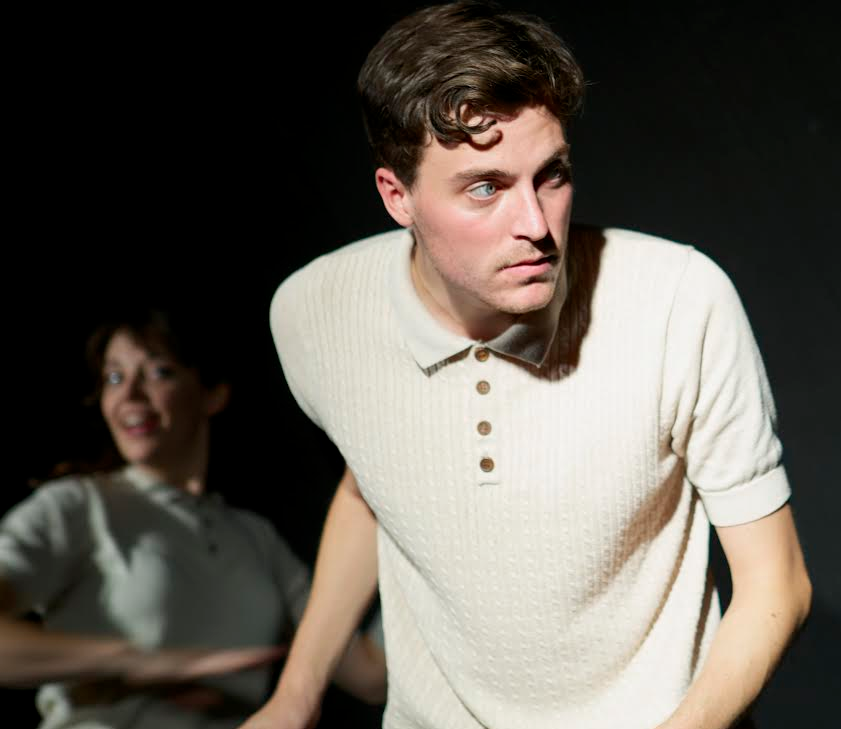
The New York Film Academy had the privilege of attending the world famous Edinburgh Fringe Festival this year, conducting Acting for Film and Filmmaking workshops. While there, Roger Del Pozo, NYFA’s Director of Performing Arts Enrollment, ran into one of our esteemed alumni, Tom Machell, who was performing in his wildly popular and extraordinarily funny, surreal sketch comedy show, zazU. This was Tom’s third appearance at the Edinburgh Fringe Festival, and Roger thought it’d be a good idea to chat a little bit about his experience both at Fringe and elsewhere in his career.

NYFA: What are you doing here at Fringe?

Tom Machell: I’m doing my own show this year, zazU. We are a parallel universe sketch comedy group. We’ve created this comedy group from a show we did in London called “News Review,” which is a satirical, political comedy show and we loved working with each other so we carried on. With zazU we’ve created a whole world, so the audience is taken in. You follow a bee through a map and you enter this world of zazU, and we play 40 characters in the hour and then you get taken back out again at the end.

NYFA: Is this your first time at Fringe?

TM: No, this is my third Fringe. I came here before I went to NYFA, when I wrote a play that premiered at Fringe. Immediately after graduating from NYFA, I came with the second show, which was about the first woman to be accepted to the magic circle, and now this is my third. So I’m a veteran of the Fringe.

NYFA: What’s the best thing about coming to Fringe?

TM: It’s the showcase opportunity more than anything. We’ve had a lot of interest in our show — from production companies and a lot of big casting directors. If you get an opportunity to get in a show here, you definitely should because it is great exposure.

NYFA: So what have you been doing beyond Fringe?

TM: I did a German film called Die Agentin, which just premiered in Munich along side actress Angela Winkler. I just shot a music video for the American band The Lighthouse and the Whaler, and I’m writing a film with Gary Morecombe, the son of comedy legend Eric Morecombe, called The Buckets, which we are shooting in October in Malta.

NYFA: Wow! So you’ve been busy!

TM: (laughs) Yes, very, very, very busy.

NYFA: So, Tom, how was your experience at New York Film Academy?

TM: I had an amazing time at New York Film Academy. First off, I met my best friends in my entire life there. I now have friends from all around the world. It was a great place to not only learn the craft but also how to market yourself. I learned about the whole business side of this world, which the majority of drama schools seem to forget about. They just sort of cast you out and then you forget – I need to market myself, I need to update my headshots, I need to make short films with my friends. The Academy has a curriculum where I would go to class and then the next day I could be on set shooting a short film; and then go back to class on the following day. It was constantly working and studying, working and studying, which I feel was amazing preparation for the industry.

NYFA: So, will you be back at Fringe next year?

TM: Yes, we definitely are, with this show. We are currently in talks with BBC Radio for a radio show and that would be amazing! It has been just an incredible time.

NYFA: That’s great. Congratulations on your success, Tom.

TM: Thanks!

10 Superheroes Who Deserve A Movie

Superhero movies have made up a large bulk of Hollywood’s Summer output in recent years, and that trend doesn’t seem likely to change given they continue to gross extraordinary sums at the Box Office (2012’s Avengers, for instance, took $1.5 billion and is the third highest grossing movie of all time).

Cynics would say the film studios have run out of ideas, those starting out at film school will decry the expensive barrier to entry of the genre, and even a large number of viewers are getting tired of the superhero onslaught.

But perhaps there’s a way to inject new life into the genre while also appeasing hardcore comic fans…

… Presenting the Top 10 Overlooked Superheroes Who Deserve a Movie (and who should play the role).

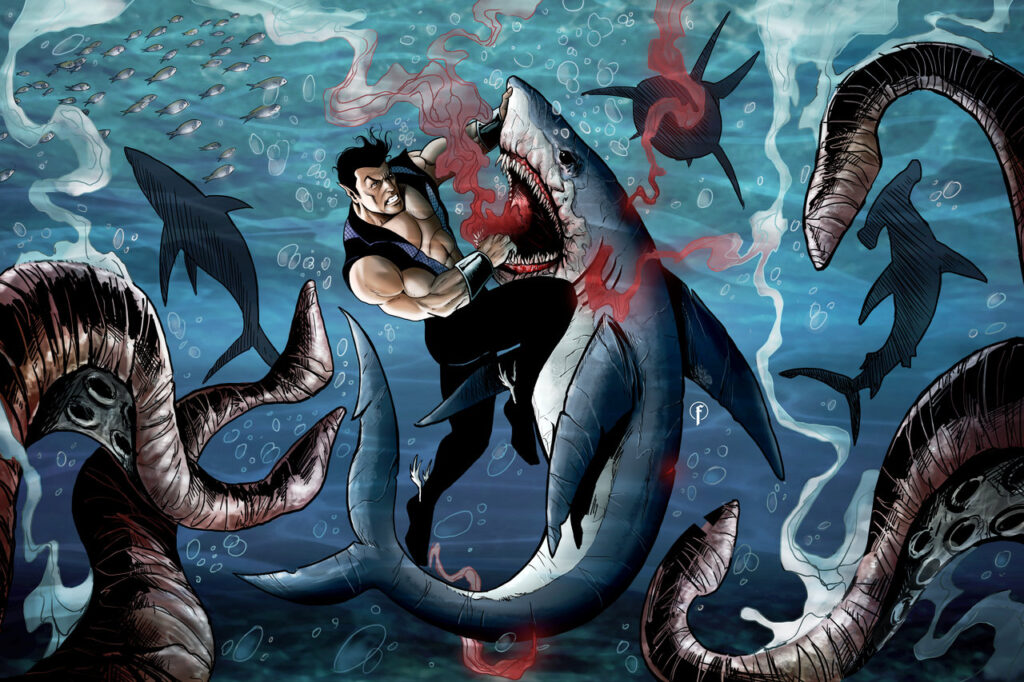
10. Namor the Sub-Mariner (Marvel Comics, 1939)

Namor movie

There have been rumors of a Namor film for the last few years, with Universal being attached to a project, but still nothing concrete. Namor is a great anti-hero; the Atlantean prince doesn’t particularly like humans, is not averse in going toe to toe with the Incredible Hulk in a fist fight and even has little wings on his ankles. He has a particularly dark and brooding appeal, kind of like Batman but with more fish.

If Hugo Weaving was 10 years younger he would have made a perfect Namor. But cinema audiences don’t want to see 51 year old men running around in tight green Speedos, so step up James Caviezel.

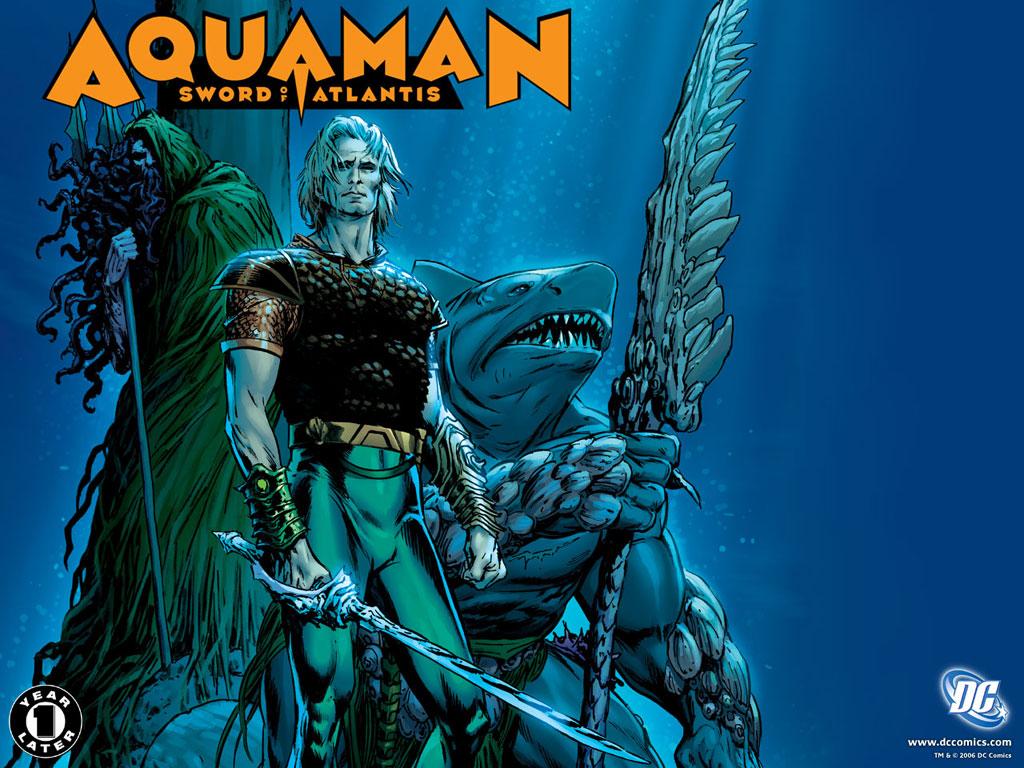
 9. Aquaman (DC Comics, More Fun Comics, 1941)

Aquaman movie

Perhaps the travails of films such as Titanic and Waterworld have put Hollywood off ocean-based epics? Titanic was a hit, but it was a nightmare production because of the difficulty of working in water. Probably the biggest problem with these maritime superheroes is the difficultly in hiring fish as extras. However, whereas Namor is a Prince of Atlantis, the telepathic Aquaman is a King.

But it seems that this one might be realized in the near future. There’s a lot of conjecture as to whether or not Aquaman will appear in the upcoming Batman v. Superman: Dawn of Justince, but according to reports, he will. Not only that, but Jason Mamoa has been cast and Warner Bros. has announced that it has hired two screenwriters to pen competing scripts for a planned solo Aquaman film.

8. Green Arrow (DC Comics, More Fun Comics, 1941)

Green arrow movie

Yet another superhero with a movie apparently in development. The bearded Oliver Queen could be a smash hit on the silver screen, due to his combination of superhero skills and an urbane outlook on life. His comics were socially relevant, dealing with drugs and death, including his own demise. He is more of a human superhero, like Batman, not relying on magic bits of rock or alien DNA to convert him into something more god-like.

Given that the TV series Arrow has done rather well over the last couple of years, a movie looks fairly likely at this stage, depending on how well things go with his inclusion in DC’s upcoming Justice League movie. The TV show’s Steve Amell has expressed interest in carrying on the role. Why not? If it ain’t broke, don’t fix it.

 7. Captain Britain (Marvel Comics, 1976)

Captain Britain movie

Captain Britain has limited appeal, especially compared to Captain America. However, he did attract the pen of illustrious writer Alan Moore, the man behind Watchmen and V for Vendetta. Captain Britain is linked to the fantasy world through the Otherworld, which makes for a superhero/fantasy film, kind of like having Superman appearing in Lord of the Rings. Potentially terrible, but also potentially brilliant. Give it to Tim Burton and see how weird he can make it.

Captain Britain has a Greek god type of appearance, which is not uncommon for superheroes in comic books. One for Jude Law if he was willing to bulk up and refrain from grinning inanely at the camera.

6. Grendel (Comico Comics, Dark Horse Comics, 1983)

Grendel movie

Grendel is not actually a superhero; he is a villain and crime lord who has also been an assassin and has been played by both a man and a woman. The type of stories involved in Grendel could be classed as “comic noir,” he is the antithesis to Batman. In fact, Grendel and Batman have met twice in crossover comics. Dark, untypical, this could make for an interesting take in the superhero genre, just like Spawn should have been if it hadn’t been such a disastrous mess of a film.

If you want the male Grendel, originally Hunter Rose, then Karl Urban could portray the ambivalent nature of the character. Fellow Star Trek alumni Zoe Saldana would make a lithe female Grendel.

 5. Rogue Trooper (2000AD, 1981)

Rogue Trooper 2000AD movie

Many 2000AD characters seem to be made for film. Judge Dredd has already been made into two (one better than the other), while characters such as Nemesis, Strontium Dog and Slaine seemingly perfect for 3D spectaculars. Rogue Trooper is the stand out 2000AD character for a film though and not just because he has bright blue skin. You have cloning, wars on alien planets, and dead soldiers brought back to life as talking biochips in equipment. Like Avatar meets Full Metal Jacket.

Timothy Olyphant is a shoe-in for this role. He showed he could handle a multitude of weapons as Agent 47 in Hitman and could probably cope with being painted blue every day of filming.

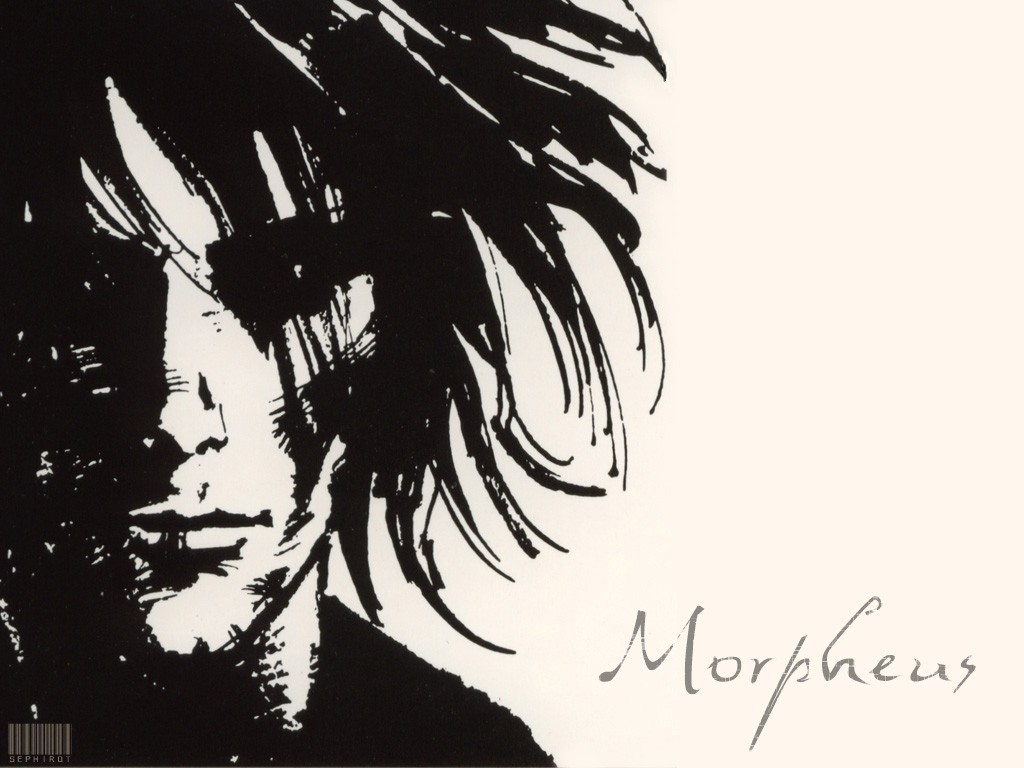
 4. Dream (DC Comics, Vertigo, 1989)

Dream Morpheus movie

Dream featured in the seminal Neil Gaiman comic book series The Sandman, which may be the most critically acclaimed series ever. Dream is pretty much omnipotent, he controls dreams. Also known as Morpheus, he is powerful, moody, sensitive, serious, and can be emotionally fragile when it comes to relationships. Sensitivity in superhero films doesn’t always have to be based on Peter Parker mooning over Mary Jane Watson or Gwen Stacy.

Dream has various appearances depending on who is looking at him. However, the classic Dream look is a cross between Robert Smith of the Cure and Tim Burton, but with cheekbones you could cut glass on. Cue Johnny Depp.

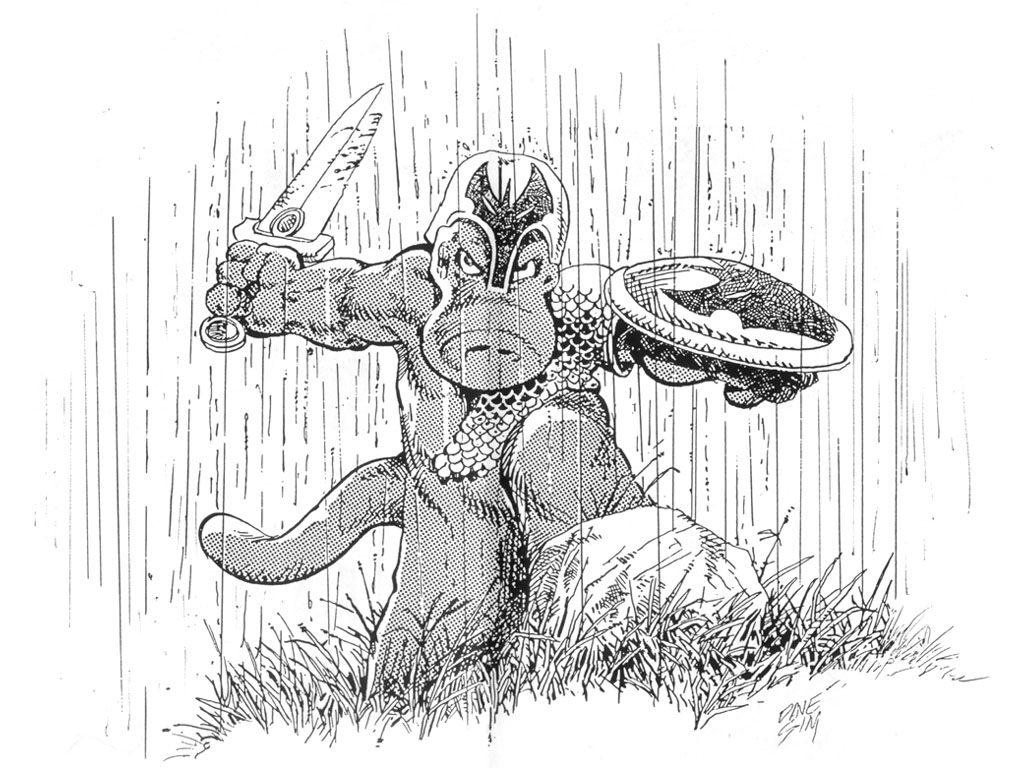
 3. Cerebus the Aardvark (Aardvark-Vanaheim, 1977)

Cerebus the Aardvark movie

Animals can be superheroes too; Howard the Duck was an incredibly successful and popular comic book, regardless of how terrible the 1986 film was. With the progression of CGI, making a misanthropic temperamental aardvark like Cerebus come to life should be a breeze. Cerebus is a heavy comic character, he drinks, he fights and his fur smells when it gets wet. The film would be a rather surreal sword and sorcery satire, perfect for someone like Terry Gilliam.

Rather than putting poor old Warwick Davis in a furry suit to play the aardvark, only a voice is required. Creator Dave Sim has said Cerebus sounds like George C Scott, but since he died in 1999 then who better than bass-voiced James Earl Jones to fill the role?

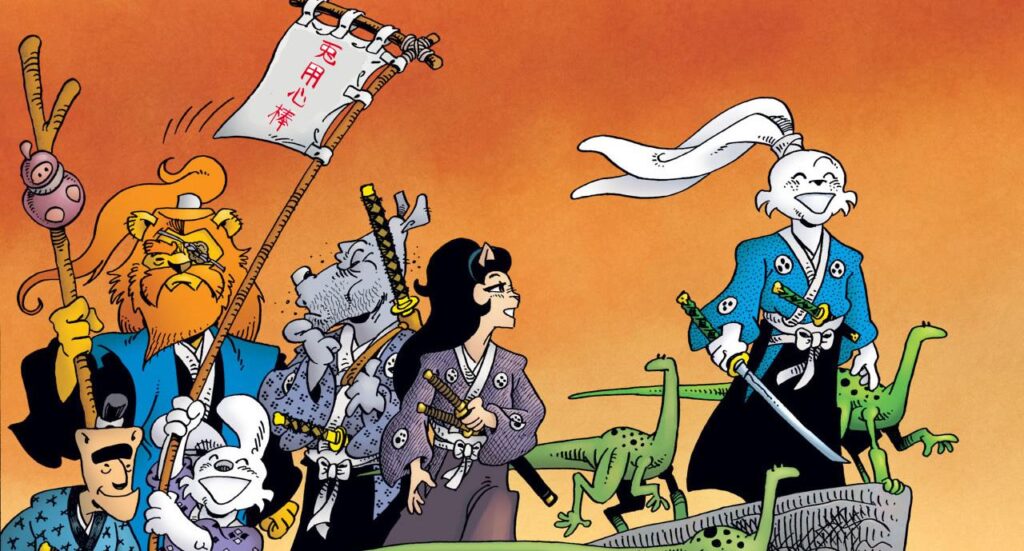
2. Usagi Yojimbo (Dark Horse Comics, 1987)

Usagi Yojumbo movie

Probably the least well-known superhero on this list, Usagi Yojimbo is a rabbit ronin, literally a bunny bodyguard plying his trade in 17th Century Japan. The comic book series has won many awards and is highly thought of in the comic world, even though it sounds like something out of The Beano. However, it is unlikely that Dennis the Menace was ever influenced by lauded director Akira Kurosawa. It is a serious and thoughtful story which would look impressive in a motion capture animated film.

Ken Watanabe would be perfect to voice Usagi Yojimbo. Picking a Japanese actor who speaks English makes sense, but Watanabe is also a fine actor with a distinctive voice who could deliver pathos and meaning to the performance.

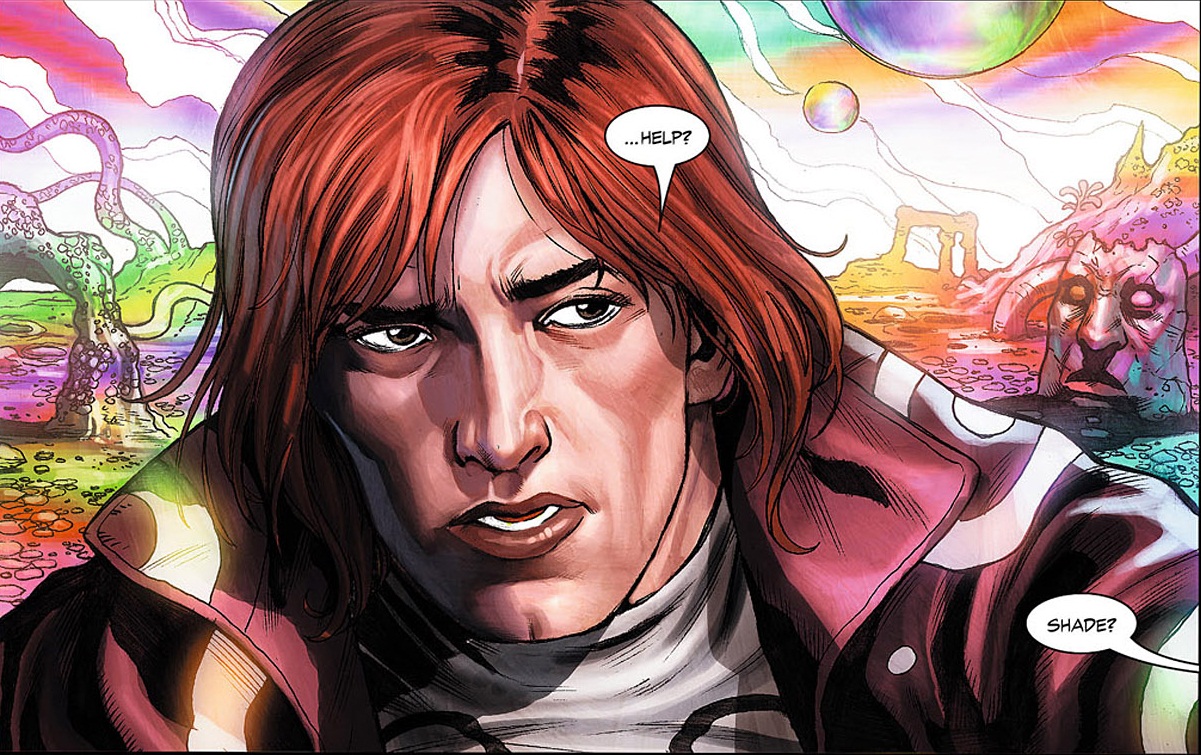
 1. Shade, the Changing Man (DC Comics, Vertigo, 1990)

Shade the Changing Man movie

DC Comics actually introduced Shade, the Changing Man in 1977 but it is the 1990 version of the character which deserves a film treatment. Five versions of Shade were created for the later series and all five (male and female) could be used in a film version to keep the tempo going. Constantine was a guest character in the comic, so a Keanu Reeves cameo would be on the cards in a film version. The character deals with the metaphysical using his powerful Madness Vest to change reality.

If incorporating the 5 versions of Shade (poet, woman, lunatic, mod, and obsessive) then Cate Blanchett (who made a great Bob Dylan in I’m Not There) would combine well with Twilight’s Robert Pattinson.

So there we have it. Any we left of the list? Think any of our casting choices are off base? Let your voice be heard in the comments below!

Chick Flicks Film Festival

Chick Flicks Film FestivalThe Women in Film Dallas (WIFD) provides a wonderful opportunity for women filmmakers to showcase their work. They accept narrative, documentary, animated, and experimental short films in any genre with a runtime of 35 minutes or less. The 2014 categories are Female Filmmakers and Flicks by Texas Chicks, and they are now accepting short film submissions for the 13th Annual Chick Flicks Film Festival, which will be held on October 2, 2014 at the Angelika Film Center in Dallas.

In honor of WIFD’s 30th Anniversary, winners will be awarded cash prizes. The Best of Fest winner will take home $1,000.00 and the Best Student Film will win $300.00.

To learn about Chick Flicks Film Festival rules, guidelines, and fees please visit http://www.wifdallas.org/page-969702 or www.wifdallas.org. 2014 Submissions will be accepted up until August 28th, 2014.