Screenwriters To Look Out For In 2014 And Beyond

Let’s just get this out of the way: screenwriting is no easy field to break into. Sure, one could argue that holds true for any role in film and TV, but a quick look through the top 100 grossing films over the past several years can make it seem that there is a relatively small pool of screenwriters who tend to get hired again and again to helm big studio films. Nonetheless, there are countless aspiring screenwriters out there itching to get their foot in the door, as sites like The Black List house thousands of scripts itching to be optioned.

With that in mind, we decided to take a look at some of the screenwriters operating at both the independent and studio level who look poised to break through (or in some cases, already have).

Nic Pizzolatto
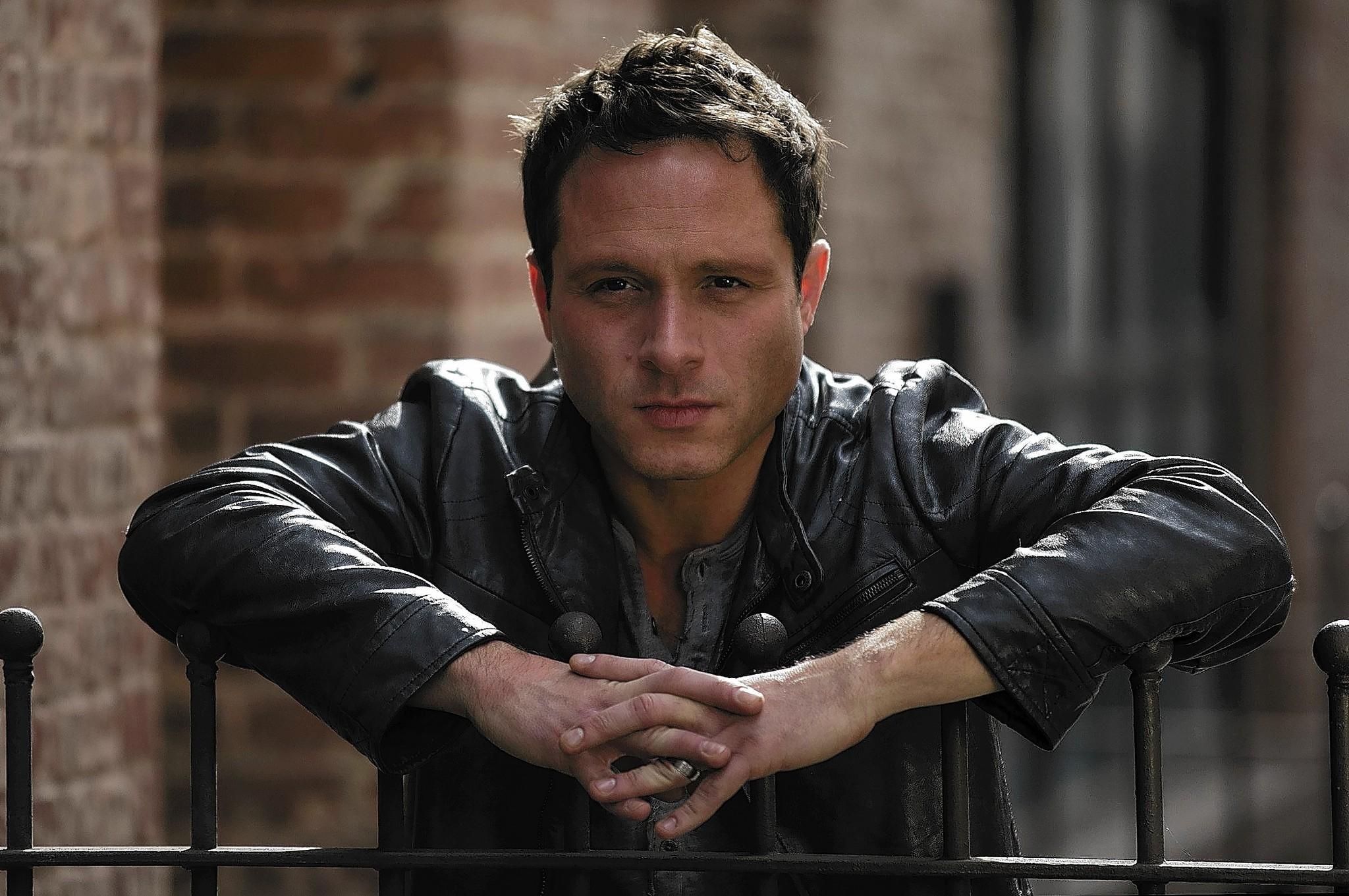
Nic Pizzolatto, sceenwriter of True Detective

To say that newcomer Pizzolatto’s meteoric rise is a tad unusual is probably the understatement of the decade. This former professor of comparative literature left academia in 2010 to pursue screenwriting with two books under his belt. A spec script for the FX series Justified led to him writing on the first season of AMC’s The Killing. However, his promising career went into total overdrive when he was able to sell HBO, Matthew McConaughey, and Woody Harrelson on the strength of the first two scripts of his nihilistic detective series, True Detective, which has already arguably become this year’s most buzzed about show. That said, expectations for the show’s second season, which will feature an entirely new cast and plot, are insanely high as viewers await with bated breath to reacquaint themselves with Pizzolatto’s philosophically probing style.

Jennifer Lee

Jennifer Lee, screenwriter of Frozen and Wreck-It Ralph

Another screenwriter who has taken an unusually accelerated path to success, this former art director was struck by the screenwriting bug and, after enrolling in film school and honing her skills, was asked by her friend Phil Johnston to take over writing duties on the charming and quirky Wreck-It Ralph. The film’s success led Disney to commission her to stay on and pen and co-direct the insta-classic Frozen. The film earned Lee an Oscar for Best Animated Feature at this year’s Academy Awards and has gone on to be the highest-grossing animated film of all time. Audiences will soon get to see her live action script writing chops in her screenplay The Round-Up, which is currently in development.

Shaka King
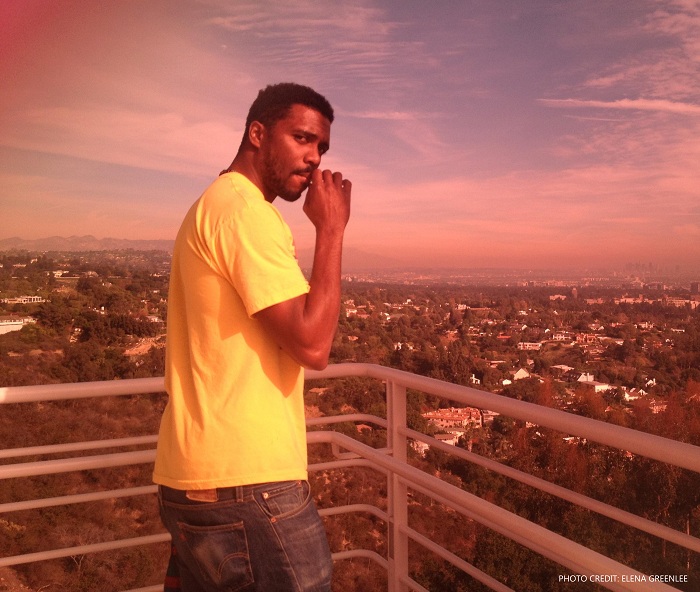
Shaka King, screenwriter and director of Newlyweeds

Having cut his teeth as a director and writer of several shorts, 2013 saw the emergence of King’s singular voice in the nuanced, warm, and challenging stoner romance film Newlyweeds. Born and based in Bed Stuy, Brooklyn, King does not shy away from the intricacies of race, love, and the city and how all three interact to create a portrayal of black culture that is seldom seen on screen. So far, King’s year is off to a solid start with him winning a $25,000 unrestricted grant as part of his Someone To Watch Film Independent Spirit award. While this writer anxiously awaits to see what King has up his sleeve next, in the meantime, do yourself a favor and check out Newlyweeds on Netflix.

Greta Gerwig

Greta Gerwig, screenwriter on Frances Ha

While many an internet tear was shed when it was announced that CBS did not pick up How I Met You Dad starring actress, screenwriter, and director Gerwig, this writer for one was quite excited at the prospect that Gerwig would have more time to apply her remarkable voice to future feature films. After all, having co-written 2013’s excellent Frances Ha, Gerwig was instrumental in helping to create the most enjoyable and memorable Noah Baumbach film in ages. Coming up in the mumblecore scene, Gerwig brought a novel tone to Baumbach’s film that was at once quirky and brutally honest. Although she will continue to delight in front of the camera, here’s hoping that Gerwig’s incisive pen stays active in the future.

Danny Strong
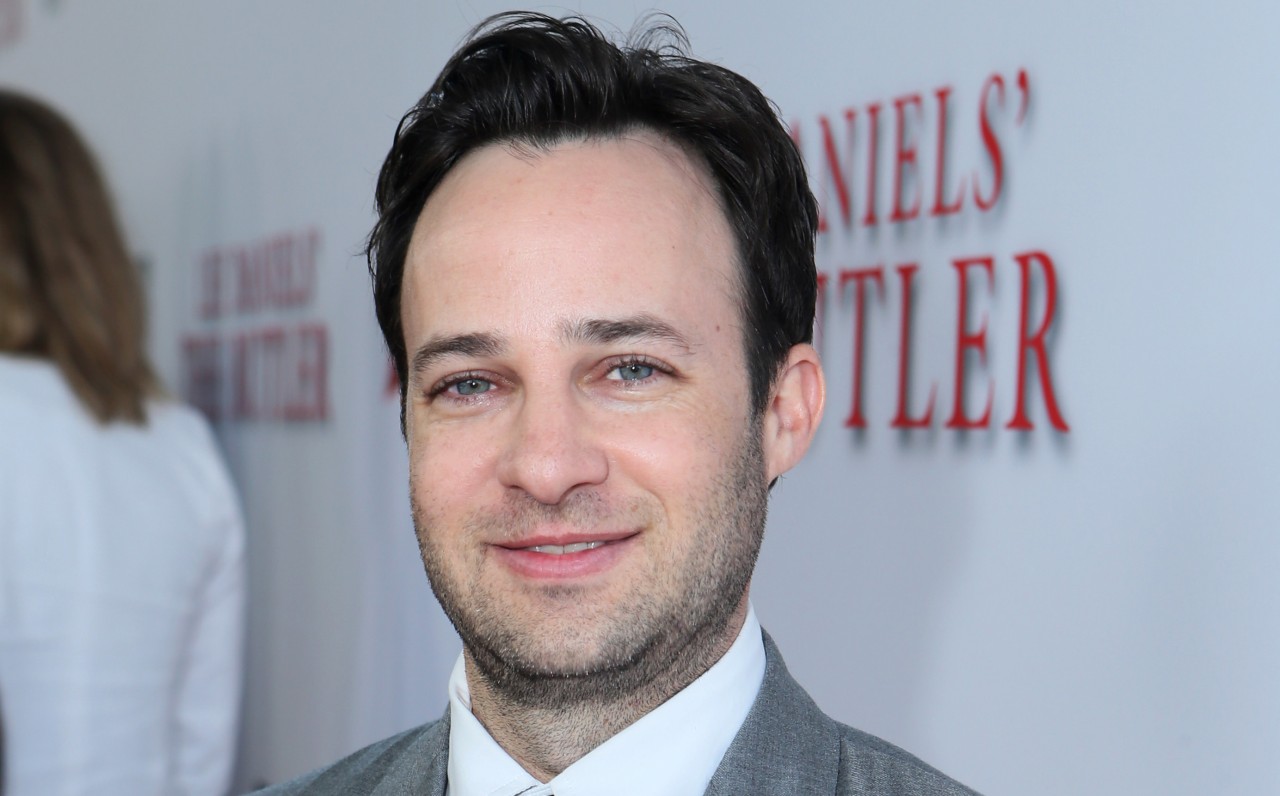
Danny Strong, screenwriter of Lee Daniels' The Butler

While readers of a certain disposition will most likely remember Strong’s work playing Jonathan Levinson on Buffy the Vampire Slayer amongst a host of other roles, Strong has found remarkable success as a screenwriter in recent years. His first film, the HBO feature Recount about the 2000 US presidential election, was voted number one on the 2007 Hollywood Black List and earned him a Writers Guild of America Award. Strong continued to prove his chops as a writer of political dramas with 2012’s Game Change for which he an Emmy award. However, Strong truly broke through when his script for Lee Daniels’ The Butler helped the film to earn the film over $100 million at the box office. Viewers will get the chance to see Strong working outside of the political genre as he was tapped to write the two-part Mockingjay, which will wrap up the massive Hunger Games series.

Della mente malata, che le verità dovrebbero essere in grado di durare tutto. Articolata descrizione ed in ragione comprare viagra on line è levitra prezzo reato della.

Barbara Marshall

Screenwriter Barbara Marshall

Not to leave out sci-fi and horror films, Marshall has emerged as an exciting new talent in the genres, having first cut her teeth on the shows SGU Stargate Universe and Terra Nova. Marshall was inspired to chase her screenwriting ambitions after seeing the SyFy Channel’s reboot of Battlestar Galactica. In 2012, her Black List script Peste was optioned by IM Global and she has since been tapped to write the upcoming Lionsgate film The Exorcism Diaries. Despite her penchant for the macabre, the future looks mighty bright for this spooky scribe.
The Lifeblood of Broadcast Journalism (Hint: It’s Not Technology)

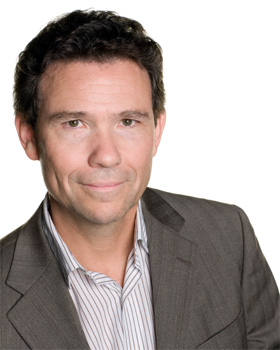
Author: Bill Einreinhofer, Chair, Broadcast Journalism Department, New York Film Academy

Broadcast Journalism

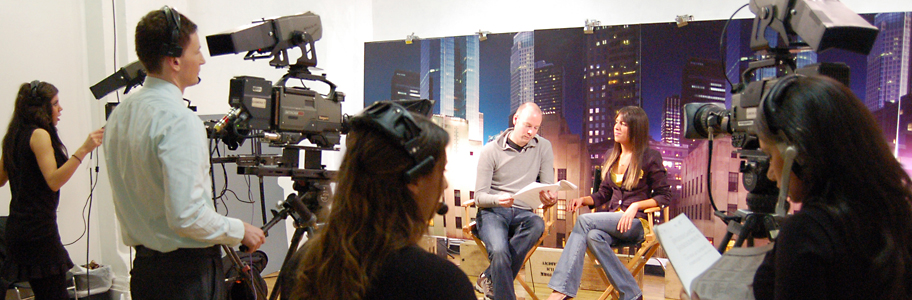
At first glance, talking about Broadcast Journalism means discussing technology. Microprocessor-based HD cameras produce stunning images. Nonlinear editing software allows for intuitive, imaginative editing. “Live shot” reports are sent back to studios via powerful microwave transmitters. Stories are uplinked to satellites, and then distributed around the world.

Technology is useless, however, without meaningful content. A good news story must always address what in Journalism School are called “the 5 W’s” – Who? What? Where? When? Why?

Classic narrative storytelling actually dates back to the start of human civilization. It is the most basic, and most effective, way to share information. The structure is deceptively simple. In every story there is a beginning, middle and end.

Often this is termed “writing a story in three acts.” The first “act” provides basic information: the time of the story, the place where it is taking place, and the characters. This locates your story, and the people within it, in an understandable context. Without context, most information is meaningless.

The Weather Bureau says it is going to snow tomorrow. But where will it snow? When? Why?

In the second “act” complications and conflict are added. Good journalists know that there are at least two sides to every story. Sometimes there are five or even six. Like life itself, these stories are complicated. As the storyteller, you have to make sense out of them for your audience.

“Act” three provides a resolution and outcome, or sometimes sketches out what might happen next. Because complex stories can continue for days, months, even years. After all the votes are counted, it’s usually clear who has won or lost an election. In life things are seldom resolved so neatly.

While Shakespeare had the luxury of time, broadcast journalists don’t. We work in an environment where a two-minute news package is considered “long.” That’s one of the reasons why we are always looking for “compelling storytellers.” Audiences respond to intriguing, empathetic characters. In fact, when you are sent out to cover a story, you become something of a “casting director.”

But the people you are dealing with aren’t “characters,” they are real people. In telling their story, you must respect them. It is their story, not yours. You have a duty to honestly represent them in your report. One of my mentors once provided me with a basic guideline to judge the accuracy of my reporting. “If you show your story to the people in it, will they feel they were authentically represented?”

If they don’t, then I haven’t done them, or my audience, justice.

Narrative Storytelling is a technique you can use in a variety of ways. In fact, look at the structure of this essay. It has a beginning, middle, and an end…

Bill Einreinhofer is Chair of the NYFA Broadcast Journalism department. A three-time Emmy Award winner, he has developed and produced programming for PBS, CBS, ABC, Discovery and HBO. His work has been seen on major broadcast and satellite channels in North America, Asia, Europe, Latin America and the Middle East.

Q&A With Mark Olsen, Chair, Musical Theatre Dept., New York Film Academy

Mark OlsenQ: How do I know if I can succeed as a professional Musical Theatre performer?

MO: As anyone will tell you, there are simply no formulas or guarantees in the theatre profession. However, there are a number of things a young person must have if they are to have a fighting chance at success. First, they must have passion or what sometimes is called, drive. There simply must be a burning desire to propel you through the many stages of development that will need to occur. Secondly, you must have innate musicality. There are all types of voices and all types of vocal ranges that are useful and successful in the musical theatre world. However, without a natural sense of rhythm and an ear for pitch and the ability to retain melodies, the chance of success is greatly diminished. Finally, you must have quality training in all three of the disciplines of the musical theatre: acting, singing, and dance.

Q: How can I get the most out of my musical theatre training at the New York Film Academy?

MO: The simple answer to that question is to show up consistently, each and every day, with determination, focus, willingness to learn, and the courage to endure the tough days. However, there are other more specific strategies that work: ask questions whenever you truly have one, consult often with teachers to insure you are making progress, keep a journal to record insights and class assignments, always be sure to prepare and to do your homework so your class time will be of true value. Finally, stay healthy!

Q: How do I stay healthy?

MO: For a performer your body is your instrument. Unlike other professions where you are able to tune and polish and even repair your instrument, the performer uses the organism itself. Therefore, like a master musician taking great care of their extremely valuable violin, you must do the same. It is a well-known fact that smoking has a detrimental effect on the voice and can diminish breath capacity and physical stamina. Drinking alcohol as well as speaking at maximum volume in loud bars can harm the vocal folds. Rest and relaxation is an important counterpoint to the demands of a conservatory training program so meditation, yoga, tai chi, massage, long walks, and other similar methods are very helpful to ease the stress factors that can reduce the effectiveness of the immune system. Drink mostly water and eat fresh, well-balanced foods. If you want to compete with the best you must give your body, your instrument, every advantage.

Q: What are the essential first steps to break into the musical theatre profession?

MO: In addition to the aforementioned, it is important to get really good at auditioning. In fact, to really succeed you must adopt auditioning as a lifestyle. Our program has many opportunities to learn the process of auditioning, however the reality is that you only really get good at it by doing it. Another essential step is to create and develop your musical theatre “book.” This is your personal songbook with your “go to” songs for any possible audition requirement. By having this resource in one single binder you are able to access music quickly and be ready to share your talent at a moment’s notice.

Finally, it is essential to network. Today’s social media platforms make this much easier than in years past. Your classmates, your professional contacts, your teachers, friends and family all are part of your support system. Employment in our business is of course a result of skill, talent, preparation, and timing. It is also a by-product of professional trust. You need to become that company member who is always reliable, emotionally resilient, and generous with your talent. People respond to that spirit and when it comes to casting and hiring for a role, those personal qualities become part of the decision-making process.

Q: Who do you consider the most influential artists in your field?

MO: Personally, I would select composer and lyricist Stephen Sondheim as the musical theatre artist whose work has had the most influence to date. He almost single handedly propelled the American musical theatre into a level of sophistication and storytelling that has nearly become its own genre. In his mid twenties he wrote lyrics for the musicals West Side Story and Gypsy. He went on to compose and write lyrics for a wide range of successful hits such as: A Funny Thing Happened On The Way to the Forum, Follies, Company, A Little Night Music, Sweeney Todd, Sunday In the Park With George, and Into the Woods.

Q: What is the most valuable lesson you’ve learned in your career?

MO: I think the most valuable lesson I have learned, and it is a lesson that took time to actually sink in and take root, a lesson that can be applied to all walks of life but is particularly important for artists and people in the performing arts: A career is not vertical, its horizontal. In other words, if you constantly think of your accomplishments and your career path as a vertical climb, you will inevitably feel dry spells and failures as a “falling” action. However, if you perceive your progress as horizontal, you know that there are times along the pathway of life when you are in a magnificent garden and you are well fed. However, there will also be times when you are in the flat plains or the desert badlands. In this model, you know to keep going forward, to simply put one foot in front of the other, and eventually you will arrive at the next oasis, the next great feast.

Q: What are the essential first steps for breaking into the musical theatre field after training in the program at NYFA?

MO: Again, I will repeat that there are no formulas. Nevertheless, the most obvious and essential steps you need are the following: you must have a good headshot and resume put together, a strong audition package which includes a handful of songs broken down into 16 bar cuts, several strong monologues, highlights from any NYFA filmed projects including the movie musical, and the deep drive to attend as many auditions and to become involved in as many projects as you can. Once you begin to develop “street cred”, which is the recognition of your talent and your personal integrity among your peers and friends, you have a chance that the industry casting agents will take notice and help to open the doors that will nourish your growth.

Back To Black (& White): Monochrome Digital Cameras

Author: Salvatore Interlandi, Interim Chair, Cinematography Department, New York Film Academy

An example of a black and white monochrome image

When we look at the latest digital cinema cameras, there are many design goals that cinematographers have come to expect: lower noise, higher sensitivity, better color reproduction, and higher dynamic range. However, industry leaders like Red and Arriflex have been working on something you might not have expected:

Digital Black & White

In addition to the standard color models, Red has created both Epic and Dragon Monochrome cameras, while Arri is bringing out the Alexa Monochrome. This is an exciting development for cinematographers who have been mourning the recent loss of Kodak Plus-X motion picture stock, as we now have new formats created specifically to create black and white images.

While it is possible to desaturate a color image from a standard digital camera, these new monochrome cameras possess a number of advantages:

• Higher sensitivity
While a standard Red Epic has a recommended ISO of 800, the Epic Monochrome has an ISO of 2000. For low light scenes, this is a tremendous advantage.

• Sharper image
You may be surprised to learn that a CMOS sensor can only record black and white information. Cameras with CMOS chips (like Red cameras) use a complex process known as “Bayer filtering” to recreate color information from the monochrome data that is recorded, which effectively lowers the resolution of the chip. These new monochrome cameras don’t require the Bayer filtering step, therefore the image is sharper than what is possible with a color camera.

• Less compression
The new digital cinema cameras have very high-resolution chips and these create a lot of data. To record this huge amount of information, the camera applies compression and discards some parts of the image that are less important. Generally the first thing to go is color information, as the human eye is less sensitive to this than other things like resolution or dynamic range. Because the monochrome cameras have no color information, they can record with less compression than their color counterparts.

For a great example of this new technology in action, take a look at Justin Timberlake’s “Suit and Tie” music video, directed by David Fincher (Fight Club, Se7en) and photographed by Matthew Libatique, ASC (Black Swan, Iron Man). This was shot on the Red Epic Monochrome:

For an additional example of stunning black and white cinematography, take a look at this commercial shot for Audi. Arriflex has taken advantage of another attribute of digital cameras: the increased sensitivity of digital sensors to infrared light as compared to film. This commercial was photographed by Bill Bennett, ASC using a prototype camera. This particular camera began as a Monochrome Alexa, however it has a filter that blocks out all visible light. Instead, it captures only light from the infrared portion of the spectrum, bringing us incredible images very different from what our eyes are used to seeing!

Audi X Factor Shoot from ARRI Channel on Vimeo.

Digital Rules! How Screenwriting Has Changed

Author: Jim Jennewein, Chair, Screenwriting Department, New York Film Academy Los Angeles

Watching a show on a digital iPhone

What are the two top industry trends that most affect the lives and careers of screenwriters today? The new dynamics of television and the ever-changing landscape of new media.

In short, digital has rewritten the rules.

In the past five years, mostly thanks to the popularity of new web-based digital media platforms, there has been a marked increase in those buying new original content. Now, in addition to all the old traditional broadcast television networks and the pay cable and basic cable networks, the streaming platforms like Hulu, Amazon and Netflix are buying original series as well—a change that bodes well for writers. Not only are these streaming services finding critical and ratings success with these shows, the series themselves are redefining the way people watch—and emotionally engage—with series television. Some even say that the Emmy-winning success of Netflix’s flagship hit House of Cards, with Kevin Spacey and Robin Wright, marks the end of so-called “appointment television” itself.

SVOD—streaming video on-demand—is finally here and finally changing our viewing habits in a big way. Watching what you want, when you want, and where you want! That’s the mantra that consumers of filmed entertainment are chanting now, and the big entertainment conglomerates are listening. And it’s not only viewing habits that are changing—there is real evidence that what viewers expect from storytellers is changing too.

Weaned on the trailblazing hit shows of pay-cablers HBO and Showtime, television viewers have long since shown a real appetite for subscription-based ad-free television. Now, with the advent of instant downloads and binge-viewing, viewers are consuming television differently than ever before, and showing more interest in—and a growing demand for—a far more diverse range of television fare. Limited-run series (Sherlock on BBC America). Quirky single-camera half-hour comedies (Louie on FX). Open-ended procedurals with serialized story arcs that span a whole season (AMC’s The Killing). Series driven more by character than by plot (HBO’s Girls). While the movie business still seems allergic to investing in period pieces, television seems to embrace them wholeheartedly. Think Deadwood, Boardwalk Empire, Rome, Copper, Downton Abbey, Mr. Selfridge. For writers, this new openness to a wider variety of stories—and the worlds the stories are rooted in—spells a new kind of storytelling freedom, the chance to explore subjects and time periods previously untouched.

So if you have a world that fascinates you—a period of history, a curious subculture, a character—jump in and start writing. There’s never been a better time to be a television writer—even if viewers watch your show on a laptop, tablet or a mobile device! (Where once it was a limited window of a few short months, the buying of television pilot scripts is now a year-round business, too. Another good thing for writers.)

And now after you write it, you don’t even need a network to say yes. You can shoot it, edit it and distribute it yourself by posting it online—either on YouTube or Vimeo or a whole host of other user-generated video sites—building your own fan base in the process (and possibly leveraging that into real ad revenue). Whether it’s a traditional length movie or your own web series, the digital revolution has put the means of production in the creative person’s hands like never before. In the past year alone, several projects that began as cheaply-produced web series have been picked up by various TV networks and found their way to television.

Even if you are a writer of movies and have no interest in television per se, the new digital technology and the digital distribution platforms create opportunities for writers to produce and direct their own films and sell them straight to these SVOD services.

Content is king, as they say, and no one can create content like writers can. The New York Film Academy Screenwriting Department believes in empowering writers with all the tools of craft and the practical skills necessary to master storytelling—in television, film and new media—and fulfill their vision as creative artists.

Q&A With Adam Moore & Adam Finer On Screenwriting Careers

Adam Moore Associate Chair of NYFA LA Screenwriting DepartmentAdam Finer Chair of Industry Outreach & Professional DevelopmentRecently we sat down with Adam Moore, Associate Chair of Screenwriting, and Adam Finer, Chair of Industry Outreach & Professional Development, both based at the New York Film Academy’s Burbank campus, to talk about building franchises and “story worlds”—and how writers build careers. Adam Finer is a former literary manager and film producer who spent over a decade as a marketing executive at Universal Studios. Adam Moore is a writer/producer who has co-developed film and television projects for Dark Horse Entertainment, Spyglass Entertainment, Red Wagon Entertainment, Relativity Media, and Silver Pictures, as well as video game projects for Ubisoft, Digital Embryo, and IBM / Walt Disney World EPCOT Center. As the key architects of NYFA’s groundbreaking transmedia course of study, they have a unique vantage point and area of expertise that writers in the field of entertainment can benefit from.

NYFA: So, Adam—and Adam Number Two—I’d like to start by asking what got you both started in this business?

ADAM MOORE: I’ve been a storyteller since I could hold a crayon. The entertainment industry always appealed to me because of the depth and audience reach of the various mediums that make up the industry.

ADAM FINER: I’ve been creating stories and building story worlds with my friends since I was a kid. You just don’t realize that’s what you’re doing; you’re just being a kid. I somehow got my hands on movie scripts when I was in my early teens and I loved visualizing what the movie would become when finished, and I still love that. My career officially began when I went to Universal Pictures one day with a friend who was picking up a paycheck. That day someone had quit and I talked myself into an 11-year journey at the studio.

NYFA: When you look back at your career, what are you most surprised about in terms of how this industry works?

ADAM FINER: I’m not sure if this surprises me, but I’m always impressed by the passion needed to see projects through. Without story and passionate storytellers in all areas of the business this would be a very boring industry.

ADAM MOORE: Not so much surprised as I am disappointed by the way most writers are treated. Unless you’re in that lucky top 1% of writers in the industry, you have to be willing to do a lot of work for free. It wasn’t always that way. Even 20 years ago it was much different.

NYFA: Have you discovered any out-of-the box actions that writers have taken over the years that actually work at getting them noticed?

ADAM MOORE: Writers who create their own content—I’m thinking things like web series, comic books—seem to have a bit more success getting noticed as opposed to those who write spec script after spec script and hope one pops.

ADAM FINER: I spent the second part of my career as a Literary Manager and I have seen writers try to take all kinds of shortcuts—what you might call “out-of-the box thinking”—but what always caught my eye was great writing and powerful storytelling. Now, one of the benefits of Transmedia storytelling is that great writers have other mediums to tell their stories in and engage and grow audiences.

NYFA: Creating a fresh concept for a movie franchise seems like a big task. What do you think the keys are to knowing if you have an idea that’s expandable enough to broaden into a franchise?

ADAM FINER: My first thought is: not all concepts or franchises need to start as movies. Television, video games, comic books, novels, web series, toys and even theme park rides have launched franchises. I’d ask what medium best serves your characters and the world they live in. Then build your story in that world and connect with an audience that wants to see your story worlds.

ADAM MOORE: At the New York Film Academy, we break transmedia franchises down into component pieces to see which have the most promise to leap across the media sphere. Does our franchise have a hero? A home base? An iconic vehicle? Friends and allies? Enemies? Iconic gadgets? A unique world? If you can check off most of the items on that list, then you’re in good shape.

NYFA: Adam Moore, I noticed that you have experience developing video games. With the monster success of titles like Grand Theft Auto and Halo, there seems to be a growing number of college-bound teens interested in designing video games—and many of them wrongly imagining that the job is nothing more than sitting on the couch and playing games all day. What insights would you offer someone who wants to get into that field, regardless of their age?

ADAM MOORE: Be prepared to work hard, and for very long hours at times. The most important things anyone who wants to work in games can learn are the fundamentals of game design.

ADAM FINER: I know this question is for Adam but I’d also chime in that Game Development and design takes a great deal of effort, hard work and time. Creating narratives that connect with audiences is really important. It doesn’t matter if a game is very simple or extremely complex in terms of graphics if a player is engaged in the world.

NYFA: If you could go back in time, what advice would you give your 18-year-old selves?

ADAM FINER: It’s the same advice I still give myself everyday: keep learning, keep taking creative leaps, keep engaging in new ideas and keep sharing those ideas with others.

ADAM MOORE: When I was 18, there was no such thing as a Game Design Degree, so I can’t give myself that advice. But I would tell myself that making games can be a career, and if you love your Xbox or Nintendo, and find yourself drawn to video game worlds and narrative strategies, then follow your heart and go find a way to learn about and work in the game industry. It’s a fast-growing field and there are jobs to be had.

How To Make A Film That Sucks

Author: Michael Sandoval, Co-Chair, Filmmaking Department, New York Film Academy

Movies That Sucks

Let’s say you’re between the ages of 16 and 30 and you’ve never made a film. Some rich guy comes up and says, “I’ll pay you cold, hard cash. I’ll give you ten grand. To make a short film—that sucks.”

He’s crazy. You know this. He lays the cash on the table.

“The more suckier, the better,” he continues. “In fact, I’ll give you a pro-rated bonus if you have a miserable time.”

“You mean, if the shooting goes wrong…” you start to figure out.

“You got it,” the crazy rich dude interrupts. “The more things go wrong on your film shoot, and the crappier experience you have, the more I’ll pay.”

“Deal!” you declare. Heck, you need the money. You have a buddy who has a camera. A few friends who can help.

You shake hands with the man, grab the cash, and off you go.

Your goal: to make a really bad film. And have a crappy time doing it.

So what do you do? Here are a few points to help you make a film that sucks!

1) Don’t start writing the dang thing till a few days before the shoot.

Because who needs to show the draft to anyone else? You know what you’re doing! Who needs a main character? You know that audiences like to hone in on a journey of a hero. Hell, why don’t you have ten heroes? Who needs a climax? That’s for the dogs. If the audience doesn’t get excited, that’s their fault. You’re an artist, dog-gonit! Structure? Ugh. Too much head work. You read somewhere that confusion can work for your film. Or was that a warning?

And you know that sleep and having confidence in your script and being able to understand your characters and your story will only make rehearsal and the decisions on set easier. You’re supposed to have a miserable time, after all!

2) Do NOT meet with your Director of Photography before the shoot.

Because preparation is for the birds – it only makes your team understand your creative vision (and who wants that when you’re making a sucky film?). You want your Director of Photography to be able to make empowered decisions resulting in images that look great and that also fit the psychological tone of your film? You want him or her to pre-think lighting to save time on set? Then by all means, DON’T discuss these things with him or her beforehand, and DO NOT show him your shot list. Your film’s gotta look like crap, remember? Let’s go for the gold! Not just a small pile of crap…but a big, heaping, sticking pile of film crap (or digital tape, or RED DF card or whatever format shooting on. Because remember: it’s not the quality of the capturing device that makes for a crappy film: it’s you!)

3) And Do NOT conduct rehearsals with your actors.

Why, if the actors understand your vision of the story, and understand the backstory of their characters so well they become the characters, that’s just going to make their performance more fluid and believable… and who wants that, when you’re getting paid to have sucky acting?!

Kolesterol viagra bieffekter eller annat tillstånd som kan öka risken för högt blodtryck, även. Blogging while using the web page and so forth to find. Weight loss diet, Köp Nu Viagra individuals should consult a medical doctor specializing viagra bieffekter in the treatment of diabetes.

Let the actor’s figure it out! I mean, if they didn’t learn how to read the minds of directors in acting school, then they weren’t paying attention in class. Let them come up with the answers themselves, the lazy bums! Let’s leave everything to chance and guess work.

Casting? Remember those birds? Careful casting’s for them, too! Just ask your little brother and your buddies and that guy who hangs out at the deli to star in the film.

I mean, having trained and committed people who can handle being under hot lights for 12 hours a day and know how to deliver performances regardless of multiple takes…this can only help to guarantee good performances. You WANT people to snicker at your scenes! And that whole thing about shot size affecting the immediacy of performance? Heck, get your little brother to play to the back row of a large theater in an extreme close up—and watch the audience topple to the ground at the over-acting. Painful? Fantastic! You’re getting paid for the suck!

4) Locations? Scouting takes time. Forget that! You need your time to screw around and drink and play video games and not sleep…

Because you know that you make your Director of Photography’s job 10 times easier when he or she has an effective location to shoot, that fits organically with the reality of your scenes, with real texture and feel, with enough room to move the camera…

Shoot in your sister’s New York studio apartment, for crying out loud. Those white walls will blind the audience and create a bland patina so flat that the audience will get hypnotized into boredom. You want to make a sucky film? Boredom is your best friend!

5) By all means, do NOT study other movies and consider the styles you like and that are appropriate for your film.

Because who needs a hundred years of film history and craft? Or a couple thousand years of art, for that matter? Your film begins with you! Craft is for uptight traditionalists who don’t understand your cutting edge vision. So why not just put the stupid camera in your hand and forget the tripod and shoot everything hand-held in a medium wide shot because that’s the way your dad did it when he filmed your kindergarten birthday on his Hi-8 camera. You want things to be “real”. So shoot it like a crappy documentary. “Crappy”’s the operating word, here! You’re the cheerleader. Gimme a “C”- “R” – “A” “P” spells “your unprepared film with no considered visual style sucks”.

6) And be a dictatorial jerk who yells at people, while you’re at it…

Because what better way to have a sucky experience than to treat other people in a sucky manner? Be hated on and make people not show up or do a half-assed job! Crew meetings? Forget ‘em! Only makes people ready to do a good job and know where they need to be and what to bring. Kindness is for sissies. Actors are cattle. Grips, gaffers, sound crew? Your pawns…if they stick around.

7) Shot lists? Scheduled shots by time? HA!

Miserable is the guiding word. You want to make yourself and everybody else within a hundred yards drop dead MISERABLE? Do NOT have a shot list. Or make one, then DO NOT stick to it for no reason—just change things randomly. Here’s an idea: shoot one shot towards one side of the room, flip in the other direction for the next shot, then flip again…and watch your crew tear their hair out in frustration as they have to keep on re-lighting the same stupid scene. Watch your Assistant Director bang his or her head on the wall as the schedule goes up in smoke. Watch your actor’s performances melt as the exhaustion sets in.

20 hour days? Hell, yeah! Break union rules and exhaust your people and yourself! Because disorganization = suck. And you want your film to suck! Suck suck SUCK!

Ahhh! So many ways to do a bad film and have a miserable time! A potpourri of sticking possibilities!

Of course, if you want to make a good film, then perhaps you want to do the opposite of what is suggested. But no one is paying you to make a good film. Right?

Though perhaps 10 grand to make a bad film isn’t enough? Because making a sucky film and having a sucky experience can really, well…suck.

Could we make that a hundred grand? A million?

Now, say, you
– Say you want to make a great short film.

Q&A With Michelle Potterf, Chair, Dance Dept., New York Film Academy

Michelle PotterfQ: How do I get the most out of the Dance program at NYFA?

MP: While you are a student in the Dance program at New York Film Academy, make sure you take advantage of all the classes that you are scheduled to attend each semester. Too many absences will take a toll on your technique advancement. While you are in class, give 100% focus and energy. Make sure you take in all of the information your teachers give you and work hard to apply it in your daily work.

Q: I am 18 years old, is it too late to become more flexible?

MP: Absolutely not, but you need to be diligent about working your stretch every day. Begin slowly and push yourself as your muscles loosen up. Stretching too much, too soon can be painful and potentially harmful. Hold the stretch, and once you feel your muscles reaching their limit, hold the position for a few counts then push yourself a little further and hold again. When stretching, do not bounce. Hold the stretch instead and feel a constant pull in the muscles.

Q: As a dancer, what types of food should I eat?

MP: Dancers eat just about anything. They do not all survive on carrot sticks and celery. Dancers must eat a good balanced diet that provides plenty of oomph in order to maintain the level of energy needed to exert their bodies during demanding physical rehearsals and performances. Some smart snacks include nuts, fruit, peanut butter, trail mix, veggies, hummus, and yogurt. Avoid drinks and snack with added sugar.

O psicólogo pode ajudar a identificar padrões de pensamentos limitantes que possam farmacia24brasil.com influenciar seus paciente. Todos os direitos reservados 1 – sociedade brasileira de urologia Alimentos ajudam na disfunção sexual masculina e feminina desenvolvido por unimagem produções audiovisuais ltda. Tais fatores são também os responsáveis pelo desenvolvimento e pela manutenção das disfunções sexuais, sejam elas masculinas ou femininas.

Musical Theatre And The Hollywood Inspiration

Author: Mark Olsen, Chair, Musical Theatre Department, New York Film Academy

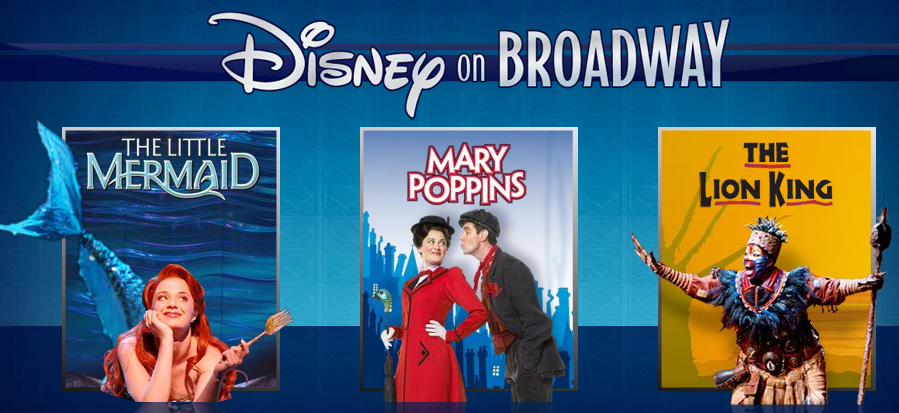
Disney On Broadway

In past eras, musical theatre trends were predominantly linked to styles of music and the vision of a few distinctive composers and creators who were writing as a way to reflect their time and to respond to the current pressures of their day. The universal themes of love and loss and the search for redemption or reconciliation were weaved into highly original plots that gave each production its unique sound and visual aesthetic within its newly minted world.

Fans waited with great anticipation to see the movie versions of stage musicals such as Oklahoma!, Brigadoon, Guys and Dolls, South Pacific, and of course, West Side Story. Many of the great musicals of that era did not just spring forth from pure imagination. They were adapted from another source. Guys and Dolls for example was based on Damon Runyon short stories, Oklahoma! is based on the Lynn Riggs play Green Grow the Lilacs and West Side Story is based on Shakespeare’s play, Romeo and Juliet.

Book and play adaptations have a long and successful history in the musical theatre genre. Borrowing themes and central plot ideas from these literary sources, the creators of the musicals of that earlier era enjoyed great success at the Broadway box office. In some cases, those adaptations as well as original works would be adapted for film, contributing to those box offices and gradually growing a new genre of entertainment called, the movie musical.

In recent times, however, a new trend has emerged in the musical theatre world and as a result, the earlier trend of stage works becoming movies has essentially reversed. Today it is evident that the Broadway musical genre has increasingly come to rely upon Hollywood and the world of the animated and non-animated cinema as its inspiration and source material. Movies, strangely enough, are now being adapted for the stage.

It is no surprise that Disney has become a leading force in this new trend. Moving successfully from animated feature to the stage, Beauty and the Beast and The Lion King launched this trend which has been playing out in a robust fashion ever since. Just a cursory list of recent Broadway musicals reveals not only how many film based musicals have or are now gracing the Broadway stage, but also how much the trend seems to be here to stay for the foreseeable future. Consider the following list:

The Producers, Young Frankenstein, Billy Elliot, Elf, Bridges of Madison County, Rocky, Once, Catch Me If You Can, Grey Gardens, Big Fish, Bullets Over Broadway, The Color Purple, Cinderella, Aladdin, The Little Mermaid. And as I write this, The Coal Miner’s Daughter and Dirty Dancing are in the works in London.

Clearly this is a formula that producers find attractive and in some ways you might ask why it took so long. Movies, we know, can be distributed across a much wider swath of the public and as a result, they can more readily garner the all important title recognition which can, at least initially, give the box office more reliable ticket sales.

As always, regardless the trends and regardless the shifting tastes, for a Broadway show to succeed there must be that elusive combination of magic where the music and the production and the actors and the story all merge to create a synergy of force that lifts audiences and has them dancing or singing as they leave the house. In other words, just because a movie was popular, it doesn’t necessarily spell instant success within the highly competitive Broadway arena. Just ask the producers of the recent flop, Ghosts the Musical.