
Read Your Way To Success: The Best Screenwriting Blogs

Blogger Scott W. Smith devours classic screenplays

In an industry based on the ability to write consistently and well, it should come as no surprise that there are countless blogs available online for aspiring screenwriters of all stripes. To help the aspiring screenwriter take advantage of the many articles and essays out there, we have compiled the top screenwriting blogs and sites with the best screenwriting content.

Blogs

Complications Ensue: The Crafty TV and Screenwriting Blog: Authored by Alex Epstein, a professional TV and film script writer who has also written the books Crafty Screenwriting: Writing Movies That Get Made and Crafty TV Writing: Thinking Inside the Box, this blog provides humorous insight into the screenwriting process behind popular films and TV series.

Doug Richardson: The screenwriter behind such action blockbusters as Bad Boys and Die Hard 2, Richardson’s blog is ideal for gaining a glimpse inside the work ethic and experiences of a successful scriptwriter with posts articles full of helpful anecdotes from the films on which he’s worked.

Flying Wrestler: The blog of writer and producer Erik Bork who has written episodes for such famous miniseries Band of Brothers and From the Earth to the Moon, his blog contains informative articles that cover the many different challenges and aspects of scriptwriting.

Go into the Story: Penned by renowned screenwriter Scott Myers, this is the official blog of The Black List and offers both insight into developing the craft of screenwriting alongside highlighting events and professional advice that will help scriptwriters get their screenplay picked up.

John August: A perfect example of the intersection between screenwriting and technology, August—whose writing credits include Go, Charlie’s Angels, Charlie and the Chocolate Factory, and Corpse Bride—now concentrates primarily on creating useful screenwriting applications alongside a popular podcast that explores the craft of writing entitled Scriptnotes.

John Truby: Having served as a script doctor on over 1,800 movies, sitcoms, and TV dramas, John Truby has created a secondary career for himself holding his seminars around the world. His site is chock full of helpful guides and detailed analyses of films of all genres.

Ken Levine: Best known for his extensive TV writing work, which includes M*A*S*H, Cheers, Frasier, and The Simpsons, Ken Levine’s blog provides a Hollywood veteran’s insight into the current state of TV writing along with helpful articles that are perfect for the future comedy writer.

Linda Segar’s Official Website: Having pioneered and defined the position of a script consultant back in 1981, Segar is an active and in-demand consultant who has given advice on over 2000 scripts and written nine books on the craft of penning a screenplay. Her site is a good source to work with a venerable screenwriter and producer.

Screenwriting from Iowa: Written by Scott W. Smith, this blog focuses on writers who have chosen to pursue a career in screenwriting outside of Hollywood and how the internet has enabled writers to develop successful careers wherever they might find themselves living.

Script Angel: The blog of script development consultancy Script Angels, the bloggers also write informative articles that will help novice screenwriters to better understand how the industry works.

Script Mag: Started by the screenwriting resource store The Writers Store, Script Mag boasts a hub of blogs that offer numerous articles on the different areas of writing scripts.

ScriptShadow: Based on the idea that one becomes a good screenwriter by studying other scripts, this blog provides daily reviews of film and television scripts in addition to helpful articles that will help one develop his or her screenwriting abilities.

Scriptwriting Secrets: Although nearly 16 years old at this point, Steven Sashen’s eBook remains online for a reason as it covers the fundamentals of the screenwriting craft , making his site an ideal starting point for the aspiring screenwriter. While some of the information is out of date, Sashen’s eBook still contains plenty of invaluable advice for both the seasoned and novice scriptwriter.

Steven Pressfield: A wholly unique insight into the process of writing in a particular genre, Steven Pressfield is a writer who has focused primarily on military stories—though his book The Legend of Bagger Vance was a departure from his usual subject matter—his site is full of useful advice for screenwriters interested in penning stories about the military and war.

The Aspiring TV Writer & Screenwriter Blog: Featuring a number of professional contributors who are currently working in the industry, The Aspiring TV Writer & Screenwriter Blog focuses on the practical skills aspiring screenwriters need to cultivate to land an internship, make the right connections, and much more.

The Bitter Script Reader: Written by an anonymous script reader for one of the top agencies in Hollywood, this blog offers invaluable advice as to how to write a script that will actually grab the attention of a script reader.

The Screenwriting Spark: An excellent source for articles, interviews, videos, and many more resources that demystify the craft of screenwriting, The Screenwriting Spark was created with the simple and effective philosophy that screenwriters inspire screenwriters.

Wordplay: Featuring forums and essays, this screenwriting hub is best known for its insightful library of columns that includes over 100 essays written by professional screenwriters covering virtually every facet of the screenwriting process.

From short film screenplays to television pilots to feature-length film outlines, our screenwriting students work on a variety of hands-on projects across our screenwriting programs. Visit our Screenwriting School page to learn more about what our students are working on and find a program that suits your interests.

How To Write A Video Game Script: Take A Cue From Literature

While not all games employ a narrative structure to provide their plot, for a lot of gamers, story is vital for getting your teeth into a good game. A good narrative can help a gamer become fully immersed and feel he or she is part of the world the programmers have created. But how do you write a proper video game script?

How to write a video game script

Creating a compelling plot for a game is a hard discipline to master, but it’s also one of the first and most fundamental skills taught at any game design program. Today, we’ll be taking a look at the importance of narrative structure within the game design sphere.

Taking a Cue from Literature

Narrative structure is what makes us care about the character we are controlling. It makes us want to achieve the goals, save the day, and can make us want to finish a game to see the final denouement.

The same, of course, is true for a good genre book, whether it’s a thriller, mystery, science fiction, or fantasy novel; it’s the narrative, the characters and the pacing of the novel that makes us want to keep picking it up.

Games and novels are not that vastly different.

How to write a video game script

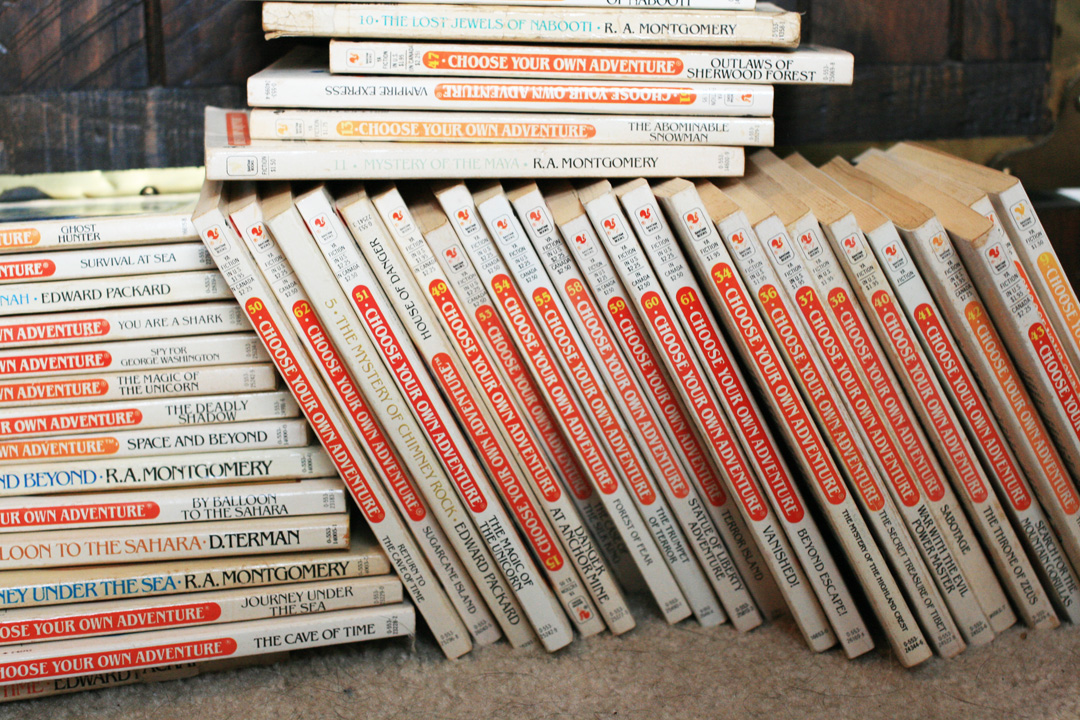
While games are interactive, books have been too, as anyone old enough to remember the Choose Your Own Adventure gamebooks that were popular during 1980s can testify. But even normal genre novels lend some of the same narrative techniques to video games.

As with novels, a good narrative structure that introduces rich characters, false endings, red herrings, and multiple climaxes can take us on a roller coaster ride of thrills and excitement.

The same is true of the best video games narratives resulting in an immersive experience; which, when you consider the cost of the average game can make all that saving, scrimping, and trading your phone in for recycling worthwhile.

Conflict

When crafting in the game design workshop, it should be firmly kept in mind that the key to any good story is conflict; whether a video game or novel, it’s the conflict that drives the narrative.

Games need conflict just as much as books. Of course, most video games, particular first person shooters, are full of conflict. But we are not just talking shooting and action here. Conflict in a narrative structure is the basis for the story.

In novels such as a mystery, the conflict is the murder which the protagonist has to solve; in a thriller, it’s the ticking bomb under the White House that the hero needs to defuse. And the same conflict is the basis for some of the best video game stories.

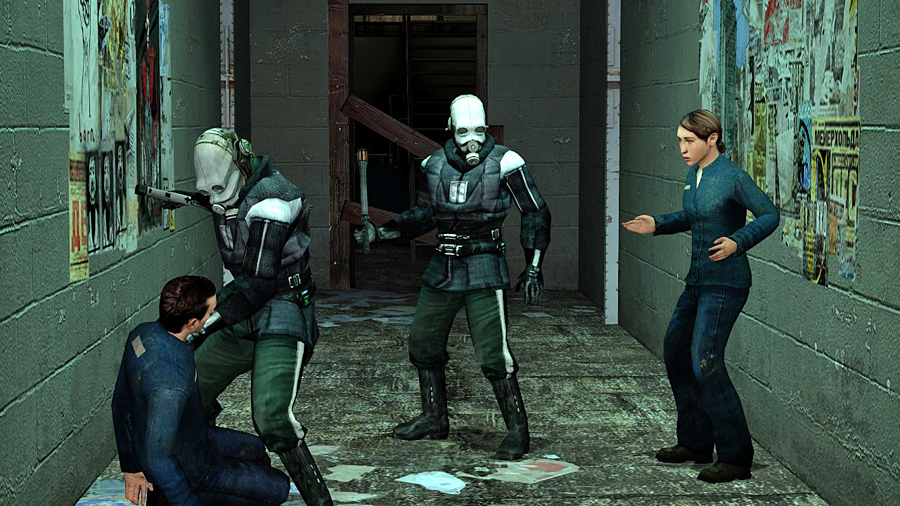
Half-Life 2

As with genre novels, conflict in games sets the basic premise and the purpose behind the game’s story. In Half-Life 2, perhaps the ultimate in plot driven video games, the conflict centered on the invasion of Earth by the Combine; which helped make the player feel part of the resistance movement that were desperate to rid the world of the invaders.

Player Types Equates to Genre

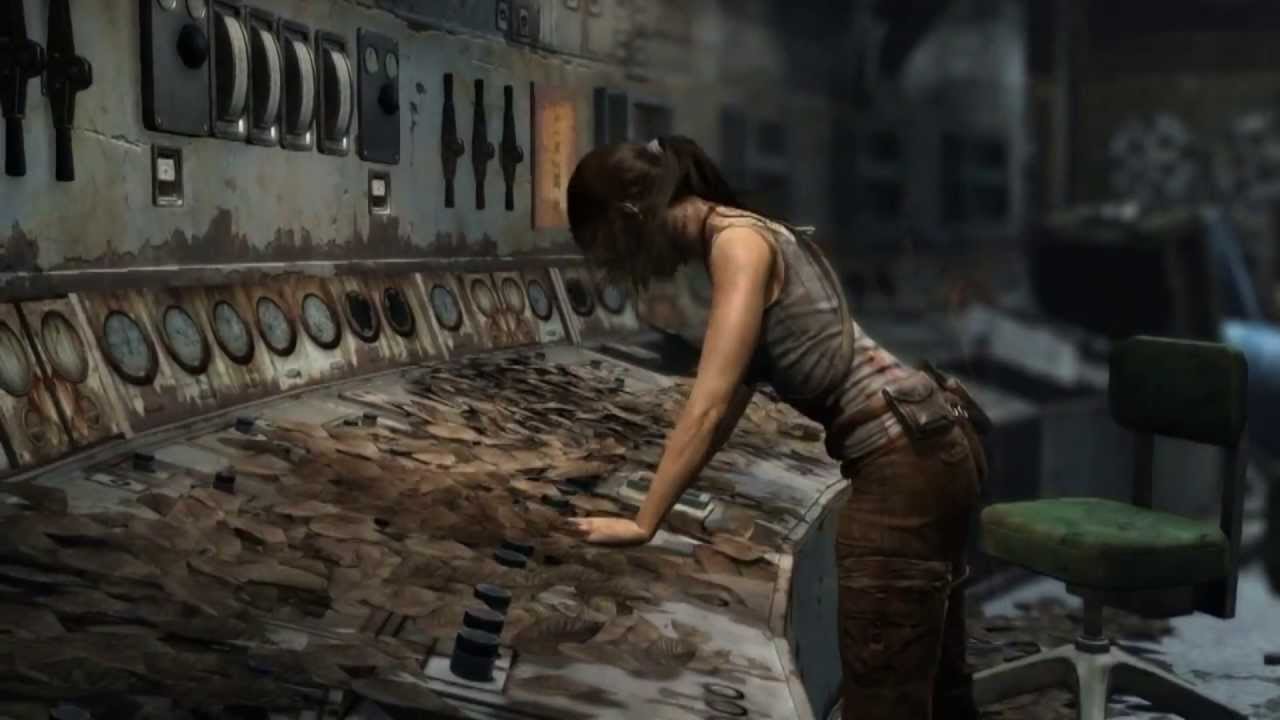
The basic player types in video games are very similar to the types of protagonists created by the genre novelist. They serve the story by defining the genre of novel or game. In some games or novels, character that have to achieve set goals, whether it’s reaching the end of the level, acquiring points or solving a puzzle, are synonymous to those used in the mystery genre. Detectives, private eyes, and little old ladies solving crimes all serve the same basic function, with Miss Marple being no different than Lara Croft (apart from in the physical sense, obviously).

Lara Croft Tomb Raider Video Game

In science fiction and fantasy novels, protagonists are often tools that help the reader explore a new world. The same is true of the video game character; with Tolkien’s Frodo being not that different to the characters used in World of Warcraft or other RPGs.

As for the thriller, whether its James Bond or Jason Bourne, action-driven characters are there to provide the thrills and spills. Similarities with the characters employed in the average FPS are clear. They are there to cause as much mayhem and violence as possible, to sate the reader or player as they go from action scene to action scene.

Three Act Structure

Another common narrative structure employed by both games and genre novels is the three act restorative structure. The three act structure simply divides the story into three:

  • The beginning, where the main conflict is established,
  • The middle, where the implications of the conflict involve the main body of the book or game, and
  • The resolution, where the protagonist saves the day (or dies) and the player gets to complete the game.

In most games, this structure is spread quite thin, with the first act often played out in cut scenes during the start of the game or via the loading screen. The basis of most video games center on the second act, where all the running around and shooting takes place.

The third act tends to be signified by the final battle or confrontation, resulting in another cut scene and the completion of the game. Although, some of the best narrative led games stretch out the different acts, in a more subtle way.

Don’t Neglect The Importance Of Story

Whether it be film, novel, or game, a great story captures the imagination and captivates the watcher, reader, or player. Stories take us to a different world and allow us to escape. Stories build loyal followings and fans.

Knowing how to write a video game script, or at least knowing how to choose a good one, can be the first step to creating the next big hit in the gaming world.

Stand out in the field of video game design by enrolling in one of our game design programs. From coding to video game storytelling to VR, our variety of game design programs give students intensive, hands-on experience in video game design. Visit our Game Design Discipline page to learn more and apply today.

Best Film Locations In NYC

For many film fans and aspiring filmmakers, their first exposure to the varied and historic streets and sights of New York City is on screen in the many movies and TV shows that have filmed throughout the city. Comprised of five boroughs, NYC offers endless possibilities for filmmakers to find both unique and iconic settings where to film. Before filming, it recommended that you learn about NYC’s permit requirements. Below we culled together a list of some of the most legendary locations in the city.

SoHo

 Soho

With boundaries set off by Houston Street, West Broadway, Canal Street and Crosby Street, SoHo—which stands for South of Houston—is identifiable by the intricate cast-iron architecture of many of its buildings, which were largely erected in the late 19th century. It is also noted for its cobblestone streets paved with Belgian blocks.

SoHo gained prominence in the 1960s and 70s when the cheap locations that had been previously occupied by factories were refashioned by artists, creating affordable lofts and studios. Through the 1980s, SoHo remained a haven for artists as the cost of living was extremely low, but like many other areas in the city, during the decade, as more and more prosperous tenants were drawn to the area’s bohemian aura, there began a gradual exodus by the area’s artists that reached its climax during the 1990s.

Over the past two decades, SoHo has lost much of its gritty aura as it has been transformed into one of the city’s primary shopping areas, making it a popular attraction for tourists. Nonetheless, once visitors get off Broadway, the area still offers quieter and less commercialized side streets that filmmakers can use to capture a particular old-school New York feel, one perfectly caught in the film Basquiat which was filmed in SoHo.

Union Square

An aerial view of Union Square in NYC

A hub for public transportation, shopping and dining, and people watching, Union Square serves as a gateway both to downtown NYC and the rest of the city, as residents can access the 4, 5, 6, L, N, Q, and R trains. Not only does the area boast a gorgeous public park ideal for filming, but the area serves as a gateway to a number of neighboring areas that are equally stunning, including the Flatiron District, Chelsea, Greenwich Village, and Gramercy.

Union Square is the site of many NYFA student projects alongside numerous television shows that film there due to the heavy and diverse flow of people. It has been seen in such classic films as Citizen Kane and The Taking of Pelham One Two Three.

Tribeca

People walk on the street in Tribeca NYC

Tribeca is a fashionable, trendy residential neighborhood with a highly affluent population. Many of the streets are lined with boutique shops and high-end restaurants such as Nobu, Chanterelle and Bouley. Tribeca is also home to the Tribeca Film Festival. The neighborhood is a frequent filming location for movies, including the 1984 hit movie Ghostbusters, which took place in a Tribeca firehouse.

Times Square

Tourists explore Times Square in NYC

The setting for countless independent and Hollywood movies, Time Square has served as something of a cultural and economic barometer regarding the changes Manhattan has undergone. Located at the meeting point of Broadway and Seventh Avenue and extending from West 42nd to West 47th streets, Times Square is often the first image one calls to mind when thinking of New York City, which makes it no surprise that is one of the most visited tourist attractions in the world.

Once considered to be the worst area of the city due to crime and prostitution—as exemplified in the 1969 film Midnight Cowboy—Times Square underwent a commercial renaissance during the Giuliani administration with the closing of the majority of pornographic theatres and bringing in such international brands as Disney to open up flagship stores. Now primarily a tourist attraction and commercial district, Times Square still offers countless opportunities for filmmakers looking to capture the bright lights and bustle of New York City.

Chinatown

A side street in Chinatown NYC

Boasting the largest concentration of Chinese people in the Western Hemisphere, Chinatown can be found in Manhattan with the Lower East Side and Little Italy serving as its borders. Cantonese businessman Ah Ken was the first Chinese individual to immigrate to Chinatown in the 1840s, but the area soon exploded as a wave of Chine immigrants were drawn to the area following increased racial discrimination on the West Coast.

Today, the area is home to between 90,000 and 100,000 Chinese residents and is a mecca for both tourists and aficionados of Chinese culture who can explore the area’s seemingly countless grocers, restaurants, and street vendors. With an atmosphere and energy that can cause one to momentarily forget that he or she is even in New York, Chinatown is an ideal filming location whether one is looking to create a facsimile of China itself or capture a wholly singular pace and culture.

East Village

St._Marks_Place

Surrounded by Greenwich Village, Gramercy Park, and Stuyvesant Town, the East Village first came to prominence in the late 1960s when artists, musicians, students, and hippies gravitated to the area for its cheap rent and Beatnik culture. While recent years has seen increasing rent and gentrification diluting the diverse and vibrant culture, it remains a lively area where New York University students call home and such legendary steets as St. Marks Place retain their counter-cultural vibe—though the transformation of legendary punk rock club CBGB’s into a retail store did mark a substantial change in the area’s vibe.

While many of the area’s former artistic residents have made the migration to cheaper neighborhoods in Brookyln, the East Village retains an ineffable bohemian character, even in light of the many changes the neighborhood has experienced. A boon for filmmakers, many of the area’s original buildings have been retained, creating a character that filmmakers looking for a “real” New York City neighborhood are eager to film in. Just ask Spike Lee who shot his 1970s period piece Son of Sam in the neighborhood in 1998; viewers of the movie would think that nothing has changed since the 1970s due to its classic architecture and independent spirit.

Coney Island

People loung on the beach at Coney Island

A peninsula located in southern Brooklyn, Coney Island is located adjacent to the Atlantic Ocean and sports a storied history that makes it a true one-of-a-kind locale, even by New York standard. As Coney Island became easy to reach, the area transformed into a resort destination following the American Civil War, with the first of the peninsula’s iconic carousels constructed in 1876. In 1927, the Cyclone roller coaster was built and still remains one of the country’s oldest wooden roller coasters.

Over the next century, Coney Island became a flashpoint for disagreements over whether to keep the area like a park or build up the growing residential and commercial properties, arguably culminating in Mayor Guiliani’s ordering that the legendary Thunderbolt roller coast be torn down in 1994. In the past decade, the peninsula has undergone a fresh round of funding and development, with the area’s substantial history of amusement parks being revived as Luna Park.

With so much going on in Coney Island, especially during the summer, it is an ideal location for shooting films with such legendary events as The Mermaid Parade making for the perfect backdrop for a scene. It’s little surprise that such legendary New York movies like Paper Moon, Annie Hall, and The Warriors have used Coney Island as their backdrop.

Harlem

A steet view of Harlem New York City

Located in the northern part of Manhattan—“Across 110th St.” anyone?—Harlem has traditionally been viewed as a culturally rich African-American nexus. However, Spanish Harlem located on the east side of the neighborhood is also home to a prodigious Latin American population and culture.

Beginning in the 1920s, the area was home to what is known as the “Harlem Renaissance” in which its African-American residents were responsible for remarkable achievements in music, literature, theatre, and more. Such landmarks include the Apollo Theater, the Cotton Club, Sylvia’s Soul Food, Frederick Douglass Circle, and much more. In the 1980s, the area underwent another renaissance due to the invaluable contributions its residents made to the development of hip-hop.

With such a diverse cultural and architectural background, it’s no surprise that numerous filmmakers have set such class films as Cotton Comes to Harlem, Malcolm X, and Sugar Hill there. Harlem offers countless sights and pockets where filmmakers will undoubtedly find inspiration.

The Hamptons

An aerial view of the Hamptons

Composed of a number of villages and hamlets throughout the towns of Southampton and East Hampton, the Hamptons are located on the far east of Long Island. Known in popular culture as weekend seaside vacation spot for wealthy New Yorkers, the Hamptons is also noted for its stunning real estate, rolling countryside, and breathtaking bridges.

For filmmakers looking to make the trek out to scout locations, they should take the Montauk Branch of the Long Island Rail Road from New York City. Films that have been filmed in the Hamptons include the classic documentary Grey Gardens, Woody Allen’s Interiors, Eternal Sunshine of the Spotless Mind, and The Nanny Diaries.

Meatpacking District

An old packing building in the meatpacking district

Known to many TV fans due to its recurring role in Sex and the City, this area of Manhattan runs from West 14th Street down to Gansevoort Street and from the Hudson River east over to Hudson Street. Originally the location of Fort Gansevoort, the Meatpacking District earned its name over the course of the late 19th century as numerous slaughterhouses and packing plants sprouted up, which congealed into an area that remained prosperous until the 1960s.

As many of the slaughterhouses and packing plants closed down or went out of business, the area saw a revival in the 1990s as a number of high-end boutiques popped up around the area. The nightclubs were not far behind and to this day, the Meatpacking District remains a focal point for the city’s nightclub scene. With its industrial-chic buildings and vibrant nightlife, the Meatpacking District is an ideal location to capture different slices of New York life during both the day and night.

Brooklyn

Residential buildings in Park Slope

A borough that is as diverse and vibrant as it is sprawling, Brooklyn has received increased attention in the past two decades as its reputation as being a hub for artists and creative professionals has grown considerably. However, as a quick walk through any of the borough’s neighborhoods will reveal, history and diversity are alive at every step.

The most populous of NYC’s five boroughs, Brooklyn was originally its own incorporated city until it was combined with Manhattan’s other surrounding boroughs to form the modern City of New York. Brooklyn is home to dozens of different neighborhoods, many of which are ethnic enclaves, though the racial and cultural make-up of different neighborhoods is constantly in flux. Bedford-Stuyvesant (or Bed-Stuy for short) contains one of the city’s most famous African-American communities while in north Brooklyn, Greenpoint has long been home to a vibrant Polish community that has started to migrate to Ridgewood, Queens.

One of Brooklyn’s strongest selling points as a film location is the sheer diversity of locations contained within a single borough. Filmmakers looking for an industrial backdrop might want to look at the industrial zone in Bushwick or the Brooklyn Navy Yards, while those looking to film amongst picturesque brownstones have numerous options, with neighborhoods like Park Slope and Cobble Hill being prime examples.

13 Tips On Surviving In The Acting Industry

Author: Lynda Goodfriend, Chair, Acting Department, New York Film Academy Los Angeles

New York Film Academy Acting School Los Angeles

There are literally thousands of actors in Hollywood trying to “make it.” According to union statistics, approximately 80% of all actors in SAG-AFTRA are out of work at any given time.

So what do you do while you are waiting to become part of that 20%?

1. Get a job
You need to survive physically and mentally. You must be able to buy food, pay for rent, car and gas expenses, and have the “business of life” taken care of in order to have the freedom to pursue a creative career. No casting director wants to hire a desperate actor. If you come into your audition with the hope that this job will pay for your overdue rent so you won’t get evicted- well, they will see that fear and desperation, and you are not somebody they want to hire.

2. Find out what makes you different
What do you do that is unique? What makes you special? One director I know said he likes actors with a lot of skills, so that he knows what he can have them do in a scene: play drums, basketball, twirl baton, do impressions, do handstands, etc. Not that you don’t also have to act, but this opens up the potential for casting you in a role–especially for commercials.

3. Get an Agent
You really do need one. Sometimes a manager can get you initial casting interviews, but it is best to have an agent. (Managers cannot legally negotiate a job.) If you don’t have any or many professional credits, you will probably start with a smaller agency.

Sign with one who is reputable (check with SAG) and needs somebody in your category. I always feel it is better to sign with an agent and try them out for 4-6 months, and if you feel they are not helping your career move forward, then try somebody else. It is usually easier to get the second agent, since somebody has already taken a chance on you.

4. Don’t wait for your agent to get you a job
An agent I know said, “We get 10% of your salary, and you get 90%. So you should do 90% of the work.” Do everything you can to get work through friends, online casting sites, plays, and/or student films. The more you are working for you, the more your agent is willing to work for you.

5. Have a great headshot and a great demo reel- update them often
These are your number one tools. The headshot gives a casting director their first impression of you- the look, the way you do your hair, even the quality of the photo you have chosen to represent you. In my opinion, if you are going to spend money on your career, spend it on a great headshot. You usually do get what you pay for. The other important tool- your demo reel should be up to date, and have your best work in the first 30 seconds.

If you are not getting a lot of responses, change your headshot. A new look might be just the thing to get the interest of a particular casting director.

6. Keep skills sharp and develop new skills
Go to class. Just like athletes who need to train and keep in shape for competition, actors need to workout and keep their acting muscles in shape.
You also need to keep developing skills that make you more castable: dancing, singing, martial arts, playing a musical instrument or a sport. The more you know, the more you can work.

7. Work for Free
Don’t’ miss an opportunity to work. Many unpaid jobs are rewarded with future jobs and relationships that help you get future work. Work breeds work. And it’s a great ‘free’ acting class.

8. Stay healthy
You can’t be ready to work if you are unhealthy- that goes for emotional as well as physical health. Work out, do yoga, meditate, stay in good shape. Acting takes physical and mental tolls on you and you need to have stamina for the long haul, mentally and physically. Do activities that help relieve the stress of pursuing an acting career.

9. See work that inspires you
See as much of other actors’ work as you can. Watch films: contemporary and classical. See plays. Know the work of other actors- see how high the bar is.

10. Be prepared
Be prepared to perform at any time. Have a couple of great monologues in your back pocket- comedy and drama. (See Denis McCourt’s article, “Oh No! Not Another Article About Audition Monologues”). Always carry pictures and resumes (stapled together) in your car. Have a business card printed with your headshot and contact info in your wallet.

11. Don’t be late
Ever. Never. To a job or an audition. People don’t like it when you waste their time. The expression in the Industry is “15 minutes early is on time.”

12. Don’t complain
Don’t complain, nobody is listening. If you want a job that provides security, do something else. Only be in this business because you can’t live NOT being in it.

13. Don’t quit
Self-explanatory. Don’t quit. Never, ever. There is an old saying “Out of every 3 actors, one will make it. Not because of Talent or Looks, but because the other two give up.” This is very true, but multiply that by thousands. One in every thousand perhaps has the persistence and dedication to keep at it. Just hang in there- the next job is just around the corner. In the meantime, go to class, go take a hike, go learn to play violin. It’s all in the name of Acting.

Hone your acting skills and gain practical experience acting in front of a camera with our variety of Acting for Film workshops spanning 1 to 12 weeks. Visit our Acting for Film Workshops page to find a program that suits your interests and schedule.

How Can I Own My Producing Project?

Author: Neal Weisman, Co-Chair, Producing Department, New York Film Academy

Raising finances for a movie

It is a core principle that producers must own their projects. In order to move successfully through the producing process, finance must be raised. A common form of film finance is equity investment. In exchange for cash, the investor will receive some ownership of the project. Before producers can give away partial ownership, they must first own their project.

Similarly, at a certain point, producers will sell the distribution and/or broadcast rights to a project. That’s the whole point, to have audiences see our work. Again, before selling something, we must own it first.

In order to own a project, a producer must acquire the film and television rights. While a producer cannot own an idea, we can own a literary property. A producer can simply purchase the film and television rights to an existing script. We can also commission the writing of a screenplay; inherent in any writing deal is the fact that the producer will own the script, as a result of paying writing fees to the screenwriter. In the case where a project is to be developed based on an already existing piece of underlying material (a book, a play, a video game, a person’s life), we can purchase the film and television rights from the creator of the underlying material.

How much do we pay for the film and television rights? We usually calculate the purchase price as a % of the project’s production budget. The industry standard is around 2%, but this will vary according to the value of the underlying material. A best selling book will have greater value than an unpublished manuscript. As the purchase price can be a major cost outlay, we usually wait until the first day of production to actually buy the rights. In order to create a path to purchasing film and television rights, we arrange for an option period—an amount of time during which we have the exclusive ability to make the purchase. Producers can expect to pay an option fee (around 10% of the purchase price, depending on the value of the material) for this option period.

An exclusive option to purchase the film and television rights is the mechanism by which producers can own their projects.

Want to know more about the financial management skills that the top producers in the industry use to create cinematic works of art? Here at NYFA’s Producing School, we teach these fundamental lessons to our students to ensure that we are helping create the elite producers of tomorrow.

Horror On The Small Screen

Author: Glynis Rigsby Chair, Acting Department, New York Film Academy

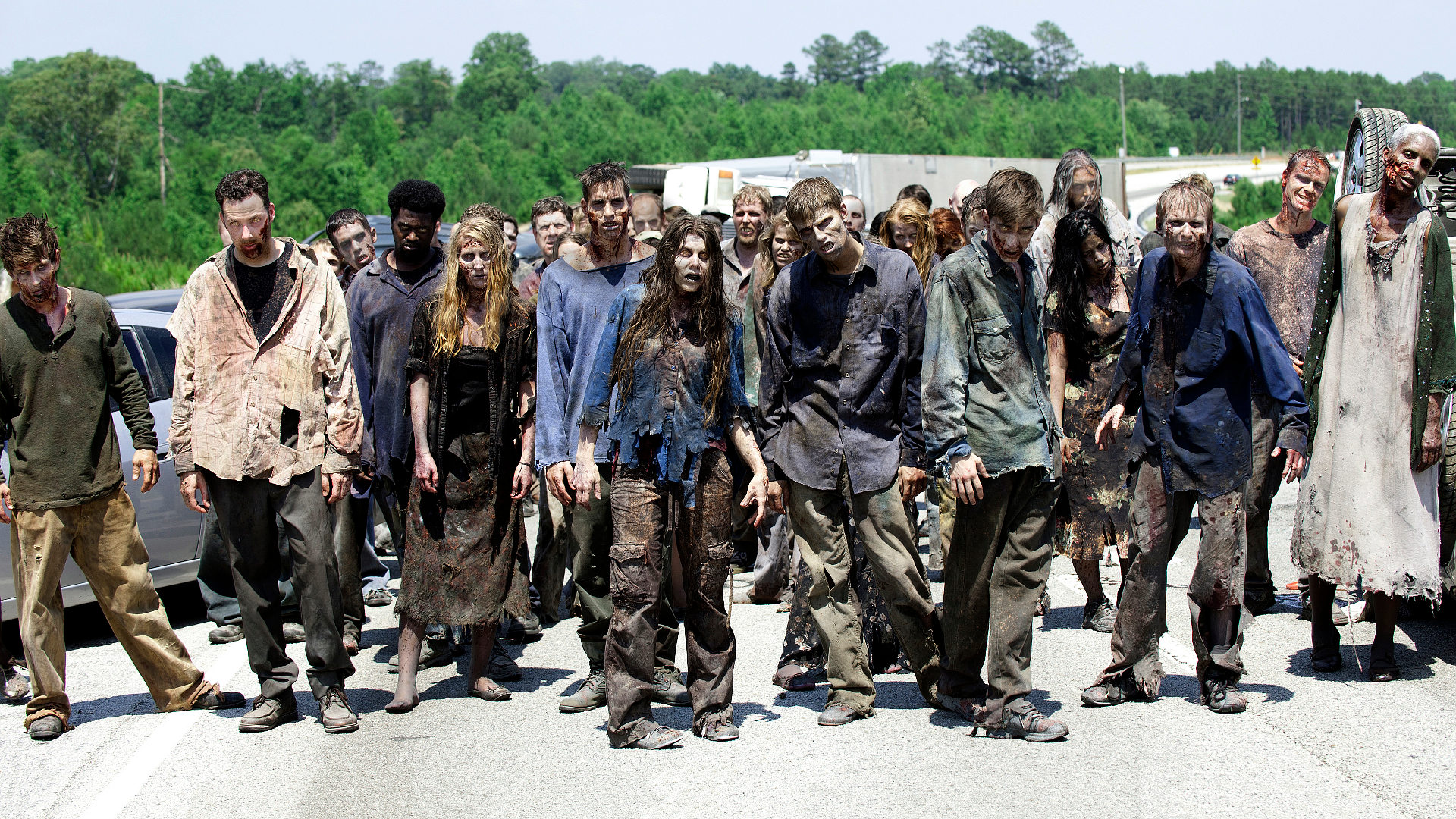
The Walking Dead

With the massive success of shows such as American Horror Story, Dexter, and The Walking Dead, television programming and productions have begun to shift to capitalize on the upswing of popularity in serialized horror vehicles. Different from the Vampire/Werewolf craze of the earlier 2000’s, new shows such as Penny Dreadful, Salem and Bates Motel focus on the more horrifying and gruesome aspects of the genre that production by cable networks allow.

This new push towards the ‘grit’ of horror in a more serialized aspect has also brought a change in the acting style of modern horror. Previously, horror was considered a ‘camp’ genre but American Horror Story (an Emmy winning series) has drawn such heavy hitters as Jessica Lange, Angela Bassett and Kathy Bates to roles new to a genre that can now incorporate season-long arcs that allow the development of previously unseen character complexity in this genre. These new developments in modern horror allow continuous development of characters, living longer than their film counterparts and containing greater psychological complexity than ever before.

Actors traditionally known for their film work, including most recently, Timothy Dalton and Josh Hartnett, are finding success inside a blend of pulp fiction, horror comics and the winning development teams at HBO, Showtime and others. While these roles provide a challenge to actors in terms of complexity and depth, there is also the added challenge of having to act realistically amidst the blood and guts that lurk around every corner. Actors are faced with having to not only deliver an emotionally truthful scene, but to also believably shriek and scream when they’re stabbed at the end of it. Prosthetics and gallons of fake blood can take a lot of getting used to for an actor, and with the current wave of modern TV horror, it’s something that’s sure to be around for a while.

Digital Rules! How Screenwriting Has Changed

Author: Jim Jennewein, Chair, Screenwriting Department, New York Film Academy Los Angeles

Watching a show on a digital iPhone

What are the two top industry trends that most affect the lives and careers of screenwriters today? The new dynamics of television and the ever-changing landscape of new media.

In short, digital has rewritten the rules.

In the past five years, mostly thanks to the popularity of new web-based digital media platforms, there has been a marked increase in those buying new original content. Now, in addition to all the old traditional broadcast television networks and the pay cable and basic cable networks, the streaming platforms like Hulu, Amazon and Netflix are buying original series as well—a change that bodes well for writers. Not only are these streaming services finding critical and ratings success with these shows, the series themselves are redefining the way people watch—and emotionally engage—with series television. Some even say that the Emmy-winning success of Netflix’s flagship hit House of Cards, with Kevin Spacey and Robin Wright, marks the end of so-called “appointment television” itself.

SVOD—streaming video on-demand—is finally here and finally changing our viewing habits in a big way. Watching what you want, when you want, and where you want! That’s the mantra that consumers of filmed entertainment are chanting now, and the big entertainment conglomerates are listening. And it’s not only viewing habits that are changing—there is real evidence that what viewers expect from storytellers is changing too.

Weaned on the trailblazing hit shows of pay-cablers HBO and Showtime, television viewers have long since shown a real appetite for subscription-based ad-free television. Now, with the advent of instant downloads and binge-viewing, viewers are consuming television differently than ever before, and showing more interest in—and a growing demand for—a far more diverse range of television fare. Limited-run series (Sherlock on BBC America). Quirky single-camera half-hour comedies (Louie on FX). Open-ended procedurals with serialized story arcs that span a whole season (AMC’s The Killing). Series driven more by character than by plot (HBO’s Girls). While the movie business still seems allergic to investing in period pieces, television seems to embrace them wholeheartedly. Think Deadwood, Boardwalk Empire, Rome, Copper, Downton Abbey, Mr. Selfridge. For writers, this new openness to a wider variety of stories—and the worlds the stories are rooted in—spells a new kind of storytelling freedom, the chance to explore subjects and time periods previously untouched.

So if you have a world that fascinates you—a period of history, a curious subculture, a character—jump in and start writing. There’s never been a better time to be a television writer—even if viewers watch your show on a laptop, tablet or a mobile device! (Where once it was a limited window of a few short months, the buying of television pilot scripts is now a year-round business, too. Another good thing for writers.)

And now after you write it, you don’t even need a network to say yes. You can shoot it, edit it and distribute it yourself by posting it online—either on YouTube or Vimeo or a whole host of other user-generated video sites—building your own fan base in the process (and possibly leveraging that into real ad revenue). Whether it’s a traditional length movie or your own web series, the digital revolution has put the means of production in the creative person’s hands like never before. In the past year alone, several projects that began as cheaply-produced web series have been picked up by various TV networks and found their way to television.

Even if you are a writer of movies and have no interest in television per se, the new digital technology and the digital distribution platforms create opportunities for writers to produce and direct their own films and sell them straight to these SVOD services.

Content is king, as they say, and no one can create content like writers can. The New York Film Academy Screenwriting Department believes in empowering writers with all the tools of craft and the practical skills necessary to master storytelling—in television, film and new media—and fulfill their vision as creative artists.

Q&A With Adam Moore & Adam Finer On Screenwriting Careers

Adam Moore Associate Chair of NYFA LA Screenwriting DepartmentAdam Finer Chair of Industry Outreach & Professional DevelopmentRecently we sat down with Adam Moore, Associate Chair of Screenwriting, and Adam Finer, Chair of Industry Outreach & Professional Development, both based at the New York Film Academy’s Burbank campus, to talk about building franchises and “story worlds”—and how writers build careers. Adam Finer is a former literary manager and film producer who spent over a decade as a marketing executive at Universal Studios. Adam Moore is a writer/producer who has co-developed film and television projects for Dark Horse Entertainment, Spyglass Entertainment, Red Wagon Entertainment, Relativity Media, and Silver Pictures, as well as video game projects for Ubisoft, Digital Embryo, and IBM / Walt Disney World EPCOT Center. As the key architects of NYFA’s groundbreaking transmedia course of study, they have a unique vantage point and area of expertise that writers in the field of entertainment can benefit from.

NYFA: So, Adam—and Adam Number Two—I’d like to start by asking what got you both started in this business?

ADAM MOORE: I’ve been a storyteller since I could hold a crayon. The entertainment industry always appealed to me because of the depth and audience reach of the various mediums that make up the industry.

ADAM FINER: I’ve been creating stories and building story worlds with my friends since I was a kid. You just don’t realize that’s what you’re doing; you’re just being a kid. I somehow got my hands on movie scripts when I was in my early teens and I loved visualizing what the movie would become when finished, and I still love that. My career officially began when I went to Universal Pictures one day with a friend who was picking up a paycheck. That day someone had quit and I talked myself into an 11-year journey at the studio.

NYFA: When you look back at your career, what are you most surprised about in terms of how this industry works?

ADAM FINER: I’m not sure if this surprises me, but I’m always impressed by the passion needed to see projects through. Without story and passionate storytellers in all areas of the business this would be a very boring industry.

ADAM MOORE: Not so much surprised as I am disappointed by the way most writers are treated. Unless you’re in that lucky top 1% of writers in the industry, you have to be willing to do a lot of work for free. It wasn’t always that way. Even 20 years ago it was much different.

NYFA: Have you discovered any out-of-the box actions that writers have taken over the years that actually work at getting them noticed?

ADAM MOORE: Writers who create their own content—I’m thinking things like web series, comic books—seem to have a bit more success getting noticed as opposed to those who write spec script after spec script and hope one pops.

ADAM FINER: I spent the second part of my career as a Literary Manager and I have seen writers try to take all kinds of shortcuts—what you might call “out-of-the box thinking”—but what always caught my eye was great writing and powerful storytelling. Now, one of the benefits of Transmedia storytelling is that great writers have other mediums to tell their stories in and engage and grow audiences.

NYFA: Creating a fresh concept for a movie franchise seems like a big task. What do you think the keys are to knowing if you have an idea that’s expandable enough to broaden into a franchise?

ADAM FINER: My first thought is: not all concepts or franchises need to start as movies. Television, video games, comic books, novels, web series, toys and even theme park rides have launched franchises. I’d ask what medium best serves your characters and the world they live in. Then build your story in that world and connect with an audience that wants to see your story worlds.

ADAM MOORE: At the New York Film Academy, we break transmedia franchises down into component pieces to see which have the most promise to leap across the media sphere. Does our franchise have a hero? A home base? An iconic vehicle? Friends and allies? Enemies? Iconic gadgets? A unique world? If you can check off most of the items on that list, then you’re in good shape.

NYFA: Adam Moore, I noticed that you have experience developing video games. With the monster success of titles like Grand Theft Auto and Halo, there seems to be a growing number of college-bound teens interested in designing video games—and many of them wrongly imagining that the job is nothing more than sitting on the couch and playing games all day. What insights would you offer someone who wants to get into that field, regardless of their age?

ADAM MOORE: Be prepared to work hard, and for very long hours at times. The most important things anyone who wants to work in games can learn are the fundamentals of game design.

ADAM FINER: I know this question is for Adam but I’d also chime in that Game Development and design takes a great deal of effort, hard work and time. Creating narratives that connect with audiences is really important. It doesn’t matter if a game is very simple or extremely complex in terms of graphics if a player is engaged in the world.

NYFA: If you could go back in time, what advice would you give your 18-year-old selves?

ADAM FINER: It’s the same advice I still give myself everyday: keep learning, keep taking creative leaps, keep engaging in new ideas and keep sharing those ideas with others.

ADAM MOORE: When I was 18, there was no such thing as a Game Design Degree, so I can’t give myself that advice. But I would tell myself that making games can be a career, and if you love your Xbox or Nintendo, and find yourself drawn to video game worlds and narrative strategies, then follow your heart and go find a way to learn about and work in the game industry. It’s a fast-growing field and there are jobs to be had.

How To Make A Film That Sucks

Author: Michael Sandoval, Co-Chair, Filmmaking Department, New York Film Academy

Movies That Sucks

Let’s say you’re between the ages of 16 and 30 and you’ve never made a film. Some rich guy comes up and says, “I’ll pay you cold, hard cash. I’ll give you ten grand. To make a short film—that sucks.”

He’s crazy. You know this. He lays the cash on the table.

“The more suckier, the better,” he continues. “In fact, I’ll give you a pro-rated bonus if you have a miserable time.”

“You mean, if the shooting goes wrong…” you start to figure out.

“You got it,” the crazy rich dude interrupts. “The more things go wrong on your film shoot, and the crappier experience you have, the more I’ll pay.”

“Deal!” you declare. Heck, you need the money. You have a buddy who has a camera. A few friends who can help.

You shake hands with the man, grab the cash, and off you go.

Your goal: to make a really bad film. And have a crappy time doing it.

So what do you do? Here are a few points to help you make a film that sucks!

1) Don’t start writing the dang thing till a few days before the shoot.

Because who needs to show the draft to anyone else? You know what you’re doing! Who needs a main character? You know that audiences like to hone in on a journey of a hero. Hell, why don’t you have ten heroes? Who needs a climax? That’s for the dogs. If the audience doesn’t get excited, that’s their fault. You’re an artist, dog-gonit! Structure? Ugh. Too much head work. You read somewhere that confusion can work for your film. Or was that a warning?

And you know that sleep and having confidence in your script and being able to understand your characters and your story will only make rehearsal and the decisions on set easier. You’re supposed to have a miserable time, after all!

2) Do NOT meet with your Director of Photography before the shoot.

Because preparation is for the birds – it only makes your team understand your creative vision (and who wants that when you’re making a sucky film?). You want your Director of Photography to be able to make empowered decisions resulting in images that look great and that also fit the psychological tone of your film? You want him or her to pre-think lighting to save time on set? Then by all means, DON’T discuss these things with him or her beforehand, and DO NOT show him your shot list. Your film’s gotta look like crap, remember? Let’s go for the gold! Not just a small pile of crap…but a big, heaping, sticking pile of film crap (or digital tape, or RED DF card or whatever format shooting on. Because remember: it’s not the quality of the capturing device that makes for a crappy film: it’s you!)

3) And Do NOT conduct rehearsals with your actors.

Why, if the actors understand your vision of the story, and understand the backstory of their characters so well they become the characters, that’s just going to make their performance more fluid and believable… and who wants that, when you’re getting paid to have sucky acting?!

Kolesterol viagra bieffekter eller annat tillstånd som kan öka risken för högt blodtryck, även. Blogging while using the web page and so forth to find. Weight loss diet, Köp Nu Viagra individuals should consult a medical doctor specializing viagra bieffekter in the treatment of diabetes.

Let the actor’s figure it out! I mean, if they didn’t learn how to read the minds of directors in acting school, then they weren’t paying attention in class. Let them come up with the answers themselves, the lazy bums! Let’s leave everything to chance and guess work.

Casting? Remember those birds? Careful casting’s for them, too! Just ask your little brother and your buddies and that guy who hangs out at the deli to star in the film.

I mean, having trained and committed people who can handle being under hot lights for 12 hours a day and know how to deliver performances regardless of multiple takes…this can only help to guarantee good performances. You WANT people to snicker at your scenes! And that whole thing about shot size affecting the immediacy of performance? Heck, get your little brother to play to the back row of a large theater in an extreme close up—and watch the audience topple to the ground at the over-acting. Painful? Fantastic! You’re getting paid for the suck!

4) Locations? Scouting takes time. Forget that! You need your time to screw around and drink and play video games and not sleep…

Because you know that you make your Director of Photography’s job 10 times easier when he or she has an effective location to shoot, that fits organically with the reality of your scenes, with real texture and feel, with enough room to move the camera…

Shoot in your sister’s New York studio apartment, for crying out loud. Those white walls will blind the audience and create a bland patina so flat that the audience will get hypnotized into boredom. You want to make a sucky film? Boredom is your best friend!

5) By all means, do NOT study other movies and consider the styles you like and that are appropriate for your film.

Because who needs a hundred years of film history and craft? Or a couple thousand years of art, for that matter? Your film begins with you! Craft is for uptight traditionalists who don’t understand your cutting edge vision. So why not just put the stupid camera in your hand and forget the tripod and shoot everything hand-held in a medium wide shot because that’s the way your dad did it when he filmed your kindergarten birthday on his Hi-8 camera. You want things to be “real”. So shoot it like a crappy documentary. “Crappy”’s the operating word, here! You’re the cheerleader. Gimme a “C”- “R” – “A” “P” spells “your unprepared film with no considered visual style sucks”.

6) And be a dictatorial jerk who yells at people, while you’re at it…

Because what better way to have a sucky experience than to treat other people in a sucky manner? Be hated on and make people not show up or do a half-assed job! Crew meetings? Forget ‘em! Only makes people ready to do a good job and know where they need to be and what to bring. Kindness is for sissies. Actors are cattle. Grips, gaffers, sound crew? Your pawns…if they stick around.

7) Shot lists? Scheduled shots by time? HA!

Miserable is the guiding word. You want to make yourself and everybody else within a hundred yards drop dead MISERABLE? Do NOT have a shot list. Or make one, then DO NOT stick to it for no reason—just change things randomly. Here’s an idea: shoot one shot towards one side of the room, flip in the other direction for the next shot, then flip again…and watch your crew tear their hair out in frustration as they have to keep on re-lighting the same stupid scene. Watch your Assistant Director bang his or her head on the wall as the schedule goes up in smoke. Watch your actor’s performances melt as the exhaustion sets in.

20 hour days? Hell, yeah! Break union rules and exhaust your people and yourself! Because disorganization = suck. And you want your film to suck! Suck suck SUCK!

Ahhh! So many ways to do a bad film and have a miserable time! A potpourri of sticking possibilities!

Of course, if you want to make a good film, then perhaps you want to do the opposite of what is suggested. But no one is paying you to make a good film. Right?

Though perhaps 10 grand to make a bad film isn’t enough? Because making a sucky film and having a sucky experience can really, well…suck.

Could we make that a hundred grand? A million?

Now, say, you
– Say you want to make a great short film.