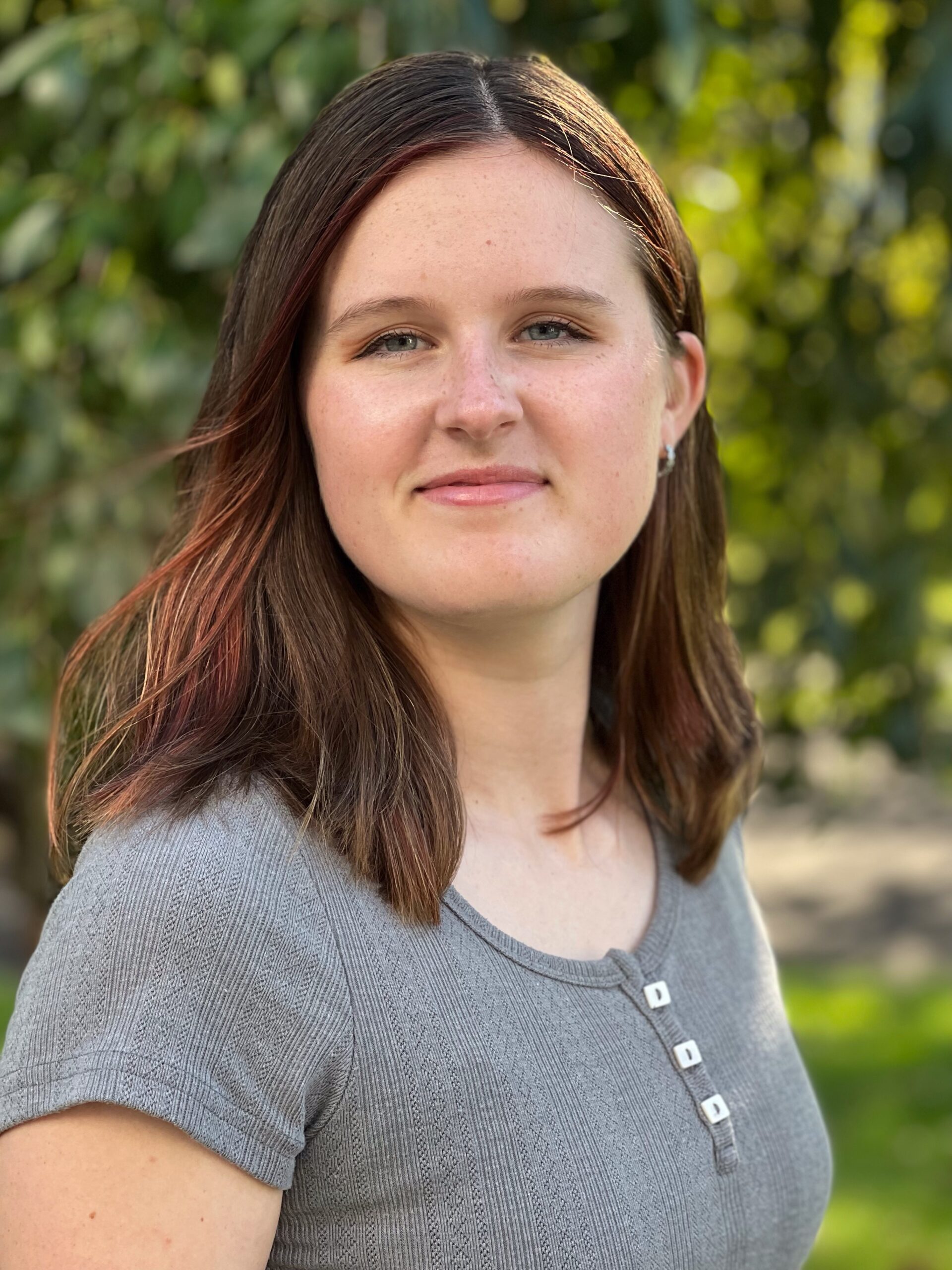
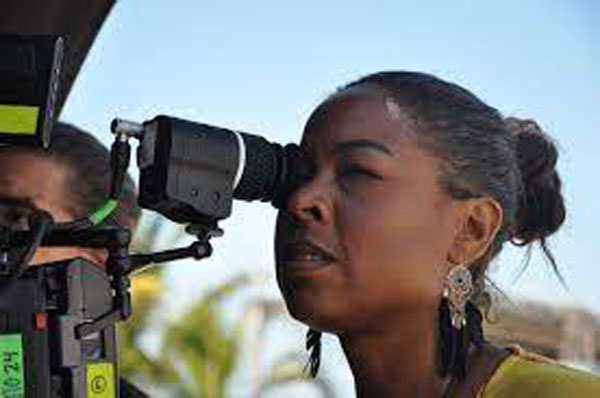
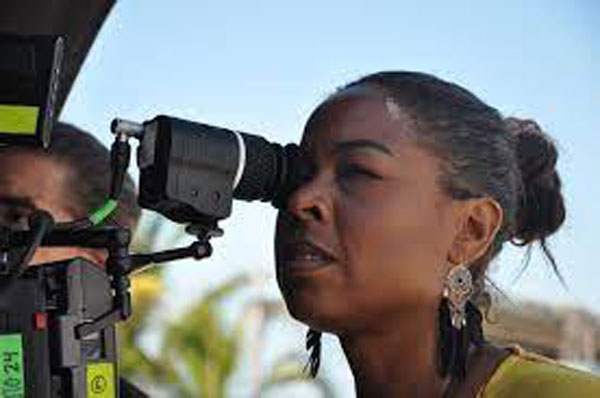
After graduating from an acting conservatory in 2000, New York Film Academy (NYFA) Filmmaking instructor Jennifer Sharp quickly learned that as a Black woman, there were a limited number of acting roles available for her. In an interview with Dayton.com, she said, “I could either be Halle Berry or the ghetto girlfriend.” After coming to this realization, Sharp pursued independent filmmaking to regain control of her career. The NYFA filmmaking instructor studied acting and wrote her first short film with the intention to serve in the lead role. However, something changed. According to Sharp, “ I ended up directing it, and I never turned back … I realized I belonged behind the camera.”
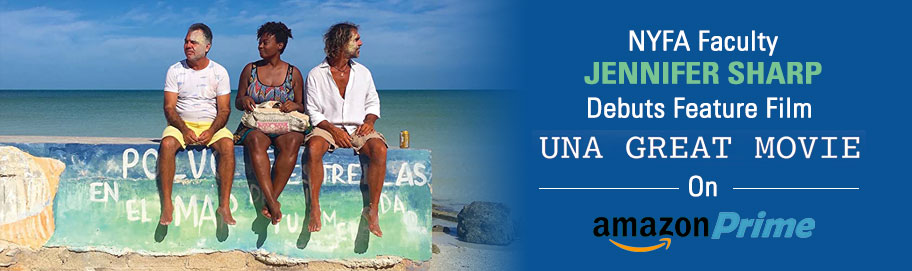
Sharp’s most recent feature film Una Great Movie, tells the story of Zoe, a Black screenwriter fighting to hear her voice over the Hollywood machine. Zoe, who is writing a story about a character named Susan, changes the script after speaking with studio executives. The script, originally about Susan’s reflection on her past relationship while on vacation in Mexico, turns into a romantic comedy with an all-white cast. Director Sharp shared with NYFA that in Una Great Movie, comedy was a vehicle for truth. She says, “I used comedy to reflect on relevant contemporary issues and shine a light on the absurd reality of the filmmaking industry.”
Sharp commits to creating the kinds of films she wants to see. The lack of representation during her own childhood negatively impacted her own perception of herself. As a result, Sharp works to ensure the next generation can see themselves in her projects. She says, “I’m thick. I’m not a skinny white girl…that influenced me as an artist. When I make movies, I don’t want to show just one body type. I don’t want to perpetuate that. I want to show beauty in all sizes.”
The director pulled from her own experiences with studios and rejection to build Zoe’s experiences, “For the most part, every bit of feedback Zoe receives in the film comes from lines straight out of rejection letters I saved.”
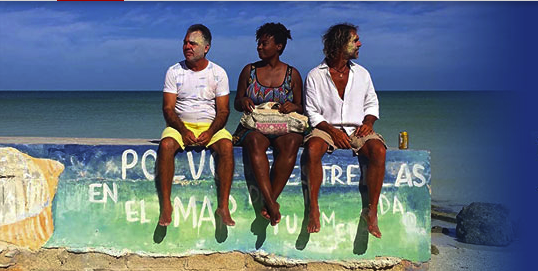
A still from Una Great Movie
The representation of Black people in Hollywood has improved in the last couple of years, but Sharp noticed a trend: many of the films were biopics or “revisited history.” With Una Great Movie, Sharp challenges stereotypes and places Black people in the present. By doing this, she creates a space for Black characters to exist in new ways outside the confines of history and martyrdom. “My film opens the door to (recognizing) Black people travel, and Black people can swim. It’s important for everyone to see [Black people] as humans doing human things. We just happen to have a different color than the people usually doing it. And that’s diversity – and that’s how we evolve.”
NYFA congratulates Faculty member Jennifer Sharp on her groundbreaking film!
Please note: NYFA does not represent that these are typical or guaranteed career outcomes. The success of our graduates in any chosen professional pathway depends on multiple factors, and the achievements of NYFA alumni are the result of their hard work, perseverance, talent and circumstances.
After graduating from an acting conservatory in 2000, New York Film Academy (NYFA) Filmmaking instructor Jennifer Sharp quickly learned that as a Black woman, there were a limited number of acting roles available for her. In an interview with Dayton.com, she said, “I could either be Halle Berry or the ghetto girlfriend.” After coming to this realization, Sharp pursued independent filmmaking to regain control of her career. The NYFA filmmaking instructor studied acting and wrote her first short film with the intention to serve in the lead role. However, something changed. According to Sharp, “ I ended up directing it, and I never turned back … I realized I belonged behind the camera.”
Sharp’s most recent feature film Una Great Movie, tells the story of Zoe, a Black screenwriter fighting to hear her voice over the Hollywood machine. Zoe, who is writing a story about a character named Susan, changes the script after speaking with studio executives. The script, originally about Susan’s reflection on her past relationship while on vacation in Mexico, turns into a romantic comedy with an all-white cast. Director Sharp shared with NYFA that in Una Great Movie, comedy was a vehicle for truth. She says, “I used comedy to reflect on relevant contemporary issues and shine a light on the absurd reality of the filmmaking industry.”
Sharp commits to creating the kinds of films she wants to see. The lack of representation during her own childhood negatively impacted her own perception of herself. As a result, Sharp works to ensure the next generation can see themselves in her projects. She says, “I’m thick. I’m not a skinny white girl…that influenced me as an artist. When I make movies, I don’t want to show just one body type. I don’t want to perpetuate that. I want to show beauty in all sizes.”
The director pulled from her own experiences with studios and rejection to build Zoe’s experiences, “For the most part, every bit of feedback Zoe receives in the film comes from lines straight out of rejection letters I saved.”
A still from Una Great Movie
The representation of Black people in Hollywood has improved in the last couple of years, but Sharp noticed a trend: many of the films were biopics or “revisited history.” With Una Great Movie, Sharp challenges stereotypes and places Black people in the present. By doing this, she creates a space for Black characters to exist in new ways outside the confines of history and martyrdom. “My film opens the door to (recognizing) Black people travel, and Black people can swim. It’s important for everyone to see [Black people] as humans doing human things. We just happen to have a different color than the people usually doing it. And that’s diversity – and that’s how we evolve.”
NYFA congratulates Faculty member Jennifer Sharp on her groundbreaking film!
Please note: NYFA does not represent that these are typical or guaranteed career outcomes. The success of our graduates in any chosen professional pathway depends on multiple factors, and the achievements of NYFA alumni are the result of their hard work, perseverance, talent and circumstances.
New York Film Academy (NYFA) 1-Year Filmmaking alum Florian Gunzenhauser is a filmmaker and assistant director from Switzerland. His directing, writing, and filmmaking credits include the television shows Voice of Switzerland, The Bachelor (Switzerland), and The Bachelorette (Switzerland).
Gunzenhauser’s thesis short film Glasgow, as part of his conservatory program with NYFA, won ‘Best Drama Short’ at the 2022 Coney Island Film Festival. The film follows the story of a young delivery man named Kyrie who befriends an older widower named George. Following their unusual friendship, the two men rethink how they approach their own lives.
The director Gunzenhauser is currently in pre-production as a first assistant director for the upcoming feature film Silver Star, starring Sydney Sweeney and Shameik Moore.
Gunzenhauser spoke with NYFA about his filmmaking journey, career trajectory, and upcoming projects.
New York Film Academy (NYFA): What brought you to New York Film Academy to pursue filmmaking?
Florian Gunzenhauser (FG): I’m 31 years old and from Switzerland. I was working as a television director for roughly five years and directed shows like Voice of Switzerland, The Bachelor (Switzerland), and The Bachelorette (Switzerland). I came to NYFA because I wanted to see whether the film world was something for me after the extensive work I did in television.
NYFA: What was your experience directing The Bachelor (Switzerland) and The Bachelorette (Switzerland)?
FG:Directing television shows is fascinating, even though I’ve done it a few times now. I had the chance to travel to places like South Africa and Thailand to see real people potentially fall in love. I was fortunate enough to work with very interesting characters over the years, so I always enjoyed going back to those productions.
NYFA: What projects have you worked on since graduating from NYFA’s 1-Year Conservatory Filmmaking program?
FG: Since graduating, I’ve been working in commercials as a 1st assistant director for brands like BoohooMAN, LIDL, and JVN, and the TV pilot for Here She Comes. I’ve also been working on the television film From Paradise With Love.
My thesis film Glasgow just won ‘Best Drama Short’ at the 2022 Coney Island Film Festival!
NYFA: What is Glasgow about?
FG: The short film follows a young delivery man, Kyrie’s, friendship with an older widower named George. Their unusual friendship helps both of them rethink their own lives and provide introspection.
NYFA: Tell us about your latest project and how you got involved?
FG: Right now, I am in pre-production as the 1st assistant director for the feature film Silver Star. I saw that they were looking for a 1st assistant director on a Facebook group and apparently had very good chats with the current directors and producers of the film.
I’m also directing two music videos for two successful musicians from New York in the upcoming weeks.
NYFA: What did you learn at NYFA that you applied directly to your short film and other projects?
FG: At NYFA, I learned how filmmaking works, as silly as that may sound. Television and film are so different in many aspects, so everything that I know is because of NYFA.
NYFA congratulates conservatory alum Florian Gunzenhauser for his great work, well-deserved successes, and the best of luck as Glasgow continues on the film festival circuit!
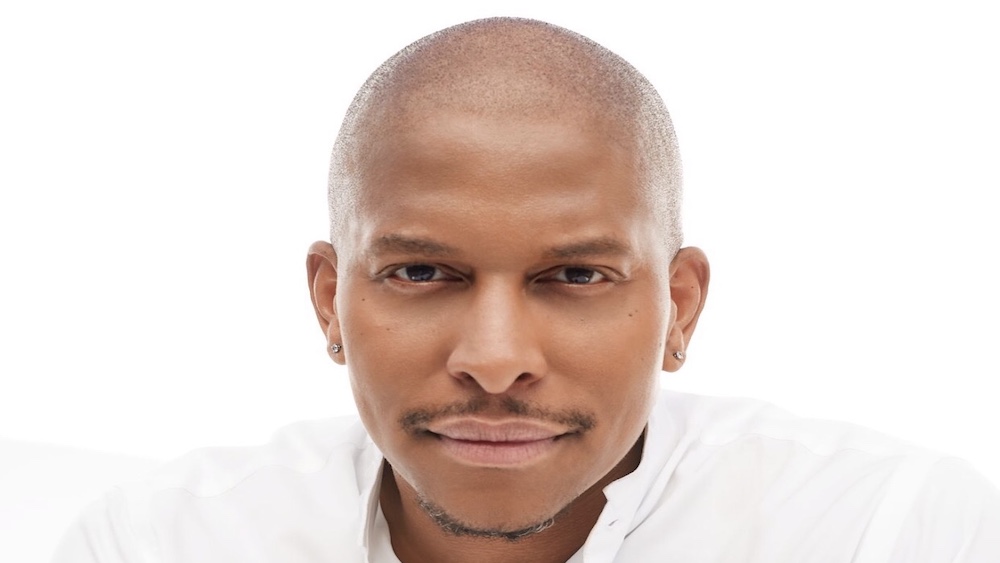
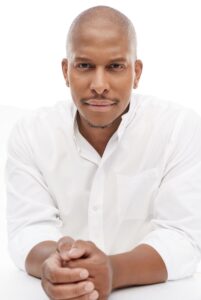
NYFA alum Nathan Hale is an award-winning filmmaker, best-selling author and entertainment attorney. Hale is a two-time NAACP Image Award® nominee, the recipient of the Thurgood Marshall Prestige Award for Excellence; and his film, Burden, about an educated Black man who, in spite of his success, still must confront the micro and macro aggressions that come with being a Black man in America face, premiered “Best Picture” at the American Black Film Festival (ABFF). Another film of Hale’s, Dirty Laundry, won at ABFF for Best Picture.
Nathan Hale is also passionate about HIV/AIDS advocacy. He partnered with the AIDS Healthcare Foundation and Hale’s upcoming project Love Will Save the Day, zeros in on the subject in an effort to destigmatize and educate the black community on the virus. In the film, A guarded Chicago lawyer who’s given up on love discovers that her chance for true love might be found in the unlikeliest person – her political opponent. The two navigate their past issues while trying to build their own relationship. One of them is also HIV positive.
Hale’s reputation as a storyteller with an eye for nuance precedes him, and his sophomore film is expected to be as groundbreaking as All Boys Aren’t Blue. The 40-minute film, based on the memoir of the same name by George Matthew Johnson, tackles issues of masculinity and queerness in relationship to Blackness. Each character represents Johnson at different stages of their life, chronicling their story of growing up and challenging gender identity norms, as well as learning to adapt to living with HIV/AIDS. The film won a GLAAD Media Award, and two Telly Awards, including one for Nathan Hale’s ‘Outstanding Direction,’ an inaugural Anthem Award, and Best Narrative Feature at the NewFest Film Festival.
Before venturing into the world of entertainment and film, Hale was a lawyer with limited knowledge of the entertainment industry. But he was committed to learning, “I had to teach myself a lot of the craft and learn on the job…NYFA helped me in this process.”
Despite already being a decorated filmmaker and author, Hale is committed to learning and expanding his repertoire. In 2020, he took Online Cinematography to learn the language of cameras and lights. Hale shared with NYFA, “I took the [Online Cinematography] Class to understand the fundamentals of cinematography and shot composition. So that I could be better educated when talking to my DPs and camera people. [I also wanted] more knowledge of basic lighting techniques”.
NYFA congratulates Nathan Hale for his commitment to his craft and for all of his success!
Stories have a unique power to inform, to illuminate, to move – and few mediums can harness that power, as well as cinema. Utilizing that power as a tool to effect positive change in the world is what has driven Jonathan Whittaker, Chair of Short-Term Filmmaking programs, over the course of his more than 15 years in the film industry. When not actively working on a film, he can be found at our New York campus educating the next generation on the importance of sharing their stories for the world to experience.
From producing to directing to editing, Jonathan has worked in all aspects of film production, making him a fountain of knowledge for filmmaking students at NYFA.
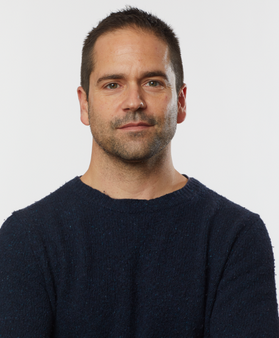
NYFA Chair of Short-Term Filmmaking Programs, Jonathan Whitaker
Jonathan Whittaker
Jonathan is a partner and founding member of ManInHat, a New York-based production company. He has worked for clients as diverse as Nissan, Sony Pictures, DirecTV, Gillette, Hyundai, and Sports Illustrated, lending a hand in the creation of short films, music videos, live concerts, commercials, TV shows, features, documentaries, and 3D special projects. He has acted as a director on Emilia (2014), Sports Illustrated Swimsuit 2011: The 3D Experience (2011), and The 2011 Sports Illustrated Swimsuit Selection Show (2011) and as a producer on Train Baby (2015), People We Meet (2014), America, Here We Come (2014), and Trophy Wife (2010). His extensive experience crosses many departments involved in production, an experience he is eager to share as a guest lecturer all over the world.
We talked to him about the beginnings of his career, his views on the world of filmmaking, and his belief in the power of cinema as a means to change the world.
NYFA: How did you first get interested in filmmaking?
JW: Rightfully or not, I have always felt that I had something to say, something that could maybe have a positive influence on society, and at a young age, I realized that there is no more powerful medium for reaching people than storytelling through cinema. The theater is where I went to live another life, to explore the world, and imagine my best self. Stories are what truly instigate change, alter the way people think and see the world, and with such a global reach, cinema, in the right hands, can be a very powerful and positive tool.
Of course, I also always loved the experience of watching a film, with each new one, it felt like I was adding to my own private collection. I coveted films like most kids cherish their baseball cards.
NYFA: What have been your favorite projects/productions to work on to date?
JW: I look back fondly on several projects, all for a myriad of different reasons.
I fell in love with the comradery on set in the early stages of my career when money was not our main goal when budgets were of low to no variety. Those would be the films I produced with talents like Keith Powell and Judy Reyes.
I have had the honor of being on set with cinema luminaries like Sam Mendes and Martin Scorcese, just to be able to share space with them was such an incredible and affirming experience.
Some of the documentaries I have worked on have given me the deepest sense of self-worth, as with storytellers, we always endeavored to elevate the stories of those without the power to use their own voices.
All that said, I think the most rewarding project was collaborating with women in the Middle East, empowering them to show the world their life through their own lenses.
JW: I have been working in some capacity at NYFA for over ten years now, and it has been an amazing experience, being able to collaborate with so many different people from all over the world has taught me so much about different forms of storytelling and forced me to codify my own beliefs about the art of filmmaking. In other words, I often feel that I am learning as much, if not more than I am teaching.
I have also had the opportunity to travel the globe giving guest lectures and workshops to those without the means to come to us for in-person training. Empowering others to be able to tell their unique stories is one of the greatest joys of my job.
NYFA: What are your favorite courses to teach?
JW: I love teaching both introduction to the language of cinema and directing actors. Intro to the language because it is so much fun and so rewarding to witness the aha moment when students realize why certain shots, angles, and movements elicit intended reactions. Oftentimes the students know the how behind the craft but rarely the why, which is infinitely more important. I love teaching directing actors because it’s the number one skill set any good director must master, and it’s where we get to really dig in and explore humanity.
NYFA: How would your students describe your teaching style/methods?
JW: I would hope they would say caring, patient, understanding, and ultimately inspirational. I know they would say corny and sometimes entertaining (I can’t help but throw in the odd bad joke from time to time). I also always try to teach through questioning, provoking them to come to the intended realization on their own.
NYFA: What are your favorite aspects of the film community in New York?
JW: It’s a very small world, a close-knit community of people who always find a way to get it done in sometimes inhospitable conditions. We rarely have the luxury of time, space, and large budgets, so it’s much more a “make it work” and “lean into your limitations” mentality here in NYC.
NYFA: Who do you believe have been some of the most significant individuals in filmmaking?
JW: For me, it’s all about the New York filmmakers who have paved the way for the rest of us, I’m talking about John Cassevetes, Martin Scorcese, Stanley Kubrick, Spike Lee, Lena Dunham, and Nora Ephron (side note, I worked a few days on the NYC unit for Nora’s remake of Bewitched).
NYFA: What are some of your favorite films?
JW: Wow, really too many to list in a format like this, but if I have to select a few from my favorites; Mean Streets, Do The Right Thing, Memento, The Bicycle Thief, Woman Under the Influence, In the Mood for Love, The Hurt Locker, and The Goonies. I love these all for different reasons, sometimes the acting, sometimes the cinematography, and sometimes just for nostalgia’s sake.
NYFA: What advice would you give a prospective student looking to get started in filmmaking?
JW: Never let any excuse get in the way of pursuing your dreams; never wait for the right moment to present itself, you’ll spend your entire life waiting. Remember that it’s through stories that we understand the world around us, the world needs to hear and learn from your unique experiences, don’t deprive us of that.
Develop Your Filmmaking Skills at NYFA
Ready to gain experience in filmmaking and create your own short films? Check out our film degrees, certificates, and workshops!
One of the most powerful aspects of filmmaking is the fact that it truly takes a village to get a movie made. There are many moving parts, all operating in concert, each bringing a unique craftsmanship and artistic sensibility to the table.
Ed Timpe, Chair of Filmmaking at NYFA’s Los Angeles campus, has had his hand in nearly every stage of filmmaking. Since getting his Master of Fine Arts in Film Production with a concentration in Cinematography from Chapman University, he’s spent time in almost every department of the discipline, crafting a well-rounded resume.
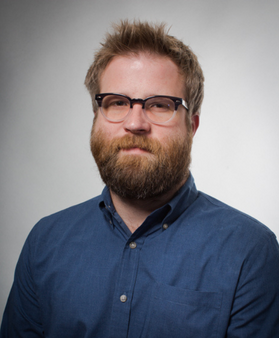
NYFA Chair of Filmmaking (Los Angeles), Ed Timpe
Ed Timpe
Ed is a member of RooLALA Productions and has been involved in films that have screened across the world. He worked in the camera and electrical department on Closet Secrets (2006), Latter-Day Fake (2008), Jackson (2009), Fiasco (2009), and More Money, More Family (2015).
He served as Cinematographer on Tracing the Edges (2006), Vibrator (2010), Zombie Amore (2010), and on the TV series Bad Love (2010) and Semi-Dead (2010). He recently took his first foray into producing The Miseducation of Bindu (2020), made with the Duplass brothers and starring David Arquette.
We talked to Ed about how he got started in filmmaking, his favorite projects, and advice to prospective filmmakers.
NYFA: How did you first get interested in filmmaking?
ET: I was in my 2nd year of college and struggling to find my place. I had declared my major going into school and was really feeling stuck. I enrolled in a class that looked fun and was within the structure of my minor, Film Studies. It was a general overview of movies/filmmaking. In one of the early sessions, the instructor broke down Casablanca. She spoke so eloquently about the movie and the process that I was in love. Over the rest of the semester, I realized that I didn’t want to pursue my original degree anymore, but rather I wanted to pursue filmmaking. My school didn’t have that as a major, so I switched my minor to Film Theory and went on to get my Master’s once my BS was over.
NYFA: What have been your favorite projects/productions to work on to date?
ET: I recently produced my first feature film. I had set off in this industry as a Cinematographer, so it was a big swing. We made the movie in conjunction with the Duplass Brothers. It was a new experience and a massive education in making movies. I thought I really knew what went into every aspect of the process, and it has been great learning about new facets of making and selling movies.
David Arquette has a small role in the film, so it was also meeting one of my childhood favorites from the Scream movies.
ET: I’ve been at NYFA for a little over ten years. I’ve worked in just about every capacity you can at the school. I came in as a teacher, worked in the Cinematography and Producing departments as a coordinator, was the Director of the High School program for several years, and have been the Chair of the Filmmaking Department for the past five years.
NYFA: What are your favorite courses to teach?
ET: My favorite is Cine I. It’s been a long time since I’ve taught it, but I really loved watching students come in and be shy with the cameras and gear and then get to watch them learn it and become more and more comfortable with it. I also really love teaching Production Workshop as you get to see the students cut their teeth in production.
NYFA: How would your students describe your teaching style/methods?
ET: Full disclosure. I’ve not taught in a couple of years because the administrative load has grown too large to manage and teach at the same time. My methods previously had always been getting the gear into the students’ hands as much as humanly possible. Have them shoot as much as we can in class so that we have both good and bad footage to look at and compare.
NYFA: What are your favorite aspects of the film community in Los Angeles?
ET: How robust and all-encompassing it is. LA is a city that is built around and for making movies. Everyone has a deep love for the craft, and you don’t have to look far to find very talented people to collaborate with.
NYFA: Who do you believe have been some of the most significant individuals in filmmaking?
ET: There is no way to do this without leaving people out. What I can tell you are the people that I think have had the most influence on me as a filmmaker (and I will probably still end up leaving some out).
Steven Spielberg – his blocking, camera movement, and ability to engage an audience are unrivaled.
Wes Anderson – his view of the world has made me reevaluate and understand my own.
Roger Deakins – his ability to adapt to each story he is telling is unmatched.
Charlie Kaufman – His ability to take the world you know and understand and to jumble it and mix it around inspires me to write.
I know that I am missing many, many names here, but these are what I came up with in a quick moment.
ET: Jaws, Jurassic Park, Pulp Fiction, Celebration, The Life Aquatic, The Goonies, Dead Poets Society, A Clockwork Orange, Adaptation, Alien, Boogie Nights, Big Fish.
NYFA: What advice would you give a prospective student looking to get started in filmmaking?
ET: Watch as much content as you possibly can. Surround yourself with all of the voices of the filmmakers you love, and then take away the parts you are able to and apply them to your own work.
Create Your Own Films at NYFA
Want to learn how to create your own films? Check out our film degrees, certificates, and workshops!
You may not think there’s much of a throughline that connects King Lear and The Brady Bunch, but for an actor, they’re both examples of a craft that’s required to tell any kind of story on stage or screen. Both were also inspirations for Mark Mocahbee, NYFA Miami Chair of Acting for Film, as he began his own discovery of life as a thespian. For over 25 years, he’s worked in both performance and behind-the-scenes roles in film, television, theater, and radio, developing an extensive resume full of experience he now shares with acting students at NYFA’s Miami campus.
NYFA Chair of Acting for Film (Miami), Mark Mocahbee
Mark achieved nationwide acclaim directing for the stage with the premiere of Brad Fraser’s Poor Super Man, which Time Magazine named one of the Top Ten Plays of 1994. Over the course of his 25+ year career in theater, film, and television, he’s worked with such luminaries as Edward Albee, Rebecca Miller, Lee Blessing, Michael Weller, Brad Fraser, Dustin Hoffman, Joe Pesci, Stanley Tucci, Keanu Reeves and more. He has appeared in a number of short films, including This Evening’s Discourse, The Essential Man, Finding Grace, and Play/House, as well as directing and acting in Interconnected and Captain Incredible.
He holds a B.S. and MFA from the University of Miami and has served on the faculty of the University of Cincinnati College-Conservatory of Music, Xavier University and Miami University at Oxford. On stage, he’s been a member of the Stage Group Theatre, Cincinnati Playhouse in the Park, Actors Theatre of Louisville, The Repertory Theatre of St. Louis, Shakespeare & Company, and was the Resident Director of the Ensemble Theatre of Cincinnati. We talked with him about his influences and how he works to guide those studying performance.
NYFA: How did you first get interested in acting?
MM: Watching the Brady Bunch kids on TV as a child and thinking that looks like fun, I could do that. Then I began to read an old copy of King Lear by myself, acting out all the parts, and I fell in love.
NYFA: What have been your favorite projects/productions to work on to date?
MM:Hamlet, Rain Man, Poor Super Man, The Public Eye, The Miami Improv Festival, and Side Man.
MM: I started as a part-time instructor in 2015 and was promoted to Associate Chair in SB in the spring of 2016. In the Fall of 2016, I was promoted to Chair. It has been a deeply rewarding experience helping the Miami campus grow and develop. Watching our students change while they are here is phenomenal.
NYFA: What are your favorite courses to teach?
MM: Performing Shakespeare, Period Styles, and Technique and Scene Study
NYFA: How would your students describe your teaching style/methods?
MM: Patient, exploratory, physical, detailed, and challenging.
NYFA: What are your favorite aspects of the film community in Miami?
MM: The diversity.
NYFA Miami
NYFA: Who do you believe have been some of the most significant actors/actresses in film?
MM: Meryl Streep, Viola Davis, Denzel Washington, Robert DeNiro
NYFA: What are some of your favorite films and performances?
MM: Meryl Streep in Sophie’s Choice, Soumitra Chatterjee in The World of Apu, Denzel Washington in Malcolm X.
NYFA: What advice would you give a prospective student looking to get started in acting?
MM: Look at the world around you and allow it to absorb you. Read, learn and listen. Breathe. Work on monologues and stage plays, and make short films with your friends. Watch as many movies and plays as you can, and study every performance. What makes you love them? How and why do their characters move you? Study and stories and how they unfold. Take classes and study this art form formally and deeply. Learn techniques, and then practice them over and over and over. In addition to acting classes, take singing, speech, voice, movement, dance, and clowning classes. Be disciplined and determined, and have fun. Above all, be kind to yourself and others around you.
Learn How To Make Films at NYFA
Want to create your own short films? Check out our film degrees, certificates, and workshops!
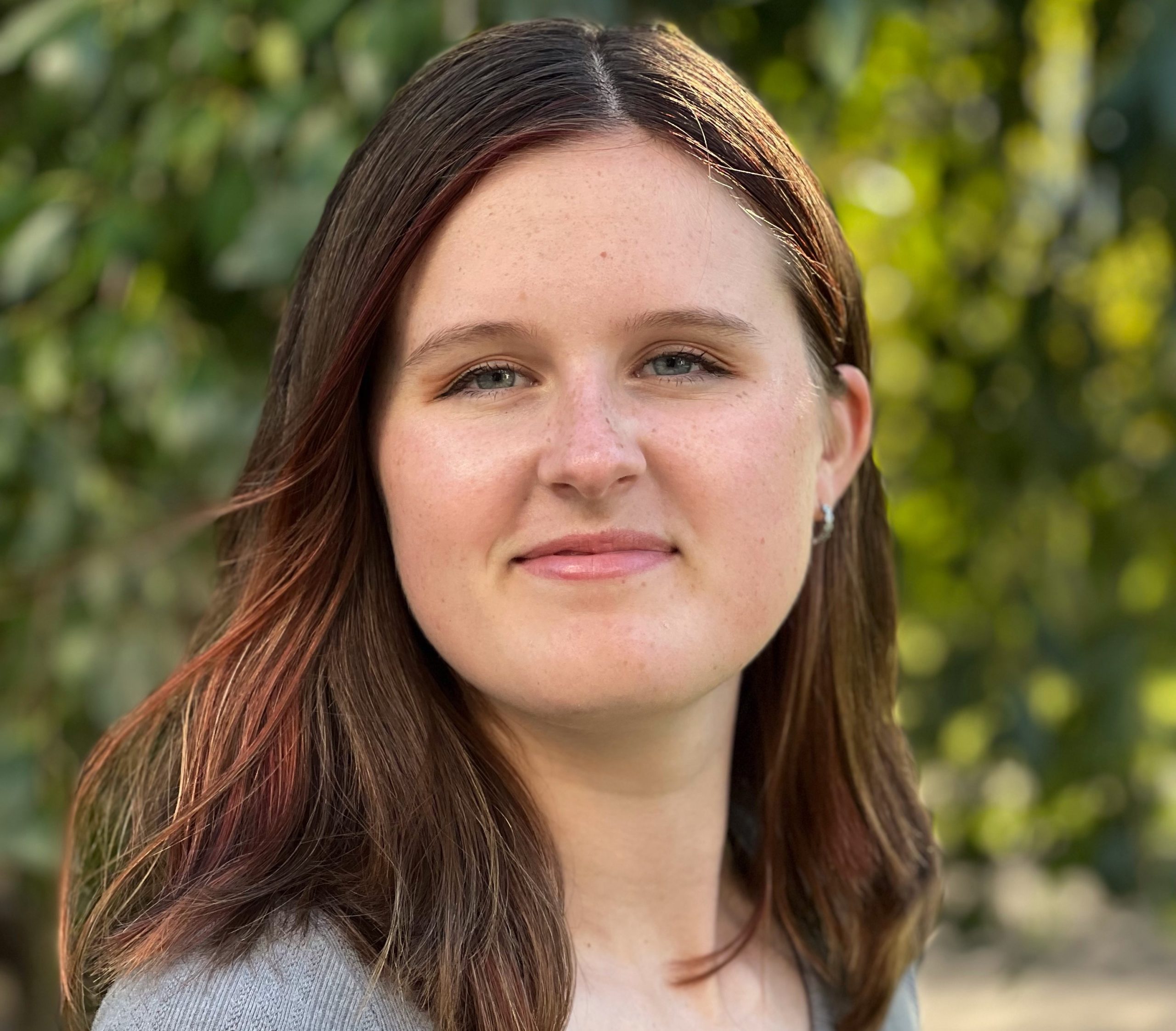
In the Summer of 2022, NYFA welcomed Samantha Rosinski, a recipient of our Rising Artist Scholarship for Teen Camps (RASFTC), to our 1-Week Filmmaking Workshop for teens at NYFA’s New York campus. An aspiring young filmmaker, Samantha was introduced to the art of filmmaking and wrote, directed, shot, and edited a short film project.
“The New York Film Academy’s Rising Artist Scholarship for Teen Camps is a wonderful way for NYFA to recognize emerging student artists for their achievements in the Performing and/or Visual Arts,” says Roger Del Pozo, Senior Executive Enrollment Specialist and RASFTC Selection Committee Member. “It provides the selected winner the opportunity to explore their craft in an advanced and immersive environment at NYFA.”
Meet Rising Artist Scholarship Winner Samantha Rosinski
Following the completion of the 1-Week Filmmaking Workshop, we wanted to hear all about Samantha’s experiences at NYFA and her favorite memories while studying at our New York City campus. The RASFTC winner gave us the opportunity to hear about her experience making new friends, learning the essentials of directing, and living in the “Big Apple,” the home of major filmmaking and television studios, for an entire week.
New York Film Academy (NYFA): How did you feel when you heard that you were selected for the Rising Artist Scholarship for Teen Camps?
Samantha Rosinski (SR): I was incredibly surprised since I had only been experimenting with film for about a year and was grateful my teacher sent his recommendation to the NYFA for this opportunity. Also, I found out I was the scholarship winner the day before my birthday, so it was the ultimate birthday gift!
NYFA: What did you learn during your 1-Week Filmmaking Workshop at NYFA that you have applied to your life?
SR: A few girls were knocking on dorm doors on our first day to meet those on my floor. I realized how beneficial it is to put myself out there to meet people with similar aspirations. To become an open-minded filmmaker, you must remain curious. Coming to this hub of all different cultures, I have learned more about unique individuals and will be able to apply this to the character of my future film endeavors.
NYFA: What was your biggest challenge while studying Filmmaking at NYFA?
SR: Learning to work in a short time frame, for instance, utilizing just two hours to shoot your entire short film. In the end, this boosted my confidence in my abilities when I was able to meet that deadline successfully.
NYFA: Did you have any worldly experiences while studying at NYFA in New York City?
SR: I met people from all over the world, but one sticks out the most. I spoke with an aspiring photographer from France, who didn’t speak as much English as I did, however, we were able to communicate due to our shared knowledge of cameras. Going to another country for the four-week program is admirable! I follow his photography account on Instagram and can see his determination has truly paid off through his current work.
NYFA: What was your biggest takeaway from studying directing?
SR: I learned a lot about blocking and how it relates to which characters are dominant. I already understood how camera angles can have this effect, but I never realized how much went into feature films where character movement is specifically coordinated to add to this.
NYFA: Are you considering pursuing filmmaking/directing as a future major in college?
SR: Of course! I plan on majoring in film production in college.
NYFA: What was your favorite thing about living in New York City for a week?
SR: Being within walking distance of discovering all varieties of food with all my new friends remains unrivaled in my experience. The Eastern Nova Bagel from Leo’s Bagels was my favorite!
NYFA: What advice do you have for other teens considering our programs?
SR: Prepare as much as possible for your film to get the most out of the program. Make connections with the people in your class quickly (especially during the one-week session!).
NYFA: Be honest, would you recommend our camps to your friend or family member?
SR: Yes, I think it was a program that would be useful for any skill level. It was great to hear from professionals in the industry, and I would recommend living in the dorm to prepare for college.
NYFA congratulates filmmaking teen camp alum Samantha Rosinski on her achievement and wishes her the best of luck in pursuing film in the future.
How toNominate a Student For NYFA’s Rising Artist Scholarship
Designed for teen visual and performance artists, NYFA’s Rising Artist Scholarship provides students with the opportunity to attend a teen camp or workshop at NYFA. Teachers, counselors, employers, and mentors may nominate teens to attend in person at our New York or Los Angeles campus or complete an online program. All submissions must include a brief essay written by the nominator on why the candidate should be considered. To learn more, visit our Rising Artist Scholarship for Teen Camps page.
Our NYFA Producing programs teach students all the critical aspects of making a film or television show from start to finish, educating them on the realities and challenges of bringing a production to life. This hands-on approach is supported by our faculty of active industry professionals, such as our Chair of the Producing department at NYFA New York, Neal Weisman. Neal believes his mission is to teach the next generation about the art and craft of producing.
NYFA Producing Chair, Neal Weisman
Neal Weisman
Neal’s producing credits include The Politician’s Wife (1995), which won a BAFTA and Peabody Award, as well as an International Emmy Award for Best Drama Serial; Seeing Red(2000), which won a Christopher Award; and My Kingdom (2001), starring Richard Harris in his last leading role. He also produced Let’s Talk About Sex (2009), a documentary that was broadcast on TLC.
In addition to his producing career, Neal is also the Vice President of Edward Pressman Film Corporation, which is responsible for producing films like David Byrne’s True Stories (1986), Wall Street (1987), Talk Radio (1988), Kathryn Bigelow’s Blue Steel (1989), and Barbet Schroeder’s Reversal of Fortune (1990), to name a few.
An award-winning film and television producer with over 20 years of international experience, we spoke to Neal about his favorite projects, his time at NYFA, and what advice he’d give to those looking to get started in producing.
New York Film Academy (NYFA): How (and when) did you first get interested in producing?
Neal Weisman (NW): I initially wanted to become a writer-director. While earning my Master of Fine Arts degree in Cinema, I wrote and directed so many films that I realized I did not want to direct as a career. I worked out my directorial aspirations early in life! I wanted to keep making films, so it was a natural transition to producing.
NYFA: What have been your favorite projects/productions to work on to date?
NW: This is like asking a parent which is your favorite child! I have a special affection for “my first child in the film industry,” True Stories (1986), co-written and directed by David Byrne, with music by Talking Heads. It has become a true cult hit, was recently remastered, and is available on Criterion. The cinematography is by Ed Lachman, a true master.
NW: I love sharing my experience and knowledge in the education of new producers. It is very gratifying to mentor the next generation of content creators. I am on a mission to spread the answer to the important question, “What Does a Producer Do?”. One of the great strengths of the New York Film Academy is the diversity of the student population. It is invigorating to meet and work with students of all ages and ethnic and gender identities who come to study at NYFA from all over the world. It not only enriches the students’ experiences but those of the faculty as well.
NYFA: What are your favorite courses to teach?
NW: Producer’s Craft because this is where I get to answer, “What Does a Producer Do?”. We explore the entire producing process, from identifying ideas to working with writers in the development of scripts, assembling commercially viable packages, raising finance, and looking at all aspects of pre-production, filming/shooting, post-production, as well as marketing, and distribution. It is a very comprehensive overview of producing.
NYFA: How would your students describe your teaching style/methods?
NW: I have a lot of information to give to our students, so I do a lot of talking! The students, in turn, ask a lot of questions, so there is a good give and take. As we are very hands-on, students apply what they are learning in lectures to their own individual case studies, which are shared in class. I encourage as much participation, discussion, and interaction as possible.
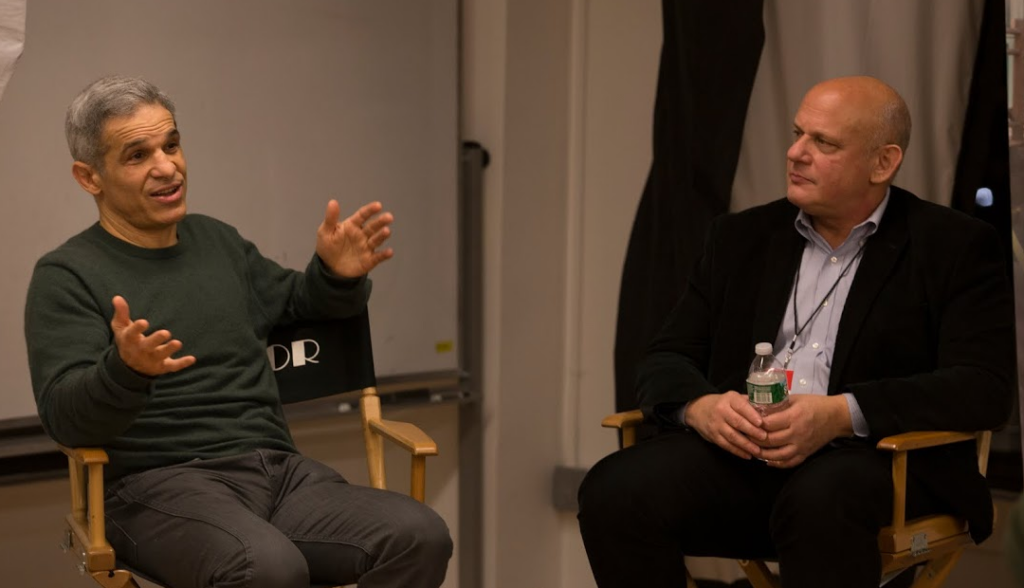
Executive Producer John Giura with NYFA Producing Co-Chair Neal Weisman at a NYFA Q&A Session
NYFA: What are your favorite aspects of the film community in New York?
NW: New York City is the greatest backlot in the world! Think of all the fantastic films that have been set here. It is so exciting to create work in the Big Apple. There is a fiercely independent and entrepreneurial spirit in New York; so many motivated people making everything from low-budget indies to amazing documentaries to huge Marvel movies. From Martin Scorsese to Spike Lee, everyone and everything is here!
NYFA: Who do you believe have been some of the most significant individuals in producing?
NW: Saul Zaentz was an incredible producer. He operated primarily outside the studio system, based in San Francisco, and was able to make truly significant work – movies like One Flew Over the Cuckoo’s Nest (1975), The English Patient (1996), Amadeus (1984), The Mosquito Coast (1986), and The Unbearable Lightness of Being (1988).
The British producer Jeremy Thomas has made a host of amazing films working with great directors like David Cronenberg, Bernardo Bertolucci, and Terry Gilliam. Also, Jason Blum is awesome, making lower-budgeted horror films like Insidious (2010-2018) and The Purge (2013); and moving on to movies like Whiplash (2014), Split (2016), Get Out (2017), BlacKkKlansman (2018), Glass (2019), and Us (2019).
Of course, I can’t forget Edward R. Pressman, who was an important mentor and responsible for such movies as Wall Street (1987), To Sleep with Anger (1990), Reversal of Fortune (1990), The Crow (1994), and American Psycho (2000).
NW: Many of my students know that I consider Citizen Kane (1941) to be one of the most influential and important films of all time. That said, I confess to The Wizard of Oz (1939) as being my favorite film for a multitude of reasons (not just Judy Garland). The music is timeless, the performances are superb, but most importantly, it is a classic hero story. I often cite it when speaking about crafting screenplays.
NYFA: What advice would you give a prospective student looking to get started in producing?
NW: Learn all the basics and fundamentals of producing first and foremost. Once you have these concepts, strategies, and skills in your toolbox, you’ll be able to follow your passion wherever it takes you, confidently knowing what you are doing!
Produce Your Own Short Films and Content at NYFA
Ready to produce your own content and short films? Check out our degrees in producing, as well as our certificates and workshops!
Manage Cookie Consent
This website uses cookies to improve user experience. By using our website, you consent to all cookies in accordance with our Cookie Policy.
Functional
Always active
The technical storage or access is strictly necessary for the legitimate purpose of enabling the use of a specific service explicitly requested by the subscriber or user, or for the sole purpose of carrying out the transmission of a communication over an electronic communications network.
Preferences
The technical storage or access is necessary for the legitimate purpose of storing preferences that are not requested by the subscriber or user.
Statistics
The technical storage or access that is used exclusively for statistical purposes.The technical storage or access that is used exclusively for anonymous statistical purposes. Without a subpoena, voluntary compliance on the part of your Internet Service Provider, or additional records from a third party, information stored or retrieved for this purpose alone cannot usually be used to identify you.
Marketing
The technical storage or access is required to create user profiles to send advertising, or to track the user on a website or across several websites for similar marketing purposes.
To provide the best experiences, we use technologies like cookies to store and/or access device information. Consenting to these technologies will allow us to process data such as browsing behavior or unique IDs on this site. Not consenting or withdrawing consent, may adversely affect certain features and functions.
Functional
Always active
The technical storage or access is strictly necessary for the legitimate purpose of enabling the use of a specific service explicitly requested by the subscriber or user, or for the sole purpose of carrying out the transmission of a communication over an electronic communications network.
Preferences
The technical storage or access is necessary for the legitimate purpose of storing preferences that are not requested by the subscriber or user.
Statistics
The technical storage or access that is used exclusively for statistical purposes.The technical storage or access that is used exclusively for anonymous statistical purposes. Without a subpoena, voluntary compliance on the part of your Internet Service Provider, or additional records from a third party, information stored or retrieved for this purpose alone cannot usually be used to identify you.
Marketing
The technical storage or access is required to create user profiles to send advertising, or to track the user on a website or across several websites for similar marketing purposes.



 NYFA alum Nathan Hale is an award-winning filmmaker, best-selling author and entertainment attorney. Hale is a two-time NAACP Image Award® nominee, the recipient of the Thurgood Marshall Prestige Award for Excellence; and his film,