
Q&A-LIST SERIES WELCOMES ICONIC HORROR FILM & TV PRODUCER, ROY LEE

For the first in-person New York Film Academy (NYFA) Q&A-List Series event since the COVID-19 pandemic brought the series virtual, Tova Laiter hosted a screening of Barbarian and Q&A with Roy Lee to discuss his career’s trajectory as a producer. The conversation was held at NYFA’s Los Angeles campus and attended by students and alumni.
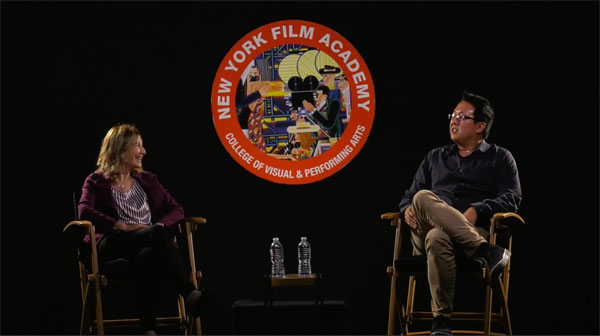
Tova Laiter, Director of the NYFA Q&A-List Series (left) with Film & TV Producer Roy Lee (right)


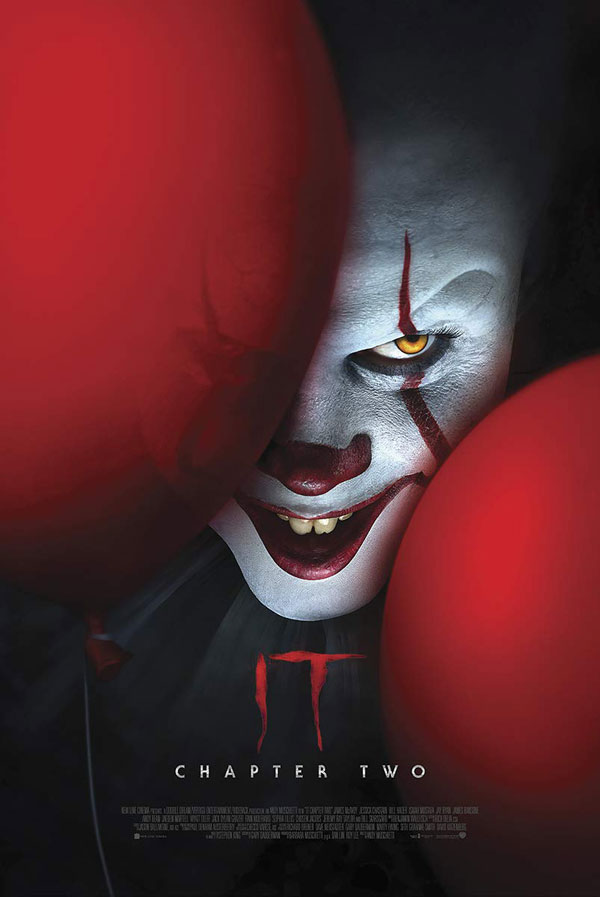
Lee is a leading film and television producer and co-founder of Vertigo Entertainment. Vertigo Entertainment is responsible for producing some of the most well-known horror film titles in the horror genre in recent movie history. Lee’s first credit included his producer role on The Ring (2002) and afterward, Lee’s career enjoyed a steady climb. Other works of his include iconic horror films like The Grudge, The Strangers and It. Lee also produced the beloved children’s animated films The Lego Movie and How to Train Your Dragon. The Q&A-List Guest Speaker executive produced The Departedstarring Leonardo DiCaprio which won three Oscars, including ‘Best Picture.’

Prior to taking Hollywood by storm, Roy Lee was a Brooklyn native born to Korean parents who had hopes their son would become a minister. Instead, he pursued an undergraduate degree from George Washington University and attended American University Washington College of Law. After a short stint at a firm, Lee moved to Los Angeles and began working as a “tracker” for Alphaville Productions. Lee was responsible for reading and assessing spec material and so began his career as a producer.
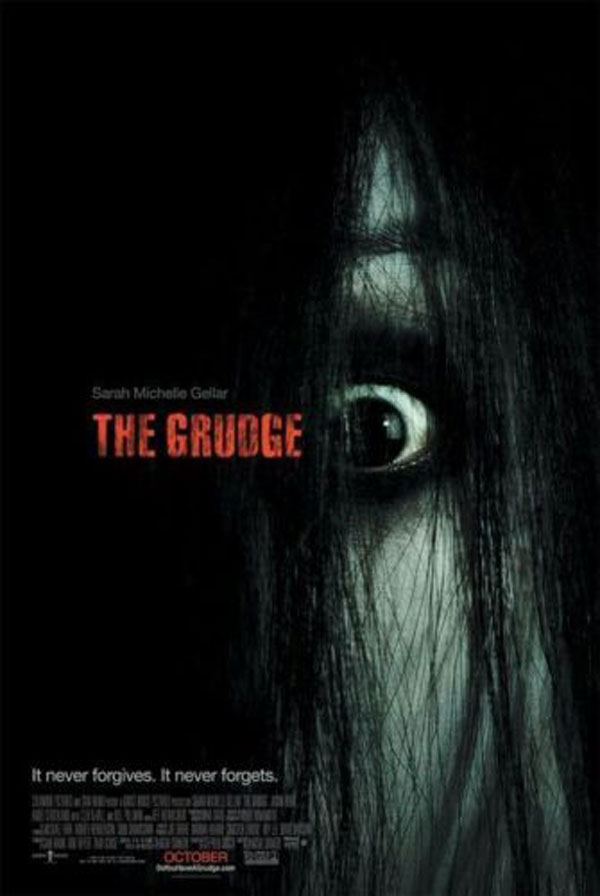
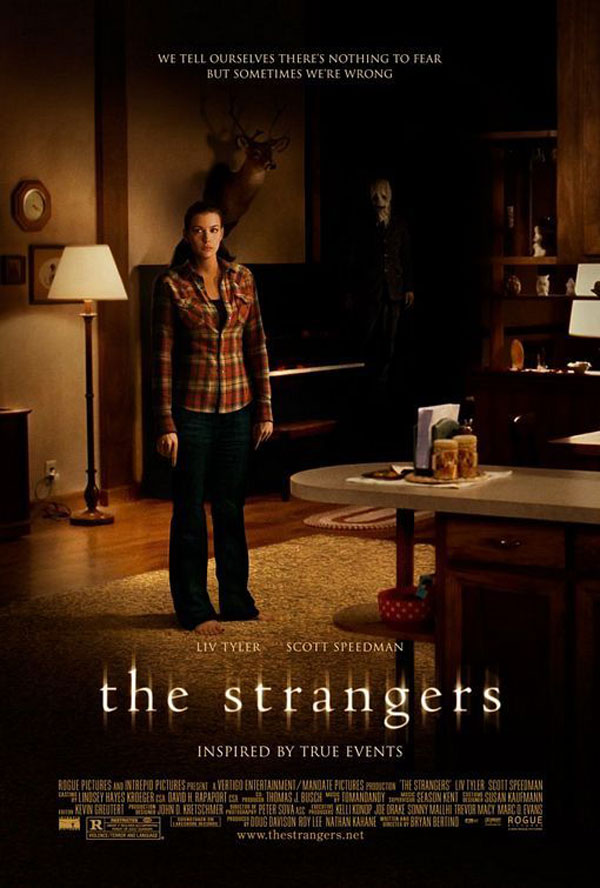
In 1999, while looking for material to produce, Lee came across a Japanese film about a reporter and her ex-husband who investigate a cursed video tape rumored to have killed its viewer seven days afterward. The film Ringu (1998) was a huge success in Japan; but when Roy Lee stepped in, he took the film to new heights. Lee acquired the rights to the film – with Dreamworks – for $1 million dollars. The Ring film made $15 million dollars during its opening weekend with a mere $48,000 budget. Since its release, the horror classic grossed $249.3 million worldwide.

Today, Lee outworks anyone with a pulse. “You are the most prolific producer I know,” Tova Laiter said after listing off Lee’s pending projects from his IMDB page as he is listed as a producer or executive producer on nearly 30 projects. “For this year only -2022- there are 3 releases, 6 movies in post-production and 2 [currently] filming,” including popular video game adaptations, thrillers, television series at major streaming services, and more horror films. Lee disclosed that the key to this incredible output is collaboration,“my philosophy is to work with anyone who has an ability to get movies made and working with friends .. anyone who is helping push the project forward.”
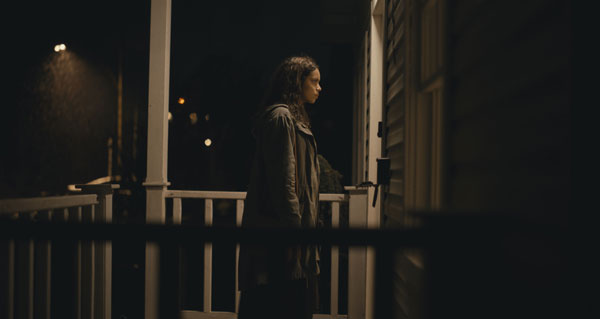
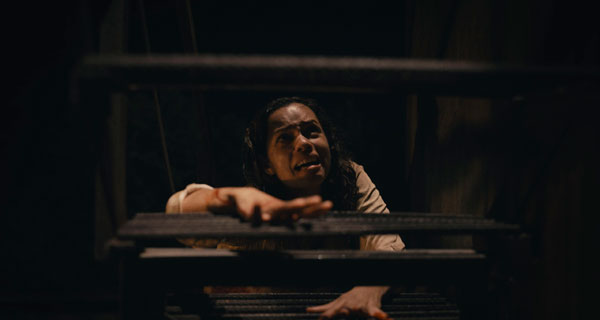
A still from Barbarian (2022)


In his most recent project, Barbarian (2022), a young woman named Tess learns her AirBnB rental has been double booked by the star of ItBill Skarsgård. Against her better judgment, she decides to spend the night but soon discovers there’s a lot more to fear than an unexpected house guest. The script, written by Zach Cregger, made rounds across Hollywood, but to no avail. Lee shared with Laiter that producers questioned whether or not the script would make sense to its audience. He said Vertigo had already passed on it but when “younger producers who were attached to [the film] sent it to me, I had to read it.” After reading the script, Lee said I always give a person a first shot.” It was the right decision because Barbarian scored a 92% rating on Rotten Tomatoes and is lauded as another horror classic. With timely themes including toxic masculinity, #MeToo, and gentrification, the film brings together every millennial worry.
A still from Barbarian (2022)


When asked about how the film industry was coping with the decline of theater releases, the Guest Speaker shared that the real war is not a streaming war but actually an ‘attention war’ where “everyone has podcasts, radio, TV, movies, internet, social media and there’s only so much that people can actually consume and it’s a finite pie.”

For filmmakers starting out, Roy offered horror films as a great start up since they are low budget, don’t need stars and they have built in audiences.

Laiter and the New York Film Academy would like to thank Roy Lee for sharing his time and experience with NYFA students and alumni.

Please note: NYFA does not represent that these are typical or guaranteed career outcomes. The success of our graduates in any chosen professional pathway depends on multiple factors, and the achievements of NYFA alumni are the result of their hard work, perseverance, talent and circumstances.

NYFA Los Angeles 3D ANIMATION & VFX FACULTY: INTERVIEW WITH CRAIG CATON-LARGENT

Whether it’s a creepy monster in a horror movie, slithering a tentacle out from under a bed, or an otherwordly creature the size of a skyscraper, if it’s made you jump, Craig Caton-Largent may have had a hand in bringing it to life. Craig, the Chair of 3D Animation & VFX at NYFA Los Angeles, has been at NYFA for nine years and started his career by doing makeup effects and animatronic puppets on movies such as Jurassic Park, Terminator 2, Tremors, and Ghostbusters.

NYFA Chair of 3D Animation & VFX (Los Angeles), Craig Caton-Largent

In the digital age, Craig has worked as a character technical director for Disney Feature Animation and a layout artist at DreamWorks Animation. He supervised the creation of a network of Silicon Graphics workstations that would later become a core piece of the Digital Domain when Stan Winston partnered with James Cameron and Scott Ross. He is also credited as one of the eight co-founders of Digital Domain.

We spoke to Craig about his favorite films and projects, his experience at NYFA, and advice for aspiring 3D Animators.

NYFA: How did you first get interested in 3D Animation & Visual Effects?

I watched the original Planet of the Apes when I was a child and knew then that I wanted to create fantastical creatures and characters to help people tell their stories.

NYFA: What have been your favorite projects/productions to work on to date?

Jurassic Park, Apollo 13, Tremors, & Ghostbusters. Everyone working on Ghostbusters knew that it was special, and we all put our hearts into making a great movie that was fun to watch. Jurassic Park was great in the fact that Steven Spielberg had such a wonderful vision and told us to make the best dinosaurs we could create. 

Craig Caton-Largent

NYFA: Tell us about your time at NYFA.

I have been at NYFA for about nine years. It has been wonderful tailoring the 3D Animation and Visual Effects program to create a course that uses current technology being used in the industry today.

NYFA: What are your favorite courses to teach? 

Previsualization and Performance Capture. I love the creativeness of Previz and Performance Capture because its “hands-on”  approach.

NYFA: How would your students describe your teaching style/methods?

Entertaining and useful. Walt Disney once said, “I would rather entertain people and hope they learn something than trying to educate people and have them learn nothing at all,” and I embrace that.

NYFA: What’s your favorite part of the Animation & Visual Effects community in Los Angeles?

The camaraderie of the people who work in the industry.

NYFA: Who do you believe have been some of the most significant individuals in animation and visual effects?

Robert Lagato, Stan Winston, Douglas Trumbell.

WATCH: NYFA Spotlight: 3D Animation and Visual Effects

NYFA: What are some of your favorite animated films/television shows?

Alien, Planet 51, The Expanse.

NYFA: What advice would you give a prospective student looking to get started in 3D Animation & Visual Effects?

Become familiar with the software used by the industry and watch breakdown reels on Youtube to gain a better understanding.

Bring Your Ideas to Life at NYFA

Want to learn how to make your own short films and animations? Explore our 3D Animation & VFX programs!

NYFA Los Angeles Photography Faculty: Interview with Naomi White

Photographer Garry Winogrand once said, “I look at a photograph. What’s going on? What’s happening photographically? If it’s interesting, I try to understand why.”

As an abolitionist feminist, artist, and educator, Naomi White has spent her photography career looking for the why and working on ideas at the intersection of political ecology and photography. White addresses an array of complex contemporary issues through her work, questioning dominant ethics and narratives throughout history and asking how we can shift our focus away from the current racist, capitalist model of domination to one of equity and collective voice for the sake of all people, animals, and the planet.

NYFA CHAIR OF PHOTOGRAPHY (LOS ANGELES), NAOMI WHITE

Naomi White

Naomi’s work has been published in PDN, The Brooklyn Rail, Cut Me Up Magazine, The Missouri Review, and Uncertain States. She won PDN’s Objects of Desire award, and her work has been exhibited throughout North America and Europe. This includes art fairs Photo LA, Scope, and Spectrum. She has an MFA in Photography and Related Media from SVA in New York, s well as a Post Baccalaureate in Photography from the San Francisco Art Institute and a BA in English Literature from San Francisco State.

We spoke to Naomi about how she got started in the field, her previous and current work, as well as her experience teaching at New York Film Academy.

NYFA: How (and when) did you first get interested in photography?

I took an AP art History class in High School. We were learning about photography, and then we came to a lesson on Sarah Charlesworth. Her work asked questions with the camera instead of giving answers. I was hooked. 

NYFA: What have been your favorite projects to work on to date?

My recent project, EXCAVATIONS, has absorbed me for the last few years. During the pandemic, I really wanted to work with my hands, so the type of collage I’m working in, printing, tearing, and burning my photographs, has been satisfying and engaging. I also loved curating an issue of Cut Me Up magazine exploring the paradoxical way we treat and think about animals. I also am proud of my Shipwrecked and Traces of the Real projects. 

READ MORE: Check Out FAYN Magazine by New York Film Academy Photography Department

NYFA: Tell us about your time at NYFA.

I was hired by the first LA chair of photography to teach 1 class. By the end of the first semester, I was teaching five. I’ve been at NYFA since 2014 and have grown into the Chair role over time. Teaching is still my favorite part of my job and has become an important aspect of my artistic practice. Connecting with students who share my passion for photography is meaningful to me. 

NYFA Photography

NYFA: What are your favorite courses to teach? 

I love teaching courses that reflect my artistic practice and bring in my concerns. I often bring in texts and ideas from my research to start us off, and then we see what ideas take and go from there. Some of my favorite classes to teach are Photographic Essay, Aesthetics & Ecological Activism, Ecology, Ethics & Activism, Thesis Projects, FAYN, and Lighting for Still Life: Desire & Disgust. 

READ MORE: Photo Arts Conservatory at New York Film Academy (PAC at NYFA) Showcases Work in Photo LA

NYFA: How would your students describe your teaching style/methods?

I ask a lot of questions. I always aim to start a dialogue and want to hear their points of view. I want them to feel the classroom is a safe space to share and grow in. To encourage this, I often share personal experiences as a human and professional artist, to help them know I am here for them. Stories are a great way to communicate and also to remember details. I also ask students to make a lot of work. I love seeing what they do in response to assignments and often ask them to continue with projects after each critique, so they get it to a place they are happy with. I try to push students to be the most curious and courageous selves in their work, to ask questions, and to go as far as they can to make their pictures how they want them. 

NYFA: What are your favorite aspects of the photography community in LA?

The art and photo community here are very supportive in LA. People share information and spend time in each other’s studios, attending each other’s openings and sharing each other’s work. 

NYFA Los Angeles

NYFA: Who do you believe have been some of the most significant individuals in photography?

SO MANY. I’ll just name a few greats, which would be Robert Frank, Garry Winogrand, and Bruce Davidson – they all had the gift for capturing decisive moments. Diane Buckler, my late mentor, who printed her surreal combinations of photographs (her own and found) on granite; Sarah Charlesworth, who asked us to see the hierarchies and power structures within editorial and fashion photography; Lorna Simpson and Carrie Mae Weems, who both use text with images to expose racism and sexism in everyday vernaculars, each in their own astute ways; Deanna Lawson’s portraiture which enacts story through pose and expression; Michelle Abeles and Sarah Cwynar, whose playful, colorful challenges to consumer culture break down the picture plane in unexpected and engaging ways; and so many more.

NYFA: What are some of your favorite films?

The Greatest Picture Show, When We Were Kings, Picnic At Hanging Rock, Buffalo 66, Call Me By Your Name, Fast, Cheap and Out of Control, Roma, Moonlight.

NYFA: What advice would you give a prospective student looking to get started in photography?

Like music, the technical stuff is just the beginning. Make pictures every day, print them, look at them, read them, and share them. Then make more pictures in response. 

Art is an action; it is a way of processing the world around us. Developing your ideas connects you with yourself and finding what is important to you.  

Develop Your Photography Skills at NYFA

Ready to strengthen your creative and technical skills in photography? Learn more about our photography programs today!

NYFA New York Filmmaking Faculty: Interview with Andrea Swift

As many of the most influential filmmakers know, the key to making a great film is telling a good story. For Andrea Swift, NYFA Filmmaking Chair, who has over 20 years of filmmaking experience, creating films is also about showing up “ready to jump in the deep end” and embracing the process of film production. At NYFA, Andrea is one of many NYFA filmmaking faculty members who help students learn how to create films step-by-step, helping them to develop the creative and technical expertise to tell stories they believe in.

NYFA CHAIR OF FILMMAKING, ANDREA SWIFT

Andrea Swift

Throughout her experience, A cinematic storyteller with more than 20 years of experience, Swift has served as executive producer and director of PBS’ Emmy-nominated documentary magazine series, In the Life. Her films have also been screened at the United Nations Earth Summit and at festivals worldwide, including Raindance Film Festival (Best of Festival Selection), Sundance’s Environmental Film Festival, and Berlin International Film Festival (Best Short Film, Panorama.)

She has worked with AMC, History, and WE, as well as New York’s very own NY Knicks, Madison Square Garden, and Clearview Cinemas, to create content. She has also directed and written for top talent, including Tony Award winners Alan Cumming, Harvey Fierstein, Cherry Jones, and Denis O’Hare, as well as Oscar winner Susan Sarandon, Oscar nominees Patricia Clarkson, Lesley Gore, and Laura Linney. She holds an MFA from Columbia University.

We spoke to Andrea about her time at NYFA, her favorite courses and subject matter to teach her students, and advice for prospective filmmakers.

NYFA: What have been your favorite projects/productions to work on to date?

AS: I ran a PBS tv show called “In the Life,” which was pretty awesome. I’ve also associate produced a show called The Killers, filmed in Jamaica, which won the Panorama award at the Berlin Film Festival.

READ MORE: New York Film Academy Community Shines at 2022 Tribeca Film Festival

NYFA: Tell us about your time at NYFA.

AS: NYFA brought me in 15 years ago to create the documentary department, which I intended to do for one year before going back into production. I kept putting it off because I learned it was as fun making filmmakers as it was to make films. In January 2021, I took over the filmmaking department. 

NYFA: What are your favorite classes to teach? 

Aside from the core filmmaking curriculum, I love to teach filmmakers how to make films with no budget so our students can make films without spending a lot of money. I also love new media courses, everything that is not film…. web series, social media micro docs, podcasts, and whatever is evolving. 

NYFA: How would your students describe your teaching style/methods?

I do some lectures and some dialectic conversations. I’m mostly interested in the work they are making, teaching by applying it to what they are creating right now. 

NYFA Documentary Filmmaking

NYFA: What are your favorite aspects of the film community in NYC?

I love that we are the indie filmmaking capital of the world. This is a place where people don’t let other people make them wait to make films. 

NYFA: Who do you believe have been some of the most significant documentary filmmakers?

In no particular order, Barry Jenkins, Chloe Zao, Martin Scorcese, Claire Denis, Chantal Ackerman.

READ MORE: Festival Favorite ‘Shirampari’ Documentary Headed To 2023 Sundance Film Festival

NYFA: What are some of your favorite films and television series?

Favorite is such a tricky word. My answer might be completely different from day to day., but some of the documentary films I find myself watching time and again include: Minding the Gap, Paris is Burning, Free Solo, Crip Camp, Tongues Untied, Stories We Tell, I Am Not Your Negro, The Gleaners and I, Mad Hot Ballroom, and Searching for Sugarman. For series, I highly recommend Wild, Wild Country, Planet Earth, and Making a Murderer.

My tastes are pretty eclectic, and there are so many films I love I hardly know where to begin. Topping my current re-watch list are Beau Travail, Children of Men, Godfather (I and II), The Rider, In the Mood for Love, Atlantique, Moonlight, Capernum, Winter’s Bone, Point Break, and Paris, Texas. For series, I just rewatched all of Reservation Dogs, which was almost as much fun the second time around. The Wire and Season 1 of True Detective are all-time favs, and I’m looking forward to new seasons of Stranger Things and The Marvelous Mrs. Maisel.

NYFA: What advice would you give a prospective student looking to get started in filmmaking?

The only way you’re going to learn how to direct films is by directing films, and there is no way around that. Your relationships are really important, who has worked with you before, who knows how well you work. That’s how you’re going to get plugged in. The networks people create at school are some of the most important things they come out with. Additionally, don’t wait for someone else to give you permission to start making films. Just start. 

Create Your Own Films and Documentaries at NYFA

Passionate about filmmaking and documentary films? Learn more about our filmmaking degrees, certificates, and workshops!

NYFA ALUM EVE HEWSON GOES IN FOR THE KILL IN BAD SISTERS

Since graduating from New York Film Academy (NYFA), Acting for Film alum Eve Hewson has been making a name for herself in the world of TV and film. Hewson has appeared with Sean Penn and Frances McDormand in This Must Be the Place, as well as Steven Spielberg’s Bridge of Spies. Hewson also appeared alongside Taron Egerton and Jamie Foxx in Robin Hood.

Last year, she starred in Behind Her Eyes, a psychological thriller following the love triangle of single mother Louise and married couple Adele (Hewson) and David. With a series of shocking twists and a highly talked about ending, the story is nothing short of gripping.

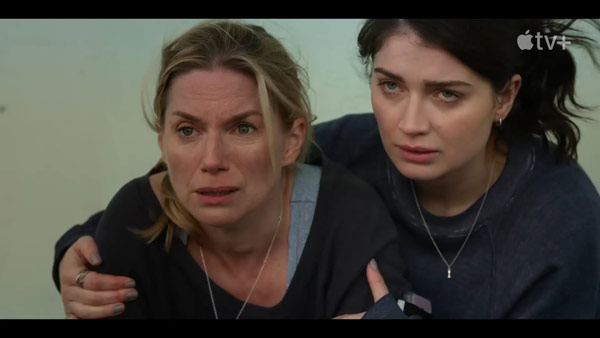
A still from Bad Sisters. Courtesy of Apple TV.

Eve Hewson Stars in Bad Sisters on Apple TV
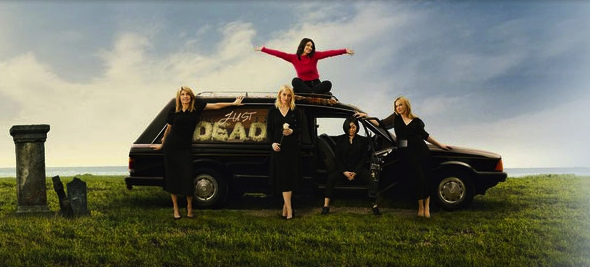
Most recently, Hewson scored the role of Becka Garvey, the youngest of five sisters, in Bad Sisters. The show, streaming exclusively on Apple TV, falls in line with the theme of most projects Hewson has been a part of – murder. Hewson has noticed the trend and shared with Glamour Magazine, “I love murder and a plot twist! I was thinking about this the other day, every … show I’ve done is about murder.”

Telling the Story of the Fiery Garvey Sisters
Bad Sisters, based on the hit Flemish series Clan, follows the five Garvey sisters, who are bound together by the death of their parents and a promise always to protect each other. When the sisters catch wind of how horribly their brother-in-law treats their sister, they devise a plan to get rid of him – literally. The show tells the story of five sisters’ devotion to one another and the great lengths they will go to protect one of their own.

This premise marks a huge shift in an industry previously dominated by male leads and resistance to center female perspectives and relationships. Bad Sisters allows its female leads to be passionate, happy, sad, and funny all at once, showing the true multiplicity and chaos of the bond between sisters. Each sister also has a distinct personality, allowing the audience to get to know each of them personally.

A still from Bad Sisters. Courtesy of Collider.

Hewson shared that she identified with Becka’s free spirit, “I’d never had that experience before where I was like, ‘this is me basically in a character.’ I’m definitely far more professional than Becka, and I do have my life together more, but there’s a messiness to her and a wildness to her that I definitely relate to.”

“Smart” Dialogue Gets Bad Sisters 100% on Rotten Tomatoes
The dark comedy thriller has a 100% rating on Rotten Tomatoes, with critics raving about the “smart” and “tart” dialogue between the sisters. Irish writer and actress Sharon Horgan, who created the reimagined series, is also the mastermind behind Shining Vale which NYFA faculty Suzi Medencevic did Cinematography for. Horgan has a knack for pulling comedy out of horror, and the results have been extraordinary in both cases and breathed new life into the age-old genre.

New York Film Academy congratulates Eve Hewson on the success of Bad Sisters! We look forward to seeing more of her work.

Please note: NYFA does not represent that these are typical or guaranteed career outcomes. The success of our graduates in any chosen professional pathway depends on multiple factors, and the achievements of NYFA alumni are the result of their hard work, perseverance, talent and circumstances.
NYFA Broadcast Journalism Faculty: Interview with Fred Silverman

From the legendary Walter Cronkite to modern names like Lester Holt, broadcast journalism has a long and storied tradition of investigating, uncovering, and disseminating information to the public. Though the methods have changed over the years, branching out to the web, podcasts, documentaries, social media, and more, the key tenets of journalism – to inform, educate, and illuminate – have remained steadfast elements of that tradition.

Whether it’s breaking news or documentary filmmaking, Fred Silverman, Broadcast Journalism Chair at NYFA’s New York campus, has experience with all of it – and now he’s passing that experience on to the next generation to ensure the tradition continues.

NYFA Broadcast Journalism Chair, Fred Silverman

Fred has produced television in 34 states and ten different countries. He spent five years creating original programming for Miami’s NBC affiliate, WTVJ. For ten years, he worked at Miami’s WSVN, crafting original programming, news series, special event coverage, and daily newscasts. Before coming to NYFA, he was the Chief Creative Officer of Animus Entertainment, which primarily focused on health and wellness programming and consulting with international programming companies. He’s worked on programs that can be seen on A&E, Discovery, Fox, History, Travel, CBS, and more.

We spoke to him about his beginnings in journalism, the most interesting stories he’s covered, and why it’s important to treat students as journalists – rather than just people learning about journalism.

NYFA: How did you first get interested in journalism?

FS: When I was a kid, I would devour the information in the newspaper sports section every morning. I couldn’t get enough. As a high school student, I realized my state school, the University of Missouri, had one of the best journalism schools in the country. So, I went there to become a sports journalist. I wanted to be a sportscaster. While in the program, it quickly became apparent that I could find out information and tell people about it. In my mind, I was pursuing the truth and things people wanted to know.

NYFA: What have been your favorite projects/productions to work on to date?

FS: I have been very fortunate in the television industry, producing segments and shows in 34 states and ten countries. I’ve covered presidential campaigns and space shuttle launches, produced the first underwater live report, documented American students on a trip to the Soviet Union, and been able to learn a little bit about a lot of different things. I have two favorite projects. After Midnight was a series for the Discovery Network about what happens in a city after midnight.  I learned all sorts of things about people who work overnight. Very cool. Transplant was a documentary for A&E about a team of doctors doing transplants of all kinds at a hospital in Miami. That was intense, and I got to witness all of it.

NYFA: Tell us about your time at NYFA.

FS: I have been an instructor at NYFA for more than four years. I’ve been lucky enough to work with terrific instructors, and we’ve been able to instill the important skills that every journalist needs, whether for a news station, social media, website or just about any platform. It is so gratifying to work with students and suddenly see ‘the light bulb’ go off, and they become capable content creators.  

READ MORE: New York Film Academy (NYFA) Teaches Journalism Workshop in Nur-Sultan, Kazakhstan

NYFA: What are your favorite courses to teach?

FS: I teach Broadcast Journalism, but within that, I really love teaching students how to research, write and perform on a podcast. I find that having them learn the importance of gathering quality audio to tell a story helps students with their video storytelling, too.

NYFA: How would your students describe your teaching style/methods?

FS: Laid back, yet offering a gentle push to keep them engaged and motivated. As the year goes on, I begin to treat them like broadcast professionals and expect them to take charge of their journalism careers. 

NYFA: What are your favorite aspects of the broadcast journalism community in NYC?

FS: The broadcast journalism community in New York is still really driven by the big three networks – ABC, CBS, and NBC, but the great thing is you can encounter journalists from across the spectrum – from Buzzfeed to Vice and everything in between.  

NYFA: Who do you believe have been some of the most significant journalists to date?

FS: There’s no question that Walter Cronkite is still considered the father of broadcast journalism but what’s great about this time is it’s easy to find great journalism in a lot of places across the web. There are terrific podcasts and print journalists who do great reporting. I love Steve Hartman at CBS News, who is a master at connecting an audience to just about any story.  Jonathan Dickerson, also at CBS, is a masterful interviewer.

READ MORE: New York Film Academy (NYFA) Documentary Alum Kendall Ciesemier Talks Activism, Social Causes

NYFA: What are some of your favorite stories/features?

FS: I like finding simple stories that elicit an emotional connection…that make the viewer feel something. One of my favorite stories was part of the Transplant documentary for A&E. We were there when a patient got the call that an organ had been found for her liver transplant. It was quite a moment to witness. And, I love stories about how things work…everyday stuff all around us that viewers may not have ever considered. I pitched a series of stories once on the top items for which the U.S. led the world. At the time, it was like breakfast cereals, diapers, supercomputers, and nails. What a list…right? 

NYFA: What advice would you give a prospective student looking to get started in journalism?

FS: The skills we teach at NYFA are what every journalist learns to do – how to find information, how to verify, and how to write and produce information that engages an audience. What makes an NYFA education special is that, from day one, you’re actually doing it. Learning how to shoot quality video, how to write an interesting script, and how to edit it. Every student in the 1-year version of our program will get a chance to make podcasts, learn how to anchor in a studio, and produce a newscast. I’ve always thought that every storyteller and communicator needs to understand the skills that are important to working in a newsroom. That will make them better able to process information, make informed decisions about what every story means and be able to communicate that to a given audience.

Get Started in Broadcast Journalism at NYFA

Want to learn how to tell your own breaking stories? Check out our broadcast journalism certificates and workshops!

Blog post 4

Time is one of the most valuable resources a filmmaker can have, so creating a short film in a crunch can be quite the challenge.

Time is one of the most valuable resources a filmmaker can have, so creating a short film in a crunch can be quite the challenge. New York Film Academy has pooled advice from the chairs and faculty of our many different departments—including Cinematography, Producing,Filmmaking, and Digital Editing—to give a well-balanced list of offered tips and best practices for creating the best possible short film in a short amount of time:

Story

Try to come up with a great idea that works in a few minutes. Keep the concept simple and focused. A good logline can help you focus your idea and keep you from wandering too far off course.

Come up with a story that can believably occur in a very short amount of time, even ten minutes. Your actual film’s running time doesn’t need to be that long, but you will be able to dramatize shorter events in a more grounded way.

Actors

Cast carefully. Some actors may be more comfortable with ample rehearsal time, so make sure they know the time restrictions of your shoot.

Allow your actors to contribute. If they’re inventive, give them a chance to improvise. Shoot takes with alternate lines of dialogue. This can be especially effective in comedies.

When directing your actors, remember these tips:
  • Let your actor know what their objective in each scene is.
  • Make sure you and your actor are on the same page about their character and their motivations. If you disagree, take a few minutes to discuss, listen, and compromise.
  • Be there for your actor. While some actors may prefer to do things their own way, most seek and thrive on direction, even if it’s just pointing them the right way, metaphorically speaking.
  • Or literally speaking! Blocking is very important not just for your framing but for the intensity of the scene itself. Work with your actors to find the right blocking for each scene–what feels right for them and what looks best for the camera.

NYFA: What made you want to come to NYFA?

ZT: I was impressed that faculty was chosen from working artists and experts. I come from a corporate background, so I care a lot about practicing and learning from those experiments and failures. I sensed that the coursework would go beyond foundational theory and intellect around the matter and really teach through practice, and that grabbed me. Understanding that I am joining the game much later than my classmates, I needed to be as ready as I possibly could in order to launch myself into the work straight out of school.

Producing

Make sure your schedules are detailed out to the minute and remember that communication between cast and crew is key. By having everyone’s contact information and by communicating clearly where everyone is expected to be and when, you can avoid unnecessary delays in production. Give them directions and expected travel times to the set.

Organize your days so you can shoot several scenes in one day. If you have multiple locations, select the key location for the day and then find your other locations in the immediate area. Moving locations can be a killer and waste tons of time. Try to group scenes together that use the same cast members and costumes. Be efficient in your scheduling and don’t be afraid to shoot out of order or out of sequence. Schedule your exteriors first—that way, if it rains you have the option of delaying those scenes until the following day. And have a cover set (or interior) waiting to go, so you can move inside and not lose a shooting day.

Equipment

Put together an inexpensive but effective equipment list. Your story won’t be improved with more pixels, but you also don’t want your camera breaking down in the middle of your shoot. Test all the gear before you leave for the set.

Once you’re on location, if something breaks and has to be replaced, you’re going to lose valuable time. Don’t be afraid to be inventive. You may not have a professional dolly but some of the most inventive directors come up with novel solutions that actually make their shots more interesting.

Make sure all batteries and other accessories are charged before the shoot, and spares are being charged during the shoot. Remember, with only three days to shoot, every minute counts and every delay needs to be avoided at all costs.

NYFA Filmmaking Faculty: Interview with Claude Kerven

Life has a funny way of throwing you a curve when you least expect it. For Claude Kerven of NYFA’s Filmmaking department, that curve hit when he first went to college. His aspirations for being a doctor were quickly dulled, but they were replaced by something for which he would be even more passionate – filmmaking. That passion would lead him into a career that would see him work with living legends like Stevie Wonder, Eddie Murphy, Billy Crystal, and more.

He’s been a member of the faculty of NYFA for over 15 years, but his career stretches back even further, arming him with a wealth of knowledge he can use to educate and inspire students in our New York campus’ filmmaking programs.

NYFA Filmmaking Faculty Claude Kerven

Claude’s career began as a producer, director, and editor of the short film Candy Store, which won the Academy Award for Best Dramatic Student Film. He went on to serve as a director for the venerable late-night comedy franchise Saturday Night Live, where he accumulated over 20 short film credits from 1982-1985. He also directed multiple ABC Afterschool Specials, including High School Narc, The Almost Royal Family, A Very Delicate Matter, and Starstruck. More recently, he directed the short They Never Found Her (2007) starring Elizabeth Moss and Peter Stormare and co-directed Man Under the Moon (2015). As a writer, he’s crafted screenplays for Mortal Thoughts (1991), which starred Bruce Willis and Demi Moore, as well as The Shadow War and a Darkman sequel called Circus of Fear.

We talked to him about his beginnings in the industry, his biggest influences, and how he works to connect with his students.

NYFA: How did you first get interested in filmmaking?

CK: After high school, I headed off to SUNY Buffalo with the intention of becoming a doctor. But after taking my first calculus test, I realized that wasn’t going to happen. Then one day, someone told me I could get a degree in filmmaking. And the rest is history.

NYFA: What have been your favorite projects/productions to work on to date?

CK: Working at Saturday Night Live was a thrill. I had always been a huge fan of the show, but it never occurred to me that I would ever be directing short films for them. I got to work with Stevie Wonder, Lily Tomlin, and all the great SNL players like Eddie Murphy, Billy Crystal, Martin Short, and Julia Louis Dreyfus. 

NYFA: Tell us about your time at NYFA.

CK: It’s hard to believe it’s been almost 15 years. Watching the film department grow, and being a part of that growth, has been an enormously gratifying experience. I don’t think students realize what a profound impact they have on their instructors. I can still fondly recall the students from my very first class. 

READ MORE: African Filmmakers and NYFA Alumni Present Feature Film, ‘Air Conditioner,’ in New We Are One Film Festival

NYFA: What are your favorite courses to teach?

CK: I love teaching directing and screenwriting, which now almost seem inseparable to me. And, of course, being on the set with my students. 

NYFA: How would your students describe your teaching style/methods?

CK: I think they would say that I relate to them as filmmakers and not students. I never talk down to them. And I don’t b.s. them. I think that by being real with them, I’m able to form a bond of trust. I want each of them to succeed, and I think they feel that. But most importantly, I think they would say that I’m able to communicate my passion for filmmaking to them. 

NYFA: What are your favorite aspects of the film community in New York?

CK: It’s not Hollywood. In New York, filmmaking is just another profession. But in Hollywood, a one-industry town, filmmaking is everything. I think this leads to a lack of perspective and an overly inflated sense of importance.

SEE MORE: New York Film Academy Looks Back at the 2022 Highlights

NYFA: Who do you believe have been some of the most significant individuals in filmmaking?

CK: Edison & the Lumiere Bros. Chaplin. D.W.Griffith. Adolph Zucker, Louis B Mayer, and the Warner Bros. Alfred Hitchcock. Billy Wilder. Howard Hawks. Kurosawa. Bergman. Fellini. Godard. Truffaut. David Lean. Coppola. Scorsese. Speilberg. Woody Allen. Fincher. Ridley Scott. Spike Lee. Alfonso Cuaron. Soderberg. Wong Kar Wai. Tarantino. Wes Anderson. Christopher Nolan. 

NYFA: What are some of your favorite films?

CK: On the Waterfront. The Graduate. Jaws. The Godfather. Taxi Driver. Young Frankenstein. The Pink Panther. King Kong (the original). Lord of the Rings. The Loneliness of the Long Distance Runner. The Right Stuff. A League of Their Own

NYFA: What advice would you give a prospective student looking to get started in filmmaking?

CK: The film business seems like it’s a million miles away. It’s not. It’s much closer than you think. But it’s a highly competitive business that demands passion, talent, resilience, tenacity, and people skills.

Develop Your Film Reel at NYFA

Ready to create your own short films and start or add to your film reel? Check out our film degrees, certificates, and workshops!

In Conversation with Matteo Borghese and Rob Turbovsky, ‘Only Murders in the Building’ Co-Executive Producers and Writers

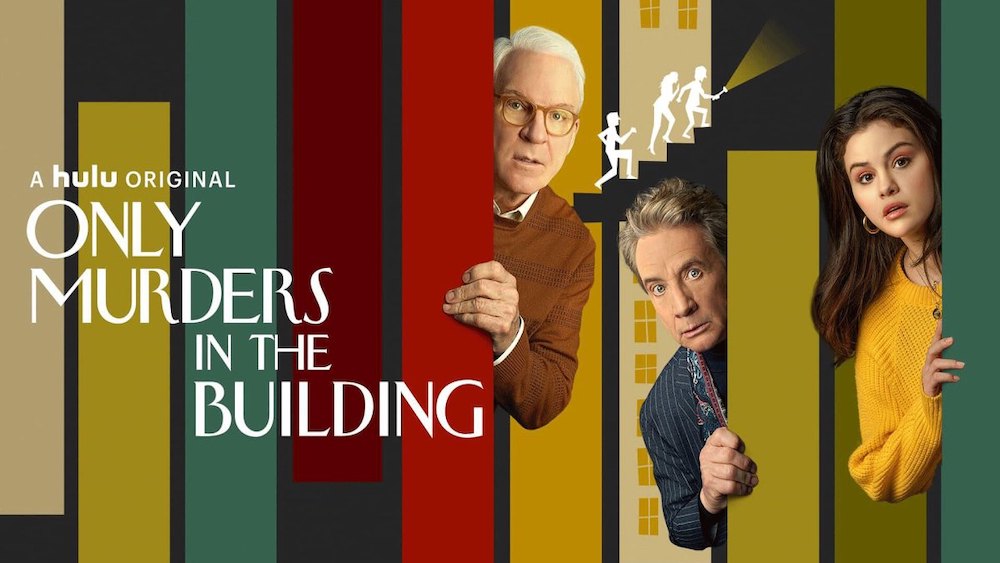
On June 15, New York Film Academy welcomed Matteo Borghese and Rob Turbovsky, co-executive producers and writers of the Hulu hit series, Only Murders in the Building at the Los Angeles campus for a Q&A. 

The evening, moderated by Creative Director Lynda Goodfriend, was filled with laughs and inspiring stories from the writing team. Borghese and Turbovsky, have a long list of credits including Silicon Valley, Lady Dynamite, Black Monday, It’s Always Sunny in Philadelphia, and Detroiters. They have developed original pilots at Comedy Central, TBS, ABC, and Fox. In film, they have contributed to the scripts for Spider-Man: Into the SpiderVerse, Ghostbusters (2016), Office Christmas Party, The Peanuts Movie, and Borat Subsequent Moviefilm, among others. Borghese and Turbovsky have been writing partners for ten years and both received an MFA in screenwriting from USC. They are Emmy, Golden Globe, PGA and two-time WGA award nominees. 

The Hollywood Reporter named them “Best Hollywood Punch Up Guys”— “Matteo Borghese and Rob Turbovsky are Hollywood’s go-to guys when Phil Lord and Chris Miller or Paul Feig need a script to be funnier.”

Lynda Goodfriend, Matteo Borghese and Rob Turbovsky during the Q&A at NYFA LA Campus 

Rob and Matteo talked about their own journey as writers. They explained that they originally met as students in the Masters for Screenwriting program while at USC.  Borghese quipped, “After graduation, the first step was to completely bottom out, to feel like you’re never going to accomplish anything, you’re going to have to move back to your parents’ house, and you sit with that for 6 months and then realize you have to do something. So, you call your best friend Rob.” Rob Turbovsky, who was interning for Judd Apatow at the time, then joined with Matteo to write a pilot script. The script got them an agent and their first writing job on the show, Silicon Valley. Thus, a writing team was born. 

The duo, who is currently working on the 3rd season of Only Murders in the Building, shared their advice to the writers in attendance and spoke to the writer’s career in the television industry:

Q: How did your writing classes as a student help you as a professional writer?

A: They both felt the best lesson was that “you just have to do it.” “Even if it is terrible you have to finish it.”

Q: How do you get an agent?

A: You have to have material. It doesn’t really matter what kind of writing sample it is, don’t limit your interest. But you need a sample that is good! An agent can always come later, they are always looking for good writers. Once you have some good samples ask anyone you know who may be connected- an agent’s assistant, somebody in the mailroom, another writer, a friend on a show to pass it along.

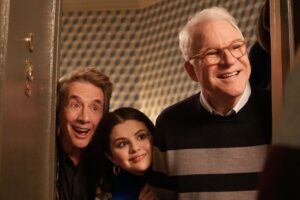
A still of Only Murders in the Building. Courtesy of Harper’s Bazaar

Q: How do I know if a script is good?

A: The most valuable thing is a first impression. Start with people you know but don’t put much stock in one person’s opinion. If you hear the same note several times, be willing to make the changes. Get a sense of what the script needs. Some notes are technical, such as “I can’t track what the characters are doing.” Pay attention to those. 

Q: What is your process?

A: The importance of the outline cannot be overstated. The outline is difficult but you have to have it first. Once the outline is together it helps to have the Big picture. We split it up and write sections. Inevitably we will need to write a new outline and work again from that.

Q: Where do writers get their ideas?

A: Some people see articles, some just write down a list of ideas. You don’t have to have a lot of information. Sometimes a producer has an idea they want to write. It can come from somebody else, but we have learned we can still bring our own essence to it and get passionate about it. 

Q: Who decides who is in the Writer’s Room?

A: It’s a decision made by a lot of people – the show runner, producers, network. On Only Murders [in the Building] they also have novelists and playwrights on the writing staff as well as writers who’ve written on other shows. It’s really about if your material would fit the show. 

Q: How do you get invited to the Writers Room?

A: When meeting to be hired for a show, a lot of the meetings are about finding out if you like the show, how much you like the show and do your ideas for the show demonstrate that you “get the show. Enthusiasm goes a long way! Even if you go in with ‘I’d be lucky to have this job,’ it really has to be ‘I’d die to work on this show.’ When we met on Only Murders [in the Building] we had read the pilot script and loved it- really loved it. And we loved Steve and Marty. Our work was also tonally very close to what they were looking for.

Q; What’s a pitch session like?

A: It’s a 15-minute explanation of the idea for the show. Networks want to know why it’s you- why are you the one writing this? 

Q: What kind of work besides television can writers look for?

A: There are other writing focused jobs-punching up voice over, writing for reality shows, commercials, and public service announcements. Writing is writing. You still have to craft something and it’s good practice.

Rob Turbovsky and Matteo Borghese ended the evening with some final words of advice to our students: 

“Keep writing. When you’re on a show you don’t know if you‘re coming back for another season so you need to keep writing your own stuff rather than waiting for a staffing job…You can’t wait for inspiration. You just have to go to work and write.”

Turbovsky said, “I don’t think the insecurity ever goes away. It’s important to know that writing is hard for everyone. Everyone makes bad work but you keep writing. Because you will write good work too.”  Borghese added, “When I see an audience laugh at something I wrote it’s really wonderful. The feeling that something you write is enjoyed by an audience powers you through.”

The audience enjoyed the writing team of Borghese and Turbovsky and left with some excellent words of wisdom to help them on their own journeys. 

Only Murder in the Building is streaming on Hulu!