Horror Games And Genre Revival: Why People Want Scary Games

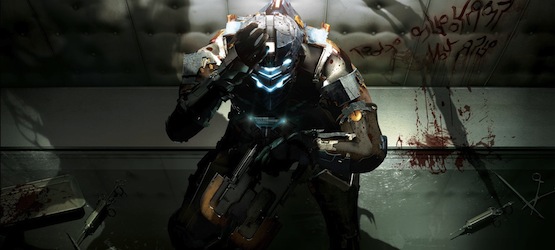
distraught game character in helmet

We have more games to enjoy than ever before thanks to the indie renaissance that our industry is currently experiencing. This is especially true in the number of and variety of games available on digital stores such as the App Store, Steam, and Xbox One Store. While the big budget developers continue making games that fit whatever their investors and publishers consider “safe”, small devs are taking risks by working with all kinds of genres and ideas.

One such genre is horror. While horror games were never completely dead, the last decade or so saw a shortage of quality examples while others genres (like first-person shooters) rose to the top. However, thanks to the indie scene, gamers who love horror games have plenty to choose from these days. In fact, they’ve become one of the most popular type of games among players and YouTubers across the globe.

The following are a few reasons why horror genre, like a zombie in Resident Evil, is back and stronger than ever.

They Offer Something Unique

One reason games group into genres is because different genres offer different types of gameplay experiences. If you want to test your ability to plan strategies and execute tactics, jump into a real-time strategy game. Those who enjoy pushing their reflexes may like a 2D platformer (which is another genre that’s also seen a huge revival in recent years). Whatever your taste is, there’s something out there for you.

Much like their movie and tv counterparts, horror games are enjoyable because they shock us and give us a rush of adrenaline. There’s nothing quite like being chased by supernatural demons or stealthing down a dark corridor where you know something may leap out at any second. That is why these games tend to put the player in a vulnerable state, be it low ammo, overly strong monsters, etc. The first few Resident Evil games are a prime example of this.

Anyone Can Enjoy Them

Horror games typically are accessible by players of any skill level. The same can’t really be said for other game genres like fighting games (that typically require being able to execute complex button sequences rapidly), or Madden NFL games which require real knowledge of football. If you can handle the basics of a controller, you’re ready to play a horror game.
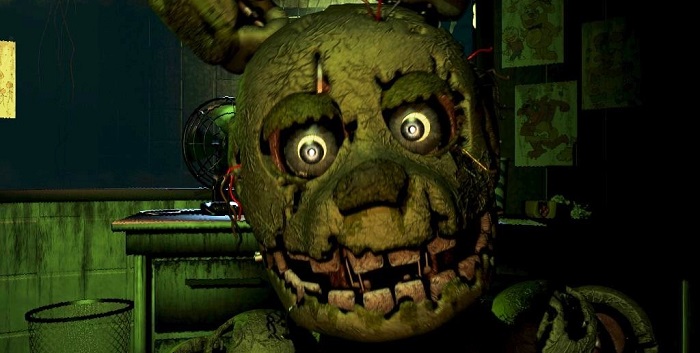
Springtrap

This accessibility has allowed people who never considered themselves gamers to finally give a video game a try. Because of that developers are breaking new ground figuring out how to make horror games accessible but not boring. In Five Nights at Freddy’s, all you really do is watch security cameras and make sure the electricity doesn’t run out. As simple as it sounds, the 2014 indie hit is considered one of the best horror games made in recent years.

They Often Have Good Stories

If Aristotle were alive today, the horror genre might be his favorite. He believed that the most important element of a story is the characters. Without interesting characters in conflct there cannot be an engaging plot. Horror games’ strength is that their stories often revolve around on the character’s survival and development as unexpected revelations come about.

Dead Space, for example, seems like it has a familiar plot at first. The main character, Isaac Clarke, finds himself stuck on a spaceship where all the crew has been slaughtered by people infected with an alien virus. Aside from the amazing sound and level design, what keeps players hooked is the unfolding story of how the Church of Unitology and the mysterious Marker relic are central to this epidemic. Near the end of the game, players are shocked to discover that the Marker was influencing Isaac the entire time in ways few could have expected.

[su_note]Learn the skills you need to succeed as a game designer at the Game Design School at the New York Film Academy by clicking here.[/su_note]

How To Write A Compelling Game Story In Three Steps

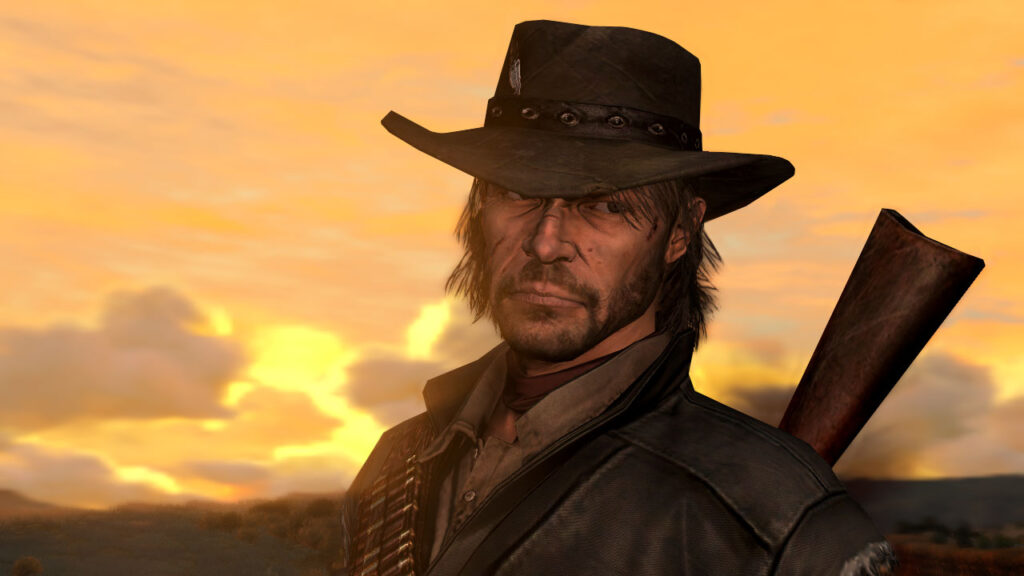
Marston from Red Dead Redemption

More people are realizing just how powerful video games are as a storytelling tool. Movies are fine and books are great too, but there’s just something about jumping into an interactive world where you can choose who to talk to and explore wherever your heart desires— within the limits of the game, of course.

Whether you’re playing a two-decade old role-playing title like Chrono Trigger or an atmospheric 3D first-person shooter like Bioshock, a story can sometimes be the reason you fall in love with a game. The following are some of the main ingredients you want to think hard on when developing your own video game, especially if you’d like players to be impacted by its narrative.

The Characters

“It begins with a character, usually, and once he stands up on his feet and begins to move, all I can do is trot along behind him with a paper and pencil trying to keep up long enough to put down what he says and does.” ― William Faulkner

First, and arguably most important, is the characters; especially the one who your player will be taking the role of throughout the adventure. Characters that players can relate to are the ones that act human, even if they’re actually a robot, fantastical creature, or something else familiar. Unless they have a backstory, strengths, weaknesses, and genuine intentions, your characters will feel fake and uninteresting.


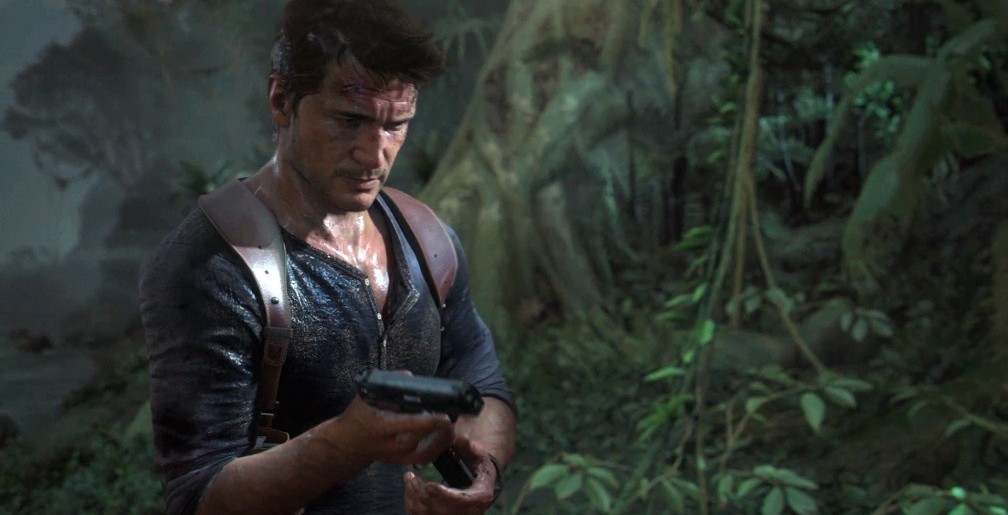
Scene from Uncharted 4

When building a character, start by settling on an idea of where they come from. Were they born to the king of a powerful kingdom or a humble father barely surviving by tilling the land? From there, come up with their personality, their skills, and what they look like. Even a life-changing event that occurred prior to the game’s story can help shape who your character/s are.

The World

Focus on building worlds where you’d like to spend time, no matter who you are in the game. When franchises don’t succeed is because the focus is too narrow from the outset, too singular. I think Halo from the very beginning was an IP where you could tell any story you wanted.” — Joseph Staten

Next up is deciding what the world of your game will be. The world is obviously very important to the story since it will determine what the player will encounter. Since this step can sometimes feel overwhelming, it’s a good idea to separate your world into different pieces and them put them together.

For example, after deciding on a time and setting, think about what cities/villages exist and who live there. Are there nations or kingdoms present? And if so, are they at war? Why? Thinking about what technologies exist can also help you come up with cool story events and even gameplay mechanics. Note that it might not be until you’re world-building that you really start fleshing out your characters.

The Main Conflict

The world is indeed full of peril, and in it there are many dark places; but still there is much that is fair, and though in all lands love is now mingled with grief, it grows perhaps the greater.

― J.R.R. Tolkien, The Fellowship of the Ring

Almost every good story, whether it be from a book, film, or game, pushes an overarching conflict. Without it, the characters would have nothing to fight for or have no need to develop. This is especially important in video games since most of them have enemies you must defeat. But if the “enemy” or problem the character is facing isn’t interesting, you’ll have a hard time captivating players with your story.

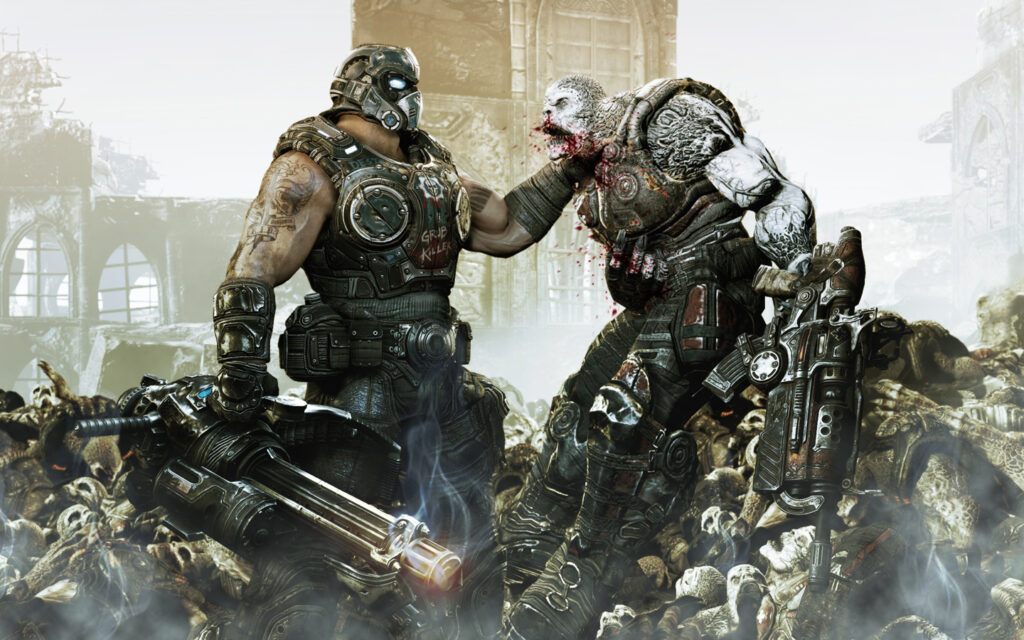
Carmine from Gears of War 3

In JRR Tolkien’s The Lord of the Rings, a book/film trilogy you’re probably familiar with, the main conflict is the struggle to destroy the Ring while making sure Sauron doesn’t obtain it. The characters face Black Riders, Saruman’s army, and even themselves (Boromir failed) to make sure they overcome the conflict. If you can write a main problem for your story that has players caring about the characters and world, you’re on the right path.

[su_note]Learn the skills you need to succeed as a game designer at the Game Design School at the New York Film Academy by clicking here.[/su_note]
Dealing With Viewer Criticism In The Social Media Age

fingers pointing at person crying

Working in broadcast journalism can be an engaging and exciting job, but every job has its drawbacks. In the news business, there’s always a steady stream of criticism from viewers, from hairdos to the stories the station covers. The popularity of social media has made it even easier for the audience to express its displeasure to the news organization—and the world at large.

If you’re on-air, you’ll likely receive everything from marriage proposals to criticism of your clothes to complaints about your interviewing style. Even if you’re not on-air, the critics won’t completely forget about you. Amateur photographers love to complain about “lousy video quality,” even if they have no idea of the circumstances or difficulties involved in capturing a particular shot. Everyone loves to tell the news director or assignments editor what stories to cover—or not. (How dare you fail to send a camera crew to cover a viewer’s cat’s wedding!)

Fifteen or twenty years ago, viewer complaints (valid or not), would have been delivered by phone, by snail mail, or maybe by email. But today, they show up on a station’s social media pages where hundreds or thousands of other followers can see them. Have a page for yourself, as a news anchor or reporter? People will post complaints there, too.

How Do I Make It Stop?

You can certainly delete any comments that are obscene, profane, threatening, hate speech, etc. If you had time, you could just go ahead and delete all negative comments, but that would be a bad move from a PR standpoint. Viewers would then take to their personal page to tell their friends that your TV station’s management doesn’t care what their viewers think, can’t take a healthy debate, and deletes critical comments in an effort to censor free speech. Even people who don’t see those posts might notice and find it odd if there were never any negative comments on a broadcaster’s page.

Some outlets are even eliminating Comments sections, seeing that they can get hijacked and turned into forums for racist and sexist rants. Large stations and networks actively curate their online and digital platforms. Elsewhere, it can sometimes become an embarrassing free-for-all.

Handling Social Media Comments in a Professional Manner

There is no requirement that you respond to every comment on the station’s page, your page, or on a link to a story you covered. You can choose to ignore some of the negativity, and that’s definitely a better idea than shooting back an angry reply. However, if you have a large number of similar negative comments, someone at the station should address these.

Most broadcasters have a position to handle the station’s social media presence. This person will usually be on top of comments about each story, and about the station in general. Usually reporters and anchors are not expected to spend all day defending their stories on the station’s page.

However, most on-air personalities are expected to have their own social media presence as part of the station or network’s social media strategy. Some stations will create profiles for anchors and reporters; smaller stations sometimes expect the talent to handle that themselves. In either case, on-air personalities are expected to check in at least a couple times a day, and make some effort to respond to legitimate questions and concerns. (In larger stations with more viewers and comments, the station may assign someone to help the anchor or reporter.)

How Do I Respond? What Should I Ignore?

First, remember that you represent your employer on social media—even on your personal accounts that are separate from your professional profiles. If someone tracks down your personal profile despite your best efforts to hide it, you still have to respond in a professional way. Usually this means a polite reply directing the person back to your professional profile.

You can manage all of your professional accounts with a social media management program like Hootsuite. This allows you to monitor all your account activity in one place—Facebook posts, Tweets, Pins, Instagram pics, and whatever other platform you use. As time allows, you should try to respond to comments and questions—both negative and positive—from viewers. Engaging with people on social media helps build rapport and keep people interested in watching your news reports.

If you get a lot of questions, remember that you don’t have to respond to every person individually. Frequently, twenty people will ask the same question—all you have to do is answer once. Start by noting that you appreciate all the questions about X, and the answer is Y, etc.

So What Do I Do When People Hate My Story? What If They Hate Me?

To begin, figure out what the problem is, and whether there is any merit to the complaint. If viewers don’t like your new haircut or the outfit you wore today, you can probably ignore them. Your hair is going to take a while to grow back and there’s not much you can do in the meantime; you’re not going to wear the same outfit two days in a row, so the viewers can look at something else tomorrow.

If you see a lot of negative comments about a story, figure out what bothers most of the viewers. Sometimes rude comments are really about the subject of the story and not the reporter or the station (although viewers have been known to get confused, or blame the station for publicizing someone they don’t like). However, if there is a specific concern about the newsworthiness or fairness of a story, that’s something you should consider addressing, especially if you have a lot of comments about it. The most common complaints about news coverage are “This isn’t news,” and “This is unfair to the subject/paints someone in a bad light/this is slander.”

Newsworthiness is a subjective thing; so long as you didn’t fail to cover another really big story, there is nothing wrong with running a human-interest piece, especially on a slow news day. Plus small stations sometimes don’t have enough hard news to fill a broadcast—but you can’t tell the audience that! Instead, respond with something like this: “We work hard to cover all the news in our area, and tonight we brought you stories about the City Council, the new zoning law, and the three-car pileup on Main Street. When we have time, we also like to report on the local person who does something noteworthy or interesting, and that’s why we covered John Doe’s yarn sculpture. Thanks for your feedback, and please let us know if you hear of any news you think we should cover.”

If someone complains that a story was unfair, the best defense is to point out all the ways in which you showed both sides of the story. For example, “Here at XYZZ, we strive to report news impartially. That’s why we included comments from both Council members in favor of the proposal and those against the proposal. We showed both sides explaining their positions so the viewers could make up their own minds.”

[su_note]Learn the skills you need to succeed as a game designer at the Game Design School at the New York Film Academy by clicking here.[/su_note]
How To Read The News Like A Professional News Anchor

Reading the news off a teleprompter may sound easy, but it’s actually more complicated than it seems. Anchors and reporters have to develop a reading style that seems natural, but isn’t too fast, too slow, too nuanced, too accented, too high-pitched, too quiet, or any other extreme. Reading news like a professional news anchor requires skill, practice, and training.

Practice Makes Perfect

Photo by New York Film Academy.

The best way to start is to practice reading news stories that you’ve written for class. If your school has a student TV station, doing some on-air work there is also helpful, as you’ll probably be able to get a recording of it afterward. You can also record yourself with various apps on your phone.

It’s hard to be objective about your own reading, so it’s a good idea to ask others their honest opinions. Does your reading sound natural? Is it hard to understand for any reason? Would your listeners want to hear you read more?

Things to Work On

Speed is one important consideration when reading the news. If you read too slowly, viewers may get bored and impatient and consider changing the channel. If you read too fast, viewers may have a hard time understanding you. Typically, news anchors read between 150 and 175 words per minute, and some stations may time new reporters or anchors to get a baseline for that individual’s usual reading speed.

If you find you’re talking too fast, it may be helpful to concentrate on enunciating clearly — sometimes this helps people slow down. Of course, people often talk faster when they’re anxious, and your first time reading a story on-air can be nerve-wracking, so sometimes the problem resolves itself after you’ve simply spent more time doing the job.

Talking too slowly is less common for students learning to read the news, but if this is a problem you can ask the teleprompter operator at your campus station to intentionally go a little faster than you. (Practice this for a while when you’re not actually on-air!) If you’re practicing by yourself, you can try reading from a computer or tablet screen and scroll through the words a little faster.

Sounding Natural and Conversational

Photo by New York Film Academy.

Another common problem students face when learning to read the news is learning to sound as if they’re not reading — something that is much harder than it sounds!

Most of us sound very different when we read something aloud than when we’re having a conversation with friends. It’s also very easy to sound robotic when you’ve been reading for a long time and your attention has started to wander, which can easily happen to an anchor, particularly during a slow news day or a repetitive morning show.

You can practice by reading a news story and pretending that you’re telling it to a friend. You don’t want to ad-lib or change the wording (which may be more formal than the way you normally speak), but you should otherwise talk conversationally. This can be difficult, especially if you’re also trying to speak more slowly or enunciate more clearly, but sounding natural is an important aspect of reading the news. After all, if viewers wanted to hear the news in a monotone, they could just ask Siri to read the day’s headlines.

Accents and Dialects

There are many different “accents” and regionalisms associated with American English. Depending on where you grew up, others may perceive an accent. If you learned English as a second language, you may have an accent associated with your first language.

While there is no single correct accent for American English, most broadcasters prefer reporters speak with a General American accent (most common in the mid-west and on the west coast)—or as close to it as you can reasonably get. Some people already do this, but for those with a strong accent, becoming more linguistically neutral can be difficult.

If you find you have a strong accent, you can listen to reporters or anchors who read the national news—those reading to the entire country have to be the most linguistically neutral—and practice speaking like them. Sometimes it’s helpful to listen to one sentence, pause the recording, and repeat it a few times yourself, then listen to it again. It may not be possible to get rid of your accent entirely, but if you can move it closer to General American, you will probably improve your prospects of finding an on-air job.

If you have difficulty shaking a strong accent, you might consider working in an area where that accent is common. Although General American is preferred in most places, the tendency to speak with a southern drawl likely won’t be as much of a problem in the south as it might be in other parts of the country, for example.

Of course, it should be noted that the United States has a vibrant foreign language news media. The most obvious is Spanish language, but there are Chinese, Korean and Japanese news operations as well. Univision and Telemundo (owned by NBC) are national networks, with local affiliated stations. The other languages tend to be represented by small, generally local outlets.

Adjusting Tone for Content

In general, when you read you should sound moderately upbeat, but not overly chipper. However, you’ll need to adjust your tone when reading somber stories, like those involving deaths or serious injuries. Sometimes slowing down and speaking more quietly can help you convey the seriousness of a sad situation.

This should extend to the whole story, including the reporter’s “standard out” and anchor tags. Recently there was a news story about the death of a twelve-year-old boy in a house fire. The reporter sounded appropriately somber while reading the details of the story. However, when she read her “standard out” (usually something like “Reporting live, Jane Doe for XYZ News”), she suddenly sounded very upbeat and chipper. My guess is that she practiced her standard out this way, and it probably worked fine for most news topics. Unfortunately, in this case it was a sharp contrast to the rest of the story and seemed both jarring and awkward.

For this reason, it’s also helpful if producers can plan content to avoid going directly from an extremely sad story to a happy one. There is no good way to transition from reading about a tragedy to “So, I hear we had an exciting day in the world of sports! Tell us more about that, Bob!” If you can wedge a more neutral story or a commercial break between sad stories and happy ones, you’ll be doing both the anchor and the viewers a big favor.

[su_note]Learn more about the School of Broadcast Journalism at the New York Film Academy by clicking here.[/su_note]

Apply Now for a Broadcast Journalism Program

How To Write Dialogue For Games Worth Reading

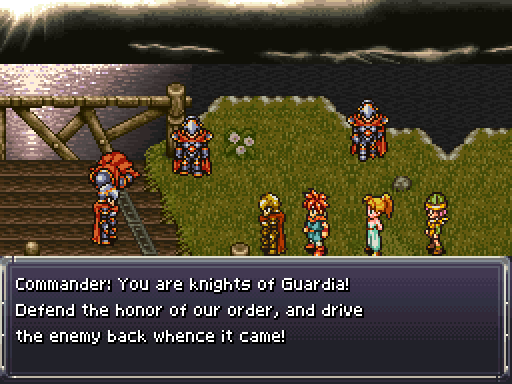
Chrono Trigger character dialogue

If there’s one skill everyone thinks they have, it’s creative writing. The programmers coding the game and artists bringing ideas to life have no trouble getting respect, but the art of storytelling is one that’s not seen as challenging. Of course, we’ve all played more than one game where the storyline and dialogue was so cringe-worthy that you found yourself skipping it all.

It’s usually the games developed with the help of skilled writers that stay in our mind the longest. Bioshock, The Last of Us, and Telltale’s The Walking Dead are only a few of the many beloved titles with conversations that helped captivate players into their rich worlds.

If you’re an aspiring game writer tasked with crafting dialogue for a game, consider the following tips. Learning how to write dialogue that actually helps make the story and characters more interesting for the player instead of boring and/or annoying them is a key in creating memorable games.

Give The Regular NPCs Character

Most writers will go all out when it comes to the main characters of the game. Plenty of time is spent on conversations between the player-character and his arch-nemesis or party members during an important scene, and that’s OK. The problem is when every non-playable character feels like they can be swapped with the next and nothing will change.

NPCs (non-player characters) play a big part in making the game’s story meaningful, but the ones with little character of their own will result in a boring world that players have trouble getting sucked into. This is especially true when quest-givers lack any personality whatsoever, which means the player will find the quest boring before they’ve even started it.

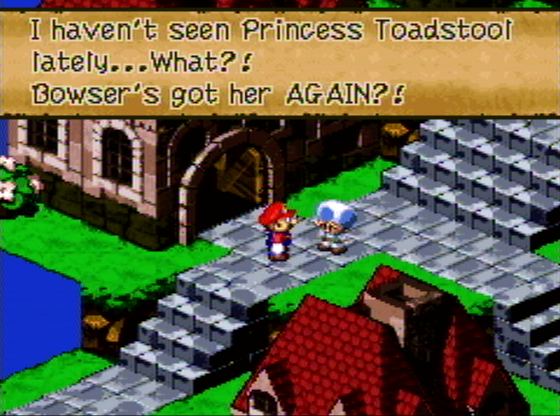
Super Mario RPG dialogue with Mario and Toadstool

Do you have an NPC that wants the player to collect 10 apples from an enemy-filled orchard? Give him or her a cowardly persona so at least you know why he or she won’t do it. Or make him or her sound cautious and sneaky to imply that he or she is asking you to steal the apples without you knowing. Small injections of character can go a long way and can even make an OK quest sound exciting.

Try Keeping It Short And Sweet

One of the best books every aspiring game writer should read is On Writing: A Memoir of the Craft written by the legendary Stephen King. In a section called “Imagery and the Third Eye,” King offers a valuable piece of advice for those who feel the need to overwhelm readers with words:

Too many beginning writers feel that they have to assume the entire burden of imagery; to become the reader’s seeing eye dog. That is simply not the case. Use vivid verbs. Avoid the passive voice. Avoid the cliche. Be specific. Be precise. Be elegant. Omit needless words.“


When it comes to game dialogue, you’re very likely to lose the player if all your lines are long. It’s normal to feel like you need to say more in order to create interesting characters and quests. However, this can all be done by omitting “needless words” and chopping down as many useless words as possible while still keeping the important information. Even if every line is gold, players want to jump back into the action as soon as possible and will skip it if it goes on too long.

Make The Backstories And Lore Optional

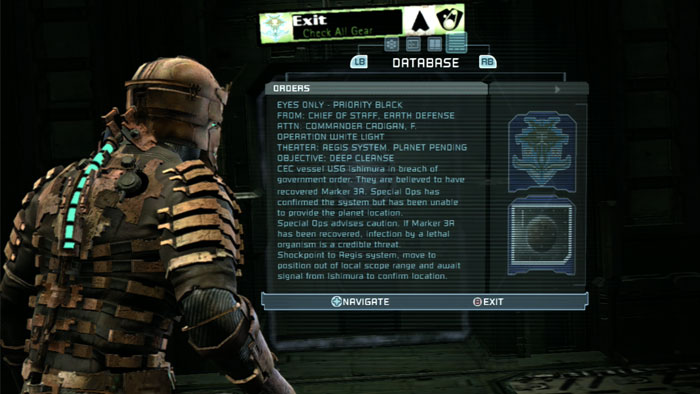
Dead Space text box

Lore is easily one of the best tools for making your game’s world feel more real and alive. Learning about events that took place in the past and the history of races and kingdoms is awesome, but only when the player actually cares. The fact is, many players could care less about anything outside of the main story.

This is why it’s important to keep lore out of dialogue as much as you can, unless it’s during an optional side quest. Even then, there’s a reason why most games have collectible codex and info logs that players can open up and read if they so choose. Players don’t want every character they speak with to feel like a history lesson.

[su_note]Learn the skills you need to succeed as a game designer at the Game Design School at the New York Film Academy by clicking here.[/su_note]
Why E3 Is Still Very Relevant For Gamers And Companies

E3 2016 Inspiring New Worlds banner

Like Christmas and birthdays, gamers begin counting down the days until the next E3 the day after the show closes its doors. While there are other great events that take place throughout the year, it’s only at E3 where fans of all genres and platforms can expect to see something exciting for them. It’s also where the largest gathering of devs take place to show off what their teams are hard at work making.

Despite this, the same question always pops up all over the internet in the weeks and months prior to the show. They ask if E3 is still relevant in a time when publishers can more easily promote their upcoming titles at their own events, free from the need to share the spotlight with competition. As the House of Mario has shown us with their Nintendo Direct videos, the internet alone is enough to present news in a way that sparks excitement.

The Dropouts

This year, concern once again grew across gaming news sites when they learned that Electronic Arts, one of the largest publishers in the business, will not be having booths on the showroom floor at E3 this June. They’ll instead be hosting EA Play, a public event that will not only run at the exact same time as E3 but will actually take place nearby. EA will still have a pre-E3 keynote on June 12, but none of their upcoming games will be playable there.

It's time to play E3 event

Not long after EA made their announcement, another giant publisher stated that they’d also have no show floor presence at E3— Activision. The only exception will be the next entry in the hugely popular Call of Duty franchise, which will be playable at Sony’s PlayStation booth. With two major companies showing a growing disinterest in the year’s biggest gaming expo, you can see why the question of relevancy has reared its ugly head again.

The Faithfuls

Of course, the same will be true this year as it was last year (and the years before it). Even though some big names won’t be taking the show seriously, plenty of others will. These developers know that at the end of the day, eyes from all over the globe are watching E3 to get blown away by new reveals, gameplay footage, and more.

Imagine if Square Enix had skipped out in 2015? Their announcement of the Final Fantasy VII remake was so unexpected that it sent shockwaves across the industry. You could argue that such a reveal would have had the same event at a Sony-specific event, but then you’d be discounting the fact that E3 is also a competition. Who will gain more attention than their competitors by showing off something unique, surprising, or just plain awesome?

Here To Stay

Many thought E3 was doomed way back in 2007 when only industry professionals were allowed entry. This led to attendance dropping from around 60,000 to roughly 5,000. It also didn’t help that E3 was becoming more of a flashy marketing tool (exaggerated gameplay videos, for example) and less of a way for devs to connect with their communities.

Fallout 4 teaser image

Fortunately, the people behind E3 have worked hard to bring their event back to its former glory, leading to a big increase in visitors again in recent years. This means more companies making the effort to impress their fans at the show. As Bethesda, Sony, Microsoft, and many others learned once again, E3 is still plenty relevant if the goal is to get people talking about your latest projects.

[su_note]Learn the skills you need to succeed as a game designer at the Game Design School at the New York Film Academy by clicking here.[/su_note]

How Today’s Best Game Design Students Graduate Prepared

standing out in the crowd

Almost anywhere you look, statistics will show that the number of people who identify themselves as gamers is growing. From small mobile and indie titles to big-budget PC and console games, there is more variety than ever for people to choose from and enjoy. This also means there are more young gamers with dreams of someday creating their own interactive experiences.

While it isn’t the only way to break into the industry, most of these aspiring developers take the education route by attending a college or university. It is there that they discover countless others who share the same goals as them. And more often than not, they meet at least one person who feels as though they’re much more prepared for a game design role than any other student. Why?

Below are three nuggets of advice we recommend to anyone who wants to be just that—a game design student ahead of the curve and well on their way toward a rewarding game development career.

Play Something Else

We don’t blame anyone for wanting to spend time with the games that bring them the most fun. One of the reasons our industry is so great is due to all the types of games we can choose from. However, a chef-in-training who only eats one type of food will only get so far. How can you expect them to prepare a seafood dinner when they rarely, if ever, even eat it themselves?

Game Dev Story screenshot

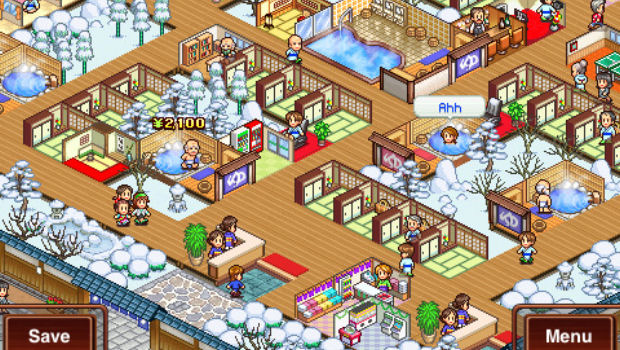
If you’re all about fast-paced MOBA games like Heroes Of The Storm, pick up something entirely different such as a mobile simulation title (we recommend Game Dev Story, a sim about game development). The more game genres and platforms you get familiar with, the more knowledge you’ll soak in and be able to use later on.

We also recommend playing non-digital games such as board and physical card games. You may find inspiration in them much like the creators of the popular Hearthstone game did. Playing poor-received titles can also be useful for sharpening your ability to analyze games and identify bad game design.

Try On Different Hats

To people who don’t really understand how game development works, the role of game designer is very simple. He or she is in charge of coming up with all the awesome ideas, and that’s it. While there are game designers out there who are lucky (or experienced) enough to make a living just by making design decisions, this is far from the norm.

The typical game designer actually helps out in a number of ways throughout development. Game designers are constantly playtesting the latest build in order to provide feedback to other team mates. Making sure every department (art, programming, writing, etc.) is on the same page every step of the way is also a responsibility, as is keeping the team motivated and inspired even when the next milestone feels far away.

Even if it’s not your thing, take a low level programming class or join a few art classes where you become familiar with industry-standard software. Taking some creative writing, film, and theater classes can help you better understand storytelling in games. Even if you’re no good at any of them, at least you’ll gain an appreciation for other arts that go into making games.

Make Games… Now!

The first and biggest roadblock many game design graduates run into is not being able to apply to certain jobs for one reason— they require experience. Frustration sets in at the thought of being expected to have experience even though you just graduated. Although they can’t say they’ve worked at a studio before, the smart students can at least put down one or more game projects they worked on before getting their diploma.

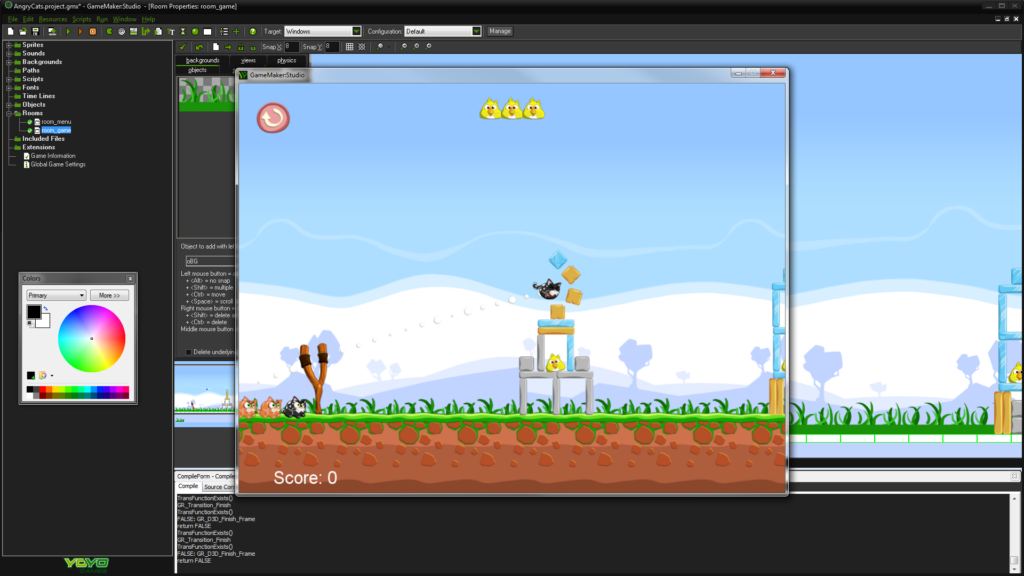
In fact, it’s now easier than ever to make games on your own or with a few other students thanks to valuable online tools and resources. Many of them don’t even require programming knowledge and can be used by anyone who knows how to work a mouse and keyboard. Of course, no one is expecting you to make a complete title that rivals those developed by a professional team.

Game development software screenshot

Why is this such a big deal to developers looking to hire students fresh out of college? Because saying you want to make games for a living and actually showing that you do is very different. If you didn’t make time from your busy schedule to play around with tools and create a simple game or two, do you really have a passion for game creation or do you merely enjoy playing them?

[su_note]Learn the skills you need to succeed as a game designer at the Game Design School at the New York Film Academy by clicking here.[/su_note]

How To Design The Best Boss Battles: 4 Must-Read Tips

Young girl and soldier in game screenshot

Boss battles are arguably one of the most exciting things about video games. Ask the average gamer what their favorite boss battles are and they’ll most likely smile while recalling the first time they faced them. In case you are not familiar with the term, the “boss” is typically the super difficult character you face at the end of a level or sequence of levels. Bosses have been around since even the earliest video games and show no sign of disappearing any time soon.

But just like we can all think of great bosses, we’ve all also encountered terrible ones that were either boring, too easy, or felt impossible to beat. That is why we’ve shared four things to consider while designing your own bosses so players always remember the moment they first got clobbered by them.

1. Make The Build-Up Memorable

Have you ever noticed how in most sports you’re getting excited before the match or fight even begins? Whether it’s ‘fake’ like WWE or a huge boxing match, there’s promotion going on to make the contenders seem bigger and better. The same is done with a good boss fight. This is usually done with a cutscene that demonstrates how dangerous and powerful the boss is, but it can also be through dialog from characters or text logs seen beforehand.

For the perfect example, consider the last fight in one of the best Action Adventure games ever madeThe Legend of Zelda: Ocarina of Time. The player is forced up a long stairway as ominous organ music plays before encountering Ganondorf himself. As he plays, a helpless Zelda can seen floating above him. Ganondorf then floats into the air and pounds the ground, almost destroying the floor entirely and setting up the arena.

2. Make Bosses That Prepare Players For Future Challenges

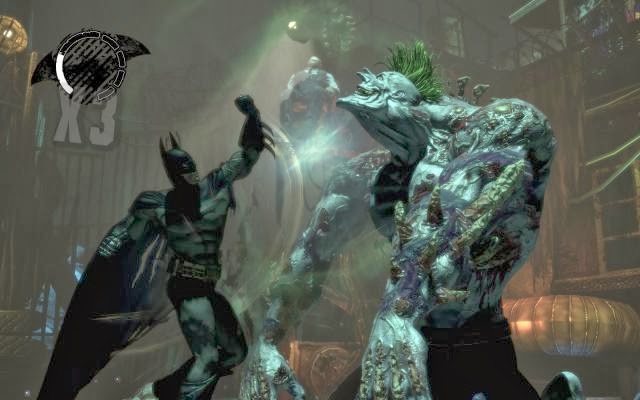
The first minutes of Batman: Arkham Asylum are pretty straightforward. Players learn basic moves like how to attack enemies, counter their attacks, throw a Batarang, etc. But when Batman encounters what are called Deformed Titans for the first time, players quickly realize that the same routine isn’t going to work.

Batman punches Joker
The Deformed Titan teaches players that sometimes the best thing to do is simply dodge, then quickly jump in to attack. The fastest way to defeat it is by making it run into an electric force field, showing players that their environment will play a big part in getting through the game successfully.

3. Make Bosses That Enrich The Story And World

The coolest bosses are always the ones that play an important part in the story. Usually this involves squaring off with the main antagonist at the very end of the game. For example, it’s always exciting encountering Ridley in a Metroid game since you know he’s served as Samus’ biggest rival during her bounty hunting career.

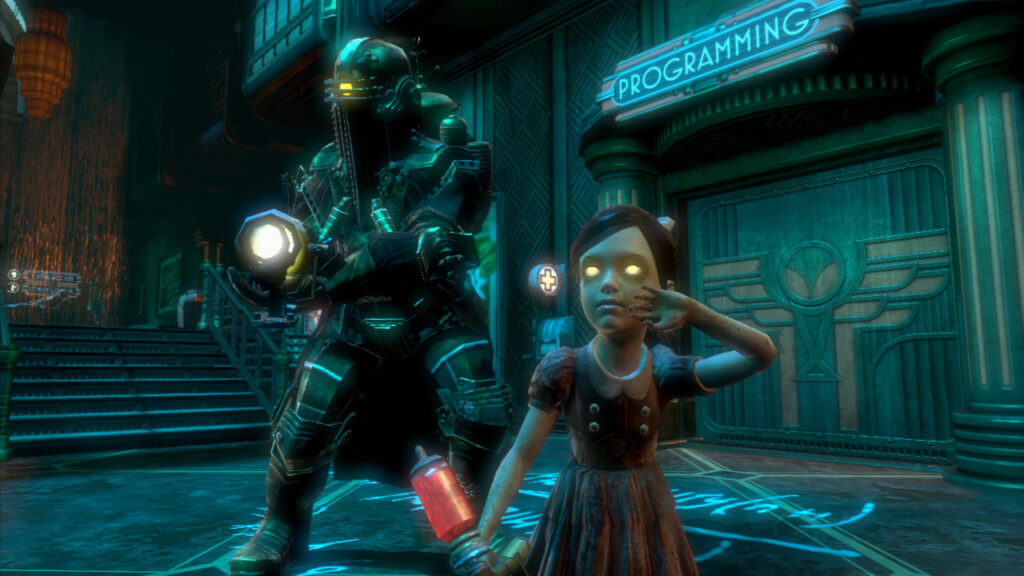
Story aside, bosses can also make the world more captivating and believable. Who could forget the first time they made the mistake of attacking a Big Daddy in Bioshock, only to get pummeled to death? Despite having mowed down plenty of Splicers, players realize they aren’t’ the only force to be reckoned with in Rapture.

4. Make Sure Each Boss Actually Tests Certain Skills

Usually the first boss you face is merely meant to make sure the player has learned all the basic controls and understands the game. If it’s an RPG, the player might learn how to attack, defend, use items, or that elements play a big role. In an Action-Adventure or First-Person Shooter, players will learn the importance of avoiding damage while moving in or aiming to hit weak points.

Super Mario RPG screenshot

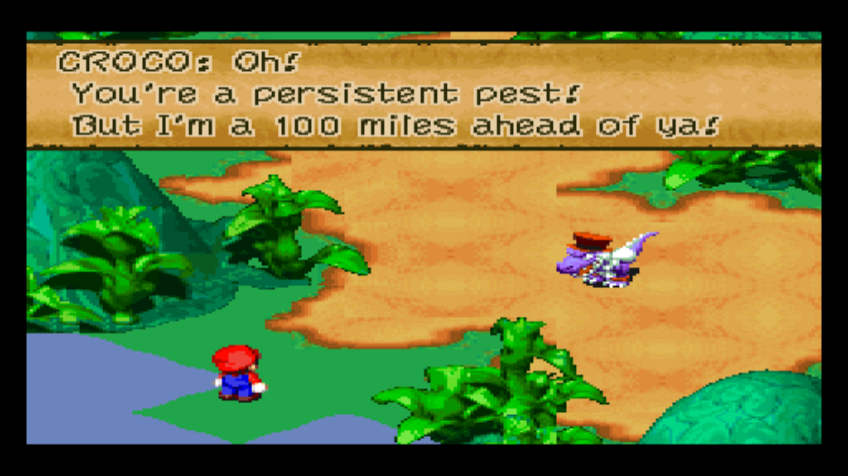
Of course, this isn’t enough for future bosses. Later ones should force players to use a new item or ability they recently obtained in order to succeed. Otherwise, players will find the game boring from lack of challenge. In Super Mario RPG: Legend of the Seven Stars, players fighting Croco will have a rough time if they don’t give Mallow the healer role and stick with Mario’s Fire Orb attack. This fight also teaches players to always have a healthy stock of items (Honey Syrups in this case) and to level up their characters so they can unlock new abilities.

[su_note]Click here to learn more about: The School of Game Design at the New York Film Academy.[/su_note]

Top 5 Famous Acting Quotes From Actors And Why They Matter

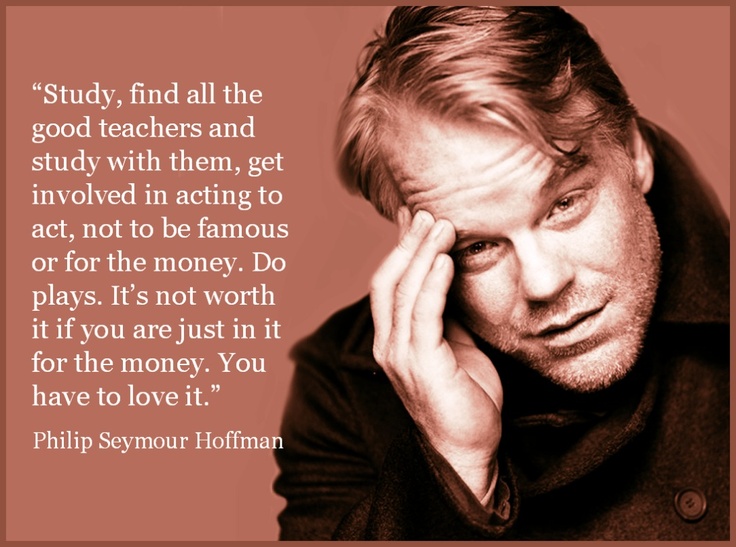
philip seymour hoffman quote on acting

People love to pick the brains of experts in hope of uncovering some secret recipe for success in a given field. Have a political question? Ask a former President. Want to know how to manage your money? Warren Buffet knows a thing or two. Need to know what acting really is? Ask a successful actor.

Why Do We Care What Actors Say?

There is an obsession with famous actors largely because they have defied the odds and made a career out of acting. All aspiring actors dream about breaking through and all aspiring actors are searching for the secret recipe to success. What better way to learn how to do something than by listening to someone who has done it?

Take a look at these quotes from actors you may recognize and learn what makes an actor tick.

Quotes From Famous Actors About Acting

“Acting is behaving truthfully under imaginary circumstances.”

-Sanford Meisner

Meisner is most famous for his teachings on acting but he himself was also an accomplished actor. He used revolutionary techniques to get realistic performances from his students, and this quote is the spine of his acting theory. Although simple, his quote is powerful. Mr. Meisner is hinting at the fact that acting should never be forced. Instead, all actions should arise from some impetus, or, more basically, “acting is reacting” to something that happened to you.

“If you get a chance to act in a room that somebody else has paid rent for, then you’re given a free chance to practice your craft.”

Phillip Seymour Hoffman

Auditioning is time of great stress for actors. Oftentimes this anxiety is created by expectations the actor puts on him/herself before the performance. The late Phillip Seymour Hoffman was a master actor of stage and screen and this quote offers his perspective on auditioning. Rather than expecting to get a role and worrying about what the auditors think of you, use auditions as a practice session to improve as an actor.

“The gratification comes in the doing, not in the results.”

-James Dean

James Dean was certainly wise beyond his years and a highly-skilled actor for such a young man. Although he died when he was only 24, his monumental influence on modern actors is still present today. Similar to Hoffman, Dean presents a process-driven view of acting as opposed to a results-driven view. Focusing on and enjoying the process of acting should be the actor’s purpose, not focusing on achieving a certain “result.” In other words, control what you can control and let your work speak for itself.

“For me, our job as artists is to serve the story, serve the director, and serve the fellow actors. And if you do that, by osmosis you’re serving yourself because you’ll get the best out of yourself.”

-David Oyelowo

This is an elegant quote from a talented actor who is thankfully still living and working today. Oyelowo wowed audiences as Martin Luther King, Jr. in 2014’s Selma and the actor is just as selfless as the character he portrayed. The idea of selflessness should be central to an actor’s performance because by giving to others through performance the entirety of the production is strengthened. The quote is also a reminder that in the entertainment industry, being a good person with a wholesome reputation is a good thing. Overall, the message reads like a Bible verse: Give what thou shall receive onstage.

“Remember: there are no small parts, only small actors.”

Constantin Stanislavski

This is perhaps the favorite quote of acting students the world around and is meant to remind all of us that acting is bigger than any one person. Allowing ego to creep into the acting process is to doom it to failure. No matter where the actor is and what role they are performing, acting is the same and the actor must take the job seriously.

Now, go forth and discover quotes from your favorite actors that inspire you to continue on the journey. Read them, analyze them, and apply the lessons to your life so that you too may someday be asked your thoughts on the craft of acting.

Image Source

[su_note]Learn more about the Film School at the New York Film Academy by clicking here.[/su_note]