
How To Get The Story First And Not Get Scooped

Daily News Extra!

If you spend time on social media, you might have seen the story of nine-year-old reporter Hilde Kate Lysiak, who broke the story of a murder in her small town of Selinsgove, Pennsylvania—beating adult journalists to the scene. Not long after, critics took to social media to suggest someone her age would be better off “having tea parties” or “playing with dolls” than covering serious crimes like a murder. Lysiak later read the list of complaints in a YouTube video, and went on to say, “If you want me to stop covering news, then you get off your computers and do something about the news. There, is that cute enough for you?”

Lysiak later told the Washington Post she received a tip from a reliable source, confirmed it, and went to the crime scene. She then posted the story on her digital and print newspaper, Orange Street News, hours before The Daily Item, a local community paper newspaper that declined to comment for the Post article. Her father, author and former New York Daily news reporter Matthew Lysiak, said there were no other reporters at the scene of the crime when she arrived.

Although the Post story only mentioned the local newspaper, Selinsgrove appears to be part of the Harrisburg DMA, which is 44 on the Nielsen ranking list. Stations that serve small towns in addition to larger ones don’t always have the resources to cover crimes in the smaller, outlying areas. In these cases, an assignments editor may choose to report the story based on the information in a police report rather than sending a crew to the scene.

Getting Scooped Happens

Every journalist wants to be the first to report on a big story, and many TV stations place a high value on bragging that they were “first on the scene” or “first to bring you the news of such-and-such event.” While no reporter or media organization can be first to the scene of every story, you should aim to get the scoop more than you get scooped.

There are a lot of reasons reporters and producers lose the opportunity to break a story. Sometimes it simply isn’t possible—in smaller markets, stations may only have one or two reporter/photographer teams on duty, especially during slow news times, like overnight. If news happens and all your available teams are on the other side of town covering other stories, but your competitor happens to have a crew nearby, you may be out of luck. Stations in larger markets have the opposite problem—they have more reporters and photographers, but they also have more news.

Avoidable Causes of Losing a Big Reveal

While some missed opportunities aren’t avoidable, many are. Sometimes, especially in smaller markets, the person assigned to monitor the news room’s police scanner simply misses something. Maybe he or she steps out of the room at the wrong moment. Maybe something sounds less newsworthy than it actually turns out to be. Plus paying attention to the scanner isn’t the only way to gather news—some reporters have missed out on major leads because they ignored a viewer tip that sounded like a crank call, but wasn’t.

The Police Scanner Is Your Friend

If it’s your job to monitor the police scanner, pay attention and remember just hearing the radio isn’t enough. It’s easy to get focused on a task, like stacking the next show, and hear something without really processing it—especially if you’re used to the sound of routine conversations between the police dispatcher and patrol officers. That’s why it’s helpful to have other people in the newsroom listening at the same time—a coworker might hear something that you’ve missed because you were concentrating on writing an intro to a package, for example. If you happen to have interns, teaching them what to listen for on a scanner can be a good learning experience for them, and take some pressure off you.

But sometimes you may be alone in the newsroom if you work in a smaller station—or, your coworkers might all be as distracted as you. It’s a good idea to train yourself to listen for specific things that are out of the ordinary—an increase in chatter on the radio, for example, over the normal level, might signify something is happening beyond a traffic ticket. You should also familiarize yourself with the codes dispatchers and officers use. While there are far too many to memorize all of them, you should make note of the ones that indicate the most newsworthy events, like a homicide, bomb threat, car accident, etc. After you’ve been listening to the scanner for a while, you should have yourself trained to take notice whenever you hear one. Keeping a comprehensive list of codes handy is also helpful, in case you hear a less-common one you can’t place.

…But Not Your Only Friend

While the police scanner is a great tool for any news organization, it’s not the only one. Most stations also maintain a “tip line” for viewers to call in when they witness news, a link to report news on the station’s website, or both. As you might guess, this setup can attract crank calls, and you should always take anything you get from these sources with a grain of salt until you confirm—but you should try to confirm the information, no matter how kooky the person delivering it might seem.

If you receive a phone call or email about potential news, ask appropriate follow-up questions. Where is this news event happening? Have the appropriate authorities been contacted, if necessary? Does the caller have any video or pictures of the news event? Sometimes a quick call to your press contacts at the local police or fire departments can confirm or refute a story quickly. If the claim doesn’t involve a call to authorities, you may be able to find the answer by searching on the internet.

Don’t Forget Social Media

Not every viewer with a great tip is going to call a tip line or use the appropriate link on your station’s website. Sometimes audience members may just post something on your Facebook page or Tweet a tip to your official Twitter account. Even if you’re busy, it’s a good idea to frequently check your social media accounts, if only briefly. You may just get a big tip that turns out to be legitimate. On the other hand, if a viewer is mistaken, confused, or just getting a good laugh out of posting lies on the station’s social media feeds, you want to know so you can delete the posts—or respond with a correct version of the story.

How You Look at a Story Is Important, Too

Sometimes you might cover a story, but miss a bigger related piece of news. This is easy to do when you’re focused on reporting the facts, especially if you’re working under a tight deadline. Once you’ve written your script, however, it can help to think about the story and all its angles. Have you missed something? Could this news affect any particular public figure, or maybe a group of people in the community?

If you have time, it’s always helpful to do an internet search on people involved in crimes or accidents, whether you consider the story newsworthy or not. Even if the event seems cut-and-dried, you never know what might turn up. It could be the guy who just got arrested on a drunk-and-disorderly charge is running for City Council. While drunk-and-disorderly stories usually aren’t that newsworthy—except on a really slow news day—it’s always interesting to viewers if a local politician is arrested, even on a misdemeanor charge. Or you might find out a company that just received a lucrative city contract is run by someone related to the mayor or a City Council member. Considering all the angles might open up new opportunities to report on a big story.

[su_note]Learn more about the School of Broadcast Journalism at the New York Film Academy by clicking here.[/su_note]

5 Tips For Standing Out At Your Next Game Fair

Tokyo Game Show

The Penny Arcade Expo, Game Developers Conference, and Gamescom are a few of the many huge trade fairs small developers dream of attending. Who wouldn’t want thousands of people checking out their game, especially as it’s preparing for release? There are plenty of gamers out there who would probably love your game, but they may never know it exists unless you exhibit it.

If you’ve been to a trade fair before and have seen all the different booths, you probably didn’t notice all the hard work that went into attracting your attention. We’ve offered advice before on preparing for an event like this so everything goes smoothly. The following are a few more tips to help you get the most out of your next trade fair:

1. Make Your Booth Easy To See

If you’re at a massive event like the Tokyo Game Show (more than 268,000 attended in 2015), it means lots and lots of people are going to be walking by your booth. Knowing this, the biggest mistake you can make is designing your booth so that they can’t see easily see it. This includes making walls around your space so that it feels more enclosed and personal. The problem is that some people will see walls and not your game.

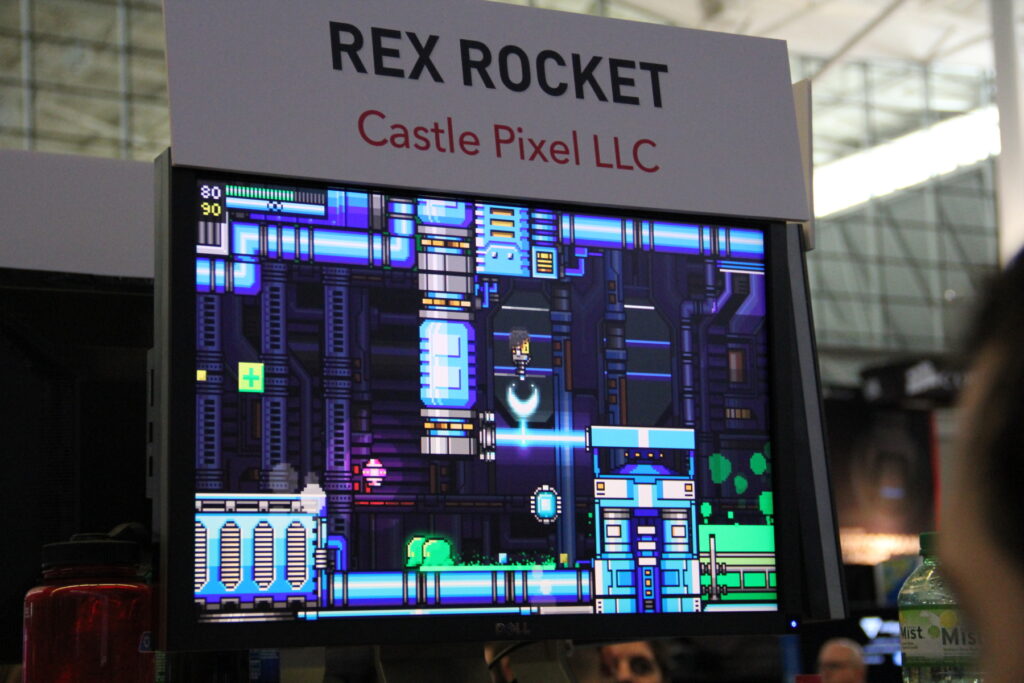
Rex Rocket at game convention

It’s also a good idea to face your booth toward where you think (or know) the most people will walk by. This of course doesn’t apply if your booth is against a wall, which means there’s really only one direction you can face your booth. But if you’re somewhere in the middle, try setting up your booth so that the “back” of it is facing an area where the least amount of people will walk by. This way, more attendees will catch a glimpse of what you’re showing off.

2. Be Unique

As we’ve mentioned already, the biggest challenge that comes with exhibiting at a big event is getting the attention you know your game deserves. But with so many booths surrounding yours, how is this possible? One thing you can do is refrain from doing what all the other booths are doing, even if it looks like it’s working for them.

Instead, try making your booth unique and appealing. If everyone else has neon lights and bright colors, go for something darker yet intriguing. This might be tough since trying to put something together at the last minute is a very bad idea, so it’s hard to react to what other booths near yours are doing. Use your brain and come up with designs, shapes, and colors that you think no one else will also try pulling off.

3. Make Your Booth Approachable

Your game should of course be the biggest reason why anyone approaches your booth. However, there are small things you can do to entice walker byers to spend time in your “area.” The longer they hang around there, the more likely they are to finally pick up your controller and play the game you’ve worked so hard on.

Indiecade exhibitors lounge in a booth

One small tip is to have some kind of seats, even if they’re metal folding chairs that no one finds comfortable. But to someone who’s been walking around for several hours, they’ll look very inviting. Sometimes it’s also a turn-off seeing a dev standing next to their setup with the same “please try it” look as the people giving samples at Costco. There are those who like talking to devs, but some people will only approach a game if they don’t think someone’s going to distract them by talking.

4. Prepare for Problems and Exhaustion

We touched on this before on our last five tips. Exhibiting at shows means staying active for more hours in a row than you’re probably used to. This means you need to make sure you get plenty of rest when the doors are closed and stay well nourished during the event. Bring snacks you can munch on whenever you get the chance, such as when there’s a big event elsewhere and so there aren’t a lot of people in your area.

It also helps to go in knowing that something can (and probably will) go wrong. This way, you won’t panic when a disastrous bug that renders your game playless pops up precisely when you have a line of people waiting to play. If you stay calm and tackle one issue at a time, you’ll eventually sort things out and get back to demonstrating your game.

5. Set Up An Event Or Two

The truth is, video game trade shows often boil down to a competition for attention. Perhaps this is why Nintendo has reduced their presence at E3 each year and instead focused on their own Nintendo Direct presentations. To get people to look your booth’s way and not the one nearby, setting up fun events might do the trick.

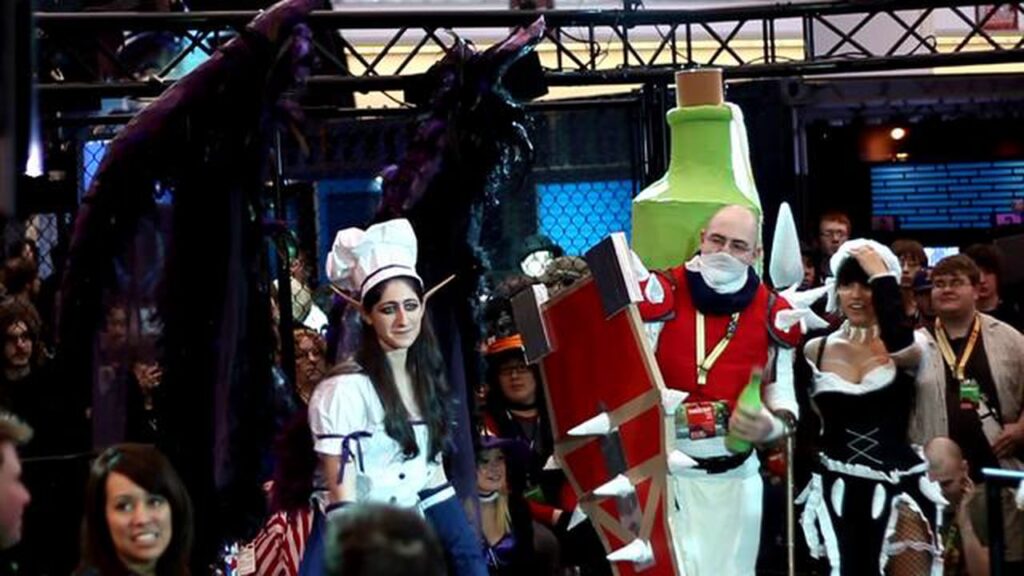
cosplay contest at convention

Since people love free stuff, frequently contests where the winner gets swag. This can include your game, such as seeing who can get the highest score out of X amount of participants, or something random and silly like a pie-eating competition or who can twirl a hula hoop the longest. People show up cosplaying so you can even set up a cosplay contest. The goal is to capture their attention and hopefully engrave your game’s name in their minds.

[su_note]Click here to learn more about The School of Game Design at the New York Film Academy.[/su_note]

E3 2016: The Titles That Can Help Third Party Devs Steal The Show (Again)

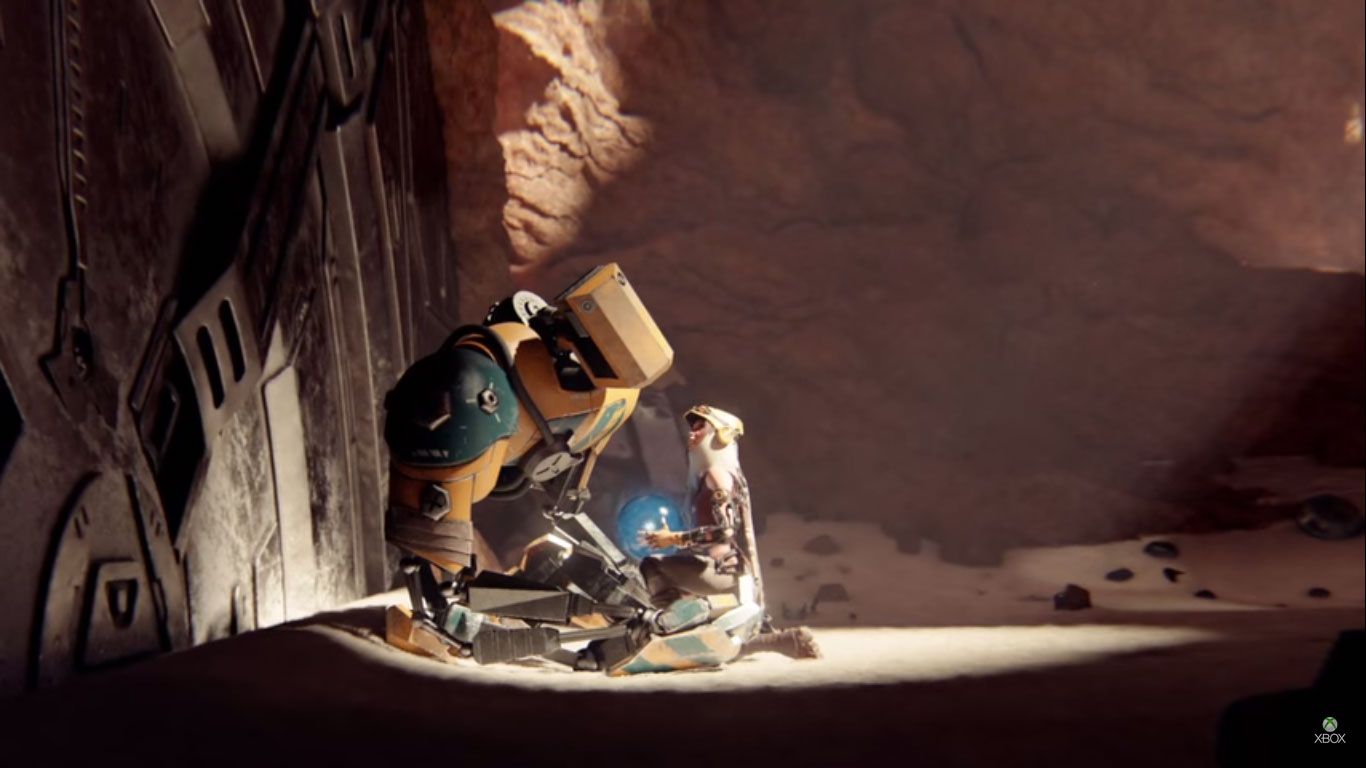
ReCore screenshot

Whenever E3 comes around, most gamers have their attention on the corner of the game world they identify with. Die-hard PlayStation fans will have their eyes glued on Sony’s press conference while Nintendo gamers count down the minutes until the video presentation begins. But even if you swear your allegiance to Microsoft, PC, or the other two big platforms, everyone can agree that 1st party content alone isn’t enough

In fact, some of the most exciting games revealed every year are made by third-party developers. This includes groundbreaking reveals such as Fallout 4 and Final Fantasy VII Remake as well as unexpected surprises like Rare’s new pirate game and the revival of The Last Guardian. Simply put, third-party games stole the show last year.

The following are some third-party titles that could blow the roof off E3 2016.

1. Red Dead Redemption 2

Who would have thought that a cross between Grand Theft Auto and the wild wild west would be such a hit. Red Dead Redemption was an undeniable success for Rockstar as gamers and critics alike praised it as one of the best console games of the last generation. A captivating story combined with fun gameplay has left us wondering why a sequel hasn’t been made.

Red Dead Redemption is the most requested title for the list of backwards-compatible Xbox One games. The unveiling of a second game would possibly be the biggest news of the entire show, especially if we get to see gameplay footage.

2. BioWare’s Two Upcoming Titles

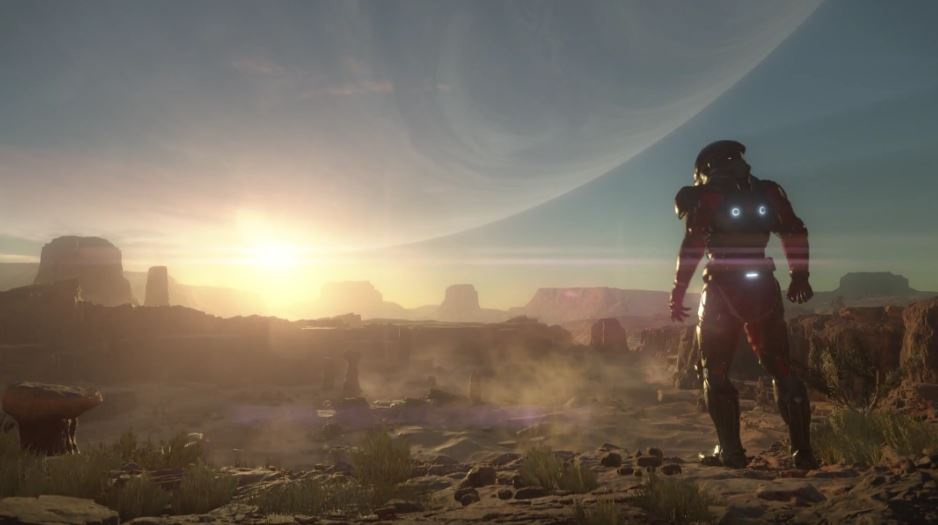
Mass Affect: Andromeda screenshot

It’s no surprise that BioWare is currently preparing another installment in the acclaimed Mass Effect series. The games in the trilogy are some of the best experiences our industry has to offer, and we want more. Mass Effect: Andromeda was announced at last year’s E3 and we’re hoping more gameplay footage is shown this year.

Some gamers are even more anxious to find out what Bioware’s secret new IP (intellectual property) is. Apparently one of their developers wore a shirt at Game Developer’s Conference 2016 with the name of this new title, and no one noticed. You can bet everyone will be paying attention at conferences this year in hopes of learning the identity of this new IP.

3. Resident Evil 7

Resident Evil is one of the most iconic franchises in video game history. The original titles showed us the capacity at which video games can keep our hearts racing via elements of horror. Then along came Resident Evil 4, which revolutionized the third-person genre with incredible gameplay that reinvigorated the original formula. Unfortunately Resident Evil 6 was panned by critics, but it’ll take more than one bad game to make this franchise irrelevant.

The last time we heard of the possibility of an RE7 was in October of 2015 during an interview with series producer Masachika Kawata. Since then, we’ve received spin-off titles and will soon see launch of a CGI film called Resident Evil: Vendetta. Given the huge lack of details on another numbered title, it would be a jaw-dropping surprise for Capcom to reveal RE7.

4. World of Warcraft II

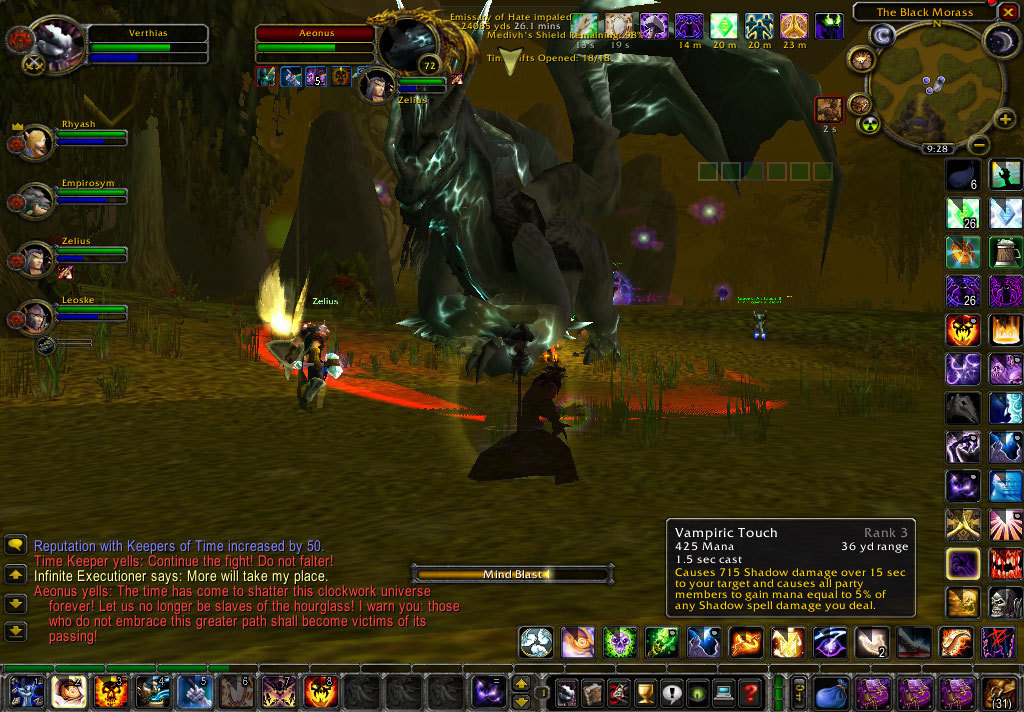
Even people who don’t even know what MMORPG stands for have at least heard of World of Warcraft. Blizzard’s legendary 2004 title has stood the test of time, earned more cash than any other game in history, and continues sustaining millions of players. But even though an expansion has been introduced every few years, World of Warcraft has been losing steam for a long time.

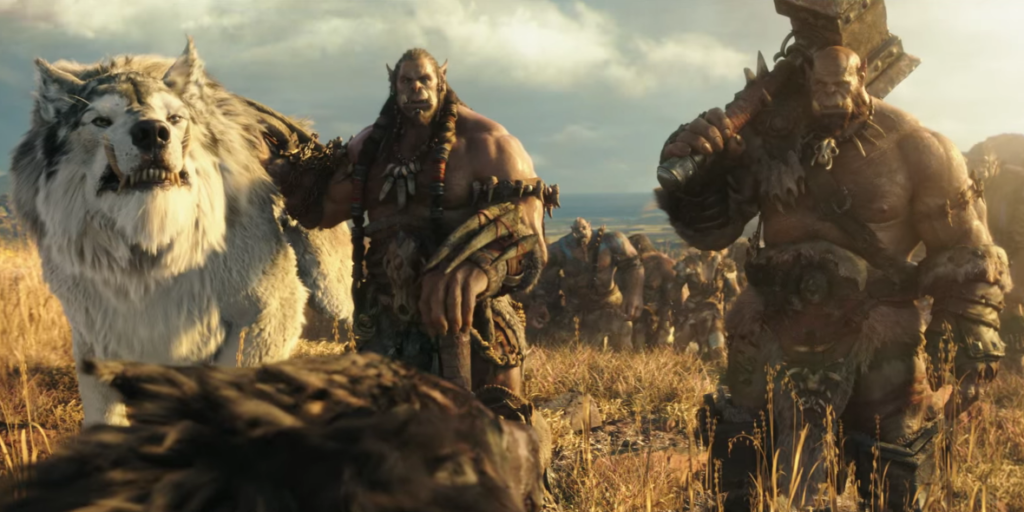
World of Warcraft movie still

Even though the market is more competitive than ever, the announcement of World of Warcraft II would certainly turn heads. If you think this is unlikely, consider what director Tom Chilton said in a recent Game Informer interview when asked about a sequel. His response was this: “Definitely. It’s something we have talked about. It’s something we have talked about for ten years.” Knowing how good Blizzard is at keeping secrets, WoW2 may already be in development.

5. The Titles We Already Know About

Like at most video game shows, developers reveal exciting new titles but show very little gameplay. If we’re lucky, we’ll get a trailer that was made just for the reveal. Last year we learned that many titles are in the works but this coming E3 we want to see a lot more than a logo or 30-second cut scene.

Seeing more of Rare’s pirate game and Comcept/Armature Studio’s ReCore would be awesome. Both developers have the potential to create great gameplay experiences., but we won’t really believe it until we see it. Other titles we want to see more of are Dishonored 2, Scalebound, Kingdom Hearts 3, Final Fantasy XV, Titanfall 2, and Gears of War. Here’s counting the days until we get to see what E3 actually holds for us this year to !

[su_note]Click here to learn more about The School of Game Design at the New York Film Academy.[/su_note]

How To Make A Great Audition Video

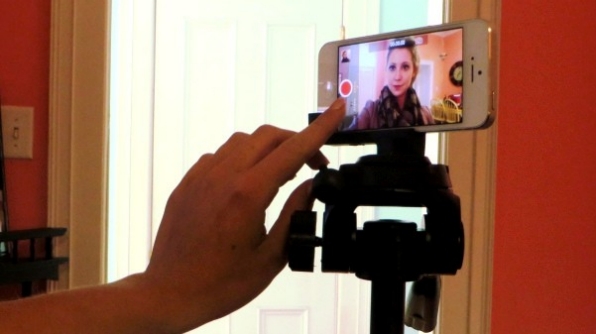
Making an audition video

Most broadcast journalism students who want to pursue an on-air career make an audition video in their senior year, prior to applying for jobs in the industry. (These are sometimes called audition or demo reels, although those technologies have been replaced by DVDs, uploading your video as part of an online submission process, or providing a link to your work.) You’ll have more footage to work with after you have produced several projects. Still, it’s never a bad idea to start thinking about the kind of footage you want to use. You might want to record some special material—in particular, stand-ups—for use on your audition reel.

Keep it Short

Most audition videos should be no more than four or five minutes, although two or three minutes is acceptable and sometimes preferable. Station managers, news directors, and other people who make hiring decisions at TV stations are busy people with many other job functions. They also receive, on average, dozens or even hundreds of audition videos every month (this varies a bit depending on the size of the station). In the spring, when most journalism students graduate, that number increases. The bigger the station, the more videos they have to sift through.

What does that mean for you? It means some hiring managers may not have time to watch every audition video. They may choose some to watch based on the attached resumes, so it’s important to make sure yours is in good shape. It’s a good idea to ask a professor, if he or she has time, to look over your resume and make suggestions. Make sure to include any work you did for the school’s TV or radio station, even if it was unpaid or required for a class. Also include any internships, and part-time or summer jobs at local broadcasters.

Assuming the person in charge of hiring decides to watch your video, he or she probably won’t view the whole thing. Again, people in those positions are busy and overwhelmed with audition videos. Even if they like you, they’ll probably just watch the first 30 or 60 seconds, or they may fast-forward to the next clip to see if there’s anything different on the video.

What Does That Mean for Me?

That means it’s important to grab your viewer’s attention right away. Some professors recommend putting a slate (also known as a graphic) at the beginning and end with your name and contact info. This doesn’t have to stay up for more than a few seconds at the beginning—if interested, a hiring manager can always rewind and freeze the frame.

The first piece of video that rolls should be your best work. In three minutes, you could put six thirty-second packages on your tape, or four thirty-second packages and two sixty-second stories, or various other combinations. You can also include a montage of stand-ups and live shots. If you think some of your packages are slightly better, you should start and end with the best ones.

How Do I Decide?

This can be a tough one, especially if you have regularly appeared on a school TV station, and make a point to save a copy of all your videos. There may be some you can rule out right away—ones where you stumbled on a sentence, or experience technical difficulties, for example. (Of course those things happen in television and provide good learning opportunities, but they shouldn’t be on your audition video.)

You should also make sure you were professionally dressed in any video you’re considering. Most students have at least a few clips of themselves in jeans and a t-shirt, because it’s easy to forget you’re going to shoot a story or anchor the news at your school TV station later. You may also have outdoor videos where the wind has messed up your hair, tugged your tie crooked, etc. Those shouldn’t be on your audition reel either.

Audition video footage should show you in the type of clothing you’d wear to a job interview—a suit jacket or blazer, dress shirt or blouse, and matching pants or skirt. Not all TV stations require men to wear ties on-air today, but it won’t hurt to wear one. You might be able to get away with wearing flip-flops if your feet don’t show in the video, but remember you’ll be expected to wear real shoes to work when you get a job. In general, it’s a good idea to avoid t-shirts, tank tops, jeans, shorts, sequins, and anything you would wear to the beach or a nightclub.

Keep in mind that most TV stations won’t hire someone with purple hair, a nose ring, or a lot of highly visible tattoos for an on-air position. Of course you have the right to express yourself, and you could argue that a reporter with unicorn hair is just as skilled a journalist as a reporter with a more traditional hairdo. You’d probably be right—in fact, you might even be able to find a person with green hair and a nose-to-ear chain who can out-investigate someone who looks like a clone of David Muir.

But, whether you like it or not, TV hiring managers will pass up anyone who doesn’t fit with the image they want to project for their stations. You could argue that they should care more about journalistic skill than conforming to an image, but the fact is most broadcasters care about both when making hiring decisions.

Buying professional-looking clothes can be expensive, and not everyone can afford it after paying for tuition, books, etc. Thrift stores sometimes have gently-used career clothes at a low cost. You might also be able to borrow a suit jacket from a friend before going to shoot something for your campus TV station.

Variety is a Good Thing

If possible, you should show clips of yourself both anchoring and reporting. Also try to use video in different locations—maybe one outdoor shot, one at the news desk, another at an indoor news scene. Try to make sure you’re not wearing the same thing in every clip you use—that tells the hiring manager you shot a bunch of stuff in one day to make your audition reel, and you don’t have much experience.

A variety of news topics is also a good thing. You should have some serious stories—about the economy, politics, or crime, for example—interspersed with more lighthearted, or even humorous, topics—sporting events, local fairs/carnivals, concerts, local person who did something unusual or set a record, stories about animals, etc. This shows that you’re versatile, and a less serious story is an opportunity to prove you’re able to try new things and poke fun at yourself—say, letting a monkey climb on your head at the local zoo. Being a good sport is an important part of being a journalist.

Audition Videos Aren’t Just For On-Air Positions

If you seek a job as a producer, newscast director, photographer, or one of many other off-air positions, you should have video of newscasts you produced, directed, etc. You will need to explain in your cover letter what you contributed to the video you’re submitting. For example: “I’ve attached a sample of three packages I shot, then edited per the reporter’s instructions.” By being precise and to-the-point, you’ll grab the attention of a potential employer while showing off your diverse strengths.

How To Become A Game Artist

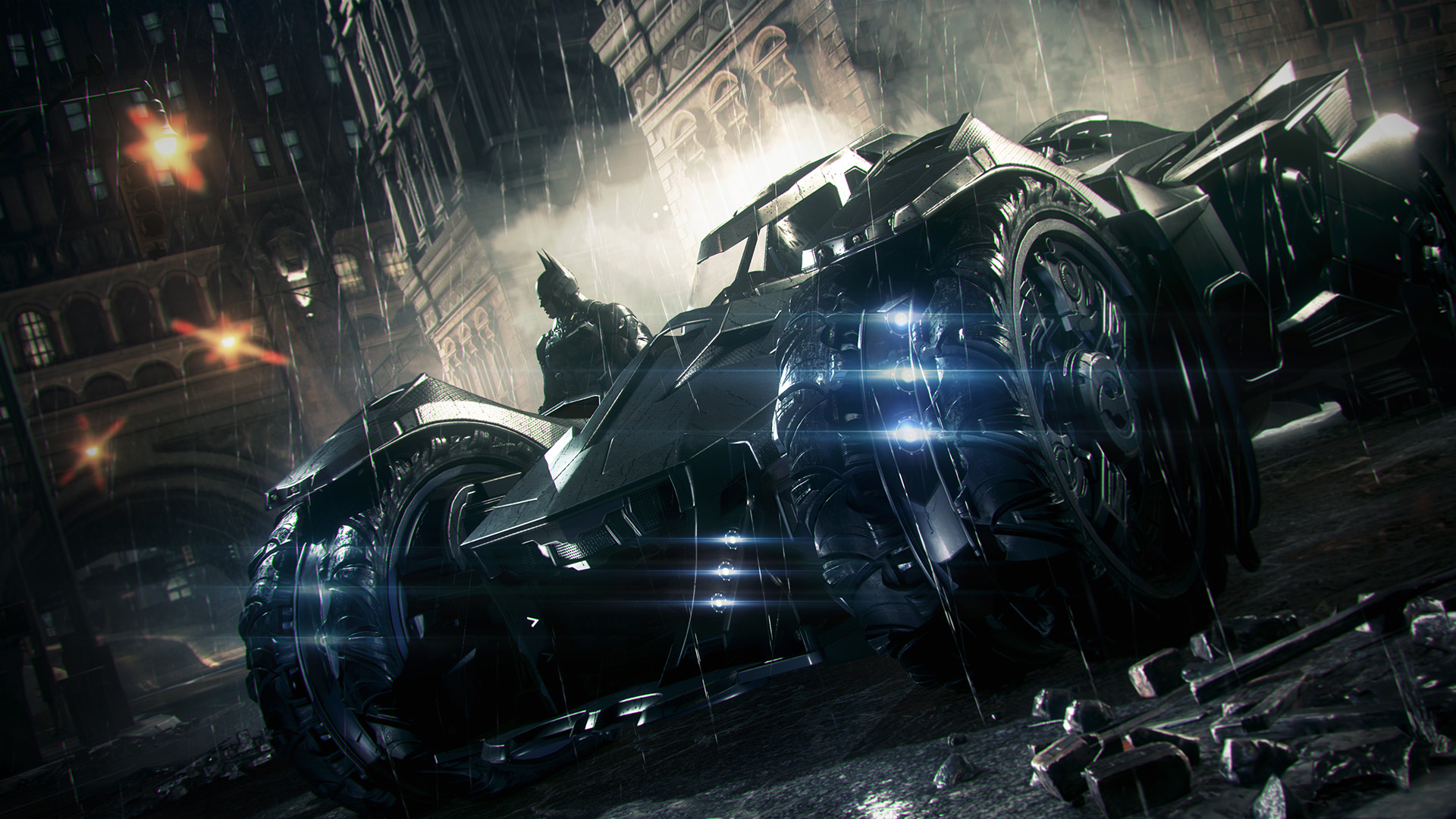
Batmobile from Arkham Asylum

Do you fancy yourself creating the virtual worlds where players explore and get lost in? The job of Game Artist is becoming more and more sought after, and it’s no surprise. You get to work with a team of designers to bring ideas to life, whether that be 3D or 2D. Maybe it’s all the same to you just as long as you can help create games for a living.

Below are a number of things you should make a list if you want to become a Game Artist. The more you can check off, the more likely you are to make it:

1. Actually Enjoy Drawing

To be a game artist you may be required to draw— a lot. While this may seem obvious, it’s not hard to find someone who enjoys drawing a sketch or two a week, or maybe even a quick drawing every day. But show us someone who almost always spends their free time drawing and I’ll show you a Game Artist ready to one day help make something great.

And while it’s possible to become a 3D modeler or art software expert without being good at drawing, having that skill does make you more versatile. Being able to draw your idea before spending time creating it in a 3D graphics program is a big plus. A game artist that can draw is usually more flexible and creative, which is what every studio wants in their team.

2. Learn The Software

Drawing skills are great but they’ll only get you so far in today’s gaming industry. Even a sketch artist makes use of different photo editing programs to sharpen up their work. If you see yourself as a 2D artist, the latest softwares like Adobe Photoshop and Illustrator should definitely be in your repertoire of skills.

Game artist at work

If you fancy yourself a 3D artist instead, there are a number of programs you should be familiar with. Autodesk Maya is one of the more popular 3D programs that is used used by big developers like Naughty Dog and Quantic Dream. 3DS Max is also a common one.

3. Know What You’re Good At

The term “game artist” is very general and unspecific. When you look at the credits of most games, you may not even see it used. Instead, you’ll see things like Character Animator, Character Artist, and Marketing Artist. Unless you’re a part of a small indie team, chances are you’ll be hired to work on a specific area of the game art design.

So the sooner you learn where your strength lies, the better. Are you good at sketching things just based off of words and ideas? Maybe the role of Concept Artist is for you. Someone who prefers working on the game world may find an interest in a career as an Environmental Artist or even Level Designer. Other common ones are User INterface Artist, FX Animator, and Art Director.

Click here to learn more about: The School of Game Design at the New York Film Academy.

E3 2016: Predictions for Microsoft

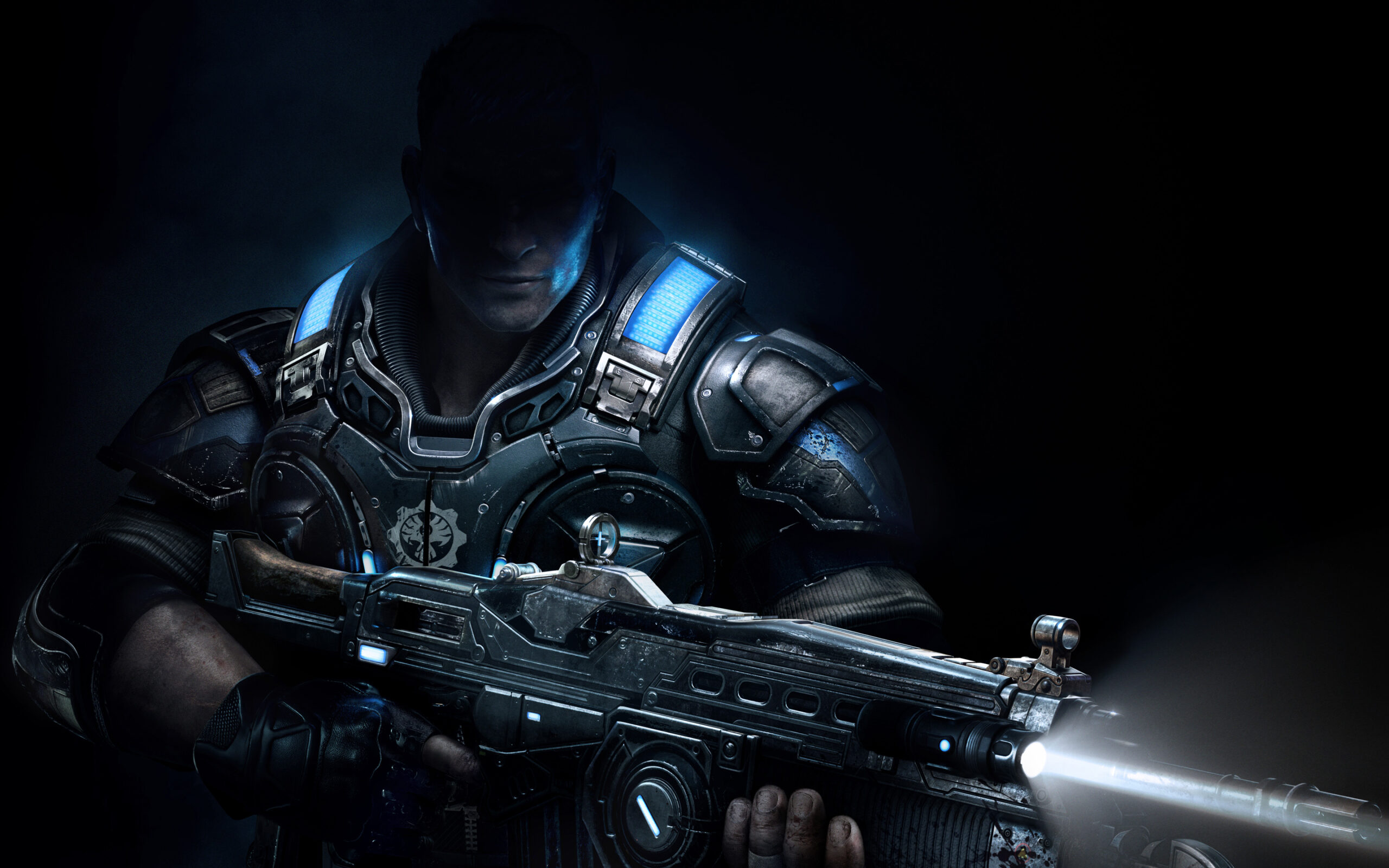
Gears of 4 image shot

Another year, another opportunity for the biggest names in the industry to show us what they’ve got cooking for us. E3 is more than just about wowing your fanbase with big surprises and new titles. It’s about convincing gamers to forget about the competition by promising them more joy and entertainment down the road.

Sony had a strong presence last year but Microsoft also didn’t do too bad at the highly-anticipated event. A good job was done to hype us up for surprises like ReCore as well as late 2015 titles like Halo 5, Forza Motorsport 6, and Rise of the Tomb Raider. Who could forget probably the most exciting surprise of all—Xbox One backwards compatibility.

Below are some of our predictions of what Microsoft has in store for us this coming E3 2016.

1. More Gears of War 4

Fans of the series were blown away by the sharp Gears of War 4 gameplay trailer from last year. Although many questions were left unanswered, including as who the two characters were, the notion that Gears will bring back horror elements like with the very first game had fans impressed.

Since Microsoft’s latest entry in their other big series (Halo 5: Guardians) already went out the door last year, Spencer and his team will definitely put the spotlight on the next Gears of War this E3. We know more about the story thanks to interviews with The Coalition but there’s still plenty more to share. You can rest assured Xbox One owners are anxious to learn more about Marcus Fenix’s son and the new threat facing Sera.

2. HoloLens News

HoloLens user with globe

Virtual reality is all the rage these days, especially with the recent release of Oculus Rift. Sony has been offering plenty of details about their upcoming PlayStation VR, including the reveal of a $399 price point at Game Developers Conference 2016. Now it’s Microsoft’s turn to talk up their own VR experience.

Last year’s HoloLens demo with Microsoft was one of the highlights of the conference. We’re confident that we’ll see yet another presentation that demonstrates how their VR headset has progressed. If virtual reality truly is the next evolution of gaming, you can bet Microsoft plans to make a strong presence.

3. The Exclusives

Nintendo has learned the hard way that 3rd party support is very important. Of course, few can argue against the Wii U’s superior lineup of exclusive titles. If there’s one thing Microsoft needs to do to catch up to the PS4’s sales, it’s show off the games you can only play on their console.

There are a number of Xbox-only games that we can expect to see at E3 2016. Perhaps one of the most exciting ones is Halo Wars 2, a console RTS in development by Creative Assembly. Crackdown 3 and Titanfall 2 will also most likely make an appearance, although the latter isn’t guaranteed to be exclusive. Other titles we want to see are Rare’s Sea of Thieves, Scalebound, and ReCore.

4. The Unexpected Surprises

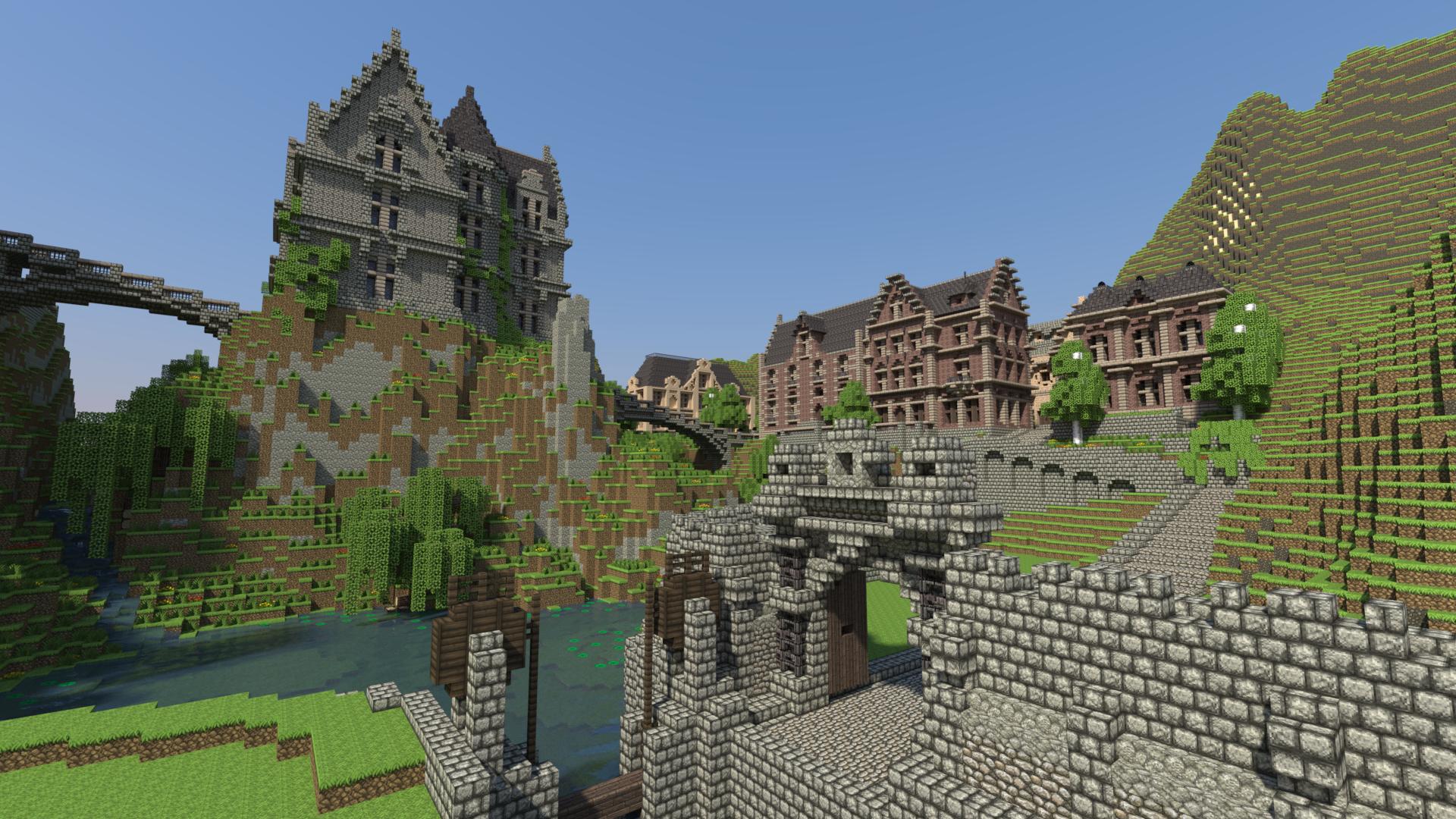
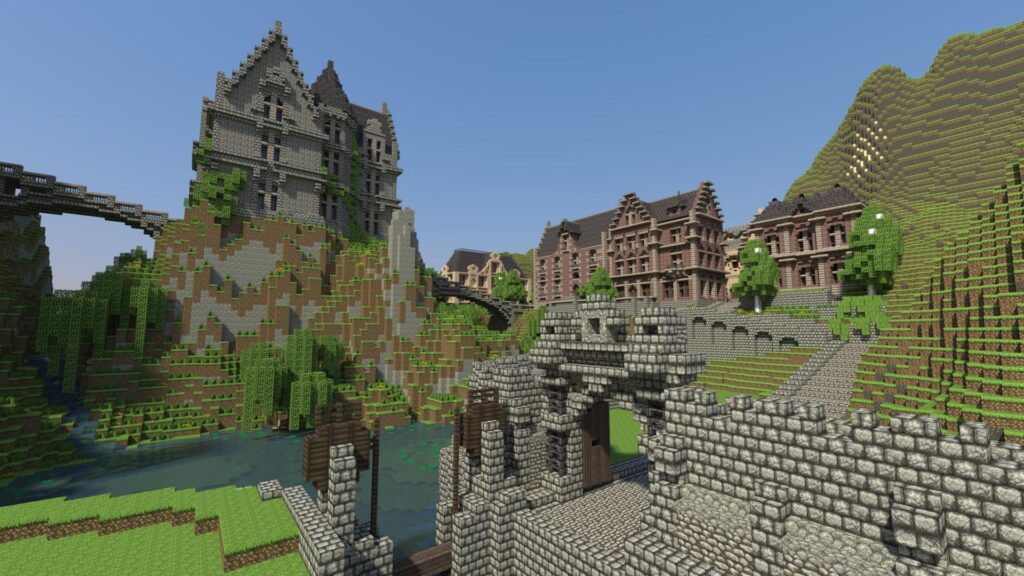
Minecraft screenshot

The big reveals are the reason E3 is the biggest gaming event on the planet. It’s what leaves people talking weeks, if not months after the event has closed its doors. Since the competition always has secret weapons of their own ready to unveil, Microsoft will have to deliver at least one or two good surprises.

Our Minecraft 2 prediction from last year didn’t happen, but there’s no way Microsoft isn’t planning on it. We may even already get a look at the next Halo in the works. Although probably not exclusives, being the ones to reveal Red Dead Redemption 2 would be huge. As for the too good to be true prediction, a new Banjo-Kazooie 3D platformer would send the Internet into chaos. A slim version of the Xbox One is also always a possibility.

[su_note]Click here to learn more about The School of Game Design at the New York Film Academy.[/su_note]

5 Classic Video Games That Changed Everything: From Mario to WoW

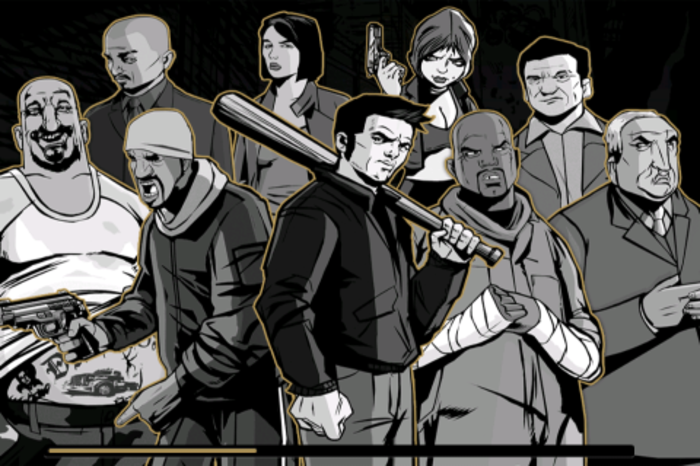
Grand Theft Auto 3 cast

Compared to the history of film and television, video games are still pretty much in their infancy. One can also argue that games are advancing much faster than either of the two thanks to better tech and new ideas. Twenty years ago we were all playing 32-bit titles but can now jump into a massively multiplayer online world with hundreds, if not thousands of others.

Although games today blow yesterday’s classics away in terms of polygon count and download sizes, some of the best our industry has to show are from way back when. It’s thanks to more than nostalgia that veteran designers frequently recommend up-and-comers to check out the games that changed everything. Here are a few of our favorites.

1. Super Mario Bros. (1985) – Fun For All

To a Minecraft and Call of Duty kid of today, it may be impossible to believe that Super Mario Bros. was a breakthrough in its time. Not only did it serve as the birth of Nintendo’s biggest mascot but it also single-handedly helped save the video game market after its infamous crash. Three decades and more than half a billion game sales later, the Mario franchise continues playing a large role in the industry.

So what was it about Super Mario Bros. that convinced people to once again spend their hard-earned cash on video games? Accessible gameplay. To this day, anyone can pick up Super Mario Bros. and immediately start hopping on Goombas, entering pipes, and making their way to the flag at the end. Hand a non-gamer an Xbox One or PS4 controller and a copy of any big-budget title today and you’ll see them stare down in confusion.

2. World of Warcraft (2004) – Making Friends

Before Blizzard unleashed arguably the most influential MMO of all time, people did have online games to get lost in. Before 2001 there were titles like EverQuest and Lineage as well as RuneScape, Dark Age of Camelot, and more. If you wanted to hop into a big world and quest with other players from across the globe, you had a number of choices.

World of Warcraft screenshot

Then World of Warcraft arrived to nearly wipe out all the competition. There are many reasons why, including great gameplay, cinematics, and graphics. But the one reason numbers only continued growing was due to its social elements. Whether it was raiding, questing, or just hanging out in a main city and listening to nonsense on trade chat, Blizzard’s world made you feel connected with other players.

3. Grand Theft Auto III (2001) – Freedom

Today, gamers know what to expect from a Grand Theft Auto game. That still didn’t stop the fifth entry in the series from leaving everyone who played it stunned. With its improved gunplay, expansive world, and three characters to switch between, it’s no surprise that GTA V ended up being one of the most successful games of all time.

More than a decade earlier, the first 3D entry in the series was released to the same applause. Grand Theft Auto III gave players freedom unlike any other game in that time. If you didn’t want to do the main storyline, you could drive around wreaking havoc by stealing cars, fighting random people, and running from the law. More importantly, all those extra things to do were fun.

4. The Legend of Zelda: Ocarina of Time (1998) – Captivating World

Plenty of great games had released before 1988 that showed us what 3D could do. Super Mario 64, Spyro, Resident Evil, and Tomb Raider are few of the many trailblazing titles that made us forget about our beloved 2D adventures for a while. Eventually we were introduced to a Hyrule that felt alive and expansive.

Link from Ocarina of Time

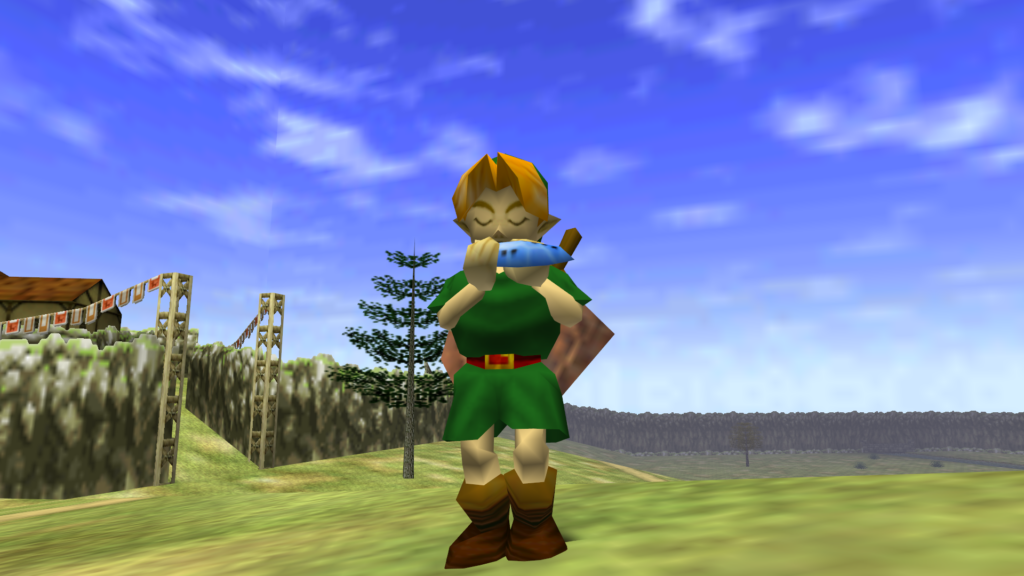
Ocarina of Time’s world was a sight to behold back in the day, and even now if you can forgive the outdated visuals. Every area of the game feels like it’s part of a living world, complete with beings that are still going about their business after you leave. If you’re looking to create a game with a world that invites players

5. Wolfenstein 3D (1992) – We Like Shooting Things

The first-person shooter genre is hands-down one of the most popular today. Thanks to franchises like Call of Duty, Halo, and many more we could mention, FPS titles have been raking in the dough for developers and publishers for many years now. The ability to play with people from all over the globe thanks to better tech has helped significantly

Of course, it all started with a little game called Wolfenstein 3D. The PC game by id Software introduced us to gameplay elements we still see today—health packs, holding more than one weapon, and more. Although the visuals haven’t really stood the test of time, it’s still a great game to pick up if you want to see where the genre was born.

[su_note]Click here to learn more about: The School of Game Design at the New York Film Academy.[/su_note]

The Up-And-Coming Actors Performing At Coachella 2016

Coachella banner

It’s that time of year again—the days are longer, people’s calendars are filling up with more and more parties, and outdoor festivities are popping up more often than a jack-in-the-box at a preschool. Spring is definitely in the air. And how fitting that the flora is flourishing again as many heads would seem all but bare without the floral accessories accompanying them to the festivals of this season. Namely one, in particular—COACHELLA (ella, ella… a nod to Rihanna’s surprise guest performance with Calvin Harris on Sunday for those of you wondering). It’s not news that this yearly event in the middle of a Palm Springs’ desert gathers big names in entertainment – both on and off the stage. And this year’s artist line up is no different. What may be news to some, however, are the names these musical artists are making for themselves in film and television. So here are a few noteworthy crossover acts in that respect.

A$AP Rocky

A$AP Rocky on stage

Rick Famuyiwa’s coming-of-age Hip Hop film, Dope, debuted at the Sundance Film Festival last year to much fanfare. It was also the acting debut for Rocky (birth name Rakim Mayers) who played the integral part of ‘Dom’—a charismatic drug dealer from the notorious streets of Inglewood, California. Although he only appears in the first half of the film, Rocky really made his time count. Acting as the catalyst for the film’s protagonist, Malcom (Shameik Moore), a 90s hip-hop loving “geek” having to deal with a terrible string of events following their meeting, Dom manages to exude likeability and a surprising amount of humor. That said, you get the feeling this isn’t another episode of stunt-casting to get people in theatre seats; Rocky is actually a good actor. “Rocky is so smart and such an intuitive actor that you sort of know unexpected casting would play into how I wanted Dom to be perceived,” says Dope director and writer, Famuyiwa. Looks like the “L$D” rapper has a bright (and diverse) future in film—“Moving forward, I don’t want to play any more roles playing a drug dealer, or a handsome guy,” he says

Sia

Sia and Maddie Ziegler at the Grammys
Photo by Lester Cohen/WireImage

“I was too embarrassed to tell anyone I wanted to make a movie,” said the talented singer-songwriter during a panel last year. “And then last year, after I made the Chandelier video, I realized that I was pretty good at directing, so I felt a little bit braver.” With her frequent partner-in-crime, Maddie Ziegler (the child dancer starring in the singer’s music videos for “Chandelier,”Elastic Heart,” and “Big Girls Cry”) taking the main role, the film, entitled Sister, follows a sober drug dealer and his sister with autism. Based on a story Sia wrote around eight years ago, the singer sought help from numerous industry friends for her first go at screenwriting, including the children’s book author Dallas Clayton, actor Joel Edgerton, and husband and documentary filmmaker, Erik Anders Lang. “What I do enjoy is the creative process,” says the artist when comparing similarities between music and filmmaking.

Bat For Lashes

Natasha Khan of Bat For Lashes

Natasha Khan aka Bat For Lashes has a number of short films under her belt. The British singer-songwriter and clothing designer has produced one of six parts for the MTV World film, Madly. The film series also includes works from Gael Garcia Bernal and Mia Wasikowska and showcases stories of modern love. Khan’s film is called “I Do.” “It’s about a bride, the morning of her wedding, being disturbed by subterranean weird feelings, messages and signs… It’s all about redemption of grief, putting ghosts to bed before you can move into a fully committed relationship,” she says. The multi-talented singer also directed and starred in her own short film, “Under The Indigo Moon”—a film she made for fashion house YMC for whom she created a clothing line. The film also showcases the song of the same name—one on which she collaborated with singer. In addition to these, Khan is also in the process of writing a screenplay for a film commissioned in 2014 called Gotcha, a family drama about a father and son in a dysfunctional family situation playing hide-and-seek.

Ellie Goulding

Ellie Goulding

The “It” girl of British pop managed to showcase some impressive acting skills in a short film, “Tom And Issy,” which premiered on her Vevo channel in late 2013. Written by Dead Car creators, Stefan Georgiou and Sam Bern, and directed by Notting Hill director Roger Hill, the story was shot entirely on a Nokia Lumia 1020 and captures the complex and intricate details of falling in love. Goulding plays the main role of Issy, who gets whisked away by her flatmate, Tom, from an unappreciative boyfriend to explore London at its finest. As successful as her career in music may be, the singer admits she’s always dreamed of becoming an actress and hopes to eventually swap singing for a career in television. “I’d quite like to act at some point. I just think it’d be quite fun. It’d be another one of my experiments… You’ve got to get experience in front of the cameras [in a soap opera]… Or I’d like to do a play,” she says.

Ice Cube

Ice Cube and Kevin Hart in Ride Along

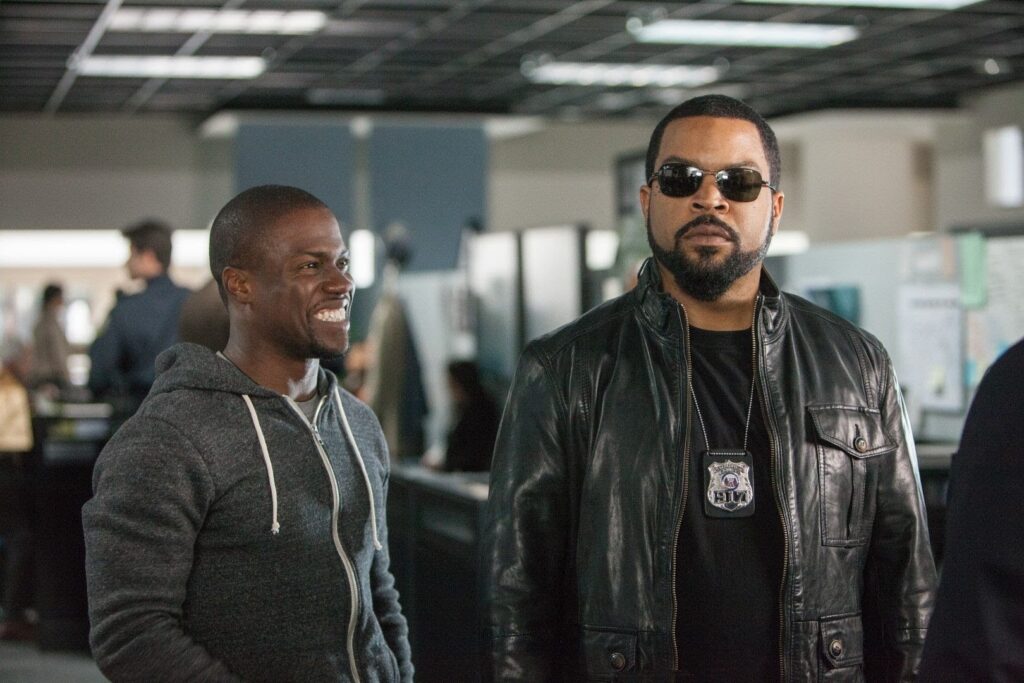
This hip-hop veteran has accumulated a long list of accolades for his role in films that easily matches his successes in music over the past few decades. By the ripe, young age of twenty, he had already assisted in founding—and later departed—what some would consider the most influential rap groups of all time, N.W.A. With no time to waste, he went on to start an acclaimed solo career in both music as well as the big screen, starring in 1991’s Boyz n the Hood—a role that would instantly establish himself as a force to be reckoned with in film. Since then, the rapper has amassed an extensive filmography that covers everything from family-friendly fare and dramas to action and goofy comedy. While appearing in John Singleton’s Higher Learning in 1992, the multi-talented rapper took on the director’s advice to start writing his own films.

Three years later, he starred in the cult comedy classic, Friday, which he co-wrote with DJ Pooh. He then went on to write, direct, and act in The Players Club in 1998 as well as writing, producing, and starring in Next Friday in 2000. With a string of acting gigs in critically acclaimed films over the past decade, his most recent film career highlight came about yet again just last year, with the N.W.A biopic Straight Outta Compton. The Oscar-nominated film, which he produced, has made a definitive mark, boasting the highest domestic box office tally for a film that’s directed by a black filmmaker, F. Gary Gray. In the same year, it was also picked by the Screen Actors Guild for a nomination in the “best performance by a cast in a motion picture” category. All in all, the film’s success was truly “Dream come true stuff, man,” as Cube explains.

[su_note]Learn more about the Film School at the New York Film Academy by clicking here.[/su_note]

How To Sabotage Your Game’s International Chances

Yokai Watch gameboy DS game cover

The game industry is more competitive than ever, enough that finding success in any one country is hugely challenging. Imagine then trying to create a title that is popular in multiple countries at the same time. While luck is always a factor, global success isn’t going to happen unless you prepare.

The following are oversights that game developers make when trying to turn their new game into an international sensation.

Mistake #1: Don’t Study Their Culture

“Localization” is the term used to describe when a game is prepared for other territories. The most obvious reason for this is language. Your English-only game won’t have much success in China or Brazil or France if the people in those countries can’t read the text. But what many fail to realize is that merely translating to additional languages is only part of the process.

Localization also requires an understanding of the respective territory’s culture, including popular trends, the food they eat, country traditions, and more. So if the American version of your game has cheeseburgers or hotdogs as health items, it would make a big difference changing those to sushi rolls for the Japanese release. These little things can go a long way and even save your came from coming off as disrespectful, which is why the top developers always do what they can to make a game acceptable in specific countries.

Mistake #2: Don’t Study the Country’s Market

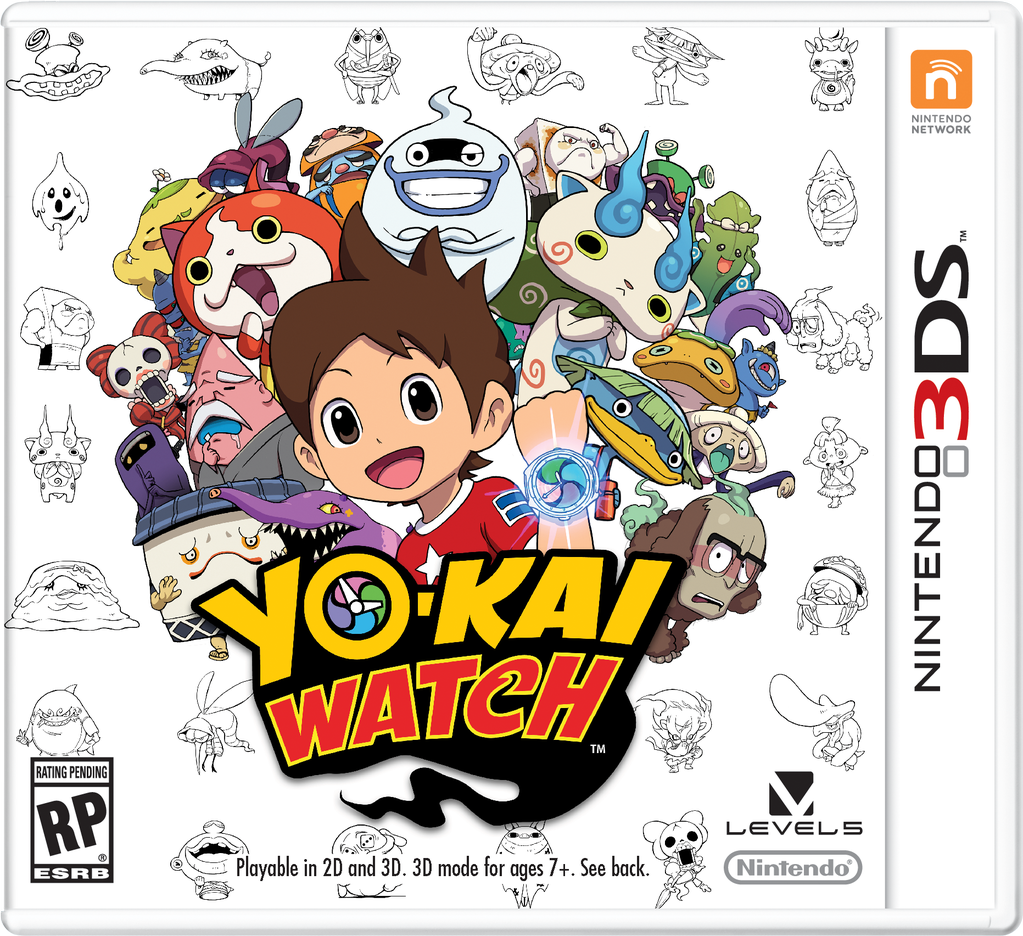
It only takes one look at the highest selling games of a territory to see how different each culture really is. According to Famitsu, the 10 best-selling video games in Japan throughout 2015 consisted of 8 3DS titles. Clearly handheld games are much more popular in Japan than in other countries. In contrast, Americans favored console games like Batman: Arkham Knight, Call of Duty: Black Ops III, and The Witcher 3: Wild Hunt.

Players with Nintendo DS machines

By studying a specific country’s culture you can learn right away if it’s even worth the effort to localize your game. If your game is similar to other titles that are big there, do some research to study their marketing strategies and reasons why they were successful. You’re setting yourself up for failure if you simply toss your game into another country without a plan.

Mistake #3 Use the Same Monetization Strategy

If there’s one thing that’s frustrated mobile game makers, it’s that the average American has no problem dropping more than $5 on a coffee that will be gone in a few minutes,however,that same person sees a $5 game on the App Store and thinks “too expensive” and instead opts for a free game instead. With so many freemium games out there these days, it’s tougher than ever for games with price tags to sell well on mobile platforms.

Now imagine a selling a game in a country where the average wage is less than that of US. That game’s US monetization model isn’t guaranteed to work in every country it is released on. Maximize your chances of success by studying the prices of games in other cultures, including cash shop pricing in free-to-play titles.

Mistake #4: Starting the Localization Process Late

As mentioned, localization is more than just translating text. There are also art and sound assets such as currency symbols and voice-over dialogue that may need to be changed. Starting too late may require expensive re-engineering to accommodate the new files.

Japanese game cover

Developers who plan properly code their games do so with localization in mind. In doing so, the process goes more smoothly and takes less time, especially if you plan on releasing in more than two territories. You’ll also avoid bugs that may rear their ugly heads when code is altered in a hurry.

[su_note]Click here to learn more about: The School of Game Design at the New York Film Academy.[/su_note]