Delayed Video Game Releases: The Good, The Bad, And The Ugly

“A delayed game is eventually good, but a rushed game is forever bad.”
– Shigeru Miyamoto

Chances are you’ve already read or heard this now-famous quote by one of the biggest named in the industry. It’s no secret that Miyamoto’s commitment to releasing a game only when it is deemed “perfect” has led to several titles launching well after their intended date. Looking back, we can only be grateful that he holds this design philosophy, since some of the best games he has ever helped create were given more time to develop.

Of course, it’s hard not to be disappointed when a title you’re anticipating is announced to be delayed passed its anticipated release date. Take The Legend of Zelda for Wii U, a game that was initially announced for 2015, but was recently pushed back to 2016 via a video announcement by series director Eiji Aonuma. But at the end of the day, will we be thanking Nintendo for making this decision if this Zelda turns out to be the best one yet?

On the other hand, there have been plenty of games that haven’t turned out so great even after months (or even years) of extra development time. One of the most infamous titles is none other than Duke Nukem Forever, which began development in 1997, but game engine changes and publisher switching led to its release 14 years later to critical disappointment.

Despite taking more time to create, a good amount of titles ended up letting us down, whether it was due to built-up expectation or disappointing gameplay.

The following is a list of several games that were delayed but ended up blowing us away, proving that sometimes a bit more time is needed to perfect a game, followed by a few titles that suffered through the development process only to face.
Good Delayed Games #1: BioShock + BioShock Infinite

Most gamers find it easier to recall the development woes the recent BioShock Infinite suffered, which pokes fun at itself in one of the levels for taking very long to develop. However, it’s interesting to point out that the original BioShock also suffered an extra-long development cycle. When you realize that Irrational Games took three years to make BioShock, and five to make BioShock Infinite, it’s clear that they too perhaps share the same philosophy as Miyamoto.

Fortunately both times have paid off, as BioShock’s breathtaking underwater adventure is now seen as one of the best games ever made. This is due to its inescapable atmosphere, captivating storyline, and awesome gameplay that offered its own FPS twist via plasmids. BioShock also gave birth to one of the most iconic phrases in gaming: “Would You Kindly.”

With BioShock Infinite, Irrational Games proved that with extra time they are capable of delivering yet another amazing game. This game, set in the sky, was received with critical acclaim upon release for its gorgeous environments, memorable characters, and ending that had you thinking weeks after the game was over.

Good Delayed Games #2: Half-Life 2

If there’s one developer known for delaying their games over long periods of time, it’s Valve. For whatever reason, they like taking a long time making their games, and as is the case with the highly-anticipated Half-Life 3, take even longer just to announce that they’re actually making it.

Half-Life 2, arguably one of their best titles ever produced, took five years to develop. This was mostly due to two reasons: Valve crafting a brand new engine for it, and the fact that the game’s source code was leaked just after being unveiled. Between polishing up the new Source engine and fixing the security hole, Half-Life 2 wasn’t able to release until a year after its original launch date.

The excruciating wait was, of course, worth it, as Half-Life 2 is now considered a video game masterpiece. Had it not been delayed, perhaps it wouldn’t have included the innovative physics, immersive storytelling, or addicting gameplay that made it a hit.

Good Delayed Games #3: The Legend of Zelda: The Wind Waker

To be fair, almost every console Zelda title has missed its initial release date. Interestingly enough, one of the only exception is the title that was made in only about a year: The Legend of Zelda: Majora’s Mask. The reason we’re adding The Wind Waker on this list is not just because it was delayed, but because it suffered a transformation that caused every gamer’s jaw to drop.

It all started in August of 2000, when Nintendo showed a tech demo for the console that would end up being the GameCube. It involved Link and Ganondorf in a brief but incredible swordfight, all in realistic graphics. It would be the Zelda title everyone was dreaming about, and an obvious step in the right direction considering the realistic visuals of both Ocarina of Time and Majora’s Mask.

At Space World 2001, however, Nintendo unveiled Wind Waker’s cel-shaded graphics, in all its cartoonish glory. Most fans couldn’t believe that Zelda would receive such a radical change in visual style. Though, as we all know today, The Wind Waker is now hailed as one of the best Zelda games of all time for, among many things, it’s gorgeous visual style. Now we can’t help but be glad that Nintendo took the extra time to go with the cel-shaded route and deliver one of the most memorable action-adventure experiences ever made.

[su_note]Check out the School of Game Design at the New York Film Academy, and learn by actually creating games. Campuses in New York and Los Angeles.[/su_note]

Bad Delayed Games #1: Duke Nukem Forever

No game has gone through the development hell that this title went through. It all started with 3D Realms in 1997, who even released promo information for the game up until 1998. Between that time and 2001, however, 3D Realms was forced to delay the game repeatedly due to unexplained circumstances.

It wouldn’t be until December of 2007 that they’d release a brand new teaser trailer. However, a company downsizing lead to the loss of most of the game’s team, leading to several more years where the game was put on hold. It wasn’t until 2010 that Gearbox Software took the reins in order to finally complete the game. It would only take them around a year to do so.

Around fifteen years of game development clearly served no purpose as the game was criticized for terrible pacing, outdated gameplay mechanics, and disturbing depiction of women. Sadly, most gamers knew there was no way this game could be good upon release after everything it had been through, which actually led to more people being interested in it.

Bad Delayed Games #2: Perfect Dark: Zero

As the sequel to one of the most acclaimed first-person shooters from the Nintendo 64 era, everyone had high hopes for this title. Despite beginning development around the year 2000, Perfect Dark: Zero would not release for another five years. This was mostly due to Rare having to switch platforms on more than one occasion.

The first time was when Microsoft fully purchased Rare in 2002, which meant that they had to abandon their work on a GameCube version to switch over to Xbox. They pushed the limits of the Xbox, even setting up an Xbox Live mode that had them pushing 50 players online at once. But when the Xbox 360 was conceived, Rare decided they wanted to utilize its power to create something bigger and better, which allowed for certain features such as co-op.

It certainly wasn’t a commercial failure after releasing for the Xbox 360, but it also didn’t quite meet anyone’s expectations, receiving mostly average review scores despite taking so long to make. Instead of blowing us away like the original Perfect Dark did, we instead received uninspired level design combined with cringe-worthy voice acting and a poor story.

Bad Delayed Games #3: Spore

As the brainchild of famed game designer Will Wright, Spore was a game for which a lot of people had high expectations. Wright, after all, is responsible for some of the most innovative game series in the industry, including SimCity and The Sims. Thus, gamers were excited at the chance to play a God game created by the man behind some of the most beloved strategy and life simulation games.

Will Wright has stated in interviews that he was already doing early prototypes and research for Spore seven years before its release, and barely forming a core team two years later. This means that Spore had plenty of time to get developed, especially after missing its 2007 release and instead hitting store shelves a year later.

Although a good number of reviewers praised Spore for its technical feats and interesting theme, it was regarded by most as a less-than-stellar game. Much of the criticism came from a tedious simplicity throughout most of the game, particularly the first four phases. Without enough depth, players were forced to go through dull gameplay before reaching the more interesting sections of the game. Others also pointed out that it simply tried doing too much, resulting in shallow versions of more acclaimed games.

Disney’s Next Live-Action Rehash: Winnie the Pooh?

News has just surfaced that Disney Studios is continuing with its slew of live-action adaptations of old, cherished animations, this time with Winnie the Pooh coming at an unspecified date… and the Internet hasn’t reacted too kindly.

Winnie the Pooh live action

Although many are decrying the live-action retelling of the A.A. Milne classic, which is particularly noted for its 2D animation style, the news probably shouldn’t have come as a surprise. The recent slew of adaptations have proven extremely viable from a commercial standpoint, even if critical reception has been hit-or-miss:

The Sorcerer’s Apprentice, 2010. Cost $150m to make, took $215m at the box office. Scored at 42% on metacritic review site Rotten Tomatoes.
Alice in Wonderland, 2010. Production budget of somewhere between $150m and $200m, went on to bring in an incredible $1.02 billion despite only receiving a 51% approval rating on Rotten Tomatoes.
Maleficent, 2014. The live-action Sleeping Beauty derivative took $758.4m against a budget of $180m – Angelina Jolie’s highest grossing film – and gaining a 49% approval rating from critics.
Into the Woods, 2014. Based around numerous fairytale sources, the star-studded musical quadrupled its budget with $204m in takings against it’s $50m budget. Fared well on Rotten Tomatoes with a 71% rating.

Cinderella, 2015. Still screening at the time of writing, but has so far grossed $397m at the box office and a budget of $95m. Currently stands at 84% on Rotten Tomatoes.

The current wave does not represent the first time that Disney have given classic animations the live-action treatment. For that, look to 101 Dalmatians released in 1996 and the 2000 sequel, both of which did notably well at the box office.

An unsubstantiated rumor about a Cruella de Vil movie being planned (a la Maleficent) is also doing the rounds, but that’s a story for another day.

Cruella Dalmations live action Disney movie

With profit margins like this, it’s little wonder that Disney Studios are planning on plumbing these depths for as long as the numbers hold strong. Of course, other studios are following suit given that a lot of the source material (namely Brothers Grimm and Hans Christian Andersen) is out of copyright and open game.

As for Winnie the Pooh, it’s historically been one of the most profitable intellectual property licenses on Disney’s books and they have put out a few feature-length, theatrical releases in the past. Sadly, they’ve never quite hit the financial heights that were hoped for and the most recent 2011 Winnie the Pooh movie, which was traditionally animated. It only took in $44m against a $30m budget. Again, in light of this it’s no surprise that Disney are giving the franchise a lick of live-action paint for the next release.

Winnie the Pooh live action remake

In a nutshell, the reason for the current trend is all down to cold, hard cash (as it often is). But let’s stop looking back, and instead turn our attention to the live-action remakes that are scheduled for the next few years:

The Jungle Book: April, 2016
Alice in Wonderland, Through the Looking Glass: May, 2016
Beauty and the Beast: March, 2017
Dumbo: Unknown
Mulan: Unknown

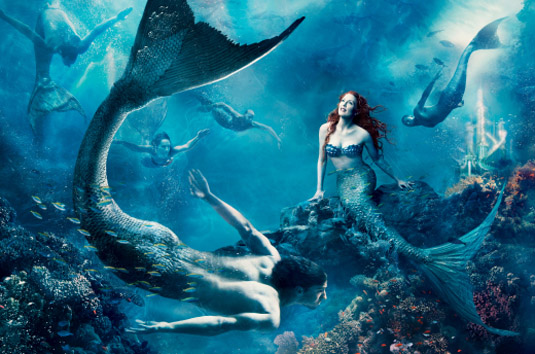
Dumbo and Mulan are both being directed by Tim Burton. No doubt this is due to the financial success of the first Alice in Wonderland movie (its 2016 sequel has been entrusted to James Bobin). In addition to all this, Sofia Coppola is set to direct an adaptation of The Little Mermaid, albeit for Universal rather than Disney.

Little Mermaid remake

And that leaves us with one question…

What Will a Live-Action Winnie The Pooh Movie Look Like?

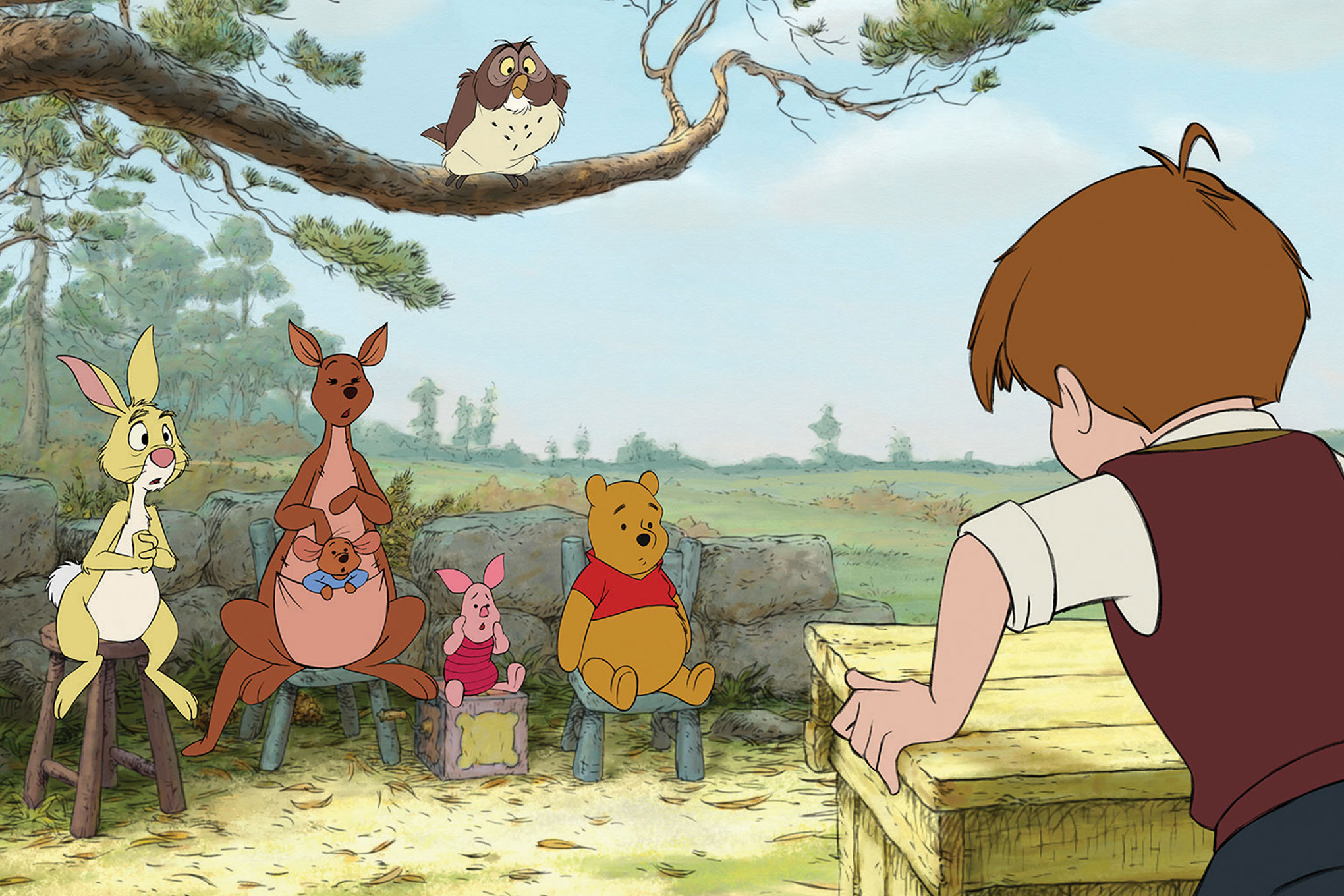
At present, it’s anyone’s guess. All we know is that it’ll feature a more “grown-up” Christopher Robin revisiting Hundred Acre Wood.

The other recent live-action anthropomorphic bear movie, Paddington Bear, which came out in 2014 made sense. The bear himself was animated and set amongst a host of real-life actors and sets. With Winnie the Pooh, however, it’s the other way around. It’s hard to imagine humans playing all of the Milne animals. Could everything be CGI animated with the exception of Christopher Robin?

In the meantime, there’s sure to be healthy debate as to whether or not the entire project is doomed to failure or should even be attempted in the first place.

pooh bear live action

What’s your take? Any live-action adaptations you’re actually looking forward to, or are you longing for this current trend to fizzle out? Let your voice be heard in the comments below…

Writing For Broadcast Journalism

writing for broadcast journalism

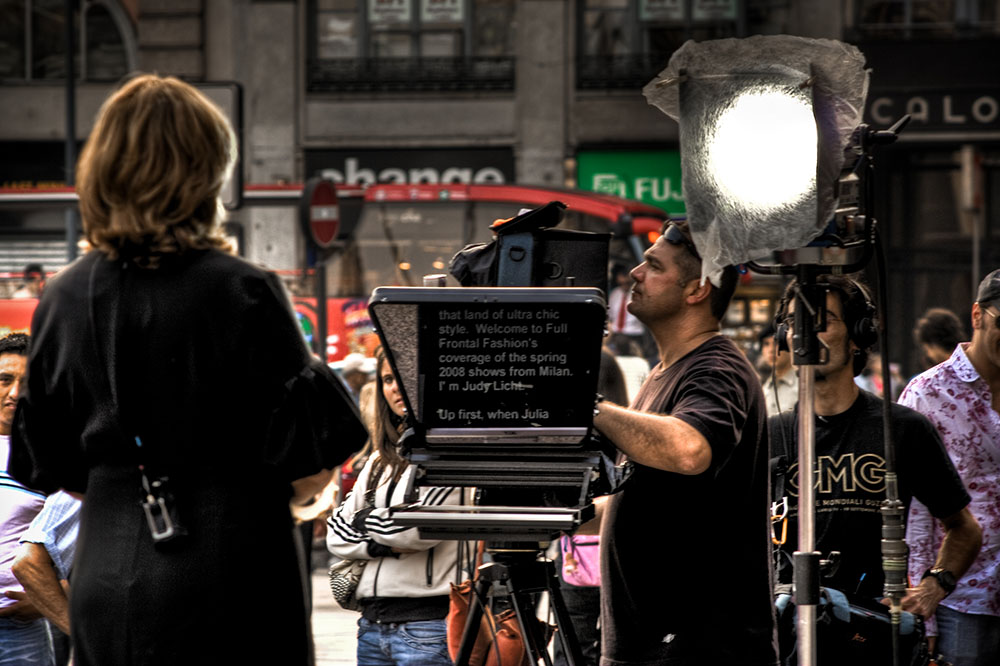
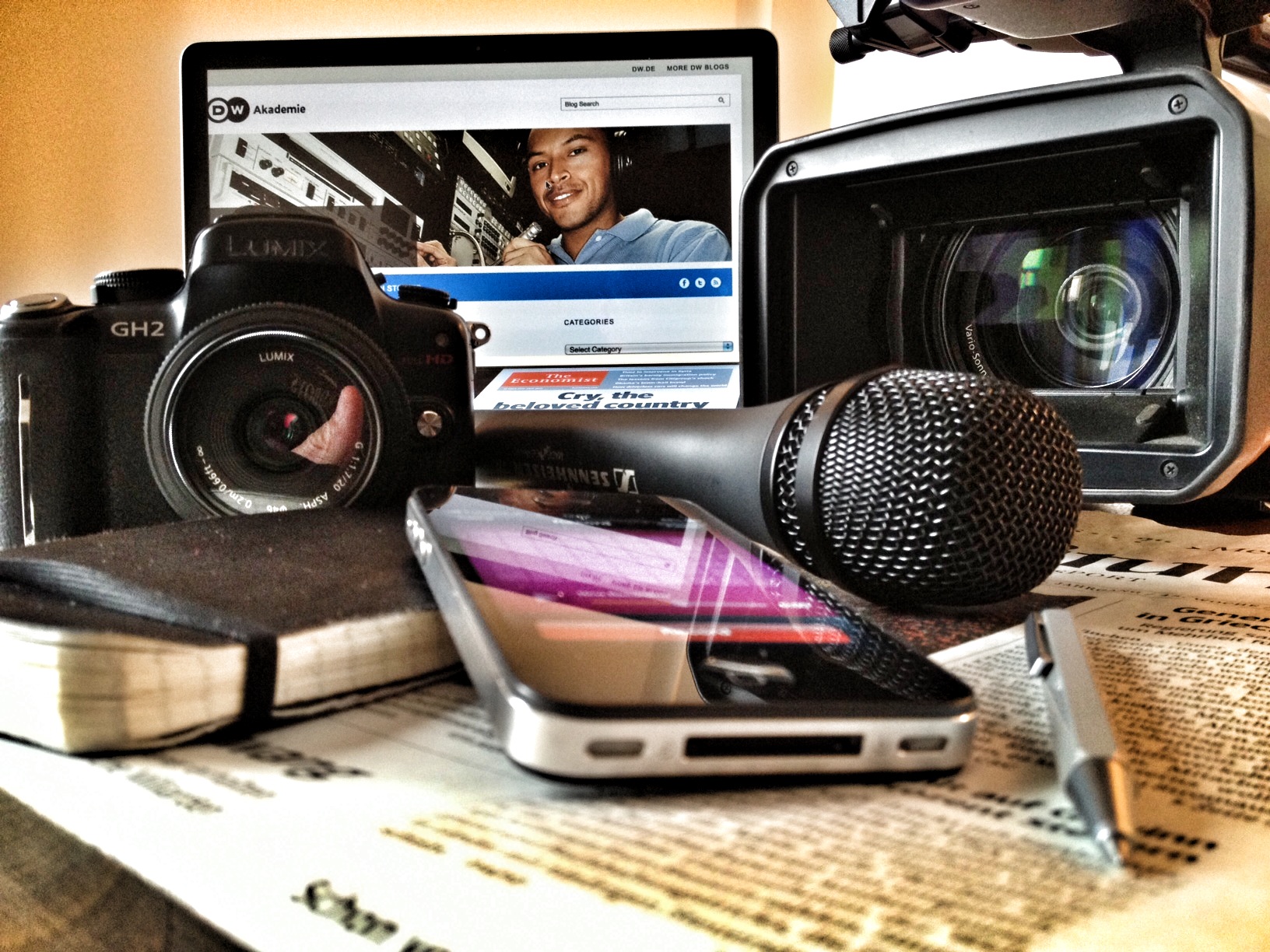
If there’s anything that you’ll learn when being taught journalism in our digital age, it’s that being self-sufficient is the key to your success. Journalists are now required to do their own research, interviews, recordings, editing and writing and the more all-round experience you have, the more likely you are to be employed. What network wouldn’t love a low-maintenance, multi-skilled reporter that’ll cut costs? It’ll be pretty difficult to find any I assure you.

So what are the best things to do to improve your skills? Well, knowing how to write for different news outlets is a good start. Broadcast news is significantly different from printed news because it’s multi-sensory, so the audience can see and hear the news being told to them as opposed to reading it themselves. This requires quite a few formatting considerations so follow these guidelines and you’ll be well on your way to becoming the next Barbara Walters or Anderson Cooper.

Keep It Simple Stupid – KISS

Regardless of whether it’s radio or television broadcasting, the fact that the audience is hearing and/or seeing their news as opposed to reading it means they need to understand it instantly. Having the news be told to them saves them having to put in much effort to obtain it so it must be concise, using as little words to get to the point as possible. Make sure you’re answering the essential top 6 questions: Who, What, When, Where, How, Why in as little time as possible. A much simpler vocabulary also works for reaching a larger audience and keeping them engaged.

Short And Sweet

Generally, radio and television news should not have sentences that go over 25 words – especially when it comes to the ‘lead’ of the story. Read the story out loud and if you find yourself running out of breath to finish a sentence, that sentence is too long. In broadcast copy, sentences should be able to be read in one breath so break it up into two separate ones if you must.

Conversational

As much as showcasing your writing style through flair and an extensive vocabulary is welcomed in print news writing, when reading it out aloud, it can sound labored and clumsy. When broadcast writing, do it so it sounds conversational and like a real speech instead of a script. If it’s not a word you’d use when talking with someone you know, then don’t use it in this case either.

Use Active Voice

Using an ‘active’ voice is essential when writing broadcast news copy. In an active sentence, the subject is performing the action whereas in a passive one, the main subject is either doing nothing or has something done to them. For example, an active sentence would be: “Bobby burned the house down” as opposed to the passive sentence: “The house was burned down by Bobby”. Bobby is the main subject but in the passive sentence, it becomes an inanimate object – the house. An active sentence should always have a subject that is actioning a verb and not the other way around.

Attribution

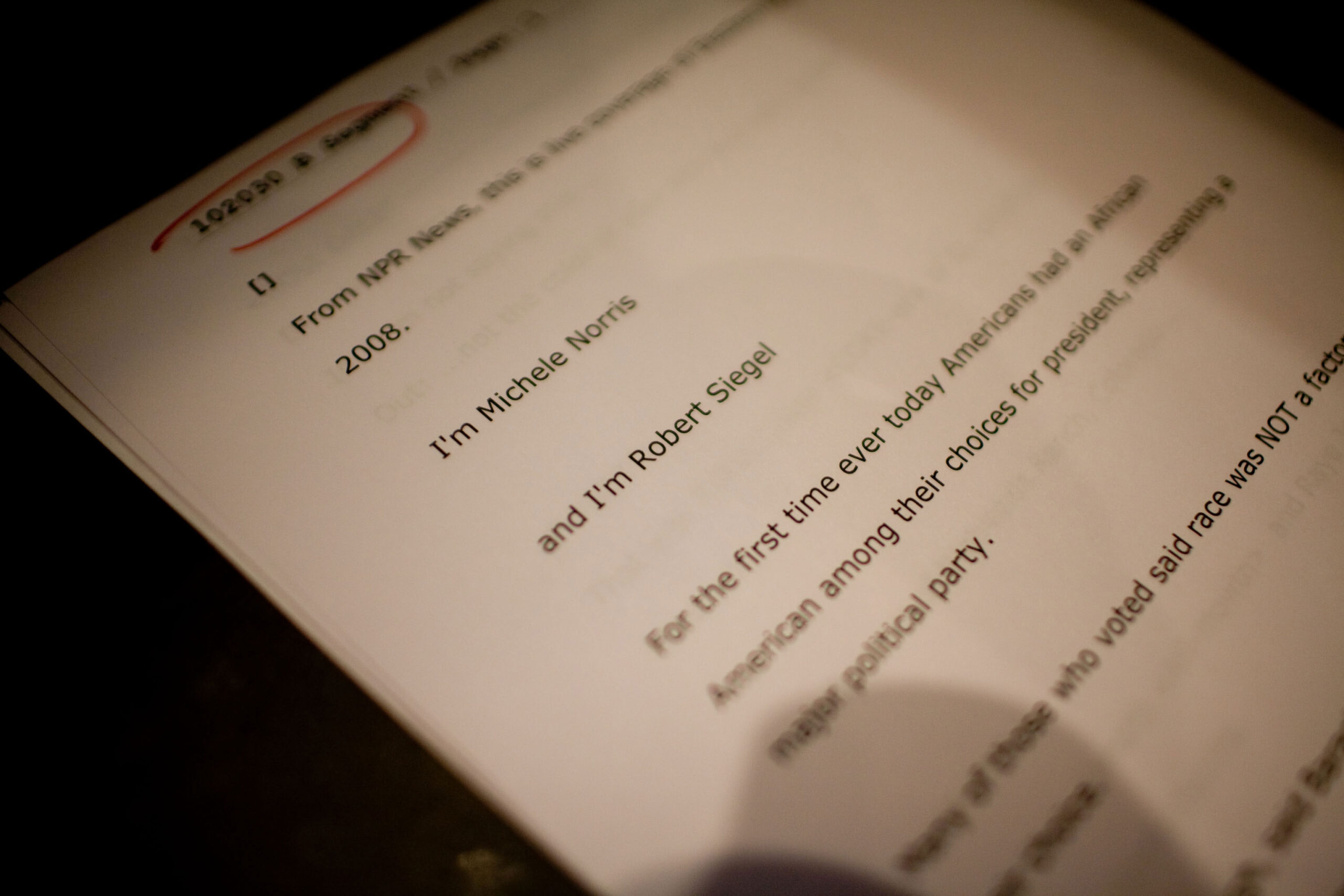
Unlike print news, attribution comes first and generally begins the news story. Example: “Police report that a man was shot dead”, instead of “A man was shot dead, police reported.”

female broadcast journalist

All of these guidelines apply to general broadcast news writing including radio and television. However, there are a few specific requirements for radio. These are as follows:

  • Keep the story about thirty seconds in length
  • Provide an interesting ‘tease’ that gives away enough information to engage the listener without repetition. A ‘tease’ is usually a comment related to the upcoming news ahead e.g. “Life without parole for serial killer John Cage. The details next, on 850FM news.”
  • If the show is not airing live, it’s also important to consider the time of day and know when your listeners are going to be tuning in to that broadcast.
  • Be concise, friendly but authoritative, snappy but remain eloquent.
  • Radio doesn’t have the luxury of visuals so you must be descriptive. Try to add words that speak of sounds, sights, aromas, and whatever else helps setting the scene.

broadcast journalism copy

Formatting for written copy

  • Double space everything and use a large enough font for easy reading.
  • Round up all numbers. Numbers and figures are informative and are quite essential in relaying a story in print news, but in radio, it just confuses the listener. Example: 514 waterways should become “more than five hundred waterways”. The exception to this rule is if the exact number is a crucial part of the story. For instance, “Electricity prices will be raised to three dollars and forty-five cents next month…”
  • Spell everything out in words like numbers or symbols. For example, instead of “$318” you’d write “Three hundred and eighteen dollars” or “Over three hundred dollars”.
  • Abbreviations and acronyms are a no-no. Spell out words in full like “versus” or “United States” as opposed to “vs” or “U.S.”
  • Underline any words that require a special emphasis. But use this sparingly, only for occasions where important clarifications need to be made. Example: “The legal age to buy alcohol is now twenty-one, not twenty-four.”
  • Spell out pronunciations of difficult or long words. Example: “Prime Minister Izatoote (ee-za-TOO-tee) landed at LAX airport this morning.”
  • Don’t use semicolons.
  • Use dashes for long pauses

new media journalism

Broadcast news has always opened up the reach of its audiences to amazing new heights from its humble beginnings in print – not to mention the multiplication of this with the advent of new media. This is why simplicity is so crucial when writing for broadcast media because the audience needs to understand it regardless of their educational or cultural background. So along with basic vocabulary and concise sentences, make sure your writing is also objective, unbiased and politically correct. It needs to be inclusive and prioritize the need to strictly inform without subjectivity. With this in mind and using the guidelines shown above, you’ll conquer the field in writing for broadcast journalism in no time.

Develop an understanding of research processes, writing segments, and producing live newscasts with NYFA’s variety of broadcast journalism courses, workshops, and programs. Visit our Broadcast Journalism School page to learn more.

Why Are Broadway Tickets So Expensive?

If you’ve got a passion for musical theatre and try to attend Broadway shows as often as possible, you’ll be very aware that it can be a costly business – ticket prices have never been higher, having finally surpassed the $100 mark for average admission last Summer.

And to some, $100 would be a bargain; while budget ticketing to off-off-Broadway musicals make the average figure look better, if you’re looking to see a blockbuster on the Great White Way it’s very easy to spend over $300 (at the time of writing, the most expensive Broadway tickets currently listed are $477 for the finest seats at The Book of Mormon and the average for that particular show is around $214).

So why is this the case? Why are Broadway ticket prices at alarming rates despite a comparatively slow-growing national economy?

A few reasons, and here are the main ones:

1) Because People Are Buying Tickets. It’s pretty much as simple as that – ticket pricing is set at the maximum that people are willing to pay, and attendance figures for Broadway shows (both musicals and non-musicals) has only gone up over the years.

2) Tourists. When you’ve traveled across the world to visit the Big Apple, hitting up a top Broadway musical is high up on the to-do list and tourists aren’t particularly price sensitive when it comes to selecting the best seats in the house to maximize the experience. In line with rising theatre attendance statistics, both domestic and international tourism to NYC is on the up.

3) Profit. The cost of putting on a show is exorbitant and rising, averaging around $2,400,000 to produce (give or take) and another $300,000 per week in operating costs. For musical theatre, it’s even higher at $9,700,000 on average per production and a massive $590,000 in weekly running costs… and there are only a finite amount of seats in which to generate revenue, cover costs and hopefully give investors a return.

This point leads on to a pretty good follow on question: how on earth can a Broadway musical burn through so much money?

Broadway Musical Production Costs: A Breakdown

When compared to equivalent productions in London’s West End, the production costs of Broadway musicals are highly inflated (one case example points out how a West End production cost $565,000 to mount and another $105,000 per week to run, whereas it’d have cost $2.8m and $260,000 per week to launch on Broadway.)

But let’s get into where all of that money goes. Let’s assume that a musical’s final production budget is a nice, round $10 million. The costs which contribute to that include:

Physical Production: The cost of creating the set, props, costumes and anything else that is necessary to physically stage the production. Typically around $2m at the lowest level, or a fifth of the budget.

Talent Fees: These can get lofty depending on the celebrity status of those involved, but talent fees cover any upfront charges levied by people not on salary (the directors, writers and set designers usually fall into this category). Can cost as much as $1m, or 10% of the budget.

Advertising/Marketing: One of the biggest costs that any Broadway musical will face, and also the most variable. As a conservative estimate, this will take up 30% of the budget at around $3 million.

Rehearsal Salaries: Although the actors, stagehands and other staff will get paid a salary during the running of the show, they’ll also need paying for rehearsals before the production mounts. This can cost around $250,000 just for the rehearsal time alone given that Broadway actors aren’t cheap – those with an Actors Equity contract get a base pay of $1,700 per week, and this can rise to sky high levels for celebrity talent. Instrumentation is a big expense too; even with a just a skeleton orchestra for rehearsals, getting a few people together who have got a good musical education and violin lessons behind them can cost at least $10,00 per week, per musician.

Rehearsal Space: Renting an area for both auditions and rehearsals can cost another $250,000, so along with the talent, you can expect to blow $500,000 (or 5% of the budget) just on getting the team ready for the big time.

Admin Costs: Anything and everything from legal to insurance fees. Around $1 million, another tenth of the budget, is typically reserved for these.

Sundries: An additional $2.5 million will be put aside to cover any unforeseen expenses, and also to cover actors’ Union Bonds and advances to authors/directors (which will hopefully be recouped early into the show’s run.)

Bearing in mind that this is just the start of the costs and that weekly operating expenses are yet to come, and it’s easy to see why producers and investors nervously jack up ticket prices in order to at least break even. That said, gross profits are in steep ascent and have been for quite some time.

How to Get Cheap Broadway Tickets

If you’re looking to beat the rising prices and pay less for Broadway tickets, there are a few tips to bear in mind:

1. Shop around for the best prices since they’ll vary a lot from site to site, but save yourself some time and avoid eBay. It’s generally only useful for finding tickets to sold-out or hard to get seats, and you’ll pay a high price for them.

2. If you’re really serious about musical theatre, why not join a musical theatre school? Theatre acting schools will not only help you get to see the craft from the other side, but you’ll also make connections and get free tickets to shows (and naturally, you’ll never miss the ones you’ve got a part in!)

3. Another benefit of studying is that you’ll be eligible for student rush tickets: those sold on the day of the performance at the box office at hugely discounted prices. You may have to wait in line for as much as a couple of hours, but the savings are usually more than worth it.

4. Don’t forget Standing Room Only tickets. Though the discomfort of not having a seat isn’t for everyone, it’s a great way to see a lot of shows in any given month for very little money (and there’s a good chance of rubbing shoulders with producers and directors in the standing area, too).

5. Craigslist can be surprisingly good for deals, especially when someone has had to cancel their plans at the last minute and recoup whatever they can for their ticket. You’ll have to dig amongst the silt for the real jewels and be wary of scams, but it’s worth a shot.

How to Shoot a Documentary

As we’ve covered previously, 2014 was a solid year for documentary filmmaking, and this raises a question…

… are you going to be part of 2015’s legacy?

how to shoot a documentary

Whether you’re still grafting at documentary filmmaking school or already qualified and shooting out in the field, it’s never a bad idea to take pause and reflect on some of the best practices of crafting a documentary (while you work on innovating and finding your own ‘voice’.)

No matter what level of experience you may currently find yourself, let’s revisit what’s at the very core of our artform:

1. The Golden Rule: There Are No Rules

It sounds corny, but there really isn’t a blanket tip that will bring the best out of every documentary. If there’s one single thing that should be kept in mind, it’s that every story will require different telling techniques: you’ll have to rummage through your cinematography toolbox and figure out which tool is right for the job, and that kind of intuition (as well as acquiring the tools in the first place) only comes through practice.

how to shoot a documentary tips

Another thing to keep in mind is that no amount of practice or experience will ever see you knowing it all, so with that in mind…

2. Surround Yourself With Talent

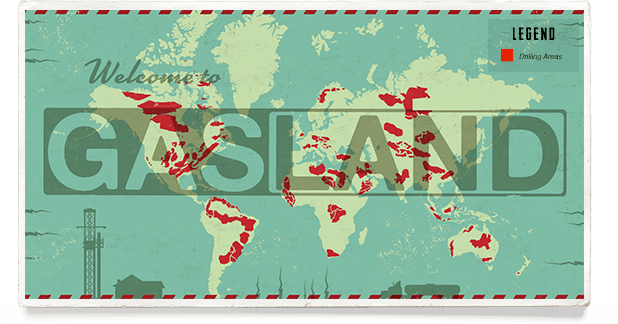
We can think of very few documentaries that are written, directed, shot and produced by a single-person film crew. In fact, Gasland is the only critically notable example that springs to mind, and even that ended up having a few people working on it by the end of production.

Gasland

We’re not saying it’s impossible to go it solo, but unless you’ve got absolutely no other option, it’s not going to be an easy (nor probably enjoyable) experience and you’ll inevitably end up not doing the documentary the justice it deserves.

Instead, seek out people who are gifted in their respective fields and you’ll set yourself up for success. This may sound difficult – especially when on a budget – but you’ll probably find it’s easier to find folk that share your vision for a documentary than for a feature film. It’s not hard to convince people to take part in covering an issue they’re also passionate about, whereas trying to explain why your script about zombies in space is going to be the ‘next big thing’ can be an uphill struggle.

This is also one of the biggest benefits of documentary school: you’ll never be short of bright stars with which to collaborate.

3. Shoot a Film, Not a Documentary

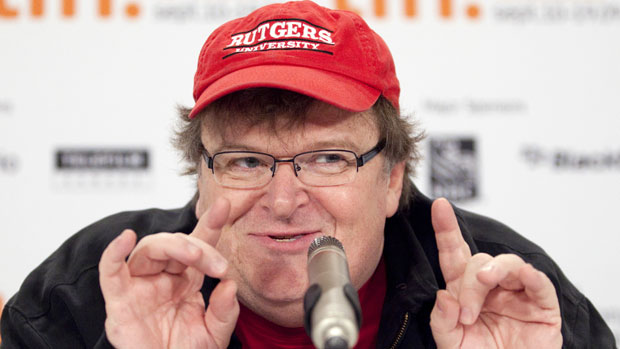
Michael Moore is one of the most controversial documentary filmmakers of the modern age; love him or hate him, he certainly knows how to push buttons and get his documentaries seen, so his views on the craft are worthy of consideration.

Michael Moore documentary tips

Amongst many good points raised during a candid interview with Indie Wire, Moore observes that people go to see movies for the exact same reason they see documentaries: “They want the lights to go down and be taken somewhere. They don’t care whether you make them cry, whether you make them laugh, whether you even challenge them to think – but damn it, they don’t want to be lectured, they don’t want to see our invisible wagging finger popping out of the screen. They want to be entertained.”

In short, your documentary should provoke an active emotion out of the audience – whatever that may be – not just give them information…

… there are Wikipedia pages for that.

4. Exposition Bad, Bad Reenactment Worse

As you’ve probably already figured, an exposition overload rarely makes for engaging viewing. One way that documentary filmmakers try to get around this is to reenact past events using actors – surely it’s the only way to portray a real-life event when no actual footage of it exists?

thin_blue_line_04

Quite often, yes; but a terribly executed reconstruction scene can be more jarring to an audience than any lengthy voiceover possibly could be. Check out some great documentaries like the Thin Blue Line, Man on Wire and the recent 1971 to see how it’s done well and try to emulate their techniques, but if you don’t feel like you’re going to be able to do it effectively, it may be time to pick another tool from the toolbox.

5. Ignore the Big and the Small

Too many documentary filmmakers first starting out worry about whether or not they’re covering big enough stories. Why focus on a homicide in a rural, Midwestern town when you can expose the entire US government, right?

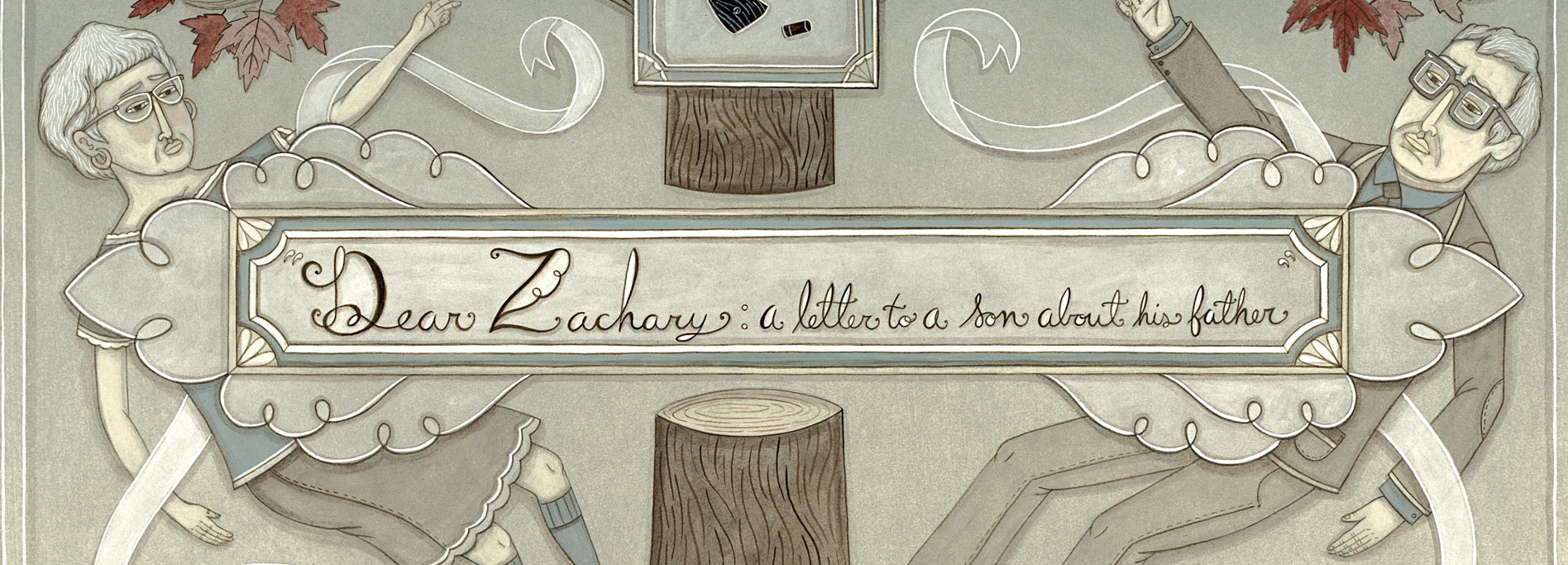
Wrong. A thousand other people are going to try and tell the story of the NSA, but only one is going to end up making CitizenFour. On the other hand, only one Kurt Kuenne could have created Dear Zachary.

dear zachary poster

By focusing solely on a huge story just because it’s huge, you run the risk of being totally blindsided by it and never really finding ‘your’ angle to the whole thing. But if you stick to the age-old adage ‘shoot what you know’, you’ll be able to really own the project. You’ll also find that the locality or niche-nature of the documentary won’t hamper the chance of it getting mainstream appeal in the slightest.

If you think a story is worth telling, it almost certainly is.

Just get out there and tell it well.

The Best Documentaries – Nine Films of Alex Gibney

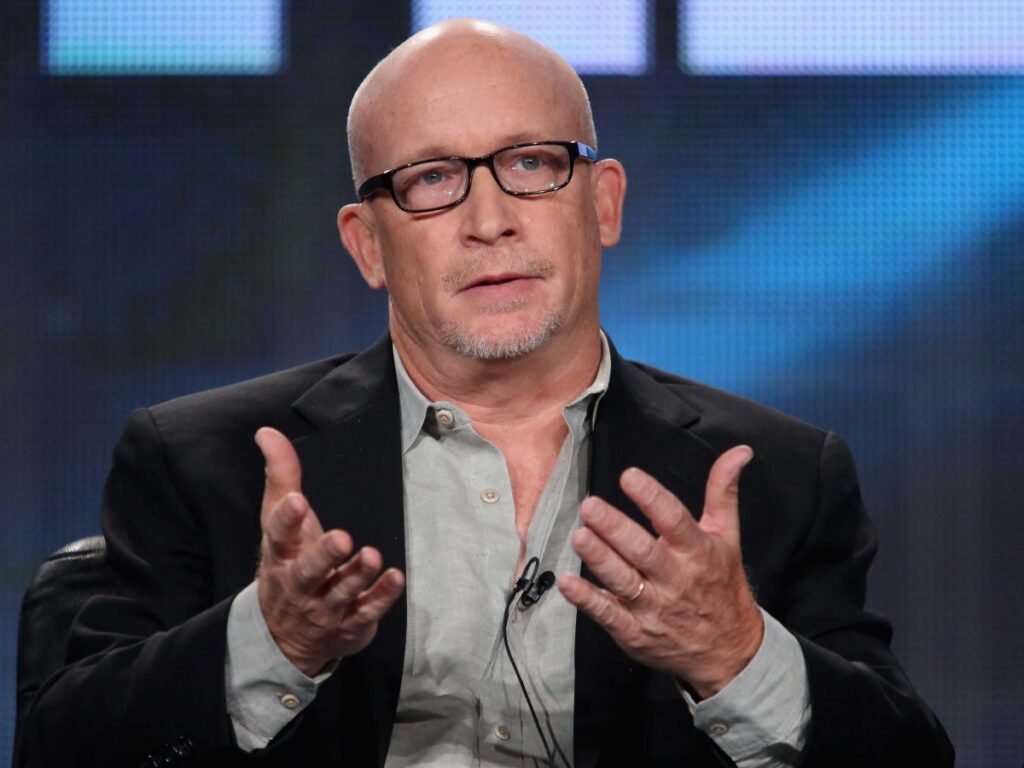
Alex Gibney

On the short list of current documentary filmmakers that can create a world of buzz with a new film, Alex Gibney is near the top. Born in New York City in 1953, Gibney went to film school after getting his bachelor’s degree from Yale University. The son of a journalist and stepson of a Reverend, his films often show great concern for finding the inherent truths of their subjects, while also possessing a moral compass that orients Gibney’s relationship to both the subject and the audience. The following are nine documentaries from Gibney’s filmography that illustrate the work he’s done for the form.

1. Enron: The Smartest Guys in the Room

Based on the 2003 best-seller of the same name, Enron: The Smartest Guys in the Room depicts and analyzes the Enron Corporation’s headline-making collapse due to massive corruption at the highest levels and the epic scandal that followed. Gibney’s film, released in 2005, includes interviews with Enron executives and other employees, as well as stock analysts and reporters, including the book’s authors, Bethany McLean and peter Elkind. Released in 2005, Enron was nominated for an Academy Award and won the Independent Spirit Award for Best Documentary in 2006.

2. Taxi to the Dark Side

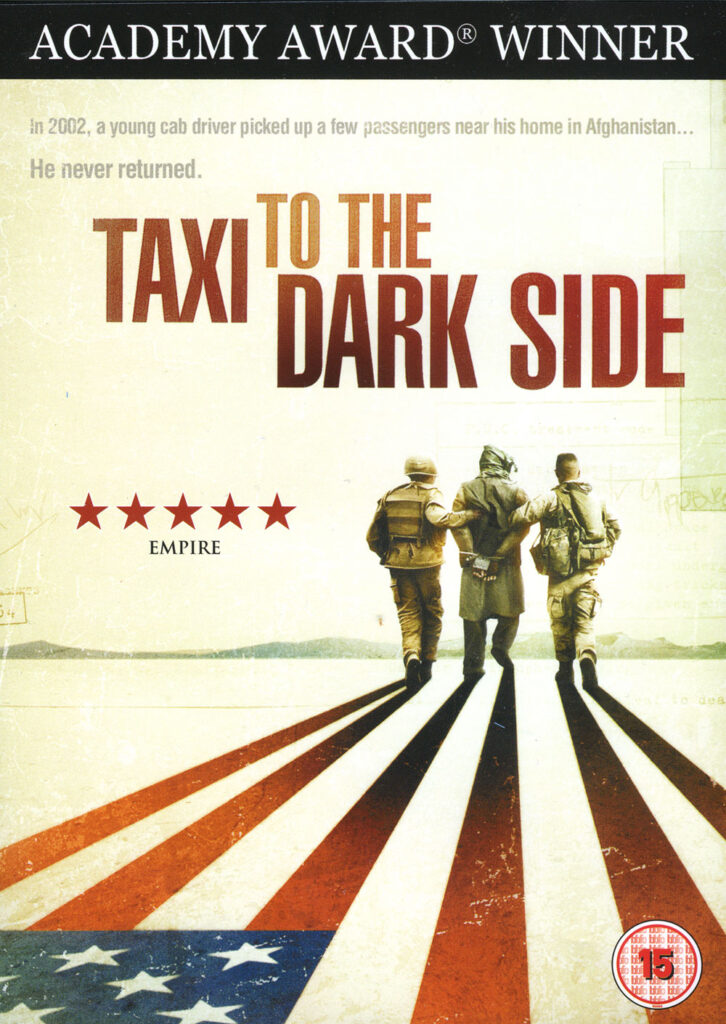
Gibney didn’t win the Oscar for Enron, but he did the following year for Taxi to the Dark Side, which documents the horrific story of an Afghan taxi driver tortured and beaten to death by American soldiers while in prison. The film broadens its subject to the American policy on torture and enhanced interrogation and, by interviewing political and military experts on both sides of the issue, examines the ethics of torture as well as its effects on pop culture and its relation to the Geneva Convention.

Taxi to the Dark Side DVD cover

3. Gonzo: The Life and Work of Dr. Hunter S. Thompson

Released in 2008, Gonzo tells the story of groundbreaking journalist/author Hunter S. Thompson, using interviews with friends and family to add insight into the enigmatic writer’s life. The documentary was nominated for the Grand Jury Prize at Sundance and the WGA’s Best Documentary Screenplay award, and is one of the few documentaries with a Grammy nomination, for its album notes co-written by Johnny Depp and Douglas Brinkley.

4. Freakonomics

The Freakonomics movie was four short documentaries packaged together, all based on stories depicted in the best-selling book of the same name by Steven D. Levitt and Stephen J. Dubner. Each documentary had a different director, including Morgan Spurlock, Eugene Jarecki and Rachel Grady. Gibney directed the second segment, “Pure Corruption,” which concerned match fixing in Sumo wrestling, a scandalous yet prevalent feature of the Japanese sport. Freakonomics premiered at the Tribeca Film Festival in 2010.

5. Casino Jack and the United States of Money

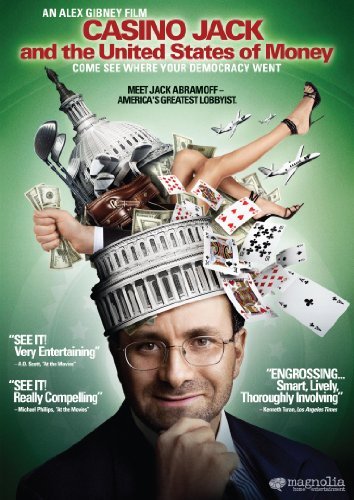
Released in 2010, Casino Jack tells the story of Jack Abramoff, the D.C. lobbyist who went to prison for orchestrating a massive bribing scandal involving him and several lobbyists, politicians and congressional staffers, including a Congressman and two White House officials. While focusing on Abramoff, a conman and schemer, Gibney takes a broader look at the corruption embedded in the nation’s capital and its inner workings.

Casino Jack and the United States of Money

6. Client 9: The Rise and Fall of Eliot Spitzer

At first glance, Client 9 seems to be another of Gibney’s intensive looks at political corruption at the highest levels. While that is certainly an important component of the film’s DNA, Client 9 is a more personal look at one individual, former Governor of New York Eliot Spitzer, whose meteoric rise and White House aspirations collapsed under his epic prostitution scandal. Client 9 premiered in Spitzer’s home state at the Tribeca Film Festival in 2010.

7. We Steal Secrets: The Story of WikiLeaks

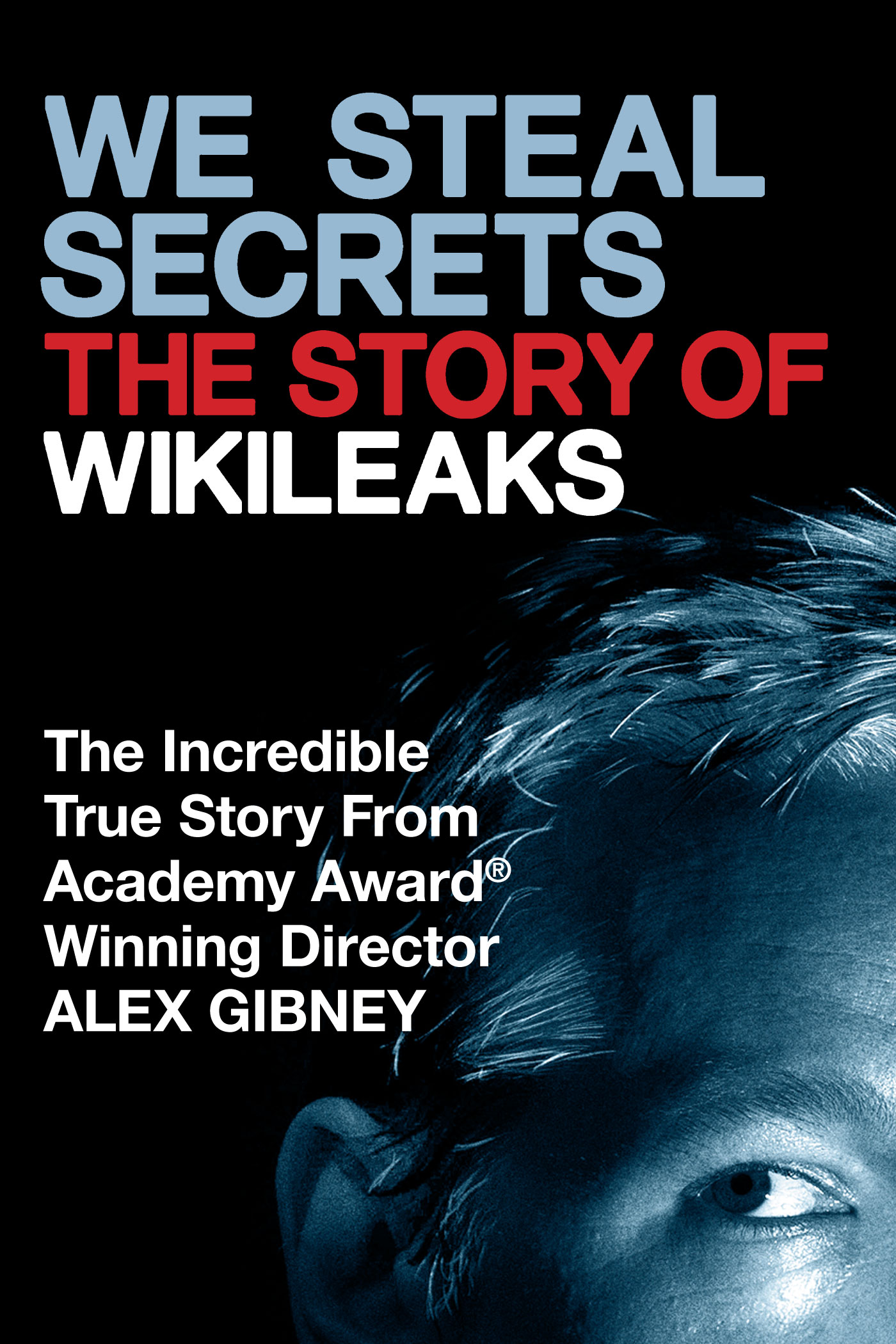
Gibney again tackles the darkest corners of the current political climate, but rather than taking a broad view or a specific look at an individual, he takes focus on an organization—WikiLeaks. The documentary covers the history of WikiLeaks and the context that led to its creation, including a 1989 hacking of NASA and a timeline of WikiLeaks’ major whistleblowing efforts, culminating in Chelsea Manning’s leak of classified war footage and documents. A story about WikiLeaks and a story about its founder, Julian Assange, go hand-in-hand, but Gibney interviews several people, including Manning, and uses previous interview footage of Assange himself.

We Steal Secrets: The Story of WikiLeaks

8. Finding Fela

Gibney narrows his focus again to a single individual for Finding Fela, offering an intimate look into the fascinating life and career of musician Fela Kuti. The documentary premiered at the Sundance Film Festival in early 2014.

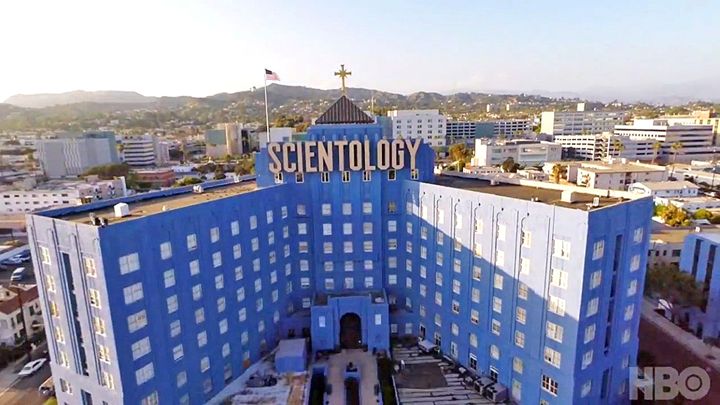
9. Going Clear: Scientology and the Prison of Belief

Currently airing on HBO, which produced the film, Alex Gibney’s Going Clear is adapted from Lawrence Wright’s book of the same name. Once again Gibney tackles a powerful institution and the controversy that surrounds it—this time the Church of Scientology. Gibney uses provocative footage of Scientology conventions and meetings, and interviews prominent ex-Scientologists, many either famous or former high-ranking members of the group. Gibney also includes footage from one of Scientology founder L. Ron Hubbard’s rare interviews. Before airing on cable, Going Clear premiered at the 2015 Sundance Film Festival, continuing Gibney’s streak of event-filmmaking.

Scientology church from Going Clear

Interested in telling stories of your own? Check out our documentary school programs today!

Product Placement in Movies: 5 Blatantly Obvious Examples

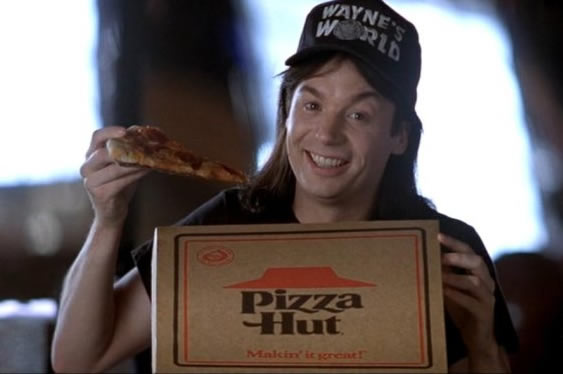
Wayne's World Pizza Hut

Product placement is such big business that it has become an industry of its own, with around $14 billion being paid to shoehorn real-world brands into the fictional worlds we see on screen.

It’s already becoming comparable to the $64 billion spent in traditional TV advertising, although in one respect there’s a big difference: traditional advertising is failing. Some key figures (from Bloomburg Business):

– 66% of viewers skip, mute or otherwise ignore TV adverts

– 90% of people watching pre-recorded media skip the ads

– 78% of marketers feel that TV advertising is sharply declining

The answer? Put the ads in places where viewers can’t skip them.

As a result of the above, TV shows still account for 71.% of the product placement market, but some of the best – and most blatant – examples of product placement have come from the big screen. With this in mind, the New York Film Academy‘s film school department in Los Angeles decided to put together a list of some of the most expensive, ridiculous and less-than-subtle examples of product placements in movies.

The Skyfall Heineken Scene

When news broke that James Bond was set to sip from a Heineken bottle rather than the iconic martini glass in Skyfall, 007 fans got more than a little shaken (sorry). Responding to the charges that the franchise had sold out to jarring product placement, current Bond actor Daniel Craig simply responded: “It’s unfortunate, but that’s the way it is.”

Turns out there was very little to worry about. When the movie was finally released, Heineken’s appearance – for which they paid $45,000,000 – was a blink-and-you’ll-miss-it affair. To help you spot it, we’ve timestamped the video above to the exact moment that Heineken sort of gets featured… with Bond’s hand obscuring the label.

To rub salt (and a dash of lime) into the wound, another branded drink is portrayed prominently during the movie for seemingly no reason; Macallan’s whiskey didn’t pay a cent for the product placement, and weren’t even aware their tipple was going to be featured so heavily aside from granting a permission request to use the brand. Not bad going considering that the movie gave Macallan a whopping $9,000,000 worth of exposure value.

All in all, around $200 million in product placement was accepted by the Skyfall production from the likes of Sony, Adidas, Heineken and the usual luxury car brands. Screen time aside, this wasn’t actually the first time Bond’s poison of choice has been swapped for an advertising partner’s, just the most outrage-causing.

Mac and Me: Ultimate Product Placement

https://www.youtube.com/watch?v=W2zS8greWos

No list of notable examples of product placements in movies would be complete without mentioning Mac & Me.

The movie doesn’t just feature heavy product placement. It is product placement.

The entirety of Mac and Me – a painfully obvious rip-off of E.T: The Extra Terrestrial and strong contender for one of the worst movies ever made – runs like one tediously long commercial for Coca-Cola and McDonalds. It would be far easier to list the scenes in which either company’s products don’t appear than the scenes in which they do.

The movie even manages to push the already high-bar for blatancy that it itself sets from the off. Just when you think the product placement couldn’t get any sillier, the impromptu McDonald’s dance (viewable above) begins apropos of absolutely nothing. Taking it one step further, the screenplay then calls for Coca-Cola to be the only thing that can revive a creepy-looking alien and ultimately save the day…

… and don’t worry about the spoiler – we just saved you 90 minutes of your life.

E.T: M&M’s Missed Opportunity

We can’t discuss the failure of Mac and Me without also covering the great success of E.T’s product placement of Hershey’s (bonus fact: Mac and Me was entitled such because Spielberg’s film was originally going to be called E.T and Me. Again, the rip-off was almost as shameless as the product placement.)

Mars – parent company behind M&Ms – was originally approached for an endorsement by E.T’s producers, but the confectionery overlords didn’t feel that the payoff would be worth it despite making the exact same mistake with Seinfeld.

And a mistake is surely was. The offer of product placement was quickly snapped up by Hershey’s to promote their Reece’s Pieces instead, paying $1 million to have the candy featured in the movie and for permission to use the eponymous extra terrestrial in their own advertising campaigns.

It was one of the earliest large-scale (and successful) examples of product placement in cinema history. Hershey’s saw an immediate 65% jump in profits thanks to the blockbuster’s success, and some marketer at Mars probably got fired.

I, Robot: Converse All-Stars, Vintage 2004

I, Robot is famous for its over-the-top product placement sprinkled liberally throughout the movie from brands like Audi, FedEx and JVC, but it was the outrageously unsubtle (and repeated) references to Will Smith’s ‘vintage’ Converse All-Stars that stuck in most viewers’ minds. Check out the video above, and you’ll see what I mean.

I, Robot also achieved something of a first in product placement history. As far as we know (feel free to correct us in the comments below), it was the first movie in which a car was specifically designed for product placement within a movie: the Audi RSQ concept car was made with I, Robot in mind, and according to Audi AG, the project was a success in terms of raising positive brand awareness.

Transformers 4: The Age of Beats

Michael Bay has always been prone to accepting any product placement revenue that comes his way. Someone’s got to fund all those CGI explosions, right?

But the amount of product placement in Transformers 4: Age of Extinction – and particularly the manner in which it appeared – put the movie up there with Mac & Me in the ‘most shameless’ league. From the incredibly cringeworthy appearance of Dr. Dre’s Beats speakers and the Bud Light non-sequitur (seen in the video above), you don’t get much more jarring than this…

… except for the product mentions that jarred even more as the movie went on. Resulting from trying to appease Chinese advertisers, much confusion was caused for American audiences in scenes where characters – supposedly in Texas – drank things like Shuhua and Yili milk, Chinese protein products, and Chinese Red Bull. Construction Bank was also featured prominently, which didn’t make a lick of sense to anyone outside of China.

Even the brands across the Pacific weren’t overly impressed with how it was handled, with some of the featured brands threatening lawsuits against Paramount for the shoddy handling. It’s little wonder that Transformers 4 is being billed as one of the worst examples of product placement in recent memory.


Demolition Man: Taco Hut?

The product placement of Taco Bell in Sly Stallone’s 1993 sci-fi action bonanza couldn’t be more obvious – it’s literally highlighted with neon signs – but that alone doesn’t make it a notable entry into this list.

What’s interesting about the product placement here is that some people remember it as Taco Bell, while others remember it as Pizza Hut. The reason? Because Taco Bell isn’t known in all regions – particularly Europe – so this was changed in post production with some heavy overdubbing for release in those areas.

We’ll let you watch the above comparison and decide whether or not they did a good job.

Wayne’s World: This.

And lastly, the finest product placement parody in movie history: that’s right, we’re closing off with this gem of a scene from Wayne’s World in which Pizza Hut, Doritos, Reebok, Nuprin and Pepsi are all crowbarred into the script in little over a minute…

… although technically, this famous example might not actually qualify as product placement since there’s no evidence to confirm whether or not any of the above-listed brands actually paid for these plugs, or whether it was simply done for comedic purposes.

Know of any other shameless examples of product placement we might have missed? Head on down to the comments and let us know your favorite and/or most cringeworthy moments in movie advertising!

Back To The Future’s DeLorean Made of Photographs

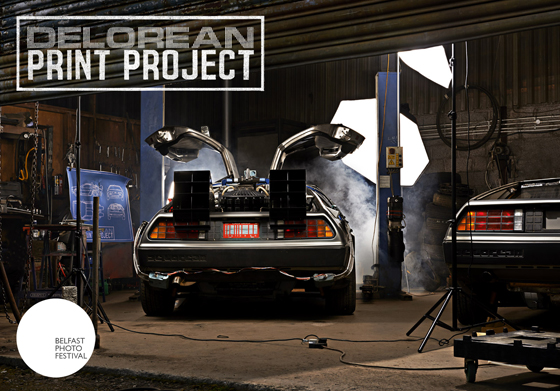
DeLorean Print Project Belfast Photo Festival

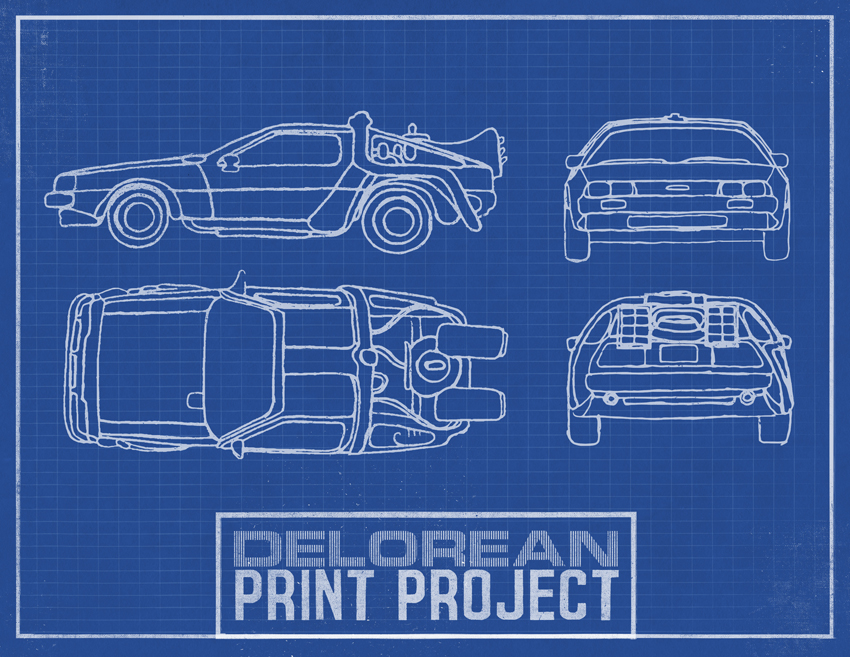
2015 is a year with many anniversaries, but one in particular that film and photography buffs around the world can celebrate is this is the year Marty McFly famously traveled to in Back to the Future 2. To commemorate this particular anniversary, the internationally recognized Belfast Photo Festival will be building and sharing its own DeLorean, but with a twist.

Fusing the mediums of both sculpture and photography, artist Cyril Hatt will work with more than 150 former employees of the DeLorean Motor Company to build a replica of the DeLorean from Back to the Future 2 through an in-depth photographing of the original car, with each image then printed on to aluminum plates that will be assembled to create a life-size replica of the car.

The DeLorean factory was originally based in Belfast and the former employees intend to reunite once more to celebrate the cult following the car has earned along with the 35th anniversary of its world debut.

One of the many interesting facts that have come out of the planning for this anniversary is that the former employees of the factory actually added their own personal touches to the car—throughout the inner body of the car are messages inscribed by the employees that provide a singular look into the anticipation and joy they felt while working at the DeLorean Motor Company.

To make this a celebration unlike any other, the former employees will travel from all around the globe to meet in Belfast and join the staff of the Belfast Photo Festival in adding a new generation of unique messages to each new photographic aluminum plate that make up the Back to the Future DeLorean Time Machine.

Anyone attending the Belfast Photo Festival is invited to stake a claim on a piece of this one-of-a-kind photographic sculpture. Visit Belfast Photo Festival or the festival’s Kickstarter page to learn how you can help make this project a reality.

DeLorean Print Project

The Academy’s Photography School students are encouraged to look into this campaign to get ideas for their own work.

A Brief Look at the History of Broadcast Journalism

EARLY DAYS – 30s & 40s

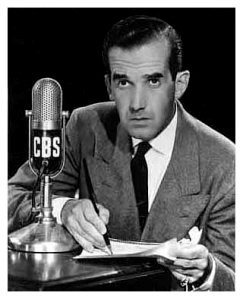
Edward Roscoe Murrow“Edward Roscoe Murrow” – the significance of this name in broadcast journalism cannot be overlooked for those who are remotely interested in the topic. Following the advent of FM radio in 1935, Murrow was assigned by CBS –the largest radio network in the United States at the time – as director of talks. But it wasn’t until his move to London in 1937 to become the network’s chief correspondent for Europe that he became a household name. Having gathered the best group of reporters to work with (famously known as “Murrow’s Boys”) he oversaw the creation of what we know today as foreign news broadcasting.

Murrow's Boys

Radio news broadcasts did exist prior to Murrow’s famous words “This… is London” having permeated America’s airwaves in 1937 and capturing the minds of its people but was only ever limited to 15-minute or two 5-minute daily broadcasts where local commentators reflected on local news. This was also largely entertainment-based as it was during the Depression and people turned to the radio to escape – either that, or commentators merely recited the headlines of newspapers. Murrow’s program would be the first time a reporter in the field would produce a daily national broadcast through communicating with a central New York City anchor.

Reporting on the war from beleaguered London through his program World News Roundup, his cogent outlook teamed with his mastery of language influenced Americans to believe in a war they did not want nor think was worth meddling in. His report on the Nazi concentration camp in Buchanwald was one of many broadcasts that hold considerable historical significance in broadcast journalism until this day.

https://www.youtube.com/watch?v=wYVn0hzcSs0&feature=youtu.be

In a survey then taken in 1940, 65% of respondents had stated that radio was their preferred source of news and Murrow’s audience had grown to 22 million, including President Roosevelt and his cabinet. Then in September of 1940 – the month of London’s bombing by the Germans, the percentage of Americans voting to aid Britain raised from 16 to 52. As a result, Murrow’s journalistic career failed to meet its match in the generations that followed whilst his peers continued to emulate his style for decades onwards.

TELEVISION IS BORN

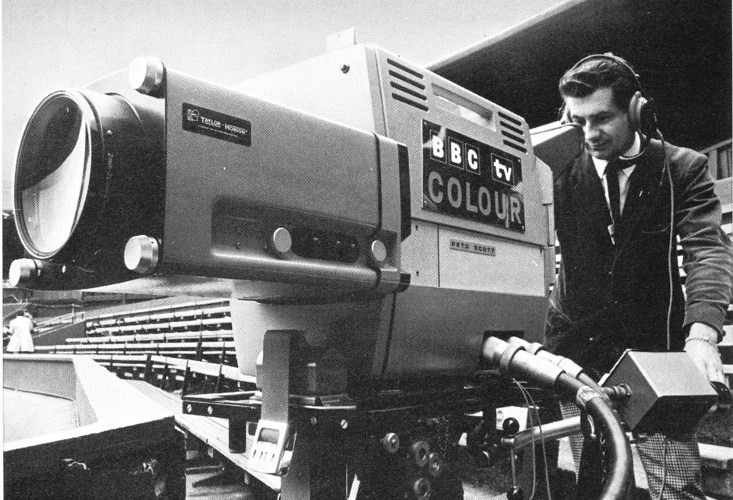
BBC color TV

When Murrow arrived back in New York City in 1941, to his surprise, he’d become a star and was immediately approached to host a weekly television program. Television was still in its infancy and hadn’t established a news program until Meet The Press ended up debuting on NBC in 1947 (this also ended up being the longest-running show in television history). However, Murrow’s program See It Now aired soon after in 1951 and continuously broke new ground in its field whilst being considered the most innovative program of its era. It presented stories of ordinary people into powerful commentaries about social and political issues. His “Boys”, Joseph Wershba, Charles Collingwood and David Schoenbrun – who became respected broadcast journalists in their own right – also used crafty editing features in their reports for the show. Their work consisted largely of unscripted interviews and effective “crosscuts” where fragments of lengthier interviews were arranged in order to flow with the narrative and have sharper focus – things that became standard features of television journalism.

MOST NOTABLE EVENTS IN TV NEWS COVERAGE

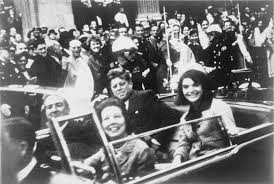
Kennedy Assassination

In 1963, the Kennedy assassination was what thrust the spotlight on television as the new best way to consume current affairs. As the tragedy unfolded in front of the nation, it demonstrated how television could show the shooting and moment-to-moment action that neither newspapers nor the radio could.

Walter Cronkite

In 1968, despite the ensuing political onslaught, CBS News anchor Walter Cronkite strayed from traditional journalistic reporting and spoke wholeheartedly in the evening news broadcast about how the war wasn’t winnable.

52 Americans capturered by Iranian militants

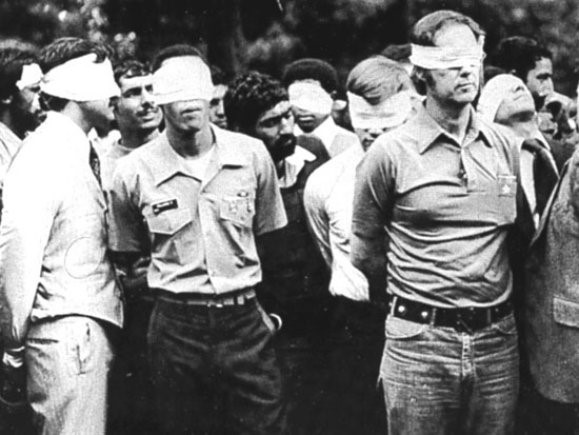
In 1979 when 52 Americans were captured by Iranian militants from Tehran’s U.S. Embassy, television viewers needed extensive information beyond regular network’s evening newscasts. This prompted ABC to create a late-night news program called Nightline. Unlike shows like 60 Minutes, it was produced every day with live coverage accessed via new satellite technology. It was the first time viewers could get interviews and further analysis on the day’s top stories.

NASA Challenger explosion

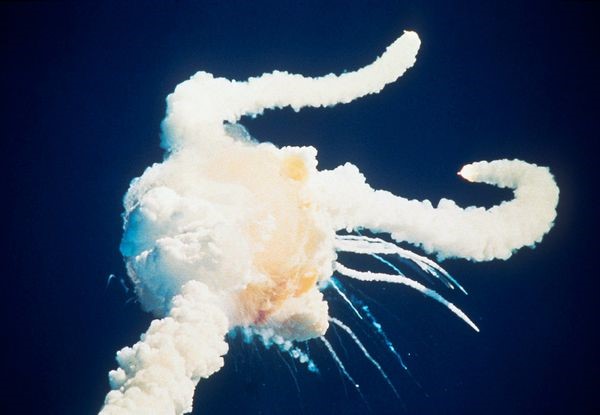
1986 was the year that children witnessed the launch of NASA’s Challenger and experienced the tragedy of live television. It unexpectedly exploded whilst carrying its first private citizen, teacher Christa McAuliffe. The lesson of media here was that anything live cannot be edited or filtered thus can be heartbreaking.

OJ Simpson trying on gloves

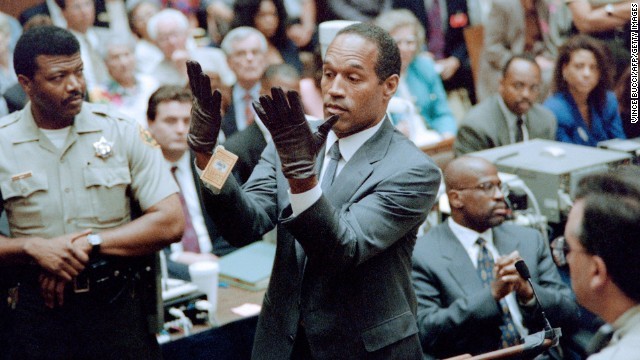
The O.J. Simpson trial in 1994 took place in Los Angeles, allowing for all the right tools to be accessed for extensive coverage. Millions of viewers watched as cameras were allowed in the courtrooms and live helicopter photographs allowed for snaps of Simpson fleeing the crime scene. The “Trial of the Century” would have been merely a footnote in sports and entertainment history if not for television journalism.

Plane crashes into World Trade Center

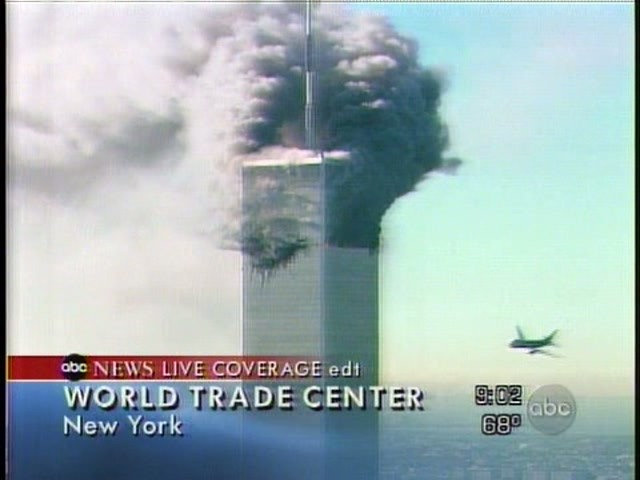
The 9/11 attacks significantly changed how news is covered. Ever since the color-coded terror alert system was changed, rumors of violence or attacks are reported if they have any inkling of credibility; even after the system retired in 2011. Because of this, journalists have had to re-interpret their classification of reportable news versus rumor, which still remains today.

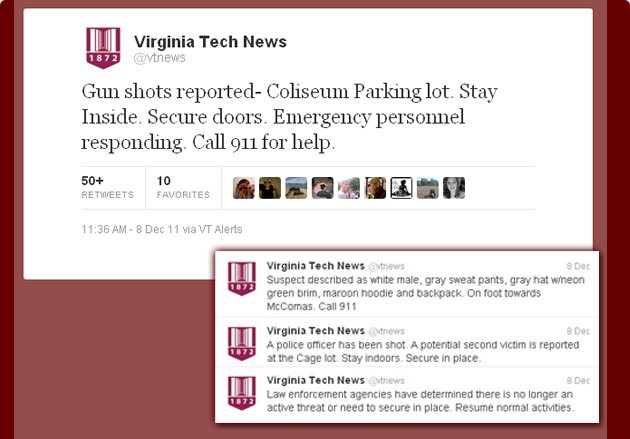
2007 Virginia Tech shooting Twitter

Following the 2007 Virginia Tech shooting and the ubiquitous nature of the Internet, social media changed the way the world saw coverage of breaking news. Professional journalism wasn’t necessary to produce live and raw content and thus citizen journalism began.

TOP TELEVISION JOURNALISTS IN BROADCASTING HISTORY

Walter Cronkite on air

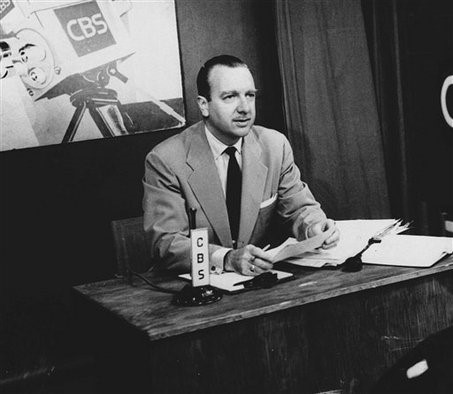
1952 was the year that a man named Walter Cronkite (who was hired by Murrow but refused to be one of his “Boys”) became the first ever “anchor” as he hosted CBS’ Democratic and Republican conventions. He would go on to become America’s most recognizable and trusted television journalists after covering some of the most controversial and monumental historical events of the century.

The Huntley-Brinkley Report

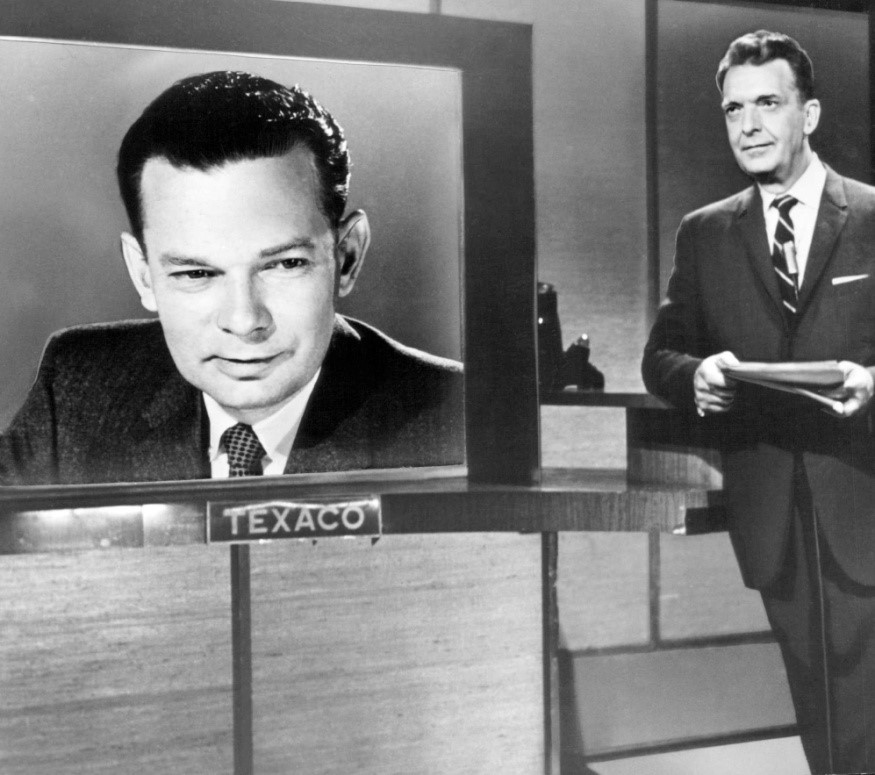
Chet Huntley and David Brinkley co-host The Huntley-Brinkley Report as it debuts on NBC in October 1956. This evening newscast becomes critically-acclaimed with its innovative broadcast style as it cut between Huntley in New York and Brinkley in Washington D.C.

Barbara Walters

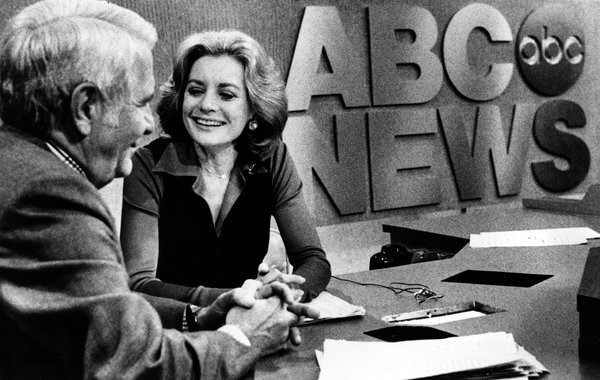
NBC’s Today Show hired Barbara Walters in 1961 as a researcher and writer, who then went on to become the “Today Girl”. She eventually went on to write and edit her own stories, all the while receiving little respect from her male colleagues. It was only after her co-anchor Frank McGee’s death in 1974 that she even received official recognition as a “co-host”.

Jim McKay

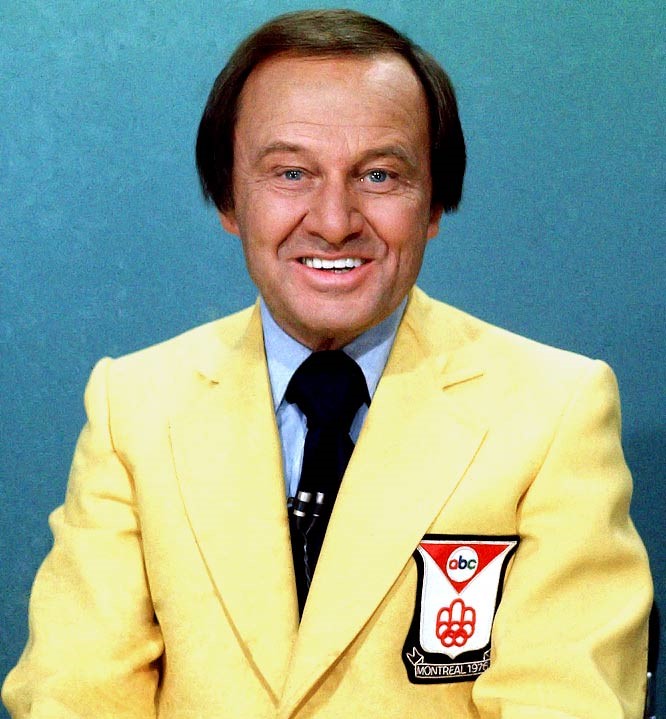
Jim McKay, a sports journalist on the ABC’s Wide World of Sports became the face of the 1972 Munich Olympics’ hostage crisis. He reported for 16 hours on the events as they unfolded with a disastrous end.

Oprah Winfrey

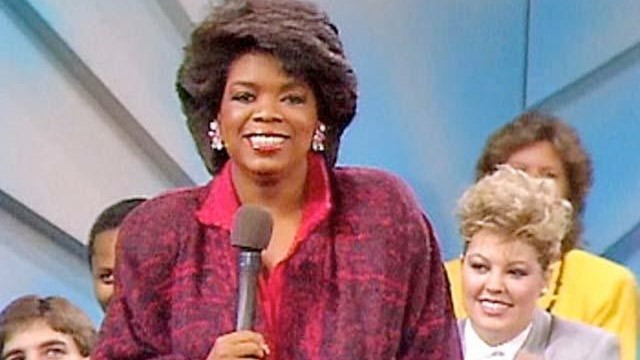
In 1984, Oprah Winfrey began hosting an ABC affiliate’s morning show called A.M. Chicago. The show outscored Phil Donahue’s popular talk show ratings within 3 months, allowing her to then embark on the Oprah Winfrey Show.

Peter Jennings

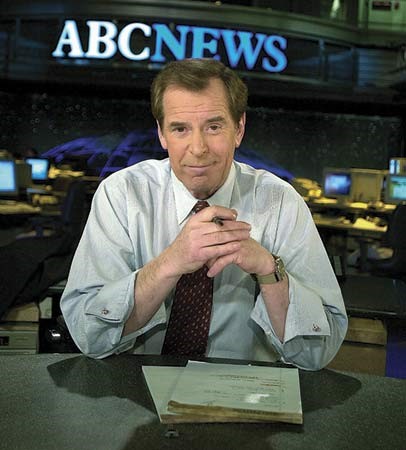
In an incredible rise to the top, Peter Jennings became the youngest anchor for ABC Evening News at just 27 years old. He was named “best anchor” in ’88,’90 and ’92 by the Washington Journalism Review and has won several Overseas Press Club and Emmy awards.

Dedicated to training the next generation of journalists, NYFA’s Broadcast Journalism School will prepare students for a professional career in broadcast journalism both in front of and behind the camera. Visit our Broadcast Journalism School page to learn more and apply.