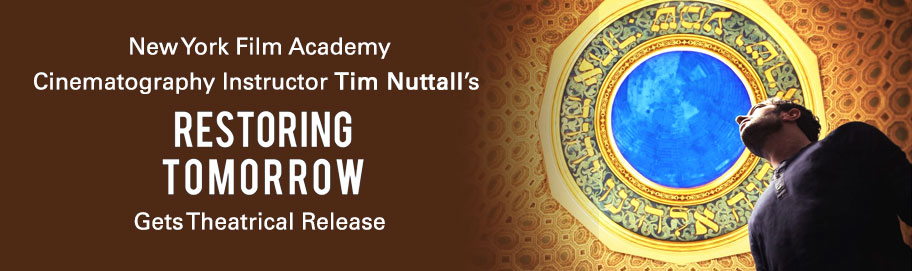
NEW YORK FILM ACADEMY (NYFA) CINEMATOGRAPHY INSTRUCTOR TIM NUTTALL’S “RESTORING TOMORROW” GETS THEATRICAL RELEASE

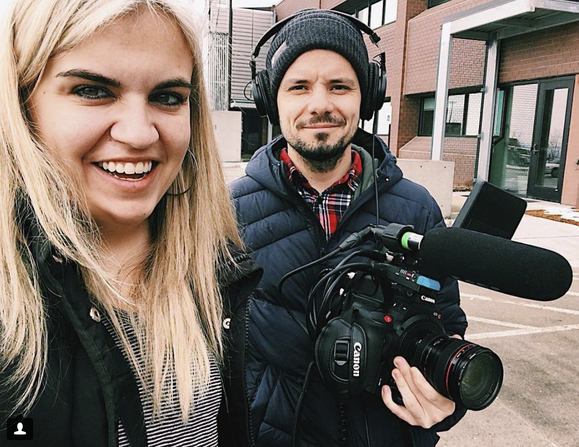
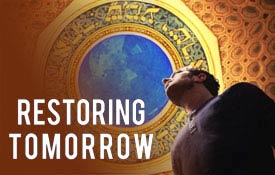
Restoring Tomorrow, the feature documentary about Los Angeles’s first synagogue, a subject that is especially relevant in today’s sociopolitical climate, is getting a national release in movie theaters this month. Written and directed by Aaron Wolf, the film was shot and produced by New York Film Academy (NYFA) Cinematography Instructor Tim Nuttall.


Fathom Events and Howling Wolf Productions are bringing Restoring Tomorrow to over 1000 movie theaters across the country for one night only on November 13. Following the screening, director Aaron Wolf will participate in a panel dialogue with religious and community leaders, including Los Angeles Mayor Eric Garcetti.


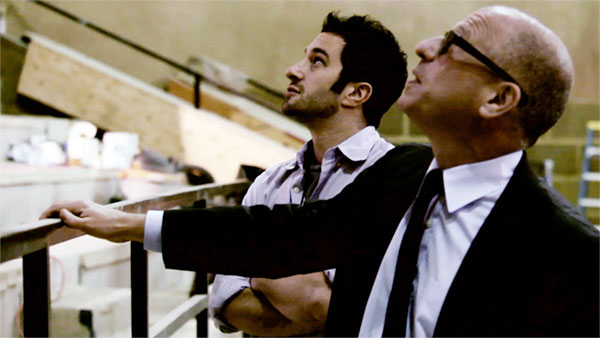
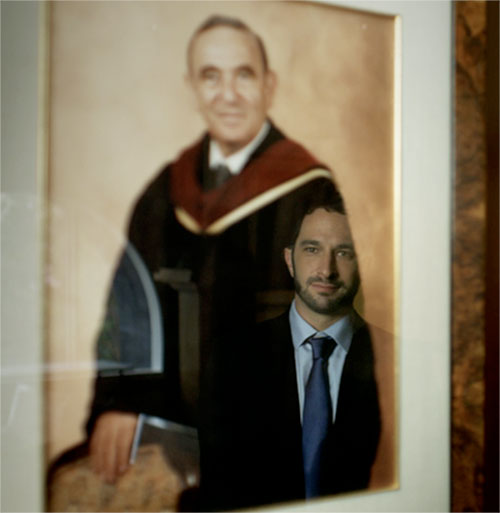
Restoring Tomorrow focuses on the Wilshire Boulevard Temple, Los Angeles’s first synagogue, built in 1929 by the original Hollywood moguls. The house of worship is a Los Angeles landmark, famous for its towering ten-story-high dome. At risk of demolition, the documentary chronicles the Temple’s restoration.

Not just a staid history of a city landmark, Restoring Tomorrow is told through the eyes of director Aaron Wolf, who found himself on a personal journey while reconnecting with his faith and community. In a press release, Wolf stated, “This film is really all about the connection that is possible when we are brought together by the places that truly matter to us. My journey shows what everyone can achieve if we dig down deep and reconnect with who we are and what we stand for.”

The film has won awards and received critical acclaim, including from film critic Leonard Maltin, who called Restoring Tomorrow “a genuinely inspiring film with a great story to tell that I found very moving.” It has received positive reviews from publications like The Hollywood Reporter and Los Angeles Times, among several others.

Tim Nuttall served as the documentary’s cinematographer, as well as one of its producers. Nuttall also shot and produced several previous films, and has collaborated frequently with Aaron Wolf. Nuttall and Wolf own and run Howling Wolf Productions—which produced Restoring Tomorrow—out of LA.


Nuttall also teaches at New York Film Academy’s cinematography school at its Los Angeles campus. Based in the heart of Hollywood, NYFA’s cinematography school gives its students an intensive hands-on education in both the technical and aesthetic demands of shooting with film and digital cameras, using essential tools of the craft and state-of-the-art equipment.

Nuttall is part of the school’s distinguished faculty of working professional cinematographers, who can give aspiring directors of photography valuable insight gained from years of experience. The cinematography department at NYFA-LA is chaired by Tony Richmond, ASC, BSC, whose credits include Legally Blonde, Men of Honor, Diary of a Wimpy Kid, and The Sandlot. The New York Film Academy congratulates Tim Nuttall on the success and powerful work of Restoring Tomorrow and encourages everyone to see it in theaters on November 13!

The Power of Music: Being Part of the New York Film Academy (NYFA) Glee Club

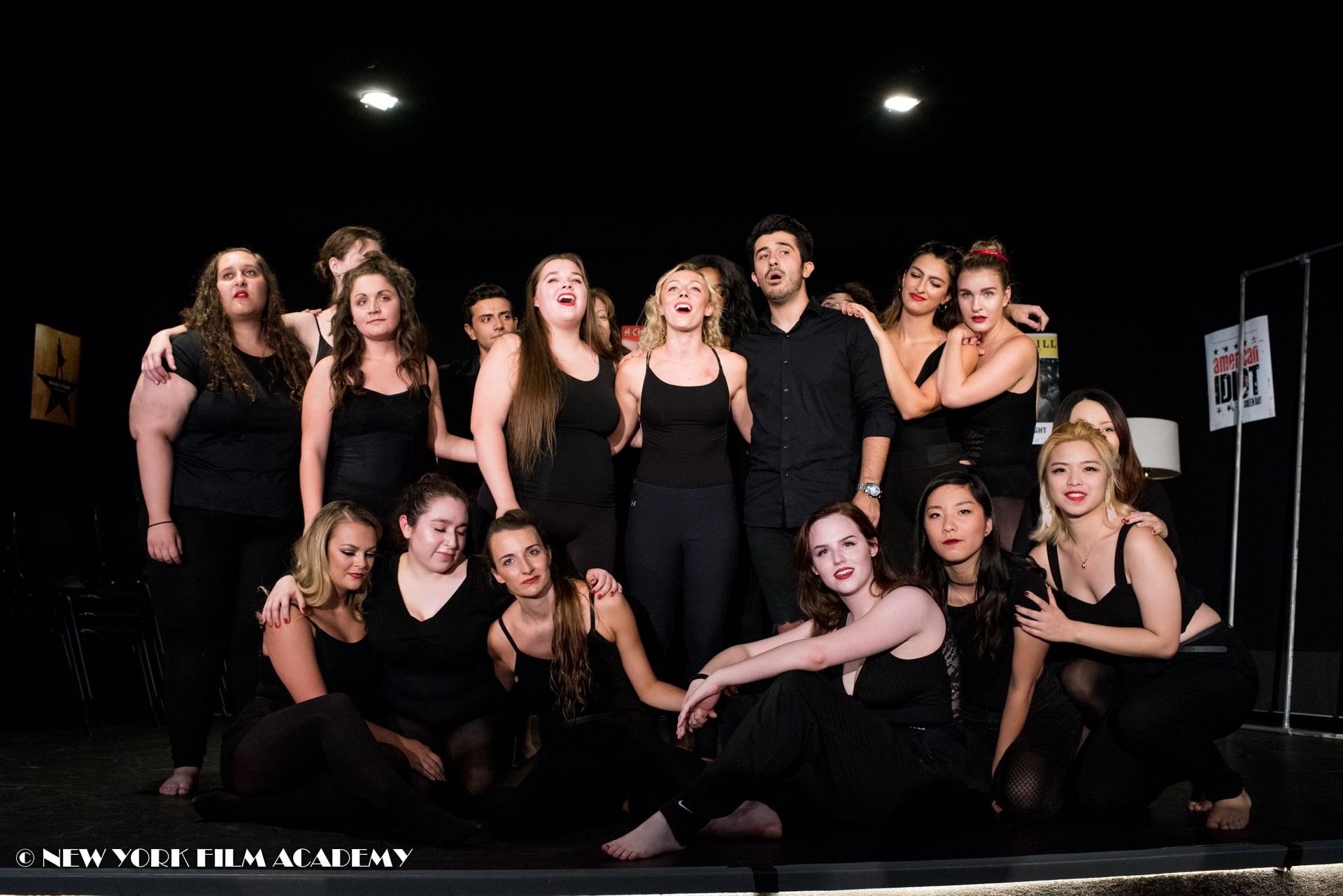
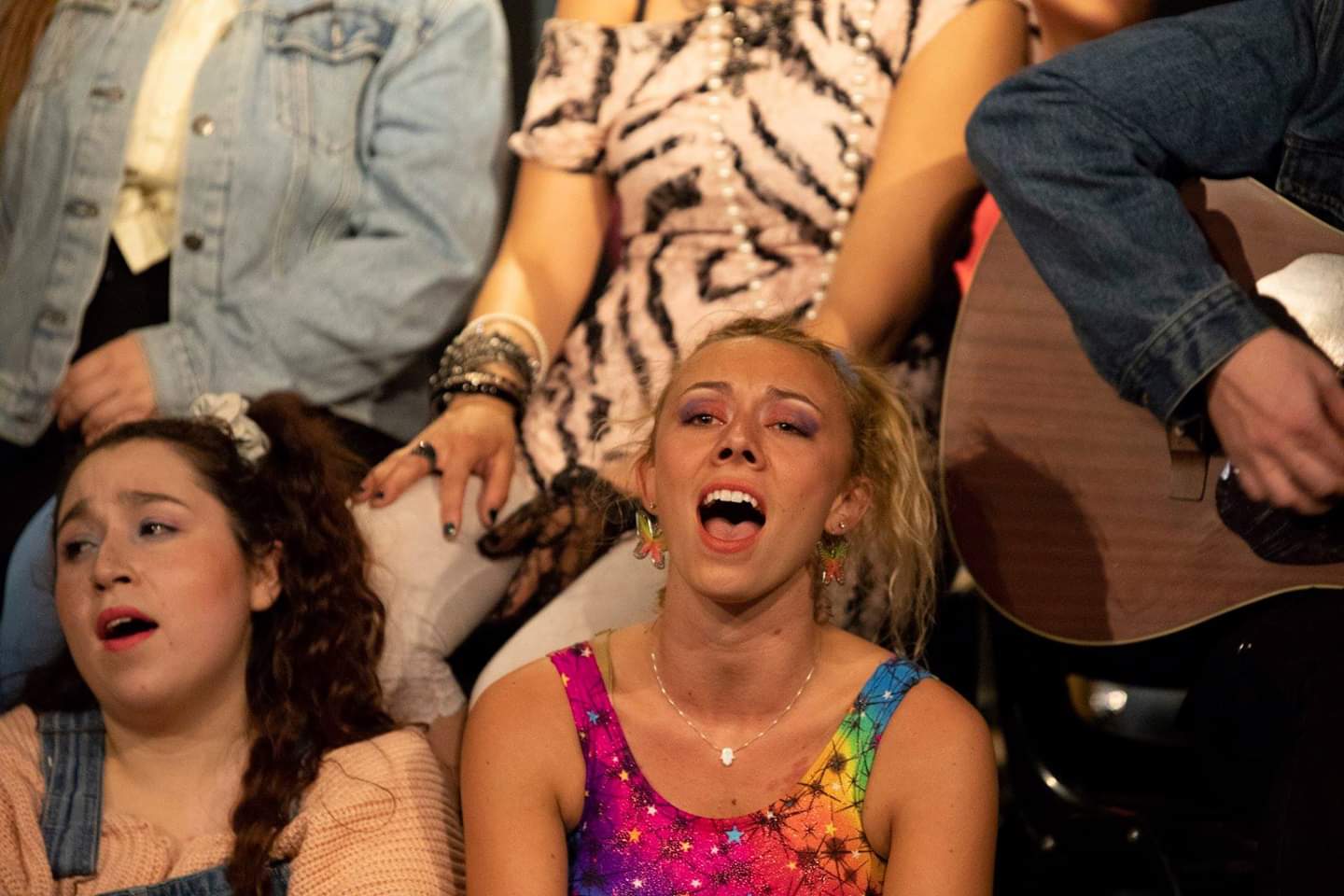
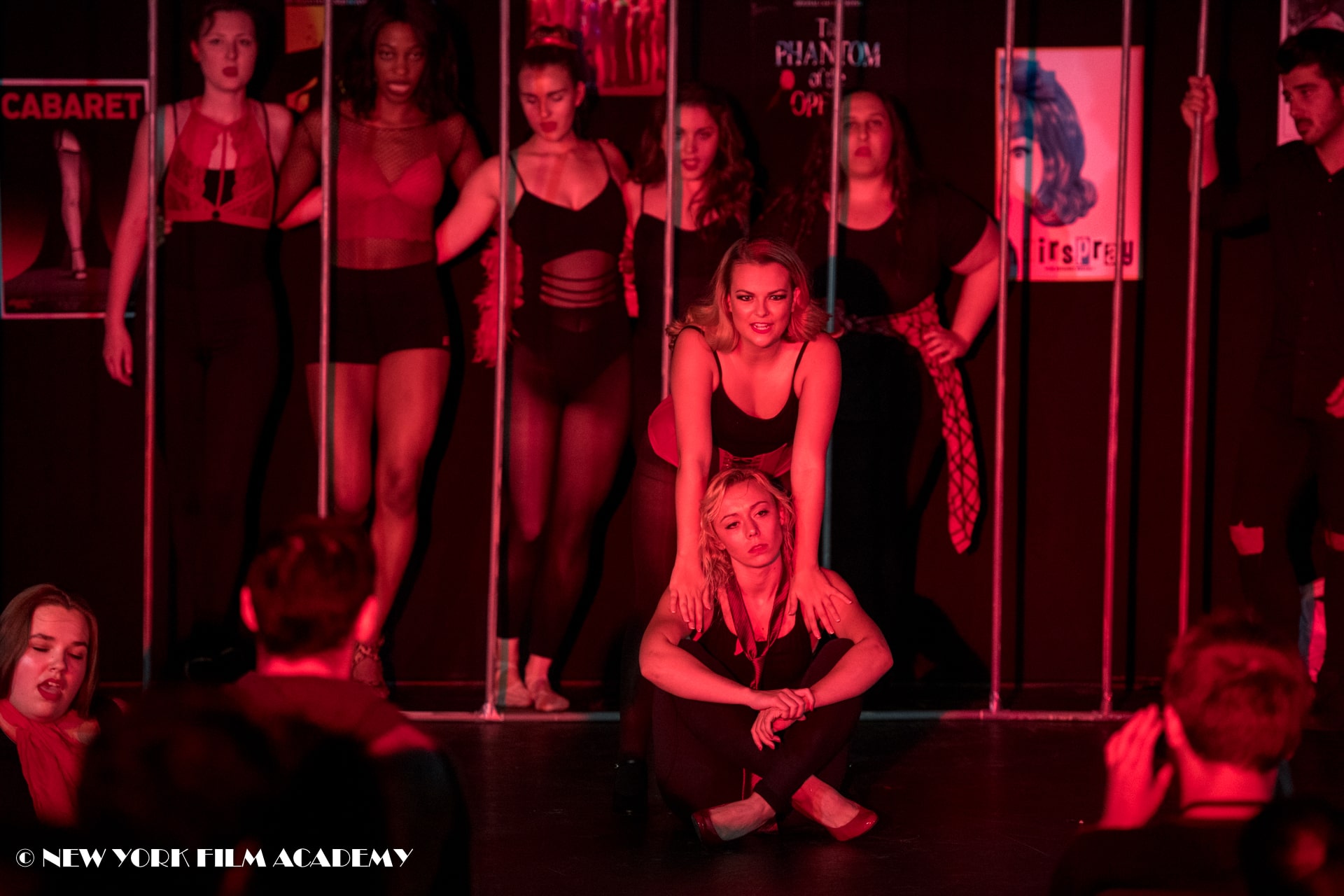
The New York Film Academy (NYFA) Glee Club is an extracurricular club that not only affords NYFA students another way to express themselves artistically, but brings them together and bonds them through a joint love of music and song.Glee Club Summer 2018

Sunny Amara, a member of the Glee Club for six semesters and its current choreographer, calls being in the club “a new, exciting, thrilling experience every time. There’s nothing I love more than taking the stage and performing my heart out. The Glee Club has been a perfect place for that. It’s just so much fun.”

Amara also echoes the sentiment shared by many in the Glee Club, that “the basis of Glee Club is a love of music, a love of singing and a love of performing that we get to share with audiences. And to me, that’s tops.”

Amara adds, “Watching my choreography come to life with these beautiful, singing souls is an experience unparalleled by any. We work hard in rehearsals getting the music and dances to their best, then we get to pour our hearts out on that stage. There’s nothing better than that to me.”

These sentiments aren’t just felt by Amara, but by many of the members of the NYFA Glee Club. Lara Heine is studying for her BFA in Acting at New York Film Academy’s Los Angeles campus and is also a member of the club. After a performance at the end of last summer, Heine put her thoughts into words, writing the following piece, entitled “The Power of Music”:

Music and Dance is like therapy for many people. It eases your soul and spreads happiness.

At least that is how I always felt. As acting students, we are constantly on the go and expected to give our all. On very rare occasions we get something rewarded.

That is why I chose to sign up for the Glee Club. To give and receive in return. 

This semester was filled with a lot of talented and driven people and putting on a performance with them was an honor for me. Melissa Sullivan, our teacher, created an amazing lineup of thoughtful chosen group and solo pieces.

Glee Club Summer 2018Most of us didn’t know each other when we met for our first rehearsal. Over the span of a few short weeks, we rehearsed some of the most challenging musical theatre pieces. We ended up growing, as a group and as people.

Musical theatre is not always easy. The pressure to be a triple threat is high. When we were doubting ourselves, Melissa would listen and help us to see the positive and move past it.

On the night of the performance our nerves were blank. During the final rehearsal, everyone was anxious and worried about different pieces and organizational things. The decorations kept falling of the walls and some of the choreography looked funky. Funnily enough, I was never worried if we were going to be able to pull it off. I just knew I was surrounded by so much talent and creativity that whatever happened, we would be fine. 

And that was the case. Despite some doubts and worries, we went on stage and performed the hell out of it. As they say: “The show must go on.”

The audience was blown away. They loved every single one of us. I could tell. The choreography was suddenly remembered by everyone, and the harmonies of all the group pieces were completely pitch-free. We all loved every second of it. We gave our heart and received so much love by the audience. All the hard work paid off. It was an awesome result after one semester of a lot of rehearsing. 

Thank you to everyone who made this performance so amazing. And a special shoutout to Melissa, who has been our sunshine throughout the whole time.

[su_carousel source=”media: 28525,28515,28505,28504,28514,28524,28523,28513,28503,28502,28512,28522,28521,28511,28501,28500,28499,28510,28509,28520,28519,28518,28508,28498,28497,28496,28506,28507,28517,28516,28486,28476,28477,28487,28489,28478,28479,28480,28488,28490,28491,28481,28482,28483,28484,28485,28495,28494,28493,28492,28473,28474,28475″ limit=”60″ link=”lightbox” target=”blank” width=”780″ height=”360″ title=”no” autoplay=”0″]

New York Film Academy (NYFA) Students Respond to AMPAS Careers in Film Summit

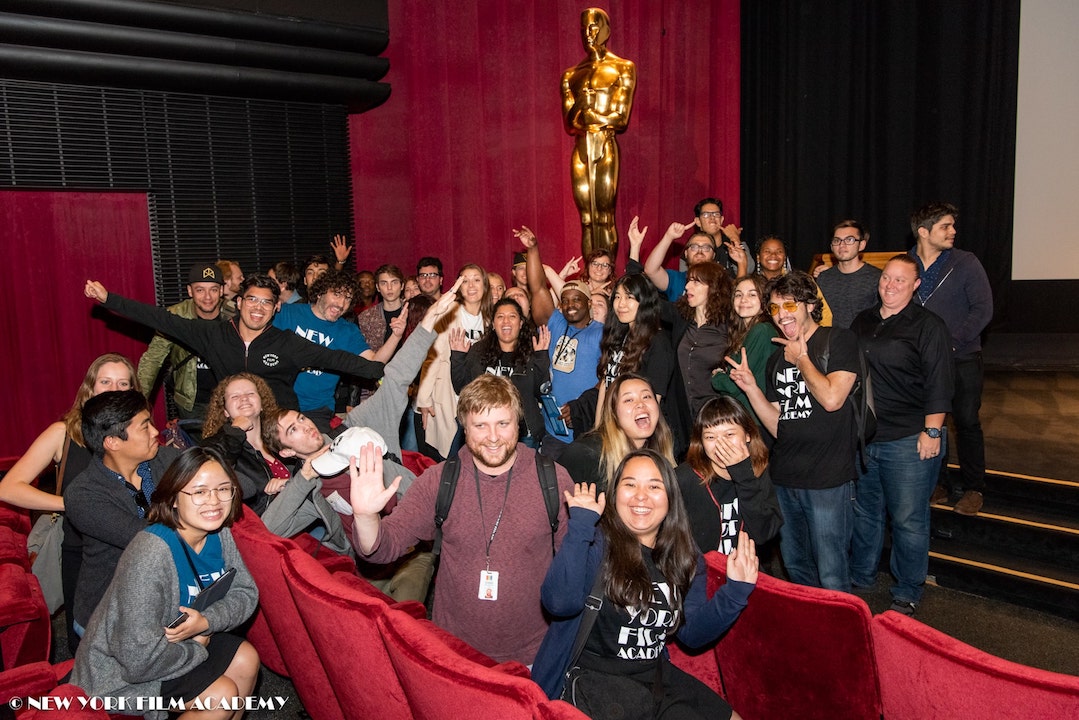
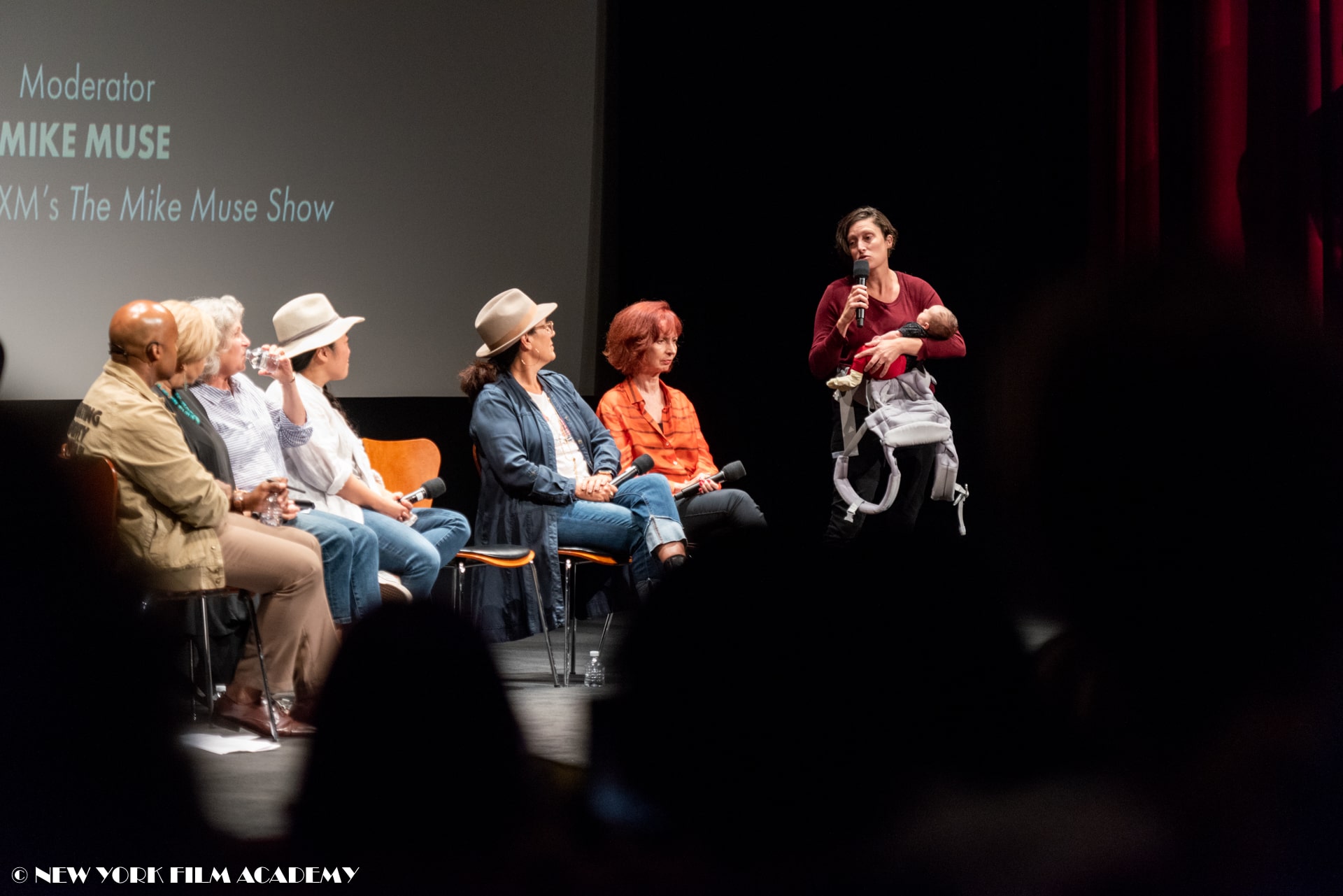
The Academy of Motion Picture Arts and Sciences (AMPAS), home of the Oscars, hosted a delegation of New York Film Academy (NYFA) students on Saturday, October 6, 2018, when they attended the 4th Annual Careers in Film Summit. With panelists such as the producer of Crazy Rich Asians, the music editor of A Quiet Place, and the production manager of Black-ish, students got insight into the wide range of careers available to them in the film industry. NYFA caught up with several members of the delegation and asked what they thought of the event: 

Career Summit Blog

“This was my first time going to the Oscars’ headquarters, and it was an amazing experience. The panels were very inspiring and all the professionals who spoke shared their experiences about how they got to be where they are today, which was very motivational for me as a person looking to build my name and career in the film industry. Also, it was great to see Brazil being represented by Renato dos Anjos, who is the Head of Animation at Disney Animation.”
–Gabriela Ono, Fall 17 MFA Producing

“It was an inspirational experience, not only because we learned from very different departments, but also because these are people that have years of experience in the film industry and have noticed the change in the industry. The person that inspired me the most was Rachel Morrison, not only because she was on stage with her newborn baby, but also because she’s always that woman that is always leading a crew of men, which talks about equality, opportunities and, of course, female power.”
–Inés de los Santos, Fall 2017 MFA Screenwriting

Rachel Morrison - Career Summit Blog
Oscar-nominated Rachel Morrison (Black Panther, Mudbound)

“I thoroughly enjoyed the Careers in Film Summit! Each panel shared some of their work and experience, which is always inspiring. I learned that there are countless paths to go down in this industry, which is encouraging! I think the point of the summit is: there’s something for everyone to do in filmmaking, and it is ultimately a collaborative effort!”
–Harrison Misfeldt, Spring 2016 BFA Film 1B

“I’m so happy and honored to have been part of NYFA’s Academic Delegation. I loved hearing the panelists’ insights, and I so very much enjoyed being amongst my peers.”
–Nestor Sierra, Fall 2017 BFA Acting for Film

“Being at an Academy of Motion Picture Arts & Sciences event, hearing from the speakers — each with years of experience in the movie business — really got my blood pumping to be in this industry. Getting to hear how these professionals worked their way to their positions was both informative and inspirational. Can’t wait for the next one.”
–Miskar Chomse, Summer 17 MFA Acting

[su_carousel source=”media: 28464,28454,28453,28463,28462,28452,28451,28461,28460,28450,28459,28458,28457,28456,28455,28449,28448,28447,28446″ limit=”49″ link=”lightbox” target=”blank” width=”780″ height=”360″ title=”no” autoplay=”0″]

New York Film Academy Instructor Edits Record-Breaking “Free Solo” Documentary

The Year of the Documentary strikes again with the arrival of National Geographic’s Free Solo. The 2018 documentary, edited by New York Film Academy (NYFA) instructor Bob Eisenhardt, focuses on rock climber Alex Honnold as he attempts to climb El Capitan, the vertical rock formation in Yosemite National Park, without ropes, or “free solo.” El Capitan is so dangerous, no one has ever tried before. Honnold is the only person to have ever accomplished the feat.

Free Solo currently sits at an astounding 99% on Rotten Tomatoes after 66 glowing reviews. Tom Russo of the Boston Globe said of the film, “Go figure that the year’s most outrageously harrowing action movie turns out to be an arthouse doc from National Geographic.” Free Solo beat out An Inconvenient Truth as the highest per-venue average of all time. The documentary is also screening as part of Thom Powers’ Short List at the 2018 DOCNYC film festival, and has been shortlisted by the International Documentary Association (IDA). It was directed by Jimmy Chin and Elizabeth Chai Vasarhelyi.

https://www.instagram.com/p/BpIA-frhz8A/

Editor Bob Eisenhardt is an Academy Award nominee, three-time Emmy winner, and recipient of the coveted “Eddie” aka American Cinema Editors Award. He has edited over 60 films, mostly feature and television documentaries, including Everything is Copy (HBO), Jerusalem (IMAX), and another rock climbing documentary, Sundance Audience Award Winner Meru. He teaches Advanced Thesis Editing and is a Master Class instructor at the New York Film Academy’s New York City campus. In 2017, Eisenhardt’s film Scotty Bowers and the Secret History of Hollywood was screened at DOC NYC.

Free Solo is the latest in an exciting run of releases for NYFA Documentary faculty. This year alone has seen rave reviews for Claudia Raschke’s work on RBG, Kristen Nutile’s work on Heroin(e), and Maxine Trump’s To Kid or Not To Kid, all of whom are instructors at NYFA’s Documentary school. For the past eight years, NYFA has been ranked as one of the nation’s top documentary filmmaking schools, grooming students for the practical challenges, opportunities, and realities that arise when creating documentary films.

The New York Film Academy congratulates NYFA instructor Bob Eisenhardt on the continued success of Free Solo!

New York Film Academy (NYFA) Documentary Alum Kendall Ciesemier Talks Activism, Social Causes

Chicago native, New York-based producer, writer, and social entrepreneur Kendall Ciesemier has been making waves with breaking news stories and interviews about social causes ever since she was 11 years old. At that young age, she formed Kids Caring 4 Kids to empower young people to help provide basic human needs to children living in sub-Saharan Africa. While she was at Georgetown University, Kendall co-founded OWN IT, a women’s leadership initiative to empower college-aged women to engage with women leaders. And at New York Film Academy (NYFA), Ciesemier completed the 6-week Documentary program in 2017.

Ciesemier’s personal history of health issues inspired her humanitarian work. Expounding upon that, she says, “My own health struggles entirely formed the lens through which I look at the world.” In lieu of gifts and flowers during her recovery, she humbly requested well-wishers donate to the village of Musele, Zambia — the most highly affected area by the AIDS epidemic at the time. “I found my purpose in founding Kids Caring 4 Kids,” added Ciesemier. Since 2004, 8,000 individuals in five different African countries have been assisted via the construction of dormitories, orphan care centers, a clinic, classrooms, computer labs, bicycles, indoor plumbing, meals, and clean water.

https://www.instagram.com/p/Bou1hDUh-sb/?taken-by=kendallciesemier

Now a producer at Mic, Ciesemier recently found herself helping out with an interview of rising political star Alexandria Ocasio-Cortez, who was elected to the House in 2018 as the youngest woman in Congressional history. The Democratic Socialists of America-endorsed 29-year old recently stunned the country after defeating longtime incumbent Joe Crowley in New York’s 14th District. Ocasio-Cortez was interviewed alongside fellow DSA-supported Cynthia Nixon, who lost her bid to defeat incumbent governor Andrew Cuomo.

At Mic, her topics range from criminal justice reform, racial justice, the #MeToo movement, and more. Her recent interview with Alice Marie Johnson, a woman serving life without parole for a first-time nonviolent drug offense, helped lead to Johnson’s clemency as is arguably the highlight of Ciesemier’s career.

Speaking of the experience, Ciesemier said, “We actually drove down alongside her family, three hours from Memphis to Alabama. We were racing to get there in time to pick up Alice and watching her walk across the street and see her family across from the prison was pretty powerful.” She continued, “I think, as a journalist, you’re taught to just do your job — but you’re also a human being. I don’t think I processed all of that experience until a good four days after. This is a story I’ll never forget.”

Ciesemier tweeted her emotional reaction to the release:

Activists also showed their support of Alice Marie Johnson’s release, including Reese Witherspoon, who thanked Ciesemeier on Twitter for her efforts:

The New York Film Academy would like to thank Kendall Ciesemier for her time and, more importantly, her community service, philanthropy, and activism. We wish her the best of luck with all her future endeavors.

Q&A With Comedian and New York Film Academy (NYFA) Screenwriting Alum Aubree Sweeney

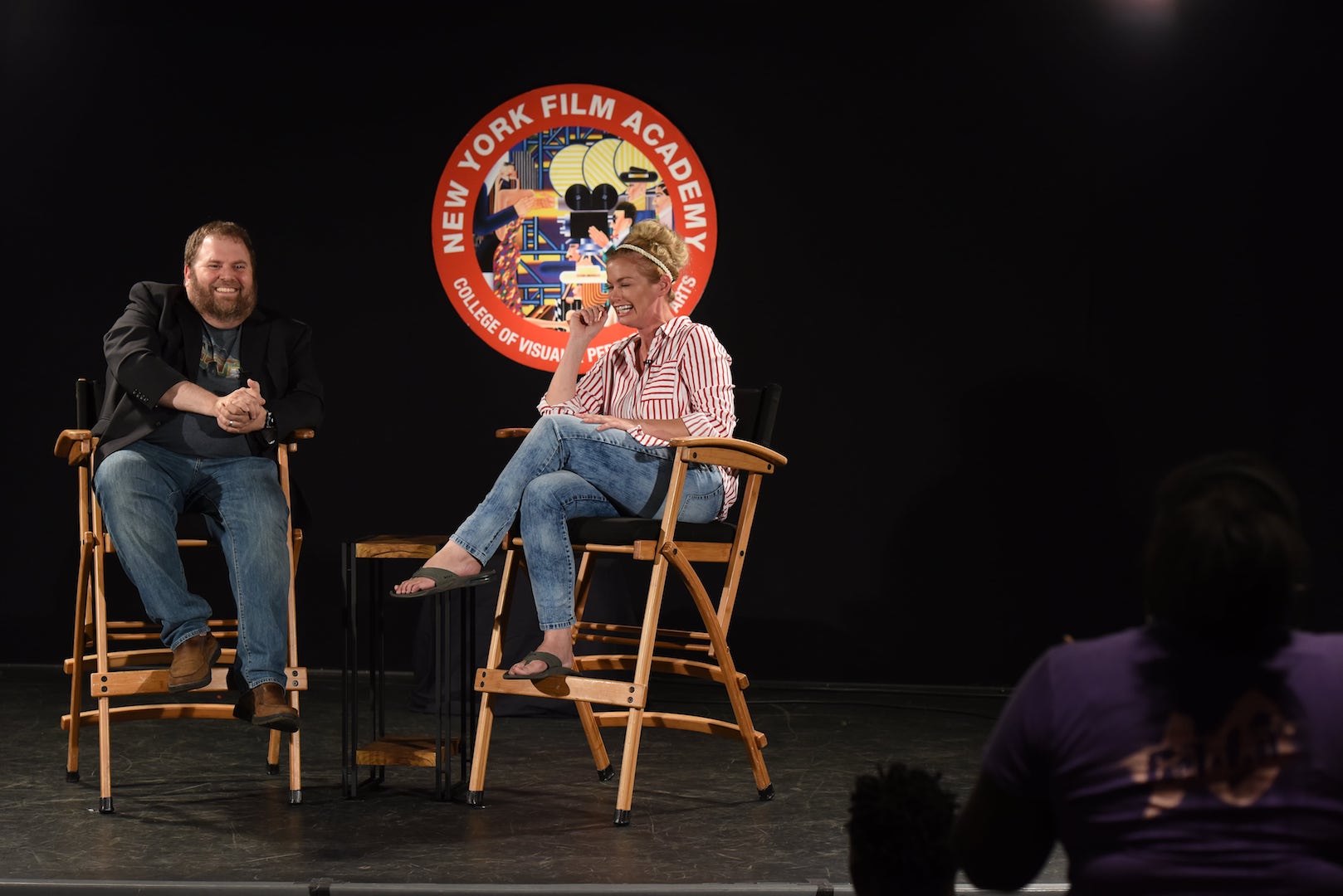
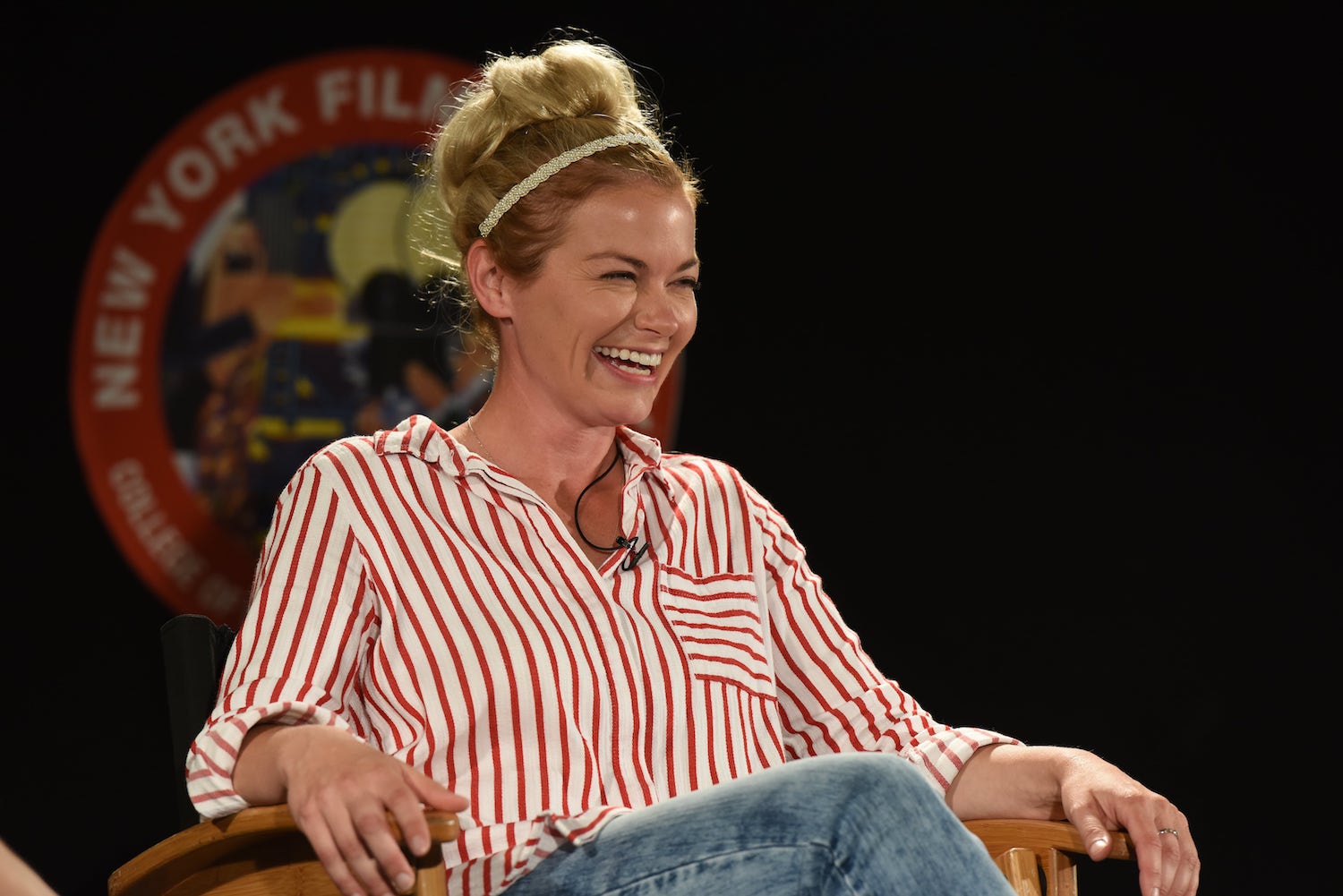
On Monday, October 22, New York Film Academy (NYFA) Screenwriting alum Aubree Sweeney returned to campus to perform a stand-up comedy set followed by a Q&A with NYFA screenwriting instructor, Eric Conner.Aubree Sweeney

Sweeney earned a master’s degree in screenwriting at NYFA’s Los Angeles campus. After graduated NYFA’s screenwriting school, she studied with the Upright Citizens Brigade, an improvisational comedy theater and training center in Hollywood; from there, she transitioned to stand-up comedy and now she is a nationally touring comedian. Sweeney continues to build her theatre resume and has been part of several television commercials.

Conner opened up the Q&A by asking Sweeney’s advice for aspiring comedians. “If stand-up is something you wanna do, just go hit as many open mics as you can,” Sweeney said, “and just keep getting onstage until you feel comfortable.” Sweeney shared that her background as a dancer and a baton-twirler for football games at the University of Arizona helped her with confidence.

Conner then inquired about Sweeney’s writing process. “Write it, rewrite it, rewrite it again, again, again, don’t look at it for a couple weeks — maybe a semester,” explained Sweeney.

Aubree SweeneyShe continued, “Write it again, polish it, then you’ve got that confidence because you know this material; you know that it is written to the best of your ability, and then you’re going onstage, and then you’re gonna figure out what that little extra thing [is] that makes it better… I think that most of my confidence in doing stand-up comedy onstage comes from the work not onstage.”

Sweeney also gave advice about how to deal with the anxiety of being new to performing stand-up, “I would recommend when you first start doing stand-up comedy, at the front, say ‘I’m new.’ I said it was my first show for probably the first 25 shows.”

Sweeney shared some of the best ways to get gigs as a comedian: promote yourself as much as possible, be resourceful, be open to performing at unconventional venues like business expos and county fairs, and adapt your comedy content for different crowds.

The New York Film Academy would like to thank Aubree Sweeney for her performance and for providing insider insight for aspiring comedians at NYFA.

[su_carousel source=”media: 28432,28431,28430,28429,28428,28427,28426,28425,28424,28423,28422″ limit=”49″ link=”lightbox” target=”blank” width=”780″ height=”360″ title=”no” autoplay=”0″]

“Shanghai 1937: Where World War II Began” Previews at New York Film Academy (NYFA)

This is a big week for me, and for a group of instructors, here at the New York Film Academy (NYFA). On Wednesday, my latest documentary will make it’s US television premiere. And it could never have been made without the support of NYFA, and my fellow faculty members.

Distributed by American Public Television, Shanghai 1937: Where World War II Began will debut on WLIW/21 in New York on Wednesday, November 7 at 10pm. The following evening, November 8, the program will air on NJTV at 9pm and will be seen by viewers in New York, New Jersey, and Philadelphia. (A schedule for key US markets can be found below.) Eventually we anticipate 200+ channels airing the program. 

Following a six-month exclusive “window” for Public Television distribution, the documentary will become available on popular streaming services such as Netflix, Amazon Prime, Hulu, and iTunes.

Shanghai 1937

Shanghai 1937

World War II started in 1937? In China?

Those are the provocative questions behind the new Public Television documentary Shanghai 1937: Where World War II Began. While largely forgotten outside of China, the Battle of Shanghai in 1937 marked the first time the military forces of Imperial Japan came up against effective, ongoing resistance. The first American civilians killed in what would become World War II, as well as the first American serviceman, died in Shanghai during August 1937.

In Shanghai 1937: Where World War II Began, a group of internationally recognized historians and scholars describe how the events that took place in Shanghai pulled the world inevitably towards war, while at the same time instilling in the Chinese people a true sense of nationhood. The results of that transformation continue to be felt today. In fact, to understand contemporary Chinese attitudes and policies, you have to look to its past.

Still, at its heart, this is the story of shattered lives and enduring dreams. That story is told in part by Liliane Willens, who at 92 years old is one of the few witnesses to these events still alive. She and her family were members of a community of stateless Russian Jews. Deemed “citizens of nowhere,” they were welcome to live in Shanghai, but could never leave.

Shanghai’s large expat community controlled the city’s economy, living lives of privilege. War destroyed their world, and set the stage for the China of today. Liliane would eventually be admitted to the United States in 1951, and went on to teach at prestigious American colleges and universities. Today she is a lecturer and author, living in Washington, D.C.

Production of Shanghai 1937: Where World War II Began spanned three years and three continents. It incorporates little-seen footage located in film libraries around the world, as well as original interviews and scenic footage shot specifically for this documentary. Contributors include two of the leading Chinese experts on this subject: Su Zhiliang, Ph.D. of Shanghai Normal University and Ma Zhendu, Director of the Second Historical Archives of China, as well as Hans van de Ven, Ph.D. of the University of Cambridge in England, American military historian Edward Drea, Ph.D., and Danish historian and author Peter Harmsen.

Teacher’s Notes written by Syd Golston, a past president of the National Council for the Social Studies, can be downloaded free of charge. Included in these materials are poems written by Chinese American author Wing Tek Lum. The Teacher’s Notes are at Shanghai1937.tv, where additional information about the program is also available along with a trailer.

I am the Producer/Director of Shanghai 1937: Where World War II Began. Previously I developed and produced programming for PBS, CBS, ABC, HBO and Discovery. I’ve been telling stories about China for more than 25 years. My four-part documentary series tied to the 2008 Summer Olympics, Beyond Beijing, was seen in 43 countries by 250+ million viewers. I became Chair of the Broadcast Journalism school at the New York Film Academy in 2013.

Co-Producer/Editor Evgenia Vlasova was the anchor and co-producer of an award-winning morning show in her native Russia. Born in the Russian Far East, she is no stranger to China. She too is a faculty member in the Broadcast Journalism department at the New York Film Academy.

Digital Producer Theresa Loong traces her family heritage back to southern China. She is a multimedia producer and director based in New York.

Associate Producer Nancy Hanzhang Shen previously worked in admissions and social media at NYFA. She is now a freelance video editor. NYFA audio instructor Dionysius Vlachos was the Supervising Sound Editor, NYFA editing instructor Lexi Phillips was the Colorist, and NYFA acting instructor Lea Tolub Brandenburg narrated key passages. Wenting Wu was the Graphic Designer. (That is her wonderful work that you see in the trailer, and the opening of the program.)

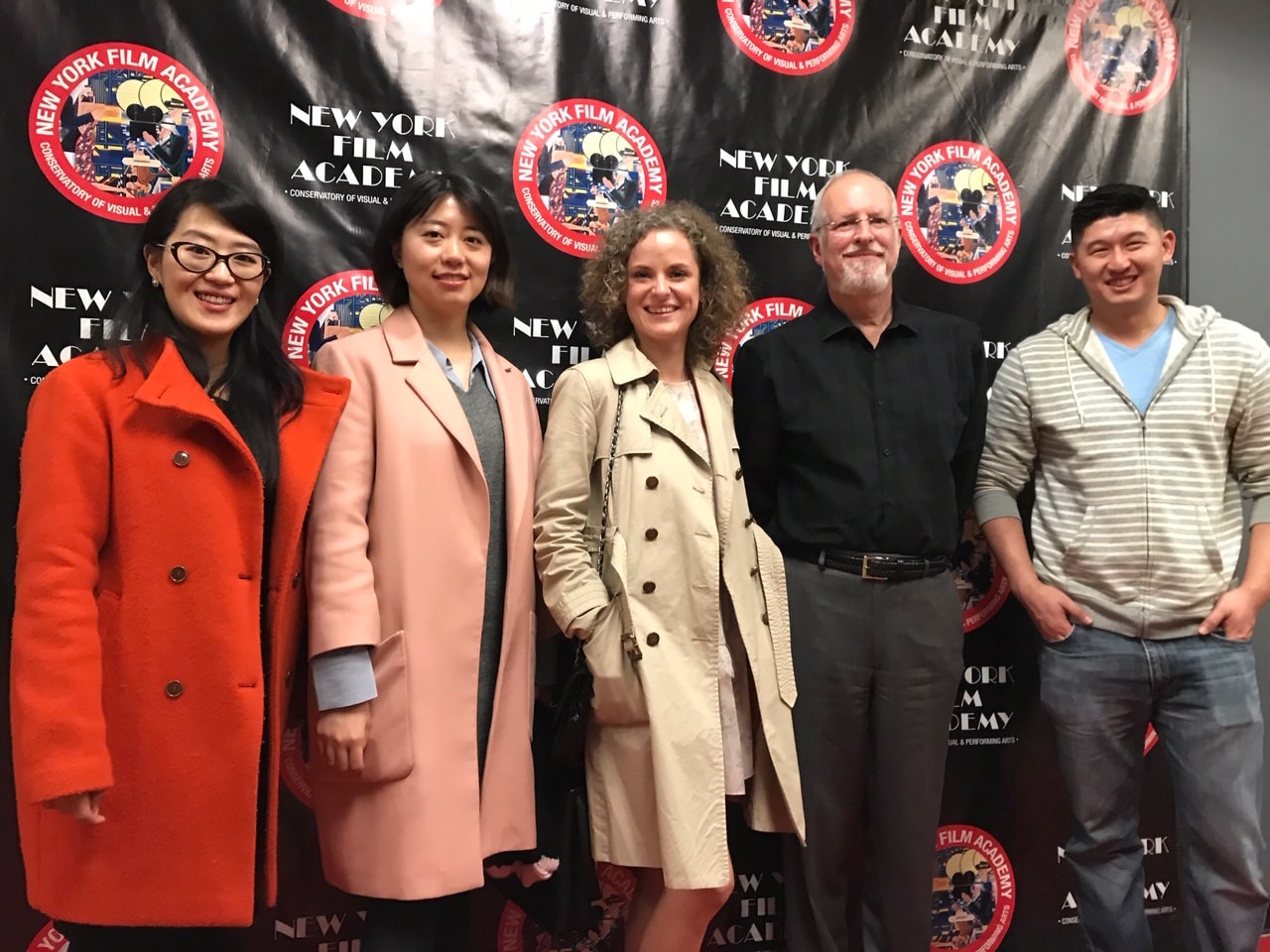
Last Thursday we had a preview screening at NYFA, with our own version of a red carpet. Only at this event, it was the production personnel who took center stage.

Shanghai 1937
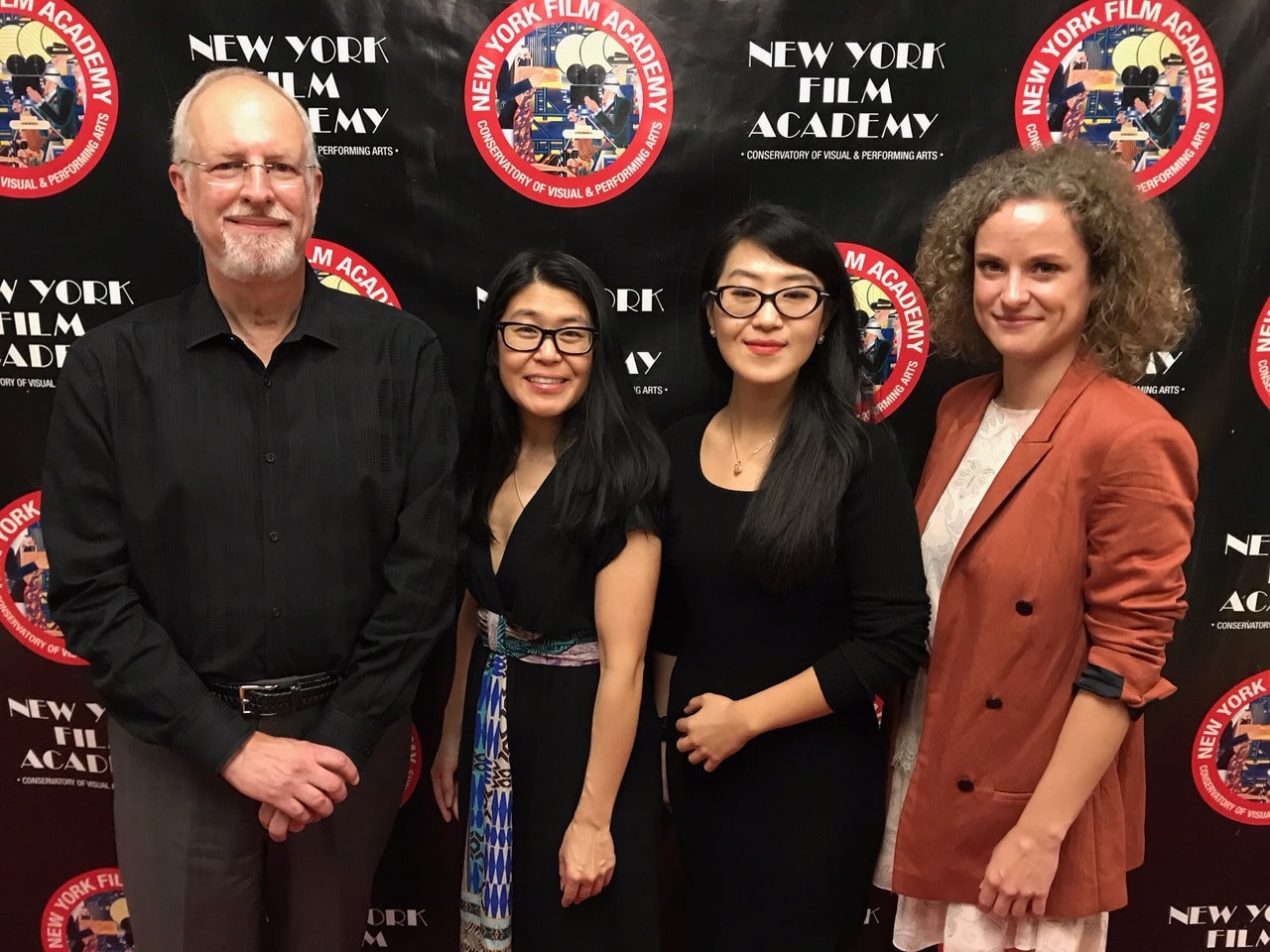
L to R: Bill Einreinhofer, Theresa Loong, Nancy Hanzhang Shen, Evgenia Vlasova


Shanghai 1937
L to R: Nancy Hanzhang Shen, Wenting Wu, Evgenia Vlasova, Bill Einreinhofer, Dee Vlachos


U.S. TOP 50 MARKETS CARRIAGE
(Partial list, all times are local. Some stations will air the program more than once.)

New York
WLIW Wednesday 11/7/18 @ 10p
WNJB (NJTV) Thursday 11/8/18 @ 9p
WNJN (NJTV) Thursday 11/8/18 @ 9p

Los Angeles
KLCS Tuesday 11/13/18 @ 9p
KCET Tuesday 11/13/18 @ 8p

Chicago
WTTW Sunday 11/11/18 @ 5p

Philadelphia
WNJS (NJTV) Thursday 11/8/18 @ 9p
WNJT (NJTV) Thursday 11/8/18 @ 9p

San Francisco
KQED Sunday 11/11/18 @ 7p
KRCB Sunday 11/18/18 @ 10p

Seattle
KCTS Monday 11/12/18 @ 1p (Veterans Day programming)

Miami
WLRN Monday 11/12/18 @ 8p

Denver
KRMA Tuesday 11/20/18 @ 10p

Orlando
WEFS Sunday 11/11/18 @ 9p

Charlotte
WNSC Sunday 11/11/18 @ 2p

Nashville
WNPT Thursday 11/8/18 @ 11p

Salt Lake City
KUEN Wednesday 11/14/18 @ 9p

Kansas City
KCPT Sunday 11/11/18 @ 2p

Cincinnati
WCET Tuesday 12/4/18 @ 8p

Greenville-Spartanburg
WNEH Sunday 11/11/18 @ 2p

Austin
KLRU Thursday 11/8/18 @ 9p

Albuquerque
KENW Friday 11/9/18 @ 9p

Louisville
WKMJ Sunday 11/11/18 @10p

Grand Rapids
WGVK Sunday 11/11/18 @ 3p

Q&A with New York Film Academy (NYFA) Documentary Alum Mira Hamour

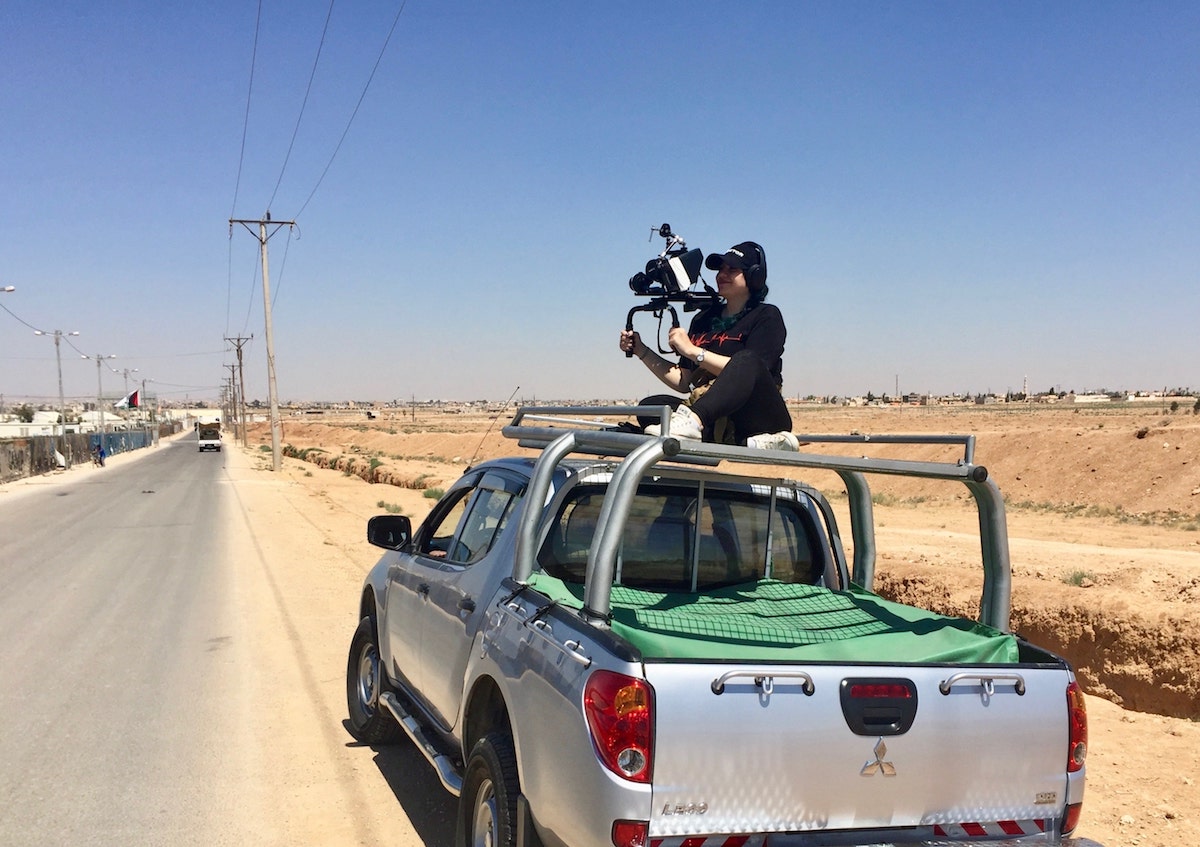
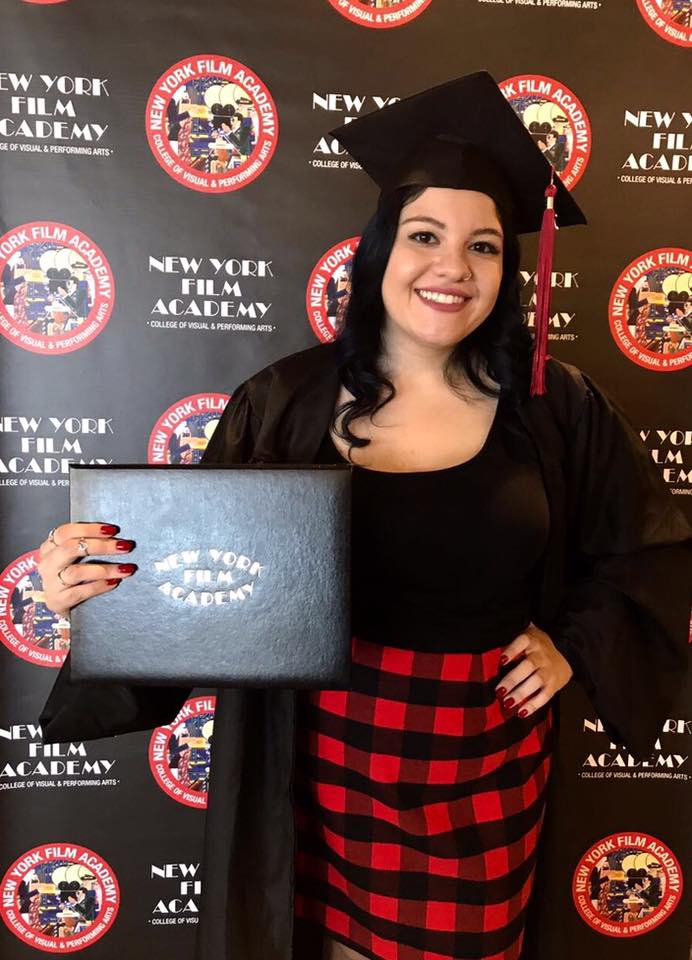
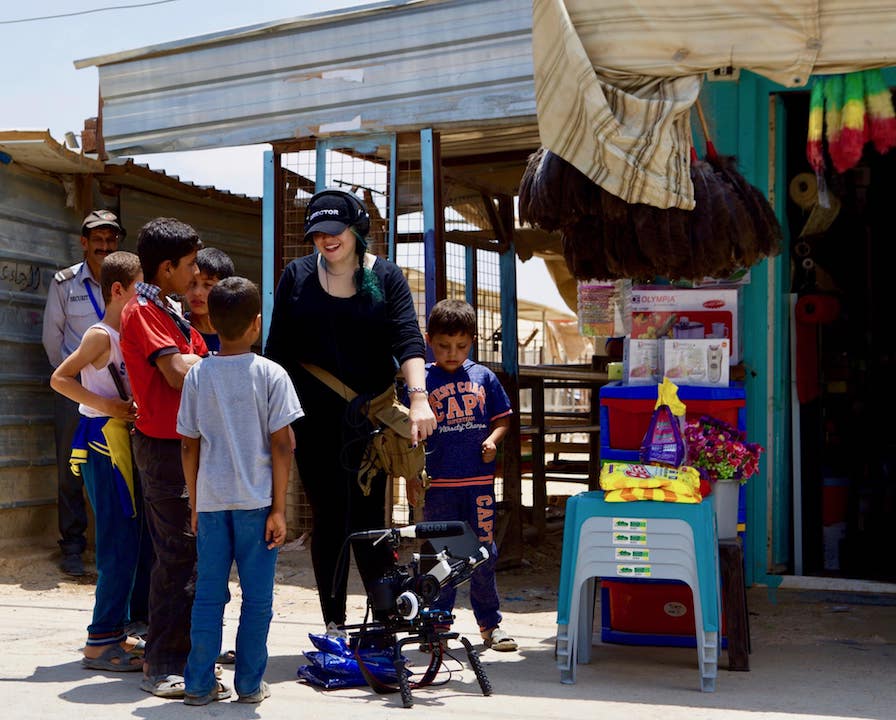
The award-winning documentary short Syria’s Tent Cities first found life as an MFA graduation project for New York Film Academy MFA Documentary alum Mira Hamour. It quickly took a life on its own, and thanks to the passion and incredibly demanding—both physically and emotionally—work put in by Hamour, the film has gone on to win eleven awards (and counting)  since its completion in July 2018.

These honors include:Mira Hamour
-London Independent Film Awards (Best Documentary Short)
-South Film And Arts Academy Festival (Best Documentary Short Film)
-Best Shorts Competition (Award of Merit)
-Cinema World Fest Awards (Best in Show, Best Documentary Short)
-International Independent Film Awards (Platinum Award)
-Los Angeles Film Awards (Best Documentary Short)
-Independent Shorts Awards (Gold Award for Best Documentary Short)
-Top Shorts (Best Documentary Award)
-Docs Without Borders Film Festival (WINNER: Revolution and Reform- Exceptional Merit)
-Global Shorts (WINNER: Special Mention)

Additionally, Syria’s Tent Cities has been selected to screen at the Studio City International Film Festival in Los Angeles, an official selection at Short to the Point festival, selected at the Short Long World Festival, been selected as a Semi-Finalist at the Directors Cut Int’l Film Festival, and chosen in the Top Shorts Semi-Finalist Top 40 films. Hamour will be attending the screening on November 14.


The documentary short isn’t just a film—it’s a call to action by Hamour, telling vitally important stories from one of this century’s greatest humanitarian crises and educating its viewers on how they can help in their own small way. Not just a powerful work of filmmaking, Syria’s Tent Cities is an extrapolation of Mira Hamour herself—a passionate plea for empathy and understanding from an artist whose heart matches her mastery of the documentary craft. 

Amid a festival circuit for Syria’s Tent Cities as well as pre-production and production of several other projects, Hamour found time to chat with New York Film Academy about her film, what drives her work, and her time at NYFA:

New York Film Academy (NYFA): First, can you tell us a bit about yourself and what brought you to New York Film Academy?

Mira Hamour (MH): I identify as Syrian-Canadian. Growing up, I’ve lived in the Middle East and Canada and most recently spent three years in the United States (New York, Los Angeles, and New Jersey).

When I was in high school, I love watching documentaries. I loved hearing real stories, about real people and learning about all of these world problems that not many people really seemed to know about. I felt like a lot of the social issues that interested me stemmed from the misinterpretation and incorrect practice of religions, and I explored lots of world religions throughout my bachelor’s degree to see if I could find the root cause of these problems and misinterpretations. I wanted to prove that when interpreted and practiced correctly, every major belief system preached love, acceptance, and unity at its core. I focused on taboo and challenging issues and throughout my Undergraduate schooling; I extensively researched a variety of controversial topics, including feminism and homosexuality in Islam, Jewish masculinities and gender identity and, exploring ISIS and radicalization’s global impact.

Realizing the incredible power of film to bring people together, inform audiences, and encourage them to make a change for the better, I knew that I wanted to study Documentary Filmmaking to learn how to effectively shed light on social issues and present my audiences with viable solutions for positive social change. 

In July of 2014, I enrolled in a 4-week filmmaking summer course at NYFA while still working on my undergrad, to sort of test the waters and see if this was really for me. It’s one of the best decisions I’ve ever made. Not only did I get to meet incredible people who are still very close friends to this day, it kickstarted my career in filmmaking and confirmed my love for it. As soon as I was done with my undergraduate degree, I enrolled full time at NYFA for my MFA in Documentary Filmmaking.

NYFA: Can you tell us about your film Syria’s Tent Cities?
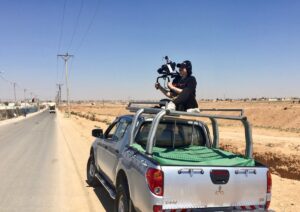
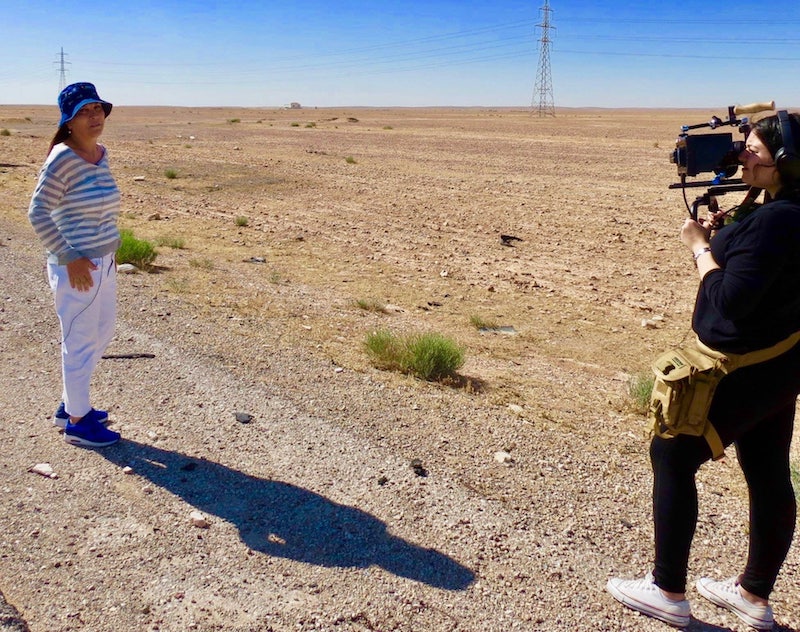
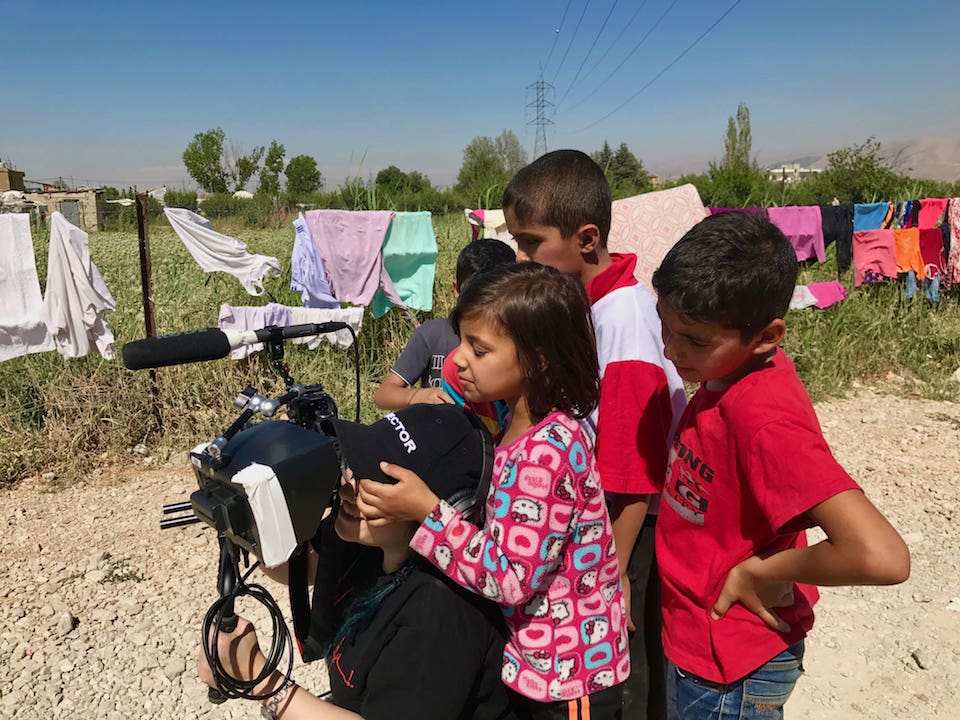
MH: My debut film, Syria’s Tent Cities, was shot in Jordan, Lebanon, and Canada. It started out as an MFA graduation project, but I worked on it long after graduation and have now developed it into the 30-minute award-winning documentary short that it is today.

Identifying as both Syrian and Canadian, watching the refugee crisis continually worsen has been especially difficult for me. I felt helpless, and knew that many others also wanted to help but didn’t know where to start. Almost eight years into the crisis, I noticed that the Syrian refugees were now being viewed as one, singular mass statistic. I spent many summers in Syria growing up and have amazing memories there; I wanted to remind the world that these refugees are individuals: they’re parents, they’re children, they’re teachers, they’re families, they’re friends. In many ways, they’re not very different from us, they’ve just been forced into a very unfortunate situation and had their world turned upside down.

My film is unique in that it explores the Syrian Refugee Crisis from both a local and global perspective by examining the lives of Syrian refugees in Middle Eastern refugee camps while also answering the question of what happens next, once they’re resettled in North America. While planning the film and working on months of pre-production from Los Angeles, one prominent issue kept coming up: there are hundreds of thousands of displaced Syrian children around the world growing up without any access to education. In the long run, this could have very dire consequences and prevent them from becoming self-sufficient, contributing members of their society. The lack of education takes away from what’s left of their childhood and doesn’t give them a sense of importance or purpose. I knew that I not only had to focus on education while making the film, but also present the audience with feasible solutions to help fix this problem. 

Throughout the film, the refugees work to improve their situation through the efforts of the two individuals I chose to tell this story through: Nowell Sukkar, founder of Nowell’s Mission working in Jordan and Lebanon, and Mazen El-Baba, founder of H.appi Camp working from Ontario, Canada. Both of them have dedicated their lives to making education and inclusiveness a right for all Syrian children. 

I also worked with Human Rights Watch in Jordan and Lebanon to better explain the situation to the audience; instead of blaming the refugees’ parents automatically, the HRW researchers break down the many reasons why all these barriers exist and how we can combat them.
Mira Hamour - Syria's Tent CitiesNYFA: What inspired you to make Syria’s Tent Cities?

MH: The Syria we see on the news today is painfully different from the one I knew growing up; it’s hard to come to terms with just how bad things have gotten in a relatively short amount of time. As with many other global crises, after a while people begin to grow tired of it because, even if they want to help, they don’t know how to. It seems too complicated, too difficult, and they feel helpless. And that’s why I wanted my film to focus on the specific issue of education and how the lack of it is killing refugees’ childhood, their ability to dream, aspire, and achieve.

During a visit to my home city of Toronto in August of 2016, I spoke with newly resettled Syrians who noticed a world of difference in their children who had just attended the first ever H.appi camp, a free summer camp experience exclusively for newcomer refugee children. H.appi aimed to help these children integrate into Canadian society, improve their linguistic skills and aid them in overcoming the trauma that they had experienced before arriving to Canada. When I actually made the film a year later, I realized that whether they’re living illegally in neighbouring countries or permanently resettled in Canada, many of the refugees were united in one thing: their goal to achieve a better life through a good education and the mental health resources many of them needed to overcome the trauma of war.

NYFA: What was your experience filming Syria’s Tent Cities?

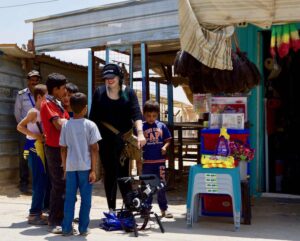
MH: Personally, working on Syria’s Tent Cities was especially challenging. For starters, I had under two months to travel to two continents, three countries, and four cities to shoot all of my footage. One of the things about being a low-budget student and having to operate as what was often a one- or two-person crew is that you learn to wear many, many hats on the job. As with most of my other projects, I was in charge of directing, producing, shooting, recording sound, and editing Syria’s Tent Cities. 

As someone who’s doing the job of five people on location at refugee camps in the Middle East, I needed to be able to handle my emotions, even when faced with a seven-year-old girl whose leg has been amputated during the war staring longingly from her wheelchair as her twin sister and other siblings run around their one-bedroom apartment. Even when a two-year-old little boy being raised by a single father is so deprived of the love of a mother he lost while the family were fleeing the country that he curls up in your lap while you’re shooting an interview with his father and clings to you, refusing to let go when you have to leave later. Mira Hamour - Syria's Tent Cities
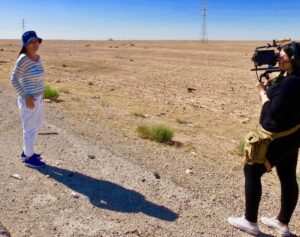
I had to keep my composure on location; if I was an emotional wreck, the film wouldn’t get made and no one would hear their story. There were many, many tears when I got home. But I’d have to get up the next day and do it all again, pretending that my heart wasn’t breaking every time I met another child who just didn’t understand why they had to lose family members and run from what was once a safe and happy home. What kept me going was that I knew I was helping, I was telling their stories and encouraging the world to change their lives. In making this film, I truly feel like I grew so much as a person and a filmmaker.

NYFA: What are your plans for Syria’s Tent Cities?

MH: My main goal was that I didn’t want my audience to leave the theatre feeling sad and helpless. I wanted to give them tools and solutions to make a difference. In the film we see Nowell and Mazen; they’re not millionaires, they’re not people who have absolutely nothing else going on in their personal lives. Mazen is a full-time medical student and Nowell is a mother of two who has to tend to her own family’s wellbeing. 

Yet they still make the time to help, they’re dedicated. And although I don’t expect every person who watches the film to start a non-profit like theirs, they show us the small ways in which we can all help truly make a difference in these children’s lives. Simple things and contributions that actually end up having a noticeable and positive impact in the long run. 

It was incredibly inspiring to work with them and I really hope that, when they watch the film, the audience is inspired in the same way I was. I set up a page on my website where people who watch the film can learn more about Mazen’s and Nowell’s work and make a simple contribution that will truly end up making a world of difference. 

Additionally, after working with Human Rights Watch through making this film and seeing all of the incredibly valuable research they do on the ground, I partnered with them and created a page specifically dedicated to this cause! All donations that come through the page from the link on my website will be designated to Human Rights Watch’s Refugees Division, specifically for their work on Syrian Refugees.

I’m especially proud of Syria’s Tent Cities. As someone who identifies as both Syrian and Canadian, this story really hit close to home. It’s something I wanted to do for so long that every (increasingly difficult) challenge that I was faced with while making this film was a blessing I was grateful for, because it meant that I was finally actually making the film and telling the story of Syrian refugees. Mira Hamour - Syria's Tent Cities
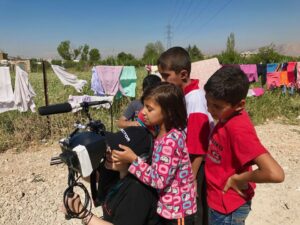
As proud as I am of how well the film’s been doing and as honoured as I am to be able to tell this incredible story, the awards are especially meaningful because they confirm that people recognize the importance of the film’s message and that they’re moved to give it an audience and help. This is just the start, but I know that I’ve succeeded in beginning to raise more awareness, which is what I set out to do when I first made the film.

I plan to continue showing the film to as many audiences as I possibly can; this is a crucial problem and small contributions can make a very large difference in the life of a refugee child.

NYFA: What other projects are you working on or do you plan to work on?

MH: While working in the field of Documentary Filmmaking, I’ve created films that focused on issues that I felt needed to be heard and further explored. I wanted my films to not only educate the audience on the issue at hand, but to also show them clear ways in which they can help and make a difference or learn about an issue that was once foreign to them and become more accepting, compassionate individuals.

One of the films I’m working on now, PCOS, is about the often neglected and discredited Poly Cystic Ovarian Disorder in women and how the many side effects it causes impact those affected by it, including facial hair in women. Some of the women in the film resort to elective weight loss surgery to reverse the symptoms of their PCOS, while others accept and try to change society’s harsh criticism of them. I actually have the condition myself and am one of the characters in the film (truly challenging as a simultaneous director!)


I’m also about to release a short documentary film about two Syrian senior citizens who relocated to stay with their family abroad. And while they’re technically safe and living in a comfortable home, their whole lives have been uprooted extremely unexpectedly. At their age after retirement, they expected to live out the rest of their days in familiar Syria, and so they now spend much of their time reminiscing and missing those they lost to the war and during the move. Living in a state of constant uncertainty, major change, and having to adapt to a completely foreign country at their advanced age has made them question whether leaving Syria was worth it, and so the film is named Safe or Sorry.

Apart from my own projects, I also currently freelance, primarily in Documentary Filmmaking. Most of my jobs are in pre-production and/or production. I love researching a great topic extensively, reaching out to people, booking and conducting interviews, being on location shooting vérité and seeing my subject’s world through the camera’s lens. 

When people let you into their lives in that way, it’s a really great, fulfilling feeling — there’s a certain mutual trust and understanding there. The amazing people that documentary filmmaking brings into your life and the relationships you develop with the people you film are truly incredible and constantly remind me of why I got into this field and how fortunate I am to call this my job. For instance, making Syria’s Tent Cities was such a humbling and eye-opening experience; I saw firsthand the difference that dedication and love, even coming from a single individual, can make in the lives of those facing a global crisis.

NYFA: What did you learn at NYFA that you applied directly to your work on Syria’s Tent Cities, or your work in general?

MH: The biggest thing I learned is that loving something doesn’t make it easy — it just makes it worth fighting for and working towards. When I first started this journey, I had absolutely no idea how hard making documentaries would be! But because I love it, it has definitely been worth every challenge I’ve faced.

As an emerging artist, you’re definitely going to have times where you doubt yourself and your abilities, sometimes even whether you were meant to be in this field at all. You’re going to have friends in ‘safe’ jobs, with a steady paycheque and very little risk involved. And sometimes it’s going to scare you. Being a documentary filmmaker is hard, it’s challenging, there’s a lot of discipline, work, and time management that goes into it. You have to be able to believe wholeheartedly in yourself and your project and the message that you’re trying to put out there. 

I’ve been so fortunate to have incredibly supportive parents, family, friends, and teachers in my life who have definitely played a big role in getting me to this point today. But to make it in this field, you have to truly believe in your work and keep pushing to make the story you’re working on heard; working past every festival rejection you receive, every professional failure that comes up along the way, every person who discredits you and doesn’t believe in you, and every one of the many challenges you’re going to face. 

I want to specifically thank Sanora Bartels, who was actually the Consulting Producer on Syria’s Tent Cities for being an amazing mentor, friend, support system, and just an overall wonderful human being. She’s gone above and beyond her role as Chair of the Documentary MFA Program to make sure that her students succeed and reach their full potential. Most importantly, she believed in us and our abilities even when we didn’t believe in ourselves. Having teachers like that when you’re only just starting out in the field is truly invaluable. Sanora is just one of the many incredible teachers I’ve been lucky to work with at NYFA.

NYFA: What lies ahead for you now?

MH: In addition to filmmaking, I’m very passionate about travel and hope to be able to see the world through my work. I’ve been to 25 countries so far and it never ceases to amaze me how many similarities we all have on a basic human level, regardless of differing social and cultural norms. I will continue to travel and make films while I learn more about the world; Syria’s Tent Cities is just the beginning, I have so many other projects planned and some are already in pre- and post-production!

[su_carousel source=”media: 28395,28394,28393,28392,28390,28391,28389,28388,28386,28385″ limit=”49″ link=”lightbox” target=”blank” width=”780″ height=”360″ title=”no” autoplay=”0″]

The New York Film Academy thanks Mira Hamour for the time she took to speak with us, and congratulates her on the well-deserved success of her documentary short Syria’s Tent Cities.
New York Film Academy (NYFA) Hosts Q&A With Assaf Bernstein and Dana Lustig

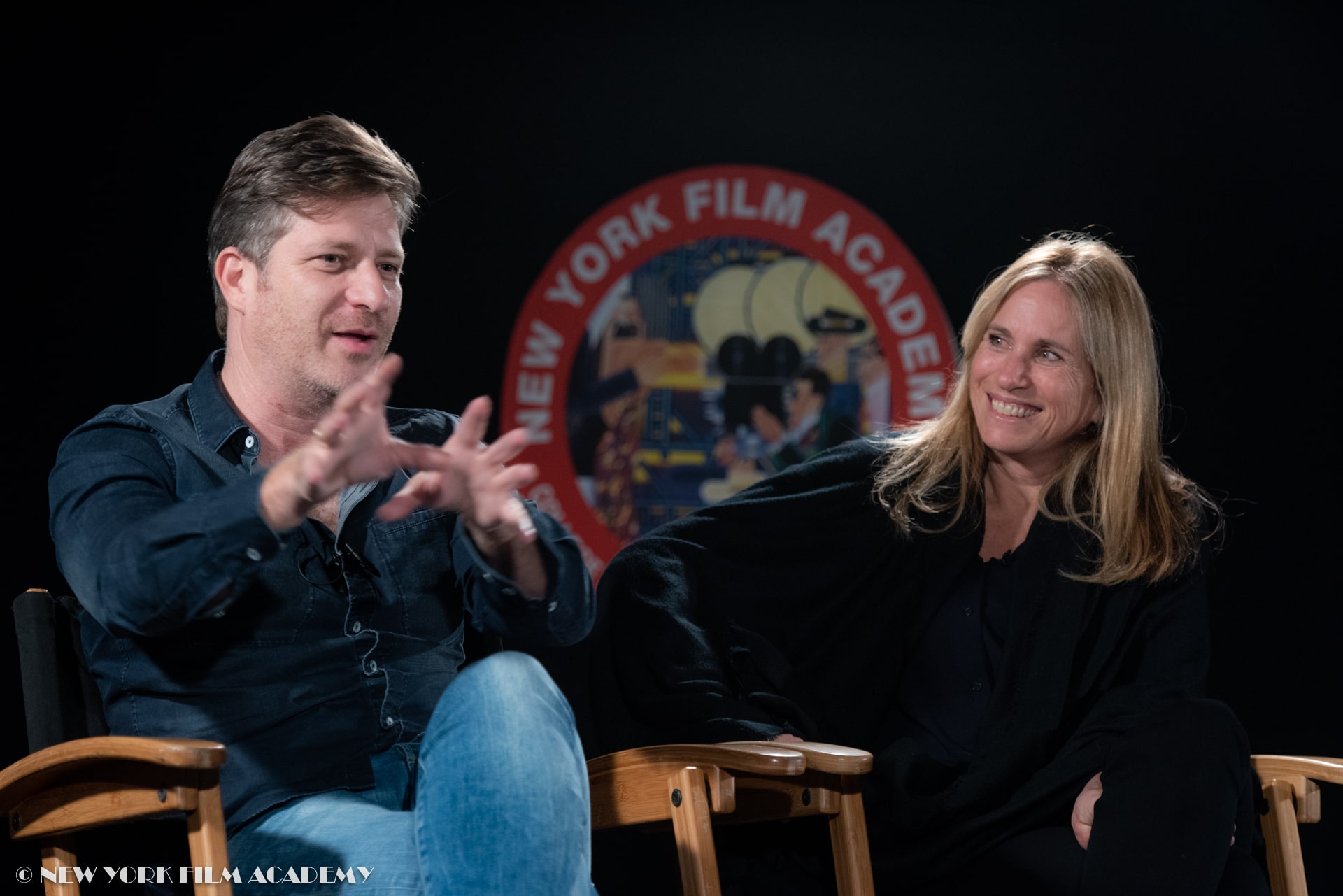
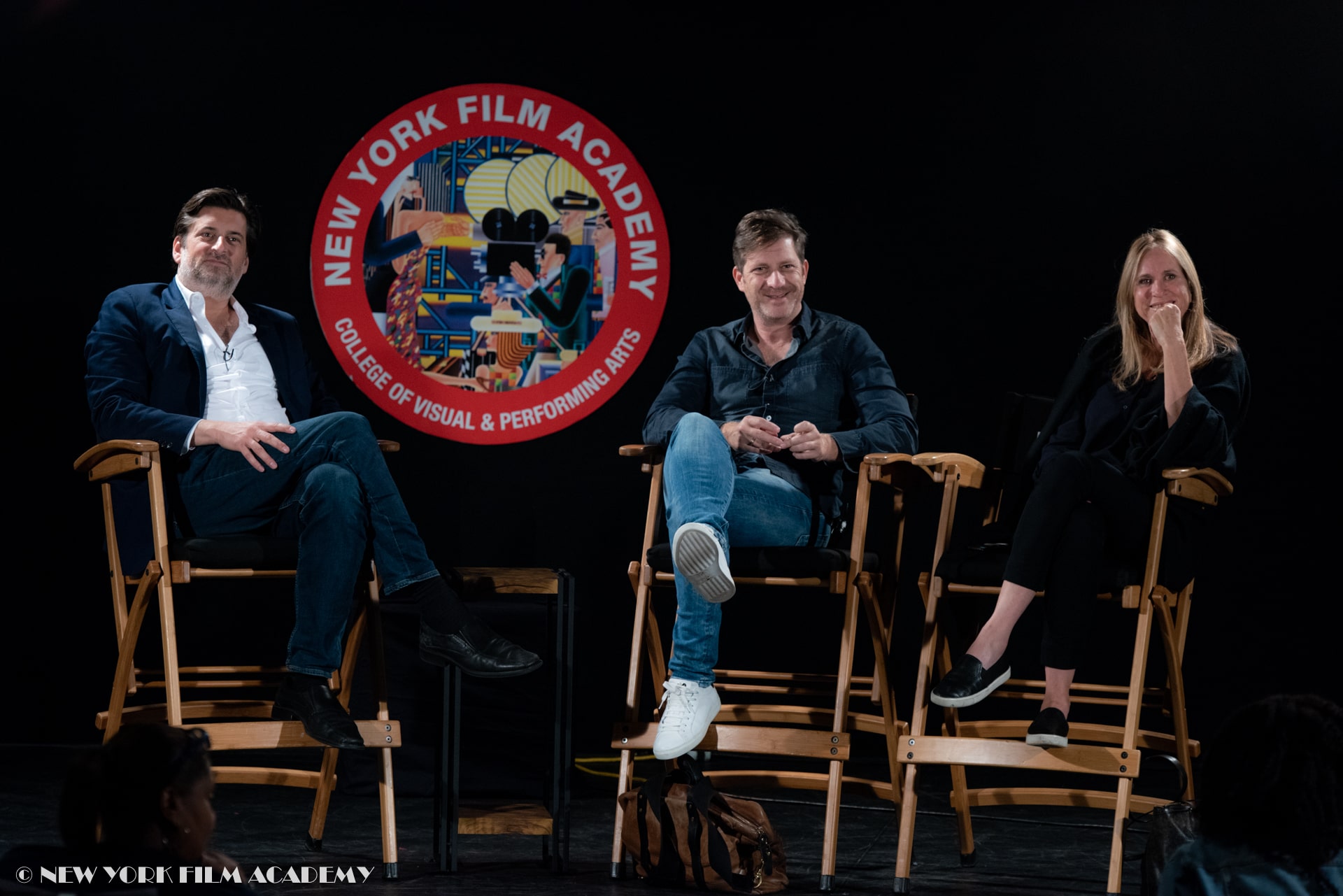
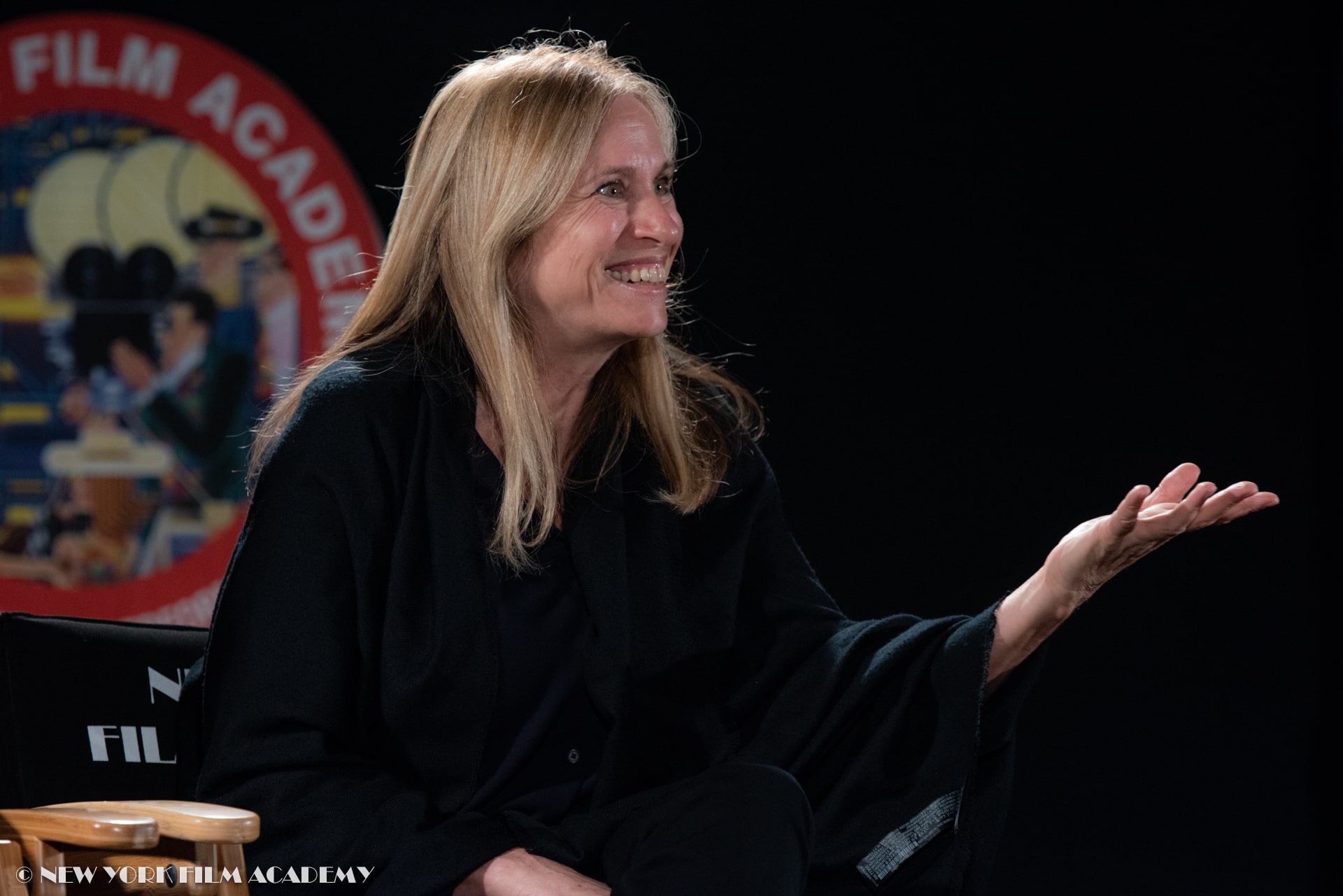
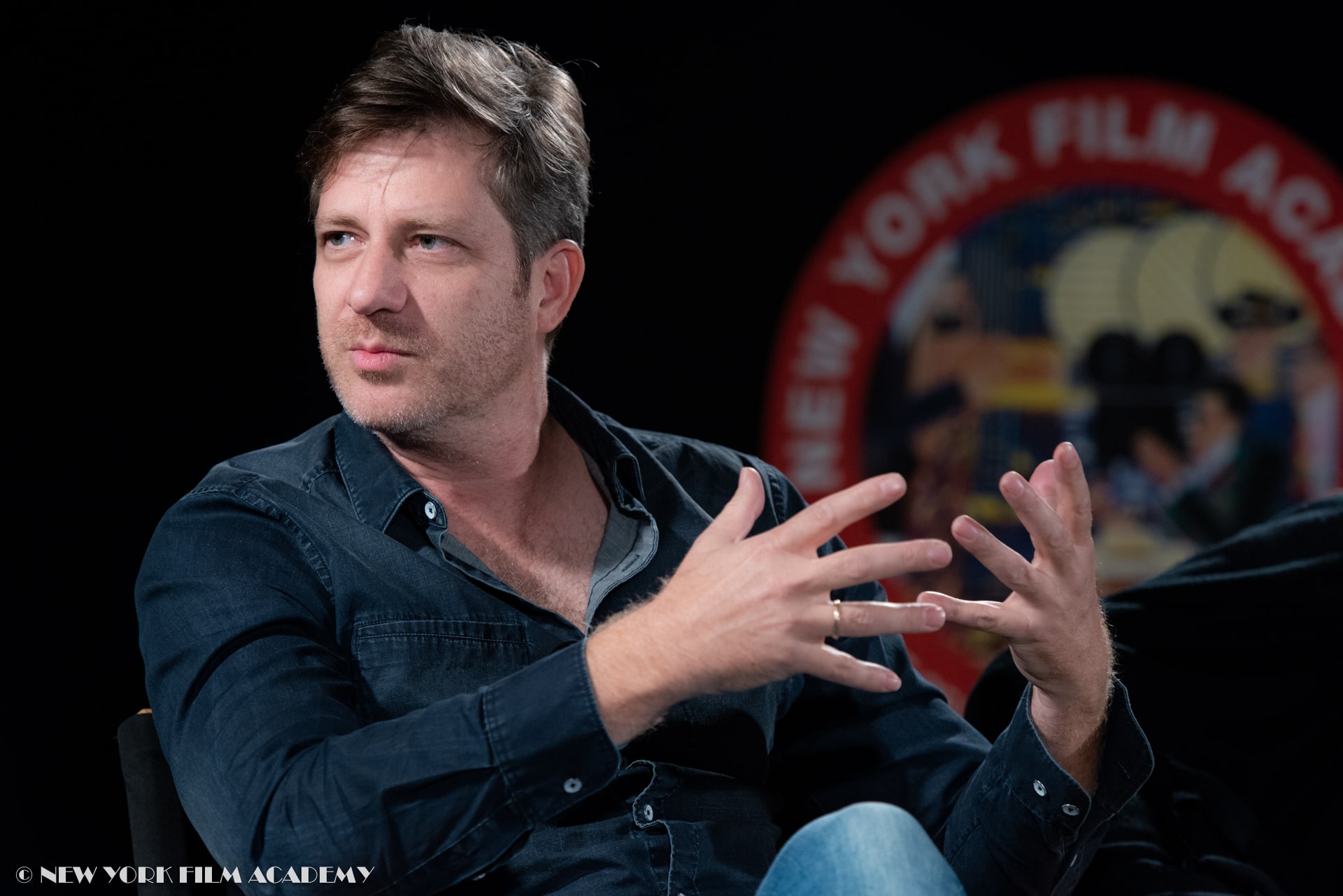
On Tuesday, October 16th the New York Film Academy hosted a screening of Look Away with director, Assaf Bernstein, and producer and NYFA instructor, Dana Lustig, moderated by Director of the Los Angeles NYFA campus, Dan Mackler.Look Away Dana Lustig

Bernstein is the critically-acclaimed director of Netflix’s massive hit series, Fauda (2015). He recently directed the pilot episode of Warrior, the Bruce Lee-inspired series created for Cinemax. Prior to that, Focus Features released an English-language remake of Bernstein’s film, The Debt (2007), which he co-wrote and directed. Look Away is Bernstein’s first U.S. feature.

Lustig was the executive producer on Spider in the Web (2019), starring Ben Kingsley and Monica Bellucci, and the Israeli hit series, Very Important Man (2018). Prior to that, Lustig produced Jungle (2017), starring Daniel Radcliffe; The Frontier (2015); Rian Johnson’s Brick (2005), nominated for the Independent Spirit Award; and Dancing at the Blue Iguana (2000), directed by Academy Award nominee, Michael Radford.

Lustig also directed A Thousand Kisses Deep (2011), which was nominated for the British Independent Film Award; Wild Cherry (2009) with Rob Schneider; Confessions of a Sociopathic Social Climber (2005), starring Jennifer Love Hewitt; and Kill Me Later (2001), starring Selma Blair. Lustig is set to direct the remake of Israeli film, The Man in the Wall.

Look Away Dana LustigAfter the screening, Dan Mackler opened up the conversation by asking Bernstein about the inspiration behind Look Away. Bernstein replied, “It started when I was 10 years old and… this film is kind of the sum of all my fears… I had this idea of my own reflection not quite reflecting me, and I think there’s something there — if you really look at yourself in the mirror, you always make a face, or, you know, you never actually just look at yourself, you always look away from what you see. I think the idea that your reflection is a stranger to you is something that has some truth in it… so that sort of fear that made me not look in my mirror in the bathroom… I remember as a kid I always thought would be the first film I would make.”

Mackler inquired as to why — since the idea seemed to stem from an autobiographical perspective — Bernstein chose to make the protagonist a girl instead of a boy. “I think women are more repressed, traditionally, than men,” said Bernstein, “there’s more pressure on them to behave a certain way, to look a certain way… when a woman… becomes sexual, there’s something dramatic about it.” Look Away Dana Lustig

Bernstein added that making the protagonist female also played into primordial parental fears about their teenage daughters being sexually active, fears of both their daughters’ agency and potential victimhood.

Later, the Q&A opened up to questions from students in the audience; one student asked Bernstein and Lustig what they wish they knew when they first started out. “Don’t make [this] mistake,” said Lustig, “You make your movie, you put everything into it, you go to a film festival; everybody’s asking you, ‘So what’s your next project?’ and you’re like, ‘Um…’ and you don’t have it and you kind of miss the opportunity, miss the timing…The other thing that I encourage my students [to do]…is to keep doing.”

Lustig then encouraged all students in the audience to make their films with whatever resources are available to them and to never stop learning.

The New York Film Academy thanks Assaf Bernstein and Dana Lustig for sharing their creative processes and entertainment industry advice with students!

[su_carousel source=”media: 28366,28364,28363,28362,28361,28360,28359,28358,28357,28356,28355″ limit=”49″ link=”lightbox” target=”blank” width=”780″ height=”360″ title=”no” autoplay=”0″]