The Effect Of The Camera: An Interview With Documentary Filmmaker Paul Gallasch

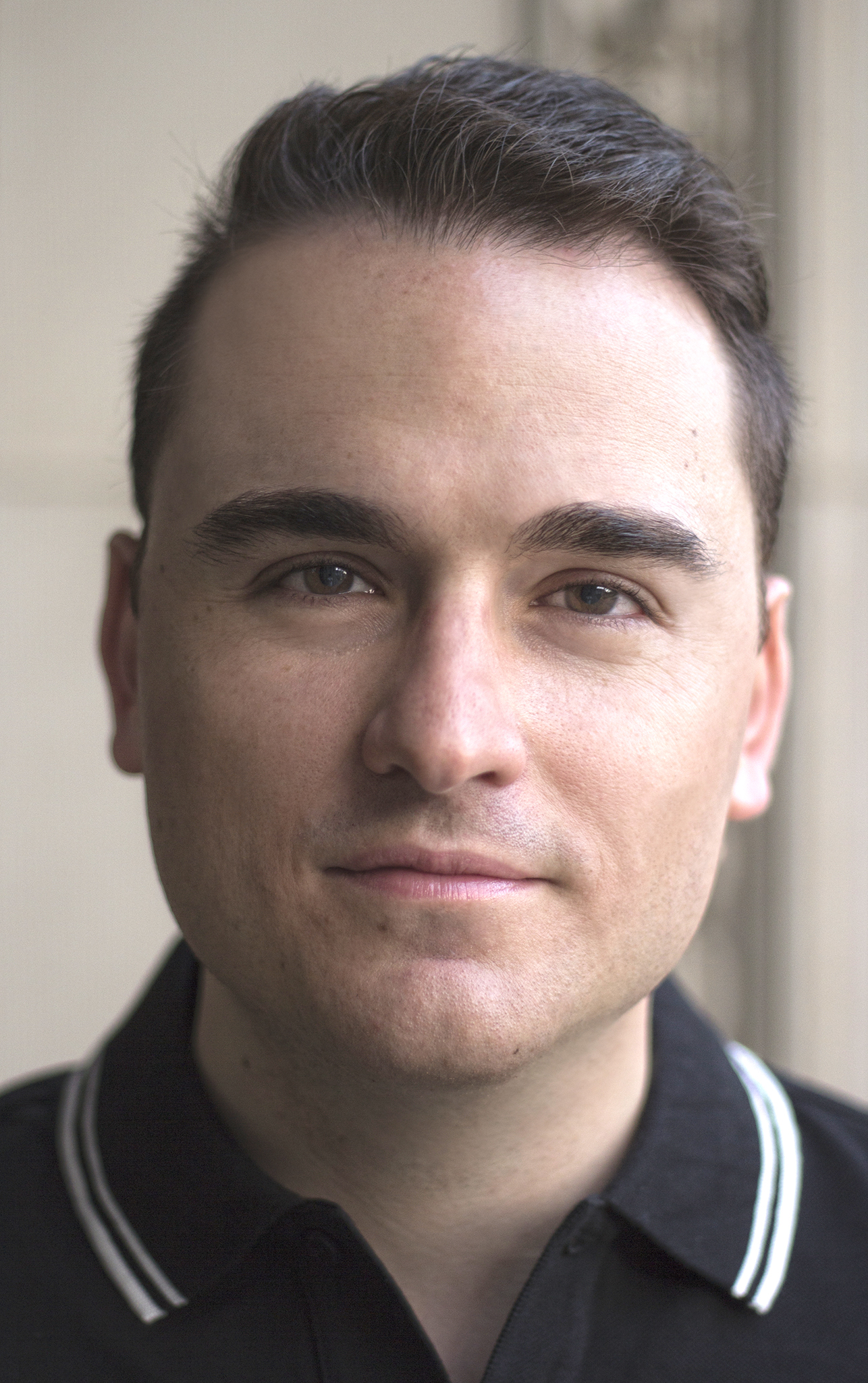
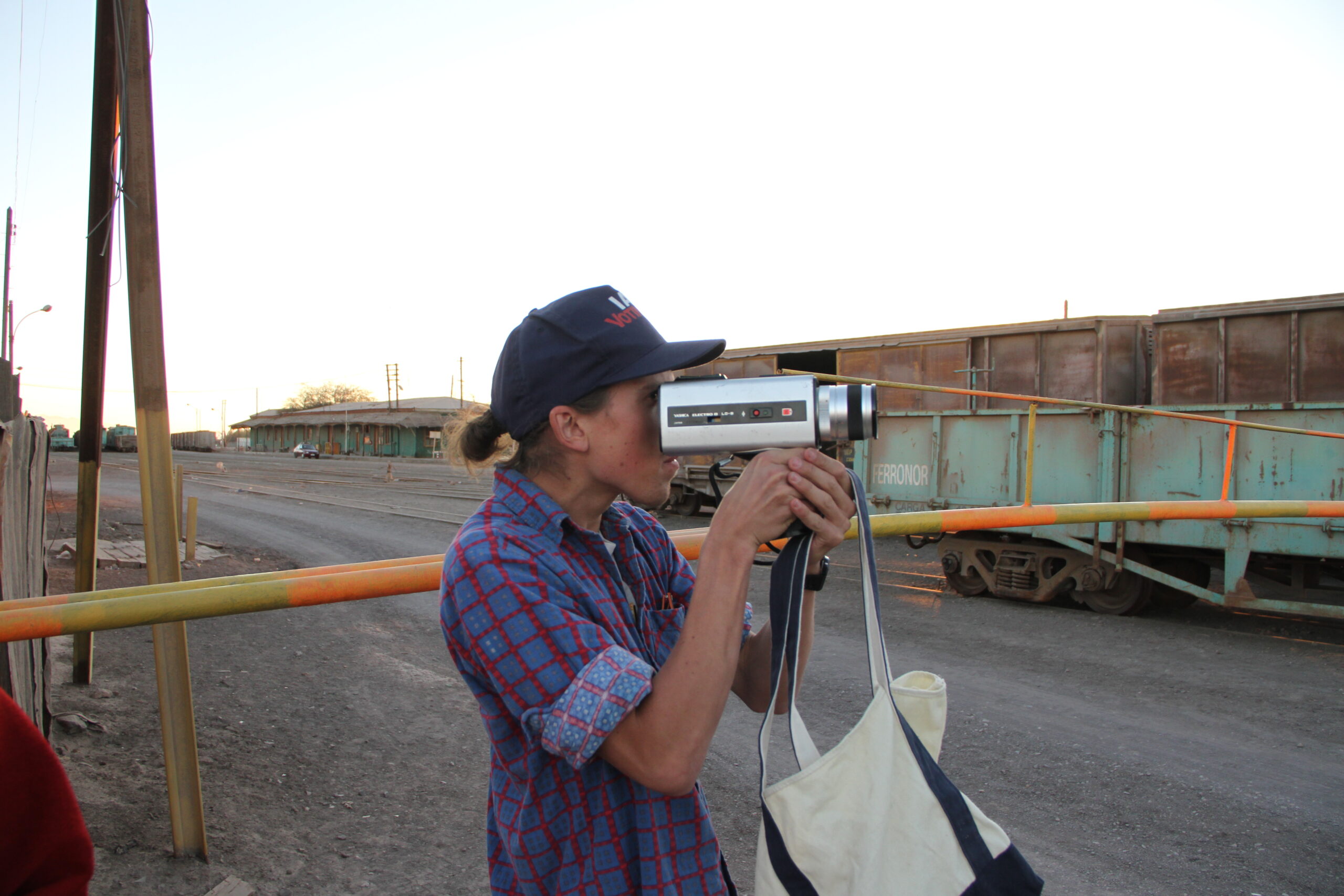
Documentary filmmaker Paul Gallasch filming with camera

NYFA: What is your background and what attracted you to the field of documentary filmmaking?

Paul Gallasch: I have always had quite a short attention span. I studied sports management and outdoor education at university but never really intended to go forward in that field. I also started a master’s in anthropology, but realized quite early on that I needed to spend more time out of the library. It was actually my ex-girlfriend who suggested documentary filmmaking as a way of combining my erratic interests, my love of travel and the outdoors and my interest in understanding people. It took a little while but I eventually listened to her, and now here I am.

NYFA: What lesson did you learn at NYFA that you’ve continued to apply to your work?

PG: Apart from all of the practical and technical knowledge, Andrea Swift’s focus on storytelling was very helpful. The course encouraged me to discuss and workshop rough-cuts of my films as often as possible, which I’ve tried to continue to do. And I still remember a bunch of Andrea’s little wise, counter-intuitive anecdotes.

NYFA: Your documentary Killing Anna has a rather radical premise in that it uses the documentary format to capture you, the subject’s fictional, revisionist history in dealing with a break-up. While this would undoubtedly be a fantastic story for a feature film, the fantasy in the film is elevated and disrupted by the presence of the camera in real life. What films or traditions did you draw upon when conceiving the film, not to mention your own personal inspiration? Was this your way of dealing with or working through the trauma or heartbreak that results from a break-up?

PG: The conception of Killing Anna was actually quite simple. It was initially based on an idea to perform Anna’s funeral as a ‘performance-art’ piece (based on a fear/fantasy I had), but then my sister suggested that I film and document the making of the piece. I had had such little experience in filmmaking that I didn’t really know the impact the camera would have on my plans and my life. Saying that, I had watched most of Ross McElwee’s films and had noticed the way the camera played a role in his life and storytelling. I am also very interested in Lars Von Trier’s work and the dogma 95 movement and had also recently watched The Five Obstructions. So I was very much thinking about film as a mode of experiment; especially with reality. In the end I think the camera and the film became an integral part of the grieving process/experiment. Firstly, without the expectation of the film I’m not sure I would have gone through with the funeral service in the end, and secondly, and what I came to discover about first-person documentary filmmaking is that it is essentially an indulgence in mindfulness. It forces you to pay attention to everything that you are doing, whether you are filming it or not, whether you decide to film it or not. And that’s not to mention the editing process. So yes, as I say at the end of the film, the whole endeavor was most importantly an excuse to allow me to focus on myself for a while, an external justification that gave me that space.

NYFA: And to follow up, what effect did the presence of the camera have in your fictional staging of Anna’s funeral?

PG: It was only once I started setting up for the day that I realized how much of an impact the filming was going to have. It was an early lesson for me on one of the central paradoxes of documentary filmmaking: the effect of the camera vs the possibility of broadcasting the story. I think the funeral itself would have been much more intimate and ultimately impactful without the cameras and lights but then no one else would have seen it. And as I said earlier, without the film to encourage me I’m not sure I would have put the funeral on in the end.

NYFA: Where do you turn to for inspiration? Your films range from personal tales to examinations of the world and people around us, ranging from introverted to extroverted subject matter. How do you balance this dynamic in your work and do you tend to have an idea beforehand or does inspiration just come from the aether?

PG: I’m the kind of person that pretty much always says yes to an invitation. So in a sense subject matter and the film’s direction finds me more than the other way around. Obviously I am making decisions in my work all the time but it doesn’t feel that way. I’m a fan of verité filmmaking (but of course these days that includes the great effect of the camera and the subjects’ awareness of editing and distribution) so I try to keep my expectations of a film to a minimum while I’m shooting and just focus on whatever it is that interests me, and let the writing of the story happen in the edit suite.

NYFA: Do you work full-time as a documentary filmmaker or do you supplement your work with other projects? What other fields and jobs are available to documentary filmmakers?

PG: I’ve been lucky enough to receive a couple grants recently for my own projects, which means that I have been able to focus more of my time toward them. Additionally I do some freelance cinematography, editing, sound and every now and then I teach.

It all depends on what type of ‘documentary filmmaker’ you want to be. The basic skills of a documentary filmmaker are broadly applied across a bunch of applications in media and storytelling.

NYFA: What about the way NYFA’s documentary program is structured—especially the Academy’s overriding philosophy of learning by doing—has shaped how you approach your work as a documentary filmmaker?

PG: NYFA’s doc program didn’t so much shape my approach as much as I chose the program because of its practical emphasis. The hands-on philosophy worked well for me because I was able to compliment it with my own theoretical research and musing. The course doesn’t try to do too much. It is essentially a dense, hectic, non-stop, more expensive alternative to growing up with a camera in your hand and making little experimental films. But it doesn’t do the work for you. You still need a passion for it.

NYFA: What role does photography play in your development and interests as a documentary filmmaker. Obviously, both disciplines are concerned with capturing the world around us, but do they require different skill sets or impact how you approach the other?

PG: Photography was my first foray into visual media and I can see the impact it has had on my work. If anything the lessons I learned when shooting stills (composition, lighting, mood, story, etc.) have allowed me to experiment more in the moving picture. For me there is no point capturing something with a video camera that can be expressed in a still (or the other way around). There are times that I wished I only shot stills (there is a simplicity to the medium that attracts me), but in the end documentary filmmaking is just another string to the bow of storytelling and allows a different range of communication.

NYFA: Any parting words of advice to aspiring documentary filmmakers?

PG: Don’t take my advice, take Werner Herzog’s.

Culture of Collaboration: Interview With Producer Sal Irizarry

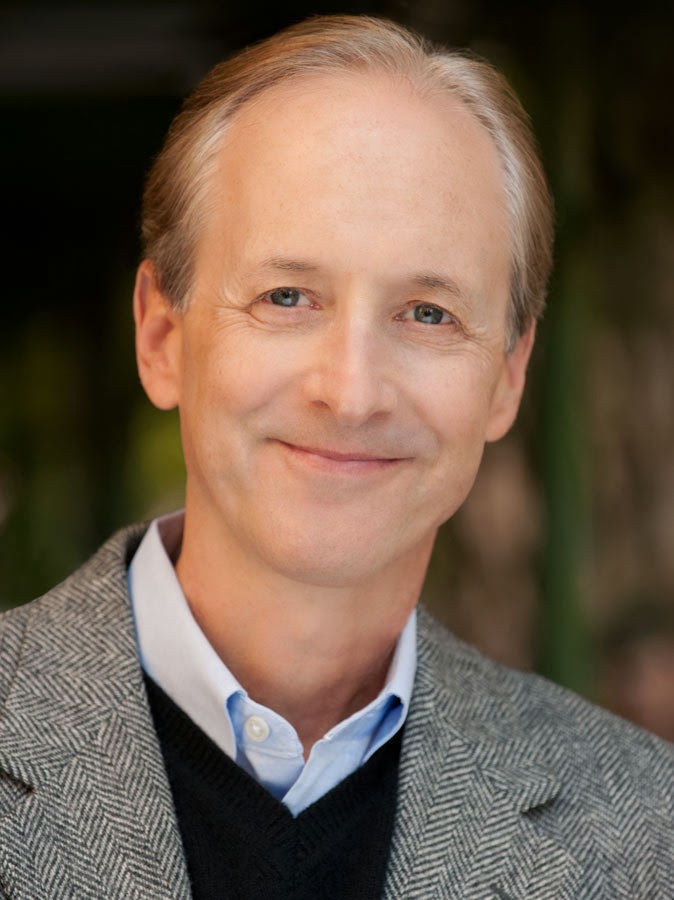
Film producer Sal Irizarry
Photo provided by Sal Irizarry.

NYFA: Would you mind telling us a bit about your background and what drew you to NYFA and its producing program in particular? Were you always interested in film?

Sal Irizarry: My background was in Real Estate Sales and Finance. While living in LA, I met and befriended many industry people. When I decided to jump into film production, I started looking into Producing specific programs in LA and NYC. NYFA’s One Year Conservatory was the one program I found that offered everything I was looking for.

NYFA: How did NYFA’s producing program actively prepare you to dive headfirst into film production?

SI: The Academy’s Producing program is top notch. The courses are practical and pragmatic. From project development, packaging and production to tax credit monetization and deliverables, everything I learned was real world applicable when I got on set to produce my first feature film.

NYFA: Your film Bert and Arnie’s Guide to Friendship was digitally released by FilmBuff on a host of platforms. How important do you feel video-on-demand distribution has become for independent filmmakers? What are its pros and cons? Does the VOD model tend to turn a profit or is it more important in terms of getting a film in front of an audience who might not otherwise ever hear of the film?

SI: I love having FilmBuff as a partner and distributor of both Bert and Arnie’s Guide to Friendship and Showing Up: A conversation about the audition. iTunes, Amazon, Hulu and other platforms have made it easier for independent films to reach wider audiences but the revenue generated is a fraction of what it was just a few years ago when DVD sales were a significant source of revenue and distributors paid higher minimum guarantees.

NYFA: As a producer, you clearly appear to embody the more creative side of the equation, yet you must deal with the many business and entrepreneurial concerns that come with running your own production company, Justified End Entertainment. How have you learned to balance both sides to create quality content while maximizing your return on investment?

SI: As a Producer, I have to support and protect the artistic integrity of a project while being accountable to the investors. It’s a delicate dance to balance the needs of art and commerce while maintaining good working relationships that can last for years after a project is completed.

NYFA: What is your dream goal as a film producer and storyteller? Do you have any stories in particular you hope to adapt to the big screen?

SI: I love the Arts and I enjoy surrounding myself with talented people. As a Producer, I’m always on the lookout for new material, reading everything I can to see if there’s a story to be told. It becomes second nature. It all begins with a story.

Q: Your production company creates content designed for a host of media, from the movie screen to television and online content. Do you think it’s feasible for a production company to survive in today’s environment by focusing only on one medium or do new production companies in particular need to take a transmedia approach?

SI: Storytelling has to evolve to accommodate multi-platform delivery of content. Whether adapting a 90 minute feature film to stream as a 15 minute webisode for 6 weeks or creating an after-show, social media experience for fan interaction with their favorite characters, you have to be open to see what gives your project the best chance to succeed.

NYFA: What was the single most important lesson you learned at NYFA that you continue to apply to your work?

SI: You set the tone for the production. Any strife on set will show up on screen. Establish a culture of collaboration and open communications so everyone feels invested in turning out a quality product.

NYFA: Any parting advice you might have for aspiring producers?

SI: Spend your time wisely. Surround yourself with people as driven as you are and treat people well. The PA you insult on set today can be the Executive you pitch an idea to somewhere down the line.

Every Person Has A Story: An Interview With Documentary Filmmaker Susanne Dollnig

Documentary filmmaker Susanne Dollnig

NYFA: Hello Susanne, to get started, would you mind telling us a little bit about your background and what drew you to documentary filmmaking?

Susanne Dollnig: I was born and raised in a small city in Salzburg, Austria. I got interested in filmmaking during high school, when we were allowed to do a short film project with professional guidance. From then on, I knew that filmmaking is what I wanted to do for the rest of my life.

I studied at the University of Applied Sciences in Salzburg, where I received my Bachelor’s Degree in Digital Television. During my studies, I discovered my love for documentary filmmaking. My thesis film Vestiges of a Language was a documentary about Ladins, a linguistic minority in South Tirol, Italy trying to keep their culture alive.

NYFA: What attracted you to NYFA’s documentary program and inspired you to make the move from Austria to New York City?

SD: After my studies in Austria, I worked for different production companies and TV stations in Munich, Germany and Salzburg, Austria. My studies at the University of Applied Sciences provided me with a great basic knowledge of film and television production and post production, but I had a feeling that my education was not complete just yet.

After one month traveling through the United States, I was also visiting New York City and saw the New York Film Academy advertisements. Something told me I had to look into this. When I got back home to Austria, I started researching the school and the different programs it had. I was very pleased to find out that they offered a documentary program, since that was what I wanted to specialize in. That the program was a 1-year intensive program was also very appealing to me. Since I already had a basic knowledge of the filmmaking business I felt a further education, which was one year, would be a great fit for me. When I applied and got accepted I was thrilled, there was no hesitation on making the move and I was very excited to start a new chapter of my life in New York City.

NYFA: What was the most important lesson you learned while at NYFA that you continue to apply to your current work and career goals?

SD: There are so many lessons I learned at NYFA, which I apply daily at my work.

If I have to pick one I would say, one of my favorite things about the documentary program was the variety of teachers, with different backgrounds, different expertise, different teaching methods and different storytelling approaches. Getting to know this variety is helping me greatly in my job as an editor today. At the post production studio, House of Trim, we work on many different types of projects, the range goes from commercials to documentaries. With every new project you have to switch up your creative thinking fitting to the clients/directors vision. Having learned at NYFA how people approach the creative process in different ways, I can utilize this and apply it on a variety of projects.

NYFA: How has NYFA’s philosophy of “learning by doing” influenced both your education and current work?

SD: At NYFA in the documentary program you work on your own project in so many different roles; you produce, you direct, sometimes you do camera and/or sound, you edit…and you also work on your classmates’ projects as a cinematographer, doing sound, being a production assistant, etc.

The amount of work experience you gain in just one year of studying at NYFA is enormous. The fact that NYFA is so “hands-on” in every possible aspect of film production is one of the most valuable characteristics of the program. With this much experience during one year, I had my successes in what I wanted to achieve, but I also made a lot of mistakes, which is a very important part in learning a craft. This is the best preparation for your future work environment. You were able to make those mistakes already, which you would not want to happen on your job. At NYFA I learned how to deal with making mistakes, accepting them and most importantly learning from them.

NYFA: What is your personal philosophy regarding documentary filmmaking and what do you aim to achieve in the medium. How has this philosophy manifested itself in your thesis film Just Passing By?

SD: My personal philosophy regarding documentary filmmaking is that every person has a story to tell. Ordinary people have the most extraordinary lives. I believe that you just need to turn around and talk to the person who sits right next to you on the subway and you will find the most interesting story.

This was exactly the premise for my thesis film Just Passing By. You don’t have to be a famous actor, singer, activist, or politician to be recognized. With my documentary work I want to show how every single person is a valuable part of society with sorrows and wisdom living ordinary life.

NYFA: Just Passing By utilizes a unique premise—placing a table with two chairs and a coffee table in various locations around NYC to engage in conversation with people you might not otherwise engage with. What was your goal in creating the film and do you feel that goal was achieved?

SD: As I believe that everyone has a story to tell, my goal with making this film was to demonstrate the variety of incredible stories in ordinary people. I needed to set up an environment were people can get comfortable. I decided on an Austrian coffee table, since I am Austrian and a big part of my culture is the “coffee house culture” where you sit for hours over a cup of coffee and philosophize about life.

By setting up the table I did not have to wait long until people were willing to sit down with me and have a conversation. I got told the most fascinating stories of people from all walks of life, young and old from all corners of the world.

Right now Just Passing By is participating in an Online Film Festival “We Speak, Here”.

You can watch it here: http://www.cultureunplugged.com/documentary/watch-online/play/51044/Just-Passing-By

NYFA: Were there any films, directors, or other inspirations that helped influence the concept behind Just Passing By?

SD: There are many films and directors that inspired and influenced me in doing this project. One of the first documentary series that I was very fond of was a series called Wir sind Österreich (We are Austria). It was a series of portraits on Austrian artists, athletes and musicians, these four- to five- minutes portraits were so sincerely done on how they portrayed these individuals, that I was inspired to do my documentaries in similar manner.

One part of documentary filmmaking is doing your research; what films are out there, what has been done before and how? During the production of Just Passing By I was researching many films about interviewing ordinary people and every film was very valuable for understanding what I wanted to achieve with my film. These were films from Chronicle of a Summer, by Edgar Morin and Jean Rouch, Talking Heads by Krzysztof Kieslowski to The Interview Project by David Lynch.

NYFA: One of the first films you completed after graduating is called ASEXUALLIFE about a female dancer who does not experience sexual desire, a condition that 1% of the human population has. What drew you to such an original and fascinating topic? What did the process teach you about the collaborative process of documentary filmmaking?

SD: The short documentary ASEXUALLIFE was a collaboration of NYFA documentary graduates. We got together to participate in the 2014 International Documentary Film Challenge, where you make a documentary within five days. The DocChallenge gives you a theme and a genre that you have to make your documentary in. We were assigned a Character Study with the theme “Behind the Curtain.” After many different ideas, our director Bianca Zanini suggested the topic of asexuality, which is not commonly known. Within half a day we found our character Caroline “Bauer” McClave, who was so kind to let us shed some light on what asexuality is.

This challenge was a very intense experience because making a documentary in five days puts you under a lot of pressure. One of the things I learned in this collaborative process was to trust my colleagues with their part of the work, so I can focus on my part of the work. I like to have control over productions and always have to have an overview on what is going on. We chose our team beforehand and I knew I was going to work with very talented people, so during this project I was actually able to let go of some of the things I wanted to manage, because I knew they were in good hands. And it paid off: ASEXUALLIFE was one of 12 finalists from over 100 entries and got to be screened at HotDocs Canadian International Documentary Festival, which is one of the most important documentary film festivals.

NYFA: As you are originally from Salzburg, Austria, would you ever consider making the move back to Austria to pursue your passion for documentary filmmaking?

SD: I have a great job at the Postproduction Studio House of Trim and I get to work on so many interesting projects. I can see myself staying there for a long time. Also through studying at the NYFA documentary program I have a solid network of other documentary filmmakers to work on different documentary projects as well. But, you never know what the future holds; four years ago I could not have imagined that I would be living and working in New York City. Austria is where my roots are and if the opportunity presents itself I can definitely see myself going back home one day, but at the moment my life is here in New York City.

NYFA: Any parting words of advice that you would care to impart to individuals considering a career in documentary filmmaking?

SD: Documentary filmmaking is a wonderful profession, you get to meet many different people, travel the world and experience different ways of living. Always be honest and sincere about your intentions and your work. Be open-minded and listen to your subjects with care and respect and you can find true beauty in individuals telling their stories.

From Grey’s Anatomy to Tomb Raider: 12 Essential Questions With Camilla Luddington That You Must Read

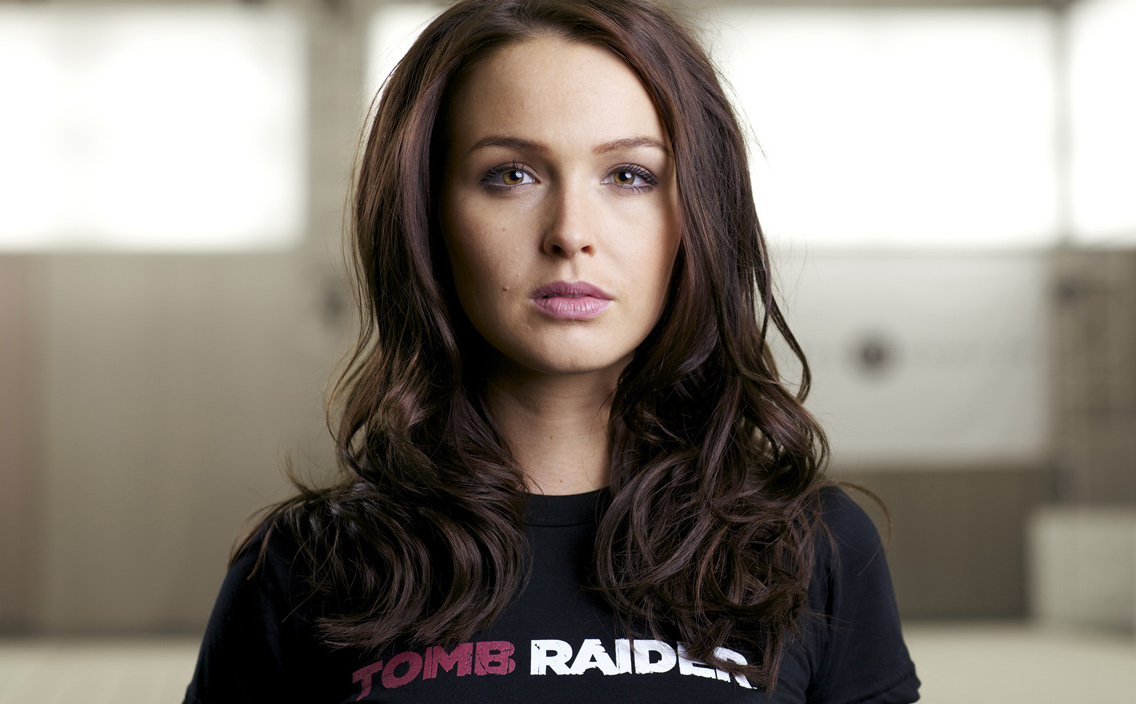
Camilla Luddington

NYFA: What is your personal background and what in your own history drew you to acting?

Camilla Luddington: I grew up in the UK and starting training with the Italia Conti School of Dramatic Arts when I was just 11 years old.  The movie The Wizard of Oz was what initially drew me to acting. At five years old I was able to understand that Judy Garland was an actress playing a character and that I wanted to do the very same thing.  Perhaps it was an even greater extension of “make believe” that I wanted to pursue.

NYFA: As a cast member of Grey’s Anatomy, you work with an eclectic and accomplished group of actors. How has being part of an ensemble cast helped you to develop as an actress? Are there any particular guest actors you would enjoy having as a patient on Grey’s Anatomy?

CL: Every member of the cast has such a good work ethic.  It’s been great to watch their process for breaking down material and bringing life to it week after week.  They are also so encouraging to new cast members which I think can be rare. They invite you to “play” in scenes and push you beyond your comfort zone. As for a guest star, I am a huge fan of Orange Is the New Black and Uzo Aduba. I would love to work with her.

NYFA: What lesson did you learn as a student at the New York Film Academy that you continue to apply to your professional career?

CL: Before the New York Film Academy I had only worked in theatre.  As a student I learnt the intimacy that the camera has with an actor. It’s most certainly an adjustment.  And I felt like I was really pushed by James Price who taught us Meisner. He really helped me understand the importance of being “raw” with your emotions as an actor. It feels vulnerable to be that exposed but he pushed us to do it.

NYFA: Having lived in America most of your adult life, what aspect of British culture do you miss most?

CL: I miss British humor. It’s just different than American humor. I get my fill by watching tv shows like The Office, Derek and The Inbetweeners.

NYFA: What acting skills does your work as Lara Croft in the Tomb Raider video game series particularly draw upon? What advice would you give other aspiring actresses looking to break into video games?

CL: Motion capture feels “freeing” to me as an actor. It’s not like theatre where you have to play to an audience, or like TV where you have to be aware of a camera because it’s literally attached to you. It’s essentially just you in a giant room they call the “volume” and you are left with your imagination to create the world around you.  The process is fascinating.  To anyone aspiring to break into games I would say submit to a voice over agent. Oftentimes they deal with auditions for video games. Also it helps to have martial arts experience. Take some classes for fun. It’s definitely a bonus when you are up for a role as so much work is physical.

NYFA: What is your least favorite way to die in Tomb Raider? What’s the most fun thing you’ve gotten to do as Lara Croft?

CL: Drowning is my least favorite. I basically have to choke on bottles of water to get the right sounds recorded.  As for the most fun thing I get to do, I’m very attached to the bow and arrow she uses. Simply having to draw it in the face of enemies is fun.

NYFA: Were you interested in video games prior to acting in Tomb Raider? Do you consider yourself a gamer and if so, what’s your favorite game?

CL: I can’t consider myself a gamer because I’m terrible at games. But of course I have a go- whether it’s playing Call of Duty or Sonic. I had also never thought really about acting in video games before or the process of creating one. Now I’m obsessed.

NYFA: As part of Grey’s Anatomy, you’ve gotten to work with arguably one of the most successful players in television, Shonda Rhimes. What is the most important or influential thing you’ve learned from working with her?

CL: Shonda has a way of keeping her audience on edge time and time again. She produces the kind of shows that people are talking about at the water cooler the next day. She doesn’t give in to what the audience want… And always… ALWAYS it serves for a more captivating story line. That’s what I like about her. She’s just paving the way for females in the industry. She’s showing what a power house women can be…

NYFA: When you first started out in acting, what was your dream gig? Have you landed it yet and if so, what is another dream role of yours?

CL: I would love to do a period piece. Or a fantasy piece like Game of Thrones. The closest I’ve come to it is playing a fairy on True Blood. But I’m crossing my fingers for more opportunities.

NYFA: Having played Kate Middleton in William & Kate, are there any other iconic historical roles that you would love to be cast for?

CL: I would love to play Elizabeth Taylor. She was such a big presence on and off screen. Perhaps one of the last iconic old Hollywood movie stars- and of course a fellow Brit who also moved to the US early in her life.

NYFA: You star in the upcoming horror film The Pact II. Do you have a personal favorite horror film of all time?

CL: My favorite horror movie is the original Halloween. Perhaps because it was the first horror movie I had ever seen but also because it still stands today.  The score is perfectly suspenseful and the shots and cinematography have been emulated time and time again for a reason. It is iconic and to me a must watch.

NYFA: Do you have any parting words of advice for actresses realizing their goals in such a competitive industry? What do you feel helped you stand out as an actress?

CL: We are always told the same things over and over. Work hard, stay in class and study. All those things are so important, of course, but one thing I learnt that was so simple (but in the beginning I never felt) was to realize that time in an audition room is mine. I used to be scared to ask to do my audition scenes again- or to start over thinking that that was a sign of incompetence. But it’s so important to feel your voice in the few minutes you have in that room. Make those minutes count. Own it. If you feel like your first read wasn’t your best work, ask to read again. It’s so easy to just race through auditions and want to get out of the room but don’t.

Interview With Babar Ahmed: Director Of Amka And The Three Golden Rules

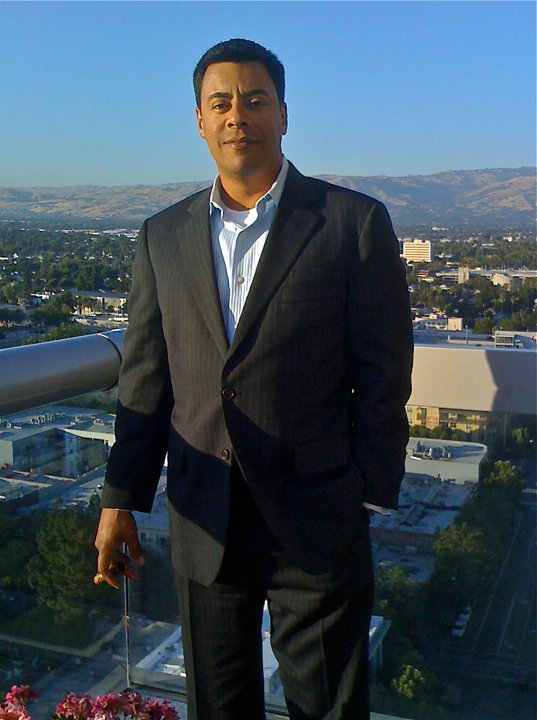
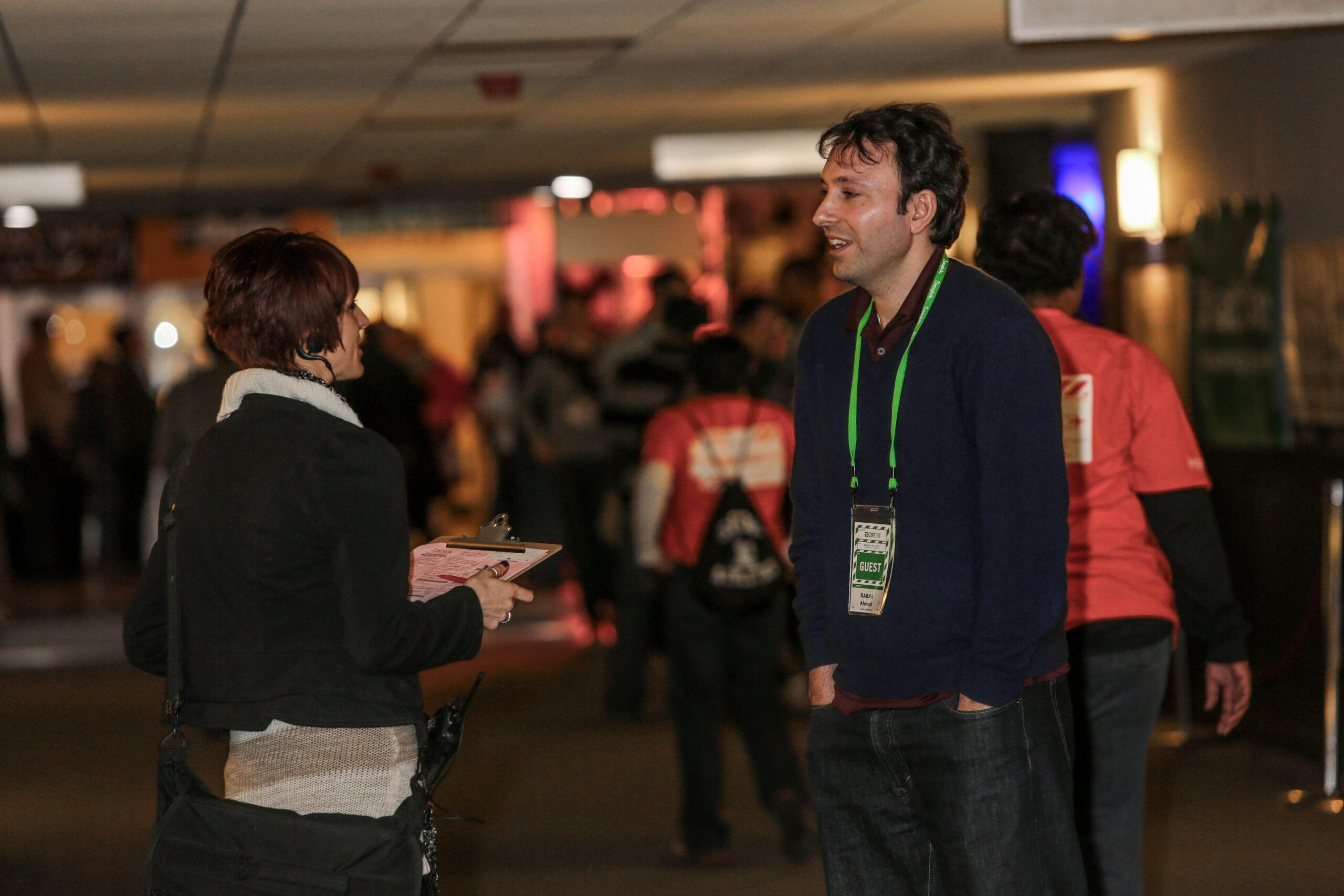
Babar Ahmed

NYFA: What is your personal background and how did you get your start in filmmaking?

Babar Ahmed: During a summer break I decided to pursue a hobby I once had at high school. So I went to the New York Film Academy in New York for a three month directing course. Inspired by the teachers and how they felt towards their work I decided to spend three more months pursuing filmmaking. Three months turned into three years and three years turned into over a decade.

NYFA: How did the international student body at NYFA affect or inspire the way you approach film?

BA: With NYFA I truly felt like I was in a diverse cultural and social environment. Other than being international, some students were much older than me, some were much younger than me. Some students were from artistic backgrounds, some were from academic backgrounds, some were rebels, and some were more conventional. Students had different goals, different priorities, a different dress sense, and yet everyone was firmly connected by a passion to make films. I had never been in such a diverse environment in my life nor in an environment where there was genuine passion towards something, regardless of the monetary benefits involved.

NYFA: What in particular about the course you took at NYFA has stuck with you?

BA: I had not really heard too much about NYFA before I started the course and I was a little bit skeptical at first. So I came with no expectations. But on the first day I remember our teacher talking about why making films is meaningful and then reciting a quote from Hamlet. The passionate way in which he recited those lines gave me chills. I remember sitting at the back of the class motionless like someone was at that moment lifting a veil from over my eyes. “There are more things in Heaven and Earth, Horatio, than are dreamt of in your philosophy.”

NYFA: What themes do you find yourself returning to in your films? What subjects and themes inspired the story that became your most recent film Amka and the Three Golden Rules?

BA: Generally the themes are about each person on this planet having a purpose, whether it is in a stranger’s life or in a friend or family member’s life.

For AMKA the credit for the movie certainly goes to many people involved with the project: from the great economist and singer Rogier van den Brink to a lady who has dedicated her life to helping children Susan Griffeth to our local crew and actors. I felt that the intentions of the entire team were sincere in trying to tell an authentic and meaningful story. And those intentions took us a long way.

NYFA: As a writer and director, what advice would you give to aspiring filmmakers who wish to excel at both disciplines?

BA: I know that others can list one hundred reasons why you shouldn’t or couldn’t write your story or direct your film. But you just need one reason why you should and you can. And that is all you need.

Don’t wait to be discovered. No matter how talented or brilliant you are no one is going to come knocking on your door. If you want it then go and get it. I feel like that is the essence of what NYFA taught me.

Specifically for writing, it can be easy to lock yourself in a room and get lost in a world thinking about plot points and character arcs. It could be equally useful however, to also be actively involved with writing groups where you would meet other writers who will give you support and can share their experiences.

For directors I feel it is important to start by knowing what a director does. The primary responsibility of a director is to get good performances out of your cast. And that is probably the most important and most difficult part of making a movie. I feel that if you can get consistently good performances out of your cast then you’ve won your battle.

NYFA: Do you have any parting words of advice for NYFA students and aspiring filmmakers?

BA: Just do it.

How To Follow Your Dreams And Land A Job In Broadcast Journalism: Interview With Miriam Eryan

Getting into journalismUpon graduating from the New York Film Academy’s School of Broadcast Journalism, Miriam Eryan scored a dream job at The Morning Show in Australia.

Miriam now works as a freelance news and lifestyle producer across various networks. Along with a partner, she has also gone on to launch an online magazine for which they will be coming to New York in order to interview women about their careers and what it means to make it as a woman.

In our Q&A with Miriam, she shares what it takes to make it in the competitive broadcast journalism industry…

NYFA: What is your personal background and what made you decide to get into broadcast journalism?

MIRIAM ERYAN: I am a degree qualified journalist and have honestly always wanted this as my career.

My oldest memory of a love for news and stories dates back to when I was eight years old. My dad used to sit me on his lap and read the paper to me and try to break down stories that I didn’t understand. I knew then that I didn’t just love stories, but that I too wanted to be a great storyteller when I got older.

I don’t think I’ve reached greatness yet, but it’s something I’m always striving for.

NYFA: What do you think is the most important skill for a broadcast journalist?

ME: Tenacity. I think you need to be as stubborn as hell because the industry is tough. It is often unforgiving and, more often than not, unwelcoming. You need to know with every fiber of your being that this is what you want to do and then you need to be thick skinned enough to ignore the rejections and persevere on that path to your dreams.

If this is what you want to do then never stop trying. And if you pair timing with talent, you’ll eventually get your break.

NYFA: You have secured Australia’s first interviews with some pretty big names. Was that due to your training, your personal drive, luck, or a combination?

ME: It was definitely a combination.

I was trained to be a good chaser by a former boss, Sarah Stinson, who identified my drive and worked to my talents. She gave me incentivised chases. For example, she promised promotion if I could secure a few different exclusive interviews. Sure enough, she delivered on that promise and created a job opportunity for me where I might not have fit the mold of a producer at the time.

I’m the type of person that, if given an opportunity, will run with it and will strive to deliver more than my job description. I’ll always bring the goods and look to value add because, frankly, there are enough people in journalism who know how to write or speak well. I always look to have a niche and that will often get noticed.

The first element is being driven enough to force yourself into the narrow gate of journalism and having the luck of being in the right place at the right time. The second is having the talent and the grit to work through all the challenges you’ll face once you’re in.

NYFA: What advice would you give someone trying to break into the industry?

ME: If it’s all you want to do, do it. If you have doubts, don’t.

I’d say make sure you get published while you’re studying or still in school. With how easy it is to create a blog, there’s no reason for you to not have published work.

If TV is what you’re after, find creative ways to get in. I have a genius friend, Jodi Lee, who once sent a doll’s arm packaged in a job application and captioned it: “I’d give my right arm for this job.” She got two call backs. I thought this was brilliant. I emailed for two years before finally being offered work experience at the Seven Network. I then networked within the company and was fortunate enough to be given opportunities across all of their news and lifestyle programs within our building.

So my top tips would be:

  1. Be persistent
  2. Get published.
  3. Get work experience (try to stay as long as you can so you’re always at the forefront of people’s minds).
  4. Be creative in your approach.
  5. Network

NYFA: What role did the broadcast journalism program at NYFA play in developing your career?

ME: NYFA was my first real taste of independence as I’d never lived away from home or tested my ability as a journalist beyond the borders of my university (The University of Wollongong).

It taught me valuable skills in editing, filming, framing, and lighting. But aside from that, it helped me make some invaluable lifelong friends. I’m still in touch with many of the girls I studied with and that was four years ago.

The course is still a point of interest in job interviews and definitely gives me an edge in my applications because people are increasingly searching for someone with enough skills to be a one-man-band. NYFA definitely compliments my university studies.

NYFA: What made you choose the New York Film Academy?

ME: I always had a curiosity for New York and a burning desire to be there and experience journalism on a larger scale than what Australia offered. It was also hugely appealing because I was being trained by NBC veteran producer Joe Alicastro, who I had so much love and admiration for. The course is also centrally located, offers a very hands on experience, and could be used for course credit while studying.

NYFA: Is there anything in particular that stands out from your time at NYFA?

ME: The relationships I formed with so many other aspiring journalists. It meant I was building international contacts, making lifelong friends and memories, and getting a true taste of what it means to be a journalist in a big city. I would do anything to go back and would love the chance to move over there for good.

NYFA: Is there anything you wish you had known before starting your education in broadcast journalism?

ME: I think television is very much exactly as you expect it to be. It’s high pressure, you deal with some huge personalities, it’s fun, it’s gratifying, it’s indulgent but it’s also charitable. The industry has so many highs and lows. But if you’re lucky you get to experience those with a bunch of really great people who are brilliant at what they do, are like-minded, and are nurturing of your talents.

NYFA: What is your ultimate goal in the broadcast journalism industry?

ME: I need a very long career and a few lives to live out all of my dreams. I’d love to be like Louis Theroux and produce and present documentaries on stories that really matter to me at some stage.

When the travelling gets to be too much, I’d love to be Oprah (but the second-coming) and have a chance at a lifestyle program that taps into all of my interests. That way, I could dabble in lifestyle, news, current affairs, and celebrity. It would also give me the chance to write occasional columns.

NYFA: Any parting words of advice for aspiring broadcast journalists?

ME: Get your name out there. Look the part. Practice speaking on camera. Get work experience. Don’t take no for an answer. Believe in yourself. Be fearless. Be prepared to live and breathe your job. Do all your sleeping now. You’ll miss out on so much of it once you’re working. Enjoy the journey.


From Italy To Hollywood: NYFA Animation Graduate Francesco Panzieri Shares How To Become A Visual Effects Artist

How to become a visual effects artistIn 2008 Francesco Panzieri (website, filmography) finished his studies in Italy with a degree in Audiovisual and Mass Communication Media. Soon after he moved to New York to master 3D and digital composting at the New York Film Academy’s School of Animation

It didn’t take long for Francesco to become one of the most successful students of the school. That translated to success in his career as well, as he has worked on some of Hollywood’s biggest TV shows (Mad Men, House M.D., Castle, Revenge, etc.) and films (Clash of the Titans, Warrior, For Colored Girls, etc.).

Beginning in May 2015 Francesco will be teaching an annual one-day course at New York Film Academy’s Battery Park Campus on the topic of “Job Search Preparation / How To Be A Successful Visual Effects Artist.” The seminar will show students how to break through into the industry and have a successful career. But you don’t have to wait to attend the seminar to get into the head of this great artist.

Enjoy our Q&A with Francesco Panzieri… 

NYFA: What is your personal background and what made you interested in animation and visual effects?

Francesco Panzieri: I was born and raised in Italy. At an early age I remember being mesmerized by the visual effects in movies such as Star Wars, Indiana Jones, and Ghostbusters. Those are the same visual effects that kept me playing video games such as the LucasArts Graphic Adventures and many of the first-person-shooters such as Wolfenstein 3D.

I was always attracted by entertainment and media. As a child I could appreciate visual effects and understood that they had an ability to catch the audience through their quality and storytelling. At some point I realized this is what I want to do.

Now keep in mind – I’m in Italy. No one really thought this was even a career choice. However, after some convincing my parents, who both have been tough yet very supportive at the same time, I was able to attend a top-notch Cinema University in Italy, The Academy of Image Arts.

After obtaining my B.A. in Cinema Sciences I decided it would be best to make a move to the US. I felt I need more knowledge and guidance. I also built up an appetite to chase my dream while attending the Cinema University in Italy and there was no stopping me now.

After doing some research I found myself at The New York Film Academy attending the 3D & VFX Program. Four months after graduation, countless attempts trying to get my first job, living a life of a dreamer, I got a call. I was hired in California to work on my first feature film, “Clash of The Titans”.

I was so happy! Excited about my new job, the fact that it’s always sunny in California! (That’s a lie). Since then, I have been working on about 10 feature films and more than 50 HD television series.

NYFA: You have worked on some of Hollywood’s biggest movies and TV series. Is there any one project that really stands out for you or is your favorite?

FP: I am very proud of my work on Tyler Perry’s feature “For Colored Girls”. During that time, I was the one in charge of 3D-modeling, texturing, and compositing the NYC skyline visible from Janet Jackson’s office.

It was a stimulating procedure that started in Maya with 3D-modeling low-polygon buildings and unwrapping their UV’s; and ended up in Nuke, importing each single geometries and projecting RAW still images of NYC buildings (shot from our VFX supervisor on the city’s rooftops) on the corresponding 3D model through its UV’s. The final result looked terrific; very photo-realistic. Tyler Perry himself couldn’t tell the difference when my team showed it to him.

However, every project I have ever worked on,  no matter how big or small, I keep close to my heart.

I’m a perfectionist, so I always aim to give my best. I have an ongoing competition with myself. I pixel-pick everything that comes across my desk. And believe me it’s not an easy task since perfection – especially now – takes more time than the deadlines allow.

For me this is a passion-driven job. Therefore it’s almost an inspirational process to handle a shot and make it look better, bolder, and more emotional for the audience.

I must say that there are projects that will forever remind me of the sleepless nights and some of the most talented people I have worked with in this industry. Teamwork and networking are the master keys in this industry. It’s also very important to never stop doing your best work just because someone doesn’t give you credit right away.

NYFA: Do you find any difference between working on movies and working on TV Series?

FP: If you were to ask me this question five years ago I would have said absolutely, but not so much today. Unfortunately, visual effects have become much more of a commercial process and much less of an artistic one.

Many movies nowadays get shot in digital rather than the 35 or 70 mm, the budget gets cut, and the delivery deadlines are half of what they were before. Consequently you find yourself dealing to inevitably sacrifice a pinch of the VFX quality as well.

I feel that in the early days the artistic process was more complete and genuine. Today, we are also faced with huge globalization in visual effects created by production subsidies in countries like Canada, United Kingdom, New Zealand, China,  and India. As this industry became a really global one, more competition emerged willing to do your work faster and cheaper. But this is rarely at the same quality standards.

The final result is a “rush” (called the “911” in our lingo, same as the emergency phone number) into finalizing each single picture you are working on, whether for TV or for theater release, just because the delivery deadline is always literally around the corner. Features’ deadlines are now same as TV’s ones. You get to work hard, mostly overtime, hitting 14-16 hours a day very often.

NYFA: What role did your time at the New York Film Academy animation and visual effects program play in establishing your career?

FP: I am very thankful to have had the chance of attending the New York Film Academy program. My academic year was memorable from every point of view. But the reason I am thankful to it the most, other than its teachings, is the actual hands-on time it forces you to spend in the lab in order to meet deadlines and make it through the semesters.

I can very well say that it was the perfect training in terms of times, demands, expectations, and preparation in order to get along with the industry pace. I used to be in for classes 8 in the morning; and after getting done at 6 in the afternoon, I still had to spend 3-4 hours in the Academy on homework and projects.

Man I was tired at night…but such a meticulous training to keep up with is the right way for the entertainment industry.

NYFA: What made you choose the New York Film Academy for your studies?

FP: During my Cinema studies in Italy, I was heavily fascinated with visual effects and 3D. And while I already had some solid knowledge of VFX artistry, I wanted to become a real good 3D artist too. So I started taking some private classes for 3D that eventually helped me with some projects at my University.

After graduating, I was truly in love with 3D and wanted to get even better at it.  So I started looking around for the place that could offer the best preparation. At that time, my home country didn’t have much to offer. So I searched out other places like schools in Dubai until I discovered the New York Film Academy on the web. I visited its campus in Manhattan, and then the one in Abu Dhabi, and I fell in love with the spirit of the school and the way the courses were structured.

NYFA: Is there anything specific that stands out from your time at NYFA?

FP: Since day-one at NYFA I understood immediately that I had made the right choice. There is a multi-ethnic vibe in the school that makes you always feel like a rock star. The people there make it so special because of their different backgrounds coming all together.

I studied like a boss, yet I had the most entertaining, hysterically hilarious time of my life with my classmates there. It was roughly 20 people coming from literally all over the world sharing all the same passions and interests.

I also had the pleasure to have a chat with the NYFA founder, Mr. Jerry Sherlock, who had happened to produce one of my favorite childhood movies: The Hunt For Red October; I was finally able to tell him how thankful I was for such a thrilling cinema piece.

NYFA: Is there anything you wish you would have known before beginning your studies?

FP: I believe part of what makes anything exciting is the unknown. I moved from a town in Italy to New York City to be able to attend the New York Film Academy. It was all a challenge.

I must admit my accent was an advantage. However, with any academic hardships I may have stubbed across I always felt I could rely on the teachers’ and/or classmates’ prompt help.

I have never been strong on life-drawing, so I had to oil my hands on that. But if you enjoy what you are trying to achieve, you will succeed.

NYFA: You will be teaching a one-day class at NYFA about the best way to enter the professional world of visual effects and entertainment. Is there one big takeaway (or theme) from your experience that can really make a difference in an artist’s career?

FP: A couple of years ago I came across a great line by the NBA player Kevin Durant: “Hard work beats talent when talent doesn’t work hard.”

I believe the essence of the right attitude to keep at all times, in any workplace, lies in this quote; especially for those high-productivity-oriented environments like the entertainment industry. This quote is the very first tip (of many) that I am going to address to the NYFA students.

There are so many talented artists with potential out there, many much more skilled than I am today,  however they don’t work hard enough and eventually end-up wasting their abilities and chances. I have learned great results come through hard work. Talent only makes it easier and faster.

My experience so far is built on the will to learn as much as possible. Always ask questions! I made it this far because I’m stubborn and I endure chasing my dream even if that means working hundreds of hours. I made mistakes that made me more knowledgeable and experienced. I hope I can pass down the same values to the NYFA students and make my “class” less of a theoretical session and more of a motivational shake-up with plenty of examples and curious facts.

I want students to understand why what I’m trying to teach them is important, and how they will benefit from my advice in the work field. I want them to know that in order to succeed today you need to be the best at one thing while knowing your way around with more than one software. I will also make sure to share useful links for job-searching and highlight how important is for them to attend events such as SIGGRAPH.

NYFA: What is your ultimate career goal?

FP: I was fortunate that my parents raised me with an American influence. I was exposed to American movies, video games, music, food, and apparel. Therefore living in the United States and being given the privilege to do what I love to do is a dream. I love this country and I couldn’t imagine living anywhere else.

With that said, my ultimate career goal is to win an Academy Award. I would love to be able to share such an award with my parents who have been such a huge support system in my life. I believe aiming high, being realistic with who you are, being honest with what you can and can’t do, along with modesty, and the will to learn is the best recipe to achieving that kind of goal.

NYFA: Any parting words of advice for aspiring pros in animation and visual effects?

FP: “Stay hungry. Stay foolish.”

Steve Jobs truly couldn’t have said it any better. Always be curious, purposeful, and humble. Strive for perfection by improving yourself and always be eager to learn about the new technologies in your line of work. Stay forever young mentally…and possibly physically too!

Interview With Trang Tran: NYFA Alumni & Photographer For Intel & Elle Vietnam

Trang Tran

NYFA: Would you mind telling us a little bit about yourself and your background?

Trang Tran: My name is Trang Tran (people also know me as Trang J. An). Born and raised in Hanoi, Vietnam. I am among the very first students of the NYFA photography program (class 1.0 as we called it). I spent my second year as the TA for the courses. It was the best two years of my life. I’m now back in Vietnam, working as a fulltime photographer/videographer for Intel and also operating my own commercial photography studio on the side.

NYFA: Your father is a photographer. How has he inspired you to pursue photography and develop your own voice?

TT: Growing up very closely with my dad has definitely had a big influence on me and my passion for photography. I can still remember vividly my childhood playing with his Leica film cameras, having so much fun in his darkroom. My dad always supports me 100%. When I decided to put on hold on my career in advertising (I have been a very successful career as a copywriter at Ogilvy & Mather) and dedicate two years of my life for photography, and later, turn photography as my full-time job, my dad has always had my back and been a much-needed support system.

NYFA: What drew you to NYC to study photography at NYFA?

TT: When I think of photography, New York is always the first city that pops up in my mind. I was also considering other schools (SVA, NYU, etc.) but at that time, what NYFA offers (short term but hands on program) was what I was looking for. Plus, I got a scholarship from the school. How could I say no to that?

NYFA: What opportunities are available to photographers in Vietnam that might not be available elsewhere?

TT: Vietnam is an emerging market. What that translates to is: more shooting opportunities for young photographers. There are more and more global brands/magazines entering Vietnam. As long as you have talent and the dedication to push forward and present yourself well, the sky is the limit! Think about all those top magazines: shooting for Elle might be a long term goal for many photographers. That goal of mind came true instantly when I moved back to Vietnam.

NYFA: You shoot across a variety of genres, including fashion, commercial, and portraiture. Do you feel you’re time at NYFA helped you to master a variety of styles?

TT: NYFA has definitely helped me develop myself as a very well-rounded photographer who can feel confident shooting in any genre. But each photographer’s learning curves do not stop as soon as he/she graduates. I still learn/improve every day from each shoot/each project/working with each client/magazine.

NYFA: What did you learn at NYFA that has helped you to acquire such an impressive list of clients that includes Elle Vietnam, AXE, and Aquafina?

TT: The ability to develop your own style (one that helps you stand out among others) and to build a strong portfolio that is appealing to clients. The ability to tailor your portfolio when you need to pitch for a project. There is never a generic portfolio that works for all clients. Knowing how to tweak it, and how to represent your own ‘brand’ is key.

NYFA: What was your favorite aspect of your Photography Program at NYFA?

TT: What I truly enjoyed the most is the close connection between our instructors and the students. It goes beyond class hours. Whenever I had any technical questions, regardless of time and distance, I can always ask for guidance and advice from my teachers. That is still valid until today. Also, at the end of the day, it is a very diverse program, whether you love medium format or digital, you love fine art or documentary, you prefer digital or printing, you’ll find what you love in this program.

NYFA: In what ways do you think NYFA helped you to develop business skills to succeed as a professional photographer?

TT: We were taught how to take care of the business aspects of this field: from how to develop as a consistent ‘brand’ of your own (building a website, business cards, leaflets, print portfolio, business registration, etc.) how to have a successful pitch , how to work with clients during the shoots to guarantee the best outcome.

NYFA: Is photography your full-time job? If not, what else do you to do to help realize your goals as a photographer?

TT: It is my full time job now. I currently work for Intel as a full time photographer/videographer.

NYFA: Where would you like to see yourself as a photographer in five years?

TT: Running my own studio commercially and still get room (to breathe haha) to shoot my personal projects/things I care and am passionate about.

NYFA: Any additional pieces of advice you would like to give to NYFA photography students?

TT: Never stop looking for inspiration and photographers that you admire. Assist, assist, and assist. You can learn tremendously when assisting other great photographers!

If you would like more information about Trang and to see her awesome portfolio please check out:

https://vimeo.com/trangtran

Acting Resumes With Aaron Marcus: Part Two

The following video is part two in our three part series about Acting Resumes from America’s Premier Acting & Modeling Career Coach – Aaron Marcus. In this second video Aaron reveals the importance of attaching your photo to the top right of your resume in addition to your head-shot on the back.

Hi, my name is Aaron Marcus and I’ve been a full-time actor for nearly three decades. And I’m going to share with you a series of quick tips about resumes, and how you can create really strong, powerful, eye-catching resumes. So this is the second tip. This is has to do with something I think is a great idea, very few people do, but you might want to seriously consider doing it.

So typically, you have a head shot and you flip it over and you’ve got the resume on the back. And it has all the standard information, it your name, contact information, work, education, special skills, and things like that.

Well, here’s something you might not have considered, but you should. I decided to actually, and you can see it here, have my headshot on the back of my resume. It’s in the upper right-hand corner. And it’s not the same headshot that I have on the front, although if you only have one headshot, I think it’s fine to repeat it. And the reason I like having a headshot in the upper right hand corner is because that way they can continue to see you as they’re reading your resume. And that way, they don’t have to flip back and forth and they can constantly see what you look like and I think it’s a nice way to keep your face in their mind because it’s a really quick glance that people have when they’re looking at the resume.

One other tip that I wanted to give you about the resume is I never put age range or age. Some people do that. My feeling is unless you are a minor and it’s very important that people know how old you are for a variety of reasons. Part of it is how long you can work, whether they have to hire tutors, and things like that. The reason why I don’t like to put in age range or any kind of age information is because I want my headshot to sell me for the right age. And if my headshot isn’t telling the agent, casting director, producer, writer, whoever it is who’s looking at the resume, if my headshot isn’t telling them what age range is right for me, than my headshot is not very good. So, completely leave that out. There’s no reason for you to put your age in there. And once again, there are a couple of exceptions to the rule, but for most adults you would never want to put your age.

I’m Aaron Marcus. If you have any thoughts, questions about your resume, if you’ve created it in a certain way, love to hear your ideas. You can place your information on my Facebook page—facebook.com/howtomodel. You can also get to me through HowToModel.com. I offer great acting information there. There are even three videos you can get free when you go to the website. And I look forward to talking with you again really soon about resumes.

Aaron Marcus
SAG-AFTRA
America’s Premier Acting/Modeling Career Coach
Author – How to Become a Successful Commercial Model
My Website: www.HowToModel.com
Friend me: www.facebook.com/howtomodel
Follow me on Twitter: www.twitter.com/aaronrmarcus
Mentoring Program: http://howtomodel.com/coaching
Office Phone: 410-764-8270