Cinematography Jobs: How to Shoot Stylish Wedding Videos

pexels-photo-67654

If you’re a cinematographer, you’ve probably thought of all the avenues to explore where you can apply your skills and expertise – movies, of course, but also serial television, commercials, corporate videos, music videos, and web series; but one of the most enjoyable cinematic endeavors may be one you have not yet considered – wedding videos.

While it is certainly fun and uplifting to caputure couples in love on their big day, it’s not without its pressures, especially given that you may be the sole party responsible for capturing exceptionally personal footage (and there’s only one opportunity to get it right.)

Luckily you’re a cinematographer, ergo you’re already far more qualified than the bride’s drunk Uncle Tom. So, let’s get started!

1. Communication > Videography

pexels-photo-57825

Poor communication skills won’t only create a bad impression (and therefore stymieing future recommendations), but it’ll also leave you woefully under-prepared for the couple’s big day.

No two weddings are alike, and the same goes for the couple’s expectations. Will there be any outside-the-norm events they want you to capture? Has the groom got a special surprise he wants you to be there for? Any particular guests or parts of the venue that need extra attention?

Even just agreeing on the times you’ll be there and shooting need to be established long in advance so that everyone is on the same page.

This doesn’t just stop at the couple, either. It’s imperative to speak to the venue, too, and find out the rules, regulations, logistics and possible restrictions that you may face on the day. Same goes for the DJ or band, although for different reasons (more on this later.)

And when the day is done, you job isn’t. There’s an element of customer aftercare in wedding videography; naturally you’ll  want to carry out editing and post-production work, but also ensure they’re happy with the footage you deliver. If you’d set up expectations properly in the initial steps, this should be easy to achieve and you’ll be rewarded with a glowing testimonial.

2. Pack for Expedience
gearpexels-photo-28855

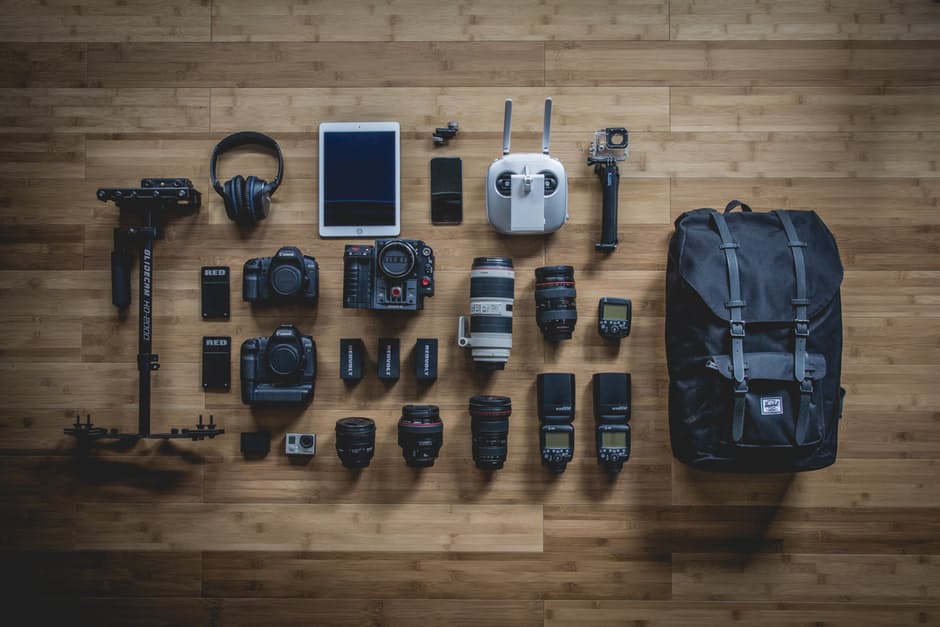
By all means pack your car with as much videography equipment as you like, but bear in mind that when the action starts, it’s no understatement to say that you’ll be running around like a lunatic. Capturing a wedding video is a full-contact sport!

To help you get from one side of the venue to film the bride’s make-up session to the other side of the venue to film the groom’s side of the wedding party, try to limit yourself to no more than a single camera and two lenses (three, at a push).

You can always return to the car during brief reprieves to swap out gear ahead of the evening’s festivities.

3. Two Halves of the Equation

soundindex

A wedding photographer need only worry about light; you’ve got the envious job of not only capturing video, but audio too.

Avoid the crying baby at the back of the venue, use multiple audio recording devices (especially if the one in your camera isn’t great) and consider putting a lavalier on the groom and/or wedding officiant – be sure to allow for extra setting-up time to arrange this!

The other consideration to make is the evening’s entertainment – needless to say, bands and DJs can be louder than your portable mics can handle without peaking. If possible, ask the act if you can plug directly into the PA system (not always doable, but great if you can.)

4. Hit the Same Beats as the Photographer…

… but keep out of their way! Definitely liaise with the photographer before the ceremony if you get the chance, but either way, don’t get under their feet when the fun begins.

Giving the photographer room to move comes with another benefit: the more you blend into the background, the more relaxed the couple will be. Being constantly aware that you’re being recorded is enough to make anyone paranoid!

Otherwise, your aim as a videographer is to capture the same key moments that the photographer will be aiming for, albeit in live-action format.

5. Keep Calm and Carry On
pexels-photo-70291-large

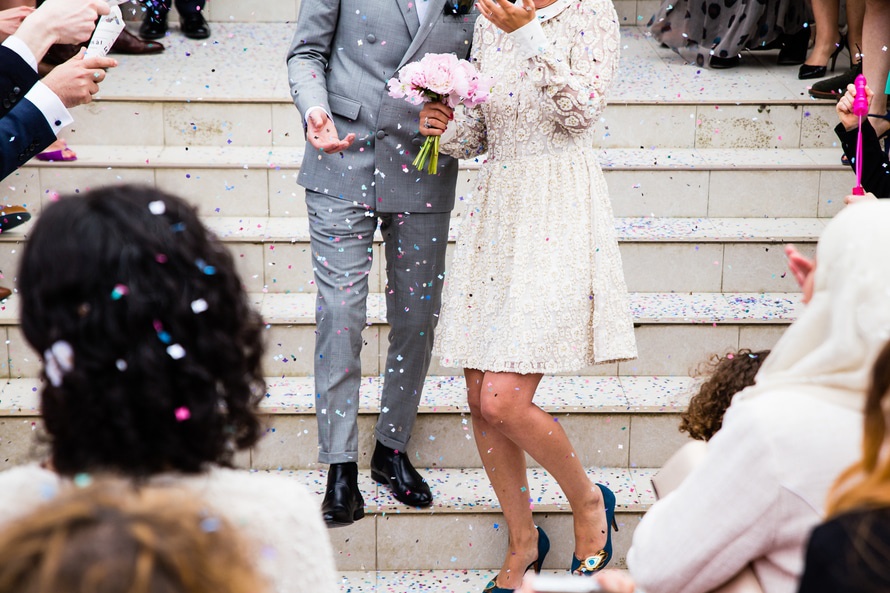
The run-up to the ceremony itself can be the most tense and nerve-wracking moments of anyone’s life. Don’t let the atmosphere get to you personally; a videographer running around in a fluster only exacerbates things.

Stable video is also the main goal – given that tripods aren’t usually effective (aside from the main ceremony), it’s doubly imperative that you remain as calm as possible while in the eye of the storm. Stay focused, keep tabs on the key players, and identify the best shots. The happy couple are counting on you.

Have any great tips for creating the best wedding video? Let us know in the comments below!

HDR Photography Tips

sun2861342404_68b71c802c_b

While the argument of HDR versus non-HDR remains heated, many photographers see that both technologies are useful tools for capturing precious moments, new perspectives, or the beauty of your location. The following are some tips to consider if you want your photos to share (as best you can) the feeling of being “there” in person.

Be Willing to try New Things

Ah, the joy of HDR: many times, the feeling is that nothing else compares anymore. But as you gain experience, you may be lucky enough to find new ways to experiment both with HDR, and without it. This includes scenes where lighting is even enough that one exposure is enough to capture the scene, along with highlights and shadows. It can also be worthwhile exploring alternatives to HDR when photographing moving people and objects.

Know When HDR is the Perfect Choice

On the other hand, it’s also important for aspiring photographers to learn when HDR is the ideal choice. HDR’s unmatched ability to capture detail makes it perfect for taking shots of man-made objects, architecture, and more. Pictures of gorgeous landscapes with many shapes, colors and textures also come out great with HDR, even when shot during sunrise, sunset, and any time in between.

Bring the Tripod

This may seem like an obvious tip but we feel it’s still worth mentioning. Without a tripod, it’s difficult keeping your f/stop consistent between shots. This is very important if your goal is to capture the full dynamic range of a scene.

Master the Art of Tone Mapping

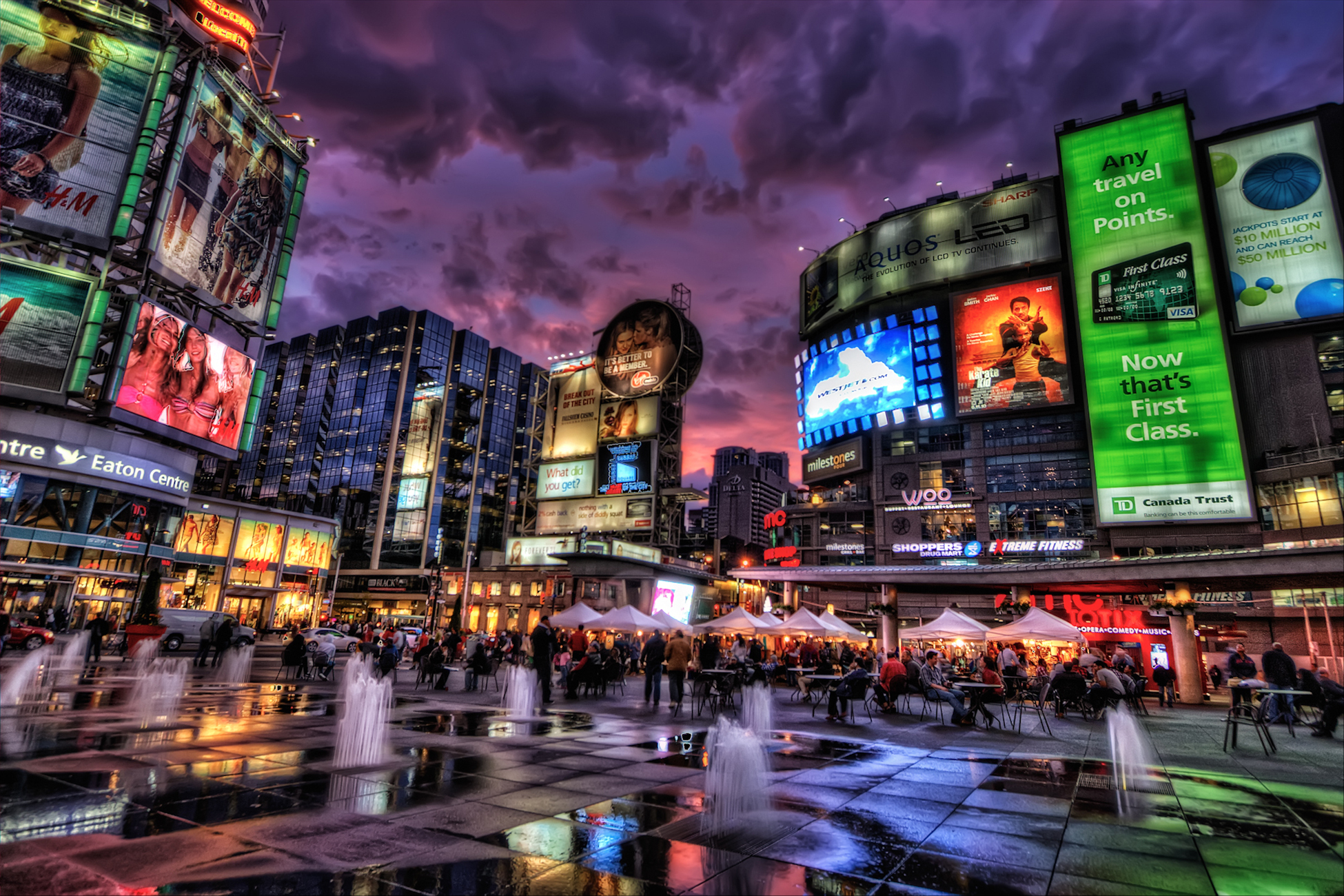
This is Toronto's Yonge-Dundas Square, which reminds me of Times Square in NY. I spent a couple of hours here and was lucky to get a colorful sunset. This is an HDR of 3 shots (-2, 0, +2), tonemapped in Photomatix. In PS: - Imagenomic Noiseware twice, one stronger on the sky. For the next commands I masked the sky. - Smart sharpen - Freaky details masking - Nik Tonal Contrast - Vibrance increase on the whole image - A bit os saturation boost on the sky - Curves - Burn the top of the sky and the edges - A bit of Nik Glamour Glow.

Or at least get familiar with a few of the many tone mapping software programs available today. Many consider tone mapping to be the heart and soul of HDR photography, but it’s also a slippery slope, as it’s easy to get carried away and create an unrealistic look to your photos — although, of course, that’s could be your goal. But if you’re aiming to capture the location as it would appear in real life, you’ll want to avoid strengthening colors too much. Although there are plenty of great free programs, the best come with a price tag.

Take More than One Exposure

A common mistake made by new HDR photographers is taking a single exposure and tone mapping it. Why doesn’t this work as well? The fewer images with different exposures you take, the less data you have to pull from in post-production. More levels of exposure data (easily boosted with multiple exposures) means superior high dynamic range for your photographs, especially with great landscape shots. This doesn’t mean you should always capture hundreds of photos with varying exposures for one image, but at least take enough so that you’ll have more to work with later.

Don’t Stick to Presets Alone

flowers8442061255_e330960f48_b

Pretty much every post-processing program out there today has several presets for you to use. These can be great places to start, but also don’t forget to grow and experiment past the presets. You’ll want to get to a point where you know which settings to play with in order to make your photos look as desired. By experimenting with all the available settings, including reading up on tutorials, you’ll eventually know how to fine tune your program’s settings to get your shots as close to perfection as possible.

Any other great tips to offer your peers on HDR photography? Let us know in the comments below!
The Past in the Present: Why Games Set Long, Long Ago Matter

reflection-pad-gaming-gamepad

The beauty of video games is that they can take you to any point in space and time you can possibly dream up. Want to run a cobalt trading operation between two regions of the Milky Way? Elite: Dangerous has you covered. Want to play as a mutant monster hunter caught in the middle of an empire-wide war? Look no further than The Witcher franchise.

But if you’re a game designer, there’s a strong case to be made for setting the action in a real-world, historical setting. To illustrate, we’ll delve into the example of World War I as a setting for games.

“Where Are All the Good World War I Games?”

It’s an interesting question.

The number of games set in a post-apocalyptic future is gigantic. Game developers have also seen a lot of success using World War II as the backdrop — in fact, the list of WWII games is longer than you could shake a bayonet at.

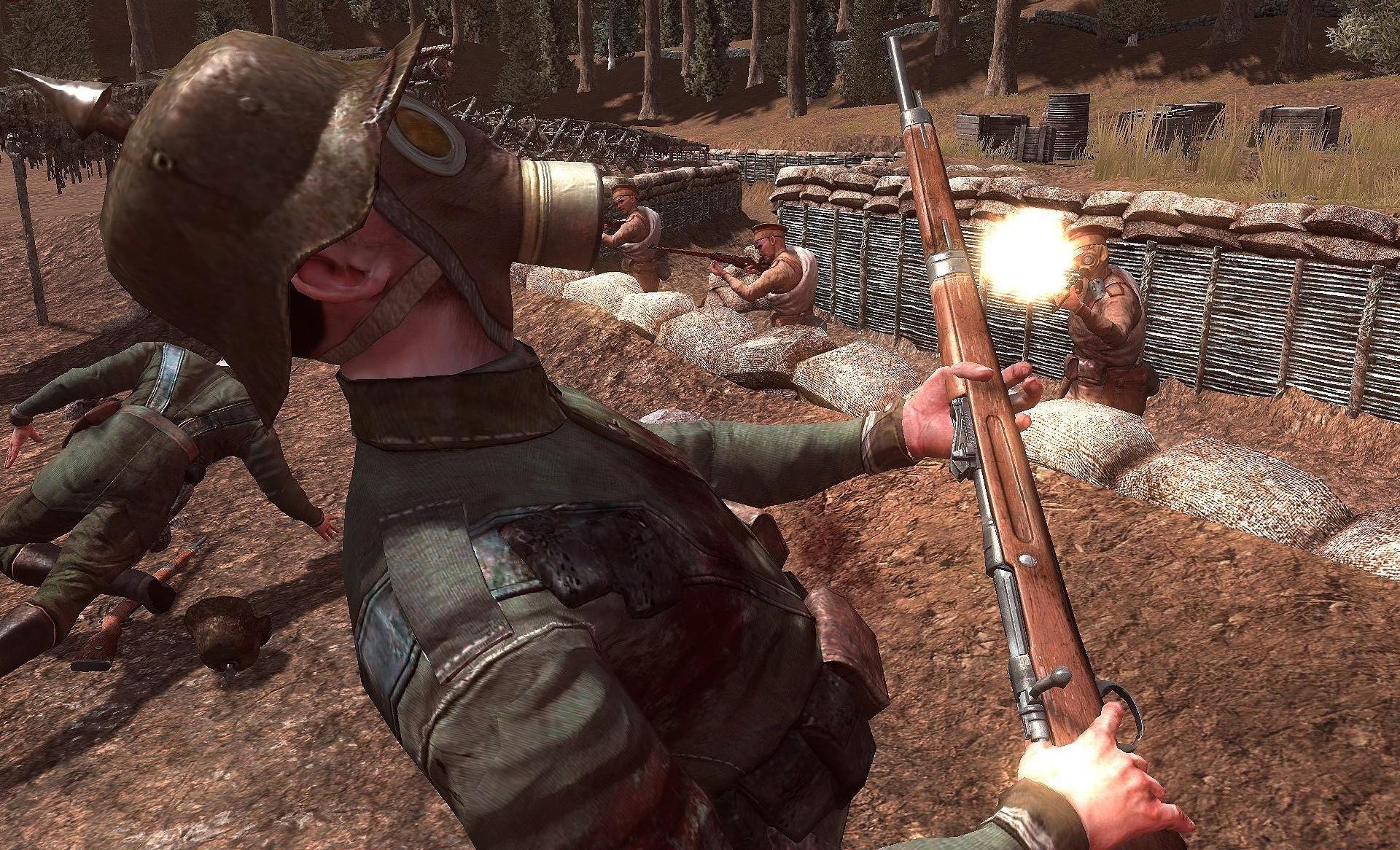
Darkest Days - 2

On the other hand, the list of World War I games that have ever been created since the infancy of video gaming is surprisingly stark (and of those, the majority are flight sims).

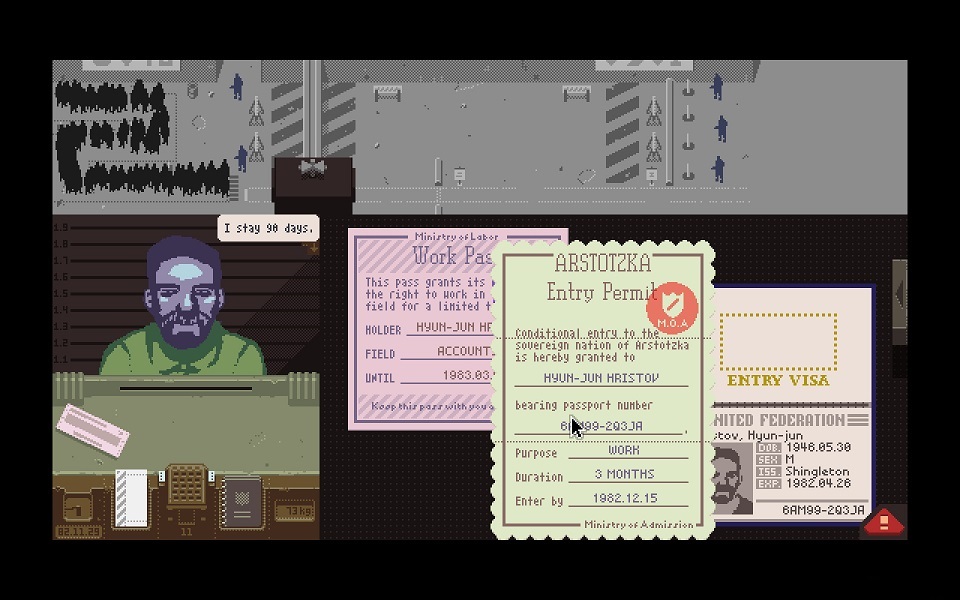
There are some very valid arguments to be made as to why The War to End All Wars isn’t an ideal setting for a video game (or, at least, less ideal than WWII), and they’re perhaps deserving of their own separate article. But suffice it to say, nobody thought a game about processing paperwork in a grey, pseudo-Soviet setting was a thrilling idea until “Papers, Please” came along.

papers-please-screenshot-ME3050132458_2

If the idea of turning one of the darkest, bloodiest and most senseless wars in recent history into fodder for a video game sounds like it would be in bad taste … well, it doesn’t need to be that way.

Preserving a Fading Time

While the principle purpose of video games is entertainment, it’s not the only benefit that can come from playing them: they’re also a medium for education.

Continuing with our WWI example, very few — if any — among us can truly appreciate the realities of WWI. An interactive medium like gaming, perhaps even more so than extensive reading about the war, has the capacity to help us empathize with the situation in which millions of soldiers found themselves.

company-of-heroes

The reason this is both poignant (when handled right) and important is that this is a monumental world event that is quickly fading from living memory — the last surviving veteran of World War I, Florence Green, passed away in 2012.

Two reasons game developers shy away from this period? Firstly, it’s a war from which there are comparatively fewer records, first-person accounts or artifacts from which to draw inspiration. Secondly, it was a very complicated war from a political standpoint, set it a world markedly different from our own (the political climate behind the second World War are more readily understandable, and it’s easier to differentiate between the heroes and evil parties).

Valiant Hearts: The Great War

But these are also precisely the reasons why video gaming should step up to the mantle and represent this time for the benefit of modern players (and it’s not as if there isn’t a market for gamers who want to see historical accuracy in games).

valiantheartsindex

If done well, any historical games — not just those set around WWI — can be a big win all around: profitable for developers, entertaining for players, genre-pushing for the industry and preserving a little slice of history to boot.

Identifying Trends for Art and Profit

It may well be that non-RTS games set around WWI are fundamentally difficult, but that era does serve as a good case study and opens up a wider discussion on how public interest in certain historical periods influences the game industry.

It’s little surprise that COD and Battlefield games set in the Middle East dominated the charts during the 2000s, given the real-world events of that decade. Outside of modern warfare, we’re seeing a lot of Viking-inspired games coming out on Steam this year — it could be the case that this trend is being fueled by the spectacular HBO show “Vikings” and the success of the “How to Train Your Dragon” franchise.

tank7833586166_12e2543399_b

Or, alternatively, the slew of archeological findings from that period may have spawned a resurgence in public interest, which in turn has shaped gaming and movie trends.

Whichever way around it may be, it’s our job as game designers to identify such trends and deliver a quality gaming experience around them, ideally before everyone hops on the trend and it becomes oversaturated. After all, it would be somewhat foolhardy to make a COD-esque FPS in the current market.

assassinscreed5764620971_7fd7214cf3_b

But if you can be the first to identify a nonfiction story or era that has yet to receive an amazing game treatment?

That’s the holy grail right there.

Ready to learn more about Game Design? Check out our Game Design programs at New York Film Academy.


Women to Follow in Broadcast Journalism

With thousands of female journalists working all over the world, the field of broadcast journalism has come a long way over the last few decades. To the aspiring female journalists ready to work her way up, we recommend following these incredible women. These journalism powerhouses also started from the bottom but worked their way up the ladder to become some of the most prominent figures in the industry today.

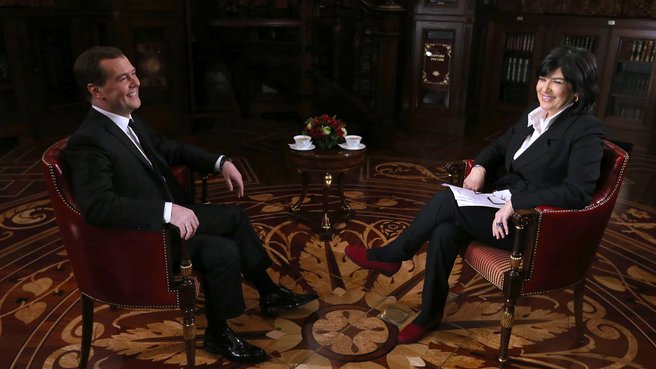
1. Christiane Amanpour

christine41d4b7e4095d7a03453c

Born to an Iranian father and English mother, Amanpour grew up in England but left at an early age to study journalism at the University of Rhode Island’s Harrington School of Communication and Media. In 1983, she got her big break when hired by CNN as an entry-level desk assistant.

Amanpour eventually took on assignments in Europe where she reported on the fall of European communism, democratic revolutions of Eastern Europe, and the Persian Gulf War. Her reputation for being fearless grew while covering the Gulf and Bosnian wars while reporting from dangerous areas.

The British-Iranian journalist is now Chief International Correspondent for CNN, host of the nightly interview program Amanpour, and Global Affairs Anchor of AbC News. Amanpour has received numerous journalism awards and is known for being followed on Twitter by countless world leaders across the globe.

2. Kathryn Adie

Adie is an English journalist who became known for diving into the hottest disaster and war zones to deliver high-quality reporting. Getting her start at BBC as a station assistant, she eventually rose to television by joining the national news team in 1976.

She gained fame for being the first on the scene during the London Iranian Embassy siege of 1980, arriving just when the embassy was stormed by the Special Air Service. Adie went on to do many other close-to-the-action reports, some of which involved getting shot at and suffering injuries.

You can currently follow Adie on “From Our Own Correspondent,” a weekly BBC Radio 4 program she has served as presenter for since 1998.

3. Megyn Kelly

Kelly was born in Syracuse, New York, but spent most of her teenage years in Albany. During that time, she graduated high school and lost her father to a heart attack at the age of 15. After graduating from Albany Law School in 1995, she worked at a Chicago law firm office before being hired by ABC affiliate WJLA-TV as a general assignment reporter in the District of Columbia.

To the dismay of CNN president Jonathan Klein, Kelly left to join Fox News Channel in 2004. There, she provided legal segments while hosting “Kelly’s Court.” After several different positions, Kelly rose to fame while covering the 2012 United States presidential election.

Kelly is currently host of “The Kelly File,” a program that covers late-breaking stories in a live format. Her greatest accolade to date has been her inclusion in the 2014 Time list of the 100 most influential people.

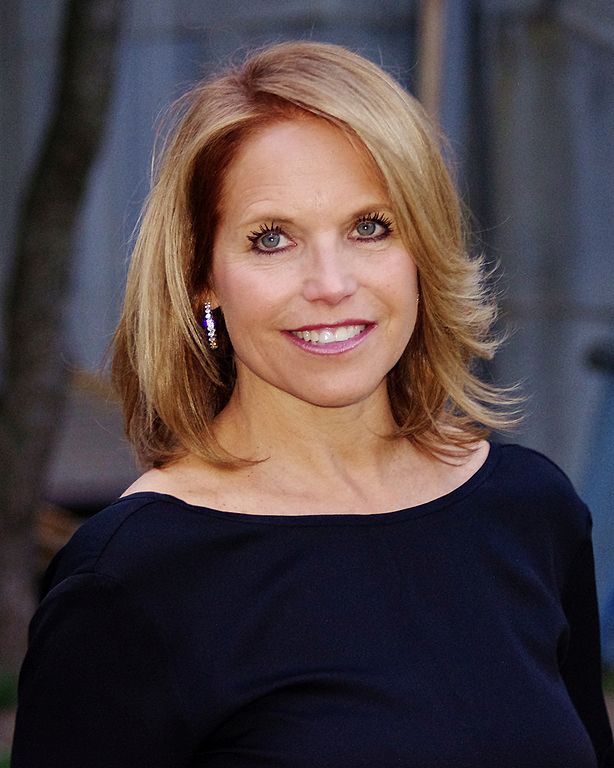
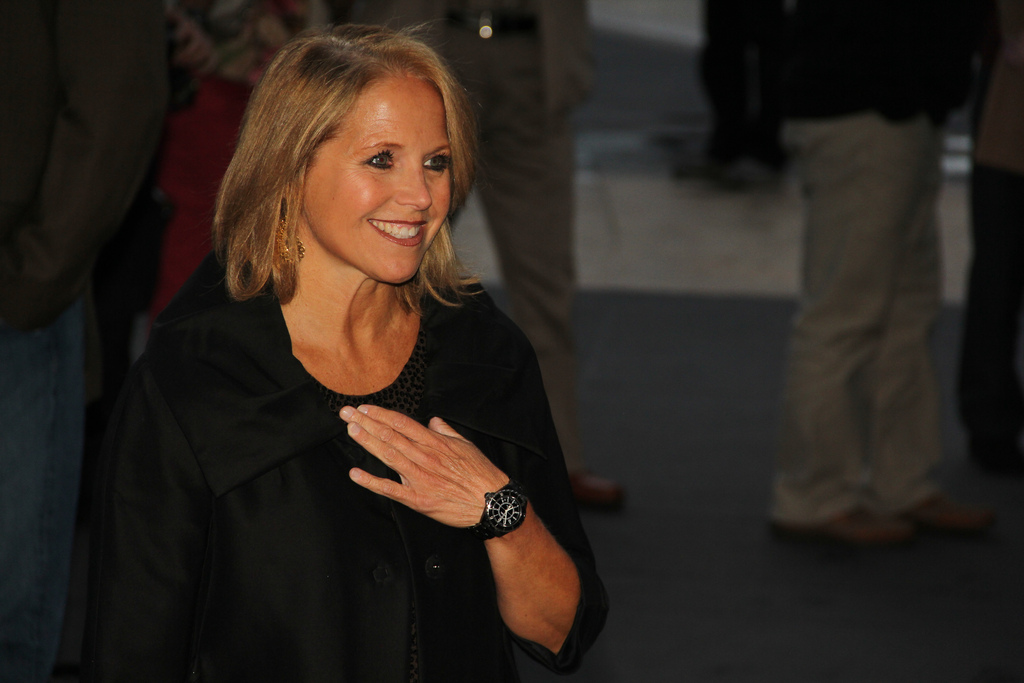
4. Katie Couric

katiecouric6160912837_24402cffa5_b

Couric is an author and American journalist who has served as host on all three of the biggest television networks in the U.S.— ABC, CBS, and NBC. She graduated in 1979 from the University of Virginia and landed her first job that same year at the ABC News bureau in Washington, D.C and eventually joined CNN as an assignment editor.

From there, Couric served as an assignment editor for CNN and also reported for NBC-owned WRC-TV. Her work there earned her an Emmy and Associated Press award. In 1989, Couric joined NBC News as Deputy Pentagon Correspondent but soon became host of Today.

She would go on to work for CBC between 2006 and 2011 before returning back to ABC News. Couric is currently the Global News Anchor for Yahoo! and in 2004 was inducted into the Television Hall of Fame. Her first book, “The Best Advice I Ever Got: Lessons from Extraordinary Lives,” became a New York Times best-seller.

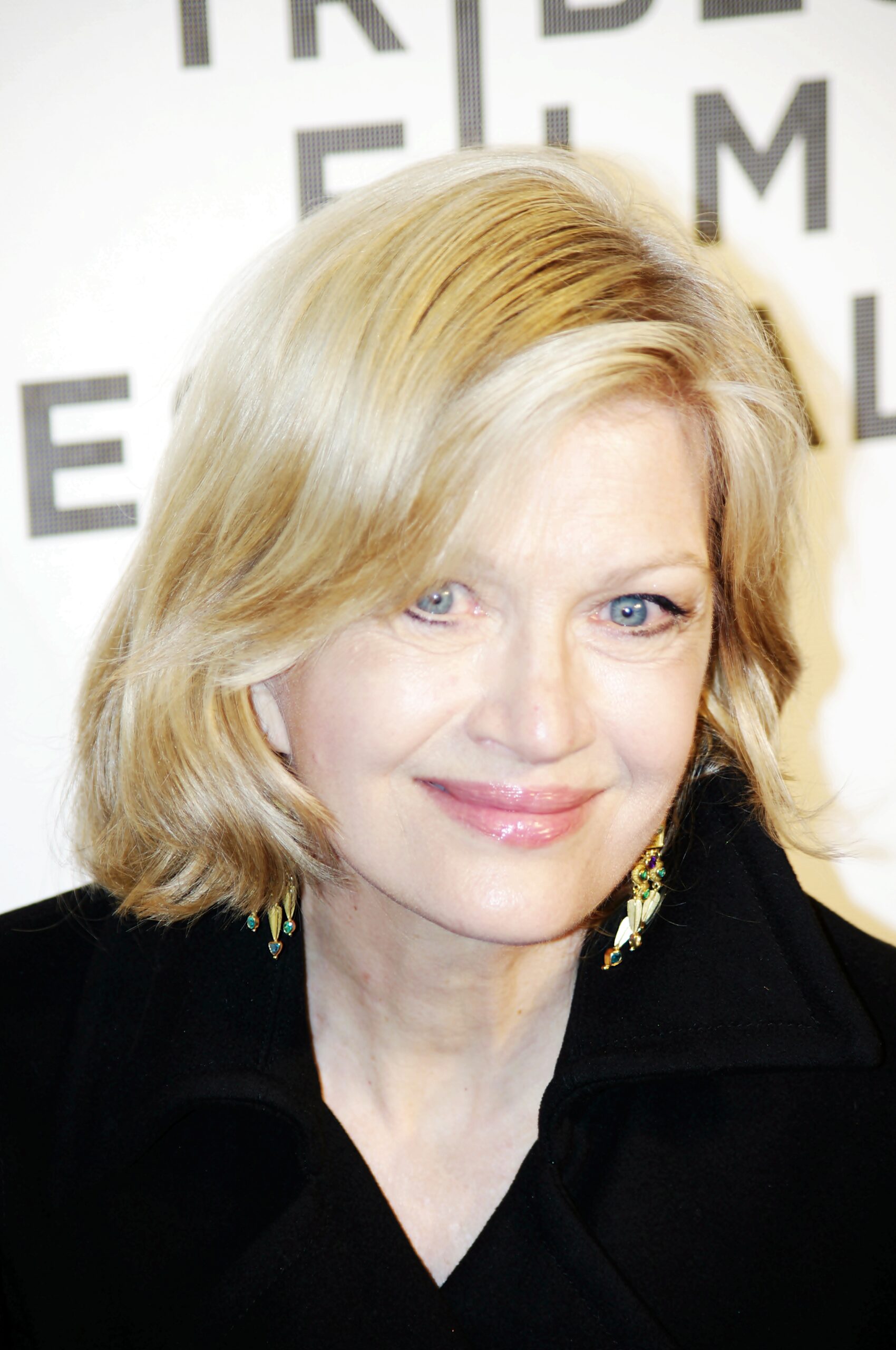
5. Diane Sawyer

Diane_Sawyer_2011_Shankbone

Sawyer got her start in the early ‘70s as an assistant to Jerry Warren, the White House deputy press secretary. Her initial role was to write press releases but eventually was tasked with drafting public statements for Richard Nixon. Sawyer eventually served as staff assistant to the president and worked during his Watergate scandal and resignation, including helping Nixon write his memoirs.

In 1978, Sawyer joined CBS News as general-assignment reporter and in 1984 became the first female correspondent on “60 Minutes”. During this time the program remained s of the top most-watched in the country. Between 1999 and 2014, Sawyer served as anchor and co-anchor on prominent programs like Good Morning America, Primetime, and ABC World News.

Few female journalists have received as many awards and recognition as Sawyer. This included being inducted into the Television Hall of Fame, two Emmy Awards, a Peabody Award, and being named one of the 30 most powerful women in America by Ladies’ Home Journal.

The inspiration doesn’t end there. It would truly be remiss if we at the New York Film Academy did not offer a special shout out to another woman taking the broadcast journalism industry by storm: our very own alumna….

Joelle Garguillo

Garguillo worked in business and finance until she decided to take a risk and chase her dream of broadcast journalism. After a little research, she decided on the New York Film Academy’s intensive, hands-on program. It’s a choice Garguillo says is “the best decision I ever made.” She went from NYFA’s four-week program to the eight-week, and then a semester, and then a year. Upon successfully completing her studies, Garguillo went on to secure a job with NBC that has led her to build a full career as a digital journalist at NBC News and a correspondent on “New York Live,” “The Today Show” and the “Weekend Today Show.”

Garguillo sat down with NYFA to discuss her experiences: “How NYFA prepared me for the real world was that I realized what it took to put together two minutes, whether it be for online, for TV, or for just class, takes a lot of work. And that’s what NYFA did for me. NYFA prepared me for the amount of work and love and care you will put into every single story.” Garguillo was able to turn her NYFA education, passion, and determination into a prolific career as a leading digital journalist.

Who are your broadcast journalism heroes? Let us know in the comments below!

Technical Tips for First-Time Filmmakers

night-television-tv-theme-machines

Every person dreaming of becoming a professional filmmaker had that same special moment: You were watching perhaps one of your favorite films of all time when suddenly you thought, “I want to make movies too.”

Of course, not everyone who has this moment actually ends up following through with their goal. This is because anyone can see a great movie and think they can make something just as good, if not better. But the reality is that filmmaking requires dedication, hard work, and a great deal of problem-solving. First-time filmmakers must grapple with this reality, and not let the challenges of filmmaking overcome its rewards.

To help first-time filmmakers through their challenges and joys on the set of their first movie, we’ve rounded up some helpful advice on some of the more important elements of filmmaking. We hope this helps first-time filmmakers keep their vision clear and their chins up as they make their dreams of movie magic a (sometimes hard-won) reality.

Framing and Camera Work

pexels-photo-60287

When actually filming your scenes, you have a wide variety of choices for framing your shots. Here we cover only 12 of the many camera shots that everyone involved in filmmaking should know . While there are exceptions, using the same type of shots throughout your scenes will result in a dull experience.

Instead, study the different types and purposes of the repertoire of shots you can use. By becoming familiar with different shots and incorporating them into your work, you’ll learn how to establish the rhythm of a scene along with the point of view. Tracking shots, pans, and zoom-ins are are also very powerful tools when used correctly.

Casting and Acting

pexels-photo-70292-large

Many young filmmakers, when casting, put too much emphasis on the physical appearance of the actor. They often make the mistake of casting someone who “looks” the part, rather than the better actor. “The Graduate is a good example. The main character of Benjamin Braddock, was described in the book as looking like Robert Redford and not at all like Dustin Hoffman. But Mike Nichols had the courage to cast Dustin and, as a result, the movie is a classic.

Many young directors are seem to be fearful of casting actors more experienced than they are. They fear that the actor will see that they don’t know what they’re doing and embarrass them. But this is the furthest thing from the truth. If an experienced actor takes a role in your film, it is because they share your desire to make the picture better.

Directing

pexels-photo-94889-large
Directing a picture can be a challenging experience, even for professionals. However, when you’re inexperienced and not only directing but also producing, catering, being your own assistant director and even being the transportation captain, it can be downright overwhelming. As a result, inexperienced directors often make the mistake of letting their minds wander while the camera is rolling. As soon as they call “ACTION,” they start to think to themselves, o kay, I have this shot, so after this I’ll move over there to get that shot and I have to remember to get that prop ready and don’t forget to call t he location about the schedule change tomorrow and… “CUT!” Then they find themselves in the editing room wondering, “where was I when that was happening because that is not what I wanted in the shot.” The New York Film Academy encourages our students to be in the moment, clear their minds while the camera is rolling. Because no matter how much they’ve prepared, if it’s not happening while the camera is rolling, you didn’t get it.

Editing

pexels-photo

Here’s a little trick NYFA New York City’s Chair of Filmmaking, Claude Kervin, recommends for those times when you get stale from watching a scene over and over and over: Flip the image left to right. Copy the scene and have the software create a mirror image. Part of the reason we feel stale is that we are anticipating every rhythm and movement in the scene. Flipping it left to right adds just enough new information to make our brains feel that we’re watching the scene anew!

Sound & Music

play-display-music-sound-74769-large

A good movie requires the perfect combination of images and sound. In fact, sound is often your most powerful tool for conveying emotion to the audience and making sure they feel what you want them to feel. Without sound, it’s much more difficult nowadays to create a mood for your scenes.

While sound effects and dialogue are important, music also plays a vital role in delivering a captivating film experience. Music is also used to create an emotion, and different music works better for specific moods. Our advice: Watch a few movies from different genres and pay attention to the sounds and music they chose. Sound and music are infinitely adaptable to tone, style, and genre, and you’ll find that what worked great for “The Lord of the Rings” wouldn’t be very effective in a horror or romantic comedy.

Do you have any solid advice you’d like to offer first-time filmmakers? Let us know in the comments below!

5 Actors We Bet You Didn’t Know Were Military Veterans

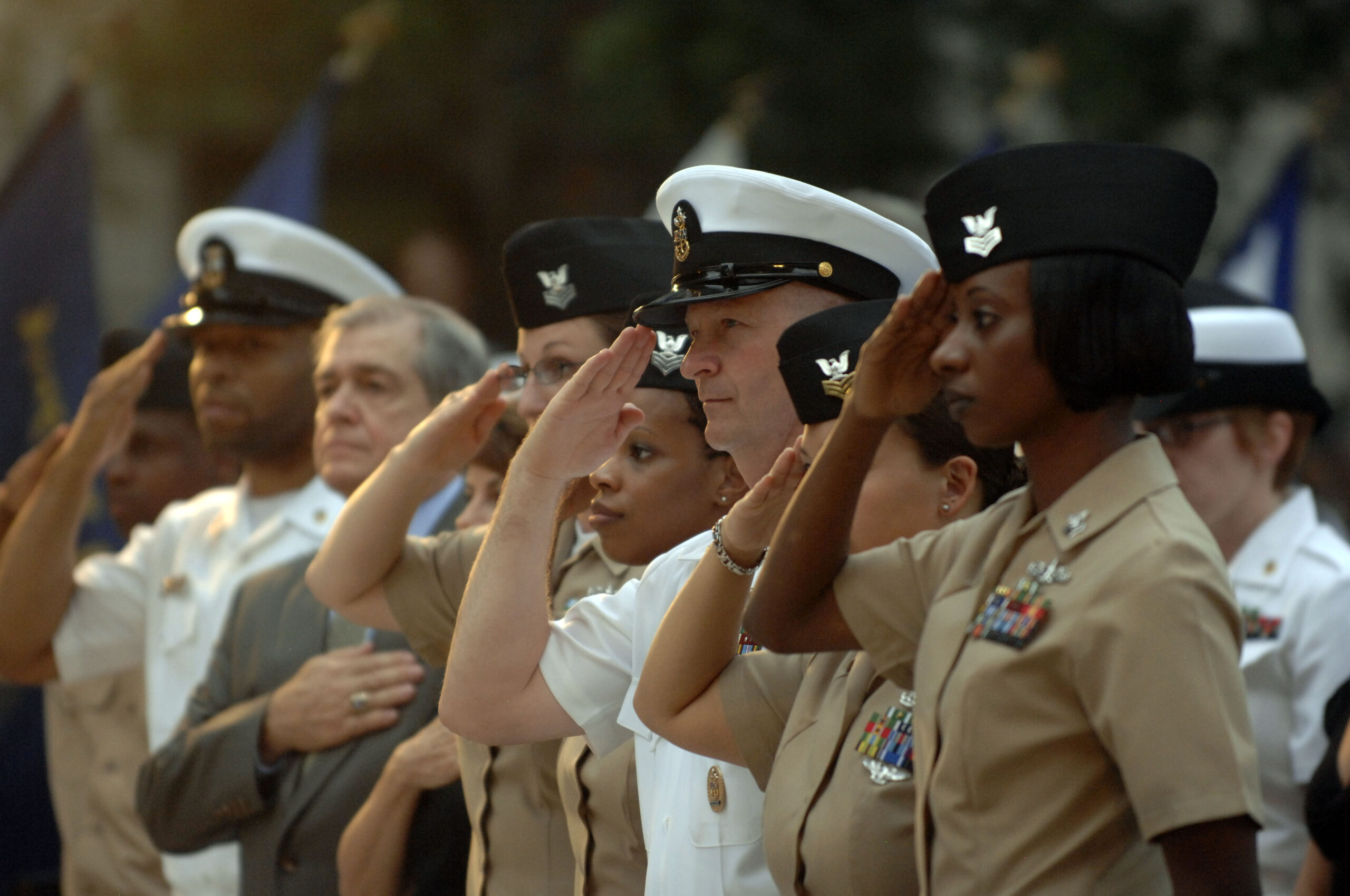
100720-N-4930E-578 WASHINGTON (July 20, 2010) Master Chief Petty Officer of the Navy (MCPON) Rick West, second from right, joins Cryptologic Technician (Technical) 1st Class Cassandra L. Foote, left, Chief of Naval Operations Sailor of the Year; Hospital Corpsman 1st Class Shalanda Brewer, Navy Reserve Sailor of the Year; Hospital Corpsman 1st Class Ingrid Cortez, Fleet Forces Sailor of the Year and Operation Specialist 1st Class Samira McBride U.S., Pacific Sailor of the Year, in saluting the American flag to kick off a night of entertainment provided by the U.S. Navy ceremonial guard and Navy Band at the Navy Memorial in Washington, D.C. (U.S. Navy photo by Mass Communication Specialist 1st Class Abraham Essenmacher/Released)

Elvis Presley. Clint Eastwood. Charlton Heston.

These may be the first few names that spring to mind when you think of famous actors who served in the military, but it goes without saying that there are many, many more … a lot of whom you probably never knew were veterans in the first place!

In celebration of Veterans Day, we rounded up a list of six surprising and inspirational stories of actors that you probably didn’t know were also veterans.

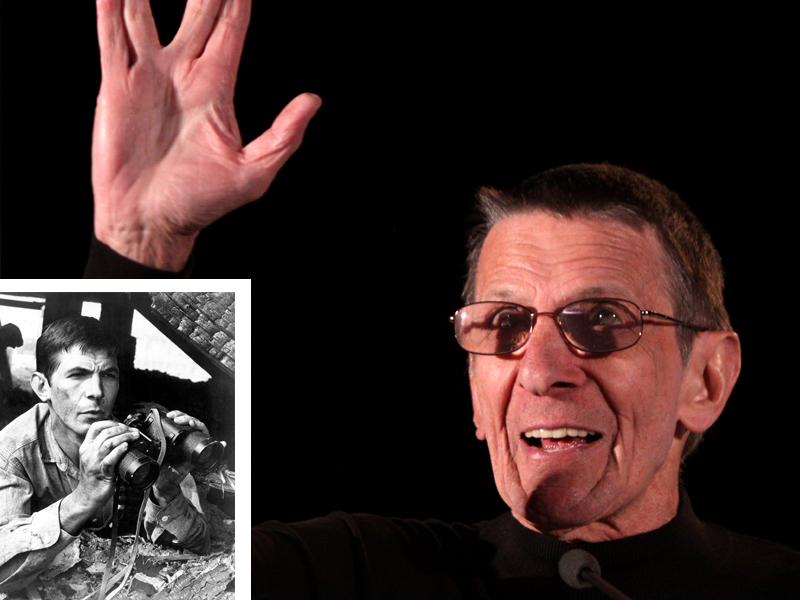
1. Leonard Nimoy

2Nimoy

Rank: Sergeant

Years Served: 1953-1955

Although known in legacy primarily for his portrayal of Spock in “Star Trek,” the road to sci-fi stardom was a winding one for the late, great Leonard Nimoy. He appeared in a huge number of B-movies and TV shows as a supporting actor before landing the role that would make him an intergalactic name. Before this career-defining role, Nimoy supported himself selling vacuum cleaners, working in an ice cream parlor, driving a cab, and serving in the Army Special Reserves.

Nimoy was in good company on the set of “Star Trek,” because one of his costars was also a veteran…

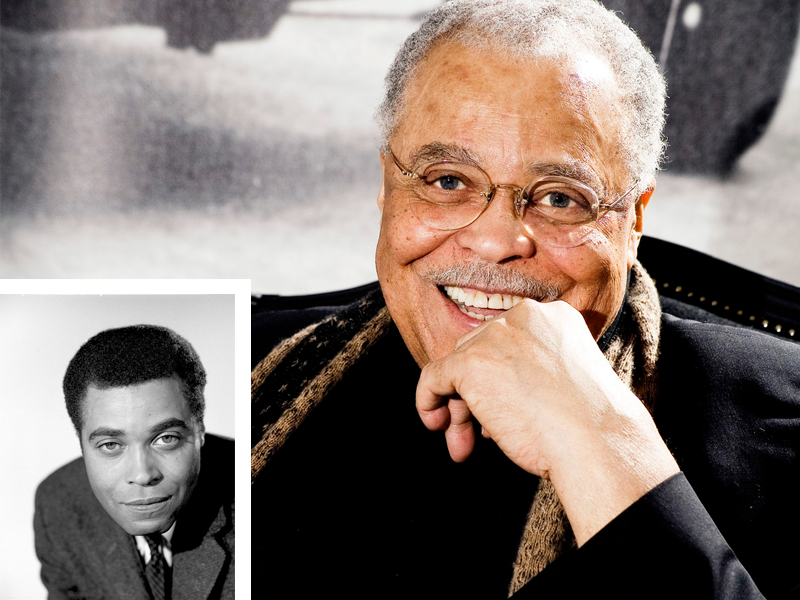
2. James Earl Jones

jamesearljones1JEJ

Rank: First Lieutenant

Years Served: 1953-1955

Shortly before embarking on his 60-year career in film (having decided he wasn’t cut out to be a doctor), the voice of Vader had joined the Reserve Officer Training Corps.When the Korean War broke out, Jones was commissioned to establish a cold weather training command in Colorado. He reportedly both enjoyed the assignment, and excelled at it.

We like to imagine the military spent most of this period trying to figure out how to weaponize his voice.

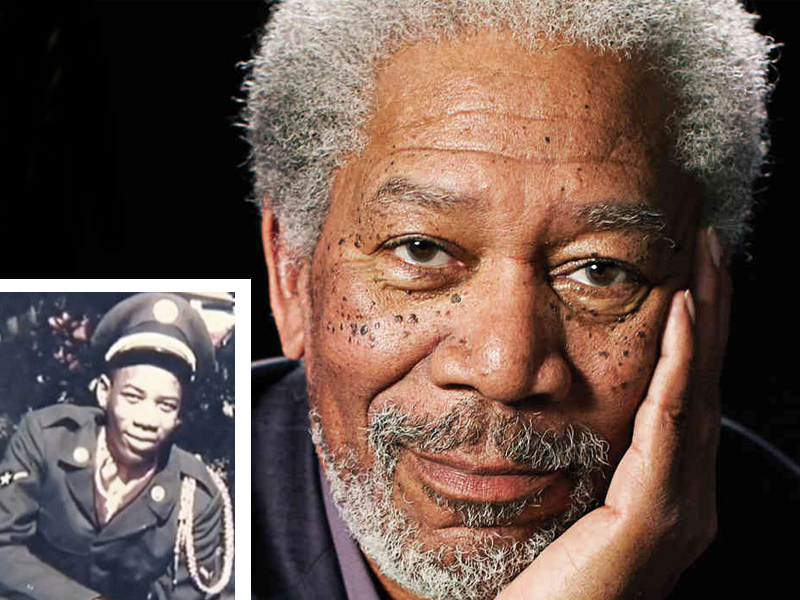
3. Morgan Freeman

4Morgan

Rank: Airman 1st Class

Years Served: 1955-1959

Freeman’s acting career began at the young age of nine, and he came out of the gate swinging with a string of drama competition wins and lead performances in plays. It was enough to attract a partial drama scholarship at Jackson State University, but he curiously turned it down to instead enlist in the U.S. Air Force as a radar repairman.

Like James Earl Jones, we can safely assume that the military tried and failed to weaponize Freeman’s dulcet tones. After four years of service, he returned to acting and the rest, as they say, is history.

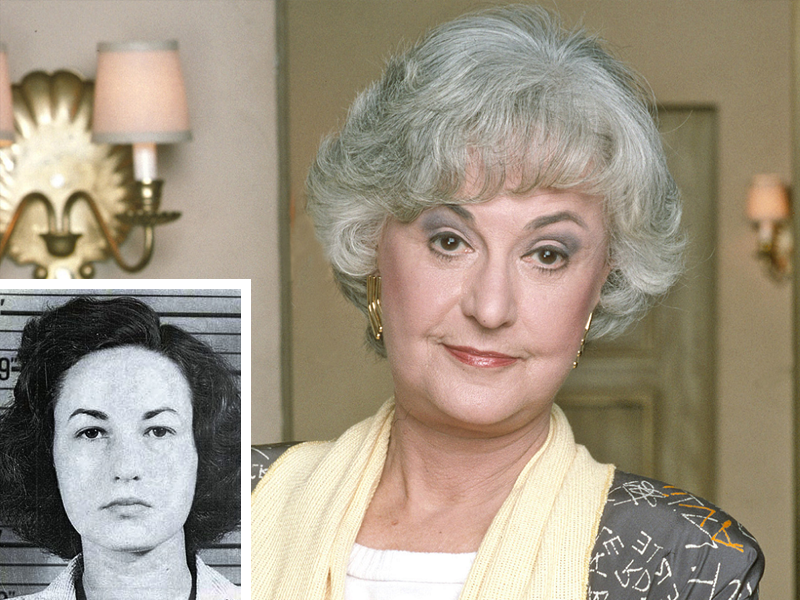
4. Bea Arthur

5Bea

Rank: Staff Sergeant

Years Served: 1943-1945

Strangely, the “Golden Girls” star flatly denied ever having served in the military multiple times over the course of her life, and often acted baffled whenever the rumor was brought up in interviews.

Whatever the reason for the denial, military records later revealed that Arthur did indeed serve for 30 months in the Marine Corps, first as a typist and then later as a truck driver.

Arthur is also the only female veteran-turned-acting-celebrity that we found. If you know of more, please tell us in the comments below!

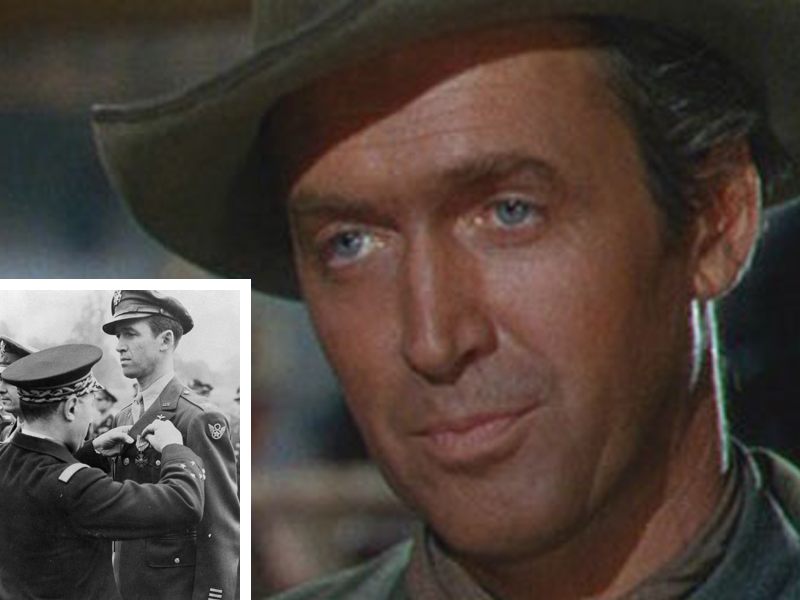
6. Jimmy Stewart

6Stewart

Rank: Brigadier General

Years Served: 1941-1968

One of America’s most-loved golden era actors is also the highest ranking actor in military history. Jimmy Stewart was an exceptionally accomplished pilot, and he also established a pilot training school that is estimated to have trained over 10,000 pilots during World War II!

Stewart refused any publicity attracted to him due to his heroic war efforts, flew uncredited in numerous bombing missions deep in Nazi Germany, and often went out of his way to make sure he was involved in highly dangerous active combat (few commanding officers wanted to put the A-list actor in harm’s way, and Stewart was often relegated to desk assignments).

Somewhat understandably, after nearly three decades of service very few of his chosen film roles had anything to do with war or military themes.

In honor of Veterans Day and all those who have served our country: You’re all heroes to us, and the New York Film Academy offers our heartfelt gratitude.

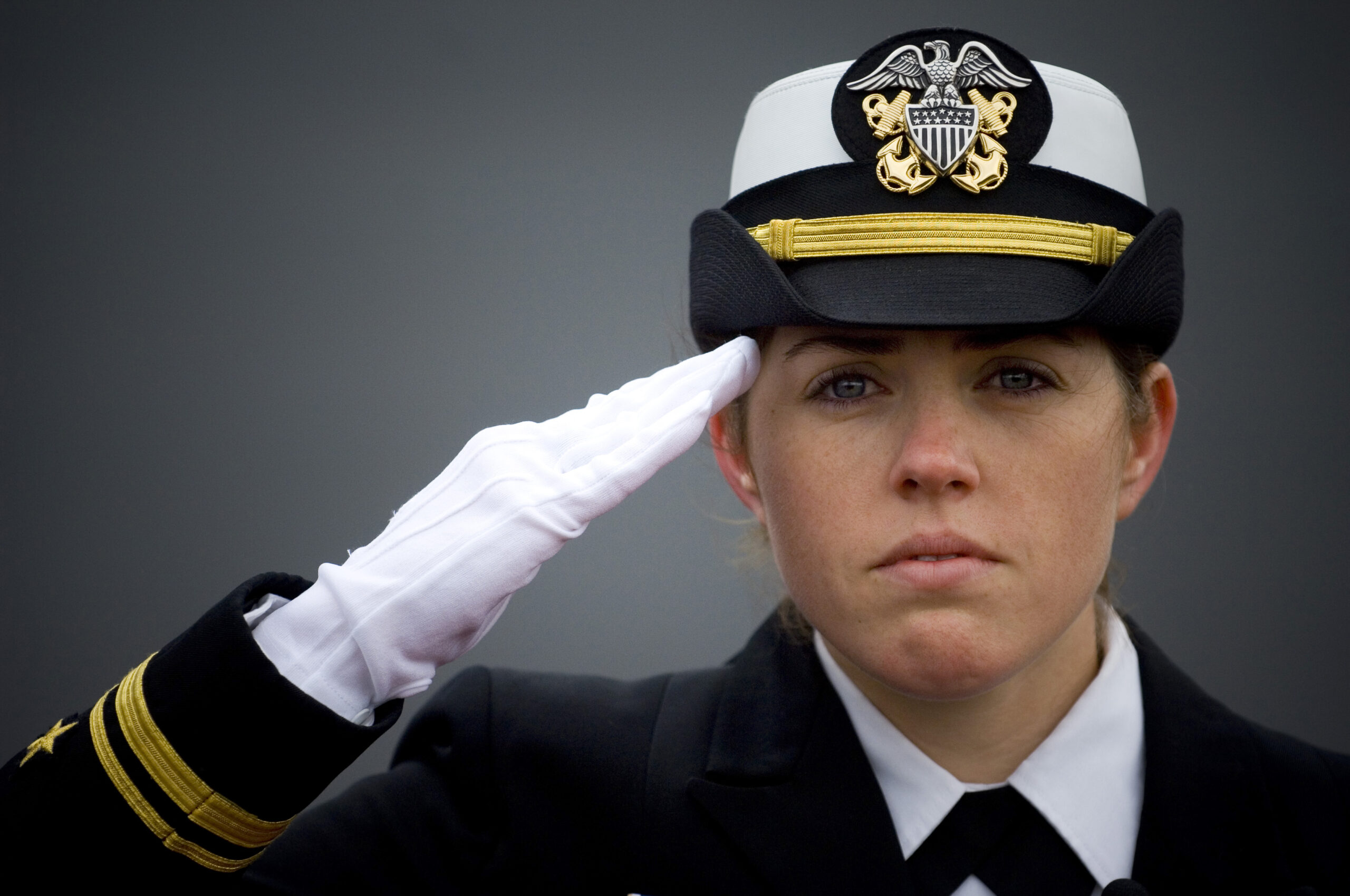
081108-N-5549O-035 MILWAUKEE (Nov. 8, 2008) Ship's Navigator Lt. j.g. Shaina Hayden renders honors to the national anthem during the commissioning ceremony for the littoral combat ship USS Freedom (LCS 1) at Veterans Park in Milwaukee, Wis. Freedom is the first of two littoral combat ships designed to operate in shallow water environments to counter threats in coastal regions. (U. S. Navy photo Mass Communication Specialist 2nd Class Kevin S. O'Brien/Released)

6 Great Election-Related Movies

In case you didn’t notice from your opinion-barraged social media pages, voting day is upon us. Whether you look forward to this time or just want to vote and not hear another word about politics, here are several great movies themed around the idea of elections — and now is the perfect time to give them a watch.

“Wag the Dog” (1997)

This black comedy film is known more for its foreshadowing than anything else. Loosely adapted from the novel “American Hero,” the story follows a District of Columbia spin-doctor (Robert De Niro) who works with a Hollywood film producer (Dustin Hoffman) to construct a fake war with Albania. The goal is to draw attention away from an upcoming sex scandal involving the president of the U.S. two weeks before the next election.

One month after the release of “Wag the Dog,” the Lewinsky scandal involving then-President Bill Clinton hit, followed by the coincidental bombing of the Al-Shifa pharmaceutical factory in Sudan.

“Dave” (1993)

Directed by Ivan Reitman and starring Kevin Kline and Sigourney Weaver, this film is considered one of the top election-related films for its political comedy and unique story. After the president gets into an extramarital affair with a White House staffer, he hires an impersonator as a cover-up. But during the initial meeting, the president has a stroke and is left in a coma.

The impersonator, played by Kline, is asked to continue standing in for the president since other top White House staff don’t have confidence in the current vice president.

“All the President’s Men” (1976)

Arguably one of the best journalism movies of all time, this film follows two Washington Post reporters who uncover the dishonest election tactics utilized by Richard Nixon during the 1972 Presidential Election. It stars Robert Redford and Dustin Hoffman as the two reports.

“All the President’s Men” received widespread praise upon release and in 2010 was chosen for preservation in the United States National Film Registry.

“The Manchurian Candidate” (2004)

This sci-fi political thriller stars Denzel Washington as a proud war veteran who discovers that he has been the victim of nanotechnological experimentation and brainwashing. He eventually discovers that his former NCO, now a U.S. congressman, was also manipulated by a major private equity firm with political connections into running as his party’s vice president.

“The Manchurian Candidate” was well received, offering a chilling depiction of the theoretical power of technology to sway elections.

“Napoleon Dynamite” (2004)

Yes, this comedy is themed around the idea of running for election. “Vote for Pedro,” remember? “Napoleon Dynamite” tells the goofy story of an awkward teenage boy who helps a Mexican transfer student run for class president. From spreading embarrassing rumors about the competition to buying student votes with gifts, the film is not unlike your average presidential election.

“Napoleon Dynamite,” which debuted at the Sundance Film Festival in January 2004, was a surprise hit, winning numerous awards and even developing a cult following.

“Bulworth” (1998)

This political comedy movie is about a California senator who becomes an unlikely favorite to become president of the U.S. The story follows this senator, played by Warren Beatty, as he struggles to maintain a good public image amidst his fight against substance abuse, suicidal thoughts, and an assassin.

“Bulsworth” was nominated for a dozen awards and won the Los Angeles Film Critics Association’s Best Screenplay award. In a private talk with The New York Times in 2013, President Barack Obama referenced the film when saying he often considered “going Bulworth.”

What are your favorite election-related films? Let us know in the comments below!

From Kevin Smith to Ava DuVerney: 7 Filmmakers You NEED to Follow on Instagram

Social media isn’t just a tool for film promotion or connecting with fans. As a visual and performing artist, social media can also be a tool for your own inspiration and growth! To that end, we’ve rounded up seven established filmmakers on Instagram who are guaranteed to inject a little inspiration into your news feed.
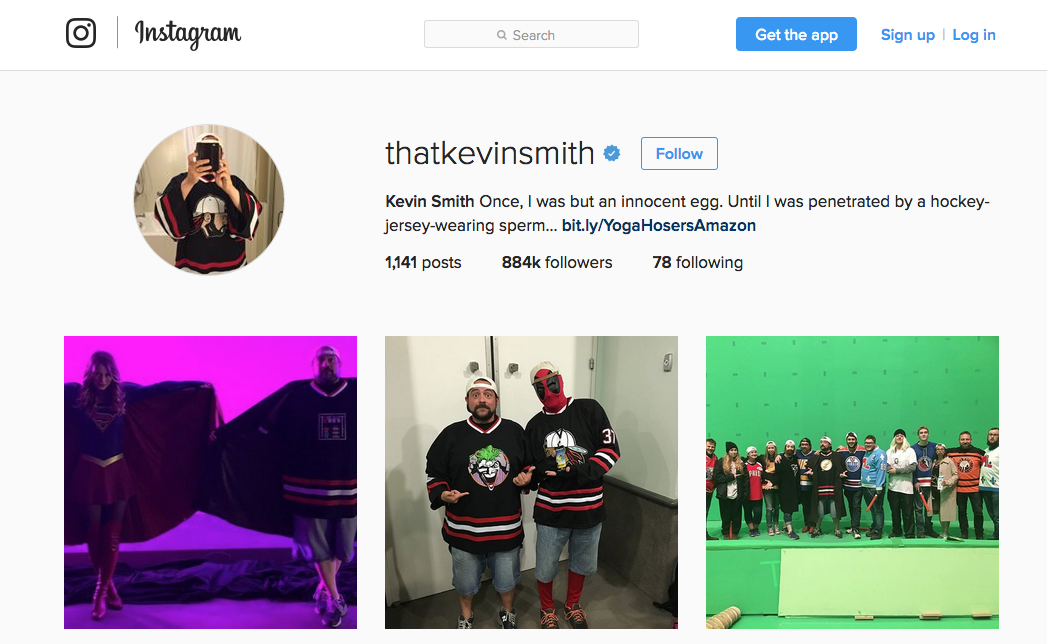
1. Kevin Smith

Instagram Handle: @ThatKevinSmith

Followers: 864k

Screen Shot 2016-11-03 at 5.33.21 PM

The big man in a hockey shirt who needs no introduction. No matter whether you love or hate his unique brand of cult comedy, his very candid Instagram account is wholly deserving on a list of filmmakers everyone should follow.

What to Expect: A bucket of geek culture, behind-the-scenes snippets and pizza.

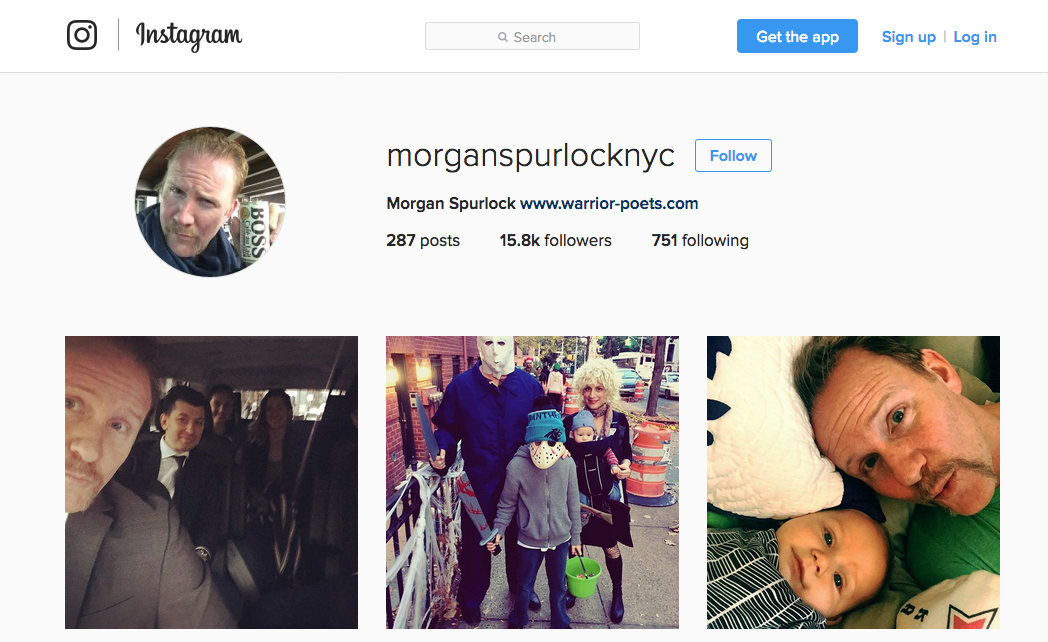
2. Morgan Spurlock

Instagram Handle: @MorganSpurlockNYC

Followers: 15.5k

Screen Shot 2016-11-03 at 5.34.24 PM

Multi-talented writer, filmmaker, documentarian and political activist who you’ll probably know from one of the most impacting documentaries of last decade: Super Size Me.

What to Expect: The family life of a filmmaker laid bare, and a (not wholly-surprising) lack of burgers.

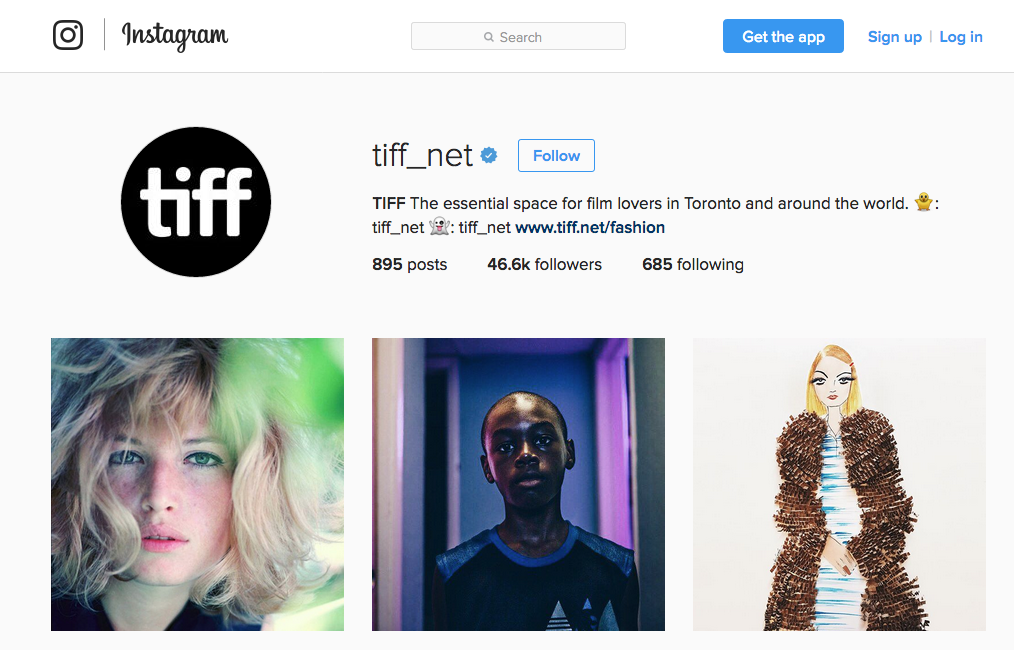
3. TIFF

Instagram Handle: @Tiff_Net

Followers: 45k

Screen Shot 2016-11-03 at 5.35.23 PM

The official account of the Toronto International Film Festival — and even by global festival standards, it’s an impeccably maintained Instagram account.

What to Expect: Simply gorgeous film-related eye candy.

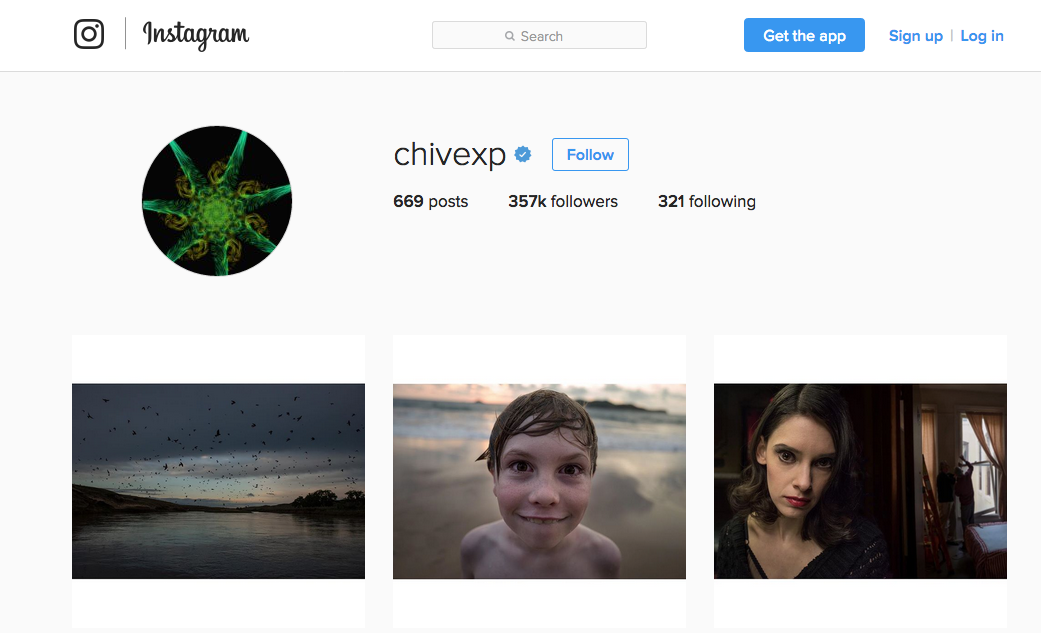
4. Emmanuel Lubezki

Instagram Handle: @Chivexp

Followers: 354k

Screen Shot 2016-11-03 at 5.36.30 PM

Quite possibly the finest cinematographer currently active, having knocked it out of the park with an entire string of masterpieces, one after another (namely “Children of Men,” “The Tree of Life,” “Gravity,” “Birdman” and “The Revenant”).

What to Expect: Pure poetry.

5.Radiohead

Instagram Handle: @Radiohead

Followers: 773k

Screen Shot 2016-11-03 at 5.37.44 PM

Not technically a “filmmaker” per se, but we absolutely had to include the audiovisual masters here owing to the exceptional shorts and imagery they frequently share on Instagram.

What to Expect: A lot of surreal food for thought to get your creative juices flowing, from both the band itself and talented fans.

6. Lee Daniels

Instagram Handle: @TheOriginalBigDaddy

Followers: 548k

Screen Shot 2016-11-03 at 5.38.59 PM

The multi-award winning director and producer behind “Precious,” “Monster’s Ball” and “The Butler.”

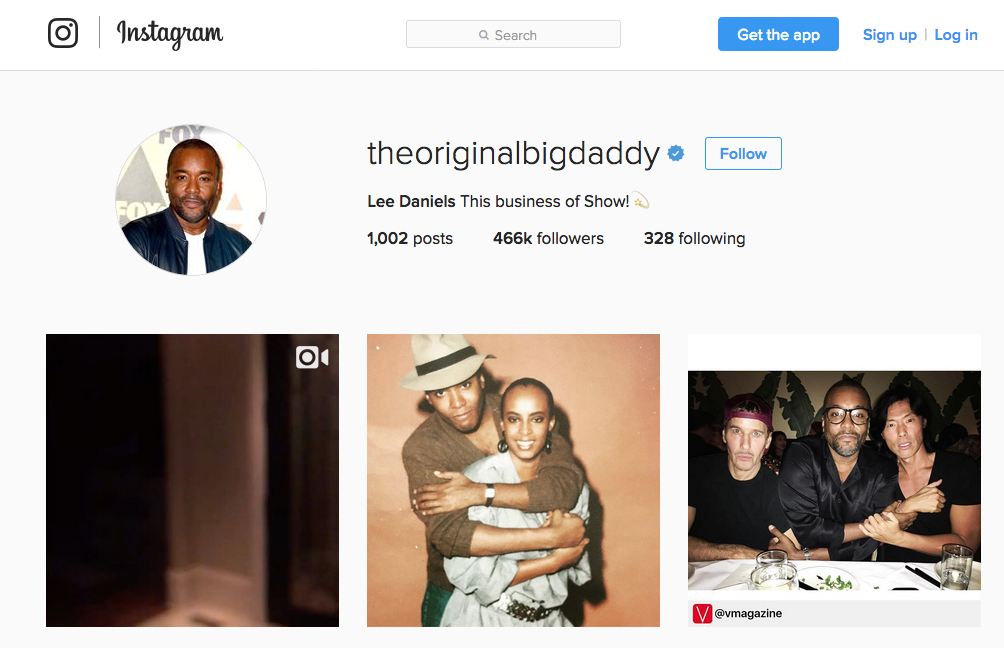
What to Expect: A lot of heart, a lot of humor, plenty behind-the-scenes clips from Lee’s current show “Empire” (and a few candid celebrity shots thrown in for good measure).

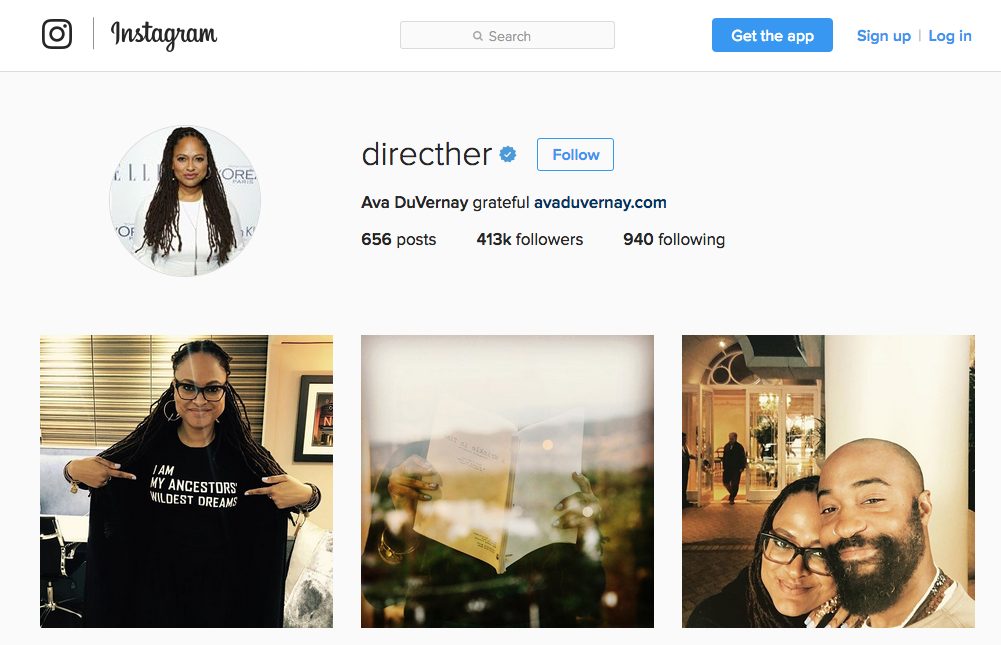
7. Ava DuVernay

Instagram Handle: @Directher

Followers: 390k

Screen Shot 2016-11-03 at 5.39.45 PM

The first black female ever to have won the Best Director Prize at Sundance (for her second flick “Middle of Nowhere”), and also the first black female director to be nominated for a Golden Globe (for her work on “Selma”).

What to Expect: A real inside look into the life of a director (warts and all!).

May your Instagram feed be full of inspiration!

How Graphic Design for Women’s Brands Has Changed — and Why it Needs to KEEP Changing

In its early history, graphic design — and indeed marketing in general — was a male-dominated profession. The ethos for branding a female-centric product generally ended at “use a pink color palette and soft lines, then call it a day.”

Thankfully, we’re long past those days — or are we? There is still plenty of room for improvement…

Good graphic design — particularly within the sphere of branding — should speak to your target demographic. One thing to bear in mind is that “female” isn’t a demographic, much less a character trait: it’s simply one physiological aspect of an individual.

Here are some ideas on how to keep your graphic design work progressive, positive, and pertinent when working on elements for women’s brands.

Gender Isn’t a Personality Trait

Gender may be a driving force behind the sale of certain individual products and services (such as leg razors and moisturizer, but even then not necessarily). However, the graphic design and branding behind such products needs to reflect the actual nature and benefit of said product (i.e.: a super-close shave or a superior skin care routine for instance) and not just that it’s a “girl’s product.”

It’s an age-old tenet of good marketing, but for some reason it frequently gets lost here: focus on why product X will make their life better. Don’t try to assume what their life is.

A superb example of this can be seen in the branding behind the Feminist Times magazine (soon to relauch). As noted in this in-depth dissection, the design choices were carefully made to clearly express what kind of content readers could expect, while at the same time not pigeon-holing who their readers were: “While primarily aimed at women, [art director Lucy Newman] says the site aims to appeal to ‘nonconformists of all ages, genders and backgrounds’ and bring feminism to a wider audience. It’s a sparse design: strong deep colours are coupled with greys and black, sans type and a grid layout. Embellishment is kept to a minimum, presumably to let the controversial editorial do the talking.”

Newman goes on to elaborate that: “The overall concepts that needed to be embodied in the design and imagery were: daring, radical empathy, warmth, inclusive (not aspirational), home made (around the kitchen table), iconoclastic, irreverent fun, punk, political. A movement that you can join and join in. It meant designing a look and feel which is anti-lifestyle and in some way anti-taste, if that is the right word, which is an interesting challenge in itself.”

And, as noted previously, it was a conscious design choice to forego the stereotypical curved lines and pink/purple hues that are often deemed the “feminine” hallmarks of graphic design.

The Rise of Femvertising

Over the past few years, we’ve seen a big push towards “female-empowerment” advertising, and you’re no doubt already thinking of Dove even before this sentence ends.

At the height of parent company Unilever’s “Campaign for Real Beauty,” the company was estimated to be earning $30 for every $1 it spent on the drive, which is an unprecedented feat in marketing and one that was hailed as a game-changer when it came to marketing towards women.

Eventually, however, the campaign drew criticism from those who began to suspect that the Dove campaign was becoming both manipulative and patronizing.

For consumers, the sense that a company is genuine is key, and when it comes to graphic design this extends to how much photoshopping and airbrushing is done. No matter how skilled the designer, manipulations will be scrutinized … and doubly so if you’re working on a campaign called “Real Beauty” and then extensively photoshopping the “real women” featured (the reason that is in quotes is that there is some debate as to whether Dove may have used undeclared actresses).

What does this mean for the rest of us? It highlights that consumers can spot disingenuous pandering from a mile away, and both graphic designers and the wider marketing industry need to be more conscious of this going forward. This is especially true now that the idea of “femvertising” is now approached with slight apprehension on the consumer’s side.

Hope for the Future

As the medium of graphic design continues to evolve, we have no doubt that the diversification issue will improve too, simply by proxy; the number of women getting into graphic design as a career choice is growing. At the prestigious CSM university in London, 70 percent of the graphic design students are now female (compared to 50 percent during the ‘90s), and we’re seeing a similar pattern in our own graphic design program.

And long may it continue.

Because if corporations want graphic designers who can intuitively and genuinely speak to consumers who happen to be women, they’d do well to hire more graphic designers who happen to be women.