
How Graphic Design for Women’s Brands Has Changed — and Why it Needs to KEEP Changing

In its early history, graphic design — and indeed marketing in general — was a male-dominated profession. The ethos for branding a female-centric product generally ended at “use a pink color palette and soft lines, then call it a day.”

Thankfully, we’re long past those days — or are we? There is still plenty of room for improvement…

Good graphic design — particularly within the sphere of branding — should speak to your target demographic. One thing to bear in mind is that “female” isn’t a demographic, much less a character trait: it’s simply one physiological aspect of an individual.

Here are some ideas on how to keep your graphic design work progressive, positive, and pertinent when working on elements for women’s brands.

Gender Isn’t a Personality Trait

Gender may be a driving force behind the sale of certain individual products and services (such as leg razors and moisturizer, but even then not necessarily). However, the graphic design and branding behind such products needs to reflect the actual nature and benefit of said product (i.e.: a super-close shave or a superior skin care routine for instance) and not just that it’s a “girl’s product.”

It’s an age-old tenet of good marketing, but for some reason it frequently gets lost here: focus on why product X will make their life better. Don’t try to assume what their life is.

A superb example of this can be seen in the branding behind the Feminist Times magazine (soon to relauch). As noted in this in-depth dissection, the design choices were carefully made to clearly express what kind of content readers could expect, while at the same time not pigeon-holing who their readers were: “While primarily aimed at women, [art director Lucy Newman] says the site aims to appeal to ‘nonconformists of all ages, genders and backgrounds’ and bring feminism to a wider audience. It’s a sparse design: strong deep colours are coupled with greys and black, sans type and a grid layout. Embellishment is kept to a minimum, presumably to let the controversial editorial do the talking.”

Newman goes on to elaborate that: “The overall concepts that needed to be embodied in the design and imagery were: daring, radical empathy, warmth, inclusive (not aspirational), home made (around the kitchen table), iconoclastic, irreverent fun, punk, political. A movement that you can join and join in. It meant designing a look and feel which is anti-lifestyle and in some way anti-taste, if that is the right word, which is an interesting challenge in itself.”

And, as noted previously, it was a conscious design choice to forego the stereotypical curved lines and pink/purple hues that are often deemed the “feminine” hallmarks of graphic design.

The Rise of Femvertising

Over the past few years, we’ve seen a big push towards “female-empowerment” advertising, and you’re no doubt already thinking of Dove even before this sentence ends.

At the height of parent company Unilever’s “Campaign for Real Beauty,” the company was estimated to be earning $30 for every $1 it spent on the drive, which is an unprecedented feat in marketing and one that was hailed as a game-changer when it came to marketing towards women.

Eventually, however, the campaign drew criticism from those who began to suspect that the Dove campaign was becoming both manipulative and patronizing.

For consumers, the sense that a company is genuine is key, and when it comes to graphic design this extends to how much photoshopping and airbrushing is done. No matter how skilled the designer, manipulations will be scrutinized … and doubly so if you’re working on a campaign called “Real Beauty” and then extensively photoshopping the “real women” featured (the reason that is in quotes is that there is some debate as to whether Dove may have used undeclared actresses).

What does this mean for the rest of us? It highlights that consumers can spot disingenuous pandering from a mile away, and both graphic designers and the wider marketing industry need to be more conscious of this going forward. This is especially true now that the idea of “femvertising” is now approached with slight apprehension on the consumer’s side.

Hope for the Future

As the medium of graphic design continues to evolve, we have no doubt that the diversification issue will improve too, simply by proxy; the number of women getting into graphic design as a career choice is growing. At the prestigious CSM university in London, 70 percent of the graphic design students are now female (compared to 50 percent during the ‘90s), and we’re seeing a similar pattern in our own graphic design program.

And long may it continue.

Because if corporations want graphic designers who can intuitively and genuinely speak to consumers who happen to be women, they’d do well to hire more graphic designers who happen to be women.

Screen Love: The On-Screen Couples We’re All Rooting For This Fall

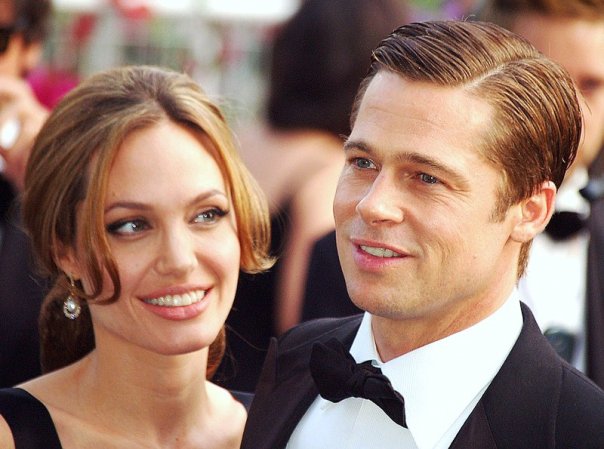
Very few among us could have predicted the sad end of Brad Pitt and Angelina Jolie’s 12-year relationship, which has left many fans searching for romantic hope on the silver (and small) screen. Here are some on-screen couples who can help you believe in love again this autumn!

“Bridget Jones’s Baby” — Bridget Jones and Mark Darcy

Fans of the Bridget Jones franchise have had to wait some time for the third installment, but we’re happy to report it has been more than worth the wait. What’s not to love about the bumbling Renee Zellweger and Colin Firth locked in a perpetual state of “will they/won’t they”?

This time around, there’s a second guy in the mix and the mystery as to who’s the father of the titular baby drives the plot forward with purpose. We won’t spoil it here, but if you loved “Mamma Mia!” or any of the previous Bridget movies, you’ll relish the time spent back with old friends.

“La La Land” — Emma Stone and Ryan Gosling, again

Stone and Gosling have become quite the on-screen duo, having proven very convincing chemistry-wise in the past with “Crazy, Stupid Love” (2011) and “Gangster Squad” (2013).

This time they’re back for the musical flick “La La Land,” which is set for release in December. Thanks to a unanimously praised opening at the Venice Film Festival, it already stands at a near-perfect 96 percent on Rotten Tomatoes, with critics particularly enamored with the sizzling performances of the leads (with Stone’s already garnishing Oscar buzz).

There should be a rule that dictates if you appear as an on-screen couple three times in a row, you are obligated to get together in real life. After all, the fans have come to believe it.

“Orange is the New Black” – Alex Vause and Piper Chapman

https://youtu.be/AOQmFU2NCLw

The show that got us out of our post-“Breaking Bad” hangover.

It has been a few months since the Netflix-dump of the entire fourth season, and now that the dust has settled, it’s high time for a re-watch — given the mileage to be had from that emotional roller coaster. The tempestuous relationship between Alex and Piper took something of a backseat compared to previous seasons, but comes back to the fore in the penultimate episode. We’ll have to wait until next June to find out whether they’ll ever stop hitting the self-destruct button on the relationship that has gotten us completely hooked.

As a romantic side note, Samira Wiley — who played Poussey Washington — has just announced her engagement to OITNB writer Lauren Morelli. The latter only realized she was gay during the process of writing the lesbian romance subplots of Poussey’s story. There’s a real off-screen love story to keep romance alive!

“Victoria” – Queen Victoria and Prince Albert

One of the finest period dramas to come out of Britain in recent years, Victoria covers the formative years of the country’s most alluring monarchs.

With exquisite attention to detail in the costume department and sets along with a superb performance from Jenna Coleman (who you may recognize as Clara from “Doctor Who”), what really steals the show is Victoria’s endearing relationship with Prince Albert … and particularly how such a love can survive given the power struggles that engulf them at every turn. And better yet, audiences can enjoy the fact that this is all inspired by one of the most famous real-life couples in recent European history.

Outside of online streaming, North American viewers will have to wait until it airs on PBS in January to see why it has become one of this year’s most-watched shows across the pond.

“Crazy Ex-Girlfriend” – Rebecca Bunch and Josh Chan

https://youtu.be/EYYN1SKESGo

Paradoxically, “Crazy Ex-Girlfriend” is simultaneously the brightest and darkest comedy to have hit our small screens in the past year. It’s outright hilarious in a wacky way and peppered with delightful musical numbers, but at the same time centers around the (frankly disturbing) topic of obsessive stalking.

If you liked “Unbreakable Kimmy Schmidt,” “Ally McBeal” or “Flight of the Conchords,” you’ll love “Crazy Ex-Girlfriend.” And this on-screen … couple? couples? dysfunction?… will give you ample time to ponder the meaning of true love. Get caught up if you haven’t already, because season two will be airing in late October. And if the romantic implications of the season one finale are anything to go by, things are going to get very interesting, indeed!

“Me Before You” — Louisa and Will

One of this year’s biggest Hollywood success stories (having grossed $200 million against a budget of just $20 million), the DVD is now out for romance fans who missed it in the theatres. Again, we won’t spoil anything, but this is one of those couples … let’s just say, imagine Nicholas Sparks turned up to 11 — you’ll need a lot of tissues.

We hope these on-screen couples can keep the flames of romance burning for you throughout the fall. What are your favorite on-screen couples coming to TV or film this season? Let us know in the comments below!

NYFA Around the World: Latest Industry News from Our Film School Alumni

issa-rae2

Just as the hearts of parents swell with pride and a little bit of heartbreak as they watch their children head off to film school, we too get a little teary-eyed when watching our students graduate before going off to make waves in the working world!

Successfully completing one of the most intense film school programs in the world is a feat worth celebrating in and of itself, so we’re doubly proud whenever we see headlines featuring our alumni’s names.

Here’s a round-up of just a few of the feature films and shows our alumni have been working on that have either just hit the screen or are coming up imminently this fall.

“Kevin Can Wait” – Michael Soccio

Comedian and actor Kevin James (who you’ll recognize from his hit show “The King of Queens” and feature film “Grown Ups”) recently took to the stage for an informative and delightful talk as part of our Guest Speaker Series, and in tow was NYFA’s very own directing alumnus Michael Soccio.

https://youtu.be/paoLfDBcmY0

As explained on the panel, Soccio channeled everything he learned about directing into becoming a better writer, and has collaborated with James on a number of projects including the aforementioned smash successes “King of Queens” and “Hitch.”

But the successes don’t stop there. As of this week, Soccio and James have been commissioned by CBS for a full a full 22-episode season of their newest comedy “Kevin Can Wait.”

Kevin might be able to, but we sure can’t!

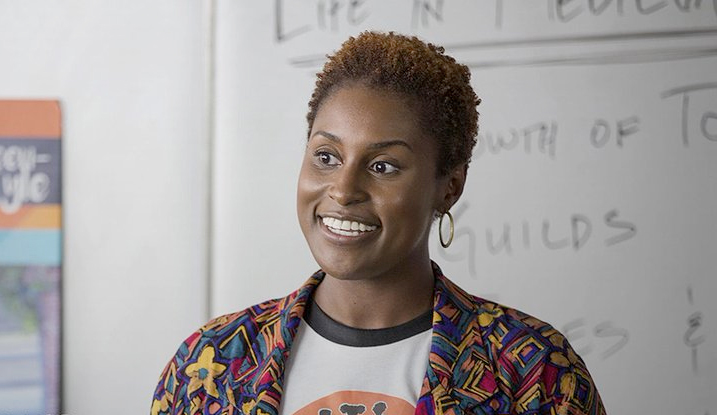
“Insecure” – Issa Rae

Following her graduation from NYFA, the hugely talented Issa Rae went on to establish the hit YouTube series “The Mis-Adventures of Awkward Black Girl.” It garnered her a quarter of a million subscribers (with the individual episode view counts numbering in the multiple millions), leading her to be recognized with a Shorty Award for the series.

It also caught the attention of HBO, who admired her sheer grit and determination in producing the show almost singlehandedly. A two-year deal followed, and as of this month we’ll be seeing the first of Rae’s HBO work with the release of “Insecure.”

https://youtu.be/QLZI935YZnA

There’ll be eight episodes in total (which began airing Oct. 9) and we applaud HBO’s decision to focus on diversity within its programming.

They definitely hired the right girl for the job.

“The Magnificent Seven” – Manuel García-Rulfo

Mexican-born García-Rulfo originally majored in communications and went on to pursue a career in that industry, but he couldn’t shake off a nagging thought: his real passion was acting.

In a brave move, he ditched everything he’d worked towards and decided to go back to studying, this time at NYFA. It was a move that was to pay off — big time.

Since 2006, García-Rulfo has starred in a slew of features and shorts. What could be considered as his “big” break, however, was a role in the brilliant “From Dusk Till Dawn” TV series between 2014-2015. He’s using that momentum to go from strength to strength, having received prominent screen time as The Outlaw in the this fall’s “The Magnificent Seven,” now in theaters.

“Amanat” – Sanzhar Madiyev

It’s with great honor and privilege that we’re able to report that alumnus Sanzhar Madiyev has appeared in a movie that has been nominated (and is looking like a strong contender to win) the 2017 Oscar for Best Foreign Film.

“Amanat” was screened in May in Madiyev’s native Kazakhstan to great reception, and NYFA will be reporting on its wider international successes in the coming months.

And Madiyev is not the only NYFA graduate involved in an Oscar nominated film…

“Sparrows” – Atli Fjalarsson

“Sparrows” is a dramatic, endearing coming-of-age story set in Iceland, and is the country’s own entry into next year’s Oscars for Best Foreign Language Film.

A celebration of both Icelandic culture and an intricate tale of the 16-year-old Ari (played by Fjalarsson), “Sparrows” is already gaining traction ahead of the Oscars thanks to two critically-acclaimed screenings at TIFF and the San Sebastian Film Festival this year.

We pay a huge debt of gratitude to all our alumni who fly the NYFA flag into their successful careers. Share your NYFA success story in the comments below — we love hearing from you all!

6 Horror Films That Changed the Genre Forever

nosferatu

Each year, new horror films are released in hopes that they’ll scare audiences enough to tell their friends all about it. Of all the film genres out there, perhaps horror is the one that survives the most on word of mouth. But out of the thousands upon thousands of scary films now available, a few stand out from the rest as having revolutionized the genre by providing new, innovative ways of keeping viewers completely terrified.

Based on both opinion and film history, here’s our list of the most industry-shaking horror films of all time (spoiler alerts!):

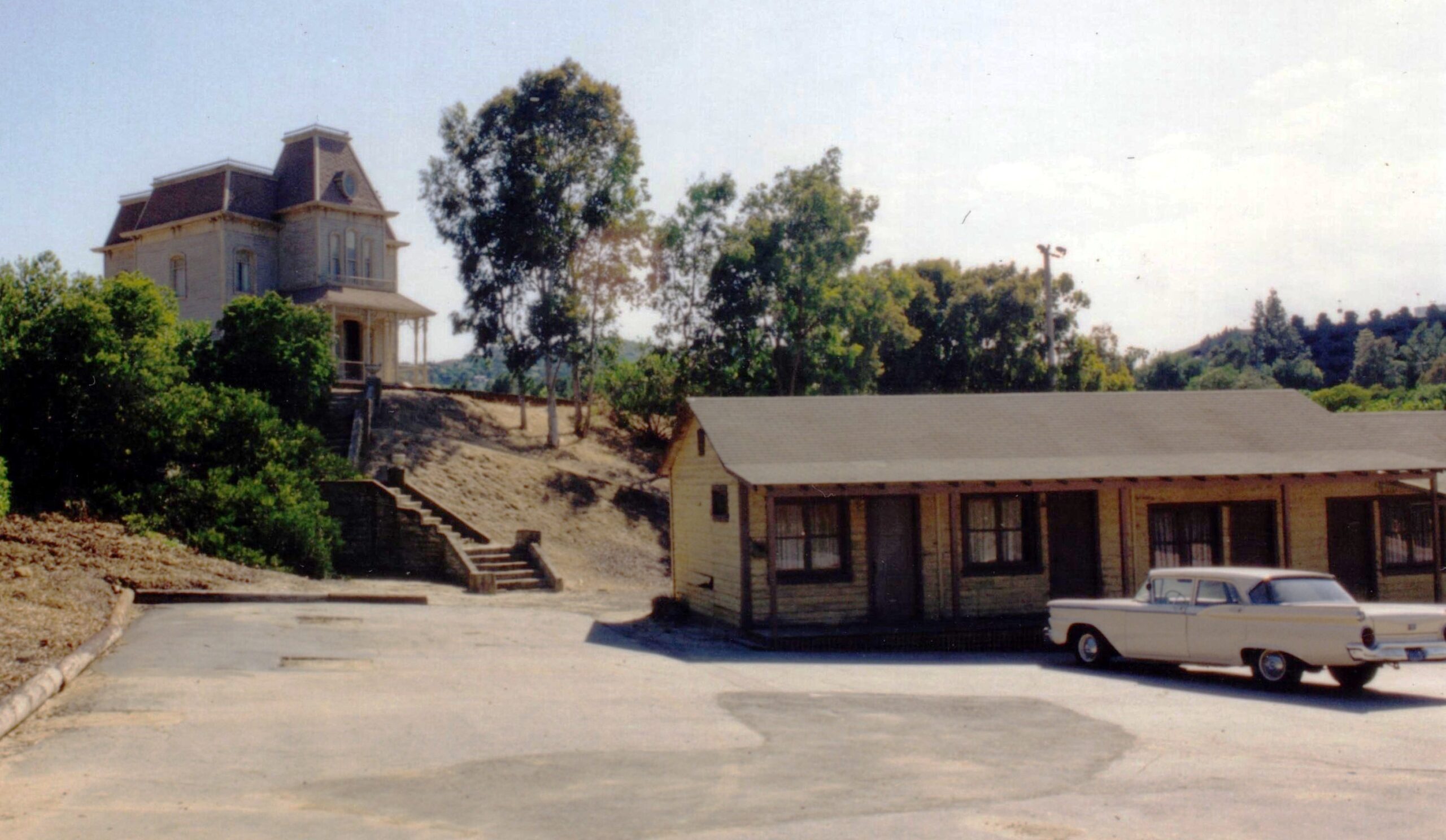
1. “Psycho” (1960)

Why: Killing Off Protagonist Early

Bates_Motel

This film left audiences stunned for doing a number of things that no one else had ever dared, including showing more violence and sexuality. But if there’s one thing that made “Psycho” such an impactful film, it was doing something that was unheard of at the time — killing a main character early.

Just when viewers were getting familiar with the heroine of the film, Hitchcock has her murdered in the iconic shower scene that to this day inspires other horror movies. The scene alone was a masterpiece, filling audiences with fright by never actually seeing the killer or knife penetrate the skin. Instead, the violence is left to the viewer’s imagination – a powerful effect amplified by the fact that audiences now felt a new, disturbing reality that no one in the movie was safe.

2. “The Exorcist” (1973)

Why: Demonic Possession / Evil Children

These days, movies featuring evil children and demons are a dime a dozen. But back in the early ‘70s, these controversial subjects were taboo. That is, until William Friedkin released “The Exorcist,” a movie that had religious institutions enraged and audience members fainting.

The idea of seeing someone possessed by a demon was enough to shock people at the time, while the fact that it happened to a young girl was enough to fill viewers with complete dread. Roger Ebert gave it a 4-out-of-4 star review, which ended with the following: “I am not sure exactly what reasons people will have for seeing this movie … Are people so numb they need movies of this intensity in order to feel anything at all?”

3. “The Texas Chain Saw Massacre” (1974)

Why: Claustrophobic Atmosphere

Chain_Saw_Massacre_House3

Of all the films on this list, none clearly influenced all the horror films to come as much as this one. “The Texas Chain Saw Massacre” introduces countless elements that would become staples in the horror genre. This includes the idea of a scary masked killer and the Final Girl trope, where all but one character is left in the end to fight the antagonist.

But despite the name and premise, Tobe Hooper’s film isn’t remembered for gore or violence — in fact, there’s very little of it. Instead, it overwhelmed audiences with a claustrophobic feeling by building up a place that felt both terrifying and inescapable. The superb documentary-style approach made viewers feel as though they too were trapped and in mortal peril.

4. “Halloween” (1978)

Why: Terrifying Killer

This list wouldn’t be complete without arguably one of the top horror films of all time. Despite releasing almost 40 years ago, you can still see the influence of “Halloween” in the horror genre today. John Carpenter and his team did an amazing job of taking the best elements from previous horror films and finding ways to make them even scarier for the audience.

Of course, “Halloween” made its greatest impact by introducing us to one of the most iconic horror villains of all time. The audience felt both dread and paranoia each time Michael Myers appeared, whether behind an unsuspecting character or barely visible in the distance. His ability to take heavy damage and still relentlessly continue his hunt also made viewers feel, just like the films’ characters, he will probably get his kill sooner or later.

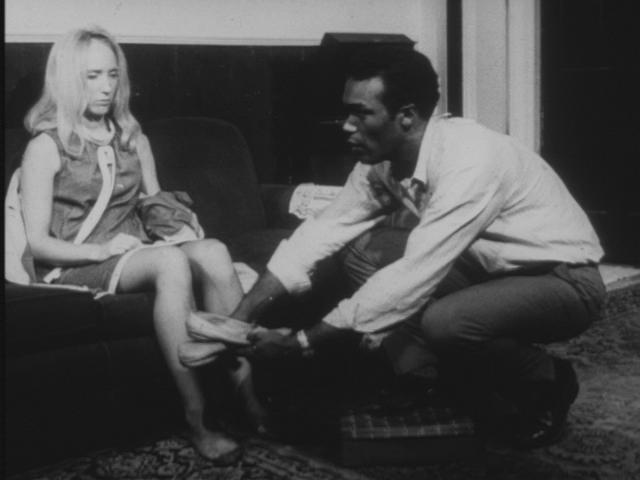
5. “Night of the Living Dead” (1968)

Why: Introduced Zombies

Ben_giving_Barbra_slippers_in_Night_of_the_Living_Dead_bw

Much like in this movie, it’s impossible for the modern person to escape zombies. Whether you’re into video games, movies, or TV shows, there are more than plenty of entertainment options that involve the living dead. But had “Night of the Living Dead” never been, things might have been very different.

George Romero’s legendary zombie movie is what put the idea on the map in the first place. Never before had viewers imagined the idea of living corpses hell-bent on tearing your flesh off and eating it. The film also made waves with its African-American protagonist and shock ending. Not bad for a movie with a budget of about $114,000.

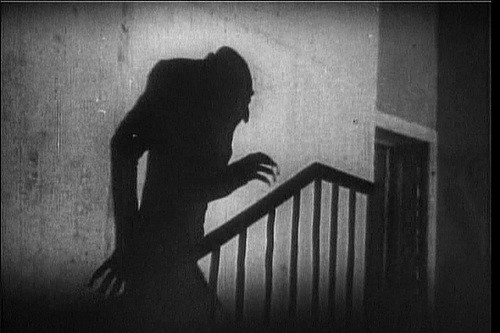
6. “Nosferatu” (1922)

Why: Introduced Vampires

If you’ve never seen this unauthorized adaptation of Bram Stroker’s Dracula, you’ve missed the birth of one of the most immortal horror creatures on screen: the vampire. Films from “Interview with a Vampire” to “Twlight,” and TV series from “True Blood” to “Vampire Diaries” would not exist without this silent film.

W. Murnau’s German Expressionist masterpiece “Nosferatu” boasts powerful performances and an otherworldly, surreal aesthetic. Audiences to this day are fascinated by the disturbing blend of sensuality, death, and suspense that have defined one of the most popular sub-genres of all time. Vampires had never been seen before – and still, to this day, the monster in “Nosferatu” remains iconic.

What do you think are the most influential horror films of all time? Let us know in the comments below!

How to Thrive at NYFA in the Fall: 4 Tips

autumn-691263_960_720

This fall, whether you’re a returning student or it’s your first year of studies, the autumn semester can be a wake-up call if unprepared. After months of summer vacation and (usually) a more laid back schedule, it can be a challenge to adjust and settle into a more demanding routine. Especially in NYFA’s immersive, hands-on programs, you may find yourself both exhilarated and surprised by the rigorous mix of energy, discipline, and practice that are your new normal.

A mixture of emotions sets in if you’re a student in the fall: the start of classes is exciting, but you might also feel nervous about classes, exams, teachers, scheduling, project work, and more. We’ve created a list of some ideas that can help you hit the ground running. You can rock your programs and make the most out of your time at NYFA. With the following tips, you’ll not only survive your fall semester at NYFA — you’ll thrive.

1. Make the Most of Your Time with NYFA’s Industry-Standard Technology and Premier Facilities

nyfakids

From the very beginning, NYFA has followed the same principle: the best way to learn is by doing. That is why every program offers hands-on courses where you are fully immersed in your chosen craft while working on hands-on, experiential projects that involve new technologies. But to give you the best hands-on experience possible, you need access to modern equipment.

From industry-standard tools to cutting-edge software, NYFA’s premier facilities have everything you need to learn professional-level skills. Since there are very few schools out there with the same intensive focus on hands-on learning with such an impressive supply of cutting-edge tools and tech, why not get your hands on it as much as possible? Make sure to book yourself lab time. Ask your teachers all your questions about the equipment used in their classes. Research new ways to improve your technical knowledge and skills. We’re confident that students who take extra time to learn how to master today’s equipment are more likely to not only graduate, but to compete in the real world.

2. Keep Up-To-Date on Important Events Happening on Campus

Michael-Young-6-1024x671

If there’s one thing you can expect during your fall program at NYFA, it’s for everything to get busy real quick. Whether you’re studying for an upcoming exam or getting together with fellow peers to nail down a project, it can be easy to lose track of important events happening on campus. We recommend you follow all of NYFA’s social media pages to learn about extra resources and special events going on that students from other schools dream of attending.

Follow us on Facebook, Twitter, Instagram as well as our other social media channels.

And don’t forget to keep up with our incredible list of special guest speakers that frequently come by to help aspiring students. Previous speakers include Steven Spielberg, Al Pacino, Jamie Lee Curtis, Ron Howard, and Seth Rogen. Campus activities that bring students from different programs together are also valuable.

3. Learn From Your Phenomenal Teachers

camerastudentcircle

At NYFA this fall, you have access to one of the best teams of staff ever assembled. Our faculty boasts professionals that have extensive experience and are still professionally active in the field they teach. Our faculty includes working directors, producers, cinematographers, writers, photographers, and more. No matter what area of study you choose, you’ll have the best of the best to teach you the skills needed to create and compete in the industry of your choice.

And the best part? Our instructors are committed to training the next generation of creative professionals and have a genuine passion for it. If you bring your A-game and A-student attitude, your teachers will be able to help you grow immeasurably. Be sure to pay attention and utilize your time in class and on projects to the utmost, respecting your instructors and gleaning as much insight, knowledge, and mentorship as you can. Remember that your instructors are also professionals in your field, and are offering you a unique edge and insight into the world of visual and performing arts.

4. Don’t Forget to Stop and Smell the Pumpkin Spice

autumnhill

Make no mistake about it — attending a visual and performing arts school can be a challenging experience, no matter the time of year. You’re in a new setting, possibly far away from home, and with a seemingly endless list of exams, projects, classes, and more to consider. But despite all this, most students come out of fall feeling satisfied and ready for more.

The key to this is focusing on your studies giving your all to your hands-on, intensive program experience this fall. You may make lifelong friendships and connections with other students. You will definitely learn new things. Don’t be afraid explore NYFA and your new campus. NYFA student life coordinators are always available to help get you involved in campus activities meant to offer fun learning experiences while you work toward your goals. With focus, hard work, and passion, your time at NYFA will be an experience that you will never forget.

Do you have any amazing tips on how to thrive during your studies at NYFA this fall? Let us know in the comments below!

3 Films About The “New World” to Watch This Columbus Day

At NYFA, our students come from over 120 countries around the world. So Columbus Day may not be a very familiar holiday for many in our community. And with Indigenous Peoples’ day on the rise as a potential replacement for Columbus Day, this controversial national holiday is an excellent opportunity dig into some big questions about culture, transformation, and change. And what better way to do that than to watch some worthwhile films?

We rounded up some well-crafted movies featuring North and South America around the time of the first European expeditions and colonies, for our students’ consideration. Here are three compelling films you won’t want to miss, each capturing a noteworthy, complex, and multi-dimensional portrayal of the New World. These films may not feature Columbus, but they do explore the question of what the “New World” meant from a few different perspectives.

1. “The Mission” (1986)

Acting giants Robert De Niro and Jeremy Irons portray two Spanish Jesuit missionaries with equal passion but strongly differing views on how to protect the South Indian tribe they serve from Portuguese slave traders. “The Mission” is a poignant, intense, and exquisitely rendered film that visual and performing arts students can absorb and study on many levels. 

2. “Apocalypto” (2006)

Director/writer Mel Gibson and partner Farad Safinia’s imaginative portrayal of the Mayan Empire on the verge of collapse vividly calls a lost civilization, language, and way of being to life, with action-packed suspense and lush jungle settings all along the way. The audience follows Jaguar Paw, whose village has been ransacked by a the Mayans for human sacrifices, as he struggles to free himself from a terrible fate as a captive and reunite with his wife. It’s an interesting interpretation of a lost world.

3. “The New World” (2005)

This visually stunning Terrence Malick piece centers on the familiar, fictional love story between the historical characters of Pocahontas and Captain John Smith, during one of the British Empire’s initial explorations of the New World. What this film offers is a unique tone and ambiance that bring this raw, wild point of history to life in alternately sumptuous and grim visual language that only Malick can speak. History buffs will also appreciate the inclusion of Pocahontas’ real-life husband, John Rolfe, in the plotline.

Honorary Mention: “Shakespeare in Love” (1998)

True, the action of this film doesn’t take place in the New World — instead, “Shakespeare in Love” centers in 1590s London. This period piece centers on the young and passionate writer, Shakespeare, as he explores a brave new world: falling in love. While this may not seem directly connected to Christopher Columbus or the New World, the British colonies — especially Virginia — do play an important role in a critical plot-twist. Besides, do we really need an excuse to watch this 1990s masterpiece that snagged seven Oscars and changed the way a new generation saw the immortal bard?

We hope this Columbus Day presents you with valuable opportunities to look deeper and go further with the questions and passions that drive us all to create visual and performing art. So immerse, enjoy, and learn from some noteworthy films.

What films are inspiring you this week? What does the New World mean to you? Let us know in the comments below!


The Value of an Acting Degree: Preparing for the Modern World

Though the art of acting dates to the Ancient Greeks, Acting for Film is a far newer discipline and few schools provide specialized training that prioritizes acting for the camera. Renowned for its subtlety and power, screen acting requires a set of very fine tools that range from relaxation and breath work, to skills in public speaking, prioritizing information, collaborating with a team of artists, developing the body and voice as an instrument for communication, expansion of empathy, and precise text analysis.

Whether you hope to specialize in TV, film, stage or another discipline that requires public performance — from corporate speeches to sales — here are the key benefits you stand to get from attending the New York Film Academy’s acting programs for your acting degree or certificate.

1. The Art of Being You

Screen-Shot-2016-08-18-at-6.23.25-PM-1024x574

Actors in the 21st century are more than practitioners, they must represent a unique brand that knows what it has to offer and brings that to the table each and every time.

Identifying and growing the brand that represents your special set of strengths is the key to success in any industry and the personalized attention you receive in our programs for acting degrees or certificates can help you detect and foster techniques to help your public presence shine.

2. Global Networks

Screen-Shot-2016-09-27-at-1.01.23-PM

NYFA draws artists from over 100 countries around the world representing a powerful diaspora of culture, identity, and experience. With campuses and faculty worldwide, our community is our power — and the relationships that form across cultures and disciplines at NYFA are rated a top experience for the students who attend our programs. Acting degree and certificate program students work closely with classmates and faculty and are given access to reach out to the school at large making our community one of the most prolific available to students interested in the art of screen acting.

3. New Technologies

reddragon

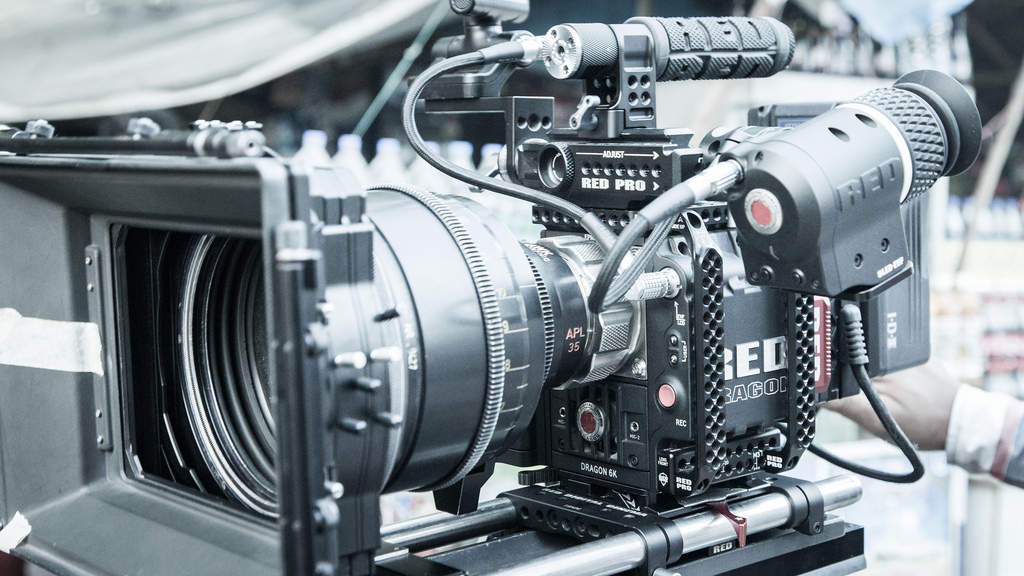
In a world where technology is advancing at a stunning rate, the landscape for film and television can change on a dime (Netflix at the Emmys!). NYFA explores new technologies and new forms of entertainment to keep pace with a changing market and keep our students up to date on new technologies through partnerships with our Filmmaking, Game Design, and Animation departments, exposing acting degree and certificate students to new markets and new methods.

4. Access to Working Professionals

professionals

Faculty at NYFA represent professionals active in their industry and provide students with up to date information regarding changes in casting, audition technique, and new media. With a focus on experiential learning as the hallmark of our curriculum, NYFA provides systematic training that has real world application.  

How have your acting for film studies changed your outlook? How have your on-camera acting skills helped you? Are you proud of your NYFA acting degree or certificate? Let us know in the comments below!

10 Cinematography Tricks for Working With Only Natural Lighting

When asked why he preferred shooting with all-natural lighting, Stanley Kubrick simply replied, “Because that’s the way we see things.”

Arri_Alexa_camera

It’s a trend that’s growing in filmmaking. The excellent “Dallas Buyers Club,” for instance, used only all-natural lighting during filming. This sounds like it might make things difficult, but it actually came with its own benefits. Director Jean-Marc Vallee stated that the actors didn’t have to worry about hitting their marks to keep within lighting zones, so it offered a lot more creative freedom for the cast. The sheer heat of artificial lighting rigs was also not missed!

Whether you’re shooting with natural light simply because you’re on a budget or for stylistic reasons, we’ve got some tried and tested tricks on how to get the best out of it.

When Shooting Indoors:

NationalTreasureFilming

1. If the room has windows, it’s generally a bad idea to shoot towards them. This will lead to overexposure and a nasty, bleached-out effect to the background (as well as anything in front of the windows being underexposed). Rather than wrestle between the two extremes, place place the camera adjacent to the window — to get more of a sidelight. This provides natural lighting from the window and avoids blow-out. This is extra important when interviewing for documentaries!

2. Load up on gel sheets. Specifically, ND gel. When applied to windows, it really cuts down on the amount of daylight and makes exposure a lot easier to manage (more on how ND filtering works here)

3. Aside from lighting itself, the most important thing in any cinematographer’s lighting kit are reflectors.  We cannot understate this: they’re definitely vital outdoors, and even more so when shooting inside using only natural light. It’s by far the easiest way to manipulate and maximize whatever lighting you do have to get rid of problematic shadows. Note: You may find it difficult to get a proper return if you are reflecting indirect light.

4. Shake it up. You can’t always manipulate the light exactly to your liking, so manipulate the subject instead. Extreme planning before a natural light shoot is important so as to not waste time on the day, but be mindful that it’s sometimes best to scrap what you had on paper if it’s not looking right in the camera. Reposition everything if you must, and be mindful of those shadows as you go.

5. Scrims are your best friend. Scrims will not change the quality of light from hard to soft, but it will knock down the intensity by diffusing light. Diffusion may be your best friend.

When Shooting Outside:

Stahl_Mermaids_Production

6. Take advantage of blue hour and golden hour. Blue hour refers to the sliver of time after the sun disappears over the horizon but the sky is still lit, while golden hour is well known to filmmakers as the hour leading up to sunset (or an hour after sunrise). Blue hour is really handy for when you want to illustrate that it’s nighttime but don’t have any way of lighting a scene during actual darkness, and golden hour simply makes everything look gorgeous. There’s even a website that helps you plan for it in advance. That all said…

7. It’s not all about the golden hour. Keeping track of the sun is a very important factor in outdoor filmmaking, but you’ll also need to be conscious of what might get in between you and the sun at any moment — i.e.: clouds. While there’s not much you can do about the weather, you can note down any trees or buildings that might cast shadows at any given time (ideally when you do your first location scout).

8. Make sure everyone on the crew is prepared ahead of time. As with shooting indoors, you don’t want to be spending any more time than necessary setting up a shot or running through lines with the actors, especially when the sun is rapidly heading towards the horizon.

9. Make use of flags. Just as reflectors give you better control of how much light is going where, you’ll often find yourself in a situation where you’ve got too much light (particularly during summer day shoots). Flags — or cutters — are sections of thick black cloth stretched around a metal frame that allow you to block out sections of light and add some dramatic contrasting to the shot.

10. Pay attention to color and emotion. Getting the optimal amount of light is one thing, but getting the right “flavor” is another altogether. Be sure to check out our guide to color design, since a clinically perfect shot without any emotion whatsoever isn’t very compelling.

So there we have it: Hollywood-style cinematography without a Hollywood budget.

Our immersive 1-year, non-degree cinematography program offers students the opportunity to learn the fundamentals of cinematography through composition, exposure, and lighting. Learn more about the program on our 1-Year Program page.

<

5 Brilliant Screenplays That Were Rejected … Repeatedly

In an industry dominated with rejection, sometimes a single “yes” is all it takes to change the face of cinema forever. Here are five truly groundbreaking movies that, for some studios, were a little too groundbreaking…

1. “Pulp Fiction” (1994)

Despite being a quickly rising star in Hollywood at the time, Quentin Tarrantino had a lengthy battle in trying to get any studio interested in his follow up to “Reservoir Dogs.”

Why “Pulp Fiction” was Rejected: According to Columbia TriStar executive Mike Medavoy, the script was “too demented.” TriStar initially optioned the film and was even in talks to produce it, but then did a 180 by declaring, “This is the worst thing ever written. It makes no sense. Someone’s dead and then they’re alive. It’s too long, violent, and unfilmable.”

Very few studios were willing to touch a movie featuring heavy heroin use, and the search for a new backer was extensive before Miramax picked it up.

2. “Raiders of the Lost Ark” (1981)

Initially dubbed “The Adventures of Indiana Smith,” even the attachment of industry superstars George Lucas and Steven Spielberg wasn’t enough to garner significant studio interest.

Why Indiana Jones was Rejected: It wasn’t actually Lucas’ screenplay that lead to it being rejected by every single studio in Hollywood, but more the fact that he was asking $20 million to make it. Paramount ended up footing the bill and Lucas shrewdly negotiated a five-film contract; it ended up grossing nearly $400 million at gross and is frequently heralded as the best action-adventure movie of all time.

3. “Back to the Future” (1985)

Another ‘80s classic that nearly got passed up entirely (incidentally, “Back to the Future” ended up sharing the same budget and box office gross as “Raiders of the Lost Ark”).

Why “Back to the Future” was Rejected: It was either too family-friendly or not family-friendly enough, depending on who you asked. Pretty much every major studio rejected the screenplay, with Disney advising that a film alluding to mother-son incest was not “appropriate under the Disney banner,” while Columbia thought it was a “really nice, cute, warm film, but not sexual enough.”

The great Steven Spielberg always loved the script, however, and committed it to Amblin Entertainment as soon as he was able. The rest, as they say, is history — but it nearly got titled “Spaceman from Pluto.”

Naturally, Spielberg replied to the memo and told Sid Sheinberg that he had to be joking. The suggestion was never mentioned again.

4. “The Usual Suspects” (1995)

Now listed by the Writer’s Guild of America as the 35th greatest screenplay of all time, the ultimate mystery crime thriller nearly became as elusive as Keyser Söze.

Why “The Usual Suspects” was Rejected: Much like “Pulp Fiction,” the non-linear plotline of this screenplay completely baffled studios. After numerous rejections (and nine different drafts), the only company who would touch it was a European financing company. Somewhat surprisingly, director Bryan Singer managed to make the movie a masterpiece despite only having a $6 million budget.

5. “Casablanca” (1943)

The curious case of “Casablanca”: a screenplay rejected by numerous agencies 30 years after it had already become one of the world’s finest movies.

Why “Casablanca” was Rejected: It wasn’t rejected the first time around. But in 1982, freelance writer Chuck Ross wanted to see whether movie agents would recognize the screenplay if he sent it out again … and if not, would they recognize its greatness?

It was a clever experiment. Ross retitled the script “Everybody Comes to Rick’s” (the title of the original play on which “Casablanca” was based) and sent it out to 217 different Hollywood agencies.

The results?

  • 90 returned the screenplay because they weren’t looking for submissions.
  • 33 agents recognized the script immediately.
  • 8 spotted a similarity with the 1943 classic, but didn’t spot that it was exactly the same.

However, 38 of the 217 read and rejected the classic script. Among the feedback Ross received, agents claimed there was “too much dialogue” and that the storyline was “too weak.” One even suggested it needed “a professional polish.”

But funnier still is that three agencies loved it and wanted to turn it into a movie.

It just goes to show: even the best screenplays on the planet get rejected. All it takes is just one “yes.”

Do you have an interesting experience of taking a project through many rejections to find success? Let us know in the comments below!