
Why Typography Matters

As social animals, we humans have been using writing as one of the most fundamental forms of communication since our ancient ancestors. From those cave walls to the infinite pages of the Interwebs, typography has sure come a long way. Dating back to the 15th century when Johannes Gutenberg first developed moveable type and the printing press, making way for more decorative and practical typefaces and ordered page layouts, it was evident the world of words would forever be changed. By the Industrial Revolution, typography became all about the masses; typefaces became larger, catchier, and bolder to be used in signs, newspapers, and advertisements.

But in the current day where typography is used in almost every form of advertising and design, where it’s become so developed that it’s a full-time job for many designers and a stand-alone course at several universities, it’s virtually impossible for contemporary designers to keep up with each and every typeface that exists. And there are still new and original typefaces being created every day. But even with the prevalence of the discourse in our vastly digital landscape, designers who are well-versed on the matter are still quizzed on what typography actually entails by potential employers and more often than not, there are those who want to learn graphic design but neglect the importance of the topic in their work. So here are a few things every designer should know to ensure they’re prepared when discussing fonts with their clients (or critical naysayers) during the creative process

It’s All In The Eyes

The science behind the powerful connection between our visuals and our brain isn’t something that’s been newly discovered with modern technology but the possibilities of visual affect in advertising has grown ten-fold in the last few decades with digital technology. Just as psychological studies confirm the correlation between colors and emotional responses, thus it being a huge determinant in how a brand is viewed, the style in which words and letters are formed works in the same way. Just ask Gary Hustwit—the filmmaker behind Helvetica (2007), a documentary about typography, design and global visual culture. “Helvetica. It’s everywhere: this typeface spells out tax forms, labels, street signs and company logos,” he says.

Typography is the vehicle through which things like tone of voice, gender, age, or emotion can be communicated, thus certain typefaces have their own personalities and are used to relay particular ideas. Additionally, according to a study on typography by Dr. Kevin Larson and Dr. Rosalind W. Picard at MIT, even very subtle changes in typography, like small caps, ligatures, kerning or old style figures are shown to measurably affect the way people react to a document.

Most Effective Typography

In a study conducted by Michael Bernard at Usability News, the most preferred typefaces for people were Verdana, Comic Sans, and Arial whilst the most legible font at size 12 was Courier and Arial at size 14. Another noteworthy experiment conducted by Errol Morris presented the same passage to 40,000 readers in six different typefaces. Readers who were exposed to Baskerville were more likely to agree with the passage, particularly when compared with Helvetica and Comic Sans.

Know The Basics

  • Serif – This is the slight projection at the tip of a letter stroke that’s commonly at the bottom of the letter—sort of like “little feet.” This gives the eyes an easy transition or flowing motion through sentences.
  • Sans Serif – The opposite of Serif, this font has no “feet” and is often seen as trendy, modern and streamlined but tends to be harder to read in smaller font sizes.
  • Typefaces – Probably the most straightforward part of typography, it simply refers to the name of the style of text used. So basically like Arial, Georgia, or Chalkduster.
  • Fonts – Although it’s frequently synonymous with the word “typeface” in the digital age, this technically refers to both a particular style of typeface and the decided width and height of that typeface. For instance, Cambria is a typeface, but the font would be Cambria, size 14, Italic.
  • Tracking – This refers to the spacing between characters within a text, otherwise known as “letter spacing,” and is pretty standard. However, you can adjust it to affect text density.
  • Kerning – Similar to tracking, but instead of the general spacing between characters, this refers to the white space between specific, individual letters and characters that may clash depending on the font design.
  • Leading – This measures the space between where the letters sit i.e. the distance between a line of text and the line directly above and below it.

[su_note]Master the art of graphic design at NYFA’s Graphic Design programs, which you can learn more about by clicking here.[/su_note]

5 Top Graphic Designers In NYC

In comparison to other design fields, graphic design is a fairly new profession that only acquired serious professional status during the 1950s and 60s. Since then, however, there have been a myriad of designers who have created their way into the industry’s Hall of Fame (or at least onto this remarkable and bona fide list, which is basically the same thing).

Similarly, with the countless number of agencies among a gargantuan commercial industry—not to mention an extraordinarily colossal arts and culture scene, New York City is arguably one of the best cities in the world to nurture these creative professions. Consequently so many graphic designers from around the world are relocating to The Big Apple as a constructive career move.

Paving the way for modern design since the profession was first recognised, these graphic designers of New York have changed the way we view the discipline in the contemporary world. And as a graphic design student, it’s imperative you get acquainted with these names.

Paul Rand

Long after his death in 1996, this Brooklyn-born art director and graphic designer remains one of the best in the world. During a time when the world was barely aware of his craft, Rand defined visual culture in America and pioneered a fresh, modern approach to selling goods; he was credited as one of the originators of the Swiss Style of design. He went on to teach at Yale in 1956 and was inducted into the New York Art Directors Club Hall of Fame in 1972. The ad man with the uncanny skill for marrying commerce and art, who was said to have brought intelligence and ideas to advertising where there was no semblance of thought before him, is most well-known for his corporate logo work. Having convinced some of the nation’s largest corporations that great design meant great business, he went on to craft indelible logos for giants like the ABC, UPS, Westinghouse, and IBM—all of which we instantly recognize today.

Saul Bass

Among the most notable of graphic designers responsible for the Modern Movement achieving serious popular acceptance in the visual arts during the 50s and 60s is the prolific Saul Bass. Born in the Bronx, NY, in 1920, this graphic designer and Academy Award-winning filmmaker followed his love for film along with a job offer at a major advertising company and relocated to Los Angeles in 1946. His career rapidly skyrocketed and soon he was doing classic LP sleeves like the Tone Poems of Color for Sinatra and posters for Charlie Chaplin’s Monsieur Verdoux. Bass was credited for inventing the titling of movies at the beginning or end as well as creating print-graphic identification for the films. Becoming a go-to for prominent filmmakers like Alfred Hitchcock, Stanley Kubrick, Otto Preminger, and Martin Scorsese, Bass did the titles for Exodus, Ocean’s 11, Spartacus and Psycho in 1960 alone. He is also responsible for the iconic animation of the heroin addict’s arm for Preminger’s The Man With the Golden Arm, in 1955. His graphic design work didn’t stop at films however, and much of his corporate roles produced many iconic logos for the likes of Continental Airlines, United Airlines, AT&T, Warner Communications, and Quaker Oats, just to name a few.

Milton Glaser

The man behind the prolific I *heart* NY logo (refer to the head image at the top of the article if you’re still scratching your head), Glaser is to many the embodiment of American graphic design during the last five decades. Born in New York in 1929, this modern Renaissance man initially trained in classical fine art before co-founding the New York-based Pushpin Studio in 1954. After international acclaim and many immediately recognizable works from the studio, including the iconic 1966 Bob Dylan poster (above), Glaser eventually left in 1976 and created his own company, Milton Glaser Inc.. With a major interest in publishing design (he also co-founded New York Magazine in 1968), he went on to establish a magazine and design studio called WBMG, with the former art director of Time, Walter Bernard. Among his publication credits are Esquire, Fortune, L’Express, and The Washington Post. His other eminent works include Mad Men’s swirling, technicoloured promotional ad for its final season, the Brooklyn Brewery logo, and the DC Comics logo.

Stefan Sagmeister

Born in Austria in 1962, this intriguing designer and typographer moved to New York at the age of 15, after having received a Fulbright scholarship to study at the Pratt Institute. Known for his provocative and unorthodox designs, Sagmeister has created brand identities for household names and iconic album artworks for his favorite musical acts like Lou Reed, Mick Jagger, David Byrne, Talking Heads, and Jay-Z; he also received two Grammy Awards for his work. Always one to push the envelope of indecency, he famously had the text for an AIGA lecture poster in 1999 carved into his nude body by his assistant and photographed himself; as well as gaining twenty-five pounds in 2003 by eating a hundred different junk foods and taking before and after photos for his Sagmeister On A Binge exhibition poster. His company Sagmeister Inc. which he founded in 1993 is now renamed to Sagmeister & Walsh, after making his twenty-five year-old designer employee, Jessica Walsh a partner in 2012.

Massimo Vignelli

Massimo Vignelli (1931-2014) had always strived to achieve design that was “visually powerful, intellectually elegant, and above all timeless.” Born in Milan, Italy, the architecture student first visited America in 1957 on a fellowship and returned to New York in 1966 with the hopes of promulgating a design aesthetic motivated by their ideal of functional beauty. Credited for introducing a European Modernist point of view to graphic design in America, he, along with six other designers, founded Unimark International, which became one of largest and most recognizable design firms in the world. It was also among the first to create corporate identities through design. Vignelli then went on to open his own firm, Vignelli Associates, with wife Lella in 1971. It then became Vignelli Designs in 1978. Among many corporate identities he was responsible for creating, including that of American Airlines, Ford, Bloomingdale’s, Saks Fifth Avenue and Xerox, his most memorable work was his dramatic redesign of the New York City subway map in 1972.

[su_note]Follow in the footsteps of the the above graphic design giants designer at the Graphic Design program at New York Film Academy. Learn more by clicking here.[/su_note]

5 Movies That Feature Game of Thrones Stars

Game of Thrones logo

Game of Thrones fans know that Sean Bean was a Hollywood star before he portrayed Ned Stark in the first season of the HBO series but what about the rest of the cast? Lord of the Rings, Goldeneye, and Troy are all great movies but there are plenty of other films featuring Game of Thrones stars that are worth a look. Here are five of them.

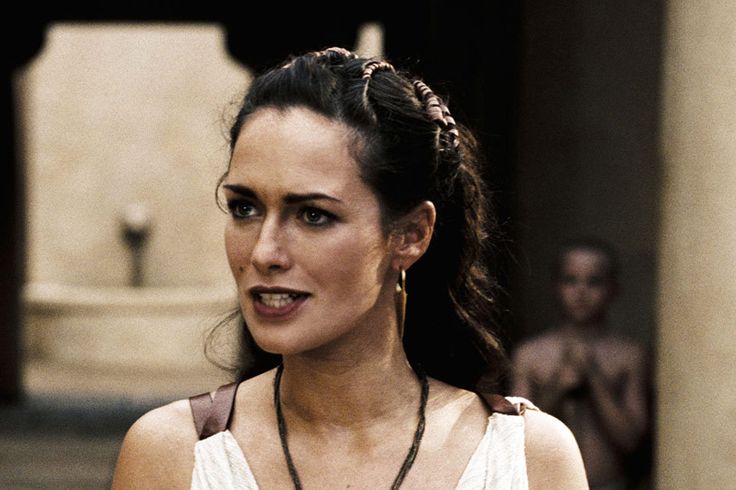
1. Lena Headey in 300 (2007)

Lena Headey in 300

Many audiences got their first look at Headey in the role of Gorgo, the strong and noble Queen of Sparta. She plays opposite Gerard Butler’s King Leonidas in the highly stylized film that is full of half-naked men. Ever the skilled thespian, Headey rises to the challenge as the female lead and delivers an intense performance that showcases her loyalty and love toward her husband and city-state. In many ways, Gorgo is a foil to Headey’s role as Cersei in Game of Thrones, but the similarities of the genre still shine through.

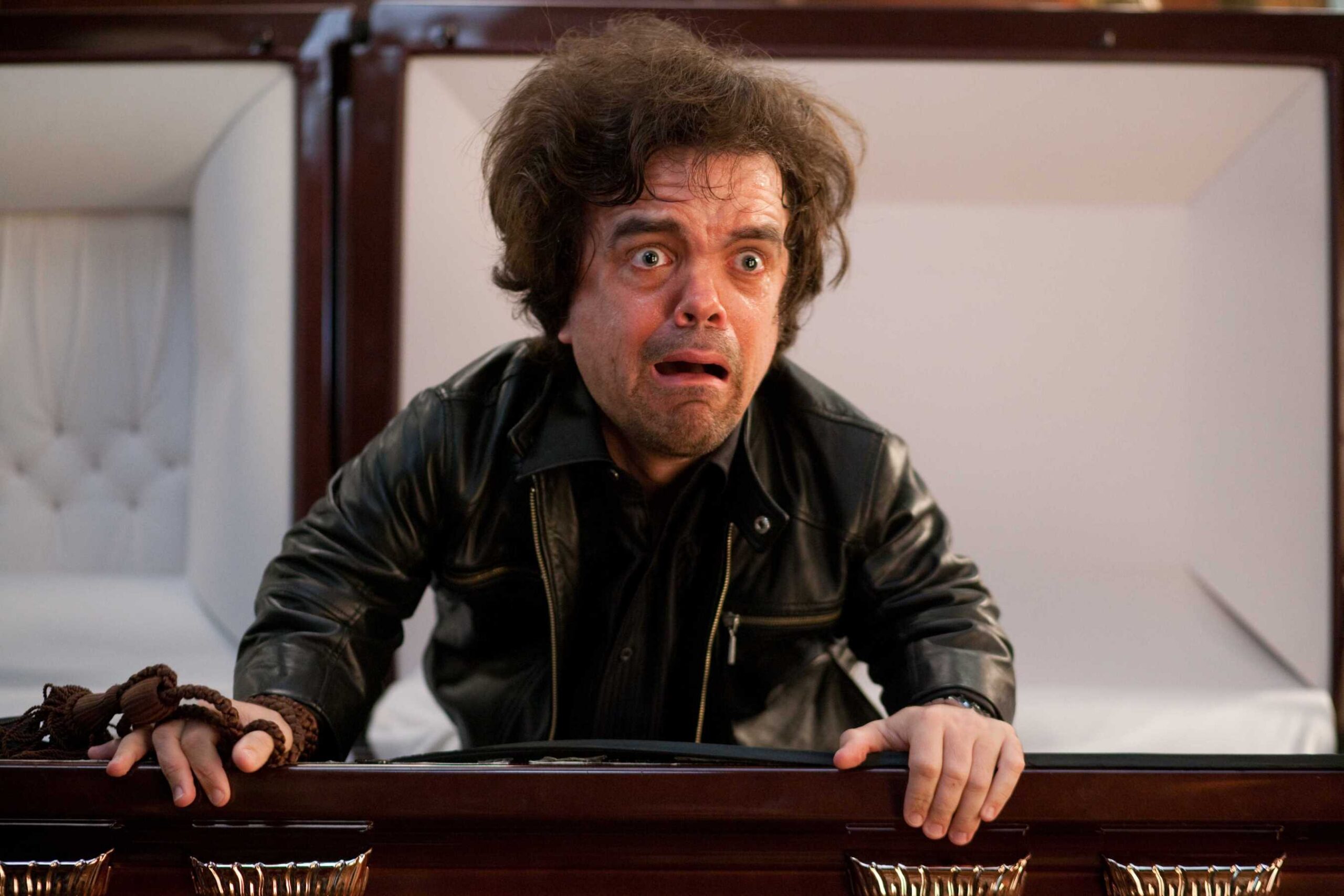
2. Peter Dinklage in Death at a Funeral (2007 and 2010)

Peter Dinklage in Death at a Funeral

His role in this British (then later American) comedy film couldn’t be further from his hard drinking, womanizing role as Tyrion Lannister in Game of Thrones. Dinklage plays an American dwarf named Peter (yes, really) who mysteriously shows up at the funeral of a recently deceased man and declares himself the gay lover of the dead man. The family is shocked and don’t believe the little person, but Peter brought proof. Hilarity ensues in this raucous comedy about a family trying to put their patriarch to rest. It was remade in 2010 as an American film, and Dinklage reprised his role as Peter.

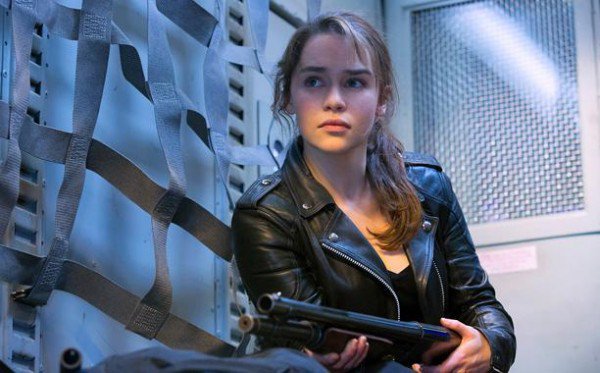
3. Emilia Clarke in Terminator Genisys (2015)

Emilia Clarke in Terminator Genisys

Emilia Clarke’s Daenerys Targaryen has become the poster character for the Game of Thrones franchise, and for good reason. Clarke seems to steal every scene she appears in and Hollywood has taken notice of her talents. Last summer she starred in the fifth installment in the Terminator franchise as Sarah Connor, mother of Human Resistance leader John Connor. Sarah Connor is every bit as tough as Daenerys (she was raised by a Terminator after all) but she trades her sword in for an assault rifle. Interestingly, Clarke isn’t the only GoT star to have portrayed the character Sarah Connor. Lena Headey played her in the Fox television show Terminator: The Sarah Connor Chronicles.

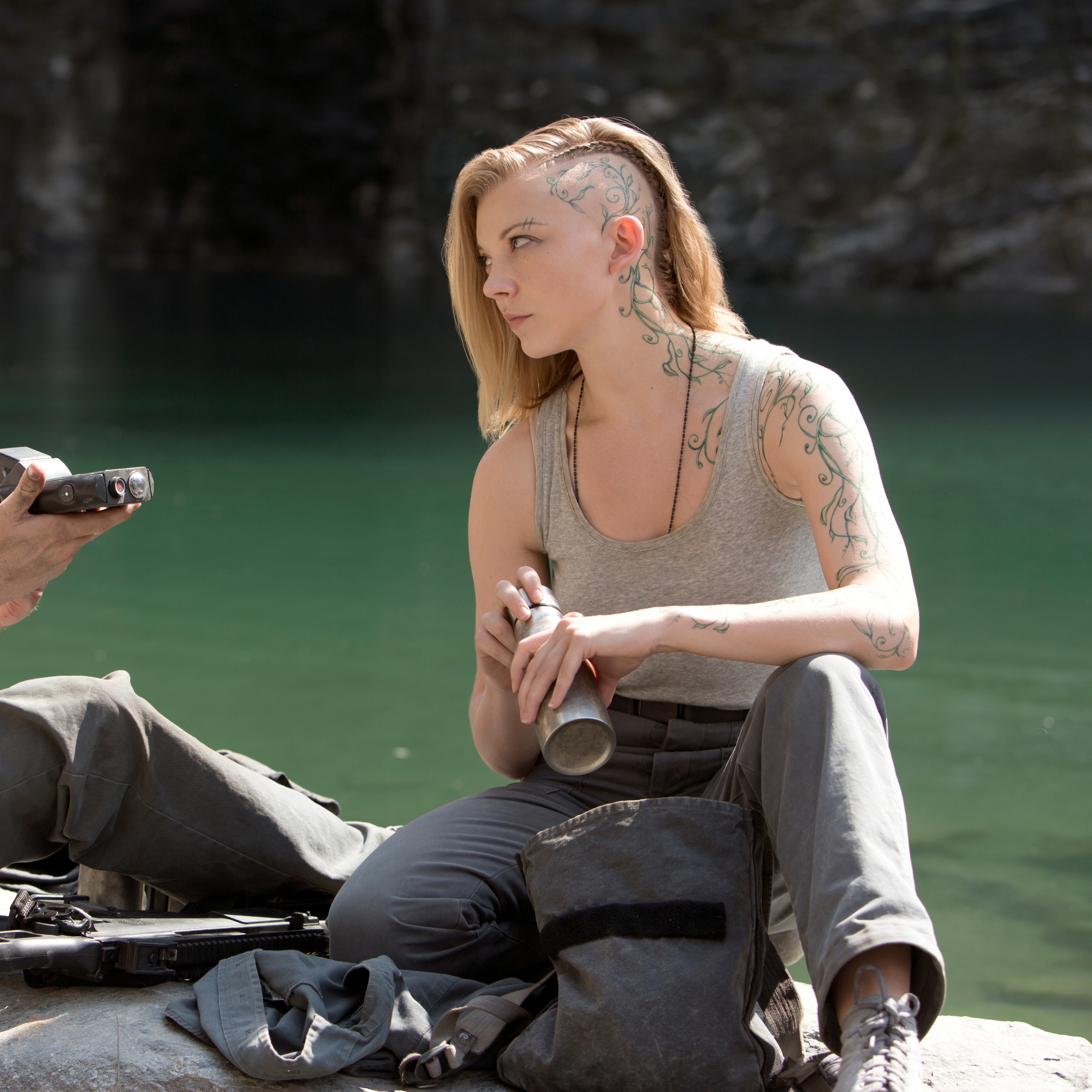
4. Natalie Dormer in The Hunger Games: Mockingjay – Part 1 (2014)

Natalie Dormer in The Hunger Games: Mockingjay

Margaery Tyrell is a calculating, manipulative character who plays the politics of Westeros with a skill beyond her age. Dormer takes the character to the next level, and even though she is a supporting character, her actions reverberate throughout the show. Similarly, Dormer plays an influential supporting role in the Hunger Games series as Cressida, a rogue filmmaker with a political agenda. She joins the rebellion against the evil government and uses her video skills to rally support for the cause. Her performance is attention-worthy but what really got audiences talking was Dormer’s semi-shaved haircut in the film.

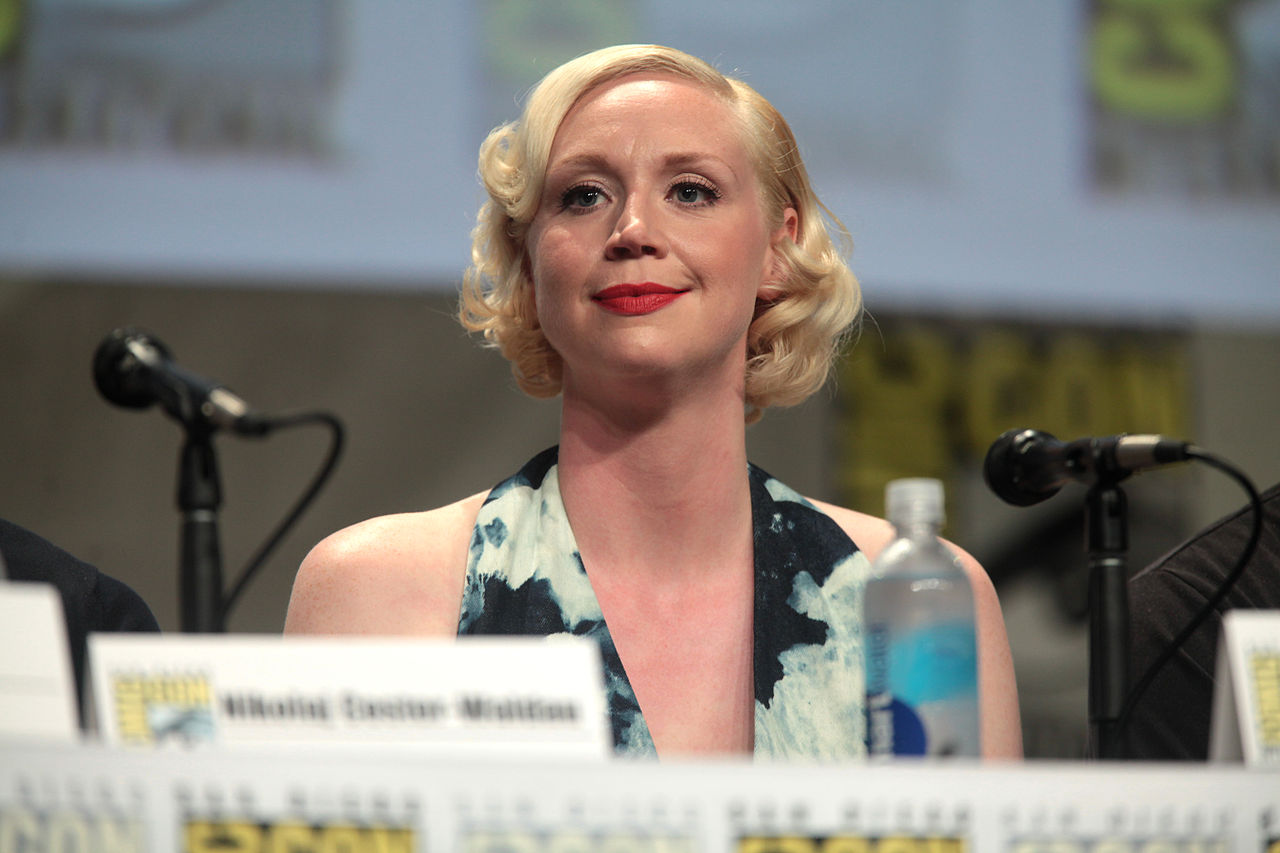
5. Gwendoline Christie in Star Wars: Episode VII (2015)

Gwendoline Christie

No other 2015 film is as hotly anticipated as Star Wars: The Force Awakens and the Game of Thrones cast will be represented in the new Star Wars by Gwendoline Christie. Christie plays the chivalrous knight Brienne of Tarth on the HBO show and has gained wide acclaim for her intimidating, deadly presence. In Star Wars, Christie will play the role of Captain Phasma who is described as an “officer in the first order.” Not sure exactly what that means, but she is sure to rock it. Also, Christie is rumored to be joining Dormer in the final movie in the Hunger Games series, Mockinjay – Part 2.

[su_note]Learn more about the School of Acting at the New York Film Academy by clicking here.[/su_note]

5 Scrapped Star Wars Ideas that Would Have Changed EVERYTHING

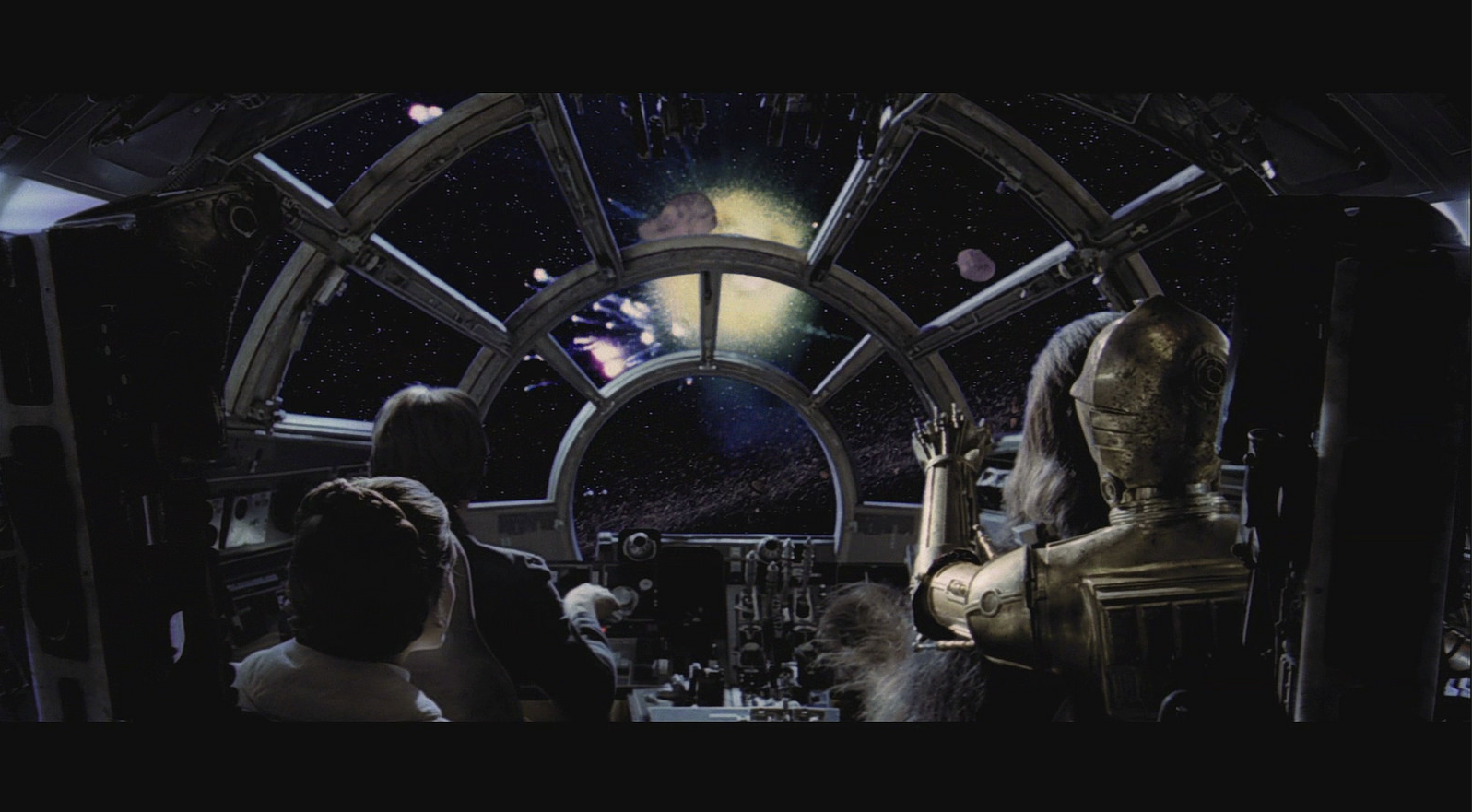
cockpit of the millennium falcon

Very few franchises can claim to have an extended universe quite as in depth as Star Wars, but the mythos surrounding the creation of the movies is arguably even more expansive.

For every one idea George Lucas came up with, it seems like a thousand others were either discarded, lost in development or left on the cutting room floor. So with the new saga almost here and having looked at the series’ contribution to CGI’s development, join us as we travel to a parallel galaxy far, far away and discuss what is, what was, and what might have been…

1. Obi-Wan Killed Your Father?

What Happens in the Movie: The immortal line, as spoken by James Earl Jones: “I am your father.”

How This Could Have Played Out: “A hugely different plot twist, because the line was originally “Obi-Wan killed your father.” This was actually in the script circulated to everyone working on the movie, and was spoken on set in the cut you see today (albeit later overdubbed with the line we all know.) Really, it wouldn’t have broken any of the plot that came before this moment if Vader had said this. After all, in Vader’s mind, Obi-Wan was (kinda) responsible for the death of Anakin Skywalker, so his line would hold up to internal logic when taken figuratively.

What would have changed is everything after this moment, particularly regarding the effect it would have had on Luke’s endgame. It’s a sliding doors moment, and could have gone one of two ways: with everything he’d been taught by Obi-Wan now burnt to ashes, Luke may well have thrown his one good hand in the air and said “Fine, that tears it. I’ll join you, then.”

Or alternatively, if that wasn’t enough to crush his commitment to the rebellion, he might have doubled-down on his commitment to topple the empire and would have had no reason to try and bring Vader back from the dark side… and the final duel in Return of the Jedi would have played out very differently indeed!

2. Jar Jar Binks: An Evil Motivation

What Happens in the Movie: In The Phantom Menace, the Jedi escape an assassination attempt and end up on Naboo. In the midst of invasion, Qui-Gon saves everyone’s favorite character, Jar Jar Binks, who takes them all to his home city to seek assistance from his people.

https://www.youtube.com/watch?v=Ac3U40FBVSs

What Nearly Happened: In the final cut, the Gungans reluctantly offer help to the outcast Jar Jar and his new friends… but according to early storyboards, the underwater city is totally destroyed on their arrival and Jar Jar believes his race have been wiped out in the carnage. This was deemed too dark for the movie, and the idea was dropped.

How This Could Have Played Out: The slaughter of your entire race does little to improve one’s mood, and this dark twist would surely have had a massive impact on Binks’ usually jovial mental state (not to mention the character’s goals and motivations for the rest of the movie.) It isn’t clear who would have been responsible for the Otoh Gunga city’s destruction, but chances are the hapless Binks would have been hell-bent on revenge at this point… perhaps lending credence to the popular fan theory doing the rounds that he went on to become some kind of Sith Lord?

After all, his whereabouts and ultimate fate have not been accounted for in canon (so far), and there are some notable instances in which he appears to use the Force.

Could it be that Jar Jar is the behind-the-scenes instigator of much of the Star Wars plot, and the only thing left on the cutting room floor was the event giving him his motivation?

3. Brotherly Love

What Happens in the Movies: Darth Vader and Boba Fett are not brothers.

What Nearly Happened: The opposite. According to Dale Pollock’s book Skywalking, George Lucas’ ex-wife stated that the director intended to reveal at some point during the prequel trilogy that the bounty hunter and Sith Lord were, in fact, biological brothers.

How This Could Have Played Out: Anyone’s guess, really, but a bigger mystery is how Lucas could have possibly tied together both Anakin and Boba’s origin stories to make the concept plausible in the first place. If that was somehow achieved, the idea could have resulted in some spectacular scenes and interactions between the two… but it’s probably for the best that Lucas decided yet another family reveal shocker was “too hokey.”

4. A Female Darth Maul

What Happened in the Movie: Darth Maul was male.

What Nearly Happened: Darth Maul was originally conceived as being a female character, but this got switched at some point during development.

How This Could Have Played Out: Not much differently than it did in The Phantom Menace we all know and love today, though it would have been very cool to see Maul’s twirling antics being carried out by a female athlete. Regardless, it certainly would have brought balance to the Force of a different kind, with very few female Sith Lords (or Jedis for that matter) in the Star Wars universe, and none in the original six movies.

5. Padme’s Ultimate Betrayal

What Happens in the Movie: After watching Anakin’s decent towards the dark side over the course of the original trilogy, we finally come to the final act that pushes him over the edge near the end of Revenge of the Sith.

The crazed Skywalker believeswronglythat Padme has deceptively lead Obi-Wan directly to him, and the betrayal sends him into berserker mode. In reality, Padme had no idea Obi-Wan was hidden aboard her ship and was even against the idea of the two confronting one another.

What Nearly Happened: The betrayal on Padme’s part was almost a more dramatic and very conscious actonce again, early storyboards hint of an alternate idea in which Padme was intended to pull a concealed knife on Anakin during their final meeting with the plan of assassinating him for his crimes.

How This Could Have Played Out: If a perceived slight from his lover was enough to have Anakin dive headlong past the point of no return, imagine how much worse it could have been if that betrayal was murderous?

The interim results may have ended up the samePadme killed, Obi-Wan and Anakin fighting, the latter becoming Vaderbut the difference being that he may have been pushed so far to the dark side that he never found it in him to save Luke in the final Return of the Jedi standoff.

In short, one knife could have resulted in a dark end for the original trilogy (and with Vader not preventing Luke Skywalker’s death, assumedly a big knock-on effect to the new trilogy too.)

Got a differing opinion of how any of these scrapped scenarios would have played out? Any alternate and tantalizing theories of what could be going behind the scenes of the first six movies?

Scroll on downwards to the comments!

[su_note]Learn more about the Film School at the New York Film Academy by clicking here.[/su_note]

10 Kit Bag Essentials for the Light-Traveling Photographer

It’s entirely possible to fill an entire car full of photography equipment and related gadgets. Sometimes, however, you just want to travel light and actually spend time taking photos rather than spend an hour packing, followed by further hours of incessant fiddling with an array of gizmos while on shoot.

So let’s get back to basics! Assuming you’ve got a good primary and secondary lens ready to go (alongside the camera and kit bag itself, of course), let’s look at the ten basic essentials you’ll need for to cover most—if not all—eventualities. And be sure to check out our guide to the seven essential camera hacks every photographer should know.

1. Filters

An example of a lens filter

As discussed when talking about how best to shoot moving water, filters are a hugely important part of your arsenal… but of course, you don’t always want to have a hundred different filters to fumble with while you’re out on a shoot.

Lighten the load by paring it down to two: An ND filter, and a polarizing filter. Not only will this see you through most situations, but it’ll also encourage you to become more familiar with your camera and shutter settings to achieve the same effect you would have done by otherwise digging through a big kit bag full of filters.

2. Bean Bags

Or a bag of rice. Basically, anything pliable that will allow you to sit a camera snugly on an otherwise uneven surface, and can be a makeshift replacement for a tripod if you’re really looking to travel light.

3. Foil

Man wearing foil mask

A role of aluminium foil is almost essential for interior photography, and particularly when live models are involved. Don’t lug around extra lighting; simply wrap some foil around a board or wire frame and make better use of the natural light you’ve got.

4. An Extra SD Card

Assuming you’re relying on memory cards to store your shoot, it’s always best practice to carry a spare. Not because you might run out of space—with increasingly larger and cheaper SD cards, that’s not much of an issue these days—but if your sole card throws up a glitch, you’ve lost your entire shoot.

5. Tape

Black and orange gaffer tape

The importance and usefulness of a humble roll of gaffer tape cannot be understated, especially since it has proved to be a lifesaver to more than a few photographers who have found themselves in a sticky situation.

You don’t need a gigantic, sixty-yard roll of the stuff taking up bag space—just a thin and small eight-yard roll of gaffer tape will suffice for those occasions when you need to secure something to something else (which, as you know, happens all the time.)

6. Miniature Color Checker

X-Rite produce a wide selection of color calibration charts that fit snugly inside a camera bag, ensuring that you get perfect color correction and white balancing every single time.

7. Camera Jacket

Roof tiles in the rain

It goes without saying that high-tech cameras aren’t best friends with water, so be sure to pack a waterproof camera jacket (especially if the weather can get a little unpredictable where you are.) Try to get one specifically designed for your camera model to ensure a snug fit.

8. Compact Cleaning Kit

Nothing fancy needed; simply a small bottle of cleaning fluid and some swabs that won’t get fibres all over the lens as you’re cleaning it. A compressed air blower is also a savvy addition to your kit bag too for the off chance you get dust on the sensor in between changing lenses.

9. Batteries

The top of a camera

For the love of all things holy, pack a spare battery. The necessity of this shouldn’t need stating, but it’s surprising how many photographers still get caught out when the battery they thought was fully charged turns out to be as flat as a pancake (or they misjudge the effects of the cold weather on the battery drain.)

10. A Plan

Want to shoot efficiently? Figure out exactly what you’re aiming to achieve and where you’ll be able to do that. Because a plan won’t take up any space whatsoever, but will save you a whole lot of time.

Got any other must-have photography essentials that you never leave the house without? Let us know down in the comments below!

[su_note]Learn more about NYFA’s Photography School by clicking here.[/su_note]

San Bernardino Shooting Aftermath: What You Need To Know About Covering Crime Scenes

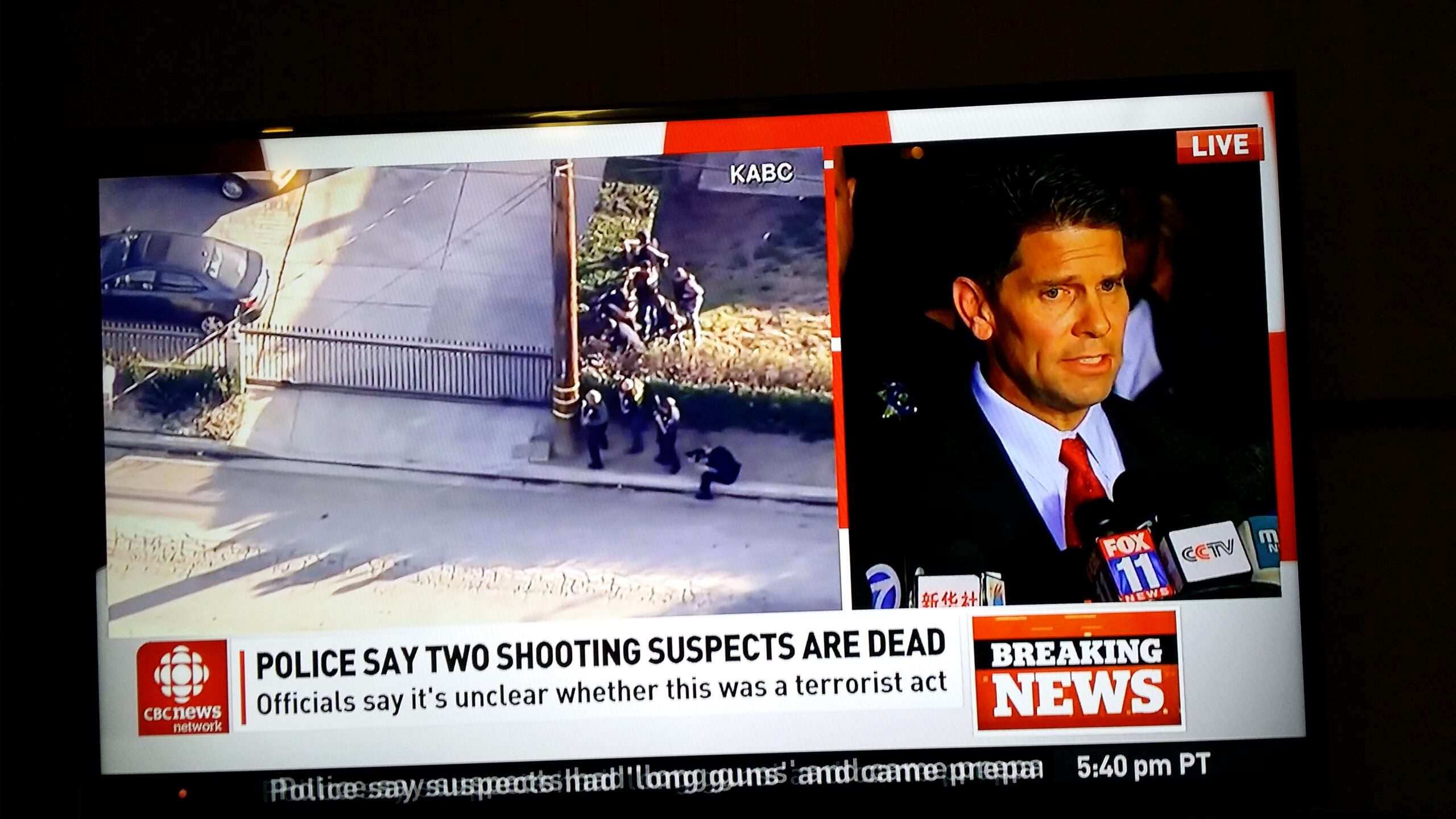
Shot of television coverage of San Bernardino shooting

After the recent shootings in San Bernardino, in which 14 were killed and another 14 wounded, the news media naturally wanted to learn more about the shooters, Syed Farook and Tashfeen Malik, who were both killed following the attack. On Friday December 4, reporters and camera crews from CNN, Fox News, MSNBC and other major media organizations entered the rental home of Farook and Malik, with the permission of the couple’s landlord, who let them in.

All the cable networks aired a substantial portion of their inspection of the townhouse live, and soon came under fire for what some felt was interfering with the investigation. Some law enforcement experts criticized the journalists, pointing out that the house didn’t appear to have been dusted for fingerprints, and contained shredded documents that authorities might want to piece back together. Another problem was the airing of identification documents belonging to some of Farook’s relatives, including social security numbers and addresses—an obvious security issue.

What Do I Need To Know When Investigating A Crime Scene?

As a journalism student, you may have learned some general aspects of media law. In most cases, you are free to take video in any public place, or on private property if you have permission of the owner or tenant. According to this New York Daily News article, Farook and Malik’s landlord opened the door for reporters, so in that aspect they did nothing wrong.

But What About Crime Scenes?

Of course, there are exceptions to every rule. You may have permission to report from a public sidewalk, but if someone was just shot there you’ll have to stay on your side of the yellow crime scene tape. Police can’t ask you to leave a public place (except in cases of public safety issues), but they can stop you from trampling on a crime scene that hasn’t been released yet.

In the case of Farook and Malik’s home, the FBI said it was no longer a crime scene as of Thursday night, and released it back to the landlord. While some might question why authorities didn’t confiscate the shredded documents in the house, the journalists had every right to be there with the landlord’s permission.

What About Airing Personal Identification Information?

The real problem occurred when some networks aired footage identifying relatives of Farook, including addresses and social security numbers. It’s obviously wrong to air anyone’s social security number, due to the potential for identity theft. Names and addresses are usually available with a brief internet search, but in some situations, airing them without permission is still a bad editorial decision.

In the San Bernardino situation, for example, you have relatives of an individual who killed 14 people and wounded 14 more. What if a loved one of a victim decided to get even by harassing or even harming one of Farook’s relatives? Could the network that aired that person’s personal information be held responsible?

According to the Digital Media Law Project, a person can only sue for invasion of privacy if the information shared by the media is otherwise private—such as medical or financial information (this includes social security numbers, in most cases).

In general, publishing a person’s address is not considered grounds for an “invasion of privacy” lawsuit against the media. After all, a lawyer for the network could argue that anyone with an internet connection and a credit card can get any address he or she wants. A person who was determined to track down one of Farook’s relatives, for any reason, could probably do it even if a cable network hadn’t flashed their address on a national news program. On the other hand, the network’s airing of that personal information certainly made things easy for any viewers who were inclined to harass Farook’s relatives. Some might argue the broadcast could have encouraged already-angry viewers to take their feelings out on the individuals whose information was aired.

Regardless of the legal implications, airing personal identification of Farook’s relatives was a poor editorial decision. Some networks made an effort to avoid showing sensitive information—CNN told the New York Times it avoided “close-up footage of sensitive or identifiable information, like photos or ID cards,” and Fox News had a similar statement.

MSNBC, however, did show footage of the relatives’ identifying info, plus pictures of Farook and Malik’s six-month-old daughter. (The network’s anchor, Andrea Mitchell, told the camera crew to pan away from the child’s pictures, and the network later apologized.)

Think Carefully When Doing Live Shots

This highlights a problem of any live broadcast: You can’t edit what you just aired. If you’re gathering video for later and aren’t sure if you should air something, you can always ask a colleague during the editing process. But if you’re doing a live shot of a crime scene, you won’t get that chance.

Unfortunately, you can’t predict what you might find when working your way through a recently-released crime scene. If possible, it’s always a good idea to briefly go through the building before going live. It will help you to decide what you can safely air, and what you should entirely avoid.

If it’s not possible to preview the scene before going live, plan on starting with a wide shot of the room and panning slowly around. If you pan over any identifying information, the details probably won’t be visible to viewers. You can always ask the photographer to zoom in if you see something interesting that doesn’t seem sensitive.

If you do realize that you are showing something personal and unnecessary to the story, do your best to direct the photog away from it as quickly as possible. There is nothing wrong with simply saying, “Let’s not show that,” like MSNBC’s Andrea Mitchell did during the live shot at Farook and Malik’s home, when she told the crew, “Let’s not show the child.” This lets viewers know you are doing your best to avoid unnecessarily airing sensitive information in an unpredictable situation.

[su_note]Learn more about the School of Broadcast Journalism at the New York Film Academy by clicking here.[/su_note]

Image Source

7 Of The Best (And Most Disturbing) War Documentaries

Perhaps as an unfortunate reflection of the times, the theater of war has been the focus of some excellent (if harrowing) fictional movies in recent years, as well as some thought-provoking dramatization of real events.

But of course, war by its very nature doesn’t always need dramatizing and for those who prefer to not mix their fact and fiction on the same plate, there are always war documentaries…

marines in fallujah fire weapon

1. Restrepo (2010)

Conflict Covered: Afghanistan War

Rotten Tomatoes Score: 98%

Why It’s So Good: A powerhouse example of cinema verite, Restrepo never falls afoul of the common war documentary pitfall of becoming bogged down in political point making. In fact, it doesn’t even attempt to offer up a commentary, and in doing so we’re given an alarmingly honest portrayal of the Afghan conflict courtesy of those embroiled in it.

2. The Fog of War (2003)

Conflict Covered: Numerous

Rotten Tomatoes Score: 98%

Why It’s So Good: Subtitled Eleven Lessons From the Life of Robert S. McNamara and directed by Errol Morris, the documentary centers around a series of interviews with the titular former Secretary of Defense. From WWII to the Cuban Missile Crisis and illustrated with archival footage and home video, McNamara holds nothing back as he discusses with great experience what can be learned from some of the most divisive and nuanced conflicts in living memory.

3. Fahrenheit 9/11 (2004)

Conflict Covered: The War on Terror

Rotten Tomatoes Score: 83%

Why It’s So Good: One of the first (if not the first) documentaries to question the official narrative that was playing out in popular culture while the Vietnam War was waged, Winter Soldier is a collection of stories—and confessions—from the front lines. One of the hardest movies on this list to get through, it has an eerie and unsettling resonance with current events.

4. Standard Operating Procedure (2008)

Conflict Covered: Iraq War

Rotten Tomatoes Score: 79%

Why It’s So Good: Another well-crafted expose by war documentarian Errol Morris, Standard Operating Procedure deftly covers one of the many ugly stories that emerged from the Iraq conflict: the torture and abuse of terror suspects held at Abu Ghraib by American troops. More importantly, it gets beneath the skin of the soldiers who were photographed committing these notorious acts, as well as examining the administrative culture which allowed them to occur.

6. No End In Sight (2007)

Conflict Covered: The War on Terror

Rotten Tomatoes Score: 96%

Why It’s So Good: Possibly the closest a war documentary will ever get to a bona fide horror show, No End in Sight catalogs the series of decisions from within the Bush administration that culminated in the invasion of Iraq. Incredibly in-depth but accessible to any audience, Charles Ferguson’s comprehensive documentary is one that will probably cause your blood pressure to be a lot higher by the time the 100 minutes are up.

7. Last Days in Vietnam (2014)

Why It’s So Good: As the title suggests, this gracefully executed documentary – packed to the brim with drama, emotion and heroism – focuses in on the final events of the Vietnam War. The suspense of the closing scenes are as utterly thrilling as anything you’ll see in fiction, cementing Last Days as one of the best PBS documentaries ever produced.

Got any other favorites that we’ve missed? Let us know in the comments below, and if you’re looking to follow in the footsteps of these superb war documentarians, you might want to check out our guide to staying safe while shooting in live conflict zones.

[su_note]Learn more about the School of Documentary Filmmaking at the New York Film Academy by clicking here.[/su_note]
5 Stars Of Hollywood’s Golden Age

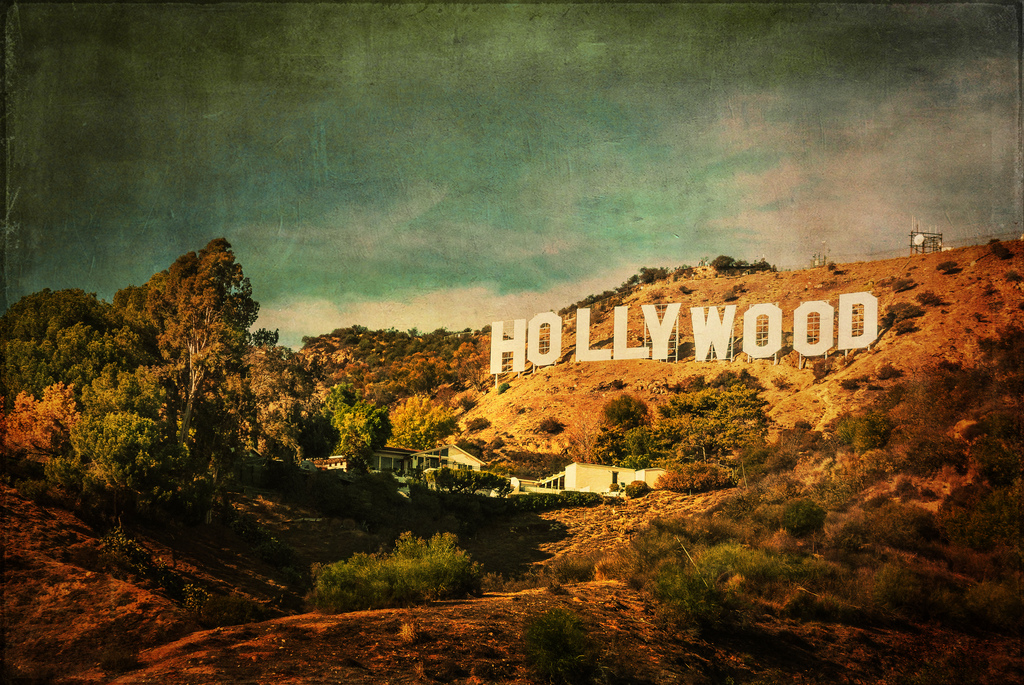
Hollywood sign

Ah, the glitzy Golden Age. The Golden Age of Hollywood lasted from the late 1920s to the 1960s and was a time when technology in film began to emerge amongst the Hollywood glamour. The release of the movie The Jazz Singer in 1927 started the new era and marked the end of the silent film era. Although the golden era started off slow due to the great depression, the films provided an outlet for audiences. This era produced many talented and memorable performers. Here are 5 musical stars of the Golden Age that every actor and musical theatre performer should know and be sure to check out our essential list of the top method actors and child actors to better familiarize yourself with the acting canon.

1. Fred Astaire

Talk about a triple threat! This talented man was an actor, dancer, singer and choreographer. His successful film and television career spanned over many years. Astaire is known for dancing with his on screen partner Ginger Rogers, who he starred in many Hollywood musicals with, including the popular Top Hat featuring the sweet song Cheek to Cheek, which Astaire sings to Rogers as they dance. Through his career he made thirty-one musical films including the memorable and popular Ziegfeld Follies, Funny Face, and Swing Time. In 1981 he was awarded the Lifetime Achievement award from the American Film Institute.

2. Doris Day

https://www.youtube.com/watch?v=lxWRlr431Rw

The actress and singer began her career in the late 1930’s as a big band singer. She became a sensation after her recording of “Sentimental Journey,” a song about weary troops who were homeward bound. Day’s wholesome look and talent shot her into the spotlight. The Pajama Game, Lullaby of Broadway and Calamity Jane were among the musicals that she stared in. In Lullaby of Broadway, Day plays Malinda Howard who is an entertainer traveling to NYC to visit her mother who is also a performer. However Malinda learns that her mother is not doing as well as she thought. Doris Day was not only passionate about singing and acting, but was also passionate about the welfare of animals. As a lifelong advocate she started the Doris Day Foundation to help animals in need.

3. Danny Kaye

Mr. Kaye was a comedian, singer, actor and dancer. His first break came when he was cast in a Vaudeville act and two years later he made his film debut in Moon over Manhattan. He made his Broadway debut in the show The Straw Hat Review in 1939. Kaye later starred in a radio program called The Danny Kaye Show. The popular Kaye went on to star in the films including White ChristmasThe Kid from Brooklyn, and Wonder Man. Kaye said “I became an entertainer not because I wanted to but because I was meant to.”

4. Judy Garland

https://www.youtube.com/watch?v=U016JWYUDdQ

She was the star of many musical films and captured the hearts of her audience. Garland started singing at a very young age. She studied dancing and acting and performed gigs with her sisters calling themselves The Gumm Sisters. Garland continued on to film, first starring in Pigskin Parade. She starred in many popular musical films including A Star is Born, Meet me in St.Louis, Easter Parade, and as Dorothy Gale singing the memorable song “Somewhere Over the Rainbow” in The Wizard of Oz. Although Garland’s personal life was not as successful as her professional career she will always be remembered as one of the brightest and talented stars.

5. Bing Crosby

Known for his bass baritone voice and laid back style, Crosby started off in a Vaudeville act which led to him launching a popular radio program. From there he began acting in numerous comedies which helped his career to flourish. Crosby became the best selling recording artist of the 20th century staring in popular films like The Bells of St.Mary’sRoad to Singapore, and Holiday Inn, featuring his biggest hit, “White Christmas,” which you are guaranteed to hear during December every year.

Are there any stars of the Golden Age that we missed? Then be sure to chime in below in the comments!

[su_note]Learn more about the School of Acting at the New York Film Academy by clicking here.[/su_note]

Image Source

5 Broadway Theaters Every Musical Theatre Fan Should Attend

New York City is the mecca for stage entertainment. Big lights, big city and big musicals. Broadway shows attract audiences from near and far year round. From matinees to evening shows, musical theater continues to shine. We buy our tickets online, receive them as gifts, and stand in long lines at TKTS out in the cold to get discounted tickets. The Broadway district includes some of the cities finest theaters and a majority of the shows there are musicals. If you have ever had the pleasure of seeing a Broadway musical you know that it’s an amazing experience. From the moment you walk in these theaters you get a sense of excitement. I personally think the moment before the curtain opens is still one of my favorite parts. So if you’re looking to catch a musical here are some of the theaters along the Great White Way. 

1. Gershwin Theater

Located at 222 West 51st Street, this theater was named after composer George Gershwin. It originally opened as the Uris theater in 1972. The renaming occurred in 1983 during the Tony Awards. It is one of the biggest venues in NYC with 1,933 seats, which is the largest capacity of any of the other Broadway theaters and it also features the American Theater Hall of Fame in the lobby. The Gershwin has hosted many musicals including The King and I, Show Boat, Oklahoma, and Wicked, which is currently running

2. Stephen Sondheim Theater

Sitting at 124 West 43rd Street this theater was originally named Henry Miller’s Theater up until 2010. The original theater was closed and its interior demolished in 2004. It was rebuilt and is now located under ground below a bank. It was also re-named to honor the famous composer Stephen Sondheim. The last several years it has hosted shows that included The Pee-wee Herman Show, Anything Goes, and Beautiful: The Carole Kind Musical. 

3. Palace Theater

Located at 1564 Broadway the Palace Theater originally gained legendary status amongst vaudeville performers. When the great depression hit, film became popular and vaudeville started to decline. In the 1960’s The Palace was re-opened as a playhouse and has since had notable musical productions like Beauty and the Beast, Legally Blond and West Side Story.

4. Richard Rodgers Theater

Located at 226 West 46th street, it was originally called Chanin’s Theater, then the 46th Street Theater and eventually in 1990 it became the Richard Rodgers Theater named after the legendary composer. This theater has hosted the most Tony Award winning plays as well as Best Musicals. Some of these shows include How to Succeed in Business Without Really Trying, Nine, and In the Heights. The popular and exhilarating musical Hamilton is currently running here.

5. New Amsterdam Theater

New Amsterdam Theater

This New York City landmark is located at 214 West 42nd Street.  The New Amsterdam Theater was added to the National Register of Historic Places in 1980 and over the coarse of time has been the home to many amazing shows, including the Ziegfeld Follies way back in the day. During the Great Depression the theater suffered a fair amount of damage and was forced to close. But, after a long rehabilitation and a court battle it finally re-opened in 1997.  Since re-opening the theater has hosted many hit musicals including Lion KingMary Poppins, and Aladdin, which broke the theater’s box office records.

[su_note]Learn more about the School of Musical Theatre at the New York Film Academy, located in the capital of Broadway in New York.[/su_note]