How To Create A Convincing Character

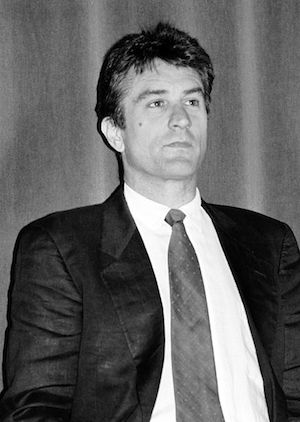
Robert De Niro

If you want to be a great actor you should know the importance of conveying a character as well as staying in character. Anyone can read words off of a page, but truly creating a convincing character takes much more than that. Your goal as an actor is to be able to tell a story. What type of person are you? What events have happened and how are you affected by them? There can be a laundry list of questions. Here are some helpful tips to guide you in the direction of creating a convincing character whether it be on screen or the stage.

1. Get Into It

You should immerse yourself in the role. Forget the audience is watching you and forget that your mom is in the front row. You need to focus on your character and how they feel. Be in the moment. You can use sense memory to help with this. Sense memory is a technique, developed by Stanislavski and Strasberg, where a person can access their subconscious memory to bring emotional truth to their work. They can access the memory of sight, sound, taste, touch and smell. For example, if your character is stuck in a long dark alley and it’s full of trash, you can try to recall a memory of you being fearful in the dark at some point in your life or recall a time when you were faced with an unpleasant odor. These small details can make a big difference when conveying feelings.

2. Be Prepared

Make sure to carefully read through your lines as well as memorize them. If you don’t study your lines you will be unprepared and it will show in your performance. It will also take you out of character. Take the time to read through the script with your fellow actors and take rehearsals seriously while of course still enjoying the process.

3. Take A Moment

Take a moment to breathe in your scene.  Don’t just regurgitate the lines, but take a moment to take in the environment, and the other characters/actors in the scene.  Build and feed off of the scene and what the other actors are giving you. Take that split second to let it all affect you and process how your character will react.  This can also apply to auditions where you may be given a cold reading. A cold reading is text or script that is un-rehearsed and is often given to you at an audition. Take a moment to look over the lines and make choices about your character, think about how your character will react. It’s often fine to ask the casting director if you can take a moment.

4. Focus

Pay attention to what is going on around you in the scene. Be in tune with what other actors are doing and saying. By doing so you will have a more natural reaction to what’s going around you. Focus will also help you to not break character be present in the moment. Learning to focus more can be developed through rehearsals. However if you find yourself forgetting a line or you drop a prop on stage, just keep going. Life often throws us curve balls so just react naturally.

The more experience you get with rehearsals, auditions, and performance the more you will find yourself feeling comfortable and confident in your skin and your characters skin. You can use these tips to guide you in a direction that presents a convincing character. Break a leg!

[su_note]Learn more about the School of Acting at the New York Film Academy, with campuses in New York, Los Angeles, and Miami.[/su_note]
5 Stars Of Hollywood’s Golden Age

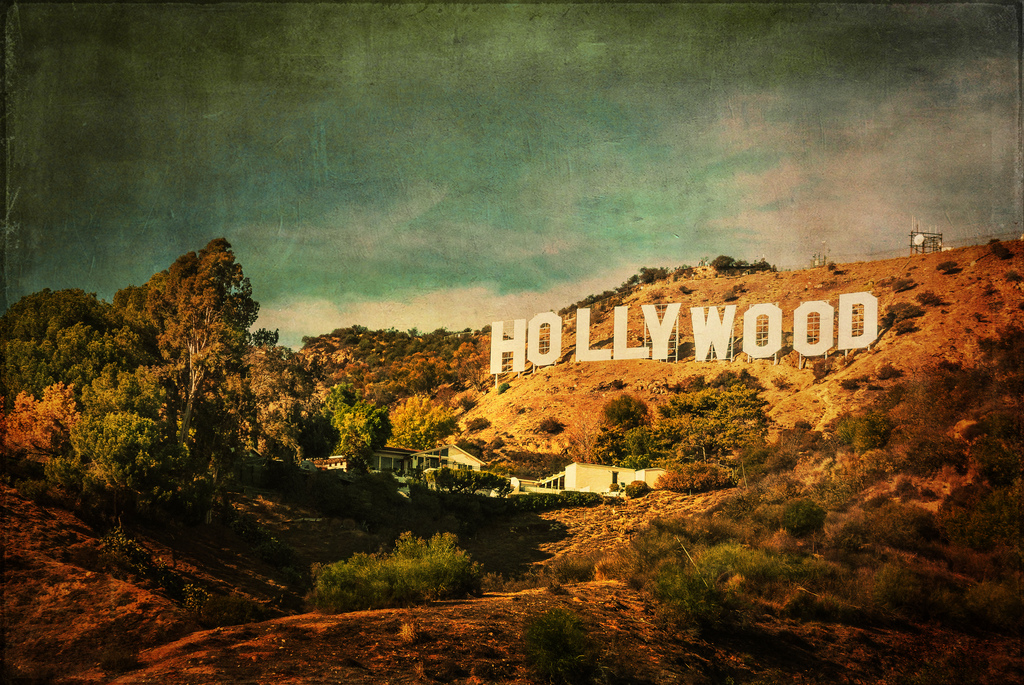
Hollywood sign

Ah, the glitzy Golden Age. The Golden Age of Hollywood lasted from the late 1920s to the 1960s and was a time when technology in film began to emerge amongst the Hollywood glamour. The release of the movie The Jazz Singer in 1927 started the new era and marked the end of the silent film era. Although the golden era started off slow due to the great depression, the films provided an outlet for audiences. This era produced many talented and memorable performers. Here are 5 musical stars of the Golden Age that every actor and musical theatre performer should know and be sure to check out our essential list of the top method actors and child actors to better familiarize yourself with the acting canon.

1. Fred Astaire

Talk about a triple threat! This talented man was an actor, dancer, singer and choreographer. His successful film and television career spanned over many years. Astaire is known for dancing with his on screen partner Ginger Rogers, who he starred in many Hollywood musicals with, including the popular Top Hat featuring the sweet song Cheek to Cheek, which Astaire sings to Rogers as they dance. Through his career he made thirty-one musical films including the memorable and popular Ziegfeld Follies, Funny Face, and Swing Time. In 1981 he was awarded the Lifetime Achievement award from the American Film Institute.

2. Doris Day

https://www.youtube.com/watch?v=lxWRlr431Rw

The actress and singer began her career in the late 1930’s as a big band singer. She became a sensation after her recording of “Sentimental Journey,” a song about weary troops who were homeward bound. Day’s wholesome look and talent shot her into the spotlight. The Pajama Game, Lullaby of Broadway and Calamity Jane were among the musicals that she stared in. In Lullaby of Broadway, Day plays Malinda Howard who is an entertainer traveling to NYC to visit her mother who is also a performer. However Malinda learns that her mother is not doing as well as she thought. Doris Day was not only passionate about singing and acting, but was also passionate about the welfare of animals. As a lifelong advocate she started the Doris Day Foundation to help animals in need.

3. Danny Kaye

Mr. Kaye was a comedian, singer, actor and dancer. His first break came when he was cast in a Vaudeville act and two years later he made his film debut in Moon over Manhattan. He made his Broadway debut in the show The Straw Hat Review in 1939. Kaye later starred in a radio program called The Danny Kaye Show. The popular Kaye went on to star in the films including White ChristmasThe Kid from Brooklyn, and Wonder Man. Kaye said “I became an entertainer not because I wanted to but because I was meant to.”

4. Judy Garland

https://www.youtube.com/watch?v=U016JWYUDdQ

She was the star of many musical films and captured the hearts of her audience. Garland started singing at a very young age. She studied dancing and acting and performed gigs with her sisters calling themselves The Gumm Sisters. Garland continued on to film, first starring in Pigskin Parade. She starred in many popular musical films including A Star is Born, Meet me in St.Louis, Easter Parade, and as Dorothy Gale singing the memorable song “Somewhere Over the Rainbow” in The Wizard of Oz. Although Garland’s personal life was not as successful as her professional career she will always be remembered as one of the brightest and talented stars.

5. Bing Crosby

Known for his bass baritone voice and laid back style, Crosby started off in a Vaudeville act which led to him launching a popular radio program. From there he began acting in numerous comedies which helped his career to flourish. Crosby became the best selling recording artist of the 20th century staring in popular films like The Bells of St.Mary’sRoad to Singapore, and Holiday Inn, featuring his biggest hit, “White Christmas,” which you are guaranteed to hear during December every year.

Are there any stars of the Golden Age that we missed? Then be sure to chime in below in the comments!

[su_note]Learn more about the School of Acting at the New York Film Academy by clicking here.[/su_note]

Image Source

5 Broadway Theaters Every Musical Theatre Fan Should Attend

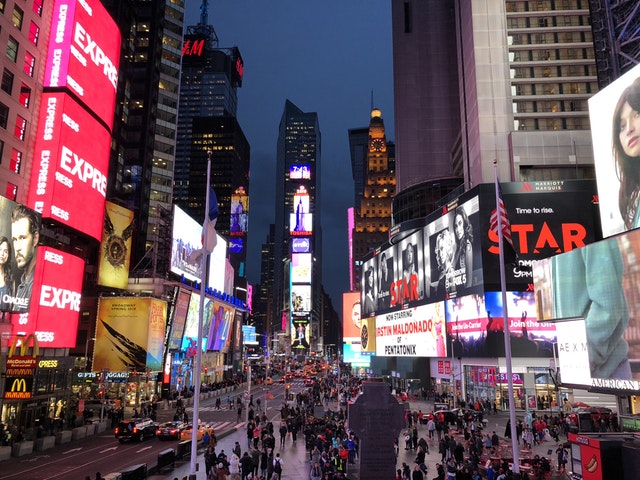
New York City is the mecca for stage entertainment. Big lights, big city and big musicals. Broadway shows attract audiences from near and far year round. From matinees to evening shows, musical theater continues to shine. We buy our tickets online, receive them as gifts, and stand in long lines at TKTS out in the cold to get discounted tickets. The Broadway district includes some of the cities finest theaters and a majority of the shows there are musicals. If you have ever had the pleasure of seeing a Broadway musical you know that it’s an amazing experience. From the moment you walk in these theaters you get a sense of excitement. I personally think the moment before the curtain opens is still one of my favorite parts. So if you’re looking to catch a musical here are some of the theaters along the Great White Way. 

1. Gershwin Theater

Located at 222 West 51st Street, this theater was named after composer George Gershwin. It originally opened as the Uris theater in 1972. The renaming occurred in 1983 during the Tony Awards. It is one of the biggest venues in NYC with 1,933 seats, which is the largest capacity of any of the other Broadway theaters and it also features the American Theater Hall of Fame in the lobby. The Gershwin has hosted many musicals including The King and I, Show Boat, Oklahoma, and Wicked, which is currently running

2. Stephen Sondheim Theater

Sitting at 124 West 43rd Street this theater was originally named Henry Miller’s Theater up until 2010. The original theater was closed and its interior demolished in 2004. It was rebuilt and is now located under ground below a bank. It was also re-named to honor the famous composer Stephen Sondheim. The last several years it has hosted shows that included The Pee-wee Herman Show, Anything Goes, and Beautiful: The Carole Kind Musical. 

3. Palace Theater

Located at 1564 Broadway the Palace Theater originally gained legendary status amongst vaudeville performers. When the great depression hit, film became popular and vaudeville started to decline. In the 1960’s The Palace was re-opened as a playhouse and has since had notable musical productions like Beauty and the Beast, Legally Blond and West Side Story.

4. Richard Rodgers Theater

Located at 226 West 46th street, it was originally called Chanin’s Theater, then the 46th Street Theater and eventually in 1990 it became the Richard Rodgers Theater named after the legendary composer. This theater has hosted the most Tony Award winning plays as well as Best Musicals. Some of these shows include How to Succeed in Business Without Really Trying, Nine, and In the Heights. The popular and exhilarating musical Hamilton is currently running here.

5. New Amsterdam Theater

New Amsterdam Theater

This New York City landmark is located at 214 West 42nd Street.  The New Amsterdam Theater was added to the National Register of Historic Places in 1980 and over the coarse of time has been the home to many amazing shows, including the Ziegfeld Follies way back in the day. During the Great Depression the theater suffered a fair amount of damage and was forced to close. But, after a long rehabilitation and a court battle it finally re-opened in 1997.  Since re-opening the theater has hosted many hit musicals including Lion KingMary Poppins, and Aladdin, which broke the theater’s box office records.

[su_note]Learn more about the School of Musical Theatre at the New York Film Academy, located in the capital of Broadway in New York.[/su_note]

Charlie Smalls And The Story Behind The Wiz

Charlie Smalls was born on October 25th, 1943 and passed away due to an emergency appendix surgery in 1987, at the age of 43.  As a child, Smalls started playing piano at a very young age, and by the age of five was putting on piano concerts. He went on to study at the prestigious Julliard School and the High School of Performing Arts in New York. After graduating in 1961, he toured as a pianist with the New York Jazz Repertory Company, which included other musicians such as Harry Belafonte, Esther Marrow, and Hugh Masekela, a famous South African trumpeter, singer, and composer, for who Smalls wrote the song “From Me to You.”  Smalls biggest career success by far was the musical The Wiz, which he was the composer and lyricist for.

The idea for The Wiz started with producer Ken Harper who reportedly asked writer William F. Brown to create an adaptation from The Wonderful Wizard of Oz, but with black slang and an all black cast. Harper hired Trinidadian Geoffrey Holder as director, who had experience directing, acting, and designing, as well as experience choreographing several pieces for the phenomenal Alvin Ailey American Dance Theater. Smalls was brought on to be the composer and lyricist for the show.  His mix of gospel, soul, and blues influenced music created a fun and winning blend. The Wiz opened on Broadway at the Majestic Theater on January 5th, 1975 to mixed reviews, and it was said that a commercial featuring the cast singing “Ease On Down The Road” helped to market the show and turn it into a success, not to mention that the song itself also became a big hit single on the Billboard Soul Singles Chart. This show helped open the doors for other African-American shows such as Dreamgirls and Sophisticated Ladies.

The Wiz is smart and soulful, and follows the story of Dorothy, an energetic Kansas City girl who is eager to get out to see the rest of the world, when her house is swept up by a tornado and dropped in a magical new place filed with munchkins, and mysterious witches.  On her journey along a yellow brick road, Dorothy meets and makes some new friends, a tin man, a scarecrow, and a cowardly lion.  As the group continues on their adventure they encounter the Wicked Witch Evillene and make their way towards the Emerald City to see the Wizard where they discover a secret.

This retelling became a Tony Award winning show. It won Best Musical and the Drama Desk Award for Outstanding Music and Lyrics. Geoffrey Holder won the Tony Award for Best Direction in a Musical and Best Costume Design. Since it’s opening the show has won a total of seven Tony Awards. The show includes the songs Ease on Down the Road, You Can’t Win, What Would I Do If I Could Feel, and Brand New Day.

The Wiz was later adapted into a film starring Michael Jackson, Diana Ross, and Richard Pryor, and has recently been adapted into a live television musical as part of a series of live musicals NBC has been doing.

The live television debut is this Thursday at 8pm est on NBC, be sure to tune in or set your DVRs so you can sing and dance along to this super fun show. And check out our wish list of other Broadway shows we hope receive the small screen treatment.

[su_note]Learn more about the School of Musical Theatre at the New York Film Academy, located in the capital of Broadway in New York.[/su_note]

Directors Essentials: 6 Unmissable Danny Boyle Classics

Question: Is there anything Danny Boyle can’t do?

Answer: Nope. Not a thing.

Sure, there may be a couple of misfires in his back catalog (we don’t talk about The Beach), but for the most part the British director’s success rate is as unparalleled as it is varied.

Trying to typify his career is like nailing jell-o to a wall, so today we continue our Director’s Essentials series by picking out the individual highlights of two decades of cinematic gold. With his recently released Steve Jobs biopic looking set to be another winner, it’s a good opportunity to cast our eye back on…

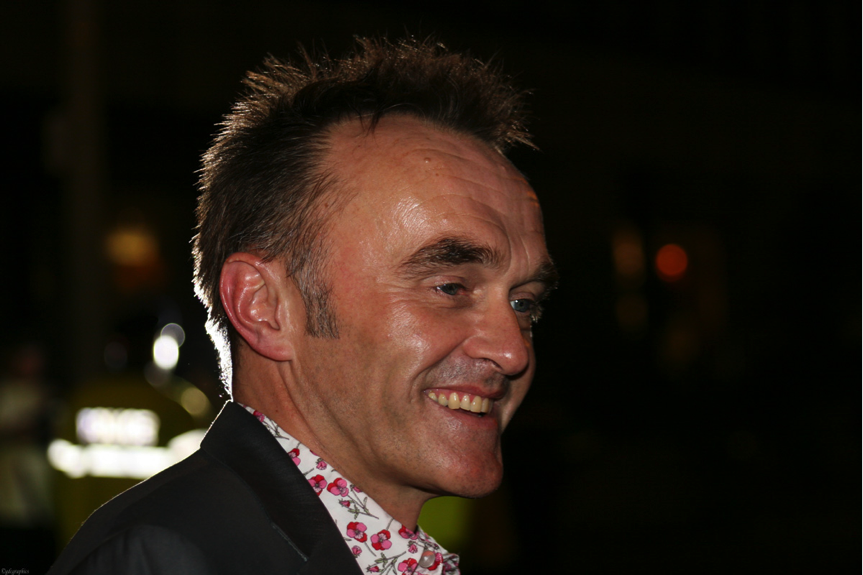
Danny Boyle

Trainspotting (1996)

In 1995, Danny Boyle hit the ground running with Shallow Grave, a powerhouse of a debut directorial effort which also saw Ewan McGregor in his first ever feature role.

The very next year, the duo worked once again to give Irvine Welsh’s novel Trainspotting the big screen treatment despite it being difficult to translate. What emerged was a gritty, brutal and pop culture-fuelled exploration into addiction and one of the finest British movie ever made.

Must Watch If: You loved Pulp Fiction and want to see it set in Edinburgh.

28 Days Later (2005)

One of the best zombie movies to have emerged in the last decade’s pervasive fascination with the genre (yes, yes, we know they’re not technically zombies. Let’s not go there.)

28 Days Later practically kickstarted the trend single-handedly, and hasn’t really been surpassed in terms of the originality it offered in a land of worn-out tropes. Boyle later returned to produce (although not direct) the sequel 28 Weeks Later, which wasn’t too far behind the brilliance of the original.

Must Watch If: You’re tired of movies that put zombies first and tight scriptwriting second.

Millions (2005)

In an incredible display of what would come to be known as Boyle’s trademark versatility, the director went from a harrowing tale of a crumbling civilization to this utterly charming kid’s movie.

Swamped in magic realism, this heinously underwatched children’s fable shows that Boyle has a lot of heart and knows where to apply it, regardless of the genre.

Must Watch If: You’re after a feel-good film about consumerism that doesn’t ever get preachy.

Sunshine (2007)

A genre-defining zombie movie. An expertly crafted kid’s film. What could Danny Boyle turn his hand to next?

Ah, yes. Science fiction.

Stunning visuals, a slew of remarkable set pieces, and a lot of clever directing on the part of Boyle in his second collaboration with Cillian Murphy. Every moment of the Icarus II’s journey to the sun in order to reignite the failing star is engrossing and filled with suspense along the way…

… Just ignore the slightly abrupt diversion into the slasher genre that this otherwise excellent sci-fi flick descends into for the third act.

Must Watch If: You want to see a cerebral Armageddon.

Slumdog Millionaire (2008)

Continuing on with the feast of unexpected surprises that is Danny Boyle’s filmography, we come to his highest grossing movie to date (and also the biggest earner in Fox Searchlight Pictures’ history.) Grossing over $377 million worldwide against a budget of just $15 million, it’s funny to think that executives were initially skeptical about Slumdog Millionaire and pushed for it going straight to DVD.

And on paper, it probably shouldn’t have ever worked. In the hands of Boyle, however, it was a masterpiece that worked marvelously across cultures.

Must Watch If: You never thought a working class kid from Manchester, UK could successfully craft a Bollywood-inspired movie that people in America would want to see.

127 Hours (2009)

They said Aron Ralston’s story would never work as a film, principally because it would involve just a single person acting in isolation and not being able to move anywhere for 90% of the movie.

But Danny Boyle, as he is wont to do, found a way to make the impossible not only possible, but damn near perfect. Not an easy watch, but an unmissable one nonetheless.

Must Watch If: You enjoy watching someone saw off their own arm with a pen knife. Who doesn’t, right?

Enjoy this? Try another entry in the Director’s Essentials series:

The Coen Brothers
Wes Craven
Kathryn Bigelow

[su_note]Learn more about the Film School at the New York Film Academy by clicking here.[/su_note]

Stanislavski In 7 Steps: Better Understanding Stanisklavski’s 7 Questions

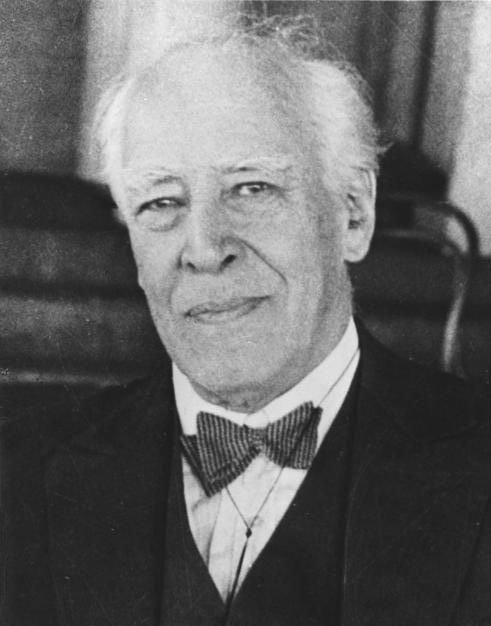
Konstatin Stanislavsky

There are so many different acting techniques and books and teachers that finding a process that works for you can be confusing. Ironically, most acting books and teachers use similar principles as basis of their pedagogy; Stanislavski’s system. This is because Constatin Stanislavski is considered the father of modern acting and every acting technique created in the modern era was influenced by “Father Stan.” For young actors, understanding of Stanislavski’s seven questions is an invaluable foundation upon which to build a character.

1. Who am I?

Start with the basics and then fill in the gaps with your imagination. Pick apart the script to find out what type of person your character is; what they look like, what they believe, how others describe them and so on. Think about your character’s past and the significant events/people that influenced them and made them who they are in the script.

2. Where am I?

The script will usually tell you where you are but the important thing for an actor is to consider how the character feels about the place they are in. Characters act differently in public than they do in private. People move differently when they are cold vs. when they are too hot. The space your character occupies can determine how they behave during a scene.

3. What time is it?

Year, season, month, day, and time of day should all be described. Then, think about how the specific time of the play changes the character’s action. If it’s set in Victorian England, voice and proper etiquette will be different than San Francisco in the 1960s.

4. What do I want?

This is a character’s primary motivation for everything they do in a scene. All actions should be executed with the goal of getting what you want from the other characters in the scene. This is also called a character’s objective.

5. Why do I want it?

There must be a driving force behind your objectives on stage and on screen and that is your justification. We all having reasons for doing what we do and characters are no different. Give your character a convincing reason for acting and you automatically generate high stakes which leads to tension.

6. How will I get what I want?

Use your dialogue, movements, and gestures to try to influence the other characters to give you what you want i.e. accomplish your objective. This is also called a character’s tactic. If one tactic fails, try a new one and see if that works.

7. What must I overcome to get what I want?

There is always something stopping you from achieving your objective. Usually, there is someone or something in the outside world impeding a character’s advancement and also some internal conflict with which they struggle. Find what it/they are and fight against them with the scene. This is also called a character’s obstacle.

These seven simple questions can provide hours of work for an actor to answer fully. The flip side is that an actor who puts in the time and energy will inevitably have a greater understanding of their character and their personal acting technique. Take them, learn them, and think about them. That is why Stanislavski asked them.

[su_note]Learn more about the School of Acting at the New York Film Academy, with campuses in New York, Los Angeles, and Miami.[/su_note]

5 Performances By Child Actors That Every Actor Can Learn From

Child actor

Sometimes good things come in small packages, both in terms of gifts and art. In the case of these five examples, a great performance came from a young actor. There is something special about a child acting. They have such active imaginations that they are able to live naturally under imaginary circumstances with far less effort than their adult counterparts. In the performances that follow, these kids were acting alongside established Hollywood stars and Academy Award-winners and holding their own on the screen. Here are five child actors who turned in performances that every actor can learn from.

1. Jodie Foster – Taxi Driver

Jodie Foster has had a long and successful career in Hollywood and it all started back in 1976 with her breakout role in Taxi Driver. Foster was only 14 years old when she played a child prostitute opposite Robert De Niro but she definitely holds her own. The vulnerability and disconnect that the young Jodie Foster brought to the character of Iris is tragic and uncomfortable to watch at times. She was recognized with an Academy Award nomination for Best Supporting Actress for her efforts.

2. MacCauley Culkin – Home Alone

Home Alone is both a holiday classic and a hilariously campy film, but underneath the charm, MacCauley Culkin delivers a devilishly good performance. Culkin plays Kevin, a young boy who is accidently left behind by his family, with gusto. He is at once funny, cute, and wildly intelligent for his age. There is a great montage of Kevin enjoying his newfound independence but the real comedy and drama is saved for the closing thirty minutes in which Kevin evades would be thieves.

3. Haley Joel Osment – The Sixth Sense

This movie is famous for bringing audiences the most quotable quote of the last few decades: “I see dead people.” Not coincidently, the quote was delivered by Haley Joel Osment, whose honesty and fear made the moment memorable. As a troubled boy with supernatural powers, Osment is eerie and chilling, yet sympathetic, a hard balance to strike for any performer. Watch to the end for an all-time twist.

4. Dakota Fanning – I Am Sam

At only seven years old, Fanning starred opposite Sean Penn in the heartbreaking film I Am Sam. Penn is a mentally challenged man struggling to raise his daughter and Fanning is just beginning to realize her situation. Despite her growing intelligence and her father’s inability to manage both of their lives, Fanning’s character is loyal and loving toward her father to the end. Fanning herself is bright and cheerful with an emotional depth that earned her a SAG nod. No small feat for a seven-year old.

5. Quvenzhané Wallis — Beasts of the Southern Wild

At NYFA, we always recommend that actors study the craft of acting before embarking on a professional career, but Wallis didn’t take our advice. At 6 years of age, Quvenzhané made her screen debut as Hushpuppy in the magical fantasy Beasts of the Southern Wild. Wallis is composed and commanding in her performance as the lost girl in search of her mother and acting didn’t go unnoticed. At the 2013 Academy Awards, Quvenzhané Wallis became the youngest Best Actress nominee in history. She was nine years old at the time of her nomination.

Actors old and young can learn from each other. Technique develops with experience but there is something to be said for an active imagination and intuitiveness of camera. Next time you tackle a role, bring out your inner kid for a natural and inspiring performance.

4K UHD TV: How To Prepare For The New Standard

4K comparison chart

The latest HD television technology is called 4K, or Ultra High Definition (UHD), sometimes also called 4K UHD. Previously, there were three ways to describe definition in TV: Standard Definition (480p/540p), High Definition (720p), and Full High Definition (1080i/p). By contrast, UHD is 2160p. Each UHD TV has a minimum resolution of 3,840 pixels wide by 2,160 pixels high. Essentially, a UHD TV has about 8 million more pixels than a 1,080p HD television.

More Pixels, More Problems?

While more pixels result in a better picture, most broadcasters and streaming services have not yet converted. Why? Because 4K video takes up much more space on a hard drive, and streaming it eats up a large amount of bandwidth—in fact, people who wish to stream 4K content like House of Cards on Netflix will need a 25mbps download speed that many viewers don’t currently have. While there has been talk of broadcasting the 2016 Olympic Games in UHD, the current options for true UHD content are limited to some content on a few streaming services, mainly Netflix and Amazon.

Is Upconverting The Answer?

Despite the limited programming currently available for UHD, 4K televisions are still flying off the shelves. While there will be more shows available in the future, another selling point is “upconverting”—changing an HD 1080p signal, for example, into a 4K image. This is done by using additional pixels to recreate the fewer-pixeled original image. To do this, the television guesses at what should go in those extra pixels; often the result is an image slightly sharper than 1080p, but still softer than true 4K UHD. So while upconverting results in a good picture, and possibly a better picture than you would have had with regular HD, most people won’t reap the full benefits of their new 4K sets until they watch UHD programming.

What Does This Mean To My Future Journalism Career?

When you graduate and begin working in the field of broadcast journalism, presumably some time in the next few years, you may work for a broadcaster that is making the switch to 4K UHD. If not, it’s likely your employer will do so eventually. In the meantime, UHD TVs and cable/satellite providers will be upconverting your video.

So I Should Get Ready for My 2160p Closeup?

Yes, but not just you. Remember that everything shot in 4K and, to a lesser extent, upconverted to it, will be seen in greater detail. If you currently intern at a TV station, some of the journalists you work with might remember the transition from standard definition to HD several years ago. At that time, many on-air reporters and anchors were advised to rethink their makeup strategies. Some stations even hired skincare experts to advise on-air talent how to improve their look in HD.

While you don’t need to do anything that extreme, you should be prepared for a very sharp picture if you plan to work on-air. When shooting video for class, experiment with closeup shots in different angles and lighting situations, so you can get an idea of how you look your best. You can also try different kinds or amounts of makeup. If you can borrow a 4K UHD camera, you’ll have an even better idea of how things look in the new medium.

Practicing Recording Video in 4K

Shooting video in UHD (if you have the opportunity) is a good idea even if you don’t plan to be in front of the camera yourself. Future photographers and editors will need to know what works and what doesn’t when shooting in 4K. A few years from now, you might be capturing video both indoors outdoors, at varying times of day or night, in varying weather conditions. You’ll need to use the right lighting techniques and camera angles to capture images for UHD. Remember that too-harsh lighting, combined with too many pixels, can result in an image that’s either too blurry to see clearly or downright blinding to view.

If you don’t have access to a UHD camera, see if your school has a 4K TV where you can stream UHD, so you can see examples of video shot in 2160p. Also check your phone, or your friends’ phones—many new cell phones can now shoot 4K video. While most phone cameras won’t have half the features of a dedicated video camera, you may get some ideas about shooting in UHD.

Don’t Forget To Prepare For Space/Bandwidth Constraints

Remember that whether you take video with a dedicated video camera or a cell phone, you’ll need a decent amount of storage space for any video longer than a few minutes. Because UHD uses so many pixels, it uses a lot more storage space than HD. If you can shoot in 4K, consider investing in a larger memory card than what you have currently.

Also be prepared for slow upload/download speeds when working with UHD in a future broadcast journalism job. Hopefully this will improve as internet speeds become faster. However, after graduating, you may work at a station that’s still improving its technology for 4K or waiting for its ISP to offer higher speeds. This might mean that you’re asked to upload only a few minutes of video at a time, instead of sending back fifteen minutes of cover video for the producer to pick through. You may also be required to do more editing in the field so you can just send back the final 30- or 60-second package.

[su_note]Learn more about the School of Broadcast Journalism at the New York Film Academy by clicking here.[/su_note]

Photography Tips on Working With Water

Working with water poses a lot of unique challenges when it comes to photography, but it also brings with it plenty of rewards.

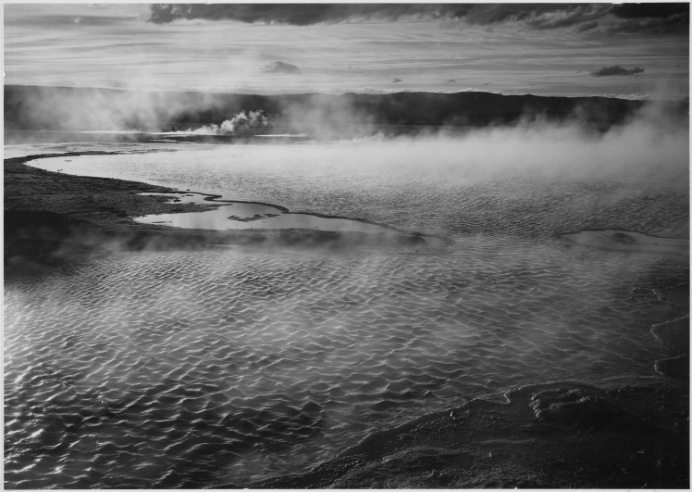
Ansel Adams picture of water

Some of the most compelling images ever committed to film have used water as a central feature (see Ansel Adams, for instance), so today we’re going to cover how best to shoot that good ol’ H20. And be sure to check out our guides on shooting photos in extreme temperatures and photographing landscapes.

That Silky Look

Found yourself an awesome stream or even a waterfall that’s just brimming with motion, waiting to be captured? You might want to try an age-old technique that will get the best out of all that action.

silky smooth photography

That silky-smooth look to the water above is achieved by setting a very slow shutter speed; try it out with a shutter speed of between 2 and 8 seconds to replicate this effect on fast-moving water. Anything longer than this will probably result in a total blur (given that the water is moving rapidly), but either way you’ll need a tripod in order to stabilize the camera at this level of exposure (and drop the aperture down to around f/16 for a good depth of field which compensates for the slow shutter speed.)

You may need to tweak the numbers on a shot-by-shot basis (especially with balancing the ISO and aperture size depending on how bright it is), but once you get it right, it’s well worth the effort to achieve this really magical effect.

Don’t Forget Your Polarized Filters

An absolute essential when shooting water given that wet rocks (and the water itself) has the nasty habit of reflecting glare straight at your lens. It’ll also help get ‘behind’ the reflections and reveal the hidden textures and colors going on underneath the surface, whereas without a polarizing filter you’ll just get a rather flat surface to the water.

polarized filters

It’s also a very quick way of increasing color saturation and contrast, which is great for shooting bodies of water surrounded by a lot of lush greenery and colorful flora.

Get to Know Your ND Filter

Another highly useful type of filter that will serve you well is the neutral density filter.

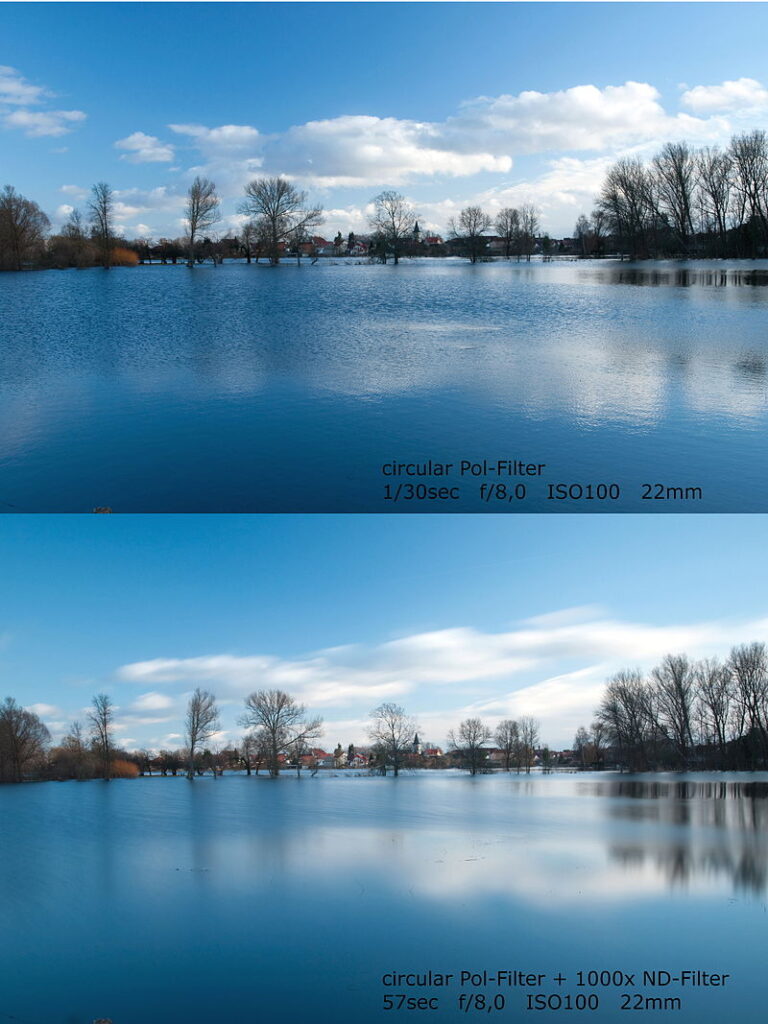
In brief, an ND filter is a gray filter that reduces the intensity of color evenly across all wavelengths without changing the color hues themselves. The reason this is useful in water photography is that when working with slow shutter speeds in bright environments, you can expect to spend a lot of time trying to correct for overexposure.

ND filter in water photography

An ND filter takes a lot of the headache out of this, allowing you to shoot at longer exposures and with wider apertures without blowing out the sensor.

Get Wet… And Stay Safe

To get the very best shots, you’ll often need to get right in the middle of them.

In short, expect to get very, very wet.

It almost goes without saying that you probably don’t want to treat your $1,500 camera to a swim in a lake, except plenty of photographers fall foul of this by putting all their faith in the matra of “I’ll just be really careful.”

water-logged camera

It only takes a wrong foot on an algae-covered stone to send you and your kit deeper than you were hoping for. So, waterproof kitbags are a must (as are waders to keep yourself as bone dry as possible.)

[su_note]Eager to go on your own photography adventure? Students enrolled in the degree and conservatory programs at NYFA’s Photography School get to go on a one-week photography expedition as part of their coursework. Learn more by clicking here.[/su_note]