How To Find A (Good) Film Producer

Or, more importantly, how do you find the right producer for your film?

It’s a daunting prospect for any filmmaker, let alone for independent filmmakers who may not have a huge collection of previous box office successes with which to market themselves. And in this scenario, finding a good producer is even more importantwhile just about any producer may be able to get a production financed, will they be able to go the extra mile and market it successfully to the right audience?

Getting the movie made is only half the job, and getting it seen is arguably the more important half.

And of course, this is a two-way street. Simply finding a producer who you feel would be perfect for the project is no guarantee that they’ll want to get on board; as writer and director Ryan Koo puts it, “Finding a producer is like dating: you need to spend some time getting to know the other person, and you’re not going to like everyone you meet. Nor is everyone going to like you back.”

Assuming you’ve already crawled through IMDB and the like to construct a longlist of possible matches, here’s the NYFA guide to:

Finding the Right Film Producer
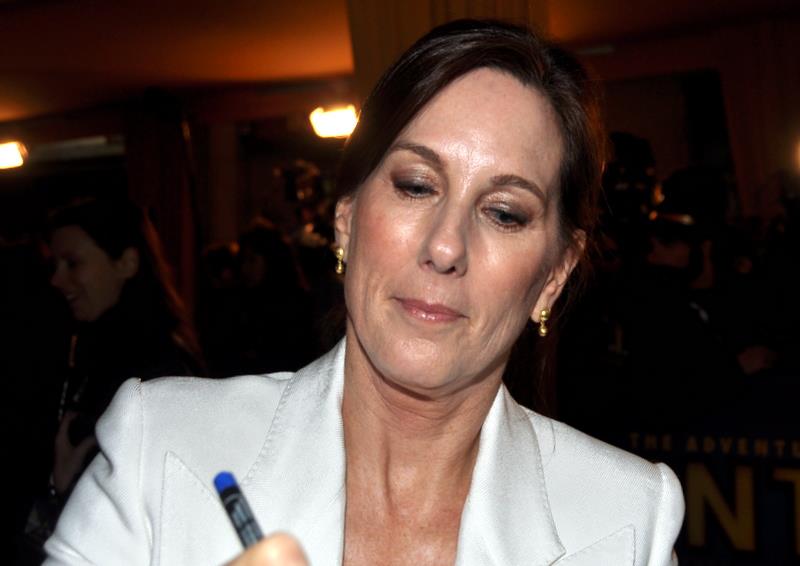
Super producer Kathleen Kennedy.
Super producer Kathleen Kennedy might not be the right producer for your microbudget feature.

The operative word here is ‘right’, and ultimately, only you can decide on who qualifies for that distinction but the following tips will at least help you begin whittling down the list in search for ‘the one.’

Avoid Pigeonholing

If you’re looking to craft a movie which centers around the theme of, say, addiction and substance abuse, don’t discard any and all producers who have never tackled the topic before since it doesn’t necessarily mean they don’t want to undertake it.

Also consider that just because a producer has worked on a number of titles similar to your own doesn’t mean they’ll want to retread the same ground againin fact, the converse is usually true.

Finding a Kindred Spirit

Given all of the above, it’s often wise to ignore producers who have worked in similar genres or themes and instead focus on those who share the same essence (for what of a better word.) Do they draw from the same influences? Approach storytelling in a similar manner? Do the kind of work you admire as an independent filmmaker? If their previous work makes it clear that they share the same sensibilities as you when it comes to making movies, you’ve potentially got a match.

Do Your Homework

This will come naturally in the process of finding out if they appear to be on the same page as you creatively, but you’ll also want to dig a little deeper and find out where they are in their career. It’s not uncommon for new filmmakers to make the mistake of trying to contact those who have retired from the industry, and it’s also a poor use of time to reach out to someone now working on multi-million dollar productions expecting them to drop everything to work on a micro-budget movie. The same goes for most producers who are working full time for a particular studio.
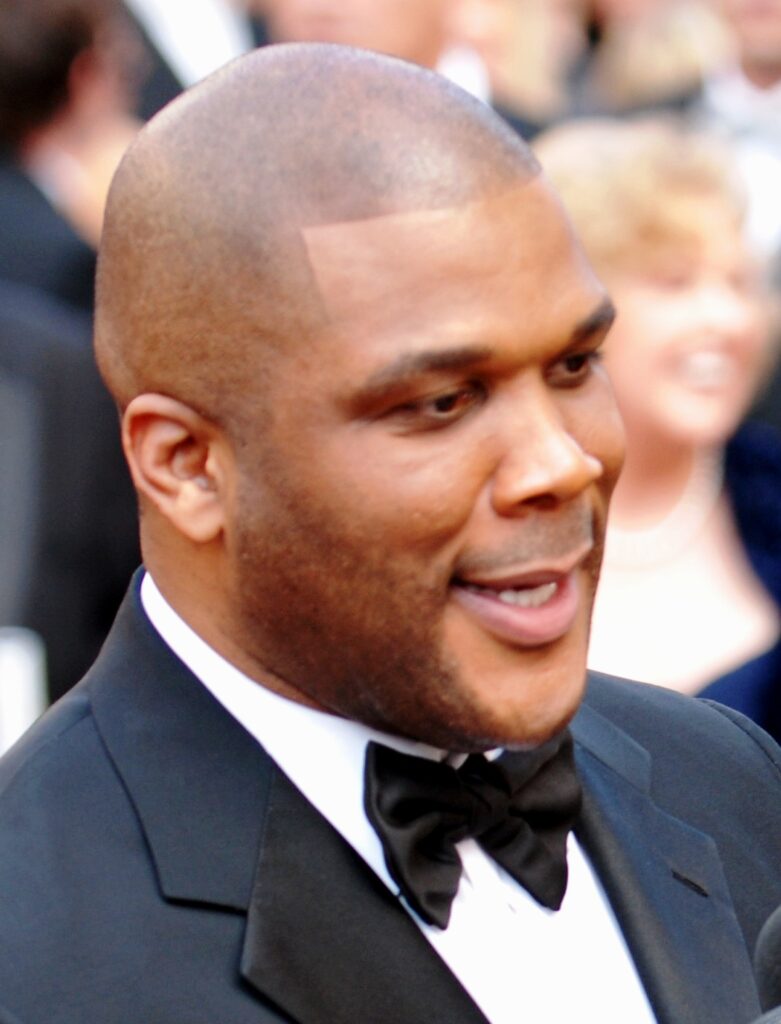
Tyler Perry
Tyler Perry’s Atlanta-based Tyler Perry Studios offers opportunities for filmmakers from the area.

Location, to a lesser extent, is also a factor for considerationwhile the producer being based on the other side of the planet isn’t necessarily a locked door, it makes sense to focus your search (at least initially) to your local area.

Word of Mouth

Tying into the idea of casting your net locally, never forget the power of a personal recommendation. Proportionately speaking, most matches between directors, screenwriters, and producers are forged thanks to personal introduction and very few arise from random emails fired into the aether.

Attend Film Festivals

Don’t feel like you’ve got any contacts to hit up? Get yourself to as many film festivals and screening events as you possibly can, and that’ll soon be rectified. You’ll be surprised at how many golden opportunities arise in extremely strange ways…casually mentioning you’ve got a killer screenplay about the civil war to a key grip at an after party who then goes on to mention it to an agent who just so happens to have a client looking for a writer who’s got a killer screenplay about the civil war, et cetera.
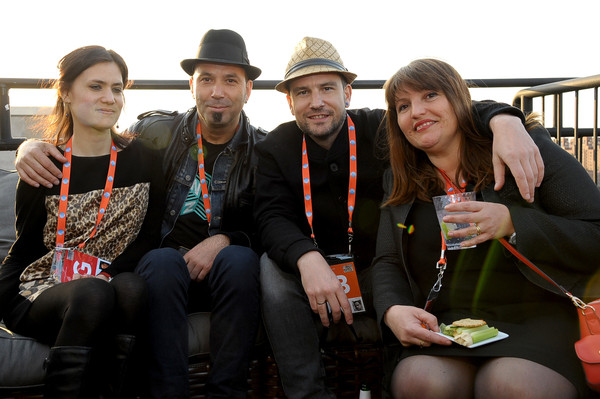
Producers Reception 2015 Tribeca Film Festival
A group of producers at the 2015 Tribeca Film Festival’s Producers Reception.

These million-to-one occurances happen nine times out of ten in an industry as close-knit as filmmaking, so get out there and start making ripples (while being courteous to everyone you meet, given that you don’t know who may be the catalyst to turn one of those ripples into a wave.)

And most importantly of all…

Be Courteous to the Producer

As a screenwriter or director, you’ll no doubt be familiar with that dreaded line: “Oh, that’s neat! I’m something of a writer myself…will you read my screenplay?”

Effectively this is what a producer gets on a daily basis, ad nauseum. And while it is his or her job to read and select screenplays, it doesn’t negate the fact that when you email a producer you’re asking them to give their time for free.

You may have already figured out that they’re a good match for you, but you should strive to make it as easy as possible for them to do the same. A full script is industry standard, but becoming increasingly popular is the idea of a “presentation package.” This typically includes a director’s statement, mood reel, any stills or promo shots available (compiled into a ‘cookbook’), and all related contact info and social media links…and definitely make sure you’ve got a strong logline!

This generally only applies to outreach that has been previously welcomed; with unsolicited inquiries, a simple two-paragraph email explaining the movie and why you’re contacting that particular producer is preferable. No need to send the full screenplay until it’s invited.

Above all, keep your initial contact brief, to the point and free from any kind of gimmickry. Even if things fall through, if your professionalism leaves a lasting impact it may earn you a coveted recommendation.

With a bit of luck and perseverance, you’ll hopefully find a perfect match with your producer-to-be. Best of luck!

PS: Before you write a single email, be sure to get intimately familiar with what a producer actually does! Our previous guide on the topic is a great place to start your research.

[su_note]Learn more about the School of Producing at the New York Film Academy by clicking here.[/su_note]
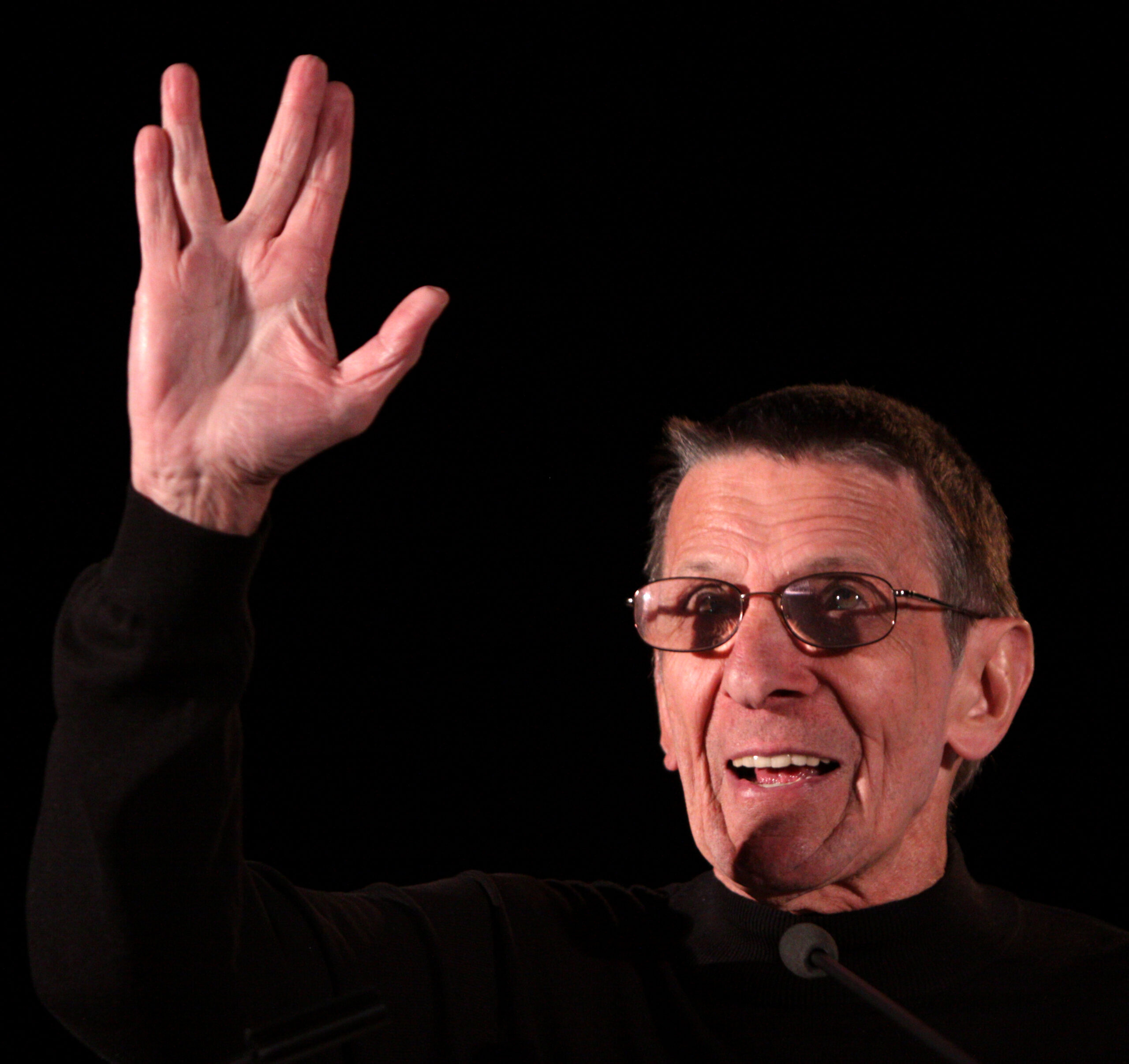
Actors We Lost In 2015

The end of the year is an exciting time in the entertainment industry. There are holiday parties, major film releases, and a buzz of anticipation surrounding the upcoming Awards season. However, on a more somber note, the end of the year is also a time to reflect on the artists who were lost in the last twelve months.

It is always sad to see a fine actor go, no matter the age. There is a special bond between audience and actor, and an even stronger bond between fellow actors that makes the passing of a beloved thespian all the more heartbreaking. But, it is always fun to remember the wonderful contributions that people made during their lives in Hollywood. Here’s to remembering and honoring the work of these four actors who passed in 2015.

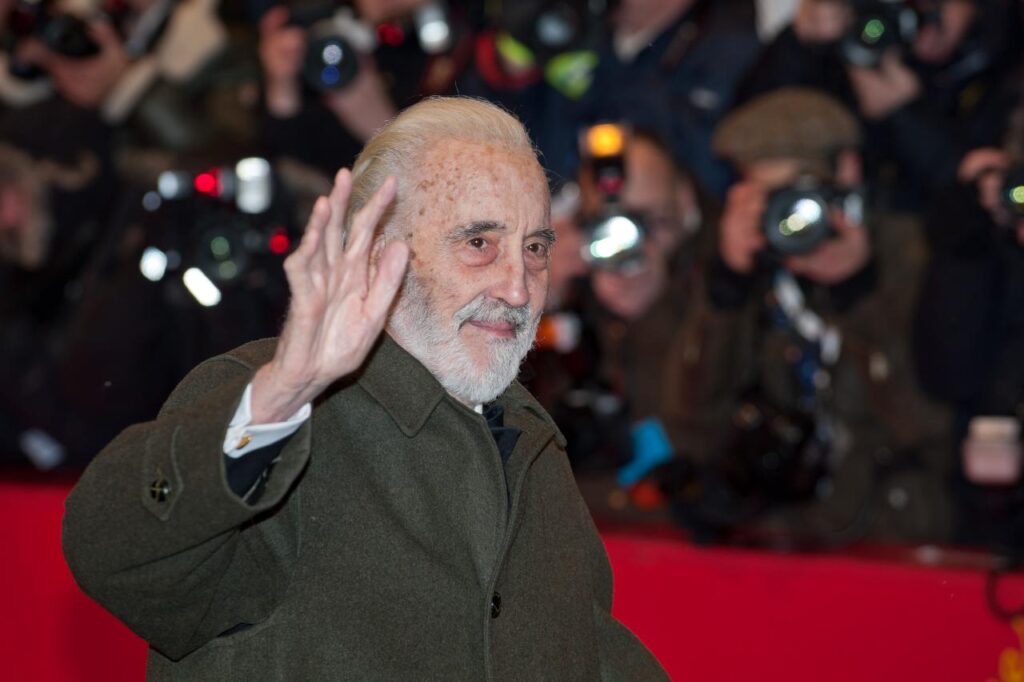
1. Christopher Lee

Christopher Lee

He starred as villains in such film franchises as James Bond (Scaramanga), The Lord of the Rings (Saruman), and Star Wars (Count Dooku) yet, amazingly, his real life may have been even more impressive. Off screen, Christopher Lee was a cousin of Ian Fleming and a friend of J.R.R. Tolkien; he fought in World War II, spoke English, French and German and was knighted by the Queen in 2001. That’s right; it’s Sir Christopher Lee to you. He lived an interesting life both on and off the screen but it his work as an actor for which he will forever be remembered. His career started back in the 1940s and lasted until he died earlier this year at the age of 93.

“You can never be a proper actor without good instincts.” – Christopher Lee

2. Robert Loggia

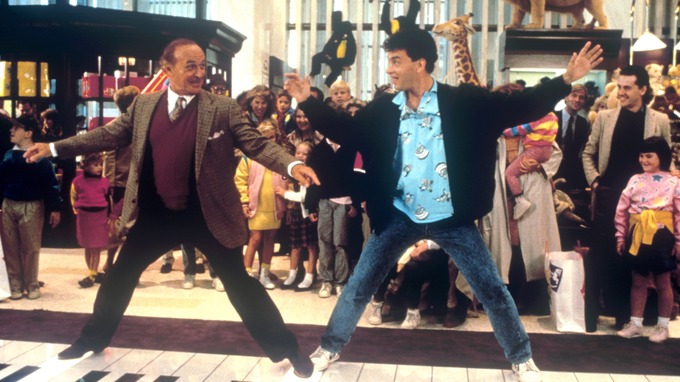
Robert Loggia and Tom Hanks in Big

A reliable yet versatile actor known for playing a variation on the tough guy type, Loggia is perhaps most recognizable to modern viewers for his roles in Scarface and Big—after all, who could honestly forget his life-sized piano duet with Tom Hanks? First coming to notoriety on the stages of NYC, he starred in numerous TV series from the 50s through the 00s that include Columbo, Hawaii Five-0, The Bionic Woman, and Monk amongst many others. He earned an Oscar nomination for best supporting actor for his role as Sam Ransom in Jagged Edge and also was nominated for an Emmy for his character of FBI agent Nick Mancuso in Mancuso FBI. Having passed away in early December following a five-year battle with Alzheimer’s Disease, he is survived by his wife Audrey.

“Nevertheless, I tend to get offensive easily.” – Robert Loggia

3. Anne Meara

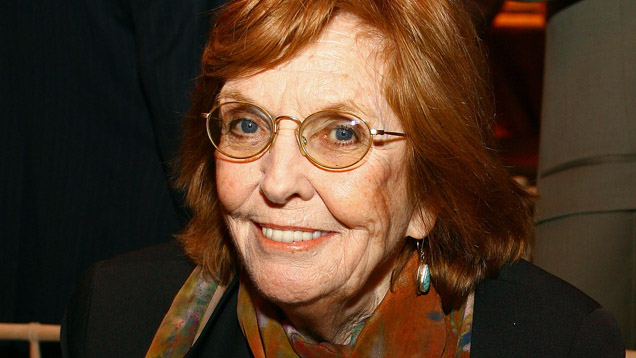
Anne Meara

To modern fans, Anne Meara might be most famous as the mother of actor-comedian Ben Stiller and the wife of Jerry Stiller of Seinfeld and King of Queens fame. But, Anne Meara had a long, illustrious career in entertainment herself. It all started back in the 1960’s with the comedy troupe Stiller and Meara. She was a prolific actor and writer during her time, appearing in dozens of films and television shows and winning a Writer’s Guild Award for her work on The Other Woman. Unfortunately, Meara passed away in 2015 at the age of 85, but her influence will certainly live on in the work of her family members.

“I would never presume to give anyone advice.” – Anne Meara

4. Leonard Nimoy

Leonard Nimoy

Few characters in the history of television have captured the adoration of fans in the way of Star Trek’s Spock. Besides playing Spock, Nimoy was an accomplished filmmaker, voiceover artist, and author. Although he had other supporting roles, interests, and achievements, Nimoy is without a doubt remembered as the original Mr. Spock. For nearly 40 years, Nimoy portrayed Spock, starting in the original Star Trek TV series, and ending with a small role in the recent film remakes. He died in February 2015 at the age of 82, but his legacy as Spock lives on.

“The miracle is this: the more we share, the more we have.” – Leonard Nimoy

5. Uggie the Dog

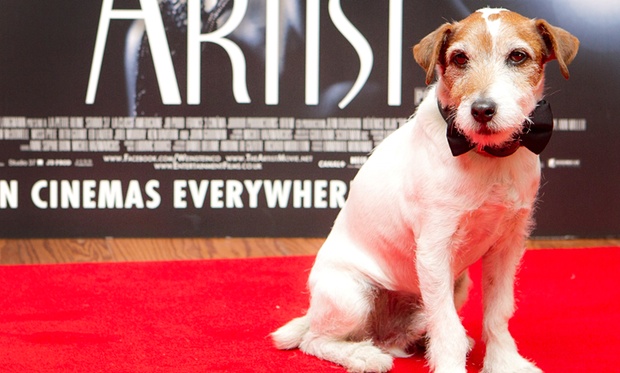
Uggie the Dog on the red carpet

He was a canine performer but he was no less an actor than his human counterparts. In fact, his list of film credits, which include Water for Elephants and The Artist, would make 99% of working human actors jealous. Uggie was a specially trained Jack Russell Terrier that rose from humble beginnings to co-star in major motion pictures. He won the Palm Dog Award at the 2011 Cannes International Film Festival and was a key cast member of the Academy Award-winning film The Artist, but Uggie’s greatest legacy will be as the dog that started the conversation about a special award category for animal actors. Uggie lived an honorable life, but was put down in August 2015 due to health problems. He was 13 (or 91 in dog years).

“It was actually quite easy to work with Uggie…Especially because of the sausages I had in my pocket. – Jean Dujardin (Lead Actor in The Artist)

Other Notable Actors Who Passed in 2015

James Best

Catherine Coulson

Donna Douglas

Ellen Albertini Dow

Louis Jourdan

Geoffrey Lewis

Taylor Negron

Maureen O’Hara

Ben Powers

Rod Taylor

Dick Van Patten

Alberta Watson

Ben Woolf

[su_note]Learn more about the School of Acting at the New York Film Academy by clicking here.[/su_note]
What To Do When A Live Broadcast Goes Wrong

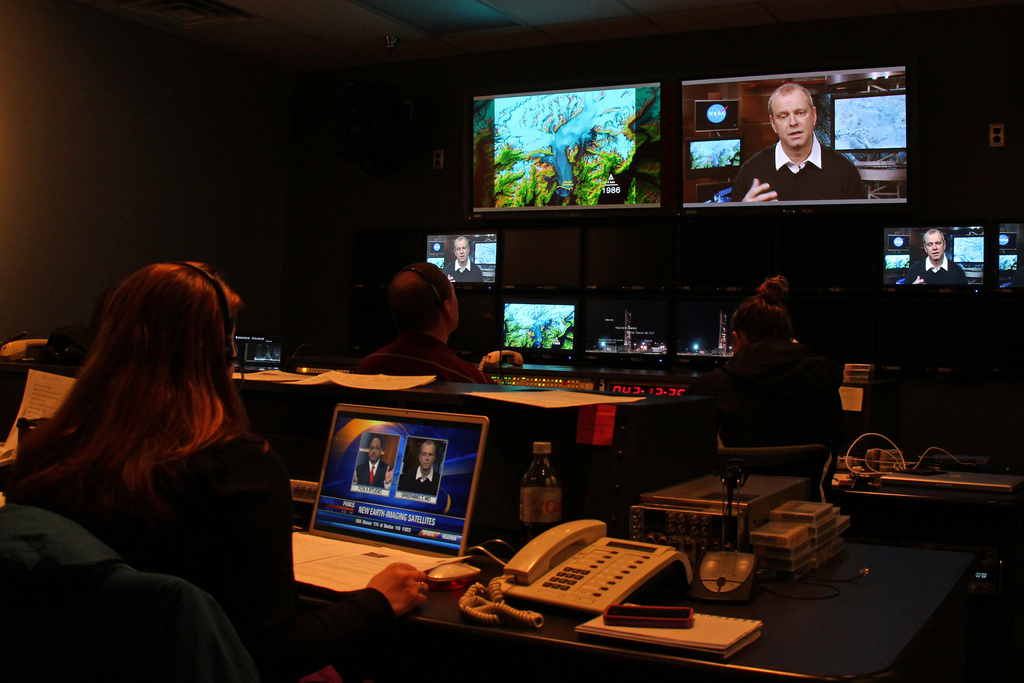
control room during live shoot

If you’ve spent any time watching news blooper videos on YouTube, you’ve probably seen a wide variety of live shots going wrong. But how you should deal with unexpected events on live television when you graduate and get a job in broadcast journalism?

Live Shots: A Million Ways Things Can Go Wrong

There is no shortage of possible problems you might experience during a live shot. Teenagers sometimes get a kick out of screaming profanity or making obscene hand gestures on live TV. Adult hecklers who don’t like the subject of your story might try to make their opinions heard. People being interviewed can become flustered, have a meltdown, or decide now is the time to launch into a diatribe about a subject unrelated to the story you’re covering. Then there are unexpected weather problems, animals running into shots, etc.

People

Remember that your job is to report the story. Try to ignore hecklers—engaging with them only encourages more heckling. Stay on track with what you’d planned to say. If the heckling gets worse anyway, you may want to wrap up quickly and pitch back to the anchor. If someone is screaming profanity, pitch back to the anchor immediately—chances are, someone in the control room has already killed your mike anyway and didn’t have time to tell you.

Obviously, those working in the control room should also be ready to cut away from a live shot at a moment’s notice if things go wrong. If you’re sitting at the anchor desk, you should be prepared for unexpected problems, as well. If the reporter has a live shot script in the prompter, it’s best to scroll through it with him or her instead of cuing the prompter to your tag—that way, you can finish reading what the reporter planned to say if it becomes necessary. If there isn’t a reporter tag in the prompter, briefly apologize, read the anchor tag, promise to have more on the story later, and move on.

Sometimes people cause problems with live shots unintentionally. Your interviewee might have a sudden attack of nerves upon realizing he or she is on live television and people are watching. You don’t want to look like the heartless reporter who embarrassed someone on TV—and some people might interpret the situation that way, even though the reality is that you don’t control other people’s emotions.

You can, however, try to make things easier on your subjects. If an interviewee seems nervous before the live shot, try to distract them from things like lights and cameras. Make small talk with them. Getting your subjects talking about things that make them happy—their families, pets, hobbies—can help put them at ease.

You may not always have time to talk to the person you’re interviewing before the live shot. If, despite your best efforts, someone gets visibly flustered, starts stammering, or babbling about nothing, help them out. Asking a long-winded question can give interviewees time to collect themselves. You can repeat some facts about the subject of the conversation, and gradually lead back into a question for the subject. Although it’s usually better to ask open-ended questions so you can get more than a one-word answer, if the subject is flustered, you might try lobbing them a few yes/no questions. Having someone nod or stammer, “Mm-hmmm” may not result in the most brilliant interview ever, but it’s better than having the subject clam up completely or walk off in the middle of the interview.

Weather, Animals, And Other Unforeseen Events

Sometimes things just happen beyond your control. The good thing about these kinds of calamities is that they can actually make for great viral videos—meaning more publicity for you and your station—if you handle things well. Try to roll with whatever happens. There’s no need to pretend things didn’t go wrong—acknowledge it and keep going. “Well, as you can see, it’s very windy out here, but that hasn’t stopped the crowd of people who came out for this event….”

Remember, the reporter who laughs off a mishap and continues to report the story will be remembered in a more positive light than one who gets upset and flustered.

Microphones, Cameras, Lights, Technical Difficulties

You’ve probably learned in school that the best way to deal with technical difficulties is to prevent them by planning carefully and checking out your equipment beforehand.

But in the real world, sometimes you just don’t have time, or everyone is busy dealing with one problem and overlooks another. Even with the best preparation, electronics can fail spontaneously.

If you’re a photographer or part of a camera crew, you’ll need to master the art of getting the reporter a new mic without completely distracting him or her. Usually the best bet is just to hand it to them, or wave it in the air just off-camera. At least they’ll have an idea what you want them to do. Random hand gestures, waving frantically, or a producer yelling in the reporter’s IFB (a small earpiece that allows you to hear the off-air signal and sometimes the control room) can result in an inexperienced reporter getting distracted and stumbling through his or her script.

If you’re in front of the camera and think your mike or camera isn’t working, pretend like it is. Just keep reading your script or talking about the story. If your mic suddenly starts working (or someone in the control room remembers to turn it on after all), you don’t want to be complaining about your station’s crummy equipment at the exact moment that happens. You also don’t want to be making a face, rolling your eyes, or looking panicky when they finally get a picture to go with the sound. If the problem can’t be solved, someone in the control room will eventually let you know you’re clear, either by communicating through your IFB or having the photographer tell you.

Image Source

[su_note]Learn more about the School of Broadcast Journalism at the New York Film Academy by clicking here.[/su_note]
How To Market Your Film On Social Media: 8 Rules To Live By

Social media marketing.

Few words strike quite as much dread in a filmmaker’s heart than these, save for perhaps “film business plan,” but today we’re going to cut through the noise and help you get to grips with this essential task (even if you’re fresh out of filmmaking school.)

Each different social media platform comes with its own best practices and foibles, but here are eight surefire tips that work across the board when it comes to marketing your film using social media.

pastels with Facebook logo
Courtesy of HTSABO

1. Be Personal

Unless you’ve been entrusted with running the official Twitter feed for Sony Pictures, you don’t need to adopt an ultra-formal tone.

People are more likely to respond positively to other people rather than corporate entities. For that reason, it’s even preferential to write in first person on social media (unless it’s a large group project), but at the very least make sure people know there’s a real person behind the account, and who that person is via the bio.

2. Give Something Back

You don’t want to lose the followers you’ve fought hard to attract, and you want to attract as many as possible.

To facilitate this, make sure you give something back to those who do take the time out to follow you—either physically via giveaways, or with exclusives to behind-the-scenes footage, cast interviews, desktop wallpapers and movie poster downloads… anything really, as long as your feed isn’t full of requests asking fans to do things for you (or repeated pleas for more followers.) That’s not likely to get the casual browser to hit that “follow” button.

3. Cast Takeovers

This idea works particularly on Twitter, in which you have one of the cast members take control of the movie’s official account to host a Q&A with followers. It may sound daunting, but trolls are few and far between (and there’s a mute button for that reason.) 99% of the time it’s a really fun experience for everyone involved, generates a lot of buzz, and lets fans know you’re keen to connect with them on a personal level.

4. Share Smart Content

Obviously sharing thing that will inflame the imaginations of your followers is social media 101, but how best to find said content in the first place?

Don’t overlook Google News; set up a few notifications for topics related to your movie, and you can be among the first to share it the second something intriguing lands in your inbox.

If you know where to look, there are plenty of online tools and resources to help you craft and customize your content, like Canva and their free Online Facebook Ad Maker.

And an even better tactic is to share content you’ve created yourself—if that blog post, infographic, quiz, movie poster, or other piece of interesting content is hosted on your movie’s official website, you’re sending people in the right direction by sharing it!

5. Consider Outsourcing

If the thought of juggling myriad social media accounts and put into practice all of the above sounds daunting—or you simply don’t have the time—then don’t throw out the idea of hiring an expert if you’ve got the budget for it. After all, your time probably is better spent doing what you do best. That said…

6. Ask Questions

Before you let anyone near your social media accounts, draw up a long and detailed list of questions that they should be able to answer in full, especially when it comes to which films they’ve worked on before (they could be the best social media managers on the planet, but if they don’t know a lick about movie marketing, they won’t be much good to you.) Even once you’ve found someone you can trust implicitly with representing you and your movie online, do check in from time to time and make sure everything is going in the right direction.

7. Plan Your Budget

You may be thinking that you can skip budget planning if you’re going DIY with your social media management, but you’ll still be selling yourself short not to allocate some funding in your business plan for exposure.

You can get very far without spending a dime as long as you’re willing to pour a lot of time into it, but eventually it’s a case of diminishing returns. Consider throwing just a little money behind paid ads and sponsored posts (particularly on Facebook, through which it’s becoming increasingly tricky to reach even your own followers.)

8.  Don’t Sweat the Small Stuff

Marketing your film on social media might sound like a mammoth task, and if you look at it on a macro scale, it can be.

But don’t let hesitation keep you from getting your hands dirty. Unless you’re explicitly going out to spam and harass people (don’t), there’s not a lot of harm you can do by getting out there and experimenting. Conversely, you’re hamstringing yourself if you never actually start…

… so fire up the social machine, treat people like fellow human beings, have fun and good luck!

[su_note]Learn more about the Film School at the New York Film Academy by clicking here.[/su_note]
What The PlayStation Experience Says About Games In 2015

2015 marked the second time that Sony put on their own showcase live event—the PlayStation Experience. From upcoming independent games and big-budget titles to tech demos and awesome reveals, it had everything you could ask for from a game industry event that isn’t E3. Sony definitely succeeded in exciting gamers everywhere with what’s to come for PlayStation device owners next year.

The PlayStation Experience also gave us a taste of where the gaming industry may be going in 2016 and beyond.

VR Continues Being Prepped As The Next Big Thing

The truth is, video games haven’t had any groundbreaking innovations in the past few years. It’s been mostly gradual enhancements like better visuals, online capabilities, and downloadable content. These are minor innovations compared to—say—the jump from 2D to 3D which began in the mid-90s with the Nintendo 64 and PlayStation consoles. Or when motion controls like the Wii were released in 2006. Or when the Apple App store burst on the scene in 2008 and quickly became a dominant gaming platform.

Although some are skeptical as to whether it will just be a fad or not, Virtual Reality is looking to be that next big thing that promises to offer an entirely new way to play games. Reminding Oculus Rift and Microsoft Hololens that Sony is also joining the fight, a good amount of time was dedicated toward PlayStation VR at the PlayStation Experience. No release date or launch price were given but there were a number of titles announced.

Rez Infinite is a port of the original that will run at 120 fps on PlayStation VR but can also be played normally at 60fps. The Modern Zombie Taxi Co., lets you live the dream of being a taxi driver for zombies; 100 Foot Robot Golf lets you play a city destroying round of golf as a 100 foot battle robot; and—as a last example—Job Simulator is a satirical VR take on jobs that include chef, office worker, and convenience store clerk. The game lets players interact with objects and environments with the use of both PS VR and two PS Move controllers.

People Still Want To Play Old Classics

Gamers everywhere were excited when Microsoft announced that the Xbox Onewould eventually feature backwards compatibility (e.g. old Xbox games would be playable on the new Xbox One console). While Xbox One owners celebrated this thought, PlayStation 4 users were left wondering if Sony would do the same for them. Unfortunately all Sony has offered to date is the poorly received PlayStation Now service, which allows you to stream PlayStation 3 games. The criticism of the new subscription-based service is that it doesn’t provide enough play value to warrant the cost. Sony originally priced the service as $20 a month (or $45 for three months), but announced at the PlayStation Experience reduced pricing at $99 a year.

PlayStation consoles

The bigger news was that PlayStation 2 titles would be available for digital download purchase on PS4. This includes some of the best games the PS2 had to offer, including Dark Cloud, several Grand Theft Auto titles, and more. While it’s great that they’re up-rendered to 1080p and come with their own trophies to unlock, the $15 price tag on each hasn’t made everyone happy.

The point is: fans want to be able to play their favorite games on the latest console hardware. So far only Nintendo provides meaningful backwards compatibility with their consoles.

The Fighting Game Resurrection Hasn’t Stopped

There was a time when fighting games were the most popular genre on the planet. Street Fighter, Mortal Kombat, King of Fighters, Tekken, Dead or Alive, Marvel vs. Capcom—the 90s were dominated by these games as gamers flocked arcades to play them. The console versions of these titles also consistently sold well enough to convince publishers to greenlight sequel after sequel.

The glut of sequels (SF2: Champion Edition, SF2: Turbo, etc) combined with a shift from 2D to 3D gameplay caused the fighting game to fall off the map. This remained true throughout the 2000s. However in 2009 Street Fighter IV reignited interest in fighting games and helped pave the way for excellent titles like Blazblue, Skullgirls, and the resurrected Mortal Kombat series.

The 2015 PlayStation Experience showed us that fighting games are maintaining relevance. Fans have been signing the praises of Street Fighter V and the newest fighter on PS4, FANG. SNK also gave PS4 fans a closer look at the upcoming King of Fighters XIV that promises breathtaking visuals, multiple modes, and more than four dozen playable characters.

Next-Gen Consoles Are Looking Better And Better

While the first wave of PS4 and Xbox One titles looked good, they certainly weren’t the graphical upgrade we were hoping for. This was expected since the first titles made for a new console is usually a learning experience for game developers. If you look at history of every video game console, you’ll see a pattern of the best looking games being released toward the end of its lifecycle.

Now it looks like next-gen fans are finally getting the stunning visuals they were hoping. At the PlayStation Experience we were shown a look at both Uncharted 4: A Thief’s End and Final Fantasy VII Remake, and they both look absolutely gorgeous.

[su_note]Learn the skills you need to succeed as a game designer at the Game Design School at the New York Film Academy by clicking here.[/su_note]
How To Sound Like A Professional Journalist

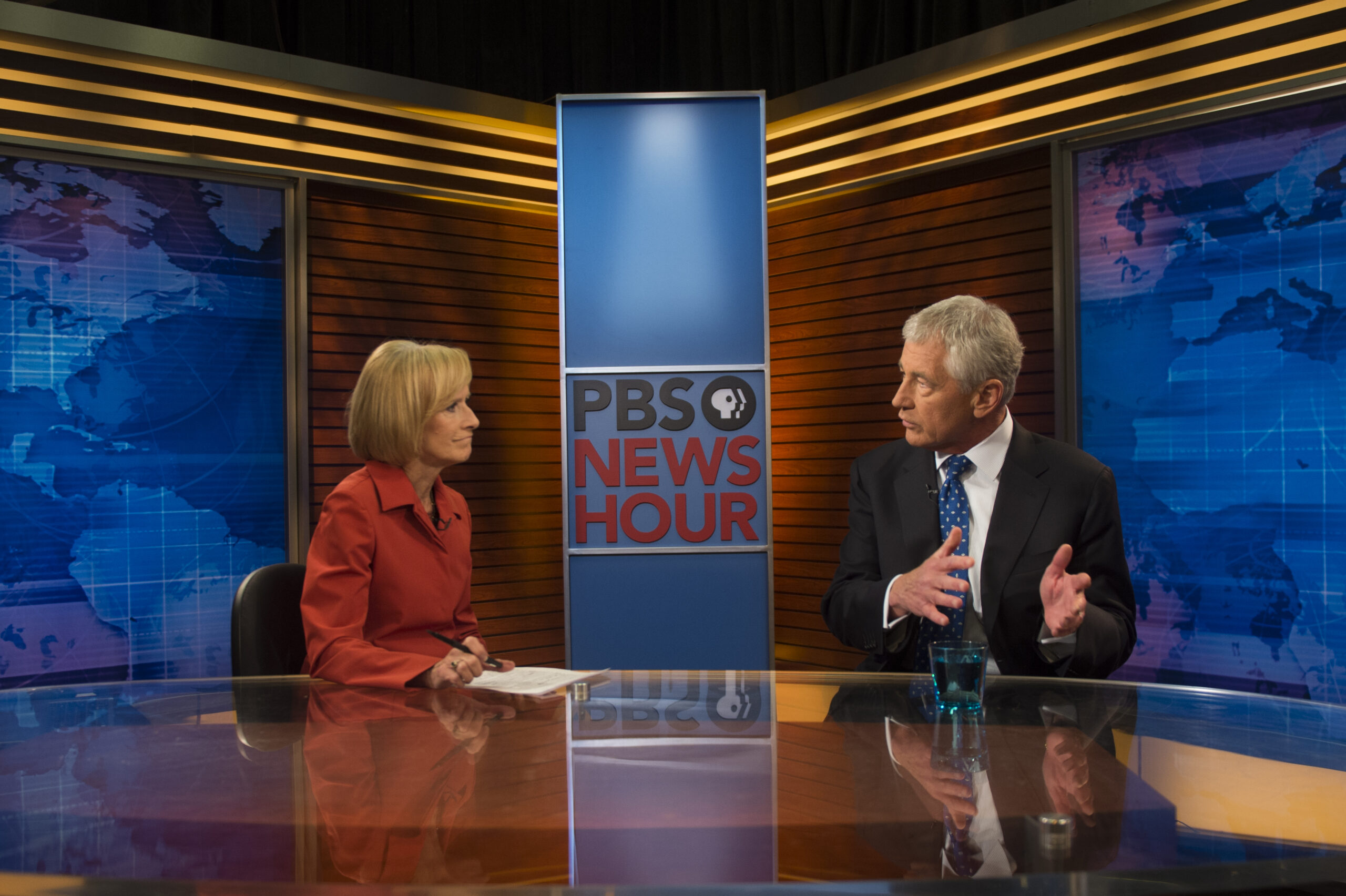
Judy Woodruf interviews Chuck Hagel on PBS News Hour

Writing and speaking like a professional have always been important concerns for journalists. But today, with advertorials cluttering up TV station websites and social media alike, it’s even more pressing to set yourself apart from the fake news that constantly bombards your audience.

The Confusion of Advertorials or Native Content

An advertorial—sometimes called native content—is an ad in the form of editorial content. In other words, it’s an ad made to look like a real news story. You’ve probably seen many of these. Don’t think so? Browse a local TV station’s website. Look along the sides and scroll down to the bottom of the page. See any ads for anti-aging creams that “plastic surgeons don’t want you to know about,” or investing advice that “makes bankers crazy?”

The reason websites (including media organizations) can make money off these advertorials is that they don’t really look like content native to the website; most people can easily tell an advertorial is not a legitimate news story. For one thing, the picture quality is usually horrible, and real news stories don’t contain badly edited animations—dancing pumpkins, flickering lights, mouths opening and closing to name just a few.

The other giveaway is the language, and that brings us back to the importance of sounding professional as a journalist. Every time I see one of the following sensationalist words of phrases, I know I’m looking at an advertorial: “Shocking,” “jaw-dropping,” “you won’t believe,” “this is amazing.”

Choosing Your Language Carefully

Obviously, you don’t want to use any of the above words or phrases when writing headlines for your station’s website or social media posts. But it’s also important to keep them out of your vocabulary when you write scripts or ad-lib in a live shot. Your job as a reporter is to sound like you know what you’re talking about. This doesn’t mean you have to be an expert on everything, but you should be knowledgeable about general topics. You should also be able to ask questions, learn about a subject, and be able to describe it accurately in layman’s terms to your audience. Otherwise, your viewers will have no confidence in your ability to report the news.

If you start describing stories as “shocking” or “jaw-dropping,” you’re going to sound naive and inexperienced. Or audience members might think you’re trying to make a story sound more sensational or newsworthy than it actually is. (If you’re working in a small market without a lot of hard news, that may in fact be the case—but you don’t want it to be obvious to your viewers!) Additionally, whether or not something is “shocking” depends on the individual, and many of your viewers won’t be surprised at all.

If you need to point out why something is unusual, explain with specifics. For example, don’t say, “This pumpkin is so huge, it’s jaw-dropping!” Instead, say, “This pumpkin that Mr. Smith grew in his backyard weighs thirty pounds. By contrast, the average size for pumpkins of this variety is between six and eighteen pounds.” Let your audience members decide if the pumpkin’s size is jaw-dropping or just mildly surprising.

This doesn’t mean that you have to sound jaded or act like nothing surprises you. It’s okay to express genuine surprise, but do it in a way that doesn’t sound over-the-top. Again, giving specifics instead of interpreting a situation as “shocking” works better.

For example: “I knew our meteorologist predicted six inches of snow tonight, but I was surprised by how quickly it accumulated. Look at how much snow is piled up on the hood of our news van. You can see on the ruler that it’s almost four inches of snow. Just thirty minutes ago, when we parked here, there was no snow on the hood at all.” This sounds better than, “It’s just shocking how much snow we’re getting!” or “My jaw dropped when I saw the parking lot!”

But Don’t Sound Like a Professor, Either

Sounding well-informed does not mean sounding like you have an advanced degree in every subject you cover. As you may have learned in some of your classes, using unfamiliar, big words without explanation is also a good way to alienate some audience members. Some stations have their own standards and may recommend writing for a sixth- or eighth-grade vocabulary, but in general you don’t want to use words that go much beyond the junior-high level.

Words the average person uses in conversation (aside from profanity, of course) are usually good choices, but sometimes it’s necessary to use jargon when covering a scientific or medical story. In that case, just make sure to explain the word’s meaning. You don’t have to go into a lot of technical details—just sum up what the word means and how it relates to the story. For example, “Cardiomyopathy is a disease of the heart muscle that can be fatal, and often results in patients like Jane Doe needing a heart transplant. Jane told us she’s been on the waiting list for a transplant since April….”

Relating to Interview Subjects

You may have learned in one of your classes that talking to people in their own language—parroting the words or phrases they use—is a good way to establish rapport and get them talking. Sometimes this works, but it’s also possible your subject may think you’re trying too hard or being disingenuous. You might even come off that way to viewers, too. An adult trying to use the latest slang popular with twelve-year-olds is probably going to look silly, and the preteen subject might respond by rolling his or her eyes. A better alternative is to restate what the subject said when leading into questions. For example, “You said, in your own words, that you were ‘down with that sick beat.’ How long have you been practicing this type of music?” By maintaining that distance, you retain both that professional tone without sounding insincere, which, ultimately, is the goal here.

Image Source

[su_note]Learn more about the School of Broadcast Journalism at the New York Film Academy by clicking here.[/su_note]

The 10 Best Movie Trailers Of 2015

kylo ren's light saber

With this year’s bountiful crop of movies behind us and 2015 rapidly drawing to a close, it’s the perfect opportunity to revisit some of the best movie trailers that got us all excited.

Regardless of whether the movies themselves have been released as of yet (or whether they’re any good), here’s ten of the trailers that either generated a huge buzz or that are almost works of art all on their own.

10. Batman v. Superman: Dawn of Justice

Okay, let’s just get this one out of the way since we’d probably take fire if we didn’t include it somewhere on this list.

While the criticisms of the official Dawn of Justice trailer have been rife since its release (and have cast further doubt over whether the actual movie will live up to the hype), it’s undeniably the one that got us all talking and is arguably the most discussed trailer of the year, save for… well, we’ll get to that.

9. Hail, Caesar!

With an incredible cast the likes of which only the Coen Brothers could assemble, trailers don’t get much classier and star-studded than this. “Wondering what’s going on?” is the final line of spoken dialogue, and following this 2:32 of typical Coen-flavored absurdity, the answer is in the affirmative.

8. Queen of Earth

Speaking of intrigue, the trailer for Alex Ross Perry’s next flick is like a little ball of curiosity wrapped up in a bow of psychological thrills. The movie is a both a satire of—and tribute to—the genre, and the trailer is no different. If it’s not the best trailer of 2015, it’s certainly got the best voiceover.

7. The Revenant

There have been a slew of horror movies with chilling trailers that could have featured here, but none of them even came close to the savage and relentless suspense seen in the trailer for The Revenant. The cinematography looks divine, the set pieces epic, and the performances (lead by Leo DiCaprio and Tom Hardy) award-worthy.

One thing’s for certain: if the movie that’s released in January is anything as good as the trailer, it could go down as the best film of 2016.

6. Suicide Squad

Another highly anticipated trailer that garnered discussion on a pandemic level, along with the Dawn of Justice trailer and… well, we’re still getting to that.

Let’s face it, just as we flocked to the Batman v. Superman trailer to check out Ben Affleck’s Batman, we all came to this one to catch the first glimpse of Jared Leto’s take on The Joker. What we ended up getting, however, was a whole lot more as the trailer carefully teases other performances that may steal the show when Suicide Squad hits screens next August.

5. The Lobster

How do you make a two-minute trailer that sells the idea of a surreal rom-com in which the main protagonist must fall in love or be turned into an animal?

Exactly like this.

While giving nothing away in terms of its best gags or plot spoilers, the trailer reflects the super-tight editing and unique weirdness of this Palme d’Or Jury Prize winner. Sadly, it’s yet to be released in the U.S. which makes this trailer even more of a tease.

4. Steve Jobs

The cinematography behind Danny Boyle’s many masterpieces is rarely reflected to a justifiable extent in the trailers for his movies, and you wouldn’t think a trailer for a computer nerd biopic would be overly engrossing either. But surprisingly, Boyle’s better-than-the-2013-flop delivered on every level, and had an energetic trailer to match.

3. Kurt Cobain: Montage of Heck

https://www.youtube.com/watch?v=7a4imrOhK-I

The number three spot on our list of 2015’s best trailers is for a nonfiction film which we’ve covered in greater depth over here, but the trailer neatly encapsulates the feel of this excellent documentary (and the tormented nature of Cobain’s soul in general.)

2. Mad Max: Fury Road

Because the only thing more insane and bombastic than this year’s Mad Max trailer was the movie itself. We hope you love the color orange.

1. The Force Awakens

Okay, you probably saw our No. 1 spot coming from six parsecs away but you’d have to travel quite some distance to find someone who didn’t get a tiny bit excited by the official trailer for The Force Awakens.

This was the trailer that put all remaining doubts that J.J. Abrams couldn’t rise to the challenge to rest. And at the time of writing the press embargo has just been lifted, and we’re pleased to report that the official reviews overwhelmingly suggest that the full movie is every bit as good as the trailer promises…

… but over to you. Which of the list have you seen (or are planning to see ipon release)? Any that you’re planning to skip? Let your voice be heard in the comments below!

[su_note]Learn more about the Film School at the New York Film Academy by clicking here.[/su_note]

4 Indie Film Actors On The Rise

Not all actors are lucky enough to be discovered by a talent scout and launched to instant stardom. Some actors have to put in years of toil in low-budget indie films after graduating acting school, hoping that they will gain the admiration of audiences at a film festival or industry screening. The indie route isn’t easy, but it is a tried and true method that has launched the careers of heavyweight film actors like Matthew McConaughey (Dazed and Confused), Vince Vaughn (Swingers), and, more recently, Jennifer Lawrence (Winter’s Bone). Here are four actors that made a splash as indie film actors in 2015.

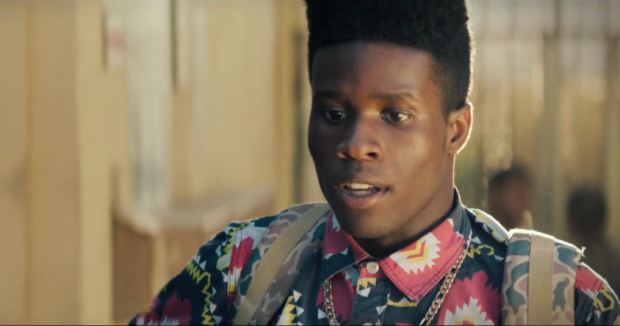
1. Shameik Moore, Dope

Shameik Moore in Dope

This fresh dramedy debuted at Sundance and features a bevy of young talent that was headlined by lead actor Shameik Moore who plays the geeky Malcolm Adekanbi. The story follows Malcolm as he navigates a sticky situation, pursues a girl, and ultimately tries to accomplish his dream of attending Harvard. Moore is a sturdy young man who handles comedic and dramatic moments with aplomb, not unlike a certain Fresh Prince. He has the ingredients of a star in the making, not to mention some big time Hollywood connections. Dope was produced by Forrest Whitaker, Pharrell Williams, and Sean Combs.

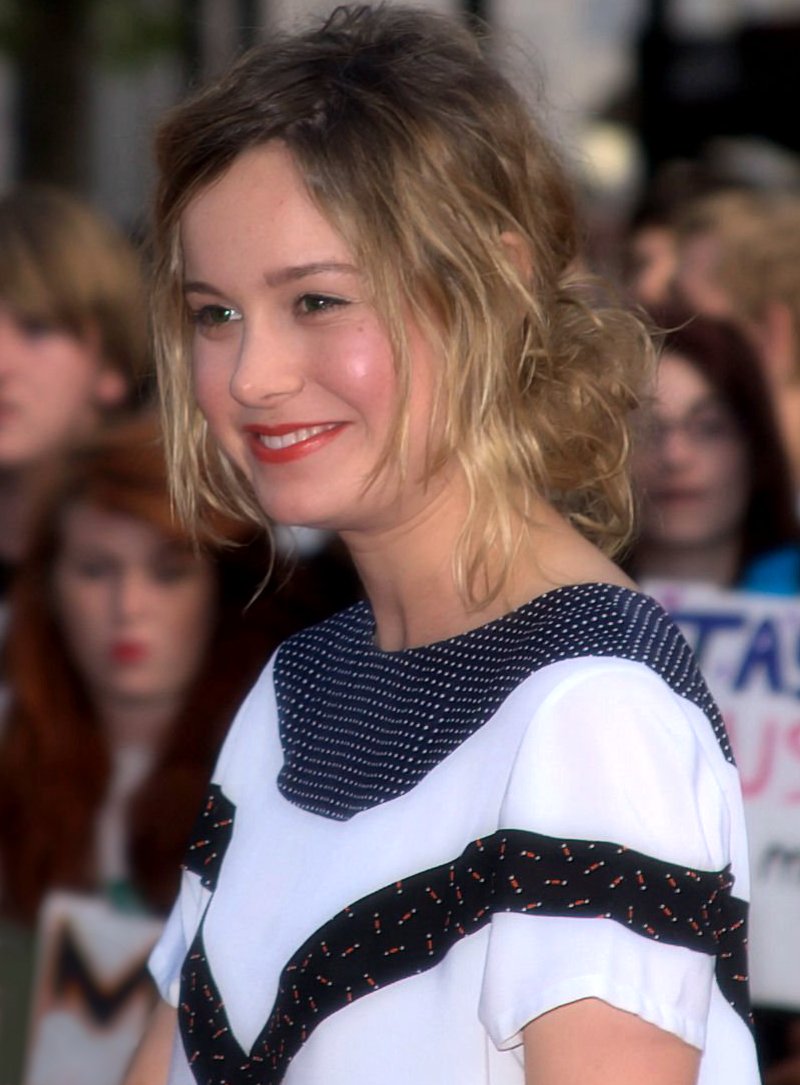
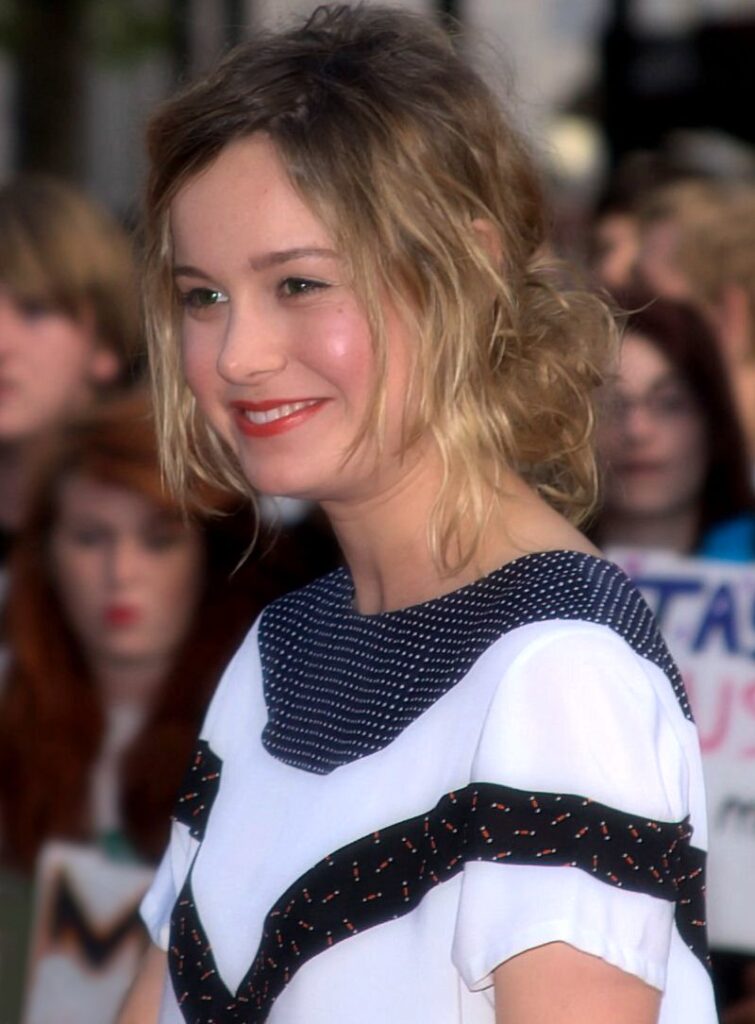
2. Brie Larson, Short Term 12, Room

Brie Larson

At only 26, Brie Larson has already tackled serious subjects such as abduction and mental illness in her films and her penchant for powerful stories has shot her to the top of the indie film game. After having bit parts in studio films like 21 Jump Street and 13 Going on 30, Larson turned her attention to indies to get better roles. Soon after that, she landed the lead in Short Term 12 as the supervisor of a group home for troubled children. She then followed that up with the lead role in the film Room about an abducted young mother raising a five-year old, which has been generating serious Oscar buzz for the young actress. Larson has already started to gain the attention of studios and its only a matter of time until she is starring in a large budget picture.

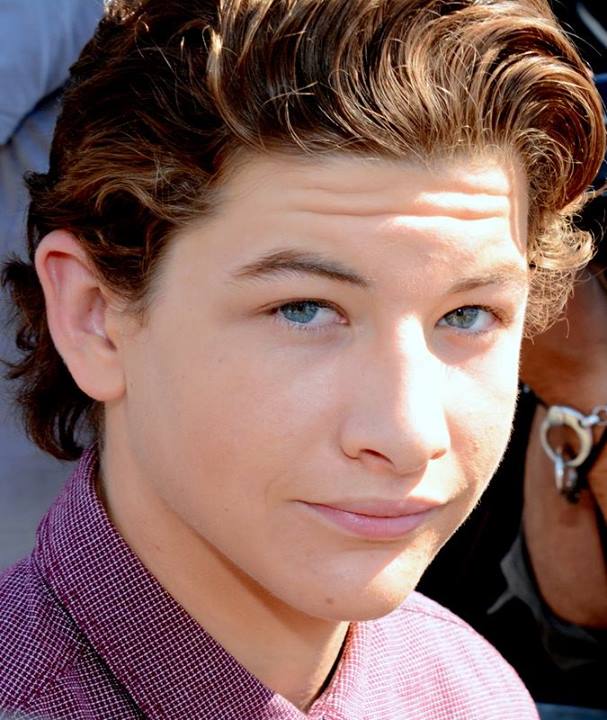
3. Tye Sheridan, Mud, Joe, Tree of Life

Tye Sheridan

He’s only been acting since 2011, but in that time he has amassed a list of credits that would make any Hollywood veteran jealous. By the age of 18, he had starred opposite Matthew McConaughey, Brad Pitt, and Nicolas Cage. His characters are often troubled youth in search of an older male role model, and Sheridan has a knack for balancing a sympathetic vulnerability with a tough exterior that is always interesting to watch. Come this time next year, he will be far better known than he is at the moment as he is slated to play the young version of Cyclops in the upcoming action film X-Men: Apocalypse.

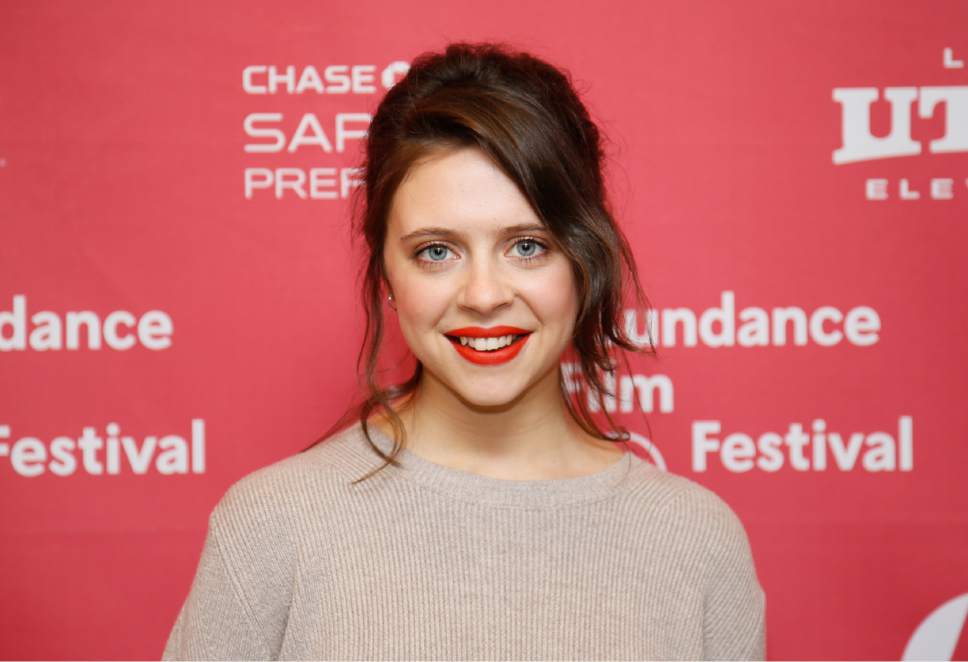
4. Bel Powley, The Diary of a Teenage Girl

Bel Powley

Diary also debuted at Sundance this year and Bel Powley was immediately dubbed the “Jennifer Lawrence of 2015.” That is high praise that has propelled the 23-year-old Powley up the independent film ladder and the praise wasn’t handed out lightly. Powley steals the show with her portrayal of a 15-year old girl who engages in an intimate relationship with her mother’s boyfriend. It sounds uncomfortable, and it is, but the fact that Powley brings life to a character in a situation that is at times tragic and at times hilariously awkward is a testament to her skill. Coming up soon, she will share the screen with Tye Sheridan in Detour and Equals with Kristen Stewart. I guess the moral of the story her is, if you want to break out in an indie film, get the film into Sundance.

Is the next Hollywood star amongst this new crop of independent film actors on the rise? Only time will tell, but for now they can rest easy knowing they are some of the hottest names currently on the indie circuit.

[su_note]Learn more about the School of Acting at the New York Film Academy by clicking here.[/su_note]

Learning From The Best: Action-Adventure Games

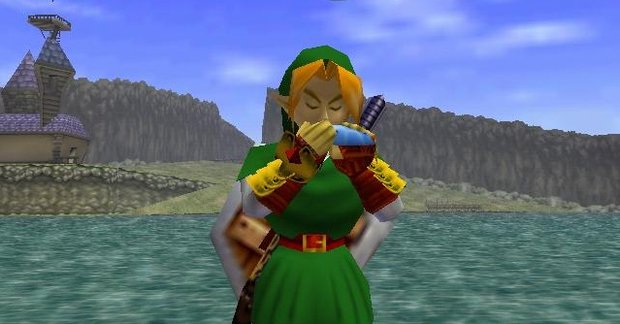
Zelda in Ocarina of Time

If there’s one video game genre that can be difficult to explain in a nutshell, it’s action-adventure (AA). This genre is broad and often combines elements of other games, making it arguably the most diverse genre.

Two games that feel completely different can both fall into the action-adventure category, as you’ll see from our examples. Two common traits of games in this hybrid genre are: a) the problem-solving nature of adventure games and b) reflex-testing gameplay of action titles.

The following are elements that make our favorite AA titles so compelling.

1. Game Mechanics That Build Upon Themselves

Every designer knows that gameplay, not graphics or story, is the heart of AA games. Since these kinds of games tend to last many hours, you’ll want to keep players hooked from start to finish by giving them diverse ways to interact with the world. Introducing new play mechanics, weapons, and abilities that build upon those you have introduced previously will keep your players curious and entertained.

Despite being two decades old, a great example of this is the classic Super Metroid. This game is famous for its challenging gameplay that combines exploration, shooting, and puzzles. The introduction of new weapons and abilities that allow you to access new areas is the reason similar games are now referred to as a “Metroidvania.”

2. Enemies That Don’t Get Old

Enemies have always been one of the most important elements of a game, especially in action-adventure. We’ve all played a game that became dull simply because it kept tossing the same bad guys our way. If you’re making a game where players will find themselves facing some form of enemies often, there needs to be variety so things don’t get dull.

One game that did a good job of this is Middle Earth: Shadow of Mordor. While we admit that most of the regular Uruks can be killed in the same way, it’s the leaders that stand out. Bosses like the Warchiefs have their own strengths and weaknesses that you can learn by interrogating other Uruk leaders. This means that you are forced to approach them in different ways depending on if they’re vulnerable to fire, fear wild creatures, flee when weak, etc.

3. A Compelling Story

There are acclaimed AA games that don’t emphasize characters or deliver a captivating story. However, the best AA titles charmed us every step of the way because we cared about the main character and their goals. The heart of story is conflict – specifically characters enaging in conflict—e.g Man versus Nature, Man versus Man, Man versus Society. Allow your player to control a character—or characters—who must overcome obstacles. String those obstacles together sequentially and with increasing difficulty to generate a compelling story. These are fundamentals that will keep your player engaged to the end.

In addition to a providing a great world and solid gameplay, Red Dead Redemption delivers an excellent story. The more you explore the Wild West and its colorful cast of characters, the more you grow attached to John Marston and his desire to put the past behind him. The jaw-dropping ending in this game is a huge plus as well (no spoilers here).

4. Fun Places To Explore

Good AA titles commonly allow players to explore different areas as part of adventure. Nobody wants to run around the sameforest for countless hours—eventually we’d like to see caves, towns, mountains, etc. Great action-adventure games also make sure that those different places deliver something valuable – both to continuing the story and providing utility to the player. This of course means that the level design also had to be on point.

A great example of this is Ocarina of Time—a game that needs no introduction. From deserts and lakes to icy caverns and forests, you see a good amount of environments in Link’s first 3D adventure. Ocarina of Time’s world is compelling because all the areas feel like they’re truly connected and are part of the same place. The fact that you unlock new objects as you explore and that those objects provide you with new capabilities make for a true classic in game design.

Many Paths & Choices To Take

Telling a story linearly is not necessarily a bad thing. In fact, there’s alibrary of good action-adventure titles that give players a single path to follow and are still extremely compelling. That said, games that also provide a variety of side-quests and objectives can make for an even more engaging structure.

The Grand Theft Auto series delivers on this premise—e.g. the player can follow the main story and can also go on a great variety of side quests and activities. Likewise, 2015’s MGS V: The Phantom Pain is a good example to check out. Kojima’s latest entry in the series received praise from fans and critics alike for offering missions that can be approached in a variety of ways. Allowing your players to solve problems in a variety of ways will satisfy your players’ natural desire for autonomy and further connect them to your game and characters.

[su_note]Learn the skills you need to succeed as a game designer at the Game Design School at the New York Film Academy by clicking here.[/su_note]