
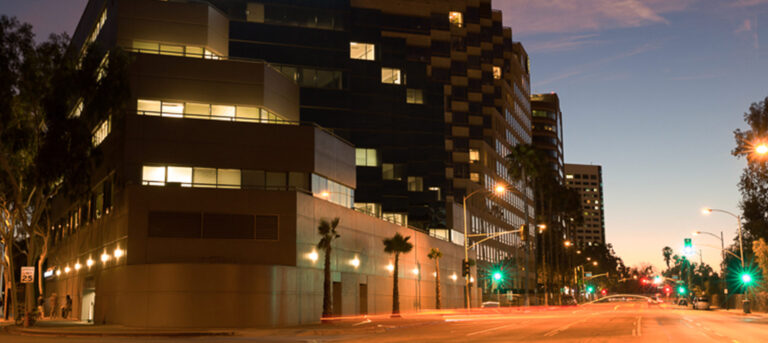

At the New York Film Academy’s film school, faculty members and curriculum are focused on providing students with the real world know-how to help them succeed in the film industry. Below are some of the positions and networks in which our alumni have worked:
Cinematography
Cinematography Degrees, Programs, and Workshops
Cinematographers set the mood of a film or television show, using moving images, sound, and lighting to tell a compelling story. In the degree and certificate programs at our Cinematography School, aspiring visual storytellers learn this complex craft through a tremendous amount of on-set and production experience. As NYFA follows a hands-on approach of learning by doing, cinematography students go through an intensive progression of real world projects, as well as academic learning and production workshops.
As a result of their technical training, students learn how images convey meaning, equipping them with a unique, transferable skill set. Students shoot, light, direct, and edit their own projects, building vital creative discipline while learning to apply control and polish over their work.
NYFA strives to make education in the visual arts accessible to the most diverse, international, and broadest spectrum of students, and our Cinematography School is a welcoming community where students can collaborate and begin to build their creative network.
Cinematography Degrees
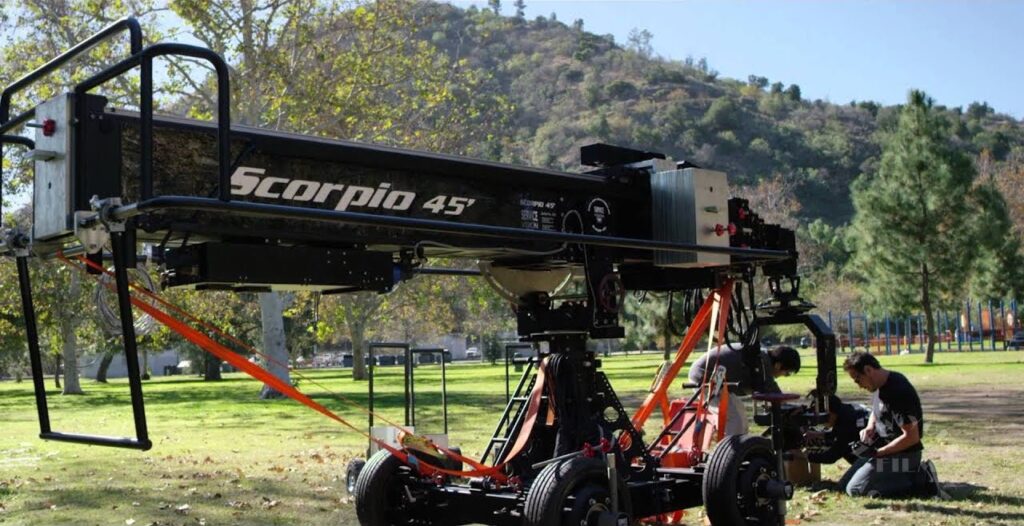
In NYFA’s accelerated Master of Fine Arts in Cinematography graduate program at NYFA Los Angeles, students master the unique visual language of a film, television or a web series. Throughout the program, students will study stylistic and narrative approaches and complete self-directed projects using film and digital cinema cameras, lighting, and grip packages provided by NYFA, as well as advanced equipment, such as a crane. By applying theory and hands-on experience, NYFA students gain a wealth of knowledge and expertise in visual storytelling while building out their cinematography reel.
For students who want to explore film, media, and entertainment while maintaining a focus in cinematography, NYFA also offers a comprehensive Bachelor of Fine Arts Degree in Entertainment Media. In this program, students start with courses that give them a better understanding of narrative and cinematic storytelling, as well as liberal arts classes designed to support their development as a visual artist. Students may then choose the cinematography concentration, where they learn techniques in lighting, composition, color theory, film, digital techniques, and camera movement. Through hands-on training, students build practical experience in their chosen field, completing a range of projects for a final reel that demonstrates their technical and creative abilities. This program is available at NYFA New York.
1-Year Cinematography
Certificate Program
NYFA’s 1-Year Cinematography Certificate Program is conservatory-based and full-time, and is held over the course of two semesters.
In this program, available at our NYFA Los Angeles and New York campuses, students will learn fundamental techniques in lighting, composition, color theory, film, digital techniques, and camera movement, increasing their confidence in fast-paced, creative environments as they start to develop their Cinematography reel.
Cinematography Workshops
In addition to our certificate program, NYFA’s Cinematography School also offers online workshops. These workshops are designed to give students an introduction to the craft, and throughout the workshop, students will learn techniques and build introductory knowledge from industry professionals.
This part-time, evening workshop runs Tuesdays and Thursdays from 7 PM EST – 9:30 PM EST. The course will meet three nights a week in the last two weeks. Students complete projects such as a Continuity, Composition, and Montage film.
Learn More
This full-time, online workshop runs from Monday through Friday. All classes for this workshop are scheduled for full-time hours. Students complete projects such as a Continuity, Composition, and Montage film.
Learn More
Cinematography
School Faculty
NYFA’s Cinematography School was founded by professional Cinematographers to provide an intensive intellectual exploration through hands-on training. A critical element of our creative community is guidance and direction from our faculty of professional cinematographers, who prepare students for the industry using their unique, real world experience. The award-winning faculty use their enthusiasm and expertise to demystify the art of cinematography for their students, making the craft accessible through training and mentorship.
Cinematography
School Alumni
NYFA’s Cinematography School strives to offer an intensive and focused education that provides practical training and hands-on experience. The achievements of any NYFA alumni are the result of their hard work, perseverance, talent and circumstances, and we’re proud of our alumni who now serve as Cinematographers, Directors of Photography, as well as roles in the camera, electric, grip, and art departments.
Campuses
Spotlight NYFA



Please note: Equipment, curriculum, and projects are subject to change and may vary depending on location. Students should consult the most recently published campus catalog for the most up-to-date curriculum.