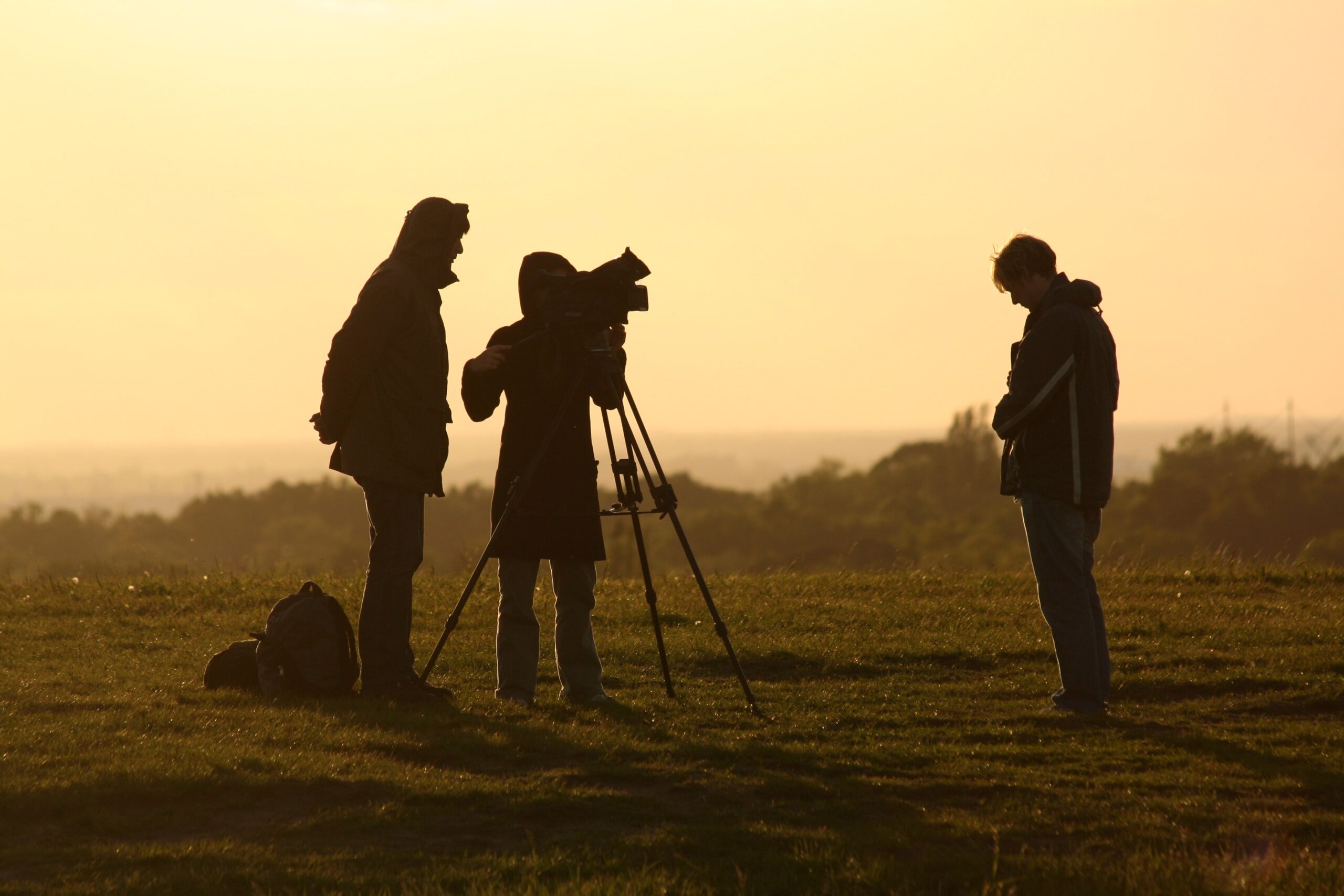
How to Hone Your Style of Filmmaking

In a time when everyone wants to be the next great filmmaker, it can seem daunting to pursue the craft. When considering a path in filmmaking, every aspiring filmmaker should consider a few essential things in order to develop their own style and make a name for themselves in the film industry.

How to Hone Your Style of Filmmaking

Practice, Practice, Practice

To try to discover your own voice as a filmmaker, you must actively make films. It’s similar to a painter creating enough works to know their strengths and weaknesses, along with what they like. In other words, investing time in honing your individual style takes time and practice.

With unlimited amounts of introductory resources out there, there’s no excuse not to get behind the camera and see what you’re capable of doing. You can grab a digital camera or even your smartphone and start learning how you want to tell your stories. This goes beyond only doing film assignments in school and start making personal short film projects of your own.

Find Out What Tools and Techniques You Prefer

style of filmmaking

It’s impossible to sharpen your individual style without understanding which techniques work best with your ideas. In fact, some of the most prominent and iconic filmmakers in our industry can be defined in part by the type of lenses they use. A film made by Stanley Kubrick, one of the most influential directors in cinematic history, will almost always employ wide-angle lenses, which arguably help his numerous long-tracking shots evoke more emotion.

The more you play with different tools and techniques, the sooner you’ll nail down the combination of things that will make your films unique. You might find that the stories you want to share can make use of extra long takes, also like Kubrick. We also recommend learning what kind of lenses work best for particular types of movies.

Think About The Ideas You Want To Share

Alfred_Hitchcock's_The_Wrong_Man_trailer_02

Honing your own style goes beyond the technical elements of filmmaking. Once you’ve mastered all the popular camera shots every filmmaker should know, you need to decide why you’re using them in the first place. Almost all of the biggest names in Hollywood showed a trend in terms of ideas and themes they preferred having in their stories, and so should you.

By studying Alfred Hitchcock’s films you’ll notice many recurring plot devices and themes he used throughout his career. These elements, along with his incredible talent as a director and producer, are what helped make him take the movie industry by storm. Film is arguably one of the most powerful storytelling mediums we have today — take advantage of this by injecting some of yourself into your work.

Become Effective At Communicating Your Vision

As an aspiring filmmaker, it’s important for you to realize that making movies is a team effort. Where some TV and cartoons portrayals might give the false impression that a director simply sits in a tall chair and yells action, a real-life director is responsible for many, many things — including making sure that everyone on the team understands the vision, the goals, and the strategy to be achieved. A good director is able to get the cinematographers, actors, and the rest of the crew on the same page so the script comes to life as intended.

There’s nothing worse than having an amazing idea in mind that doesn’t come through in the final cut solely because you failed to communicate it to your team. Getting good at communicating your ideals will help you hone your individual style by seeing it come to fruition time and time again. This is vital whether it’s your first film project or you already have a few under your belt.

Finding Your Artistic Voice at NYFA

What have you discovered about your individual style and voice as a filmmaker? If you’ve covered the basics and are interested in learning more from industry pros, consider exploring NYFA’s hands-on BFA film programs. 
Black History Month: Blazing Trails in the Entertainment Industry Part II

In the second part of this series, we’re bringing you six more (one is a husband and wife team) industry insiders who are blazing trails in the field.

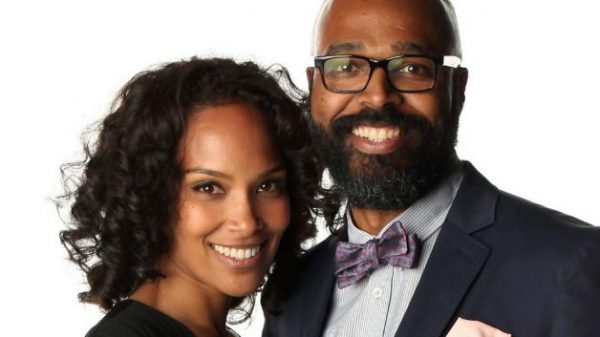
Mara Brock Akil and Salim Akil

 Salim-Akil-and-Mara-Brock-Akil-600x337

Mara Brock Akil and husband Salim are no strangers to television, with each respectively boasting a list of writing credits that include writing credits on ‘90s hit tv shows like “Soul Food,” “The Jamie Foxx Show,” and “Moesha.” This duo has proven to have a winning formula for Hollywood success, having created and written other longstanding hits like “Girlfriends” and “Being Mary Jane,” which stars Gabrielle Union. In fact, their formula is so potent, that the couple most recently inked a multi-year development deal with Warner Bros. Entertainment.

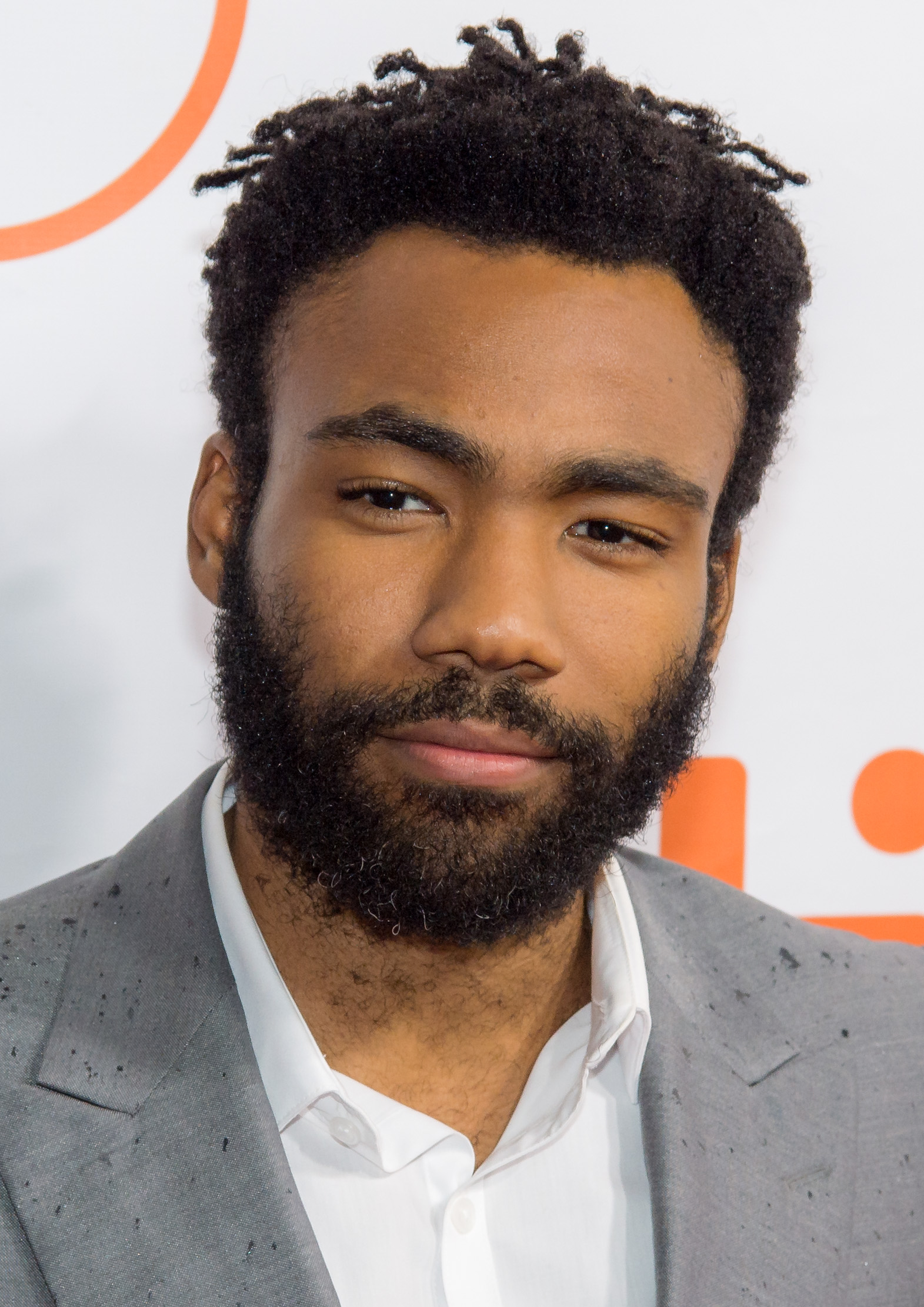
Donald Glover

This multi-hyphenated artist (actor, writer, singer, songwriter, rapper, comedian) who also goes by the stage name Childish Gambino is a graduate of NYU’s Tisch School of the Arts, with a degree in dramatic writing. He has taken the industry by storm.

Early in his career, Glover submitted a spec script for “The Simpsons” which garnered him an invitation to write for “30 Rock,” a gig he held onto for three years while simultaneously working in stand-up comedy, rap albums, and a vigorous touring schedule on top of cameos on “30 Rock.” Later, he secured a series regular role on “Community.”

2016 proved to be a big year for Glover. He was cast in“Spider Man: Homecoming,” and debuted his series “Atlanta,” which follows a Princeton University dropout trying to make a name for himself in the music industry. The show, which he created, stars in, writes, and executive produces, has already met rave reviews in its first season — and was awarded a Golden Globe for Best Music or Comedy TV Series.

Kenya Barris

Writer and producer Kenya Barris is no stranger to television. The creator of several shows including “America’s Next Top Model,” he also co-created and co-produced and “The Game.” His most recent series, “Black-ish,” chronicles a black family living in an upper-class and predominantly white neighborhood, and has received critical acclaim — as well as a Golden Globe win for lead actress Tracee Ellis Ross. Ross was the first black woman to win the award since 1983.

Mr. Barris’ work behind the scenes has been meant working up the ranks from staff writer on shows like “Soul Food,” “Are We There Yet,” and “Girlfriends,” to producing. Now, Barris has added director to his already impressive list of credits, having directed episodes of “Black-ish” just this past year.

Misha Green

Former staff writer for “Heroes” and “Sons of Anarchy” Misha Green, together with fellow “Heroes” writer Joe Pokasky, created the WGN hit “Underground.” This is a true-to-history thriller about a group of slaves planning to escape a Georgia plantation. The show, soon to be in its second season, and for which Green is also executive producer, boasts a score by R&B crooner John Legend, and has been hailed as a harrowing portrayal of plantation life and the journey to freedom for thousands of African-American enslaved people. 

Gina Prince-Bythewood

Screenwriter-turned-director Gina Blythewood has been contributing to great television and film since her days as a staff writer on the show “A Different World,” where she met her husband and sometime partner, Reggie Rock Bythewood, also a screenwriter. Her first film, 2000’s “Love and Basketball” starred Sanaa Lathan and was developed at Sundance Institute’s directing and writing lab. Soon to follow would be “The Secret Life of Bees,” based on the bestselling book by the same name, and “Beyond the Lights.”

In 2016, it was announced that Prince-Bythewood would direct an adaptation of frequent NY Times contributor and author, Roxane Gay’sAn Untamed State,” with whom she would also co-write the script.

Which industry trailblazers have made your list of inspiration during Black History Month? Let us know in the comments below!

To Film Fest or Not to Film Fest: Creative Approaches to Distribution in the Digital Age

Film festivals used to be the only way for indie filmmakers to find exposure and, if lucky, a distributor. But with the explosion of video on demand (VOD), filmmakers have real choices to make: Should you premiere your project in a film fest? Should you release your film online in tandem with your film fest premiere? Or do you skip the film fest and concentrate your efforts on marketing your VOD release?

Here we offer insights into several alternatives to help you make the right choice for your project.

Option 1: Submitting to the Film Fest

Dubai-Filmfestival-2010

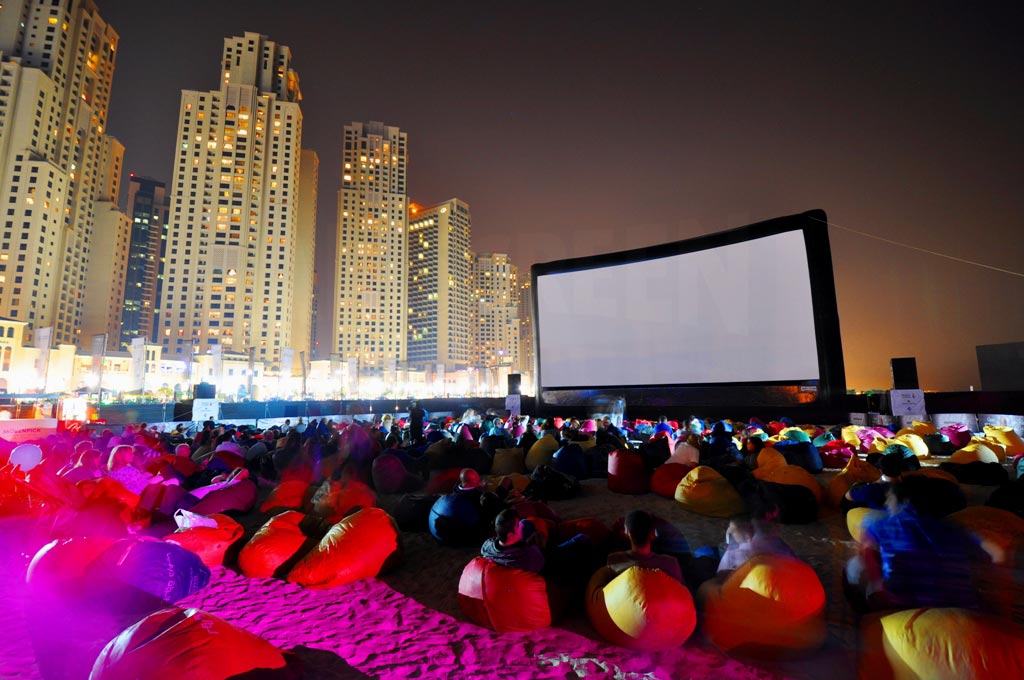
The film fest is the time-tested route for indie filmmakers to garner accolades and maybe even grab a distributer. NYFA maintains a comprehensive list of film festivals here. However, if you’re spending a huge chunk of time and money applying to festivals and not getting in, or not winning the awards, you may need to switch up your strategy.

Option 2: Getting Noticed Online

antler-1868902_960_720

It can no longer be assumed that film fests will deny entrance based on a film’s online status. In fact, this Raindance article suggests some film fests actively look to places like Vimeo to source films for their lineup.

Vimeo (as opposed to YouTube) is the professional choice for filmmakers. Even if a particular festival does not consider previously released videos, many more accept submissions as password-protected Vimeo links. Withoutabox streamlines the process of submitting online.

Option 3: Simultaneous Release

sundance18118961764_538d97bd81_b

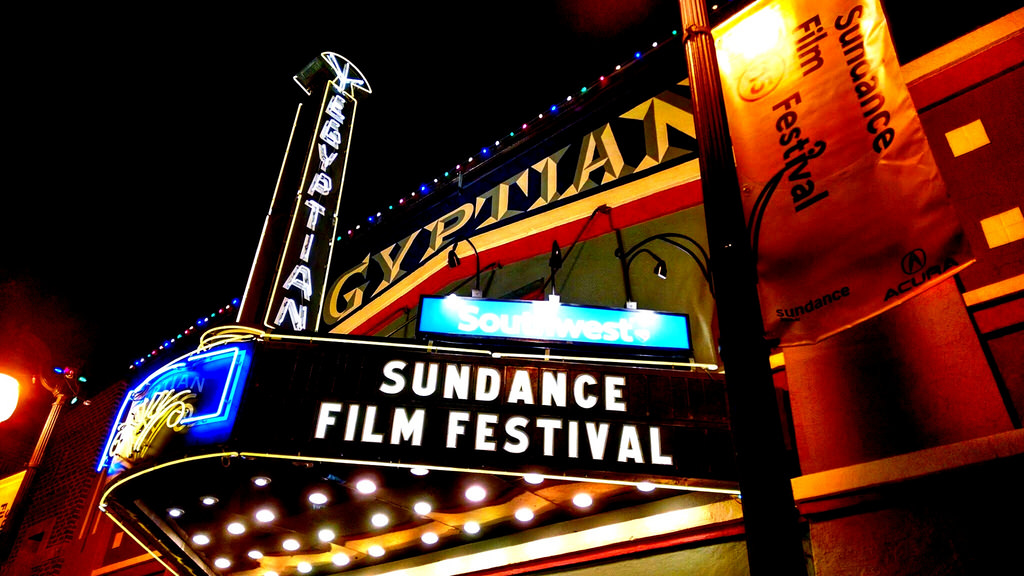
Ok, so you got into a film fest, now how can you make the most of it? Take a cue from Sundance, who premieres select films on demand and at the festival simultaneously. This ensures a wider audience and a longer life for your film while taking advantage of the festival’s promotion.

Option 4: Straight to VOD

office-583839_960_720

Amazon Video Demand and Quiver Digital (which bundles on-demand across several platforms including iTunes) offers obvious alternatives to the film fest. And, as Beyond the Film Festival demonstrates for the Pacific Northwest, there are also regional outlets that can get your film in front of eyeballs.

Option 5: Distribution DIY

hollywood-1246529_960_720

In the current VOD world, a filmmaker can take distribution into his or her own hands. As howtosellyourmovie.com puts it: “The films that get distribution packages don’t need distribution packages.” In other words, distributors don’t tend to take chances, and will gladly vie for projects that demonstrate their marketability.

A Cannes winner will not have much trouble finding distributors, but these days, it’s not clear if it needs one. The big festival winners can have an almost instantaneous worldwide distribution and fame via VOD. For example, Amazon creates “Demand Stars” by offering a million dollars shared profits (on top of the chosen revenue package) to its most popular television shows and films.

Secret Option 6 – Infinity?

infinity-1737624_960_720

No matter what route you choose, it’s important to make your product appealing. A distributor is not the magic bullet any more than is uploading your film to Amazon. The difference these days is that you, as a filmmaker, can take a lot more control of your film’s destiny and profits. And you have more options.

Do you have creative distribution stories to tell? Let us know your experiences in the comments below. And learn more at New York Film Academy’s Filmmaking School.

A Q&A With VR Observer Founder & Entrepreneur Elena Titova

As a part of our continuing mission to keep our students at the forefront of the industry and offer real-world insights, New York Film Academy is pleased to have had the privilege to sit down with Elena Titova: thought-leader, entrepreneur, and founder of VR Observer magazine. Here is what she had to share with our burgeoning virtual reality community:

3
Photo provided by Elena Titova.

NYFA: Hi Elena, thanks for joining NYFA to share your thoughts on Virtual Reality (VR). Let me ask, what was it about VR that first captured your imagination? And what inspired you to found VR Observer?

ET: What captured me is the opportunity VR presents in creating an entirely other universe. The endless possibilities. A dynamic shift in how we teach, how stories are told, how we learn, how we interact with information and each other. How we do things today will shift dramatically in the next few years.

I founded VR Observer to capture this change as it happens. To be on the frontline of a technology that will eventually impact all of our lives. That doesn’t happen all the time. It’s an exciting place to be and I’m happy to be a part of it.

NYFA: Tell us a little bit about your journey in creating a career for yourself in the world of VR? How did you get where you are today?

ET: When I was a little girl growing up in Russia I was fascinated by space travel, still am to this day. I believe this was the foundation to where I am today, wanting to explore and discover new places and technologies. I have a background in marketing and UI/UX design which merge perfectly in my work on VR Observer.

NYFA: How much experience does someone have to have to apply for/get a job using VR? In your view, what industries have most potential to utilize VR content?

ET: The experience level required will be dependent on what field and area of VR one is looking at. One thing I find exciting about an emerging technology though is the fact that so many people are learning as they go. This in a way levels the playing field.

The big one, of course, will be gaming. But we are really excited to see the utilization of VR in healthcare and the entertainment (movies/tv/news) industries.

NYFA: From what you’ve observed in the industry, what companies are investing in VR, and where are opportunities for growth within the next year?  

ET: Facebook’s recent announcement that the social network could end up spending over $3 billion in the next decade to improve virtual reality and make it accessible to the masses, pretty much set the gauntlet. That was Mark Zuckerberg essentially saying VR is going to be the next big thing, and they want to be in front of it. Of course Apple, Microsoft and Google all have major investments in both VR and AR. I find it interesting to also monitor the steady increase of VC money into VR/AR and MR startups. CB Insights has some great data on that.

NYFA: What exciting market trends have you observed in regards to both hardware and content?

ET: The hardware has been improving. Companies are understanding how individuals interact with the virtual world and are honing their products, both H/W and content to create a truly immersive experience. I’m excited to see companies looking at all the senses and how to incorporate them. There is a company that is working on incorporating smell into a virtual environment. Imagine walking into a garden and smelling the roses!

NYFA: You have a strong entrepreneurial background. How do you see entrepreneurship and VR working together? What should young professionals interested in VR borrow from the entrepreneurial mindset?

ET: They are peas in a pod. Anytime a technology comes along that has the potential that VR contains the entrepreneurial opportunities are everywhere.

Just do it. Go for it with no fear of failure. This is such an exciting time, learn from the best, but do it your own way. Always be learning and improving.

NYFA: As you watch VR evolve, what challenges do you anticipate the medium will face in the coming year? And how do you think those challenges can be met?

ET: Adoption. The early adopters have embraced VR. We now need the next wave of consumers to experience VR, and in turn purchase and utilize VR.

To touch further on what I said above, VR needs to be experienced. It cannot be described sufficiently enough to someone who has never actually been immersed in a virtual world.

Hardware and content providers will need to get their products in the consumer’s hands. Cost is also an issue, but I have faith in Moore’s law to rectify that in time.

NYFA: What do you wish everyone knew about VR?

ET: That is not just for games. Don’t get me wrong, I enjoy fighting zombies as much as the next person. But I don’t think people outside of the VR world know how VR is helping soldiers with PTSD, how VR is helping train our next wave of surgeons, how VR is helping people overcome phobias. All of these [applications] and more will help individuals, and in turn, society. This is what excites me about VR.

Elena, it’s been a pleasure learning more about you and VR Observer. Thank you for sharing your VR insights with New York Film Academy!

Are you interested in learning more about virtual reality? Explore the New York Film Academy’s three immersive VR workshops.

NYFA Welcomes International Students: An Infographic

In an increasingly interconnected, global world, the U.S. has continued to grow as a magnet for people from all backgrounds seeking to build a better life and a better world, as well as talented students from all nations who are driven to seek out the best educational opportunities possible. Higher education institutions are discovering the significant importance of fostering and cultivating a diverse, international student body. At New York Film Academy, we’re proud to help students from around the world reach their educational goals as they pursue their dreams and form lifelong relationships with peers and teachers. Which is why we’ve created an infographic to illustrate the vital contribution that international students continue to make in U.S. higher education.

international-education-infographic3c-01

Interested in learning more about NYFA’s thriving international community? Contact us for information on our degree, conservatory, workshop, and youth camp programs.

NYFA Celebrates International Entertainment: An Infographic

As the world hotly anticipates the already record-breaking 89th Annual Academy Awards, New York Film Academy recognizes that the entertainment industry is an increasingly international and diverse community. The beauty of the medium of film is its ability to tell captivating stories — and its ability to allow audiences to identify with and imagine themselves a part of these stories. That is why it is vitally important to acknowledge the multiplicity of stories to be told, stories from all over the world, and stories for audiences all over the world: the stories of people from all countries, ethnicities and cultures.

This year, as we look forward to Hollywood’s event of the season, NYFA recognizes and celebrates the fact that Hollywood itself is one part of an international story. The entertainment industry is, in fact, an international industry:

international-entertainment-infographic3e-01

What is Color Psychology and How to Use it in Your Graphic Design

Colors affect us. Whether we’re picking a dress for a party, buying a gift or shopping for daily groceries, we often make instant decisions based on color. Certain colors have particular meanings in specific contexts which we have grown accustomed to — the red for traffic lights is different from the red that splatters Valentine’s Day products. Similarly, the color green is used simultaneously in marketing related to finances as well as in environmental activism. But color psychology is more than about knowing your client’s favorite color or using stereotypical color associations when branding or marketing products. It is about using certain colors to effectively market a brand and subtly persuade the customer to trust it, thereby influencing their purchasing decisions.

Color Palette Watercolor Paint School Supplies

As per a 2006 study, 90 percent of our instant judgments about products are based on color alone, which makes it very important to align the brand’s identity and personality with an appropriate color. But doing so can be difficult, because not only does a particular color have a myriad of meanings and associations (sometimes even contradictory ones), but also because an individual’s response to a color is shaped by their subjective personal experiences.

Keeping in mind these difficulties, we bring you some helpful tips on how to effectively use color psychology in your graphic design projects.

1. Learn about color theory: Colors don’t exist in isolation. Unless you’re working strictly in black and white, chances are you’ll be mixing different colors or even similar shades of colors in your design work. Color theory will teach you about primary, secondary and tertiary colors and guide you to the most effective specific color combinations. Whatever you’re designing, choosing the right combination of colors from a color wheel, will go a long way in making your design effective and eye-catching.
To aid with this, there are online resources, like this great color wheel tool from Canva, to help you use color theory when designing.

2. Research on colors used by similar brands: Knowing the traditional associations of a particular color may be useful, but it’s more effective to research what colors that brands similar to the one you’re designing for, use. For instance, did you notice that Facebook, Twitter, WordPress and Vimeo all use blue in their logos? Or that both Nikon and National Geographic use yellow in branding? So whatever project you’re working on, take a look at the colors that major brands use and then you can decide whether you’ll stick to the same color or do something very different.

Colorful Color Color Spectrum Paint Oil Pastels

3.  Keep in mind the “Isolation Effect”: Items that “stick out like a sore thumb” are more likely to be remembered. In other words, make sure your product is eye catching. So when designing, keep in mind the environment and lighting of the place where it will be displayed. So think of ways in which you can ensure the colors of the product can harmoniously blend with the surroundings as well as be noticed by the average customer.

4. Use descriptive color names: This is particularly important if you’re doing work in the fashion or cosmetics industry, where the descriptive name of a color can work wonders. For example, sky-blue is preferable to light blue, just as mocha works way better than brown. Think of the associations and metaphors you want a particular color to evoke and use creative and unusual names accordingly.

5. Don’t ignore your personal judgment: Don’t put so much emphasis on theory that you end up ignoring your practical reality. If for instance your research tells you that yellow is the best color, but your own response to it is that the color won’t work as well as say orange, follow your own judgment. Place yourself in a customer’s shoes and think accordingly. In other words, assess the effectiveness of your design from multiple angles and pay attention to your own intuition. As perception to color is very psychological, it is very very important that you don’t ignore your own hunches.

In short, although color psychology can appear ambivalent at first, is very important in graphic design and using it well, takes practice and you might have to do it in a trial and error way. But once you get the hang of it, it will pay off excellently!

Are you interested in graphic design? Learn more about the New York Film Academy’s Graphic Design School.

What to Expect in Virtual Reality Games Coming in 2017

One of the best things about our industry is that each year brings something to look forward to. In 2016 we saw both the PlayStation 4 Pro and Xbox One S release, making it the first time consoles got a mid-generation model with added power and 4K support. Anticipated games like Final Fantasy XV, Overwatch, and two new Pokemon titles also gave gamers plenty to enjoy.

But perhaps the biggest reason last year will be remembered is for one thing, above all others, changing the gaming landscape: virtual reality. Ever since the Oculus Rift Kickstarter campaign raised more than $2.5 million in 2012, a race began to see who could create the best VR gaming device. Options you can buy today include the PlayStation VR, HTC Vive, Oculus Rift, and Samsung Gear VR.

But will 2017 be the year VR truly takes off … or will it fall into obscurity? Here are our VR predictions for this year:

Better Games Are Coming

The new VR devices have been received well so far. Their ability to trick our minds into thinking we’re inside vivid virtual worlds is an incredible experience. However, many of the games that released alongside these device received mixed feedback.

Although impressive, a lot of titles felt more like tech demos than actual games. Batman: Arkham VR let us become the Dark Knight himself like never before — but only for about two and a half hours. Gamers didn’t buy expensive VR devices to enjoy games that last about as long as your average Hollywood film.

This year we’re expecting developers to do more to convince people still thinking about investing in a VR headset. The good news is we’re already seeing regular games with added VR support, like the well-received Resident Evil 7. To sustain and grow, the 2017 VR craze needs bigger studios with higher budgets to invest in making better, more accessible games.

Prices Will Probably Drop

If there’s one reason more VR devices aren’t in more homes today, it’s the price. Almost every headset currently on the market will set you back a few hundred bucks. If you want an Oculus Rift or HTC Vive, be ready to pay $799 or $599, respectively.

And even if you drop the cash for one, your current computer might not be ready for it. According to NVIDIA, 99 percent of computers on the market in 2016 aren’t powerful enough to provide the best virtual reality experience possible. The PlayStation VR released with a price tag of $399, which doesn’t count the Move controllers ($50 each), camera (another $50), and console itself ($300).

Unless we see price drops on the current devices, or more affordable devices released, the VR market will struggle to turn a profit or take off with the average consumer. The fact that certain VR headsets have received discounts recently is a good start. Some affordable options are already showing up on the market for those who want to pay less for something more basic, like the Google Daydream.

VR Will Either Sink Or Swim

Despite many VR headsets being sold last year, many continue to doubt whether virtual reality is the next evolution in gaming. To many, it’s nothing more than a fad similar to motion controls made popular by the Nintendo Wii in the last decade. However, VR does offer unprecedented opportunities to revolutionize the way we explore video game worlds and stories.

No matter which side they’re on, experts do agree that 2017 will give us a greater sense at how VR will do in the future. It’s up to game developers to release groundbreaking VR projects that make everyone else feel like they’re missing out. Fortunately, companies like Google are jumping into the market with affordable VR headsets, making it easier to try VR before investing in a better product.

What are your predictions for how virtual reality with change games in 2017? Let us know in the comments below! Learn more about virtual reality at the New York Film Academy.

Predictions: What Will Be New in Filmmaking in 2017?

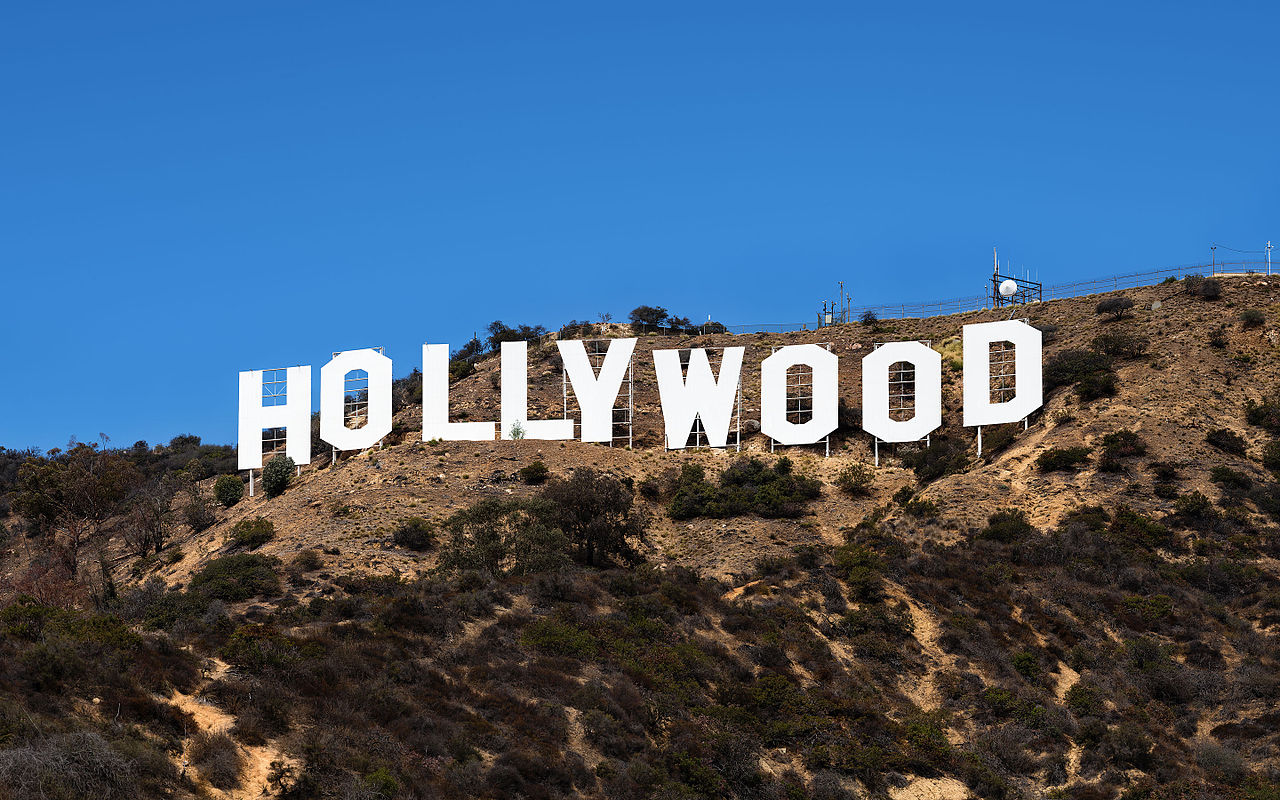
Hollywood_Sign_(Zuschnitt)

Each year we see the movie industry evolve in order to continue giving us films to love and enjoy. And while 2016 was a great year for all of us film lovers, below are four reasons why 2017 is shaping up to be even better. If you’d like to be on the cutting edge of filmmaking in 2017, check out New York Film Academy’s programs. We’ve rounded up some of the industry trends we’ll be watching out for this year:

Hollywood Tests The VR and Augmented Reality Waters

16863422875_8698414a3c_b

In the video game world, virtual and augmented reality have already had a big impact. Who can forget last summer when you couldn’t go outside without seeing someone playing Pokemon GO, a location-based AR game that turned into a global phenomenon. Several VR headsets have also entered the market, including PlayStation VR, which so far have received positive receptions for providing one of the most captivating visual experiences possible.

This year’s Consumer Electronics Show gave us a glimpse of how filmmakers would like to use these two technologies in the future. Qualcomm showed off a “Power Rangers” AR app that put you at the controls of a giant Zord, while Twentieth Century Fox demonstrated their own “Planet of the Apes” experience using the Oculus Rift VR headset. Fox had several other VR and AR projects at the show and even announced a VR experience called “Alien: Covenant” to be produced by Ridley Scott himself.

A Step Closer Toward Equality & Diversity

27623264486_115c435657_b

It’s no secret that gender equality is still an issue in most, if not, all entertainment industries. But the fact that filmmakers still prefer the same gender and ethnicities despite moviegoers belonging to so many different cultures and races is mind-boggling. As Jessica Chastain put it during a talk with HuffPost Live in 2015, “We need more diversity. We’re not telling the stories of many, we’re telling the stories of few.” She went on to point out that wage gaps and lack of diversity is as much a problem in front of the camera as it is behind it.

The good news is that many women, people of color, and LGBTQ+ individuals in the industry are growing more vocal about this issue than ever before. The fact that the 2017 Golden Globes boasted one of the most diverse list of winners recently is perhaps a sign of good things to come.

A Wave of Potential Breakout Stars

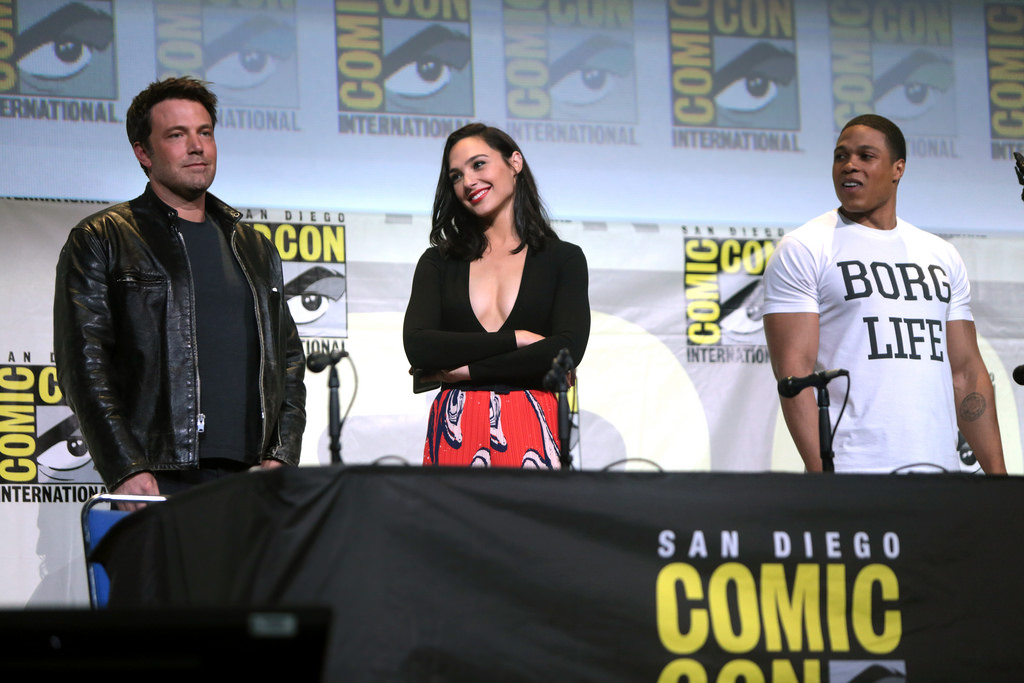
27977377894_ca00fcb37f_b

Nothing draws attention to a film more than knowing a proven, experienced actor or actress will be starring. But had they never been given the chance at first, your favorite stars wouldn’t be who they are today. That’s why it’s exciting to see so many movies in 2017 starring new faces that may become new Hollywood royalty.

While it’s impossible to name them all, some of the many newcomers we’re looking forward to watching are Ray Fisher as Cyborg in “Justice League,” Tom Taylor as Jake Chambers in “The Dark Tower,” and Brenton Thwaites as Henry in “Pirates of the Caribbean: Dead Men Tell No Tales.” Potential breakout ladies include Annabelle Wallis as Maid Maggie in “King Arthur: Legend of the Sword,” Sofia Boutella as Princess Ahmanet in “The Mummy,” and Tessa Thompson as Valkyrie in “Thor: Ragnarok.”

The Love For Superhero Flicks Continues

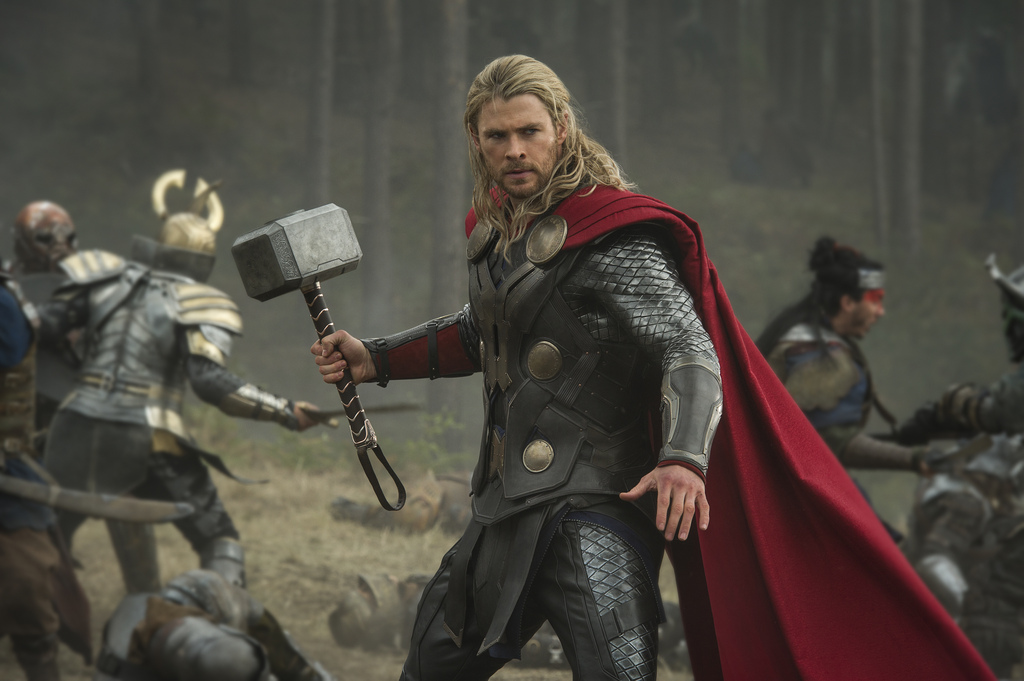
10412961916_46f51bbf33_b

Moviegoers have always had a fascination toward films starring their favorite comic book heroes. After “Star Wars, renewed people’s interest in fantasy and superheroes, successful films like “Superman” and Tim Burton’s “Batman” paved the way for countless other hero movies. Interest increased in the first decade of 21st century, leading to a superhero film proving a box-office success almost every year since then.

In 2017, the trend continues as many anticipated superhero films will finally arrive. Some of the most iconic heroes return to the big screen with “Logan,” “Spider-Man: Homecoming,” “Thor: Ragnarok,” and of course, “Justice League.” Our excitement for superhero movies doesn’t seem to be ending anytime soon, which means perhaps we’ll soon see more less-popular heroes receive their own deserved adaptations.

What are your predictions for filmmaking trends in 2017? Let us know in the comments below!