Learn How To Take Amazing Motorcycle Photography

There is perhaps no better way of capturing the beauty and power of a motorcycle than by photographing them in action. Whether it’s MotoGP, Superbikes or Speedway, motorcycle racing can provide great opportunities for truly fantastic pictures, but capturing bikes when they are travelling close to 200mph is no easy task and it requires skill, patience and some decent equipment.

How to Motorcycle Racing Photography

For a photographer, motorcycle racing provides a fantastic challenge and is one of the most exhilarating forms of photography. It’s also a daunting and challenging discipline to get to grips with, but the following top tips on how to do motorcycle photography will have you shooting great race pictures in no time.

Motorcycle Racing Photography: A How To Guide

Equipment

When it comes to photographing bikes at high speed on a racetrack, there are two essentials: a fast shutter speed and a decent zoom.

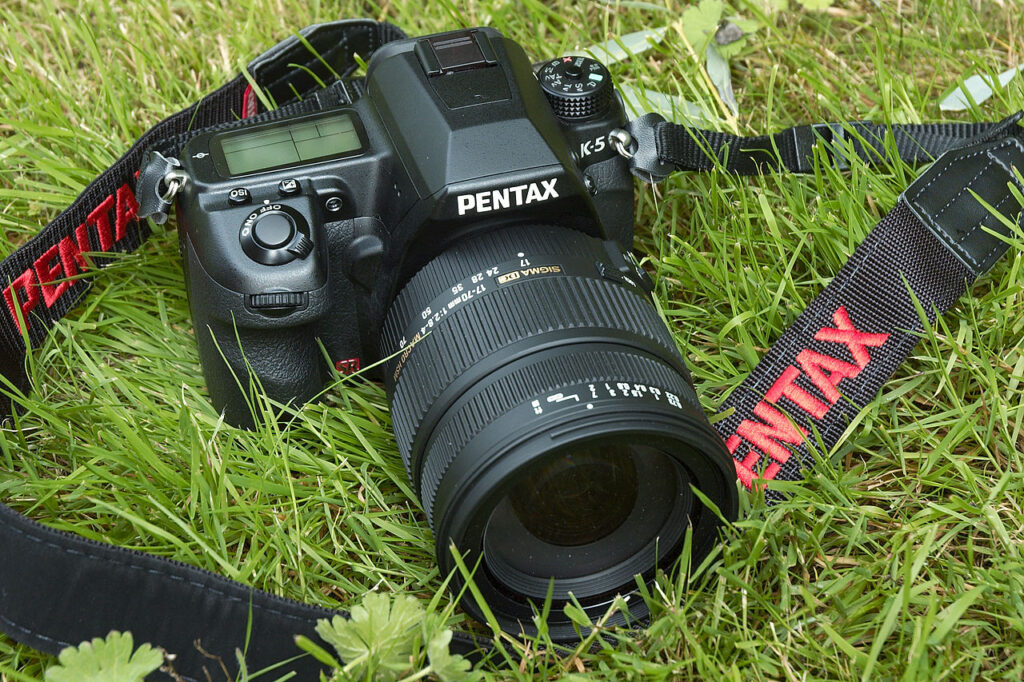
It isn’t really possible to get good results with your average point and shoot digital camera, as most have such a delay from when you press the shoot button to when they actually take the shot that you’d have missed all the action. While a few budget models do permit fast action shooting and have some modicum of optical zoom, a decent SLR (single-lens reflex) is pretty much a prerequisite for capturing on track action.

best cameras for track photography

To boost your chances of getting a sharp image it is preferable to use an SLR with a fast drive mode, but you can get good results without, and as will be explained, not all images need to be in focus.

Ideally, a lens with some form of image stability (IS) will make things easier, but you can make do without one. When choosing a zoom, the bigger the better, especially as these days spectators tend to be a good distance from the track.

If you see professional photographers at motorcycle racing events, you’ll see some really huge zoom lenses enabling them to get right into the action. If you’re just starting out at photography school you’ll probably be restrained by your budget, but it’ll pay dividends to get the largest zoom you can afford.

You need also to ensure you have plenty of storage and a memory card that can keep up with the fast shutter speeds you’ll be using. A decent 400x card with 16GB-32GB of space should do it.

The Best Place for the Shot

Before you take any shots, you need to get a feel for how the bikes move around the track. Obviously, it is going to be a lot easier to capture bikes going round a hairpin at 50mph than traveling on a high-speed straight at 180mph.

Track racing photography

Furthermore, knowing where the best action is going to take place will help you get better shots. Overtakes tend to happen at the end of long straights, while standing near a chicane or S bend will often give great results when the bikes are bunched up close, as it will enable you to show them in different lean angles.

The Art of Panning

Because the bikes are moving, you are going to need to get a handle on panning. Panning is simply following the bikes and taking shots whilst the camera is moving; This can be quite difficult to get the hang of, especially with a large zoom lens, and there really isn’t a magic bullet solution except to practice as much as possible and as often as you’re able.

You can, of course, use a tripod, but this will be pretty cumbersome to carry around on race day.

The Sniper Shot

One technique the professionals use is the “sniper shot.”

This entails breathing out steadily as you pan and shoot. By letting out a continuous exhale, your hands will be at your stillest when you pan, preventing any wobble. Give it a try next time you have to capture any kind of high-speed photography or a handheld shot that requires precision, and you’ll be surprised at the difference it can make.

Motion and Camera Settings

When it comes to camera settings, even subtle changes can give vastly different results.

high speed photography

For the beginner, a good wide aperture with a 1/1000 second shutter speed will get fairly sharp pictures and enable you to let off a volley of shots on each pan. However, using this stop motion technique will not present much of an effect of speed.

To achieve a good sense of motion, you need to try playing with motion blur. Blur can create a really good sense of speed in a picture, but you don’t want to overdo it, otherwise it will be difficult to make out what exactly it is you’ve photographed.

We’ve covered the best practices of this technique in a previous post, but in a nutshell, the key to getting blur is to slow the shutter speed down. A setting of 1/250 second should give just enough blur to a shot without obscuring the whole image.

The Golden Rule: Experiment!

Playing with different angles, settings and positioning yourself at different corners can create unlimited possibilities for great motorcycle racing photographs. Try using motion blur on a slow corner when the bikes are bunched up, and you’ll get the lead bikes in sharp focus and the tail-enders in motion blur. Alternatively, use the stop motion technique and full zoom on the end of a straight and you’ll be amazed at the amount of detail you’ll be able to capture, from tire smoke, to even the decal stickers on the rider’s helmet.

racing photography how to

In short: play around, have fun experimenting, and enjoy the race!

The Best TED Talks About Photography You Must See Right Now

Having been going on a regular basis since 1990, the TED series of conferences have always been a hotbed of inspirational and groundbreaking ideas but it is only in the last decade that they’ve been made available to freely view online.

While the core subject matter of early TED talks have centered around technology and design, we’ve since seen a number of superb talks on wide-ranging topics. Photography is no exception, and if you’re a student at photography school or simply have a deep interest in the medium, there are talks that deserved to be filed under ‘must-watch’.

Between the official TED Talks about photography and the hidden gems hosted at TEDx events around the globe, scroll on as we introduce:

The Best TED Talks About Photography

Nick Veasy: Exposing the Invisible

For 99% of people practicing the craft, photography is all about how best to capture and reproduce what we see in the world around us with our own eyes…

… but what about the stuff we can’t see?

Nick Veasey has set about the unenviably difficult task of doing just that – producing photos using highly technical x-ray equipment and techniques to tease out images that we wouldn’t ordinarily be able to see. His work is as imaginative as it is varied; from the inner workings of massive objects such as aircraft to the intricate geometry of plant life, the resulting photography (and the methods behind it) is guaranteed to amaze.

David Griffin: How Photography Connects Us

“Let’s just start by looking at some great photographs.”

As so begins one of the most frequently shared TED Talks about photography that has ever been produced, and also the single video which we urge anyone to watch if they’re struggling to understand why photography is so important in the modern age. Incredible photography and deep insight, combined with Griffin’s knack for pulling on the heartstrings and getting to the emotional core of what the art form is all about.

Johnathan Klein: Photos that Changed the World

Every now and then – maybe a decade or so, sometimes more – a single photograph will come along that tangibly changes the way we look at the world.

From the serenely beautiful such as the first ever image of the Earth rising above the moon’s horizon to the harrowing scenes of 9/11 captured on film, Jonathan Klein’s TED talk leads us on a tour of the most iconic and influential photographs ever taken. In his capacity as co-founder of Getty Images, he speaks here with great eloquence on the hows and whys of why these images moved us as a species.

 Paul Nicklen: Tales of Ice-Bound Wonderlands

As photographers, we’re sometimes lucky enough to be sent to exotic locations on interesting assignments. Occasionally, the nature of the photo shoot can be both dangerous and fascinating…

… how about being submerged in subzero waters beneath thick ice, trying to get a shot of an aggressive leopard seal on its own territory?

Nicklen’s TED Talk about photography work as rare as this is precisely as interesting as it sounds. As a polar specialist, he has more than a few great stories to share and does so with great humor. Absolutely essential viewing for budding wildlife and/or nature photographers.

iO Tillett Wright: Fifty Shades of Gay

Part exploratory, part activism, and wholly brilliant – Wright’s photography project, Self Evident Truths,  has to date involved photographing over 8,000 Americans in over 30 cities, and as a collective whole creates a cross section of the LBGTQ spectrum across the country. The NYC writer, actor and photographer uses this project as the center point of her TED talk, around which she candidly shares her own story as well as what Self Evident Truths means for all of us, regardless of our sexual orientation.

Wright’s photography demonstrates the power the medium has to raise social questions and hold a mirror up to ourselves in an effort to promote equality.

James Nachtwey: My Photographs Bear Witness

No list of the best TED Talks about photography would be complete without featuring James Nachtwey’s acceptance speech which he delivered on receiving the 2007 TED prize.

It’s one of the most powerful speeches about photography ever given, and after watching him talk about his journey so far as a war photographer, you’ll no doubt agree that he deserved the standing ovation he rightfully received at the end of the talk.

Know of any more great TED Talks about photography (or a related topic) that we might have missed? Help the community out by leaving your suggestions in the comments below, and let’s get some inspiration flowing!

12 Plug-Ins For Adobe Premiere Pro You Can’t Live Without

As a budding filmmaker, digital editor and/or cinematographer, I’m sure you’ve crossed paths with a little application called Adobe Premiere Pro. And if you haven’t, well, WHAT ARE YOU WAITING FOR?! In recent years, it has really gained wide acceptance as one of the leading editing packages for videos and feature films. Its ability to manipulate and export pretty much any video with minimal time makes it every editor’s best friend. The addition of the Mercury playback engine and its ability to add almost any clip to the timeline without transcoding it was also a noteworthy up on its competitors. Given the right tools, one can transform a class project into a Sundance-worthy masterpiece – the possibilities are endless!

So where do you start and just how many features could you use to optimize your video to its full potential? The answer’s in plug-ins. Premiere Pro software gives you an abundance of editing tools, but the plug-ins really allow you to expand your options. So here are the top 12 most useful and popular ones to get acquainted with – best of all, they’re free!

1. Manifesto – This allows you to incorporate a title/text generator for words to stay static across the screen or roll/crawl across – perfect for rolling credits.

rolling credits

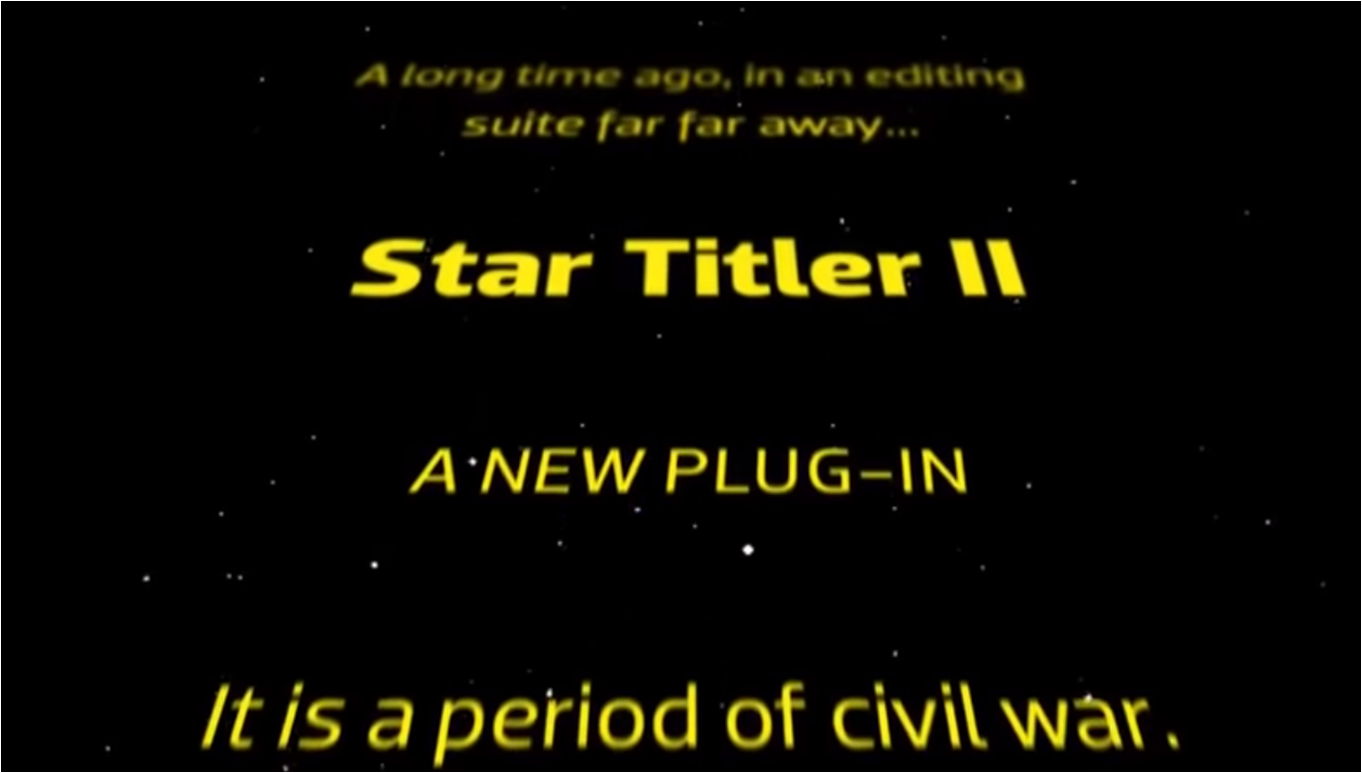
2. Star Titler – If ever you want to create a killer intro that emulates the iconic one in Star Wars, this plug-in is where it’s at.

Star Wars Intro

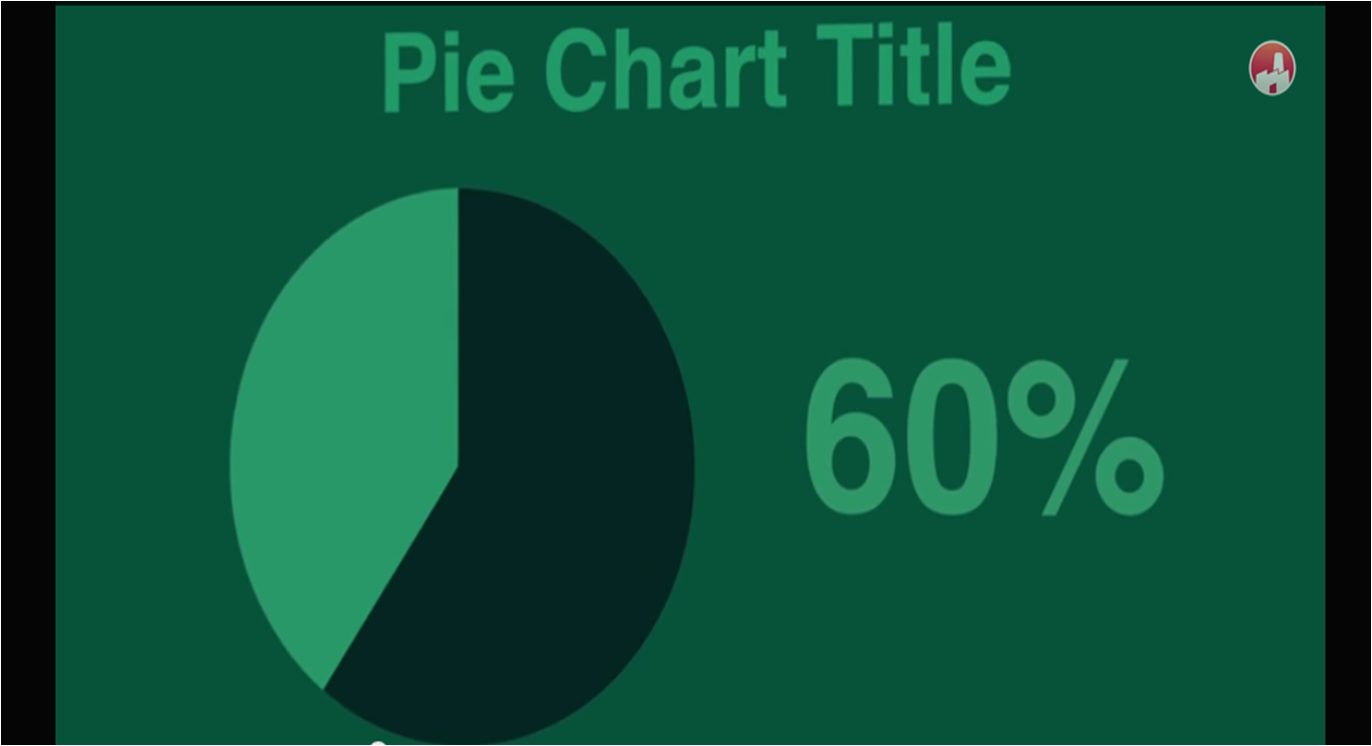
3. Data Pop Free – This makes creating infographics super simple and is perfect for showcasing particular data statistics in documentaries.

pie chart

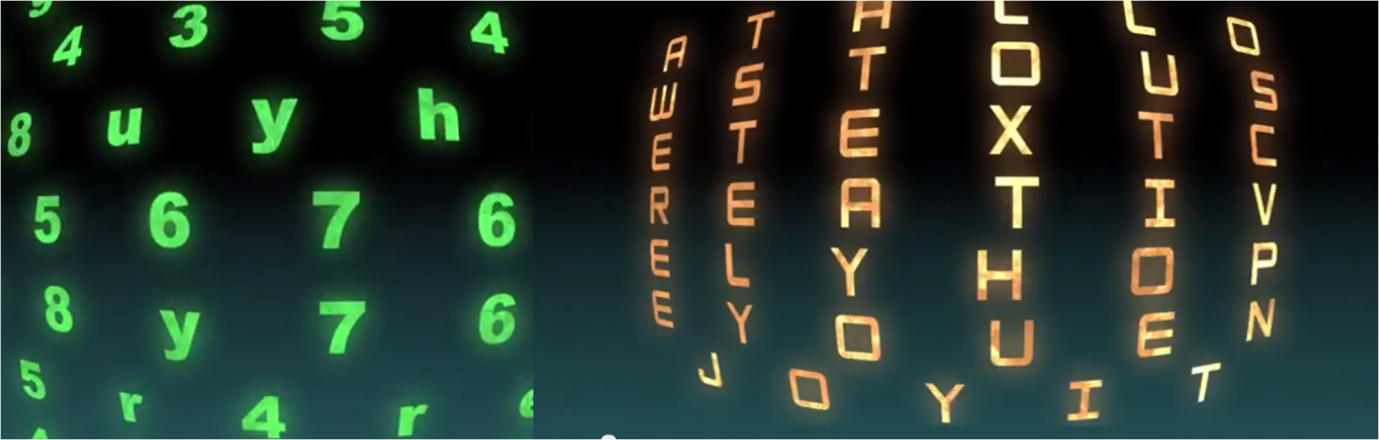
4. Random Text Generator – This plug-in by Luca Visual FX allows for you to generate random text, numbers and symbols in a matter of seconds – just like in The Matrix.

Random Text Generator

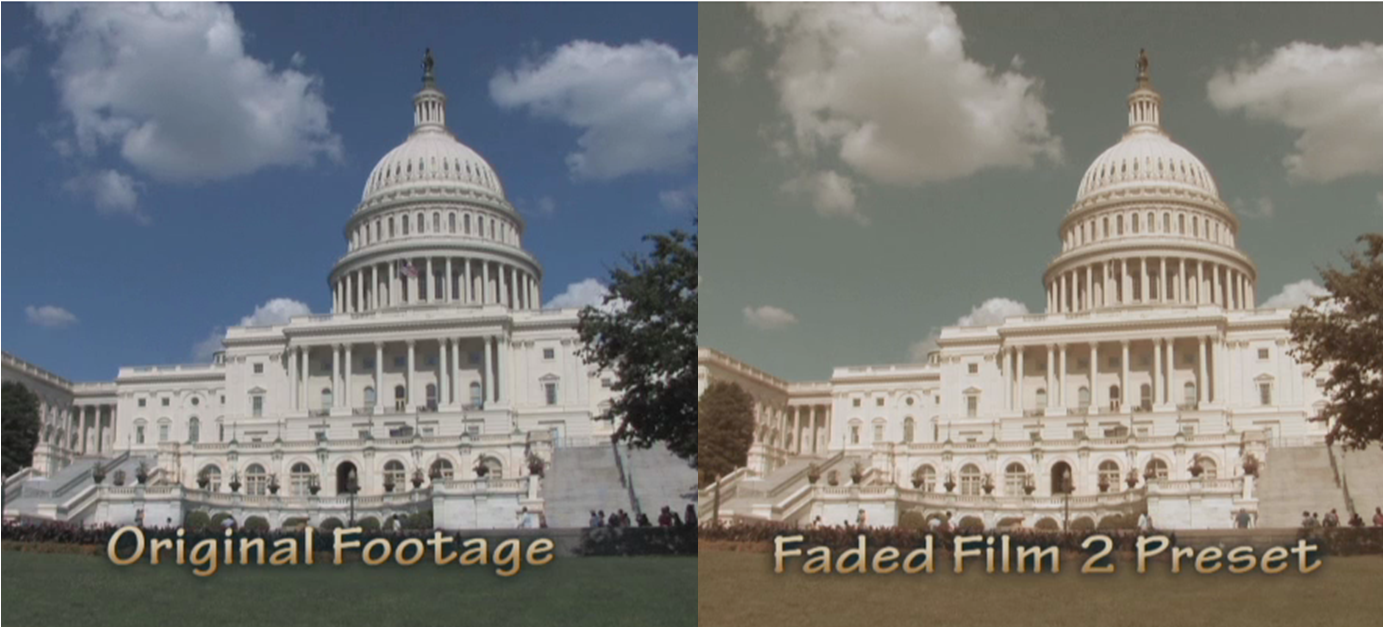
5. Cinema FX Presets – this convenient plug-in is every editor-on-a-budget’s dream offering 56 presets you can use for various cinematic looks.

cinematic presets

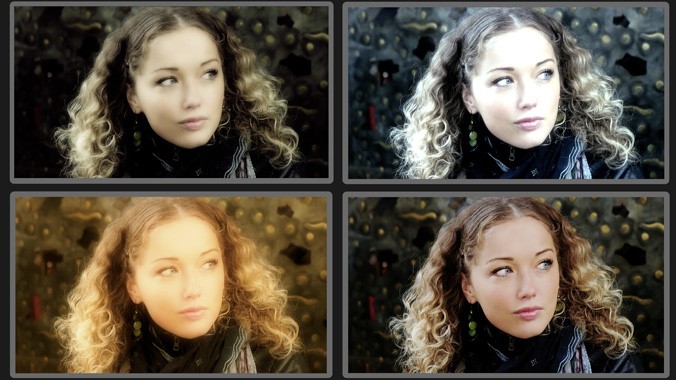
6. Magic Bullet Quick Looks Free – Just in case the 56 Cinema FX Presets didn’t have exactly what you were looking for, this plug-in gives you another 20 to choose from. Each look within these presets are inspired by famous films like Saving Private Ryan and The Matrix.

Cinema FX Presets

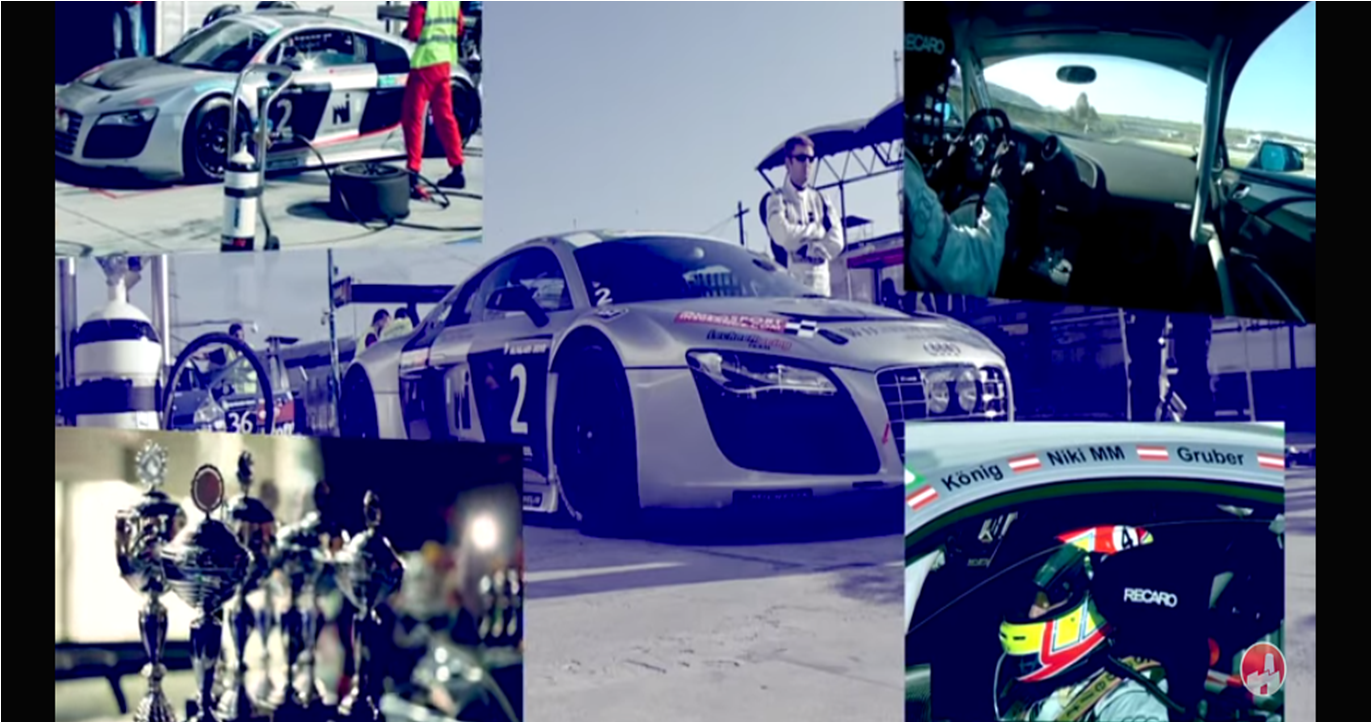
7. PiPinator – Ever wondered how they incorporate a picture/footage within another picture/footage like they do in so many iconic phone conversation scenes in films? With plug-ins like FxFactory’s PiPinator of course.

picture collage

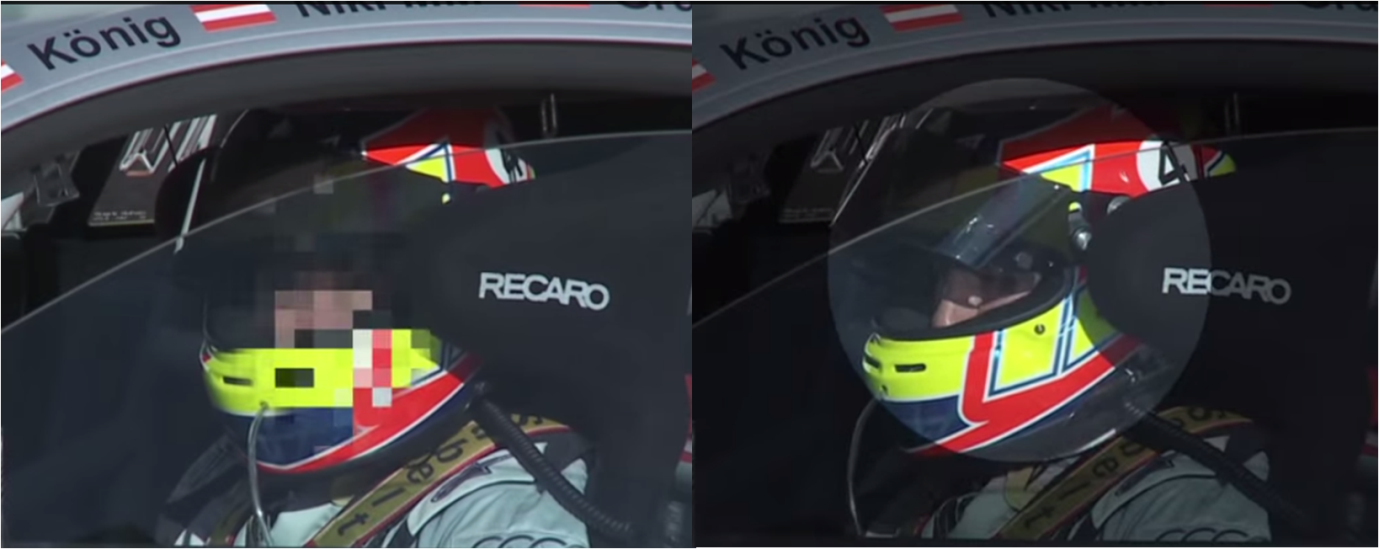
8. Andy’s Region Tool – Popular for censoring a person’s identity by blurring their face, this tool allows you to apply a specific effect only to a particular part of the image without effecting the rest.

identity censor

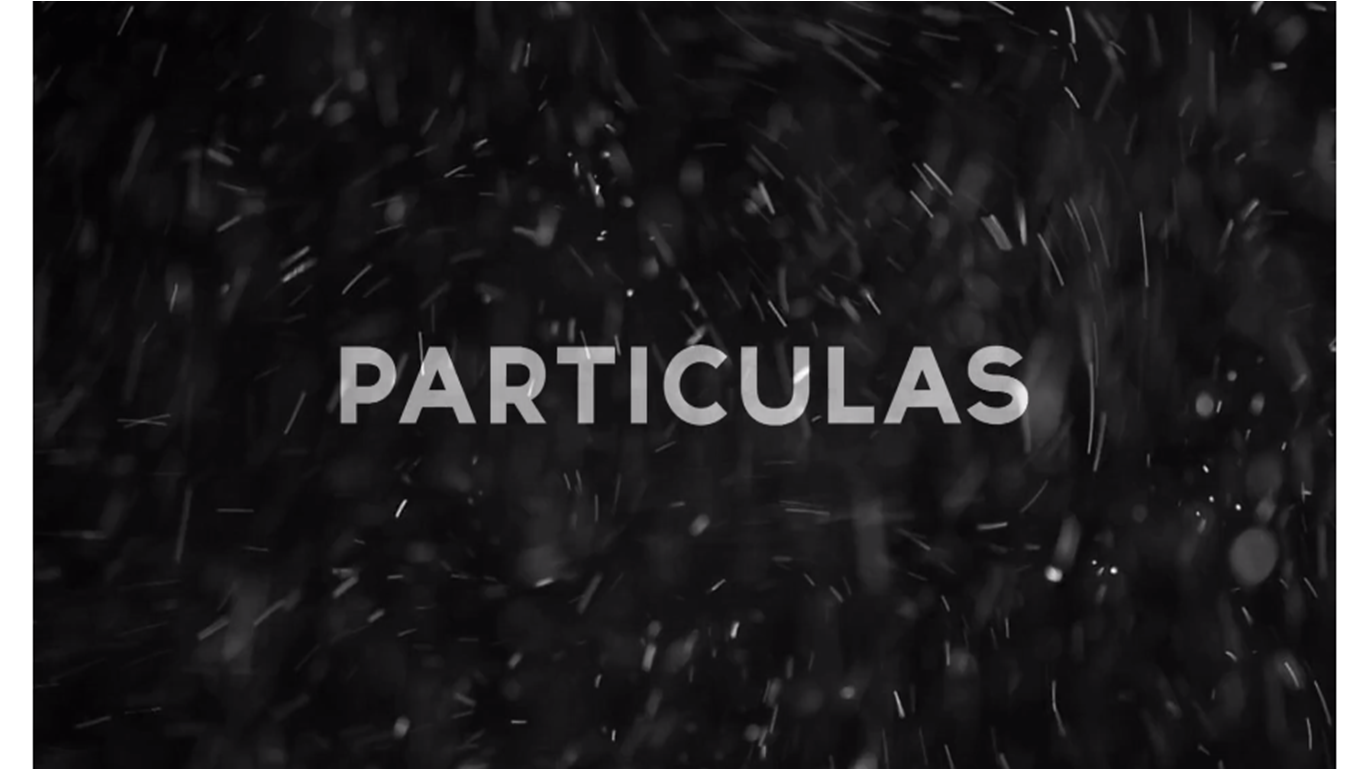
9. Organic Particle Effect – This may not be one of the essential plug-ins every editor needs, but it sure is a cool one for those wanting some extra touches in setting the tone of a scene. This tool adds some whimsical essence by incorporating tiny, organic fly-away particles across the screen.

organic particles effect

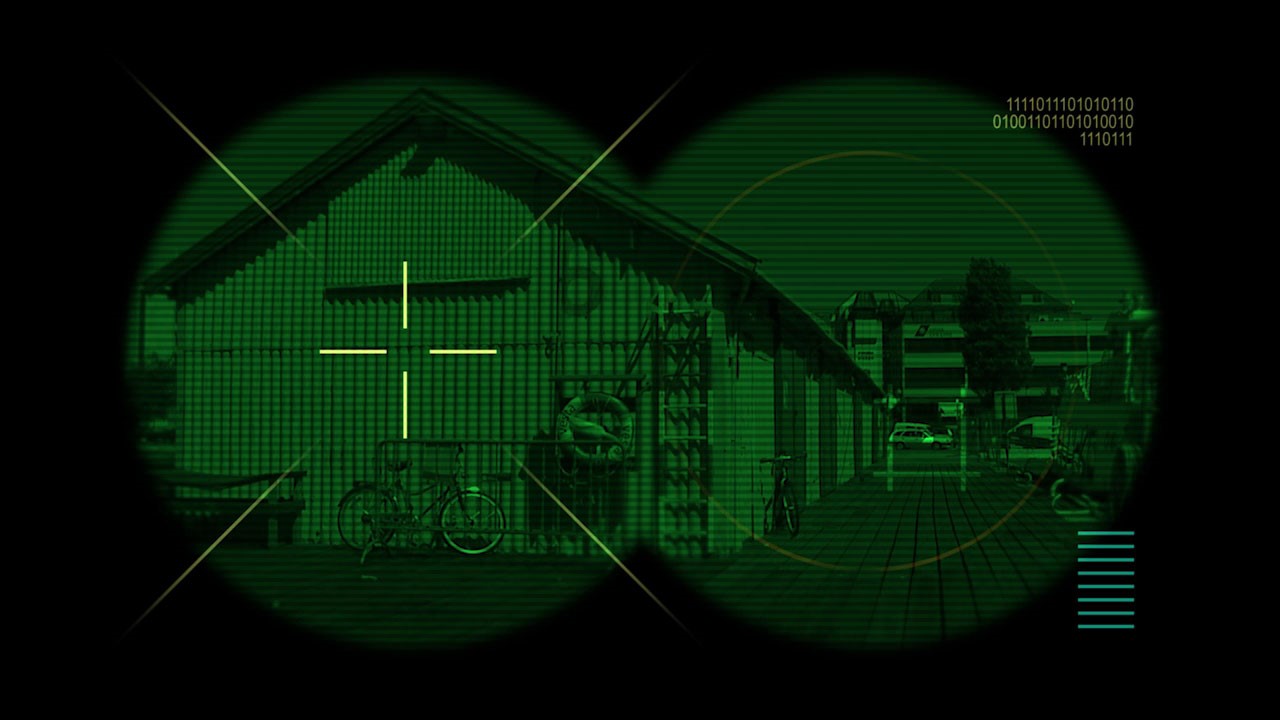
10. Night Vision Binoculars – yet another cool one that isn’t particularly a standard must-have, this effect is perfect for those action-thrillers and speaks for itself really.

night vision binoculars effect

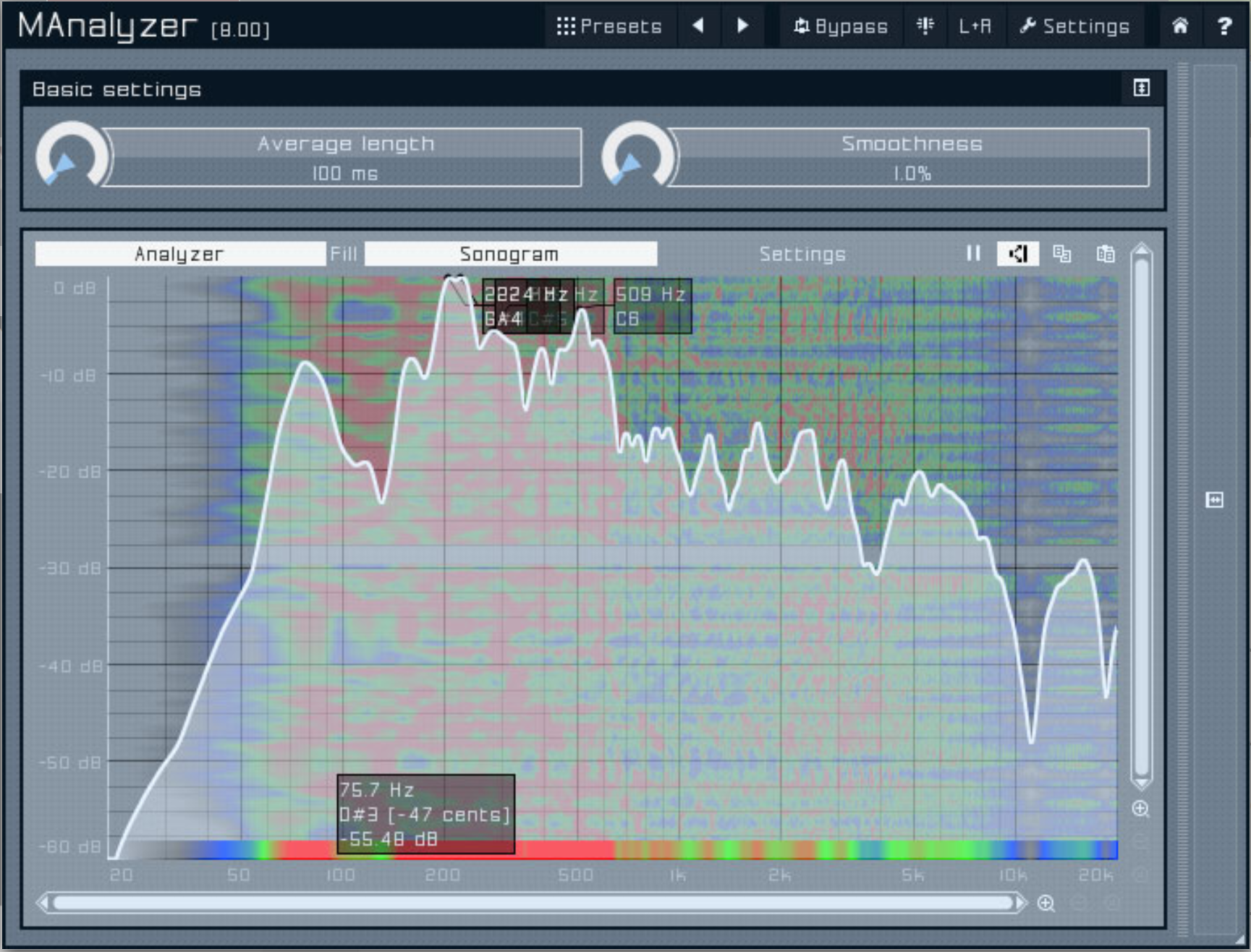
11. M Free Effects Bundle – Probably the most comprehensive free audio effects bundle online. It offers 24 plug-ins including the MAnalyzer – an advanced spectral analyzer and sonogram, MEqualizer – an easy-to-use, powerful 6-band equalizer with 7 filters and the MNoiseGenerator – yep, you guess it, a noise generator.

audio effects

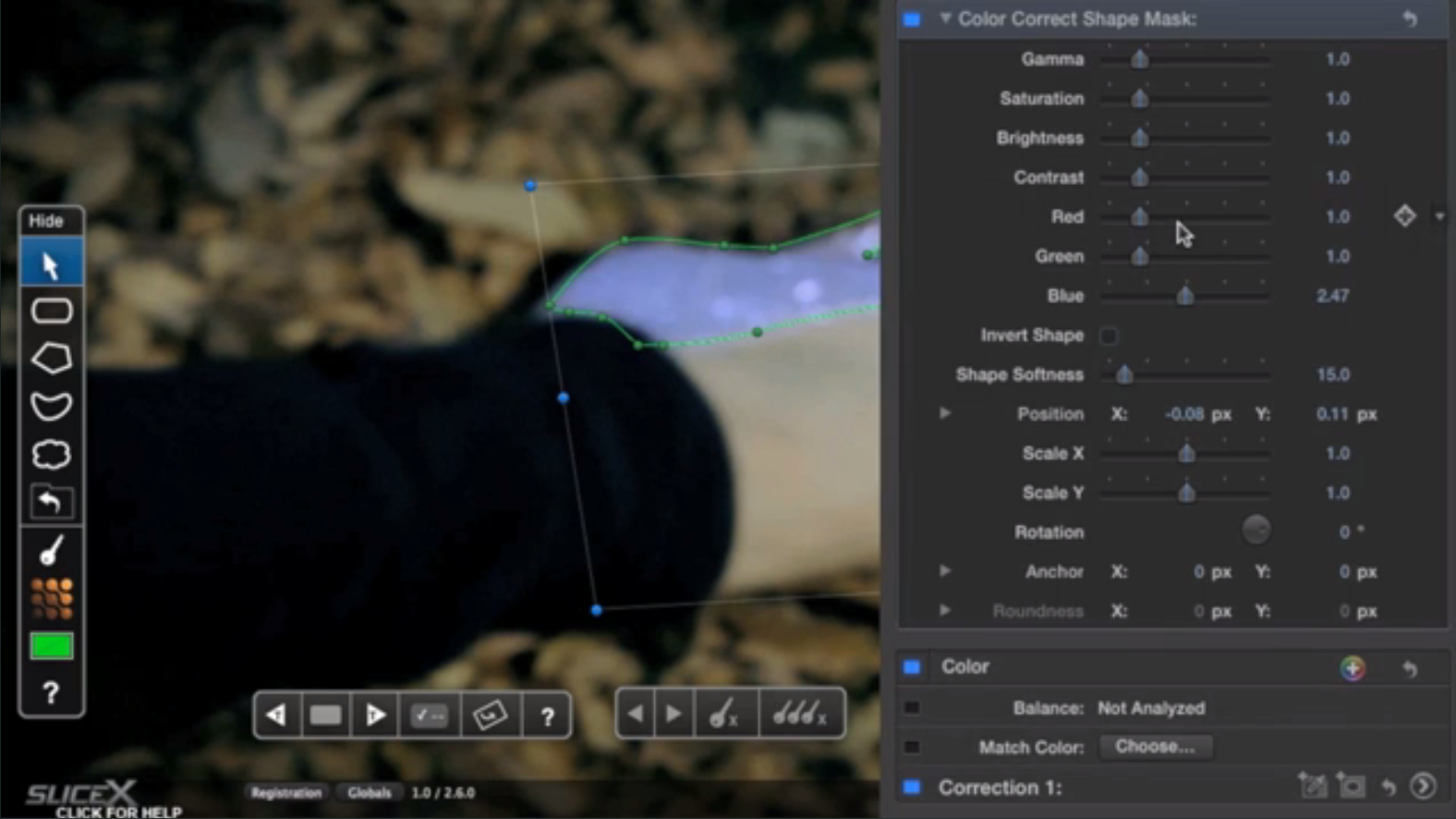
12. CoreMelt – This is an all-in-one bundle for those who just want a simple download that offers multiple useful plug-ins. It gives you a very generous 43 effects to choose from, including montage presets, filmic transitions, several light effects and even audio presets.

shape mask effect

So there you have it! – 12 of the most handy plug-ins to get you on your way to becoming the best video editor out. Not to mention the wealthiest with all the money you’ll save on paid plug-ins.

Ready to learn more about digital editing and filmmaking? Check out NYFA’s Film School programs for hands-on, intensive training.

Ultimate List of Film Sub Genres

As a species, we’ve always been keen storytellers and we’ve never stopped finding and inventing new ways to tell those tales. From the fantastical to the terrifying, there is a massive (and growing) number of film genres and many more subgenres nesting within them.

If you’re a student at film school or simply a movie aficionado looking for a new genre, you’ll find them all below.

Action Movie Sub Genres

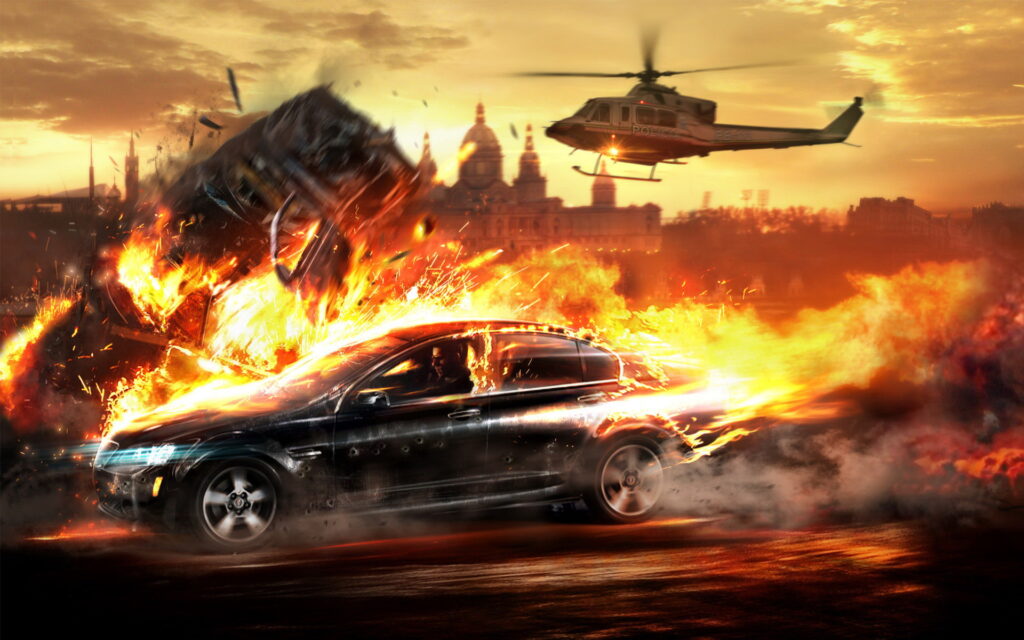
The term ‘action movie’ is a rather broad umbrella which applies to a wide range of films, as evidenced by the variety of sub genres described below. With a lot in common with the equally broad ‘adventure’ genre, action movies typically follow conventional story telling techniques and plot paths.
ultimate list of film genres

Epic Movies: An epic movie is one which sees its protagonist (or multiple protagonists) going to great lengths and over a long period of time in order to achieve a vital objective. Based in ancient Greek storytelling conventions and one of the oldest genres known to man, the tale usually involves the characters growing or changing in some way along the journey. (Ben Hur, Gone With the Wind, Lawrence of Arabia)

Spy Movies: A hallmark of the genre is that a spy or other undercover professional finds themselves on a secret mission, usually behind enemy lines, and armed with an array of special equipment and gadgets. (James Bond, Salt, Mission: Impossible)

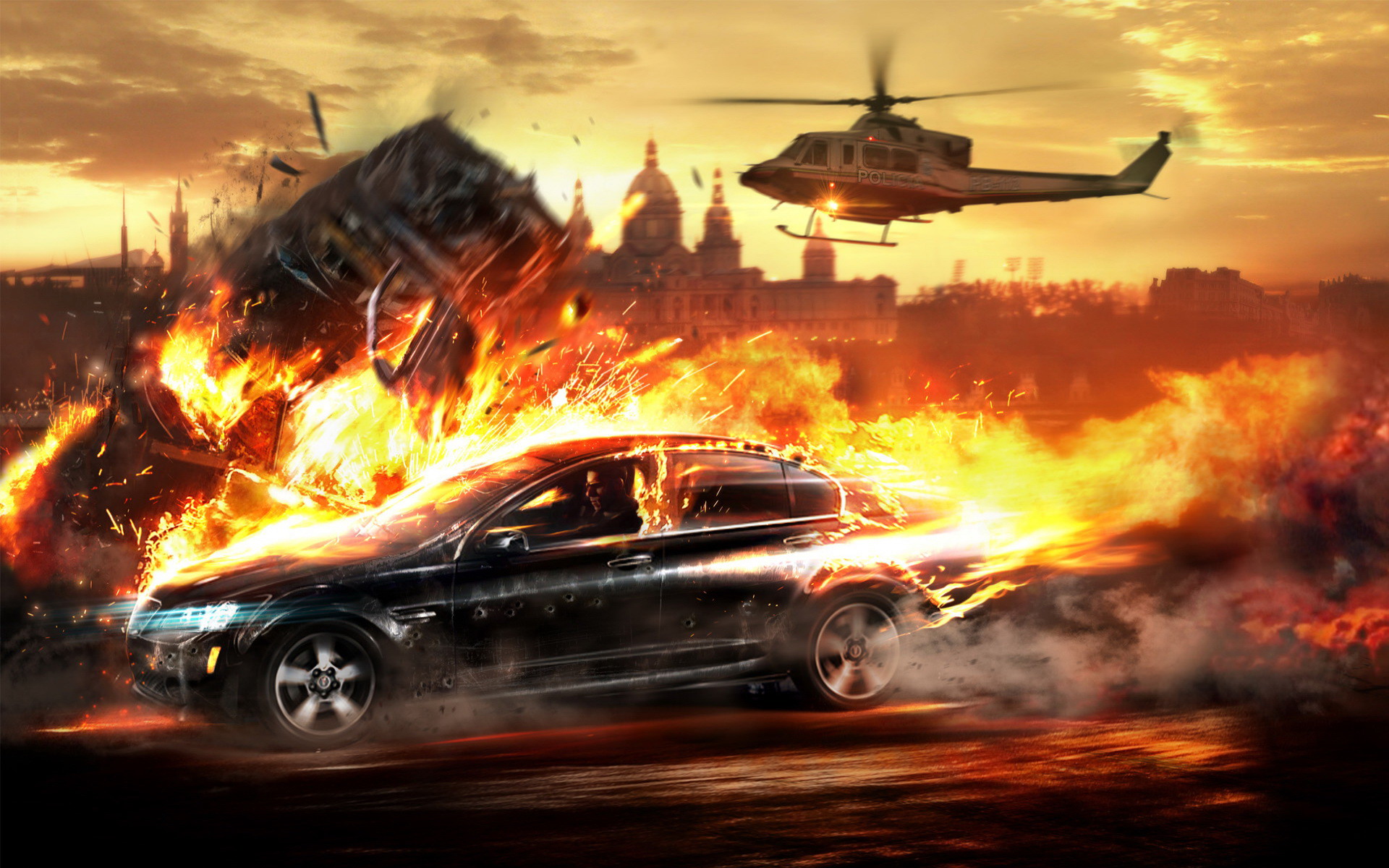
Disaster Movies: Often with crossovers into sci-fi and thriller genres, disaster films center their story around a disaster, usually natural but it can be artificial. The disaster itself can be on a global level (Armageddon, Knowing, The Day After Tomorrow) or extremely localized, imposing peril on only the central characters. (Poseidon, Towering Inferno)

Superhero Movies: One of the highest grossing of any movie genre in current times, superhero movies feature one or more characters who have supernatural abilities and do battle with similarly-powered antagonists. The majority of superhero movies – though not all – are derived from comic book source material. (The Dark Knight Trilogy, Hancock, Superman)

Thriller Movies: ‘Thriller’ is a relatively nebulous term that can be used in conjunction with crime, mystery, horror and even sci-fi genres but typically involves a race-against-time or similarly high stakes plot device. Straight action thrillers include notable titles such as Die Hard, Lethal Weapon and The Bourne Franchise.

Martial Arts Movies: Also referred to as ‘Kung Fu movies’, the primary focus of martial arts movies is the physical fight scenes peppered throughout the film. Actors typically come from a martial arts background, or are highly trained before production. (Enter the Dragon, Drunken Master, Mortal Kombat, The Karate Kid)

Video Game Movies: Screenplays which have been adapted from popular video games can fall into any genre depending on the source material, but for the most part they can be considered as action movies. (Resident Evil, Tomb Raider, Prince of Persia)

Crime Movie Sub Genres

As the name implies, crime movies see their plot revolve around a crime (or series of criminal actions) which is either taking place or has already been committed.
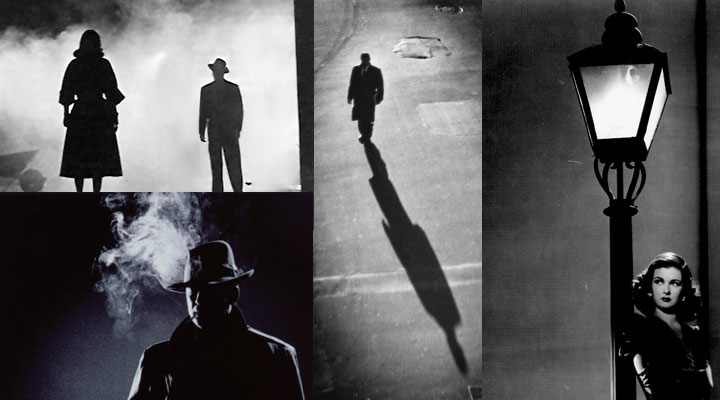
Crime subgenres list

Whodunnit/Detective Movies: This category of crime mystery is typified by its complex plot as the protagonist (usually a detective) attempts to solve the nature of a particular crime and identify the perpetrator, with the audience learning key plot details and invited to do the same along the way. (Lady on a Train, Murder Most Foul)

Gangster Movies: Anything that covers the activities of gangs – either historic or contemporary – can be considered a ‘gangster movie’. The antagonist of such a movie is often a law enforcement agency or a rival gang. (Gangs of New York, City of God, Reservoir Dogs)

Hardboiled Movies: The hardboiled detective genre rose to prominence during the film noir era of the 1920s and reached its peak during the 40s and 50s. The genre is famed for its direct-to-audience narration by the lead character, who is stereotypically a cynical detective. (The Maltese Falcon, The Big Sleep)

Courtroom Movies / Legal Thrillers: Although courtroom dramas are generally confined to television, there have been a few notable examples of films which cover the legal proceedings surrounding a crime. Can incorporate elements from other crime sub genres, including ‘whodunnit’ mysteries. (Philadelphia, A Few Good Men, The Verdict)

Fantasy Movie Sub Genres

The fantasy genre spans a wide variety of plot tropes and themes, but a unifying factor between fantasy movies is that they contain some kind of fantastical or speculative element which affects the world and the characters within it (as opposed to a technological element, which is the main distinction between sci-fi and fantasy movies). Fantasy sub genres include:
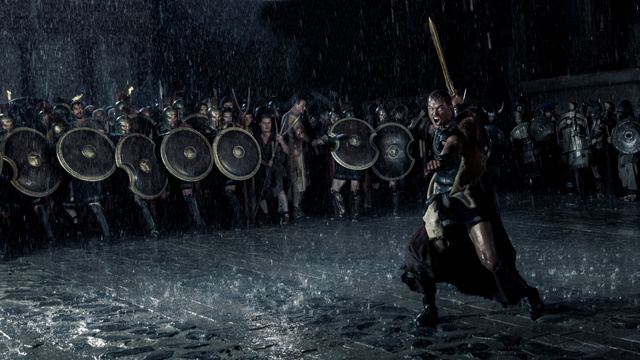
Fantasy Movies subgenres

Contemporary Fantasy Movies: Set in the real – or slightly modified – world and in a present era but with a fantastical element such as magic or other dimensions acting upon it. (Hellboy, Harry Potter, Mirrormask, Neverending Story)

Urban Fantasy Movies: As above, but used to describe contemporary fantasy primarily or wholly set within a city. It’s a sub genre within a sub genre. (Constantine, Ghostbusters, Underworld)

Dark Fantasy Movies: A merger between the horror/thriller and fantasy genres, dark fantasy movies are just that – dark in tone and incorporating disturbing imagery and plot lines. (Pan’s Labyrinth)

Fairy Tale Movies: Taking folkloric fairy tales – particularly from the likes of the Brothers Grimm and Hans Christian Andersen – and adapting them into screenplays is a growing mainstay of Hollywood in recent times. Fairy tale movies are increasingly (but not necessarily) portrayed with a gritty and dark undertone, or at least stays true to the already dark source material. (Maleficent, Into the Woods, Jack the Giant Killer)

Epic Fantasy Movies: Often derived from high fantasy literature, particularly ancient Greek epics and some of the more contemporary works of high fantasy. Epic fantasies rarely deviate from a serious tone, and can feature mythical creatures and invented languages. Also incorporates elements from heroic fantasy, as described below. (Lord of the Rings, 300, Chronicles of Narnia, Beowulf)

Heroic Fantasy Movies: The term ‘heroic fantasy’ describes the character arc moreso than the plot or theme of the movie, but arguably the two are intrinsically linked. The hero trope has existed as long as literature itself, and is typified by an (often initially reluctant) hero having to overcome a series of challenges – both physical and metaphysical – across large stretches of time and distance. (Jason and the Argonauts, The Dark Crystal, Willow)

Sword and Sorcery Movies: Comprising of many elements from epic and heroic fantasies, sword and sorcery rose to prominence with pulp fiction magazines of the 20s and 30s. (Conan the Barbarian, Krull, Masters of the Universe)

Western Movie Sub Genres

Unlike the major movie genres we’ve covered so far, the Western genre is more clearly defined as it covers tales from a very specific location and era in time (namely the 19th century in the American Old West). That said, there are sub genres within it and movies from other genres can be considered to be ‘contemporary Westerns’ given that they share similar themes – think Star Wars, for instance.
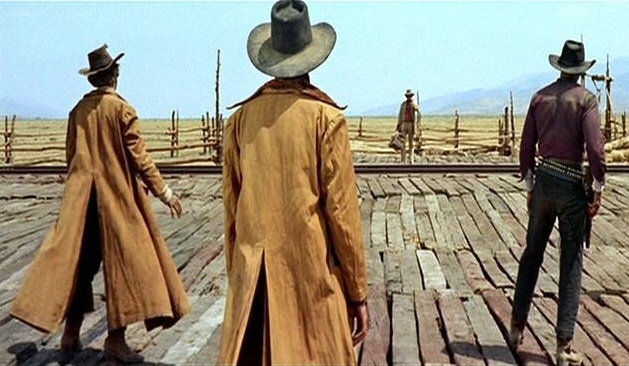
Western movie subgenres

Spaghetti Western Movies: Named so to denote the highly acclaimed movies created during Western’s heyday were produced by Italian filmmakers. (Fistful of Dollars and The Good, The Bad, The Ugly)

Epic Western Movies: As with any other ‘epic’ sub genre, epic Westerns take place over large swathes of the Old West and feature a lengthy timeline. (Once Upon a Time in the West, Red River)

Outlaw Western Movies: Centers around the activities of those opposed to law enforcement characters or bounty hunters, usually portrayed in a likeable, underdog tone. (Butch Cassidy and the Sundance Kid, 3:10 to Yuma)

Marshal Western Movies: The antithesis to outlaw Western movies, with the film following the action of a marshal attempting to solve a crime or mete out justice in some way. (The Lone Ranger, For a Few Dollars More)

Revisionist Western Movies: Having rose to prominence in the mid 60s and early 70s, revisionist Westerns are often more cynical in tone and aim to question the values and attitudes presented by traditional Western story tropes. (Dances With Wolves, Little Big Man, Lawman)

Revenge Western Movies: The plot revolves around a revenge story among two parties, often on opposing sides of the law.  (Django Unchained, High Plains Drifter, The Quick and the Dead)

Empire Western Movies: Covers the story of a rags-to-riches style story of a lone individual or group setting up an empire (typically oil-based) from scratch, despite opposition from outside agencies. (There Will Be Blood)

Historical Movie Sub Genres

Covering real events or stories about real people, historical movies are rooted in fact rather than fiction (though the accuracy of such movies is often called into question, with some directors filling in historical holes with artistic interpretation and creative license.)
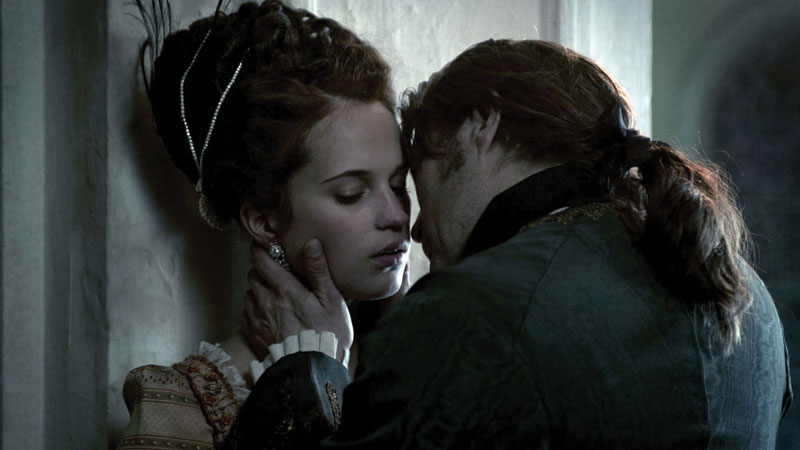
Historical movie subgenres

Biopic Movies: A movie which charts the life of a compelling individual – either historical or contemporary – or portraying a key event in that person’s life. In literature this is known as a biography, whereas ‘biopic’ refers to the movie equivalent. Given the varied subject matter, biopics can fall under any genre. (Lincoln, The Elephant Man, Ali)

Historical Drama Movies: Any movie which covers a real-life event and places it central to the story could be considered to be a historical drama, regardless of whether the characters and stories revolving around it are fictionalized. (Titanic, Schindler’s List, Braveheart)

Biblical Movies: While translating events as described by the Bible rose to prominence in the fifties and sixties, the industry has recently revived an interest in the genre with multi-million dollar budgets. Movies which are set in Biblical times are considered to be part of the genre, even if they don’t specifically adapt tales from scripture. (Ben Hur, The Ten Commandments, Noah, The Passion of the Christ)

Period Movies: A historical sub genre that takes place in a specific era, usually – but not always – rooted in 19th century aristocracy. Often referred to as ‘costume dramas’, the story covered by the movie may be fictionalized to some degree while being set in an accurate representation of the time or around real events. (Anna and the King, Sense and Sensibility, Miss Potter)

Alternate History Movies: A highly speculative sub genre of historical movies, alternate history films take on real events but with the addition of a ‘what if’ scenario, such as “what if Lincoln survived?” or “What if the Titanic missed the iceberg?”. Individual titles may be better categorized under other genres, such as science fiction. (Inglourious Basterds, Timequest)

Romance Movie Sub Genres

Tales of love have been with us for aeons, and has been a staple of the movie industry for a similarly long time. The romance genre arguably hit its peak in the 90s, with movies such You’ve Got Mail (featuring Tom Hanks and Meg Ryan) and Sleepless in Seattle (also starring Tom Hanks and Meg Ryan) having become hallmarks of the genre.

romance movies subgenres

Romantic Drama Movies: The plot of romantic drama typically revolves around two people – to date, predominantly a man and woman – as they overcome obstacles which prevent them finding true love. An emphasis on the film’s score is deemed to be common in the genre, as are happy resolutions at the end of the movie. (Casablanca, The English Patient, A Walk to Remember)

Rom-Com Movies: Traditional romance blended with elements of comedy, often seeing the leading love interests placed in bizarre circumstances or being subjected to gross misunderstandings. Nearly always resolves with a happy ending. (When Harry Met Sally, Clueless, Love Actually)

Chick Flick Movies: Often seen as a derogatory term, the phrase ‘chick flick’ denotes any romance movie perceived to be aimed predominantly towards a female audience. Romance may not be strictly necessary as a central theme. (Dirty Dancing, The Notebook, The Fault in our Stars)

Romantic Thriller Movies: The romantic thriller sub genre, as the name implies, mixes tropes common to both action movies and traditional romance. The romantic plot is usually set against high-octane action or adventure – as a result, it can cross over into numerous genres. (Knight and Day, Mr and Mrs Smith)

Animation Movie Sub Genres

Technically speaking, animation is more of a medium than a film genre in and of itself; as a result, animated movies can run the gamut of traditional genres with the only common factor being that they don’t rely predominantly on live action footage. Animated movies can be loosely divided into 2D and 3D animations, with the following techniques distinguishing them further.
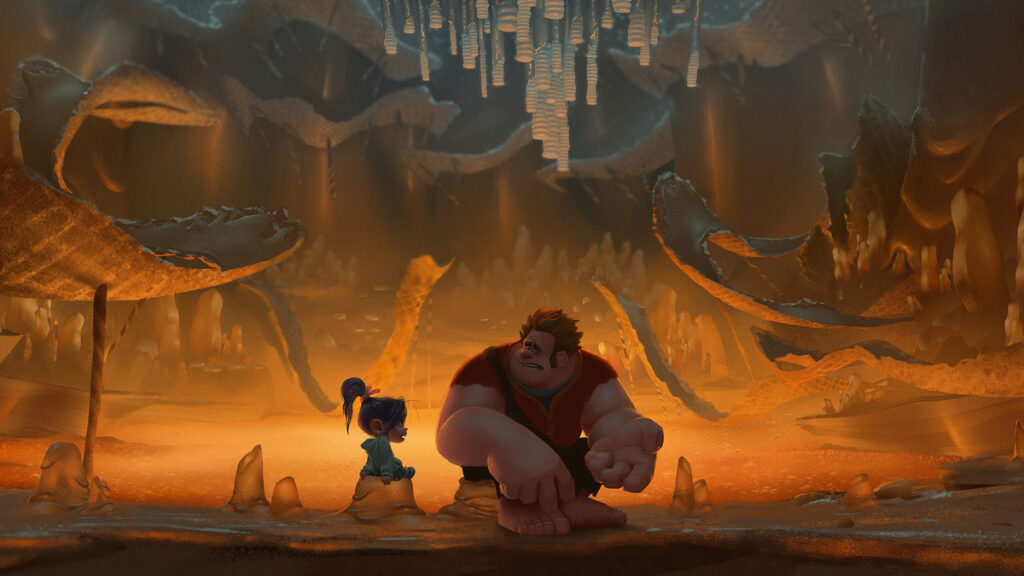
animation movie subgenres

Traditional Animation: Traditional animation is just that – the method which got the ball rolling and has been used for decades, involving hand-drawn, individual frames which are spliced together to create the illusion of motion. (Snow White and the Seven Dwarves, Spirited Away, Pinocchio, Akira)

Rotoscoping: Similar to traditional animation and developed around the same time, rotoscoping is a technique in which an illustrator traces over live-action footage to produce a highly stylized effect. (Lord of the Rings, A Scanner Darkly)

Puppet Animation: Any film that tells its story through the use of puppets and marionettes. Though the term mainly pertains to stop-motion, it has been combined to great effect with live action footage and actors working alongside puppetry. (Coraline, The Nightmare Before Christmas, The Muppets)

Claymation: As above, but using models created out of clay or plasticine molded around a wire mesh. Interestingly, the term ‘claymation’ is trademarked to Laika Entertainment. (Wallace and Grommit, Shawn the Sheep)

Live Action/Animation Movies: While the trend for combining live action and animation (usually traditional style animation) has waned in recent years, a number of movies have blended the two techniques to bridge the gap between genres. (Space Jam, Who Framed Roger Rabbit, Osmosis Jones)

Cutout Animation: Rather than using models or drawn frames, cutout animators use pieces of material and paper to create shapes, characters and scenes which are then animated with stop-motion (Fantastic Planet, Tale of Tales)

2D CGI Animation: A movie created solely through the use of software, using either vector or bitmap graphics to create animated footage. Can also supplement traditional animation techniques to make the process less labor intensive. (Paperman, Home on the Range)

3D CGI Animation: One of the biggest grossing fields currently active in Hollywood, 3D animations are now typically multi-million dollar productions using cutting edge CGI suites to bring polygonal models to life through rigging and keyframing. (Frozen, Toy Story, Up)

Horror Movie Sub Genres

We’ve always been fascinated with the macabre, and the horror genre is comprised of numerous different approaches to exploring our deep-seated fears. What follows is a list of the main horror sub genres which have arisen out of the movie industry to date.
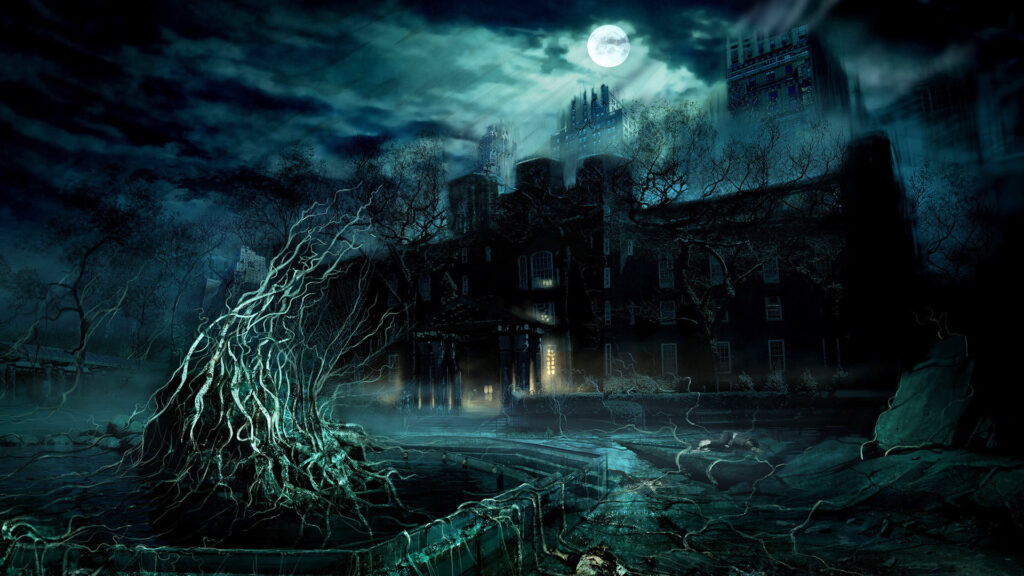
horror movie subgenres

Slasher Movies: A staple of the horror genre, slasher movies center around a killer mercilessly picking off their victims in a brutal and gory manner. Tropes common to the genre include a traditionally male antagonist, the one-by-one picking off of main characters, and the last-standing character being female who usually goes on to defeat the killer. (Nightmare on Elm Street, Halloween, Scream)

Splatter Movies: Although there is often very little distinction between splatter/gore and slasher movies, the former is usually categorized by having an even greater focus on the graphic portrayals of character deaths and mutilations through the use of special effects. (Braindead, Saw, I Spit on Your Grave)

Psychological Horror Movies: As opposed to the above, psychological horrors tend to rely heavily on the threat of impending doom or danger rather than the culmination of said factors (which may ultimately end up being portrayed). Individual titles can sometimes be best described as straight ‘thrillers’ rather than horror movies in their own right. (Silence of the Lambs, The Shining, Black Swan)

Survival Horror: The main protagonist (or group of leading characters) must endure and overcome a potentially fatal threat, which may or may not be featured on-screen. (28 Days Later, The Crazies, Cube)

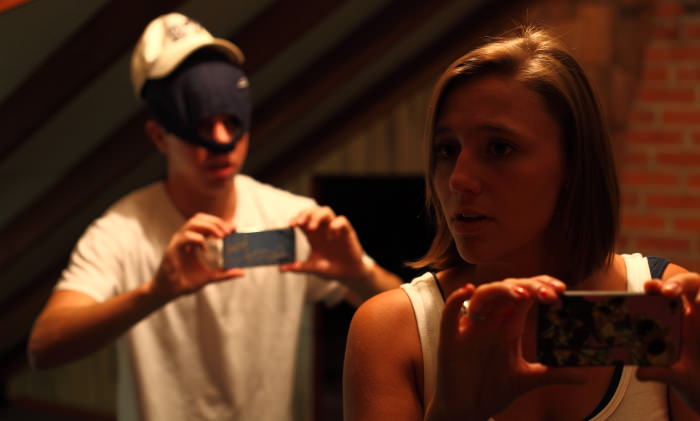
Found Footage Movies: A film which is primarily or wholly portrayed with footage literally taken or later found by one of the characters. (Blair Witch Project, V/H/S, As Above, So Below)

Paranormal/Occult Horror Movies: Any horror movie whose main antagonist is a supernatural force or entity. Can sometimes cross over into fantastical, non-horror sub genres. (Paranormal Activity, The Exorcist, Poltergeist)

Monster Movies: Any horror movie in which the leading characters are pitted against a monstrous being with naturally-explainable (if far-fetched) origins. The division between horror and action movies is often blurred with this sub genre, and can sometimes even fall under the ‘disaster movie’ category. (Cloverfield, The Creature from the Black Lagoon, Alien, The Thing)

Sci-Fi Movie Sub Genres

A mainstay of the movie industry, science fiction is similar in many respects to the fantasy genre with the exception that internal rules and universes are explained with technology or scientific understanding rather than mysticism. This open-endedness has resulted in a wide ranging number of sub genres, most of which tackle the effects advanced technology or science breakthroughs have on a civilization and the ramifications therein.
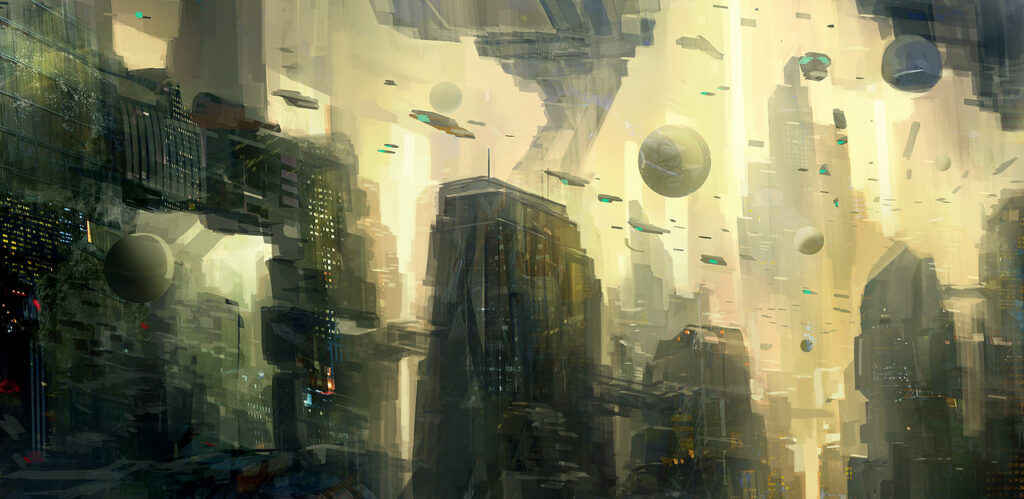
sci-fi movie subgenres

Hard Sci-Fi Movies: In both literature and movies, ‘hard’ science fiction denotes that the sci-fi elements of the story could conceivably be plausible within real-world laws of physics, usually as a result of screenwriters striving for scientific accuracy. (Jurassic Park, Gravity, Europa Report)

Apocalyptic Sci-Fi Movies: Covers the story of a lone protagonist or group of survivors following the downfall of civilization, the cause of which commonly being a nuclear conflict or natural/disease-based disaster which occurred shortly before the start of the storyline. (12 Monkeys, Planet of the Apes, Terminator 2)

Future Noir Movies: With some crossover into apocalyptic movies, the future noir sub genre deals with future societies (which may or may not be more technologically advanced than our own) but covered with a ‘film noir’ aesthetic. (The Terminator, Blade Runner)

Space Opera Movies: The term ‘space opera’ is used to describe movies that are mostly set in the interstellar medium, numerous planetary systems and over great distances, thanks to advancements in space travel. (Star Wars, Star Trek, Serenity)

Military Science Fiction Movies: Military sci-fi places a heavy emphasis on the journey of a soldier (or platoon) that is part of a future military and the battles in which they find themselves. A more technologically-advanced race playing the film’s antagonist is common to the sub genre. (Starship Troopers, Aliens, Edge of Tomorrow)

Punk Sci-Fi Movies: Any sci-fi movie which is set in a dystopian future and features unique technological advances can fall under the ‘punk’ sub genre, but this can be further subdivided into genres such as steampunk (industrial aesthetic), nanopunk (featuring nanotechnology), atompunk (stylized around the cold war/atomic age), cyberpunk (with characters sporting cybernetic enhancements) and more. (Total Recall, Metropolis, Demolition Man)

Speculative Sci-Fi Movies: Although many other genres of film can be considered speculative in nature, science fiction lends itself well to the ‘what if?’ style of screenwriting given that, as a genre, it’s highly speculative by its very nature. The postulation of time travel, parallel universes and physical law breaking are common to this sub genre. (Primer, Interstellar, Source Code)


Know of any sub genres we’ve missed? Let us know in the comments below and we’ll be sure to add them here.

Q&A With Screenwriting Grad Nick Oktaras

NYFA does not represent that these are typical or guaranteed career outcomes. The success of our graduates in any chosen professional pathway depends on multiple factors, and the achievements of NYFA alumni are the result of their hard work, perseverance, talent and circumstances.

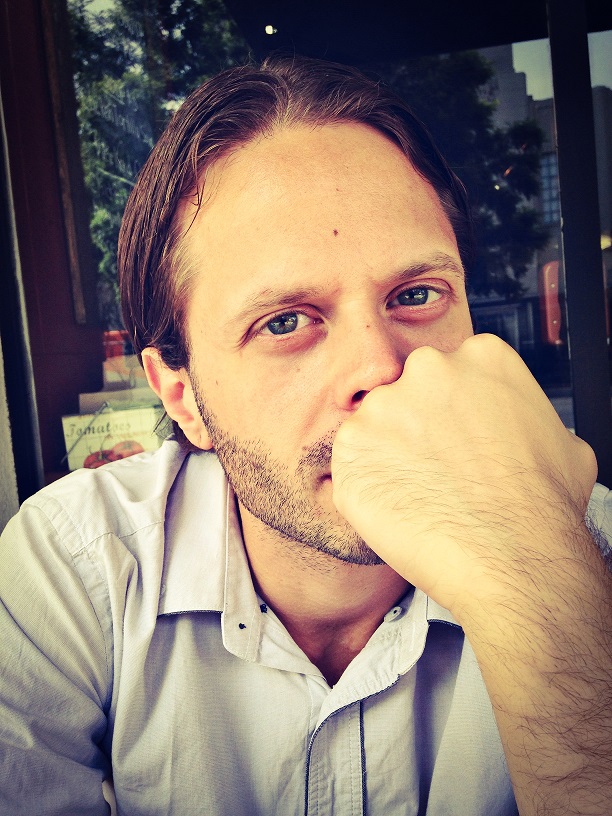
Nick Oktaras
Photo provided by Nick Oktaras

NYFA: Hi Nick, would you mind telling us a bit about your background and what drew you towards screenwriting? Why did you decide to study screenwriting at NYFA?

NICK OKTARAS: My family always encouraged me to do whatever I wanted to do. Which was great! except for one thing; I never knew what I wanted to do. My biggest fear growing up was that I didn’t want to be 80, lying in my death-bed and with no stories to tell my grandkids. So… I did everything.

Bartender, carpet steam-cleaner, ventilation cleaner, pool table felt-brusher, door-to-door salesperson, customer service consultant, admission’s manager, Army Reservist, chili-powder factory worker; the list goes on. But, I never stayed in one job for too long. I just got bored real easily, mainly because I ran out of exciting stories to tell from the workplace. So, after killing my boredom from traveling all over the world, Thailand, Malaysia, Canada, Alaska, and Hong Kong, I just took a step back and thought to myself;

“What didn’t I get bored with when I was 10-years old?” Answer: Watching movies.

First things first. Make sure. So, I enrolled into an ‘Introduction To Screenwriting’ short course at RMIT in Melbourne. It was only once a week for 3 months. Hell, that was longer than half of my previous jobs so, I moved on to phase 2; Enroll into an intensive program that covers all aspects of filmmaking. I didn’t know what I was exactly looking for, but I knew what I wasn’t looking for. I wasn’t looking to spend my next 3 years chasing a bachelors degree with 70% of the classes being theory based.

After an exhausting amount of research, I was ecstatic to learn that NYFA was planning to open their first campus in Australia. In 2012, me and 11 others, enrolled into NYFA Australia’s inaugural filmmaking program where we each wrote and directed 8 short films. Collectively we worked on over 70 projects. I loved the intensity, the long hours and the sleepless nights, but my biggest appreciation went to the hard work everyone put into telling a story.

So, after saving enough money from working at NYFA Australia as their Admission’s Manager, I made the move to LA and enrolled in NYFA LA’s One Year Screenwriting Program.

NYFA: Your screenplay This Old Man has been doing exceptionally well at film festivals this year, including being a finalist at the 2014 Atlanta Film Festival Screenplay Contest and the Best Feature Gold Prize at the Beverly Hills Screenplay Contest. Would you mind telling us a bit about how you came up with the story for the script and fine-tuned it into the award winning script it is today? Why do you think this script in particular has been met with such success?

NO: It was inspired by a class exercise in Liz Werner’s Story Generation. Each week we were given a certain method into finding inspiration to tell a story and present a one page treatment. The methods ranged from newspaper articles, social media, observing strangers, myths & fairytales etc. I came up with the story of This Old Man after an inspiration exercise which was an excursion to LACMA. There was a painting of a weathered Old Man sitting on a bench in open field. So, my love of coming-of age tales kicked in and Clint Eastwood’s A Perfect World popped in my head. It’s about a kidnapped boy who strikes up a friendship with his captor, played by Kevin Costner. (Spoilers; Costner dies in an open field).

So I took the Old Man in the painting and asked myself;

“Who is he waiting for at the bench?” The little boy.

Why?

To replace him as Death.

So after few this-makes-no-sense treatments, (the first treatment had a thriller road-trip tone involving a Neo-Nazi), I rewrote the treatment to represent the family-friendly script it is today.

So, under the great guidance of Matt Harry in Writing the Feature Film II, and 2 rewrites after graduation with the help of fellow NYFA Alumni, Lucy Luna, This Old Man was born.

This Old Man is a tale of a mature 10-year old boy who finds his dead brother’s mysterious scrapbook and teams up with the only person that could help him decipher it; a delusional old man who thinks he’s ‘Death.’

To be honest, I’m still a little overwhelmed by how well it’s been received in screenplay contests thus far. But if I have to guess, I think it may have to do with genre. When I interned as a script-reader there were so many scripts that would come in that were raw-and gritty, with messed up characters and in an even more messed up world. Maybe it was nice to change it up a little for the poor script reader interning at the contest. But honestly, I have no idea.

NYFA: What is one lesson in particular you learned while as a student at NYFA that you still find yourself applying to your current work?

NO: I never presented a vomit draft in class. I would vomit a scene in my head and get to work when writing it. If you’re hoping to receive feedback and you present your vomit pages, then you’re going to receive feedback on what you already know doesn’t work or can be fixed. So, why waste time.

Always present your best draft. Even if it’s bad, as long as it’s the best that you could do.

NYFA: In addition to your work as a screenwriter, you’ve also worked in a variety of crew positions and as an actor. How has working in the various different filmmaking positions helped you to develop as a writer? What insight have you gained working as a filmmaker that you don’t think you might have gained if you had stuck solely to writing?

NO: You really start to appreciate the hard work that goes with every role, and just as important, whether the script is shootable. Can the DP set up the shots with out spending millions of dollars? Should I rewrite the scene? How many actors are needed? Should I lose a character? Is there enough breathing room in the script for the DP, director, and actors to input their craft and feel part of the process? All these elements are crucial for independent filmmaking.

Working as a filmmaker, and then moving to writing, you really do learn to take away all those unnecessary details that you find in a script. Take away the color of the door being blue. Location manager will find a green door and production design will paint it red.

NYFA: What kind of stories, themes, and/or genres are you attracted to in particular? What themes do you find yourself returning to often?

NO: I enjoy watching raw-and gritty dramas with characters that would blend in today’s society and nobody would even notice them. It makes you question all those people you didn’t say hi to on the way to work in the morning.

I love coming-of age tales. I just love that nostalgic feeling you get when you relate the scene to something you went through growing up. Either you went through a coming-of-age years ago or you’re going through it right now.

NYFA: How do you feel NYFA’s philosophy of “learning by doing” helped you to prepare for your career outside of NYFA?

NO: I got my first job in the film industry at NYFA’s graduation screening. An actor, who happened to audition for my final film but didn’t get the part, was in the audience. He leaned over during the credits and gave me his card. From that point on, I’ve worked as a writer, director, researcher, runner, boom operator, casting director’s assistant, 2nd AD, 3rd AD, and all because I knew exactly what I was doing from when I was a student at NYFA.

NYFA: How has NYFA continued to help you in your journey as a screenwriter? How have the Alumni Workshops helped you to develop your craft as a writer?

NO: NYFA caters for all aspects of filmmaking which is great because since graduation, fellow filmmaking students have made contact for potential collaborations in the future. The Alumni workshops are just as intense as the NYFA programs themselves. The only difference, is that nobody’s chasing you to hand in a particular assignment. It’s entirely up to you now.

NYFA: Where would you ideally like to see your career in ten years? What would your dream writing gig be like?

NO: Ideally, in 10 years, I would like to be an established writer with at least one produced film and a few more optioned.

Wow! My dream writing gig would have to be ‘the-go-to-guy’ for rewrites. The ones they call on for when there’s one week of shooting left and the entire film needs to be rewritten based on the footage they already have. Is that too much to ask? Ha.

NYFA: Do you have any pieces of advice for current students or aspiring screenwriter on how to get their work seen and noticed?

NO: Entering comps can be expensive so try and find the ones that offer some sort of feedback as part of their entry fee. Also, look out for prizes. Not necessarily the cash prizes, but the prize of having a talent agent reading your material is worth more than some of the cash prizes out there.

As for the script itself, just impress the reader. It doesn’t matter if it’s for representation, a screenplay contest or your colleague at the printer, find your voice and make it a page turner.

The Best Sites for Green Screen Video Footage

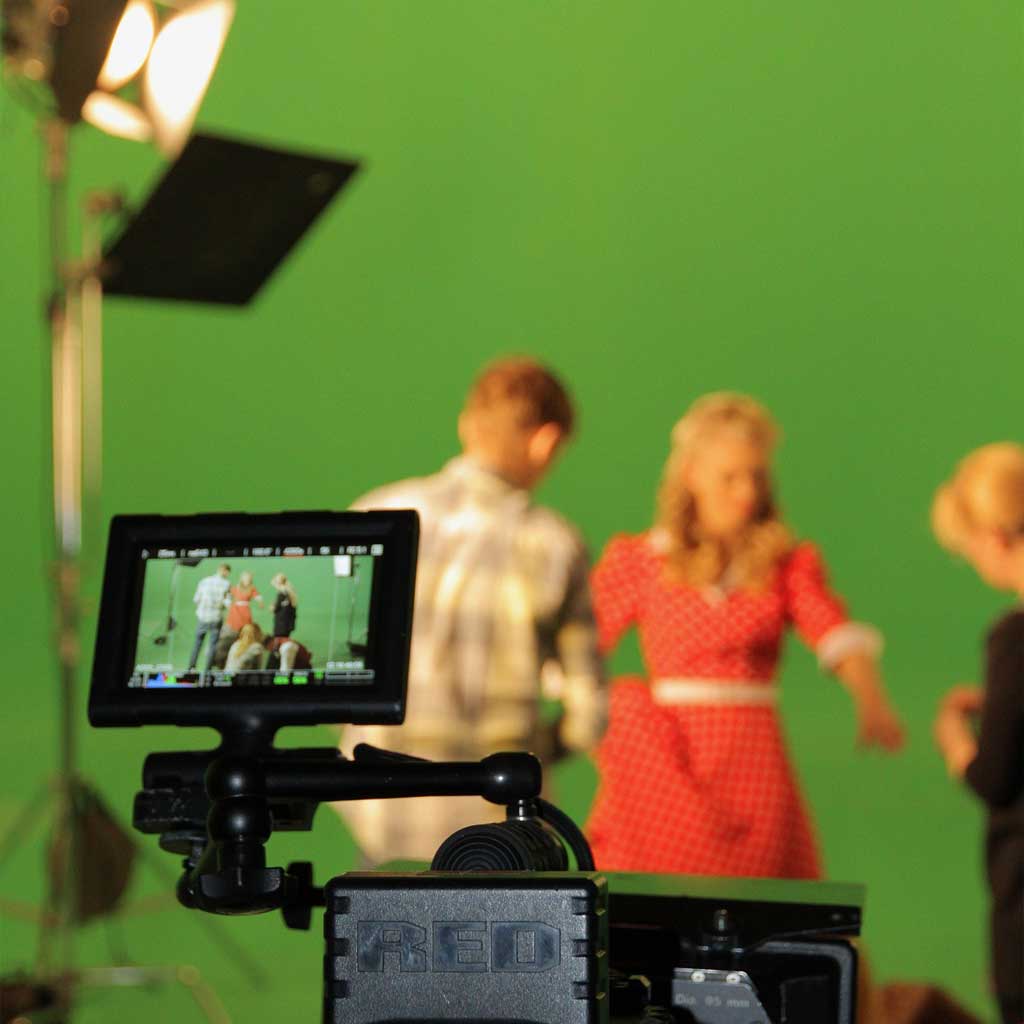
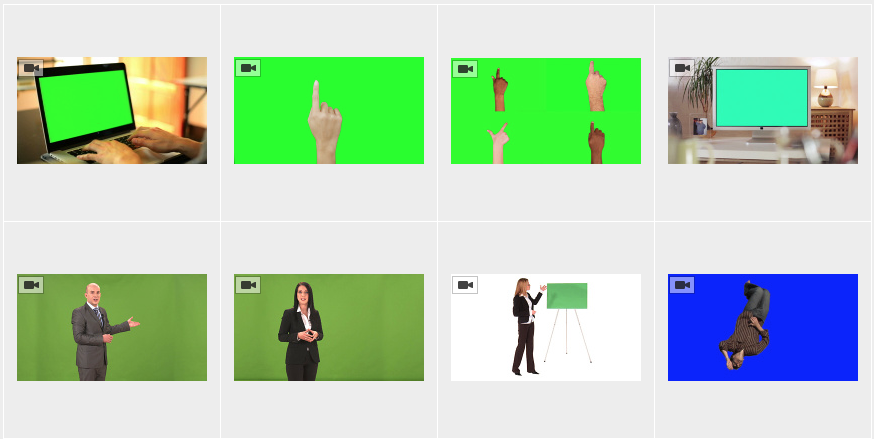
Using green screen — or chroma keying — is a great way of reducing costs and making your film project fantastic, even if (or especially if) you’re on a budget. It can also make it possible to create footage and effects that wouldn’t normally be possible without an extensive amount of travel or costly set design.

Green Screen Set

We’ve previously covered the best practices of chroma keying as part of our broadcast journalism resources, but that leaves the question of where to get green screen footage from. Luckily, there are many companies out there that will provide you with whatever green screen footage that you need, from exotic locations to stock animal footage and beyond.

Some offer one off-sales while others run via a membership scheme, and there are even some sites which provide green screen footage free of charge. We’ve gathered 11 of the best sites for green screen video footage:

The Best Sites for Green Screen Video Footage

11. Motion Array

Motion Array offers over 160,000 stock videos, with various pricing plans available. Video footage includes everything from beautiful landscapes to office backgrounds.

The free option offers 1GB of storage while the $29/month plan offers 10GB and the $192 annual plan offers 20GB. 

10. Shutterstock Video

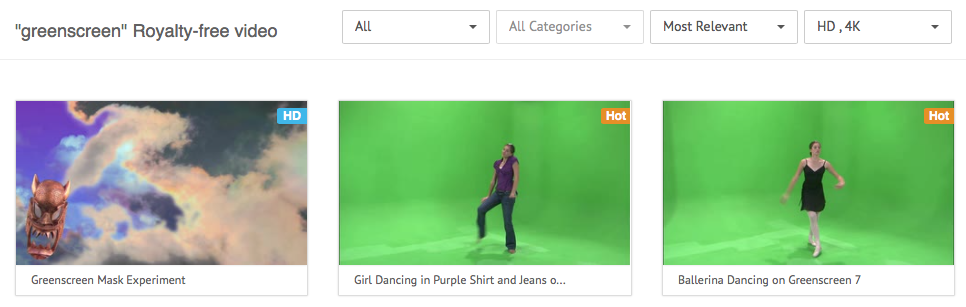
With over 2 million royalty-free videos and one of the most popular names on this list, Shutterstock makes for a useful site to use when thinking about greenscreen. The company has a wide range of categories to choose from including aerial shots, celebrities and time-lapse footage.

best sites for green screen video footage

You can either choose to download a single video at a time or you can select a bundle:

Low definition starts from $79 for 5 videos, standard definition starts from $299 and HD videos starts from $369. The site does offer 4k quality videos, but these are not currently included in a bundle and cost $299 per video.

9. Hollywood Camera Work

This site provides some free VFX Plates to download and test. It’s especially useful for film school students as there are some interesting shots that can be used to hone your skills, such as an embassy shoot out or an F15 fly over. It also has different effects like sunglasses reflections.

Hollywood camera works

There are some caveats for allowing you to use the clips, like linking back to the website rather than the video page and not hosting the videos yourself, but other than that, they are free to use.

The videos have been uploaded in HD at 1080p and 720p and the aspect ratios are provided. The site also confirms what ratio has been used so you can get the perfect shot.

8. Green Screen Films

free green screen footage

Green Screen Films offers an alternative if you are looking to use the footage for a commercial. It provides you with stock footage that can be used with the background of your choice, and there’s a range of options to filter through (including business, touch screen, and animals.) There is also the option for the site to create a video of your choosing.

Prices range from $19 for web quality to $129 for HD Broadcast.

7. Video Blocks

Video Blocks gives you the option of using one of their backgrounds or providing your own background for the footage provided. The stock green screen footage ranges from live dancers to studio sets, with clips being 100% royalty-free (and there are no hidden fees).

Green Screen royalty free

Users have unlimited downloads and the videos are regularly updated. Additionally, there are long term contracts, so you can keep the downloaded content indefinitely.

6. Dissolve

This site is for more professional projects, providing high-quality footage that can be used in advertising, corporate videos, and more alongside green screen footage. The site also provides great usage ideas to help you along.

stock footage

At $50 per clip, this site may not be for the filmmaker on a budget, but the quality of the clips is outstanding.

5. iStock

iStock is a popular site now run by Getty Images, and with that provides the type of quality you would expect from the stock conglomerate. It allows first time users to download one video for free, but thereafter charges for each download.

istock green screen

You can either chose to purchase credits at a cost of $30 for 3 credits or you can subscribe for a monthly discount. While pricey, the videos you purchase are royalty-free.

4. Pond 5

Pond 5 offers all sorts of stock photography and green screen footage. Like some of the entries above, it provides the video.

Screen Shot 2015-03-06 at 19.43.36

The downloads are all royalty-free and you can search for the video you want using filters to whittle down the options. Prices are on a video by video basis but at $69 per download, the downside is that Pond 5 is fairly expensive.  

3. Green Screen Animals

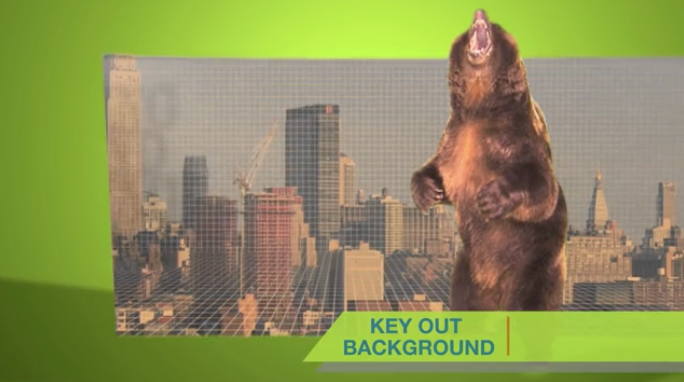
Green Screen Animals offers what it says on the tin – videos of animals that you can superimpose onto any background you wish. Whether it be a roaring lion or an American bullfrog, this site can provide you with your exotic animal requirements.

green screen animal

Pricing varies quite a bit, but as an example, the cost of using the bullfrog video for an advertisement is an eye-watering $2,700 (which reflects the uniqueness of the footage).

2. Dreamstime

This site provides a wide variety of professional SD and HD royalty free footage, including 2D and 3D animation, travel footage, and animal footage. The pricing is based on a credit system, with SD quality costing 15 credits and 4k resolution costing 90 credits.

green screen stock footage

Although this is a British site, you can buy credit packages through PayPal for as little as $15.73 for 11 credits.

1. Footage Island

Footage Island is a YouTube channel that provides totally free footage for various projects, both personal and professional – perfect for those creating projects at film school. The uploader provides a wide range of handy green screen essentials such as flag animation, logo animation, surveillance security camera overlays, and things of that ilk.

youtube green screen

If the above sites are too expensive then you can always learn How To Create a Green Screen on a Budget. Know of any great sites for green screen video footage that we might have missed out? Help out the filmmaking community by letting us know in the comments below.

Interested in upping your game in the film industry? Check out New York Film Academy to learn more about the world’s most hands-on, intensive film programs.

Camera Trends of 2015: 4K Cameras Under $1k, SD cards and NFC

With 2015 in full swing, students at our cinematography school are already seeing new trends, equipment and shooting techniques emerging this year.

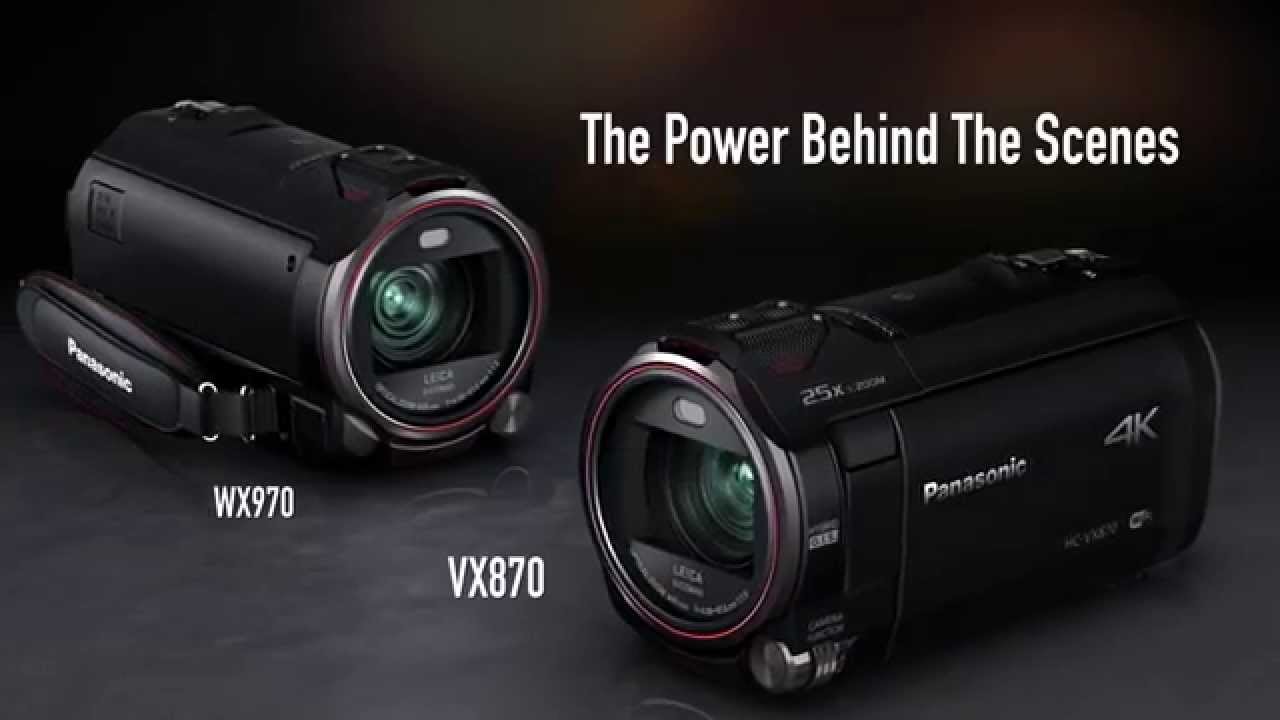
One of the biggest announcements for 2015 is Panasonic’s unveiling of their latest line of 4K cameras. This might not sound like big news given that 4K cameras have been on the scene for a while now, but there’s a distinction with this latest wave: unlike any decent 4K that has come before, these guys are priced for home users.

How cheap are we talking? Very.

4K Cameras Under $1000?

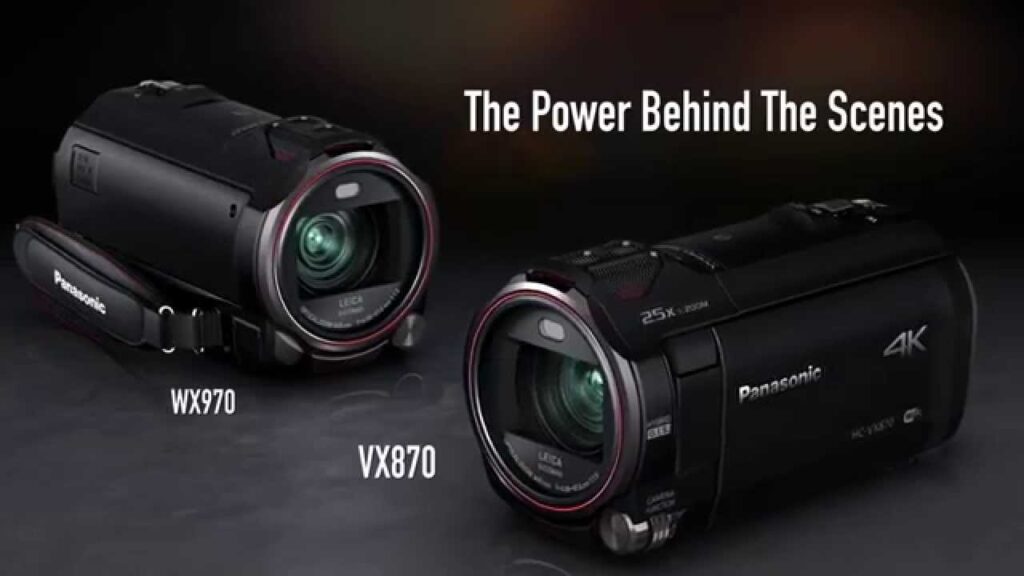
Whereas a quality 4K camera like the Sony PXW-Z100 or Panasonic’s own HC-X100E would have set you back a good $6000 to $10,000 (depending on optional extras), the HC-WX970 and VX870 start as low as $900.

Camera trends for 2015

At such a low price, you’d be forgiven for thinking that they must have cut more than a few corners to get the price down so low. The good news is that this isn’t the case; both cameras are able to record in 60fps in 2160p with glorious results, and at frame rates of up to 240fps in 1080p (although that’s only with interpolation, otherwise it’s a commendable 120fps).

Want to see how good they look? Check out this test footage of the Panasonic HC-WX970 (and make sure you set the YouTube quality setting to max for full effect). We’re not sure what camera is used for the ‘competitor’ footage, but the results from the Panasonic speak for themselves:

And here’s a hands-on tour of the features and specs of the HC-WX970:

Given that the WX970 is priced at $999, we’re sure you’ll agree that it packs a serious punch for the money. The HC-VX870 is similarly powerful and nearly equal on specs, but $100 less expensive (the main difference being it doesn’t have the second PIP lens on the side.)

Given that both camcorders are designed for the home consumer market, there are naturally some limitations and professional users will find some of the features are a little gimmicky, but on the whole Panasonic’s new line is the first step into the affordable 4k camera arena.

Other Camera Trends of 2015

It’d be fair to say that with Panasonic having released a couple of 4k cameras under $1000, Sony are pretty much guaranteed to follow suit and we can probably expect news of their forays into this new consumer market in the coming months.

4k cameras under $1000

But what of the professional-grade camera trends of 2015? It seems clear that we’re moving in very definite directions this year:

SD Cards Lead The Way: It seems we’re coming to the end of the era in which cinematographers have to cart around multiple external hardrives and a laptop as well as the camera equipment itself. Given that bigger SD cards are becoming available and for way less money, an increasing number of camera manufacturers are making sure that they add slots for SD cards… thankfully.

WiFi and NFC Support: Despite just about every device on the planet having some form of internet connection (or even just interconnectivity), professional-grade cameras have been surprisingly slow to catch up. But along with a greater focus on SD cards, one camera trend we’re very likely to see for 2015 is better support for WiFi and NFC, which will make transferring footage while you’re out in the field much less of a headache.

Easier Stills: In previous times, many cameras haven’t made it easy to extract a video frame as a decent quality still on the fly. The cameras discussed above make it a one-click job and export stills at an impressive 8MP, and we wouldn’t be surprised if the rest of 2015’s new cameras come with the same feature.

And finally, it would be remiss of us not to point out one of the most obvious camera trends of 2015 – smart phones continue to play a part in even professional cinematography. It’s a trend that has been around for a few years now, but as Moore’s Law dictates, the rate of technological increase with phone cameras is growing exponentially (to the point where it’s possible to shoot a full feature film on an iPhone.) Slow-mo video in particular is the order of the day, with the iPhone 6 shooting in 240fps to create true slow motion footage rather than simulated.

dead_island_prod_still_1

*Disclosure: Neither NYFA, the cinematography school or the writer of this post has any commercial ties with any of the companies listed above. 

Q&A With Screenwriting Grad Lucy Luna

Screenwriter Lucy Luna
Photo provided by Lucy Luna.

NYFA: Hi Lucy, would you mind telling us a bit about your background and what drew you towards screenwriting? Why did you decide to study screenwriting at NYFA?

LUCY LUNA: I started writing very young. I wrote a lot of short stories, my mom noticed they all had a twist toward the end, she thought I had style, but all moms love what their kids do. So I read them years later and I thought they were awful, but not bad for a seven or ten-year-old kid. Then I started blogging and using social media, tweeting micro stories or poems and I started getting good responses from people.

I knew I wanted to write movies when I was fourteen or fifteen. I spent hours watching The Making-Of from a lot of movies and I found magical the fact that hundreds of people were running around working on a movie that someone wrote. That’s what I wanted. I had a screenwriting class at the degree I was studying, and once that class finished I dropped out, I made a couple of short films and a movie, while taking screenwriting courses everywhere and reading screenwriting books. But that movie never passed the editing room, and those short films were missing something. I knew I needed to learn and improve but I never found a school that satisfied my needs so I started looking outside my country. After a lot of research, I chose NYFA.

NYFA: You are originally from Morelia, Mexico. What opportunities are there in terms of education for aspiring filmmakers in your country? How do you find your nationality impacting your role as a storyteller, if at all?

LL: I think there’s a reason why you see people like Del Toro, Cuarón or Iñárritu working here and not in Mexico. I love my country, but it’s going through a painful situation on so many levels. In terms or art, I can make a huge list of talented people that are stuck because of the system. Our government couldn’t care less about anything, much less about any artistic field. Every president reduces the budget that is supposed to go to art. The only thing they do is tweet proudly whenever someone wins an Oscar.

I know only one good film school that actually has the tools to provide students the education they need. Even though, the admission process is tough. The classes have a small number of students, which I think is great for teaching and learning purposes, but then, the talented people that don’t get in, they don’t have any other options to go to.

I do love Mexican films though. Days of Grace is one of my favorites and I bet nobody’s heard of it. Beyond Cuarón or Iñárritu, we also have a lot of directors winning Cannes or Sundance such as Gerardo Naranjo, Michel Franco, Amat Escalante and Everardo Gout.

Mexico is going through a lot of issues. I feel my only way to help is to write about it. I’m currently developing a script in Spanish inspired by the disappearance of 43 students last year. It was such a hazy situation that it shook our entire nation.

NYFA: What themes, topics, or genres do you find yourself most drawn to? What are some overarching themes that you’ve found tend to pop up across your work?

LL: Most of my stories beg the question “what’s wrong and what’s right? And who establishes that?” my characters are always breaking rules, for good reasons. And I always have female leads. As a writer, I would say I’m most drawn to thrillers and light dramas.

NYFA: What aspect of NYFA’s curriculum did you find the most conducive to helping you to grow and develop as a writer?

LL: I read a lot of reviews and they all mostly agreed in NYFA having a great screenwriting department, I also did some research on the alumni, they are selling pilots, etc. Once the course started the teachers and their classes spoke for themselves. I do think NYFA has a brilliant screenwriting department. All the professors are working writers but more than that, by their feedback and guidance you immediately know their knowledge in this field is huge. I don’t think I can’t measure how much I learned last year.

NYFA: You recently won Best Drama at the Sundance Table Read My Screenplay for your screenplay Sophie & Valentina. What have you learned by submitting and being accepted to festivals and what are some pieces of advice you would give aspiring screenwriters in terms of creating screenplays that will perform well at festivals? Why do you think Sophie & Valentina has been particularly well-received?

LL: I think the journey starts by being honest with yourself. We might all love screenwriting, which is why we move to LA or invest in a school like NYFA, but it doesn’t hurt to ask: “am I ready to get my material out there? Do I have the necessary tools? Do I need more training?” and as harsh as it may sound… “Am I talented enough? Or do I need to work harder than the ones who are?” And no matter what the answers to these questions are, if you really love writing… Don’t quit.

Sophie & Valentina is a story I’m very proud of, I think it’s a beautiful concept, but when I graduated it wasn’t ready, so I sat down with Nicholas Oktaras, we destroyed each other’s scripts and did another rewrite based on that. We’ve both won a Screenwriting Competition each, with the third draft of our scripts. I asked myself, “How did that happen?” I still polish and read my script every time there’s a competition I’m interested in. So I think the answer is… I had a story I was passionate about and I worked hard. I knew the journey wasn’t over after graduating and also; I didn’t take NYFA as a school but as the place where my career would start. I never skipped a class, always handed in pages and never took the advice that most of the teachers gave: “Just vomit, just write, it’s only a first draft” I made sure I was writing the best possible pages according to the tools and time I had back then. Of course it wasn’t perfect, it was a first draft, but it was better than if I just wrote for the sake of writing for class. I did my best because I trusted in my story and I knew I wanted to get it out there. I didn’t treat it as an exercise to pass a course. I never used excuses, and mostly, I enjoyed every word and every page I wrote.

And of course, if somewhere out there Sophie & Valentina’s third draft was well-received is not only because I worked hard but also because I had a brilliant mentor, Matt Harry, and classmates that always had notes to give. I knew exactly what needed work.

NYFA: Since graduating from the One-Year Screenwriting Conservatory, you’ve participated in the Alumni Workshop at NYFA. How has this helped you to develop your skills as a screenwriter and has it helped you to forge any new working relationships?

LL: Once you graduate, the Alumni Class gives the best students the opportunity to write in a workshop with a professor. I love it, all my classmates have a high screenwriting level, we help each other, and the workshop moves fast. It’s not a class, it’s being inside a writers room. This helps because there’s the freedom to work at your own pacing and with your own method.

NYFA: Not being from the USA yourself and studying with a very international student body at NYFA, how did the international nature of NYFA help you to develop as a writer? Did you find yourself exposed to certain world views or approaches to screenwriting that you wouldn’t have encountered otherwise and how did those help shape you as a writer.

LL: I felt very comfortable. I think there were only two Americans in my class. There are people from all around the globe and I love that. If there’s anything I learned is that stories are universal, and it doesn’t matter where you’re coming from. That’s the beauty of being a writer.

NYFA: You began writing horror stories around the time when you were 10. Do you find yourself still drawn to the genre and/or do you feel that female horror writers are able to bring something new to the horror genre? If you are not still interested in horror, what genres have you found yourself particularly drawn to as a screenwriter? What kind of projects do you think are the most fun for you?

LL: I love horror and I still want o write a horror one day. I don’t think it’s a matter of gender, the horror genre has been suffering for a while, there are some terrible movies out there but we’ve had some great ones too. I think it is one of the genres where it’s easier to fall into clichés. So it’s definitely a challenge.

At the moment I don’t have any particular idea for a horror script, but I am developing a couple of thrillers. I find thrillers very exciting to write. But I also enjoy light dramas or what we call ‘dramedies’.

NYFA: Do you have any parting words of advice for aspiring screenwriters and what the best practices are for realizing one’s goals as a screenwriter?

LL: I don’t want to say work hard, study, read scripts, write everyday, etc. I think when someone loves screenwriting; nobody needs to tell them what to do. I think they’ll be guided by their passion, and everything else comes naturally. I also think our love for screenwriting is what gives us strength to find patience; it gives us courage and humility. So I would say, if you love this, be honest, acknowledge your strengths and weaknesses as a writer, work on them, and don’t quit

5 Reasons Why Hearthstone Is Now The Most Popular CCG

Few could have anticipated the level of success Hearthstone would achieve, even if trading card games like Magic The Gathering are as popular as ever. Who would want to play with digital cards when these kinds of games are best played with actual cards, right? As it turns out, a lot of people would.

What’s interesting is that Hearthstone is far from being the first digital trading card game. Even so, it’s the first to draw in such a huge amount of players and keep them coming back for more. Since Blizzard obviously knows what it takes to make an addicting game, it’s not a bad idea to analyze what exactly sets Hearthstone apart from the rest and makes it one of the most popular games today.
It’s Easy To Pick Up And Play

When you compare Magic the Gathering and Hearthstone, two similar trading card games,  you’ll notice that they are both very fun to play and have plenty of depth. However, if you were to ask which of these is most likely to be played by younger players or people that aren’t familiar with card games, the answer is Hearthstone. Boasting a low entry point, and gameplay that even a five-year old can understand, there are few people who would be overwhelmed by Blizzard’s card game.
On the other hand, Magic the Gathering requires players to know a lot of different rules, mechanics, and so on (not to mention studying which cards are legal in tournaments). There’s nothing wrong with that, but it does raise the entry point, which is why more people stick around after trying Hearthstone their first time.

It’s Free-To-Play

While most free-to-play games these days offer a watered-down version that requires you to pay to get the full experience, Hearthstone can be enjoyed without ever paying a cent. You are more than welcome to spend actual currency to buy new card packs, but rarely (if ever) will you feel at a disadvantage if you don’t.

This is because Hearthstone allows you to buy card packs simply by playing the game. It may take longer to get new cards this way, but there are no special cards you can get only by spending real money.

Games Are Short

Do you happen to have 10 or 15 minutes to kill and want to get a game of Hearthstone in? No problem. Blizzard designed their card game to be fast-paced and easy to get started, which means you can play whenever you have a dozen or so minutes. This is different from most other card games that require long sessions to complete a single game.

Short games are also great because you feel like you got more out of the time you spent playing. By getting three or four games in an hour, you’ll have more fun and earn more in-game currency than if you had played one hour-long game.

Opening Card Packs Is Fun

Blizzard has managed to make the event of opening card packs just as fun as it is with actual cards. With fingers crossed, you open one up hoping to see at least one or more cards that will greatly improve one of your decks. Of course, when you spot that very rare card, you can’t help but jump for joy.

Worth mentioning is that Hearthstone is also well-designed in terms of letting you see your collection of cards and setting up decks. This matches the fun of real card games in that you’re able to spend time simply admiring your awesome collection.

You Can Play It On Your iPad Or Android Tablet

Although most would argue that the best way to play Hearthstone is on your computer, there’s nothing quite like laying in bed and having a few awesome matches. The fact that all you’re doing is tapping cards instead of more demanding control inputs only serves to make this the perfect game while relaxing.

Of course, it’s also great that you can play while on the go, especially if you spend a lot of time outside your home or commuting. Whether you’re hanging out at a coffee shop, or enjoying your lunch break, a game of Hearthstone is only a few taps away.

[su_note]Want a future in games? Learn more about the School of Game Design at the New York Film Academy (campuses in New York and Los Angeles).[/su_note]

Image Source