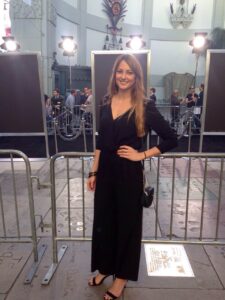
NYFA Students Attend Red Carpet Premiere of Russell Crowe Directorial Debut at the Chinese Theater in Hollywood

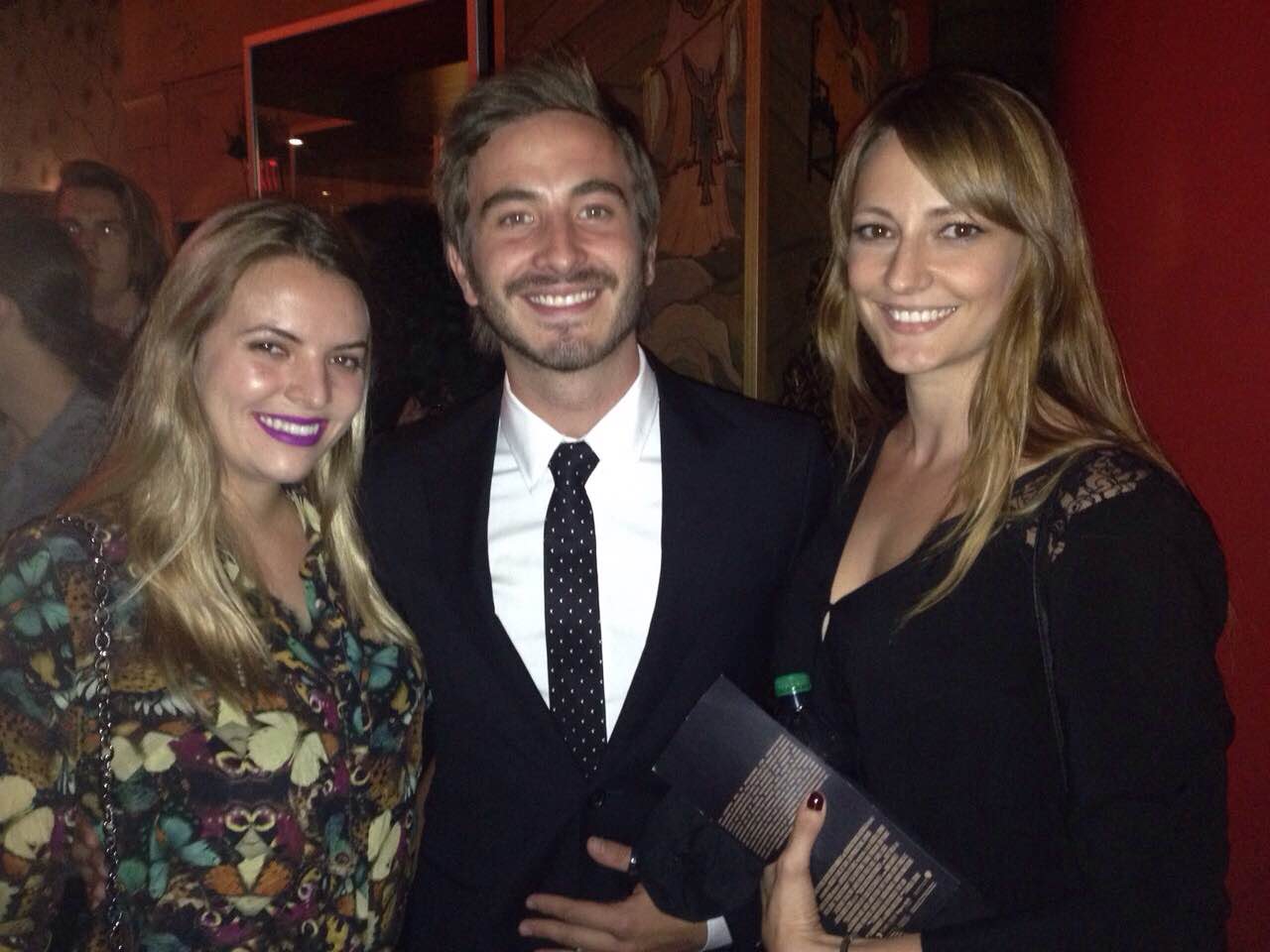
nyfa student Last week New York Film Academy students received a special invitation to the Los Angeles premiere of Russell Crowe’s directorial debut film The Water Diviner at the historic Chinese Theater. Students from all departments and programs attended and got a rare, first-hand Hollywood red carpet event experience.

NYFA producing student Emilio Madaio and acting student Tania Martínez where there and recounted the night’s events for us in an interview:

What were your initial impressions of the event?

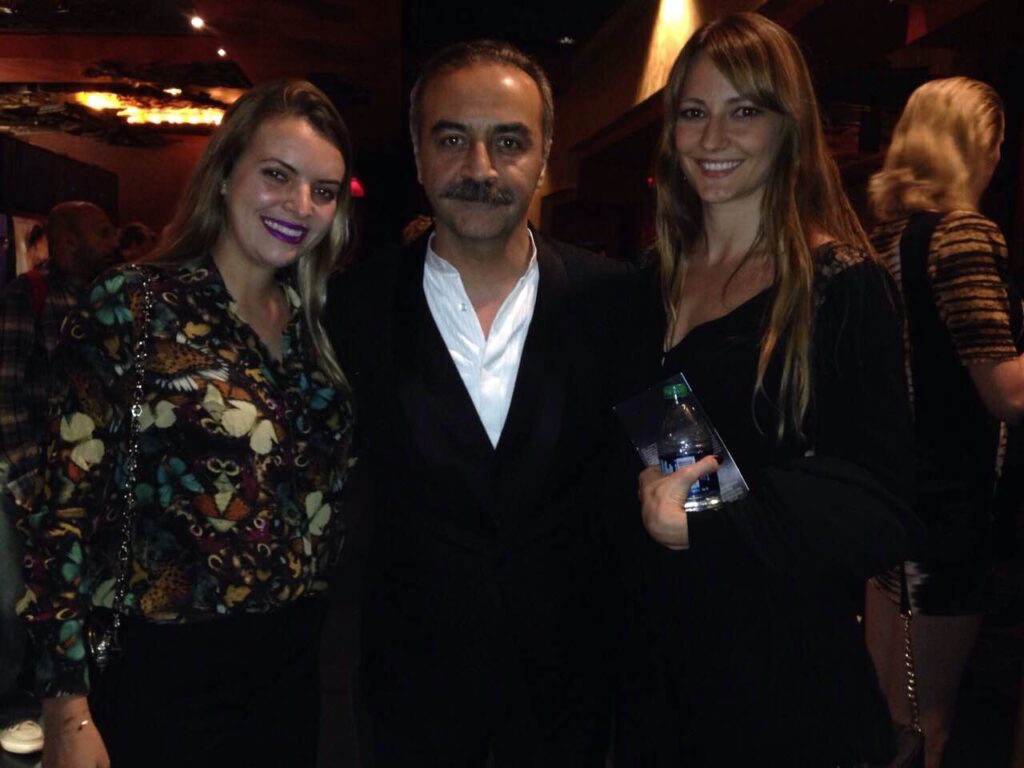
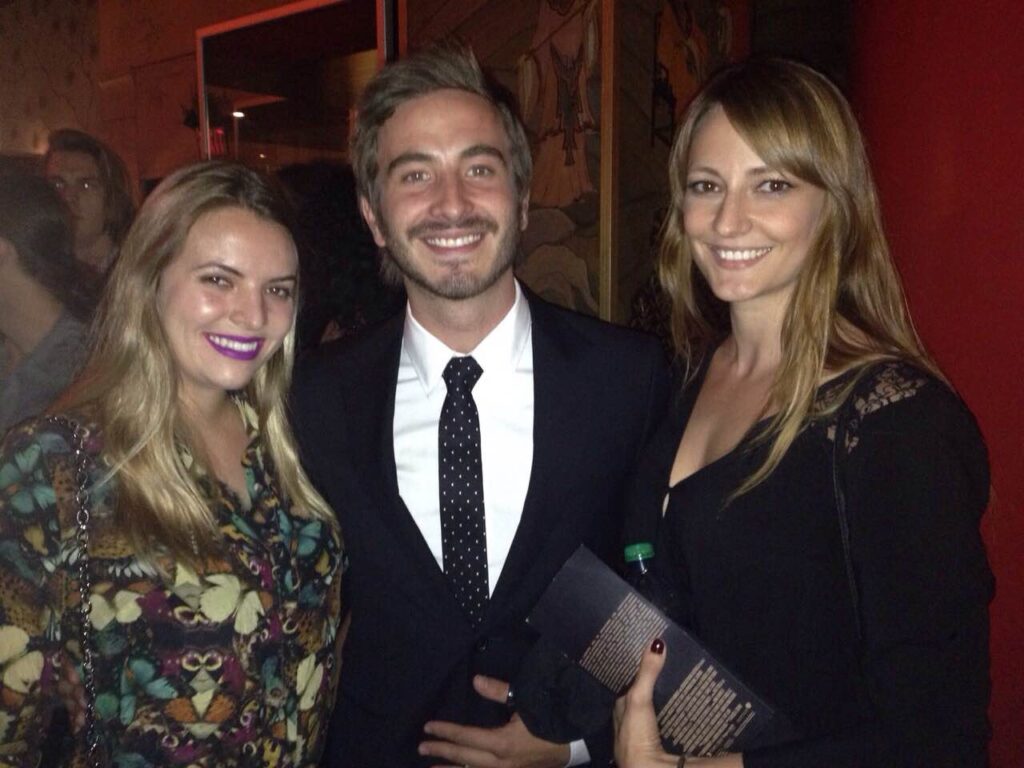
Emilio: It was my first time at the Chinese Theater so I was really excited about it. With its (decorative) entrance it’s definitely a classy place. I saw some of the red carpet events before Russell Crowe arrived. It was fun to see it executed in real life—the interviewers behind the ropes courting the stars and trying to get there attention, the celebrities getting interviewed and posing for pictures with their best angle—that was interesting. I actually ended up sitting near the very front of the theater. Some of the movie’s cast like Yilmaz Erdogan and Ryan Corr sat close to me.

Did you go with other NYFA students?

Tania: I was with my whole class, except one person. There were 12 of us. And there were lots of people from other programs and classes too. Even one of my teachers was there. The whole theater was full and they had free popcorn and drinks for everyone.
premiere

Did you get to see Russell Crowe?

Tania: I was seated little further back. But it didn’t matter because before the screening someone started talking (over a loudspeaker) saying, “Everyone please be seated…” and I didn’t realize who was talking but then I looked to my left and it was Russell Crowe. He was talking to the audience and making jokes. He didn’t even go onto the stage he just stayed upstairs (on a balcony) in the middle of the theater. Nobody realized it was him talking at first, then people started pointing and taking pictures.

Emilio: Yes, he spoke from the back of the room and explained that usually at a premiere like this you will see the director talking at the front of the theater discussing why he wanted to make this movie, what happened on set, and what his influences were, but that he wasn’t going to do this. He just wanted to cut to the chase and let movie speak for itself. And he did it in a very funny way. He joked with the audience that after the screening they could trade in their ticket stubs with the Australian government to receive a free kola in the mail. After hearing Russell Crowe speak I decided he was a class act. He seemed like someone who had reached the top and wanted to give back. He supported the other actors in the movie, announcing who was in the audience and giving them a nice push, so to speak. He didn’t want to be the star that night; he wanted the movie to take the lead.
premiere
What did you think of the movie?

Tania: Russell Crowe’s acting was great, as well as all the other actors. It’s the kind of movie that keeps you “in the movie” and engaged, and impacts you emotionally. And I’m a really family-oriented person and this movie has a great sense of family. I definitely recommend the movie.

Emilio: I was very interested to see the directorial debut of an actor. The movie really delivered and exceeded my expectations. (As a producer) I was paying attention to the producing aspects of the movie and it’s much more than you would expect from a first time director. Would I recommend the movie to my friends? Yes!

What happened after the screening?

Tania: Afterwards many of the actors were talking to the crowd. People were congratulating them and taking pictures with them. I got to take pictures with a few of the cast members. It was interesting and nice. Walking through Hollywood you always see premieres and stuff going on, and normally you’re on the other side. And it was nice to be inside and to see it from another perspective. I really enjoyed it and want to go to another one!
How Do You Define ‘Making It’ in the Art World?

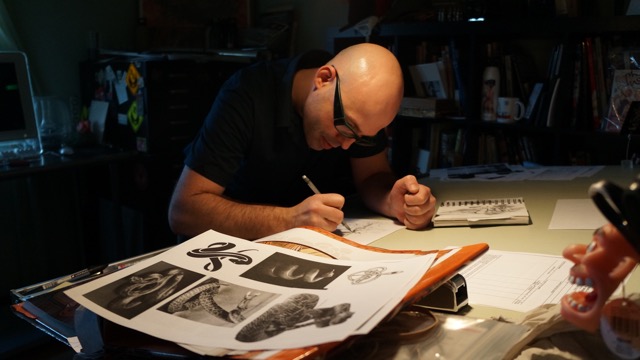
Often the definition of what it means to be successful will vary from person to person. Is there a real point in an artist’s career where he or she can announce “I’ve made it”? New York Film Academy 8-Week Filmmaking graduate Anthony Moorman explores this topic in his documentary Making IT by focusing primarily on artists Eric Fortune, Andrew Bawidamann, and Brian Ewing’s daily struggles of making a living while staying creative.

making it

Making IT is an idea that came about with my friendship and creative collaborator Woodrow Hinton,” recalls Moorman. “Woody is an illustrator and artist. He was pitching an idea to me about making an art documentary about illustration. I wasn’t sure how to go about that, but over a two year process we figured out the logistics and strategy about telling a story about three working illustrators in the middle of their careers. We told that story through Woody’s eyes. It’s a personal journey about Woody, through his three friends. When Woody came to me with the title Making IT, and said the film is about how artists define success — are they or are they not ‘making it’? I was sold on the idea and knew we could tell an honest and fresh story.”

The film ultimately came together from late 2012 to 2014 with pre, pro, and post, over a three year period on a shoe string budget. Andrew Bawidamann, Brian Ewing and Eric Fortune are three excellent artists who are in the middle of their careers. This stage of their journey is the toughest because they’re on the edge of success, “Making it.” As most of us are aware, the road to success can be very arduous, and in this film, Moorman explores that path through the eyes of students, working professionals, and artists who are working at the top in their field.

Andrew Bawidamann
Andrew Bawidamann

One of the topics in the film is something that prospective students asks themselves all the time before enrolling at the New York Film Academy: is art school worth it? “We all agree that it’s expensive,” says Moorman. “But we can’t imagine our careers without art school or film school. Film school can be a place where you fail and it’s okay. As long as you learn and grow from that failure, your work or craft can only improve. I do wish I would have been more open to my instructors at NYFA. Sometimes as a film student you think you have it all figured out and you’re awesome. I kind of fell into that trap. Instructors are great people, and they are there to help you to improve. But I would say that if I hadn’t had my 8-Week Workshop experience at NYFA, I’m not sure I’d be where I am today. Furthering your education in any field can really be the key to success. You can’t discover the journey of an artist by living inside your own little world. You need to get out there, experience life a bit, and be okay with failing. Being a filmmaker is all about taking risks.”

Teaser Trailer from Tony Moorman on Vimeo.

Through his honest observations of students, recent grads, and art legends about the struggles and the dark times, Moorman hopes his film will not only inspire artists, but also spark an honest conversation about what it really takes to be a success. “We didn’t want to just say how cool it was to be an illustrator. Making that kind of film isn’t helpful,” said Moorman. “But really explaining to people that they need to work really hard for 10 years before they’ll actually make a living was the key message. I believe that also the message of the film industry. You’re not going to graduate and start working in the business and make a ton of money. No. You’re going to struggle, suffer, and crawl for a while. And if you’re lucky, you will make it out on the other side. So the goal was to make sure we prepared people and be honest to them about how hard it is to get in the business of the art world.”

Moorman is currently in production with Hinton on another art bio documentary on famed local artist C.F. Payne: an American Illustrator.

Making IT is now available on iTunes, Amazon, X-Box, and Google Play.

‘The Jinx’ Screening with Supervising Editor Richard Hankin

weisman hankin
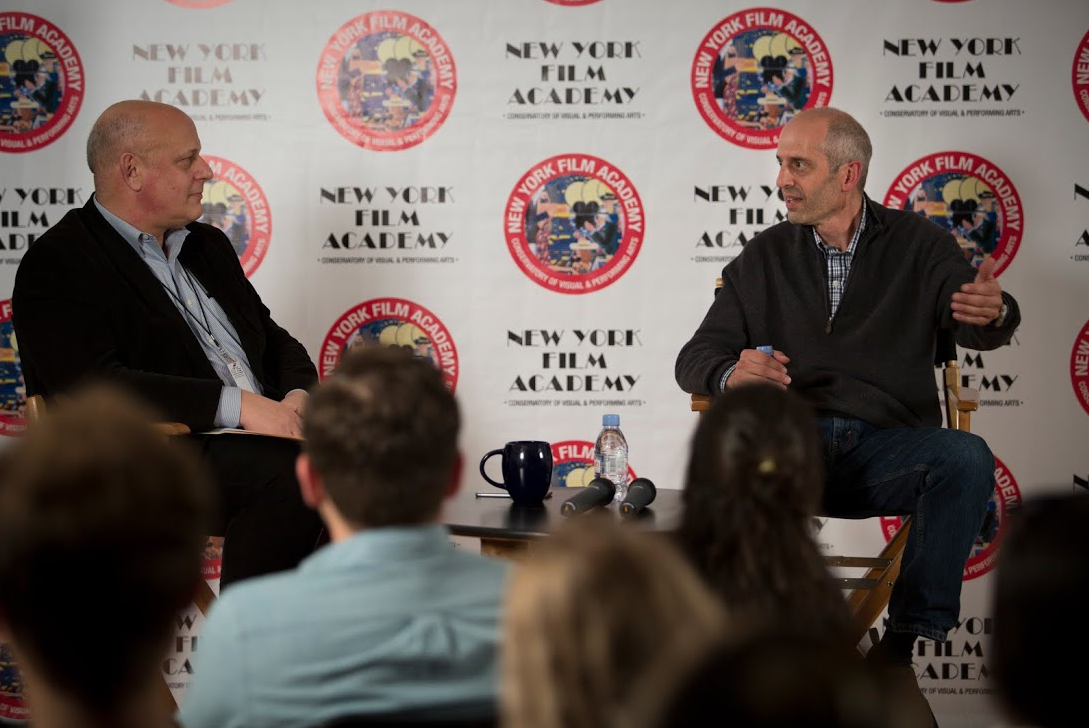
Neal Weisman with Richard Hankin

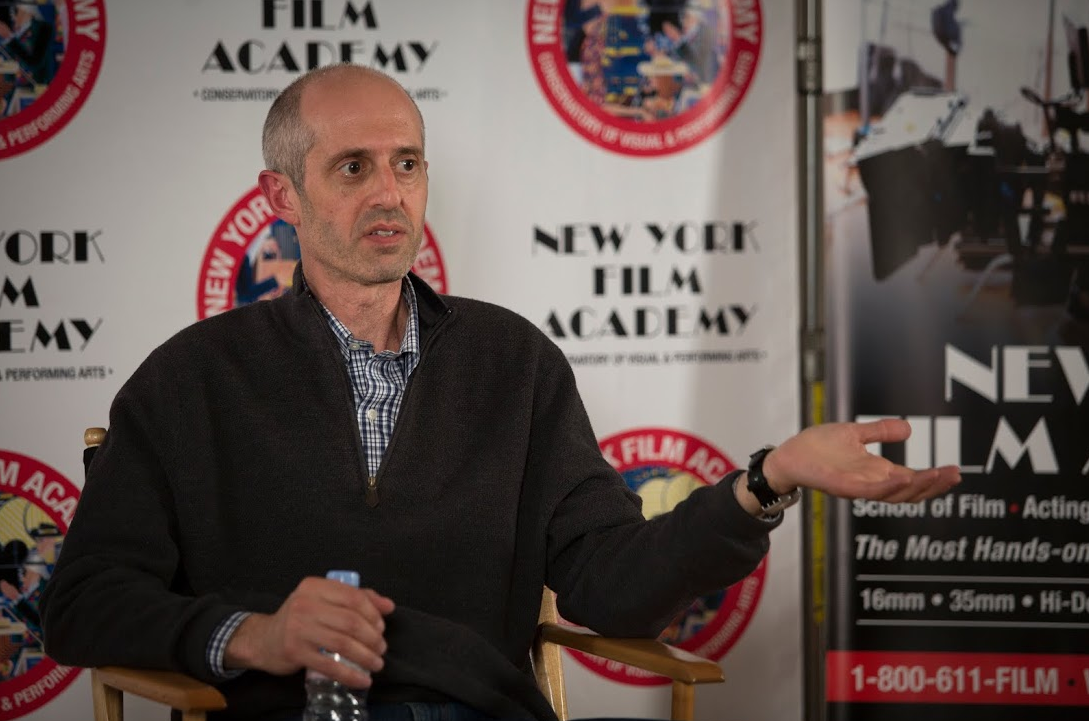
A standing room only crowd welcomed The Jinx Supervising Editor Richard Hankin to New York Film Academy Producing Department’s latest Industry Speaker series session. After screening Episode 3 of HBO’s groundbreaking series, Richard participated in a “Conversation with…” and Question and Answer session with Producing Department Co-Chair Neal Weisman. NYFA students from various departments heard Hankin discuss his early career, learning the Avid editing system and parlaying his technical expertise working on important documentary projects. He went on to describe his role working with various directors and producers, including editing and co-producing Andrew Jarecki’s Academy Award nominated film Capturing the Friedmans.

hankin

The Jinx garnered unprecedented media attention, thrusting it into the limelight. Richard Hankin gave great insight into the development, production, and most notably, the post production of Jarecki’s six part documentary series exploring the strange case of Robert Durst.

Various production, legal, and ethical issues confronted by the filmmakers were discussed; especially noteworthy as the filmmaking process revealed incriminating evidence used to reopen murder charges in Los Angeles.

The Jinx is currently available on HBO GO.

Stanley Greene’s Photographic Brutal Realities, Recorded with Complete Frankness

Stanley Greene
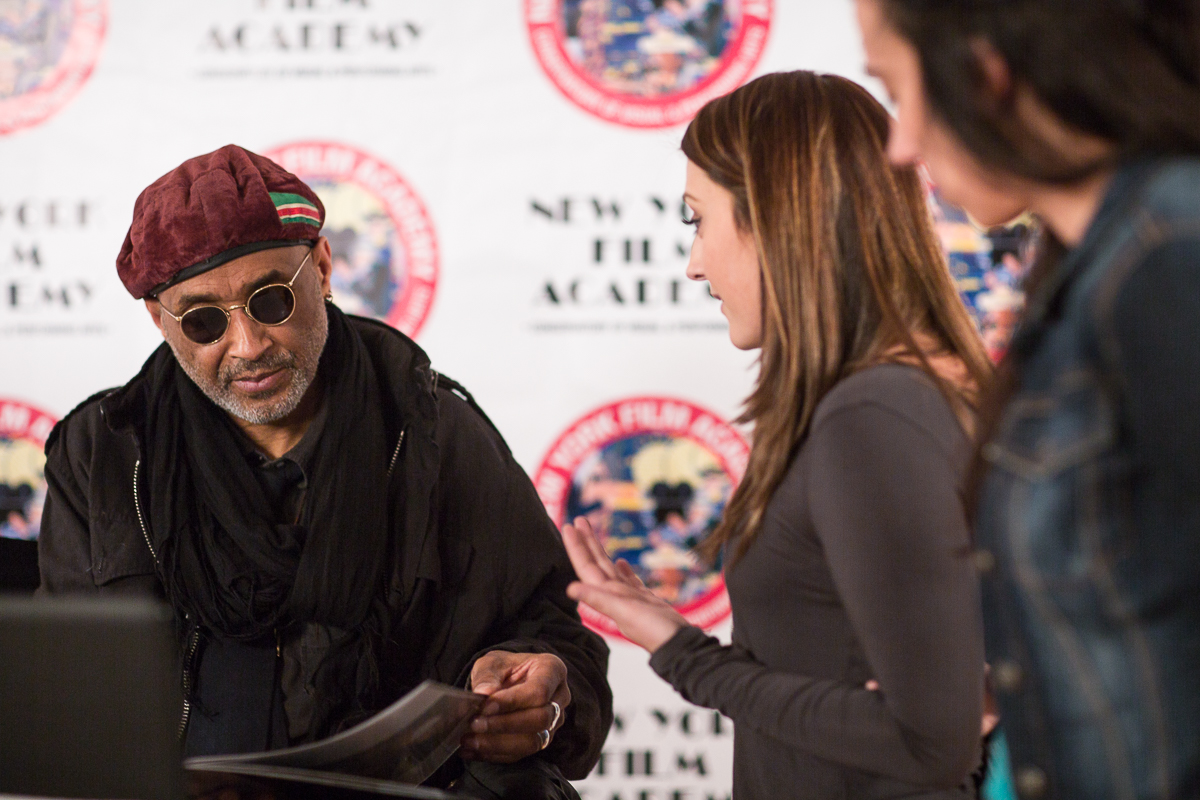
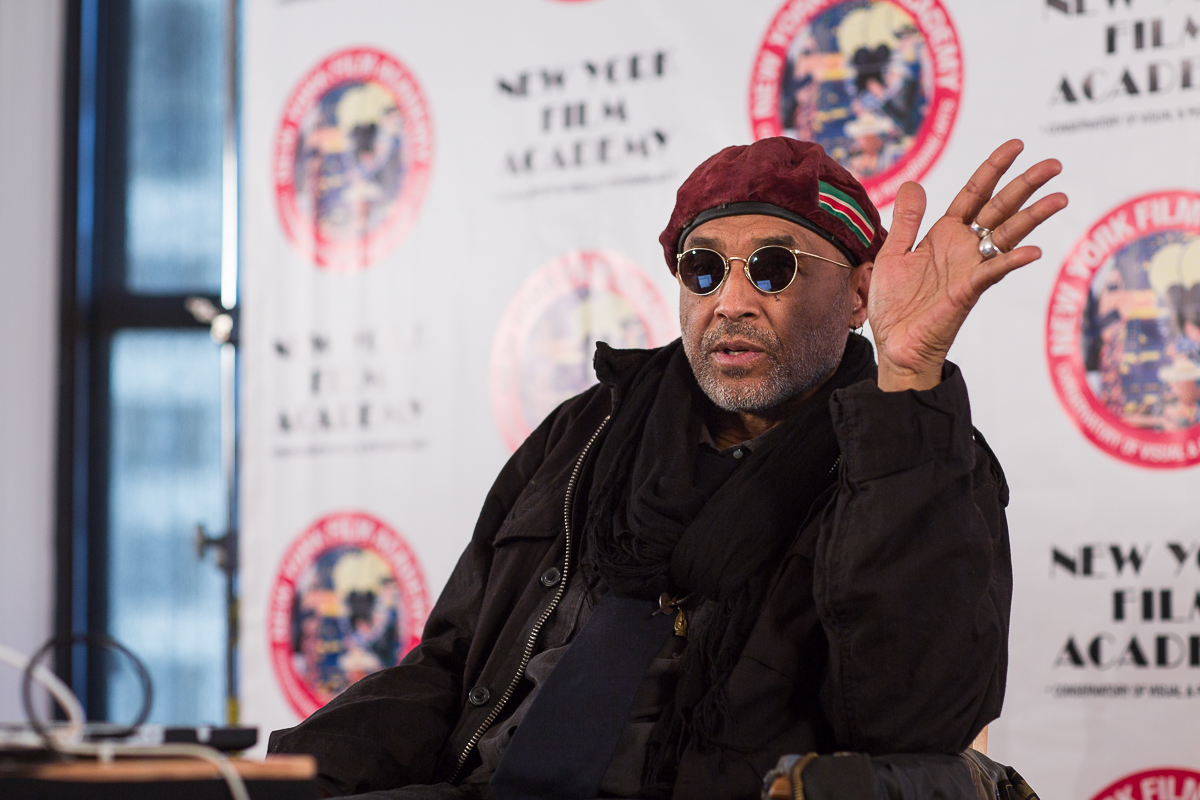
Guest lecturer, photographer Stanley Greene, explaining his photography career.

Last week, the New York Film Academy Photography Department was honored to present guest lecturer Stanley Greene.

Renowned for his unflinching and honest conflict photography, Greene is an award-winning photo journalist who has covered an array of human tragedies for more than 30 years.

Mr. Greene showed us early work and seldom seen images. He showed photographs of brutal realities, recorded with complete frankness.  He shared his impressions of war and the psychology of conflict photography, tracing the story of his career from Paris fashion Photographer, to casual shooter at the fall of the Berlin Wall, to full-fledged documentarian of human suffering.  He candidly revealed his reasons for doing the work he does and the emotional complexity it entails.

The evening ended with a slide presentation of recent images captured in Syria. The tragic and beautiful photographs were accompanied by Stanley reading his own poetry.

One of Stanley Greene's photographs from his recent Syria visit.
One of Stanley Greene’s photographs from his recent Syria visit.

A counterpoint to the images, the words recounted his impressions as he witnessed the history of human suffering unfolding before his eyes.

Mr. Greene is a founding member of Noor agency.  He authored the books, Western Front,  Black Passport and  Open Wound.

NYFA Chinese Student Club Invites Filmmaking Alumna Jing Wen for Screening and Q&A

jing wen screening

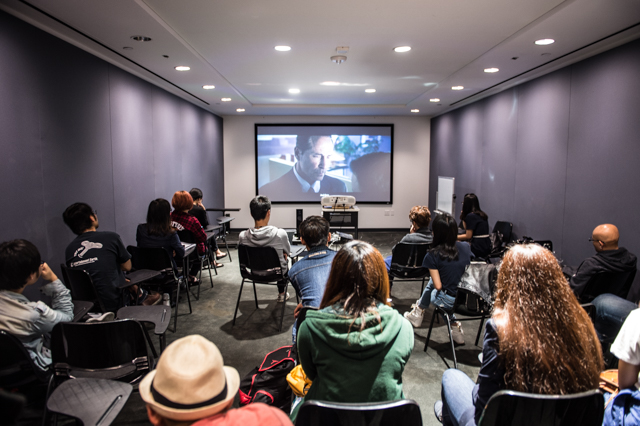
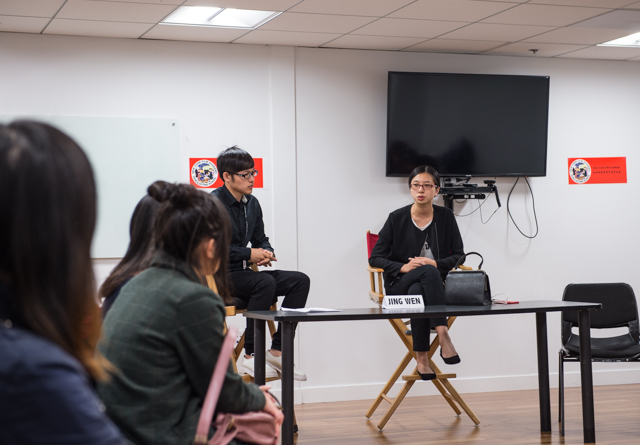
New York Film Academy Chinese Student Club invited one of our MFA Filmmaking graduates, Jing Wen, a Chinese filmmaker who studied at the New York Film Academy Los Angeles to screen her short film A, B, C or D? followed by a Q&A last week.

“I like to observe people’s facial expression, voice, and body language in order to understand them,” says Jing. “That’s one the most important skills a director needs to learn and practice because film ideas are inspired by observations from life and they are a reflection of reality.” As a writer and director with a record of success, Jing Wen is never satisfied with her own films and always believes that there is something she could do better.

jing wen film

Inspired by the story structure of Run Lola Run, Rushmore and the 2006 Chinese comedy Crazy Stone, Jing wrote the short film A, B, C or D? as her thesis project. Her final shooting script came out after workshops during her thesis committee meetings and was rewritten seven or eight times during her study at the Academy. “The production only took about two days and in fact we shot for one and a half days.” Jing described, “it saved us a lot on budget, but the biggest challenge we face, like many young filmmakers doing student films, is that we lost one of the main cast a few days before the principle of photography started.” It helped that three quarters of the crew working on her short film were friends who she met on classmates’ sets and were doing her a favor. She suggested that our current students at New York Film Academy begin coming up with ideas no later than March if they want to start shooting between May and July. “It’ll give you enough time to absorb others’ opinions and achieve a more mature storytelling,” she said.

Jing not only shared her production experience but also gave important lessons she learned along the way. “It is extremely difficult for an Asian director to climb up the ladder and direct a major hit feature in Hollywood. Your experience and networking are equally important whether you want to stay in Hollywood or go back to China,” she says. In addition to filmmaking, Jing has a strong background working in the Television Industry in China. She started interning at major Chinese TV station at a young age and participated in productions of hit variety shows and games shows when she was only 19 years old. Her advice to those seeking a career in the industry was to build a relationship with people. “The most important lesson I learned is that you can’t work alone as an individual but need a team that supports one another no matter what you do or where you are,” Jing explained. “Teamwork in this particular industry together with the network you built is a weapon that will get you far.”

Wen Jing

Jing Wen has been selected to direct a forthcoming feature comedy The Disappeared Fish later this year. The film is scheduled to release theatrically after premiering at 2016 film festivals in China. Jing is currently working with Chinese financiers on a second feature written by her. She’s working in development with a production company and is considering a TV platform release. Our Chinese students at the New York Film Academy Los Angeles campus had a blast listening to Jing Wen’s unique experience and we sincerely thank Jing Wen for taking the time to openly share her insight with us. We also look forward to seeing the Chinese Student Club host more events in the future to benefit NYFA students.

– Wanyin Bo

Hollywood Costume Designer Teaches Costume 101

noodelman

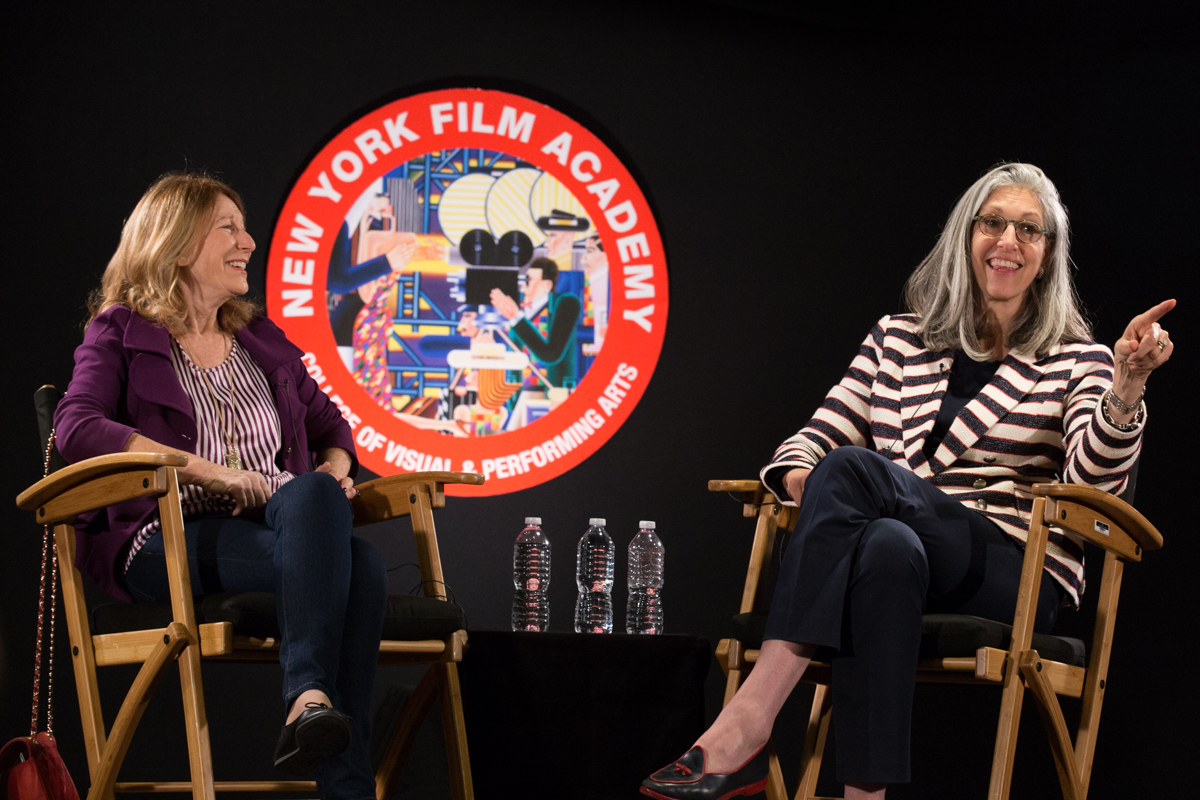
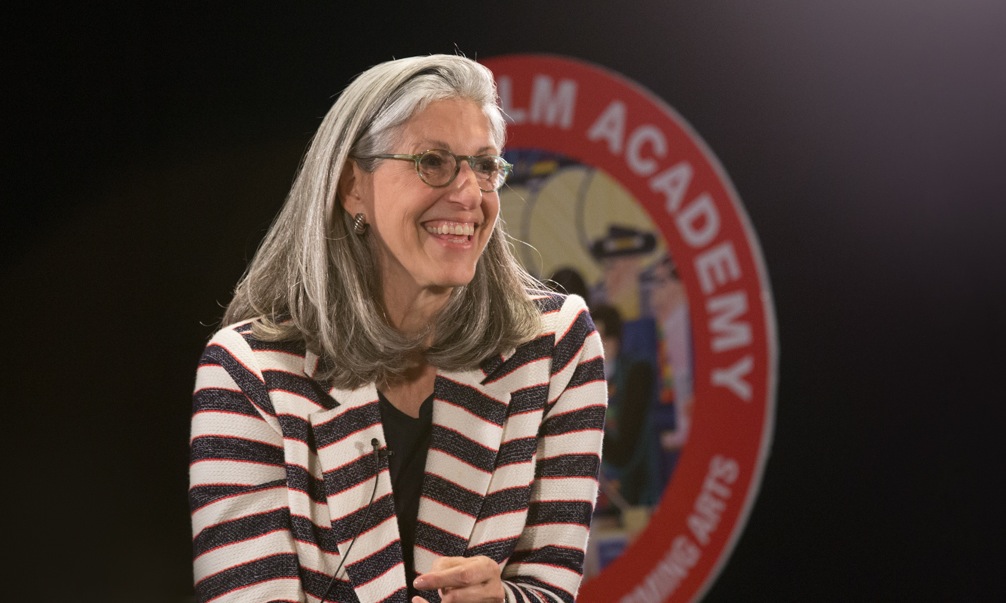
Last week New York Film Academy Los Angeles students were treated to a special lesson on “Basic Costume 101” by renowned costume designer Deborah Nadoolman-Landis followed by a discussion with her. Deborah’s distinguished career includes the classics Animal House, The Blues Brothers, An American Werewolf in London, Raiders of the Lost Ark, Coming to America (for which she was nominated for an Academy Award), and the groundbreaking music video for Michael Jackson’s Thriller. She served as a two-term president of the Costume Designer’s Guild, Local 892 and is a Governor of the Academy of Motion Picture and serves on the Executive Board of the Library of Congress National Film Preservation Foundation. The discussion following Deborah’s lecture was moderated by producer Tova Laiter.

Costume is monumentally important in a movie. It speaks volumes about a character before the character even opens their mouth. However the irony is that it is often the least thought-out (or not thought of at all) aspect of low-budget and student filmmaking. This is a travesty, and Deborah Nadoolman-Landis has made it her life mission to educate filmmakers as to the importance of costume design in all levels of filmmaking.

tova and nadoolman
Tova Laiter with Deborah Nadoolman-Landis

Deborah began the night by calling four student volunteers to the front of the room and asked each student, “Where are you from?” However, Deborah wouldn’t accept a generic answer; she insisted on being told the exact street address of the home they grew up in. Deborah then proceeded to address every article of clothing on each student from their feet to their heads. She asked them where they bought the article of clothing, how much it cost, who was with them when they bought it, and why they choose to buy and wear it, or who gave it to them if it was a gift or who lent it to them if it was borrowed. After this lengthy process, the audience had a much greater understanding of who these people were and what their motivations in wearing these particular clothes were. Deborah explained that she engaged in this dramatically long exercise to prove two very important things: 1) Every article of clothing on every character in your movie must be consistent with their story, and 2) Character details are not general but specific.

Deborah then asked all of the students in the theater to stand up and group themselves in the four corners of the room depending on whether they were wearing white, black, neutral and subdued colors, or bright colors. It was a rather unorthodox, yet amusing, experience for students who are used to remaining in their seats for the whole NYFA event. Deborah then pointed to the people wearing neutral colors and said, “These are your background extras.” To the people wearing bright colors she said, “this is the cast of Glee.” Deborah explained to students how they could stage their extras and supporting characters in the foreground, mid-ground, and background according to where their main character is in order to draw attention to them. Of course, she stressed the importance of making this color choreography appear random since groups of people never divide themselves naturally according to the color of their clothing.

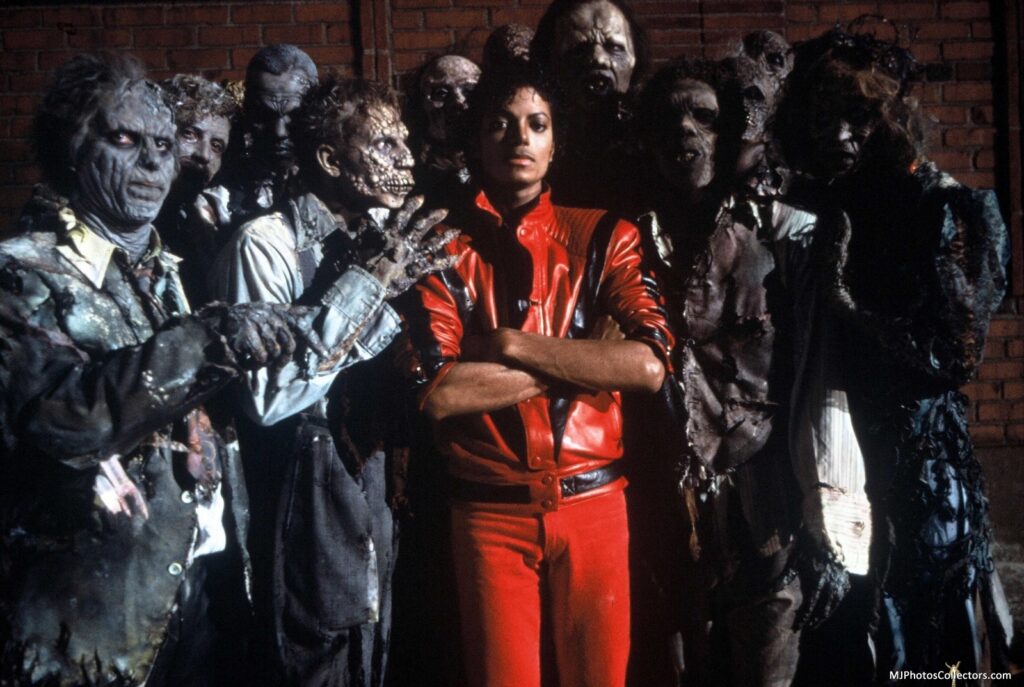
thriller

Following these exercises, Deborah gave an hour-long keynote presentation that she had made for the Hollywood Costume exhibit she curated at the LACMA. This presentation emphasized the undeniably important role costume design plays in shaping character and just how powerful of a storytelling tool it is. During the Q&A after the keynote presentation, Deborah explained how she designed the iconic outfit Michael Jackson wore in Thriller. She explained that “design is reductive,” meaning you start with all that choices that are obviously wrong and you begin whittling down your options. Michael Jackson was as 5′ 9″ man who weighed less than 100 pounds and her job was to turn him into a powerful sex symbol. His jacket had to make him stand out in front of the rows of zombies he danced in front of. Black, blue, orange, purple would not have worked. “It had to be red,” Deborah said, “There was just no other choice. It had to be red.” She designed the leather jacket to hold padding in the shoulders and included strong lines creating a V to project masculinity. The straight black pants helped to elongate his body. The result speaks for itself as one of the must iconic costumes in history.

The evening with Deborah Nadoolman-Landis was a truly valuable experience for NYFA students of all disciplines in the audience. If you missed her lecture don’t worry, Deborah has preserved much of her knowledge in educational texts. As a historian with a PhD in design from London Royal college of art, Professor Landis’ books include: Hollywood Sketchbook: A Century of Costume Illustration, FilmCraft: Costume Design, and the award winning 2012 catalogue for the landmark exhibition, Hollywood Costume, which she curated at the Victoria & Albert Museum in London and exhibit recently at the LACMA museum in LA to great success. We sincerely thank Deborah for visiting and look forward to what kind of waves in the costume design world she will inevitably make in the future.

New York Film Academy at WonderCon 2015

WonderCon

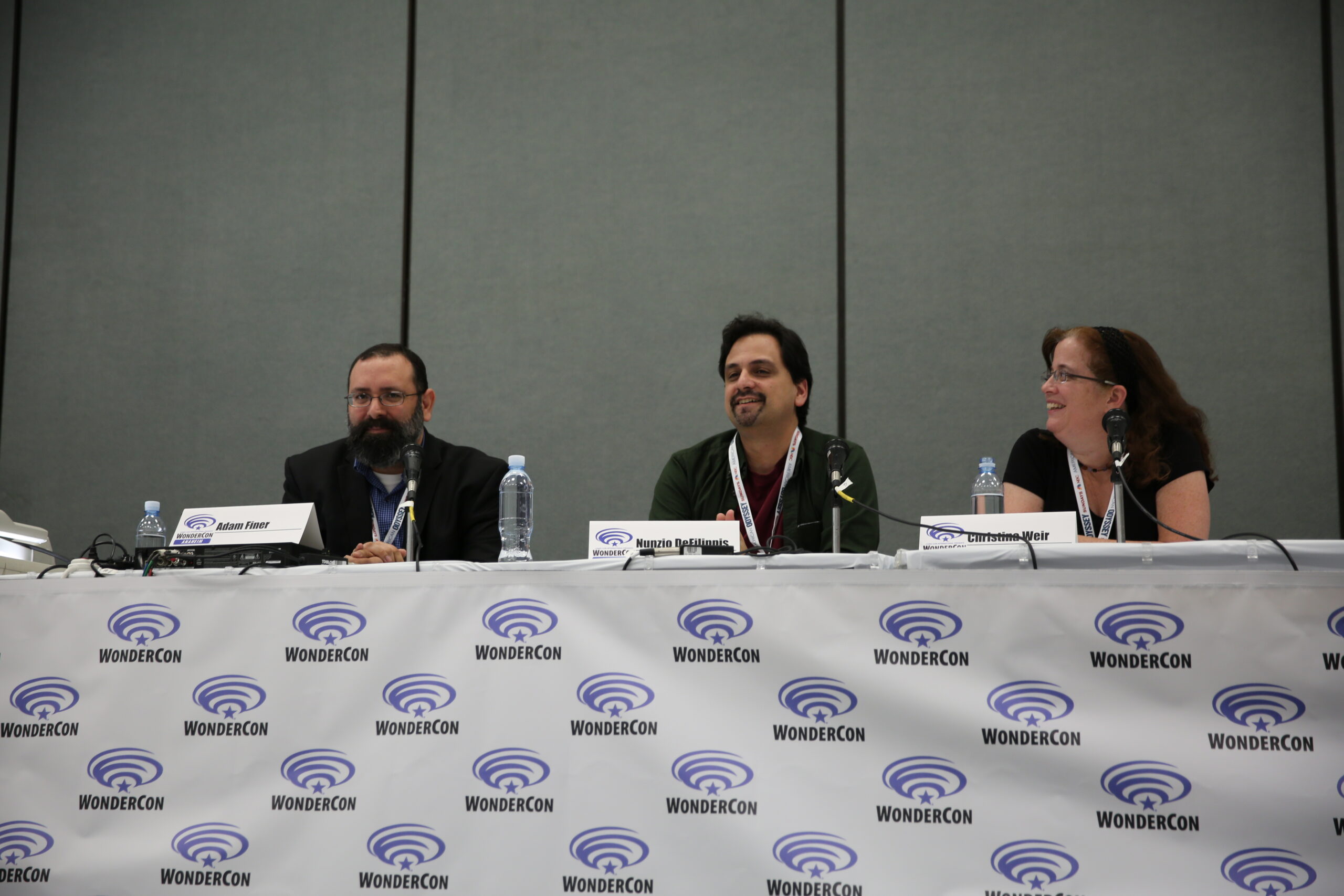
For the second year in a row, Adam Finer (Chair of Industry Outreach and Professional Development) and Nunzio DeFilippis (Screenwriting Department Chair) presented a panel on Franchise Development and Transmedia titled “Story Worlds: The Alchemy of Franchise Creation” at WonderCon in Anahiem, California. Joining them on stage this year for a witty, insightful exchange was Christina Weir (one of the co-creators of the Screenwriting Department’s Transmedia Track). The audience was engaged as the trio imparted wisdom about the world of stories and covered the elements that make up a successful franchise. Current New York Film Academy students and alumni joined the fast-paced and informative session, but the majority of the excited questions and panel interactions came from attendees interested in, or already trying, to create their own story worlds and franchises. The panel closed out Friday Night and attendees stayed till the very end to ask questions of Adam, Nunzio, and Christina, to discuss franchises and how to create or pitch their own ideas.

6J5A9077

Adam, Nunzio, and Christina bantered their way through a variety of famous franchise examples, focusing on where they started and where they’ve gone: Batman started as a comic and has expanded to television shows, movies, and games; My Little Pony was originally a toy and grew into three different television series and movies; Harry Potter started as a novel series and has, thanks to fan contribution, grown into website and theme park interactive experiences. These are only a few of the examples, but Adam, Nunzio, and Christina went on to show that as long as you have an interesting world and dynamic characters to populate it, story worlds – franchises – can come from anywhere.

In addition to the panel, New York Film Academy had a strong presence in the WonderCon Exhibition Hall with a booth that featured student work and was manned by Faculty, Staff and Student Volunteers. The booth was NYFA’s first at any comic convention, and our diligent staff and student volunteers were on hand all weekend to answer questions and talk with attendees interested in the wide array of educational paths available at the New York Film Academy.

Written by Jennifer Sterner and Adam Finer

MFA Filmmaking Grad Developing Female-Empowering ‘Daughters of Abdul-Rahman’

daughters of abdul-rahman

One of our MFA Filmmaking graduates, Zaid Abu Hamdan, a Jordanian filmmaker who studied at the New York Film Academy Los Angeles, is generating buzz with his newest project Daughter’s of Abdul-Rahman. The film, which raised more than $23,000 on indiegogo, is a dramatic comedy about four estranged and very different sisters.

Following the mysterious disappearance of their father, the eldest sister, Zainab, must now reunite with her three sisters at the family home to find their patriarch. Only by coming together will they be able to locate their missing father, and, in the process, overcome their differences and realize who they truly want to be. A drama with a unique, Jordanian sense of humor that is full of light heartwarming moments, Daughters of Abdul-Rahman is natural and organic. Yet, the screenplay tackles serious issues and taboos in a poetic, dark, but still comedic style.

The four female leads of Daughters of Abdul-Rahman loosely represent the wide spectrum of women in Amman while their old traditional father represents the patriarchal structure in Jordan. Given the endless list of differences between them and their divergent social lives, the four sisters do not choose to embark on a journey together to find their missing father, but they must. The sisters’ journey creates a whirlwind of fear, tears, new discoveries, and laughter. Through difficult times, the daughters find their inner voices, not only as individuals, but also as a union of women—sisters.

“I am a strong believer in the voice of women, the strength of women, the freedom of women, and the much-needed intellectual liberty of women and men in the region,” states Abu Hamdan. “If I wish for something, it would be that this film contributes to a larger movement for women’s liberation in my own country, or even in the Middle East. And when that happens, I will be there, with my mother.”

Abu Hamdan has proven to be a very prolific and successful filmmaker since leaving the Academy. The Jordanian filmmaker has directed a number of short films including Bahiya and Mahmoud, which won the Best of Festival Award at the 2011 Palm Springs International Film Festival and Shortfest, and was shortlisted for an Academy Award in 2012.

You can view his award-winning film below.

If you’re interested in donating to Daughter’s of Abdul-Rahman, click here.

MFA Filmmakers Collaborate to Develop Klaus for PS4 and PS VITA

klaus

In addition to film and television, games have become one of the most prominent platforms for artists and writers to tell their story. We’ve seen films adapted into games and games adapted into films. Either way, the multi-billion dollar gaming business continues to grow and allow filmmakers another avenue to reach their audience.

We recently heard from MFA Filmmaking students, Victor Velasco, Aleksandar Cuk and Kshitij Bal, who are currently all studying at New York Film Academy Los Angeles. The team is in the process of developing a 2D puzzle based platformer for Playstation 4 and PSvita. The game, Klaus, which was the brainchild of game designer and creative director Victor Velasco, aims to provide an experience that is narratively innovative and extremely self aware. Klaus is an office worker who wakes in his basement with no recollection of who or where he is. Almost reminds us of the classic Chris Nolan film Memento.

klaus

His only clue is the word Klaus tattooed on his arm — forcing him to find his way out of the mechanical and constructivist world that he finds himself imprisoned in. It his search for these answers of where and who that lead him to the larger question, Why.

During the course of the journey, Klaus encounters a second playable character – K1, a friendly brute who has been damaged by his prolonged imprisonment. Together the two embark on an existentially definitive journey that explores the idea of the 4th wall and a self awareness of the player playing the game. Will Klaus discover his truth? Will he find a way out? These are questions that are at the core of the narrative that the game presents.

In terms of gameplay, Klaus is an organic and reflexive 2D platformer, with 2 playable characters, Boss fights and interactive environments. The focus of the gameplay will be on tight controls, environmental puzzles, exploration and a complex yet accessible interaction of the player with not only the characters, but also movement and rotation of objects, jump pads, platforms etc. The game is best designed for the PS4 and uses the touch pad as an integral part of the gameplay.

“It is an extremely exciting game that allows us to bring our passions and our talents together to collaborate to create a cohesive, creative yet marketable product,” says Bal. “This is a project that is extremely close to our heart.”

Klaus was awarded the 2012 Square Enix Excellence Prize and was recently showcased at the PS Dev Summit 2014 where it received a lot of welcome attention for its unique approach and narrative techniques. It is also the first game to be developed out of Venezuela for the PS4 and PSVita platforms and has received positive media reception from Media outlets within the country. However, it is targeted to audiences worldwide, as it has a universal feel and story.

Bal and Klaus have already been featured on the PlayStation blog, as well as HardcoreGamer, GeekBinge, and other gaming publications.

Klaus is set for release on the Sony Playstation 4 and Playstation Vita platforms that is releasing in August – September 2015. For more information, visit www.klausgame.com.