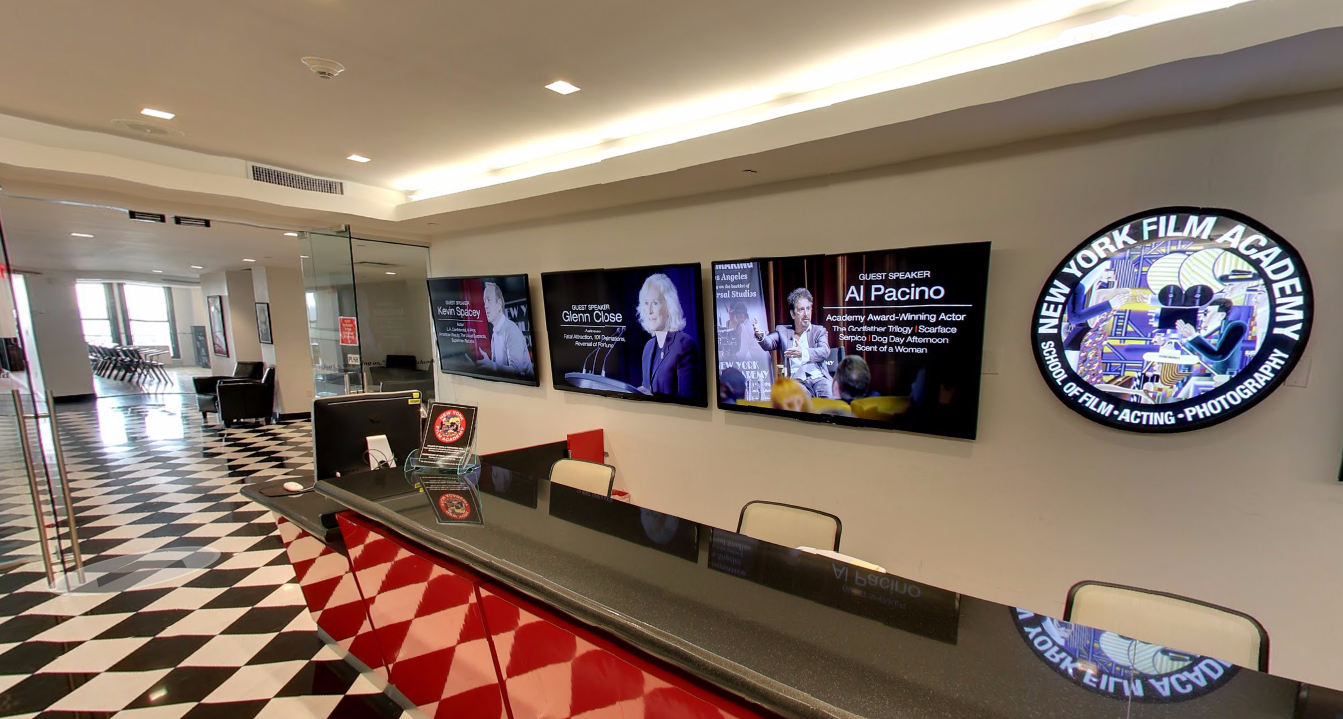
Coming up on it’s second year this July 2015, the New York Film Academy at Battery Park has proven to be an invaluable addition to our students and staff. The campus, located in lower Manhattan at 17 Battery Park South, occupies 72,000 square feet on two full floors and offers breathtaking views of Battery Park and The Statue of Liberty.
Each classroom is uniquely designed from scratch to meet the specific needs of the hands-on programs, including state-of-the-art production studios and sound stages. Classes are held in Filmmaking, Acting, Musical Theatre, Screenwriting, Producing, Photography, Cinematography, Documentary Filmmaking, Broadcast Journalism, 3D Animation, Graphic Design and Game Design. This summer, we will kick off our renowned summer camp programs for kids and teens, which has been successfully operating since 1996.
For those of you who are curious about the New York Film Academy and would like to take an introductory tour before visiting us in person, have a look below at our Google Virtual Tour below!
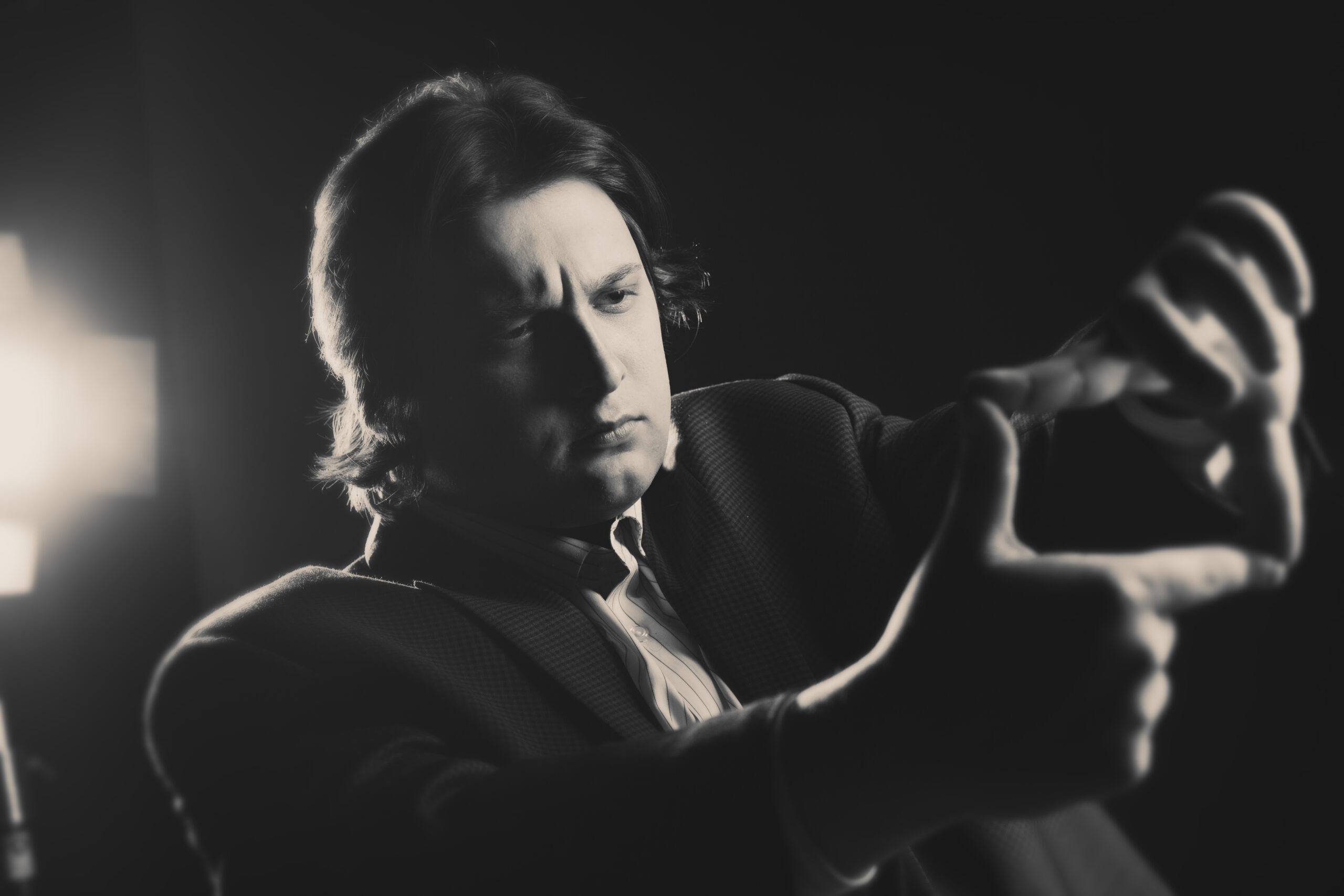
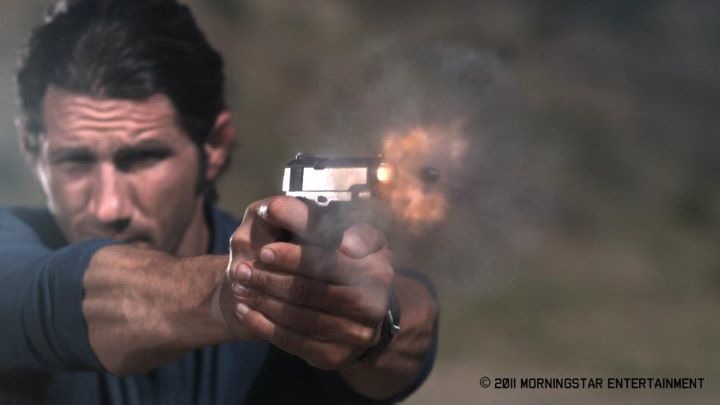
It’s a great time to be a filmmaker. With old models of film financing and distribution breaking down and increasingly cost-efficient and easy-to-use film production equipment available, filmmaking has become democratized. A handful of studio heads no longer stand between you and success in the entertainment industry. Now more than ever, the power to shape your career as a director is in your hands. This is the realization that film director and New York Film Academy instructor William Dickerson had a few years ago when a few of his scripts were seeing interest from studio development execs, but nobody was seriously considering him to direct any of them because he had never made a feature length movie. Dickerson and his writing partner decided to write a screenplay that could be made with a “microbudget” for William to direct outside the studio system. The film William directed was Detour, which centers around a man trapped inside of a car during a mudslide. The Hollywood Reporter declared Detour a “tautly efficient thriller that fully succeeds.” Dickerson established himself without waiting for anyone’s blessing and his directing career was underway.
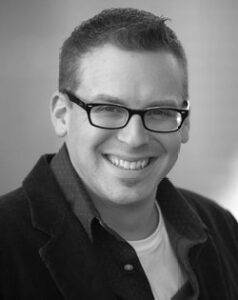
NYFA Instructor William Dickerson
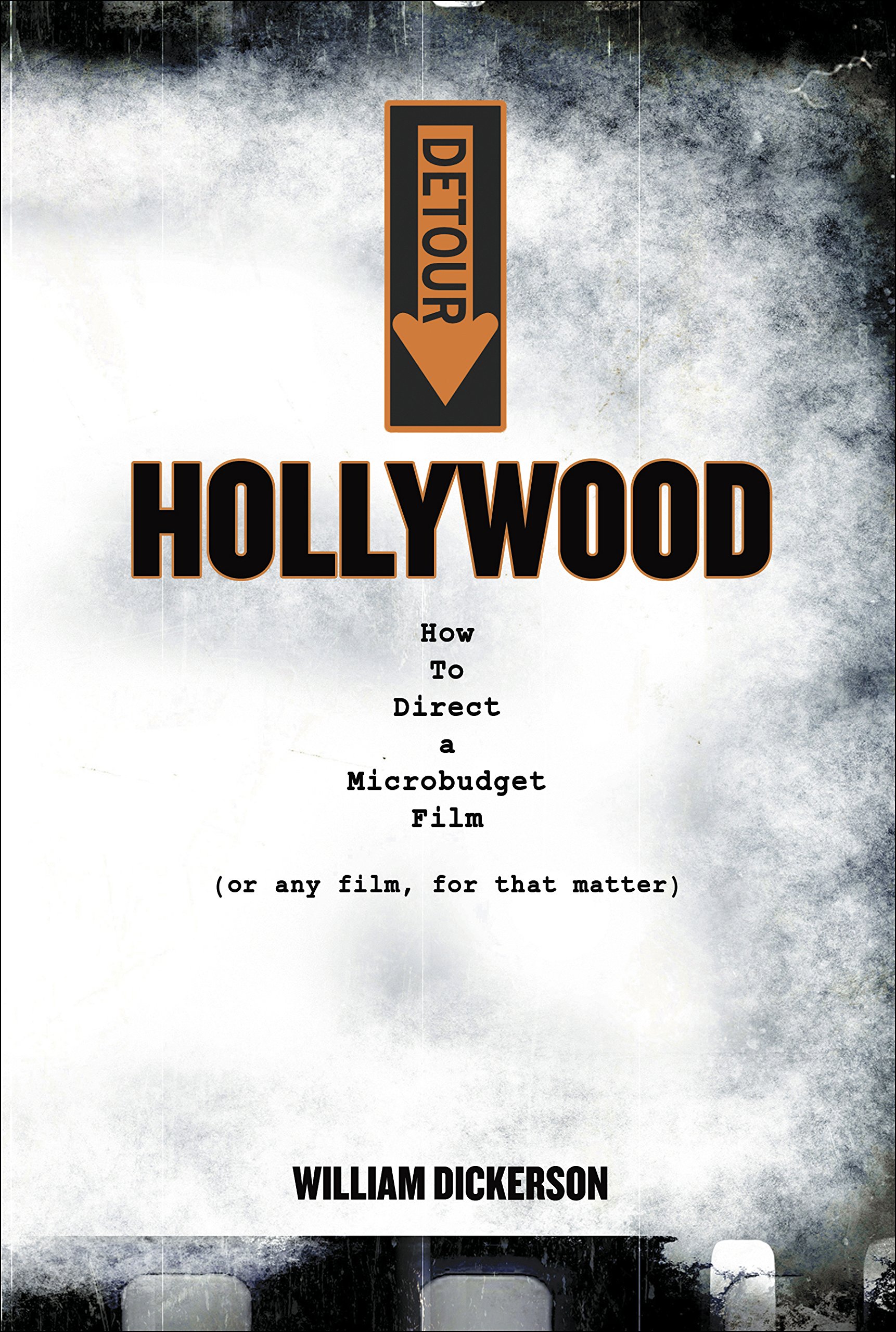
To share the knowledge he gained from his experience of making Detour, William wrote the book DETOUR: Hollywood, How to Direct a Microbudget Film (or any film, for that matter). The book explains how to sidestep, or detour around, the Hollywood system and make a microbudget film by giving a detailed account of how Dickerson literally made Detour, thus DETOUR: Hollywood. This has to be the most clever film education book title in a long while. The book also contains some of the most meaningful and practical instruction on film directing ever provided in a text. For instance, Dickerson breaks down the concepts of Subtext and Point of View, the two most important yet neglected ingredients in filmmaking, in such a complete and digestible way that even directors already well-versed in story will have much to learn from it.
Within DETOUR: Hollywood, William Dickerson analyzes all the hurtles he faced over the many years he spent trying to direct his first feature and the trial and error process that led him to what eventually DID work for him and will for you too. The obvious benefit to the reader is saving you time, money, and from unnecessary headache so that you can start your directing career sooner rather than later. Since making Detour, William Dickerson has experienced increasing success in film directing. Most recently William directed Don’t Look Back, a feature-length thriller that aired on Lifetime Movie Network and exhibits a level of craft in directing that is rarely achieved.
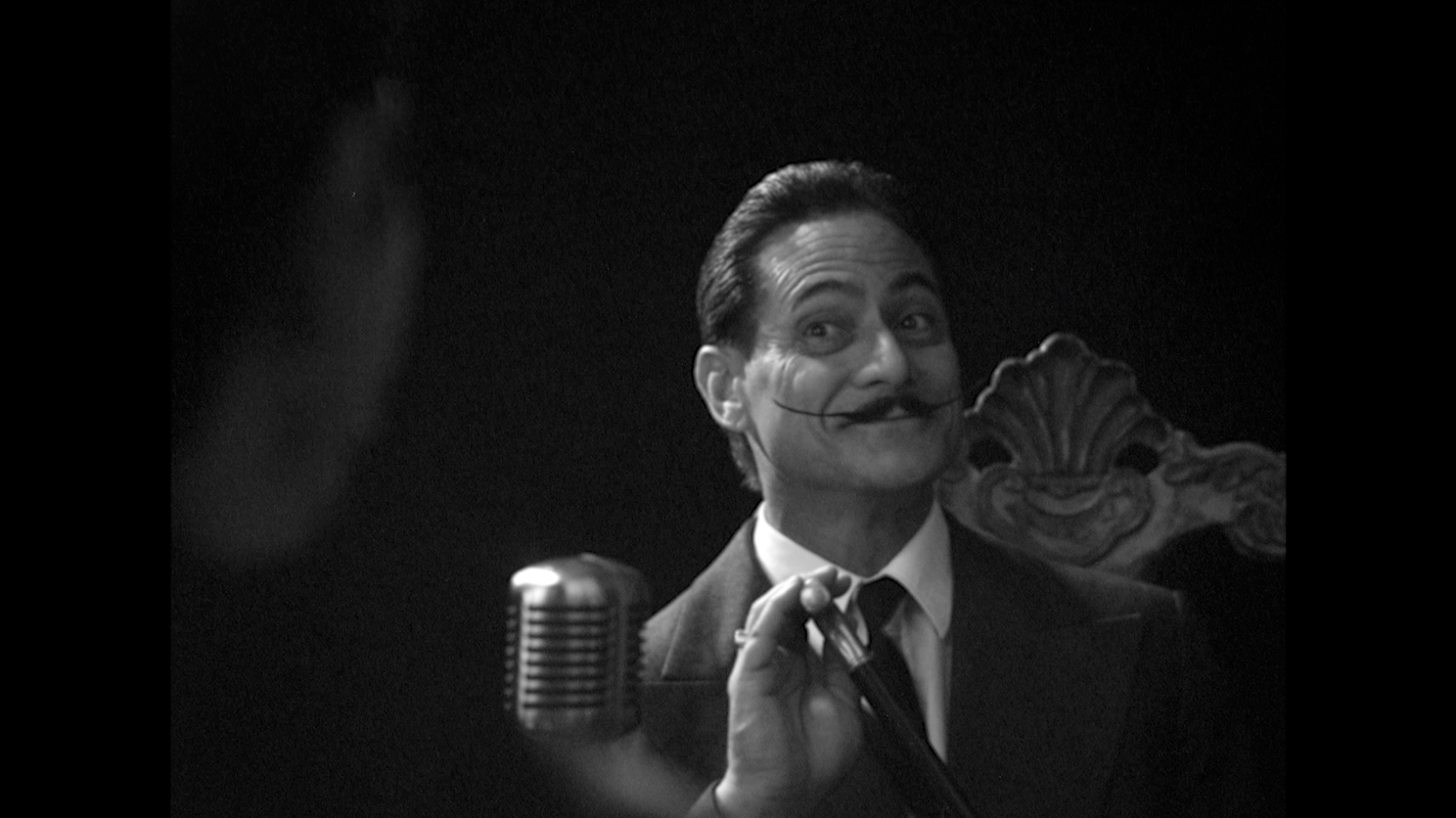
One of our BFA Filmmaking students from the New York Film Academy Los Angeles, Ilya Rozhkov, is already making his rounds at the festivals and experiencing critical acclaim with his film Sabre Dance, which imagines a meeting between two historic artists, Salvador Dali and Aram Khachaturian. The story starts with Khachaturian giving a performance to the people of Spain. After the show, the world-famous composer is showered with praise and given the opportunity to meet Salvador Dali. From this meeting, Aram learns that artists can be completely different in their attitude toward life, art and etiquette.
Rozhkov’s film premiered at the San Louis Obispo Film Festival, and has already won a Best Performance Award at the Sierra Canyon Film Festival. Next up for Rozhkov on the festival tour are the Sacramento Film Festival, the USA Film Festival (Academy Award Qualifying Festival), Madrid Film Festival (European Premiere), Cannes Film Festival (Short Film Corner), and the Other Venice Film Festival.
We had the opportunity to ask Mr. Rozhkov a few questions about his film and his experience thus far at the New York Film Academy.
NYFA: Congrats on the success you’ve had so far with your film Sabre Dance! Can you tell us where the idea for your film originated?
Sabre Dance is based on a great story that I’ve known for a long time, but I felt a real connection to it after I read Mikhail Veller’s novelette Sabre Dance, which describes the same events. After reading the novelette, I connected to the story on a personal level.
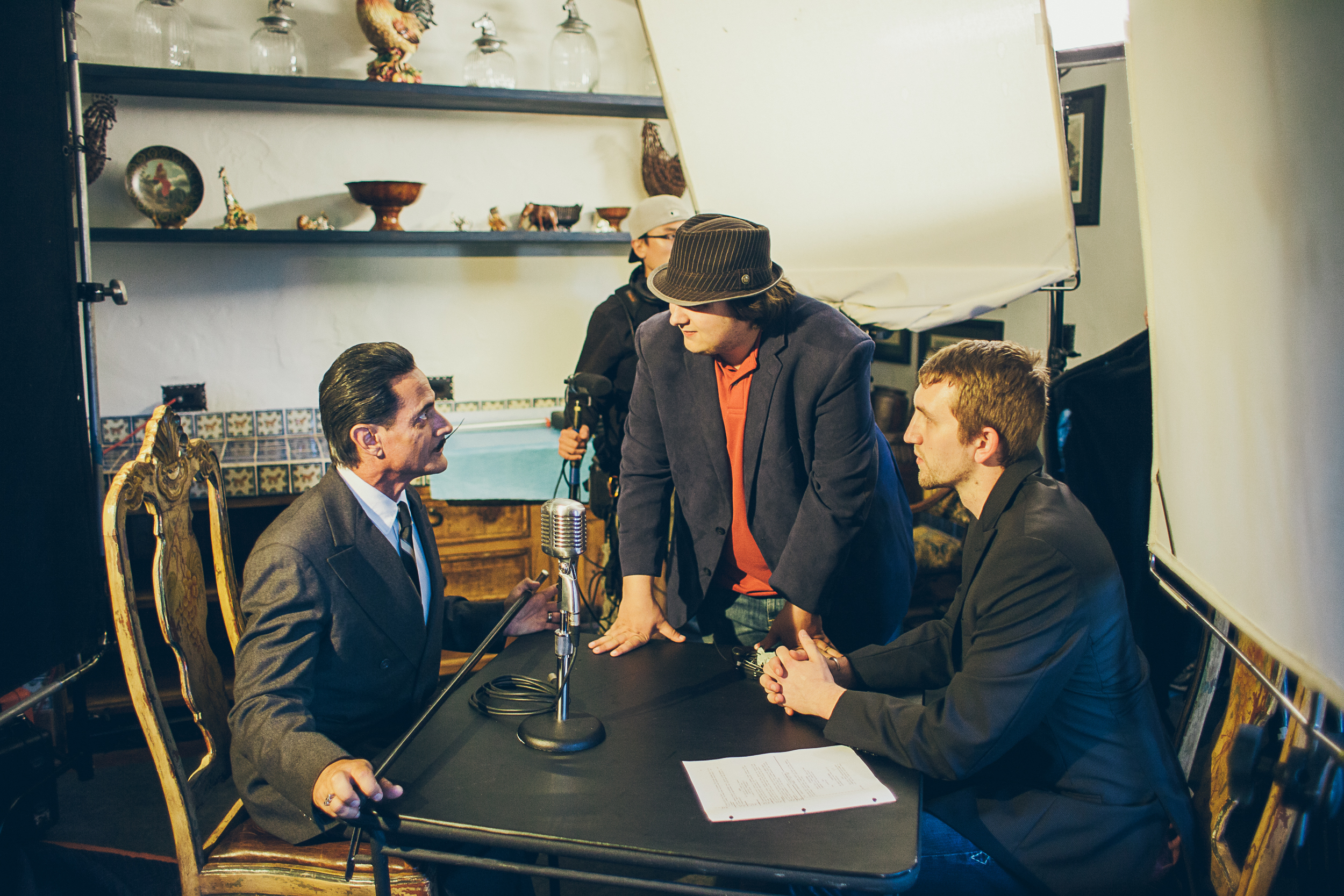
BFA Filmmaker Ilya Rozhkov working with his actors
Could you describe some of the challenges of working with the actors in your film?
I think one of the biggest responsibilities of a film director is to provide the best guidance for actors to portray the characters of the story. In the case of Sabre Dance, some of these characters are also real historic figures, which gives a responsibility of historical accuracy.
Working with Armen Babasoloukian (who portrayed Aram Khachaturian) was an incredible journey, which required a lot of preparation. Since Aram is not only a composer, but also a conductor, we worked with a conducting coach so Armen could really conduct in front of the camera. He did a fantastic job preparing, and when it came to shooting the orchestra scene, Armen was actually conducting the orchestra. I felt incredibly happy when one of the orchestra players, who actually worked with the real-life Aram Khachaturian, approached Armen and told him that he was looking and conducting just like the real Aram. I’m extremely glad that he received the Best Performance Award at Sierra Film Festival— he absolutely deserved it.
Working with Greg Louganis (who portrayed Salvador Dali) was a very enjoyable experience. I had no idea about his Olympic successes until we started preparing with him for the part. When we cast him, I just saw an incredibly talented actor. And on set Greg proved to be extremely professional, talented, creative and dedicated. His portrayal of Salvador Dali is incredibly authentic and one of my very favorite Dali portrayals.
Working with all the cast members of Sabre Dance was a huge pleasure.
Backtracking a bit — you grew up in Russia. What made you decide to enroll in the BFA Filmmaking Program at the New York Film Academy Los Angeles?
For as long as I can remember, I wanted to direct films. Following advice from a director I know, I first decided to take diplomacy education in Russia to get a broader view on the world, and have an in-depth study of History of Religions, Philosophy, History of Literature, Ancient Cultures, Anthropology, Psychology, Sociology, and more. This knowledge I obtained helps me every day while making films and studying at NYFA.
In the summer of 2012, I took an 8-week Filmmaking course. The workshop made me realize that I was ready to start the journey I was preparing for all my life. All the general education classes in my university in Russia were over, and it was time to focus on filmmaking. So as soon as the 8-week course was over, I transferred to NYFA’s BFA Filmmaking Program. I’m incredibly happy that I took that choice and went to NYFA.
Has your training and education at NYFA thus far been helpful in terms of producing your film Sabre Dance?
NYFA education was an essential part of Sabre Dance’s creation.
In terms of producing, Sabre Dance was a challenge. It’s a period piece taking place in Spain, involving a palace, theatre, and a whole symphonic orchestra. All of these things are a challenge to obtain when creating an independent film with a limited budget. Both New York Film Academy administration and instructors who were supervising the creation of the film—Saga Elmotaseb and Will Dickerson— were always incredibly supportive and helpful, always giving the right advice on all of the complicated aspects of the film.
Moreover, I met most of my collaborators at New York Film Academy. We worked together with my cinematographer Egor Povolotskiy on all the films since Mise-en-Scene, the first film we get to shoot in the very beginning of the program. It was an enjoyment collaborating with producers Radhika Womack and Janek Ambros, who are both 2011 NYFA graduates.
I’d love to highlight that the most helpful side of NYFA is the hands-on experience. There is some knowledge you can only learn on set. NYFA provides a lot of practice to master that knowledge, along with the theory to support that practice.
So you’re screening at festivals around the world. What is the overall goal with Sabre Dance?
First and foremost, to tell audiences a story about these legendary artists—explore the theme of artistic ego and the difference in their attitude toward art. Also, reaching the audiences through the festival circuit.
What do you hope to achieve overall as a filmmaker?
Through feature-length films, I want to tell important and interesting stories to audiences worldwide.
Are you working on anything else at the moment or just focusing on Sabre Dance for now?
Currently, I’m in development on an action-adventure feature film, and also writing a family drama. And of course, I’m preparing for my thesis film at NYFA.
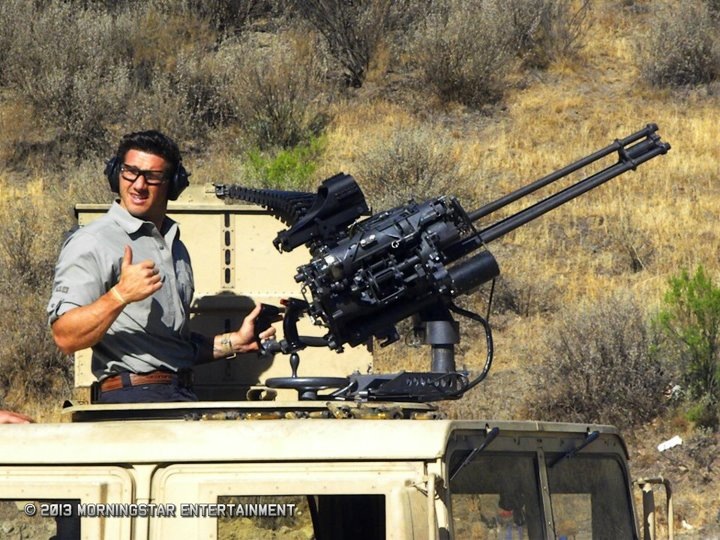
As a school that prides itself on being a Top Military Friendly School, the New York Film Academy often highlights its veteran and former military students who have shown achievement and success both inside and outside the classroom. One of our current BFA Screenwriting students, Wil Willis, has already succeeded in finding his way into the business, as he is now hosting the History Channel’s Forged in Fire. The competition reality show—in the vein of Ink Masters or Face/ Off—pits master blacksmiths against one another in head-to-head competition to forge from scratch a weapon that could win them a $10,000 prize.
Willis had been hosting a show for Discovery Channel’s American Heroes Channel, and the producers decided to test him for Forged in Fire. Willis tested well and the job was his.
Before pursuing a career in entertainment, Willis served in the Army as a Ranger, and in the Air Force as a Pararescueman. After fifteen years in the military, Willis found himself working on the set of a Broken Lizard production. From there, he began taking acting classes on the down-low, so his military buddies wouldn’t find out. His decision to step out of the box paid off.
“After acting in a couple films, someone asked me to be a TV show host,” recalled Willis. “I figured why not?” Life is all about adventure and having some cool stories to tell the nurses at the Veterans home.”
From an early age, Willis had a fondness for storytelling and movies — especially 80s B-Movies like The Beastmaster. Given his passion and his goal of obtaining a college degree, Willis decided to pursue his BFA in Screenwriting at the New York Film Academy in Los Angeles.
In the process of learning how to properly structure his countless ideas, Willis recently finished a personal project titled Comatose Dad, about a veteran struggling to get his act together in the real world. In the script, the main character kidnaps his comatose father from the hospital and takes him on a road trip.
With his foot already in the door, Willis has extremely strong ambitions. “It would be an honor to graduate with the other guys in my class. As far as achievements go…I want it all,” says Willis. “No one comes into this business wanting to ‘just get by.’ I think you’ve got to want it all to get anywhere. And when you start making progress, you’ve got to want more and push yourself and know that you can do better and that you’ll only be as good as the last project you worked on.”
It’s been 10 years since the seminal film Hustle & Flow hit theaters (earning the Audience Award at Sundance, Oscar for Best Original Song and Best Acting Nomination for Terrance Howard) but the movie is just as impactful now as it was then. Just ask the students who attended the screening of Hustle & Flow in the New York Film Academy Los Angeles Theater this week, followed by a Q&A with producer and champion of the cultural relic Stephanie Allian.
As Senior Vice President at Columbia Pictures, Stephanie helped launch the careers of filmmakers Robert Rodriguez and John Singleton. She shepherded Singleton’s Boyz N The Hood, which garnered two Academy Award nominations. Following her tenure at Columbia, she was named President at Jim Henson Pictures.
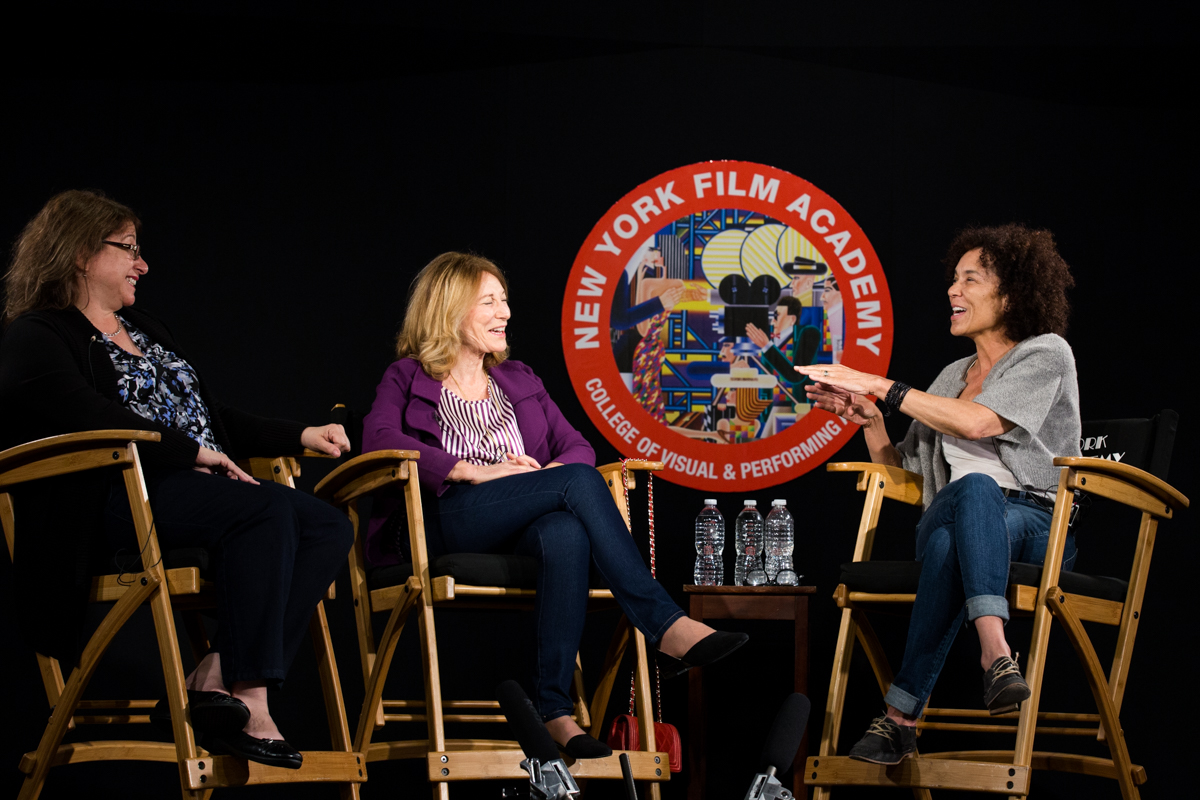
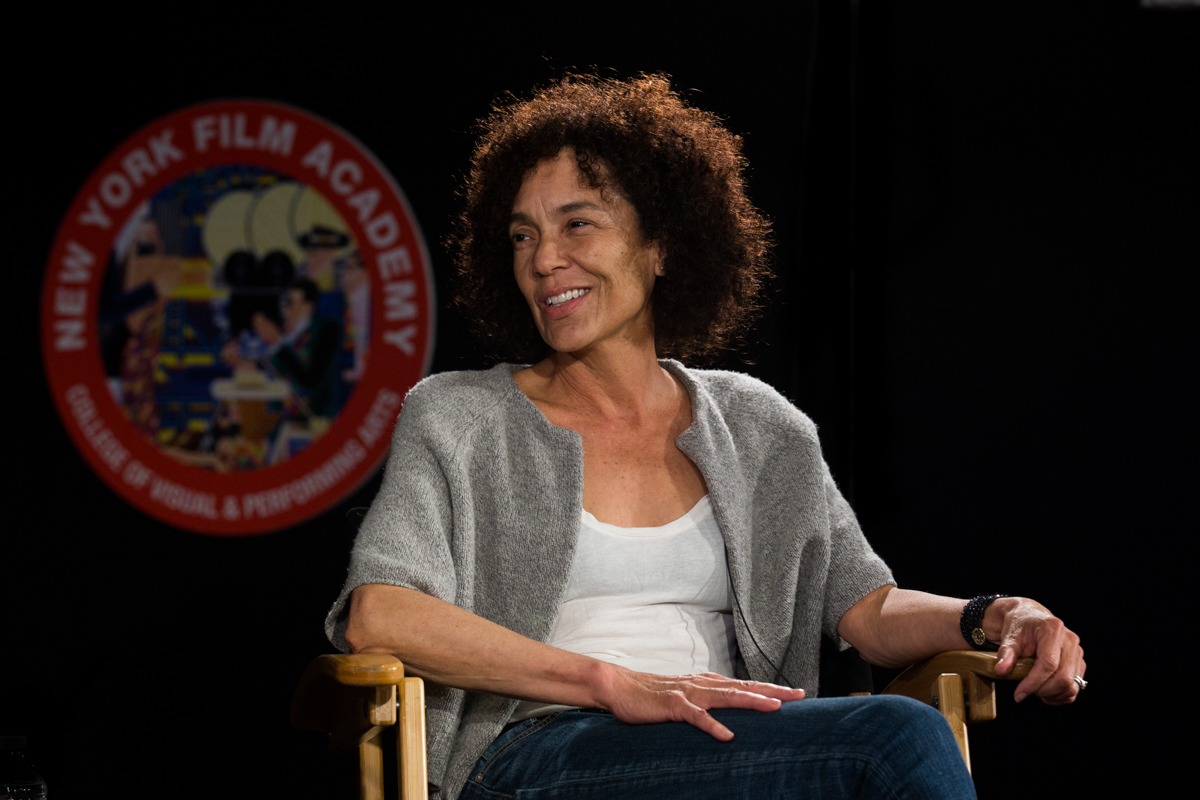
Stephanie formed Homegrown Pictures and produced Craig Brewer’s Hustle & Flow, which earned the Audience Award at Sundance, Oscar for Best Original Song and Best Actor nomination for Terrence Howard. Since then, she’s produced the directorial debut film of Sanaa Hamri and of Tina Gordon Chism. Stephanie worked again with Craig Brewer, producing his film Black Snake Moan. She’s produced Tim Story’s Hurricane Season and most recently Gina Prince-Bythewood’s Beyond the Lights, and Justin Simien’s directorial debut, Dear White People. In addition to her prolific producing endeavors, Stephanie is Director of the Los Angeles Film Festival, Producer of the Spirit Awards, where she sits on the board of Women In Film and Film Independent as a member of the Academy of Motion Pictures Arts and Sciences and of the Producer’s Guild of America. Producer Tova Laiter and NYFA producing instructor Lydia Cedrone moderated the discussion.
NYFA students were hanging onto Stephanie’s every valuable word as she described her rise through the Hollywood ranks, and important lessons she learned along the way. Soon after college she became a script reader when she discovered she could make up to $50 for every screenplay she wrote coverage for. Stephanie described the ability to write good coverage as essential in starting a producing career. This skill is what got Stephanie recognized by studio execs and working in their offices. And it’s the skill that gave her continued success in pinpointing quality material as a studio exec herself. She recommended that students read every script they can get their hands on and write coverage for it, if not only for practice. Her advice to those seeking to hone their screenwriting skills was to read 1,000 scripts and write coverage for them. This, she told students, would help them most in mastering their craft. Stephanie can now spot a bad script from page one. She’ll know if a screenplay is something that she’ll want to get behind because the feeling it gives her is very much like falling in love.
Stephanie described how she shepherded the very unconventional Boyz N’ The Hood script through the studio system. John Singleton, the young genius who wrote the script and would later direct it, was a script reader at the time hired by Allain. John convinced Stephanie to read his script and she was floored. She said to herself, “This is what I’m here to do.” One-by-one she convinced her studio colleagues to read the script as well. This took a few weeks, but when she finally made known her burning desire to champion the film, it was already ingrained into everyone’s consciousnesses. To Stephanie’s surprise her boss green-lit the film and she was promoted to VP, since only VP’s could supervise production and it was clear to everyone only she could supervise this film. Stephanie revealed that one of the determining factors in her success within the studio system was that she was never afraid to give her exact opinion on things. It is these types of people, Allain said, that rise to the top.
Allain described the exciting experiences of discovering directorial sensations such as Robert Rodriquez” (Desperado) and Craig Brewer (Hustle & Flow). By the time Stephanie made Hustle & Flow, however, she had become independent with her company Homegrown Pictures. A true believer in one’s power to create their own reality, Stephanie has adapted to the changing times to continue to make the kinds of movies she wants to make and also champion them via the Los Angeles Film festival that she is heading and intending it to become the most diverse festival yet.
We sincerely thank Stephanie Allain for visiting the school and look forward to her next groundbreaking project.
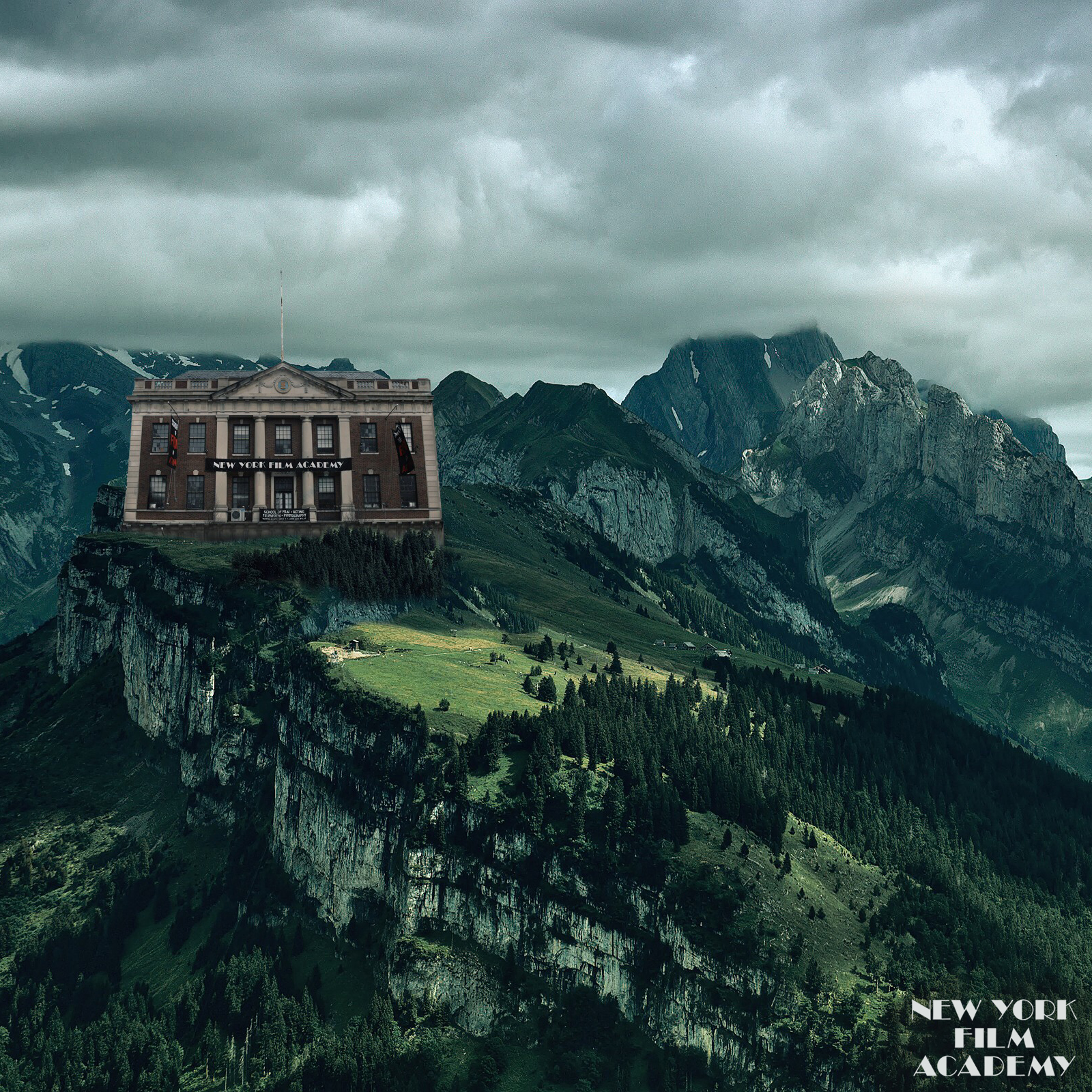
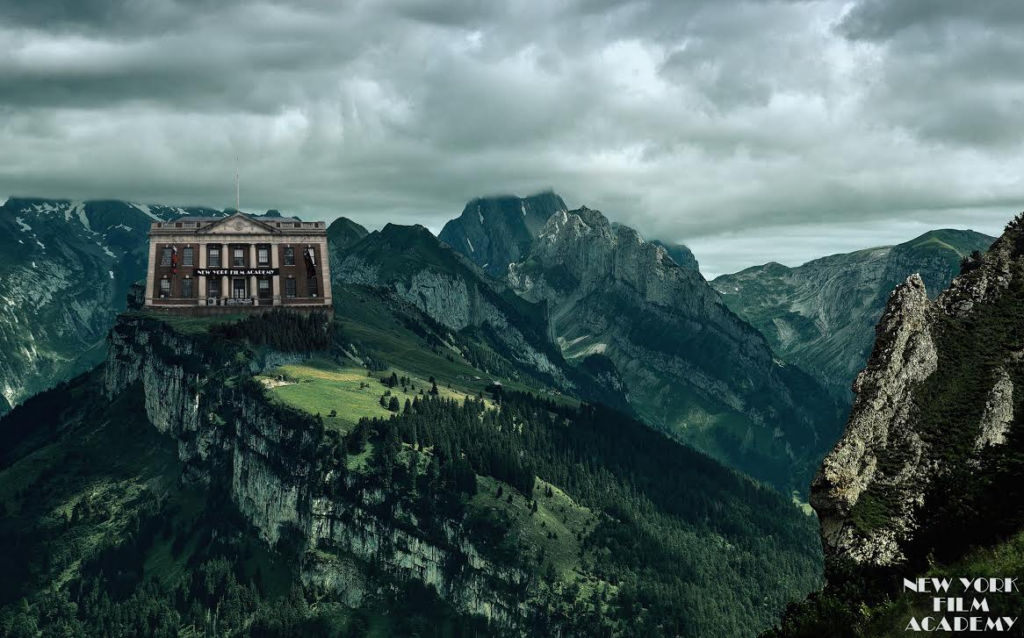
The New York Film Academy has officially announced the opening of a brand new campus located in King’s Landing on the continent of Westeros. King’s Landing, the capital of the Seven Kingdoms located on the east coast of Westeros, contains a diverse population of almost 500,000 people. While the land has fallen victim to attacks over the years—most notably when Lord Tywin betrayed King Aerys II Targaryen and ordered his army to brutally sack the city before turning it over to Robert Baratheon—the people in the region are enthusiastic to learn the arts. Call it their renaissance.
Similar to the Academy’s other locations, the King’s Landing location, situated on Kingsroad, will offer knights, giants, Lords, and even Whitewalkers the opportunity to learn both visual and performing arts in a hands-on intensive environment.
“We’re thrilled to open a campus in King’s Landing,” says NYFA President Michael Young. “We hope our exciting new location will attract not only students from King’s Landing, but also those in the other kingdoms, as well as those beyond The Wall.”
While dragons will not be permitted entry, the school will provide its students with a full RED Epic Dragon camera package, considered one of the most revolutionary cameras in the digital cinema spectrum.
“I absolutely adore the world of cinema,” says future student Tyrion Lannister. “However, it has been one of the many luxuries deprived of me while my father was still alive. I truly look forward to learning the skills necessary to excel in the field of filmmaking.”
NYFA frequently invites guest speakers from the entertainment industry like Steven Spielberg, Ron Howard, and Al Pacino to speak to students on campus. The goal is to continue this model and invite local industry leaders like George R.R. Martin, David Benioff, and D.B. Weiss to speak at the new King’s Landing location.
The New York Film Academy Abu Dhabi is pleased to announce that one of its 8-Week Filmmaking students, Arkus, has had his script Pink accepted into the Oscar Library, and the short Arabic film he created from the script has already screened at more than 10 international short film festivals around the globe.
Pink is a story of Khadijah, a middle aged Arabic woman suffering from depression and low self-esteem after her divorce. The divorce has scarred her and led her to believe that she is no more attractive. Therefore, she begins a quest to look beautiful once again.
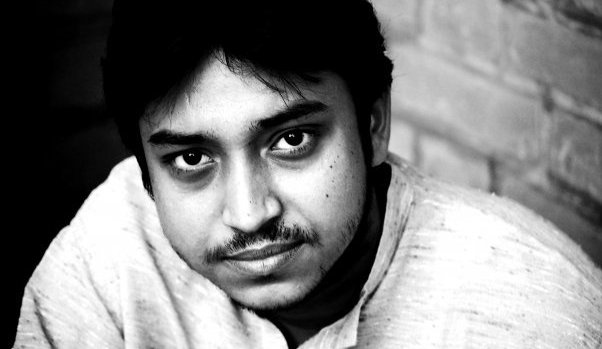
Arkus
“I am honored that Library of the Academy of Motion Picture Arts & Sciences popularly known as the Oscar library has accepted the screenplay of Pink,” said Arkus. “It gives me a great sense of joy to know that my screenplay will share a room with some of the best screenplays in the world.”
Arkus describes the New York Film Academy Abu Dhabi as his second home.
“I had amazing teachers and staff who took the pain to guide me even after the lectures at pretty odd hours, and my batch mates who made extra efforts to ensure that the film is what it is today. Specifically for the screenplay — maximum credit goes to my two teachers, Norman B. Schwartz and Scott Hartmann, who poured their heart out. I just feel that if I would have listened to them more, the screenplay would have been better.”
Arkus continues to screen his film at festivals around the world. After making Pink, Arkus teamed up with a few close friends to create a paper-cut stop motion animated short film Dubai LoveScape, which screened at Dubai International Film Festival, 2014.
He is also working on a feature film script, which he hopes to find the right sponsors who can someday make it a reality.
There have been months of rumors surrounding AMC’s spin-off of its huge hit, The Walking Dead. We even had a name for the new series: Fear the Walking Dead. It didn’t take very long for us to get a new trailer, as well.
AMC premiered a short 15 second clip for the new series during the season 5 finale of The Walking Dead:
AMC will be hoping to leverage the massive success of everyone’s favorite zombie show. They also did this with Better Call Saul, a spin-off of Breaking Bad.
Like Better Call Saul, Fear the Walking Dead will be set in the same world as the original series, but in a different time and place. Both spin-offs are prequels of sorts. Also like Better Call Saul, AMC ordered two seasons of the new series right off the bat. This time, however, they did not wait for the original series to end before launching a spin-off.
Fear the Walking Dead is set to premiere this summer. It will be interesting to see if the spin-off sees instant success, and how “success” will be defined for the show.
Back in 2010, The Walking Deadpremiered to a viewership of just over 5 million people. It has crushed those numbers, however, as the last couple mid-season premieres and finales have broken the 15 million viewers mark. It is every likely that the new spin-off series will beat the original’s initial numbers. But will people need a zombie fix enough to match The Walking Dead‘s recent numbers?
Since Jon Stewart announced his retirement from The Daily Show, the Comedy Central news entertainment program he’s hosted since 1999, speculation has been wild with who would replace him. It’s been especially of interest because there was no clear frontrunner. John Oliver, who filled in for Stewart two summers ago to much acclaim, would have been that frontrunner if his own HBO news program, Last Week Tonight, wasn’t becoming a bigger and bigger hit with each passing week.
Stephen Colbert may have been expected to leave his own follow-up Report to return and helm The Daily Show, but David Letterman quashed that possibility when he and CBS chose Colbert as his successor for The Late Show. Colbert’s mainstream talk show will air later this year.
Focus then shifted to the correspondents on The Daily Show, including long-time veterans and real-life married couple Jason Jones and Samantha Bee. Jones will be starring in a new NBC sitcom and Bee will be helming a new talk show on TBS directly competing with The Daily Show. Fellow correspondent Jessica Williams was predicted to host in Hot Tub Time Machine 2, but Williams quickly responded herself that she was too inexperienced for the job.
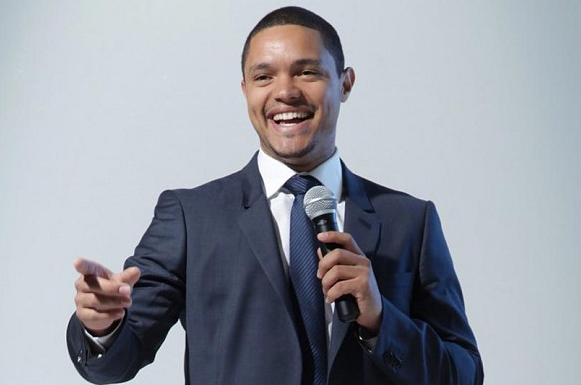
So, after a weekend plus of rumors, current correspondent Trevor Noah will be replacing Jon Stewart and hosting the venerated show sometime next year. Though Noah is only 31 and has only been on the show since October, he has hosted a nightly talk show before, in his native South Africa. Noah has also been making a name for himself as a stand-up comedian and is currently touring in Dubai. Comedy Central choice in selecting Trevor Noah, a young, talented, up-and-coming South African star, also signals their effort to broaden diversity in all of their programming.
Manage Cookie Consent
This website uses cookies to improve user experience. By using our website, you consent to all cookies in accordance with our Cookie Policy.
Functional
Always active
The technical storage or access is strictly necessary for the legitimate purpose of enabling the use of a specific service explicitly requested by the subscriber or user, or for the sole purpose of carrying out the transmission of a communication over an electronic communications network.
Preferences
The technical storage or access is necessary for the legitimate purpose of storing preferences that are not requested by the subscriber or user.
Statistics
The technical storage or access that is used exclusively for statistical purposes.The technical storage or access that is used exclusively for anonymous statistical purposes. Without a subpoena, voluntary compliance on the part of your Internet Service Provider, or additional records from a third party, information stored or retrieved for this purpose alone cannot usually be used to identify you.
Marketing
The technical storage or access is required to create user profiles to send advertising, or to track the user on a website or across several websites for similar marketing purposes.
To provide the best experiences, we use technologies like cookies to store and/or access device information. Consenting to these technologies will allow us to process data such as browsing behavior or unique IDs on this site. Not consenting or withdrawing consent, may adversely affect certain features and functions.
Functional
Always active
The technical storage or access is strictly necessary for the legitimate purpose of enabling the use of a specific service explicitly requested by the subscriber or user, or for the sole purpose of carrying out the transmission of a communication over an electronic communications network.
Preferences
The technical storage or access is necessary for the legitimate purpose of storing preferences that are not requested by the subscriber or user.
Statistics
The technical storage or access that is used exclusively for statistical purposes.The technical storage or access that is used exclusively for anonymous statistical purposes. Without a subpoena, voluntary compliance on the part of your Internet Service Provider, or additional records from a third party, information stored or retrieved for this purpose alone cannot usually be used to identify you.
Marketing
The technical storage or access is required to create user profiles to send advertising, or to track the user on a website or across several websites for similar marketing purposes.