A Q&A With NYFA Producing Alumna Yuxiao Wang

New York Film Academy Alumna Yuxiao Wang had a long road to get to NYFA. After three countries, two degrees, and a ton of work, she’s well on her way to becoming an outstanding producer. Wang spent some time speaking to NYFA Correspondent Joelle Smith about her amazing journey.
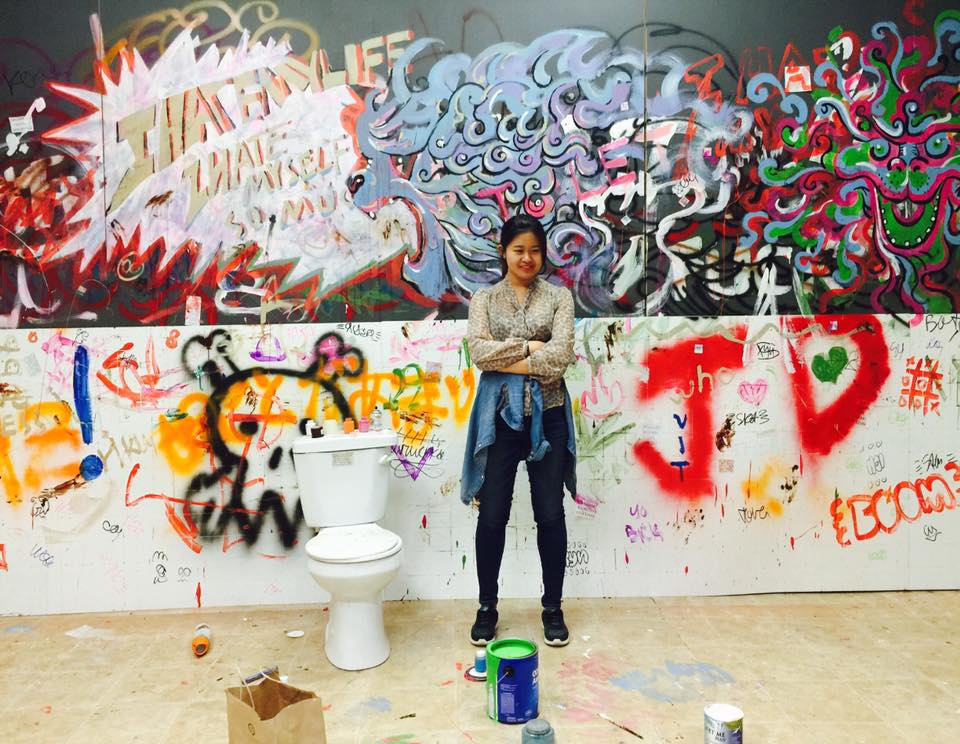
4
Photo provided by Yuxiao Wang.

Joelle Smith: Can you tell me a little about the project you’re working on and your role within the project?

Yuxiao Wang: I just finished producing a 75-minute web feature five days ago. I have two more features coming up in November, where I am both the line producer and associate producer. Two of these three films will be distributed online and the other is seeking theater distribution.

JS: Can you give me a little more detail about your journey from China, to Japan, to the U.S.?

YW: I learned Japanese literature in China and exchanged to Japan for a year in 2013. While there I majored in animation. I always wanted to learn film or work in the film industry, but during that time I didn’t have any knowledge about film. Then my parents agreed to support me while I worked on my master’s degree in America. I chose NYFA because it focuses on hands-on practice, and the producing program will cover a lot of secrets of how to make a film. Soon I was working as a producer in LA.

JS: What were some of the challenges you faced?

YW: The biggest challenge for me is language. As a foreigner, I am not able to read the scripts as quickly as native speakers do, and because of this reason, I think I missed a lot of job opportunities. I am very confident with my skills but when I submit my resume I know they’re often looking to hire fluent speakers.

The other challenge is my visa. I am currently at my OPT and not a lot of companies want to sponsor a foreign student for a work visa. That’s why it is hard for us to find a job here. So, I am working freelance now.
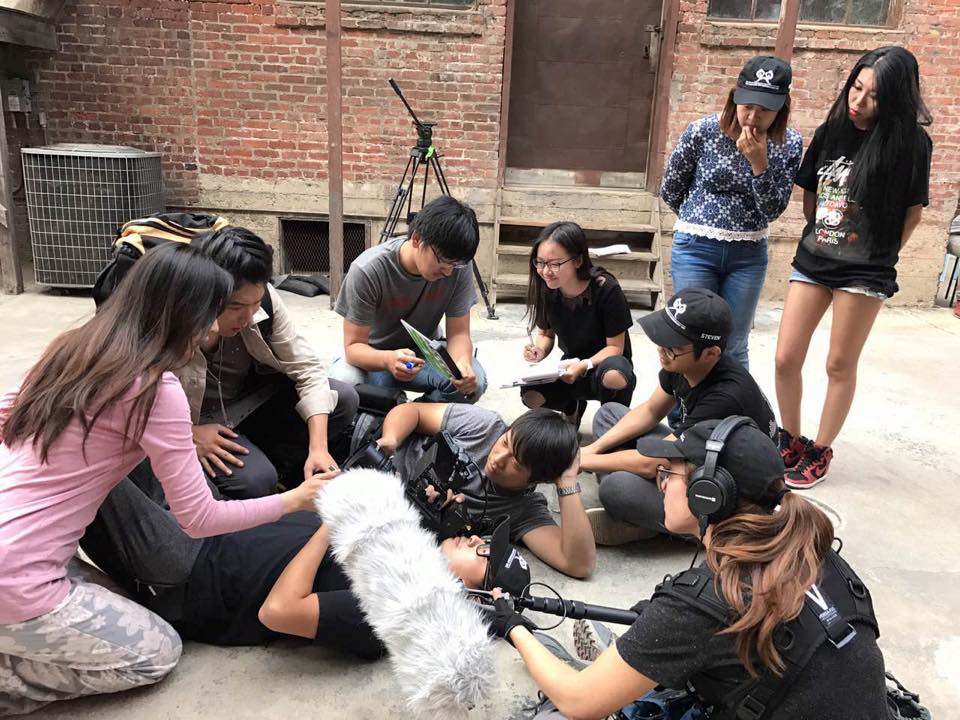
2
Photo provided by Yuxiao Wang.

JS: What were some of the greatest joys you experienced throughout your journey?

YW: I am really happy I finally choose to work in the film industry even though it is very hard. In my country if you choose to learn acting, directing, or producing as your major in your college, not a lot of parents will support you because they think this industry is very dangerous. I finally got a chance to learn my major and started my career as a producer. I met a lot of cool people here, and they are very creative, passionate and trying to make something to change the world. I don’t like a boring life of sitting in the office. That’s why even though this job is very hard, I still keep doing it, because every second I am working on the things I am interested in, I feel like I am alive.

JS: What do you like best about attending the New York Film Academy?

YW: They are very friendly to all the students from all over the world and won’t force you to have a film related major in your undergraduate — which is very important to me, as my major was Japanese education. I think that was the initial attraction.

JS: What did you learn here that’s helped you the most in your latest filmmaking project?

YW: I think entertainment law is very important. We learned to go over all the paperwork, including documents and contracts, to make sure everything goes well. We were trained in our class to pay attention to details and developed great knowledge of the possible disputes and infringements during a production. The last feature I worked on had a 50-person crew and around 100 actors. We shot for 24 days and on 30 locations, but using the knowledge I learned, we didn’t have any problems.
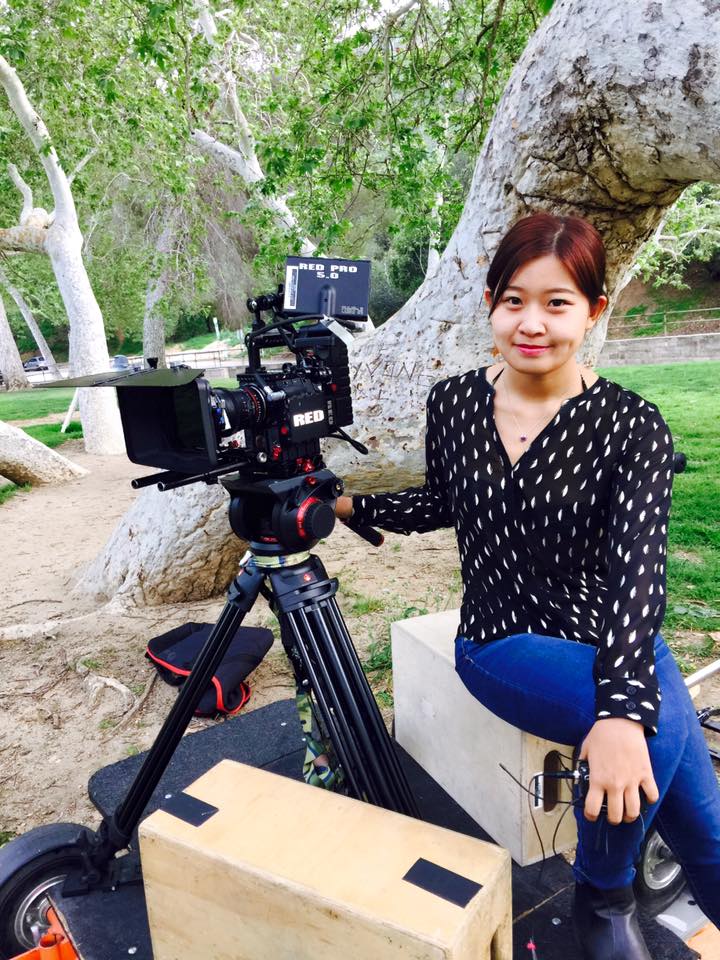
7
Photo provided by Yuxiao Wang.

JS: What projects are you working on now and where can people interested in your work find you?

YW: I am in the distribution stage of a feature I produced called “Talentik.” It will be released in Chinese major streaming media platform “Sohu Video” on February 24.

And I am also shooting a major Chinese TV show in Hawaii now, starring A-list stars, and it will be on the major network and TV. This is the second series of this show, and the first series was the highest-rated drama of 2016 with an average national viewership rating of 2.63 percent. It had a 5.47 billion hit amount online and 379,000 related comments, and also aired on a major TV network, Hunan TV, in China.

I have two additional features I’m currently working on. One is romantic, and the other is a drama we’re developing and will be shot on the West Coast this year.

The New York Film Academy would like to thank Ms. Wang for taking the time to share her story. You can find more of Yuxiao Wang’s work by clicking here. Interested in learning more about film production? Check out New York Film Academy’s Producing School!


A Beginner’s Guide to User Interface Design

User Interface (UI) and User Experience (UX) Design are rapidly growing fields in the graphic design industry, and may appear quite difficult to break into. These days, just knowing how colour and branding works may not be enough to secure a job; you need to adapt and modify your design skills as per industry requirements. User Interface Design in particular is a very creative and challenging industry and offers the scope of a very rewarding job.

Simply put, UI design basically involves designing user interfaces for software, websites and machines — making navigation as simple and as efficient as possible. Have you ever come across a website and couldn’t find what you were looking for because the layout was cluttered and confusing? Or perhaps you’ve recently switched from a Windows Phone to an Android for increased functionality? In both cases, the UI design played a role in your responses.

So how do you go about being an efficient UI designer? These tips will help you out:

Learn Graphic Design and Typography

user-interface-1655006_1280

This goes without saying, but a strong foundation on how the visual medium works — its signs and semiotics — will go a long way. Don’t aim for artistic brilliance, but rather focus on how design can be best manipulated to serve utilitarian needs. Focus on courses that cover topics such as branding, logo design, product design and advertisements. Also sign up for a separate typography course, which will help you choose the right fonts and teach you how to balance the different elements on the screen.

Clarity Is Very Important

ux-789162_1920

Remember that for whatever you design, the user must find the product very easy to use and not face any hassle or confusion. The interface should be clear, very easy to understand and navigate, and preferably interactive. Also, you should design in such a manner so as to grab the user’s attention and keep it. And finally there shouldn’t be any bugs or glitches in the system.

Research Is Key

Once you understand the basic principles of a successful user interface, you’ve done half the job. The next stage is research, where you have to keep in mind the company or brand goals as well as the customer’s needs and expectations. Thus the final design must not only be effective but also have a personality unique to the brand you designed for. For instance, an iPhone is very easy to use, can anticipate the user’s needs, and has a distinctive look.  

Conduct Tests On Actual People

Once you have designed a prototype, conduct tests on real people. Ask them to interact with the interface you’ve made, record their responses and check for any errors or inconsistencies. Ask them repeatedly if they’ve faced any problems or if they have any ideas as to how to make it better. Remember, this feedback is possibly the most important step in making a successful user interface.

Once you’ve mastered graphic design as well as understood the philosophy and principles behind UI, it’s time to build up your practical experience. Soon enough, as your portfolio improves, you’ll be landing high-paying gigs and ambitious projects as well.

Interested in studying graphic design? Check out NYFA’s graphic design programs!

Everything You Need to Know About Setting Up a Fashion Photoshoot

pexels-photo-298298

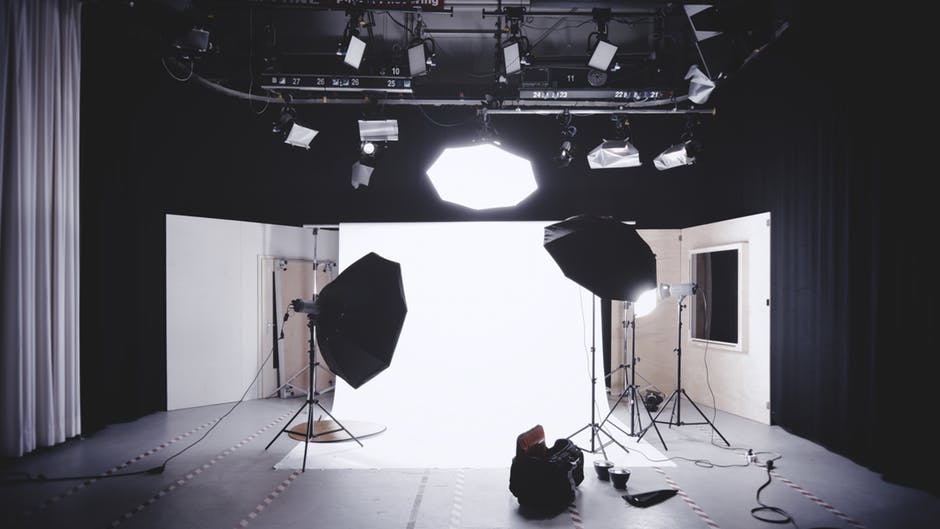
Organization and a professional attitude are important to a successful fashion photoshoot.

First, you need to have a plan — If you are shooting for a publication, the art director may tell you what kind of feel they want. If you are shooting for your own lookbook or a personal website, the theme planning falls on your shoulders. Find a theme for the project and keep that in mind as you select locations and backdrops and communicate with the stylists and models.

Team — in addition to yourself and the model(s), your team should have: a stylist who understands tailoring and can make adjustments to the clothes so they fit the model properly; a hair stylist and makeup artist who can help you bring your vision to life; and an all-around support person who can fill in or run errands as needed.

Location — if you are shooting on location rather than in a studio, make sure you consider safety and legal issues. For example, railroad tracks are usually considered private property and it is illegal (and dangerous) to photograph on them. For other locations, you may need a permit or authorization from the owner. Do yourself a favor and check before you go.

Next, you need to set up your equipment — You may have a very simple setup or all of the latest gadgets, but along with your camera, lenses and a source of light are the bare minimum you can get away with. It goes without saying that you should know exactly how your camera works, but it’s a good idea to know other tricks and tips in case your equipment fails or some other plan goes awry. On the “nice to have” list is a way to backup the shots before you even leave the location, a system for keeping track of the shot details, water and food for the team, and a first aid kit.

camera-lenses-946404_960_720

Lenses — Use the right lens for the job. While Erik Madigan Heck is able to do much of his work with a hand-me-down lens from his mother, most photographers build up a core set of lenses that they use for specific purposes. How To Geek has a good, simple overview of how lenses work and what the different types of lenses are used for.


Lights — You will need to decide between natural and studio light and understand how to work in either situation. Lighting your shoot properly is crucial for showing off the clothes and the model. Zhang Jina’s article on lighting tools provides a great overview of her approach to lighting and she includes example photos to show the effects of each tool.

When you get there — Once your team is assembled and the shoot is underway, stick to your schedule and set a professional tone.

contemporary-1850469_960_720

Be ready before the model arrives — If you’re in the studio, set up your lights, backdrop and props before the model arrives. If you’re going to be shooting on location, get there before the model does so you can set up your equipment.

Part of preparing is being inspired — Get to know the work of other photographers as well as the history of fashion photography. Spend time looking at magazines, websites, and photographer’s books for a better understanding of composition, color, and lighting.

Establish a rapport with the subject — When your model arrives, spend a little time talking to the person and putting them at ease. When they are relaxed, they will be much more natural in front of the camera, which will show in your final images.

Give credit to the team — Acknowledge everyone’s contribution to the success of the shoot and thank them all for their time and hard work. Your name might be on the final image, but everyone on the set contributed to the final results.

After the session — Most photographers do some touching up with software such as Adobe Photoshop, but software can’t fix poorly lit or out-of-focus images. As you adjust color balance and make adjustments, be aware that there is lively debate about where to draw the line when it comes to digital manipulation of images. Stay current on the conversations surrounding photography and the fashion world.

Meet your deadline — It is sometimes hard to stop adjusting and tweaking images; it is equally hard to pick only a limited number of shots from a day’s worth of work. Still, if someone else is waiting on those images, deliver them on time and with a professional attitude. That will help open the door for other opportunities.

Be ready to do it all over again — If your editor says none of the shots work, none of the shots work. Accept that assessment, ask for clarification on what they are looking for and go out shoot again.

Take care of business — Submit your invoices, track your receipts, and update your portfolio, website, and resume.

You can always go behind the scenes of fashion photography with one of New York Film Academy’s 4-week Fashion Photography Workshops.


Must-Visit Cities for Film Students Studying Abroad

Traveling is a great way to learn about the world and yourself. If you are pursuing a career in the film or arts and entertainment industries, nothing beats being in one of the world’s great cities to give you a new perspective or help you deepen your understanding of the rich history of the world — and the human stories within it. Traveling to new places gives you the chance to exchange ideas and spot new trends. Luckily, the New York Film Academy offers workshops and study opportunities all over the world.

Florence, Italy

https://youtu.be/M53m9pK_ULk

The birthplace of the Italian Renaissance, Florence is both ancient and modern. Whether your tastes run to the classics like Michelangelo or to more modern masters like Ottone Rosai, Florence has it all. If taste is your muse, explore the cafes and bistros. Director Franco Zeffirelli paid homage to his hometown in his 1999 film Tea with Mussolini.

Sydney and the Gold Coast, Australia

sydney-363244_960_720

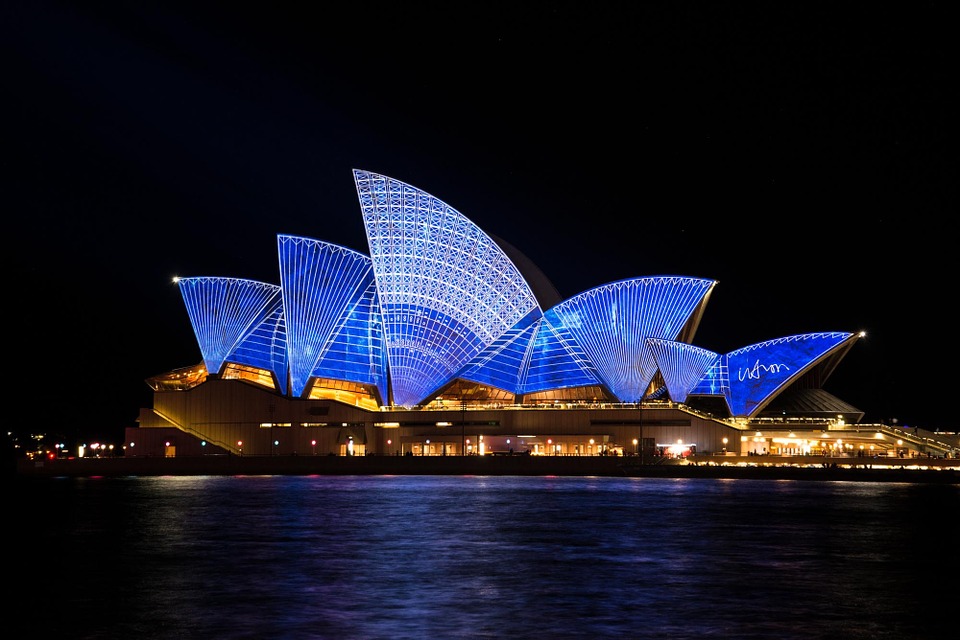
From the rugged harbor and the Opera House in Sydney to the surfer’s paradise of the Gold Coast, Australia has something for both your cultivated and wild sides. Australia’s film industry has given the world “Picnic at Hanging Rock,” the Mad Max series, “Babe,” and “Shine.” Errol Flynn, Naomi Watts, Heath Ledger, Hugh Jackman, Peter Weir, and Baz Luhrmann are just a few of the actors and directors who hail from the Land Down Under.

Paris, France

people-eiffel-tower-france-landmark

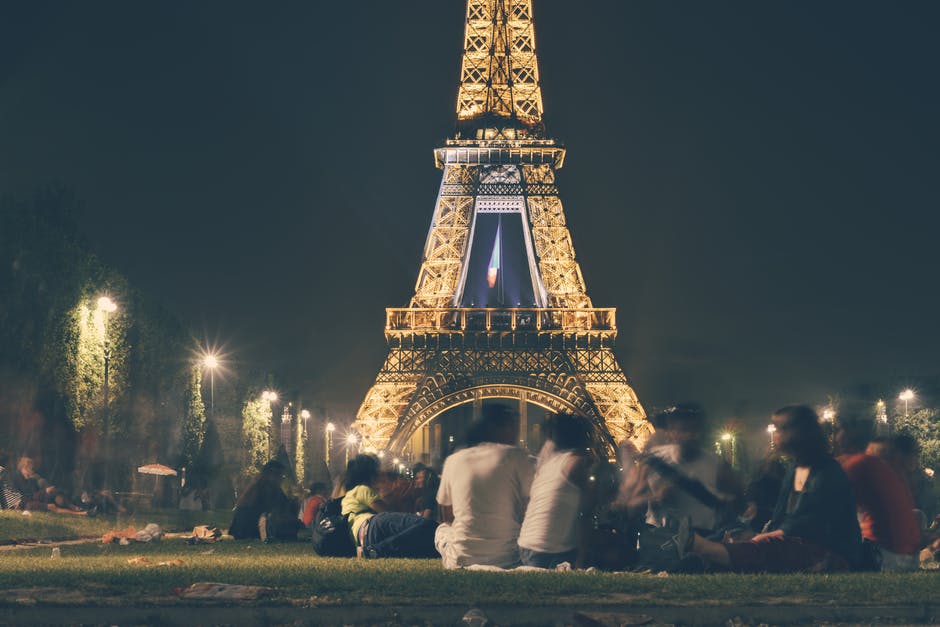
Fashion, food, film, and fine art — Paris has it all. There is so much to do and see in Paris, you’ll want to return again and again. Directors François Truffaut, Jean-Luc Godard and many of the other people associated with French New Wave cinema called Paris home. So many films have been set in Paris, you’re sure to recognize dozens of landmarks everywhere you go.

Beijing, China

beijing-1798593_960_720

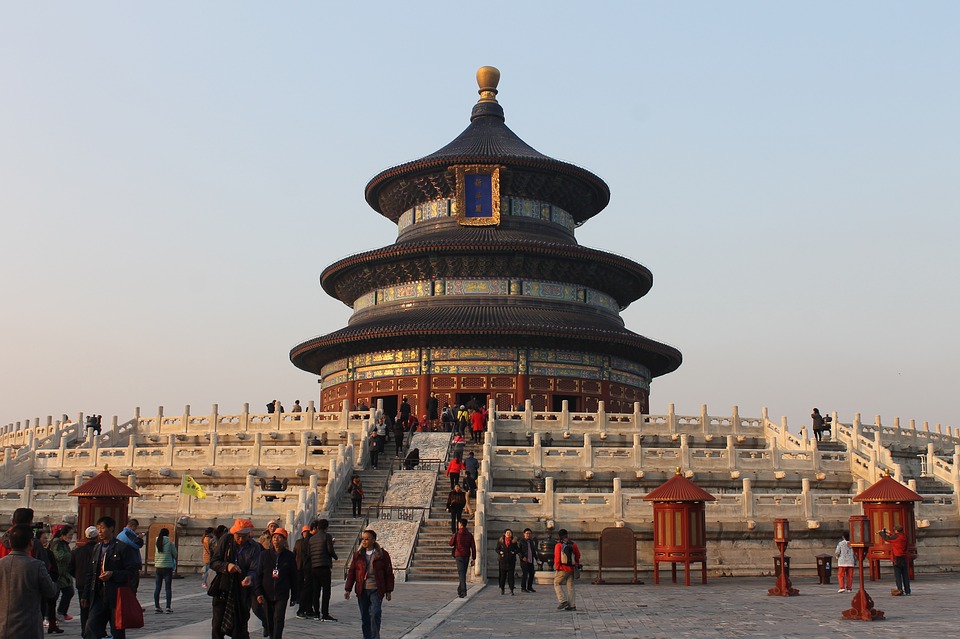
From the spectacular Great Wall and Forbidden City to the more humble hútòng side streets, China’s capital city has something for every sort of traveler. Ancient buildings and modern skyscrapers share space in this sprawling city. China’s film industry has long and rich history and is one of the fastest-growing film industries in the world.

Athens, Greece

acropolis-12044_960_720

Western dramatic traditions started with the ancient Greek playwrights and poets. Hundreds of films from “Zorba the Greek” to “Sisterhood of the Traveling Pants” have been set in Greece. Spend some time in Athens and visit ancient sites like the Acropolis and the Parthenon or brand new monuments like the Stavros Niarchos Foundation Cultural Centre, which houses the National Library and National Opera; wherever you go in Athens, you’ll be surrounded by art and culture.

Berlin, Germany

berlin-1951705_960_720

One of the major centers of the German film industry, filmmakers have been flocking to Berlin nearly 100 years. Berlin’s film, fashion, and art industries have always been edgy and inventive. If you want to be ahead of the pack, start exploring in Berlin. The Berlin International Film Festival is one of the largest film festivals in the world and takes place every February.

Doha, Qatar

doha-1821204_960_720

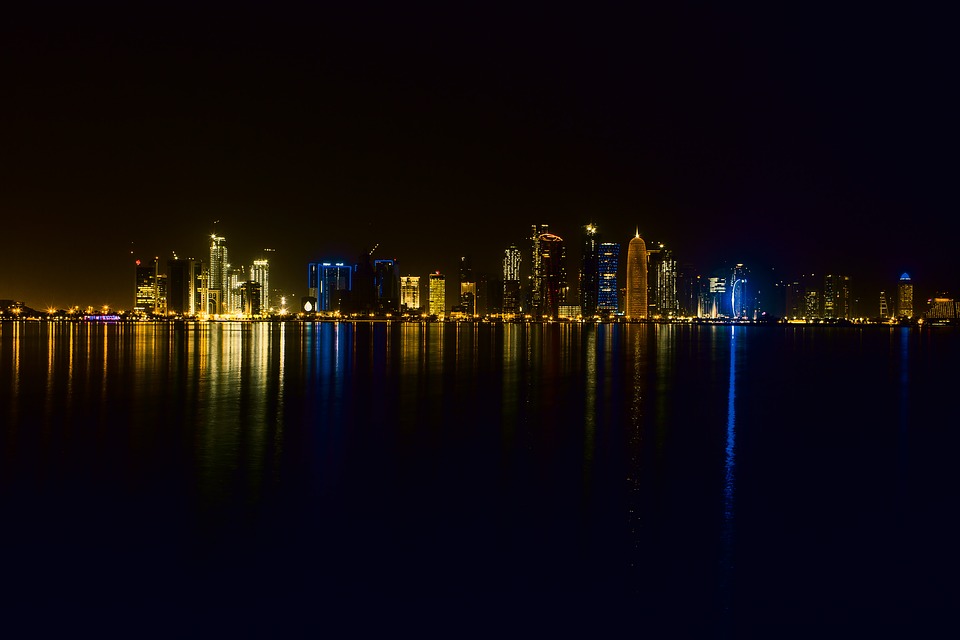
Home of the Doha Film Institute and the Al Jazeera Media Network, Doha is also a city that celebrates its status as a “world city” because it is a financial center of the Middle East. Doha is an architecture and engineering fan’s kind of place–many parts of the city of new, planned communities where designers are working to create building materials that can handle the rising temperatures.

Studying filmmaking and acting for film in a country other than your own gives you the opportunity to explore and experience the world in a one-of-a-kind way. Check out all New York FIlm Academy’s study abroad options to find where your NYFA journey can take you!

National Pet Day: Our Favorite Pets in Movies

April 11 is a red letter day for all pet owners. Whether you’re a dog person or a cat lady or you prefer raising white mice, National Pet Day is the perfect day to shower your pets with love and gratitude for all the happiness they’ve given you over the years. And the entertainment industry is the perfect place to look to celebrate pets. Perhaps you can make the day even more special by watching a movie that features your favorite animal or bird that the main characters. Here are our picks.

pexels-photo-264206

1. “Two Brothers” (2004)

This is a brave and heart-rending film about two tiger cubs, Kumar and Sangha, who are separated as cubs but finally reunite after a series of misadventures. Set in 1920s Cambodia during the period of French colonization, the period aesthetics are top notch and the film balances humour and heartache brilliantly.

2. “Garfield: A Tail of Two Kittens” (2006)

Following the success of its prequel, “Garfield: The Movie” (2004), this is a hilarious pet movie and features two Garfields. One Garfield is the titular cat from the comic strip most of us have grown up with who lives in the suburbs with frenemy dog Odie and his owner Jon, and the other Garfield is the heir to Carlyle Castle and lives in luxury. Due to a mishap, the two cats are switched and what follows is sheer insanity. This is sure to be a hit with kids.

3. “Marley And Me” (2008)

2000px-Marley_&_me.svg

A beautiful romantic comedy starring Jennifer Aniston and Owen Wilson, “Marley and Me” covers 14 years of a dog’s life. In fact 22 different Labradors were used to play the part of Marley. Marley teaches the couple, and later their children, several important lessons and makes their lives fun, meaningful and exciting. This is the perfect pet-centric movie to watch with your family and pet dog(s).  

4. “Dunston Checks In” (1996)

An entertaining family flick, the movie follows adventures of an orangutan Dunston who befriends the sons of the hotel manager of a five star hotel and causes all manner of trouble and mischief. And here’s the secret about the adorable Dunston: he’s a very accomplished jewel thief.

5. “Babe” (1995)

Based on Dick King-Smith’s novel “The Sheep Pig,” this movie explores complex identity issues by following the story of a pig who wants to be a sheep dog. There is something intensely relatable about this film, and it has garnered critical acclaim, having been nominated for 7 Oscars, including Best Picture.

6. “War Horse” (2011)

https://youtu.be/d6Ru9Y9Xwjg

If “Black Beauty” and “Moby Dick” were your favorite childhood classics, this Steven Spielberg movie won’t disappoint you. Starring big names such as Jeremy Irwine, David Thewlis, Emily Watson, Benedict Cumberbatch and Tom Hiddleston, the movie is set in the backdrop of the First World War and looks at the bond between young Albert and Joey, his thoroughbred bay horse.

7. “Jungle Book” (2016)

jungke book

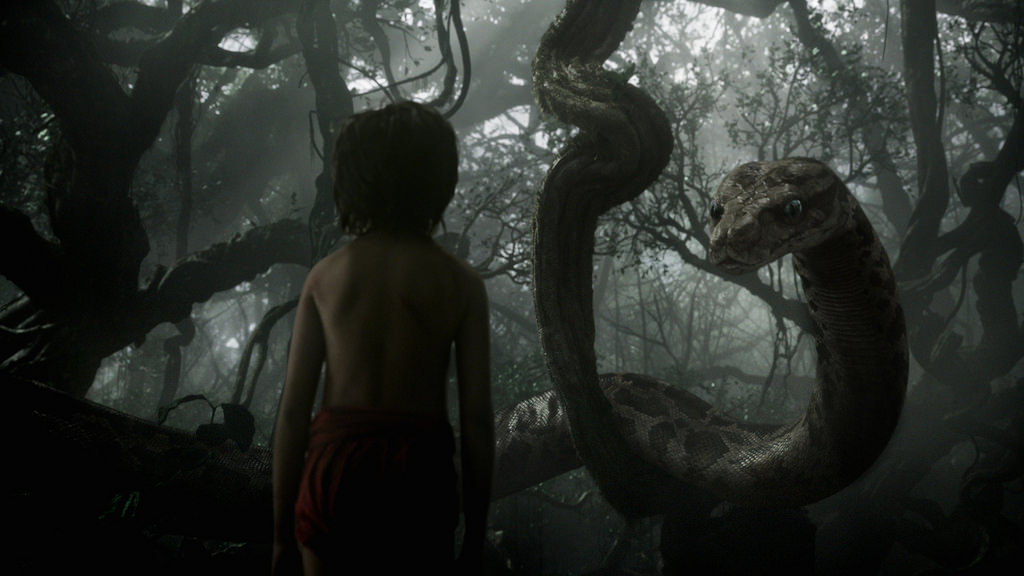
For many of us, Rudyard Kipling’s “The Jungle Book” contained a secret world of wild nature, a orphan boy raised by wolves, a ferocious tiger and a friendly bear. The recent Disney rendition of the same captures Kipling’s rich imagination vividly and brings your favorite childhood animals to the big screen.

8. “Zootopia” (2016)

zootopia1

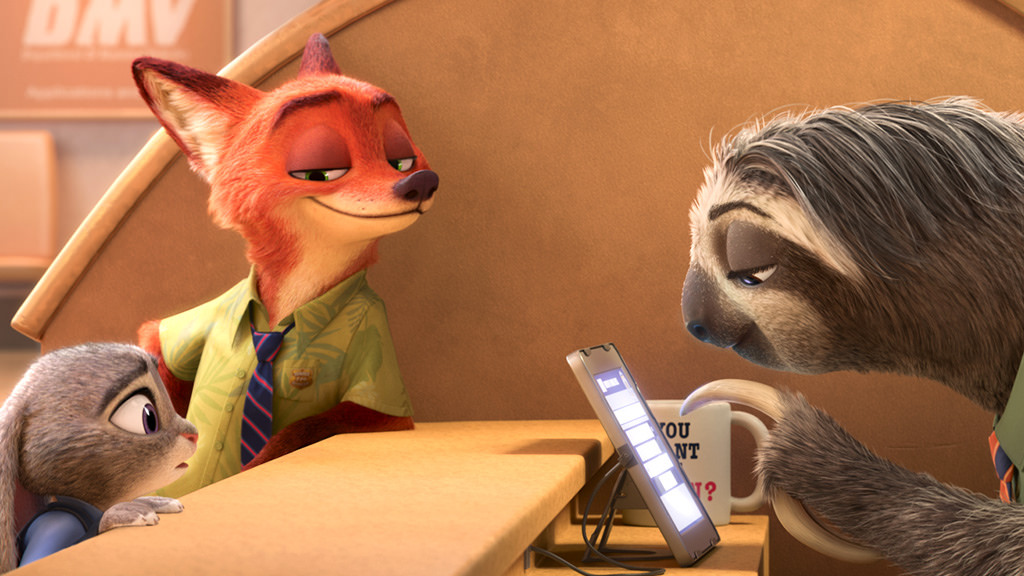
The ultimate animation film for the animal lover, “Zootopia” is a richly realized anthropomorphic world and details the unlikely friendship that slowly develops between a rabbit police officer and a cunning red fox. Using animals as metaphors, the movie comments on several societal issues in an entertaining and thought provoking manner. The movie even won an Oscar for the Best Animated Feature Film.

So what are your favorite movies featuring animals? Did our list of movies miss out on your pet? Let us know in the comments! And if you’re ready to learn how to make your own professional animal films, study filmmaking at the New York Film Academy.

What You Can Learn from Edward Dmytryk’s 7 Rules of Cutting

Edward Dmytryk is arguably one of the most influential directors in movie history, with over 50 films to his credit. He was nominated for an Oscar for his film “Crossfire” (1947) and worked with big name stars like John Wayne, Elizabeth Taylor, and Humphrey Bogart. But you may not know that before directing films, Dmytryk was a film editor.

In 1984, Edward Dmytryk wrote “On Film Editing,” which stipulated seven basic rules of cutting. He used his own experience to pave the way for future editors. These rules are an excellent resource for New York Film Academy students in our digital editing programs. The examples below will show how his rules are still used in contemporary films today. While the technology behind film and editing has changed since the mid-1900s, it cannot be denied that Dmytryk’s style is timeless.

Rule 1: Never make a cut without a positive reason.

Long scenes have the potential to be “the boring part” of any movie. Nothing is worse than a section that drags on with meaningless dialogue and no action. However, Dmytryk was never afraid of a long shot, stating “a cut should never be made only because the cutter feels the prevailing cut is too long.” In fact, long shots have become more popular in contemporary films. For example, the entire film of “Birdman,” which won Best Film, Best Director, and Best Cinematography, is designed to look like a single shot. Edits are made to carefully support the illusion of a continuous track shot, and are only made in support of the overall stylistic goal.

Rule 2: When undecided about the exact frame to cut on, cut long rather than short.

In order to maintain fluidity in a film, cuts must be as precise as possible — especially in action films where two shots will be fast-paced and must be perfectly timed. The editor must have plenty of film to work with when deciding where to make that pivotal cut. For this reason, the camera will continue to roll for a few seconds after the action is over and before the director says “cut.” Director Quentin Tarantino (“Pulp Fiction” and “Kill Bill”) knew this and so did his actors. That is why they often used to say “Hi, Sally” to the camera while filming to say hello to Sally Menke, Tarantino’s long-time film editor, who edited all of his films until her death in 2010. This is why the cast and crew used to greet her after a long take, knowing that she would see these scenes and cut them for the perfect action sequence. They wanted to give her plenty of extra footage to work with, knowing that an editor will often look to cut long rather than short.

Rule 3: Whenever possible cut “in movement.”

While transitions between scenes will sometimes require a few frames of no action, action is always preferred. A film can be pushed along scene-by-scene if there is an action to keep the audience engaged. For example, the urgency of “Apollo 13” (the 1995 Best Editing winner) is heightened in the scene below. After the flight director (Ed Harris) explains the challenge, the scene immediately cuts to the scientists dumping materials on a table. This movement shot is more urgent than a scene of them sitting and discussing the problem.

https://youtu.be/C2YZnTL596Q

Also see the scene below from “American Hustle” (nominated for Best Editing in 2013). The sequence of the characters all going to the event is made as a montage, and each cut goes to a scene of action (i.e. Jeremy Renner lighting a cigarette, Jennifer Lawrence exiting the car, and Bradley Cooper and Amy Adams walking through the smoke). This keeps the scene moving a builds tension to the following scenes.

Rule 4: The “fresh” is preferable to the “stale.”

Dmytryk understood that a film must cater to its audience. Regarding his fourth rule, he said “if it is necessary to add a number of frames before the actor enters the scene, the viewer has, at least, a new setting to examine and integrate, which serves to keep his interest alive.” In the clip from “Titanic” (Best Editing winner in 1997) where Rose first calls Brock, there are quite a few seconds of filming before the camera focuses on an actor. Further in the clip, when the movie transitions to a ship, there is a shot of the ship from afar to show the audience where the film has moved.

This is also particularly true of films by Wes Anderson (“Moonrise Kingdom” and “Fantastic Mr. Fox”), which heavily focus on setting.. See the scene before from “The Grand Budapest Hotel” (nominated for Best Editing in 2014). As the two protagonists (Ralph Fiennes and Tony Revolori) go down to meet the police, there are several seconds of film with no one speaking. This allows the audience to take in the new setting and also shows Edward Norton’s character’s consternation with the arrest.

Rule 5: All scenes should begin and end with continuing action.

The movement of a scene is one of its most important parts. Whether it is a simple transition or a tense action sequence, the actor’s movement must be seamless throughout. For example, if you are showing an actor entering a room, there must be continuous movement from the cut filmed from outside the room to the cut filmed from inside the room. The example below is from “The Matrix” (Best Editing winner in 1999), where the protagonist (Keanu Reeves) must escape his office. The scene is not in one continuous shot, so the editor must create continuity and make the actions look the same throughout each take, editing down the shot so that it looks like the actor never stops moving.

Also see the scene below from “Spotlight” (2015), which was nominated for Best Editing. As Mark Ruffalo’s character goes from the cab to the office, his movements are continuous.

Rule 6: Cut for proper values rather than proper “matches.”

It is important to remember while discussing these rules that Dmytryk was also a director. He understood that the film itself was the most important product. He believed that “the film’s dramatic requirements should always take precedence over the mere aesthetics of editing.” Dmytryk references a scene in his film “Murder, My Sweet” (1944), where a flashing light does not match up between takes. However he understood that the flashing light added to the drama of the scene and decided to leave it in. 

At the end of the day, Dmytryk stressed that the substance of the film was paramount to all of his rules. His techniques are important. However, these rules should be used only to make a film great, not to make a film perfect. In the last line of his book he states, “This book has persistently stressed technique and has urged the pursuit of perfection in its use. But the ‘human situation,’ in all its guises, is what good films are all about, and technical skill counts for nothing if it is used only to manufacture films which have little to do with humanity.”

What have you learned about your own projects after reading Dmytryk’s editing rules? How will you use them in future products to create a brilliant film? Let us know in the comments below.

If you’re ready to learn more about digital editing, check out NYFA’s digital editing programs!

Famous Rejection Stories to Keep You Going

“Sorry, Charlie” — you’re not good enough. Every creative person, from writers and actors to producers, will deal with rejection at some point in his or her career. Whether it’s not landing a role, getting booed offstage, or not being accepted into film school, creatives have all encountered hard rejection. Aspiring visual and performing artists around the world, though, often draw inspiration and encouragement from the success stories of celebrities who have themselves persevered through rejection. Read the list to see some celebrities who encountered rejection and how their stories eventually turned out.

JK Rowling

Picture 1-2

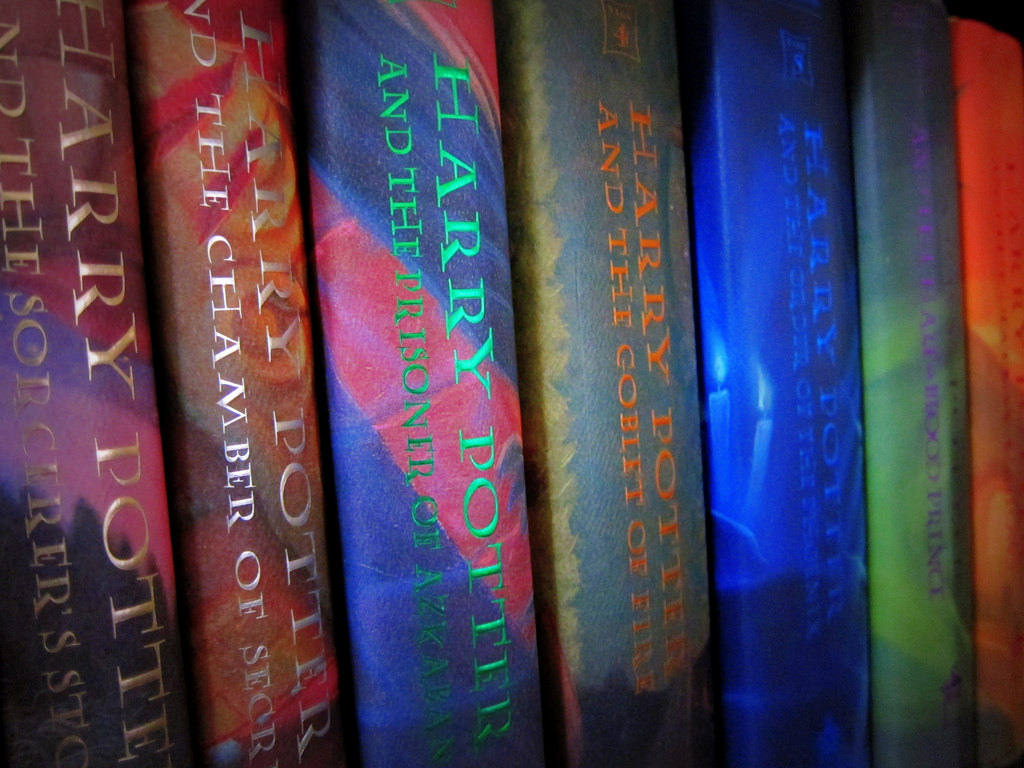
JK Rowling’s first manuscript of “Harry Potter and the Philosopher’s Stone” was initially rejected by 12 different publishing houses. It was only accepted by publishing house Bloomsbury when the chairman’s eight-year-old daughter read the first chapter and demanded to see the second. Bloomsbury’s editor agreed to publish the manuscript, but advised Rowling to get a day job since there was no money in children’s books. She is now a billionaire author of the best-selling series in history, and a major figure in the literary scene.

Mark Ruffalo

14779708516_2ca106e84f_b

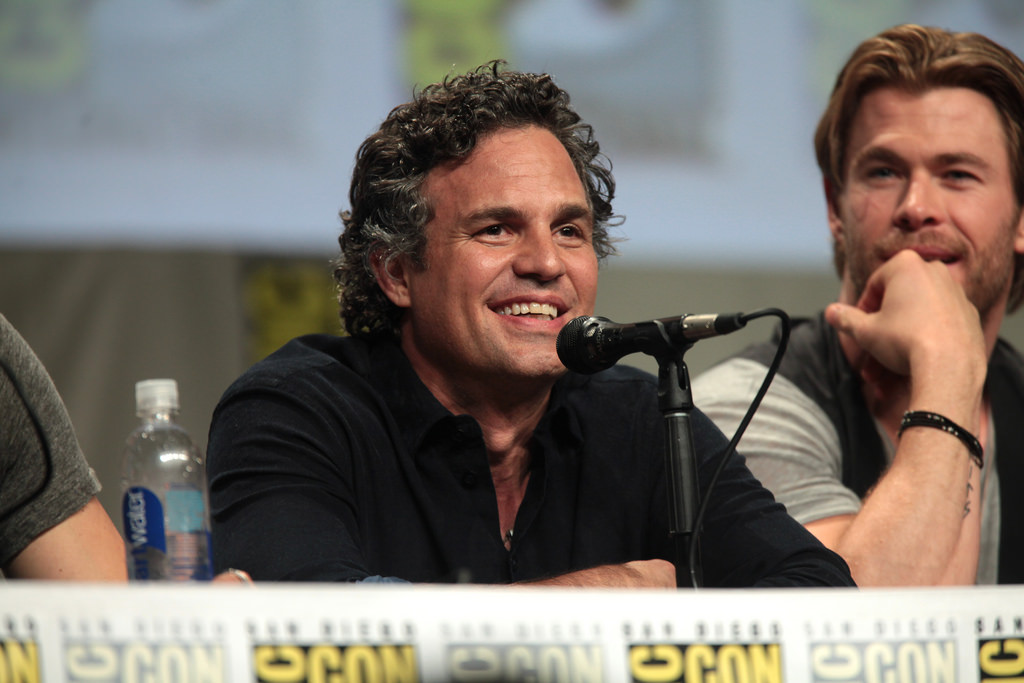
Mark Ruffalo, the Academy-Award-winning actor and producer, spent almost a decade bartending in Los Angeles while co-founding a theatre company. During this time he appeared in a number of films that were never released. His attempt at screenwriting, “The Destiny of Marty Fine,” also tanked; despite some critical acclaim, that movie was never released either. He auditioned tirelessly and finally began to land some small roles in high-profile films. His big break came in 2000 with “You Can Count On Me” alongside Laura Linney, now considered a cult classic. He is currently one of Hollywood’s highest-paid actors and recently received an Academy Award nomination for his role in the film “Spotlight.”

Steven Spielberg

Picture 2

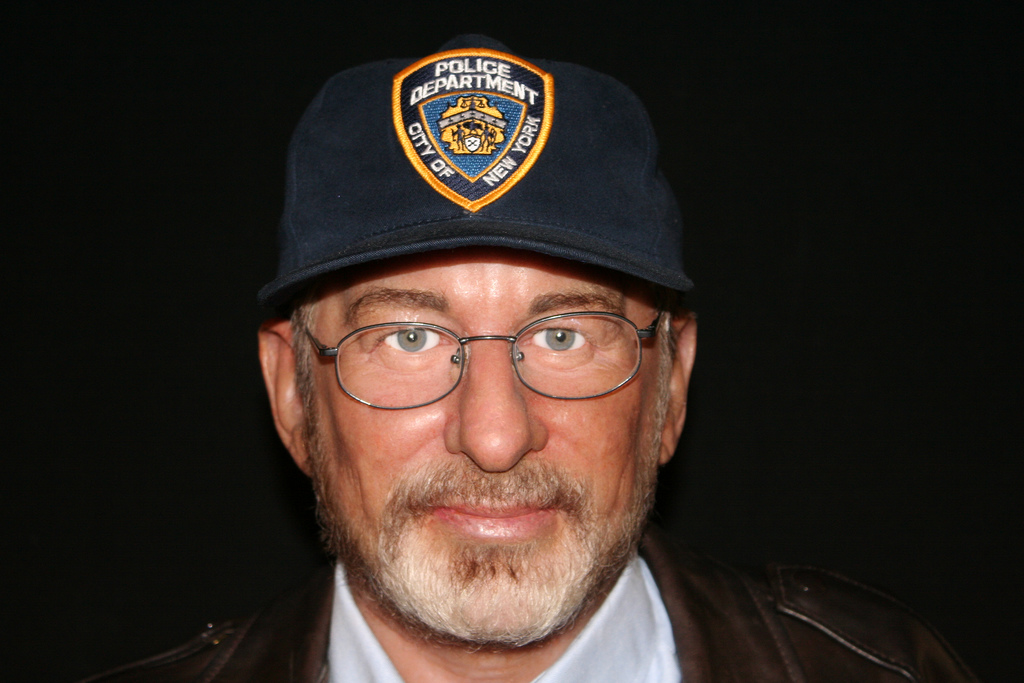
Director and producer Steven Spielberg encountered speed bumps on his way to becoming one of cinema’s most influential figures. He was rejected not one, but three times from the University of Southern California’s film school due to his “C” grades in high school. In 1994, the school finally awarded him an honorary degree, and he became a trustee in 1996. Spielberg has won three Oscars and directed 51 films, with a current estimated wealth of $3 billion.  

Kerry Washington

Actress Kerry Washington, star of the acclaimed series “Scandal,” was originally cast in two other pilots. They both went to series, but Washington was fired and recast. As Washington told Variety magazine, “For both, it was because they wanted me to sound more ‘girlfriend,’ more like ‘hood,’ more ‘urban.'” For her role as Olivia Pope in “Scandal,” she has since been nominated twice for a Primetime Emmy Award for Outstanding Lead Actress in a Drama Series, Screen Actors Guild Award for Outstanding Performance by a Female Actor in a Drama Series, and a Golden Globe Award for Best Actress in a Television Series.

Leslie Jones

“Saturday Night Live” comedian Leslie Jones began her stand-up career in college, when she won a “Funniest Person on Campus” contest. After winning the contest, she left school and began performing at comedy clubs, working at UPS and Roscoe’s House of Chicken and Waffles as a day job. Her first big break was at the Comedy Store in West Hollywood, where she received poor reviews. She later opened for Jamie Foxx and was booed by the audience; discouraged, she did not perform comedy for three years. She is now a cast member and writer on SNL, with her own comedy special on Showtime and a starring role in the remake of “Ghostbusters.”

What are your favorite stories of artists overcoming rejection? Let us know in the comments below! If you’re ready to dust yourself off and try your hand at chasing your dreams, why not check out the New York Film Academy’s many short-term and long-term programs?

3 Daily Tips to Help You Become A Better Photographer

If you’re a photography student, chances are you know how tough the competition is in your chosen field. These days, the term “photographer” can encompass anyone who knows how to take decent enough snaps on an iphone and amass thousands of followers on Instagram. But photography is more than that. And when you work with DSLRs, you know that understanding the rules, theories, and techniques also isn’t enough to guarantee successful photographs. To be a better artist, you need that extra thing — that’s your own unique style. Which is why NYFA’s photography programs encourage hands-on experience, offering our students the opportunity to practice and develop their own visual style.

But your style is not something that can be taught easily. You have to experiment, discover, and then cultivate it your voice as a visual artist. Here are some daily tips that might make the process easier.

1. Photograph WISELY Every Day

pexels-photo-296649

Yes, wisely is the operative word here. Plenty of books, workshops and seminars will tell you that to be successful in any field, you need to practice every day. And to a certain extent, that’s true. But if we tell you that to improve as a photographer you simply need to photograph something every day, we’re only doing half our job. You could set a goal of taking at least three decent pictures every day, and a year later, find yourself still complaining that your style hasn’t evolved much.

Here’s the crux of the matter: For your style to evolve, you need to challenge yourself. One simple exercise to help you do this is to choose a particular word or theme and take a few pictures interpreting it every day. For instance, if the word is black, you could photograph objects that are black, and then move onto abstract stuff, like a play of shadows, the dark and somber expressions on someone’s face, and so on. By pushing yourself to intentionally investigate a subject past your first and obvious interpretation, you may discover new perspectives that can offer you inspiration and lead you to something you wish to say with your images.

2. Set Yourself Limits When Taking Photographs

pexels-photo-134469

To force your style to develop, it can help to set limits and conditions on the way you photograph. As necessity is the mother of invention, constraints can force your mind to think out of the box. You can do this in a number of ways. For example, for a particular subject or topic you can set yourself a limit of not taking more than seven photos, or working only in black and white, or restricting yourself to a particular area while working, and so on. The fewer options you have, the more your brain has to work to make the best of the circumstances. In other words, it’s not all about the expensive equipment and endless options: it’s about the choices you make as a photography, and how you make do with what you have.

3. Expose Yourself to More of the Stuff You Like

pexels-photo

You must realize that all creative works are a two-way process: There’s always a creator and an audience, and it’s important to play both the roles. When you’re photographing very diligently for an assignment, realize that you must take time out to see other great and not-so-great photographs as well, and learn from them. You know your interests and passions, so make sure you get a decent exposure to media that reflects, feeds, or challenges your tastes.

For instance, if you’ve always had a childhood interest in fairy tales, then you can definitely spend time studying Tim Walker’s fashion photographs, or checking out some surreal paintings or even watching art house cinema that uses fantasy tropes. Not only will that make you closer to figuring out your personal style, but it will also prove to be an entertaining and enriching experience.

At the end of the day, remember that you are a unique individual, with a unique history and personality. So no matter what you do, be authentic. Yes, it’s okay to imitate when you’re practicing, but nothing beats originality. Put your heart and soul into whatever you do, and make sure you actively enjoy the process of creating and making mistakes, and not just the end results.

Ready to learn more about photography? Check out NYFA’s Photography School.

Apply Now for a Photography Program

Animated Series to Watch for Inspiration

Visual effects and 3D animation have really grown over the last few decades with the help of improved tools for animations. If you are interested in learning the theory of animation and visual effects, and getting the professional skills you’ll need, the New York Film Academy’s 3D & Visual Effects School is for you.

The professors of NYFA’s Animation School are working animators and visual effects artists who have designed a hands-on curriculum for students to help prepare them for a competitive industry. Our students use programs such as Maya, ZBrush, Mudbox, Motion Builder, and Nuke.  

Speaking of animation and visual effects, there is something about animated series that brings the kid out in all of us. If you’re feeling nostalgic or need some inspiration for your own animated series, take to Netflix, Hulu or just resort to some Saturday morning cartoons. We’ve rounded up some great animated series to watch for inspiration:

“Rugrats”

In the early years, “Rugrats” used cel animation and the show’s animators drew everything by hand. But by the time “Rugrats in Paris” movie hit theaters, the team used a combination of 2D and 3D animation. The animators created more than 300,000 drawings by hand and then scanned the drawings into Toon Boom Technologies US Animation software. For the 3D animation, the team used Maya. Once all the images were created, they used Animo Inkworks renderer to seamlessly combine everything.

“The Wild Thornberrys”

Nickelodeon’s “The Wild Thornberrys” was about 12-year-old Eliza and her family, who travel the world to record a nature documentary. It was full of travel and excitement for the family, and Eliza even had a secret power – she could communicate with animals. For a children’s animated series, there are a few notable entertainers who voiced characters. Lacey Chabert, who played Gretchen Weiner in “Mean Girls,” voiced Eliza. None other than Flea from the Red Hot Chili Peppers voiced Donnie, the jungle wild child. Tim Curry voiced Eliza’s beloved yet quirky dad, Nigel. The all-star cast is just another reason why we love “The Wild Thornberrys.”

Here are some other great child-friendly animated series to watch for inspiration:

  • “Looney Toons”
  • “Tom and Jerry”
  • “Scooby Doo”
  • “The Flinstones”
  • “Spongebob Squarepants”
  • “Pinky and the Brain”
  • “The Bugs Bunny Show”
  • “Dexter’s Laboratory”
  • “Teenage Mutant Ninja Turtles”
  • “The Jetsons”
  • “The Powerpuff Girls”
  • “Pokemon”
  • “Hey Arnold”
  • “Doug”
  • “The Fairly Odd Parents”

The list of animated series goes on and on. If you’re into animated series featuring mature content — which you can find on channels like Adult Swim — that’s cool too. There’s nothing like staying up late to get some good chuckles. Many of the animated series for older audiences rely on bawdy humor, adult topics, and mature language — a recipe that many animation fans appreciate as they cross the threshold from childhood to adulthood.

“Family Guy”

“Family Guy” follows the dysfunctional Griffin family and the animated series is now in its 15th season. Creator Seth MacFarlane attended the Rhode Island School of Design and, two weeks before graduating, received a surprise job offer from animation studio Hanna-Barbera. He moved out to Los Angeles and joined Hanna-Barbera’s team as a writer. Before “Family Guy,” he worked on other shows like “Johnny Bravo,” “Dexter’s Laboratory,” and “Cow and Chicken.”

If that isn’t enough reason to love McFarlane’s “Family Guy,” actress Mila Kunis voices the outcast daughter Meg, and Carrie Fisher voiced Peter Griffin’s boss, Angela.   

“South Park”

Southpark_wikilogo

This year marks the 20th anniversary for Comedy Central’s “South Park.” The show focuses on the lives of four elementary students, Kenny, Kyle, Cartman and Stan, in the quiet town of South Park in Colorado. When the show first aired in 1997, creators Matt Stone and Trey Parker used photos and cardboard cutouts for the show. Then they started scanning the cutouts into computers, where they imported the images into PowerAnimator and linked to a 54-processor that could render 10 to 15 shots an hour. Now, Stone and Parker use a 120-process render that produces 30 shots or more an hour. Watching how “South Park” has evolved with new technology and software is truly impressive.

On a side note, Stone and Parker helped co-write the book, music and lyrics for the hit Broadway show, “The Book of Mormon.”

Here are some other great animated series with mature content to watch for inspiration:

  • “King of the Hill”
  • “American Dad!”
  • “Bob’s Burgers”
  • “The Simpsons”
  • “Futurama”

What are some of your favorite animated series? Let us know in the comments below! And check out NYFA’s animation programs to learn more about animation.