
Writing a Film Business Plan: What Should I Include?

Picture of calculator, glasses, and papers


Film business plans. Whether you’ve learned how to make one in film school or not, it’s likely that it’s an essential aspect of your production that you could be overlooking at your own risk.

Those involved in making movies tend to be creative folk and view spending hours pouring over figures on a spreadsheet as anathema to the craft. Even some of the pros dread this unavoidable task… and don’t think that you’re not “pro” enough to get away without doing one.

Even if you’re operating on a micro-budget, it’s still a good idea to get to grips with the best practices of compiling a solid film business plan. It’ll help keep you right on path, it’s good practice for your future career, and it might just help you see the bigger picture and drive you to finish the project.

Today, we’re going to take the sting out of the tail by offering some guidance on how to get started.

You’ll also be pleased to hear that it’s nowhere near as arduous a task as it may seem, which brings us onto our first business plan tip:

However You Start, Make Sure You Start

As is often experienced in screenwriting, putting pen to paper in the first place is usually the hard part. Once you get going, you find your brain kicking into high gear (sometimes to the extent that it’s hard to stop typing!)

The same is true of film business plans. Initially, you might feel like the proverbial rabbit in headlights with no idea how you can possibly account for what you might be spending in the future. However, by starting with the very basic and known figures you do have, you’ll slowly begin to break the back of the spreadsheet and the rest should follow naturally.

And remember, you can always go back and revise things, so don’t be afraid to start jotting down random numbers with the intent to refine them at a later date.

Consider Your Audience

Not the movie’s audience; we’re talking about the people who are most interested in your film business plan.

Screen Shot 2016-01-21 at 11.45.07 AM

Don’t make the classic mistake of assuming investors and potential production collaborators want to see every dime and nickel accounted for, because they really don’t.

What they want you to answer as concisely (and accurately) as possible is this: How are you going to sell the movie, and what will be the return on investment?

And that’s it. Everything else is secondary.

Of course, you’ll probably want to keep a more detailed plan for your own reference and that can be produced if requested, but strip out extraneous details that won’t be of interest to an investor (they don’t want to know the hourly rates of every show runner working on set; they just want to know how much it’ll all cost.)

There are a few more sub-sets of this question that you’ll probably tackle along the way, including:

  • How are you spending the cash?
  • Why is this film sellable right now?
  • What is your sales/marketing strategy?
  • What share of the proceeds will you receive?
  • What share of the proceeds will investors get?
  • Are there any perks to investing in this film?

Thinking about these questions will get you ready to pitch your movie efficiently at the drop of a hat, and will help shape your business plan as you put it together. There are a number of other questions over on the Raindance website which you can expect investors to ask, so do check those out.

Calculator and pen

And on the topic of how to go about answering a potential investor’s concerns…

What Should I Include?

The following is by no means exhaustive (and not all of it may be necessary for your particular business plan), but here’s the meat and potatoes that most filmmakers use to convey their pitch:

Outline: A very brief summary of the screenplayideally just your loglineand some key figures regarding financial requirements. Bullet points regarding your previous work (or any notable team members) may be of benefit but only if they really are selling points, otherwise, brevity is preferred.

Shooting Schedule: A detailed plan outlining every expected cost behind each scene of the screenplay, including any props needed, cost of travel to locations, and compensation to crew members. A highly important part of the business plan which you may want to work on with the rest of the team, this will be the foundation of an accurate budget projection.

Production Budget: The shooting schedule total, plus the overall production expenditure of the movie.

Marketing Plan: The movie’s target demographics, how you’re going to get it in front of them, and how much that advertizing will cost, as well as conversion rates between how many people you’re expecting to reach and how many of those will go see the movie/buy the DVD.

Distribution Plan: The costs, profits, and expected reach of physical media sales (and the same for online streaming.) If you have details regarding the profits you’re hoping to make from rights sales, this is the place to add them.

Revenue/Profit Projections: Based on extensive market research (rather than guesswork or comparing your film to something similar that was released back in 1992), here you’ll get the chance to really hook the investor by outlaying expected profits and how much of those they’ll receive.

Letters of Intent: A hugely valued part of the business plan which can really pull an investor. Don’t just stop at crew members; letters of intent from other investors really inspire confidence, and don’t forget to also hit up relevant insurance companies covering the production.

31-365 (Year 8) Accounts

You’ll want to close the package off with your executive summary—one or two pages delving more extensively into why the screenplay is a winner, the talent working on the movie and why the investor would be a fool to miss out (although not in those words, obviously!)

In Conclusion…

Rather than seeing your film business plan as an unavoidable headache, instead see it for what it is, i.e the tool you need to attract funding. Sounds a lot more alluring that way, doesn’t it?

Stay focused and get your film business plan nailed down as a matter of priority. The sooner you do, the sooner you can focus on the task at hand: getting to work on your big idea.

Best of luck!

[su_note]Learn more about the Film School at the New York Film Academy by clicking here.[/su_note]
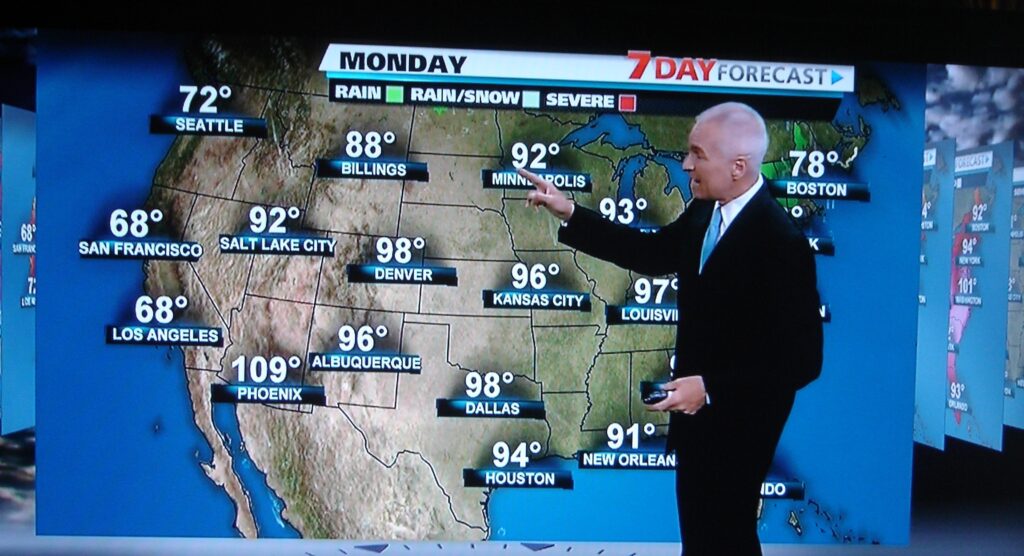
How To Cover Weather News

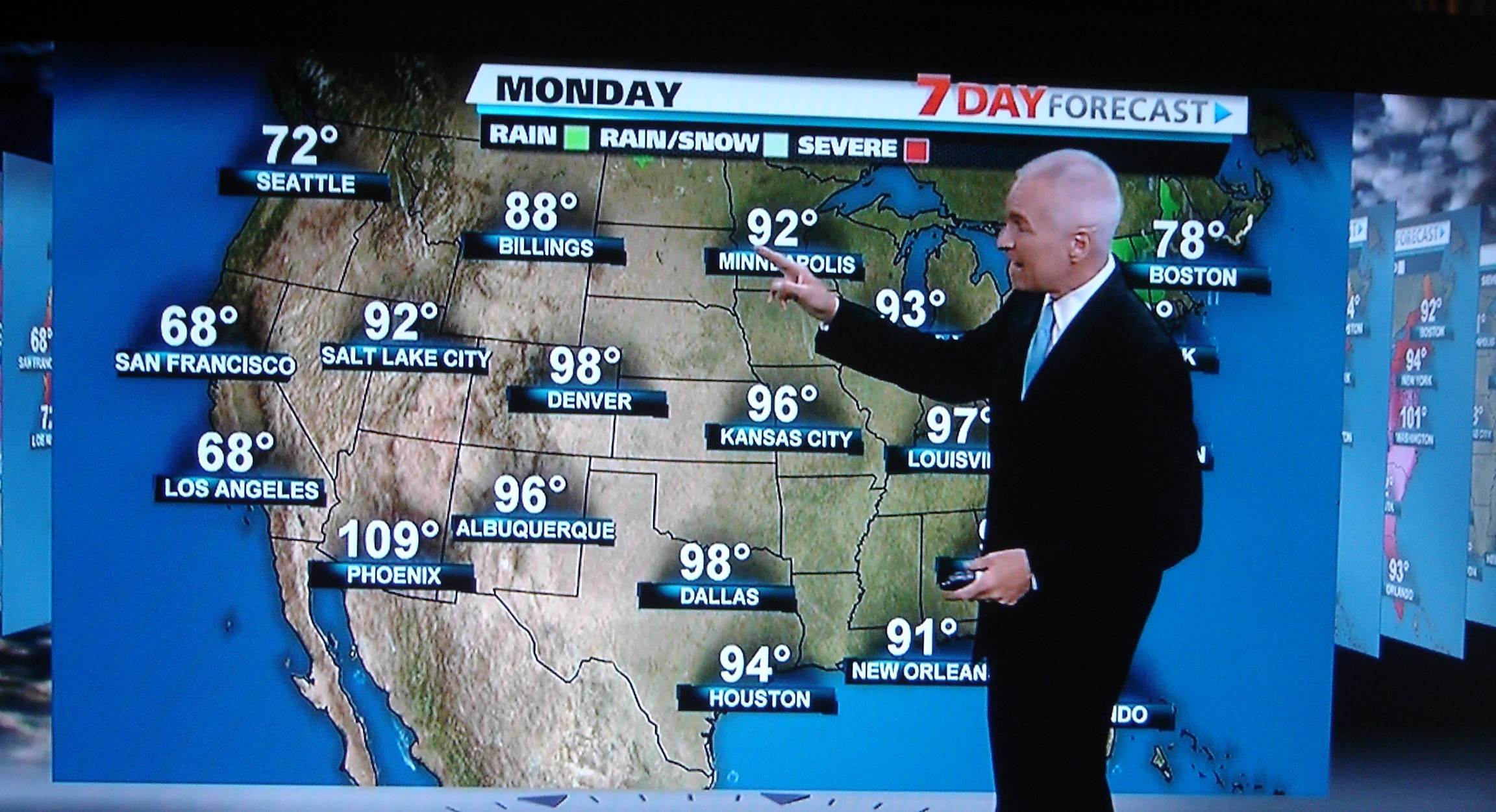
Meteorologist explaining the weather

As a reporter, there will likely be many times when you will have to go outside and cover a weather story. While this is normally the weather forecaster’s job, that person usually has to stay inside with the green screen and radar equipment. In a larger station, there might be multiple on-air personalities in the weather department, some of whom can stand outside while others remain in the studio. But in smaller stations (where you will likely end up after graduation, as discussed in last week’s post), this job often falls to someone in the news department. This is especially true on a slow news day, but depending on the severity of the weather, it may happen at other times as well.

What to Do When You’re Standing Outside Stating the Obvious

Frequently, this is not the most interesting type of story to cover. You may be pointing at the sky and explaining that it is raining, in case your viewers haven’t noticed. Worse, you’re unlikely to have a direct quote from Mother Nature about today’s activities.

The best thing you can do is try to plan ahead of time. Big weather events can usually be predicted, so you should get your assignment for this kind of coverage at the daily news meeting. Plan a list of weather-related things you can talk about that don’t include the obvious. Coordinate with the weather forecaster to make sure you’re not both talking about the same things, as viewers get bored easily. Most meteorologists mention standard reminders like bringing pets and plants inside when it’s cold and taking shelter in a severe thunderstorm or tornado threat. You should try to come up with other talking points.

Here are some general suggestions with examples:
• Effects the weather is having on the local economy (for example, no one is venturing out in the snow to shop; the drought is affecting local farmers)
• Problems for specific segments of the audience (community cooling centers or low-cost fan programs for people who are homeless or can’t afford to air-condition their homes; how people who have to work outdoors deal with extreme weather conditions)
• Tips about things related to weather that viewers may not have considered or had time to deal with (how to winterize your car; what to do if your basement floods; inexpensive temporary fixes for a leaky roof)
• Look for information that is relevant to viewers, which is “news you can use.” Compelling characters are at the core of every successful news stories, including the snow pile driver, the mother with the flooded basement, and the volunteer firefighter.

As with other types of news stories, you should always try to include a quote—on camera, if at all possible, but using audio from a phone conversation can work if an in-person interview isn’t going to happen. You may not be able to interview Mother Nature, but you can get a quote from the local police about road conditions, the increase in accidents they usually see with this type of weather, etc. Or you can interview a local business owner about how the weather has created challenges or opportunities for her store.

“As You Can See Here…”

Avoid this phrase. Viewers already know what they can see on the screen. If you think a visual might be confusing, just explain it with specifics. For example, “Those green bars your see in the middle of the water are actually the rails of a childrens’ slide in the park. The creek is so swollen from the last three days of rain that water has covered almost the entire slide.”

Don’t Be a Hero

You may have seen exciting viral videos of reporters clinging to traffic signs in hurricanes, shouting to be heard over the pounding of a heavy rainfall, etc. While these videos sometimes get shared a lot on social media, and might look good on your audition tape, you should still proceed with caution. Many TV stations have policies in place to prevent reporters from doing anything extremely dangerous in the name of getting a great shot. After all, no one wants to read the story about how their colleague was killed chasing a tornado.

If it isn’t too dangerous to go outside, you should still exercise caution and consider the picture and sound quality you’ll have. Even with a windscreen on your mic, sometimes weather conditions can make audio unintelligible. A news camera is an expensive piece of equipment that should be protected from rain with an umbrella—but remember that if it’s not only raining but windy, water might fly onto the lens. This probably won’t damage the camera, but it can make for a blurry live shot. Viewers at home don’t want to see the photographer’s fingers wiping the lens and doing so with wool gloves will scratch the lens. Also consider using compressed air, but never blow on the lens as eventually saliva will get mixed in, harming the lens.

One solution is the “back door” shot, where the photographer positions the camera inside the station with the back door propped open, and the reporter stands outside under an umbrella. Another alternative is to place the reporter in front of a green screen, which can have an image from the station’s permanent outdoor camera (often used in weather or to show the sunset at the end of early evening broadcasts). Yes, it will be obvious to discerning viewers that the reporter isn’t actually outside, but this is sometimes a better solution than poor picture or sound quality, and the reporter can still point out specifics in the shot.

[su_note]Learn more about the School of Broadcast Journalism at the New York Film Academy by clicking here.[/su_note]
How To Be The Best Marketer For Your Video Game

Pax Australia convention

If there’s one thing a lot of indie game developers are learning the hard way, it’s that making a game is only the first step to success. There’s a reason why we live in a world full of YouTube ads, TV commercials, and companies paying millions for just 30 seconds of time during the Super Bowl—promotion works. The same goes for video games, which means that if you don’t make sure people hear about your game, few people are going to discover it.

We’ve previously covered everything an independent team should know about promoting their game. But what we haven’t talked about before is what to look for in the individual/s who will be in charge of spreading the word. Whether it’s one of the developers or you someone you bring in to do the job, below are five requirements we feel every good game marketer should try to fulfill.

The Marketer Understands the Community

Show us a successful game, big-budget or independent, and we’ll show you a game that has a strong community. The fact is, there are few industries out there that have communities as active and invested in the products as video games. From writing reviews and creating fan art to following social media pages and providing feedback, gamers are a very involved bunch.

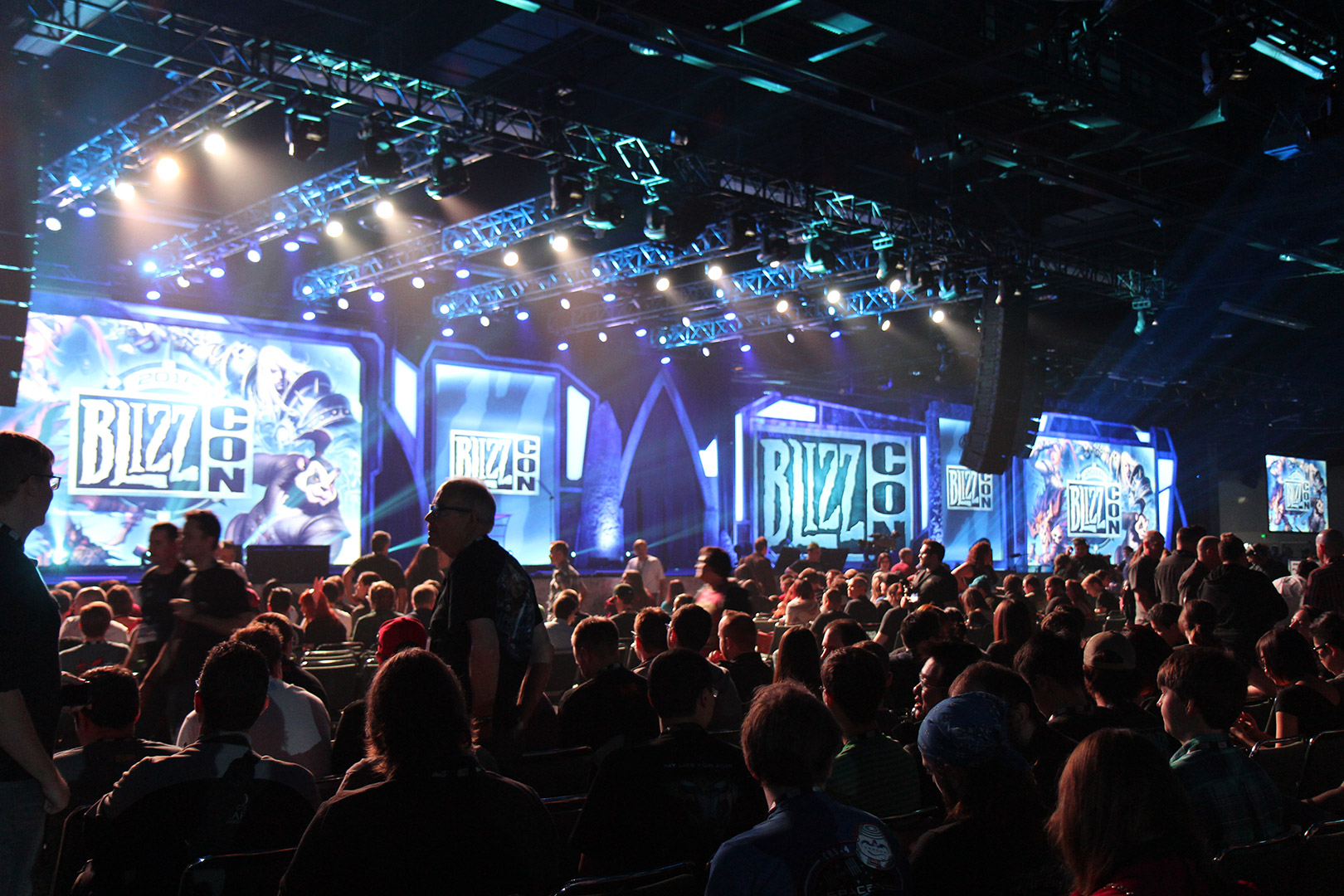
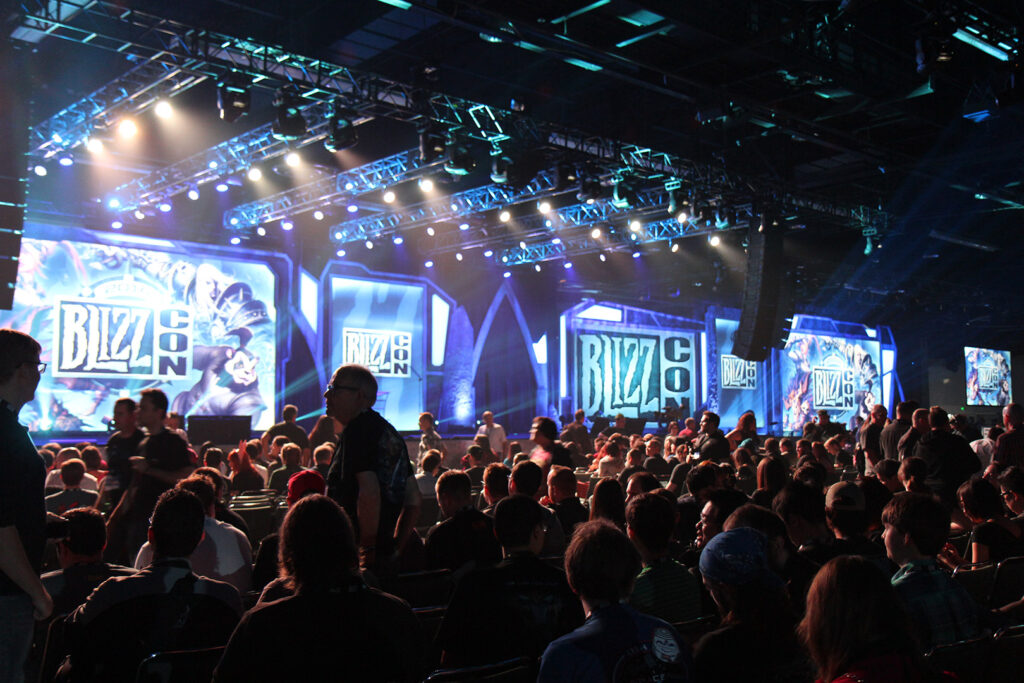
BlizzCon 2014

This means that without support from the gaming community, it’s likely that your project will fade away into obscurity in no time. Whoever is promoting your game needs to recognize what works to get people interested in your game, while at the same time being careful not to bring in negative attention. Who could forget the ex-Microsoft guy who mocked people living in places with poor internet connects?

The Marketer Understands the Game Enough to Make It Sound Amazing.

At first glance this may seem like a no brainer, especially if the person tasked with marketing duties is also helping out with art, programming, and more. Boasting a solid team of indie developers who are all equally excited about the project, you might feel confident that any one of them can promote the game without a problem.

However, your marketer should understand the game so well that he or she can make it sound attractive to anyone. In a world where 2D retro platformers are all over the place, your marketer must be able to highlight your game’s strengths and why it’s different (and better) than the rest. If they don’t truly grasp what makes your game amazing, it will be hard for them to explain the game in a way that pulls in new audiences.

The Marketer Can Deal with Negative Feedback.

No matter how amazing your game is, someone is bound to come along and tell you why they hate it. This is rarely a surprise most people have encountered a game at some point they couldn’t stand, even though everyone else thought it was great. The problem is when the person in your team interacting with the community doesn’t know how to take negative feedback.

If your marketer has a hard time not taking feedback personally, they may not be the one for the job. Find (or be) someone who can set aside her or his feelings and instead focus on what the people are trying to say. Instead of allowing negative feedback to discourage you and your team, see it as constructive criticism that can help you to improve your game.

The Marketer is Actively Promoting During Development.

As we’ve touched on before, teams that don’t begin marketing their game until after it is completed are at a severe disadvantage. Your promoter should be doing whatever it takes to spread news of the game long before its release date. This way you’ll already have a group of people anticipating its release and hopefully telling others to pick it up as well. The marketer should also be making use of every tool available in this day and age.

A Facebook page and email account isn’t enough anymore—there’s a ton of people you’ll only reach if you also have accounts for other popular sites and social media pages like Twitter, YouTube, Twitch, and many more. You may also want to attend conventions that welcome independent games. Promoting a game properly is busy work, which means your marketer should be willing to dedicate several hours a week to the task.

[su_note]Learn the skills you need to succeed as a game designer at the Game Design School at the New York Film Academy by clicking here.[/su_note]

The Best Broadway Shows Of The 1950s

In the 1950s the economy was booming and so was Broadway. It was also a big time for film and studios, led by head studio MGM. Technicolor was introduced to the public and musicals were transported to the screen. It was considered to be the best time for Broadway with some of the most entertaining shows came out of this decade. Peter Pan, West Side Story, and Flower Drum Song were just a few of the many captivating musicals created in the 1950’s. Below are four of the best shows to come out of those ten years.

Guys and Dolls

Guys and Dolls is a romantic musical comedy that premiered on Broadway in 1950. We are introduced to notorious con man Nathan Detroit. When his crap game home is located by the police he must quickly find a new spot. From there we are introduced to a unique cast of characters that includes a showgirl, a gambler, an evangelist, and a chorus full of talent. With its unique backdrops ranging from NYC to Havana it’s a highly entertaining show. With tunes like “Luck Be a Lady,” “I’ll Know,” “Sit Down,” “You’re Rocking the Boat,” and “A Bushel and A Peck,” you can’t help but feel like you are right in that time period with them. Guys and Dolls was awarded numerous Tony Awards, and has been adored by audiences since its premiere.

The King and I

Set in the 1860s, Anna Leonowens, who is newly widowed, sets sail along with her son to Siam where she takes a role as a schoolteacher. Still grieving, her work provides a good distraction for her. The King of Siam wants to modernize his country and hopes her Western teaching can help. Underneath their disagreements and different ways is a fond understanding and love between them. With a heartwarming story line and enchanting music The King and I is one of the most unique love stories set on stage. This charming show is sure to warm your heart with beautiful songs like “Getting To Know You” and “Shall We Dance. This was the talented Rodgers and Hammerstein’s fifth show and it was awarded the Tony Award for Best Musical in 1952. They would continue to collaborate until 1959 with their final show South Pacific. Hammerstein passed away in August of 1960.

Damn Yankees

Damn Yankees, is theater for the sports lover! Based on the novel The Year the Yankees Lost the Pennant, Damn Yankees combines America’s favorite past time, baseball, and a musical all in one neat package. This musical comedy opened on Broadway on May 5th, 1955. Baseball lover Joe Hardy sells his soul to the devil in order to become a great hitter for the Washington Senators in order to beat the Yankees. Not all goes exactly as planned for Joe. Damn Yankees was a musical collaboration by Richard Adler and Jerry Ross. With many fun songs in this show the best are “Whatever Lola Wants Lola Gets,” “Goodbye Old Girl,” and “Heart.” For baseball fans, the 1950s represented a transformation in how they viewed the game.  Fans could get their fix through the newly introduced television, as well as at the theater and Damn Yankees reflected the increasing ubiquity of baseball as the country’s favorite pastime.

My Fair Lady 

My Fair Lady is a lovely musical that explores class, politics, and romance. Based on the novel Pygmalion by George Bernard Shaw, the show centers around Cockney girl Eliza Doolittle and professor Henry Higgins, who is determined to transform her into a proper lady. Through her transformation Eliza questions if this is the life she actually wants to live. This romantic musical is full of wit and charm, which shines though in the songs “Wouldn’t it be Loverly” and “I Could’ve Danced All Night.” My Fair Lady opened in 1956 and won the Tony Award for Best Musical. It demonstrated that musical theatre can take on issues such as social status and acceptance and tie it all together with humor to make for an entertaining show. In 1964—during a decade in which musical theatre experienced many seismic changes—My Fair Lady was made for the big screen featuring the lovely Audrey Hepburn and Rex Harrison.

[su_note]Learn more about the School of Musical Theatre at the New York Film Academy, located in the home of Broadway in New York.[/su_note]

Looking At The Relationship Between Video Games And Movies

Screen Shot 2016-01-22 at 4.22.47 PM

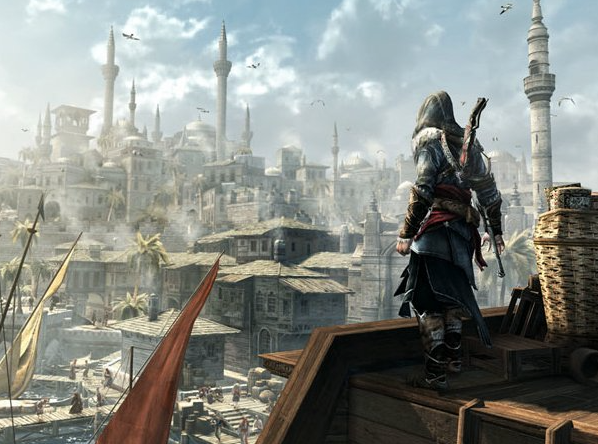
Recently, the upcoming Assassin’s Creed film, based on Ubisoft’s annual game series, finished filming. While those who remember 2010’s Prince of Persia: The Sands of Time might not have their hopes up, many are excited to see if a movie can capture what has made the Assassin’s Creed series so popular. The fact that the Ubisoft is planning six more movies based off their key franchises shows how much interest there is in game-based movies today.

The Early Days – 80s and early 90s

Games and movies have a long and interesting relationship. Thanks to improvements in graphics and processor speed, today’s generation doesn’t see much difference between games and movies aside from the fact that games are “interactive.” However, a few decades ago, people would have a hard time picturing that games would one day be as immersive and visually impressive as a Hollywood blockbuster.

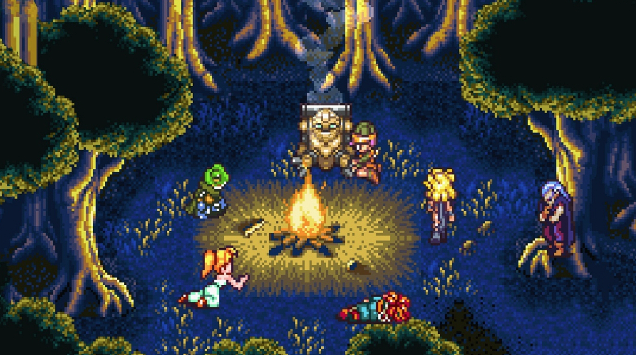
Chrono Trigger

This didn’t stop developers of the 80s and early 90s from trying to tell a good story. Instead of relying on realism and special effects, those designers used captivating characters, plots, and worlds to keep players hooked. Chrono Trigger, Earthbound, and Final Fantasy VI are all titles that, despite being outdated visually by today’s standards, still hold a special place in people’s hearts due to their amazing storytelling.

The Cutscene Era – mid 90s to 2010

When 3D games started hitting the market in the mid 90s, the video game industry experienced a massive increase in cultural relevance. Players world-wide remember the first time they explored Peach’s castle in Super Mario 64, Midgar’s slums in Final Fantasy VII, and Hyrule Field in Ocarina of Time. As the virtual environments and characters started looking more and more realistic, developers began borrowing ideas from the film industry.

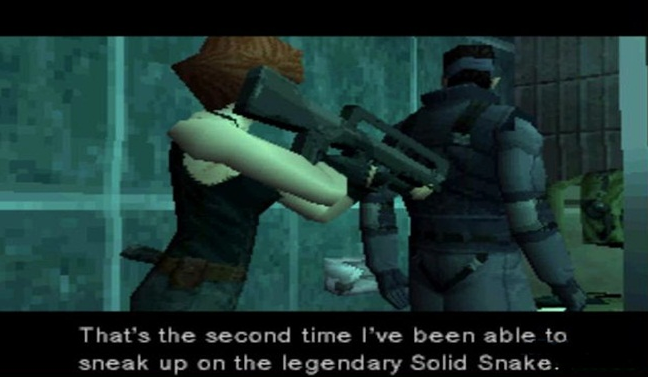
Metal Gear Solid

This led to much more prominent use of animated cutscenes—a storytelling device using the full range of cinematic techniques. Final Fantasy VII’s cutscenes were breathtaking at the time and one of the most beloved aspects of the legendary JRPG. Gamers would progress through the game hoping they’d encounter the next gorgeous cutscene. Many other titles including Metal Gear Solid and Resident Evil also made heavy use of non-interactive scenes to further the story, show important events, and wow gamers with beautiful graphics.

These days gamers still love cutscenes, but not if they detract from gameplay. Despite having best-in-class visuals, titles like The Order: 1887 and Final Fantasy XIII were criticized for stripping players of control of their experience far too often. Thus, developers have learned to strike a balance between gameplay and cutscenes.

The Rise Of Cross-Media – 2010 to present

Nowadays, movies and games influence each other more than ever before. Developers still utilize storytelling and filmic techniques from our favorite movies and books). If you don’t believe us, play the first 15 minutes of Last of Us or a few missions from any Grand Theft Auto game and see how many of them you notice are inspired by popular movies. A lot of games—such as King’s Quest, Tales from the Borderlands, Game of Thrones – A Telltale Games Series, and others—are also taking an episodic approach to keep players engaged over long periods of time, much like a television series or film trilogy.

Star Wars Battlefront

Given the extreme popularity of video games it make sense that more Hollywood studios are releasing movies based on games. A few examples are the Warcraft movie scheduled for release in Summer 2016, the Assassin’s Creed movie mentioned earlier, and even movies based on Asteroids and The Sims in the works, This trend is only growing, which means we can also more films based off video games as the years go by.

The Near Future

It has taken a long time but video games have finally earned respect for the stories they tell, even from those who don’t play games. With new innovations coming our way, such as the arrival of virtual reality, it’s possible that games will even surpass movies as the go-to entertainment for getting lost in enticing characters, stories, and worlds.

[su_note]Learn the skills you need to succeed as a game designer at the Game Design School at the New York Film Academy by clicking here.[/su_note]
The Best Broadway Shows Of The 1960s

The 1960s were a time of revolution, which included protests for politics, civil rights, and sexuality. Many Americans protested the Vietnam War and woman demanded more rights. Social change was being demanded and progress was being made. The shows on Broadway depicted these situations and relevant times for the public to see and enjoy. Here are some of the best musicals from the 1960s and be sure to check out our guides to the best Broadway shows of the 1940s and 1950s.

Hair

Hair,rock musical that tells the story of exuberant politically active hippies during the time of the Vietnam War debuted on Broadway in 1968. The show follows Claude who battles against his draft notice while living a bohemian lifestyle with his roommate Berger and Sheila. Claude must decide whether to go along with his hippie lifestyle or give in to the stress and pressure of going to war. Hair gives us a ticket to the 60s generation full of sexual revolution and protesting. The show raised some controversy for its depiction of drug use and nude scenes. It was an honest look at the way it was during the “Age of Aquarius.” Hair features songs like “Aquarius,” “Going Down,” and “Good Morning Starshine.” It was nominated for Best Musical and Best Direction in 1969, but more importantly, Hair successfully made a social and cultural statement.

How to Succeed in Business Without Really Trying

How to Succeed in Business Without Really Trying is a Tony Award-winning musical about the rise of “Big Business.” J. Pierrepont Finch is a window washer in New York City who comes across a book called How to Succeed in Business Without Really Trying. By following the rules in this book he gets his first job in a mailroom and eventually climbs the corporate ladder. Along the way we are introduced to characters like the arrogant Bud Frump who Finch outsmarts and Rosemary Pilkington the pretty secretary who believes in Finch from the start. With that desire in mind, she sings the lovely song “I Believe in You (Reprise).” Finch must make choices about business and love, but at what costs. Standout songs include “Rosemary” and “Coffee Break.” This funny musical depicts the struggles and manipulations that are faced in an office culture, to which many in the audience will find themselves relating. Hopefully with a laugh.

Cabaret

Directed by Harold Prince, Cabaret takes place in the late 1920s to the early 1930s. The scene is set in a sleazy Berlin nightclub called the Kit Kat club into which Cliff Bradshaw, a struggling American writer, wanders. There he meets the vivid and vibrant cabaret performer Sally Bowles and they begin a romance. Sally gets pregnant and Cliff assures her that it will be safer for her to come back to America with him, to avoid the increasingly violent and dangerous situation in German as the Nazis begin to take over. Other characters include Ernst, a German man that Cliff meets on the train and begins a friendship with, German boarding house owner Fraulien Schneider, and the sexually free Master of Ceremonies “the Emcee.” Cabaret opened on Broadway on November 20th, 1966 and was a fierce production featuring sexually explicit choreography and songs such as “Willkommen,” “Two Ladies,” and of course “Cabaret.” Cabaret pushed boundaries in the 60s with its provocative content, including antisemitism, abortion, and sexuality. Flirty, fun, and free, Cabaret is a sure winner that continues to excite audiences.

Hello Dolly

Hello Dolly is a delightful musical that takes place in New York City and tells the story of Dolly Levi who is a middle-aged matchmaker and widow who decides her next client, Horace, might make for a perfect match for Dolly herself. Not only is Dolly a successful matchmaker, she is also a meddler. Everything seems to go awry when it comes to matching Horace. Hello Dolly boasts a strong score featuring “Put on Your Sunday Clothes,” “It Takes a Woman,” and “Hello Dolly.” Hello Dolly opened in January of 1964 at the St. James Theater, and became one of the most iconic and charming musical shows of the 60s, enjoying a very lengthy run.

[su_note]Learn more about the School of Musical Theatre at the New York Film Academy, located in the home of Broadway in New York.[/su_note]

The Most Anticipated Indie Games Of 2016

Fallout 4, Star Wars Battlefront, Halo 5: Guardian, Call of Duty: Black Ops III—these are only a few of the many well-received titles gamers all over the world couldn’t wait to get their hands on in 2015. Of course, some of the biggest surprises that had everyone in the video game industry talking came in the form of low-budget indie titles.

One of those indie titles, Toby Fox’s Undertale, is even considered to be the best game of 2015. There’s no denying that indie games have cemented their importance in the game industry, and the good news is, that 2016 is shaping up to be yet another great year.

Below are some of the most anticipated indie titles releasing in 2016 for PS4, Xbox 360, Xbox One, Windows, Wii U, Mac OS, and more. Whether you’re just a fan or plan to work on your own small project one day, it’s always cool seeing what passionate indie developers are cooking up for gamers next.

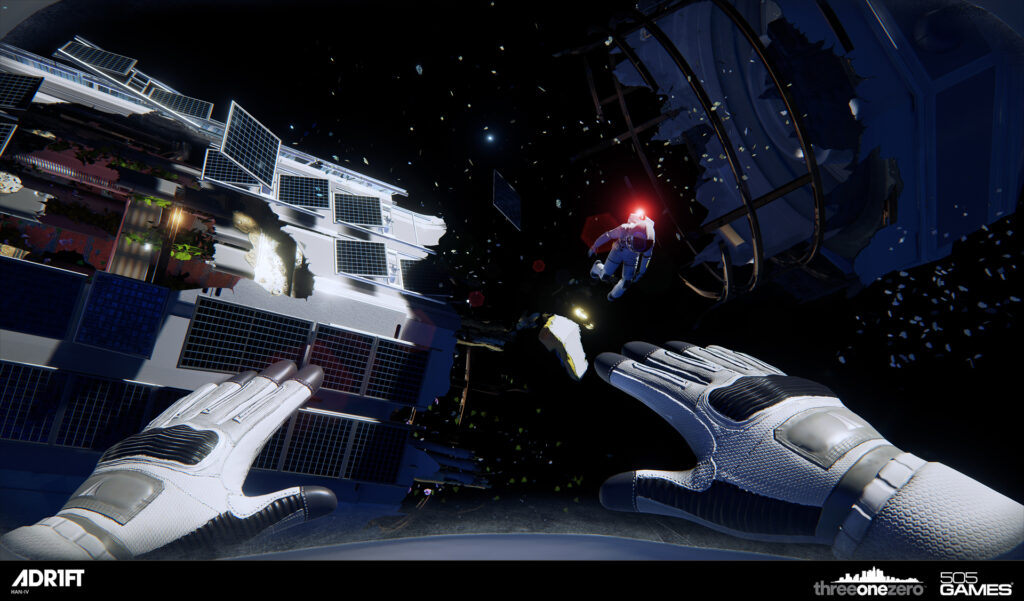
Adr1ft

By: Three One Zero

Adrift Screenshot

Imagine being an astronaut who has lost his memory and finds himself floating among the wreckage of a destroyed space station. Alone and in space, you must figure out a way to return home while piecing together the events that caused such a horrific incident. Sold as a “first-person experience” with no violent gameplay, gamers are looking forward to see how Adr1ft sucks them into its dark, scary world.


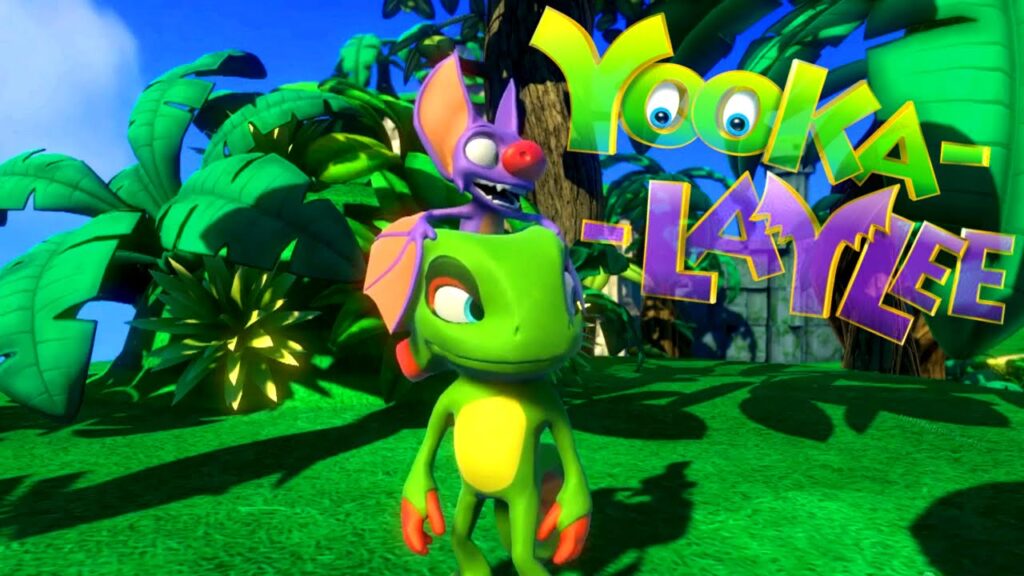
Yooka-Laylee

By: Playtonic Games

Yooka-Laylee title screen

Those of us who grew up in the Nintendo 64 and PS1 days have fond memories of exploring 3D worlds for the first time. Yooka-Laylee is a love letter to those titles by providing a vibrant world with colorful characters. Being developed by many former Rare members who worked on the best games of that time, including Banjo-Kazooie and Donkey Kong 64, it’s no surprise why gamers can’t wait for this indie platformer to release.

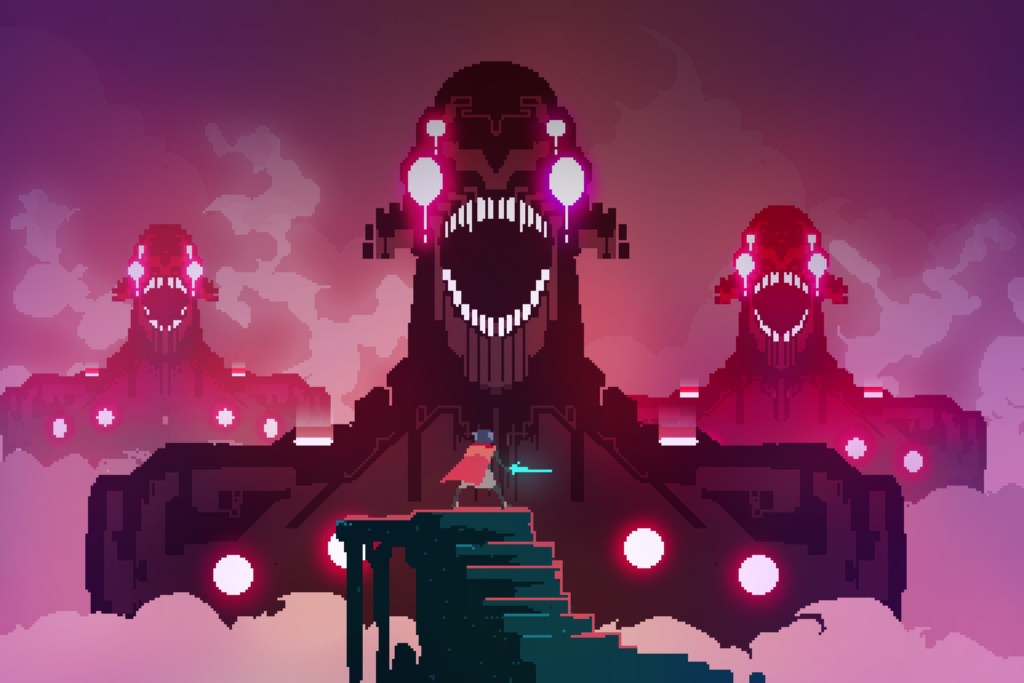
Hyper Light Drifter

By: Heart Machine

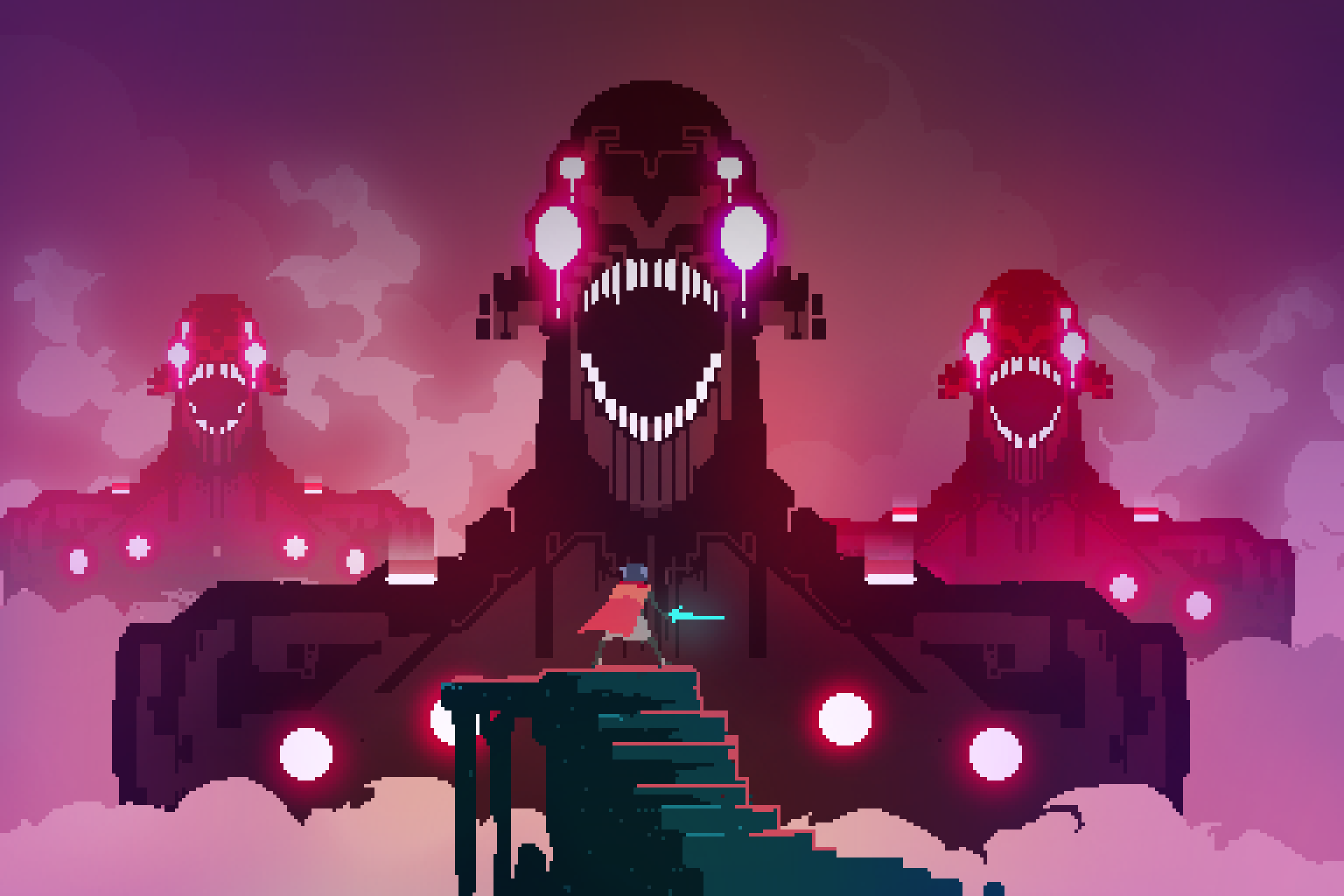
Hyper Light Drifter screenshot

Hyper Light Drifter is a 2D action RPG heavily inspired by classic 8-bit and 16-bit titles. Aside from the attractive pixelated visuals, gamers are looking forward to seeing how the story unfolds given that no dialog will be spoken throughout the game. Instead, Heart Machine wants to captivate us with two powerful tools commonly used in the SNES era—music and visuals.

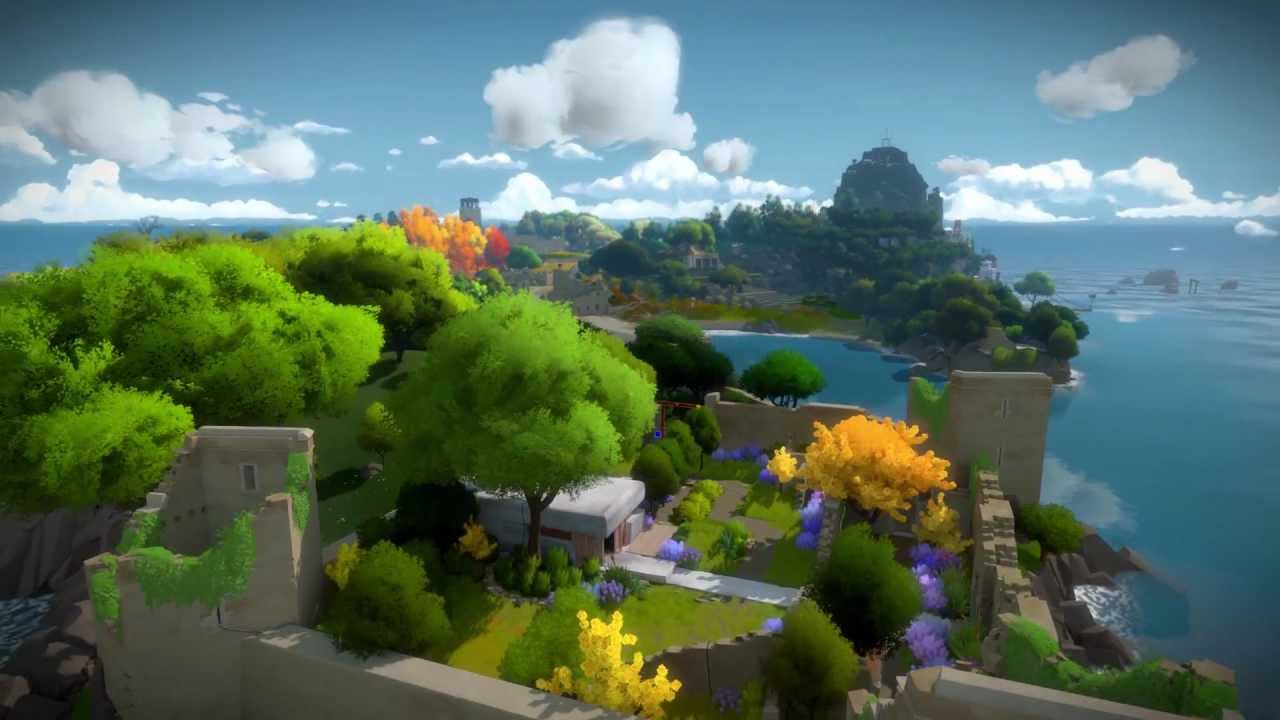
The Witness

By: Jonathan Blow

maxresdefault-1

The Witness was developed by Jonathan Blow, the creator of the acclaimed Braid and one of the first indie developers to “make it,” reaping acclaim and notoriety off the strength of his work. This game has been in development for several years, which means we can expect more than a few surprises as we explore a mysterious island. Backed by a team of developers and developed over seven years, The Witness should definitely be on the radar of any 3D puzzle game enthusiast.

Below

By: Capybara Games

Below screenshot

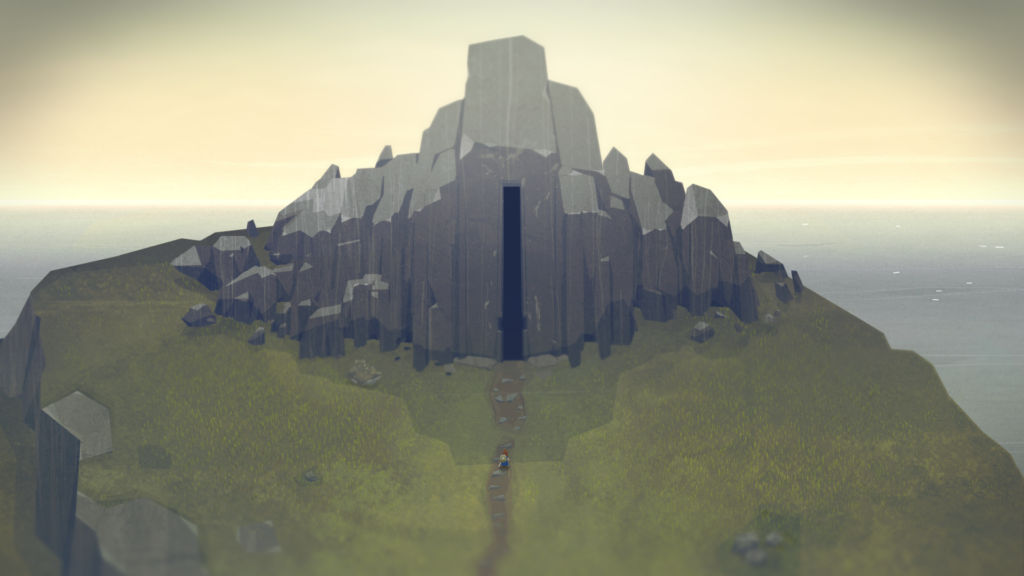
The independent studio behind the praised Superbrothers: Sword & Sworcery EP is whipping up yet another atmospheric title. Below is a top-down adventure game where the goal is to explore an island packed with all kinds of dangers. Featuring challenging combat and even permanent death, Below hopes to be the 2D version of the beloved Dark Souls titles.

Mighty No. 9

By: Comcept

Mighty No. 9 screenshot

This upcoming action-platformer is being developed by Keiji Inafune, creator of none other than the famed Mega Man series. Mighty No. 9 is considered a spiritual successor and will feature many similarities with the original titles featuring the Blue Bomber. Nearly $4 million dollars were pledged during the Kickstarter campaign, which goes to show how much people have been yearning for another true Mega Man experience.

Monster Boy and the Cursed Kingdom

By: Game Atelier

Monster Boy and the Cursed Kingdom

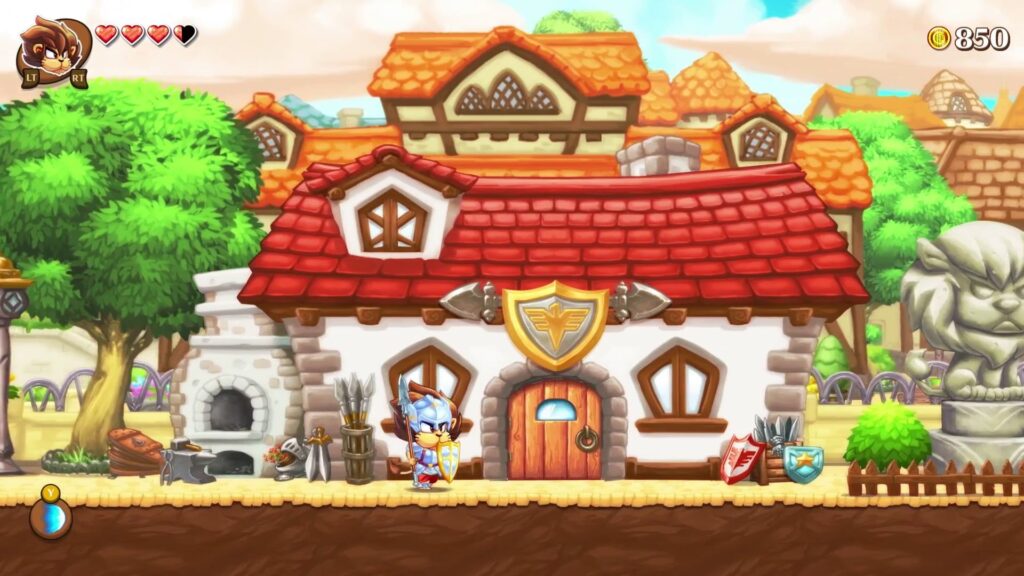
If you gamed in the 90s and owned a Genesis/Mega Drive, chances are you played one of the Wonder Boy or Monster World titles. Despite being years since the last title, there are still many fans who have been waiting for a spiritual successor. Monster Boy looks to be just that, boasting the classic platforming and RPG elements of the past games but with new twists and visuals as well.

No Man’s Sky

By: Hello Games

No Man's Sky screenshot

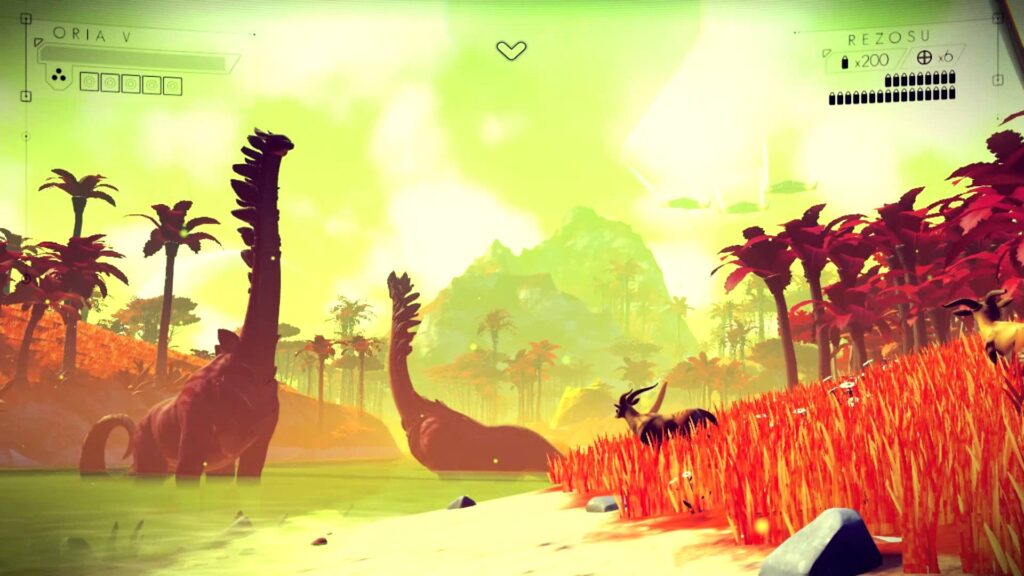
In case you haven’t noticed, the idea of exploring strange, new worlds has become a popular concept in the indie scene. No Man’s Sky looks to stand out of the crowd by delivering a survival adventure game with a world boasting countless unique planets. Combined with many interesting gameplay mechanics and a gorgeous visual style, this title may be be a contender for the best indie game of 2016.

Honorable Mentions:

[su_note]Learn the skills you need to succeed as a game designer at the Game Design School at the New York Film Academy by clicking here.[/su_note]

Learning From The Best: RTS Games

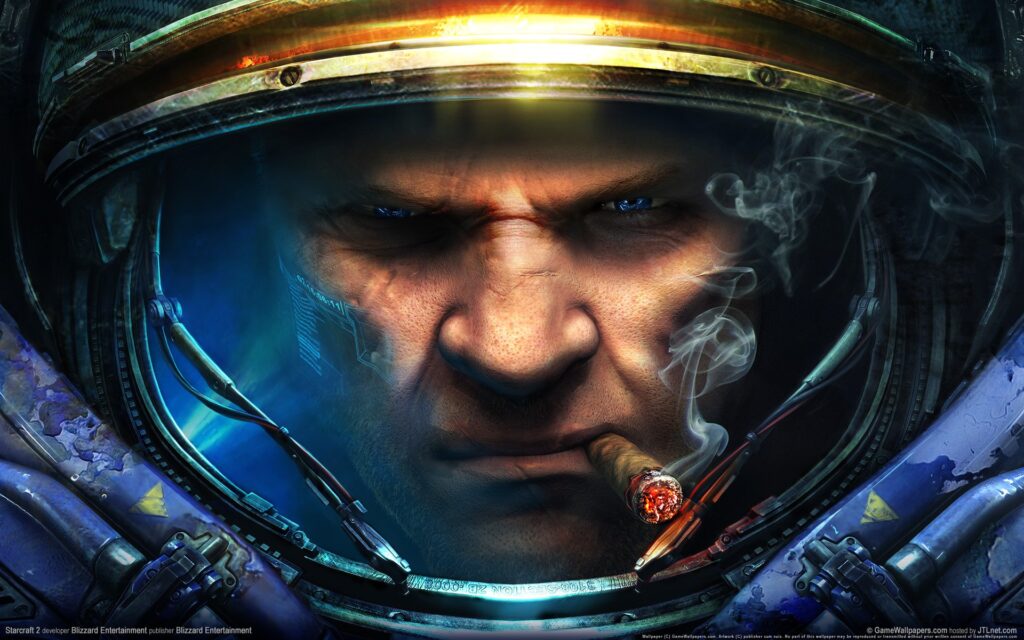
Character's face from Starcraft 2

Strategy is one of those genres that has remained relevant throughout video game history, in one form or another. We say that because “strategy” is a broad term considering all the different types of games that can be put in this category. This includes tower defense, turn-based, tactical, and more. Here we’ll be focusing on arguably the most popular of them all—real-time strategy, or RTS.

Unique Factions And Units

It’s impossible to talk about strategy games without one of the most successful RTS series of all time— StarCraft. The original 1998 title is known for revolutionizing the genre by using three different races that not only appear different but also play differently.

In other words, you can’t play Protoss and expect to use the same strategy as a Zerg or Terrans user. All three sides boast their own types of units that are unique enough to require a different style of play in order to make them work. This gave StarCraft the powerful quality of replayability that compelled millions of players to keep playing it for more than a decade.

A Compelling Story and Plot

Strategy games are loved and remembered for their gameplay, especially the games that have multiplayer modes. That being said, you’ll notice that the most successful of these titles also had a memorable single-player storyline with interesting characters and plots.

The perfect example is Blizzard’s Warcraft III: Reign of Chaos, an RTS game that blew gamers away with a captivating story, cool in-game cinematics, and characters not easily forgotten. The fact that some of the most interesting World of Warcraft characters were introduced in this RTS is a testament to how great the story was and the valuable good story and characters are even in highly strategic and tactical play experiences.

Different Strategies Thanks To Different Units

Whether you have two factions or more, it’s important to give players plenty of units to use and have fun with. The best RTS games balance each unit type to have enough strengths for players to find valuable ways to impact the board – but not so strong that players will want them at the exclusion of the other unit types.

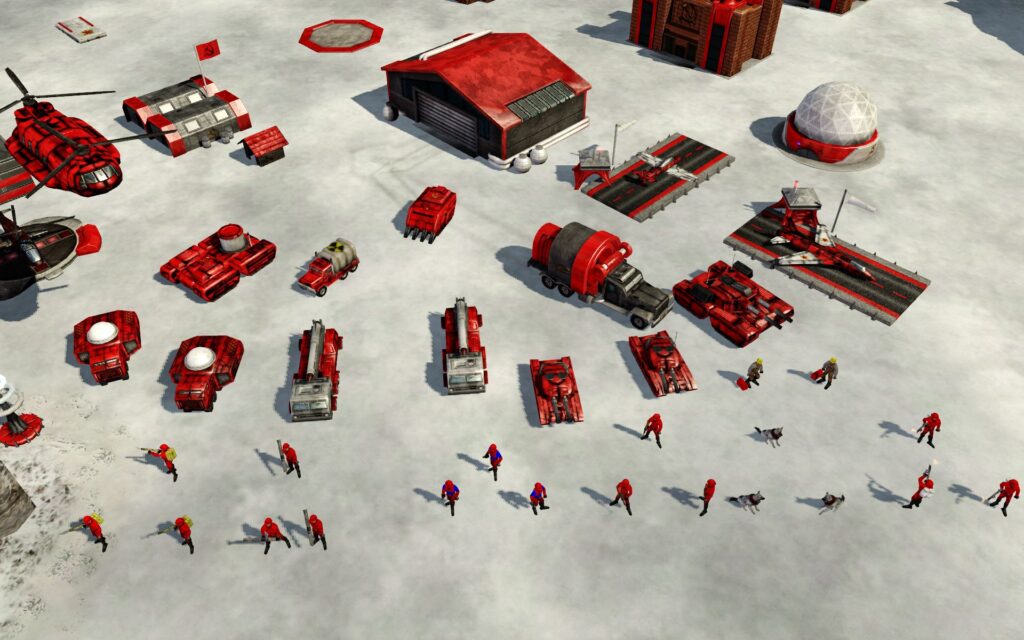
Command & Conquer: Red Alert vehicles

A good example of this is in Command & Conquer: Red Alert, a game that stood out in a flood of RTS title releases in the mid 1990s. Whether you were Allied or Soviet, you had a satisfyingly diverse number of units to create, upgrade, and use in battle. From ground troops and artillery to watercraft to aircraft, the game gave players many creative ways to demonstrate skill and deal devious blows to the enemy.

A Blend Of Other Gameplay Elements

All game genres can be altered by incorporating new play mechanics or elements from other games.The RTS genre, in particular, is full of examples of interesting variants and expansions.

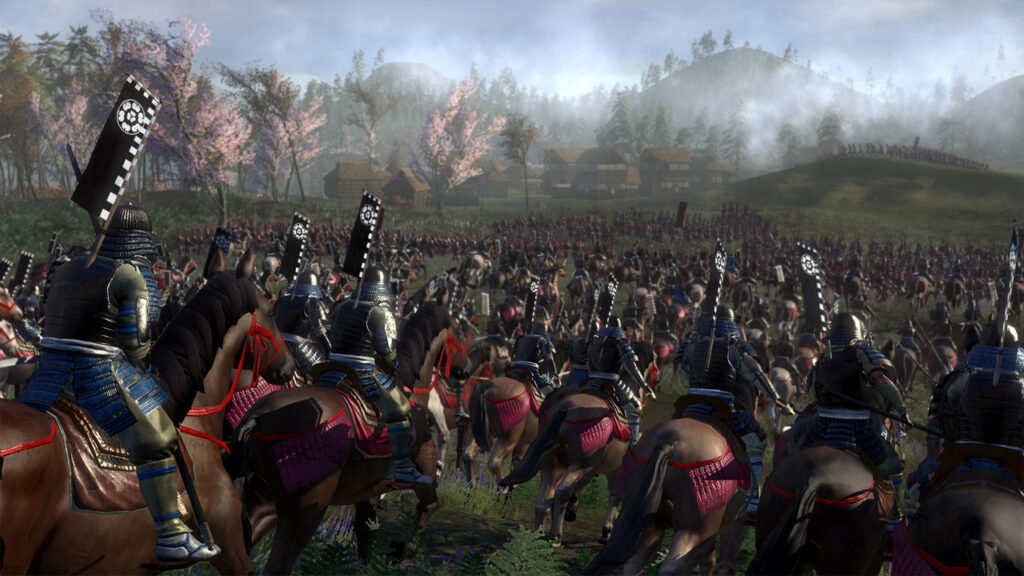
Total War Shogun

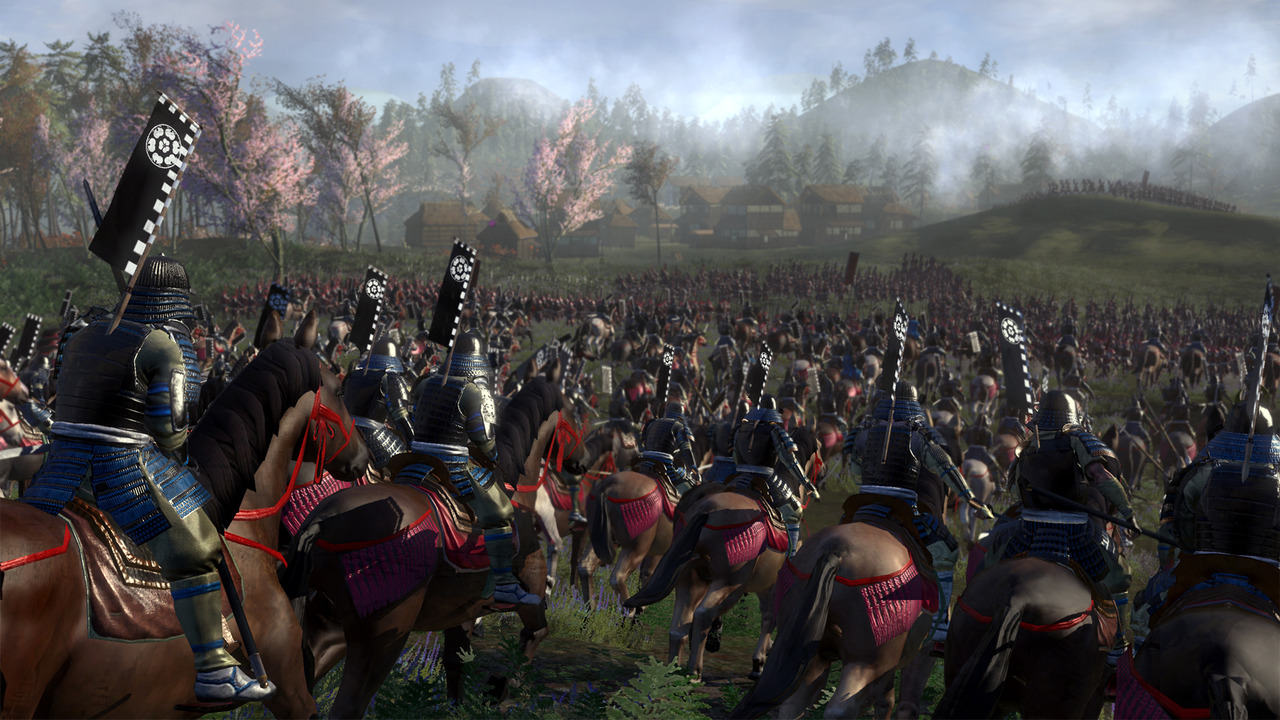
Total War: Shogun 2 did this perfectly by having some turn-based strategy elements involved. While you’re not leading your army in real time, you’re looking at a map of Japan and making important decisions. This includes upgrading troops, trading with other clans, trying to form alliances, and more.

Savage was the first title to combine RTS with first person shooter mechanics. Warcraft III combines RTS with role playing game mechanics via their Hero system.

Long-Lasting Multiplayer

Some of the most acclaimed real-time strategy games of all time had compelling single-player portions with challenging AI enemies. But like a game of Chess, nothing compares to playing another human being ready to use her own strategies against you.

While there are tons of RTS games with great multiplayer modes to look at, Company of Heroes as an example of a game that has stayed relevant even after a sequel was released. This is because this title offers a multiplayer mode where up to eight people can make use of dozens of unit types to take strategic points, collect resources, and take out foes. If you ever find yourself in need of inspiration for a solid RTS multiplayer experience, look no further.

And if you’d like to see more articles looking at the best games of certain genres, take a look at our run-downs of the best RPG, Action-Adventure, and First-Person Shooters, just to name a few.

[su_note]Learn the skills you need to succeed as a game designer at the Game Design School at the New York Film Academy by clicking here.[/su_note]

How To Find Game Development Jobs

Man looking at horizon

From having a successful interview to making sure your application doesn’t end up being ignored, there are plenty of tips out there to help you get your foot in the door. The video game industry is a competitive place full of people who want the same job as you, but with our help you’ll hopefully stand out from the crowd and land the gig of your dreams.

For this piece we’ll be providing brief but essential tips on where to look for a job, which will drastically help you in your search. After all, it’s of little use being prepared if you’re only looking in one place for job openings. Below are a handful of sources you should consider.

Developer Websites

This is the most common method job seekers use. Basically you go to a game developer’s site and take a peek at their career/job page. There you’ll see all their openings, including job descriptions explaining what they’re looking for each position.

Although there’s nothing wrong with checking out dev websites, it’s important not to make this your only option. Far too many new graduates check their favorite game developer’s site daily, determined to get a job there because they made a beloved game. The hard truth is, few new graduates start out working at the place that makes their favorite games. Get some experience anywhere you can, start building your network of contacts, meet people from the company, and then try again if you really want to work at a specific developer.

Friends and Acquaintances

It’s no secret that one of the best ways to land a job is through someone you know. Or as the old saying goes, “It’s not what you know but who you know.” This is either great news or terrible news for you depending on if you actually know people in the industry.

Businessman shaking hands with businesswoman

Whether you think it’s fair or not, a lot of people currently working at game studios world-wide are there because they knew someone and were referred. If you have someone in your life who can do the same to you, don’t be afraid ask them to lend you a hand. You don’t even have to directly ask them for a job—just bring up the fact that you’re interested in a career path where they can be of benefit to you.

Job Boards & Search Engines

You’d be surprised by how many video game companies take to popular job sites to spread the word about their available positions. Simply do a search of “Game Designer” “Programmer” or “QA tester” to see the impressive number of related jobs out there.

Check out Gamasutra, Gamedev.net, and IGDA.org for game-specific postings. We also recommend giving the big ones like Indeed, Monster, LinkedIn, and SimplyHired a shot. Many of these job sites have features where you receive an email with all the latest jobs in the game design industry, helping you be among the first to apply.

Networking Events

As we’ve mentioned before, there could be someone living next door to you with all the same credentials, experience, and skills. But the reason he or she has the job you want is because he or she came across someone who helped them out. If you don’t know a person like this, find one!

People riding the escalator at the Game Developers Conference

This is what networking is all about—reaching the right person. A person cannot offer you a job that you’re perfect for if they don’t know you exist. It’s also very common for someone to get hired at a studio for a position that was never advertised on their website or anywhere else. This is why we recommend going to big video game events like Game Developers Conference where thousands of devs get together to swap business cards and chat about games.

Each time you make a connection in the game industry—be it through acquaintances, networking events, or connecting via online forums—we recommend that you add them as a contact on LinkedIn. It is customary for people to connect on LinkedIn as business contacts – even people you have just met. This is different from say—Facebook where it is more customary to only accept people who you consider a friend. Once you have a LinkedIn profile, make sure to update it regularly when you add new projects to your portfolio or have something to say. This will keep your network up to date with your progress as a developer and keep you fresh in their minds.

[su_note]Learn the skills you need to succeed as a game designer at the Game Design School at the New York Film Academy by clicking here.[/su_note]