
How to Reach for Acting Roles That Are Right for You

5985975616_73cae25041_b

Actors actually have a great deal of agency when it comes to how they set goals, choose auditions, and decide whether or not to commit to projects. If you’re a burgeoning professional actor, it may feel confusing to decide which direction to go in terms of how your pursue your work opportunities or commit your time.

One way of making auditions easier on yourself is to spend some time before you even submit for auditions in deciding what kind of acting roles you feel would be the right fit, and why. Think beyond your dream role to the kinds of productions you’d like to be a part of, the kinds of teams you’d like to work with, and the kinds of scripts that set you on fire. Once you have this mental picture, it may feel easier to make decisions about how to invest your time and energy when pursuing work as an actor.

To help you focus your time and energy, we’ve compiled some questions to ask yourself about your professional goals. While often the primary challenge is simply to book work, sometimes actors find themselves overwhelmed with audition submissions, or in the dilemma of choosing between jobs, or wondering whether they should turn down a role. Some actors even find themselves in the enviable position of having one or more projects to consider.

Whatever your dilemma, the following can help you sort through your goals when it comes to your acting roles.

Which roles make the most of you and which roles can you make the most of?
Acting_voice_class

One of the most important things to understand as an actor is the unique set of traits you bring to the table. , which can have a direct effect on your marketability. While these traits  may not always reflect your full goals and your full range as a performer, knowing a bit about type can help you focus your job search and understand the most effective ways to present yourself to casting directors, agents, and producers. An exploration of your comedy chops or something as simple as “type” can be powerful tool when used with expertise, precision, and strategy.

Think of Goldie Hawn working with the “dumb blonde” trope to build an incredibly rich career, eventually using her success to break barriers and create her own work. Do you make a good dumb jock or are you more of a funny best friend? Are you comfortable as the hot blonde or are you a perfect fit for the role of nerdy guy or girl? Know your strengths, know your industry, and play to those strengths.

The good news is that with experience, you’ll eventually have more range to play various types. To learn more about finding your type, see our piece on how to find your type as an actor.

Is the role exciting to you?

When starting off, you’ll probably be willing to take on any acting gig that’s right for you just to get experience under your belt. However, one way of keeping yourself motivated as an actor is by joining projects that you actually think you’ll love.

If comedy is your thing, look for acting roles in this category that allow you to demonstrate your passion for making people laugh. Find a role you’re so enthused about that you can’t stop talking about the film or play when talking to others.

How is the pay?

coins-1015125_960_720

Money can be an ugly word when your love of acting alone is the reason you chose this career path. But as many struggling professionals will tell you, being an actor comes with its own set of economic challenges. Not everyone out there is making millions per movie.

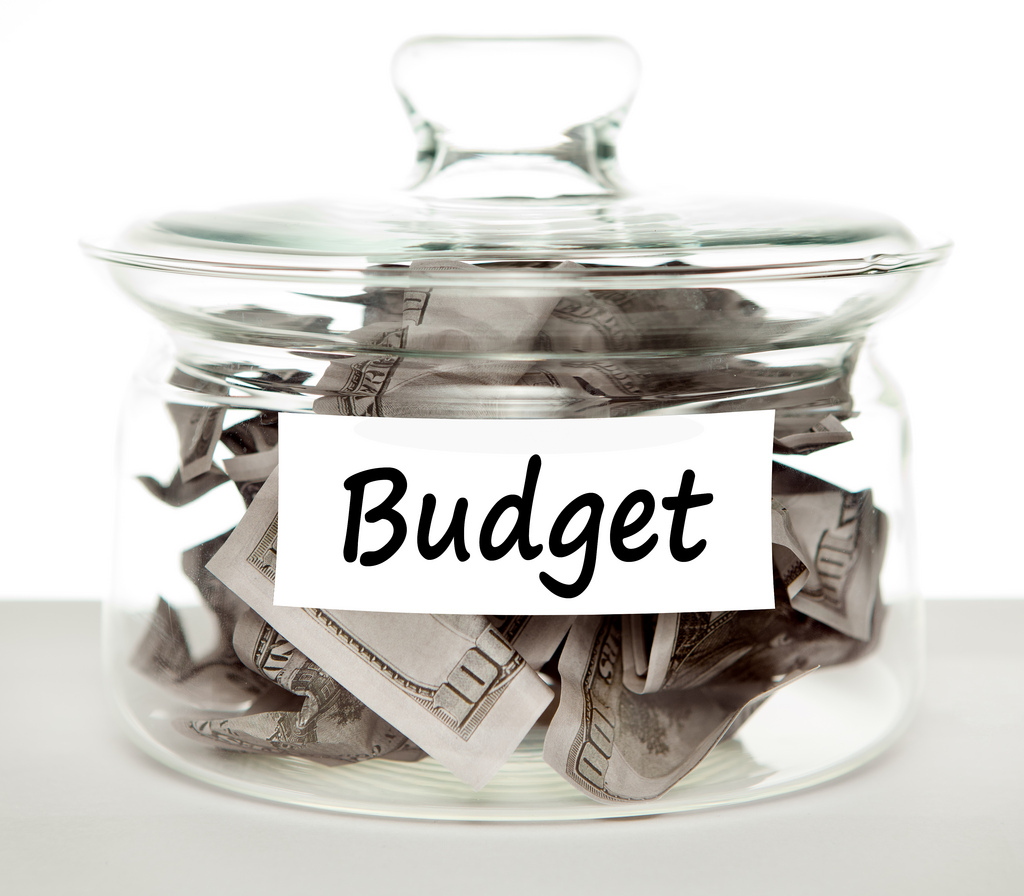
The best thing you can do is figure out a budget for your life as an actor. There’s nothing wrong with rejecting a role if the pay means you’ll starve to death and miss paying rent. With good planning, you can figure out a budget so you know which roles will work for your plan and which will leave you stressing.

Is the script any good?

Like we’ve mentioned, it can be tempting jumping into any role just for the cash or experience. But if the project ends up panned for reasons outside of your acting skills, it can be a devastating blow.

One way to avoid this is by learning how to study a script in order to determine if the film or play is going to be a stinker. Actors reject roles all the time after analyzing the script and deciding it isn’t the right choice for their time and effort.

Is the role something you want to be known for?

William_Shatner_at_Fedcon_25

Being typecast can be a nightmare for some people, but only if you’re repeatedly getting offered acting roles that you’re not happy with. If your dream is to be a leading man or lady, it can be a bummer always playing a supporting character. If you already find yourself in this position, here are several tips to help you recover.

Is it an acting role you’ll learn from?

The fact is, most of the best actors and actresses of our time went to some form of acting school. It’s there that you’re given the tools and resources needed to decide if you really have what it takes to act for a living. Seeking out specialized training, such a the Acting for Film programs at NYFA, can also help you stand out from the crowd when hunting for a role, especially if you invest in advanced training to further sharpen your skills.

But just like any college degree or program, school is not the same as the real world. Only by being involved in real world projects  can you get a taste of what acting is truly about. We suggest targeting roles that will contribute to your growth as an actor. This can include working with experienced actors and directors, or it can simply be a project that’s unique and will force you to try new things.

What are your professional goals as an actor? What kind of acting roles do you aspire to? Let us know in the comments below!
5 Brilliant Screenplays That Were Rejected … Repeatedly

In an industry dominated with rejection, sometimes a single “yes” is all it takes to change the face of cinema forever. Here are five truly groundbreaking movies that, for some studios, were a little too groundbreaking…

1. “Pulp Fiction” (1994)

Despite being a quickly rising star in Hollywood at the time, Quentin Tarrantino had a lengthy battle in trying to get any studio interested in his follow up to “Reservoir Dogs.”

Why “Pulp Fiction” was Rejected: According to Columbia TriStar executive Mike Medavoy, the script was “too demented.” TriStar initially optioned the film and was even in talks to produce it, but then did a 180 by declaring, “This is the worst thing ever written. It makes no sense. Someone’s dead and then they’re alive. It’s too long, violent, and unfilmable.”

Very few studios were willing to touch a movie featuring heavy heroin use, and the search for a new backer was extensive before Miramax picked it up.

2. “Raiders of the Lost Ark” (1981)

Initially dubbed “The Adventures of Indiana Smith,” even the attachment of industry superstars George Lucas and Steven Spielberg wasn’t enough to garner significant studio interest.

Why Indiana Jones was Rejected: It wasn’t actually Lucas’ screenplay that lead to it being rejected by every single studio in Hollywood, but more the fact that he was asking $20 million to make it. Paramount ended up footing the bill and Lucas shrewdly negotiated a five-film contract; it ended up grossing nearly $400 million at gross and is frequently heralded as the best action-adventure movie of all time.

3. “Back to the Future” (1985)

Another ‘80s classic that nearly got passed up entirely (incidentally, “Back to the Future” ended up sharing the same budget and box office gross as “Raiders of the Lost Ark”).

Why “Back to the Future” was Rejected: It was either too family-friendly or not family-friendly enough, depending on who you asked. Pretty much every major studio rejected the screenplay, with Disney advising that a film alluding to mother-son incest was not “appropriate under the Disney banner,” while Columbia thought it was a “really nice, cute, warm film, but not sexual enough.”

The great Steven Spielberg always loved the script, however, and committed it to Amblin Entertainment as soon as he was able. The rest, as they say, is history — but it nearly got titled “Spaceman from Pluto.”

Naturally, Spielberg replied to the memo and told Sid Sheinberg that he had to be joking. The suggestion was never mentioned again.

4. “The Usual Suspects” (1995)

Now listed by the Writer’s Guild of America as the 35th greatest screenplay of all time, the ultimate mystery crime thriller nearly became as elusive as Keyser Söze.

Why “The Usual Suspects” was Rejected: Much like “Pulp Fiction,” the non-linear plotline of this screenplay completely baffled studios. After numerous rejections (and nine different drafts), the only company who would touch it was a European financing company. Somewhat surprisingly, director Bryan Singer managed to make the movie a masterpiece despite only having a $6 million budget.

5. “Casablanca” (1943)

The curious case of “Casablanca”: a screenplay rejected by numerous agencies 30 years after it had already become one of the world’s finest movies.

Why “Casablanca” was Rejected: It wasn’t rejected the first time around. But in 1982, freelance writer Chuck Ross wanted to see whether movie agents would recognize the screenplay if he sent it out again … and if not, would they recognize its greatness?

It was a clever experiment. Ross retitled the script “Everybody Comes to Rick’s” (the title of the original play on which “Casablanca” was based) and sent it out to 217 different Hollywood agencies.

The results?

  • 90 returned the screenplay because they weren’t looking for submissions.
  • 33 agents recognized the script immediately.
  • 8 spotted a similarity with the 1943 classic, but didn’t spot that it was exactly the same.

However, 38 of the 217 read and rejected the classic script. Among the feedback Ross received, agents claimed there was “too much dialogue” and that the storyline was “too weak.” One even suggested it needed “a professional polish.”

But funnier still is that three agencies loved it and wanted to turn it into a movie.

It just goes to show: even the best screenplays on the planet get rejected. All it takes is just one “yes.”

Do you have an interesting experience of taking a project through many rejections to find success? Let us know in the comments below!

5 Things We Can Learn From New Director Richard Tanne

The year 2016 has been very kind to Richard Tanne. In January he debuted his first feature, “Southside With You,” an unauthorized bio-pic of White House royalty; the current first couple’s first date. He secured two up-and-coming actors, Tika Sumpter and Parker Sawyer, to portray the young Obamas. Tanne even got the film into John Legend’s hands: Legend signed on to executive produce and wrote a song for the film entitled “Start,” coming off his Oscar win for “Glory,” a song he wrote with rapper Common for the film “Selma.

Tanne is on a roll, and there’s a lot aspiring filmmakers, writers, and producers can learn from the actor-turned-director. If you are an aspiring filmmaker looking to learn, we always recommend a combination of learning by doing, and learning from the best. There is always some wisdom to be gleaned from the successes of others. Here are five simple, universal lessons we think our students can learn from Richard Tanne’s recent project, “Southside with You.”

1. Follow Your Passion

Tanne first heard the Obama’s love story during the 2008 election, but it wasn’t until he fell in love himself that he began to revisit the story. “There’s something special about the way the president and the first lady look at each other, and it’s something we’ve seen since the beginning of their rise to prominence. Their connection seems authentic and deep and vibrant. That’s a rare thing in life, and I think it’s an even more rare thing for public figures.”

Years later, after falling in love himself, Tanne realized, “…it wasn’t just kind of a meet-cute story about falling in love. It was also about finding that person who makes you a better version of yourself.”

Producer Robert Teitel said, “When I first met Rich, I remember telling him: ‘I think you were born to do this movie.’ I sensed very early on that the film had been completed in his head for such a long time. There’s nobody but Rich who could tackle it.”

Tanne took the opportunity and ran. He started searching for partners to produce the film with him, which leads us to another valuable lesson…

2. Share Your Work

connect-20333_960_720

Tanne began to pitch the character of Michelle Robinson to Tika Sumpter. He sent her a one-page, handwritten outline, and Sumpter was instantly interested. The actress says of that time, “I don’t care if I play Michelle or not. My main goal was to get the film made.” But, if Sumpter did get the role, she already knew whom she wanted to play her character’s mother.

She had been friends with Vanessa Bell Calloway for some time. At one point Sumpter drove over two hours to see Calloway perform her one-woman play “Letters from Zora: In Her Own Words.”

The two actresses had been told over and over again how similar they looked to one another. It seemed like a natural fit.

Once Calloway read the script, she flew herself to Los Angeles for a sit-down meeting with Tanne, saying, “If you think anyone else is playing this part you’re crazy.” Tanne couldn’t believe Calloway was still auditioning. “Just look at ‘Coming to America,’” he said, “look at ‘Love Don’t Cost a Thing.’” Tanne cast her and, with just Mr. Obama left to cast, most of the hard casting work had already been done for him.

3. Work With What You’re Given

budget

Speaking of micro-budgets, it’s rare to do a period piece on a small budget. Even more scarce is a good period piece done with little money. “Southside With You” is set in the summer of 1989 in Chicago. Tanne’s hands were tied as far as locations. The date was real and many people know all the stops the first couple made. The museum was easy enough to retro-fit, as museums often don’t really change. The old community center and movie theater are, for the most part, fixed in look, too.

But what really sells the era is the soundtrack. “Since we didn’t have the money for tons of period details,” Tanne said, “We had to evoke the period in subtler ways. One way to do that was to make the movie look and sound like a movie from the 1980s, so you’d already be in the space.”   

“We knew we wouldn’t have large crane shots, showing us whole neighborhoods where we would need tons of kids wearing retro clothing and streets lined with vintage cars. We just had smaller moments, smaller details to evoke the period, everything from the blanket fabrics on Barack’s chair or Michelle’s family’s couch to the cassette tapes in Barack’s car. We used the 1980s-era Baskin’ Robbins sign in the ice cream store. And there are certain parts of the city that have not changed at all.”

4. Be Prepared

prepared

Tanne knew time was going to be of the essence. Shooting a feature on location, with a micro-budget, in 17 days, meant that not one second could be spared. He asked the actors to be off book weeks before they came to set. Across continents, the actors rehearsed over Skype. When they came to set everyone was prepared. Instead of covering two to three pages a day, they were able to cover 10. The film finished on time and on budget.

5. Use Your Success as a Springboard

Tanne isn’t resting on his laurels.

Yes, “Southside With You” won big at Sundance. It’s Tanne’s first feature. It’s hitting theaters this weekend, and many might be tempted to kick up their heels and revel in their success — but Tanne is already working on two new projects.

First, Tanne is working on an unannounced Pixar film that he has been writing for the past couple of years. Second, Tanne is already writing his next feature, “The Roman,” about Julius Cesar. IMDB describes the project as, “An origin story in the vein of ‘Batman Begins’ that envisions the future dictator as a young general in the Roman army in a rarely discussed period of his life. Kidnapped by Cilician pirates and enslaved on their prison island, Caesar escapes with his men, and the decisions he makes during this time directly affect the political and social upheaval happening in Rome.”

Any more great insights for new directors? Share your tips in the comments below!


5 Fall Movies That Put You in the Autumn Mood

falltrees

Ah, fall movies. Along with colorful trees, crunchy leaves, and cooler weather, these are all signs that fall has arrived. From spooky decorations and pumpkin spice everything to finally wearing your favorite scarves and sweaters, autumn comes with plenty of perks. And what better way to usher in the seasonal change than with movies, whether catching new fall releases or revisiting some of the most beloved films with an autumn feeling?

Below we’ve listed some great movies we recommend watching for one simple reason: they remind us why we love this beautiful season.

“Dead Poets Society”

https://youtu.be/wrBk780aOis

Starring the late Robin Williams, this classic film is perfect for the student just starting their fall semester and one of the most loved fall movies of all time. It has all the vibrant autumn foliage and uniform-wearing prep school students you could ask for.

The story, which earned writer Tom Schulman an Oscar, is about an English teacher who inspires his class to develop a love and appreciation for poetry. “Dead Poets Society” earned 19 awards and 18 nominations, including a BAFTA Film Award for Best Film.

“When Harry Met Sally…”

If fall colors and romantic comedies are your thing, look no further. This classic movie reeks of autumn thanks to moments in Central Park where rows of bright orange trees and fallen leaves decorate the scenes.

The film’s two stars, Billy Crystal and Meg Ryan, can also be seen with stylish blazers, hats, and other clothes perfect for fresh late ‘80s weather. It’s all things fall, nostalgia, and comfort. This movie tells the story of two very good friends who struggle through the age-old question: can men and women be friends, or will romance always get in the way?

“Rudy”

The University of Notre Dame is known for many things, one of which is its beautiful campus — and another is for that campus serving as this film’s setting. The campus itself is one of the reasons “Rudy” is a staple in the canon of fall movies. Few other places boast neo-Gothic architecture nestled between countless trees, which look spectacular when they change to their autumn colors.

“Rudy” gives you a fall vibe thanks to its autumnal college setting and underdog football story. This great film stars Sean Astin of “The Lord of the Rings” fame as student who dreams of playing college football despite being overlooked for his size.

“Good Will Hunting”

There are few cities as jaw-dropping as Boston in autumn. In fact, all it takes is one Google search of “Boston in the fall” to see how amazing the colors and scenery truly are. “Good Will Hunting” is set against this beautiful backdrop, making it an excellent film to get into the autumn spirit.

This acclaimed fall movie also stars Robin Williams (Oscar for Best Actor in a Supporting Role) as a Harvard professor who takes a gifted student under his wing. It earned 22 wins and 53 award nominations, including a Golden Globe for Best Screenplay.

“Halloween” (1978)

giphy

Arguably the most beloved holiday of this season is Halloween. This makes it the best time to curl up at home and watch spooky movies that leave you sleeping with the lights on. While these kinds of films have changed quite a bit in the last few decades, the success of the genre continues to prove that we all enjoy a scare from time to time.

While there are plenty of excellent horror films to consider, we recommend an unforgettable classic. 1978’s “Halloween” laid down the influential slasher formula that changed horror cinema forever.

“You’ve Got Mail”

Another romance film that takes place in New York City, which means the inevitable yet lovely scenes in Central Park. This film, directed by Nora Ephron, also features a story that begins in the vibrant season of fall before moving through every other season.

This Golden Globe-nominated movie is about two business rivals who hate each other in person but unwittingly fall for each other over the internet. It stars Tom Hanks and Meg Ryan as the two main characters.

What are your favorite films to watch in the fall? Let us know in the comments below!

A Filmmaker's Favorite Things About Fall

man-983977_960_720

There are many reasons why people can’t wait for fall to arrive. Some of us love the holidays that autumn brings, while others are just glad for the crisp change in the weather that means they can finally open a window and ditch the sunscreen. There are many reasons why filmmakers are especially appreciative of this great season, besides the new releases. Here are a few of our favorite things about fall.

Gorgeous Scenery

fall-autumn-red-season

You don’t have to be a filmmaker to appreciate the beauty of nature when autumn arrives. There’s nothing quite like setting your sights on trees decorated with vibrant leaves. It’s only during this time that a regular lake or park now appears as though it were part of an oil painting.

As a filmmaker, one of your biggest tasks is finding great places to shoot your scenes. Attractive trees and leaf-covered ground can be perfect if you want your scenes to have a touch of natural beauty and color. Fall also tends to have cloudier skies and less sunlight, which works if you want your day scenes to appear gloomy and dusky.

Better Working Weather (Finally!)

It’s autumn, which means no more getting all sweaty only a few steps out of your front door. Obviously it depends where you live, but in most places summer is hot. Unless your profession has you indoors where the air conditioning is on full blast, summer is a tiring and uncomfortable season. And filmmakers are rarely able to enjoy central air.

It just so happens that making movies is a process that sometimes require spending a lot of time outdoors, depending on the film. And even indoors, the combination of sound recording needs and the energy burned by light equipment often raises temperatures. Working in high temperatures can provide a wide range of challenges to your production and crew, especially if you’d prefer if your cast of actors didn’t appear sweaty and flustered on screen. That’s why many filmmakers breathe a sigh of relief when fall comes around. Things cool down and allow for an enjoyable environment, which is why many filmmakers recommend scheduling these months for shooting. The crisp weather is just one of a filmmaker’s favorite things about fall.

Halloween

jackolanters

Of all the major holidays in America, Christmas and Halloween are the most famous for completely transforming our homes and town for an entire month. As soon as October hits, you can expect to see pumpkins, scarecrows, spider webs, and other Halloween decorations up and ready to give someone a scare. Costumes, bags of candy, delicious baked goods, and creative jack o’lanterns are only few of the many reasons why many love this holiday.

Halloween also reminds us that we enjoy moderate levels of stress and anxiety. In other words, we like being scared when we know it’s for fun. That is why horror movies have remained one of the most successful genres in the industry, especially in the last few years. If you’re a fan of scary films and aspire to make one yourself, there’s no better time to plan it than during fall.

Film Festivals

Film festivals are when new and veteran filmmakers get to show off the project they’ve most recently spent their precious time developing. Whether it’s a major event with hundreds of film screening or a small town or college gathering, it’s always worth checking out what other filmmakers have been working on.

The good new is that excellent film festivals take place throughout the year, and fall is no exception. In fact, the season kicks off with arguably one of the biggest events of the year — the Toronto International Film Festival. No matter where you live, there’s bound to be something happening near you. Click here to see our comprehensive list of film festivals happening all over the world.

Cozy Movie Weather

popcorn

Filmmakers, just like everyone else, love watching movies. And while theaters are great, there’s something about curling up in your own bed or couch while watching a good flick that feels right. Benefits include eating snacks that aren’t overpriced, pausing the movie to hit the restroom, and more.

For whatever reason, the experience is even better when it’s cold outside but you’re nice and cozy under a warm blanket. Maybe you even have a hot beverage to sip on while your eyes are glued to the screen. If it’s raining or snowing outside and there’s a lit fireplace nearby, even better. Perfect movie-watching conditions? Definitely one of a filmmaker’s favorite things about fall.

leaves-1031181_960_720


What are your favorite things about fall? Let us know in the comments below!

Change the World: 5 Documentaries That Made a Difference (for Better or Worse)

Tilikum_(orca)_(Shamu)

To change the world is a big goal, and yet documentary film can sometimes bring this goal within reach. One of the greatest strengths of the medium of documentary filmmaking is its ability to capture the cultural zeitgeist, as well as to bring an issue or a slice of society to a wider audience’s awareness.

The documentary format is generally meant to reflect impartially on its subject, but quite often the filmmaker influences events during the course of shooting … and on some occasions, the documentary itself ends up changing the world in a very tangible way. Here are five documentary films (plus some honorable mentions) that did exactly that.

*Warning: may contain spoilers.

1. “The Thin Blue Line” (1988)  

Full movie: 

https://youtu.be/OVltIJHDO3Y

Trailer: 

Heralded by many as one of the greatest documentaries ever committed to celluloid, “The Thin Blue Line” followed the story of Randall Dale Adams, a man wrongfully convicted of murder and sentenced to death. Filmed by ex-private detective Errol Morris, the documentary showed categorically that the case was corrupt through and through.

Did it change the world?

The documentary stirred massive awareness in the public regarding the case, which caused intense scrutiny on the ruling and led to the case being reopened. A year after the documentary screened, Adams was exonerated and released. This film may have had the largest impact on the life of just one man and his family, but its greater message is clear: even in the face of the entire judicial system, one man and a camera can make a difference.

Honorable Mention: The trilogy “Paradise Lost: The Child Murders at Robin Hood Hills,” shot in 1996, 2000, and 2011, which strongly influence the real-life case of The West Memphis Three.

2. “An Inconvenient Truth” (2006)

Trailer: 

This is the famous Academy Award-winning documentary charting former VP Al Gore’s campaign to raise awareness about global warming to citizens across the country. Producer Laurie David took on the project after being bowled over during one of Gore’s lectures, realizing that it could go on to inspire a wider audience.

Did it change the world?

David’s prediction was a success, given that his documentary inspired an outcry of conversation about global warming not just in the U.S. but around the world. According to an Oxford University study, three out of four people who had seen the film reported to have changed their consumer habits as a result.

3. “Blackfish” (2013)

Trailer: 

Seaworld has long been famous for its use of orcas in public entertainment, but what are the repercussions of keeping orcas in captivity? That’s the central question behind the 2013 documentary that got everyone talking — and got the Seaworld marketing staff a little hot under the collar.

Did it change the world?

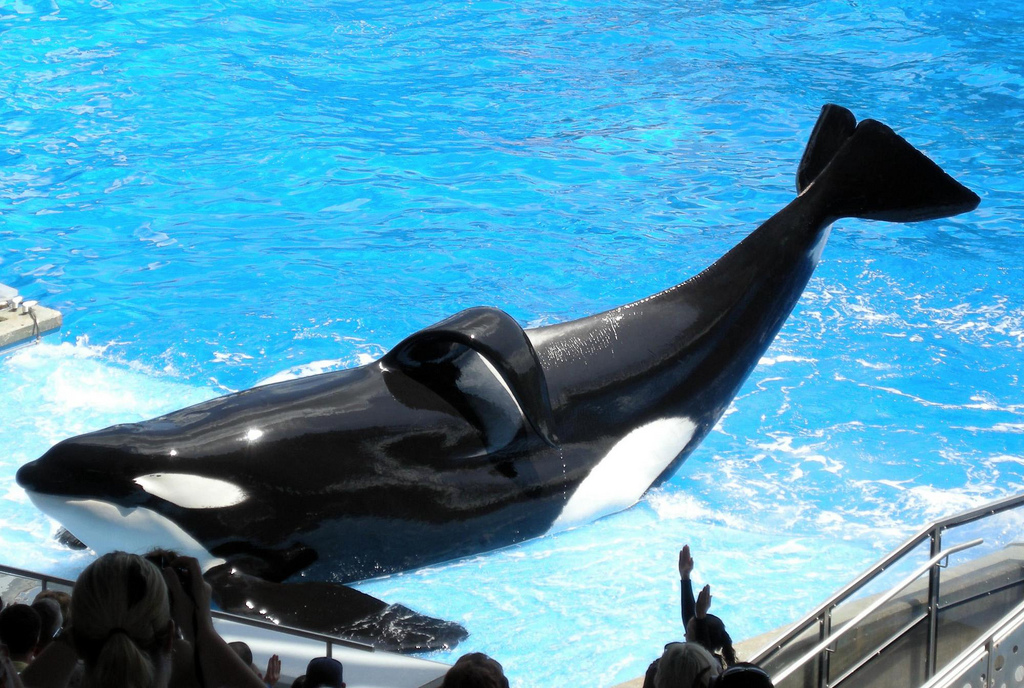
In addition to countering many myths about orcas long held by the public (many of which were encouraged by SeaWorld itself), the documentary hit its mark; Seaworld profits, share values and attendance numbers tanked following the release of “Blackfish” — and SeaWorld is still struggling to revitalize its public image. While the top brass claimed this has all had nothing to do with “Blackfish,” they subsequently announced in March this year that they were ending all orca performances, and just this week it was reported that SeaWorld has official phased out its orca breeding program.

Honorable Mention: “The Cove,” which received an Academy Award for best documentary in 2010 and prompted a huge drop in Japanese dolphin fishing.

4. “Super Size Me” (2004)

Trailer:

https://youtu.be/LOvrkkj_T-I

In which Morgan Spurlock famously ate at McDonald’s every day for a month, ingesting three meals per day at the chain (and nothing else). When asked if he wanted that meal supersized?  He had to say “yes.”

Did it change the world?

While one critic pointed out we all already knew that fast food is bad for you and many others highlighting that nobody should consume 5,000 calories a day without exercising, the documentary showcased the dramatic effect of this diet in a way that truly captured the public imagination. This film prompted a wider public discussion about the role of fast food chains in society. After the film’s release, McDonald’s removed the “supersize” option from their menu six weeks after the film’s premiere (while claiming it wasn’t a response to the film). They also added salads to their menu.

Honorable mention: 2005’s “McLibel” documentary, a David-and-Goliath tale covering the much maligned lawsuit of the same name.

5. “Triumph of the Will” (1935)

Full movie (English subtitles): 

https://youtu.be/r496UPraKvk

Not all documentaries are a force for positive change. Some are used as propaganda, which is a stark reminder of just how influential and important a documentary can be — and why it’s critical that documentary filmmakers learn and practice their craft carefully.

“Triumph of the Will” is an example of how documentary film can be manipulated for dubious ends. Starring none other than Adolf Hitler, Heinrich Himmler, Viktor Lutze, and other Nazi leaders, this WWII documentary was arguably one of the most effective propaganda films ever made.

Did it change the world?

The response to the film was monumental, and immediately after its release gained the Nazi party countless numbers of additional supporters and sympathizers. Leni Riefenstahl, the director, went on to be heralded as one of the finest female filmmakers of the 20 century mainly owing to technical and stylistic innovations in “Triumph of the Will,” but she was also demonized for her associations right up until her death in 2003 (aged 101). Dubiously honorable mention: Riefenstahl’s follow up propaganda film, “Olympia,” which covered the Hitler-attended 1936 Olympic Games, and is also recognized for its technical innovation (if not the content).

For better or worse, the impact these documentaries have made remind us all of the immense power and responsibility of documentary filmmakers. Whatever stories you choose to tell, remember that your film might just change the world.

More documentaries to consider that did their part to change the world: “Making a Murderer,” “The Jinx,” “Titicut Follies” and “Gasland.”

Has your life been strongly impacted or changed by a documentary film? Do you plan on making a film to change the world? Let us know in the comments below!

5 of the Best iPhone Lens Kits (2016 Edition)

iPhone lens kits may seem like an usual topic, but there are some great reasons to pay attention to these accessories.

At the New York Film Academy, our photography programs offer an in-depth investigation and exploration of the artistic and technical skills required to take your photography work to a professional level. Our programs focus on the practical elements of photography and train our students in the proficient use of the most state-of-the-art cameras and techniques in their field.

Yet, it’s very practical to acknowledge that many amateur and professional photographers these days are also using their personal mobile devices to snap pics, whether for personal or experimental use. So why not find creative ways to apply what you’re learning in photography school to every picture you take with the same passionate level of thought and care, even if you’re simply using your iPhone?

While an iPhone camera is no match for a Canon, Nikon HDSLR, or SONY mirrorless camera, we realize that personal iPhone photography is a large part of many of our lives. After all your hard work in photography school, you’re probably longing for ways to bring some of what you’ve learned into every aspect of your life. So we’ve compiled a list of some lens kit ideas to help you bring your photography school mindset to your iPhone photography.

The results of this low-fi solution are consistently surprising, so if you want to experiment with your iPhone photos, scroll on to discover seven iPhone lens kits that represent the best value for money.

1. Camera Lens Kits for iPhone 6 – The Best of the Best

All iPhone lens kits featured below are compatible with the iPhone 6/6s and Plus models, and usually fit on any model of phone. We listed Amazon prices for guide only – NYFA is neither compensated or endorsed by Amazon or any manufacturer featured.

Photojojo Iris Three Lens Set

photojojo

RRP: $69.99

Contains: Mount plus wide, fisheye and macro

A sturdy piece of kit with billeted aluminium casing, the Photojojo 3-in-1 lens package is very well thought-out. Simply affix the mount onto the phone (it’ll work with any phone, even with a case) and switch out the lenses as needed – the mount itself converts into a small carry case.

Mpow 3 in 1 Clip-On Kit

mpow

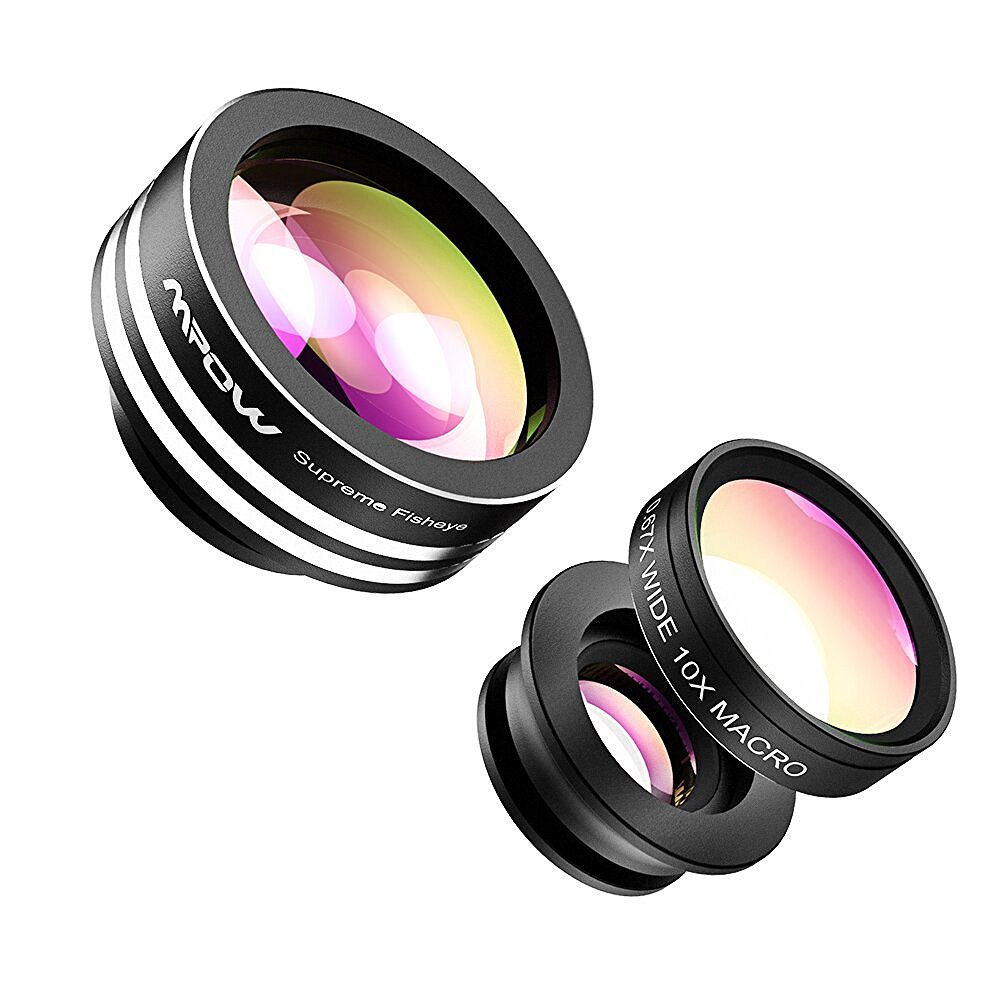
RRP: $13.99
Contains: 180 degree fisheye, 0.67X wide angle, 10x macro

A 3-in-1 lens kit for under $15? You read that right. And not only is it easy on the wallet, it’s also ridiculously good in the quality department too, fitting beautifully close to the iPhone’s camera (and presumably Android models also, though we’ve not tested that).

The image quality is superb thanks to the high-clarity glass and that perfect fit, though the clamp system — while efficient in terms of easy removal — can get in the way a little bit.

If you’re looking for a more discrete solution, it’s time to check out:

Photojojo Magnetic Lens Kit

61GtqDRsTeL._SL1500_

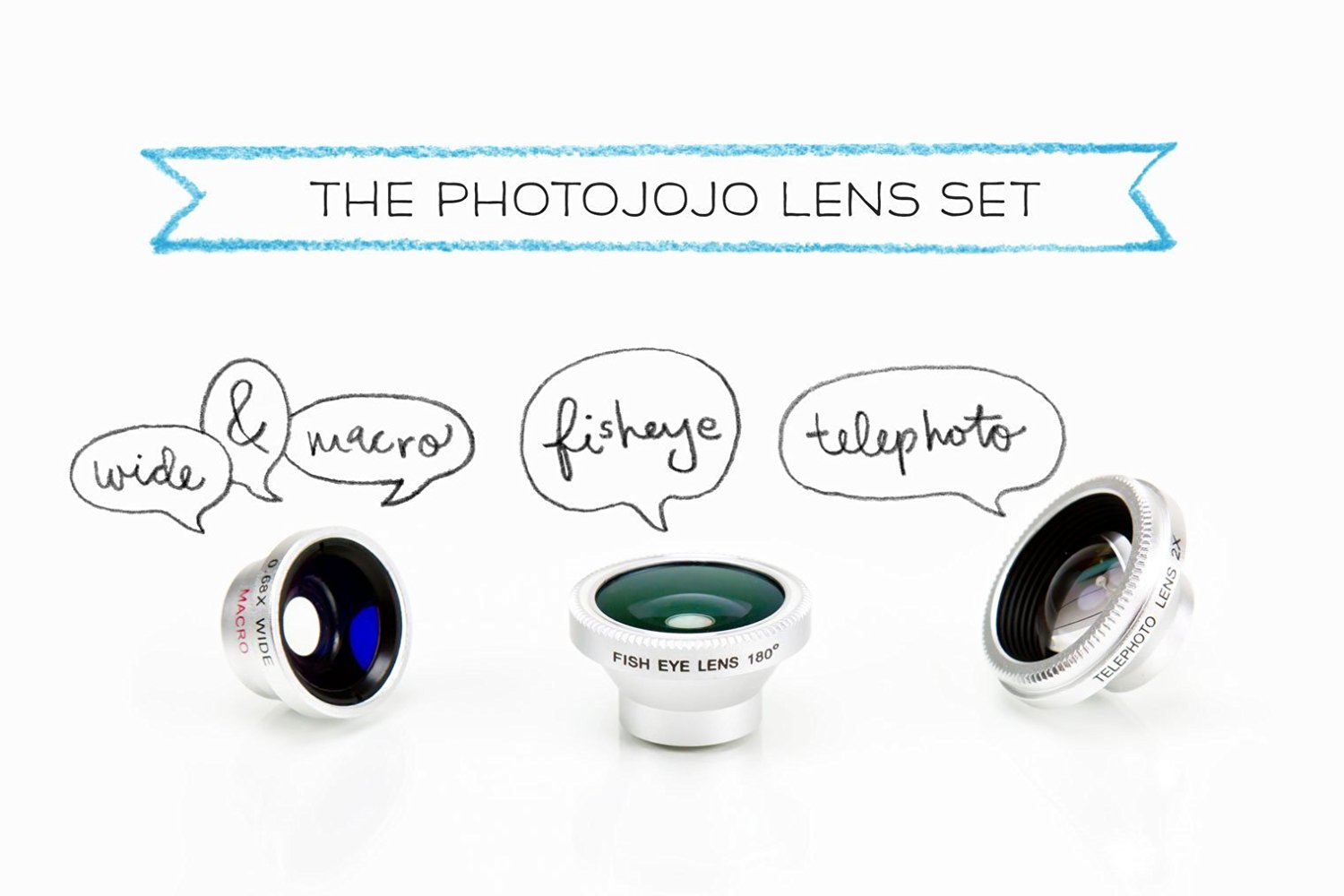
RRP: $49
Contains: Fisheye, telephoto, wide/macro

Another excellent product from Photojojo, and it’s a shade cheaper than the Iris set listed above. The difference between the two is that this Cell Lens pack attaches to your phone magnetically (with or without case), and are cleverly designed to not cover your phone’s in-built flash. We’ve not seen a difference in image quality between the two sets during testing — all three lenses offer a remarkable level of fidelity and sharpness.

Downside: while the magnets are strong and won’t damage casing, they will slip or fall off completely if knocked and therefore may not be suitable for rigorous shoots. We also cannot guarantee that the magnets won’t damage other models of phones outside of iPhone/Android (some phones have their own magnets around the camera lens for image stabilization).

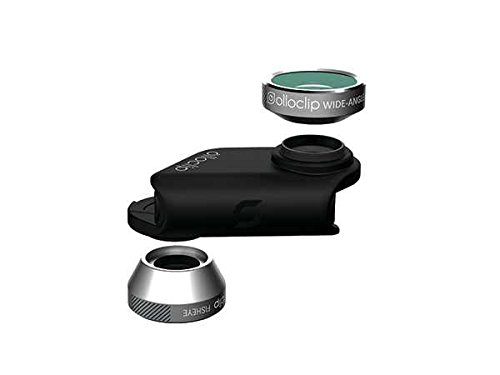
Olloclip 4-in-1

olloclip

RRP: $79.99
Contains: Clip plus fisheye, wide-angle, 10x and 15x macro

It’s one of the more expensive iPhone lens kits on this page, but it’s also the only one that has won awards. And rightly so.

With each lens weighing in less than an ounce, this is unparalleled image quality combined with a quick on-off action thanks to the clip (and it also covers the front lens, too). Additionally, it comes with three wearable pendants to keep the whole kit easily accessible.

A very elegant, secure design that features some really impressive optics. The only con is that this one is iPhone 6 only.

CamKix Ultimate Kit

RRP: $42.99
Contains: 8x telephoto, fisheye, macro/wide angle, tripod, phone holder, hard case, velvet soft case, cleaning cloth

You’d be hard-pressed to find a more all-encompassing lens kit at a cheaper price. Given the amount of equipment that’s thrown in, the CamKix package offers outrageous value for money (we love that telephoto lens!) but it’s not quickly deployable – you need to affix the hard case before you can add a lens, and you’ll probably want to use the tripod for telephoto stabilization. On the plus side, that does mean it’s compatible with all phone models.

There is no replacing the quality and artistry of images you can create with your Canons, Nikons, or SONYs, but we hope this has given you some ideas for your mobile pics.

Have you found creative ways to apply what you’ve learned in photography school to mobile devices or your personal image making? Let us know in the comments below!

Why You Don’t Want To Miss NYCC 2016

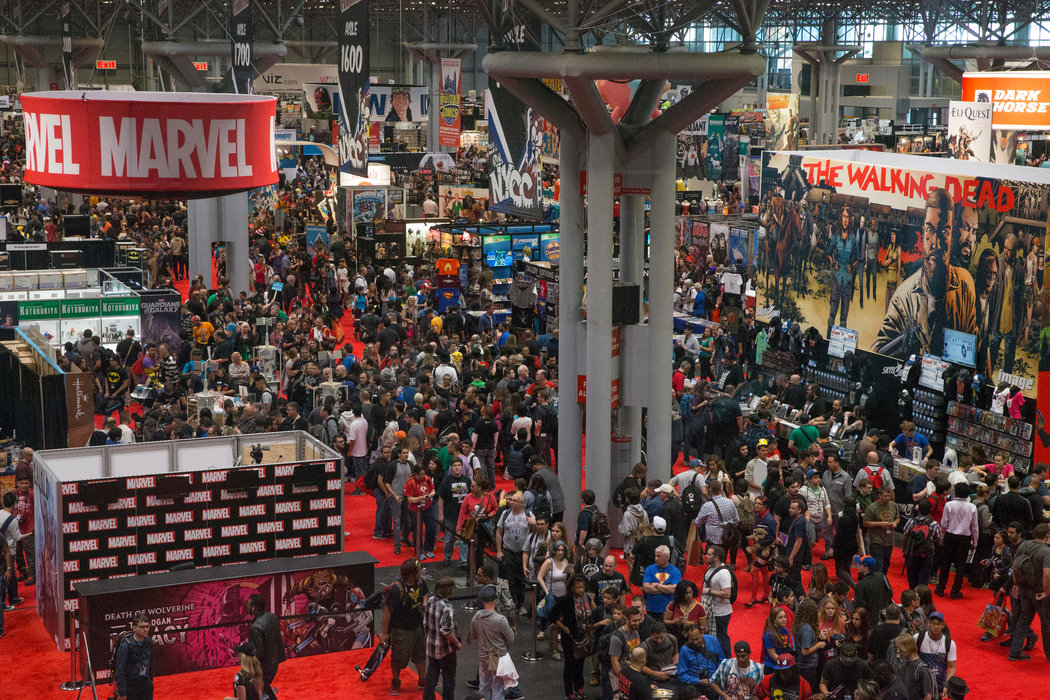
Comic1-master1050

As the biggest pop culture event on the East Coast, New York Comic Con (NYCC 2016) is always on the radar of every comic fan out there. For students studying at NYFA’s New York City campus, the opportunity to check out this highly-anticipated event should not be missed.

Here are several reasons why NYCC 2016 is going to be bigger and better than ever before — and why you should consider participating:

Awesome Panels for NYCC 2016

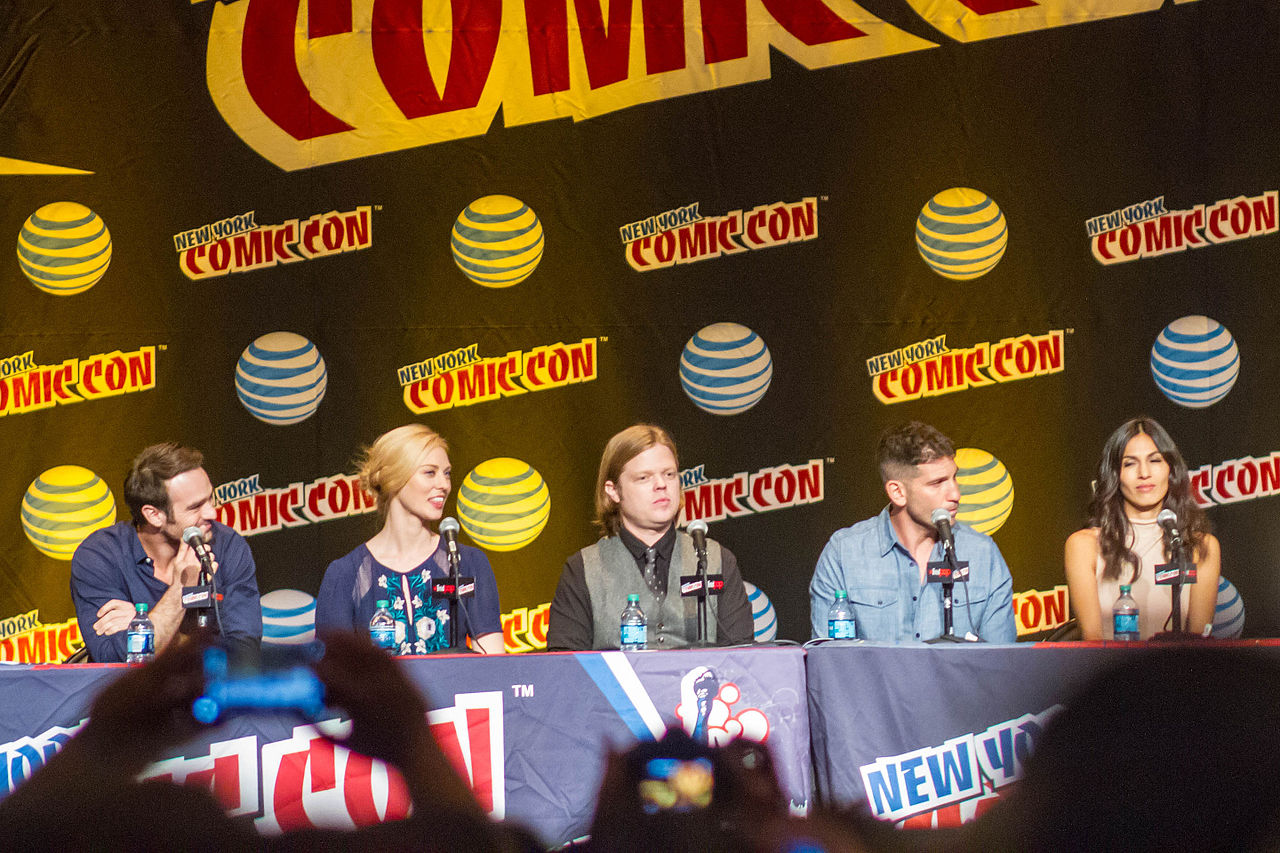
Daredevil_2015_NYCC_panel

The amazing panels alone make this anticipated event worth the trip. DC All Access will offer talks from the people behind “The Flash,” “Supergirl,” and the “DC Comics Bombshells” series, as they give a sneak peak at the anticipated “Justice League vs. Suicide Squad.” Robert Kirkman will also make an appearance in a “The Walking Dead” panel to discuss what’s next for the Image Comics series.

Other notable panels not to miss include Tales From the Tardis with Matt Smith, Alex Kingston and Jenna Coleman, as well as World Premiere & Adam West, Too: Batman: Return of the Caped Crusaders. Check out the official NYCC 2016 panel schedule to get your chance at meeting the creative minds behind your favorite works.

Unforgettable Parties at NYCC 2016

The night doesn’t end when the panels are over. Each day of NYCC 2016 also comes with awesome parties where comic book fans can relax, mingle, and dance their costumes off. The best part is that each party has its own exciting themes. Here’s a list of the biggest ones:

  • NYCC Kick-Off Party
  • Anime Dance Music’s Annual NYCC Party
  • Rock Comic Con followed by BATDANCE: NYCC’s Official Video Dance Party
  • GBX: Electric Underground
  • Boozy Bowling Afterparty
  • Skint! Disco Inferno Geeks OUT Dance Party
  • New York Comic Con ’90s party

Great Cosplaying at NYCC 2016

New_York_Comic_Con_2014_-_Wonder_Woman_(15335766919)

The art of cosplaying has exploded in popularity thanks to a growing subculture of die-hard fans. To see people dressed as their favorite characters or join them yourself, NYCC is definitely the place to go. There are also plenty of events aimed to encourage people to cosplay and have a blast.

In fact, things kicked off a week before the actual event with a Pre-NYCC Cosplay Cruise — in other words, a cosplaying party on a yacht. The biggest cosplay gatherings during the main event include Crossplay Cosplay Contest & Celebration, We the Heroes Ball, and Comic Con Vixens. Of course, you won’t have to attend any specific affairs to see great cosplay, since participants will be walking around all over the exhibition floor, ready to pose for a pic.

Video Game Events at NYCC 2016

Although NYCC 2016 is still primarily focused on comic books, it’s also become a great place to go if you’re a video game fan. In fact, a large number of cosplayers that show up every year are representing characters straight out of their favorite digital worlds. This year there’s plenty to check out if you’re a gamer.

New York Comic Con ’90s party will have a Spectacular Video Game Room complete with a Mario Kart 64 World Championship tournament. Gaimova’s After Party 6 will also have tournaments for Smash Bros Wii U, Street Fighter V, and several classic Xbox live and PSN games. Square Enix is even throwing a Demo Night featuring Deux Ex: Mankind Divided and the new Hitman. Mashfest NYCC Kickoff Party will have more than a dozen games available to play as well.

Must-See Exhibitors at NYCC 2016

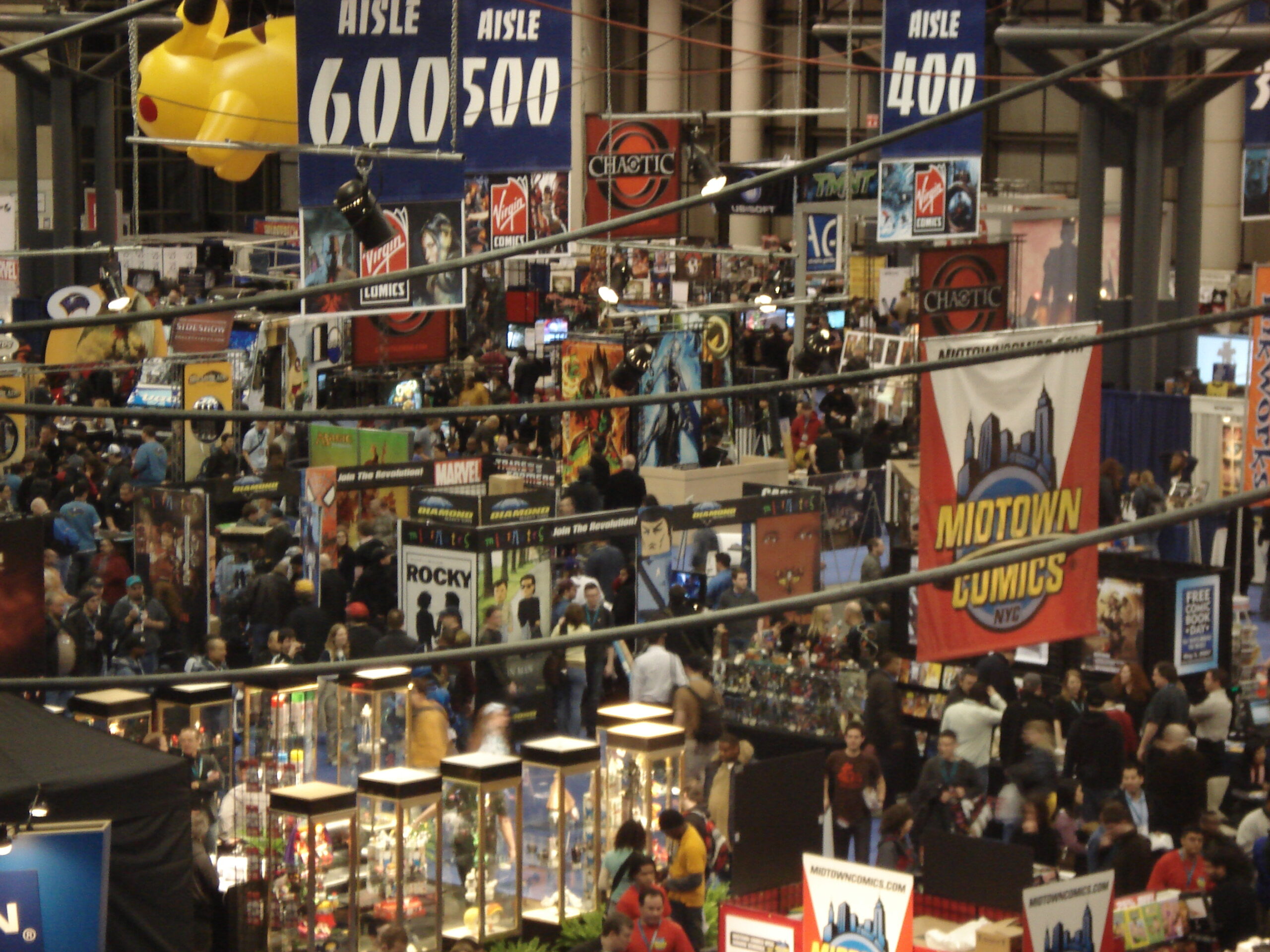
NYCC_2007

The heart of NYCC 2016 is the near-endless number of exhibitors ready to show off their latest comics, video games, and more. It’s your chance to buy awesome merchandise, get a first look at new stuff, sign up for giveaways, and meet artists.

Just like every year, NYCC 2016’s event will bring together an incredible number of worthwhile exhibitors. These include BANDAI NAMCO Entertainment America, BOOM! Studios, DC Entertainment, Doctor WHO Store + Alien Entertainment, Double Take, GoComics, Black Mask Studios, and many more.

Are you planning on attending NYCC 2016? What are you most looking forward to? Let us know in the comments below! Learn more about Game Design at the New York Film Academy.

Free Resources to Improve Your English Language Skills

Looking to improve your English language skills? You’re not alone: according to TESOL, around 1.5 billion people are currently learning the English language around the world. You’re in good company!

There’s no better way of improving your English than by speaking and reading it as much as possible, but there are some useful resources online that can help you along the way…

… and best of all, these are all totally free.

1. Project Gutenberg and LibriVox

Many of the best books ever written are copyright free and publicly available online. Project Gutenberg has over 50,000 books, many of which formatted ready for Kindle and other readers.

But wouldn’t it be more useful if you could hear a native English speaker read them to you?

Luckily, LibriVox has made that possible. They’re aiming to have every book in the public domain turned into audiobooks by volunteers, and there are already thousands of titles on the site. That’s not only entertaining and culturally valuable — it’s very useful for learners of English!

2. Play Scrabble Online

scrabble

Whether you play against the computer or an English speaker on the other side of the world, playing Scrabble in your spare time is a fun way of learning individual words and getting your brain actively thinking about how they’re constructed.

Most online scrabble sites are free — here’s eight of them to check out (though please note we cannot guarantee the security of any site on that list).

3. YouTube

Many use YouTube purely as a source of cat-related entertainment, but it’s also a great portal for learning English.

There are plenty of fun ESL channels that can augment your English studies, and YouTube’s own translation subtitles on other videos is making the entire platform more accessible to non-English speakers.

4. Conversation Exchange

We can’t say this enough: the fastest way to learn English is by practicing with a native speaker as often as possible.

That doesn’t mean you need to go into a bar and start talking to random strangers (which would be terrifying). Instead, try it out from the comfort of your own home or dorm. Conversation Exchange helps you find and connect with a native English speaker to chat with either via text, audio, or video chat.

As your confidence builds, you can even use the service to find language partners in your area to talk with face to face.

5. Go Mobile

With the many apps out there design for ESL students, it’s never been easier to practice and learn on the go. Combined with an effective study plan, these ten apps can help you support the learning process and improve your confidence along the way.

Don’t be afraid to make mistakes, and remember that every word you speak, write or read in English gets you one step closer to fluency.

Good luck!

Posted in ESL