Back to School: Graphic Design Supplies You Didn’t Know You Needed

Graphic design supplies are not to be overlooked now that school is back in session. With graphic designers more in demand than ever, it’s a great time to get yourself back to school to learn the essential skills of the craft. And if there’s one thing all aspiring graphic designers should know, it’s that having the latest software and tech isn’t enough. Any professional will tell you that to be fully prepared as a graphic designer you’ll need creativity, discipline, and attention to detail — and that those skills are just as important as the technical tools and artistic talents you’ll be using.

That being said, graphic designers also depend on certain supplies to make their ideas come alive. Whether you’re just starting your journey as a student or continuing an ongoing course of study, you can expect to use various tools while you advance your skills and knowledge.

So, what are the most essential graphic design supplies for those of you beginning a new journey in this dynamic and growing field? Below, we’ve summarized a few things every graphic design student should consider picking up as they start another year of school at NYFA — or, for that matter, as they start to pursue their own path beyond school.

Sketchpads + Writing Tools
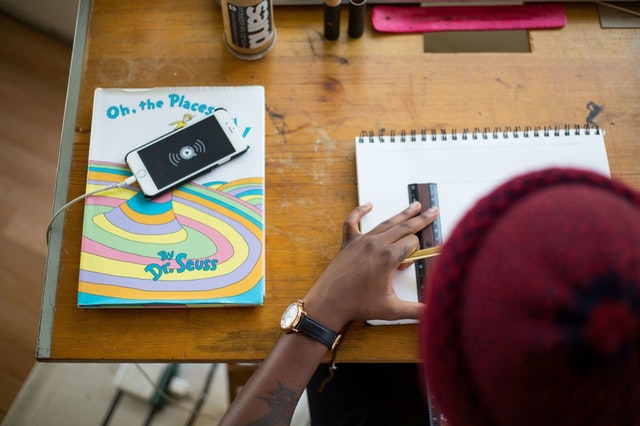
There’s more to being a great graphic designer than knowing your way around Photoshop and other state-of-the-art editing tools. The best designers are prepared to follow inspiration when it strikes and put down a brilliant idea whenever it comes to mind — whether that be on the bus, in a classroom, or anywhere on campus. You never know what you’ll see or hear that inspires you to come up with something amazing for a school or personal project.

Instead of forgetting your idea by the time you reach your computer, use your handy sketchbook to put it down on paper. This is an essential graphic design supply, as it will enable you to keep developing your concepts and brainstorming new ideas until you’re ready to transition it to computer. Being able to share your design ideas visually while away from your desktop is a valuable habit to have when discussing ideas with other students, possible clients, and even the interviewer for your dream job.

Whatever Helps You Stay Creative And Focused
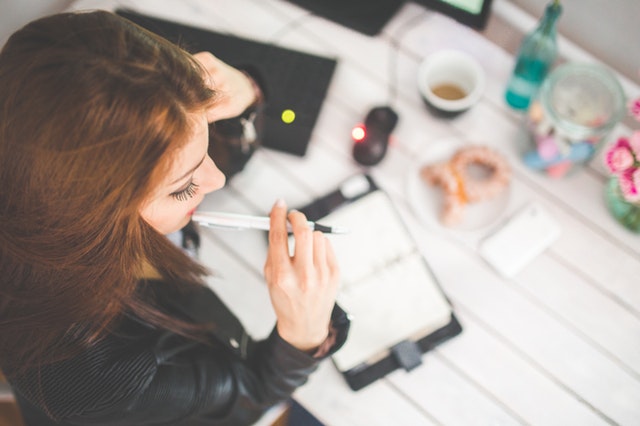
From painters and musicians to creative writers and actors, all artists depend on their skills and imagination to create. But when there are distractions or you’re not comfortable, it can be nearly impossible to come up with groundbreaking ideas. The best artists, including professional graphic designers, will tell you just how important it is to find a space and atmosphere that gets your creative juices flowing. It might be a little unorthodox to think of your workspace, belongings, or home as a part of your graphic design supplies, but why not? Once you’re designing, everything in your life can be an integral part of stimulating and protecting your creative work.

Do you like listening to music while working? If so, you should invest in good speakers or headphones that allow you to enjoy your music with superior audio quality. Or maybe you could use a new desk chair that will help reduce (or eliminate) the aches and pains you get from sitting in front of your computer for too long. Imagine your optimal working environment and think about what you’re missing or what you can upgrade to make it it even better. Feed your creativity by taking good care of yourself, your workspace, and your needs.

Access to a Great Computer

One of the biggest investments students make when returning to school is picking up a new computer. As a graphic design student who will be using a lot of demanding software, this can be an especially important decision. Unless you already have a fairly new machine, you’ll want to upgrade your desktop so you don’t waste time running programs slowly or having to take repeated trips to your school’s computer lab. If you’re a graphic design student at NYFA, take advantage of lab hours and resources in your program.

And if you’re debating on picking up a laptop or desktop for your personal use, don’t forget there may be advantages to the latter. Many laptops today come with great specs, but it’s usually desktops that offer more storage space, better RAM, faster processors, etc. This can be very useful as many graphic design tools require a lot of juice to run — especially when you have several tasks open.

Bear in mind that many resources you need may be available through your program, like ours. But also don’t forget that your own down-time and personal space are themselves valuable resources and opportunities as you learn the craft of graphic design. Organizing ahead of time and making sure you have access to the best graphic design supplies is a great way to set yourself up for success at school, and beyond.

Have a favorite supply for your own graphic design adventures? Let us know in the comments below!

Sports Photography: Lessons We Learned From the Rio Olympics (That Can Apply Anywhere)

NFL_International_Series_2010

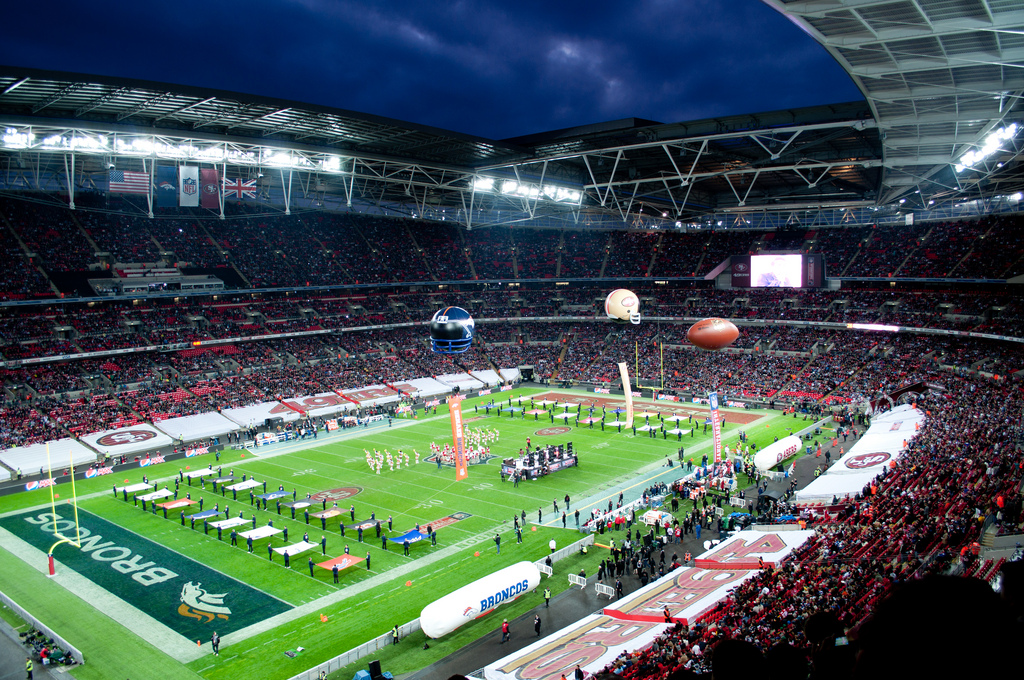
Sports photography is a skill and an art form that is never out of season. As we move into the awesome spectacle that is the NFL’s 97th annual season, it’s time to seize the good opportunity to assess and apply some fantastic sports photography lessons that were highlighted this year by the 2016 Rio Olympic games. These are universal sports photography tidbits that can be applied towards our wider photographic efforts — whether you plan on snapping some of your favorite NFL players, or simply want to learn to approach your craft with the heart of a champion.

Today’s tips and tricks apply mainly to sports photography, but many can be used across the board. Ready?

On your marks, get set…

… Go!

Prepare Like an Athlete

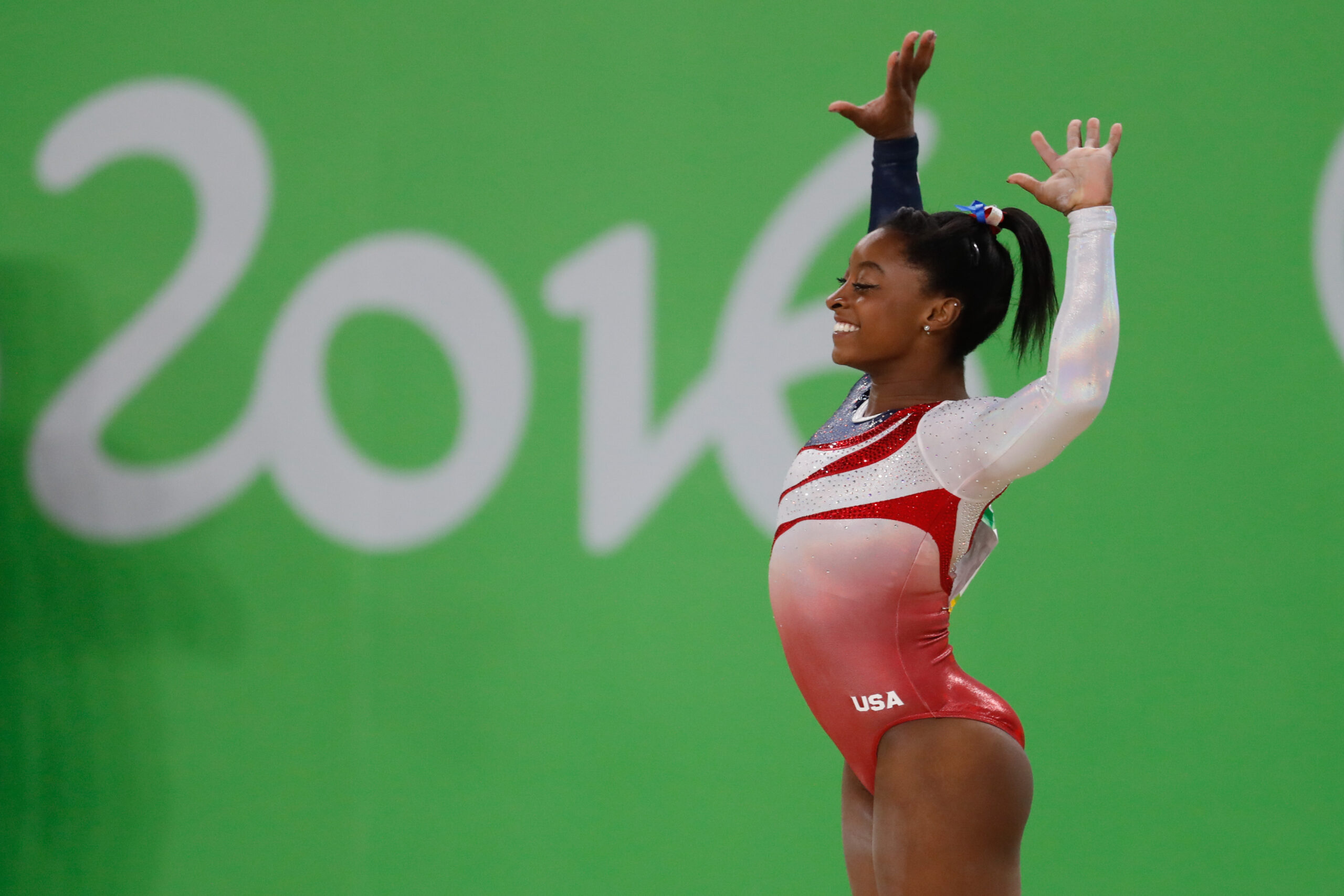
Rio de Janeiro - Simone Biles, ginasta dos Estados Unidos, durante final em que levou medalha de ouro na disputa por equipes feminina nos Jogos Olímpicos Rio 2016. (Fernando Frazão/Agência Brasil)

Because you’re going to be doing your own fair share of running around!

Whether you’re shooting at a race track, high school athletics meet or the Olympics themselves, you’re going to want to shoot at a number of different locations, all with different lighting, angles and crowds to deal with. That’s sports photography 101.

Ergo, extensive pre-planning — as with any photoshoot — is key.

Make sure you can physically get between locations in the time allotted, as well as exactly where to be for the best shots. Many of these will require dramatically different gear, too, so factor this into your planning.

It’s also essential to make sure your equipment is within event regulations. For instance, the 2012 London Olympics prohibited lenses longer than 30cm or tripods — you don’t want to turn up and find half of your equipment is banned! 

Crowd In, or Out?

ParqueOlimpico

The Olympics rarely suffers from a dull and unengaged crowd, but for smaller sports events (or music festivals), you probably don’t want a bunch of empty seats or people not watching the thing you’re shooting in the background.

As a sports photographer, you’ll want to find the angle that best captures the drama and suspense of your sport. If you want to exclude the crowd from the shot and focus solely on the action, you’ve got a few options open to you: get as high as possible and shoot downwards, get as close and tight to the athlete as possible with a telephoto lens, or lower the f-stop to to bring the focus forward and exclude the background.

If all else fails, move yourself to a different position and shoot from an angle that removes the problem altogether. After all, we do call it sports photography for a reason: don’t be afraid to focus on the sport!

Know Your Sport

Michael_Phelps_conquista_20ª_medalha_de_ouro_e_é_ovacionado_1036413-09082016-_mg_6336_01

Obviously you’ll want to know who’s who in whatever event you’re shooting in your sports photography adventures, but getting to know the athletes themselves and their behavior can pay dividends.

The more research you do ahead of the game, the greater the chances of nabbing that perfect sports photography shot.

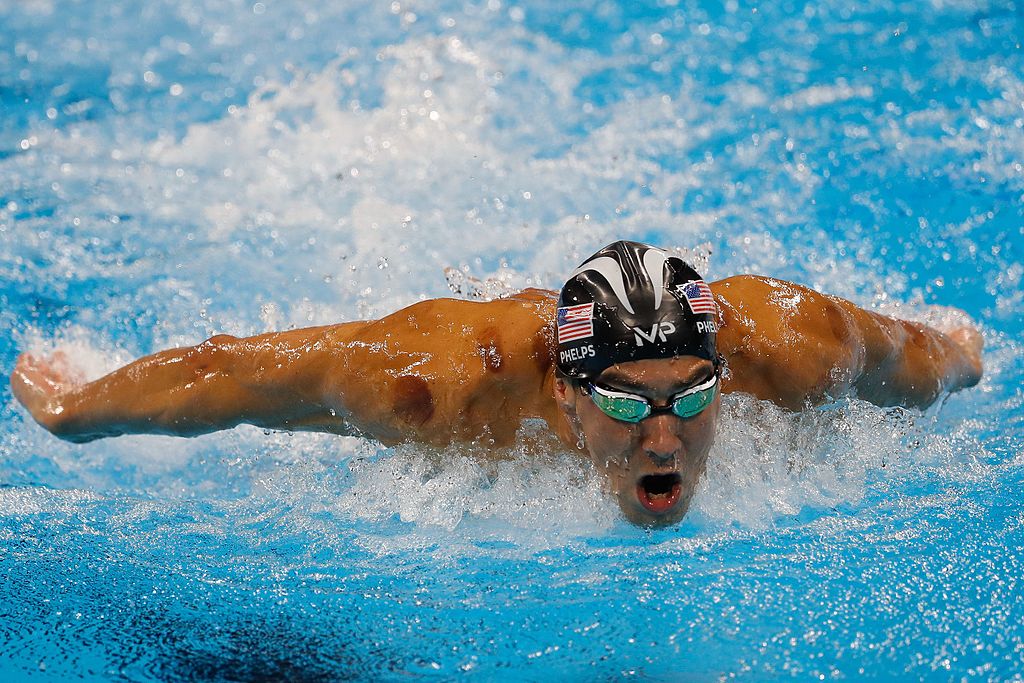
The sports photography guru David Black recalls the preparation he took to get a “wow” photo of Michael Phelps during the 2004 Athens games: “I had memorized Michael’s freestyle stroke pattern and knew that he would take a breath two strokes after the 50-meter mark. Knowing this, I picked an appropriate upper-level camera position so that I could shoot slightly above the splashing water and capture a single image of Michael’s face. It was his last breath before sprinting to win a gold medal.”

Convert to Black and White

pexels-photo

Black and white is common in a wide variety of photographic disciplines, but it’s criminally underused in sports.

Part of the reason for this is that most sports are a highly colorful affair, from the vivid greens of a pitch to the blues of a pool and the detailed uniforms of the athletes. Sometimes however this can be overwhelming, especially if there are a lot of other visual elements such as crowds and seating in the background.

If you’re about to discard a shot that suffers from this, try converting it to black and white first – you might just find that it transforms from something that’s way too busy to a sports photography photo worthy of framing.

Panning

5460189399_e1236287a9_b

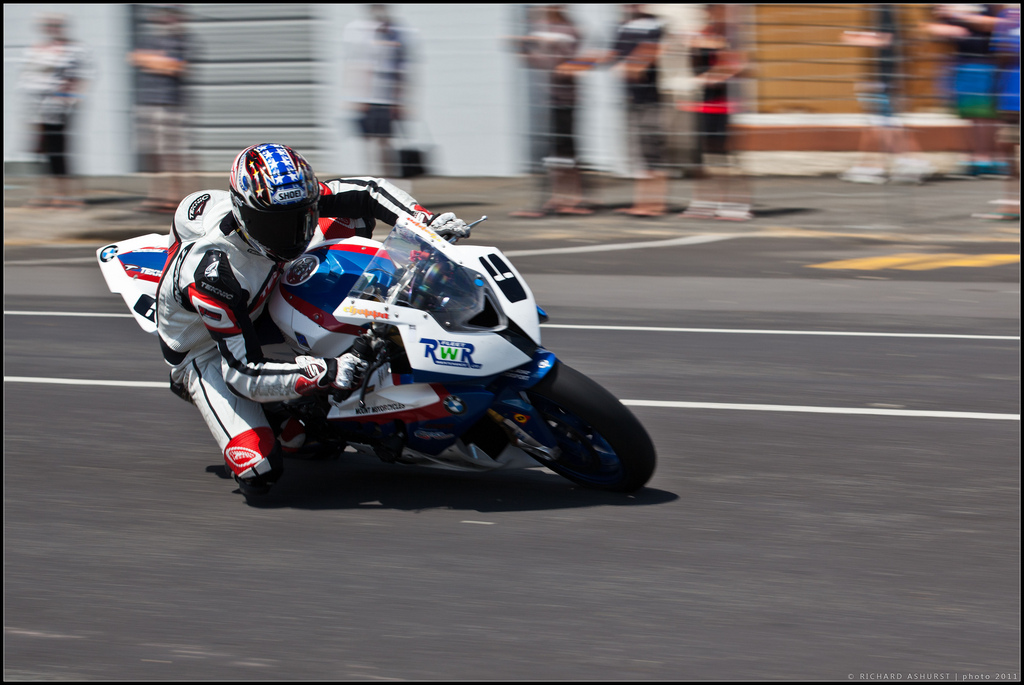
Working with high-speed movement? Panning with the subject is a superb technique that can really deliver the goods with a beautifully crisp subject against a blurred background (capturing that sense of motion), but it also requires a lot of practice and determination.

Your choice of shutter speed is crucial to a good pan shot, and largely depends on how fast your subject is moving, but a good starting point is around 1/20 second and adjusting from there. Move with your subject and keep them in the frame, and only then press the shutter once you’ve got a fluid and consistent motion (remembering to follow through after the shutter closes, as if you’re swinging a baseball bat).

A tripod will help massively with this, but only if the subject’s movement is going to be predictable — otherwise, handheld with a light lens is the way forward (and is good to practice regardless).

Distance from your subject is another consideration to watch out for in sports photography; it’ll be more difficult to center the shot when close up (since the subject will appear to move faster), so try to get back from the track or up in the grandstand to make life a little easier.

Lastly, unlike most other static shots, you don’t want a clean background for a pan. The entire purpose it to have a lot of things blurring in the background, and for that you’ll need a lot of things in the background!

Don’t be disheartened if everything turns out blurry nine times out of ten — it’s a technique even the pros don’t nail with any consistency. Which leads us onto our final sports photography tip (and one that works for any field of photography).

Need 10 Good Photos? Take 10,000.

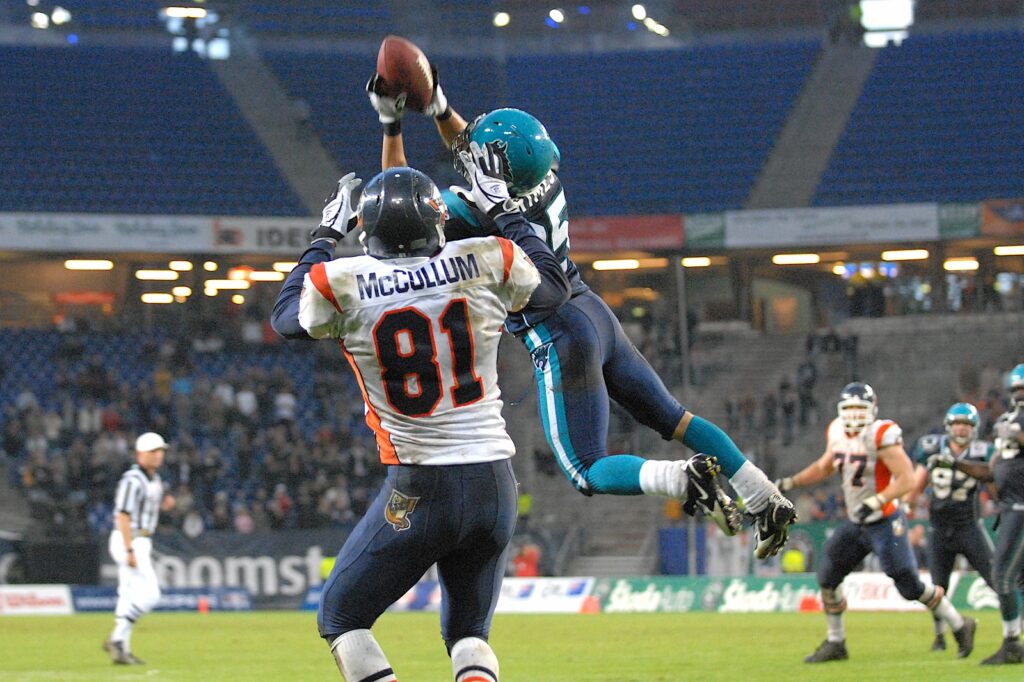
Brent_Grimes-Hamburg_Sea_Devils-2

Okay, maybe the ratio isn’t quite that extreme, but more is definitely better than less.

After all, digital film is very cheap these days…

… get snapping!

Graphic Design 101: What Makes for Strong Branding, and Why You Need It

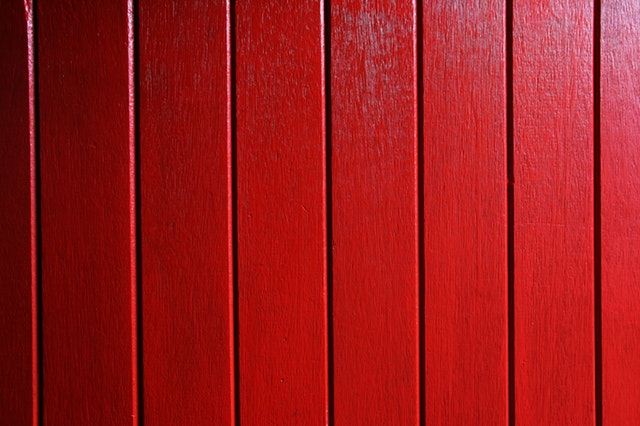
Look at the shade of red below, and think of a beverage.

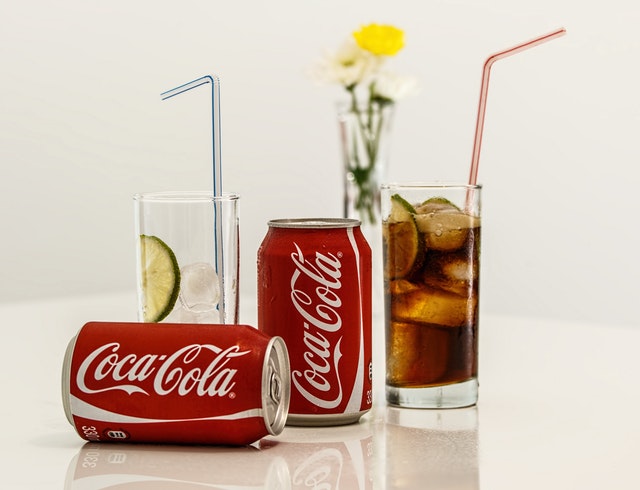
If you were thinking of Coca-Cola, you’ve just experienced the power of branding.

Today, we’ll be addressing three core questions: what is branding, what goes into good branding, and why is it important in the first place?

Let’s begin with:

What Exactly Is Branding?

To the uninitiated, it’s a buzzword thrown around by men in grey suits in marketing board meetings.

In reality, the concept of “branding” is as old as the hills — and can make or break a business. when done well. (Think of the case of corporate rebrands.)

The German city of Cottbus selected this as their logo from a nationwide design contest, then paid 8,000 Euros for the privilege.

Even a single knitwear seller on Etsy can get a tangible benefit from solid branding.

So what is branding?

Firstly, it’s a topic on which thousands of books have been written and about which hundreds of seminars have been held. Branding is, essentially, the subjective nature of design combined with the hard-line science of business, so it’s a very peculiar concept and one that isn’t easy to sum up in a nutshell.

We’ll start with this definition from Entrepreneur.com: “The marketing practice of creating a name, symbol or design that identifies and differentiates a product from other products.”

What this means is that all imagery and aesthetics should be translatable across the board. If the company logo is totally different from the look and feel of the website, which is different again from all the avatars and headers used on social media, then that isn’t branding: it’s a mess.

From a graphic design point of view, this is what separates “branding” from simply “making a logo.”

While the logo is nearly always the core asset (and the first place to start), it should be designed with wider use in mind:

  • Does it work in black and white (in case it gets used by a newspaper)?
  • Can a horizontal version of the logo be made for promotional items like pens?
  • Does it sit nicely on a letterhead?
  • Will it work on the various social media platforms the company may operate?
  • Does it work when rendered extra small (such as on business cards)?
  • Is the main font used in the logo (if any) legible enough that it can be applied to other promotional copy?

These are just a few of the things that should be going through a graphic designer’s mind when crafting a logo and thinking about the overarching design.

The key here is that even if the layout or image specs change, the look and feel of the branding should be consistent across all of the company’s output (both internally and publicly).

But this raises an even bigger question:

What Makes for Good Branding?

Alongside consistency, there are a number of factors that are seen as hallmarks of good branding.

Memorable. Not only should it be easy to draw the company logo from memory (see the above Cottbus logo for an example of how it isn’t done), but it should stick in the mind of the public in such a way that they instantly recognize it the next time.

Key Colors. A corporate color palette should be adopted across all branding to help boost cohesion. This is generally only one or two complementary colors, but it isn’t unheard of to have more.

Strong Typeface. While the logo itself may not contain text, a feature of strong brand identity is a typeface (or perhaps two) that is used across all promotional copy. This should be clear, legible, and compatible across both PC, Mac and mobile.

Consistent Image Style. Outside of the logo vectors, you might be using other images throughout the website and on social media (especially if the company is product-centric). Whether you use line art, illustration, or modeled photography, it should possess the same look and feel across the board.

Uniqueness. All of the above is well and good, but if someone beat you to the punch with something very similar you’re always going to be stuck in their shadow. It’s important to do your research and create something original.

There are infinite ways to achieve the above, and we see exceptionally innovative examples of this in the marketing world frequently (as well as some terrible examples of branding that are so bad they gain their own publicity).

But all of this boils down to our final, and possibly most crucial, question:

Why is Good Branding Important?

Simply put, good branding increases sales. If it didn’t, companies wouldn’t pay design agencies thousands (if not millions) of dollars to overhaul their branding every decade or so.

For a small company just starting out, good branding can help them get noticed. For a giant multinational corporation, it can help build brand trust and retain dominance in an increasingly competitive market.

In short: branding is for everyone, and you can’t afford to forego it.

How to Incorporate Flash Photography Into Your Photography Style

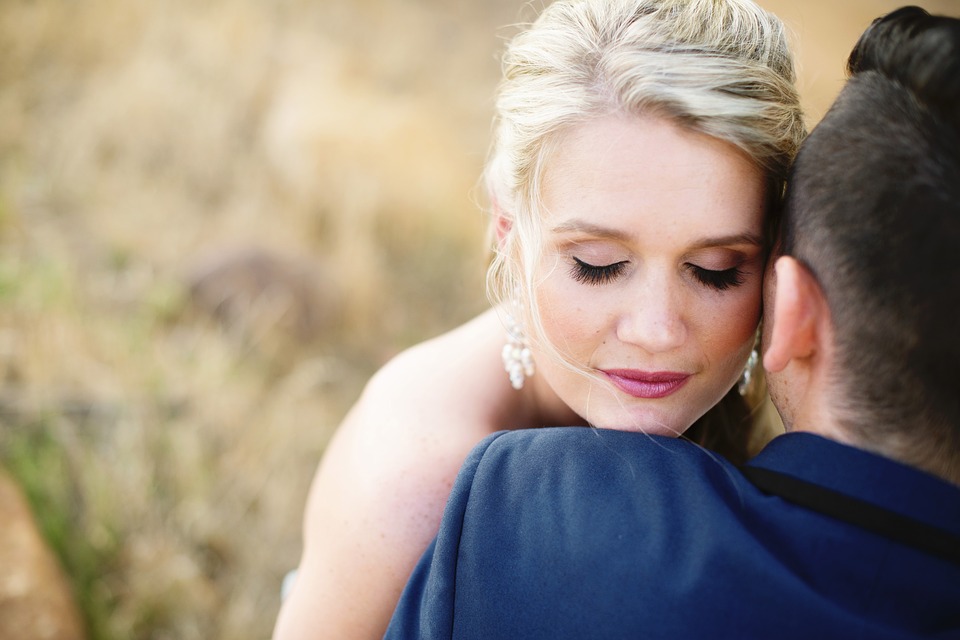
wedding-make-up-1609232_960_720

Flash photography doesn’t seem to get the love it deserves. Most photographers, nothing compares to the soft, beautiful glow of natural light — and they’re probably right. Then again, many photographers fail to make an impact with their work because they don’t learn when to determine if flash is necessary, even if it doesn’t suit their photography style.

A professional photographer knows how to deliver captivating shots even when faced with the unexpected. This can include anything from low light environments to places where your subject has too much backlight. When you’re prepared to work with any challenge that comes your way, you’ll have confidence no matter what you’re asked to shoot.

To have that peace of mind, below are several situations where flash can prove the difference between poor shots and something great. Once you understand the advantages of flash photography, perhaps you’ll be able to start incorporating flash photography into your own style.

Use Flash In Dimly Lit Places

church-interior-1149470_960_720

Today’s photographer has everything they need to deal with locations that have poor lighting. However, using a cutting-edge DSLR in a poorly lit environment comes with a few drawbacks. Very low light levels mean you’ll probably end up with blurry images, thanks to motion blur and camera shake. But increasing the ISO level (your camera’s sensitivity to light) also means you run the risk of poor dynamic range, bad colors, and more noise. Once again, flash photography may be your solution.

To avoid ending up with a small number of decent shots to work with in post-processing, why not use flash instead? Whether you use a simple mount on your camera or work with an off-camera setup to add more balance, flash can help you create a primary source of light when all you have is dim ambient light.

Remember that weddings are easily the most photographed events, and sometimes the most challenging. This is because you can guarantee that the church, reception area, and ballroom you’re shooting in has terrible light. Along with flash, you can also other artificial lighting such as strobes and light modifiers to create the perfect shots.

Use Flash Photography When Photographing Details

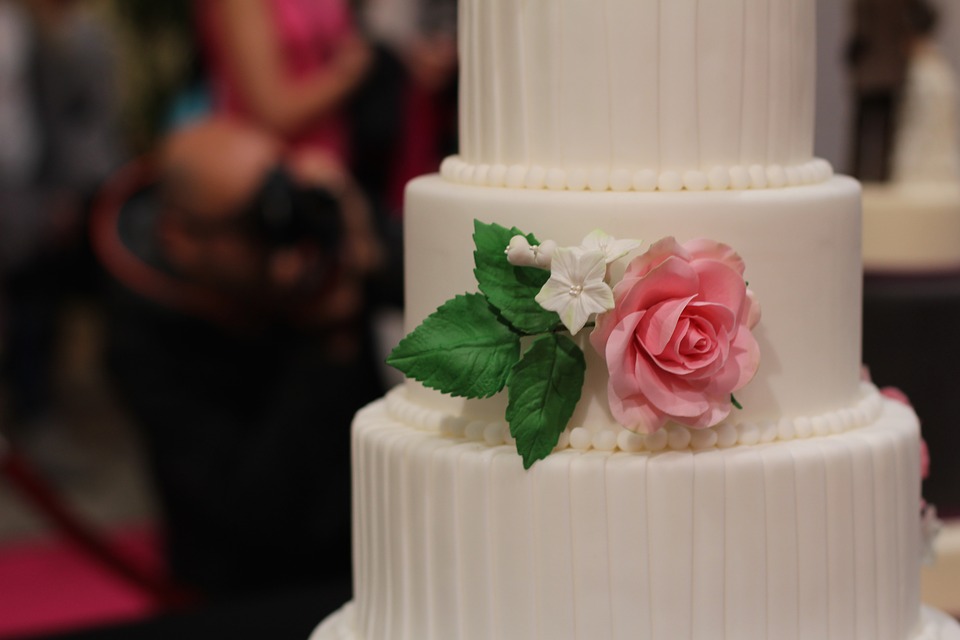
wedding-cake-1543835_960_720

The best photographers know the importance of capturing more than just people. This is why event photographers also take the time to capture details that completely preserve the special moment being shot. At weddings, this includes taking shots of the wedding cake, decorations, food, flower arrangements, and more.

But like we mentioned before, sometimes the subject you want to photograph isn’t in a well-lit area. The good news is that stationary items can usually be moved or rotated so that they’re facing a light source. But when this isn’t possible, flash photography can help you get the shot you need even when the location is only semi-lit.

In this case, we recommend using a tripod along with a camera set to a slower shutter speed. This will allow the camera to use enough light and produce photos that are balanced yet vibrant. Of course, this process requires more time, which is why we only recommend it if you’re unable to set up your own light.

When Shooting Outdoors

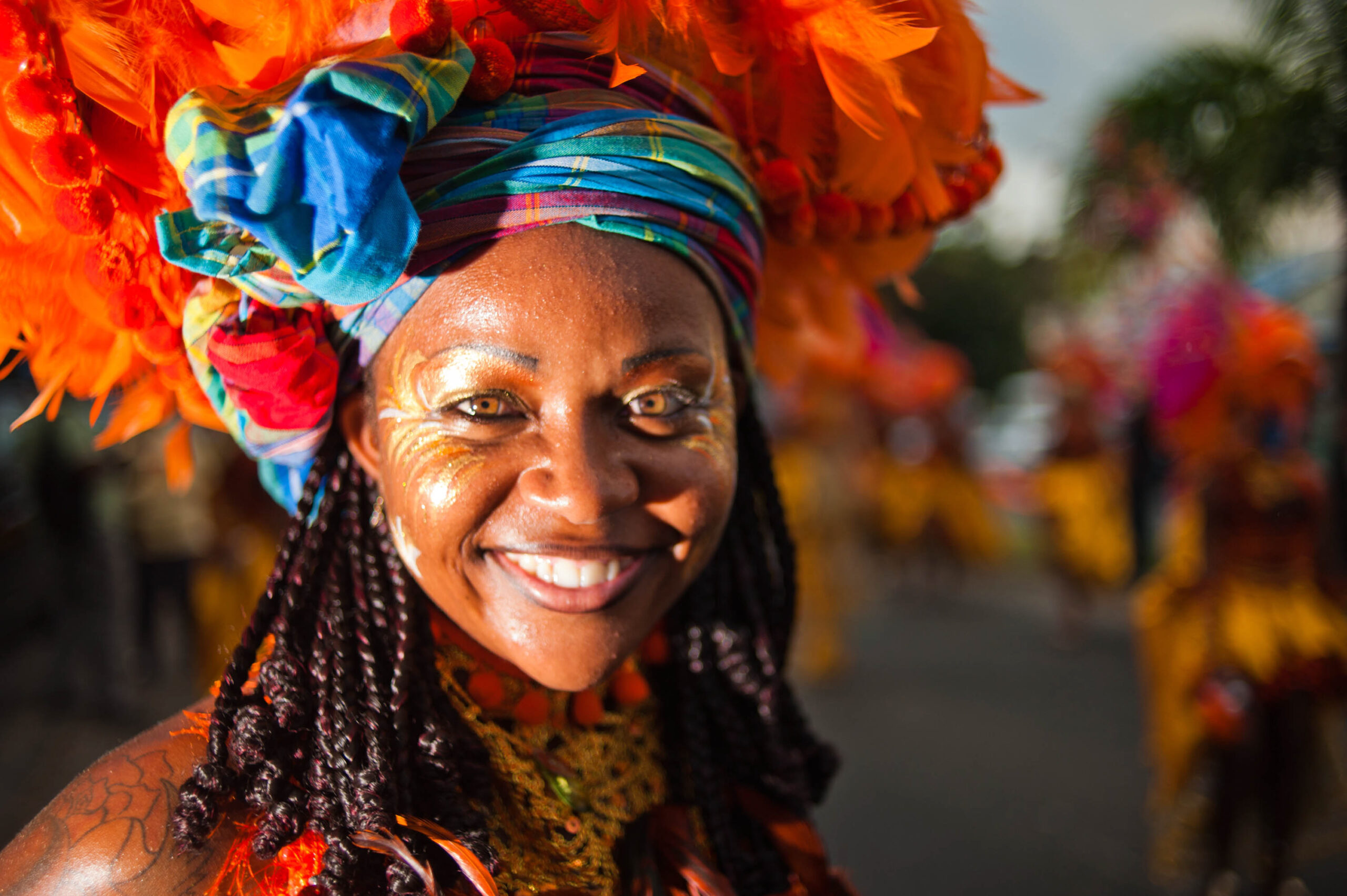
Guadeloupe winter carnival, Pointe-à-Pitre parade. A young woman, performer wearing traditional carnival head-dress(close up outdoor portrait).

The idea of using flash outside might sound blasphemous to most photographers. We all know how amazing natural light can be, especially when using a gorgeous backdrop and some shade. However, experienced photographers know that having too much sun can be just as big a problem as having too little light.

If you’re only utilizing natural light and your shot includes a lot of the sky or water, it’s easy to overexpose and lose detail in your subjects. The opposite can happen when your subjects are heavily backlit, which sometimes you want so your shots have more depth.

But without flash, the sides of your subject opposite from where you’re standing might get underexposed. Then there’s trying to shoot the perfect picture in the middle of the day when the sun is directly above you. This usually causes weird shadows to show up on people’s faces, including the ugly ones under the eyes. With a well-placed flash and umbrella, you can make sure your subjects are exposed can come out looking fantastic.

Have you had success using flash photography in surprising ways or in your photography class work with NYFA? Let us know your flash tips in the comments below!

Free Resources to Improve Your English Language Skills

Looking to improve your English language skills? You’re not alone: according to TESOL, around 1.5 billion people are currently learning the English language around the world. You’re in good company!

There’s no better way of improving your English than by speaking and reading it as much as possible, but there are some useful resources online that can help you along the way…

… and best of all, these are all totally free.

1. Project Gutenberg and LibriVox

Many of the best books ever written are copyright free and publicly available online. Project Gutenberg has over 50,000 books, many of which formatted ready for Kindle and other readers.

But wouldn’t it be more useful if you could hear a native English speaker read them to you?

Luckily, LibriVox has made that possible. They’re aiming to have every book in the public domain turned into audiobooks by volunteers, and there are already thousands of titles on the site. That’s not only entertaining and culturally valuable — it’s very useful for learners of English!

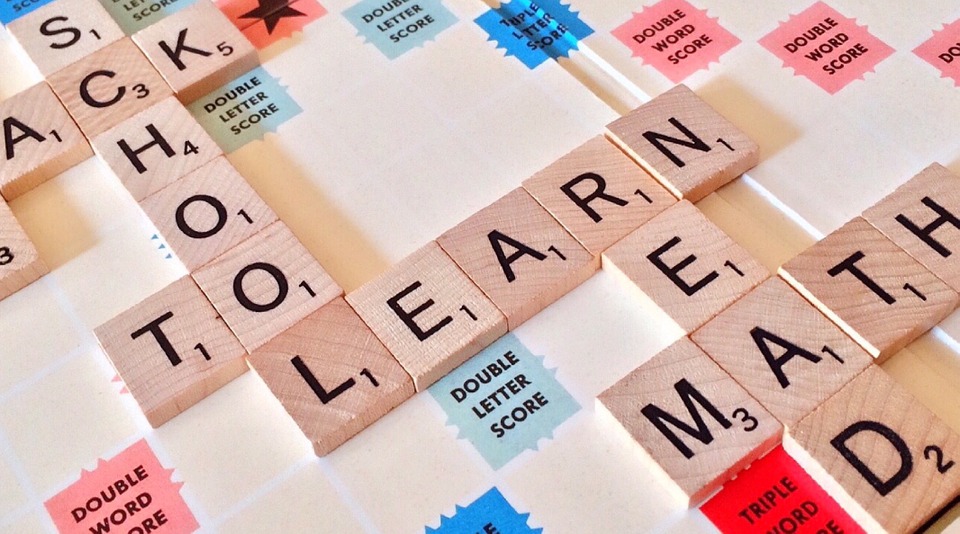
2. Play Scrabble Online

scrabble

Whether you play against the computer or an English speaker on the other side of the world, playing Scrabble in your spare time is a fun way of learning individual words and getting your brain actively thinking about how they’re constructed.

Most online scrabble sites are free — here’s eight of them to check out (though please note we cannot guarantee the security of any site on that list).

3. YouTube

Many use YouTube purely as a source of cat-related entertainment, but it’s also a great portal for learning English.

There are plenty of fun ESL channels that can augment your English studies, and YouTube’s own translation subtitles on other videos is making the entire platform more accessible to non-English speakers.

4. Conversation Exchange

We can’t say this enough: the fastest way to learn English is by practicing with a native speaker as often as possible.

That doesn’t mean you need to go into a bar and start talking to random strangers (which would be terrifying). Instead, try it out from the comfort of your own home or dorm. Conversation Exchange helps you find and connect with a native English speaker to chat with either via text, audio, or video chat.

As your confidence builds, you can even use the service to find language partners in your area to talk with face to face.

5. Go Mobile

With the many apps out there design for ESL students, it’s never been easier to practice and learn on the go. Combined with an effective study plan, these ten apps can help you support the learning process and improve your confidence along the way.

Don’t be afraid to make mistakes, and remember that every word you speak, write or read in English gets you one step closer to fluency.

Good luck!

Posted in ESL

The Power of Nostalgia: Why Shooting with Analog Cameras is Awesome

pexels-photo-31268-large

There’s no denying the many benefits that come from digital photography. You don’t have to worry about film. You save cash on printing costs. You can immediately see your picture to decide if you like it or if you want to reshoot. Not only that, but digital images are also easier to share with friends and on social media pages — and digital photography is more environmentally friendly!

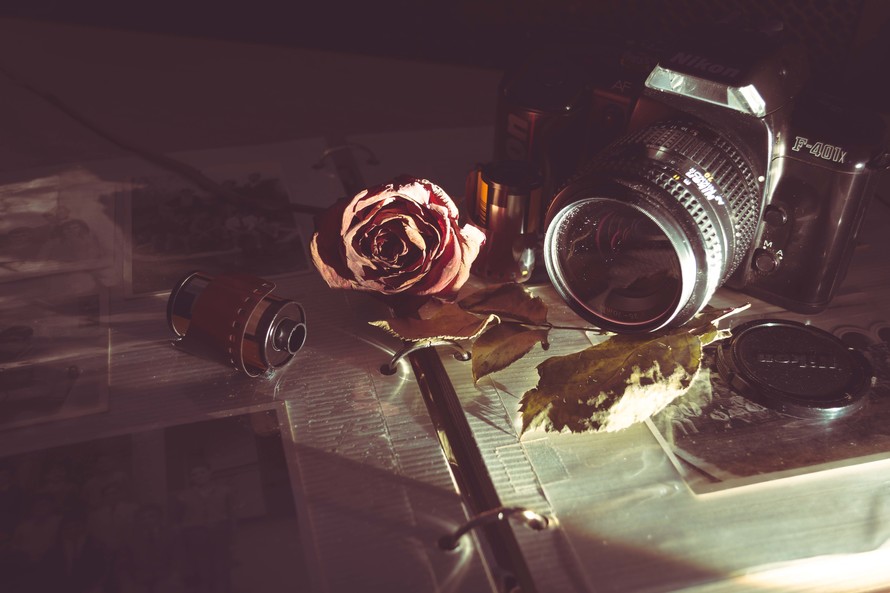
But just like many music lovers prefer the sound of vinyl over CD, so too do many photographers still find value in using analog cameras. In fact, it is widely recommended that all aspiring professional photographers work with an analog camera at least once in their lifetime.

Below are a few of the numerous reasons why we still love our analog cameras:

Great Colors and Dynamic Range

pexels-photo-large

Experienced photographers will admit that most digital shooters are merely trying to imitate the vibrant look that only an analog camera can produce. This is because film has an amazing color palette coupled with a dynamic range of detail in both shadows and highlights. Digital cameras also boast a strong dynamic range, but only black-and-white film theoretically has an infinite number of shades of grey.

This means that it’s very difficult to mess up your highlights; even when you over-expose you won’t get that bleach-white effect, and instead still have some shade of grey. If you do get your hands on an analog camera, take a picture with it and then do the same with a digital camera. After comparing the two you’ll see how much smoother and more natural the film image looks compared to the digital image.

With film, your images look amazing right out of the camera and rarely need photo editing tools like Photoshop. But if you do want to spice up your shot, all it takes is a trip to the darkroom. The most common practices are dodging, which decreases the exposure for areas you want to be lighter, and burning, which instead involves increasing the exposure by darkening the image.

They Can Make You a Better Photographer

pexels-photo-large

When shooting with a digital camera, there’s no consequence for snapping a ton of photos. All you have to do with the bad photos is tap the delete button to never see them again. There aren’t any costs or limits you have to worry about besides digital storage space, which means you can take several shots and hope someone in the family doesn’t have their eyes closed in one of them.

But when you using an analog camera you only have so much film to use, which means you’re forced to be much more selective when taking a shot. Every time you hit the shutter button, you’ve made sure the picture is framed to your liking and that objects and people are in place. You also do your best to get exposure just right to avoid a loss of highlight detail or muddy look.

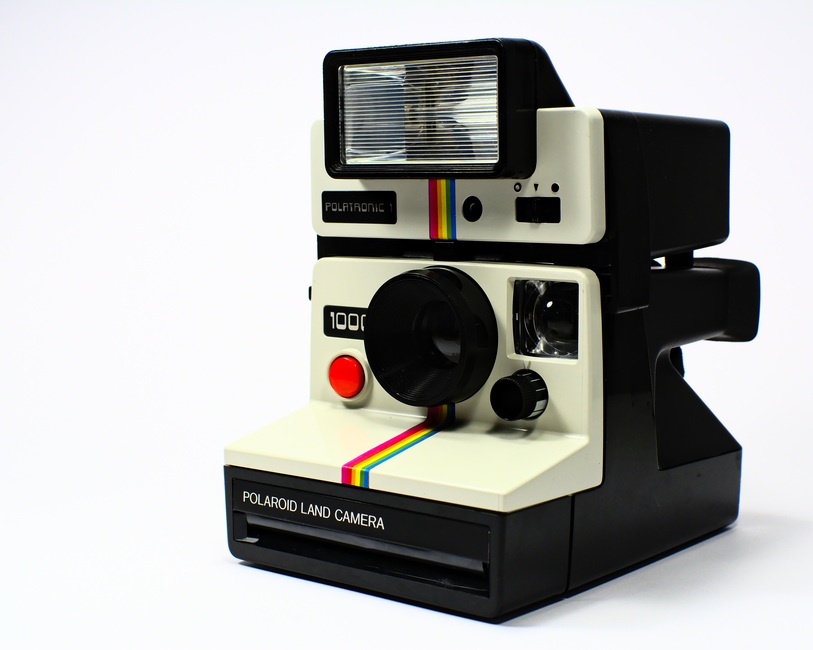
After using an analog camera or even your average Polaroid camera, you may find yourself taking your digital pictures more carefully. This will also save you time during the editing process since you’ll have far less images to work with. And since your pictures were more planned and carefully taken, all the images you have to work with will be of higher quality.

Film Cameras are Inexpensive and Last Forever

polaroid-camera-polaroid-land-polatronic-large

One of the biggest drawbacks of digital photography is the fact that your camera essentially becomes outdated every year or two. This is because a newer, better camera with more megapixels is always around the corner, ready to produce images with more detail. While it’s great that technology allows us to shoot better digital images, even with our smartphones, it’s not fun having to worry about finding the best deals just to keep up.

Analog cameras are different. Images taken on film are always full-frame and have the same image quality as other cameras, eliminating the need to upgrade. Knowing this, one would expect an analog camera to be very expensive. While this was true 20 or 30 years ago, now it’s pretty easy to find a decent 35mm camera affordably, just to get a taste of the film camera experience.

That being said, using an analog camera does require you to buy and develop film, which costs money. But when you do the math, spending cash on film ends up being less costly than upgrading a digital camera every few years.

Which analog cameras do you absolutely love to use? Let us know in the comments below!
5 Steps to a Better TIFF Experience

Toronto_at_Dusk_-a

Now that we’ve closed the Toronto International Film Festival 2016, it’s a great time to pause and reflect on what we’ve learned and how we can apply that to future film festivals and industry events. Attending TIFF, by day three I was seeing attendees with dark circled eyes from lack of sleep, humpbacked from the weight of all their gear, and pausing on the street to rub at their sore feet. With so much to see, not just at the festival but throughout Toronto, it can be difficult to convince oneself to invest in self-care. But with a 10 day long festival, ignoring your body could mean you miss out.

Try our 10 steps to a better TIFF next year — and try these out at any other festivals, industry mixers, and special events this season!

Get Good Walking Shoes

shoespexels-photo

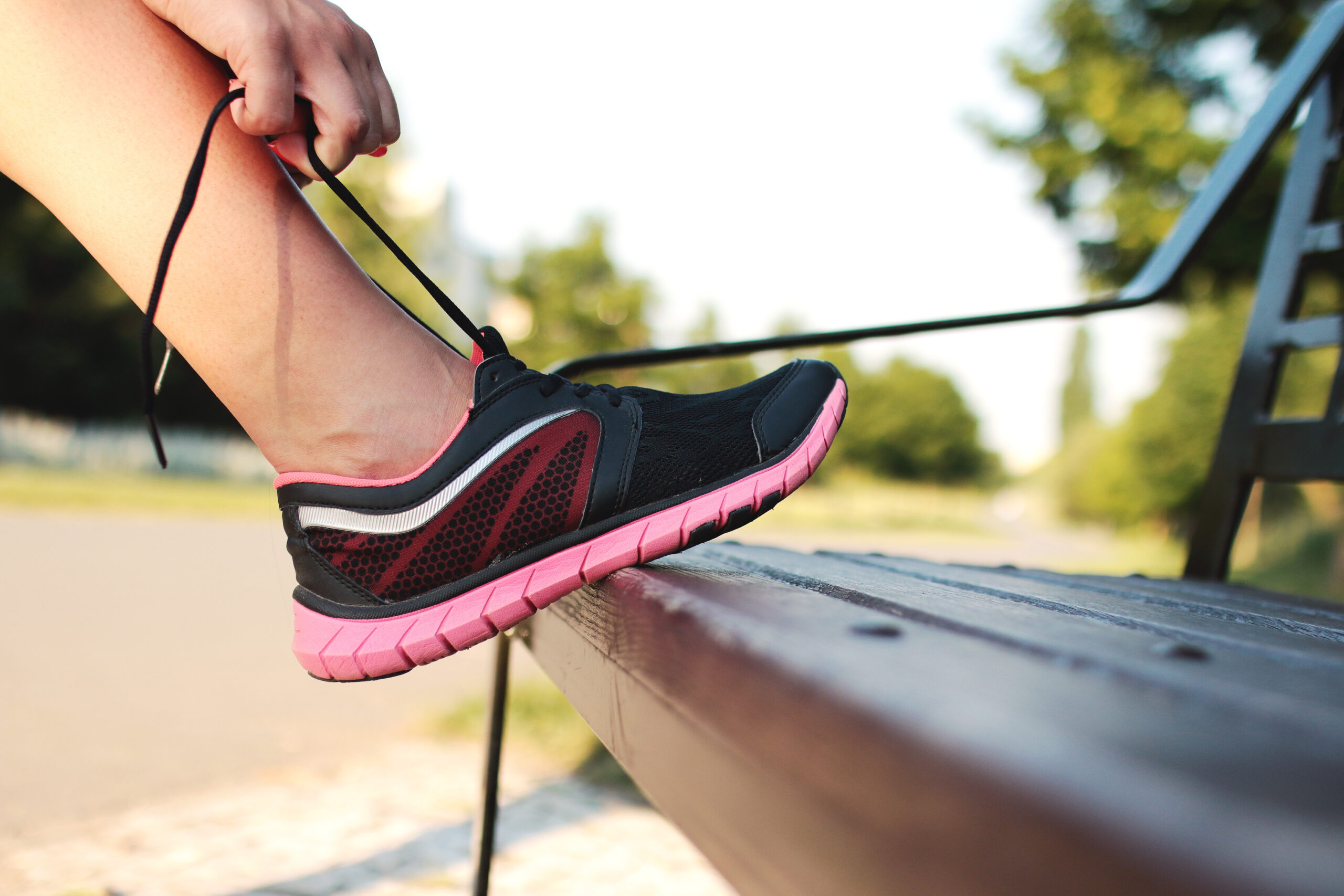
Toronto International Film Festival is spread over about six miles. And, yes, public transportation is great. It’s fast, reliable, and inexpensive. But after about 10:30 a.m. the busses start to fill up. If you’re attending the festival as a film buff this won’t be a problem. But if you’re showing a film, photographing an event, or attending an event promoting your film, you’ll be hauling gear or wearing fancy clothes — and you might want to skip the bus.  You could order a taxi or an Uber, but that cost will climb quickly.

So, what are you to do?

Strap on your best shoes and get ready to walk. For TIFF, I recommend arriving a day before the festival. Pick up a map at the convention center. Then hit every theater on the map. Learn the shortcuts through parks, which streets will be blocked off, and where the rush lines will be formed. This information will make the next 10 days a breeze and your FitBit will think you’ve transformed into a tri-athlete.

The universally applicable takeaway? For any industry event, make sure you know where you’re going, how to get there, and a backup plan of how to get there — then allow plenty of extra time.

Make a Plan But Don’t Marry It

planner13570219064_ac3608d5b3_b


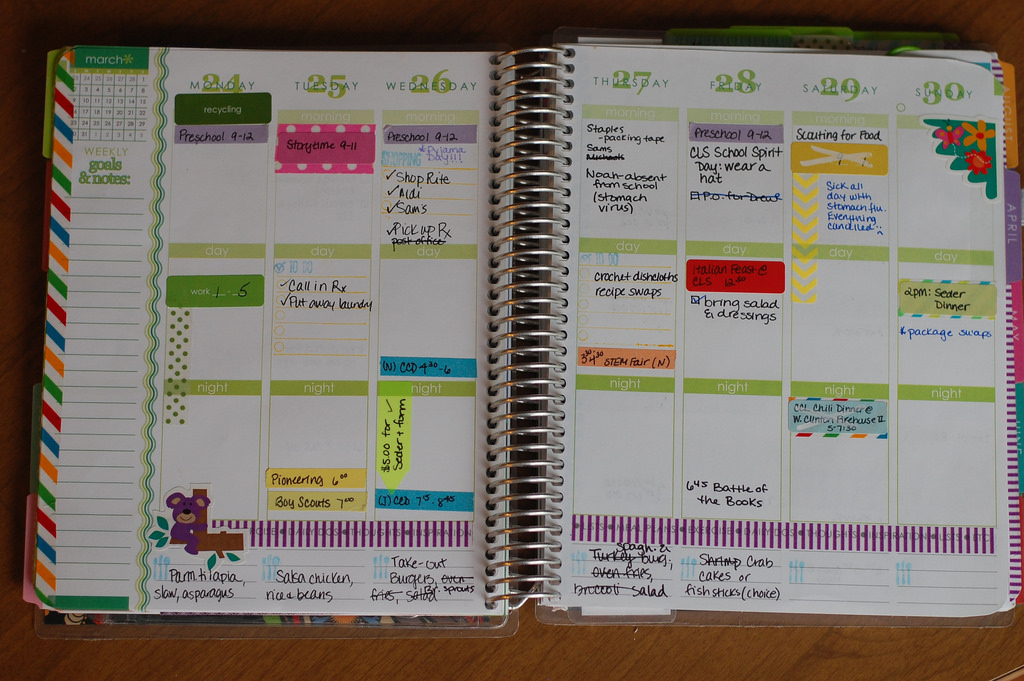
As previously stated, there’s a lot to do once you get to TIFF. Do yourself a favor and make a plan.

TIFF provides a color coded calendar on their website labeling each event. There are little descriptions in the calendar. Circle every event you hope to attend. Then place every event in a Google Calendar or a travel calendar you can have on you at all times. I prefer Google Calendar because it can send you an alert 10, 15, or 20 minutes before the event. If you place the location of the screening or event in the calendar you can also use Google Maps to navigate instantly, if you skipped step number one.

Now that you’ve cured your fear of missing out, be prepared to chuck the entire plan. Listen, when you’re walking around the Toronto International Film Festival you’re going to find so much to do. This year Express set up a pop up clothing store, Lindor released a new candy and were giving out bags for free, McDonald’s gave out free coffee accompanied by a live DJ performance, and Pure Leaf gave out thousands of samples of their tea. There were free concerts and red carpets and local street performers. Downtown Toronto is lined with the mouthwatering smells spilling out of restaurants.

Don’t miss an amazing opportunity to explore something new.  The universal takeaway for any industry event: plan ahead, but be open to surprises.

Hydrate and Eat

Multi-use_water_bottle


This may sound like common sense advice, but it’s so easy to forget that each day at a festival is like two days in your normal life. With concerts, free food, speakers, conferences, and, of course, film, there’s something to do from sun up to sundown. The fear of missing out is real.

If you decide to follow our first rule, you’ll be walking back and forth all day.

Dehydration leads to fatigue, which means you’ll be moving slower and thinking slower — not a good look if you’re trying to present your work. A good rule of thumb is to keep a bottle of water in your bag. Before you leave the theater, fill up at the water fountain. Try to drink two bottles of water a day and you’ll be ahead of the crowd.

With so much to do it’s likely your adrenalin will get pumping. It’s difficult at times to slow down to eat, but luckily there are so many restaurants around town. King Street is littered with cuisine from around the world. Money won’t be an issue. There are street carts selling everything from hot dogs to falafel. Restaurants range from Canadian favorite Tim Horton’s to Starbucks to McDonald’s on the cheaper side to high end seafood restaurants and everything in between.

Universal takeaway for any industry event: hydrate and eat. You’ll want to be at your best, and you need fuel.

Do More Than The Festival – Meet the Locals


Toronto is an amazing city. Apparent in their architecture, they’ve managed to fuse the old with the new. Pockets of communities surround the downtown area. The Entertainment district is right downtown. Here you’ll find film financiers, publishers, and distributors. Head over to Kensington Market to explore vintage clothes shopping, classic coffee houses, and beautiful street art.

If there’s one stereotype that’s true about Canada, it’s that the people here are incredibly friendly. Even in the financial district it’s not uncommon to stop and strike up a conversation with curious locals. By sitting down with citizens, you can learn about hole in the wall dining, shortcuts, and, best of all, local events. Just because TIFF is in full swing doesn’t mean Toronto is slowing down. The Blue Jays are in the middle of an amazing series, the World Beach Volleyball Tournament is taking place, and soon the World Hockey Games will be kicking off. Locals can give you insight into the secret world behind TIFF.  

Universal takeaway for any industry event: focus on the people and chat with the locals, and you’ll likely discover something incredible.

NETWORK!

Young_Chamber_Networking_Function


Everyone who is anyone attends these festivals. You never know to whom you’re talking, so be sure to ask. As I stood in the rush line for Netflix’s new show, “ARQ,” I struck up a conversation with a woman in line. We talked about the films we saw and which were our favorites, and then we began to talk about what we do. She said she was industry but when I pried a little further, it turned out she was a huge producer. She was At TIFF trying to make deals with Netflix, supporting friends, and locking in actors. We had such a good time she invited me, and a guest, to an industry event the same night. All this came because I turned around in a rush line to ask a question.

Universal takeaway for any industry event: you never know who you might meet. Really.

That’s it. Those are the essential rules to a better TIFF. If you weren’t at TIFF try applying these tips to other industry events. If you’re attending a play don’t be afraid to explore the area around the theater. Turn to the person next to you in line and ask them about their day. Come with a plan, but be ready to embrace the moment. You never know what you might find.

How the 2016 Presidential Election is Changing Journalism

presidential


Election season is in full swing here in the United States, which means journalists all over the country are doing the same thing they do every four years — delivering news to American citizens. Of course, the way people receive their news has been changing drastically over the last decade or two.

Only 15 years ago, no one had mobile phones, blogs, and social media sites. Now, our news has exploded through the digital, mobile, and social media landscape. 

Thanks to the 2016 presidential election and two “interesting” major candidates, we’re seeing that technology has a greater impact on broadcast journalism than ever before. Digital video is ubiquitous. Journalistic integrity is more critical — and more impactful — than ever. Thanks to a very unusual election cycle, it’s easy to see that aspiring broadcast journalists must navigate an industry of increasing complexity and importance, and have perhaps more responsibility than ever when it comes to communicating with the public. This is partially why the Broadcast Journalism programs at NYFA concentrate on equipping future journalists with the diverse cross-disciplinary skills, experience, and ethical awareness necessary for the reality of 21st century journalism; journalism is changing, and changing fast. And it matters, a lot.

Here are some of the biggest ways this upcoming election has changed the game when it comes to how people communicate — and consume — news.

Domination of Social Media

images

Arguably the most significant new technology today, social media has taken a major part in the coverage of the 2016 election. From Facebook and Twitter to Tumblr and Reddit, there are plenty of online sources for people to get their news. But how much larger is social media’s influence today than, say, 10 years ago?

According to Pew Research Center, only eight percent of Americans used social networking sites in 2005. But by September of 2013, than figure changed to 73 percent. Now, we’re seeing a dramatic increase in older voters using social media to follow political figures and get their election news.

For broadcast journalists, social media offers the perfect platform for delivering news in many ways, like linking articles, posting messages, and the use of full motion and digital video. With Facebook and Twitter, journalists are also able to engage their audience of thousands like never before.

Now, the question of delivering all social media news fairly is more important than ever. What’s stopping Twitter and Facebook from implementing algorithms that favor a specific political party, subtly skewing election coverage? There’s already heavy speculation that Twitter curates trending hashtags, which means that what you see as the most popular topics may not actually be the most popular. And there’s no law regulating a social media platform’s power to do this. And, on the flip side, how do journalists navigate the ethical side of social media news? This is a new frontier, and a very important question for the future of media consumption.

Mobile Dethrones Other Platforms

peoplephones

There was a time when the popular way to obtain news was via newspaper, television, and radio. But with the rise of mobile phones, these classic news sources have seen a decrease in use.

According to Pew Research Center’s 2016 report, daily newspaper circulation fell by seven percent, and newspaper ad revenue also fell by eight percent, between 2014 and 2015. In other words, fewer people are looking to print publications for their news — even when there is no election going on.

And what about radio? Although it isn’t as prominent as before, FM radio still makes up 54 percent of all listening. Another popular listening platform is the podcast, which allows you to download and consume audio whenever you desire. Newer podcasts even display images along with the audio, while vodcasts include video clips as well.

As for television, research shows that the number of late-night local news viewers has fallen as much as 22 percent since 2007. Local TV stations are still seeing an increase in revenue and audience growth in 2016 — which is common during election years — but it seems only older Americans still depend on television. Millennials tend to rely on alternative news sources.

The slow decline of these stalwart media platforms is all thanks to the advent of the smart phone. People don’t need to switch on a radio or television to receive news, much less flip through a black-and-white text. Instead, news and information from all over the world is already available in the palm of their hands — on a device most of us carry at all times.

In keeping with the times, broadcast journalists are turning more to apps and social media pages in order to do their job. And this certainly applies in the case of covering the 2016 Presidential Election.

Credibility in Question More Than Ever

confused

We’ve already talked about how big social media sites can get away with “curating” the news you see. Just last month, Facebook began changing their trending feature after an outcry from political conservatives.

The fact is, accusations of bias in broadcast journalism are nothing new. But thanks to new platforms and software, questions of authenticity are on the rise. There’s no denying the rise of Adobe Photoshop and other powerful graphic editing tools, and their questionable presence in journalism.

Of course, we know that the media manipulating photographs and other images is nothing new. But with so many people flipping through their social media sites and (sadly) believing everything they see, using altered images can prove more influential than ever before.

On top of facing increased scrutiny in an ever-broadening, increasingly cluttered landscape, broadcast journalists now face the challenge of providing honest, authentic news and images across a huge spectrum of platforms when everyone else might not be playing fair. Now more than ever, integrity and professionalism are key. This is why, as Bill Einreinhofer, NYFA’s Chair of Broadcast Journalism, observes: “NYFA students learn the ethical responsibilities that come with being journalist. It’s not just a ‘job.’” Indeed, broadcast journalism is a calling — and an essential social service, made more social than ever in this changing landscape of news consumption. And the world needs multimedia journalists capable of working across platforms to deliver truth to a growing digital audience.


Actors: When to Voice an Opinion

A_rehearsal_in_Rakvere_Theatre's_small_stage,_2013.

Actors are arguably one of the most important visible elements in the theater or on screen. As a primary collaborator in the art of visual storytelling, the question of when and how to assert an opinion or suggestion is vital to the work of the actor and can make the difference between being seen as an asset or a liability by the production team.  

Depending on who you’re working with, collaboration and can be joyous and inspired or nearly impossible, and it’s always very important to find the most professional and respectful way to voice any opinion. Whether you’re struggling to communicate with a director or you’re in an environment that welcomes input, there’s a right way and a wrong way to assert yourself on set or in rehearsal.

The following are a few simple tips to consider the next time you want to share a thought or two with the production team. Finding the proper etiquette can work wonders in creating a positive working environment and resolving conflict.

Show, Don’t Tell

Most actor input is made via acting choices. Stella Adler famously said, “The talent is in the choice,” so if you have a suggestion about your role, try to incorporate that into your performance as early as the audition process to give the production team a sense of your individual take on the character or role. In addition, ask yourself whether you need permission to go with a choice since, in most cases, the most efficient way to communicate with a director is to show them what you’re thinking. Explanations can often be time consuming and murky. Just do it. If they hate the choice, they’ll let you know.

Make Sure You’re Informed


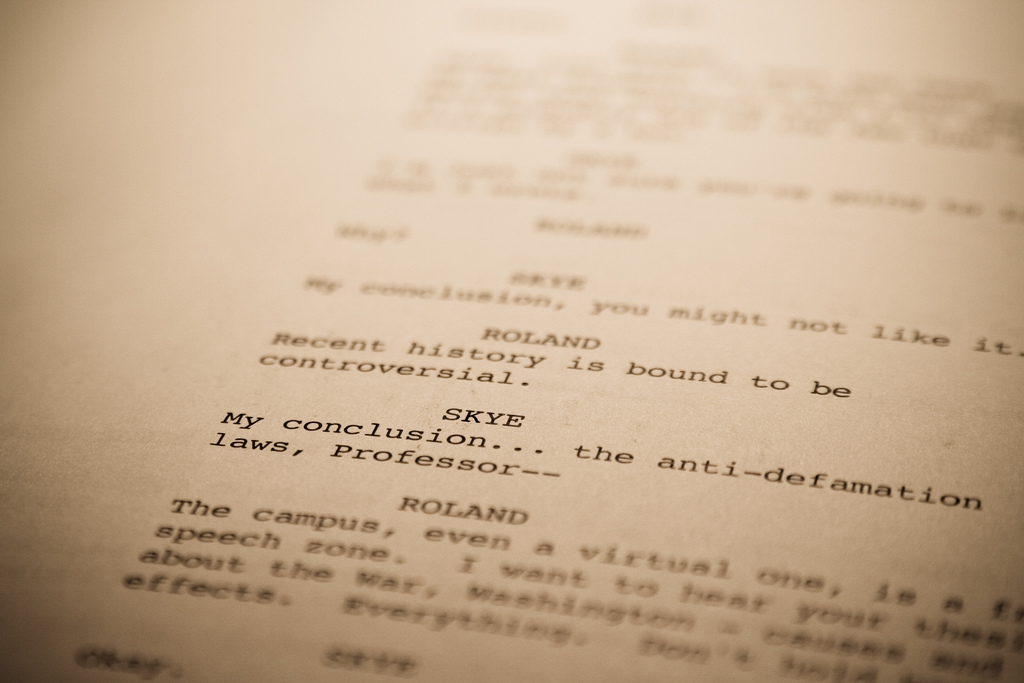
screenplay

The first step to being a strong collaborator is investing in the big picture. Actors who not only understand their role but the overall plot, theme, style, and atmosphere of a project are respected and valuable collaborators. Jay Roach, the director for “Dinner With Schmucks,” says of Steve Carrell, “Most actors give you two or three usable takes out of 10, but with Steve eight out of ten are great, each in a different way, each playing off decisions he made in an earlier scene or is going to make later. He has the extremely rare ability to run the entire movie in his head. And it’s probably a better movie than the one I’m going to make.”


As an actor, your responsibility is to analyze the script so you completely understand the character and how its creators want to see them performed. Writers and directors are counting on you to be an expert on your character and the function of that character in the overall story. You’ll find your ideas and opinions are received with more weight when you can demonstrate a full understanding of the script, including what the character truly represents in relation to the entire project.

It’s All in the Timing

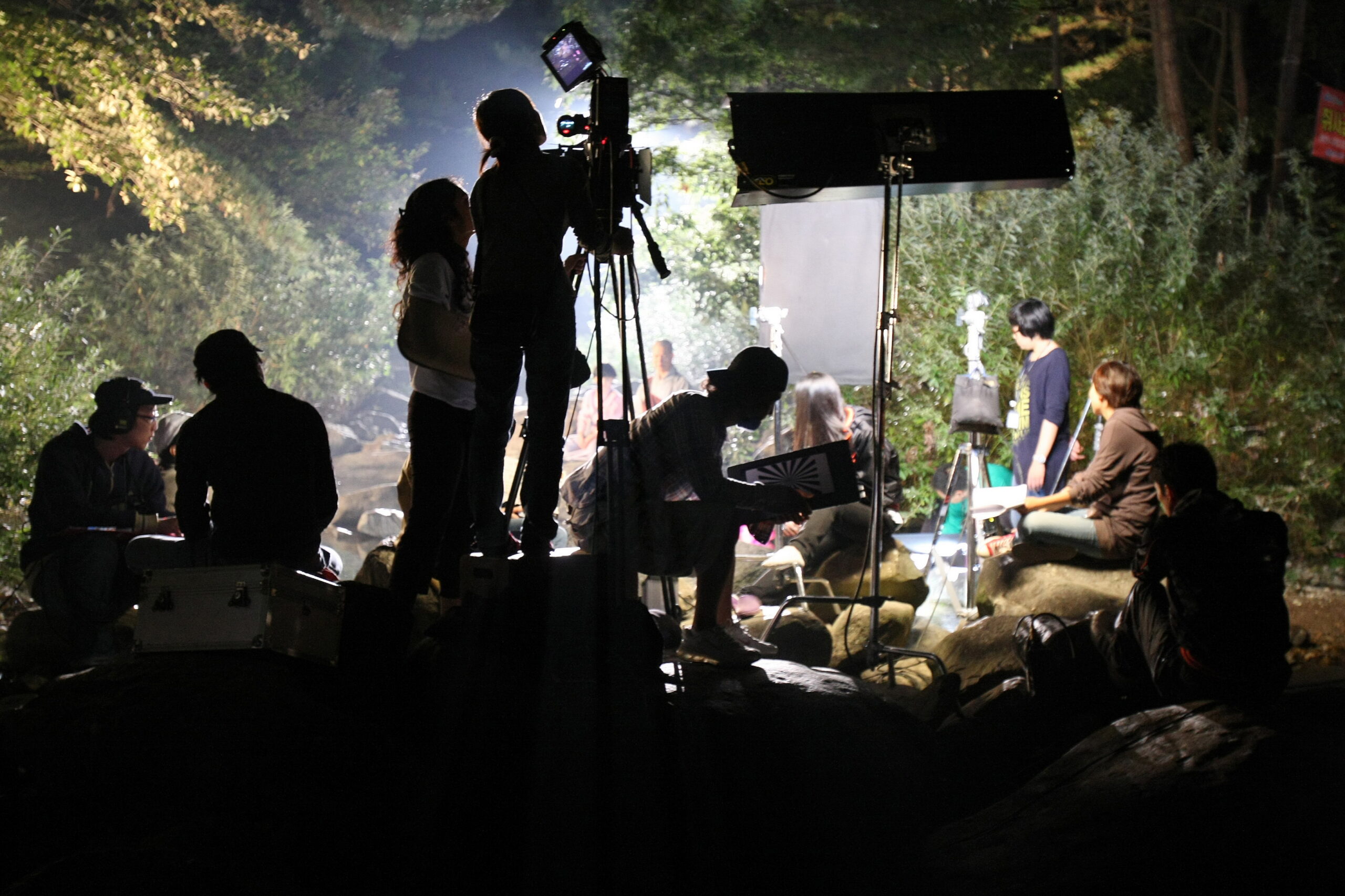
081004/AFA 2008/Production 3(B)/Jang San Temple/PHOTOLUDENS_bangbyanghak

Being able to discuss common ground with your fellow creators shows them that you’ve not only formed a strong foundation for the character, but also that you respect everyone’s time and work and have the project’s best interests at heart — but sometimes it’s just not the right time to make a suggestion.

If the production is running behind on time, tempers are high, another actor just made a suggestion, or the shooting or rehearsal sequence is complicated, your idea may not be welcome no matter how solid your analysis has been. Before contributing, pause and make sure your input will be constructive and useful. A good rule of thumb is: does it need to be said, do I need to say it, and do I need to say it right now. Knowing when to stay silent or waiting for a better opportunity or idea is as important as making the right suggestion.

Pay Attention to the Approach

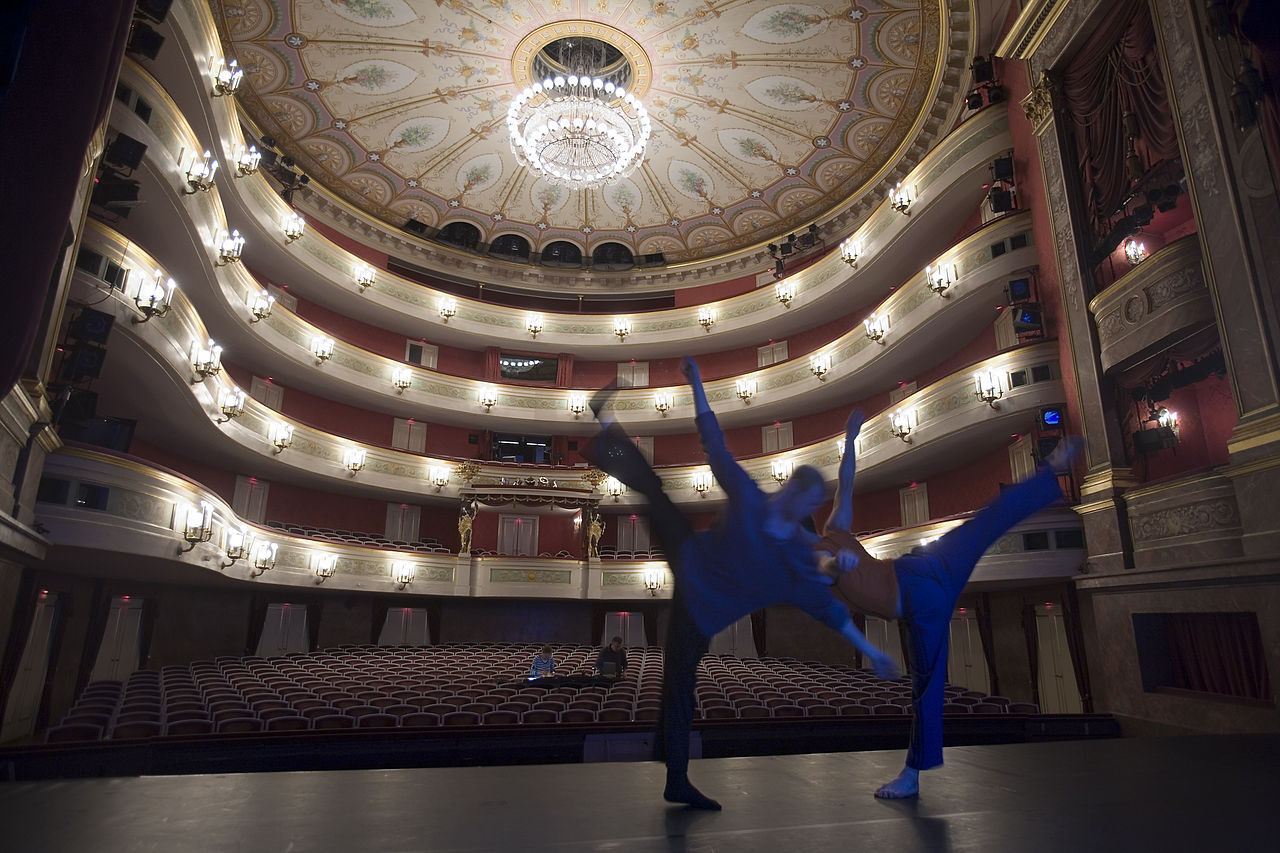
Munich_-_Two_dancers_lit_in_blue_rehearsing_-_7905

There’s nothing worse than developing the reputation of being difficult on set or in a rehearsal room, so it’s extremely important to take the temperature of your collaborators and working environment and your place inside of that. Leads or stars are often also producers on a project and their position allows for a higher level of input than a day player or extra.

Before voicing your opinion, think carefully — especially if you know your idea may overstep your authority with a fellow actor, crew member, etc. Sharing a good idea can sometimes prove very beneficial to the entire production, but don’t earn a reputation as an actor who slows production or “thinks out loud” to the detriment of those around them.

And always, always make sure to play the positive. There’s a big difference between saying, “I have an idea I’d like to try with this line,” and, “This line is terrible and needs to be changed.” To maintain a healthy relationship with your fellow actors and crew, be sure to express your opinion in a way that’s sensitive to their point of view.

Weight the Risk vs Benefit

riskvs-reward

With all this in mind, you don’t want to run the risk of always withholding your ideas out of fear of reprisal. If you’ve got a solid, well-timed idea that will work in the production’s favor, the risk you take may be well worth it in the end.  Many productions value and encourage brave actors and actresses who are willing to speak up and share ideas and input. And sometimes, when the actor ditches the script and goes with their gut feeling like Harrison Ford did when his Han Solo responded to Princess Leia’s “I love you” with “I know,” the moment becomes iconic and enters film history.

Have you had a positive experience in voicing an opinion on set or on stage? Let us know in the comments below!