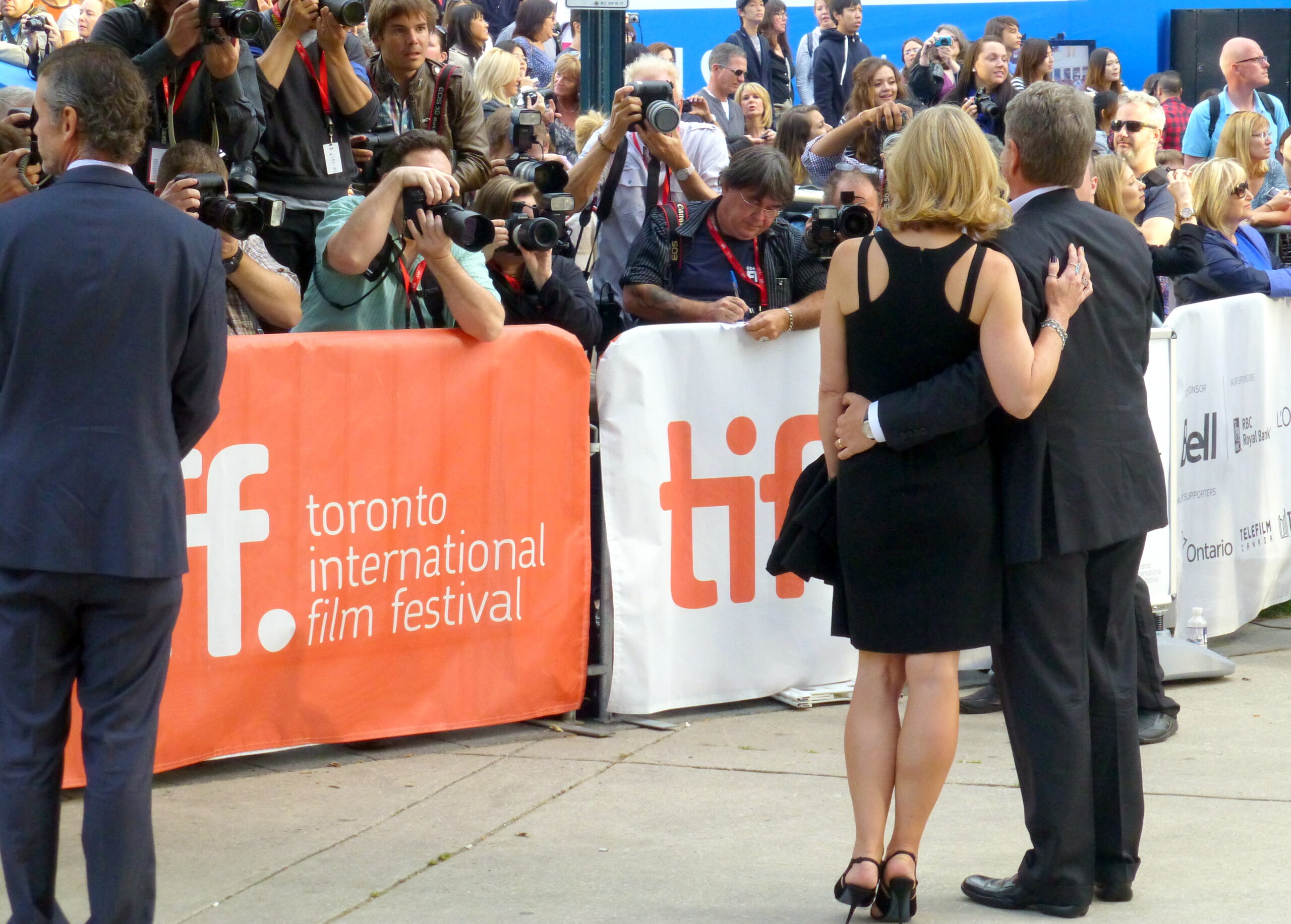
Everything That Makes the 2016 Toronto Film Festival Great

2013_Toronto_Film_Festival_August_42_(9737708544)

Aspiring filmmakers and movie enthusiasts are always looking forward to September. The Toronto Film Festival never fails to inspire, providing us with a look at promising movies, rising stars, and the veteran actors and actresses we love to see on the big screen. This year’s Toronto Film Festival is full of all the reasons reasons why each year we count down the days until this legendary event begins — plus a few extra reasons for the NYFA community to get excited.

NYFA Alum and Instructor Screening Films

This year, the Academy is especially proud of two of our own who debuted new work at Toronto: alumnus Eric Janvier and editing instructor Bob Eisenhardt both screened original films. Their two movies are:

“Gods Acre” – directed by Kelton Stepanowich and produced by NYFA alumnus Eric Janvier.

“Citizen Jane: Battle for the City” – directed by Matt Tyrnauer and edited by NYFA instructor Bob Eisenhardt.

Congratulations! This is truly an accomplishment worth celebrating. And there is plenty more at the festival to get excited about…

The Oscar Buzz
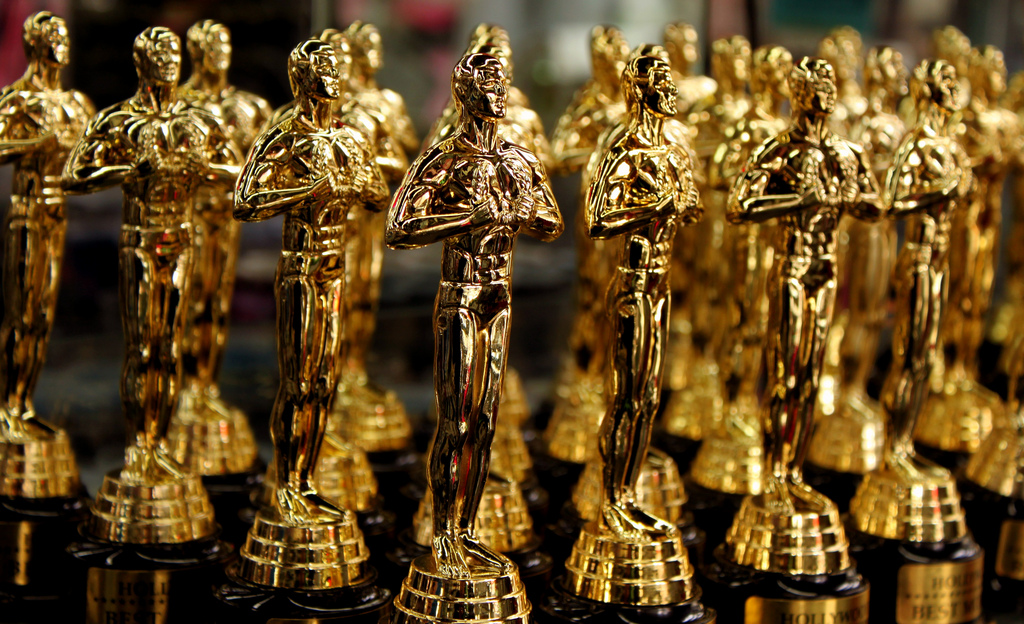
oscars

While many films are shown during the 10-day event, only so many of them are considered great — and of those great films, even less receive Oscar buzz. It just wouldn’t be the Toronto Film Festival without a handful of movies already receiving enough acclaim and positive reviews to be considered worthy of an Oscar nomination.

One of these films is “The Finest,” directed by Lone Scherfig and starring Sam Claflin, Gemma Arterton, and Bill Nighy. And “Moonlight,” a coming-of-age story adapted from a biographical play and co-produced by Brad Pitt, is also making waves at TIFF 2016 — enough that the word masterpiece is already being thrown around.

After being a hit at the Venice Film Festival, “Jackie” continued its bid for Oscar contender by being well-received at this year’s event as well. Directed by Pablo Larrain and written by Noah Oppenheim, this film stars Natalie Portman as Jacqueline Kennedy and is set during the immediate aftermath of John F. Kennedy’s assassination.

The Rising Stars

One of the best things about the Toronto Film Festival is that you can expect to see some of your favorite actors and actresses. Of course, it’s also exciting seeing up-and-coming stars begin their ascent to fame  by featuring in a project shown at the anticipated event.

Sophie Nélisse is a 16-year-old Canadian actress doing just that as part of the Rising Stars program. Mylène Mackay, Jared Abrahamson, and Grace Glowicki are other young talents to keep an eye on at this year’s festival and beyond.

The Premieres
movie-theater

There’s no shortage of things to check out at every Toronto Film Festival, and this year’s event is no exception. Of course, the reason this renowned film festival remains influential after 40 years is because it gives people a first look at the next films to hit theaters across the globe.

The show kicked off with the premier of “The Magnificent Seven,” a remake of Akira Kurosawa’s classic “Seven Samurai” starring Denzel Washington. Leonardo DiCaprio’s environmental documentary “Before the Flood” also saw its first showing at the event. The film features DiCaprio himself as he campaigns to bring awareness about the threat of climate change.

Other notable premieres include “Nocturnal Animals” starring Amy Adams and Jake Gyllenhaal, sci-fi film “Colossal” starring Anne Hathaway, and Ben Wheatley’s “Free Fire.” 3D musical comedy “Sing” was another anticipated premiere with Matthew McConaughey, Reese Witherspoon, Seth MacFarlane, Scarlett Johansson, and John C. Reilly being only a handful of the many big stars offering their voices for the film.

The Best Dressed Stars

Each day gets off to a stylish start as beautiful ladies and gents hit the red carpet. While some Hollywood people attract the wrong kind of attention with their attire, this year we are seeing plenty of fashionable stars making their presence known the right way. Among these include Reese Witherspoon and her trendy off-the-shoulder floral brocade dress made by Ulyana Sergeenko Couture.

Other A-listers who wowed us with their wardrobe choice include Natalie Portman, Scarlett Johansson, Amy Adams, Camila Alves. On the men’s side, guys like Matthew Mcconaughey, Gerard Butler, Armie Hammer, Leonardo DiCaprio, and Christian Bale.

What were your favorite moments of TIFF 2016? Let us know in the comments below!
Mastering the Art of Minimalist Graphic Design

Minimalist design can be done with even the simplest of tools and software. And yet, no other art or design trend compares when it comes to the number of fields minimalism has impacted. From the internet and user interfaces to video games and film, the influence of minimalism can be seen in most places you look today.

So why isn’t minimalist design a well-known and popular style? The short answer is simply that minimalism is less a visual style and more a principle. A minimalist design is a design that only uses the most essential elements, including basic shapes and limited color palettes, to create something that’s very simple yet memorable.

As an aspiring graphic and visual designer, understanding and utilizing minimalist design is a valuable skill that can make you stand out. Here are some of the most basic yet essential tips for mastering minimalist design:

Go For Less But Meaningful

The best minimalist websites only utilize elements that are essential for the web design. This includes doing away with needless graphical elements that may distract the viewer and affect both usability and readability. By keeping things simple, you are better able to direct the visitor’s attention to the main element or idea that the site is meant to convey.

The less elements there are to bombard the viewer, the more likely they are to focus on the product or idea being showcased. This means using limited layouts and color palettes while still making available only the most useful tools, such as intuitive and easy-to-find navigational elements.

Keep Things Balanced

One of the challenges of creating a minimalist design, especially a web page, is making sure everything harmonizes visually. Since you’re using fewer elements to begin with, it becomes much more obvious when a particular element causes an imbalance. This is especially true when your design uses a lot of white space to draw more attention to certain elements.

For this reason, a lot of graphic designers use a grid system. Organizing your website design into a grid layout can help keep things visually balanced and evenly distributed. Using a grid alignment allows you to be creative with your design while making sure all the vital elements line up in a pattern that’s satisfying to the human eyes.

Choose Your Color Wisely

We already mentioned the importance of allowing large areas of white to draw more attention to other elements. But when deciding which colors to use, go for shades that offer the feeling you want to convey to visitors. A minimalist design uses only a few colors that work well together and help create the emotion you want for the site.

Since minimalism restrains the use of colors, a very powerful tool in the hands of a minimalist graphic designer is contrast. Extreme contrast can be the key to creating an eye-catching element that impacts the visitor and fills them with a desire to learn more. This strategy isn’t effective on a site with many colors already in use, which is why it’s a popular trick used on minimalist designs to make their site easier to read and user-friendly.

Use Simple Yet Impacting Typography

The heart of every minimalist graphic design is a font that’s clean, simple, and easy for people to read. Instead of using bizarre fonts and colors, stick with a direct typography that’s minimal but aesthetically pleasing. Of course, there’s still room for creativity in how you present your text.

Many great minimalist designs use big typography instead of images to capture the viewer’s attention. In websites, you’ll often find larger typography for the header in order to make important information both obvious and memorable. Using a mix of different font sizes is a great way to keep a page with little content from becoming boring. The different sizes help take up some space and add visual interest without creating the same clutter that using images might.

Innovative Music Videos Aspiring Filmmakers Should See

Screen Shot 2016-08-31 at 1.50.02 PM

For the last few decades, music videos have grown to be an important part of the music industry. Once seen only as marketing tools, music videos eventually came to serve as a new medium where musicians and filmmakers could express themselves.

While there are countless amazing music videos all filmmakers should check out, below are some of the most innovative. Whether these videos used a clever animation technique or did more with less cash, they’re all worth enjoying — and perhaps even learning from.

“Take On Me” – A-ha

The music video for this catchy ‘80s tune left viewers mesmerized by its use of rotoscoping. This technique involves using a combination of live people and places with pencil-sketch animation. This style helped the video set itself apart from others at the time, giving it a strong romantic fantasy feeling.

This creative music video won a total of six awards at the 1986 MTV Video Music Awards, including Best Concept Video and Best Experimental Video. Aspiring filmmakers can learn from A-ha’s attempt at doing something different and unique instead of sticking to less-risky ideas.

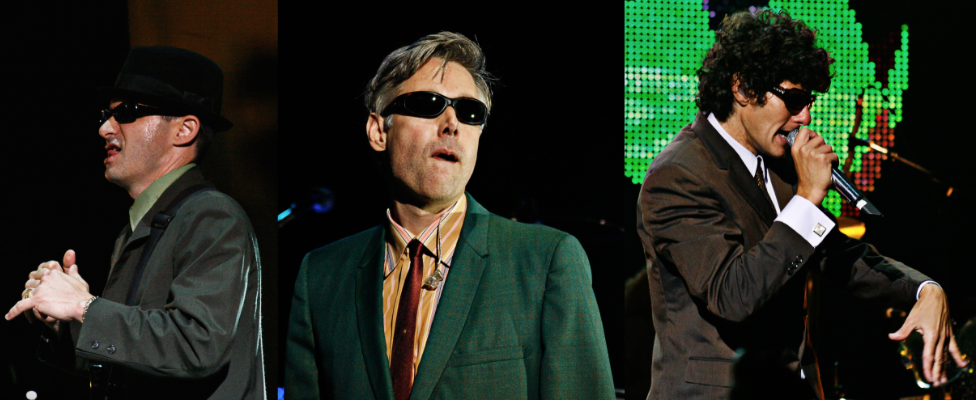
“Sabotage” – Beastie Boys

Screen Shot 2016-08-31 at 1.52.33 PM

This 1994 hit song came with a music video that pays tribute to classic crime series from the 1970s. It serves as a parody to the action-packed opening credits of fictional cop dramas like “Starsky and Hutch,” “Hawaii Five-O,” and “S.W.A.T.”

Although the video didn’t win any of its nominations at the 1994 MTV Video Music Awards, it remains relevant in popular culture. At the 2009 MTV Video Music Awards, it was awarded “Best Video That Should Have Won a Moonman.”

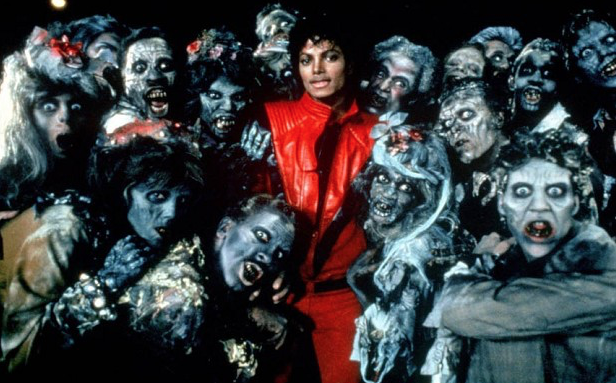
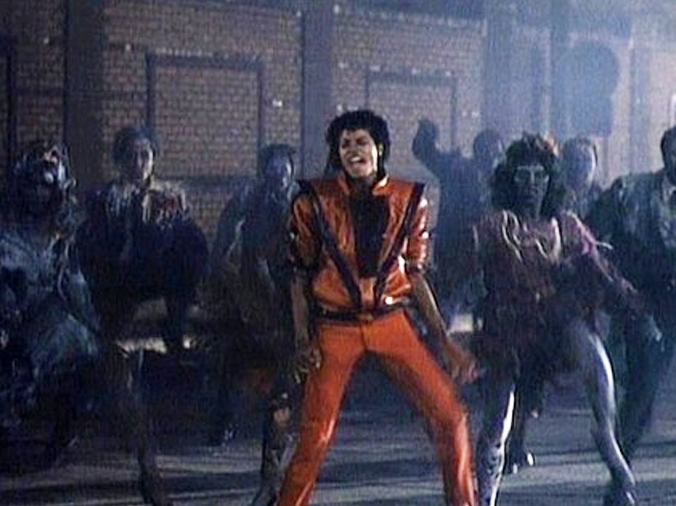
“Thriller” – Michael Jackson

Screen Shot 2016-08-31 at 1.53.18 PM

There was a time when people across the world weren’t just waiting for another feature film or music album to release. Instead, they counted down the days until Michael Jackson, the late King of Pop, would release another music video.

This is all thanks to his monstrous hit “Thriller” and the lengthy video that accompanied it. The effort Jackson put into this project made people start seeing music videos as not just a promotional tool but as an unique work of art.

“Here It Goes Again” – OK Go

Screen Shot 2016-08-31 at 1.53.56 PM

Time and time again, American rock band OK Go has shown us how creativity will always be more important than how much money is spent. They have gained a following for creating numerous music videos that go viral on Youtube and social media despite budget constraints.

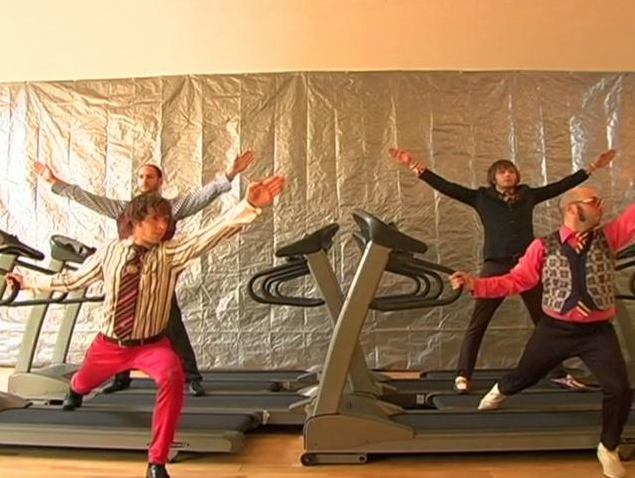
One of their best efforts is the music video for “Here It Goes Again,” which earned them a Grammy Award for Best Short Form Music Video in 2007 as well as the 2006 YouTube award for Most Creative Video. The video features one continuous take as the band dances together on treadmills.

“Sledgehammer” – Peter Gabriel

Screen Shot 2016-08-31 at 1.54.44 PM

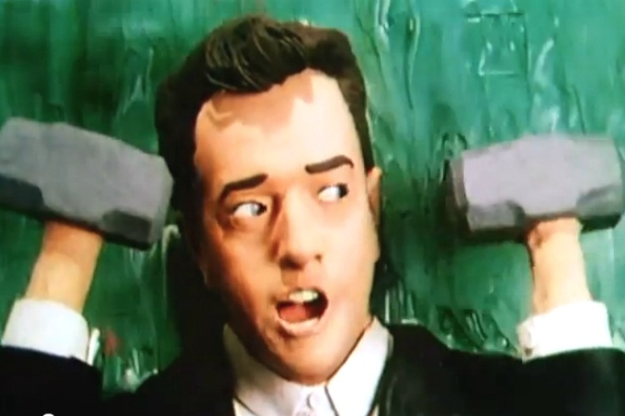
The music video for this 1986 song used a combination of live-action and stop-motion animation to create a whimsical experience that ties in perfectly with the song. From dancing oven-ready chickens to chalkboard roller coasters to faces formed out of food, there’s no shortage of creativity.

If anything, the video showed how far one can go with dedication and passion. Creating this video required Gabriel to lay under a sheet of glass for over 16 hours. This music video won nine awards at the 1987 MTV Video Music Awards, making it the video with the most wins.

“Lost In The Echo” – Linkin Park

Screen Shot 2016-08-31 at 1.55.19 PM

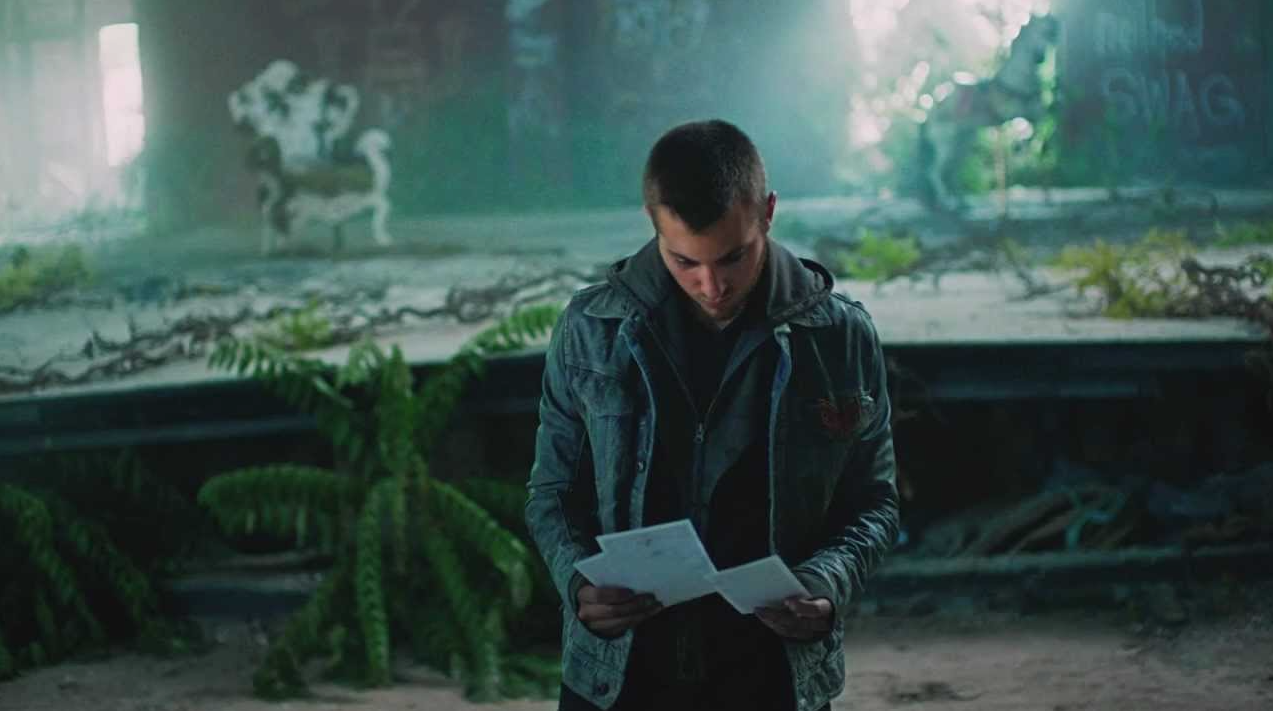
The video for “Lost In The Echo” is unique in that it connects to your Facebook account and uses your pictures to weave the video’s narrative. It is one of the most innovative attempts at an interactive video that uses today’s social media technology to draw viewers into the world of the song.

Linkin Park won Best Interactive Music video for “Lost In The Echo” at the O Music Awards. Although most viewers found the personal photos humorous rather than moving, the video is a big step forward in the realm of interactive music videos.

Are you a filmmaker who loves music videos? Let us know your favorites in the comments below!

Celebrate Fashion Week the Film-Lover’s Way

Screen Shot 2016-09-09 at 5.43.33 PM

New York Fashion Week is in full swing, which means fashion lovers all over are ready for their first look at anticipated trends and lines. Suspense and enthusiasm are high this year: Jimmy Choo celebrates their 20th anniversary; spring 2017 trends will be revealed from Tom Ford, Tommy Hilfiger, Marc Jacobs, Prada, and more. Glitterati, designers, celebrities, and students will pour over livestreaming photos and press releases. Professionals and students alike can check up on everything from the hottest runway photos to valuable interviews with top editors and designers in the business. With a full week and a packed schedule for each day, there’s no shortage of things to watch this year.

Of course, movie fans also have plenty to be excited about as the 2016 Toronto International Film Festival also launches in early September. Filmmakers and actors will be looking to make a name for themselves by showing off the projects they’ve been hard at work on. The festival also has plenty of star power as well, including movies featuring some of the best actors and actresses of today.

What better way to participate and celebrate the spirit of both these high-profile, taste-making events than with a list of excellent films that both champion and reveal the world of high fashion? Since we’re in the spirit of both fashion and filmmaking, we’ve created a round-up of movies that every fan of fashion and film should check out. Enjoy!

“The First Monday in May” (2016)

The Metropolitan Museum of Art curated its most-attended fashion gala ever with “China: Through the Looking Glass,” spearheaded by Anna Wintour. This documentary directed by Andrew Rossi offers intoxicating behind-the-scenes access. Viewers are transported to a rarified world, and it’s easy to see why “The First Monday in May” became an instant audience favorite. Passions clash and mingle between the elite of two separate but inextricably linked worlds: fashion and art.

“The September Issue” (2009)

This acclaimed documentary film gives viewers a behind-the-scenes look at the challenges and drama that come with producing a big fashion magazine. “The September Issue” focuses on editor-in-chief Anna Wintour and her crew as they scramble to produce the September 2007 issue of American Vogue magazine, the most important issue of the year.

A good number of renowned designers, models, and photographers from the fashion magazine world appear, including Coco Rocha, Patrick Demarchelier, John Charles Galliano, and more. The highlight of the film is the clashing yet symbiotic relationship between Grace Coddington, a model-turned-director, and the aggressive Anna Wintour.

“Breakfast at Tiffany’s” (1961)

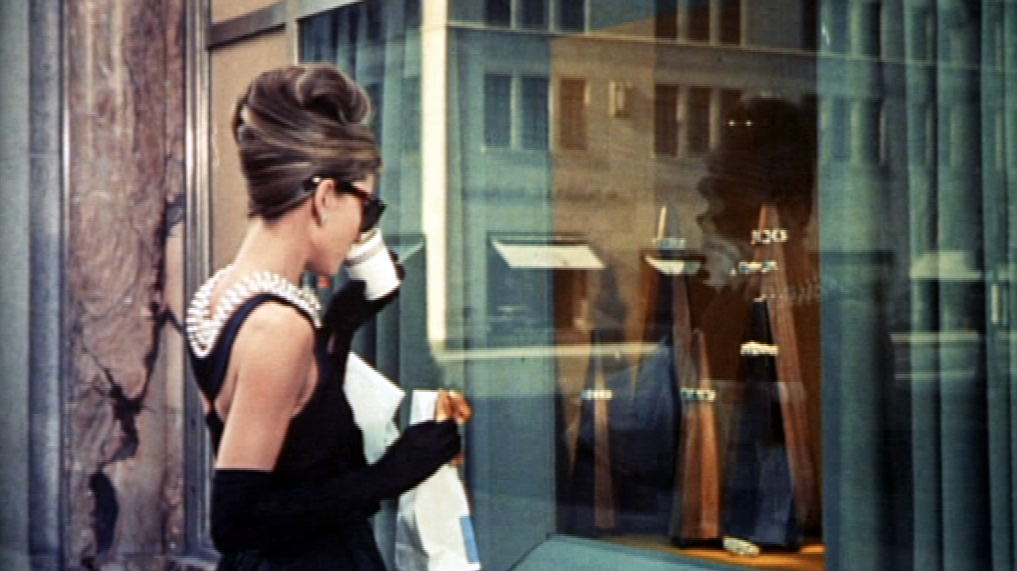
Despite releasing more than 50 years ago, “Breakfast at Tiffany’s” continues to be regarded as one of the best fashion movies ever made. This beloved film stars the iconic Audrey Hepburn as an eccentric socialite obsessed with living a life of glamor and wealth.

“Breakfast at Tiffany’s” won two Academy Awards, had three nominations, and is worth watching for Hepburn’s outfits alone. Many of them set fashion trends that continue to this day, including her use of a little black dress for formal events.

“Prêt-à-Porter” (1994)

If you’re in the mood for a humorous take on the Parisian fashion industry and enjoy seeing the comical side of major film stars, “Prêt-à-Porter” (Ready to Wear) is a great choice. This satirical comedy film was shot during Paris Fashion Week and features an impressive number of international stars, designers, and models.

Although this film was actually a box office bomb, it’s worth checking out just for the star-studded cast alone. Starring roles and celebrity cameo appearances include Julia Roberts, Naomi Campbell, Rupert Everett, Cher, Sophia Loren, Christy Turlington, Marcello Mastroianni, Linda Evangelista, and dozens more. Of course, “Prêt-à-Porter” is probably best known for a famous catwalk scene that features several minutes of nude female models.

“The Devil Wears Prada” (2006)

https://youtu.be/XTDSwAxlNhc

David Frankel’s comedy drama starring Meryl Streep and Anne Hathaway is arguably one of the most popular fashion movies of the last decade. The film, which is an adaptation of a book with the same name, tells the story of a naive fashion intern (Hathaway) trying to break into the New York fashion industry scene as the co-assistant of Miranda Priestly (Streep), an influential fashion magazine editor.

“The Devil Wears Prada” is a nod to the challenges that come with working in the fashion world, including the career hurdles, demands, and difficult people you might encounter. Streep’s character, a cruel and unrelenting fashion boss, is widely believed to be inspired by Anna Wintour, an icon in the fashion world known for her demanding personality.

“Confessions of a Shopaholic” (2009)

Based on Sophie Kinsella’s “Shopaholic” novels, this romantic comedy stars Isla Fisher as a shopaholic journalist and Hugh Dancy as her boss. Dancy’s character hires the young journalist and shopping addict to write columns in his magazine Successful Savings, which she does with instant success. However, to keep up her facade as a financial guru she must hide the fact that she is herself a compulsive shopper in massive debt.

“Confessions of a Shopaholic” is not meant to be an epic love story or profound look at the fashion magazine industry. Instead, it’s simply a charming movie that features all the dreamy fashion and aspirational moments you could ask for.

Let us know your favorite fashion films or fashion week moments in the comments below!

7 Movies Every Acting Student Should Watch

Screen Shot 2016-08-31 at 12.40.54 PM

What better way for aspiring actors to glean valuable insight about their chosen trade than by watching acting movies: films about people trying to make it in this hectic yet rewarding industry? Watching an actor deliver a memorable performance and getting caught up in a film that tells a riveting behind-the-scenes story about the entertainment business can boost your own motivation and inspiration. 

We’ve created a roundup of some of the best movies featuring stories about actors who are facing the real-world challenges that come with their profession. But don’t just take our word for it. Experience as many amazing film performances as you can. So enjoy — and absorb — some great acting insider stories. There may be much to learn in these films — and even if you’re not an acting student, there’s certainly much to enjoy!

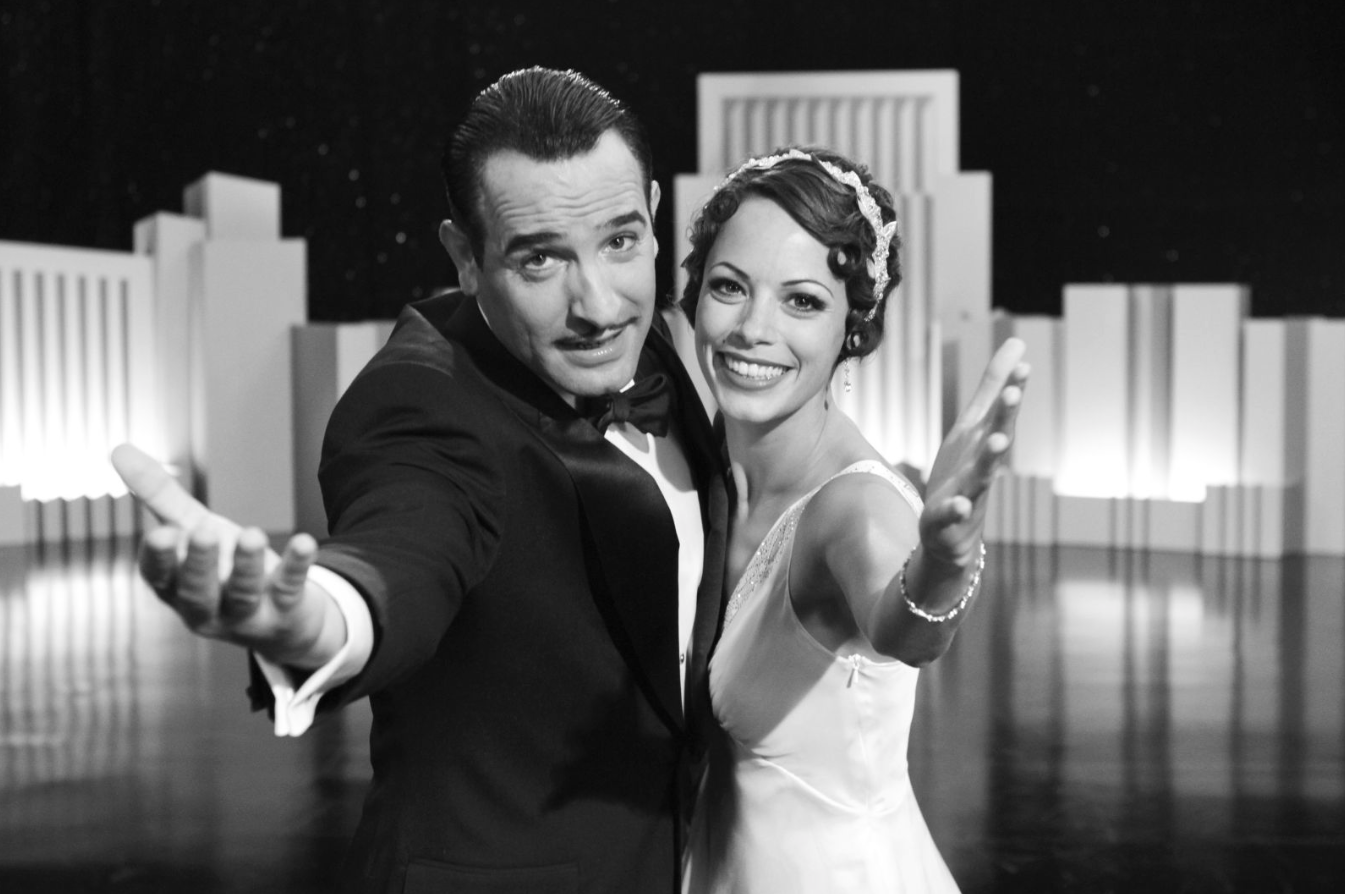
1. “The Artist” (2011)

Screen Shot 2016-08-31 at 12.41.38 PM

This French romantic comedy-drama made waves in 2011 for its stylistic boldness, imitating classic black-and-white silent films. “The Artist” tells the story of a silent movie star in the 1920s who meets a young dancer. Together, they rise through the industry while earning prominent starring roles. But eventually their careers go in opposite directions when the arrival of talking pictures takes place.

2. “Mulholland Drive” (2001)

This neo-noir mystery film tells a captivating story about an aspiring actress who becomes friends with an amnesic woman at her new home in Los Angeles. The film deals with following one’s dreams and finding an independent identity — two powerful themes for an acting school student looking to break into the industry. David Lynch’s film also gives viewers a fictional taste of the darker side of Hollywood.

3. “Tootsie” (1982)

“Tootsie” is about an actor named Michael Dorsey whose reputation for being difficult causes his career to falter. Dorsey, played by Dustin Hoffman, decides to pose as woman in order to land a job on a soap opera. He has a good time with it until he falls in love with a woman named Julie (Jessica Lange), and his gender charade becomes complicated. One of the best things about this movie is its humor — aimed at soap operas, show business, and, of course, love.

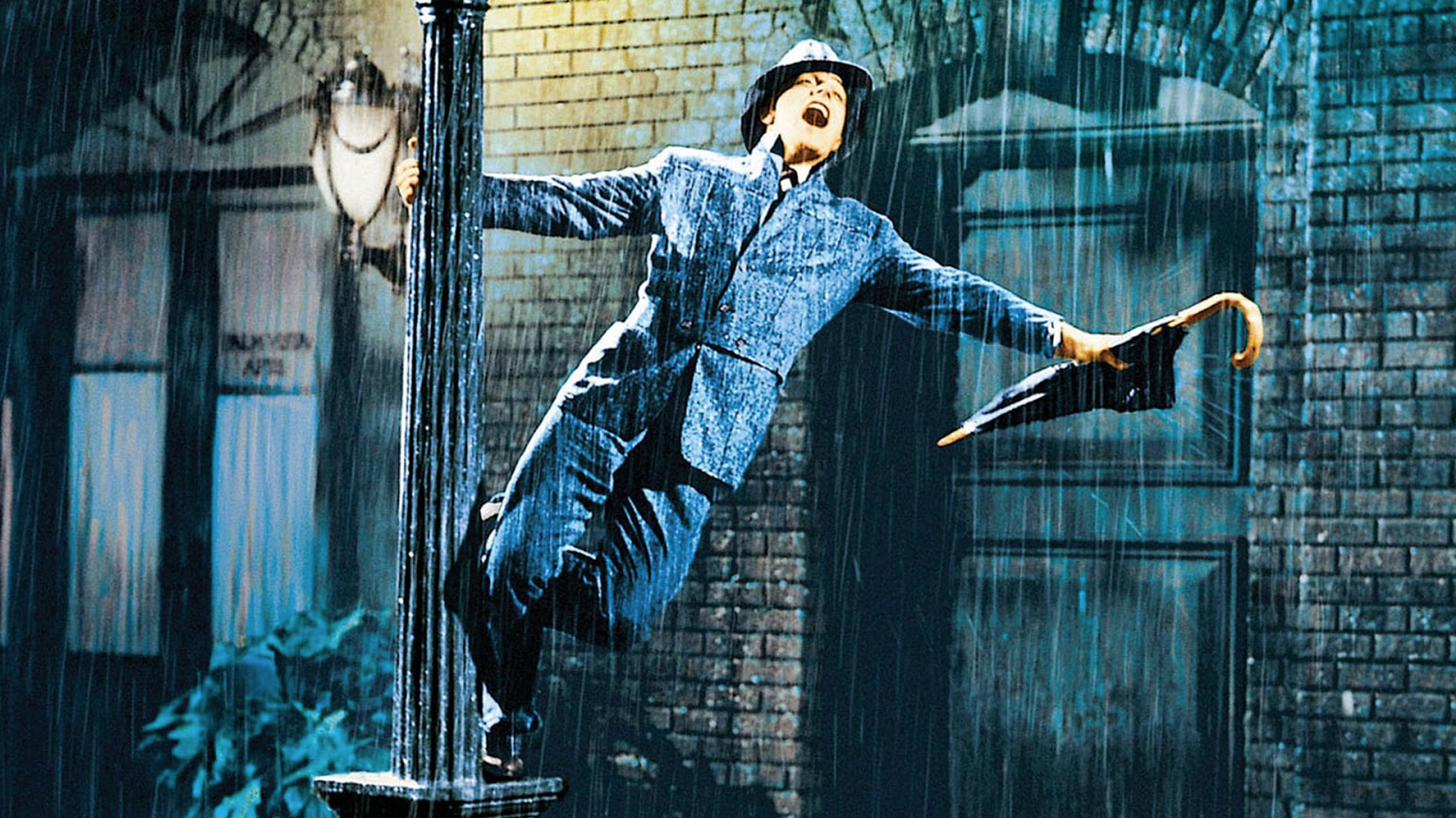
4. “Singin’ in the Rain” (1952)

Screen Shot 2016-08-31 at 12.42.25 PM

Despite releasing more than half a century ago, this gem is still considered one of the best musical films of all time. “Singin’ in the Rain” follows a Hollywood studio and its actors as they’re forced to transition from silent film to sound. The film boasts more than a dozen songs and is a perfect inspirational story for aspiring actors who struggle with finding the confidence to step out of their comfort zone and find success in a new area.

5. “All About Eve” (1950)

A suspenseful acting-themed film offering a compelling and chilling look at ambition, talent, and obsession, “All About Eve” is about an acclaimed but aging Broadway star named Margo Channing (Bette Davis). Margot’s existence is threatened when a young fan suddenly enters Margo’s life, plotting to replace her both professionally and personally. This iconic drama film was nominated for 14 Oscar awards, a feat that and has only been tied by one movie since: 1997’s “Titanic.” Acting students will receive a master class in acting not only from Davis, but also from Anne Baxter, who won an Oscar for her portrayal of the diabolically complex title character, Eve.

6. “The Truman Show” (1998)

This satirical comedy-drama has one of the most unique stories of any film about actors. In “The Truman Show,” Truman Burbank (Jim Carrey) lives a simple life as an insurance salesman. That is, until he discovers that his entire life is actually an elaborate reality show aired all across the globe that everyone knows about — except him. This film is worth watching for Carrey’s awesome performance as well as its comical but insightful parody of the entertainment industry.

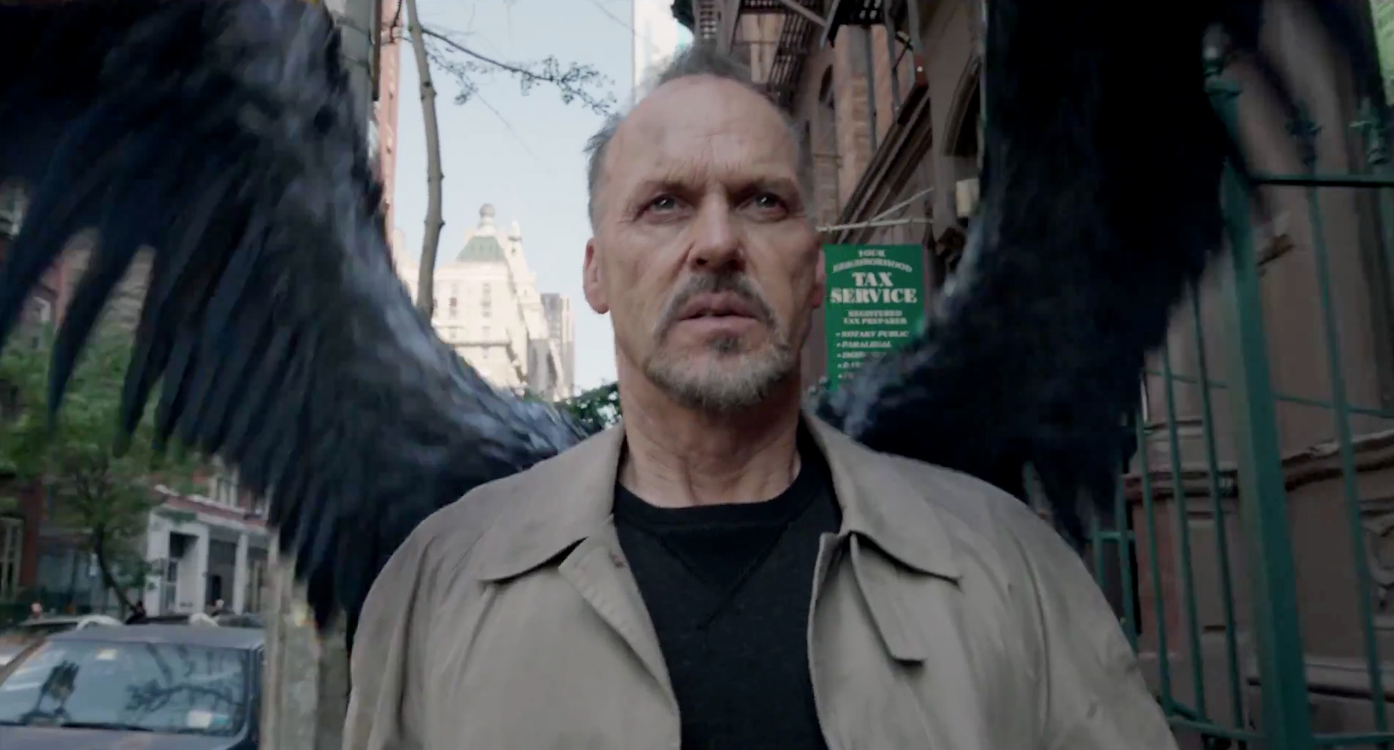
7. “Birdman or (The Unexpected Virtue of Ignorance)” (2014)

Screen Shot 2016-08-31 at 12.43.12 PM

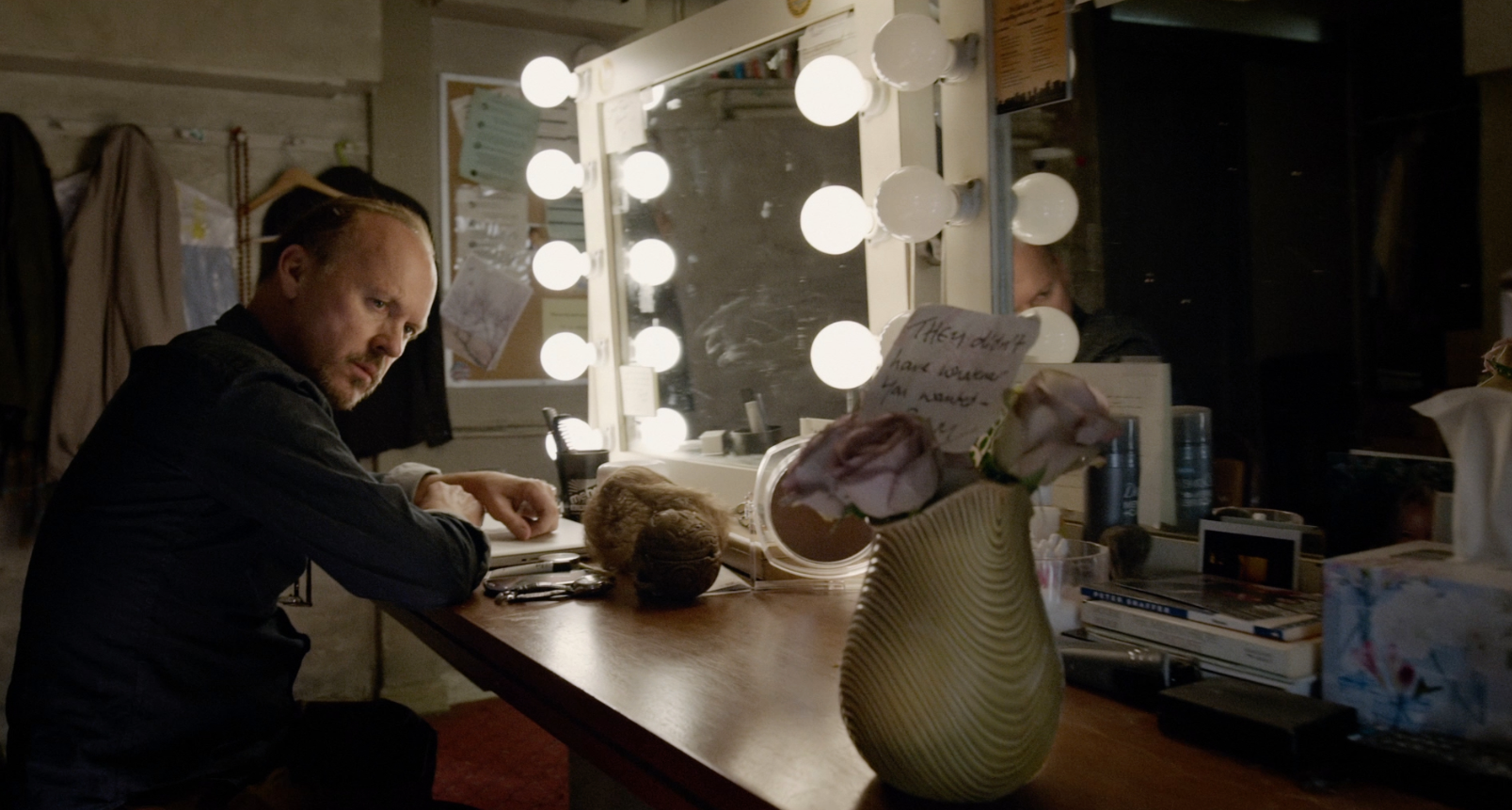
“Birdman” is a satirical black comedy-drama starring Michael Keaton that acting students of every discipline should watch for its soulful, contemporary portrayal of one actor’s battle to mount a Broadway show — and salvage his own identity. The story is about Keaton’s character, a washed-up Hollywood actor remembered only for his portrayal of a superhero named Birdman, as he tries to regain fame while performing in a Broadway play. This acclaimed film won several Academy Awards, including Best Picture, Best Director, Best Cinematography, and Best Original Screenplay.

Gain an introductory understanding of the craft of acting through our 4-Week Acting for Film Workshop. Taught by professionals in the film business, this workshop is an intensive hands-on program that teaches students the fundamentals of acting for the screen. Visit our 4-Week Acting for Film Workshop page to learn more.

How to Plan an Effective Shooting Schedule

How to Plan an Effective Shooting Schedule

Given that it can quite literally make or break a production, the value of a good shooting schedule cannot be understated.

“But I’m not working on a multi-million dollar shoot,” many students of filmmaking cry. Or they protest, “I don’t have time to plan everything in advance.”

Herein lies the rub: whether you’re working on a summer blockbuster or a $500 short with a couple of friends, planning a shooting schedule will not only save you a lot more time than you put into it, but it’ll also make the experience a whole lot easier (and, ergo, more enjoyable).

You probably don’t have the luxury of a three-month shooting window. If anything, the more pressed for time you are, the more you need a shooting schedule.

Screen Shot 2016-08-29 at 1.30.42 PM

Don’t make the mistake of heading out to set determined to work it out as you go. A good shooting schedule will reflect in the quality of your finished production, so here’s a helpful guide on how to implement one.

Tips on Planning a Production Schedule

For the purposes of this post, we’re going to go ahead and assume you’re scheduling for a short or feature film (though much of the advice applies to TV scheduling too).

Get Everyone on the Same Page

You’re busy. Your assistant director is busy. The sound guy is busy. The cast are all off on other jobs.

We understand it. You’re busy.

All the more reason why it’s imperative to try and get as many of the pre-production staff as possible into an initial meeting, where you can discuss scheduling. And yes, this meeting in itself can be a feat of scheduling!

The aim here is to cut down on the amount of information you’ll have to relay to people not present for the initial meeting. There’s nothing worse than setting a preliminary schedule only to have to start from scratch when you later find out the cinematographer is unavailable for your proposed shooting week.

Screen Shot 2016-08-29 at 1.31.42 PM

Thankfully, in this day and age it’s easier to keep people in the loop…

There’s an App For That

Alongside the staples like Skype and Google Docs (if you’re not using cloud sharing in pre-production, start!) you’ll want to invest in a few killer scheduling apps. The main ones to check out are:

Screen Shot 2016-08-29 at 1.32.32 PM

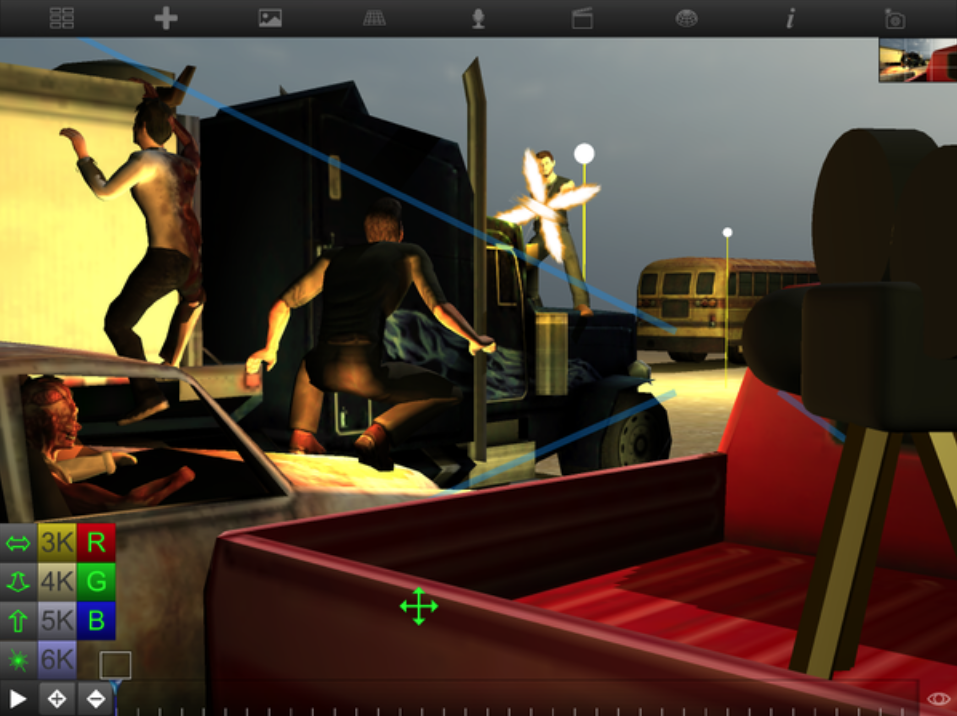
ShotPro ($40) – more for pre-visualization than scheduling, but this will help you tie together your workflow ahead of the shoot.

Screen Shot 2016-08-29 at 1.33.30 PM

Shot Lister ($20) – available on iPad and iPhone, the Shot Lister app has long been a go-to for even professional filmmakers who want to compile a schedule for an entire crew (with the ability to edit in real-time.)

Read more: NYFA’s essential iOS & Android Apps for Filmmakers

Along with your favorite storyboarding and screenwriting suites, those two apps alone will take the sting out of the scheduling tail. With these downloaded, let’s move on…

The Fun Begins

With as much of the pre-production crew in one place and a blank calendar in front of you, it’s time to start … but where?

From the bottom up. Start by “lining” the script. Go through every single line of the screenplay and mark down every actor, extra, prop, costume, vehicle and special effect you’ll need, then compile that information into one long list.

From here, the next logical step is to transcribe your list onto breakdown sheets. These are key items in the planning process, giving you an at-a-glance look of what is needed for each individual scene.

Screen Shot 2016-08-29 at 1.34.19 PM

Breakdown sheets are fairly self-explanatory and easy to fill out. And as luck would have it, we’ve got a breakdown sheet template you can download!

Filling the Calendar

With a breakdown sheet for every scene, you can begin organizing the shoot itself. Start by grouping together scenes that can most easily be shot back to back, in one location. Disregard the chronology of the script; very few productions film in order from the beginning of the screenplay to the end. It’s all about efficiency.

Another golden tip is to aim to do all of your exterior scenes, as well as anything involving extensive special effects or crowd work, at the start of the shoot. If the weather conspires against you or anything else goes awry, you’ll be able to reschedule for later on. Leaving exteriors to the end of your shoot schedule is a sure way to tempt fate.

Screen Shot 2016-08-29 at 1.35.02 PM

Be prepared to cut shots, too. While you should try and shoot scenes from multiple angles wherever possible to give you extra options in the editing suite, don’t be under the illusion that you’ll have time to shoot everything on your storyboard. Always be on the lookout for things that can be sacrificed.

And lastly…

Add 10%

It’s a rule that has served many a filmmaker over the years: whatever time you think you need, add 10 percent.

That applies to the number of days on the schedule and to the length of each individual day, because there’ll always be something that crops up: setting up or breaking down the set taking longer than expected, a sudden rain cloud halting production for half an hour, an actor wanting to experiment, or simply forgetting to budget time for lunch and breaks!

Screen Shot 2016-08-29 at 1.35.47 PM

Scheduling a film shoot can seem like a herculean task, but tackling it one little bit at a time will help you conquer the dragon with as little headache as possible.

Best of luck, and don’t forget to offer your own advice learned along the way in the comments below!

7 Killer Tips for Gorgeous iPhone Photography

Gorgeous iPhone photography is attainable. In the past, we’ve demonstrated that it’s entirely possible to shoot an entire feature film using nothing more than an iPhone, so it’s of little surprise that straight photography with an iPhone can yield very impressive results — if you know how to use the device to its greatest advantage.

Artistic, high-quality photography can be achieved with an iPhone. It’s enough to make you wonder when we’ll stop calling the super computers in our pockets “phones” and think of something more appropriate. Everything machine? Infinity box?

While we work on our new iPhone nickname, read on to discover seven game-changing iPhone photography tips that’ll help you compete against the DSLR pros…

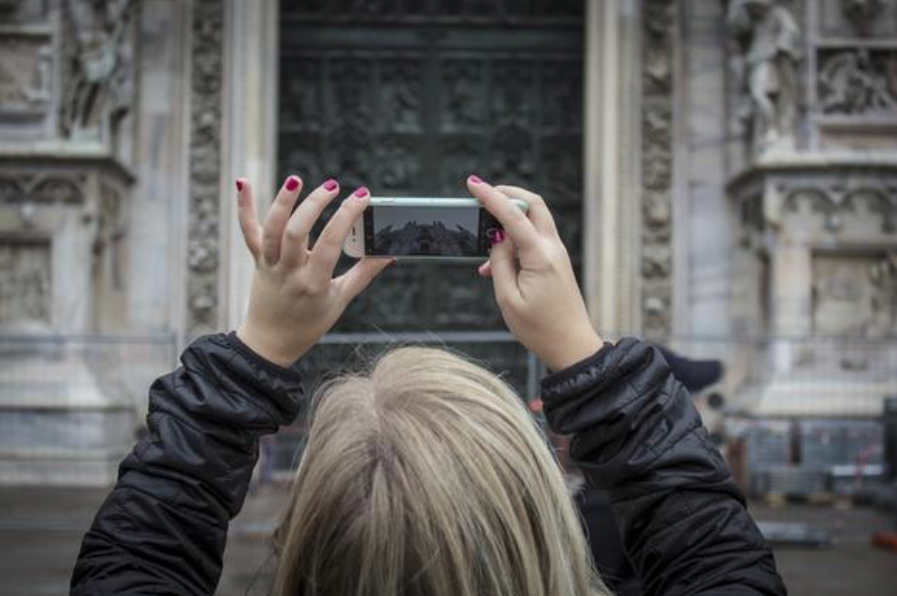
1. Always Use Two Hands

Screen Shot 2016-08-29 at 12.36.39 PM

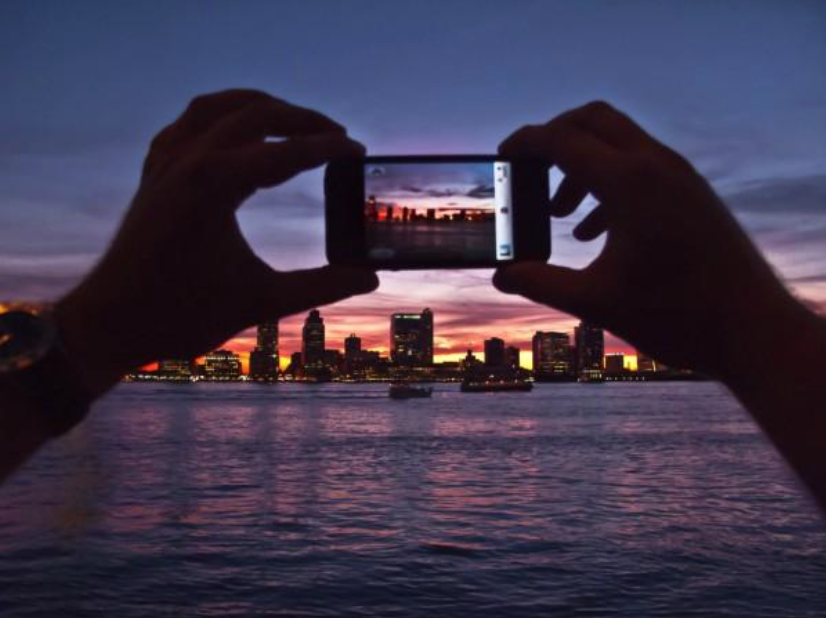
Each iteration of the iPhone is lighter than the last — and while that’s great for general practicality, it’s somewhat detrimental to stability when trying to take a steady shot. Always use two hands to keep the phone as still as possible. This simple trick can really make or break a shot.

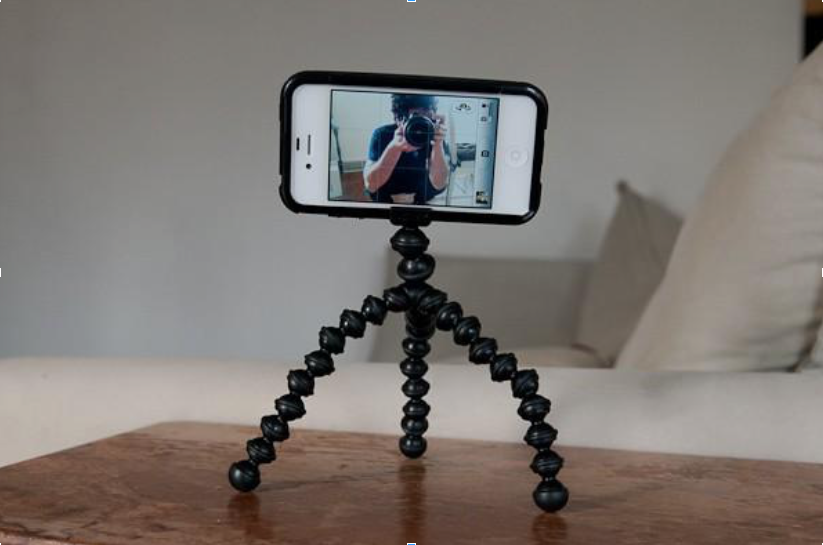
2. The Gorilla Grip Tripod is Worth Its Weight in Gold

Screen Shot 2016-08-29 at 12.32.00 PM

If using two hands isn’t enough to get the steadiness you need for a shot, an iPhone-specific tripod is the perfect solution. These tools are affordable, portable, and can help you achieve angles and framing that you might not otherwise have a chance to try.

3. Put the Headphones to Good Use

Screen Shot 2016-08-29 at 12.32.47 PM

Let’s face it: the iPhone’s headphones aren’t the most impressive audio devices on the market — but they do come with a little-known feature: the “volume up” button doubles as a camera remote! This is a very handy alternative to a selfie stick if you’re using a tripod or want to be in the shot.

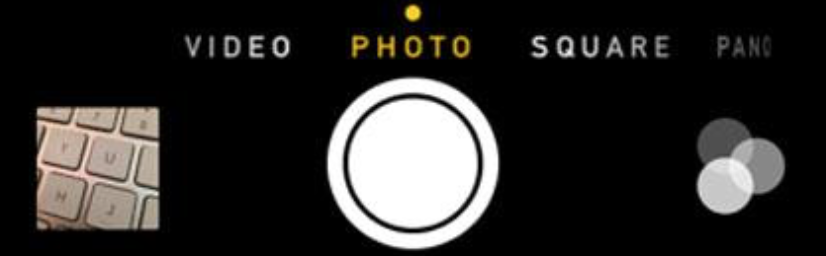
4. Understand the Shutter Button

Screen Shot 2016-08-29 at 12.33.28 PM

It’s simple, right? You press the big button, and it takes a photo.

Not quite. It’s worth noting that the shutter only activates when you remove your finger from the button, not when you press it. If you’ve ever noticed slight motion blur on a shot even though you’re convinced you were perfectly still, it’s probably because you began moving just after pressing the button and assumed the shot was done.

5. Forget the iPhone’s Zoom Feature

Screen Shot 2016-08-29 at 12.34.09 PM

Because it’s a weak feature, on the whole — this is one of the areas in which a smartphone will never compete with a tooled-up DSLR.

If you must zoom in on a subject and can’t simply move closer to it, consider taking the shot as standard and applying zoom in post instead. It’ll look marginally better than the in-built zoom feature, which maximizes every tiny movement and loses a lot of sharpness. That said, there’s an even better solution…

6. Invest in a Lens Kit

Screen Shot 2016-08-29 at 12.34.56 PM

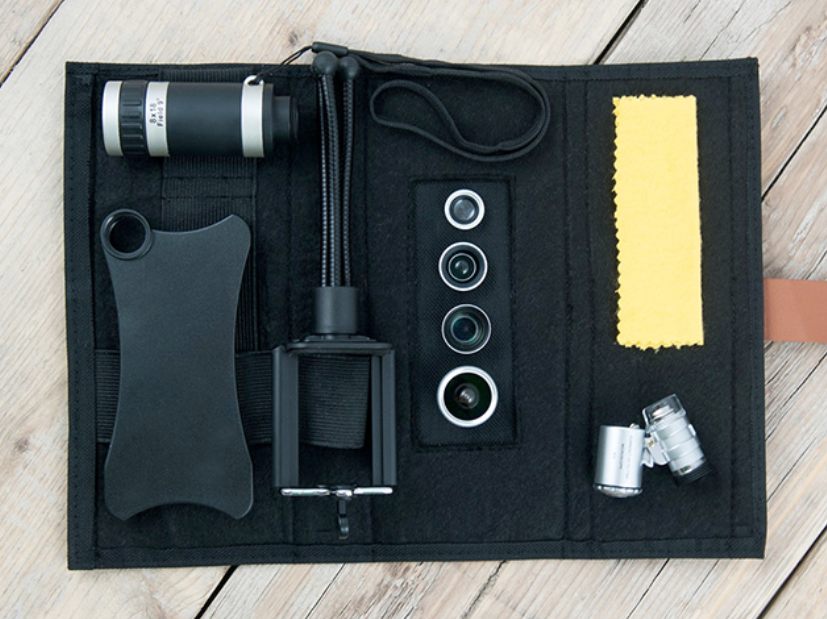
As smartphone photography has increased in popularity, so has the market for lens kits that can attach effortlessly over your phone’s camera. If you’re serious about getting the very best from your iPhone shots, a lens kit is vital.

In this day and age, you’re spoiled for choice and can easily blow $500-$1000 on iPhone lenses, but even a $30 three-in-one kit with a fisheye, wide angle, and macro lens will dramatically improve your results.

Just remember: if you’re going in for an iPhone lens kit, you’ll likely have to replace it every few years as the dimensions of the phone evolve.

7. Everything You Learn at Photography School Still Applies

Screen Shot 2016-08-29 at 12.35.37 PM

All the ”rules” and best practices you’ve spent so much time studying still work on an iPhone. You’re still taking photos with a camera, after all!

Everything you know about composition, finding unique angles and perspectives, identifying interesting subjects, working with lighting and exposure, and exercising great technique are all still ingredients to a good photo — no matter what you’re shooting with. Think of the iPhone as simply another industry-standard tool to master and add to your repertoire as a photographer.

So, get out there and put your photography skills to good use! Remember the golden rule of great photography: the more you shoot, the more likely you are to produce great photos. One of the key benefits of taking photos with your smartphone is that you generally always have it on you. So shoot often and have fun!

Any great iPhone photography tips we forgot to mention? Let us know in the comments below!
3 Filmmaking Lessons from Animals with GoPros

Screen Shot 2016-08-29 at 12.47.17 PM

Animals with GoPros may not have gone to film school or won any Oscar awards, but they may have something to teach us about filmmaking.

Filmmakers strive to create visual experiences that are both relatable and impacting. Usually, the this is accomplished by weaving a story told through the eyes of different people. But what about seeing the world through the eyes of an animal?

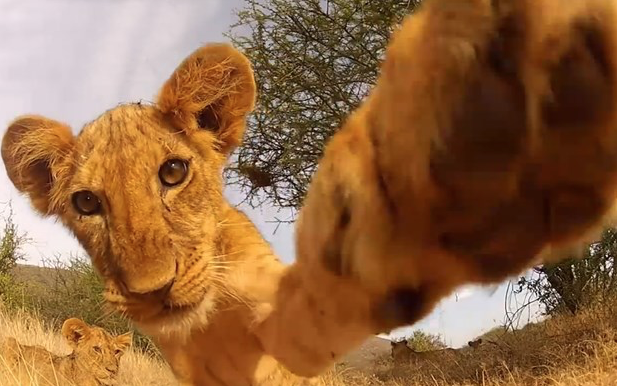
With the help of technology, scientists are now able to attach cameras onto wild animals in order to learn more about them. For the first time, we can see how animals behave and survive while completely free of human influence.

The following are a few lessons aspiring filmmakers might be able to learn from watching footage recorded by animals with GoPro cameras:

1. The Perfect Location Is Out There

Screen Shot 2016-08-29 at 12.48.13 PM

It’s one thing to envision the perfect location in your mind, and quite another to actually find it. The fact is, one of the biggest (and most enjoyable) challenges in filmmaking is finding a location that not only serves the needs of your story but can also accommodate your production. Many filmmaker are forced to alter their scripts when the perfect location eludes them.

But sometimes, the answer may be to not give up too soon. When the National Geographic Society attached their Crittercams to a wild animal, they obtained more than just information on the animal itself; they collected environmental data and were continually astounded by the gorgeous locales these animals find. If you fail to find the perfect spot for a particular scene, don’t let it be because you cut your search short.

2. Perspective Is Important

Screen Shot 2016-08-29 at 12.49.12 PM

Imagine walking through a field where there’s only waist-high wheat as far as the eye can see. The golden colors contrast with the bright blue sky and white clouds, creating a gorgeous view. Now imagine that same field as a small animal, or even a child. The tall, seemingly-endless fields of wheat may evoke a sense of claustrophobia or fear of never finding your way out — or worse, the fear of running into a predator.

The lesson is simple: there’s power in perspective. Every future filmmaker should work to understand why each of the common camera shot types are important and how to best utilize them to tell their story. The best filmmakers know which shots work best to instill a specific emotion into their audience. Read our camera shots piece to learn more about popular camera shots and why they are useful.

3. Understand Social Interaction

Screen Shot 2016-08-29 at 12.53.40 PM

If there’s one thing you’ll discover by watching GoPro animal footage, it’s how social most species of animals are. From whales and penguins to wolves and gorillas, animals all over the planet interact with one another to the point where they even form their own societies! Vampire bats, for example, have colonizes ranging in the thousands that still manage to maintain a basic social structure and hierarchy.

The lesson to learn from animals? How people interact matters. Social context matters. The story beyond an individual character matters. This is why most movies receive a negative reception usually also have a cast of actors who are terrible at displaying genuine emotion. In other words, they fail to convince because you can tell they’re pretending. It’s when actors interact with one another and their world in a moving and believable way that you have viewers completely entranced by the characters. To achieve that as a filmmaker, it’s important to root your story in an environment and social context that audiences can understand.

Have a favorite animal movie or life lesson? Let us know in the comments below!

Is Method Acting Truly Over? Jared Leto’s Joker

Make no mistake about it: the technique known as method acting has played a huge part in the history and evolution of the acting profession, and there are many venerated method actors still producing exceptional works today.

But does method acting have a place in the future of the industry?

That’s the question raised in a recent Atlantic op-ed entitled “Hollywood Has Ruined Method Acting.” It’s a bold claim, and one that is worthy of unpacking.

But first, what is method acting?

NYFA New York’s acting program chair Glynis Rigsby feels it’s important to recognize that this, in itself, is an important question: “’Method acting’ is typically aligned with the work of Lee Strasberg as separate and distinct from the many phases of Stanislavski’s work, Michael Chekhov, Sandy Meisner, Stella Adler and others. (Stanislavski had a system, Strasberg had a method).”

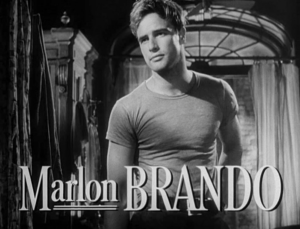
What made Strasberg and “the Method” distinct among  American acting techniques was an emphasis on intensely experiential, personal work — that can be gruelling physically and emotionally. This is usually what American audiences associate with “the Method,” in contrast to Russian innovator Stanislavski’s system, which also emphasized the actor’s use of imagination to portray their roles.

Why So Serious?

Screen Shot 2016-08-29 at 1.09.28 PM

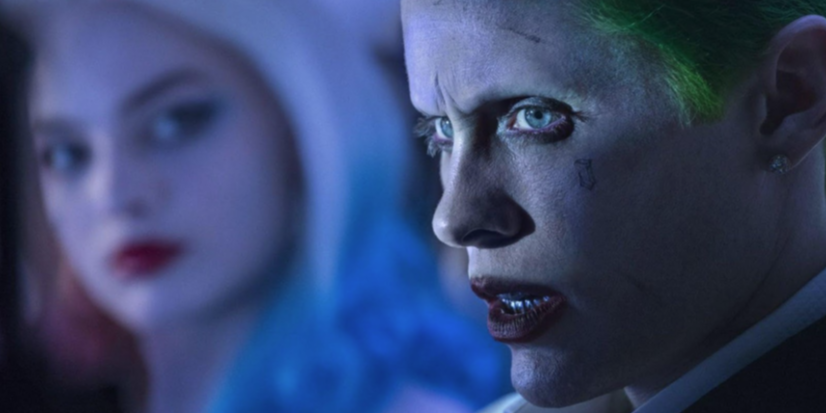
The Atlantic uses the oversaturated news about Jared Leto’s method acting during his turn as The Joker in “Suicide Squad” as a springboard for discussion, pointing towards how tales of his antics during production — sending cast members used condoms, forcing the crew to call him “Mr. J”, and marathon-watching tapes of real violence — has bombarded media reporting about the film.

And while the accuracy of these stories has been called into question, there’s no doubt whatsoever that they have generated more column inches than is warranted or necessary. As an unimpressed Esquire writer put it: “Can Jared Leto shut up about his method acting in ‘Suicide Squad?’ We get it.”

That was written long before the movie even came out. There have been even more press interviews since where the topic has been crowbarred in, to the point where it’s rare to see Leto’s name printed as anything less than “Method Actor Jared Leto.”

Alongside the fact that this is an annoyingly (and increasingly) popular marketing trick and arguably little else, the wider charge here is that it creates the illusion that there is no such thing as good acting without suffering.

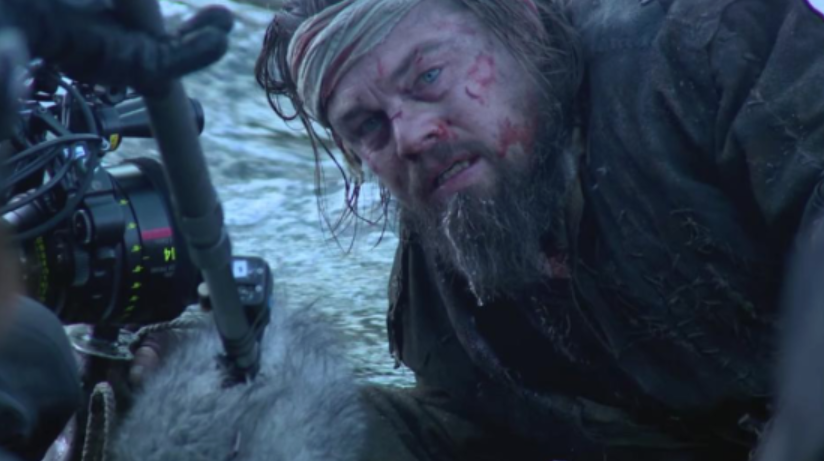
As Angelica Bastién notes in her Atlantic piece, a huge deal is made of the extremes of method acting (think DiCaprio’s tribulations during “The Revenant”). The issue here is that this sometimes happens to the exclusion of all else during the marketing — and critical examination — of a film.

Blood, Sweat and Weight Loss

Screen Shot 2016-08-29 at 1.23.07 PM

The main problem with this phenomenon is that when a high-profile actor claims to be a “method actor,” this is meant to signal to the media that they have accomplished “a performance worth paying attention to.” And that doesn’t necessarily follow.

That’s not to say that Leonardo DiCaprio isn’t a fine actor (because he is), but many industry insiders and actors feel that the Academy shouldn’t base their awards decisions on who lost the most weight for a role that year — or who slept in how many dead animal carcasses during production.

Bastién also makes a compelling case in her article for the gender disservice perpetrated here, too; when you think media talks of “strong” method performances, it’s nearly always males that come up — and acting “manly” in some physical way.

This overshadows exceptional performances by many female method acting giants (think: Melissa Leo in “The Fighter,” Jessica Lange, Ellen Burstyn), and raises the question whether a casting director, producer, or audience would have as much patience with a female lead pulling shenanigans in the name of “method acting” like Leto. Female method actors are arguably often ignored.

But all of this, of course, sidesteps the question of whether method acting in reality is the same as method acting in the media — and whether drawing attention to an actor’s preparation should matter when it comes to experiencing their performance.

Stanislavski’s Tool Box

Screen Shot 2016-08-29 at 1.19.46 PM

We’ve said it before and we’ll say it again: method acting is not a magic bullet that will instantly makeyou a better actor. It’s a tool to be used with specificity, purpose, and discipline.

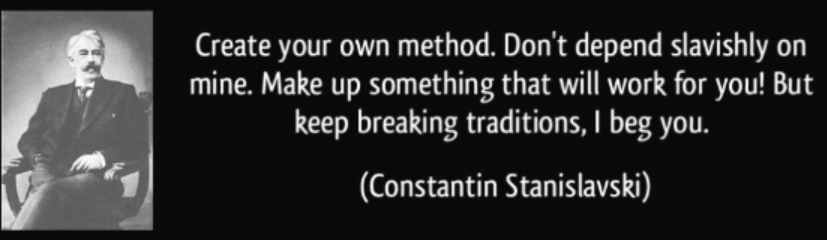
Constantin Stanislavski is seen as the father of modern acting, but his pioneering advances in the craft are often glossed over and he gets referred to simply as “the guy who invented method acting.” As we learned above, this is a misconception: Stanislavski’s innovations later inspired Lee Strasberg to create the robust and demanding style we think of as method acting.

Stanislavski himself was keen to urge students to find their own paths rather than rigidly follow his example, and had many more ideas to offer to an actor looking to expand his or her toolbox.

So Is Method Acting Over?

Screen Shot 2016-08-29 at 1.12.59 PM

No. At least, not in the sense it’s the last we’ll hear of it in the media. And we hope that conscientious actors will continue to carefully apply their method skills in safe and smart performance choices. Method acting still has a place in the profession, as long as the story is put first and the spectacle of a performance (or related hype) remains secondary. Ultimately, it’s the performance — and not necessarily the actor’s way of working — that audiences remember.

If method acting is a discipline that works for you, it may be prudent to take a leaf out of Daniel Day-Lewis’ book: do the work and let your performances speak for you.